Back To School Compact Dehumidifiers

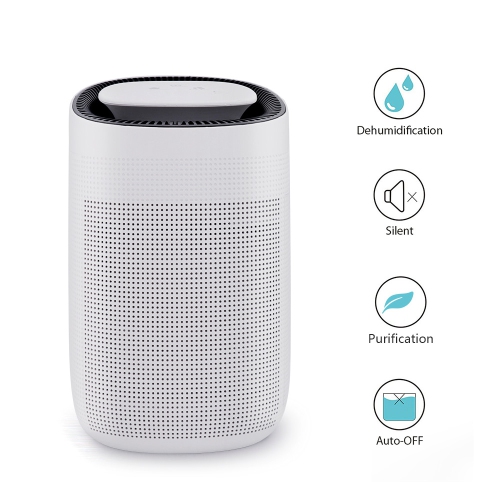
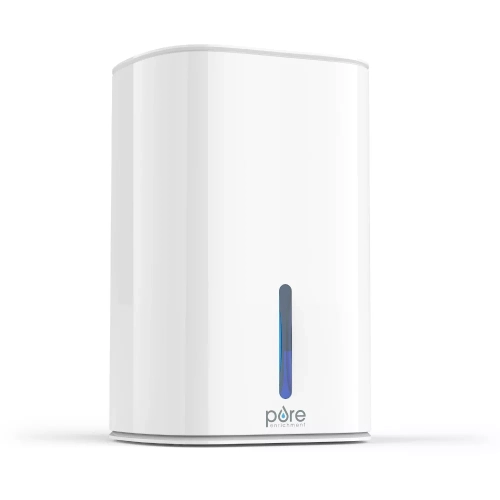
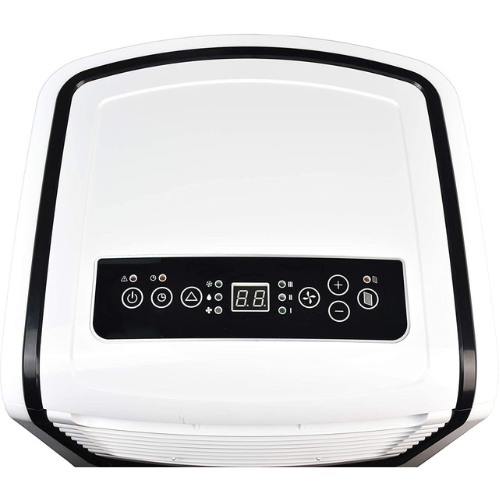
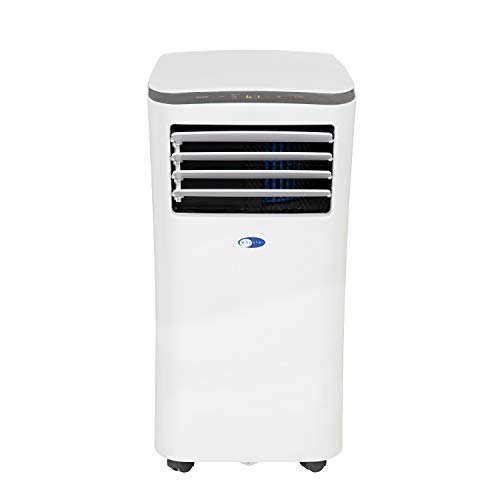
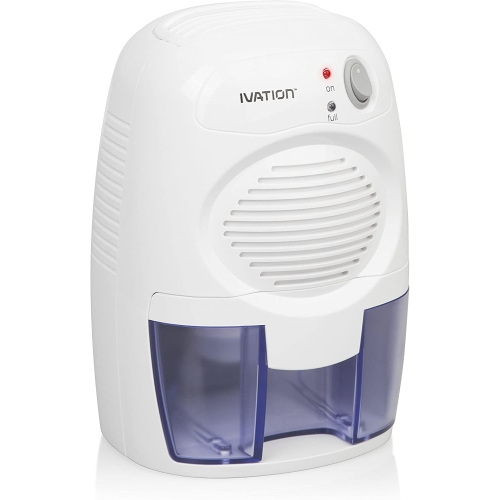
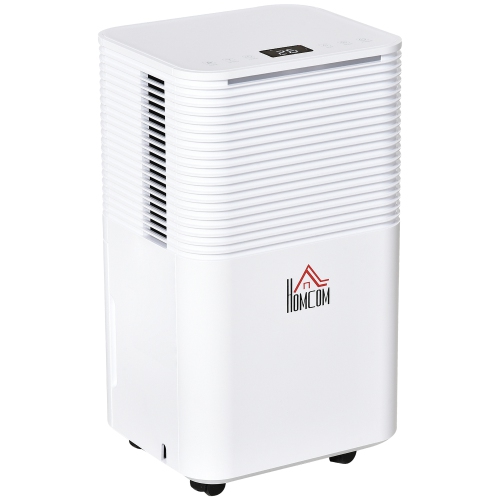
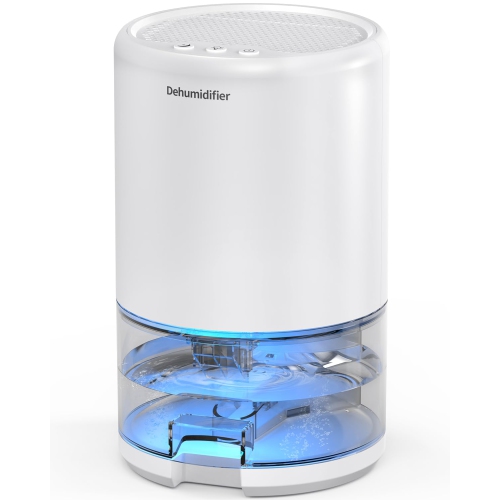
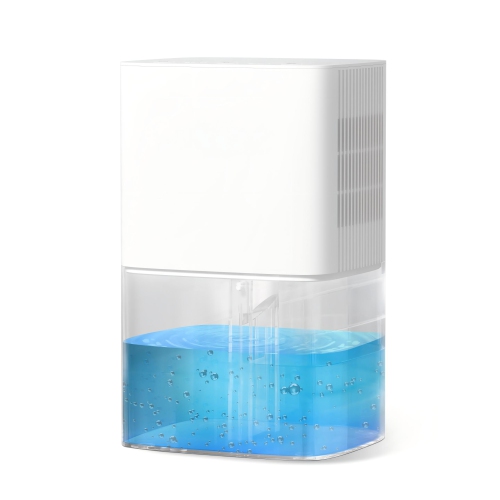
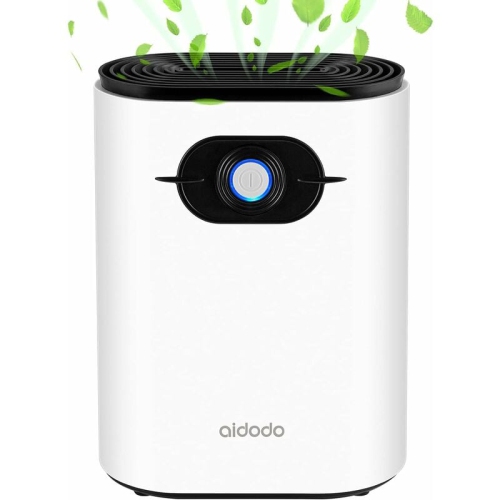
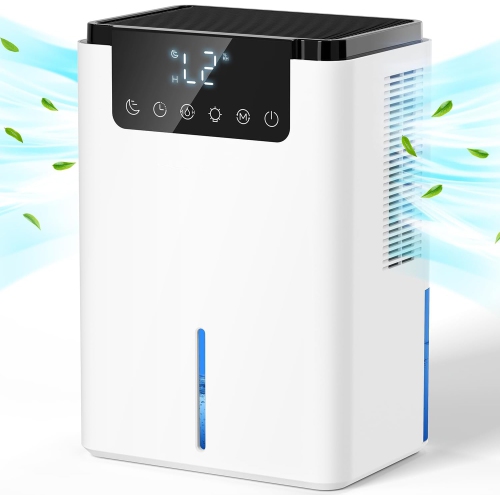
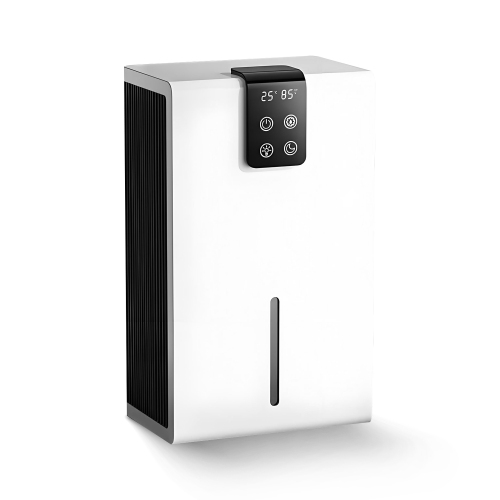
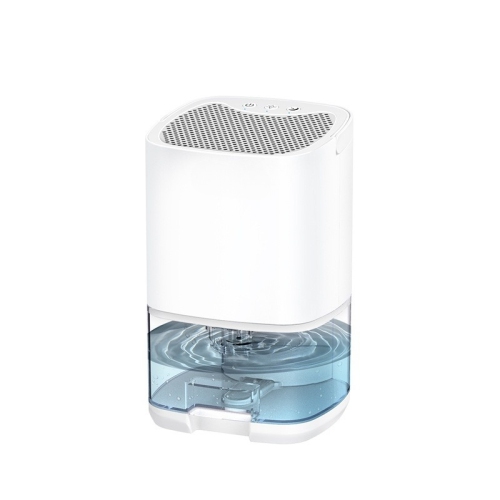
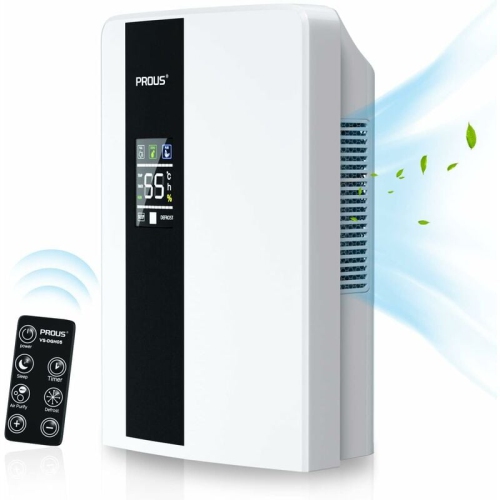
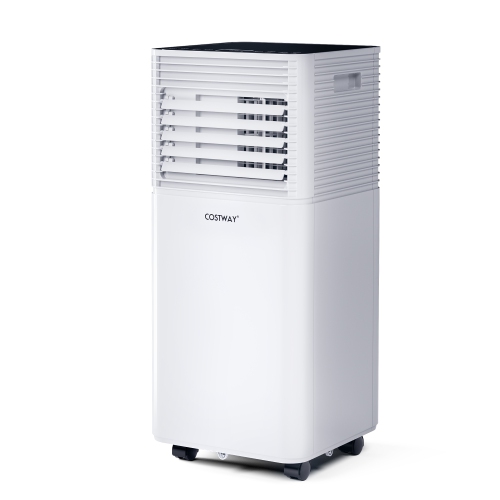
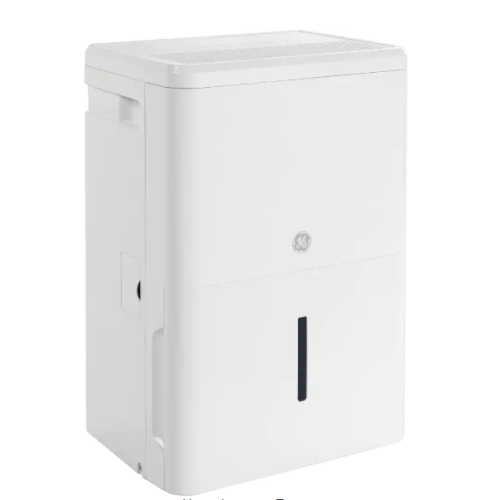
Back-to-school compact dehumidifiers help manage excess moisture in smaller spaces, from bedrooms to study areas. Browse space-saving options and compare room coverage, water tank capacity, and noise levels to find a fit for your space and daily routine.
Read More

Sort

Back To School Compact Dehumidifiers
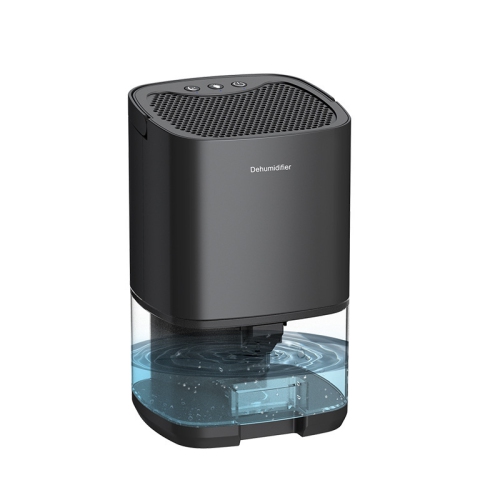
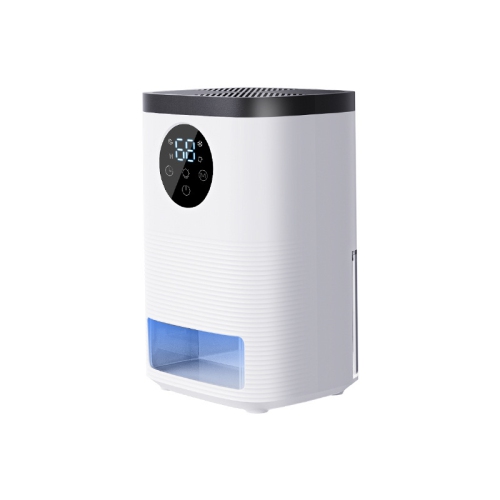
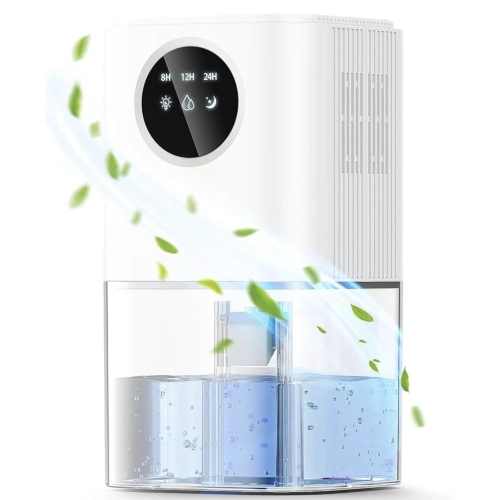
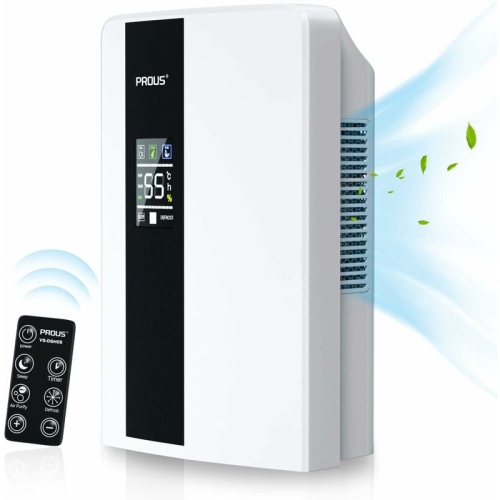
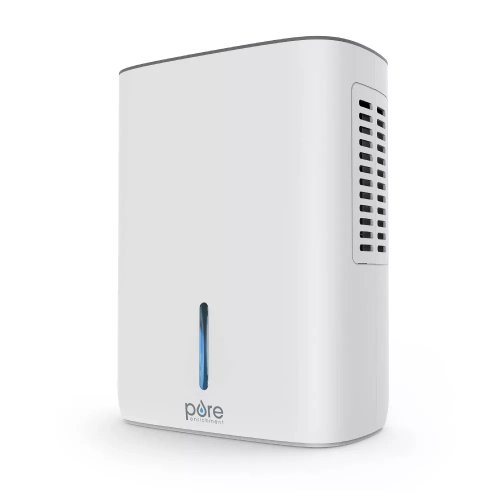
Back to School Compact Dehumidifiers offer a practical way to manage excess moisture in smaller spaces as students settle into a new term. Between damp towels hanging behind a door, laundry drying on a rack, and rainy-day jackets brought home after class, moisture can build up in a bedroom or shared rental. A compact dehumidifier can help bring humidity down without taking up the floor space needed for a desk, bookcase, or bedside table. These smaller appliances are worth considering for student bedrooms, home study areas, and other rooms that feel persistently damp, provided the unit is rated for the space and conditions. For students moving away from home, or parents putting together useful essentials for a first apartment, a suitably sized model can be a thoughtful, practical gift. The appeal is straightforward: a room that feels less clammy, with an appliance that fits into daily life rather than becoming another bulky item to work around.

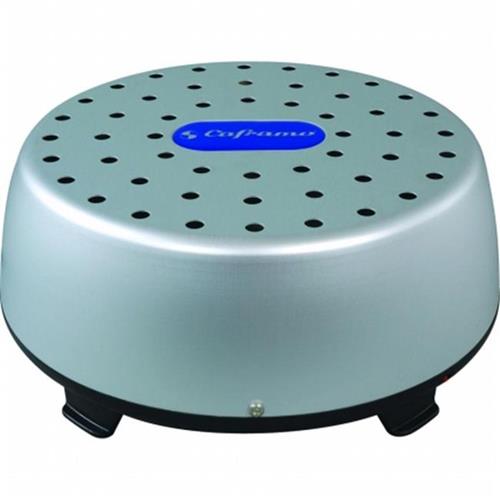
When comparing compact dehumidifiers, look beyond their physical dimensions to the amount of moisture they can remove and the room size they are designed to serve. A small water tank does not necessarily mean a unit is suited to every small room, and a lightweight desktop model may not keep up with persistent dampness in a basement rental. Moisture-removal ratings depend on testing conditions, so actual performance will vary with room temperature and humidity. Thermoelectric models are often compact and relatively quiet, but generally remove less moisture than compressor-based units; cooler rooms can also limit performance, making the stated operating temperature range an important detail. A separate humidity monitor can help you understand what the room needs rather than relying on how the air feels alone. Indoor relative humidity is commonly kept around 30% to 50%, though a lower level may be needed during cold Canadian weather to limit window condensation. If there is an active leak, recurring mould, or a persistent moisture problem, a dehumidifier is not a substitute for addressing the source with the property owner or an appropriate professional.

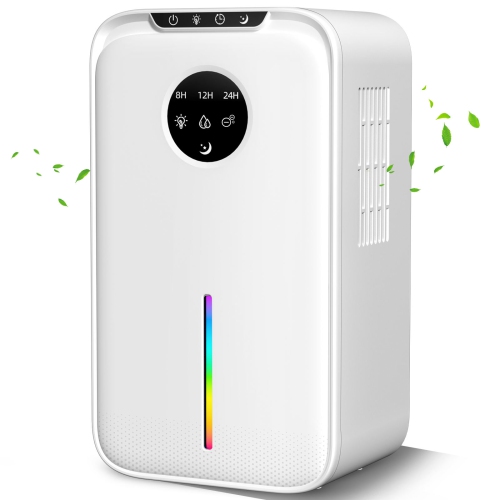
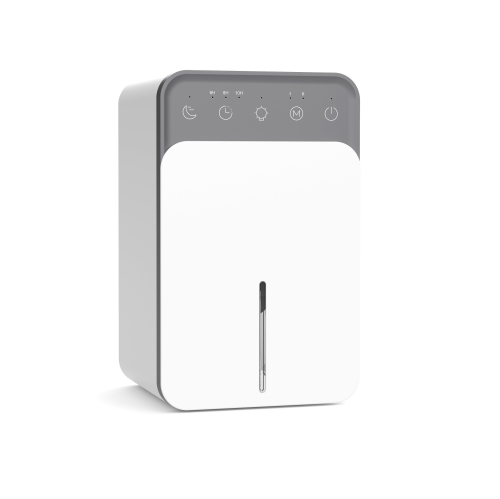
Day-to-day convenience matters just as much as moisture removal, especially when the week is divided between lectures, assignments, and part-time shifts. Consider how easily the tank lifts out, whether it can be carried to the sink without spilling, and how often it may need emptying. Automatic shut-off when the tank is full is a useful feature, while adjustable humidity settings can reduce the need for manual changes. For a unit that will run near a bed or study desk, compare published noise levels where available and check whether indicator lights can be dimmed; a bright display can be surprisingly noticeable once the room lights are off. Continuous drainage may suit longer periods of use, but it requires a compatible setup and, for gravity-fed drainage, an appropriately positioned drain. Before choosing a spot, allow the ventilation clearance specified by the manufacturer and keep the unit on a stable surface away from bedding, curtains, and stacked textbooks. Easy access for tank cleaning and any required filter care will make upkeep simpler. For residence rooms, check appliance rules before purchasing, and choose a size that will be manageable when it is time to pack up at the end of term.

Read More

FAQ

Some products may be subject to Environmental Handling Fees (EHF) depending on your province. Learn more about EHFs.