Laptops for Electrical Engineering Students
Navigating the world of electrical engineering demands a laptop that can keep up with intensive software and complex simulations. Laptops for electrical engineering students need to offer robust performance, reliability, and versatility to handle everything from circuit design software to data analysis tools. Whether you're in a lecture hall or a late-night study session, having the right laptop can make all the difference in your academic journey. Explore options that blend power and portability, ensuring you have the technological edge needed to excel in your studies and beyond.
Sort
Laptops for Electrical Engineering Students
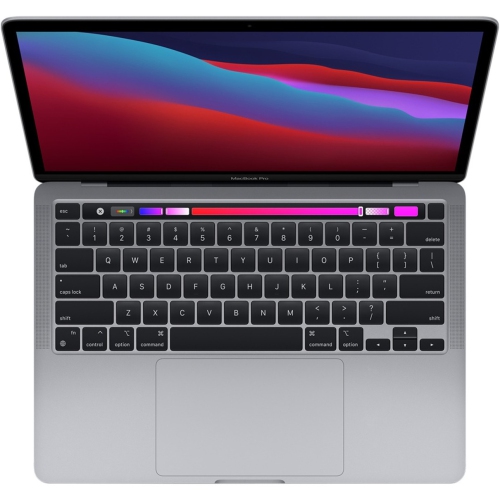
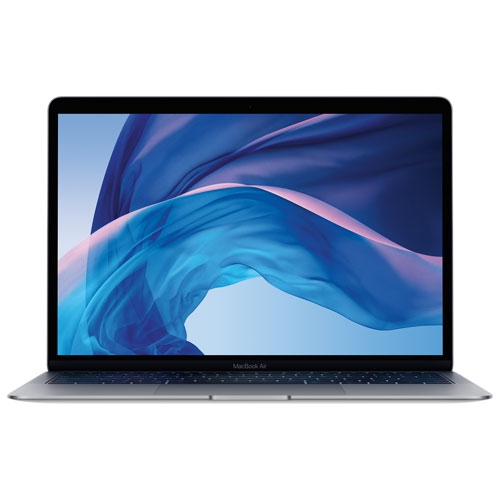
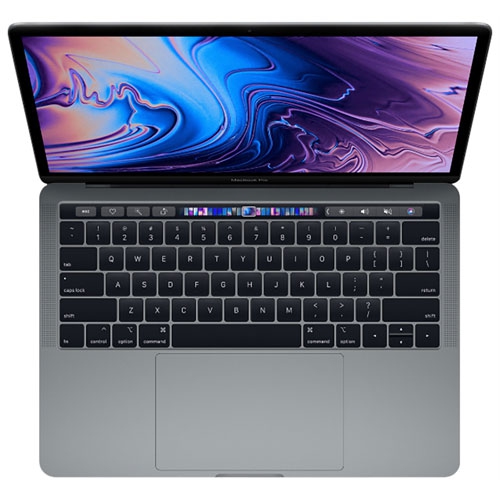
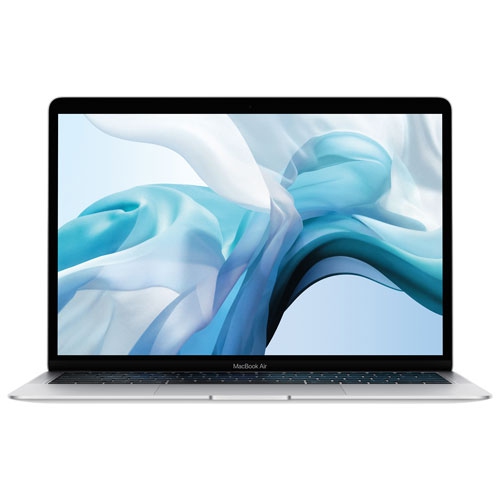
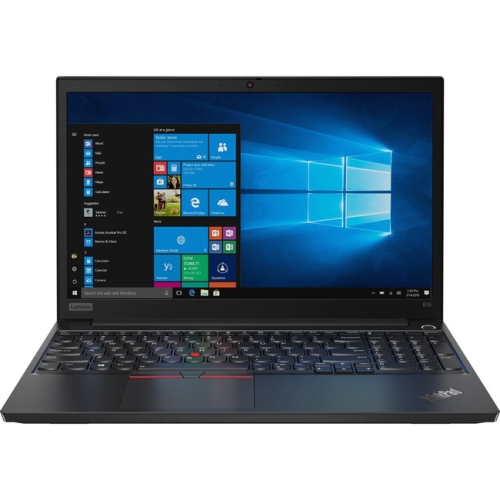
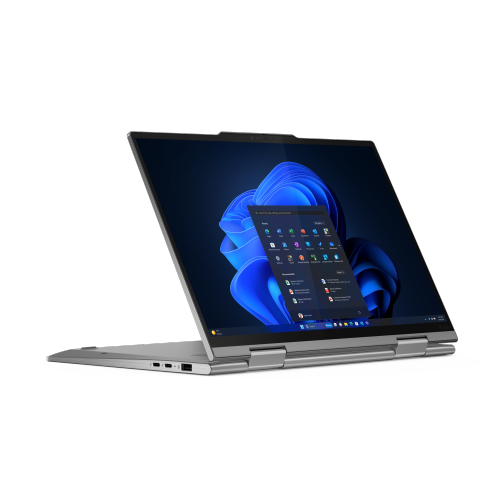
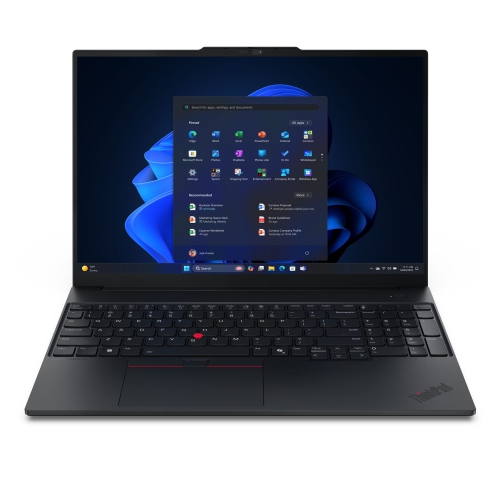
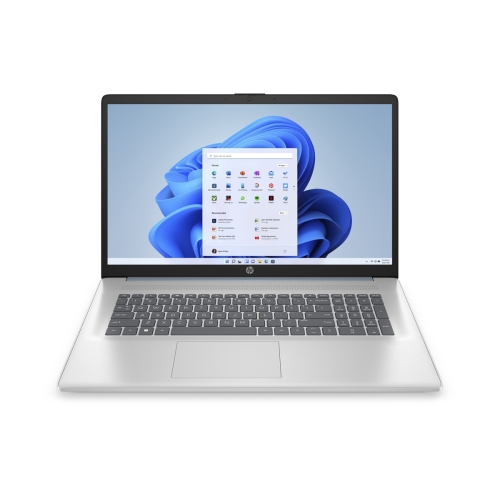
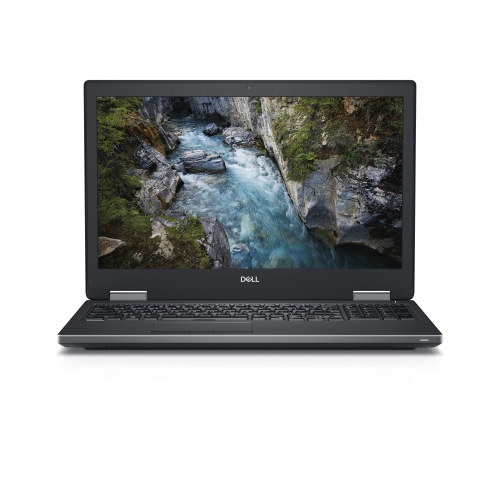
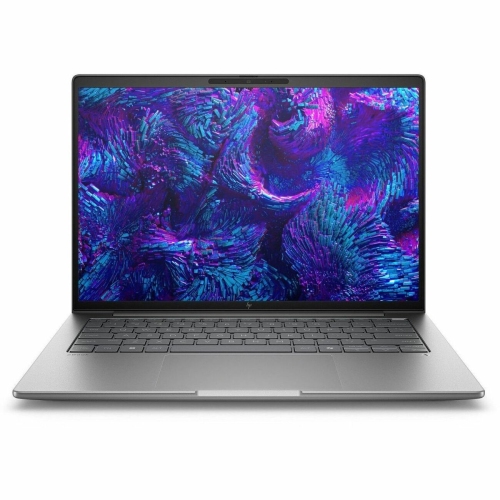
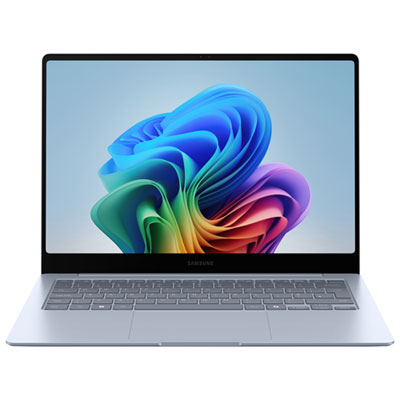
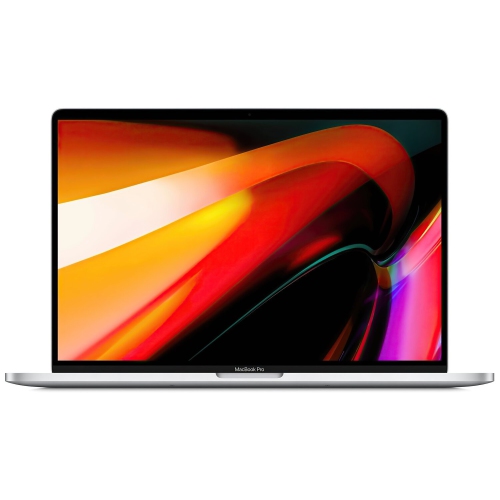
Choosing the best laptops for electrical engineering students is a decision that can shape your entire academic journey, especially as winter gives way to spring and coursework ramps up with new projects and design challenges. Whether you’re just starting your studies or preparing for advanced simulation labs, the right electrical engineering laptop becomes your essential companion for everything from coding assignments to late-night circuit simulations. These laptops are designed to handle demanding software such as MATLAB, PSpice, and CAD programs, which require a robust combination of processing power, memory, and dedicated graphics. A high-performance CPU—like an Intel Core i7/i9 or AMD Ryzen 7/9—paired with at least 16GB of RAM (with 32GB preferred for multitasking and running complex simulations) ensures your workflow stays smooth, even when you’re running multiple programs or rendering intricate schematics. A dedicated NVIDIA graphics card is a must-have for students working with 3D modelling or simulation software, while a fast 1TB SSD helps keep load times short and file transfers seamless, so you can focus on your assignments instead of waiting for files to open.
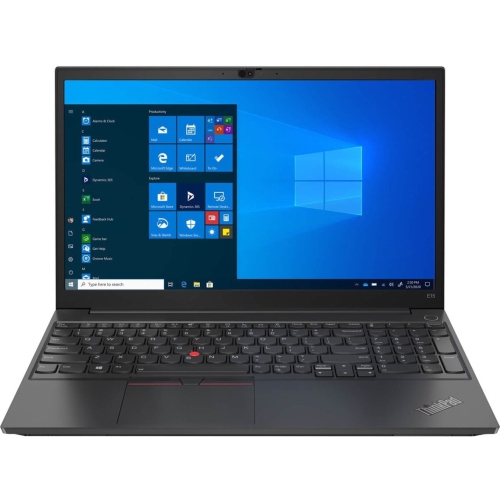
Display quality and size also play a significant role in your daily experience, especially when you’re spending hours fine-tuning circuit diagrams or coding algorithms. The best laptops for electrical engineering typically offer a 15-inch to 16-inch screen with at least Full HD resolution, and a 16:10 aspect ratio is ideal for maximizing vertical space—perfect for viewing code or large schematics without constant scrolling. Port selection is another key consideration, as you’ll often need to connect to microcontrollers, lab equipment, or external monitors for group projects and presentations. A good mix of USB-C and USB-A ports, along with HDMI or DisplayPort, ensures you’re ready for any classroom or lab scenario. Battery life is also important; while high-powered workstations deliver top-tier performance, they can be heavier and may require more frequent charging. Striking a balance between power and portability is essential for those long days on campus, when you might be moving between lectures, group study sessions, and lab work. Windows-based laptops are generally recommended, as most engineering software is optimized for or exclusive to Windows, making them the best laptops for electrical engineering students who rely on these tools daily.
An electrical engineering laptop isn’t just a practical investment—it’s also a thoughtful gift for students heading into university, celebrating a milestone, or preparing for internships and co-op placements. The right laptop can empower a student to tackle complex coursework, collaborate effectively on group projects, and explore new areas of design and simulation. As the season shifts and the academic calendar fills with deadlines and design expos, having reliable technology by your side means you can focus on innovation, creativity, and problem-solving. For those looking to compare options or explore more choices tailored to engineering disciplines, visit our dedicated Laptops For Engineering Students page for a full selection of models that meet the rigorous demands of electrical engineering programs. With the best electrical engineering laptops, you’ll be ready to take on every challenge your studies present, from the first lecture of the semester to your final capstone project.
Display quality and size also play a significant role in your daily experience, especially when you’re spending hours fine-tuning circuit diagrams or coding algorithms. The best laptops for electrical engineering typically offer a 15-inch to 16-inch screen with at least Full HD resolution, and a 16:10 aspect ratio is ideal for maximizing vertical space—perfect for viewing code or large schematics without constant scrolling. Port selection is another key consideration, as you’ll often need to connect to microcontrollers, lab equipment, or external monitors for group projects and presentations. A good mix of USB-C and USB-A ports, along with HDMI or DisplayPort, ensures you’re ready for any classroom or lab scenario. Battery life is also important; while high-powered workstations deliver top-tier performance, they can be heavier and may require more frequent charging. Striking a balance between power and portability is essential for those long days on campus, when you might be moving between lectures, group study sessions, and lab work. Windows-based laptops are generally recommended, as most engineering software is optimized for or exclusive to Windows, making them the best laptops for electrical engineering students who rely on these tools daily.
An electrical engineering laptop isn’t just a practical investment—it’s also a thoughtful gift for students heading into university, celebrating a milestone, or preparing for internships and co-op placements. The right laptop can empower a student to tackle complex coursework, collaborate effectively on group projects, and explore new areas of design and simulation. As the season shifts and the academic calendar fills with deadlines and design expos, having reliable technology by your side means you can focus on innovation, creativity, and problem-solving. For those looking to compare options or explore more choices tailored to engineering disciplines, visit our dedicated Laptops For Engineering Students page for a full selection of models that meet the rigorous demands of electrical engineering programs. With the best electrical engineering laptops, you’ll be ready to take on every challenge your studies present, from the first lecture of the semester to your final capstone project.
Top Collections:
Best Laptops Under $1000, Kindle Devices, Best Cell Phone Under $500, Dyson Airwrap, Best Laptop For Video Editing, Wireless Earbuds Under 200, Budget Smartphones, Canon G7X Camera, iPhone 15 Apple, Fire Stick TV
Some products may be subject to Environmental Handling Fees
(EHF) depending on your province.
Learn more about EHFs.