Laptops for High School Students
If you're a high school student, you probably know that your laptop is more than just a tool for homework and social media. It's also an extension of your personality. So when it comes time to choosing a new one, you want to make sure it fits your style and your needs.
Sort
![LENOVO Thinkbook 14 G2 [Business Laptop] - 14" Fhd Ips Laptop for Business And Students](https://multimedia.bbycastatic.ca/multimedia/products/500x500/196/19654/19654776.jpeg)
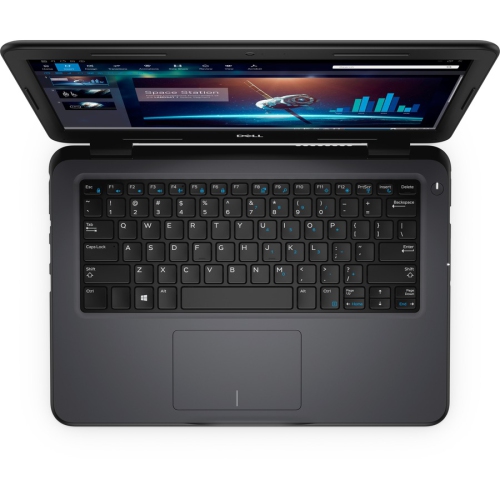
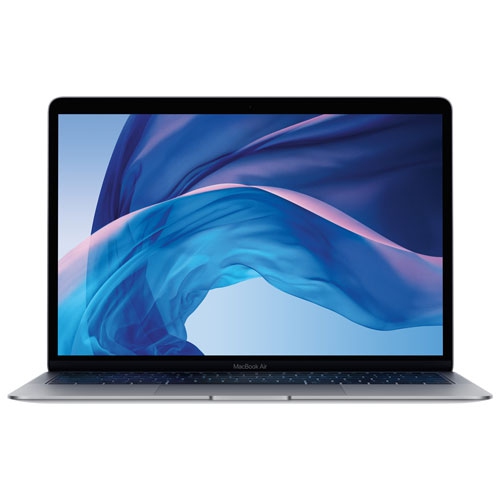
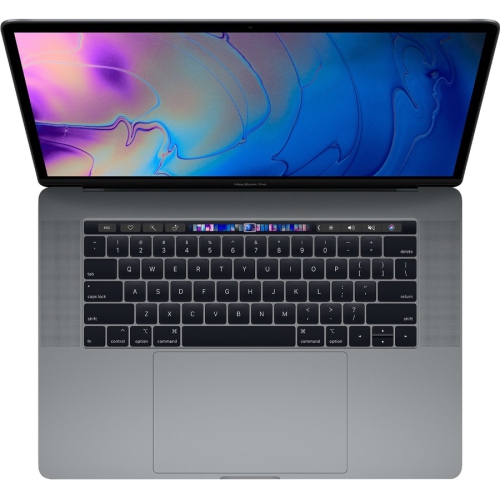
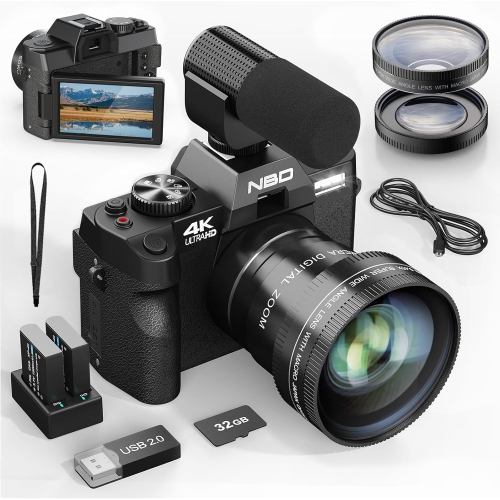
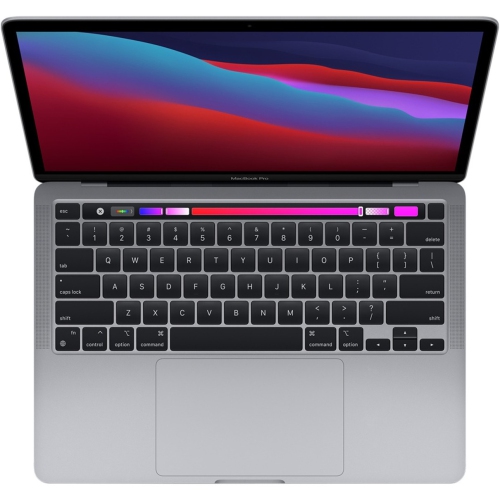
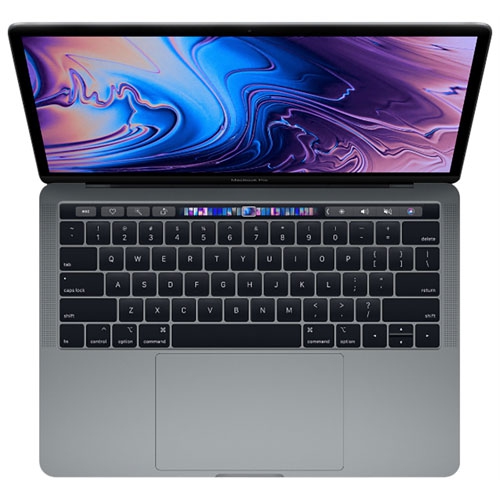
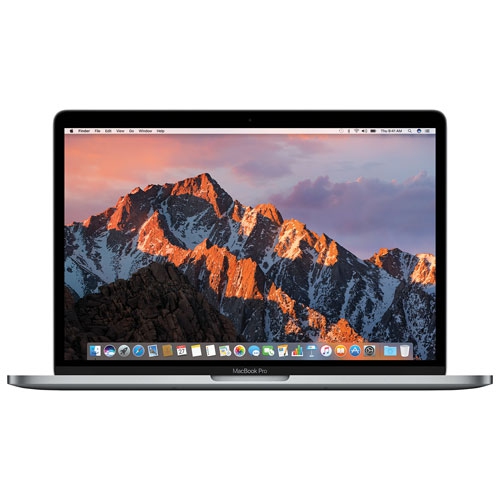
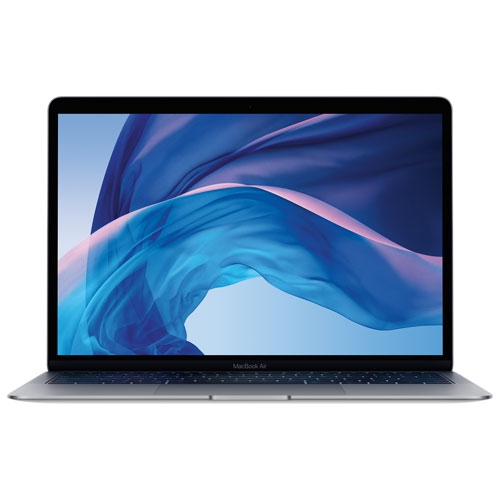
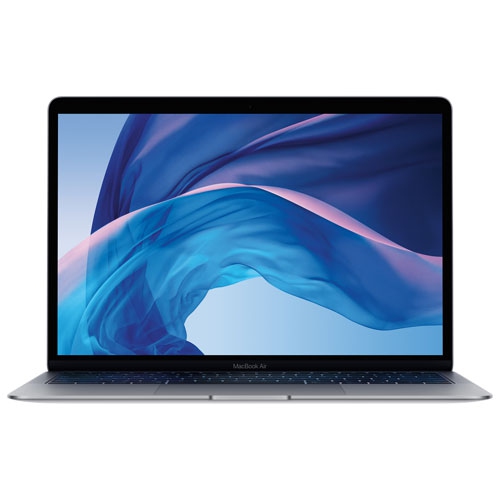
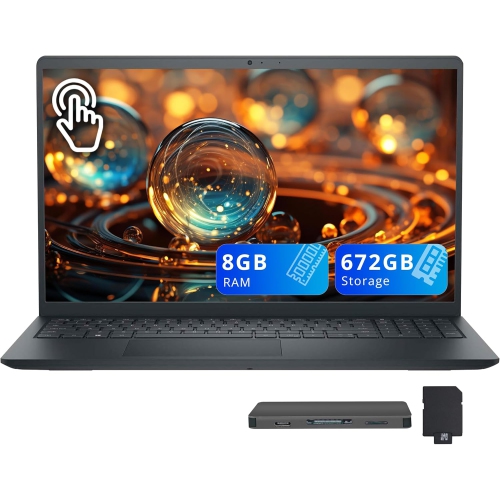
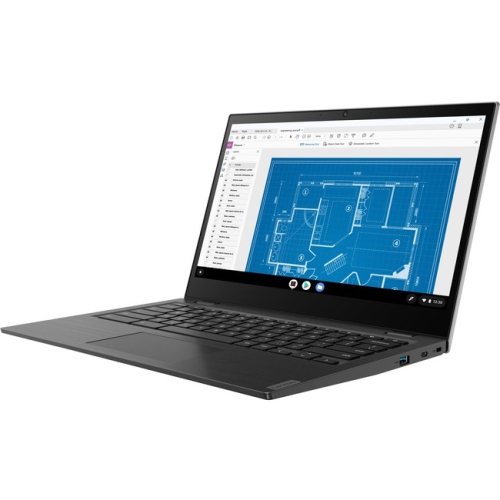
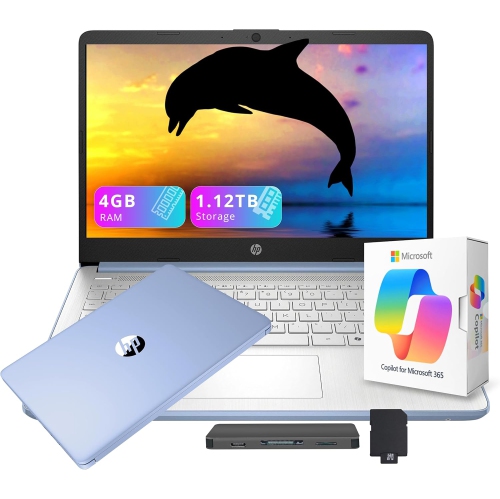
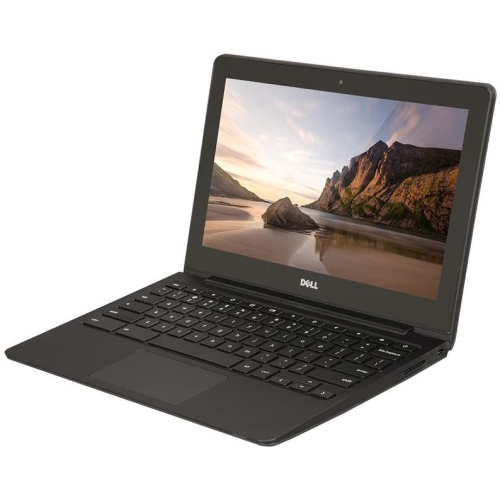
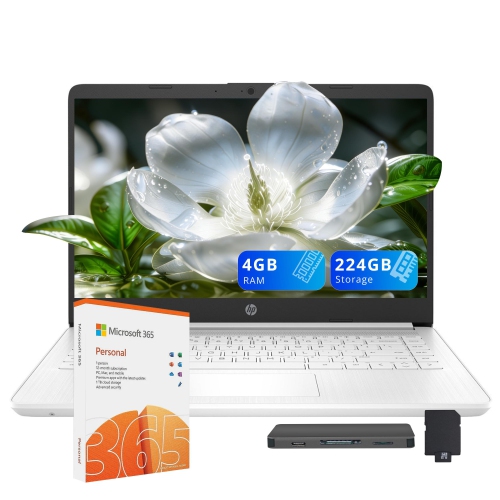
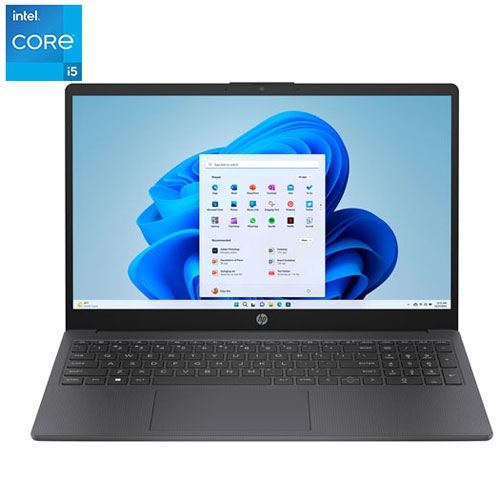
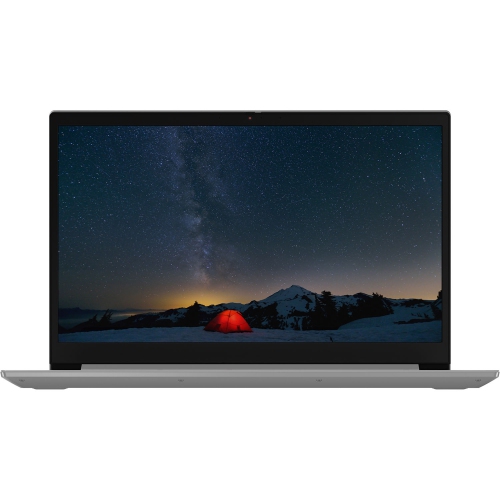
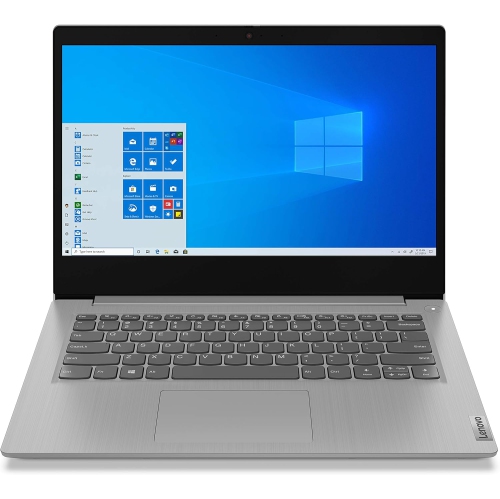
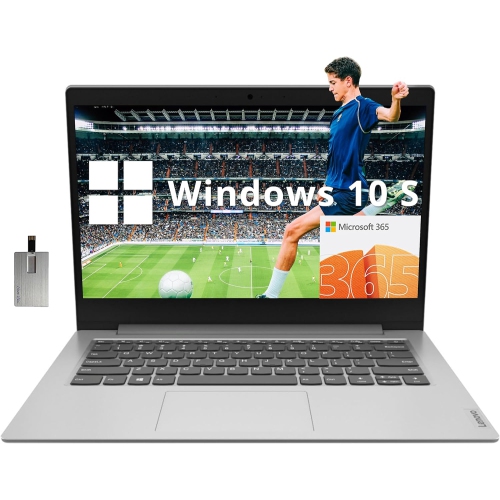
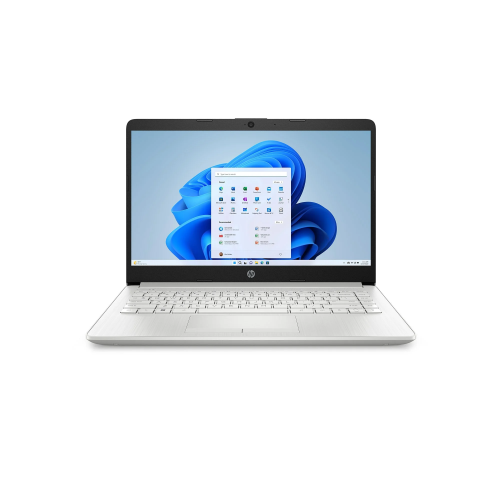
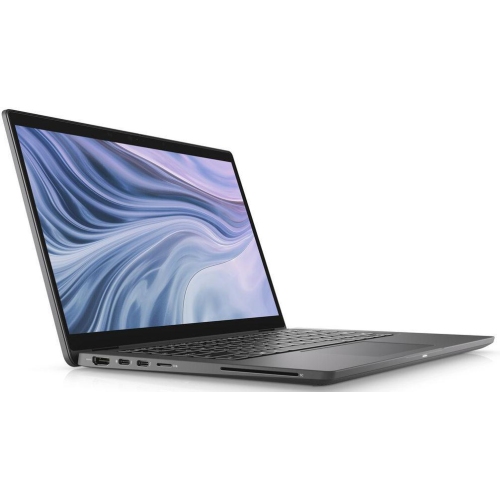
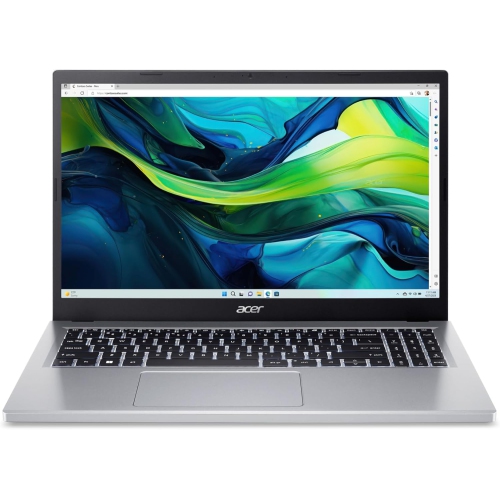
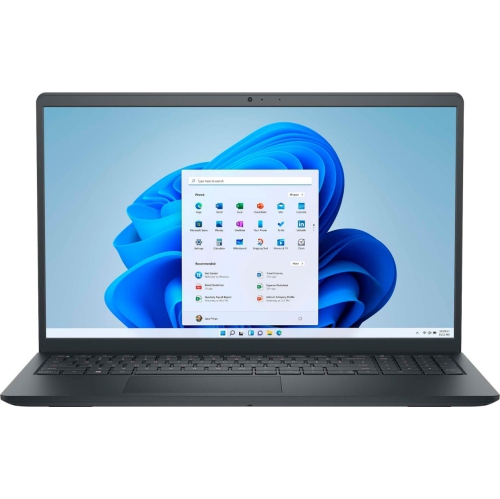
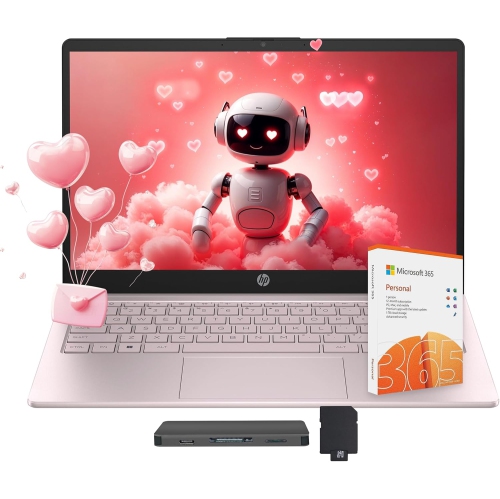
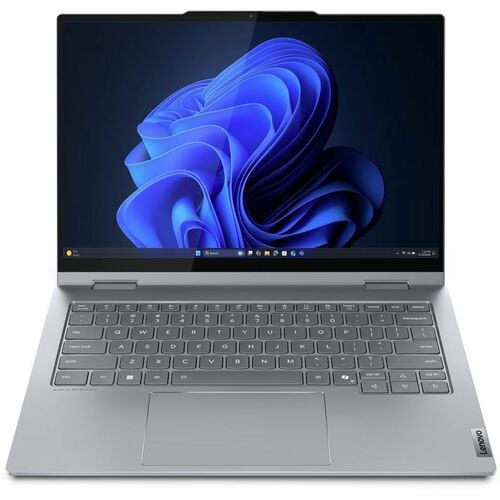
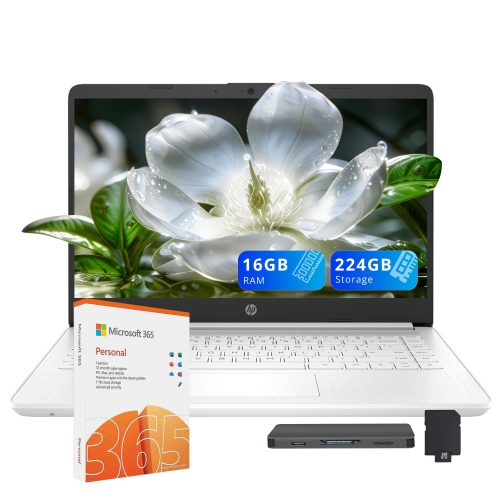
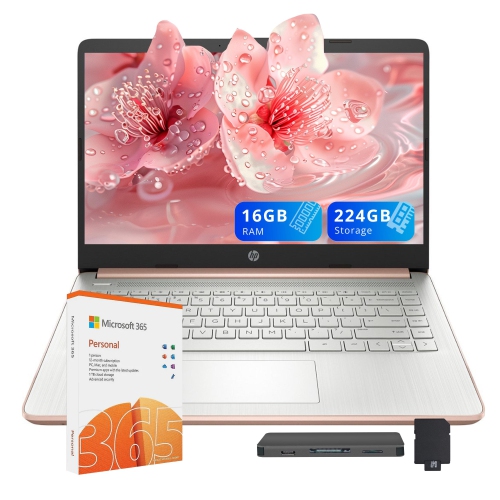
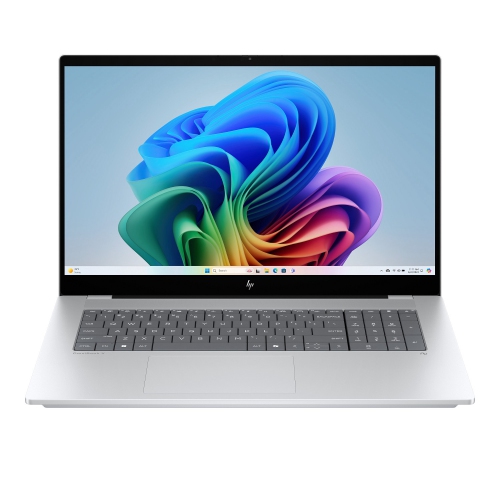
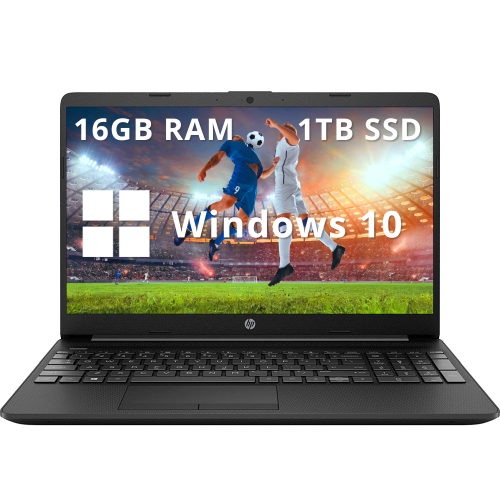
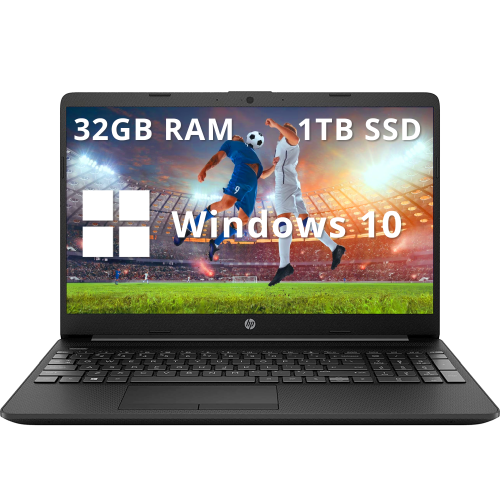
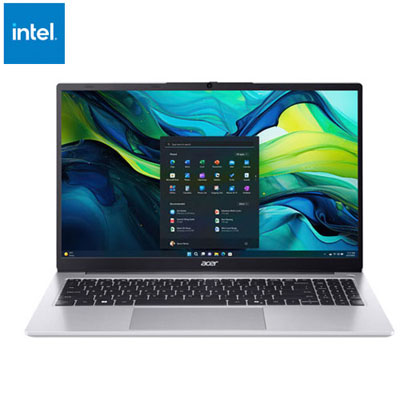
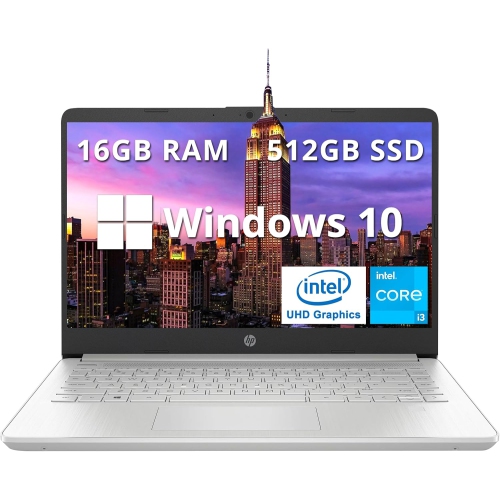
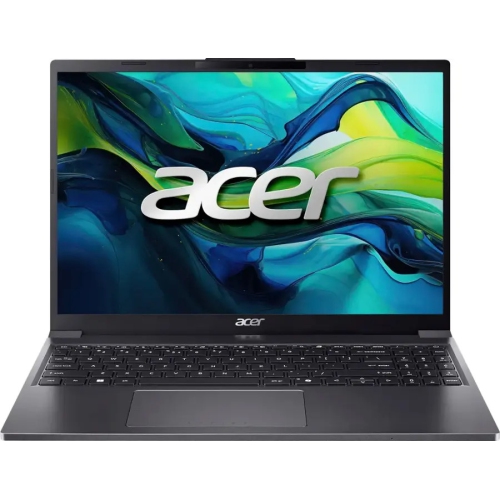
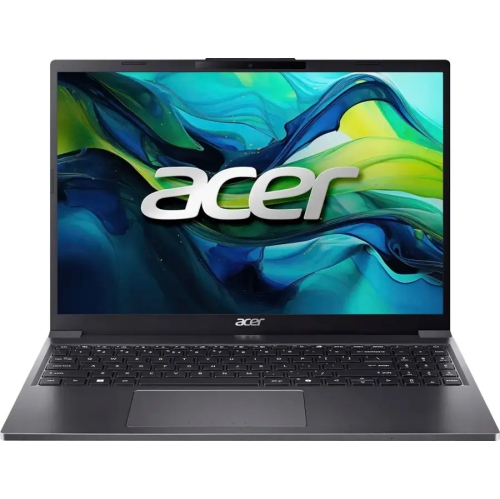
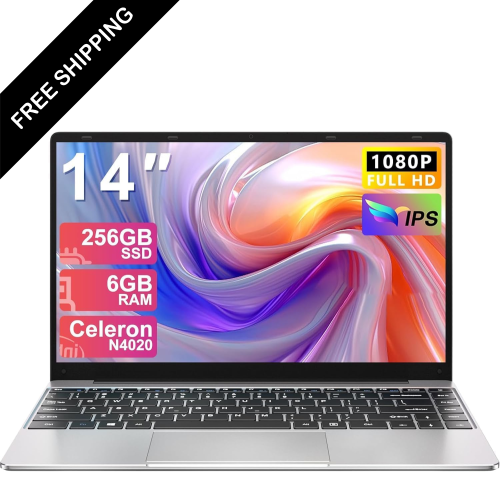
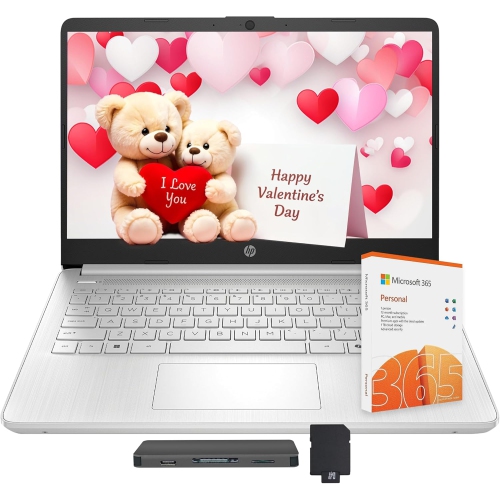
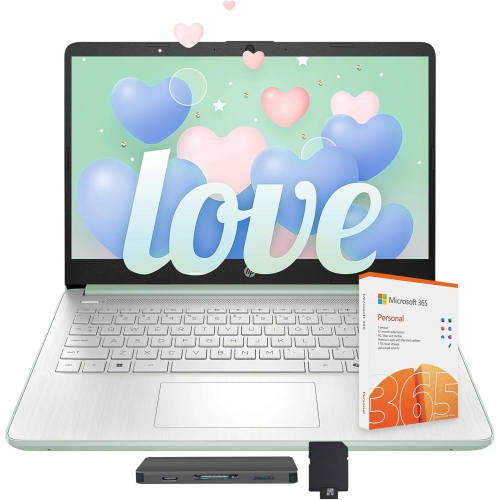
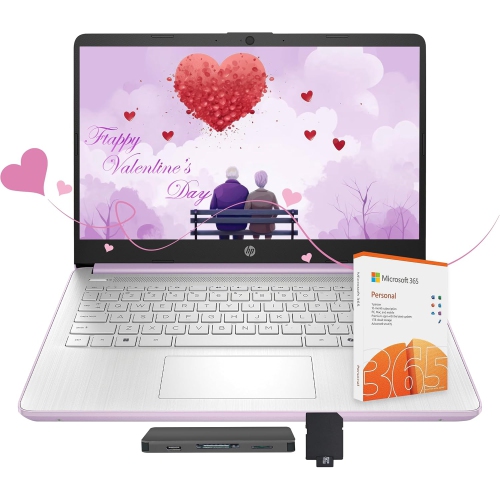
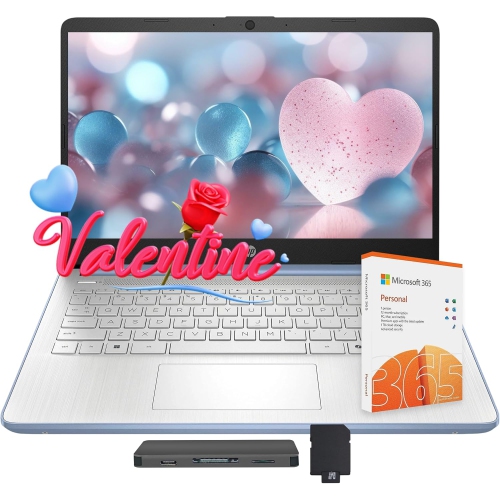
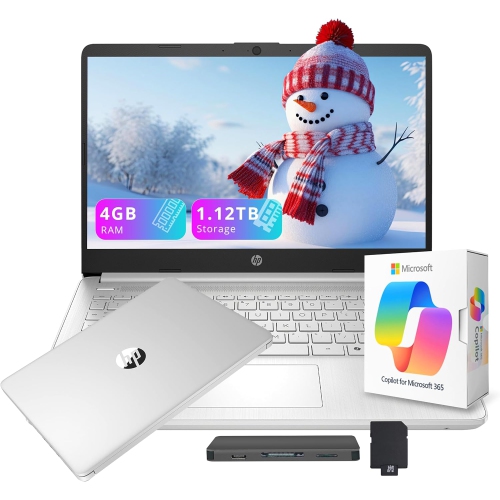
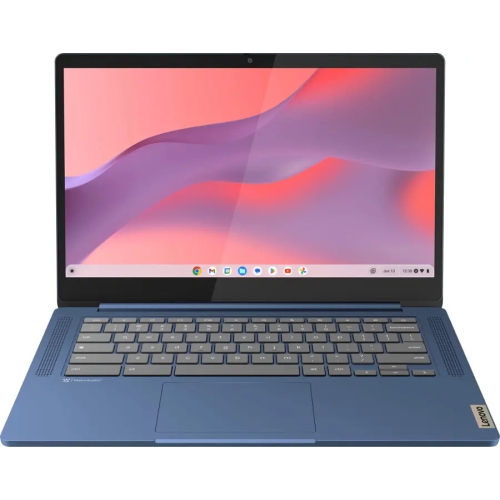
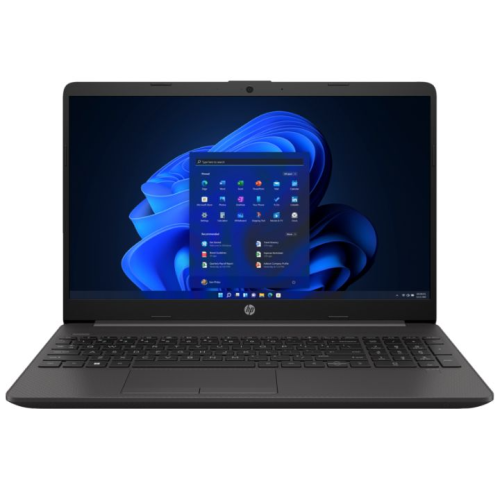
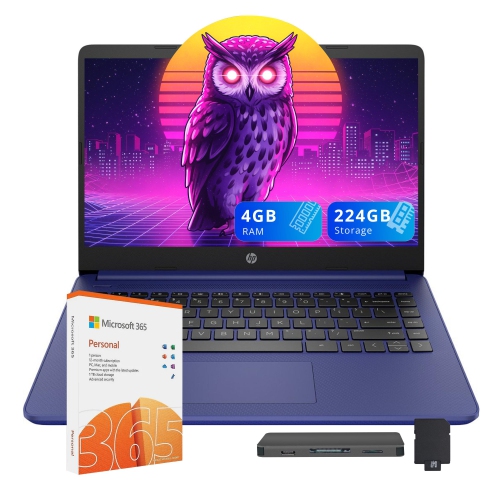
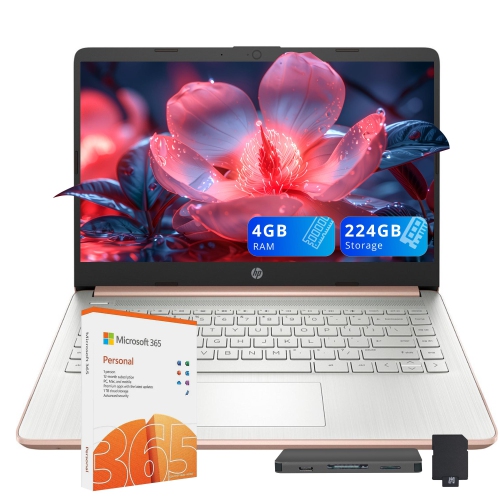
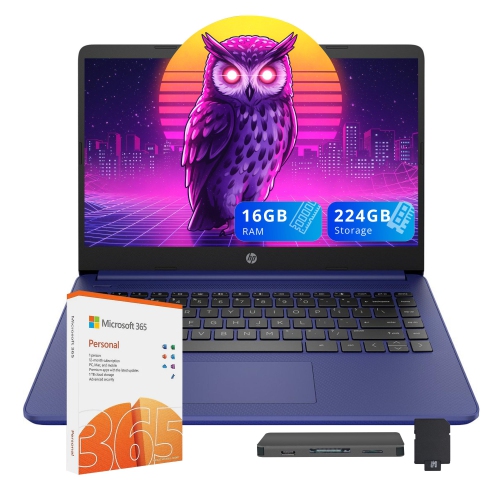
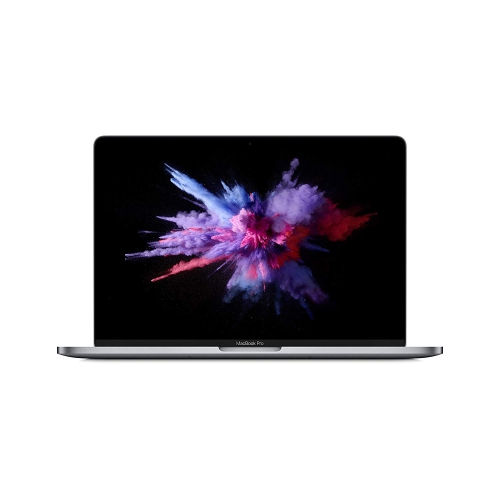
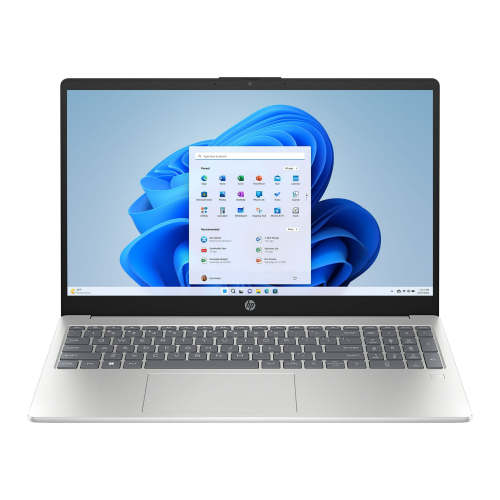
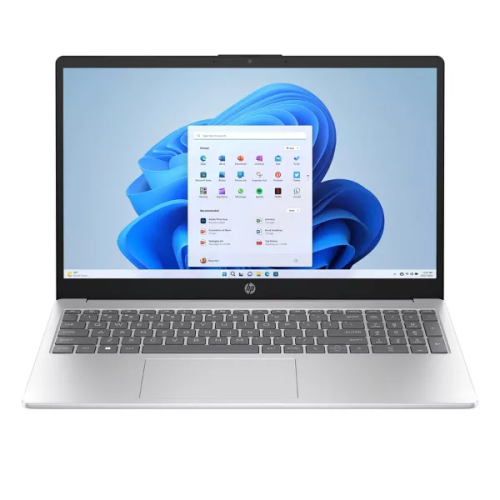
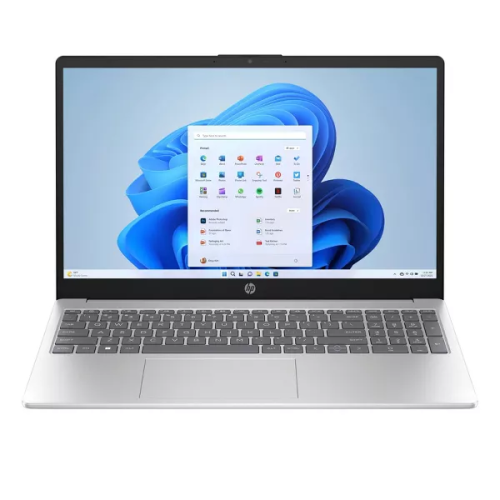
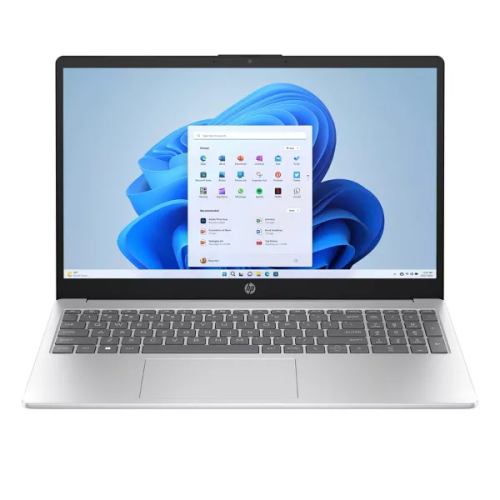
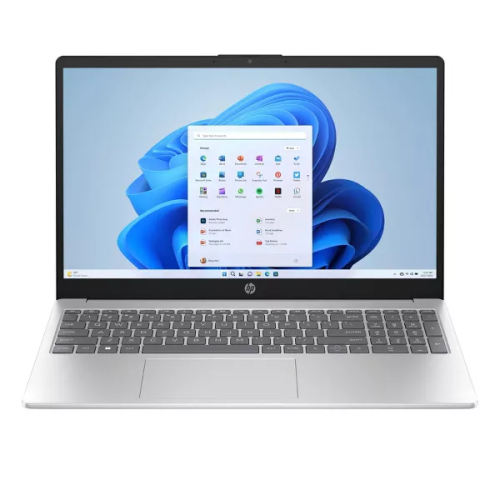
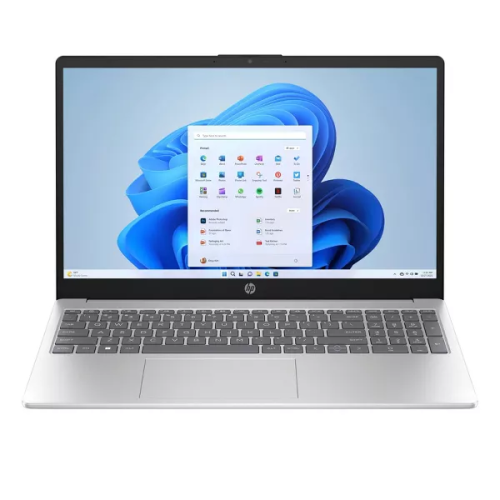
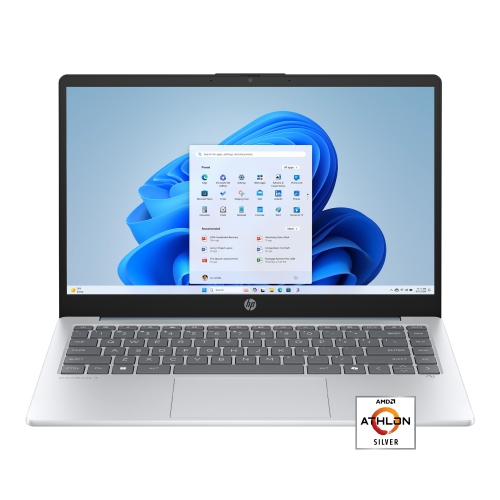
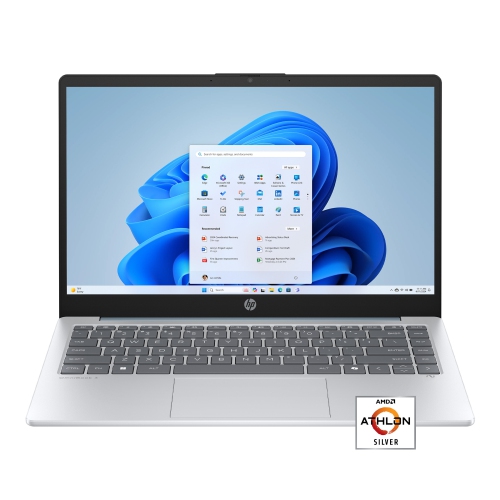
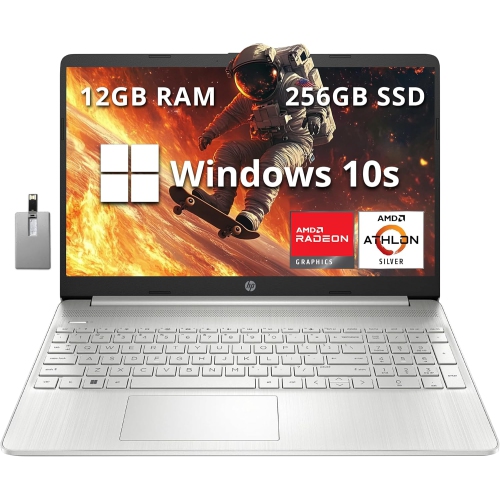
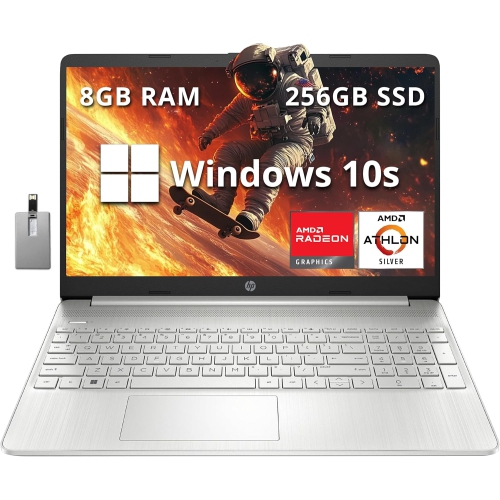
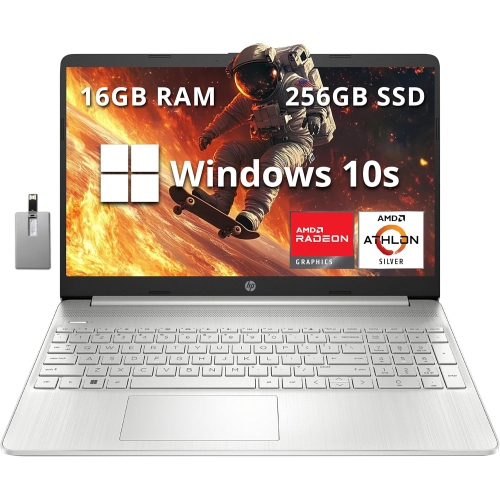
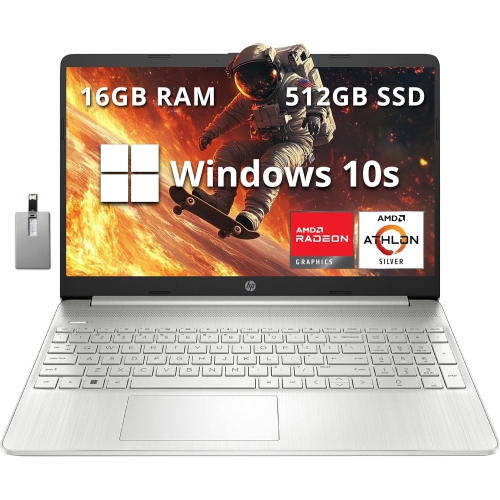
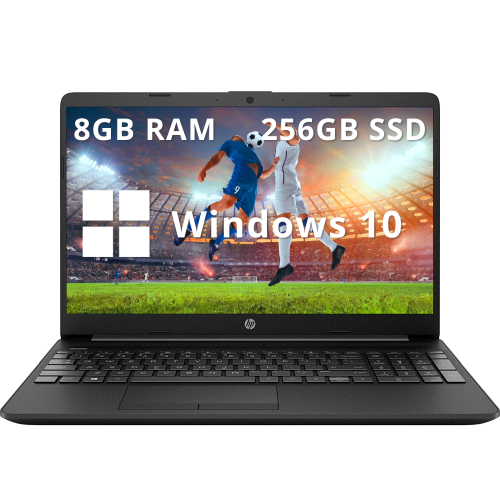
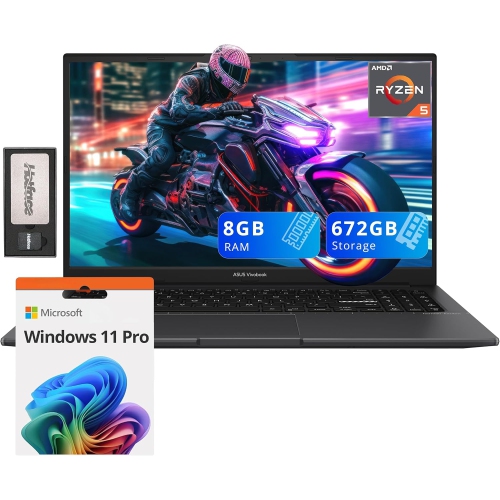
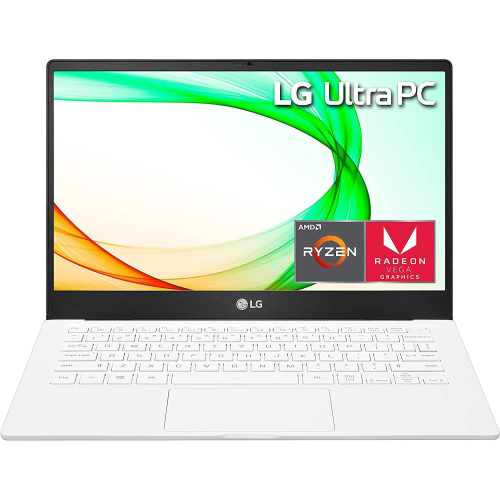
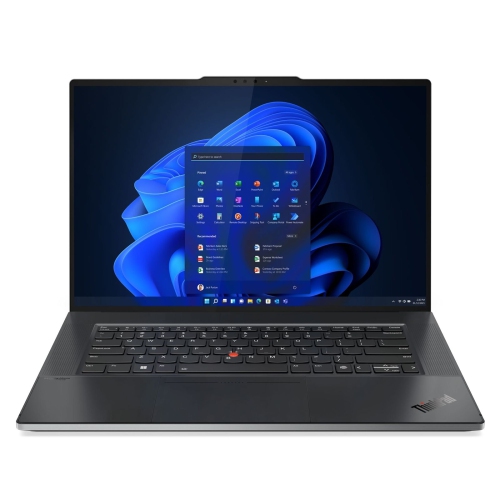
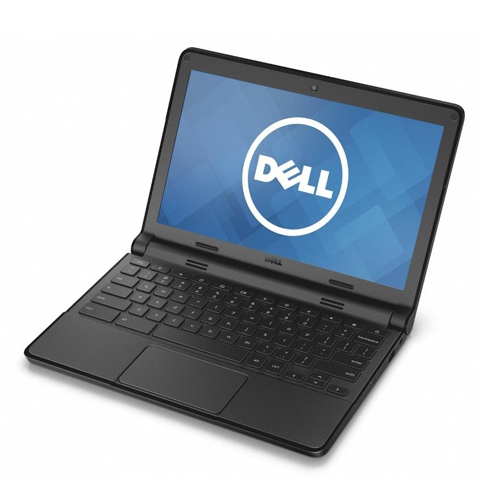
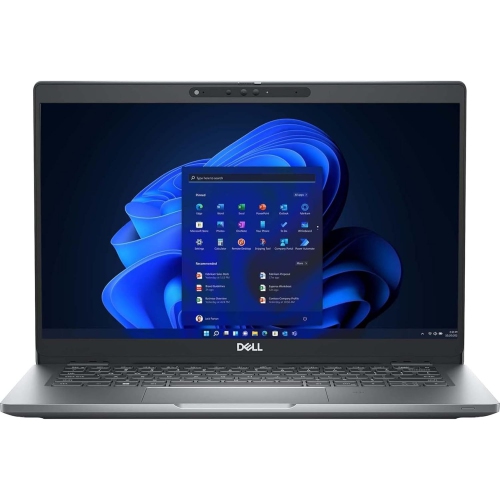
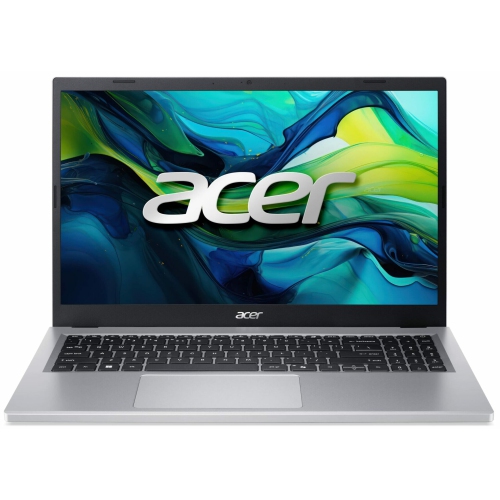
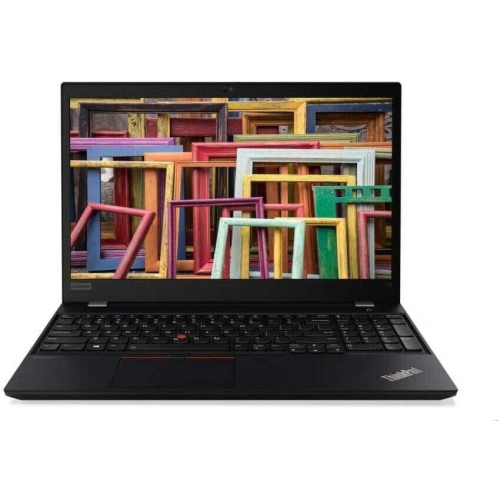

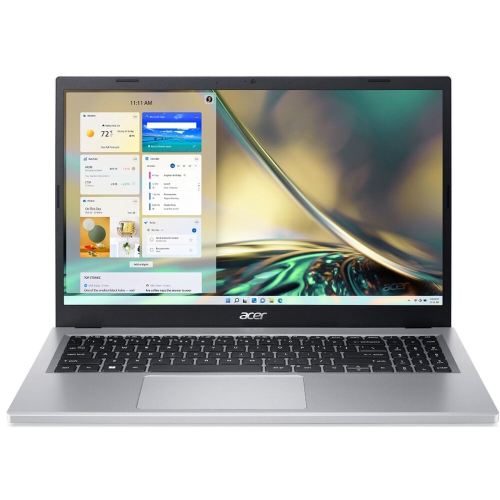
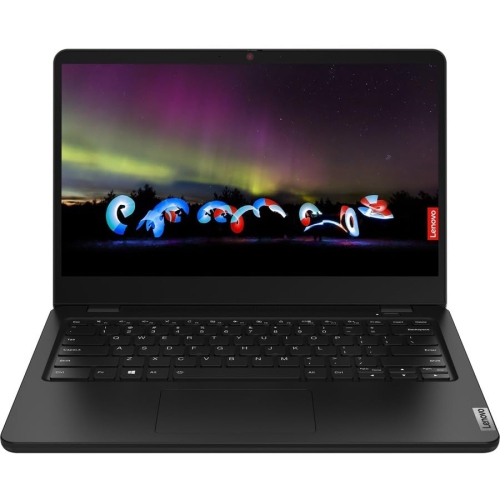
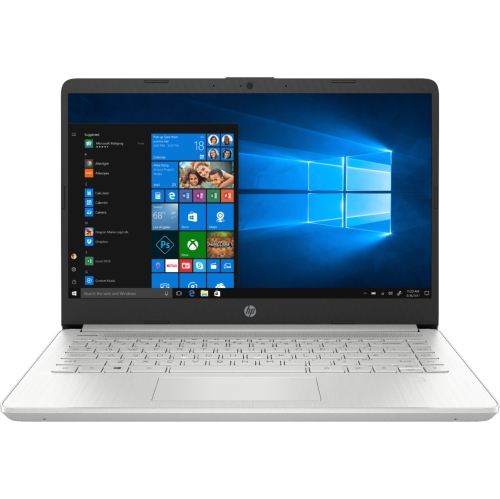
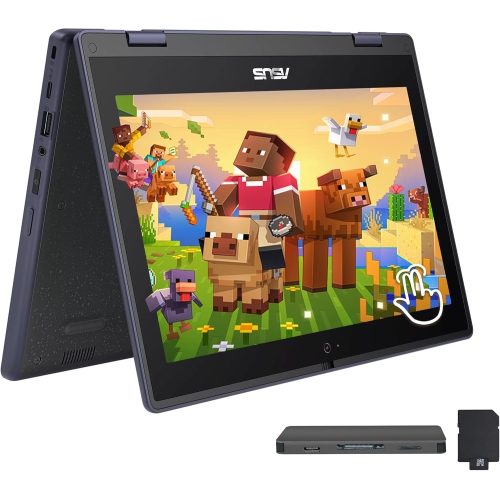
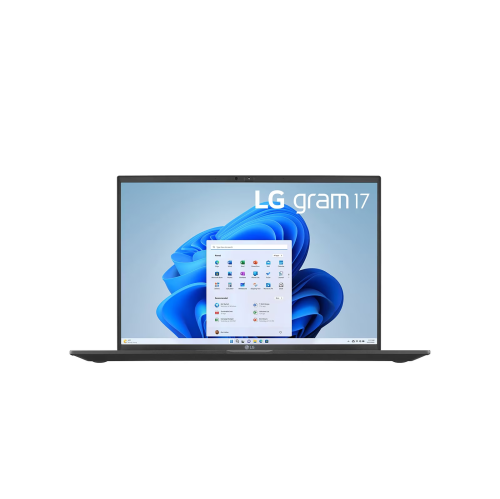
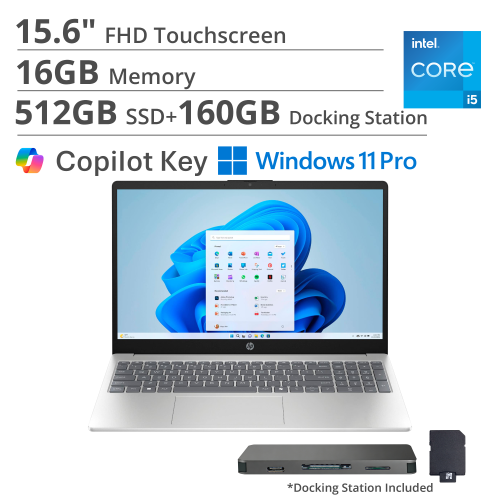
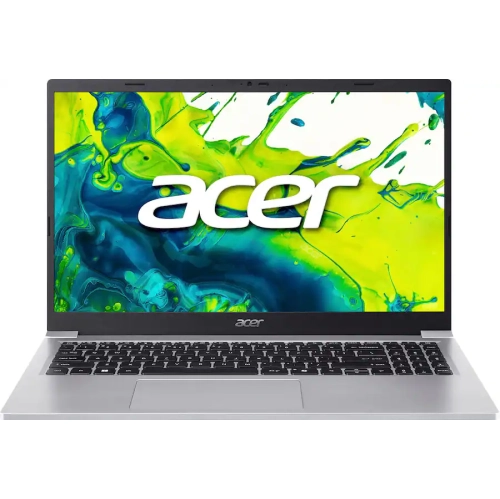
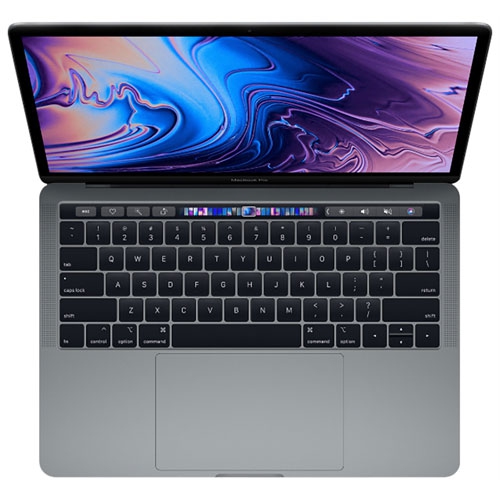

Balancing performance and portability through busy school days
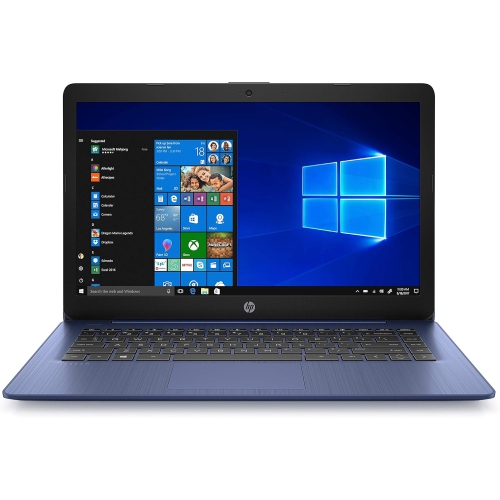
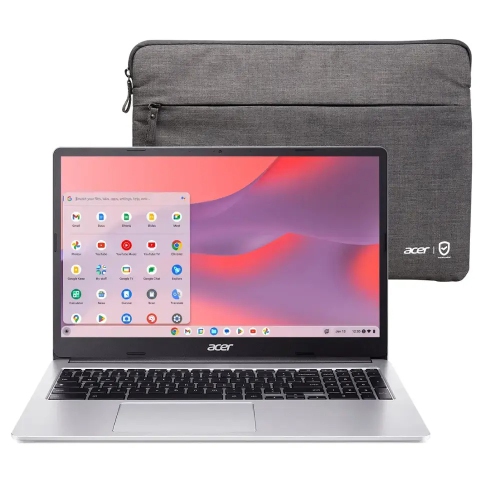
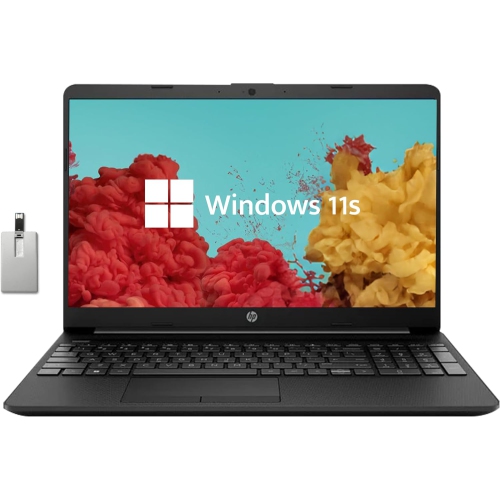
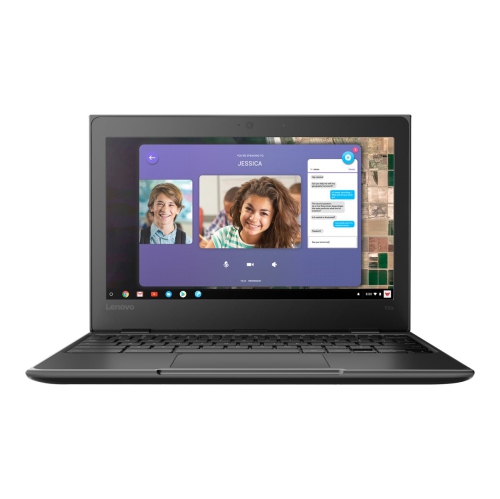
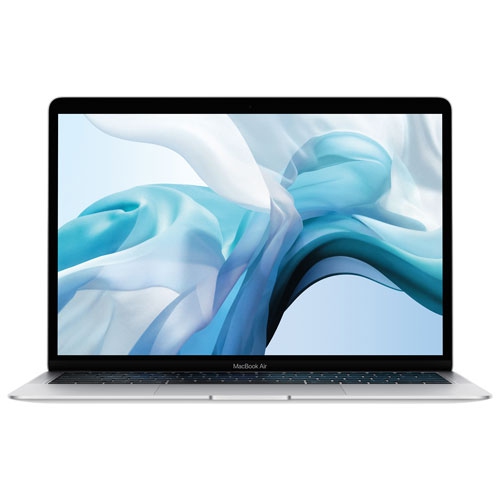
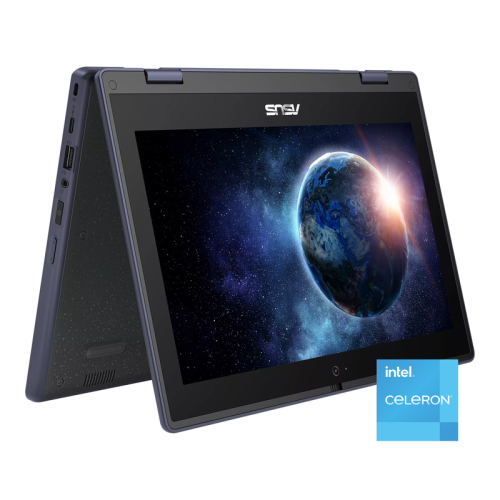
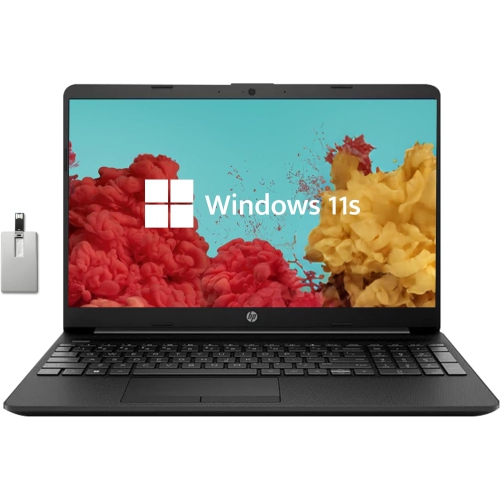
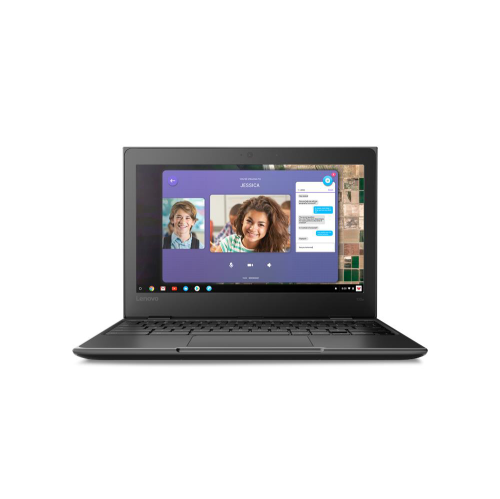
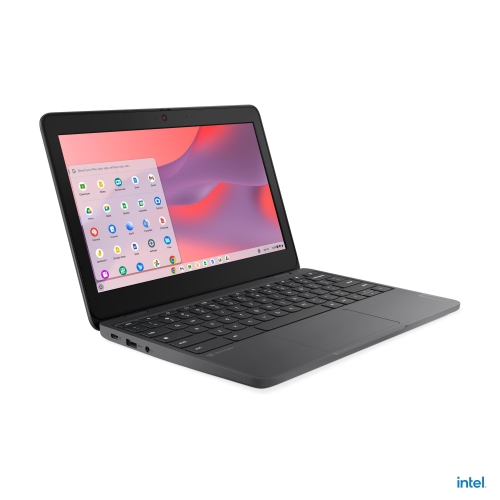
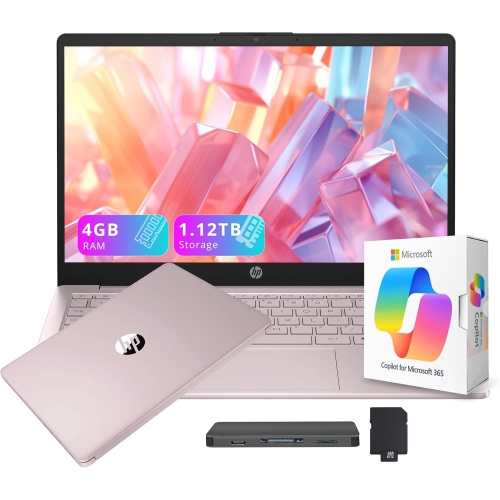
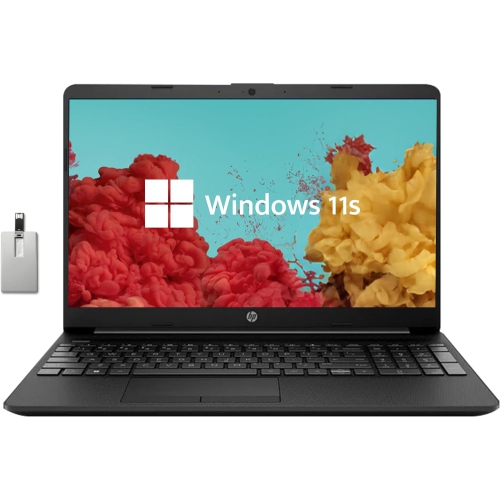
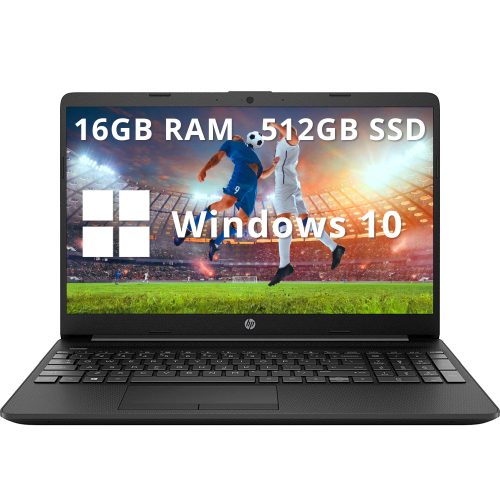
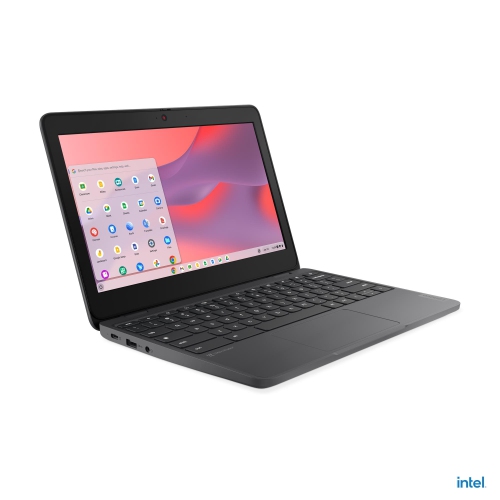
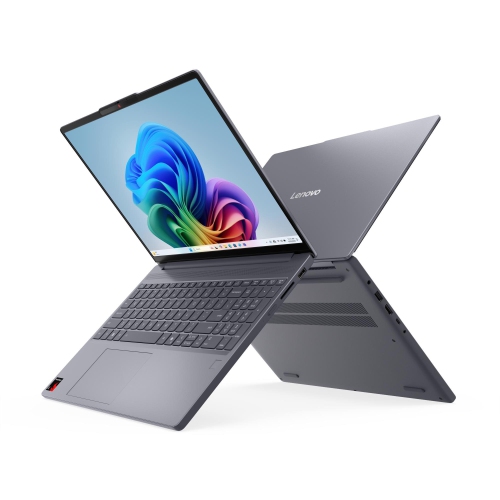
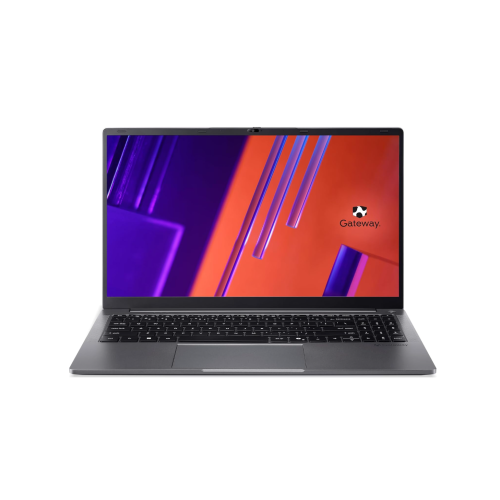
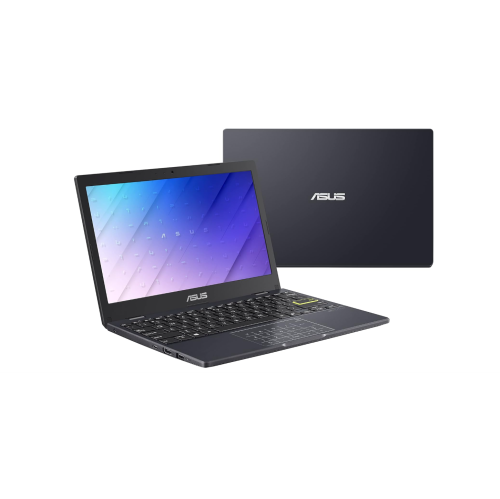
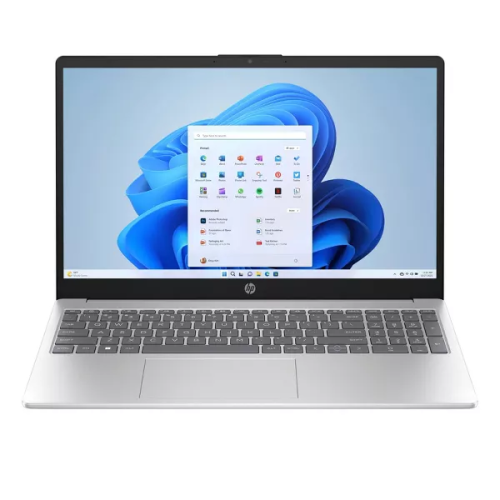
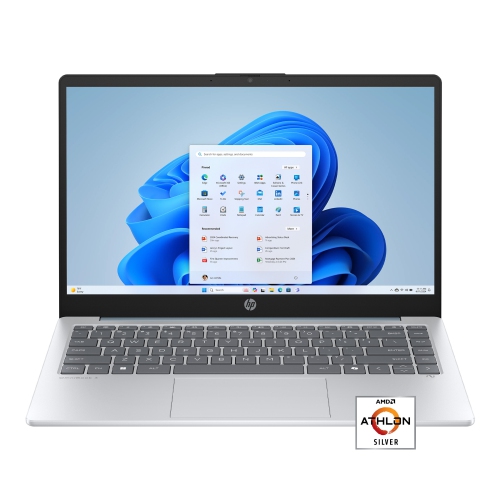
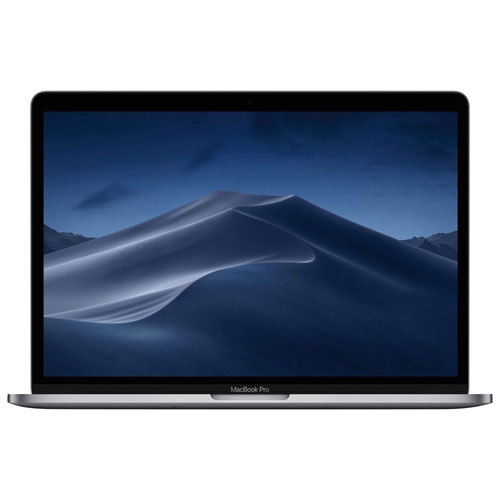
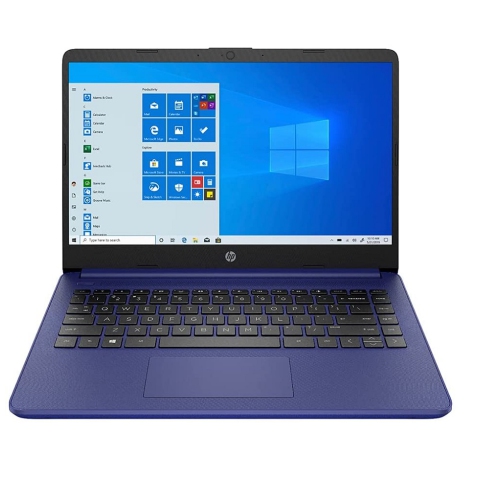
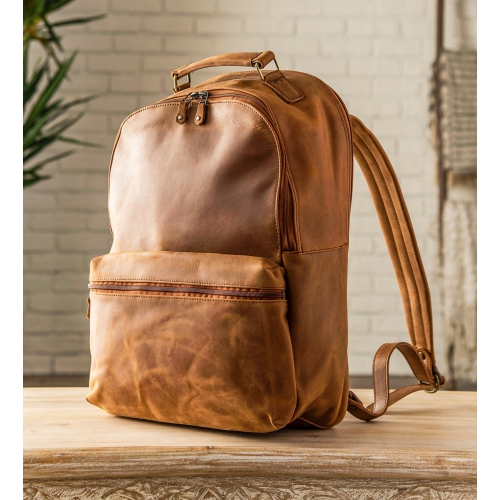
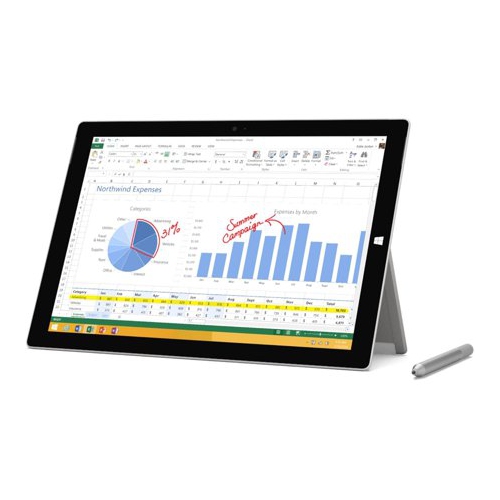
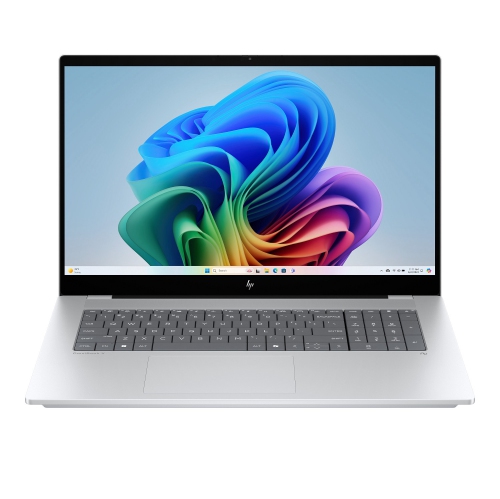
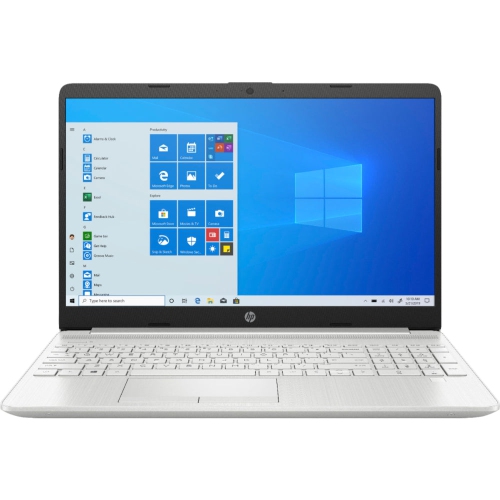
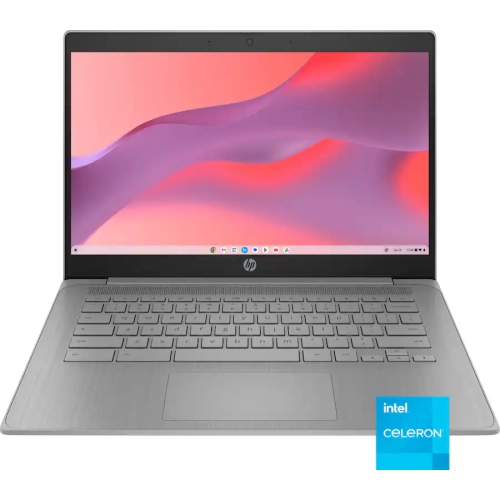
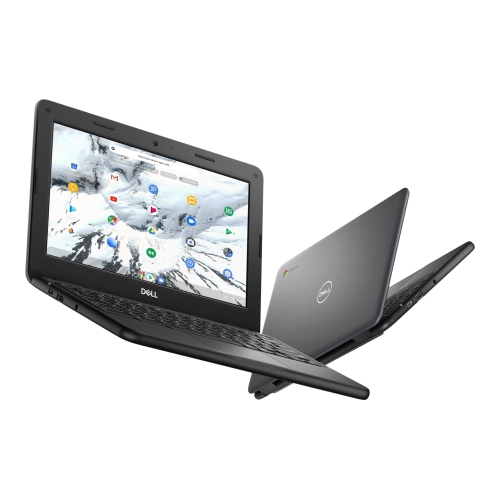
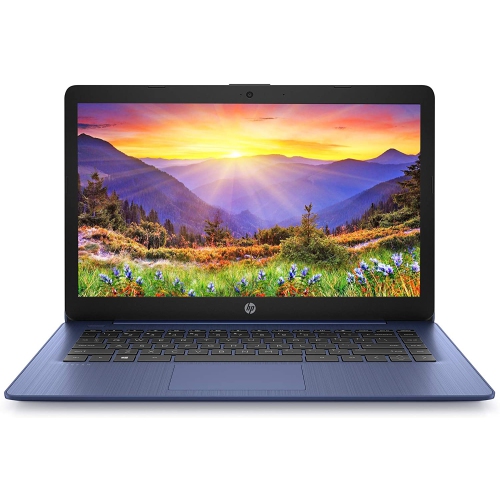
Finding the right laptop for a high school student often means balancing everyday schoolwork with the practical realities of student life. A dependable laptop should handle research, online classrooms, written assignments, presentations, spreadsheets, video calls and music or streaming during downtime without feeling sluggish. Students may move from a kitchen table to a classroom, library or shared study space, so a compact design that fits comfortably in a backpack can make a meaningful difference. A screen around 13 to 15 inch offers a useful balance between portability and workspace, while a clear display can make reading digital textbooks and working on slides more comfortable. For many students, 8GB of RAM is a sensible starting point because it allows several browser tabs, a word processor and school-related apps to remain open at the same time. A solid-state drive can also help the laptop start quickly, open files promptly and feel responsive during busy school days. Storage needs vary: students who mainly use cloud storage may be comfortable with a smaller drive, while those who keep photos, downloaded lessons, creative projects or large files locally may appreciate more capacity. Windows laptops and Chromebooks can both be suitable for school, depending on the programs and websites required by the school board. Before choosing, it is worth checking whether assignments rely on specific desktop software, browser-based tools or a particular operating system. Students looking for a broader selection can also explore Laptops for Students to compare options suited to different learning styles, routines and budgets.
Battery life is another important consideration, especially when a student spends much of the day away from a power outlet. A laptop rated for eight or more hours can provide more flexibility for classes, study periods and the trip home, although actual battery performance can vary with screen brightness, video calls, connected accessories and the applications in use. A comfortable keyboard is helpful for long essays and frequent note-taking, while a responsive trackpad makes it easier to navigate documents, research sources and online learning portals. A built-in webcam and microphone support virtual classes, group projects and conversations with teachers, and a variety of ports can simplify the connection of headphones, USB drives, displays or other classroom accessories. Durability deserves attention too. Laptops carried between classes are exposed to crowded lockers, hurried packing and the occasional bump against a desk or water bottle, so a sturdy outer casing, reinforced hinges and a reliable keyboard can help the device stand up to regular use. A lighter model may be easier for a younger student to carry, but an especially thin design should still feel solid when opened and closed. Accessories such as a protective sleeve, wireless mouse or headphones may improve comfort, though the laptop itself should meet the student’s main needs without requiring a complicated setup. For families sharing a home computer, a personal laptop can give a student a consistent place to organize files, join online lessons and complete assignments without waiting for another household member to finish using the device.
The best choice also depends on the student’s subjects, interests and plans for the school year. Someone focused on essays, web research and presentations may value a comfortable keyboard, dependable battery and easy access to cloud-based documents. A student taking introductory coding, digital media or design courses may need a faster processor, additional memory, more storage or compatibility with specialized applications. Those requirements can influence whether a basic configuration is sufficient or whether a more capable laptop will provide a smoother experience as projects become more demanding. Families may also be shopping for a graduation gift, a birthday present or a practical device for a student beginning a new school routine during the cooler months. In those cases, it helps to think beyond the first assignment: a laptop that is comfortable to use, simple to carry and flexible enough for changing courses may remain useful through several school years. Parental controls, separate user accounts and built-in security features can support a more organized setup, while automatic updates and cloud backups can help protect important schoolwork. It is wise to consider the cost of any required software or accessories as part of the overall purchase, and to confirm that the student’s school supports the selected operating system. With the right combination of performance, battery life, durability, portability and storage, a laptop can become a familiar part of the school day—from the first notes taken in class to the final edits made at the kitchen table before an assignment is submitted.
Battery life is another important consideration, especially when a student spends much of the day away from a power outlet. A laptop rated for eight or more hours can provide more flexibility for classes, study periods and the trip home, although actual battery performance can vary with screen brightness, video calls, connected accessories and the applications in use. A comfortable keyboard is helpful for long essays and frequent note-taking, while a responsive trackpad makes it easier to navigate documents, research sources and online learning portals. A built-in webcam and microphone support virtual classes, group projects and conversations with teachers, and a variety of ports can simplify the connection of headphones, USB drives, displays or other classroom accessories. Durability deserves attention too. Laptops carried between classes are exposed to crowded lockers, hurried packing and the occasional bump against a desk or water bottle, so a sturdy outer casing, reinforced hinges and a reliable keyboard can help the device stand up to regular use. A lighter model may be easier for a younger student to carry, but an especially thin design should still feel solid when opened and closed. Accessories such as a protective sleeve, wireless mouse or headphones may improve comfort, though the laptop itself should meet the student’s main needs without requiring a complicated setup. For families sharing a home computer, a personal laptop can give a student a consistent place to organize files, join online lessons and complete assignments without waiting for another household member to finish using the device.
The best choice also depends on the student’s subjects, interests and plans for the school year. Someone focused on essays, web research and presentations may value a comfortable keyboard, dependable battery and easy access to cloud-based documents. A student taking introductory coding, digital media or design courses may need a faster processor, additional memory, more storage or compatibility with specialized applications. Those requirements can influence whether a basic configuration is sufficient or whether a more capable laptop will provide a smoother experience as projects become more demanding. Families may also be shopping for a graduation gift, a birthday present or a practical device for a student beginning a new school routine during the cooler months. In those cases, it helps to think beyond the first assignment: a laptop that is comfortable to use, simple to carry and flexible enough for changing courses may remain useful through several school years. Parental controls, separate user accounts and built-in security features can support a more organized setup, while automatic updates and cloud backups can help protect important schoolwork. It is wise to consider the cost of any required software or accessories as part of the overall purchase, and to confirm that the student’s school supports the selected operating system. With the right combination of performance, battery life, durability, portability and storage, a laptop can become a familiar part of the school day—from the first notes taken in class to the final edits made at the kitchen table before an assignment is submitted.
Top selling and popular products
-
 Your price for this item is $449
 -
 Your price for this item is $3099
 -
 Your price for this item is $664.05
 -
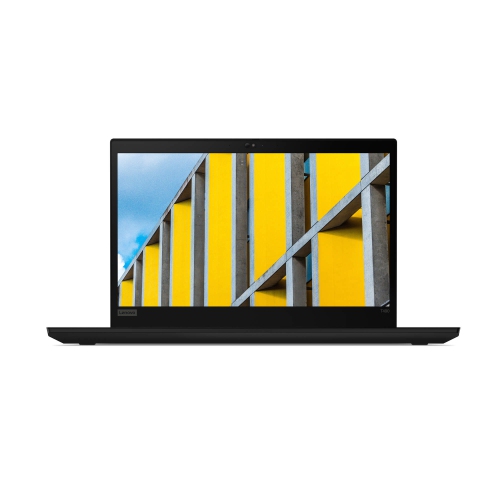 Your price for this item is $599.68
 -
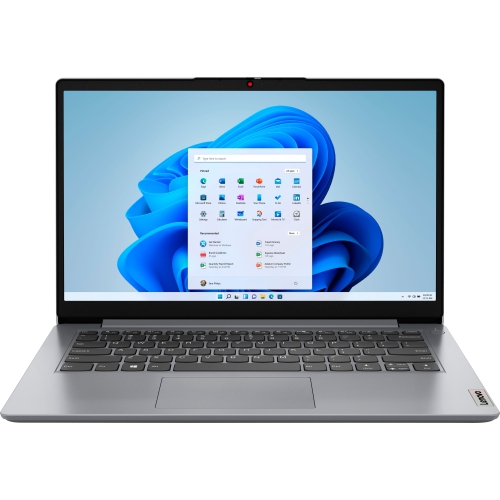 Your price for this item is $259
 -
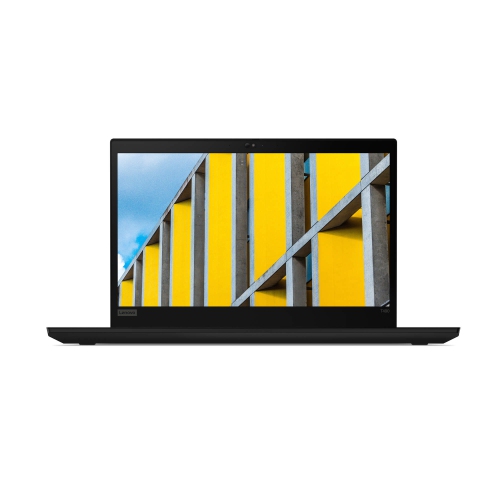 Your price for this item is $418.98
 -
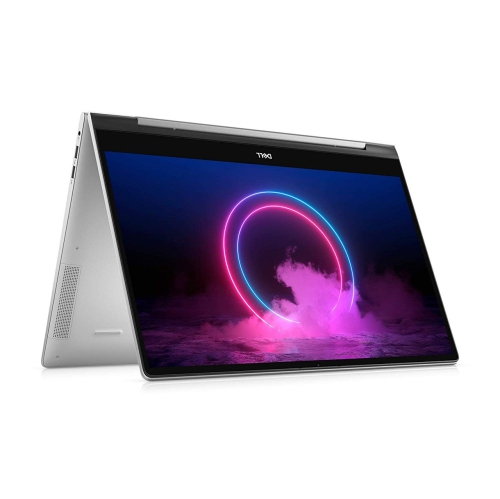 Your price for this item is $999.95
 -
 Your price for this item is $489
Discover more categories related to Laptops for High School Students

Top Collections:
Pokemon Centers, Budget 4K TVs, Best Budget Office Chairs, Kindle Devices, Canon G7X Cameras, Apple iPhones 16, iPhone 15 Apple, Laptops for Business Work, Xiaomi Phones, Flip Phones
Some products may be subject to Environmental Handling Fees
(EHF) depending on your province.
Learn more about EHFs.