Battery Powered Water Leak Detectors

Battery-powered water leak detectors help alert you to leaks near appliances, sinks, and other areas where water can collect, without needing a nearby power outlet. Compare water leak sensors by battery requirements, alert options, and placement needs to find a suitable option for the areas you want to monitor.
Read More

Sort

Battery Powered Water Leak Detectors

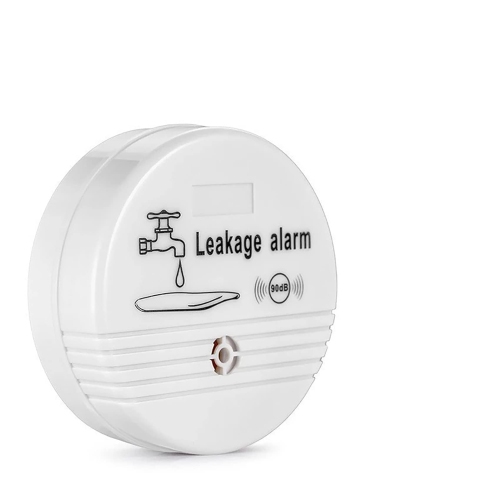
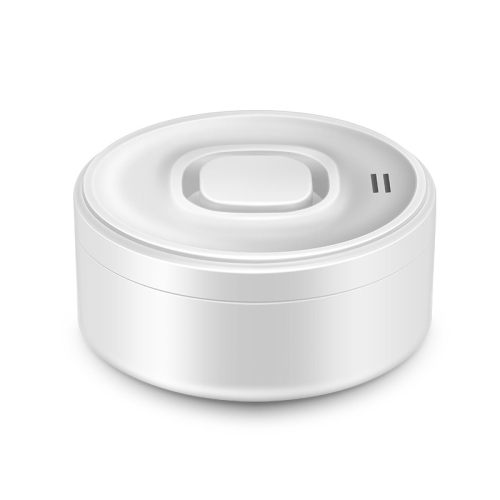
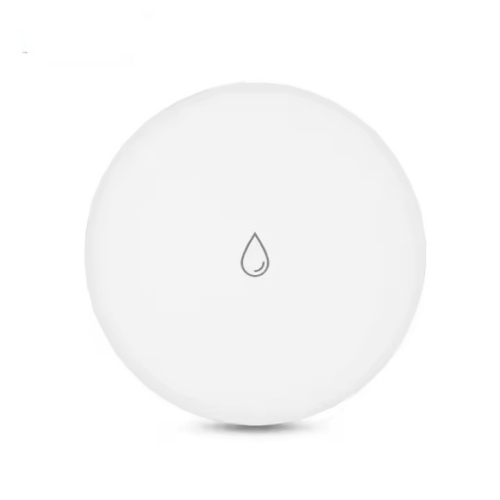
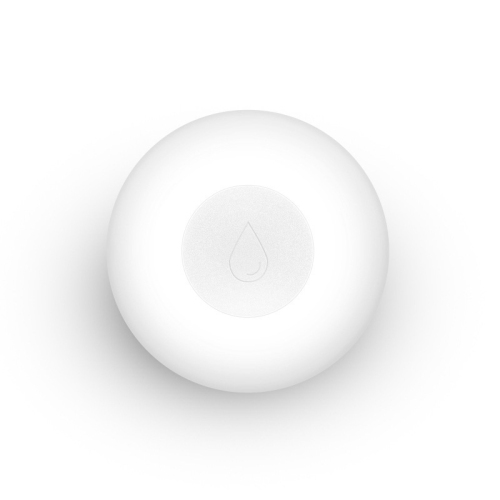
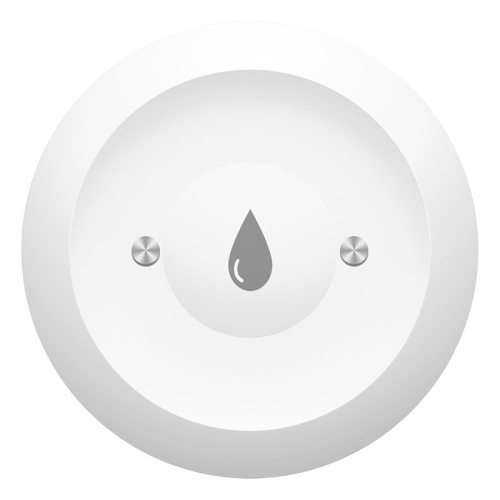
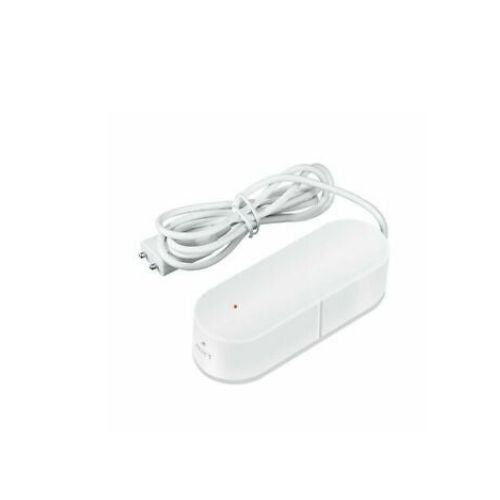
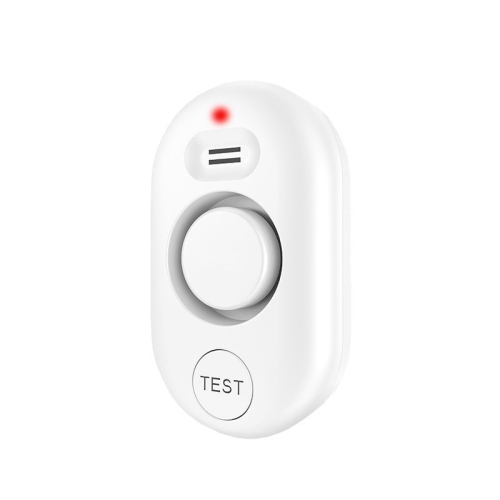
Battery Powered Water Leak Detectors offer a practical way to keep an ear out for trouble in places you rarely look. A slow drip beneath the kitchen sink, a loose washing machine connection, or water collecting beside a basement water heater can go unnoticed until there is a damp cabinet or damaged flooring to deal with. These compact devices typically sound an alert when water reaches their sensing contacts, helping you catch a problem sooner and take action. Battery operation makes placement flexible, particularly inside cupboards and utility areas where an outlet may be unavailable or already in use. For homeowners, condo residents, and renters alike, they can be a useful addition to the everyday essentials that help protect a living space. They are especially handy near appliances and plumbing connections that sit out of sight, though they detect water at the sensor rather than prevent a leak or guarantee protection against damage.

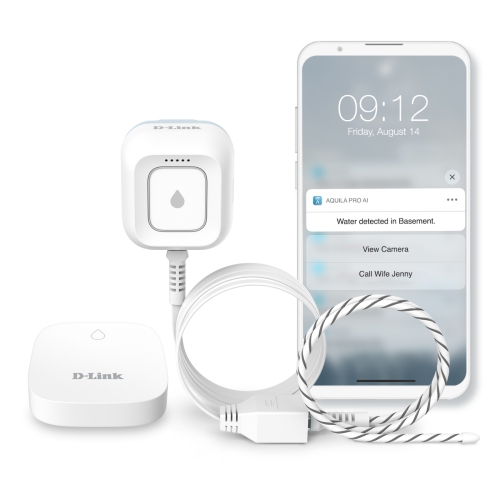
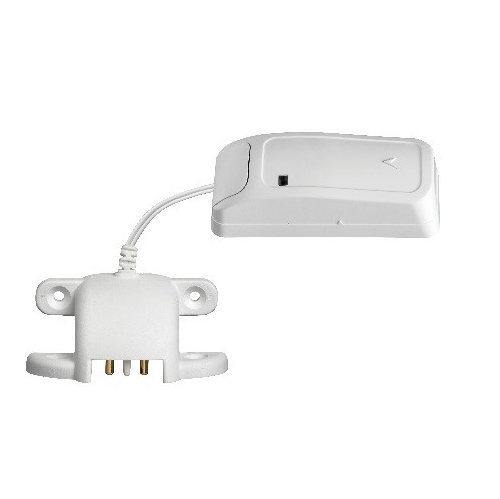
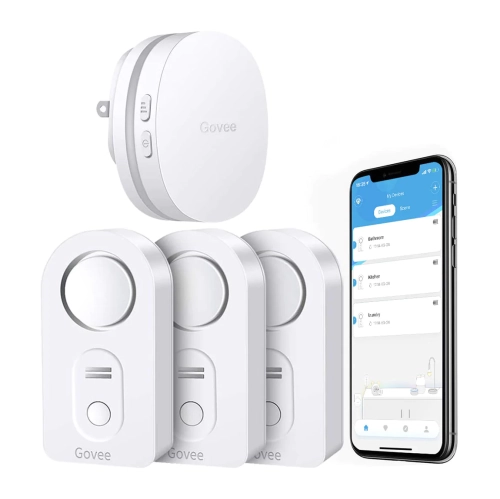
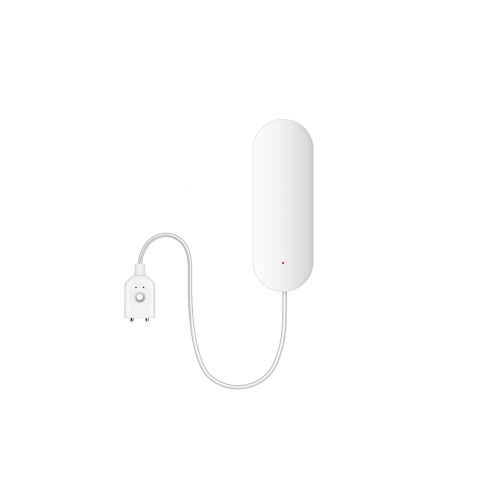
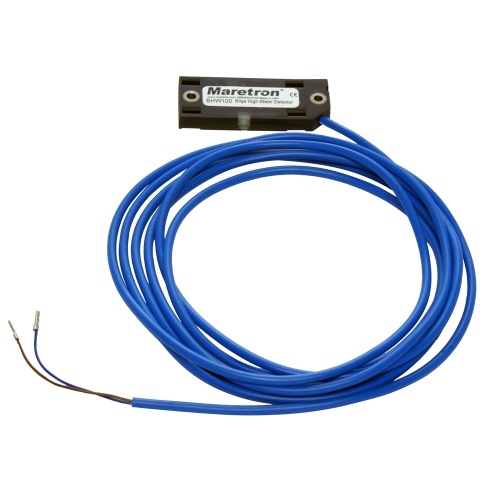
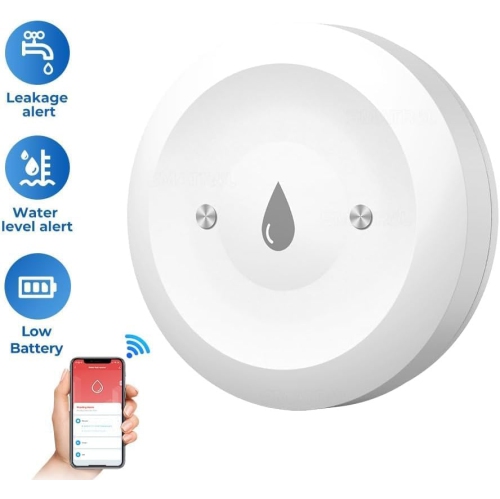
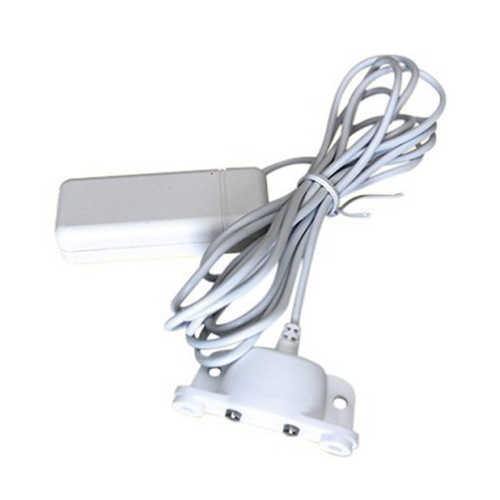
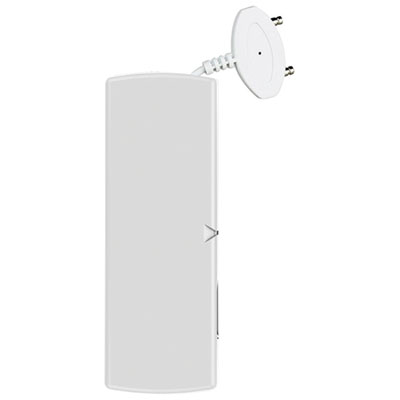
The right choice depends on where you need coverage and how you want to receive an alert. A standalone detector with an audible alarm can be a straightforward option for a sink cabinet or laundry area within earshot, while a connected model may offer phone notifications when you are upstairs, at work, or away for the weekend. Remote alerts generally depend on a compatible connection and working internet service, and some detectors require a separate hub, so check those requirements before choosing. If you are placing a sensor in the basement, confirm that its alarm can be heard from the rooms you use most often; for Wi-Fi models, check signal strength at the intended location as well. Detector shape matters more than it might seem: a low-profile unit may fit beneath an appliance where a taller one will not, while a model with a sensing cable or remote probe can reach a narrow gap or monitor a longer section of floor. Look at the sensing layout, cable length where applicable, and any placement requirements to make sure the detector suits the actual space rather than just the available shelf or cupboard.

Battery life, maintenance, and day-to-day convenience are worth considering alongside alert features. Compare the stated battery life, the type and number of batteries required, whether they are replaceable, and whether the detector provides a low-battery warning. An accessible test function can make routine checks easier, and clear status indicators help you tell whether the unit is ready to work. Follow the manufacturer's placement instructions, keeping the sensing contacts positioned where water is likely to collect without putting the device somewhere that is routinely wet. In a busy household, the familiar scene of towels piled beside the washer or cleaning bottles crowded under a sink is a good reminder to leave the detector unobstructed and easy to inspect. Multiple units may make sense when plumbing fixtures are spread across several floors, with one near each priority area rather than a single detector expected to cover an entire room. They can also make a thoughtful, practical housewarming gift for someone settling into a first condo or taking on an older home. Whether you are monitoring one awkward corner or several potential leak points, choose coverage and alerts that fit your routine, and make occasional testing and battery checks part of regular home upkeep.

Read More

FAQ

Some products may be subject to Environmental Handling Fees (EHF) depending on your province. Learn more about EHFs.