Eau de Parfum Perfumes
Indulge in the art of luxury and sophistication with our curated collection of Eau de Parfum perfumes. Elevate your everyday routine with a touch of elegance and allure as you explore a wide range of captivating scents that are sure to leave a lasting impression. Whether you're looking for a signature fragrance to express your unique personality or searching for the perfect gift for a loved one, our selection of Eau de Parfum perfumes offers something for every taste and occasion. Immerse yourself in a world of enchanting aromas and discover the perfect scent to complement your style.
Sort
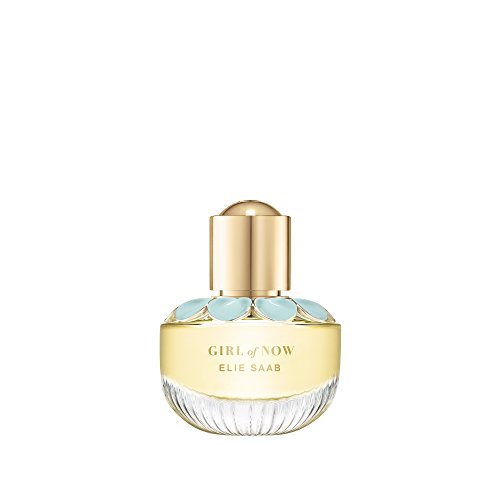
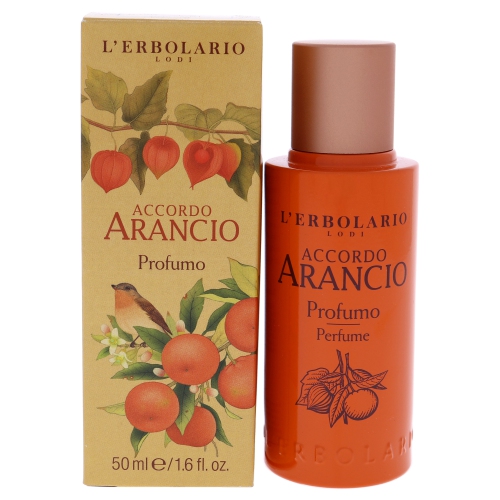
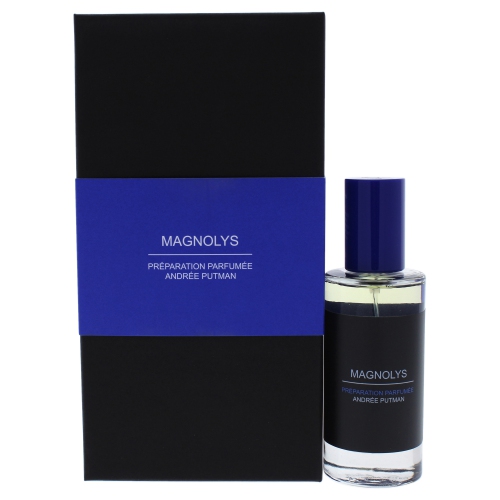
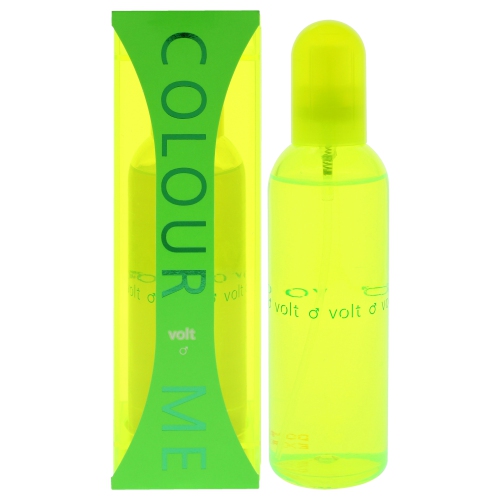
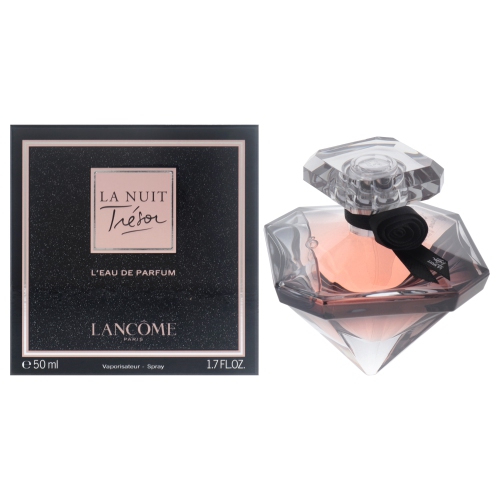
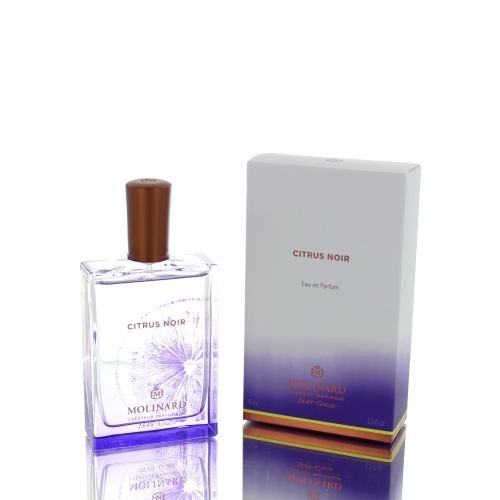
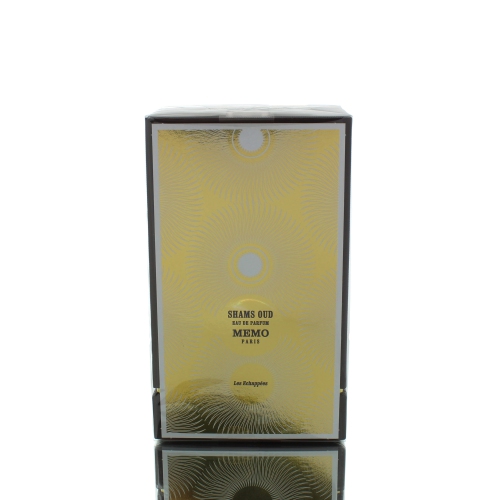
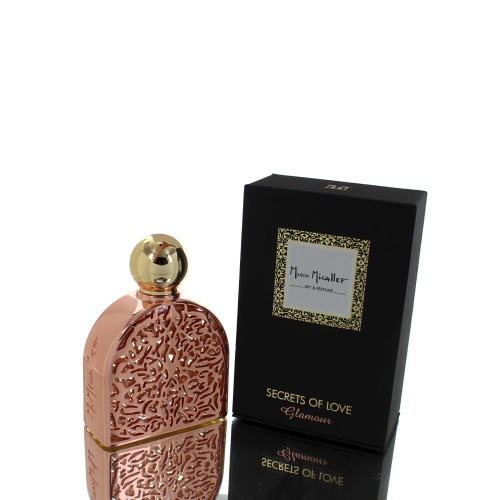
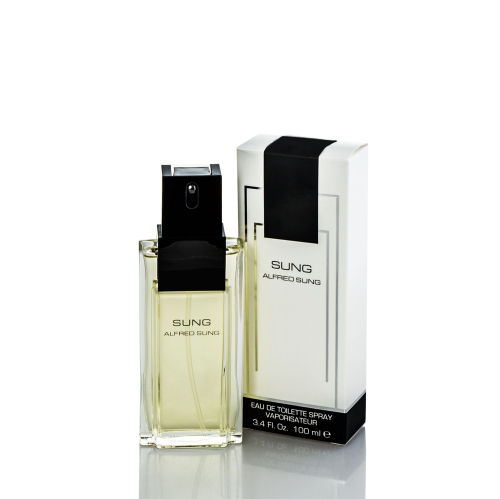
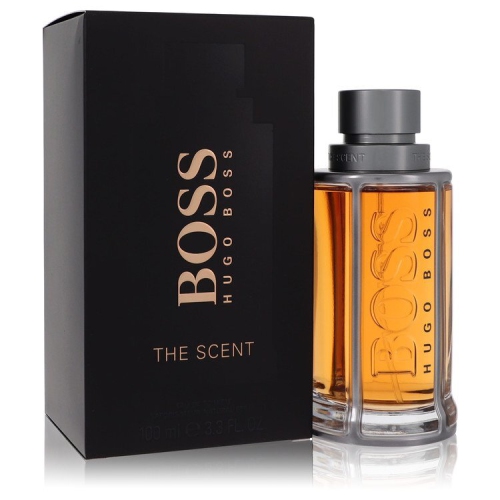
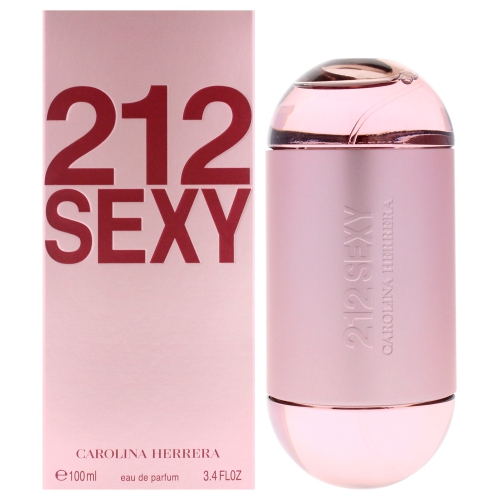
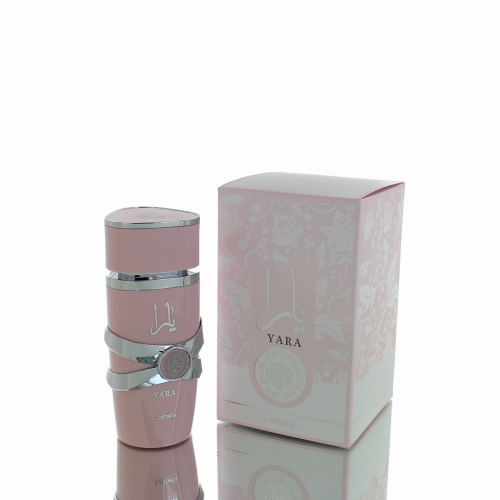
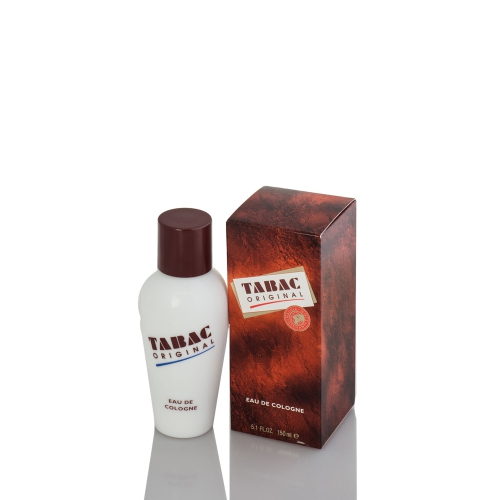


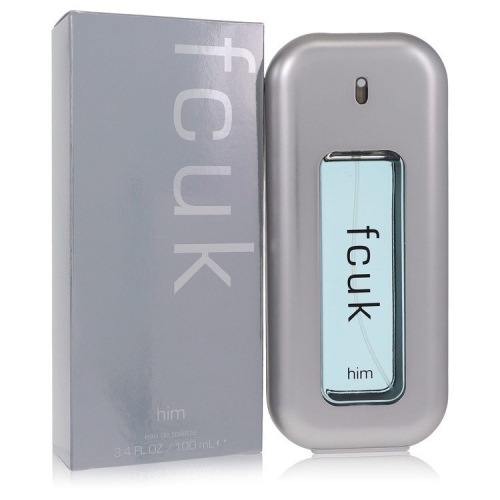
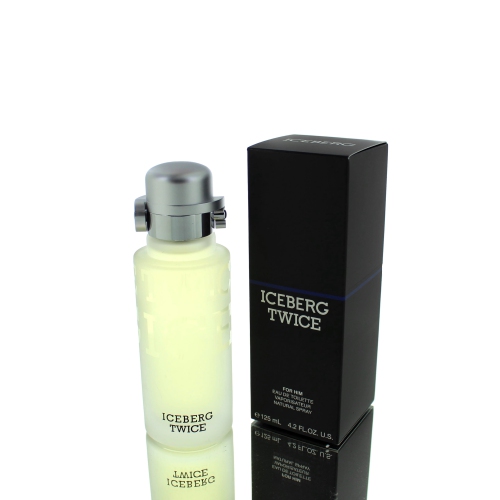
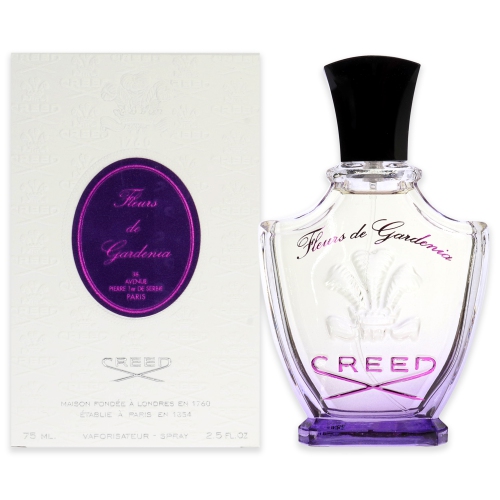
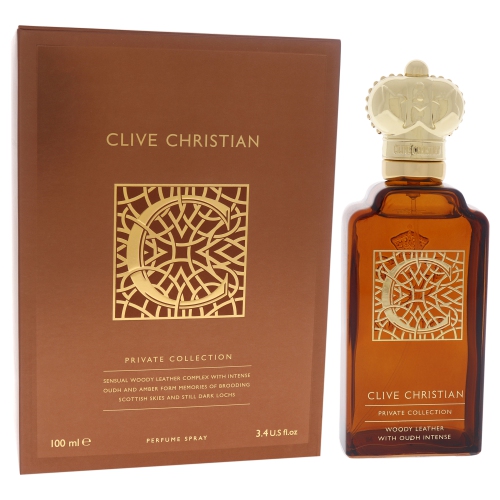
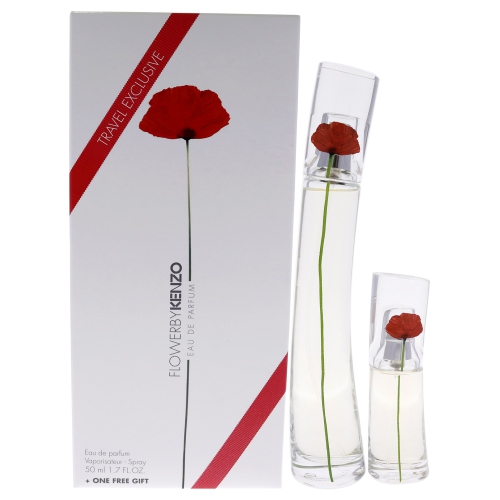
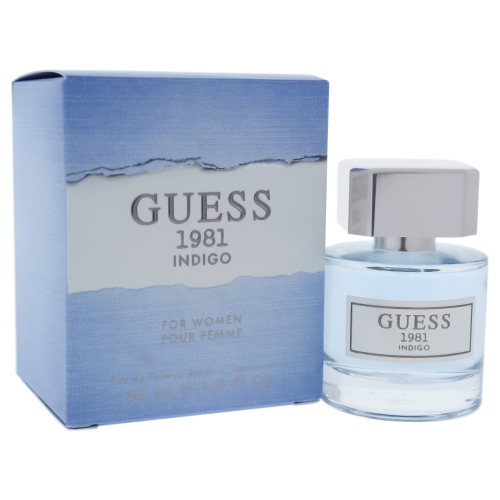
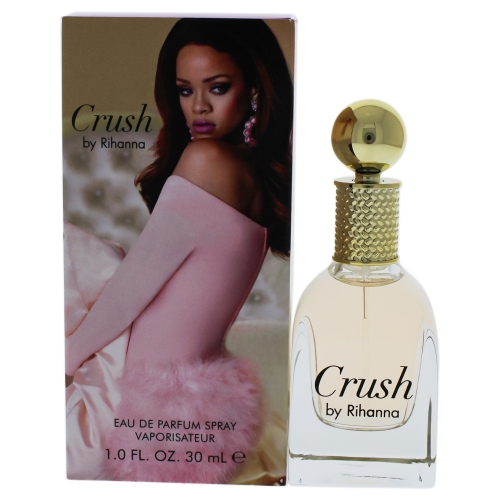
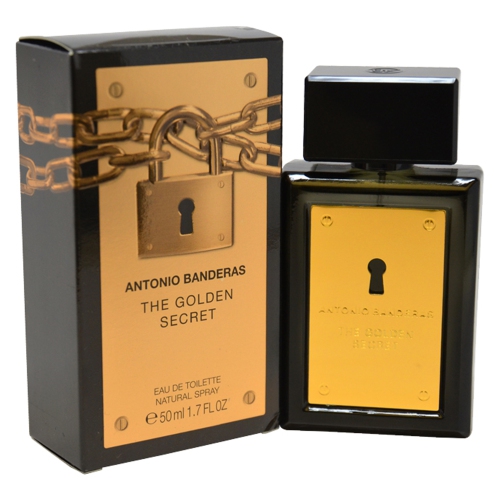
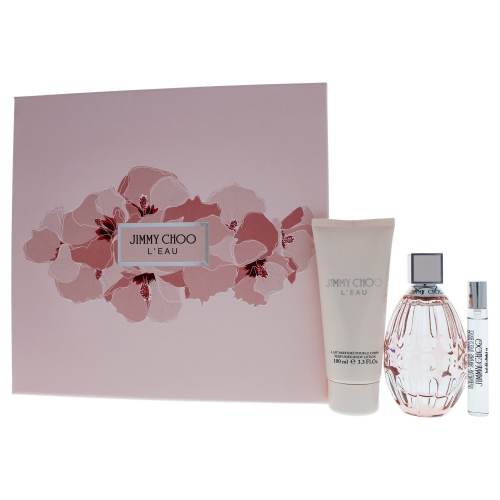
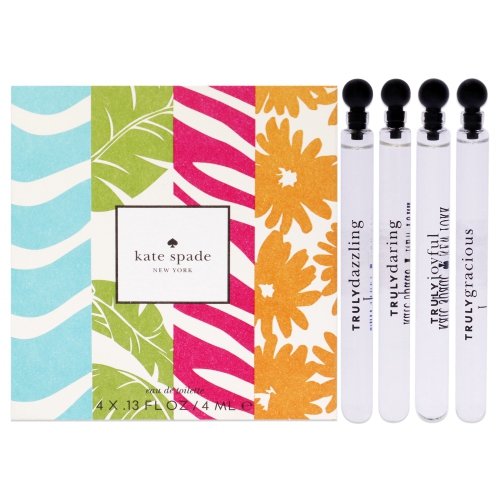
Fragrance character goes deeper than concentration alone
Eau de parfum perfumes bring depth and lasting character to a fragrance, whether the scent is a crisp blend of citrus and woods or a soft bouquet of rose, jasmine, and musk. Eau de parfum, often shortened to EDP, typically contains around 15% to 20% fragrance concentrate, although the exact percentage varies by maker and formula. Many eau de parfum fragrances last approximately six to eight hours on the skin, with wear time depending on the ingredients, application, skin type, and daily activities. This concentration generally sits above eau de toilette and below parfum or extrait de parfum, offering a balance of noticeable presence and comfortable everyday wear. A higher concentration does not automatically mean a louder scent: an airy floral EDP can feel more restrained than a bright, expansive eau de toilette. The composition matters just as much as the concentration. Fragrance families help describe that character. Florals range from fresh-cut petals and dewy garden scents to fuller white-flower blends, while woody perfumes may suggest dry cedar, creamy sandalwood, or earthy vetiver. Citrus and aromatic compositions can feel crisp and clean, with impressions of bergamot, herbs, or tea. Amber fragrances tend towards warmth, often combining resinous, vanilla, and spicy facets. Gourmand scents take inspiration from familiar treats, with notes that may recall toasted sugar, coffee, almond, or cocoa. These descriptions refer to scent impressions rather than a complete ingredient list; a perfume described as having a leather or cashmere note does not necessarily contain either material. Many fragrances span several families, such as a fruity floral with a woody base or a fresh opening that settles into gentle vanilla. That overlap gives eau de parfum its variety, allowing for everything from a quiet personal signature to a richer fragrance suited to a dressed-up evening. Fragrances marketed for women, men, or as unisex can share many of the same notes, so personal taste is often more useful than the label alone.
The experience of wearing eau de parfum changes as the fragrance develops. Top notes create the first impression and often fade relatively quickly, revealing heart notes that shape the main character of the scent. Base notes tend to linger longest, adding warmth, softness, or depth after the brighter opening has settled. A lively citrus introduction might give way to powdery iris and smooth woods, while a juicy fruit accord may soften into flowers and musk. The scent noticed immediately after application is therefore only part of the experience. When trying a fragrance, allowing it to settle on the skin provides a fuller sense of how it will wear than smelling the opening alone. Skin warmth, natural oils, and other scented products can affect the impression, which explains why the same perfume may smell slightly different on different people. Eau de parfum formulas commonly combine fragrance materials with alcohol and sometimes water, using natural extracts, laboratory-created aroma ingredients, or a blend of both. Neither natural nor laboratory-created ingredients guarantee suitability for sensitive skin, and checking the ingredient information is important for anyone with known sensitivities. Spray formats are especially familiar for daily use, distributing fragrance in a fine mist; Eau De Parfum Sprays bring this application style together with the depth associated with an EDP concentration. The right amount depends on the formula and setting rather than a fixed spray count. A light application may be enough for a close conversation or a small room, while an evening outdoors can feel quite different. Fragrance-free workplace and venue policies should always take priority. Applied to clean, dry skin as directed, perfume can develop without competing with heavily scented lotions. Unscented moisturiser may help on dry skin, though results vary. Letting the fragrance dry naturally, rather than rubbing it in, also avoids spreading it away from the application area. Clothing may hold a scent longer than skin, but perfume can mark delicate fabrics, so direct fabric application is best avoided unless the product directions allow it.
Bottle size, packaging, and storage all contribute to how an eau de parfum fits into everyday life. A smaller bottle can suit occasional wear, travel, or someone who enjoys rotating several fragrance styles, while a larger bottle may be practical for a familiar scent worn regularly. Glass bottles can feel substantial on a dressing table but need protection from knocks, and a secure cap helps protect the spray mechanism when the bottle is not in use. For travel, keeping perfume upright in a protective pouch and following applicable liquid restrictions helps make packing simpler. Fragrance quality is also affected by its surroundings: repeated exposure to heat, direct sunlight, and temperature changes can alter the scent over time. A cool, dark cupboard away from radiators and steamy bathrooms is usually a better storage spot than a sunny windowsill. Keeping the closure secure and following any period-after-opening or storage information on the packaging helps preserve the formula. There is no single lifespan that applies to every eau de parfum, since ingredients and storage conditions vary; a marked change in smell or appearance can indicate that a fragrance has changed. Intended use is another part of the appeal. A soft musk or understated woody floral may suit someone who prefers a scent that stays close to the skin, while a fuller amber or spicy composition can complement cosy knitwear and evenings out during the cooler months. Fresh perfumes still have a place in colder weather, particularly for anyone who enjoys a bright contrast to heavier fabrics and warm indoor spaces. As a gift, eau de parfum is most personal when it reflects the recipient’s established preferences rather than assumptions about age or gender. Familiar notes, a known fragrance family, or a scent already enjoyed can make the choice more considered. For birthdays, anniversaries, or other celebrations, the lasting appeal lies in that connection: a perfume that feels comfortable, distinctive, and welcome each time it is worn.
The experience of wearing eau de parfum changes as the fragrance develops. Top notes create the first impression and often fade relatively quickly, revealing heart notes that shape the main character of the scent. Base notes tend to linger longest, adding warmth, softness, or depth after the brighter opening has settled. A lively citrus introduction might give way to powdery iris and smooth woods, while a juicy fruit accord may soften into flowers and musk. The scent noticed immediately after application is therefore only part of the experience. When trying a fragrance, allowing it to settle on the skin provides a fuller sense of how it will wear than smelling the opening alone. Skin warmth, natural oils, and other scented products can affect the impression, which explains why the same perfume may smell slightly different on different people. Eau de parfum formulas commonly combine fragrance materials with alcohol and sometimes water, using natural extracts, laboratory-created aroma ingredients, or a blend of both. Neither natural nor laboratory-created ingredients guarantee suitability for sensitive skin, and checking the ingredient information is important for anyone with known sensitivities. Spray formats are especially familiar for daily use, distributing fragrance in a fine mist; Eau De Parfum Sprays bring this application style together with the depth associated with an EDP concentration. The right amount depends on the formula and setting rather than a fixed spray count. A light application may be enough for a close conversation or a small room, while an evening outdoors can feel quite different. Fragrance-free workplace and venue policies should always take priority. Applied to clean, dry skin as directed, perfume can develop without competing with heavily scented lotions. Unscented moisturiser may help on dry skin, though results vary. Letting the fragrance dry naturally, rather than rubbing it in, also avoids spreading it away from the application area. Clothing may hold a scent longer than skin, but perfume can mark delicate fabrics, so direct fabric application is best avoided unless the product directions allow it.
Bottle size, packaging, and storage all contribute to how an eau de parfum fits into everyday life. A smaller bottle can suit occasional wear, travel, or someone who enjoys rotating several fragrance styles, while a larger bottle may be practical for a familiar scent worn regularly. Glass bottles can feel substantial on a dressing table but need protection from knocks, and a secure cap helps protect the spray mechanism when the bottle is not in use. For travel, keeping perfume upright in a protective pouch and following applicable liquid restrictions helps make packing simpler. Fragrance quality is also affected by its surroundings: repeated exposure to heat, direct sunlight, and temperature changes can alter the scent over time. A cool, dark cupboard away from radiators and steamy bathrooms is usually a better storage spot than a sunny windowsill. Keeping the closure secure and following any period-after-opening or storage information on the packaging helps preserve the formula. There is no single lifespan that applies to every eau de parfum, since ingredients and storage conditions vary; a marked change in smell or appearance can indicate that a fragrance has changed. Intended use is another part of the appeal. A soft musk or understated woody floral may suit someone who prefers a scent that stays close to the skin, while a fuller amber or spicy composition can complement cosy knitwear and evenings out during the cooler months. Fresh perfumes still have a place in colder weather, particularly for anyone who enjoys a bright contrast to heavier fabrics and warm indoor spaces. As a gift, eau de parfum is most personal when it reflects the recipient’s established preferences rather than assumptions about age or gender. Familiar notes, a known fragrance family, or a scent already enjoyed can make the choice more considered. For birthdays, anniversaries, or other celebrations, the lasting appeal lies in that connection: a perfume that feels comfortable, distinctive, and welcome each time it is worn.
Top selling and popular products
-
 Your price for this item is $87
 -
 Your price for this item is $59.99
 -
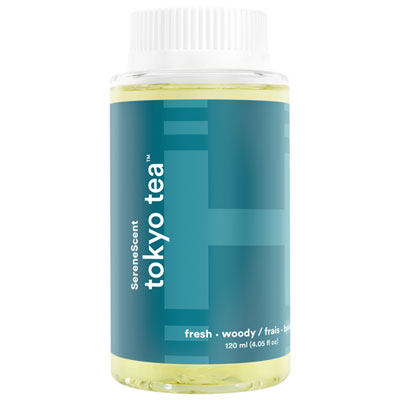 Your price for this item is $59.99
 -
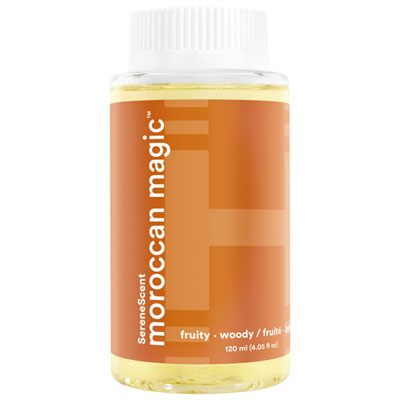 Your price for this item is $59.99
 -
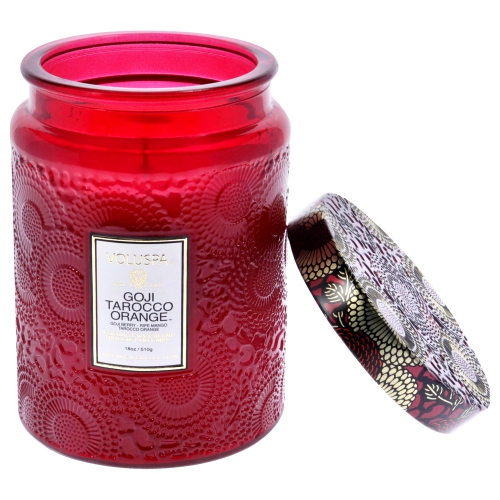 Your price for this item is $53.23
 -
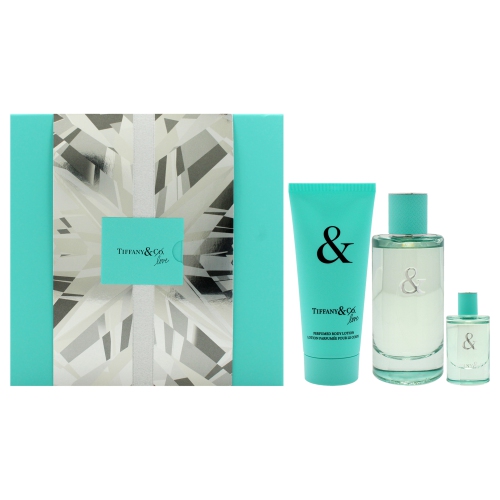 Your price for this item is $169.34
 -
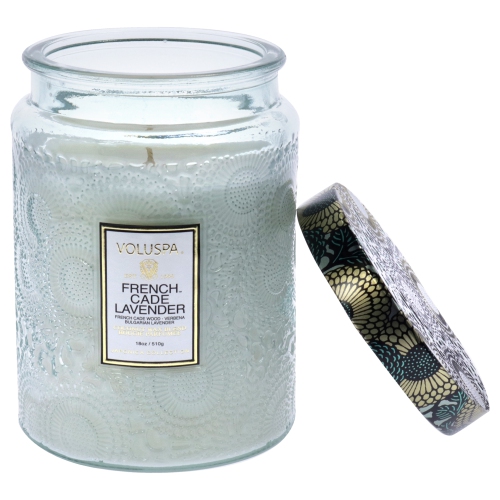 Your price for this item is $53.23
 -
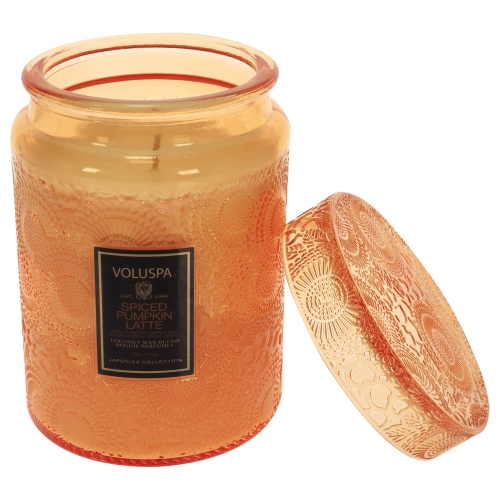 Your price for this item is $57.96
Discover more categories related to Eau de Parfum Perfumes
Top Collections:
Pokemon Centers, Kindle Devices, Best Budget Office Chairs, Apple iPhones 16, Best Laptops for Writers, iPhone 15 Apple, Canon G7X Cameras, Refurbished Apple Laptops, Alarm Clock, Motorola Razr Phones
Some products may be subject to Environmental Handling Fees
(EHF) depending on your province.
Learn more about EHFs.