Feminine Products
Discover a wide selection of essential feminine products designed to meet your everyday needs with convenience and comfort. From menstrual care to intimate hygiene, our range includes high-quality items that cater to your personal wellness. Whether you're looking for pads, tampons, wipes, or other feminine hygiene products, we've got you covered. Shop now to find the perfect solutions for staying fresh and confident throughout the day.
Sort

How fit and absorbency shape everyday period comfort
Feminine products are personal care essentials that support menstrual hygiene, comfort, and protection during a period. For external menstrual care, the main categories include disposable pads, pantyliners, and washable period underwear. Pads absorb menstrual flow while sitting inside underwear, liners provide lighter coverage for spotting, and period underwear incorporates absorbent layers into the garment itself. Each serves a different purpose, and a comfortable routine may involve more than one format as flow changes throughout a period. Someone with a light flow may prefer a slim profile, while someone managing heavier days may place greater importance on absorbency, length, and coverage at the back. These features work together: a longer shape provides coverage over a larger area, but length alone does not indicate how much fluid a product can absorb. Likewise, a thin construction does not necessarily mean low absorbency. Descriptions and package instructions help distinguish intended use, whether that is everyday spotting, daytime menstrual protection, or extended coverage while lying down. Feminine care is a familiar retail term, although menstrual products are used by people with different gender identities. Needs also vary with age, mobility, skin sensitivity, and familiarity with period care. For someone experiencing their first periods, straightforward placement and clear changing instructions can matter as much as a discreet shape. For an experienced user, the priority may be finding coverage that stays comfortable during a long commute, desk work, or frequent movement. No single format suits every person or every day of a cycle. A useful comparison considers how protection feels against the skin, how securely it stays in place, and how easily it fits into the wearer's routine. Menstrual care also sits alongside broader Hygiene Products used for everyday personal cleanliness, though absorbent menstrual protection has a distinct purpose and should be chosen according to its own labelling.
Materials and construction influence both comfort and performance. An external menstrual product may combine a soft skin-contact layer, an absorbent centre, and a backing designed to help limit moisture passing through to clothing. Some surfaces contain cotton, while others use different fibres or blends; a cotton claim may describe only one layer rather than the entire construction. Checking the material details is particularly useful for anyone with a known sensitivity. Fragrance-free options may be preferable for people who find added scents irritating, but no material description guarantees that a product will suit every wearer. Persistent irritation is a reason to stop using the suspected product and seek advice from a health professional. Fit deserves equal attention. Adhesive-backed protection needs a smooth, secure position in underwear, and wings, where included, fold around the fabric to help hold the pad in place. The width and shape of the underwear can affect how well that design sits. Bunching at the centre, edges that rub, or protection that shifts during walking can make an otherwise suitable absorbency uncomfortable. Washable absorbent garments should sit securely around the waist and leg openings without pinching or leaving uncomfortable pressure marks. Size charts and body measurements are more dependable than assuming the same size will fit across every design. A close fit can help keep absorbent sections where they are needed, but tighter is not automatically better. Coverage placement also matters: someone spending much of the day seated may have different preferences from someone wearing protection for sleep. Absorbency descriptions are useful starting points, though terms and testing methods can differ between manufacturers. Any stated capacity should be read alongside the intended use and changing instructions rather than treated as a promise of a particular number of hours. Comfort depends on the combination of fit, flow, movement, and timely changing, not on a single feature printed on the package.
Daily handling and care help menstrual products perform as intended. Wash hands before and after changing menstrual protection, and follow the manufacturer's directions for placement, wear, and disposal. External protection should be changed regularly and whenever it becomes saturated, damp, soiled, or uncomfortable; greater absorbency is not a reason to ignore changing instructions. During a school day or a shift with limited breaks, keeping spare protection in a clean, dry pouch makes changes easier to manage. An individually wrapped format can help keep an unused product clean inside a bag, while washable options call for a separate, suitable pouch if a change will be carried home. Used disposable menstrual products and their wrappers belong in the rubbish rather than the toilet. For washable period underwear, the care label is the best reference for rinsing, washing, drying, and any restrictions on laundry additives. Fabric softener, bleach, or high heat may affect certain absorbent fabrics or barrier layers, so a familiar laundry routine may need adjusting. Allow garments to dry fully before storing them, and keep clean protection away from damp surfaces. Durability depends on construction, frequency of wear, and care, rather than appearance alone. Stretched leg openings, weakened seams, damaged backing, or a noticeable decline in absorption can indicate that a washable garment is no longer performing as expected. Having enough protection to accommodate washing and drying time can make the routine more practical without relying on a garment before it is ready to wear again. For parents or caregivers helping someone prepare for their first period, a small personal care kit can provide reassurance when it reflects the recipient's preferences and includes clear instructions. Menstrual products are personal necessities, so comfort, privacy, and choice matter more than presentation. The most useful feminine products are those that suit the wearer's flow and daily activities while remaining manageable to change, carry, clean, or dispose of. Paying attention to those everyday details supports a period-care routine that feels familiar, comfortable, and dependable.
Materials and construction influence both comfort and performance. An external menstrual product may combine a soft skin-contact layer, an absorbent centre, and a backing designed to help limit moisture passing through to clothing. Some surfaces contain cotton, while others use different fibres or blends; a cotton claim may describe only one layer rather than the entire construction. Checking the material details is particularly useful for anyone with a known sensitivity. Fragrance-free options may be preferable for people who find added scents irritating, but no material description guarantees that a product will suit every wearer. Persistent irritation is a reason to stop using the suspected product and seek advice from a health professional. Fit deserves equal attention. Adhesive-backed protection needs a smooth, secure position in underwear, and wings, where included, fold around the fabric to help hold the pad in place. The width and shape of the underwear can affect how well that design sits. Bunching at the centre, edges that rub, or protection that shifts during walking can make an otherwise suitable absorbency uncomfortable. Washable absorbent garments should sit securely around the waist and leg openings without pinching or leaving uncomfortable pressure marks. Size charts and body measurements are more dependable than assuming the same size will fit across every design. A close fit can help keep absorbent sections where they are needed, but tighter is not automatically better. Coverage placement also matters: someone spending much of the day seated may have different preferences from someone wearing protection for sleep. Absorbency descriptions are useful starting points, though terms and testing methods can differ between manufacturers. Any stated capacity should be read alongside the intended use and changing instructions rather than treated as a promise of a particular number of hours. Comfort depends on the combination of fit, flow, movement, and timely changing, not on a single feature printed on the package.
Daily handling and care help menstrual products perform as intended. Wash hands before and after changing menstrual protection, and follow the manufacturer's directions for placement, wear, and disposal. External protection should be changed regularly and whenever it becomes saturated, damp, soiled, or uncomfortable; greater absorbency is not a reason to ignore changing instructions. During a school day or a shift with limited breaks, keeping spare protection in a clean, dry pouch makes changes easier to manage. An individually wrapped format can help keep an unused product clean inside a bag, while washable options call for a separate, suitable pouch if a change will be carried home. Used disposable menstrual products and their wrappers belong in the rubbish rather than the toilet. For washable period underwear, the care label is the best reference for rinsing, washing, drying, and any restrictions on laundry additives. Fabric softener, bleach, or high heat may affect certain absorbent fabrics or barrier layers, so a familiar laundry routine may need adjusting. Allow garments to dry fully before storing them, and keep clean protection away from damp surfaces. Durability depends on construction, frequency of wear, and care, rather than appearance alone. Stretched leg openings, weakened seams, damaged backing, or a noticeable decline in absorption can indicate that a washable garment is no longer performing as expected. Having enough protection to accommodate washing and drying time can make the routine more practical without relying on a garment before it is ready to wear again. For parents or caregivers helping someone prepare for their first period, a small personal care kit can provide reassurance when it reflects the recipient's preferences and includes clear instructions. Menstrual products are personal necessities, so comfort, privacy, and choice matter more than presentation. The most useful feminine products are those that suit the wearer's flow and daily activities while remaining manageable to change, carry, clean, or dispose of. Paying attention to those everyday details supports a period-care routine that feels familiar, comfortable, and dependable.
Top selling and popular products
-
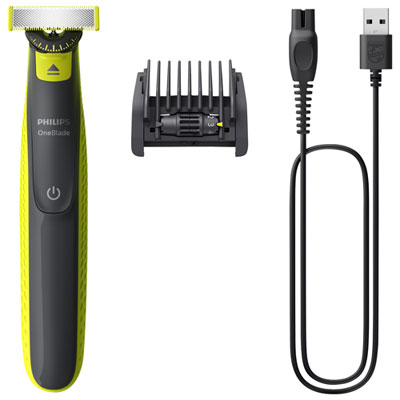 Your price for this item is $49.99
 -
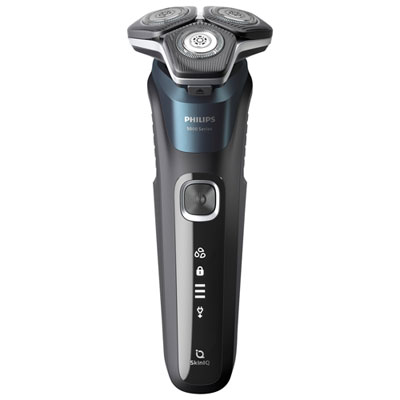 Your price for this item is $99.99
 -
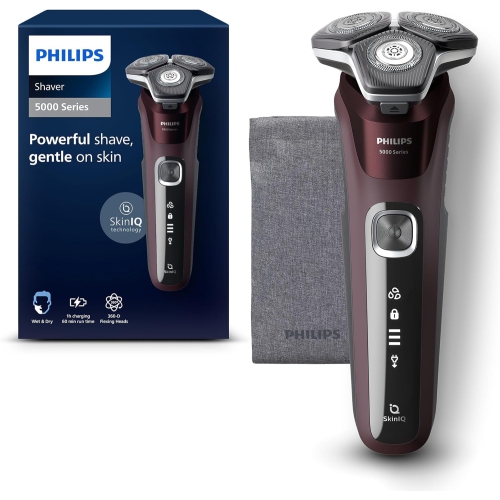 Your price for this item is $79.99
 -
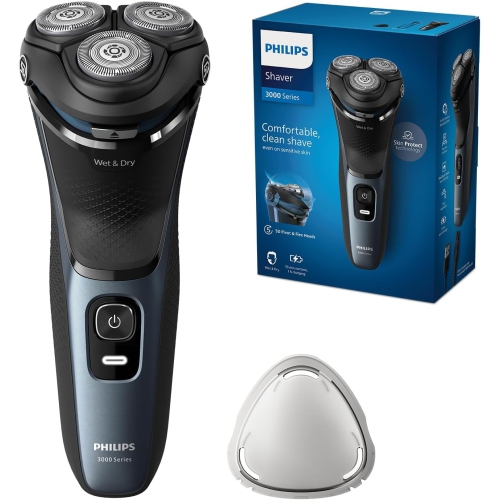 Your price for this item is $99.97
 -
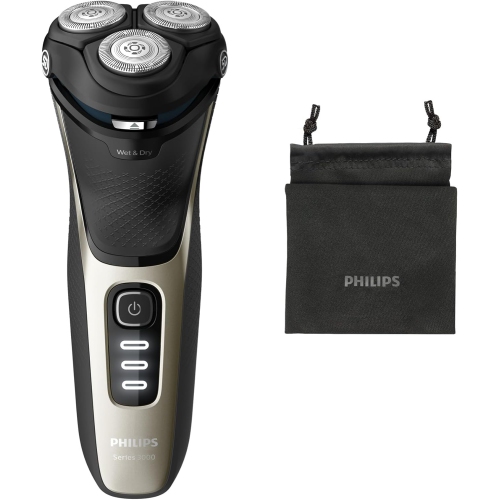 Your price for this item is $47.95
 -
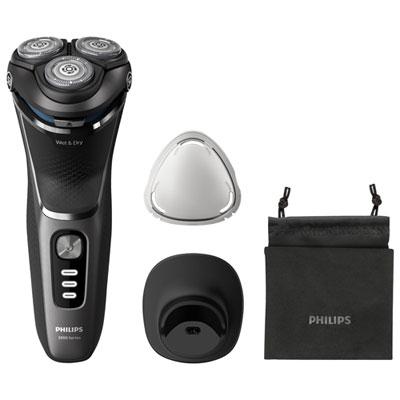 Your price for this item is $89.99
 -
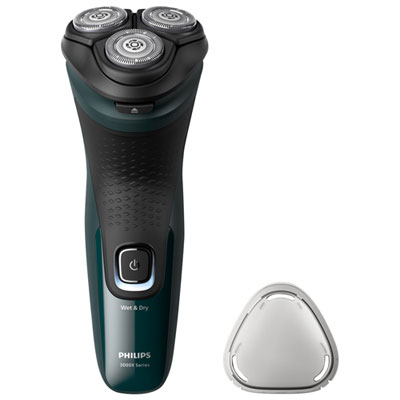 Your price for this item is $49.99
 -
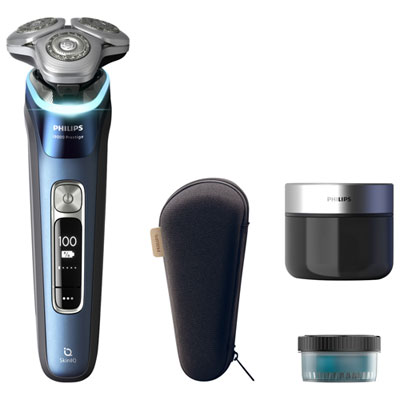 Your price for this item is $299.99
Discover more categories related to Feminine Products

Top Collections:
Pokemon Centers, Kindle Devices, Apple iPhones 16, Canon G7X Cameras, iPhone 15 Apple, Alarm Clock, Flip Phones, Refurbished Apple Laptops, iPhone 14 256GB, Lightweight On-Ear USB-C Headphones
Some products may be subject to Environmental Handling Fees
(EHF) depending on your province.
Learn more about EHFs.