Makeup for Dance Recitals
Makeup for dance recitals plays a key role in helping performers look their best under bright stage lights. From bold colors to long-lasting formulas, the right makeup enhances every routine and captures attention from the audience. Whether you’re preparing for a ballet, jazz, or hip-hop performance, explore a wide range of options designed to complement any costume and style. Find everything you need to create flawless looks that shine throughout every recital.
Sort
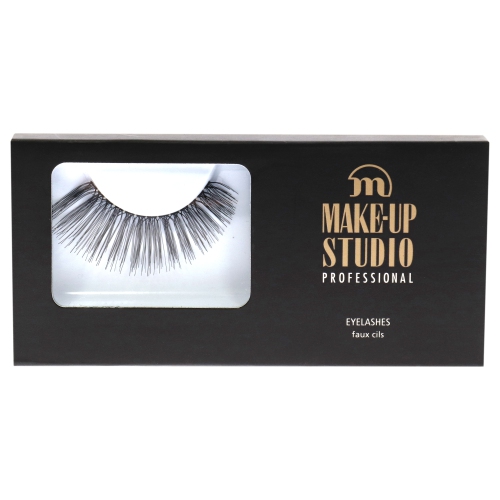
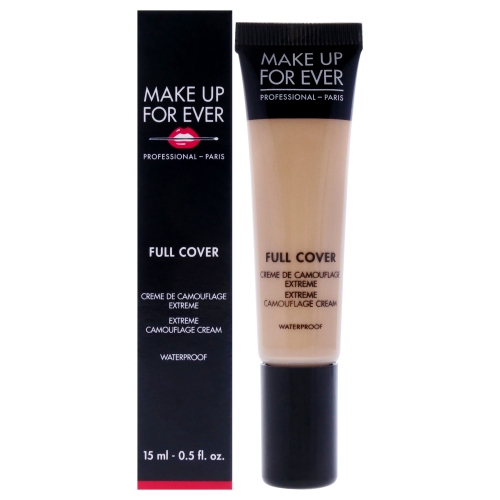
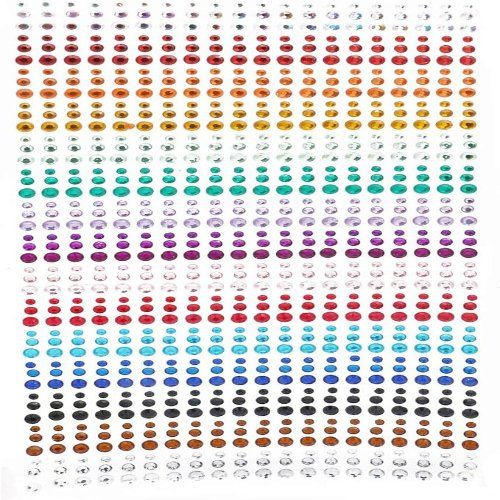
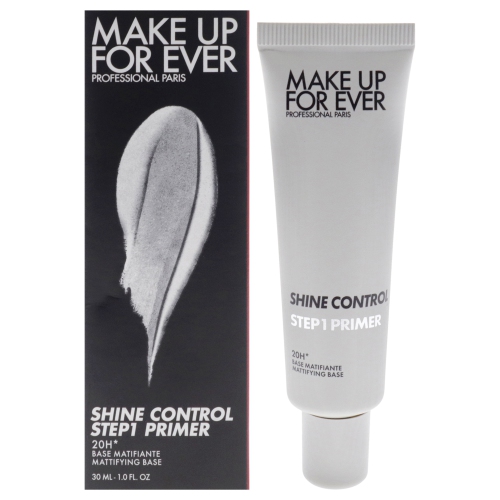
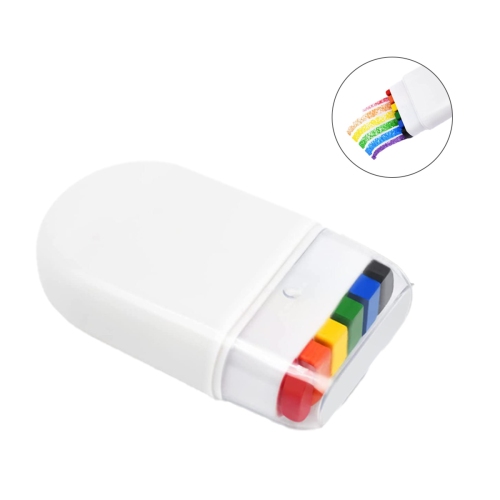
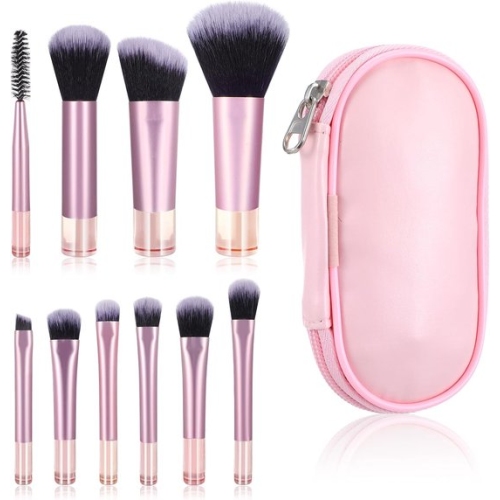
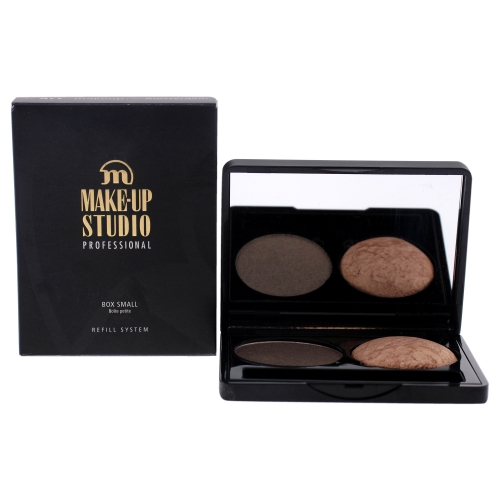
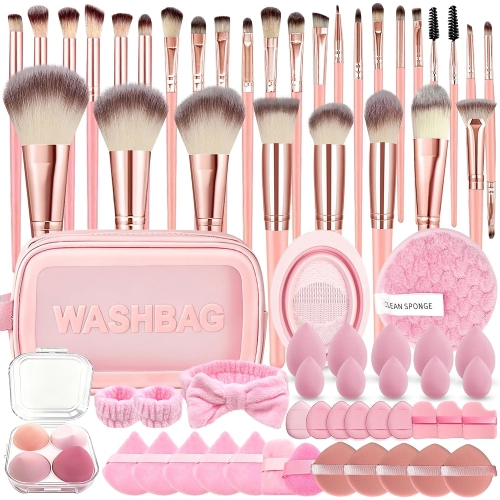
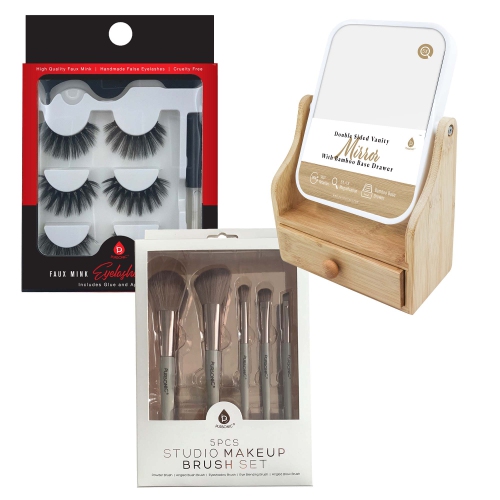
Makeup that lets expressions shine beyond the front row
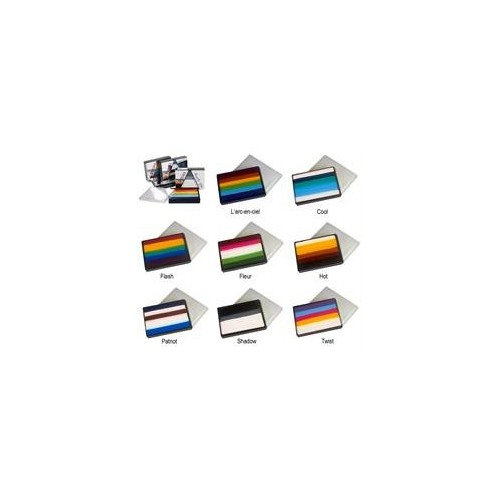
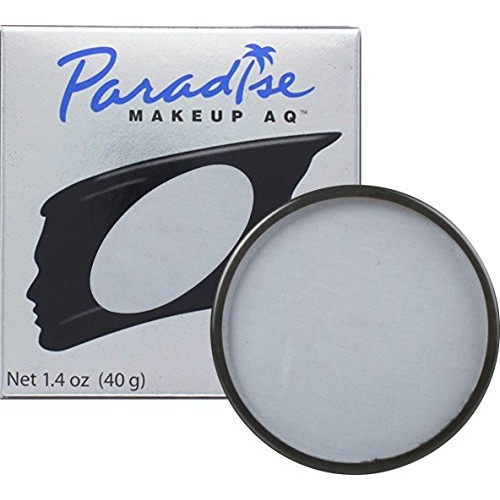
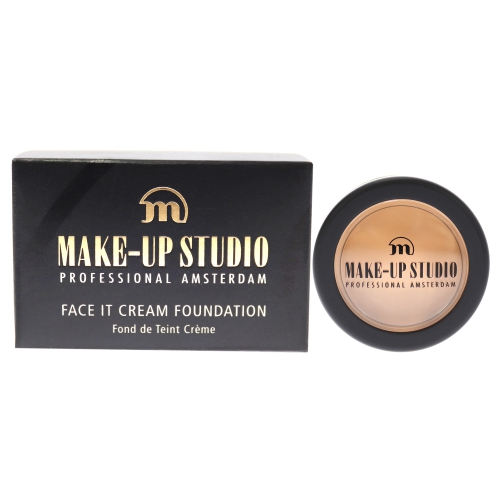
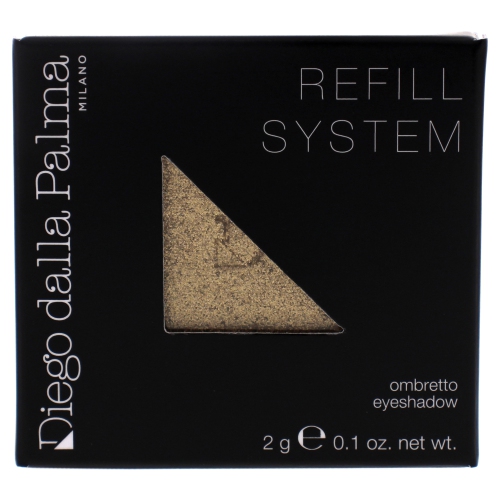
Makeup for dance recitals helps facial features remain visible under bright stage lighting, where everyday makeup can appear less defined from the audience. The aim is usually clear expression rather than a different face: eyes that carry a dancer’s focus, cheeks with visible warmth, and lips that make a smile readable beyond the front row. Foundation, concealer, blush, eyeshadow, eyeliner, mascara, and lip colour each serve a different purpose within that overall look. A foundation shade that matches the dancer’s skin tone creates a more natural connection between the face, neck, and exposed shoulders, while concealer offers targeted coverage without requiring a heavier layer everywhere. Finely milled setting powder can help reduce shine, though its finish matters when a performance includes flash photography or close-up portraits. Blush restores dimension that strong lighting can flatten; rosy, pink, peach, and berry tones create different effects depending on skin tone and the production’s colour palette. Neutral brown eyeshadows offer adaptable definition, while deeper eyeliner and mascara can make the lash line more noticeable at a distance. Red lip colour is familiar in many recital looks, but the appropriate shade may be pink, berry, or another colour chosen for the choreography and costume. There is no single makeup palette that suits every recital. A ballet ensemble in pale costumes may call for a softer finish than a jazz number with bold costumes and dramatic lighting. Matching colours across a group can also be part of the visual design, making the studio’s requested shades more useful than a general idea of what stage makeup should look like. For dancers, parents, and caregivers, the most relevant assortment brings together complexion, eye, and lip makeup suited to the performance, alongside tools that make application and touch-ups manageable. A coherent selection supports everything from the first posed photograph to the final bow without making the makeup compete with the dancer’s expression.
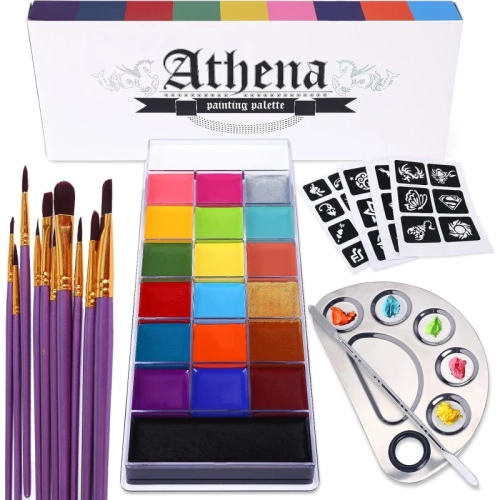
Wear, comfort, and finish are important considerations when makeup needs to last through a dress rehearsal, backstage waiting, and several routines. Long-wear and water-resistant formulas may help colour hold up through perspiration, but those descriptions do not mean every formula performs identically or feels the same on every person. Water-resistant and waterproof claims are also distinct, so the labelled intended use matters more than assuming either finish will stay unchanged throughout a performance. Transfer-resistant lip colour can be useful around costume changes, while a coordinating lip liner helps create a defined edge. Matte finishes tend to reflect less light than glossy or highly luminous finishes, although a completely matte look is not necessary for every dance style. Cream textures can blend easily and offer adjustable coverage; powders can provide controlled colour and make targeted touch-ups straightforward. Skin type influences how those textures wear. A dancer with dry skin may find a flexible, comfortable base preferable to a strongly mattifying finish, while someone prone to shine may value powder concentrated where it is needed rather than across the whole face. Shade depth and undertone deserve equal attention, particularly when an ensemble includes a wide range of complexions. A blush that looks vivid in its packaging may appear subtle on deeper skin, and a pale setting powder may leave an unwanted cast if it does not suit the wearer. For children, age suitability, comfort, and caregiver supervision take priority over achieving an elaborate stage effect. Fragrance preferences and known sensitivities also matter, and claims such as hypoallergenic do not guarantee that a reaction cannot occur. Trying an unfamiliar formula ahead of a performance allows time to notice discomfort or an unsuitable finish. Products used around the eyes should be labelled for that area; craft glitter is not a substitute for cosmetic eye products. These details help distinguish makeup that simply looks dramatic from makeup that is appropriate for its wearer and intended use.
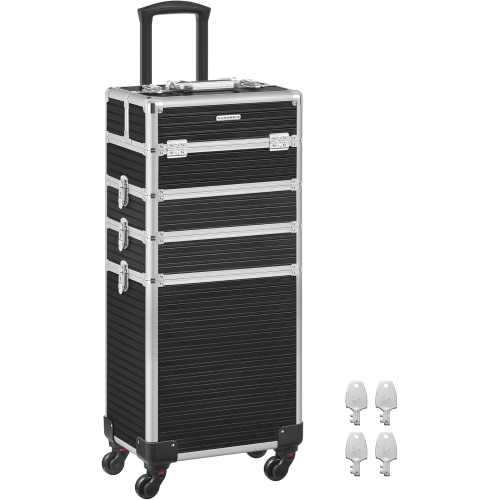
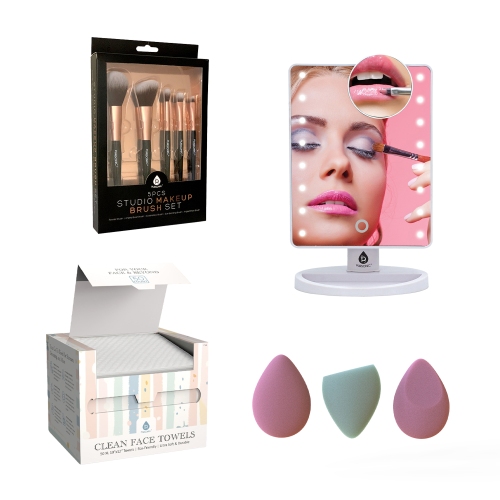
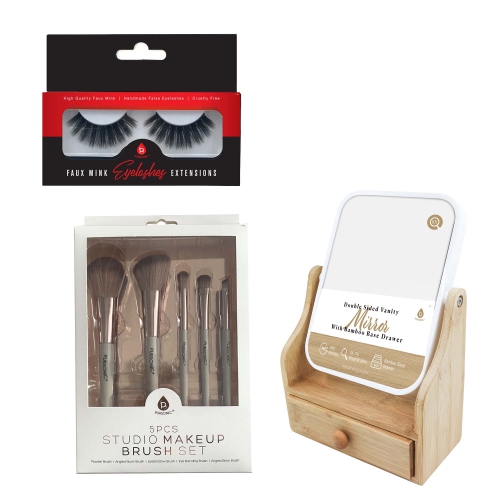
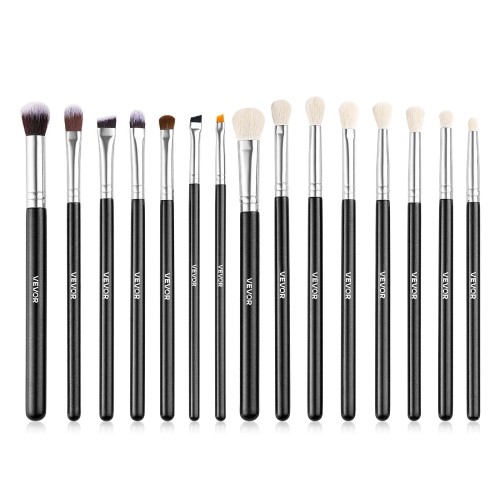
Application tools, storage, and removal products round out a practical dance recital makeup selection. Soft brushes offer different levels of precision, from broad cheek colour to a narrow line at the lash roots, while makeup sponges can help distribute complexion products evenly. Synthetic bristles are commonly used with creams, liquids, and powders, and a well-made brush should feel comfortable against the skin, hold its shape, and resist shedding with proper care. Handle size and grip can make a difference when a caregiver is working carefully around a young dancer’s eyes or an older dancer is applying makeup independently. Washable tools need enough drying time between uses, and care directions vary with their materials and construction. Brush cases that protect bristles and bags with wipe-clean interiors help keep loose powder and lipstick residue away from costumes and accessories. In a shared dressing room, a clearly organized personal kit also makes it easier to keep track of each dancer’s tools. Sharing mascara, eyeliner, or lip products can spread germs, so separate products and clean applicators are especially important when several performers are getting ready together. Packaging durability matters in a dance bag: secure closures, protected palettes, and sturdy cases help reduce spills during travel between home, the studio, and the venue. A portable mirror can make a crowded dressing area easier to use, although makeup may look different under its light than it does on stage. Gentle removal is another part of intended use, particularly with long-wear lip colour or waterproof eye makeup. A remover labelled for the relevant formula and area can help lift makeup without repeated rubbing, followed by the dancer’s usual skin care. For an older student building a personal performance kit, brushes, a cosmetic bag, or a mirror can make a thoughtful recital gift without requiring someone else to choose complexion shades. Dancers who also take part in runway presentations may find related colour and finish considerations in Makeup for Fashion Shows, though recital makeup remains centred on movement, expressive features, and visibility from the audience.
Wear, comfort, and finish are important considerations when makeup needs to last through a dress rehearsal, backstage waiting, and several routines. Long-wear and water-resistant formulas may help colour hold up through perspiration, but those descriptions do not mean every formula performs identically or feels the same on every person. Water-resistant and waterproof claims are also distinct, so the labelled intended use matters more than assuming either finish will stay unchanged throughout a performance. Transfer-resistant lip colour can be useful around costume changes, while a coordinating lip liner helps create a defined edge. Matte finishes tend to reflect less light than glossy or highly luminous finishes, although a completely matte look is not necessary for every dance style. Cream textures can blend easily and offer adjustable coverage; powders can provide controlled colour and make targeted touch-ups straightforward. Skin type influences how those textures wear. A dancer with dry skin may find a flexible, comfortable base preferable to a strongly mattifying finish, while someone prone to shine may value powder concentrated where it is needed rather than across the whole face. Shade depth and undertone deserve equal attention, particularly when an ensemble includes a wide range of complexions. A blush that looks vivid in its packaging may appear subtle on deeper skin, and a pale setting powder may leave an unwanted cast if it does not suit the wearer. For children, age suitability, comfort, and caregiver supervision take priority over achieving an elaborate stage effect. Fragrance preferences and known sensitivities also matter, and claims such as hypoallergenic do not guarantee that a reaction cannot occur. Trying an unfamiliar formula ahead of a performance allows time to notice discomfort or an unsuitable finish. Products used around the eyes should be labelled for that area; craft glitter is not a substitute for cosmetic eye products. These details help distinguish makeup that simply looks dramatic from makeup that is appropriate for its wearer and intended use.
Application tools, storage, and removal products round out a practical dance recital makeup selection. Soft brushes offer different levels of precision, from broad cheek colour to a narrow line at the lash roots, while makeup sponges can help distribute complexion products evenly. Synthetic bristles are commonly used with creams, liquids, and powders, and a well-made brush should feel comfortable against the skin, hold its shape, and resist shedding with proper care. Handle size and grip can make a difference when a caregiver is working carefully around a young dancer’s eyes or an older dancer is applying makeup independently. Washable tools need enough drying time between uses, and care directions vary with their materials and construction. Brush cases that protect bristles and bags with wipe-clean interiors help keep loose powder and lipstick residue away from costumes and accessories. In a shared dressing room, a clearly organized personal kit also makes it easier to keep track of each dancer’s tools. Sharing mascara, eyeliner, or lip products can spread germs, so separate products and clean applicators are especially important when several performers are getting ready together. Packaging durability matters in a dance bag: secure closures, protected palettes, and sturdy cases help reduce spills during travel between home, the studio, and the venue. A portable mirror can make a crowded dressing area easier to use, although makeup may look different under its light than it does on stage. Gentle removal is another part of intended use, particularly with long-wear lip colour or waterproof eye makeup. A remover labelled for the relevant formula and area can help lift makeup without repeated rubbing, followed by the dancer’s usual skin care. For an older student building a personal performance kit, brushes, a cosmetic bag, or a mirror can make a thoughtful recital gift without requiring someone else to choose complexion shades. Dancers who also take part in runway presentations may find related colour and finish considerations in Makeup for Fashion Shows, though recital makeup remains centred on movement, expressive features, and visibility from the audience.
Top selling and popular products
-
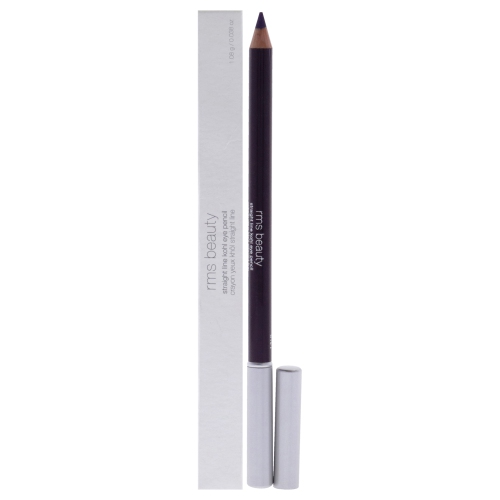 Your price for this item is $32.68
 -
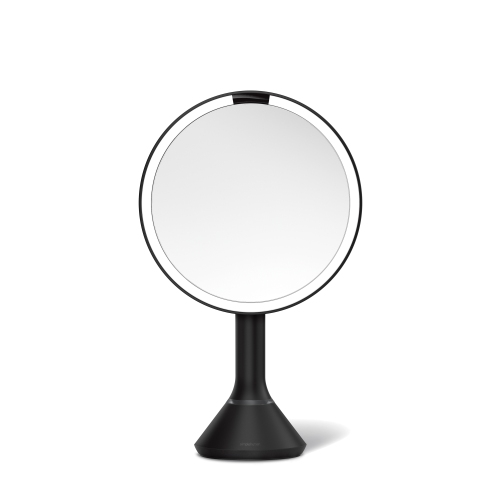 Your price for this item is $270
 -
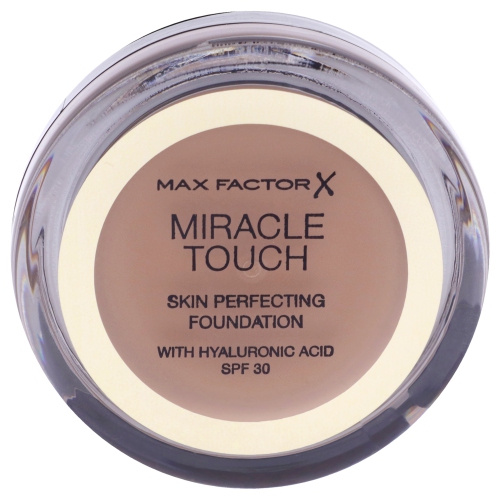 Your price for this item is $14.53
 -
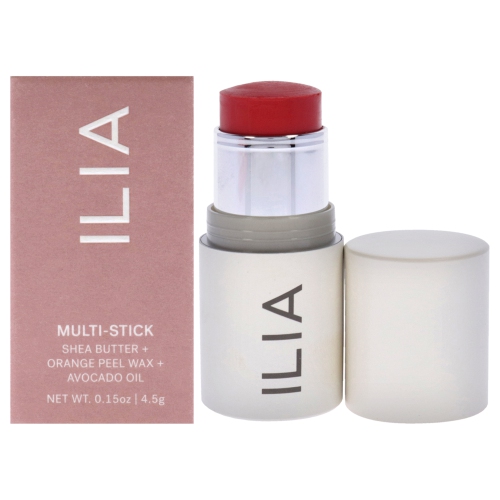 Your price for this item is $43.6
 -
![UNIVERSAL STUDIOS Justice League Dark: Apokolips War Mfv [Uhd]](https://multimedia.bbycastatic.ca/multimedia/products/500x500/182/18208/18208895.jpeg) Your price for this item is $41.92
Your price for this item is $41.92 -
 Your price for this item is $33.57
 -
 Your price for this item is $68.99
 -
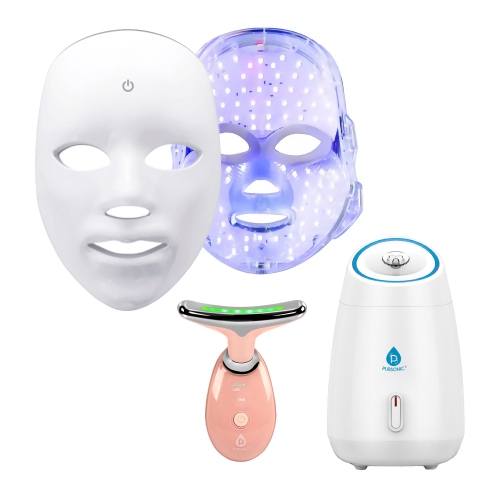 Your price for this item is $157.99
Discover more categories related to Makeup for Dance Recitals
Top Collections:
Pokemon Centers, Kindle Devices, Best Budget Office Chairs, Apple iPhones 16, Best Laptops for Writers, iPhone 15 Apple, Canon G7X Cameras, Refurbished Apple Laptops, Alarm Clock, Motorola Razr Phones
Some products may be subject to Environmental Handling Fees
(EHF) depending on your province.
Learn more about EHFs.