Makeup for Professional Photos
Achieve a flawless look in every shot with Makeup For Professional Photos. Whether preparing for a headshot, corporate portrait, or special event, the right makeup can enhance your features and help you feel confident in front of the camera. Explore a wide selection of essentials designed to help you create a polished finish that stands out under studio lights and captures attention in every frame. Find everything you need to elevate your look and make every photo memorable.
Sort
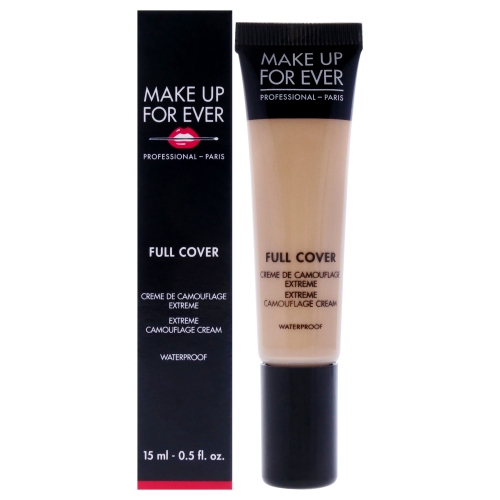
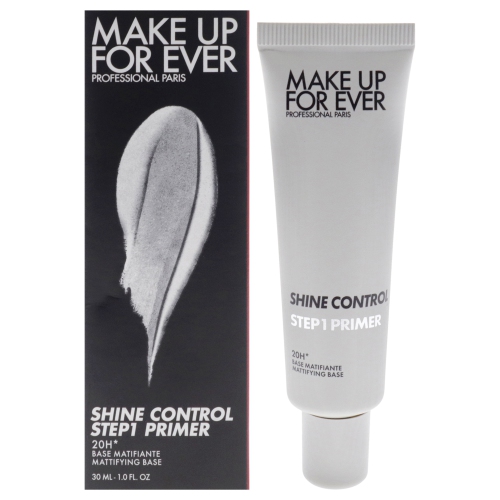
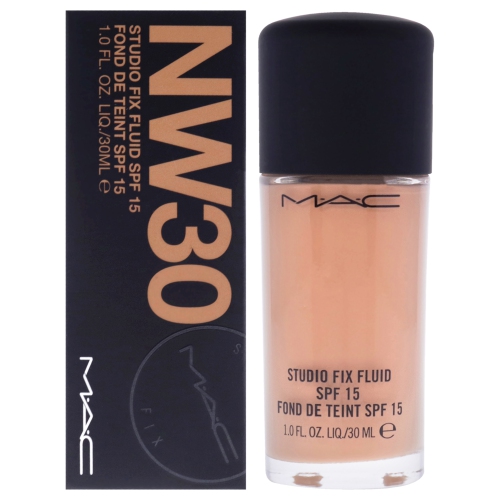
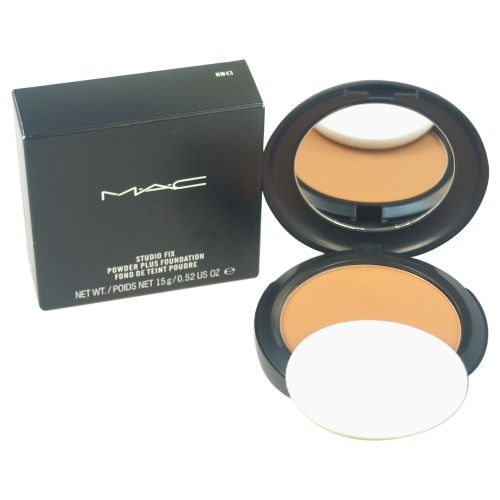
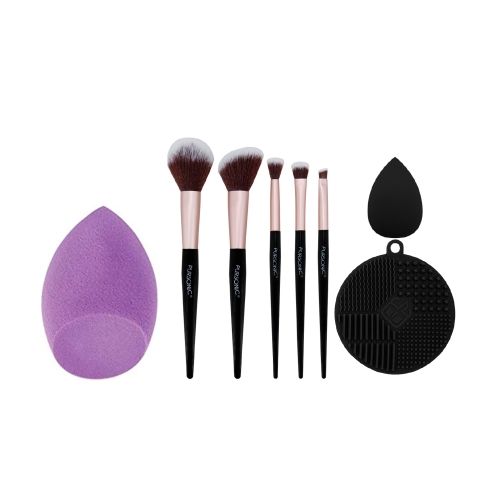
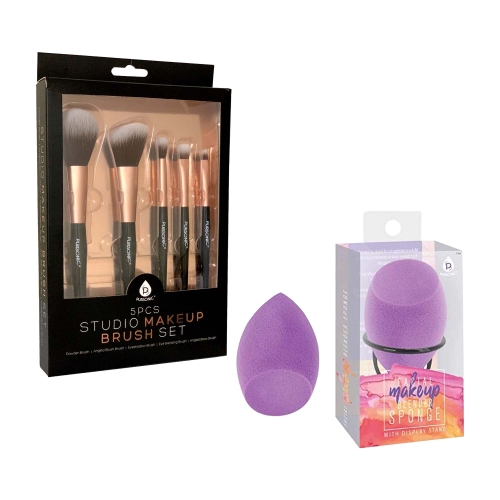
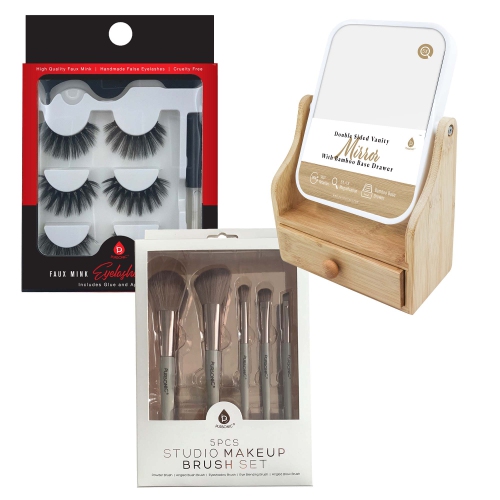
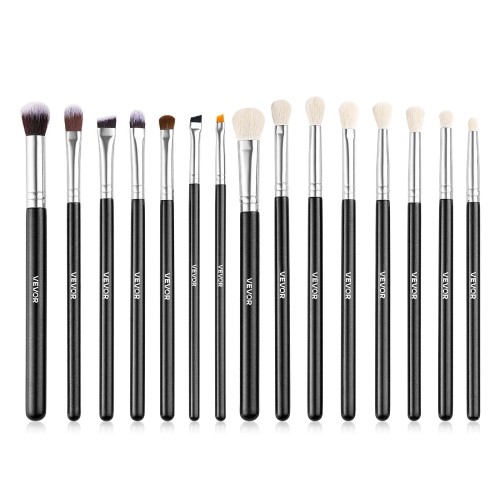


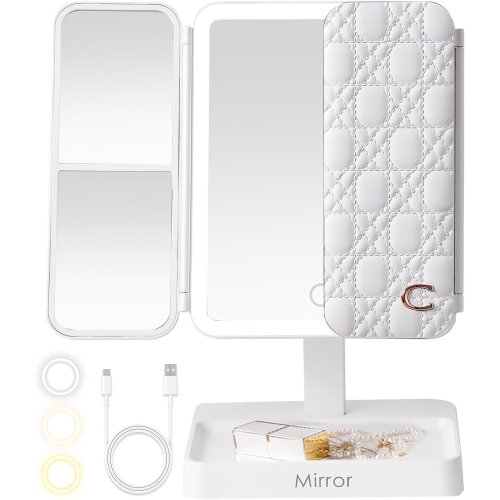
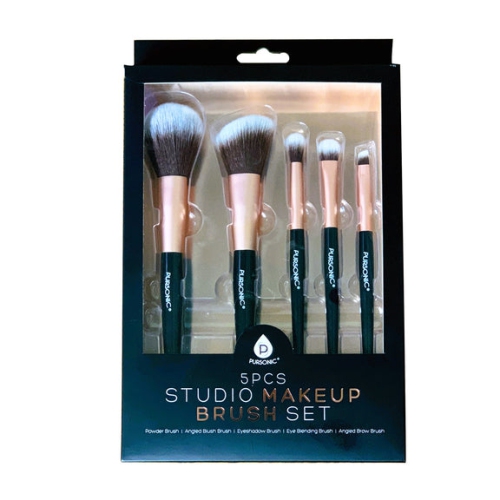
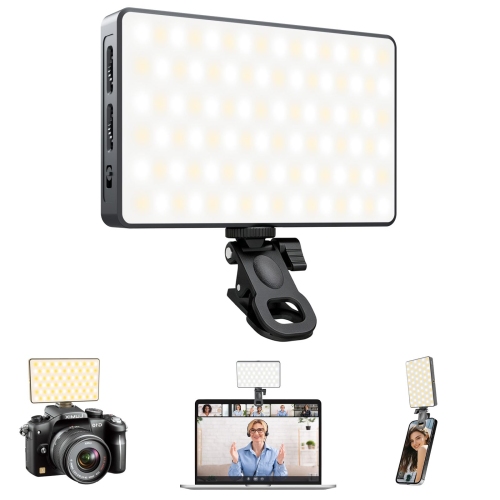
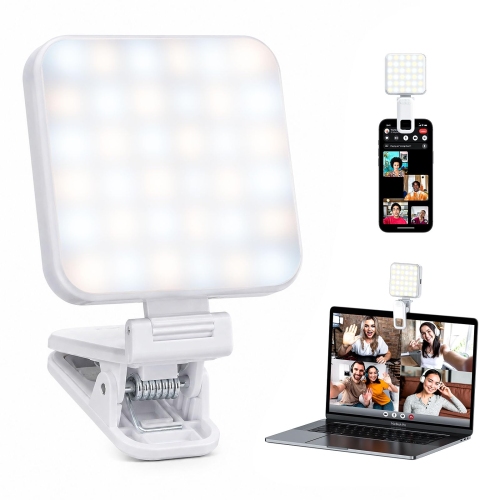
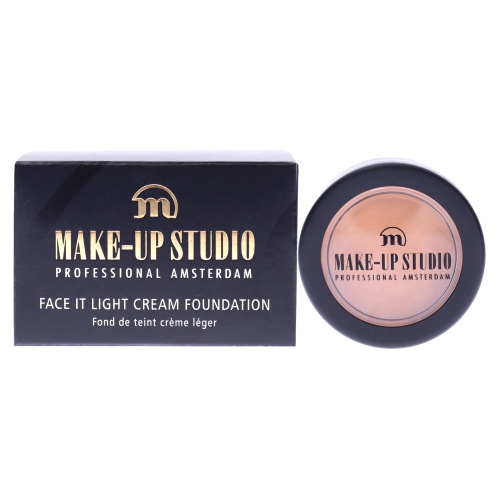
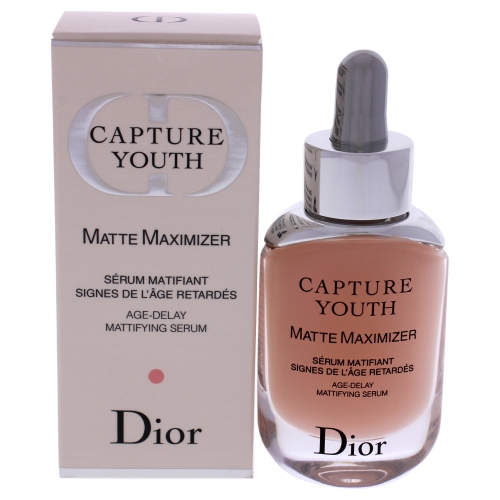
Why camera lighting changes how makeup looks
Makeup for professional photos is designed to give skin a balanced finish and keep facial features visible under camera lighting, whether the occasion is a corporate headshot, an actor’s portfolio, a graduation portrait, or a personal branding session. The aim is often to look recognizably like yourself, with enough definition to hold up in a close crop or a brightly lit studio. Foundation, concealer, powder, cheek colour, brow makeup, and lip colour each contribute something different to that result. For complexion makeup, shade match involves depth and undertone as well as how the colour looks once the formula has settled on the skin. A face that matches the neck and any visible chest area generally looks more cohesive in portraits, particularly with an open neckline. Sheer and medium coverage can soften uneven colour while leaving freckles and natural texture visible; fuller coverage may suit a more polished creative brief or provide targeted coverage where needed. Buildable formulas offer flexibility without requiring a thick layer across the entire face. Matte finishes reduce visible shine, while satin finishes preserve a little reflected light for a less flat appearance. Neither finish is automatically best for every person: skin type, comfort, lighting, and the intended mood of the photograph all matter. Very reflective makeup can create bright highlights across the forehead, nose, and cheeks, but a completely powdered face may lose some of its natural dimension. Finely milled powders and restrained shimmer can help balance those effects. Flashback, the pale cast that sometimes appears in flash photographs, depends on the formula, application amount, and lighting rather than on one label claim alone. SPF does not automatically make makeup unsuitable for photography, and sun protection should not be abandoned for a picture. A camera test under lighting similar to the session offers a more useful check than judging the finish only in a bathroom mirror.
Colour and definition give portrait makeup its character, from understated polish for a professional profile to a stronger look for a performer’s promotional images. Blush can restore visible warmth when bright lighting makes cheek colour appear less pronounced, while bronzer and contour create different effects: bronzer adds warmth, and contour suggests shadow. Both look more convincing when their undertones work with the wearer’s complexion and their edges blend without obvious stripes. Cream textures can merge naturally with complexion makeup, whereas powder textures offer a more controlled finish over a set base. Formula compatibility matters as much as texture; makeup that pills, separates, or catches on dry areas can become conspicuous in a high-resolution photograph. Brows frame the face, and pencils, powders, and gels provide different levels of precision and hold. A softly defined brow can retain visible hair texture, while a more sculpted shape may suit dramatic styling. Around the eyes, neutral shades are not limited to beige or brown: soft plum, muted rose, charcoal, and deeper shades chosen for the wearer’s skin tone can also provide definition without dominating a portrait. Matte and softly luminous finishes tend to create less concentrated reflection than coarse glitter, although a sparkling eye may be entirely appropriate for a creative shoot. Mascara and liner can make the lash line more distinct, with smudge resistance especially useful during a lengthy session. False lashes vary in band flexibility, length, and density; lighter designs may feel more comfortable and cast less noticeable shadows than very dense styles. Lip colour also benefits from a balance between definition and comfort. Satin lipstick, a softly tinted balm, or a controlled gloss can each suit a different brief, while highly reflective finishes draw more attention to the mouth. For shoppers exploring a more theatrical direction, Makeup for Fashion Shows offers a related theme where stronger colour and statement finishes may play a larger role. Portrait makeup, by contrast, often needs to complement several expressions, outfits, and camera angles without becoming the main subject.
Comfort, wear, and application tools are practical considerations when choosing makeup for a session that may involve outfit changes, close-up images, and several hours in front of a camera. Long-wear and transfer-resistant formulas can help limit marks on collars and reduce interruptions, but those claims do not mean a finish will remain unchanged on every skin type. Flexible textures may feel better around areas that move frequently, such as the eyes and mouth, while a highly matte formula can feel tight on dry skin. For sensitive skin, ingredient preferences and previous reactions are more meaningful than assuming that a photography-focused formula will be suitable. Trying unfamiliar makeup or lash adhesive ahead of an important appointment leaves room to notice discomfort and choose another option. Brushes and sponges influence how much product reaches the skin and how evenly it spreads. Densely packed brushes can distribute cream and liquid formulas with controlled coverage; softer, loosely packed bristles can diffuse powder and cheek colour. Synthetic bristles are commonly used with creams and liquids and can be straightforward to clean, while sponge shape affects access around the nose and inner eye area. Handle comfort, secure ferrules, and bristles that hold their shape are useful signs of tool construction, especially for frequent use. Clean tools also help avoid muddy colour and uneven application. Care should follow the manufacturer’s directions, with brushes allowed to dry thoroughly and sponges replaced when they deteriorate or cannot be cleaned properly. Makeup packaging matters, too: secure caps, manageable applicators, and sturdy compacts make touch-ups easier between photographs. Blotting papers can absorb excess surface oil without repeatedly building up powder, while a small amount of matching lip colour can refresh the mouth after a drink. These categories suit people preparing for business portraits, performers updating portfolios, makeup artists building a versatile kit, and anyone marking a personal milestone with professional photographs. As gifts, brushes, cases, and other shade-independent accessories can be easier to choose than complexion makeup, where an accurate match is highly personal. The most useful assortment supports the wearer’s own features, feels comfortable throughout the appointment, and delivers a finish suited to the photographs being made.
Colour and definition give portrait makeup its character, from understated polish for a professional profile to a stronger look for a performer’s promotional images. Blush can restore visible warmth when bright lighting makes cheek colour appear less pronounced, while bronzer and contour create different effects: bronzer adds warmth, and contour suggests shadow. Both look more convincing when their undertones work with the wearer’s complexion and their edges blend without obvious stripes. Cream textures can merge naturally with complexion makeup, whereas powder textures offer a more controlled finish over a set base. Formula compatibility matters as much as texture; makeup that pills, separates, or catches on dry areas can become conspicuous in a high-resolution photograph. Brows frame the face, and pencils, powders, and gels provide different levels of precision and hold. A softly defined brow can retain visible hair texture, while a more sculpted shape may suit dramatic styling. Around the eyes, neutral shades are not limited to beige or brown: soft plum, muted rose, charcoal, and deeper shades chosen for the wearer’s skin tone can also provide definition without dominating a portrait. Matte and softly luminous finishes tend to create less concentrated reflection than coarse glitter, although a sparkling eye may be entirely appropriate for a creative shoot. Mascara and liner can make the lash line more distinct, with smudge resistance especially useful during a lengthy session. False lashes vary in band flexibility, length, and density; lighter designs may feel more comfortable and cast less noticeable shadows than very dense styles. Lip colour also benefits from a balance between definition and comfort. Satin lipstick, a softly tinted balm, or a controlled gloss can each suit a different brief, while highly reflective finishes draw more attention to the mouth. For shoppers exploring a more theatrical direction, Makeup for Fashion Shows offers a related theme where stronger colour and statement finishes may play a larger role. Portrait makeup, by contrast, often needs to complement several expressions, outfits, and camera angles without becoming the main subject.
Comfort, wear, and application tools are practical considerations when choosing makeup for a session that may involve outfit changes, close-up images, and several hours in front of a camera. Long-wear and transfer-resistant formulas can help limit marks on collars and reduce interruptions, but those claims do not mean a finish will remain unchanged on every skin type. Flexible textures may feel better around areas that move frequently, such as the eyes and mouth, while a highly matte formula can feel tight on dry skin. For sensitive skin, ingredient preferences and previous reactions are more meaningful than assuming that a photography-focused formula will be suitable. Trying unfamiliar makeup or lash adhesive ahead of an important appointment leaves room to notice discomfort and choose another option. Brushes and sponges influence how much product reaches the skin and how evenly it spreads. Densely packed brushes can distribute cream and liquid formulas with controlled coverage; softer, loosely packed bristles can diffuse powder and cheek colour. Synthetic bristles are commonly used with creams and liquids and can be straightforward to clean, while sponge shape affects access around the nose and inner eye area. Handle comfort, secure ferrules, and bristles that hold their shape are useful signs of tool construction, especially for frequent use. Clean tools also help avoid muddy colour and uneven application. Care should follow the manufacturer’s directions, with brushes allowed to dry thoroughly and sponges replaced when they deteriorate or cannot be cleaned properly. Makeup packaging matters, too: secure caps, manageable applicators, and sturdy compacts make touch-ups easier between photographs. Blotting papers can absorb excess surface oil without repeatedly building up powder, while a small amount of matching lip colour can refresh the mouth after a drink. These categories suit people preparing for business portraits, performers updating portfolios, makeup artists building a versatile kit, and anyone marking a personal milestone with professional photographs. As gifts, brushes, cases, and other shade-independent accessories can be easier to choose than complexion makeup, where an accurate match is highly personal. The most useful assortment supports the wearer’s own features, feels comfortable throughout the appointment, and delivers a finish suited to the photographs being made.
Top selling and popular products
-
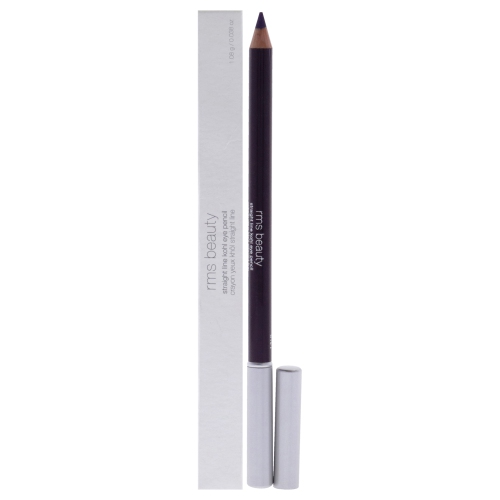 Your price for this item is $32.68
 -
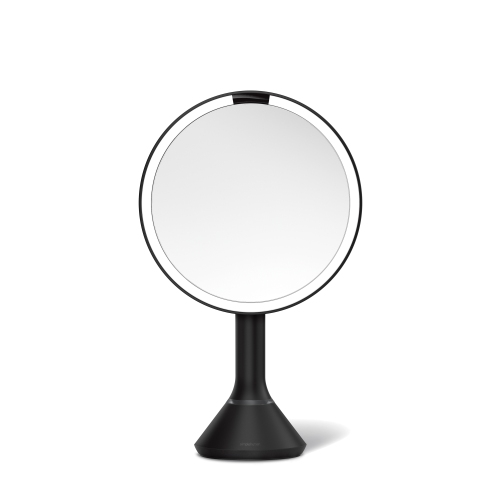 Your price for this item is $270
 -
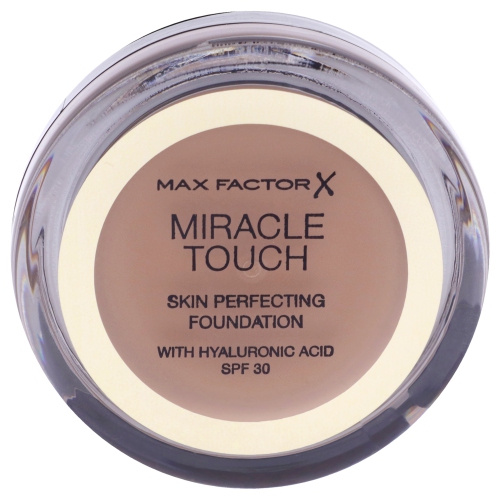 Your price for this item is $14.53
 -
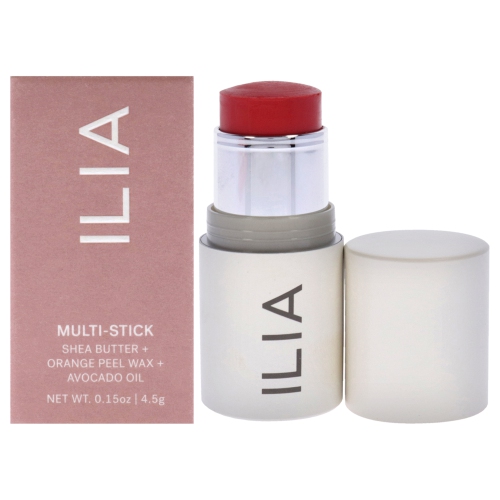 Your price for this item is $43.6
 -
![UNIVERSAL STUDIOS Justice League Dark: Apokolips War Mfv [Uhd]](https://multimedia.bbycastatic.ca/multimedia/products/500x500/182/18208/18208895.jpeg) Your price for this item is $41.92
Your price for this item is $41.92 -
 Your price for this item is $33.57
 -
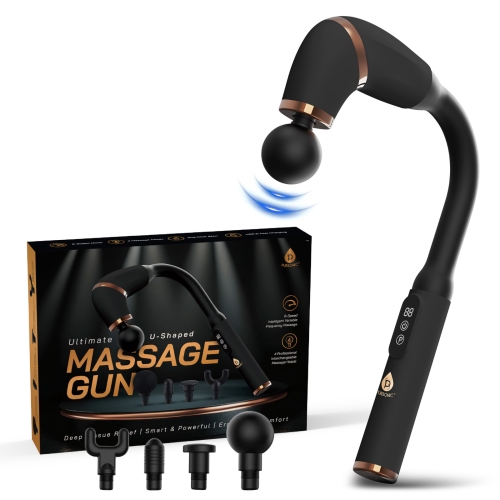 Your price for this item is $68.99
 -
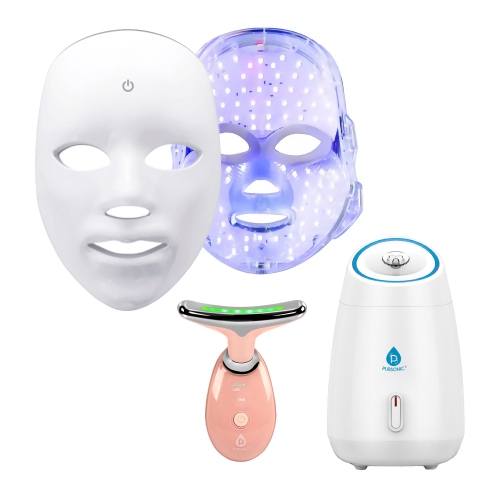 Your price for this item is $157.99
Discover more categories related to Makeup for Professional Photos
Top Collections:
Pokemon Centers, Kindle Devices, Best Budget Office Chairs, Apple iPhones 16, Best Laptops for Writers, iPhone 15 Apple, Canon G7X Cameras, Refurbished Apple Laptops, Alarm Clock, Motorola Razr Phones
Some products may be subject to Environmental Handling Fees
(EHF) depending on your province.
Learn more about EHFs.