Oil Free Liquid Foundations
Oil Free Liquid Foundations offer a smooth, lightweight option for achieving a flawless complexion without added oils. Perfect for a variety of skin types, these foundations provide a natural-looking finish that enhances your makeup routine. Explore a wide selection of Oil Free Liquid Foundations to find the ideal match for your skin tone and style preferences, making it easy to create a fresh, polished look every day.

Why oil-free coverage does not always mean matte
Oil-free liquid foundations offer complexion coverage without oils included as ingredients, making them a useful option for anyone who prefers a lighter-feeling base or wants to limit added shine. They are often associated with oily and combination skin, but the oil-free label alone does not determine how a foundation will look, feel, or wear. Coverage, finish, pigments, and the rest of the formula all contribute to the result. A sheer liquid can soften the appearance of uneven tone while leaving freckles visible; a medium-coverage formula can create a more uniform base without looking heavily made up; and fuller coverage can more noticeably conceal redness and discolouration. Buildable coverage offers flexibility, allowing a thin layer across the face with a little more coverage around the nose, chin, or other areas that need it. Finish is a separate consideration. Matte formulas reduce the appearance of shine, soft-matte finishes offer a less flat effect, and natural finishes aim to resemble skin rather than a visibly powdered surface. Some oil-free formulas also provide a radiant finish, so oil-free does not automatically mean matte. Within the wider range of Liquid Foundations, this category suits everyday makeup routines, polished work looks, and more detailed makeup for photographs or special occasions. Someone whose forehead becomes shiny while their cheeks feel tight may prefer a formula that balances a soft-matte finish with hydrating ingredients. Someone who dislikes the sensation of a rich base may place more value on a fluid texture and thin, flexible coverage. The most useful distinction is between what a formula leaves out and what it is designed to do: an oil-free foundation can help create an even-looking complexion, but it is not necessarily an oil-control treatment, a blemish treatment, or a guarantee of all-day wear. Those benefits depend on the individual formula and its stated claims.
The texture of an oil-free liquid foundation comes from its complete blend of ingredients, not simply the absence of oil. Water-based formulas may include silicones to improve slip, humectants such as glycerin to attract moisture, and powders such as silica or certain clays to absorb excess oil and soften the appearance of shine. Not every formula contains these ingredients, and their proportions influence whether the liquid feels runny, creamy, weightless, or more substantial. Silicones are not the same as oils, so an oil-free formula is not necessarily silicone-free. Likewise, oil-free does not mean fragrance-free or non-comedogenic. A non-comedogenic claim indicates that a formula is intended not to clog pores, but individual skin responses still vary. For skin that is easily irritated, the full ingredient list and any fragrance information can matter as much as the coverage description. A small patch test before regular use can help identify an unwanted reaction, although it cannot guarantee that irritation will never occur. Skin comfort also depends on preparation. Oily skin can still benefit from a suitable moisturizer, while dry areas may need extra attention to prevent pigment from catching on flaky patches. Once skincare has settled, a thin foundation layer generally looks more even than a thick application over slippery or unevenly absorbed products. Shade fit deserves similar attention because coverage is most convincing when the colour blends naturally into the jaw and neck. Depth describes how light or deep a shade is, while undertone may be warm, cool, neutral, or olive. A close match should look balanced beyond the centre of the face, without leaving an obvious line along the jaw. Checking a small swatch in daylight and allowing it to dry down can reveal whether the shade looks different after application. Where more coverage is needed, a closely matched concealer can address individual spots without requiring a heavier layer of foundation everywhere else.
Application and wear help distinguish an oil-free liquid foundation that suits a quick routine from one better suited to a carefully finished makeup look. Clean fingertips can spread a fluid formula quickly, a damp makeup sponge can soften edges and thin out coverage, and a dense foundation brush can distribute pigment more precisely. The best tool depends on the formula and the desired result rather than a single rule. Working in small amounts makes it easier to maintain visible skin texture and avoid buildup beside the nose or around expression lines. A fast-setting matte liquid may blend most evenly when applied one section at a time, while a more fluid formula may allow longer blending time. For combination skin, a light dusting of powder through the T-zone can set areas prone to shine without making the cheeks look overly dry. Blotting excess oil before touching up can also help prevent successive layers of powder and foundation from looking thick. Wear claims should be read separately: long-wearing, transfer-resistant, and water-resistant describe different qualities, and none means that makeup cannot move or fade. Contact with a phone, glasses, a face covering, or clothing can affect the finish, particularly where product collects or rubs against a surface. Foundation with an SPF claim should not replace a dedicated sunscreen used as directed, since a typical makeup application may not provide the tested level of protection. Product care supports consistent texture and hygienic use. Pumps and squeeze tubes can make it easier to dispense a small amount without repeatedly touching the remaining formula; bottles with an open neck need equally careful handling. Clean tools regularly, close the container after use, and follow storage directions and the period-after-opening symbol where provided. Changes in smell, colour, or consistency are reasons to stop using the formula rather than trying to restore it by adding water. Removing makeup thoroughly at the end of wear helps keep the routine comfortable and manageable. With a suitable shade, finish, and coverage level, an oil-free liquid foundation can serve as a barely noticeable daily base or the starting point for a more defined makeup look.
The texture of an oil-free liquid foundation comes from its complete blend of ingredients, not simply the absence of oil. Water-based formulas may include silicones to improve slip, humectants such as glycerin to attract moisture, and powders such as silica or certain clays to absorb excess oil and soften the appearance of shine. Not every formula contains these ingredients, and their proportions influence whether the liquid feels runny, creamy, weightless, or more substantial. Silicones are not the same as oils, so an oil-free formula is not necessarily silicone-free. Likewise, oil-free does not mean fragrance-free or non-comedogenic. A non-comedogenic claim indicates that a formula is intended not to clog pores, but individual skin responses still vary. For skin that is easily irritated, the full ingredient list and any fragrance information can matter as much as the coverage description. A small patch test before regular use can help identify an unwanted reaction, although it cannot guarantee that irritation will never occur. Skin comfort also depends on preparation. Oily skin can still benefit from a suitable moisturizer, while dry areas may need extra attention to prevent pigment from catching on flaky patches. Once skincare has settled, a thin foundation layer generally looks more even than a thick application over slippery or unevenly absorbed products. Shade fit deserves similar attention because coverage is most convincing when the colour blends naturally into the jaw and neck. Depth describes how light or deep a shade is, while undertone may be warm, cool, neutral, or olive. A close match should look balanced beyond the centre of the face, without leaving an obvious line along the jaw. Checking a small swatch in daylight and allowing it to dry down can reveal whether the shade looks different after application. Where more coverage is needed, a closely matched concealer can address individual spots without requiring a heavier layer of foundation everywhere else.
Application and wear help distinguish an oil-free liquid foundation that suits a quick routine from one better suited to a carefully finished makeup look. Clean fingertips can spread a fluid formula quickly, a damp makeup sponge can soften edges and thin out coverage, and a dense foundation brush can distribute pigment more precisely. The best tool depends on the formula and the desired result rather than a single rule. Working in small amounts makes it easier to maintain visible skin texture and avoid buildup beside the nose or around expression lines. A fast-setting matte liquid may blend most evenly when applied one section at a time, while a more fluid formula may allow longer blending time. For combination skin, a light dusting of powder through the T-zone can set areas prone to shine without making the cheeks look overly dry. Blotting excess oil before touching up can also help prevent successive layers of powder and foundation from looking thick. Wear claims should be read separately: long-wearing, transfer-resistant, and water-resistant describe different qualities, and none means that makeup cannot move or fade. Contact with a phone, glasses, a face covering, or clothing can affect the finish, particularly where product collects or rubs against a surface. Foundation with an SPF claim should not replace a dedicated sunscreen used as directed, since a typical makeup application may not provide the tested level of protection. Product care supports consistent texture and hygienic use. Pumps and squeeze tubes can make it easier to dispense a small amount without repeatedly touching the remaining formula; bottles with an open neck need equally careful handling. Clean tools regularly, close the container after use, and follow storage directions and the period-after-opening symbol where provided. Changes in smell, colour, or consistency are reasons to stop using the formula rather than trying to restore it by adding water. Removing makeup thoroughly at the end of wear helps keep the routine comfortable and manageable. With a suitable shade, finish, and coverage level, an oil-free liquid foundation can serve as a barely noticeable daily base or the starting point for a more defined makeup look.
Top selling and popular products
-
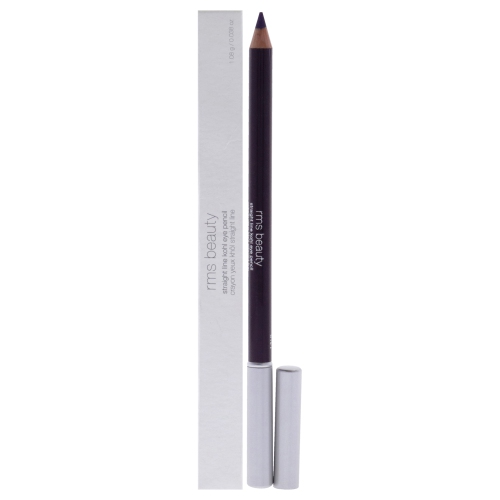 Your price for this item is $32.68
 -
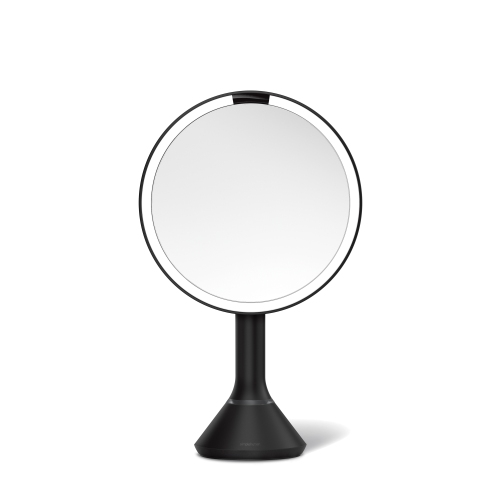 Your price for this item is $270
 -
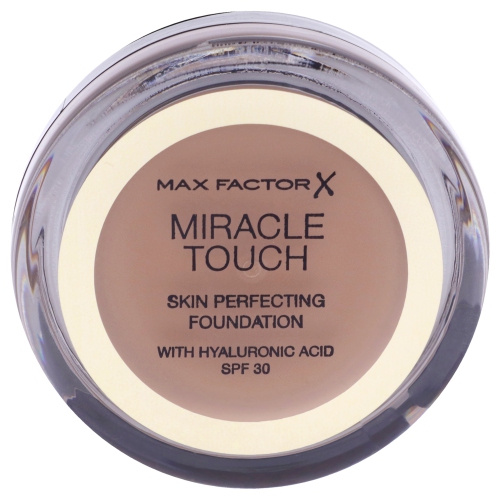 Your price for this item is $14.53
 -
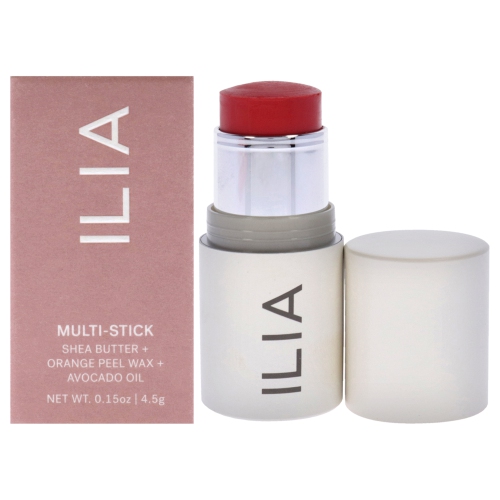 Your price for this item is $43.6
 -
![UNIVERSAL STUDIOS Justice League Dark: Apokolips War Mfv [Uhd]](https://multimedia.bbycastatic.ca/multimedia/products/500x500/182/18208/18208895.jpeg) Your price for this item is $41.92
Your price for this item is $41.92 -
 Your price for this item is $33.57
 -
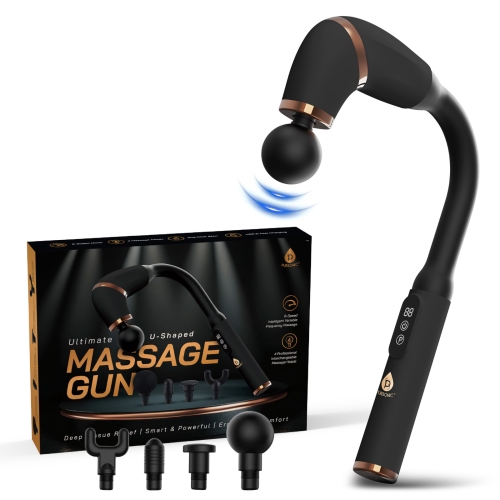 Your price for this item is $68.99
 -
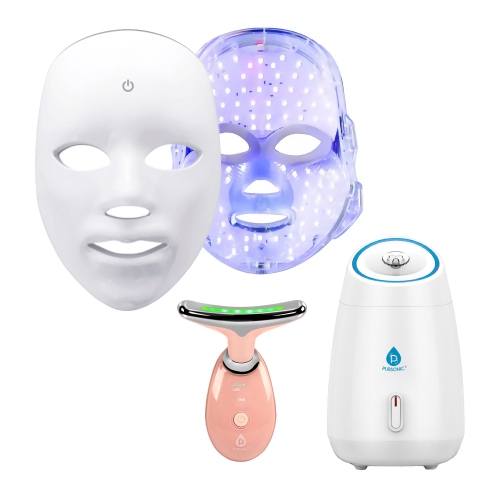 Your price for this item is $157.99
Discover more categories related to Oil Free Liquid Foundations
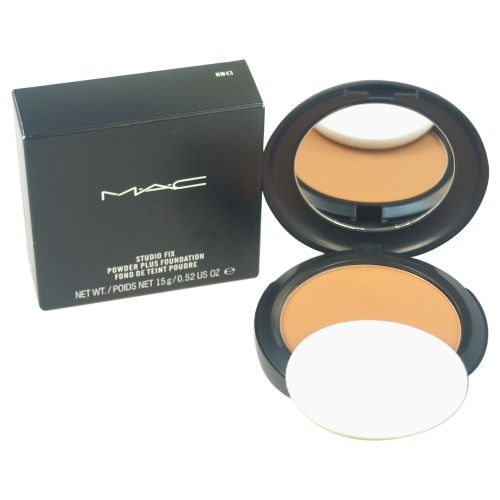
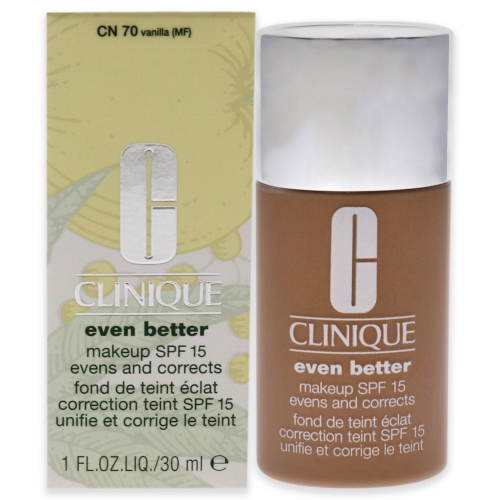
Top Collections:
Pokemon Centers, Kindle Devices, Best Budget Office Chairs, Apple iPhones 16, Best Laptops for Writers, iPhone 15 Apple, Canon G7X Cameras, Refurbished Apple Laptops, Alarm Clock, Motorola Razr Phones
Some products may be subject to Environmental Handling Fees
(EHF) depending on your province.
Learn more about EHFs.