Parfum Guess
Parfum Guess adds a touch of elegance and allure to any personal collection. Discover an array of captivating fragrances designed to complement your unique style and leave a lasting impression. Whether you're searching for a signature scent or the perfect gift, Parfum Guess offers options that suit every occasion. Explore the selection to find the fragrance that resonates with your personality and enhances your everyday experience.
Sort
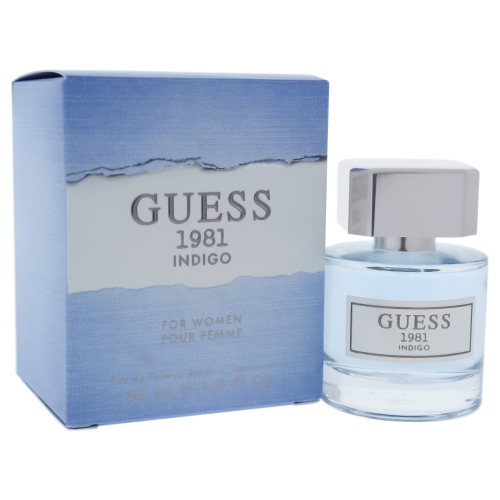
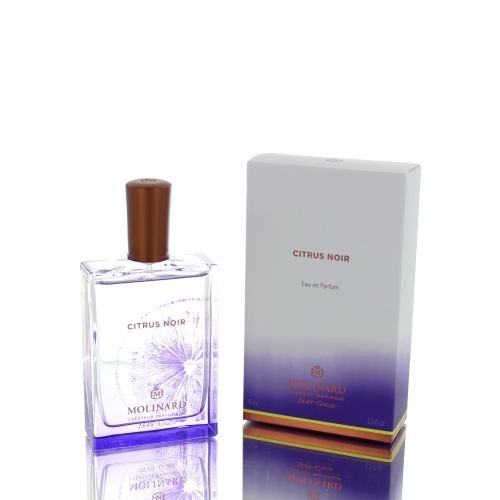
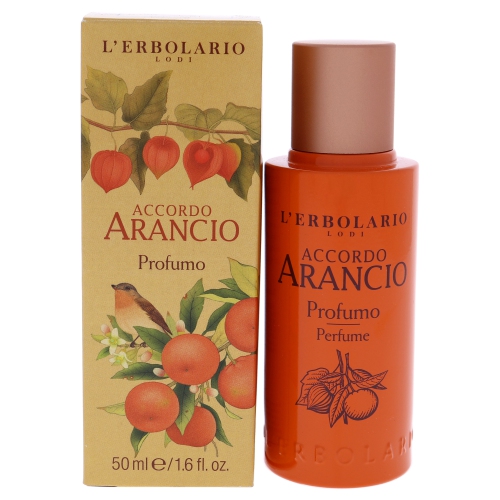
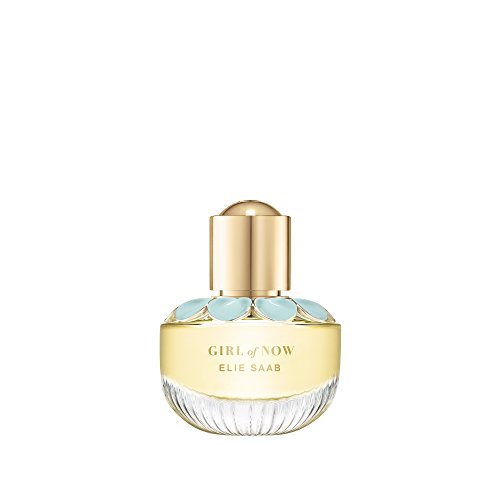
Why the balance of fragrance notes matters
Perfume adds a personal finishing touch to getting dressed, whether the aim is a bright, easygoing impression or a richer scent with a soft, lingering presence. Floral, fruity, amber, woody, and gourmand fragrances offer different ways to express that preference, with many compositions bringing several families together in one bottle. A fruity-floral perfume might pair the crisp impression of apple or citrus with peony, jasmine, or orange blossom, then settle into a base of musk or amber. These are descriptions of scent character rather than a promise that the formula contains extracts of every named ingredient. Floral notes can feel airy, powdery, creamy, or full-bodied, while fruit notes range from tart and sparkling to rounded and sweet. Amber accords generally suggest warmth and depth; woods can add a dry, smooth, or textured quality. Gourmand notes, such as vanilla and tonka, introduce a sweetness reminiscent of familiar treats without necessarily making the whole fragrance smell sugary. The balance matters more than any single note: vanilla paired with dry woods can feel quite different from vanilla surrounded by ripe fruit and lush flowers. Fragrances marketed for women often emphasize floral or fruity profiles, while those marketed for men frequently highlight woods, aromatic notes, or citrus, but personal taste need not follow those labels. Someone who enjoys crisp, freshly pressed clothing may gravitate towards a clean, understated composition; someone who favours expressive accessories may appreciate a fuller floral or amber profile. Intended use also helps define the right fit. A subtle scent worn close to the skin can suit a quiet dinner, while a more noticeable fragrance may feel at home at a celebration where fragrance is welcome. For a search focused on a named fragrance rather than a broad scent family, Guess by Marciano Scent offers a related place to explore.
How a perfume develops is just as important as its first impression. The opening, often called the top notes, is what reaches the nose first after application and may feature lively citrus, crisp fruit, or fresh aromatic effects. As that opening fades, the heart becomes clearer, revealing the floral, spicy, or other central elements of the composition. The base forms the longer-lasting impression, often drawing on woods, musks, amber accords, or sweet notes. These stages overlap rather than changing at fixed intervals, so a quick smell from the bottle cannot fully capture the experience of wearing it. A paper blotter is useful for an initial impression, but a small application on clean, unbroken skin gives a better sense of how the fragrance wears on the person who will use it. Allowing it to dry and revisiting it later can reveal whether a sparkling opening turns soft and powdery, creamy and sweet, or distinctly woody. Fragrance concentration provides another useful point of comparison. Eau de parfum generally contains a higher proportion of fragrance concentrate than eau de toilette within a comparable range, although naming conventions and formulations vary. A higher concentration does not automatically mean greater projection, and lighter-labelled fragrances can still have a noticeable presence. Longevity describes how long a scent remains detectable, while projection describes how far it seems to extend from the wearer. Neither can be judged reliably from concentration alone. The formula, amount applied, skin characteristics, and other scented products used alongside it all affect the result. Many spray perfumes combine fragrance materials with alcohol and water, using both naturally derived and synthetic aromatic ingredients to create their character. Anyone with ingredient sensitivities should check the package information rather than relying on a scent description. In a shared office, vehicle, or small gathering space, a restrained application is considerate, and fragrance-free policies should always take precedence over personal scent preferences.
Bottle size, packaging, application, and storage shape how comfortably a perfume fits into everyday life. A compact format can make sense for someone who rotates between several scents or wants a bottle that is easier to pack, while a larger format may suit someone who wears the same fragrance regularly. Capacity alone does not determine portability: a broad glass bottle with a decorative cap can take up more room than expected, and a secure closure matters when carrying fragrance in a bag. Glass provides a substantial feel on a dressing table but can chip or break if dropped, so protective packaging is useful for travel. Keep the original container closed when not in use and store it upright, away from direct sunlight, to help preserve the fragrance and protect nearby surfaces from leaks. Following the directions on the bottle is the safest approach to application. For a skin-applied perfume, starting with a small amount makes it easier to judge the effect before adding more. Let the application dry without rubbing, and avoid spraying towards the eyes or onto irritated skin. Direct application to clothing deserves caution because fragrance can leave marks or affect delicate fabrics and finishes; jewellery and accessories are best kept clear of the spray as well. An unscented moisturizer can provide a comfortable base without introducing a competing aroma, while strongly scented body products may change the overall impression. As a gift, perfume feels especially personal when it reflects something already known about the recipient: a preference for soft flowers, an affection for vanilla, or a habit of choosing dry, woody scents. Familiarity with the fragrance they already wear is more useful than assumptions based on age or gender. Birthdays, anniversaries, and personal milestones can all be fitting occasions, provided the recipient enjoys wearing fragrance. For someone building a small fragrance wardrobe, distinct scent profiles offer more variety than several bottles with nearly identical character. The most satisfying fit is a perfume that feels comfortable throughout its development and suits the moments in which it will actually be worn.
How a perfume develops is just as important as its first impression. The opening, often called the top notes, is what reaches the nose first after application and may feature lively citrus, crisp fruit, or fresh aromatic effects. As that opening fades, the heart becomes clearer, revealing the floral, spicy, or other central elements of the composition. The base forms the longer-lasting impression, often drawing on woods, musks, amber accords, or sweet notes. These stages overlap rather than changing at fixed intervals, so a quick smell from the bottle cannot fully capture the experience of wearing it. A paper blotter is useful for an initial impression, but a small application on clean, unbroken skin gives a better sense of how the fragrance wears on the person who will use it. Allowing it to dry and revisiting it later can reveal whether a sparkling opening turns soft and powdery, creamy and sweet, or distinctly woody. Fragrance concentration provides another useful point of comparison. Eau de parfum generally contains a higher proportion of fragrance concentrate than eau de toilette within a comparable range, although naming conventions and formulations vary. A higher concentration does not automatically mean greater projection, and lighter-labelled fragrances can still have a noticeable presence. Longevity describes how long a scent remains detectable, while projection describes how far it seems to extend from the wearer. Neither can be judged reliably from concentration alone. The formula, amount applied, skin characteristics, and other scented products used alongside it all affect the result. Many spray perfumes combine fragrance materials with alcohol and water, using both naturally derived and synthetic aromatic ingredients to create their character. Anyone with ingredient sensitivities should check the package information rather than relying on a scent description. In a shared office, vehicle, or small gathering space, a restrained application is considerate, and fragrance-free policies should always take precedence over personal scent preferences.
Bottle size, packaging, application, and storage shape how comfortably a perfume fits into everyday life. A compact format can make sense for someone who rotates between several scents or wants a bottle that is easier to pack, while a larger format may suit someone who wears the same fragrance regularly. Capacity alone does not determine portability: a broad glass bottle with a decorative cap can take up more room than expected, and a secure closure matters when carrying fragrance in a bag. Glass provides a substantial feel on a dressing table but can chip or break if dropped, so protective packaging is useful for travel. Keep the original container closed when not in use and store it upright, away from direct sunlight, to help preserve the fragrance and protect nearby surfaces from leaks. Following the directions on the bottle is the safest approach to application. For a skin-applied perfume, starting with a small amount makes it easier to judge the effect before adding more. Let the application dry without rubbing, and avoid spraying towards the eyes or onto irritated skin. Direct application to clothing deserves caution because fragrance can leave marks or affect delicate fabrics and finishes; jewellery and accessories are best kept clear of the spray as well. An unscented moisturizer can provide a comfortable base without introducing a competing aroma, while strongly scented body products may change the overall impression. As a gift, perfume feels especially personal when it reflects something already known about the recipient: a preference for soft flowers, an affection for vanilla, or a habit of choosing dry, woody scents. Familiarity with the fragrance they already wear is more useful than assumptions based on age or gender. Birthdays, anniversaries, and personal milestones can all be fitting occasions, provided the recipient enjoys wearing fragrance. For someone building a small fragrance wardrobe, distinct scent profiles offer more variety than several bottles with nearly identical character. The most satisfying fit is a perfume that feels comfortable throughout its development and suits the moments in which it will actually be worn.
Top selling and popular products
-
 Your price for this item is $87
 -
 Your price for this item is $59.99
 -
 Your price for this item is $59.99
 -
 Your price for this item is $59.99
 -
 Your price for this item is $53.23
 -
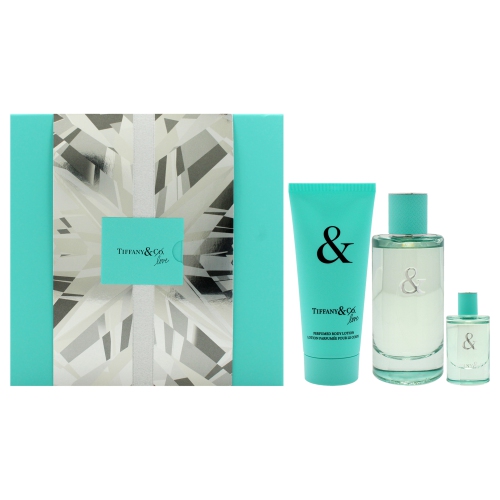 Your price for this item is $169.34
 -
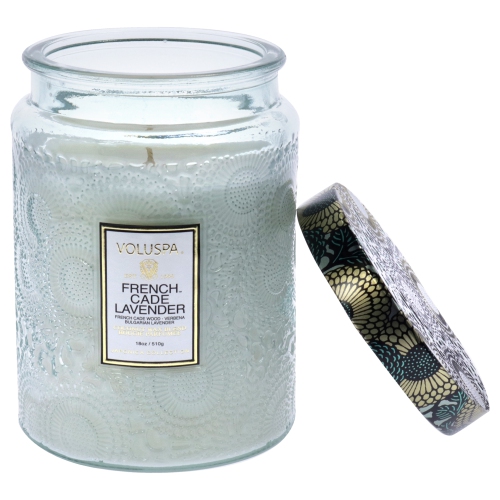 Your price for this item is $53.23
 -
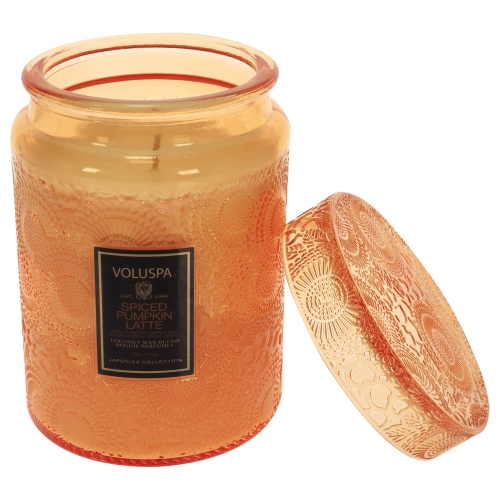 Your price for this item is $57.96
Discover more categories related to Parfum Guess
Top Collections:
Pokemon Centers, Kindle Devices, Best Budget Office Chairs, Apple iPhones 16, Canon G7X Cameras, iPhone 15 Apple, Alarm Clock, Refurbished Apple Laptops, Flip Phones, Best Laptops for Writers
Some products may be subject to Environmental Handling Fees
(EHF) depending on your province.
Learn more about EHFs.