Perfumes With Rose And Jasmine
Perfumes with rose and jasmine offer a captivating blend of floral elegance and timeless charm, making them a favorite choice for those who appreciate classic fragrances. The enchanting combination of delicate rose and alluring jasmine creates a harmonious aroma that suits any occasion, from everyday wear to special events. Discover a range of perfumes with rose and jasmine that provide a sophisticated touch to your personal style, leaving a lasting impression wherever you go.
Sort
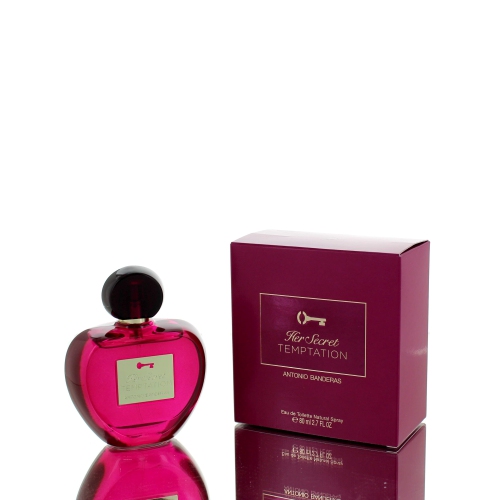
How rose and jasmine balance freshness with warmth
Perfumes with rose and jasmine pair two floral notes that bring different textures to a fragrance: rose often adds a fresh, petal-like, powdery, or gently spicy character, while jasmine lends a fuller white-floral quality that can feel creamy, luminous, or richly sweet. Together, they can create anything from a delicate daytime scent to a deeper floral perfume suited to an evening out. The balance matters more than the pairing alone. A rose-led fragrance may suggest freshly cut stems and velvety petals, with jasmine softening the edges; a jasmine-led blend may feel warmer and more enveloping, with rose adding definition. These notes often appear in the heart of a perfume, the stage that emerges as the brighter opening begins to fade. Bergamot, mandarin, or other citrus notes can give that opening a crisp lift, while pear or peach can add a juicy sweetness. As the fragrance settles, musk, woods, amber accords, or vanilla may shape the lasting impression on skin. A musky base can make the flowers feel soft and close, while patchouli or darker woods can give them a more pronounced presence. Not every rose and jasmine perfume smells distinctly of both flowers at every stage, and the same pairing can feel airy in one composition and dense in another. Fragrance descriptions that name both rose and jasmine offer a clearer indication of the intended scent profile than a floral name or flower-covered packaging alone. Notes describe a perfume’s intended aromatic impression, rather than serving as a complete ingredient list. Rose and jasmine effects may be created with botanical extracts, other fragrance materials, or a combination of the two. For someone drawn to bouquets rather than a single floral note, this pairing offers a broad range of styles without requiring a preference for either flower on its own.
The surrounding notes help determine how a rose and jasmine fragrance fits into everyday life. For daytime wear, green accents, citrus, and light musk can keep the floral heart feeling crisp, like petals beside freshly trimmed leaves. Sweeter fruit notes can make the same flowers feel playful, while vanilla, amber accords, and sandalwood tend to bring a softer warmth that sits comfortably with knitwear and dressier evening clothing during the cooler months. Powdery touches can suggest the familiar softness of a dressing-table fragrance, whereas pepper or other spice notes can sharpen the bouquet. None of these styles belongs to a particular age or gender; the useful distinction is whether the wearer enjoys something fresh, sweet, powdery, woody, or richly floral. Those who especially enjoy the white-floral side of this pairing can also explore Jasmine Scented Perfumes for compositions that place more emphasis on jasmine. Concentration and format are another part of the fit. Eau de parfum generally contains a higher proportion of fragrance concentrate than eau de toilette within a comparable range, but those labels do not guarantee a particular strength or number of hours of wear. The formula, amount applied, skin, and conditions all influence the result. An eau de toilette can feel bright and noticeable, while an eau de parfum may remain relatively close to the wearer. Spray formats make it easy to apply a light amount over a small area, while rollerballs and solid perfumes, where offered, allow more targeted application. A compact format can suit a travel bag, and a larger bottle may be practical for a fragrance worn regularly at home before heading out. For a dinner reservation, a floral scent with a warm base may provide the desired depth; for a quiet afternoon with friends, a lighter interpretation may feel more comfortable. In workplaces, shared transport, and venues with scent restrictions, consideration for others matters more than fragrance style, and a scent-free setting calls for no perfume at all.
How a perfume develops on skin is worth considering alongside its initial impression. The first spray usually highlights the most volatile notes, so a bright citrus opening may give little indication of the rose, jasmine, and base notes that follow. When testing is possible, a fragrance strip provides a useful first impression, followed by a small application to skin, according to the product directions, to assess how it wears over several hours. Skin moisture, temperature, and individual perception can affect the experience, so another person’s description of a floral perfume may not match the result on the intended wearer. Applying to clean, dry skin and allowing the fragrance to dry naturally makes it easier to assess without mixing in strongly scented lotions or other perfumes. Unscented moisturiser can provide a neutral starting point for someone who normally uses body care beneath a fragrance. A light initial application also leaves room to judge its presence before adding more; losing awareness of a familiar scent does not necessarily mean it has disappeared for everyone nearby. Perfume should be kept away from eyes and irritated skin, and any fabric application should follow the label, since fragrance liquids can mark delicate textiles or affect finishes on accessories. For bottle care, a cool, dark cupboard away from direct sunlight, radiators, and frequent temperature changes is a better choice than a bright windowsill or steamy bathroom. Keeping the cap securely in place and following any storage or period-after-opening guidance helps preserve the fragrance’s intended character. Rose and jasmine perfumes can also make thoughtful gifts for someone who already enjoys floral scents, particularly when their preferences are known. A wearer who favours fresh rose may appreciate a different balance from someone devoted to creamy white flowers, even though both fragrances share the same headline notes. Familiarity with the recipient’s preferred concentration, usual occasions for wearing perfume, and sensitivity to strong scents makes the choice more personal. Whether worn as a daily signature or reserved for celebrations, the appeal lies in finding a floral balance that feels comfortable and recognisable from the opening spray through the softer scent left on skin.
The surrounding notes help determine how a rose and jasmine fragrance fits into everyday life. For daytime wear, green accents, citrus, and light musk can keep the floral heart feeling crisp, like petals beside freshly trimmed leaves. Sweeter fruit notes can make the same flowers feel playful, while vanilla, amber accords, and sandalwood tend to bring a softer warmth that sits comfortably with knitwear and dressier evening clothing during the cooler months. Powdery touches can suggest the familiar softness of a dressing-table fragrance, whereas pepper or other spice notes can sharpen the bouquet. None of these styles belongs to a particular age or gender; the useful distinction is whether the wearer enjoys something fresh, sweet, powdery, woody, or richly floral. Those who especially enjoy the white-floral side of this pairing can also explore Jasmine Scented Perfumes for compositions that place more emphasis on jasmine. Concentration and format are another part of the fit. Eau de parfum generally contains a higher proportion of fragrance concentrate than eau de toilette within a comparable range, but those labels do not guarantee a particular strength or number of hours of wear. The formula, amount applied, skin, and conditions all influence the result. An eau de toilette can feel bright and noticeable, while an eau de parfum may remain relatively close to the wearer. Spray formats make it easy to apply a light amount over a small area, while rollerballs and solid perfumes, where offered, allow more targeted application. A compact format can suit a travel bag, and a larger bottle may be practical for a fragrance worn regularly at home before heading out. For a dinner reservation, a floral scent with a warm base may provide the desired depth; for a quiet afternoon with friends, a lighter interpretation may feel more comfortable. In workplaces, shared transport, and venues with scent restrictions, consideration for others matters more than fragrance style, and a scent-free setting calls for no perfume at all.
How a perfume develops on skin is worth considering alongside its initial impression. The first spray usually highlights the most volatile notes, so a bright citrus opening may give little indication of the rose, jasmine, and base notes that follow. When testing is possible, a fragrance strip provides a useful first impression, followed by a small application to skin, according to the product directions, to assess how it wears over several hours. Skin moisture, temperature, and individual perception can affect the experience, so another person’s description of a floral perfume may not match the result on the intended wearer. Applying to clean, dry skin and allowing the fragrance to dry naturally makes it easier to assess without mixing in strongly scented lotions or other perfumes. Unscented moisturiser can provide a neutral starting point for someone who normally uses body care beneath a fragrance. A light initial application also leaves room to judge its presence before adding more; losing awareness of a familiar scent does not necessarily mean it has disappeared for everyone nearby. Perfume should be kept away from eyes and irritated skin, and any fabric application should follow the label, since fragrance liquids can mark delicate textiles or affect finishes on accessories. For bottle care, a cool, dark cupboard away from direct sunlight, radiators, and frequent temperature changes is a better choice than a bright windowsill or steamy bathroom. Keeping the cap securely in place and following any storage or period-after-opening guidance helps preserve the fragrance’s intended character. Rose and jasmine perfumes can also make thoughtful gifts for someone who already enjoys floral scents, particularly when their preferences are known. A wearer who favours fresh rose may appreciate a different balance from someone devoted to creamy white flowers, even though both fragrances share the same headline notes. Familiarity with the recipient’s preferred concentration, usual occasions for wearing perfume, and sensitivity to strong scents makes the choice more personal. Whether worn as a daily signature or reserved for celebrations, the appeal lies in finding a floral balance that feels comfortable and recognisable from the opening spray through the softer scent left on skin.
Top selling and popular products
-
 Your price for this item is $87
 -
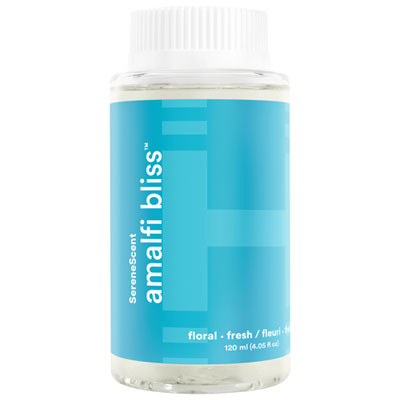 Your price for this item is $59.99
 -
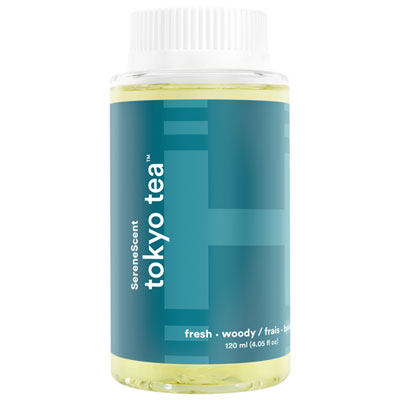 Your price for this item is $59.99
 -
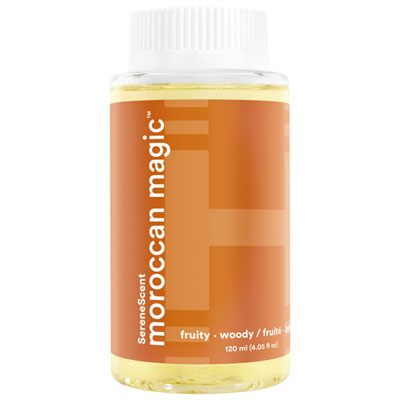 Your price for this item is $59.99
 -
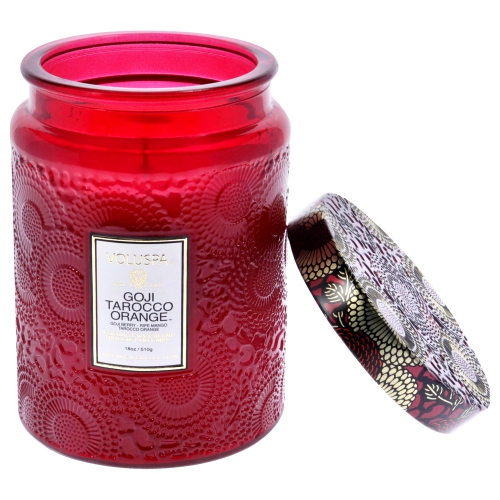 Your price for this item is $53.23
 -
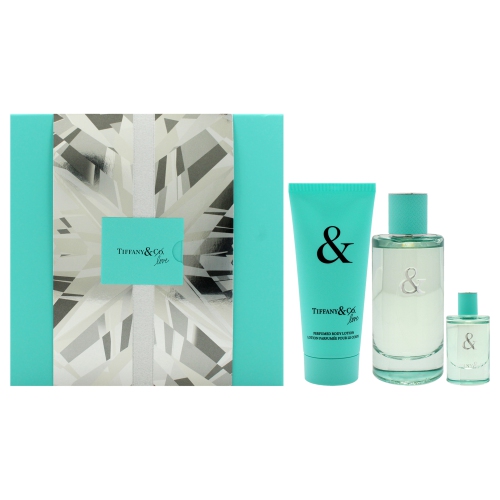 Your price for this item is $169.34
 -
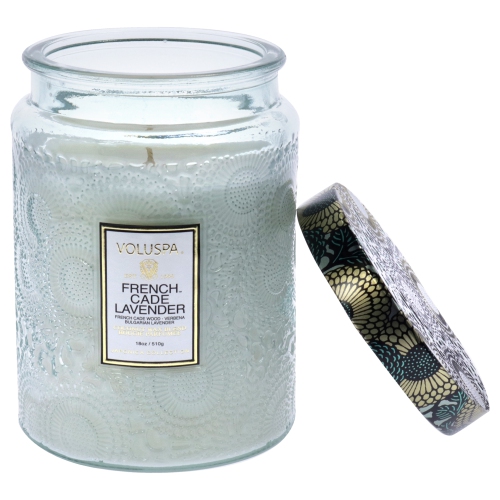 Your price for this item is $53.23
 -
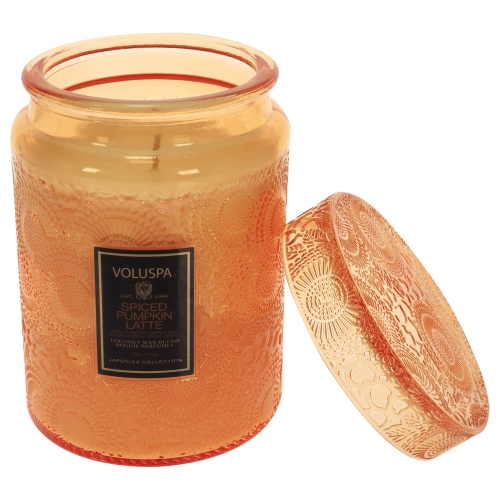 Your price for this item is $57.96
Discover more categories related to Perfumes With Rose And Jasmine
Top Collections:
Pokemon Centers, Kindle Devices, Best Budget Office Chairs, Apple iPhones 16, Best Laptops for Writers, iPhone 15 Apple, Canon G7X Cameras, Refurbished Apple Laptops, Alarm Clock, Motorola Razr Phones
Some products may be subject to Environmental Handling Fees
(EHF) depending on your province.
Learn more about EHFs.