Romantic Perfumes
Indulge in the enchanting world of romantic perfumes, where each delicate scent tells a unique love story. Whether you're looking to captivate your partner or simply want to embrace your own femininity, our collection of romantic fragrances offers a wide range of captivating notes and luxurious blends. From floral and fruity accords to warm and sensual undertones, these perfumes are designed to evoke passion, intimacy, and romance with every spritz. Explore our selection and find the perfect fragrance to add a touch of allure to any occasion.
Sort
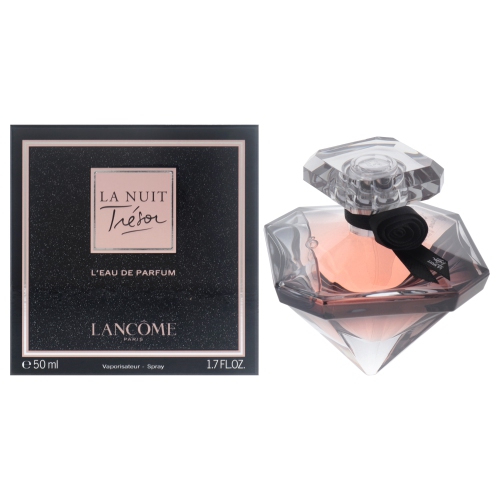
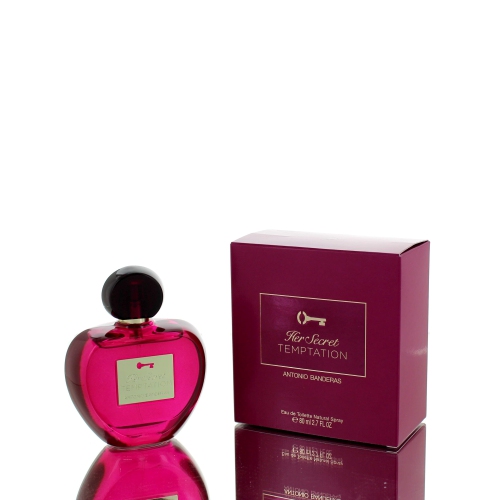
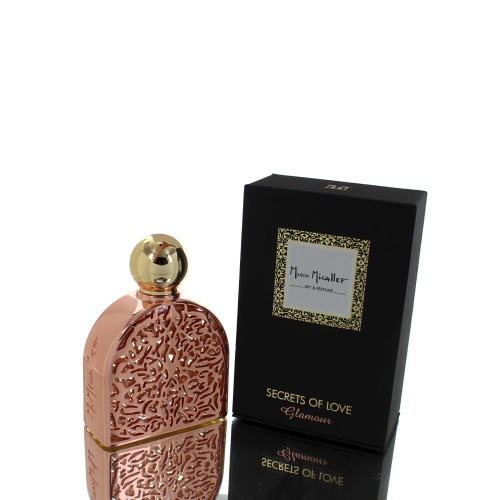
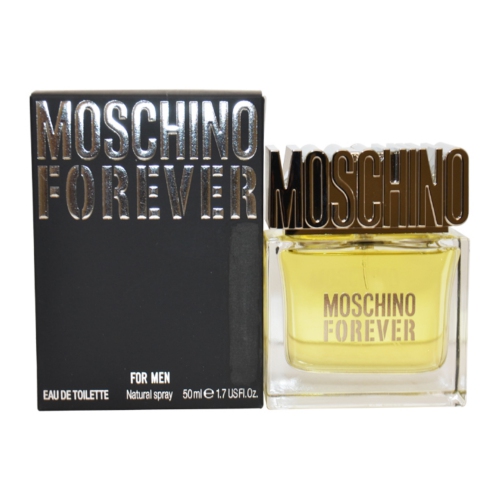
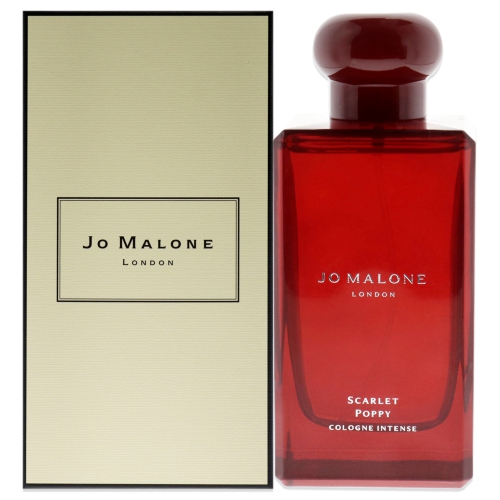
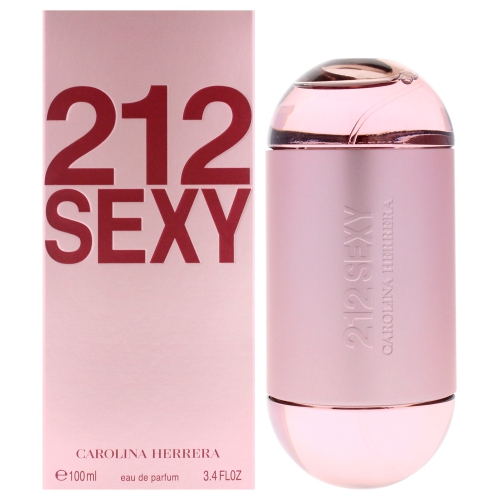
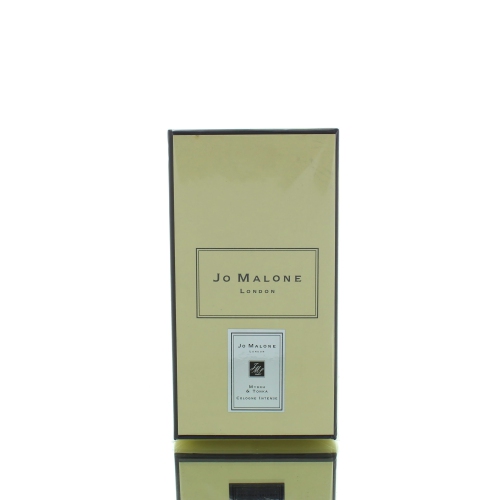
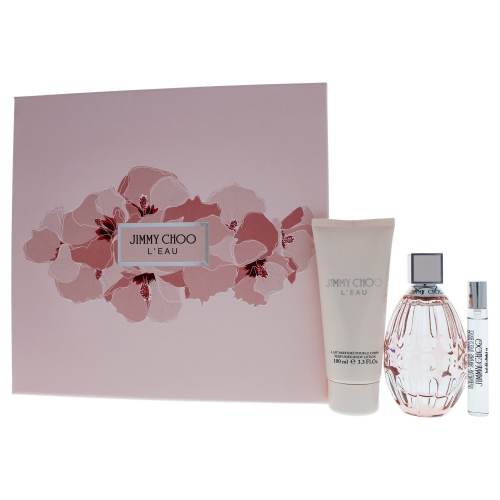

Why soft florals are not always sweet
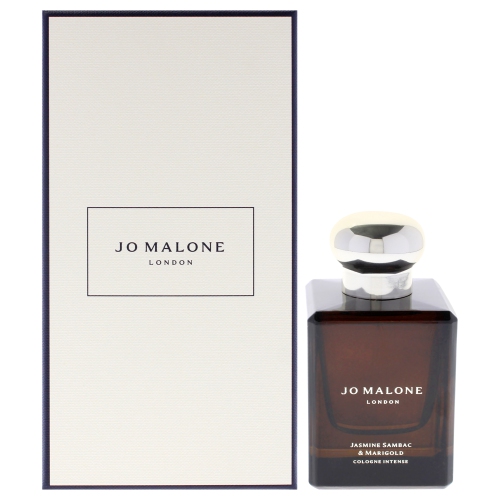
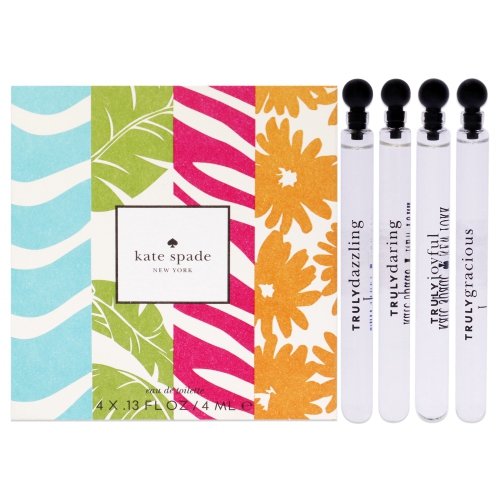
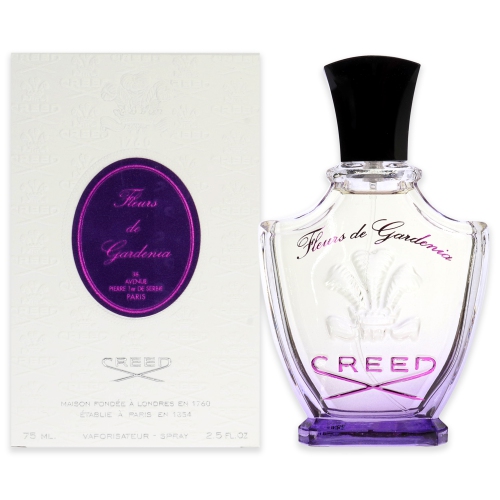
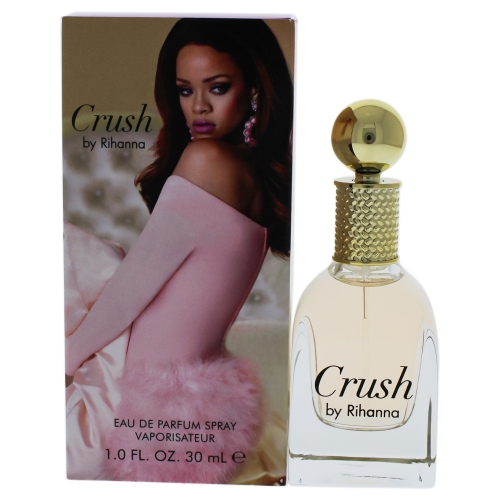
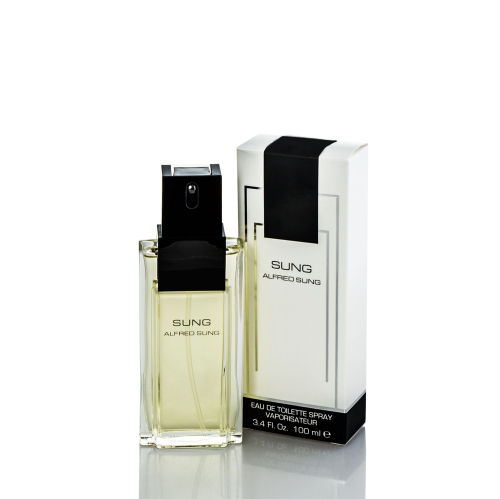
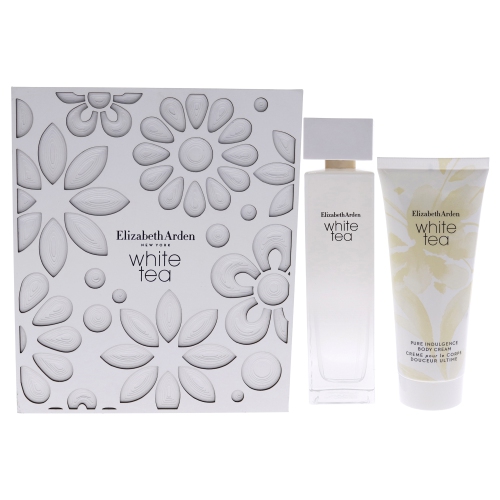
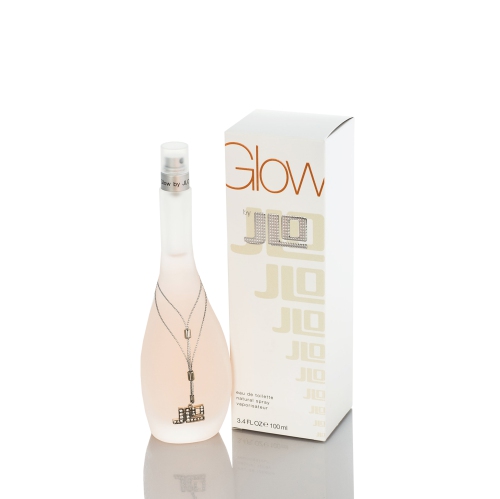
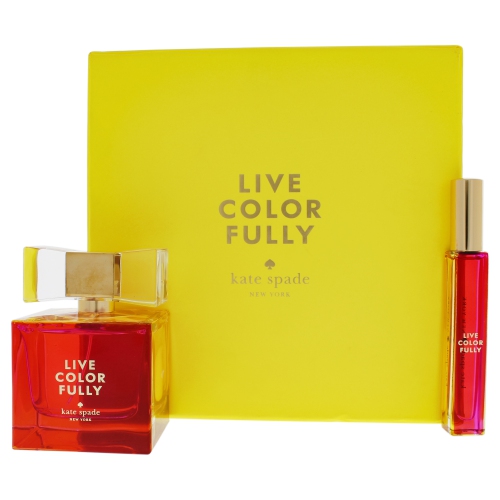
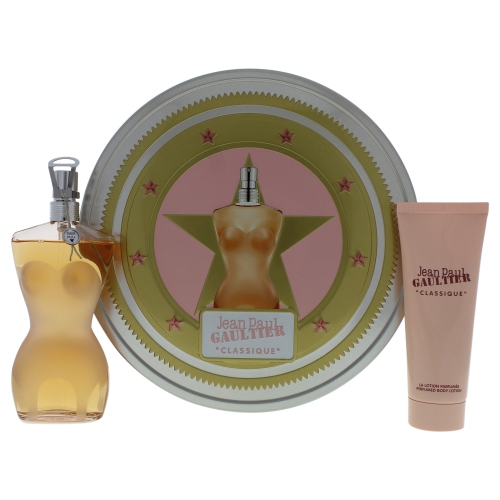
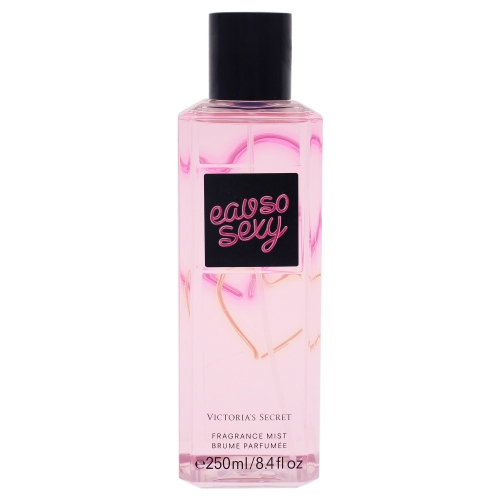
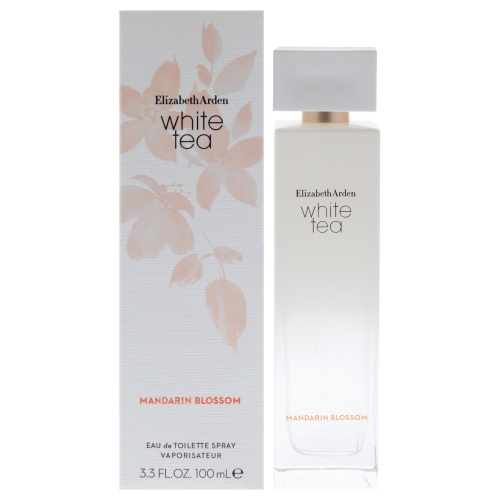
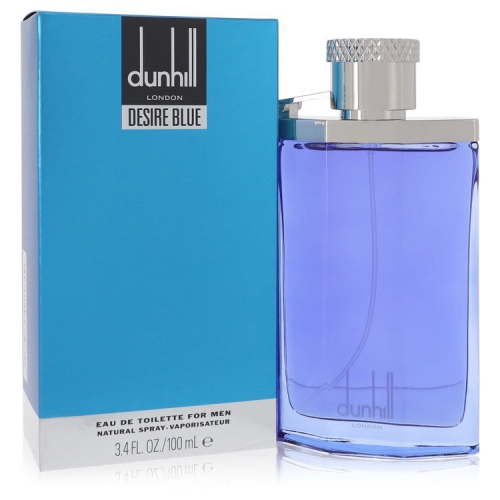
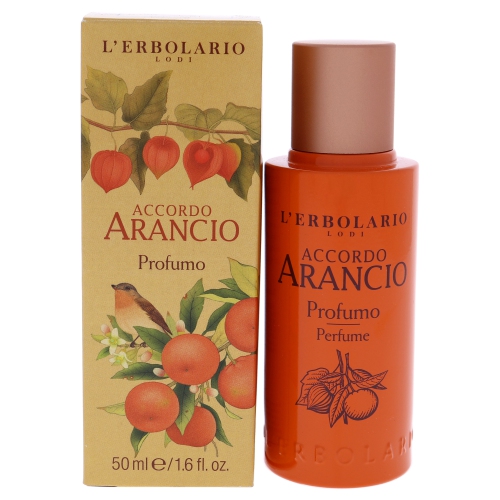
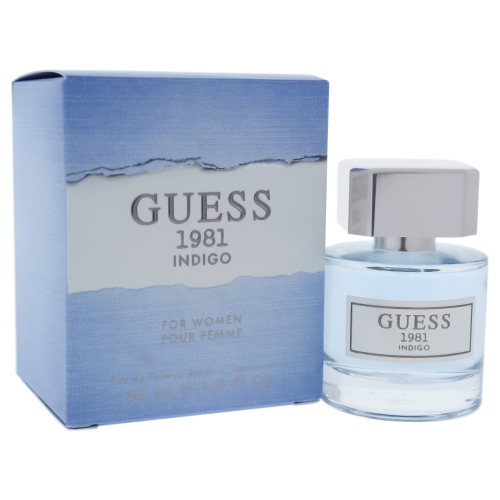
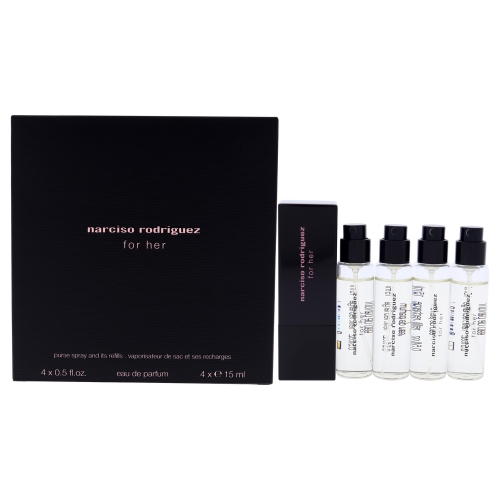
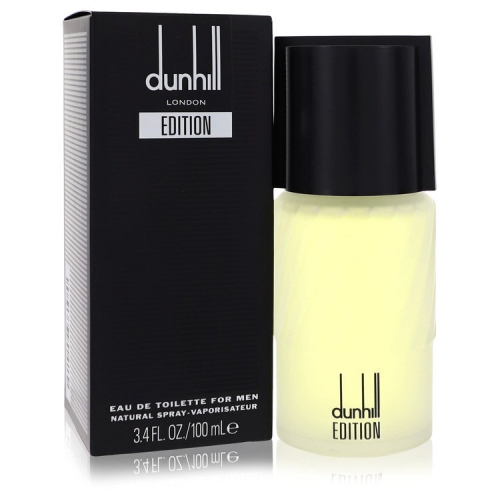
Romantic perfumes are fragrances often associated with soft florals, gentle fruit notes, creamy vanilla, and smooth woods. Rather than belonging to one formally defined fragrance family, they share an expressive character: tender, inviting, elegant, or quietly memorable. Rose, peony, jasmine, and orange blossom can give these scents their floral heart, while musk, amber accords, and sandalwood add depth and softness. The result might recall a bouquet wrapped in tissue, the delicate sweetness of peach skin, or the comforting richness of vanilla. Not every romantic fragrance is sweet, and not every floral feels light. A rose composition can be crisp and green, powdery and refined, or rich with spice, depending on the notes surrounding it. Peony often lends an airy impression, while jasmine can bring a fuller floral presence. Pear, raspberry, and bergamot can brighten the opening without making the whole composition smell like dessert. For those who enjoy a sweeter profile, vanilla and softly gourmand accords can lend a rounded finish that balances petals with a creamy texture. These differences make romantic fragrances suitable for more than dinners and celebrations. A restrained floral musk may feel just as natural at a café or a small gathering as it does on a date, provided fragrance is welcome in the setting. A deeper amber floral may appeal to someone who likes a more noticeable signature for an evening out. The romantic quality comes from personal associations as much as ingredients: a familiar flower, a favourite dessert, or a scent connected with a meaningful moment. Fragrances marketed towards women, men, or all genders can all express this mood. The most relevant distinction is whether the wearer enjoys a fresh, powdery, fruity, woody, or sweet interpretation, and whether the overall effect feels comfortable rather than overpowering. That leaves room for both understated everyday perfumes and more expressive scents reserved for meaningful occasions.
The way a perfume develops is as important as its initial impression. Top notes are usually noticed first, often providing a brief sparkle of citrus, fruit, or green freshness. Heart notes become clearer as that opening settles, and base notes help shape the lingering character known as the dry-down. In romantic perfumes, that progression might move from juicy pear to delicate flowers and finally to a soft musk, or from bright bergamot into rose with a woody finish. Fragrance notes describe scent impressions, not necessarily a list of ingredients: a peony or amber accord may be created by combining several aromatic materials. Formulas can contain naturally derived ingredients, manufactured aroma ingredients, or both, typically carried in alcohol or another suitable base. Neither origin alone determines quality or suitability for sensitive skin. Concentration labels offer another useful distinction. Eau de parfum generally contains a higher proportion of fragrance concentrate than eau de toilette, although definitions and performance vary between makers and formulas. A higher concentration does not automatically mean a perfume will project farther or smell more pleasing. Longevity describes how long a scent remains perceptible, while projection describes how far it radiates from the wearer; sillage is the scented trail left behind. A perfume can last well while staying close to the skin, which may suit someone who wants a gentle presence across a dinner table rather than a noticeable trail through a room. Skin characteristics, the amount applied, and the composition itself all affect the experience. A paper tester reveals part of a fragrance’s character, but wear on skin may be different, especially once the opening has faded. For a gift recipient who already loves powdery florals, a soft iris or violet impression may feel more familiar than a syrupy fruit accord. Someone drawn to creamy, rounded textures may also appreciate the scent profiles associated with Velvet Perfumes, where the appeal centres on a plush, smooth impression rather than a sharp opening.
Romantic perfumes can become part of a daily routine, a finishing touch for a wedding guest outfit, or a thoughtful anniversary gift. Their suitability depends less on the occasion’s formality than on the wearer’s habits and preferences. Someone who usually wears a barely perceptible scent may appreciate a delicate floral musk, while a person who enjoys distinctive fragrance may prefer the richness of rose, amber, or woods. For gifting, familiarity with the recipient’s existing tastes matters more than a decorative bottle or the word “romantic” on the packaging. A fondness for fresh flowers does not necessarily translate into a love of every floral perfume, and a favourite vanilla scent may be dry and woody rather than sugary. Presentation and format can still contribute to everyday usefulness. A spray offers quick application, a rollerball allows targeted application, and a securely closed smaller format can be convenient for travel when packed according to applicable liquid restrictions. Bottle design also affects handling: a comfortable grip, a stable base, and a cap that fits securely make a difference during regular use. Perfume is generally applied sparingly to clean, dry skin, following the product’s directions and avoiding the eyes, broken skin, or irritated areas. Allowing it to settle before adding more helps prevent an unexpectedly strong result. Fragrance can mark delicate fabrics or affect some jewellery finishes, so direct contact with clothing and accessories deserves care. People with fragrance sensitivities may need to avoid scented products, and fragrance-free workplace or venue policies take precedence over personal preference. To help preserve a perfume’s character, keep the bottle tightly closed, upright, and away from direct sunlight; retaining its box can provide additional protection from light. A change in colour alone does not always indicate deterioration, but a markedly altered smell can signal that the fragrance is no longer as intended. With considerate application and suitable storage, a romantic perfume can offer a familiar finishing touch: noticeable enough to feel personal, yet balanced with the setting and the people sharing it.
The way a perfume develops is as important as its initial impression. Top notes are usually noticed first, often providing a brief sparkle of citrus, fruit, or green freshness. Heart notes become clearer as that opening settles, and base notes help shape the lingering character known as the dry-down. In romantic perfumes, that progression might move from juicy pear to delicate flowers and finally to a soft musk, or from bright bergamot into rose with a woody finish. Fragrance notes describe scent impressions, not necessarily a list of ingredients: a peony or amber accord may be created by combining several aromatic materials. Formulas can contain naturally derived ingredients, manufactured aroma ingredients, or both, typically carried in alcohol or another suitable base. Neither origin alone determines quality or suitability for sensitive skin. Concentration labels offer another useful distinction. Eau de parfum generally contains a higher proportion of fragrance concentrate than eau de toilette, although definitions and performance vary between makers and formulas. A higher concentration does not automatically mean a perfume will project farther or smell more pleasing. Longevity describes how long a scent remains perceptible, while projection describes how far it radiates from the wearer; sillage is the scented trail left behind. A perfume can last well while staying close to the skin, which may suit someone who wants a gentle presence across a dinner table rather than a noticeable trail through a room. Skin characteristics, the amount applied, and the composition itself all affect the experience. A paper tester reveals part of a fragrance’s character, but wear on skin may be different, especially once the opening has faded. For a gift recipient who already loves powdery florals, a soft iris or violet impression may feel more familiar than a syrupy fruit accord. Someone drawn to creamy, rounded textures may also appreciate the scent profiles associated with Velvet Perfumes, where the appeal centres on a plush, smooth impression rather than a sharp opening.
Romantic perfumes can become part of a daily routine, a finishing touch for a wedding guest outfit, or a thoughtful anniversary gift. Their suitability depends less on the occasion’s formality than on the wearer’s habits and preferences. Someone who usually wears a barely perceptible scent may appreciate a delicate floral musk, while a person who enjoys distinctive fragrance may prefer the richness of rose, amber, or woods. For gifting, familiarity with the recipient’s existing tastes matters more than a decorative bottle or the word “romantic” on the packaging. A fondness for fresh flowers does not necessarily translate into a love of every floral perfume, and a favourite vanilla scent may be dry and woody rather than sugary. Presentation and format can still contribute to everyday usefulness. A spray offers quick application, a rollerball allows targeted application, and a securely closed smaller format can be convenient for travel when packed according to applicable liquid restrictions. Bottle design also affects handling: a comfortable grip, a stable base, and a cap that fits securely make a difference during regular use. Perfume is generally applied sparingly to clean, dry skin, following the product’s directions and avoiding the eyes, broken skin, or irritated areas. Allowing it to settle before adding more helps prevent an unexpectedly strong result. Fragrance can mark delicate fabrics or affect some jewellery finishes, so direct contact with clothing and accessories deserves care. People with fragrance sensitivities may need to avoid scented products, and fragrance-free workplace or venue policies take precedence over personal preference. To help preserve a perfume’s character, keep the bottle tightly closed, upright, and away from direct sunlight; retaining its box can provide additional protection from light. A change in colour alone does not always indicate deterioration, but a markedly altered smell can signal that the fragrance is no longer as intended. With considerate application and suitable storage, a romantic perfume can offer a familiar finishing touch: noticeable enough to feel personal, yet balanced with the setting and the people sharing it.
Top selling and popular products
-
 Your price for this item is $87
 -
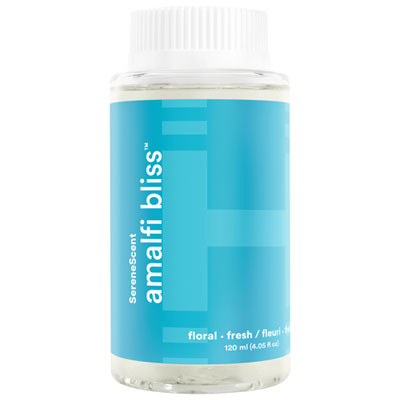 Your price for this item is $59.99
 -
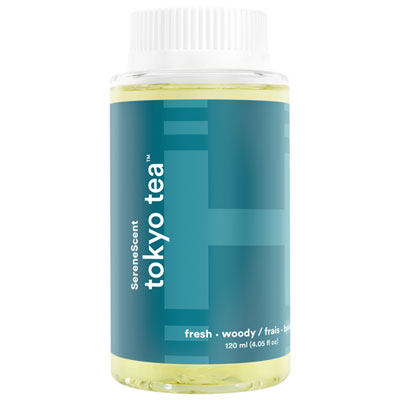 Your price for this item is $59.99
 -
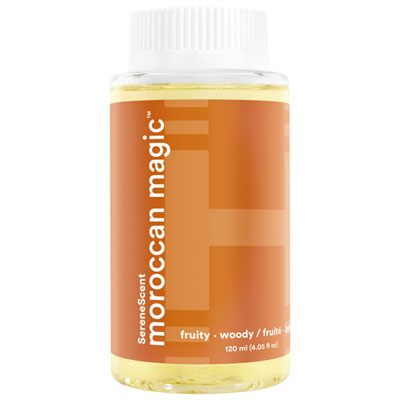 Your price for this item is $59.99
 -
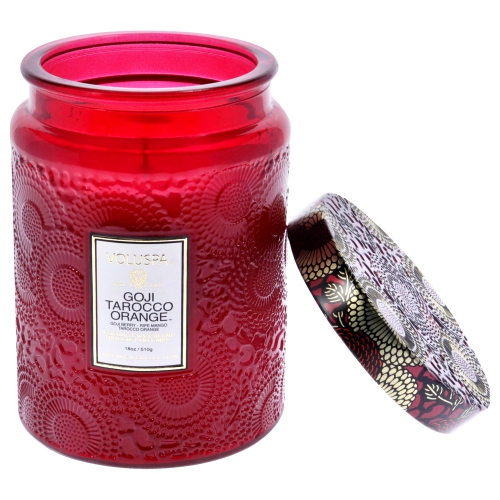 Your price for this item is $53.23
 -
 Your price for this item is $169.34
 -
 Your price for this item is $53.23
 -
 Your price for this item is $57.96
Discover more categories related to Romantic Perfumes
Top Collections:
Pokemon Centers, Kindle Devices, Best Budget Office Chairs, Apple iPhones 16, Best Laptops for Writers, iPhone 15 Apple, Canon G7X Cameras, Refurbished Apple Laptops, Alarm Clock, Motorola Razr Phones
Some products may be subject to Environmental Handling Fees
(EHF) depending on your province.
Learn more about EHFs.