Blue Duvet Cover
Transform your bedroom into a serene oasis with a blue duvet cover, the perfect addition to elevate your sleeping space. Whether you're looking to create a calming atmosphere or add a pop of color, a blue duvet cover offers versatility and style to match any décor. Explore a variety of shades and textures that cater to both contemporary and classic tastes, ensuring you find the ideal fit for your bedroom aesthetic. With its soothing hues, a blue duvet cover not only enhances comfort but also brings a touch of elegance to your home.
Sort



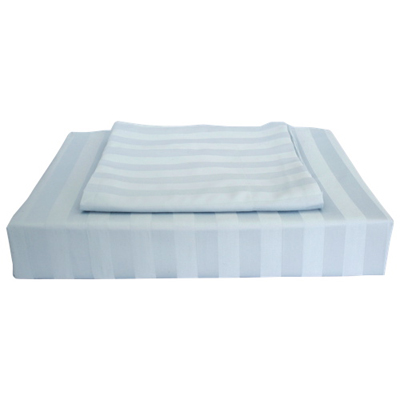
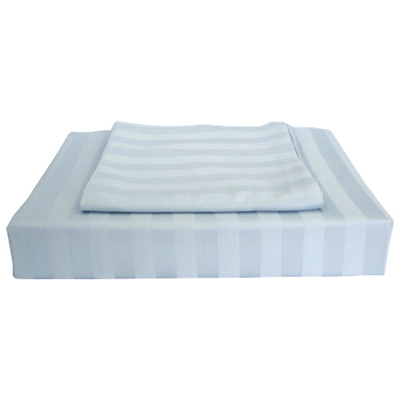
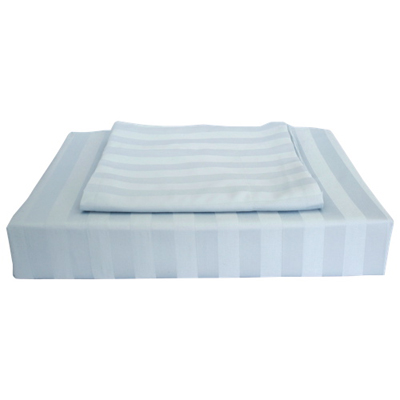

A fresh bedding look without replacing the insert
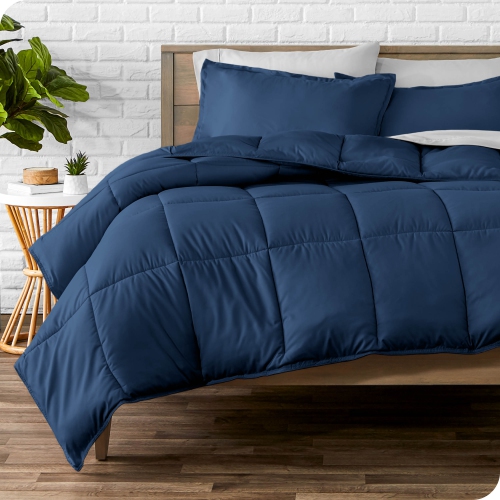
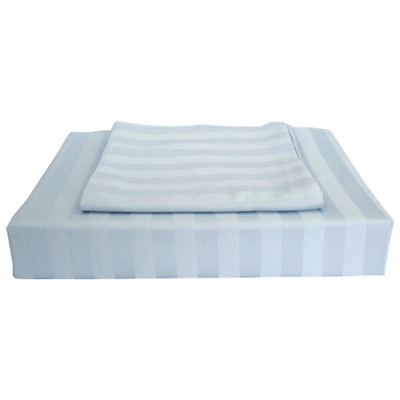
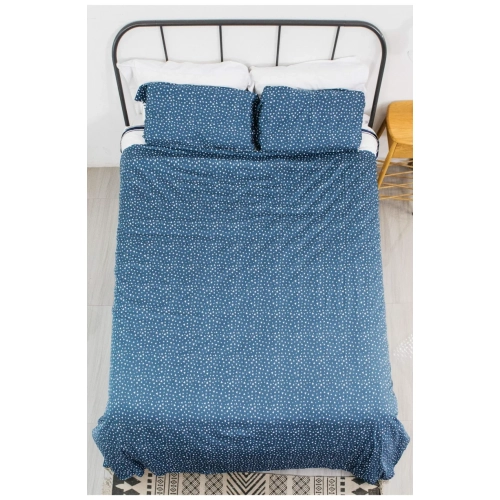
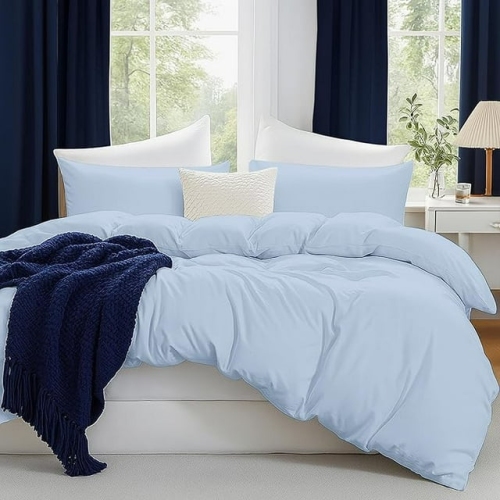
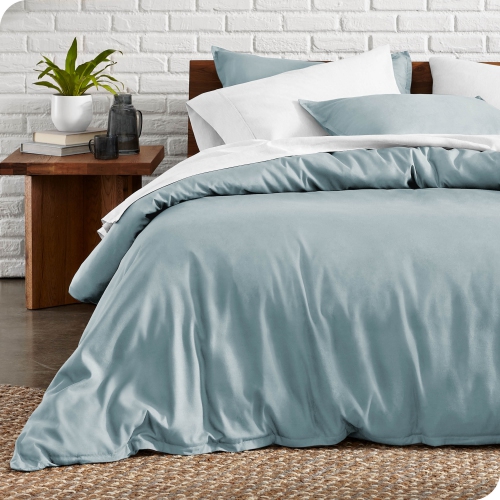
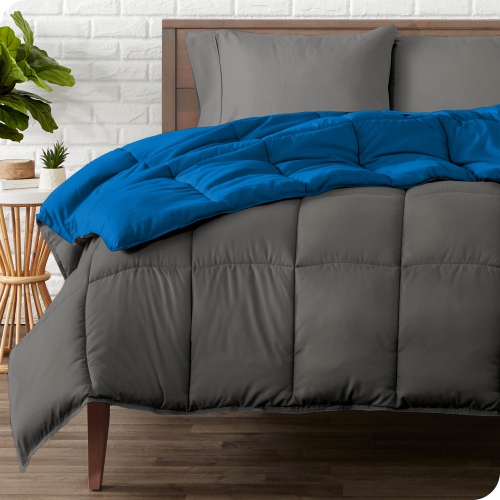
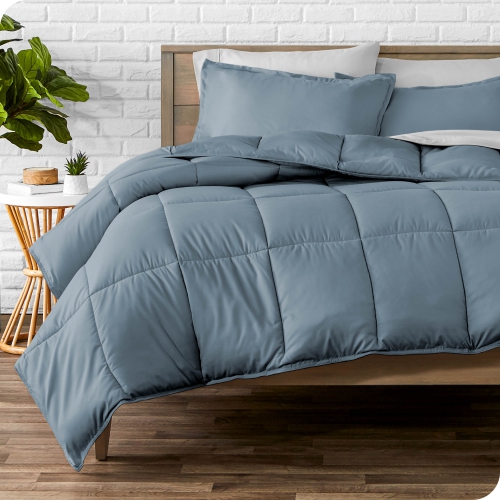
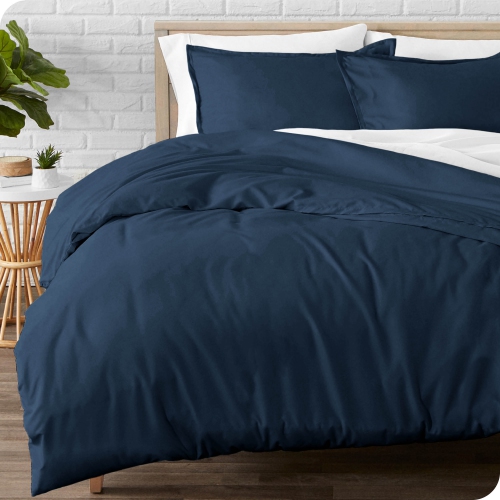
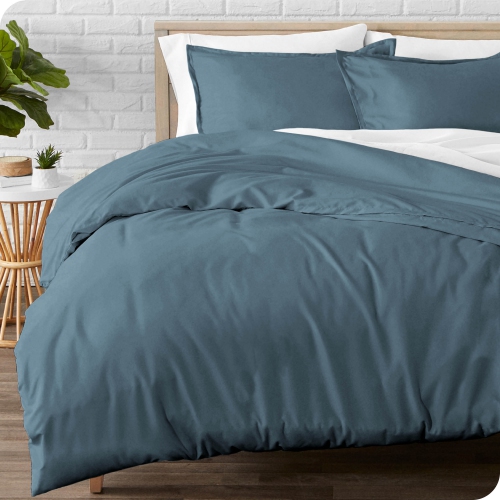
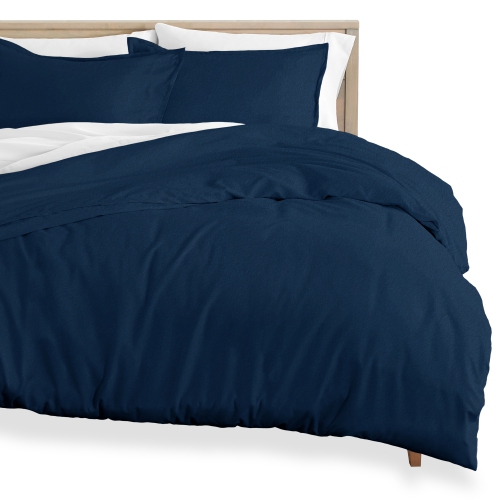
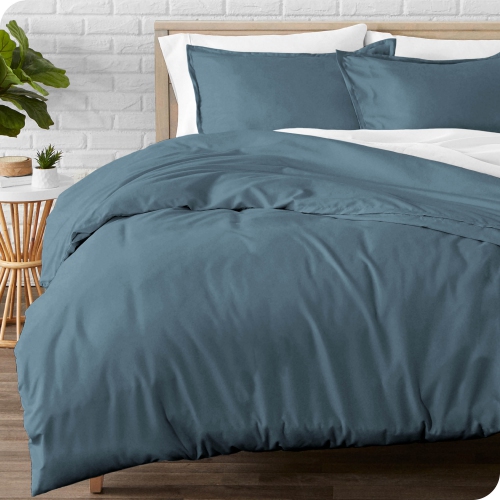
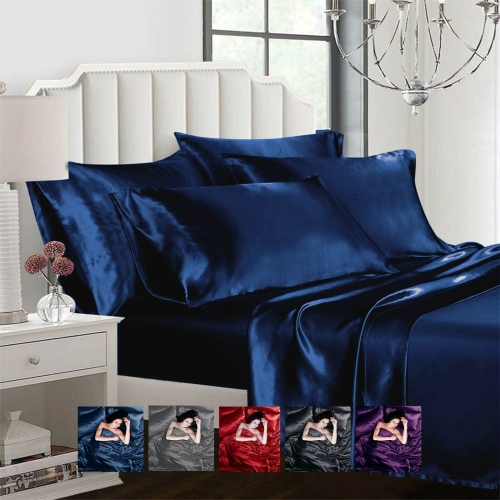
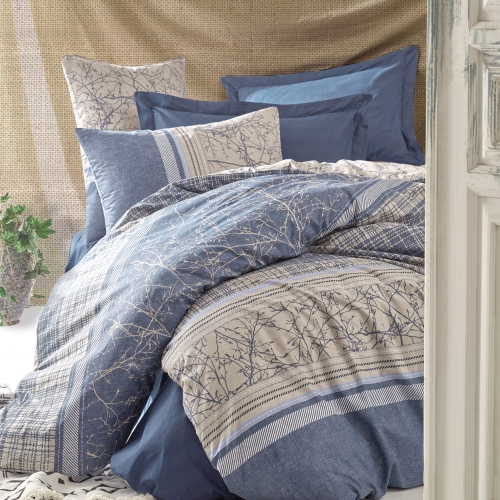
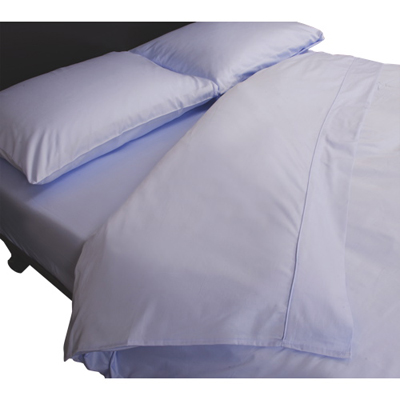
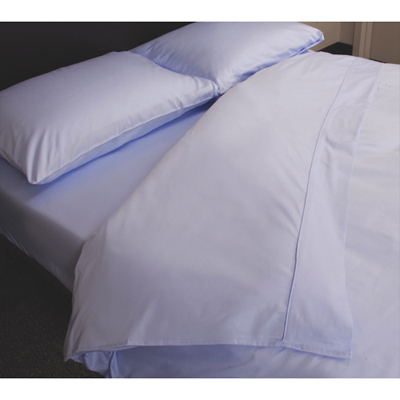
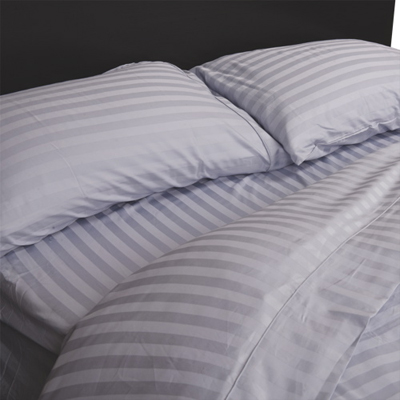
A blue duvet cover is a removable fabric shell that slips over a duvet insert, helping protect it from everyday contact while adding colour, pattern, and texture to a bed. Unlike a comforter, which has its filling sewn inside, a duvet cover usually contains no filling of its own; its loft comes from the insert it holds. This makes it a practical way to change the appearance of bedding without replacing the insert, and the cover can usually be removed for cleaning according to its care label. Blue spans a particularly versatile range of shades, from pale sky and muted mineral tones to rich indigo and deep navy. A light blue duvet cover can create a gentle contrast against white sheets and light wood furniture, while navy gives a bed a more defined presence against cream walls or a pale upholstered headboard. Dusty blue sits comfortably alongside grey, beige, and natural wood finishes, making it useful in rooms where several existing colours need to work together. The pattern matters as much as the shade: narrow stripes give a tailored appearance, small prints add detail without dominating a room, and larger geometric designs make the bed a stronger focal point. Solid blue lets woven texture, quilting on an adjacent throw, or contrasting pillowcases carry more of the visual interest. Reversible designs can offer two different looks, although the fabric and finish on each side should be checked rather than assumed to match. For a coordinated arrangement beyond the duvet itself, Blue Bedding Sets offer a related way to bring blue into the bed’s overall appearance. A cover does not have to match every surrounding textile exactly; pairing different depths of blue often looks more relaxed than trying to make every shade identical. Repeating one blue tone in a cushion or nearby artwork can help connect the bed to the rest of the room without making the space feel overly matched.
Fabric determines much of how a blue duvet cover feels, drapes, and handles regular use. Cotton is a familiar choice for its absorbency and breathability, but the weave makes a noticeable difference. Cotton percale has a plain weave with a crisp, matte finish, while cotton sateen generally feels smoother and has a subtle sheen. Washed cotton often has a softer, more relaxed appearance with natural creasing, which suits a bed that does not need to look freshly pressed. Linen has a distinctive textured hand and an easy drape; it typically softens with repeated washing, though visible wrinkles remain part of its character. Polyester microfibre usually feels smooth and soft, resists wrinkling, and dries relatively quickly, but its breathability can differ from that of cotton or linen. Blended fabrics combine fibres to balance characteristics such as softness, crease resistance, and ease of care, so the fibre percentages provide more useful information than a broad fabric description alone. Thread count can help describe some woven fabrics, but it is not a complete measure of quality and is not directly comparable across every material. Fibre quality, weave, fabric weight, stitching, and finishing all affect the result. Someone who prefers a smooth surface against their skin may favour a tightly woven finish over raised embroidery or a heavily textured weave. In a household where a pet regularly settles at the foot of the bed, a relatively smooth surface may also be easier to maintain than an open weave or looped texture that can catch claws. Deeper blues can make pale lint and pet hair more noticeable, while lighter shades may show marks more readily. Durability depends partly on construction: neatly finished seams, secure button stitching, and well-attached interior ties help a cover stand up to changing and laundering. A printed pattern and a yarn-dyed stripe can also look different on the reverse, so both the face and underside are worth considering when the top edge of the duvet is folded back.
Fit is best judged by comparing the cover’s stated dimensions with the duvet insert’s measurements, rather than relying only on labels such as twin, double, queen, or king. Size names can cover different dimensions across manufacturers, and an insert that fits one queen cover neatly may sit differently inside another. A cover that is much larger than its insert can leave empty fabric around the edges, while one that is too small can compress the filling and create bunching. The mattress size, mattress depth, and preferred amount of overhang also influence how the finished bed looks. On a shared bed, sufficient coverage at both sides may matter more than a short, tightly tucked appearance. Interior corner ties or fastening tabs help hold a compatible insert in place, particularly for sleepers who turn frequently, but they work best when the insert has corresponding loops. Additional attachment points along the sides can provide further support. Closure style is another everyday detail: a concealed zipper gives the opening a streamlined finish, while buttons offer a familiar fastening that can often be repaired individually if one loosens. Neither style guarantees comfort or longevity on its own; the quality of the fastening and the fabric covering it matter. Before washing, follow the care label, secure closures as directed, and allow enough space in the machine for the cover to move freely. Washing with similar colours, avoiding bleach unless expressly permitted, and using the specified drying setting can help preserve the blue shade and fabric finish. Removing the cover promptly after drying can reduce creasing, and it should be fully dry before storage or use. These practical details make blue duvet covers suitable for primary bedrooms, guest rooms, and student bedrooms alike. As a housewarming or wedding gift, a duvet cover is most useful when the recipient’s insert dimensions, preferred fabric, and care routine are known. Also check whether pillow shams are included: a duvet cover alone, a cover set, and a filled bedding set are different purchases, and the insert should never be assumed to come with the cover.
Fabric determines much of how a blue duvet cover feels, drapes, and handles regular use. Cotton is a familiar choice for its absorbency and breathability, but the weave makes a noticeable difference. Cotton percale has a plain weave with a crisp, matte finish, while cotton sateen generally feels smoother and has a subtle sheen. Washed cotton often has a softer, more relaxed appearance with natural creasing, which suits a bed that does not need to look freshly pressed. Linen has a distinctive textured hand and an easy drape; it typically softens with repeated washing, though visible wrinkles remain part of its character. Polyester microfibre usually feels smooth and soft, resists wrinkling, and dries relatively quickly, but its breathability can differ from that of cotton or linen. Blended fabrics combine fibres to balance characteristics such as softness, crease resistance, and ease of care, so the fibre percentages provide more useful information than a broad fabric description alone. Thread count can help describe some woven fabrics, but it is not a complete measure of quality and is not directly comparable across every material. Fibre quality, weave, fabric weight, stitching, and finishing all affect the result. Someone who prefers a smooth surface against their skin may favour a tightly woven finish over raised embroidery or a heavily textured weave. In a household where a pet regularly settles at the foot of the bed, a relatively smooth surface may also be easier to maintain than an open weave or looped texture that can catch claws. Deeper blues can make pale lint and pet hair more noticeable, while lighter shades may show marks more readily. Durability depends partly on construction: neatly finished seams, secure button stitching, and well-attached interior ties help a cover stand up to changing and laundering. A printed pattern and a yarn-dyed stripe can also look different on the reverse, so both the face and underside are worth considering when the top edge of the duvet is folded back.
Fit is best judged by comparing the cover’s stated dimensions with the duvet insert’s measurements, rather than relying only on labels such as twin, double, queen, or king. Size names can cover different dimensions across manufacturers, and an insert that fits one queen cover neatly may sit differently inside another. A cover that is much larger than its insert can leave empty fabric around the edges, while one that is too small can compress the filling and create bunching. The mattress size, mattress depth, and preferred amount of overhang also influence how the finished bed looks. On a shared bed, sufficient coverage at both sides may matter more than a short, tightly tucked appearance. Interior corner ties or fastening tabs help hold a compatible insert in place, particularly for sleepers who turn frequently, but they work best when the insert has corresponding loops. Additional attachment points along the sides can provide further support. Closure style is another everyday detail: a concealed zipper gives the opening a streamlined finish, while buttons offer a familiar fastening that can often be repaired individually if one loosens. Neither style guarantees comfort or longevity on its own; the quality of the fastening and the fabric covering it matter. Before washing, follow the care label, secure closures as directed, and allow enough space in the machine for the cover to move freely. Washing with similar colours, avoiding bleach unless expressly permitted, and using the specified drying setting can help preserve the blue shade and fabric finish. Removing the cover promptly after drying can reduce creasing, and it should be fully dry before storage or use. These practical details make blue duvet covers suitable for primary bedrooms, guest rooms, and student bedrooms alike. As a housewarming or wedding gift, a duvet cover is most useful when the recipient’s insert dimensions, preferred fabric, and care routine are known. Also check whether pillow shams are included: a duvet cover alone, a cover set, and a filled bedding set are different purchases, and the insert should never be assumed to come with the cover.
Top selling and popular products
-
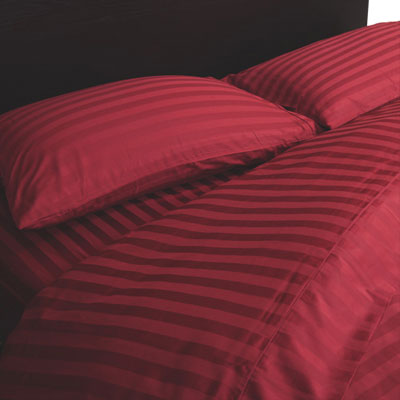 Your price for this item is $134.99
 -
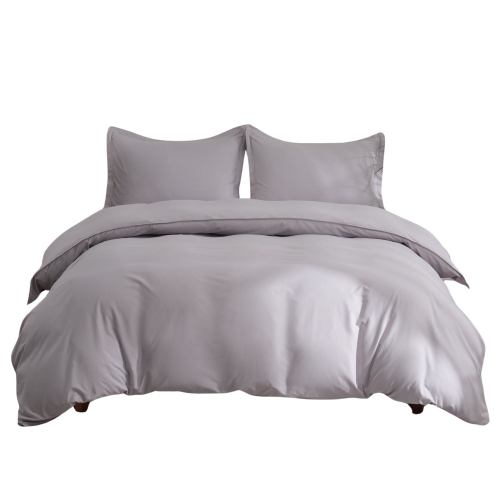 Your price for this item is $270
 -
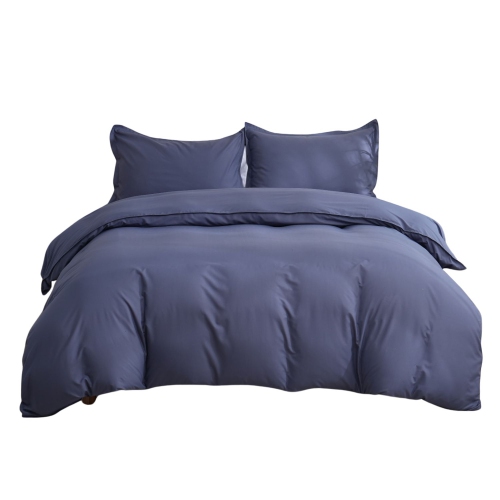 Your price for this item is $240
 -
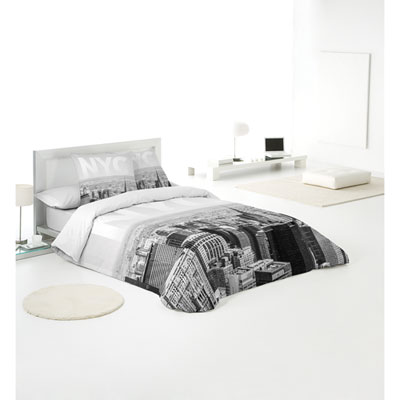 Your price for this item is $135.98
 -
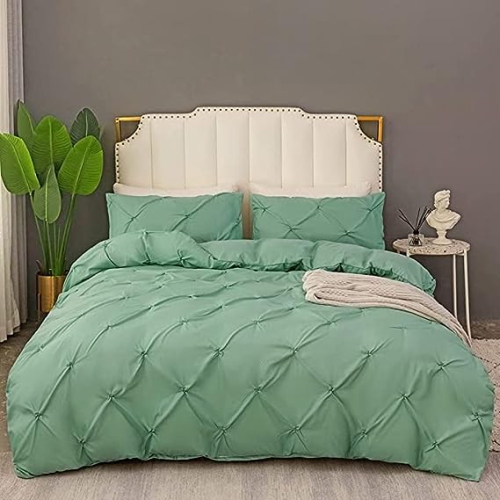 Your price for this item is $39.99
 -
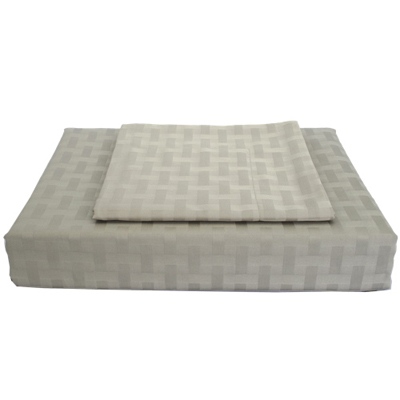 Your price for this item is $189.99
 -
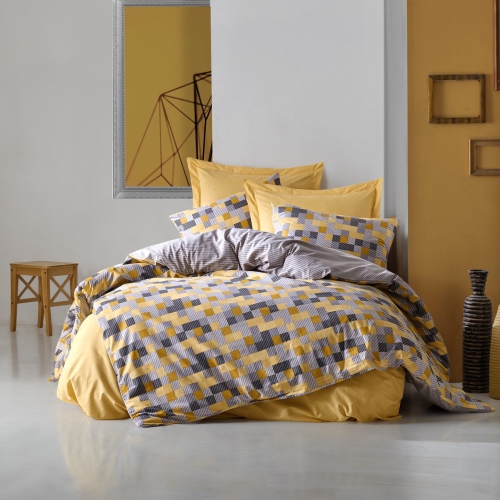 Your price for this item is $149.99
 -
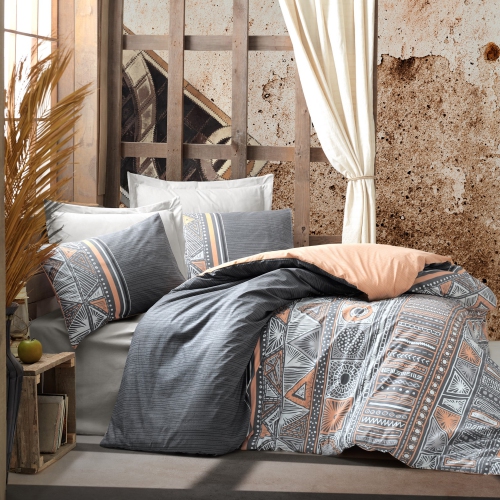 Your price for this item is $139.99
Discover more categories related to Blue Duvet Cover
Top Collections:
Pokemon Centers, Kindle Devices, Best Budget Office Chairs, Apple iPhones 16, Best Laptops for Writers, iPhone 15 Apple, Canon G7X Cameras, Refurbished Apple Laptops, Alarm Clock, Motorola Razr Phones
Some products may be subject to Environmental Handling Fees
(EHF) depending on your province.
Learn more about EHFs.