Queen Size Duvet Cover
A queen-size bed is a great size for a home, as it provides enough space for two people to sleep comfortably but doesn't take up too much room. If you're looking for a new duvet cover for your queen-size bed, here are some of our favourites.
Sort
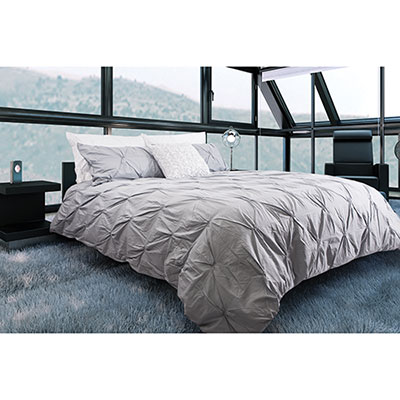
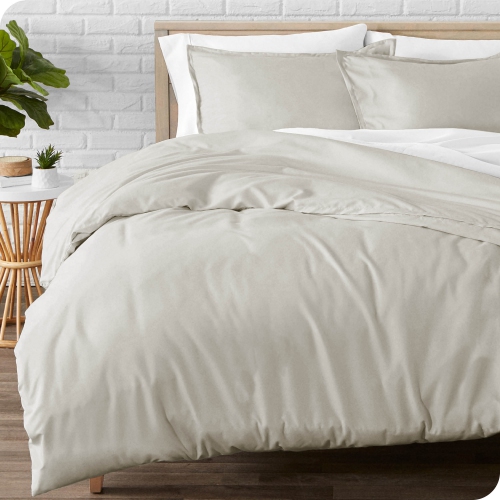
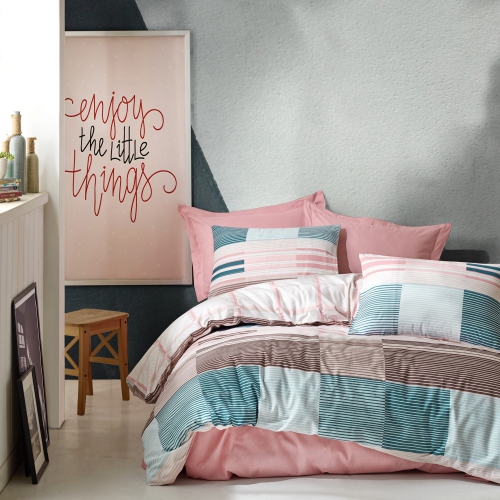
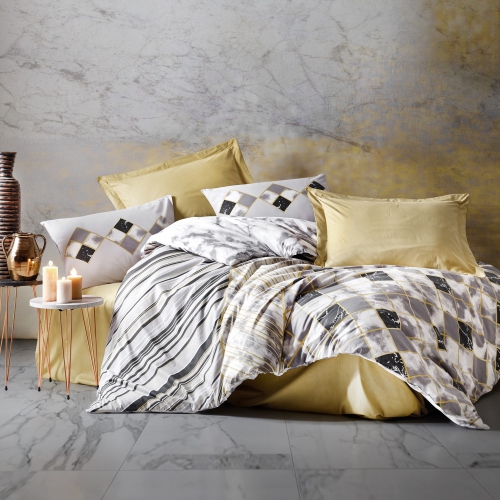
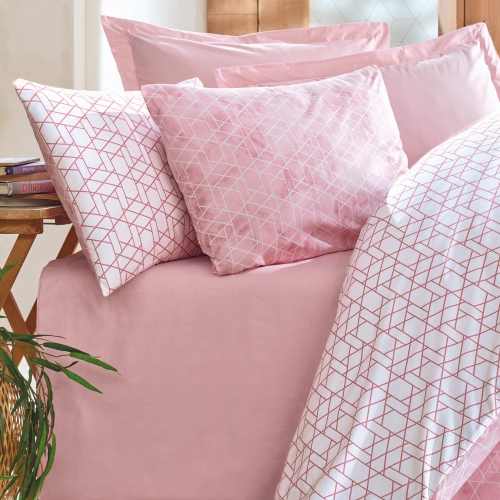
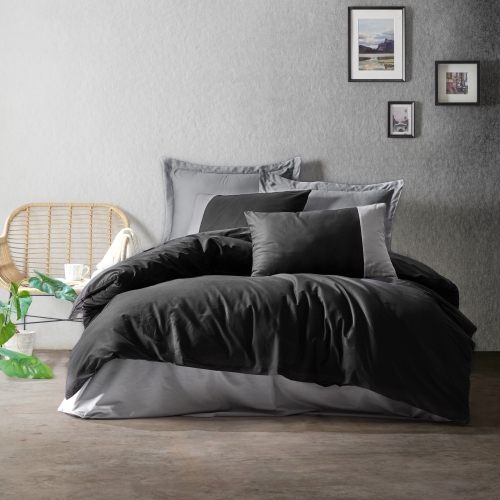
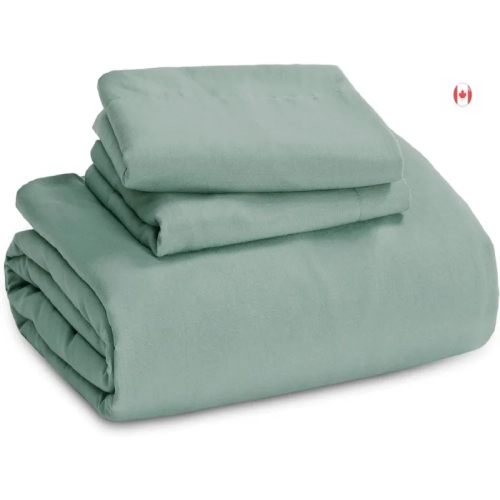
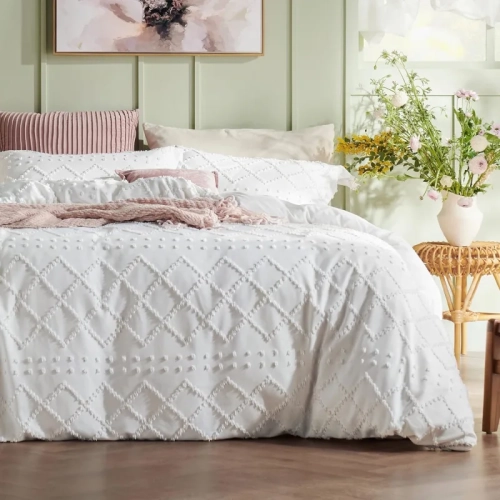
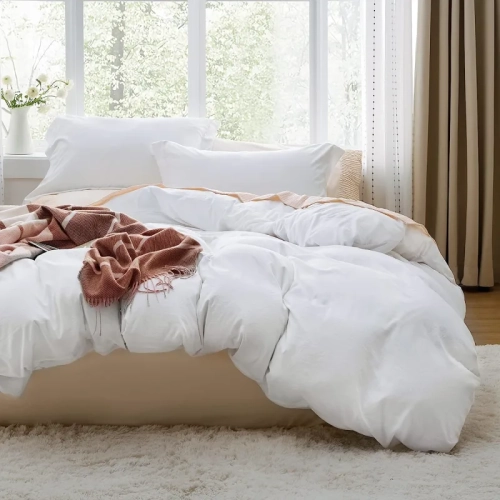
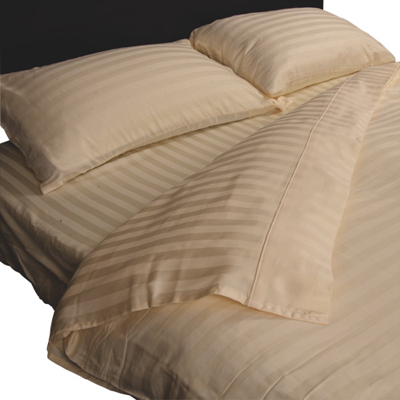
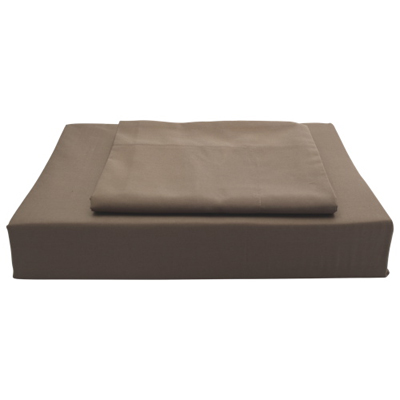
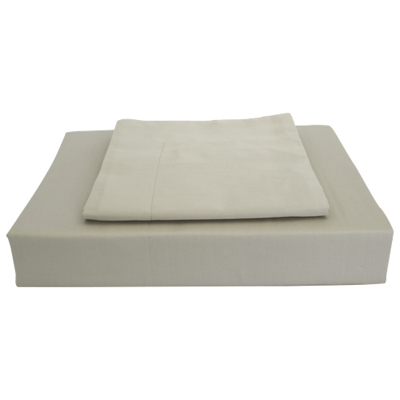
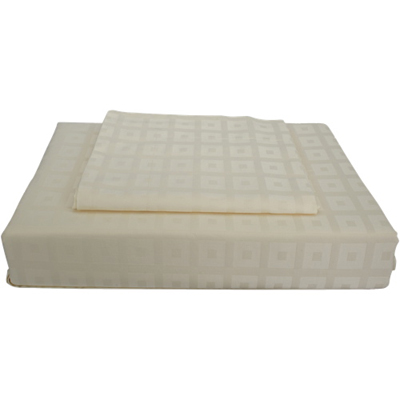
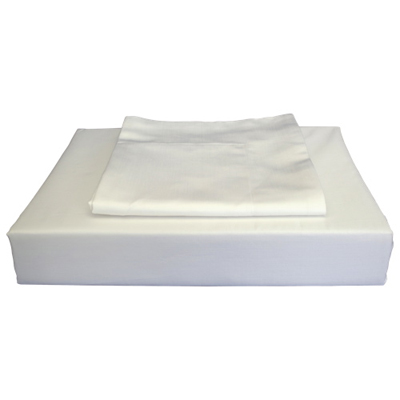
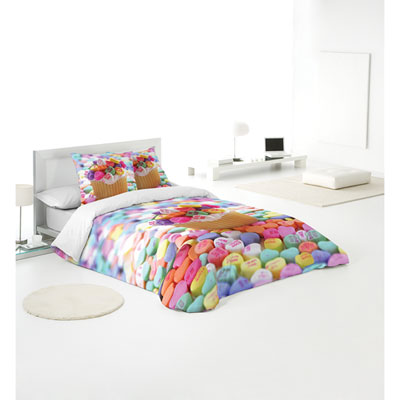
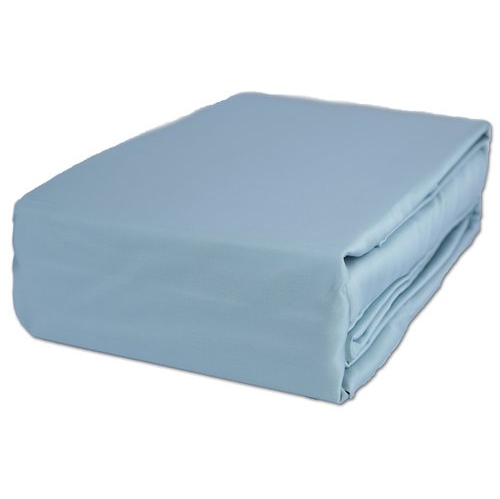
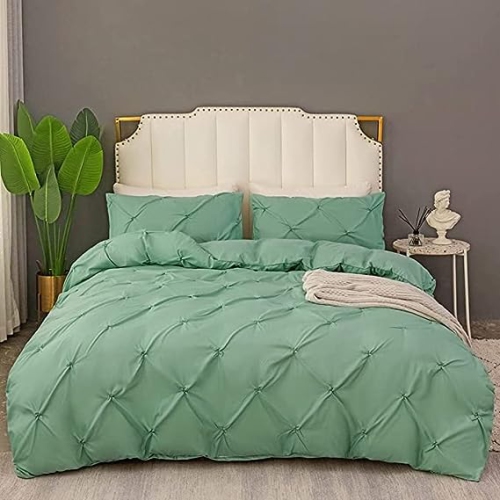
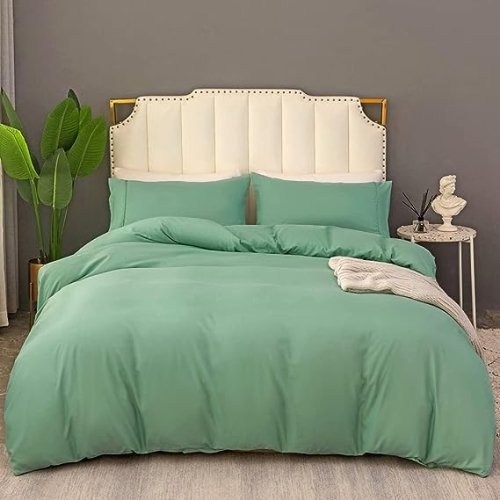
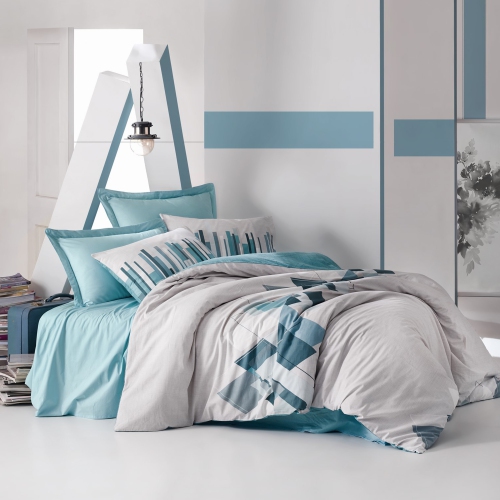
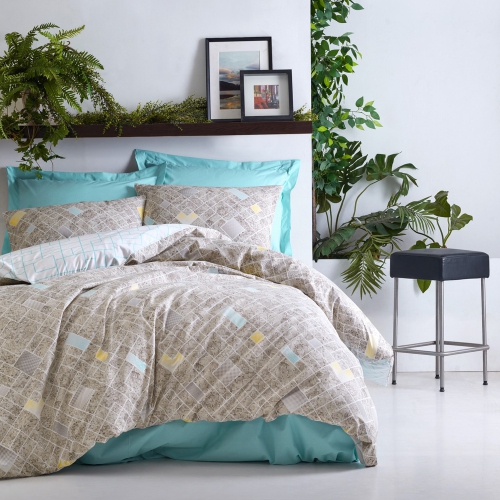
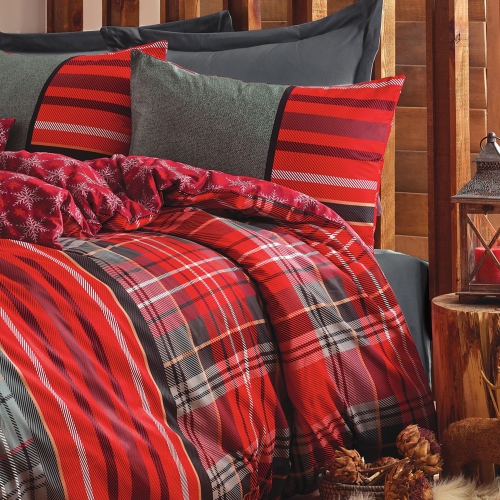
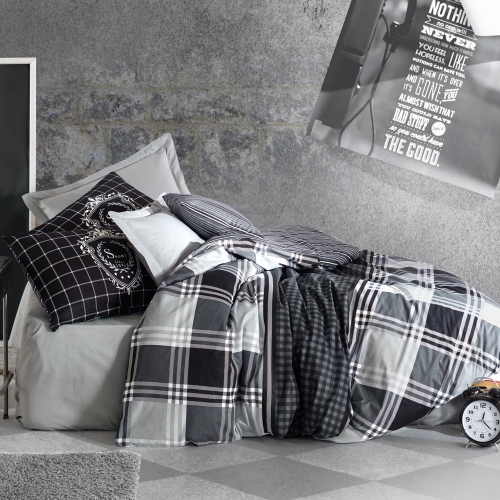
What to know about fit, fabric, colour, and care
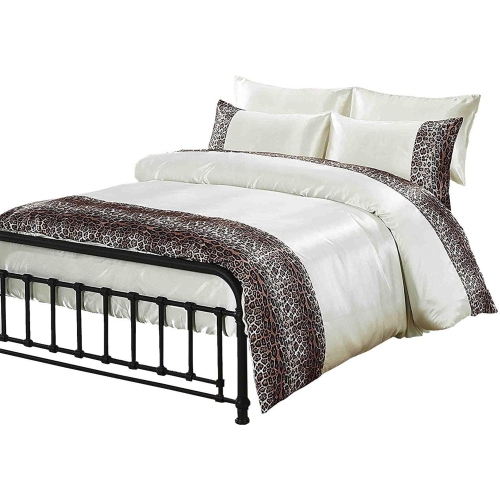
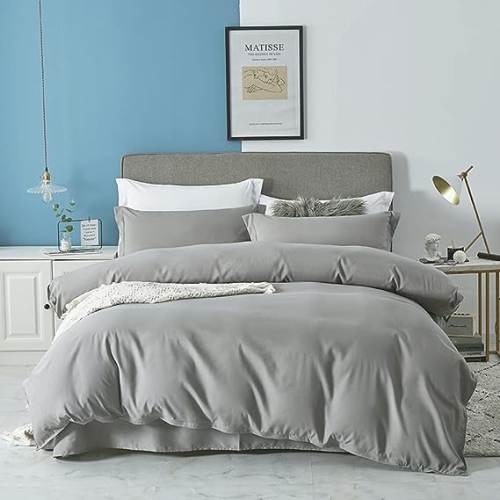
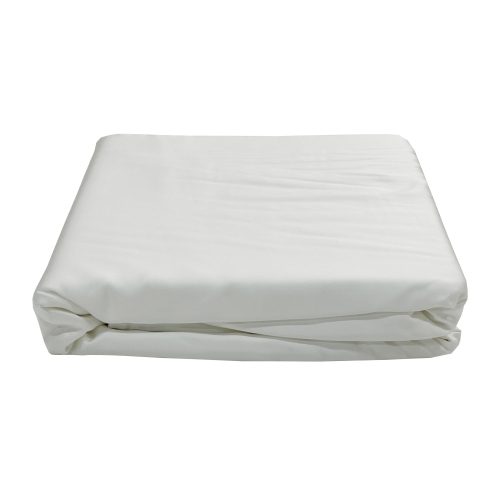
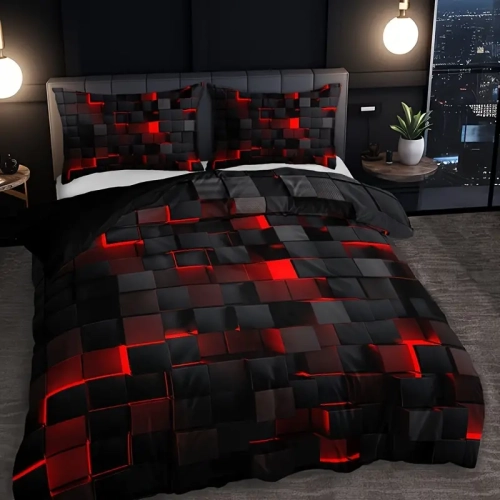
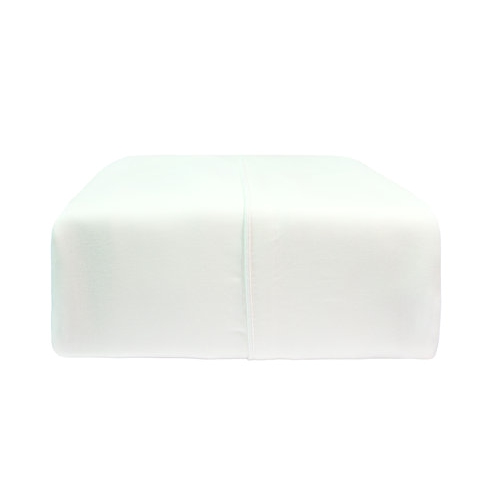
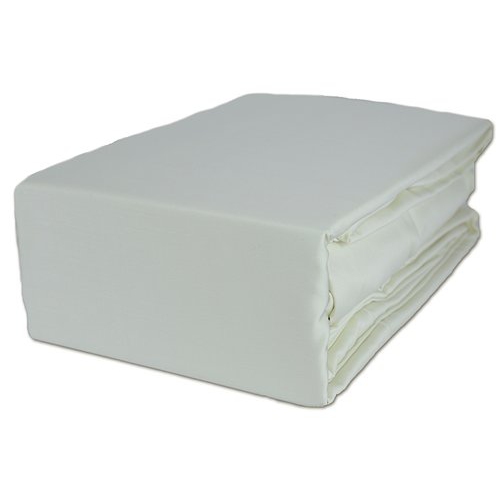
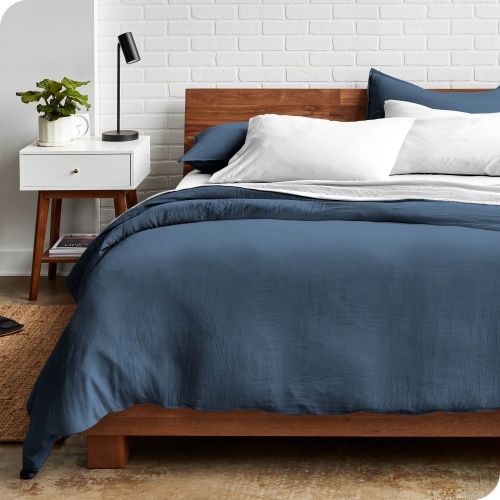
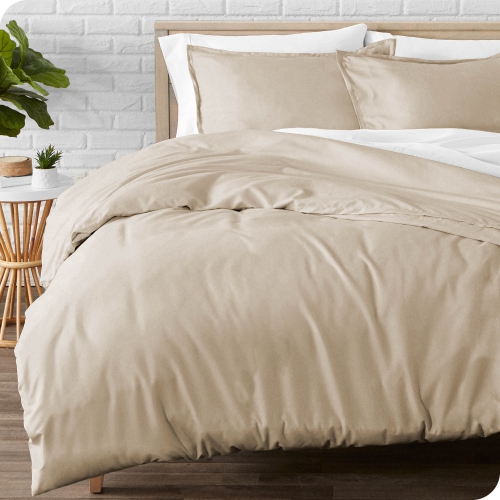
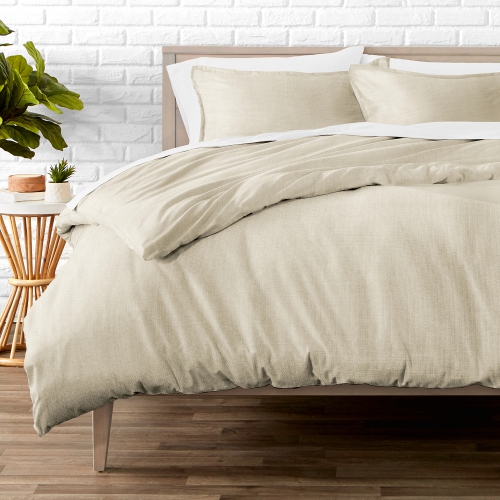
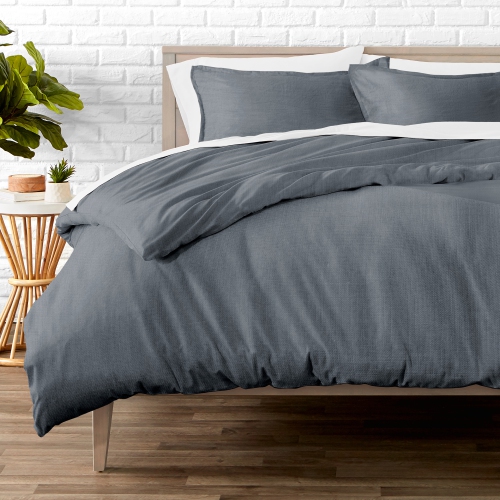
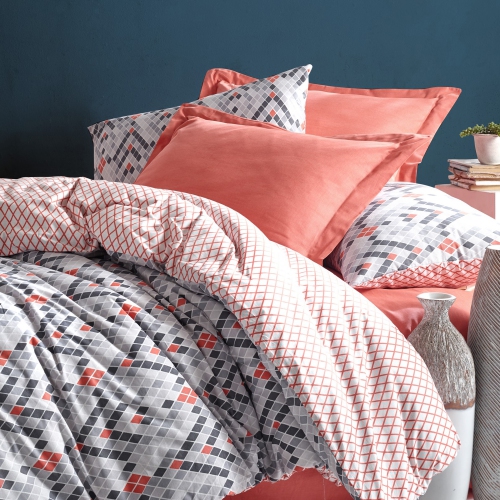
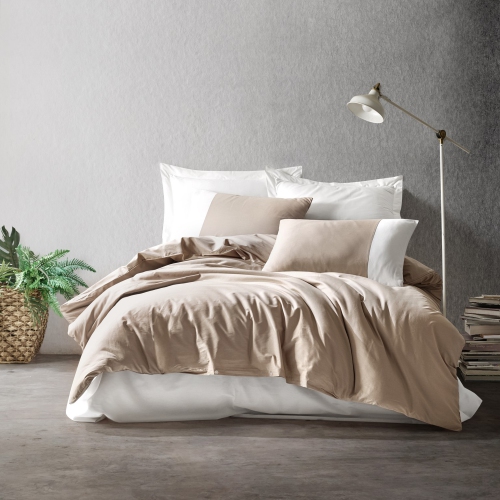
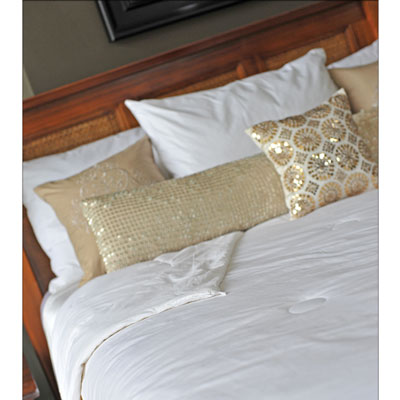
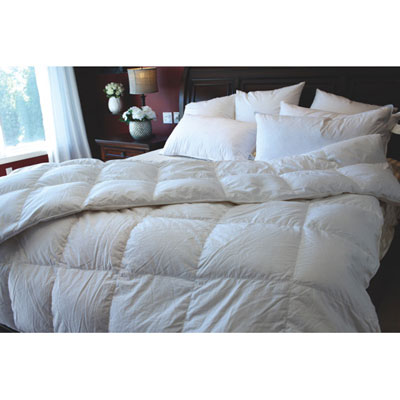
Queen size duvet covers are a practical way to refresh the look and feel of a bedroom while protecting the duvet insert underneath. A standard queen duvet cover usually measures approximately 88 × 90 inches, or about 225 × 230 centimetres, although dimensions can vary slightly between manufacturers. Checking the measurements of both the cover and duvet insert before ordering helps create a comfortable fit without excessive bunching or uncovered edges. A well-fitted cover should leave enough room for the insert to loft naturally while keeping the corners aligned. Corner ties or interior loops can help secure the duvet in place, especially for sleepers who move around during the night, and zipper, button, or envelope-style closures make it easier to insert and remove the duvet. Some covers are sold on their own, while others are included with matching pillow shams, which can make coordinating a bedroom feel more effortless. Queen size bedding works well in the primary bedroom, a guest room, a student residence, or a larger children’s room, making these covers useful for anyone who wants a simple change without replacing the entire bedding set. They can also make a thoughtful housewarming, wedding, graduation, or birthday gift, particularly when the recipient’s preferred colours and decorating style are known.
Fabric has a noticeable effect on warmth, texture, airflow, and everyday care. Cotton is a popular choice for its familiar softness and versatility, with different weaves offering distinct sensations. Percale tends to feel crisp and light, while sateen often has a smoother, silkier hand and a subtle sheen. Washed cotton can provide a relaxed, lived-in feel that suits casual bedrooms, while jersey fabric has a stretchy, T-shirt-like texture that feels soft and comfortable against the skin. Linen is known for its airy texture and natural variation, making it a good option for people who enjoy a relaxed, casually layered bed. Microfiber and polyester blends are often smooth, lightweight, and easy to care for, with colours and patterns that can remain vivid through regular washing. Velvet and other plush fabrics add warmth and visual depth, which can be especially inviting during cooler months, though they may feel heavier than a breathable cotton cover. Consider the temperature of the room, the type of duvet insert being used, and personal sleep preferences before choosing a fabric. A lightweight, breathable cover may suit warm sleepers or rooms that receive plenty of afternoon sun, while a denser or brushed texture can add a cosy layer when the weather turns cooler. Texture also changes the character of a room: a smooth solid cover can support a clean, modern look, a subtle stripe can add structure, and floral, botanical, geometric, or tufted designs can bring more personality to a neutral space.
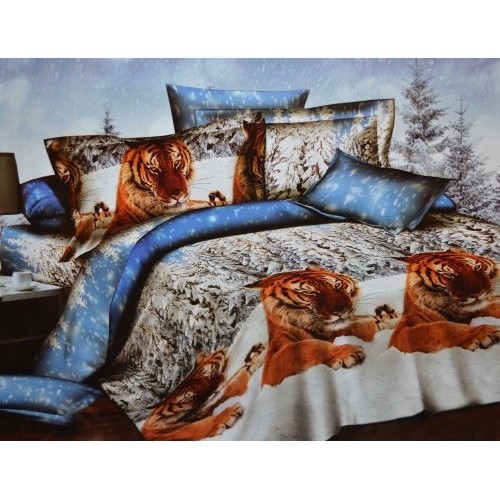
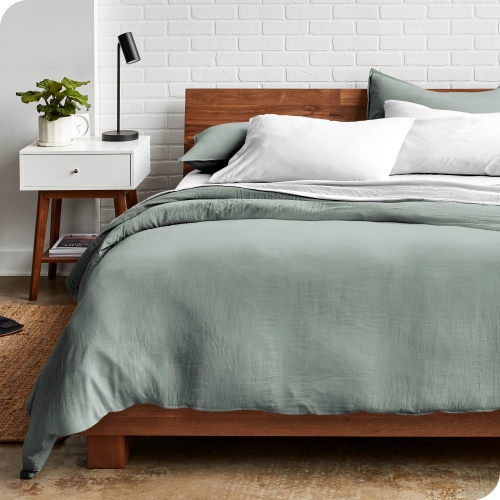
Colour and pattern are important considerations because the duvet often becomes the largest visible textile in a bedroom. Soft neutrals such as white, beige, grey, and taupe can make a room feel calm and allow artwork, rugs, and accent pillows to stand out. Deeper shades, including navy, forest green, charcoal, or rust, can create a more enveloping atmosphere and pair naturally with layered throws during the cooler months. Reversible designs offer two coordinated looks, while solid colours make it easier to update the room with seasonal cushions or a folded blanket at the foot of the bed. When choosing a pattern, look at the scale of nearby furnishings; a large room can handle a bolder motif, while a smaller bedroom may benefit from a finer print or understated texture. Before washing, check the care label and closure instructions, as fabrics may have different requirements for water temperature, drying, and ironing. Washing the cover before first use can help remove packaging odours and soften certain textiles. Closing zippers or buttons before laundering, using a suitable cycle, and avoiding overloading the machine can help the cover maintain its shape. It is also helpful to measure the bed, duvet insert, and available storage space, then consider how often the cover will be changed. Having a spare cover makes laundry days easier and allows a bedroom to shift from a light, airy look to a warmer, more layered style without changing the duvet itself. For another bed size, explore King Size Duvet Covers to find covers designed for a larger mattress and duvet insert.
Fabric has a noticeable effect on warmth, texture, airflow, and everyday care. Cotton is a popular choice for its familiar softness and versatility, with different weaves offering distinct sensations. Percale tends to feel crisp and light, while sateen often has a smoother, silkier hand and a subtle sheen. Washed cotton can provide a relaxed, lived-in feel that suits casual bedrooms, while jersey fabric has a stretchy, T-shirt-like texture that feels soft and comfortable against the skin. Linen is known for its airy texture and natural variation, making it a good option for people who enjoy a relaxed, casually layered bed. Microfiber and polyester blends are often smooth, lightweight, and easy to care for, with colours and patterns that can remain vivid through regular washing. Velvet and other plush fabrics add warmth and visual depth, which can be especially inviting during cooler months, though they may feel heavier than a breathable cotton cover. Consider the temperature of the room, the type of duvet insert being used, and personal sleep preferences before choosing a fabric. A lightweight, breathable cover may suit warm sleepers or rooms that receive plenty of afternoon sun, while a denser or brushed texture can add a cosy layer when the weather turns cooler. Texture also changes the character of a room: a smooth solid cover can support a clean, modern look, a subtle stripe can add structure, and floral, botanical, geometric, or tufted designs can bring more personality to a neutral space.
Colour and pattern are important considerations because the duvet often becomes the largest visible textile in a bedroom. Soft neutrals such as white, beige, grey, and taupe can make a room feel calm and allow artwork, rugs, and accent pillows to stand out. Deeper shades, including navy, forest green, charcoal, or rust, can create a more enveloping atmosphere and pair naturally with layered throws during the cooler months. Reversible designs offer two coordinated looks, while solid colours make it easier to update the room with seasonal cushions or a folded blanket at the foot of the bed. When choosing a pattern, look at the scale of nearby furnishings; a large room can handle a bolder motif, while a smaller bedroom may benefit from a finer print or understated texture. Before washing, check the care label and closure instructions, as fabrics may have different requirements for water temperature, drying, and ironing. Washing the cover before first use can help remove packaging odours and soften certain textiles. Closing zippers or buttons before laundering, using a suitable cycle, and avoiding overloading the machine can help the cover maintain its shape. It is also helpful to measure the bed, duvet insert, and available storage space, then consider how often the cover will be changed. Having a spare cover makes laundry days easier and allows a bedroom to shift from a light, airy look to a warmer, more layered style without changing the duvet itself. For another bed size, explore King Size Duvet Covers to find covers designed for a larger mattress and duvet insert.
Top selling and popular products
-
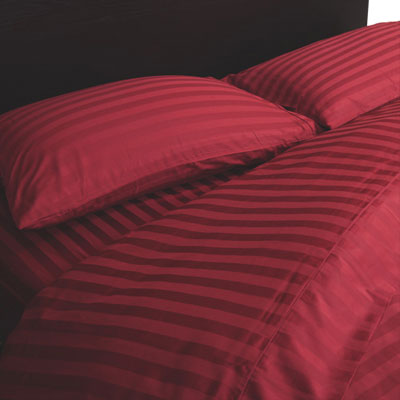 Your price for this item is $134.99
 -
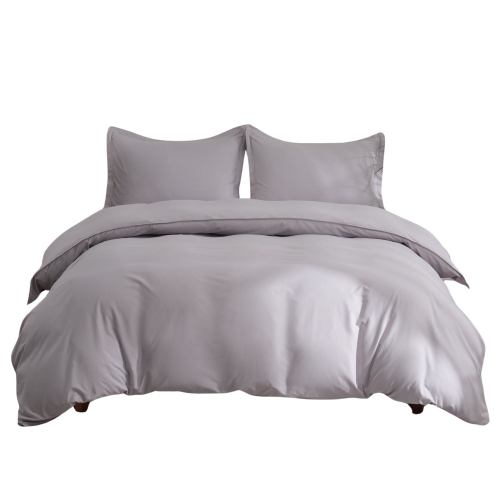 Your price for this item is $270
 -
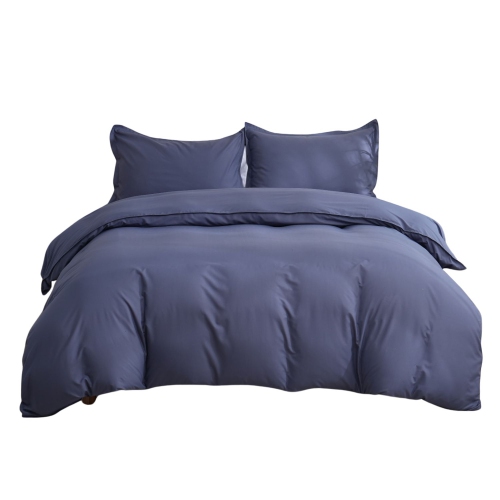 Your price for this item is $240
 -
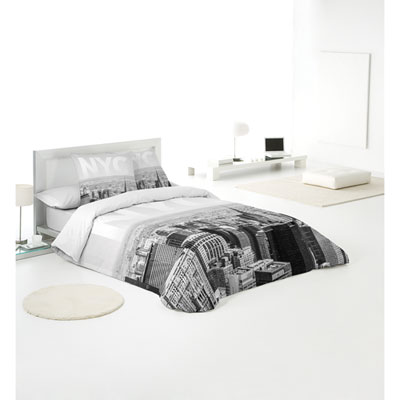 Your price for this item is $135.98
 -
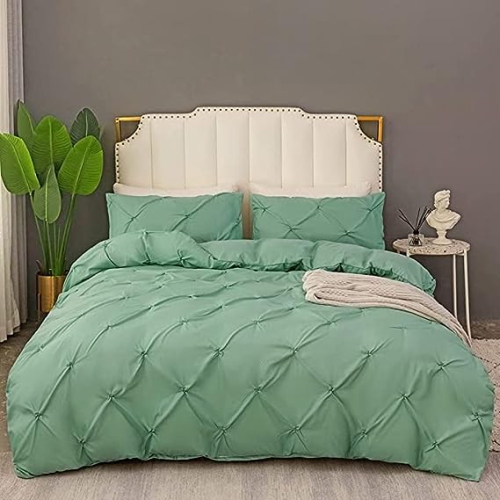 Your price for this item is $39.99
 -
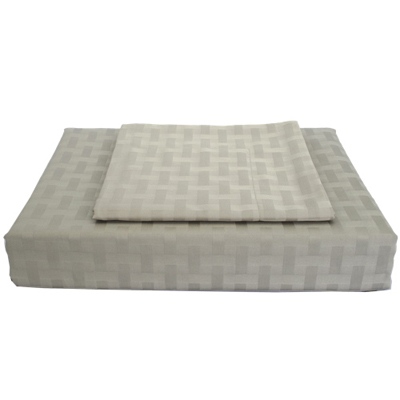 Your price for this item is $189.99
 -
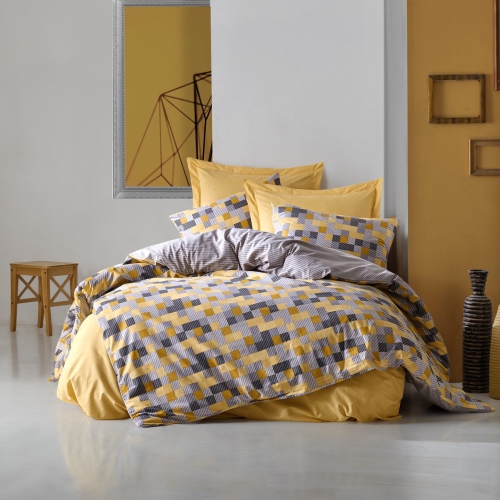 Your price for this item is $149.99
 -
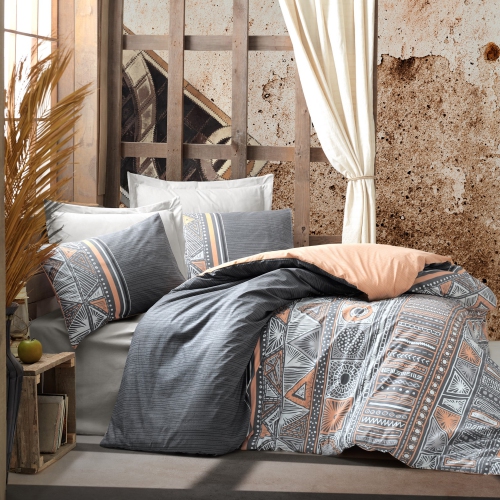 Your price for this item is $139.99
Discover more categories related to Queen Size Duvet Cover
Top Collections:
Pokemon Centers, Kindle Devices, Best Budget Office Chairs, Apple iPhones 16, Best Laptops for Writers, iPhone 15 Apple, Canon G7X Cameras, Refurbished Apple Laptops, Alarm Clock, Motorola Razr Phones
Some products may be subject to Environmental Handling Fees
(EHF) depending on your province.
Learn more about EHFs.