Single Duvet Covers
A single duvet cover is a great way to keep your bedding looking fresh and new. It's also a great option if you have a small space to work with, or if you want to change up the look of your bed without having to buy new sheets. Single covers are available in a variety of sizes and styles, so you can find one that matches your personal style as well as your bedding needs.
Sort


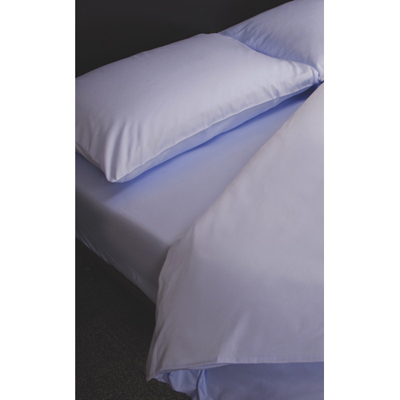
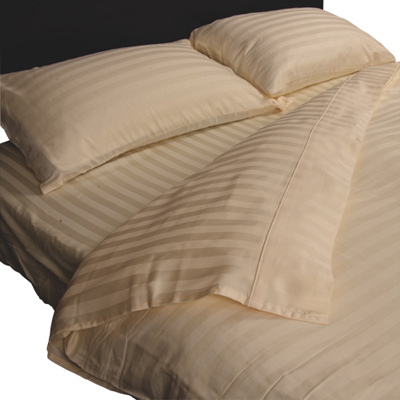
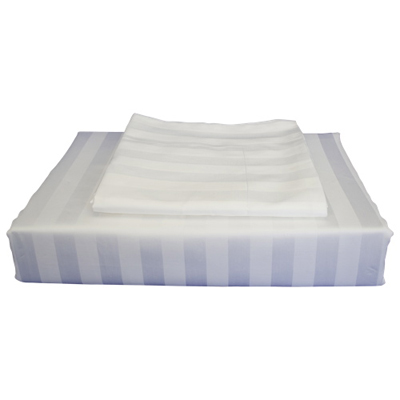
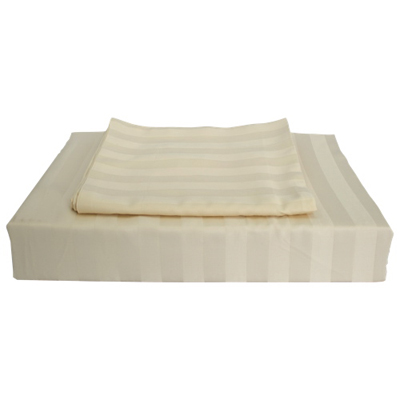








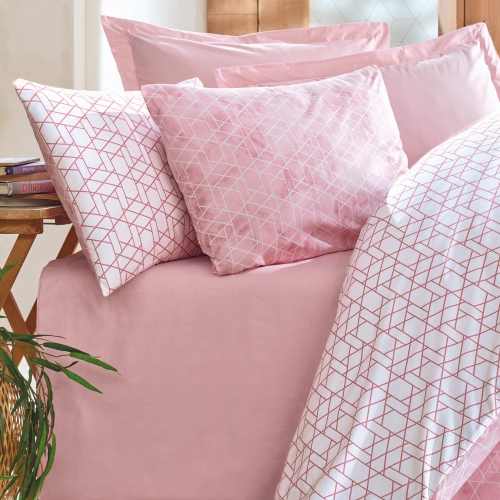
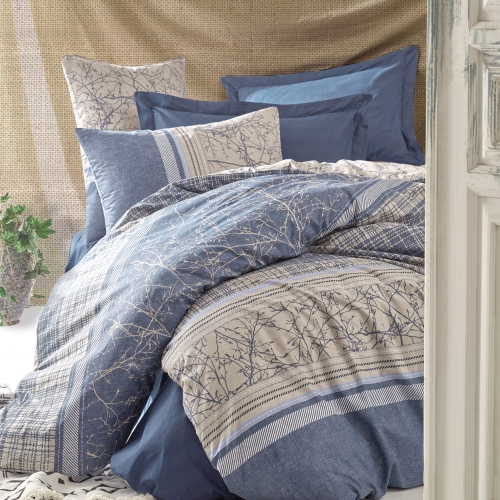
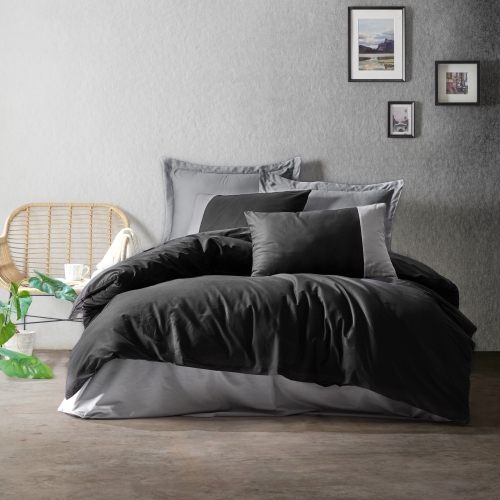
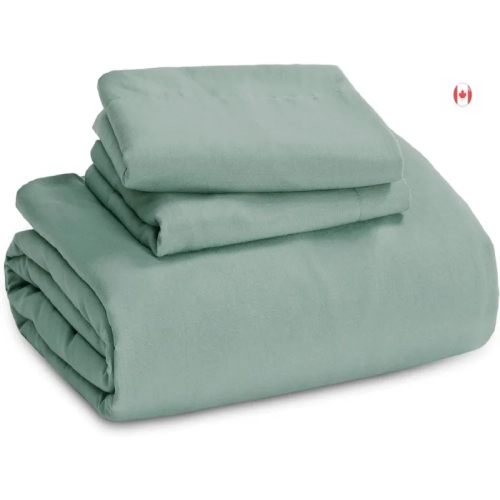
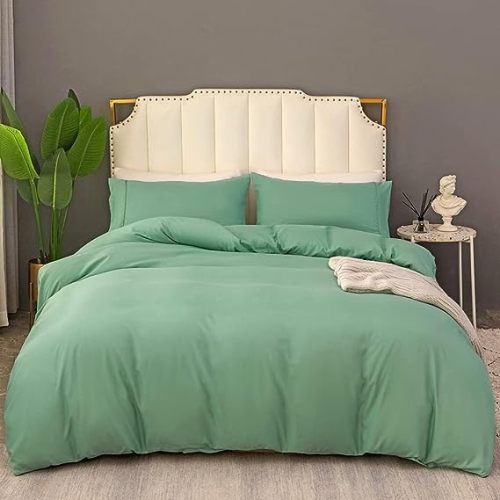
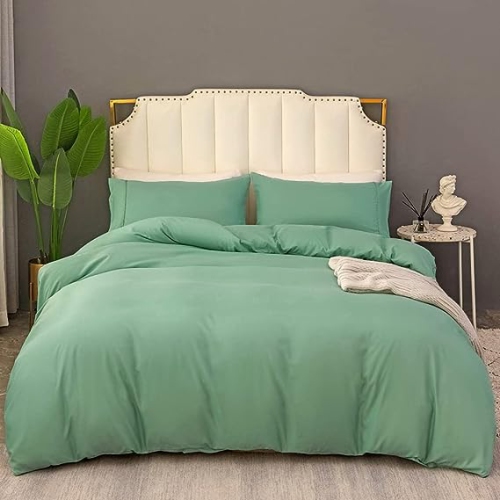

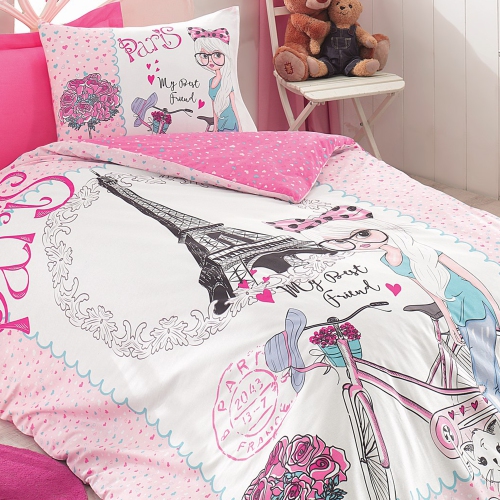
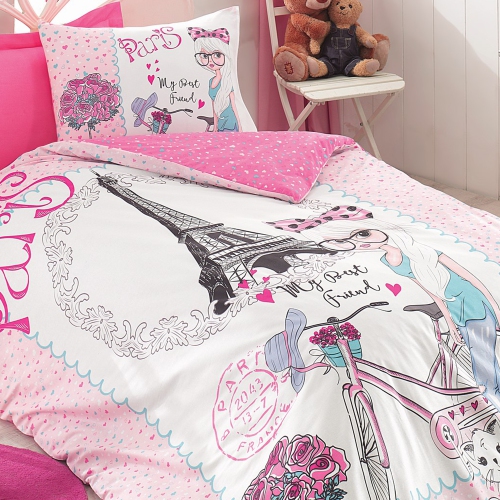








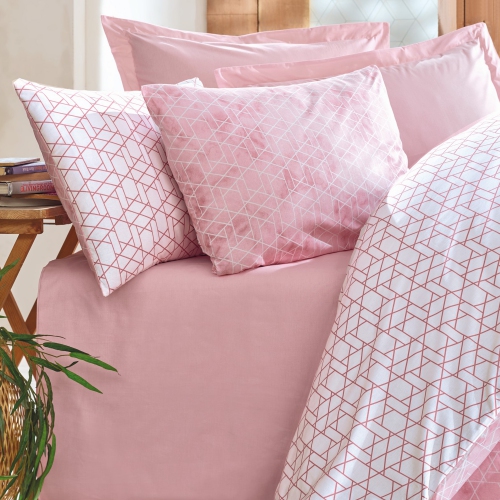





Why duvet insert measurements matter more than size labels
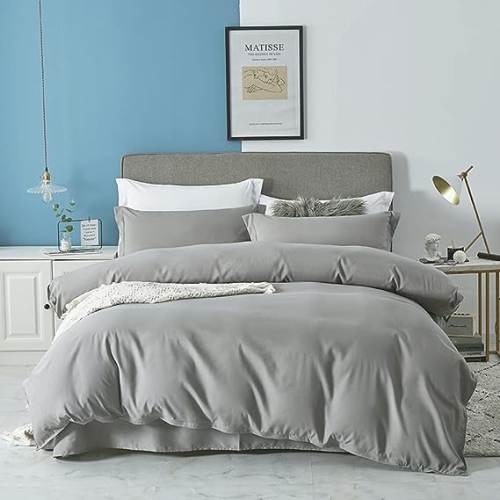
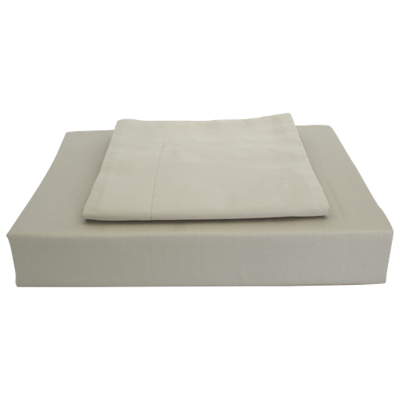
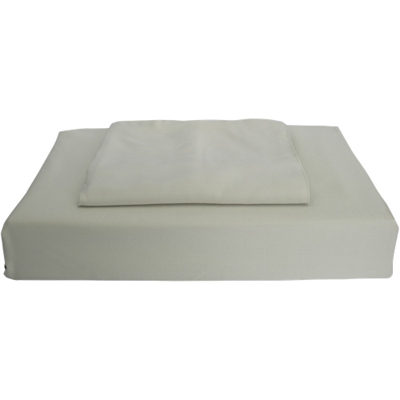
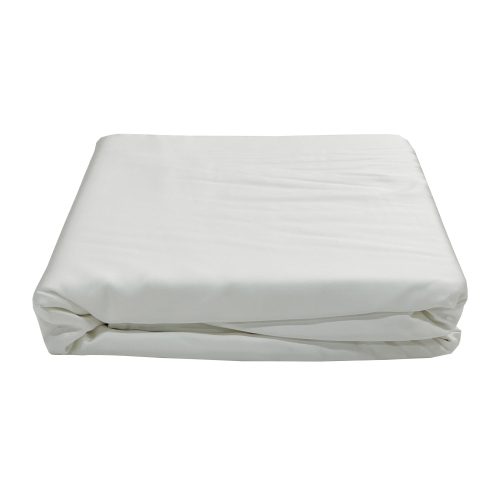
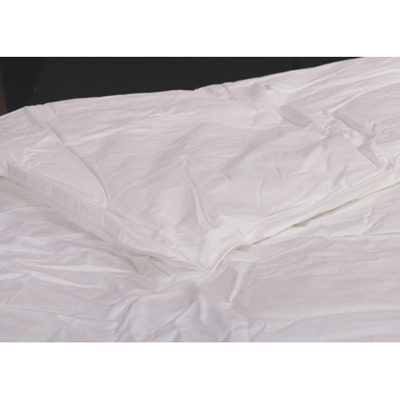
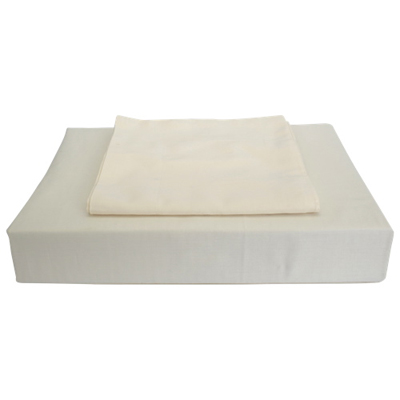
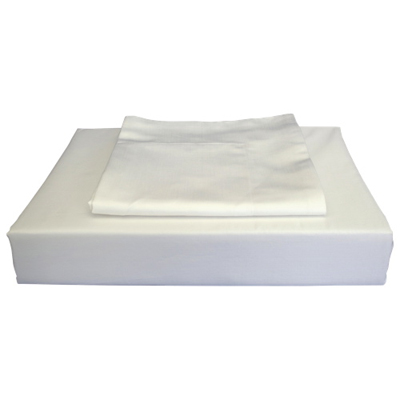
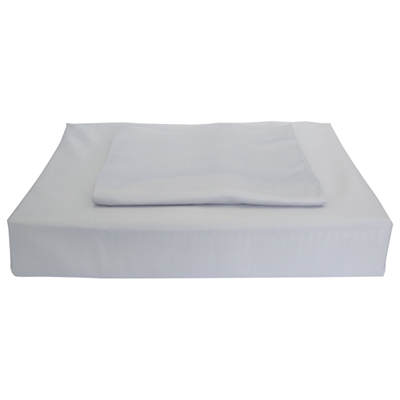
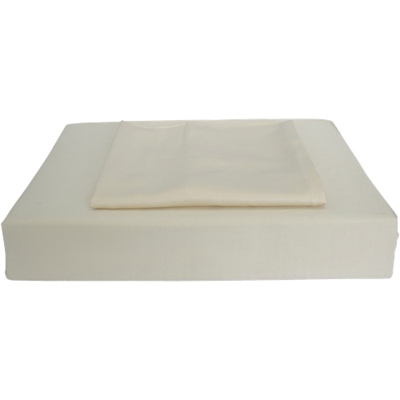
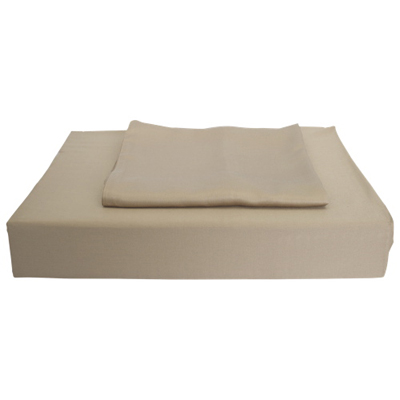
Single duvet covers are removable fabric covers designed to protect a duvet insert and give a single bed a finished look. Unlike a comforter with its filling sewn inside, a duvet cover can be taken off and washed separately from the insert, making it a practical part of everyday bedding. In Canada, single bedding is commonly labelled twin, although dimensions vary by manufacturer and a twin XL bed may need additional length. Twin duvet covers often measure approximately 64 by 86 inches to 68 by 90 inches, but these measurements are a general reference rather than a universal standard. The most reliable fit comes from comparing the cover’s stated dimensions with those of the duvet insert, not simply matching the size name on the packaging. A cover that is much larger than its insert can leave empty fabric along the edges, while one that is too small can compress the filling and make the bed look uneven. Mattress depth and bed height also affect how far the filled duvet hangs over the sides. On a narrow bed tucked against a wall, a neat drape can be easier to manage than a generous overhang; on a freestanding bed, balanced coverage on both sides gives a more complete appearance. Single duvet covers suit children’s rooms, teenage bedrooms, student residences, guest spaces, and adults who sleep in a single bed. They can also give each sleeper a separate cover when two single duvets are used on a larger bed, provided the insert dimensions suit the arrangement. Package contents deserve attention, too: a duvet cover may be sold on its own or as part of a set with a pillowcase or sham, and the duvet insert is generally separate unless expressly included. Checking those details helps ensure the bedding works together, whether the aim is to replace a well-used cover or furnish an entire bed.
Fabric and construction shape how a single duvet cover feels, how it falls across the bed, and how much care it needs. Cotton is a familiar choice for everyday bedding because it is absorbent, breathable, and generally straightforward to launder according to its care label. The weave makes a noticeable difference even when the fibre content is the same. Cotton percale typically has a crisp, matte finish and a smooth, closely woven surface, while cotton sateen tends to feel silkier and has a subtle sheen. Neither finish is automatically better; someone who likes freshly pressed sheets may prefer percale, while someone drawn to a softer drape may favour sateen. Linen has a more pronounced texture and a naturally relaxed appearance, with creases that remain part of its character rather than something that must always be ironed away. Polyester microfibre usually feels smooth and lightweight, and many versions resist creasing and dry readily, although performance depends on the fabric and construction. Cotton-polyester blends combine characteristics of both fibres, so the stated proportions are useful when comparing care needs and hand feel. Thread count alone cannot establish quality, especially across different fibres and weaves; yarn quality, fabric density, finishing, and seam construction also matter. For frequent use, evenly stitched seams and securely attached closures are practical details worth considering. Interior corner ties can help hold a compatible insert in position when attached to its corner loops, reducing the chance of the filling gathering at one end. Button closures allow the opening to be fastened in sections, while a zipper provides a continuous closure that can make bedding changes straightforward. A concealed fastening keeps the finished edge tidy and limits contact with exposed hardware. For someone changing bedding alone in a compact bedroom, a wide opening and clearly positioned ties can make the task less awkward. Textured finishes, piping, or stitched details add visual interest, but a smooth surface may be preferable for anyone who finds raised details distracting against their skin.
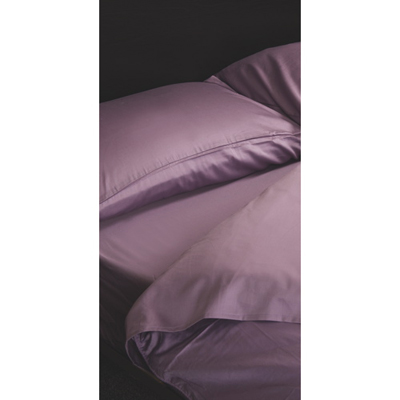
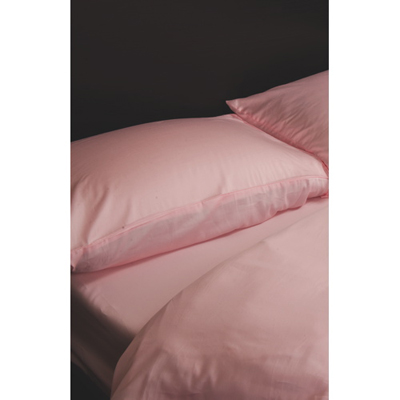
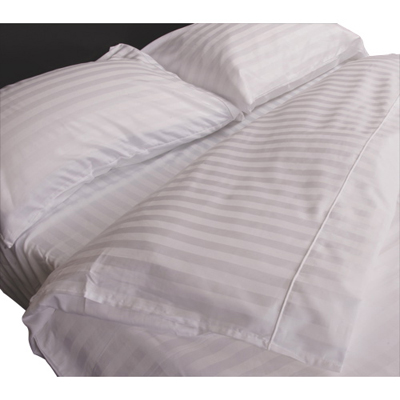
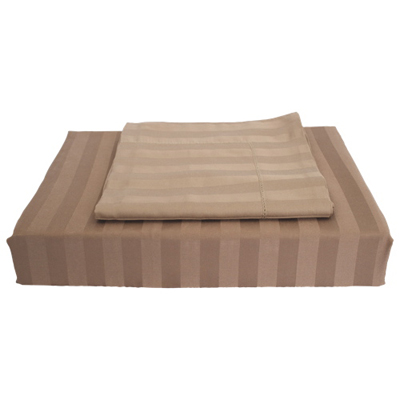
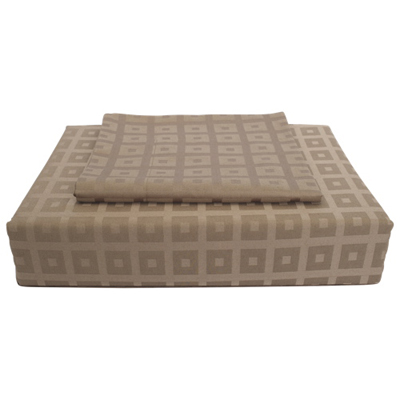
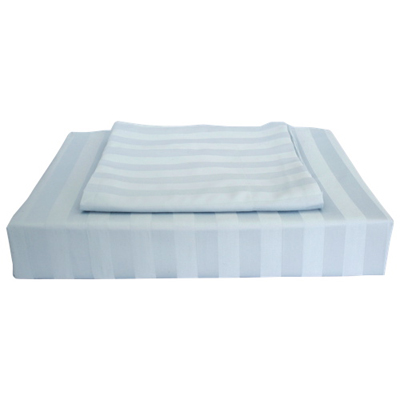
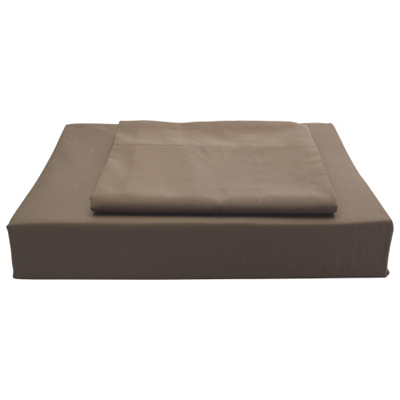
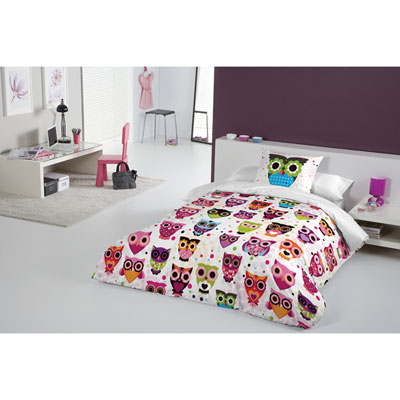
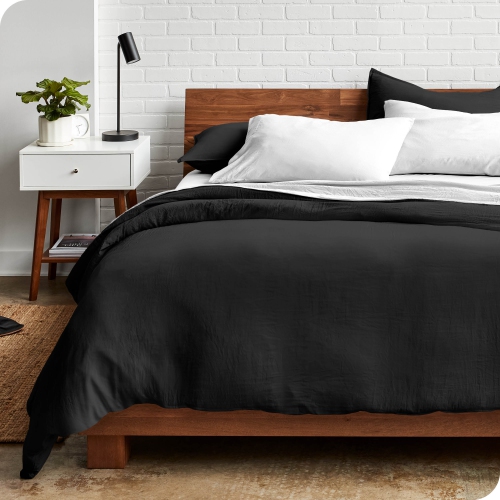
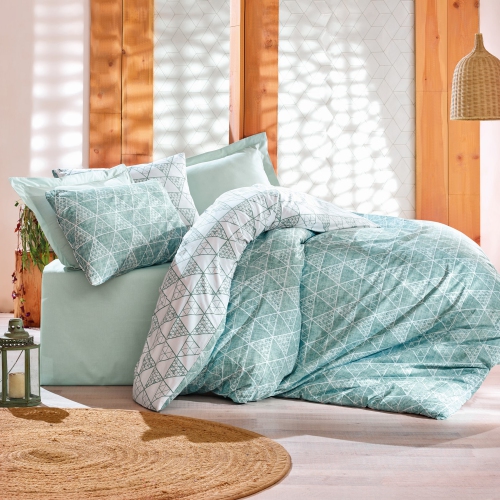
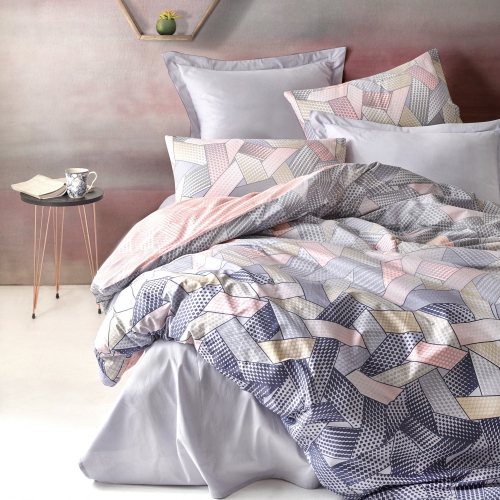
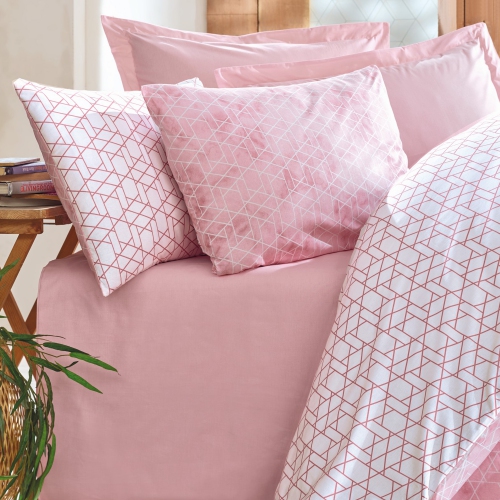
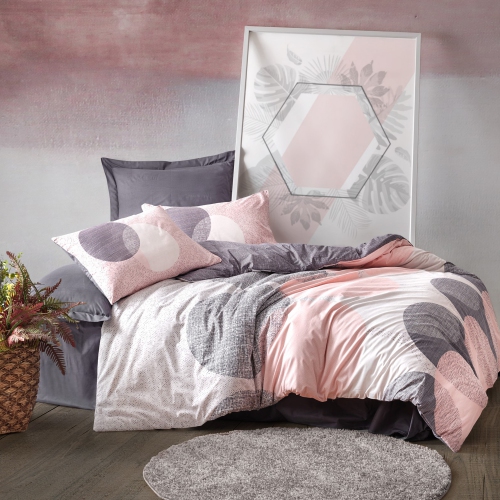
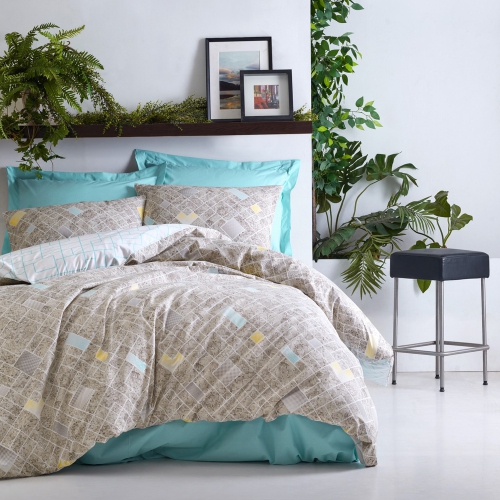
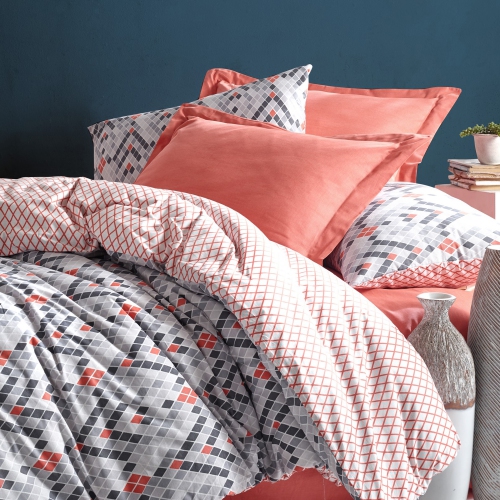
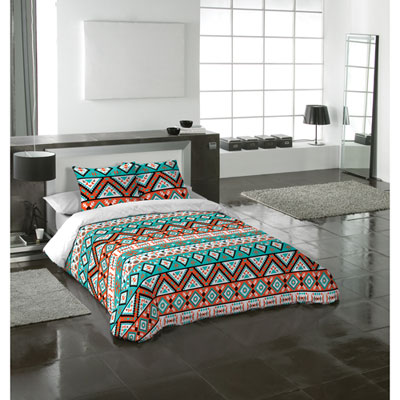
Colour, pattern, and care requirements help determine how comfortably a duvet cover fits into daily life. Because a duvet occupies much of the visible surface of a single bed, even a simple change in colour can alter the character of a small room. Plain covers let patterned curtains, a favourite cushion, or framed artwork stand out, while stripes, checks, and botanical prints can give otherwise understated furnishings a focal point. In a shared children’s room, coordinating colours can connect two beds without making them identical; in a guest room that also serves as a home office, a restrained pattern can help the bed sit quietly alongside a desk and shelving. Reversible covers offer another way to vary the look, though the fabric and finish on each side should be checked rather than assumed to match. For a more individual look, unique duvet covers offer another direction for expressing personal style through bedding. Practical care matters just as much as appearance, especially for a cover that will be washed frequently. Follow the sewn-in care label for washing, drying, and ironing, since fibre blends, printed finishes, and added trims can require different treatment. Fastening the closure before washing may help prevent other laundry from becoming caught inside, while leaving enough room in the machine allows the fabric to move freely. Some fabrics may shrink during laundering, particularly if the recommended care settings are exceeded, so the manufacturer’s directions should take priority over a general routine. Drying the cover fully before storing it helps prevent musty odours, and keeping spare bedding neatly folded makes changes easier in a busy household. A single duvet cover can also be a thoughtful gift for a student furnishing a residence room, a teenager updating their space, or someone settling into a new home. Knowing the recipient’s insert measurements, preferred fabric feel, and access to laundry facilities makes that gift more useful than choosing by pattern alone. The right combination of fit, finish, and manageable care gives a single bed a look that feels personal without making everyday upkeep complicated.
Fabric and construction shape how a single duvet cover feels, how it falls across the bed, and how much care it needs. Cotton is a familiar choice for everyday bedding because it is absorbent, breathable, and generally straightforward to launder according to its care label. The weave makes a noticeable difference even when the fibre content is the same. Cotton percale typically has a crisp, matte finish and a smooth, closely woven surface, while cotton sateen tends to feel silkier and has a subtle sheen. Neither finish is automatically better; someone who likes freshly pressed sheets may prefer percale, while someone drawn to a softer drape may favour sateen. Linen has a more pronounced texture and a naturally relaxed appearance, with creases that remain part of its character rather than something that must always be ironed away. Polyester microfibre usually feels smooth and lightweight, and many versions resist creasing and dry readily, although performance depends on the fabric and construction. Cotton-polyester blends combine characteristics of both fibres, so the stated proportions are useful when comparing care needs and hand feel. Thread count alone cannot establish quality, especially across different fibres and weaves; yarn quality, fabric density, finishing, and seam construction also matter. For frequent use, evenly stitched seams and securely attached closures are practical details worth considering. Interior corner ties can help hold a compatible insert in position when attached to its corner loops, reducing the chance of the filling gathering at one end. Button closures allow the opening to be fastened in sections, while a zipper provides a continuous closure that can make bedding changes straightforward. A concealed fastening keeps the finished edge tidy and limits contact with exposed hardware. For someone changing bedding alone in a compact bedroom, a wide opening and clearly positioned ties can make the task less awkward. Textured finishes, piping, or stitched details add visual interest, but a smooth surface may be preferable for anyone who finds raised details distracting against their skin.
Colour, pattern, and care requirements help determine how comfortably a duvet cover fits into daily life. Because a duvet occupies much of the visible surface of a single bed, even a simple change in colour can alter the character of a small room. Plain covers let patterned curtains, a favourite cushion, or framed artwork stand out, while stripes, checks, and botanical prints can give otherwise understated furnishings a focal point. In a shared children’s room, coordinating colours can connect two beds without making them identical; in a guest room that also serves as a home office, a restrained pattern can help the bed sit quietly alongside a desk and shelving. Reversible covers offer another way to vary the look, though the fabric and finish on each side should be checked rather than assumed to match. For a more individual look, unique duvet covers offer another direction for expressing personal style through bedding. Practical care matters just as much as appearance, especially for a cover that will be washed frequently. Follow the sewn-in care label for washing, drying, and ironing, since fibre blends, printed finishes, and added trims can require different treatment. Fastening the closure before washing may help prevent other laundry from becoming caught inside, while leaving enough room in the machine allows the fabric to move freely. Some fabrics may shrink during laundering, particularly if the recommended care settings are exceeded, so the manufacturer’s directions should take priority over a general routine. Drying the cover fully before storing it helps prevent musty odours, and keeping spare bedding neatly folded makes changes easier in a busy household. A single duvet cover can also be a thoughtful gift for a student furnishing a residence room, a teenager updating their space, or someone settling into a new home. Knowing the recipient’s insert measurements, preferred fabric feel, and access to laundry facilities makes that gift more useful than choosing by pattern alone. The right combination of fit, finish, and manageable care gives a single bed a look that feels personal without making everyday upkeep complicated.
Top selling and popular products
-
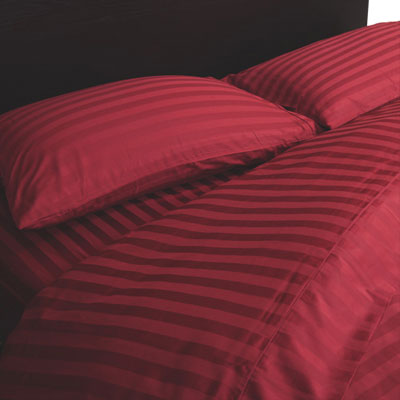 Your price for this item is $134.99
 -
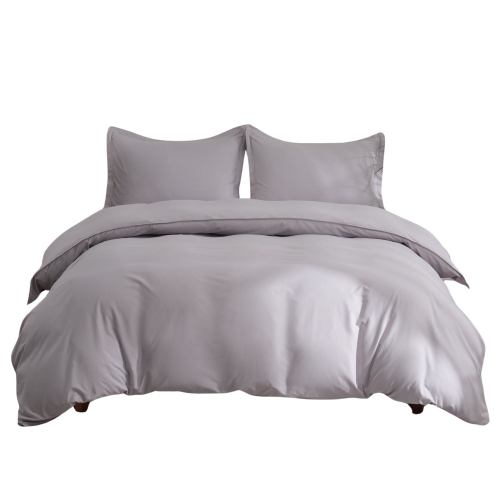 Your price for this item is $270
 -
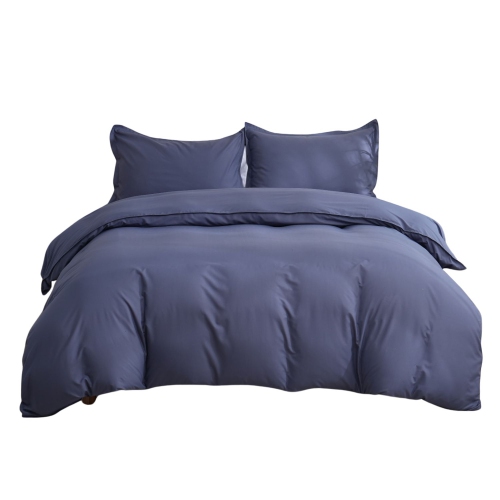 Your price for this item is $240
 -
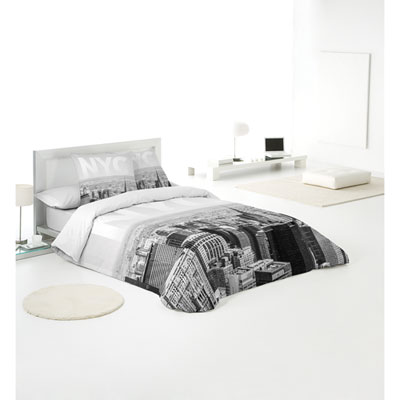 Your price for this item is $135.98
 -
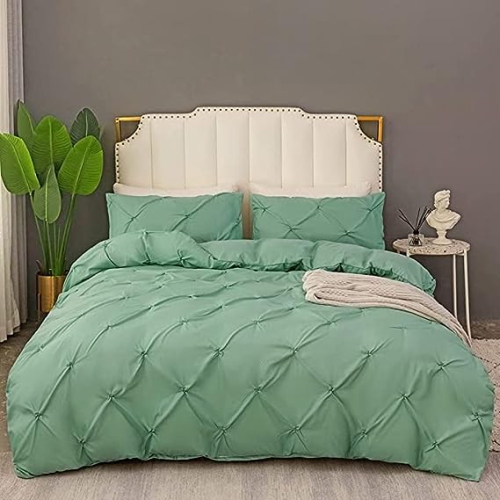 Your price for this item is $39.99
 -
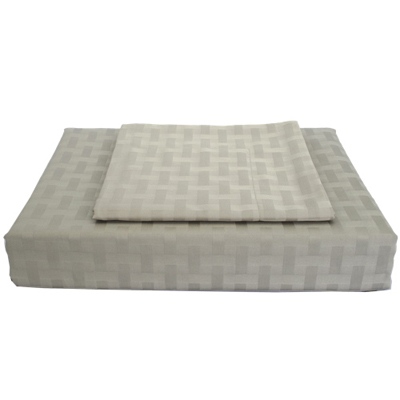 Your price for this item is $189.99
 -
 Your price for this item is $149.99
 -
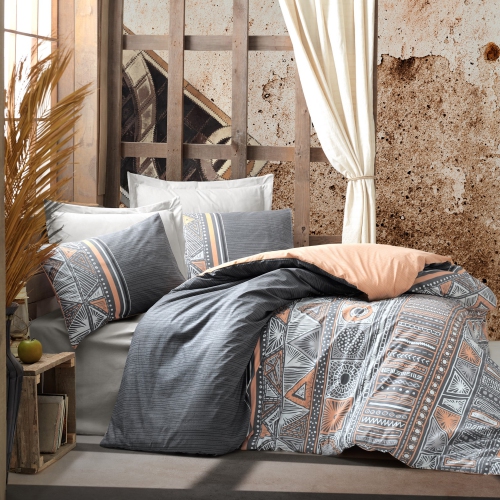 Your price for this item is $139.99
Discover more categories related to Single Duvet Covers
Top Collections:
Pokemon Centers, Kindle Devices, Best Budget Office Chairs, Apple iPhones 16, Best Laptops for Writers, iPhone 15 Apple, Canon G7X Cameras, Refurbished Apple Laptops, Alarm Clock, Motorola Razr Phones
Some products may be subject to Environmental Handling Fees
(EHF) depending on your province.
Learn more about EHFs.