Twin Bed Size
A twin bed is a great option for small spaces, whether you're living in a dorm room or just want to make the most of your bedroom real estate. Twin beds are also popular with some parents who want to give their children a little more space. Here are some great options for you.
Sort
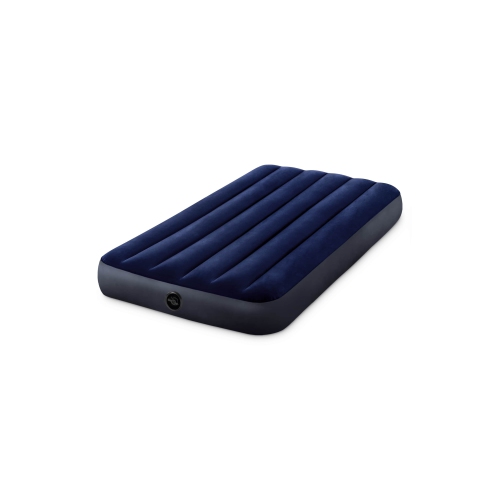
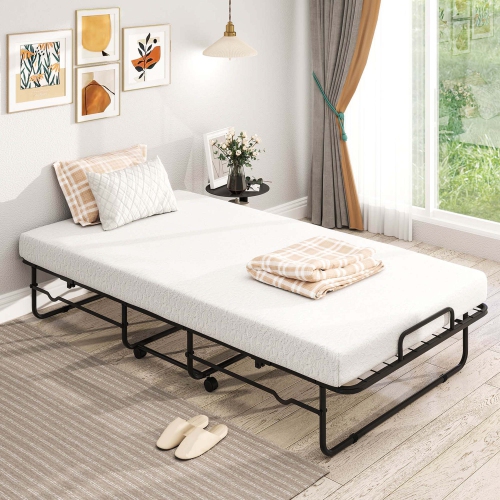

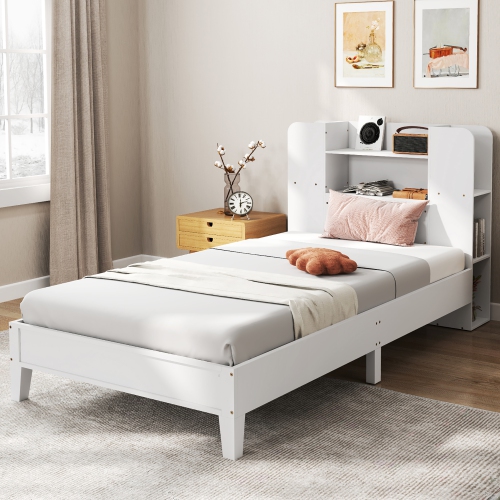
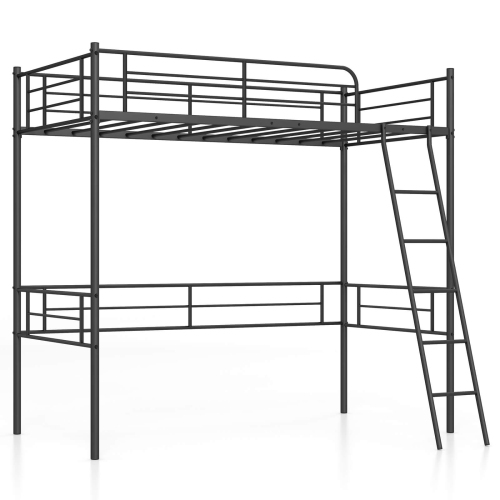
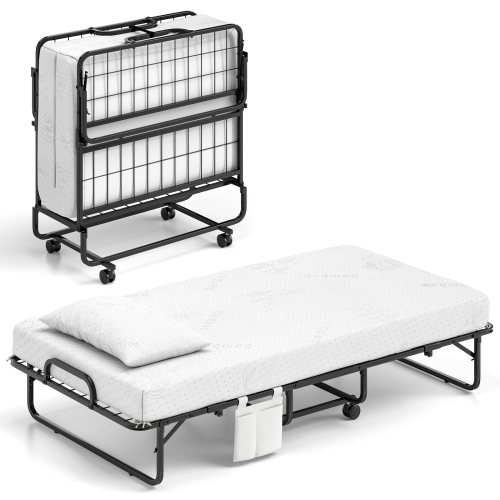
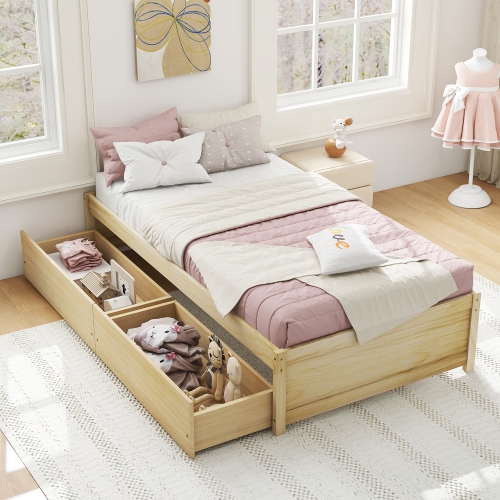
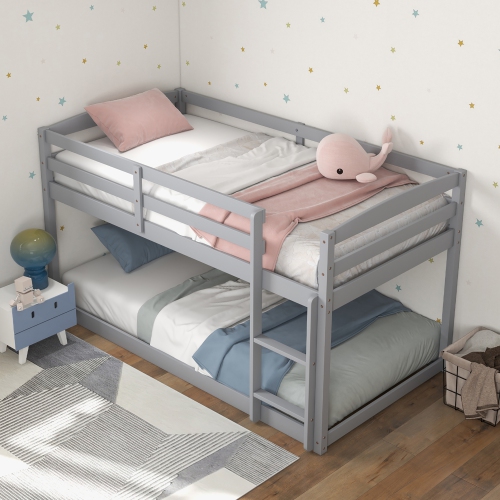
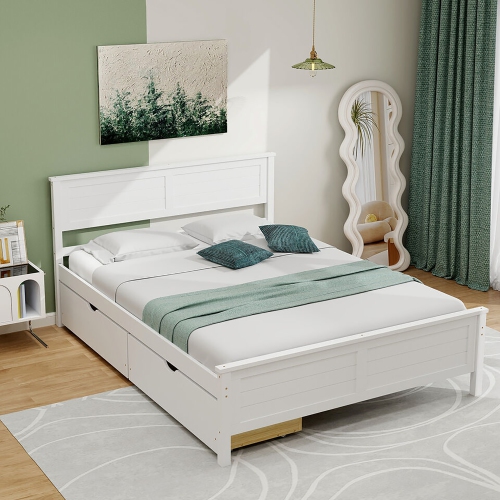
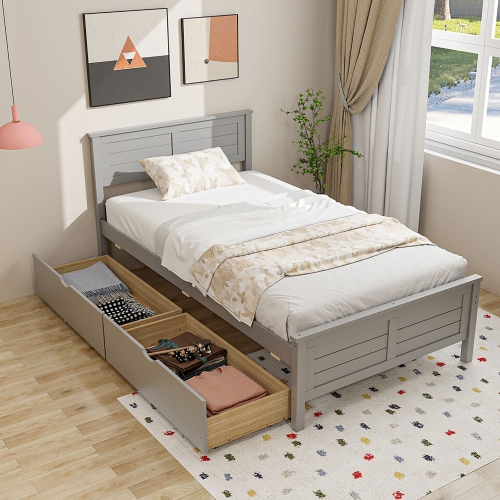
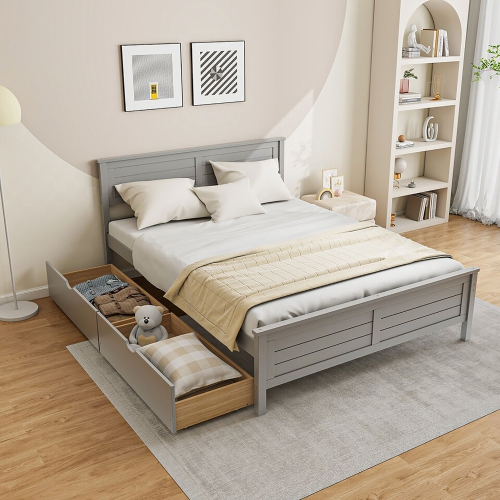
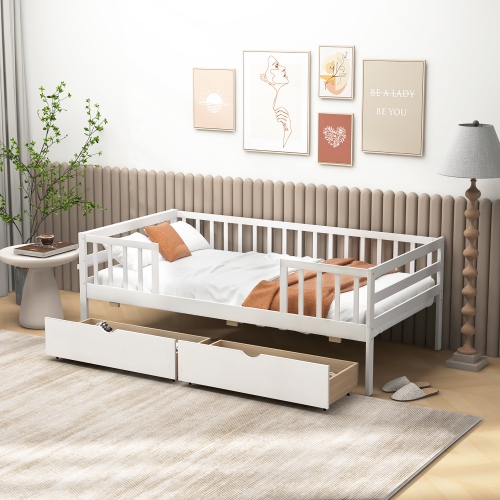
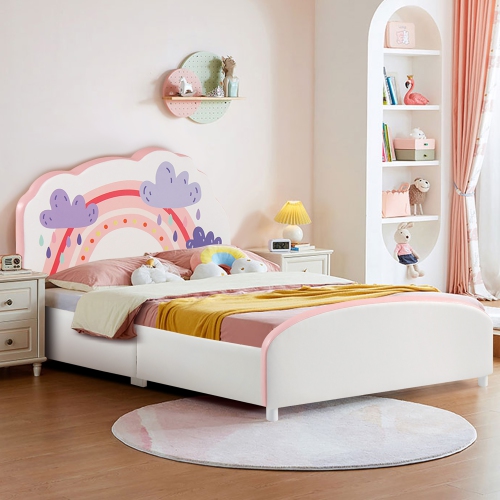
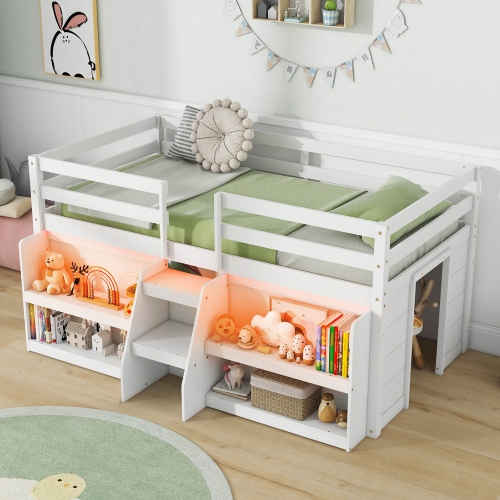
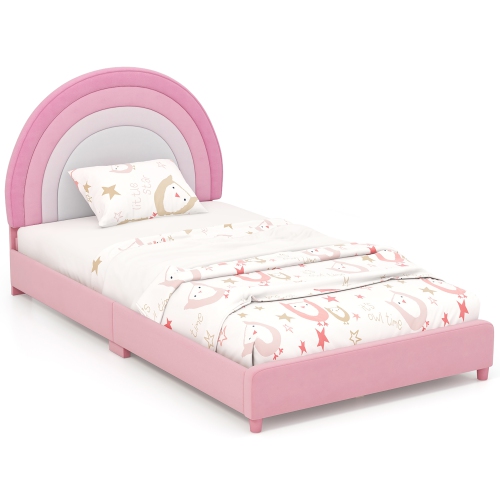
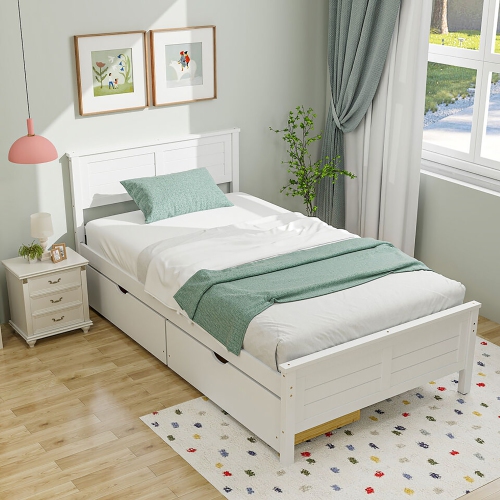
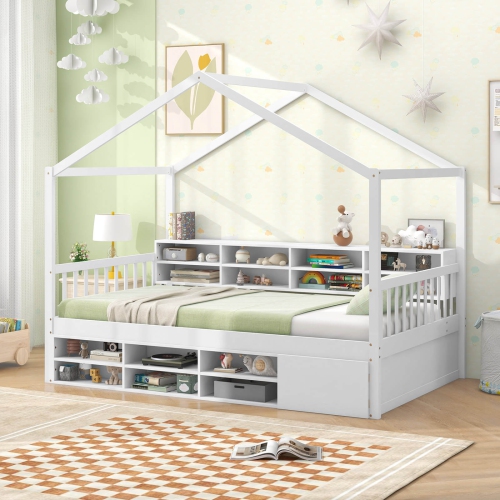
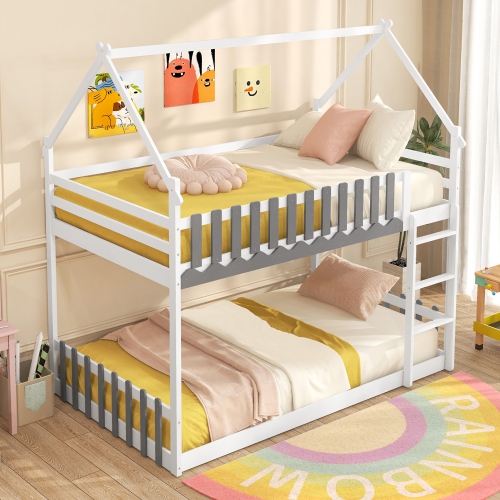
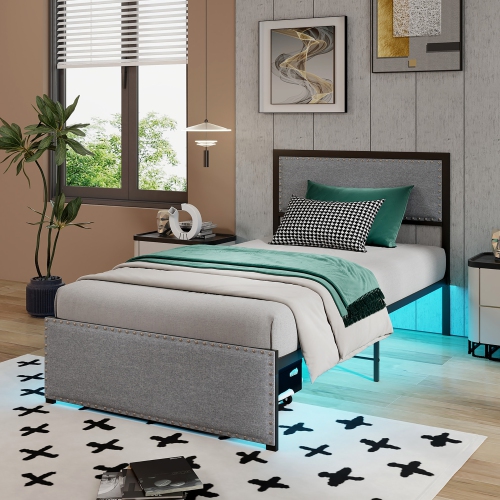
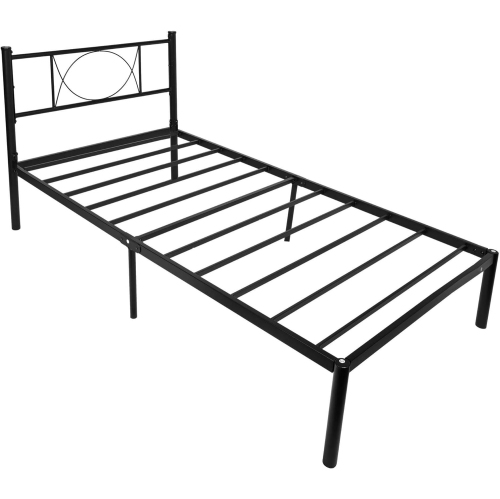
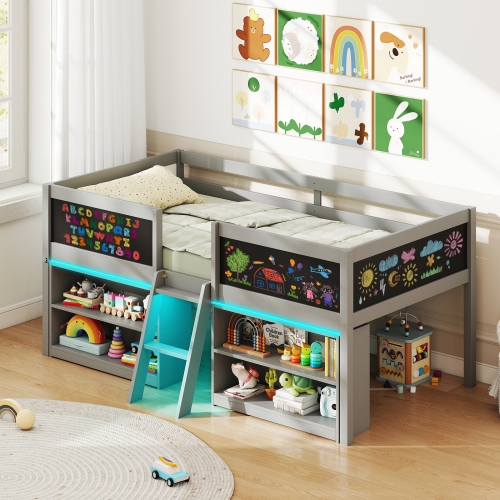
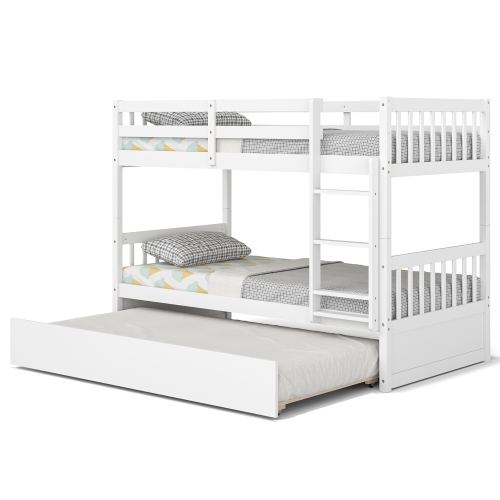
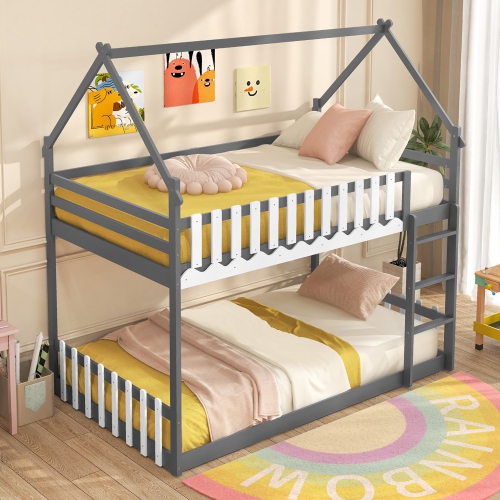
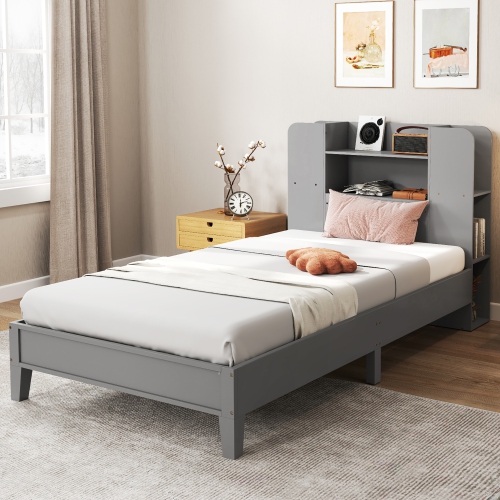
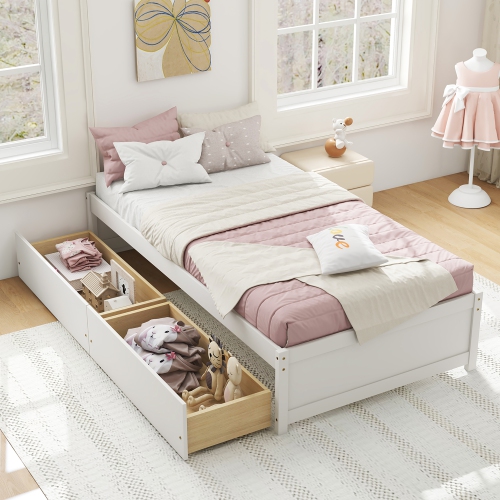
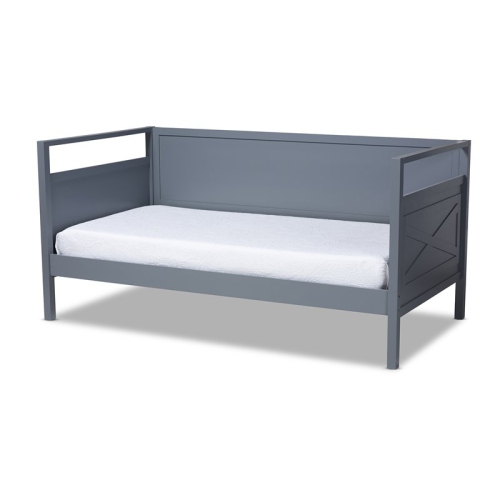
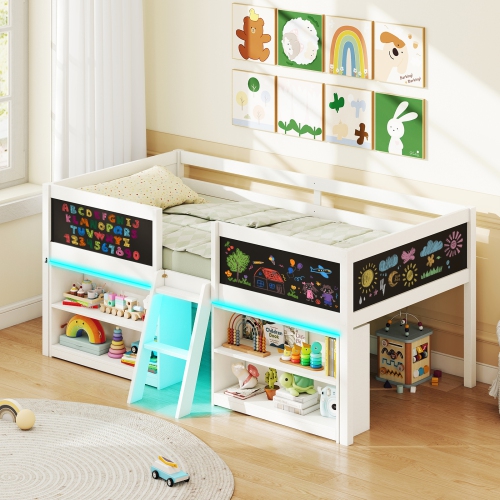
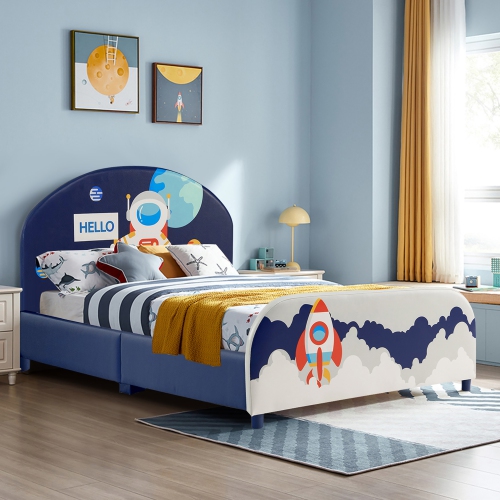
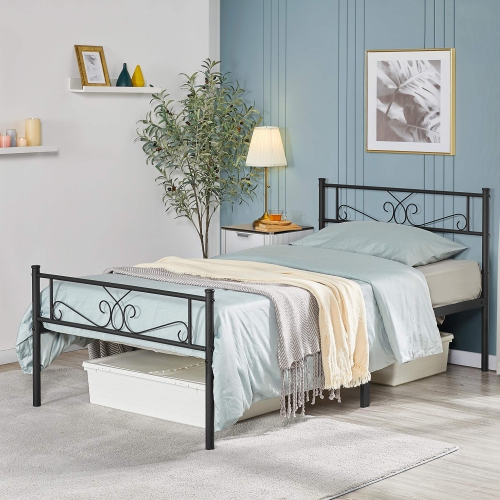
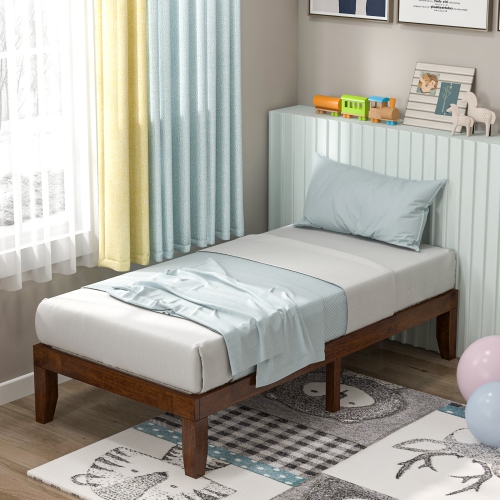
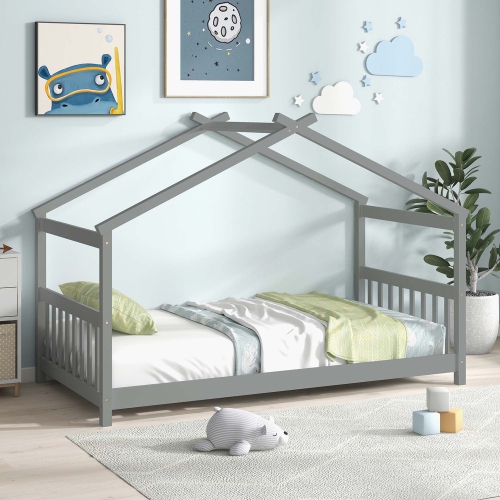
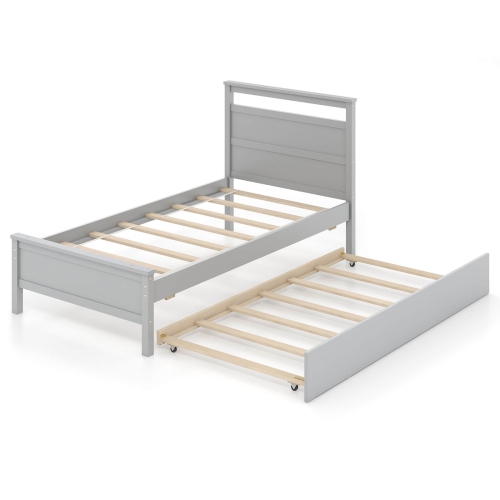

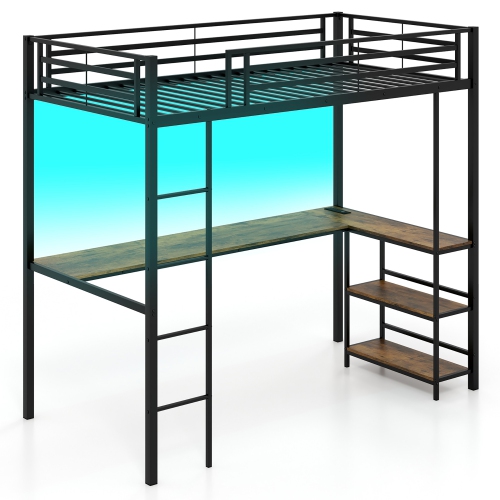
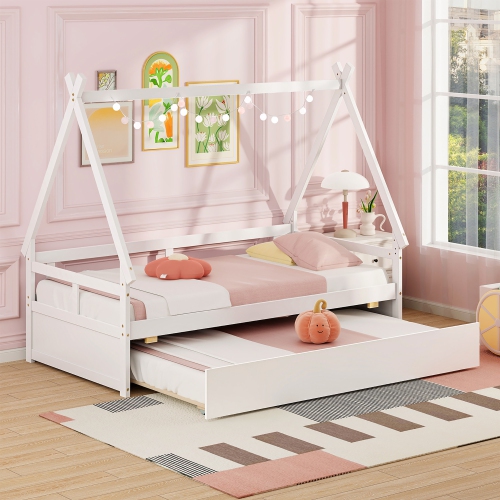
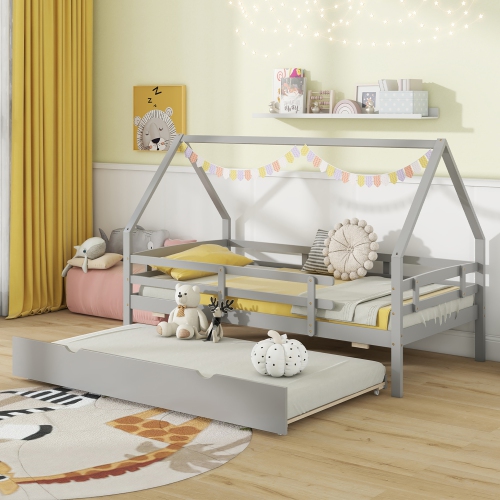
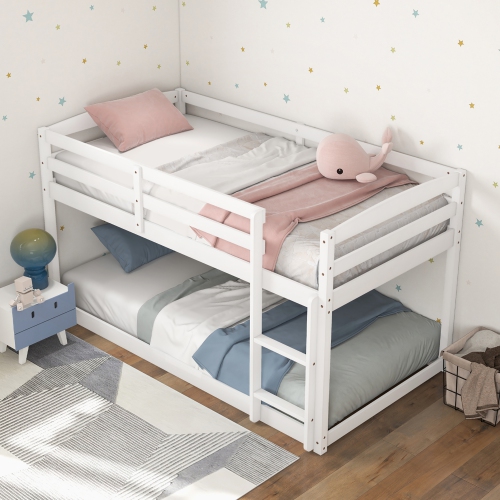
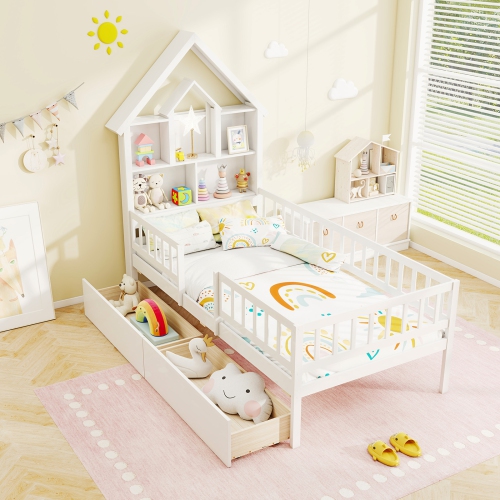
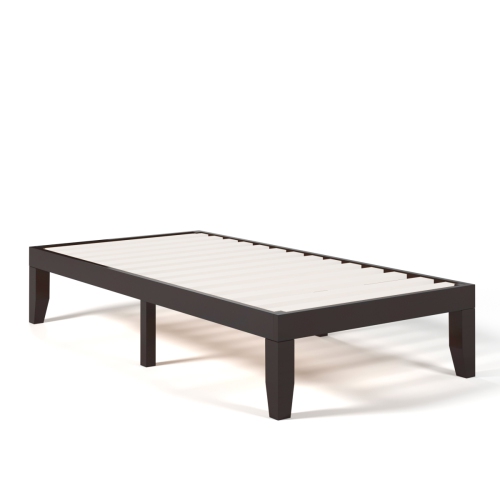
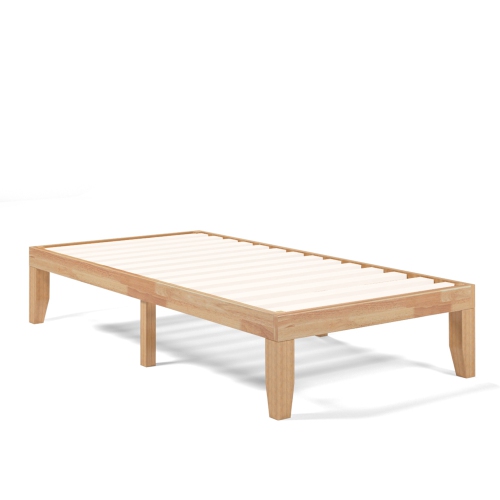
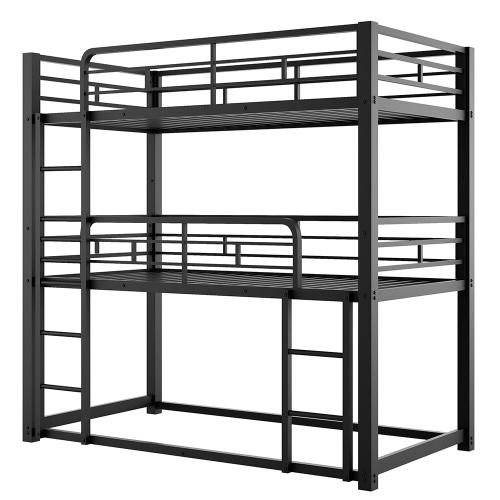

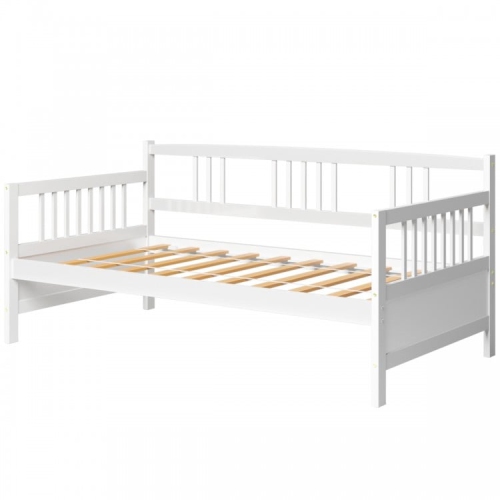

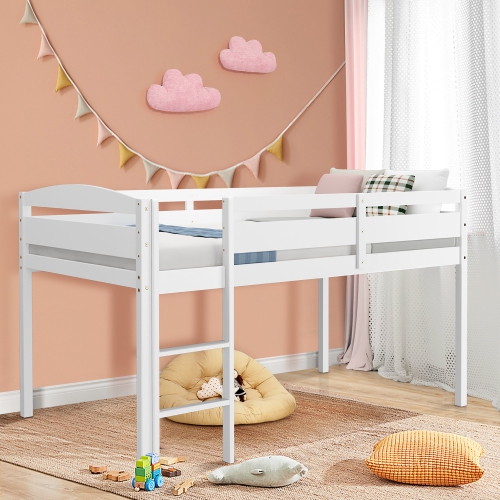
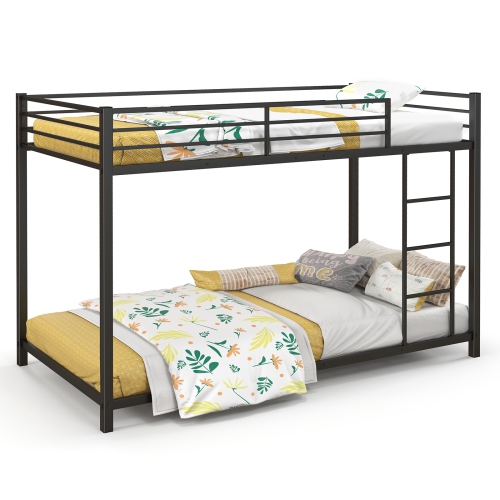
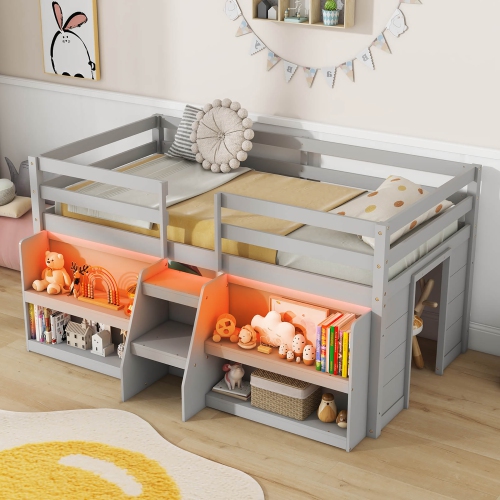


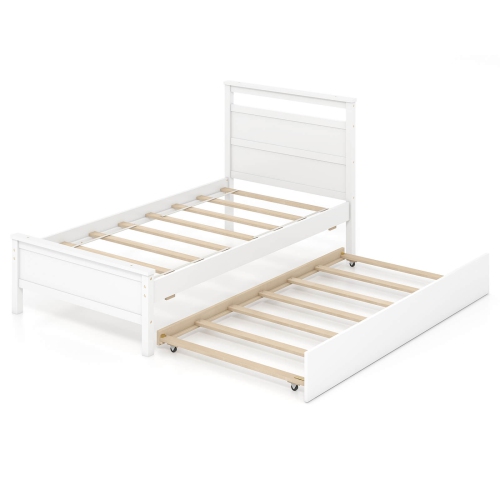
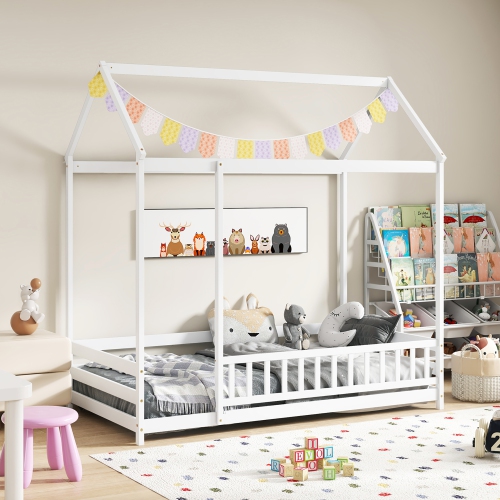

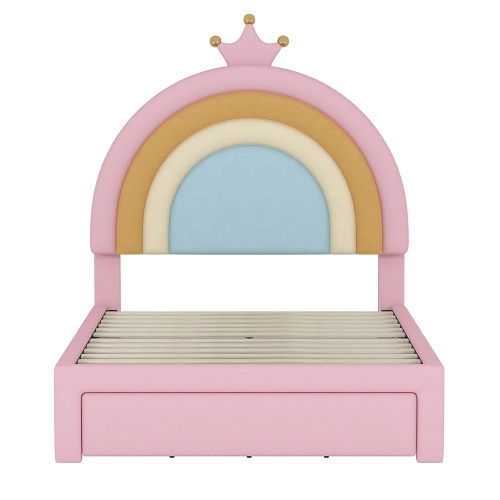
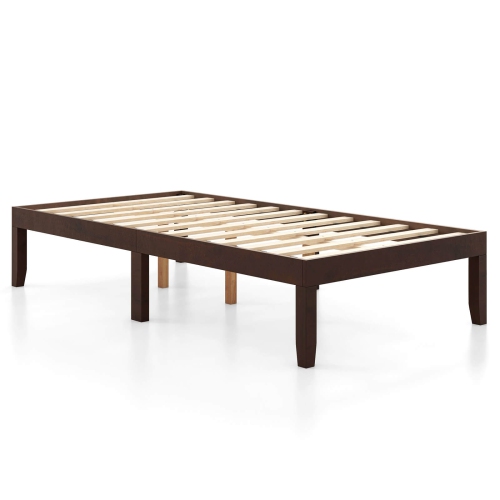
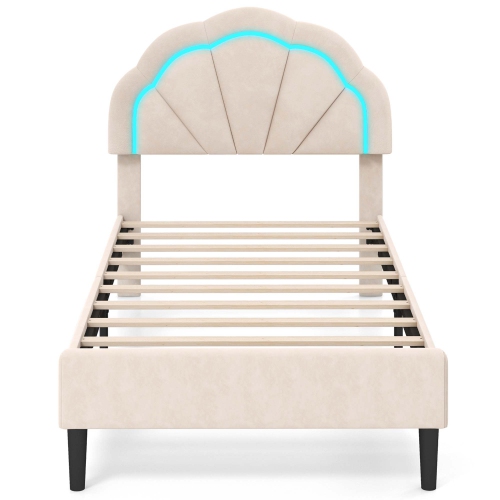
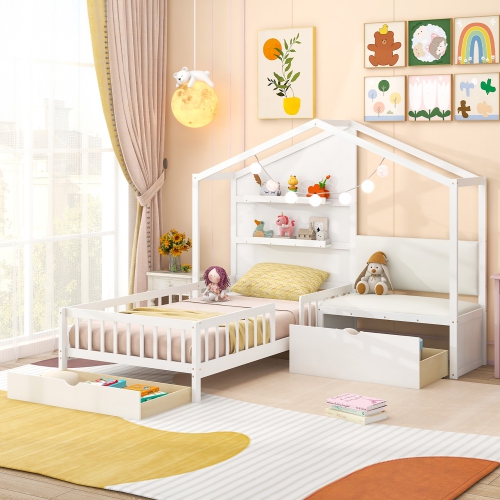
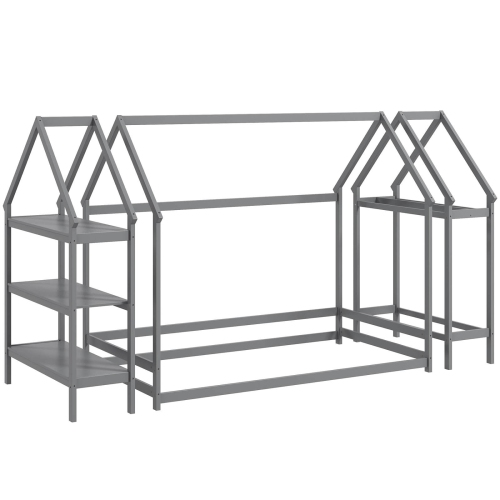


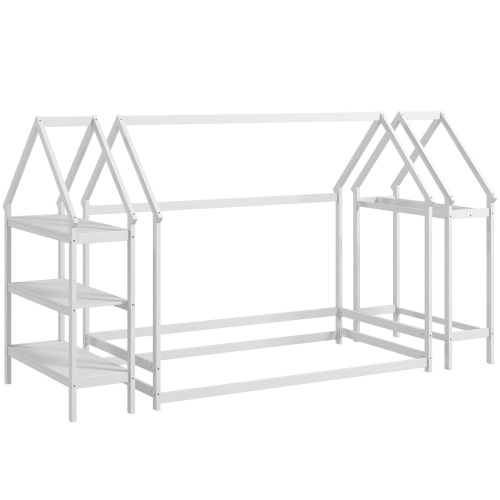
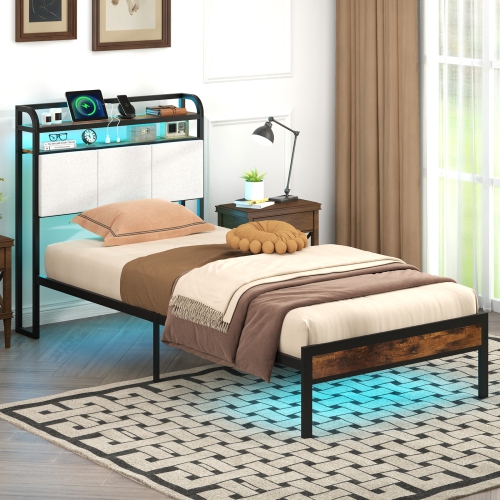
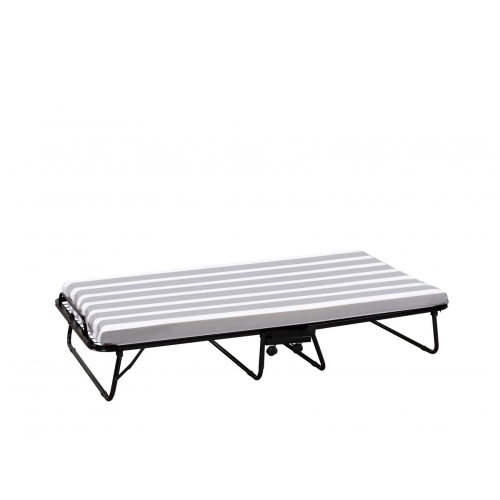
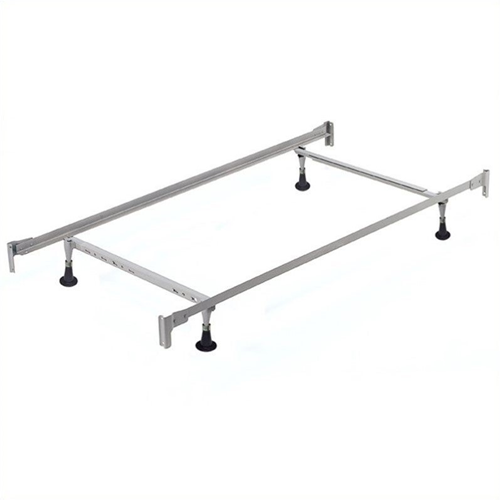

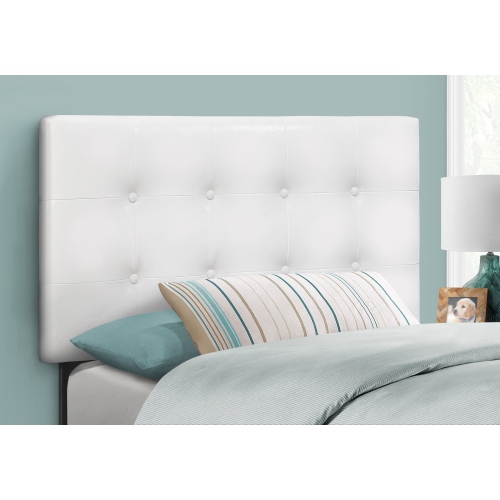
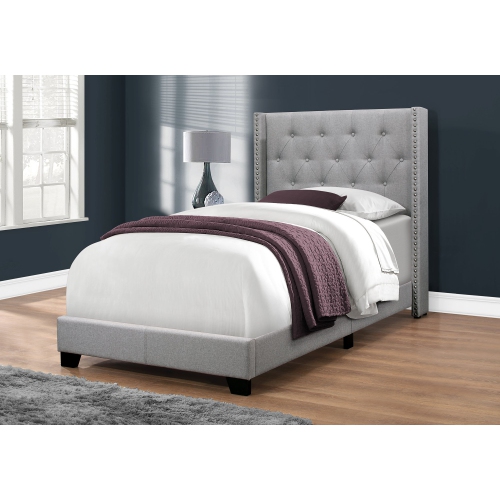
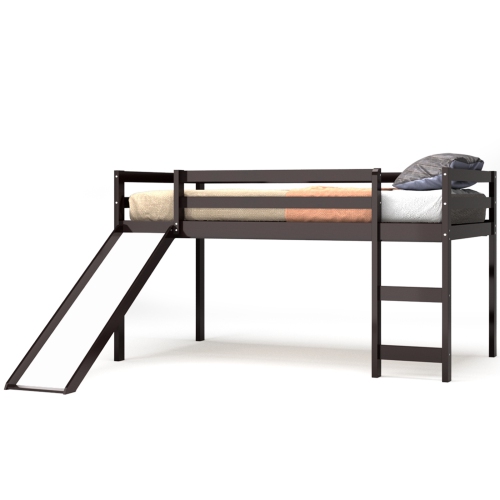
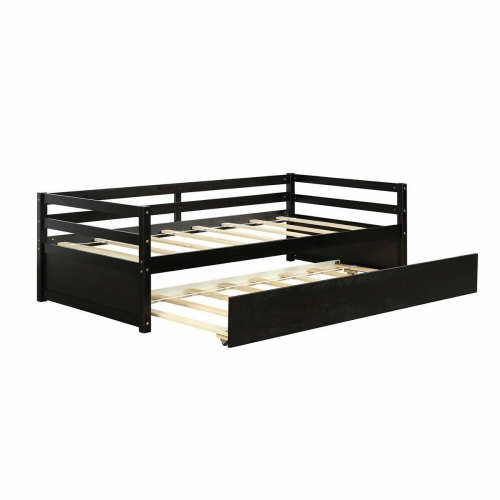

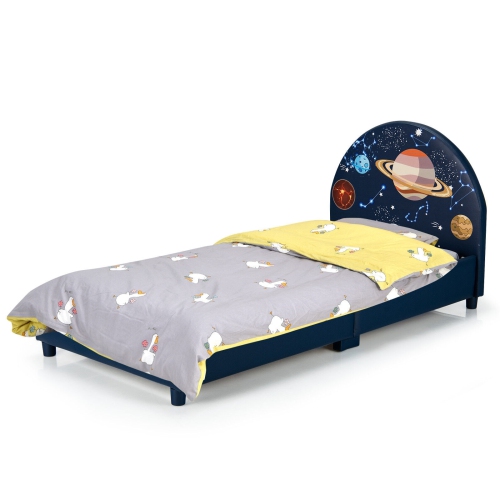
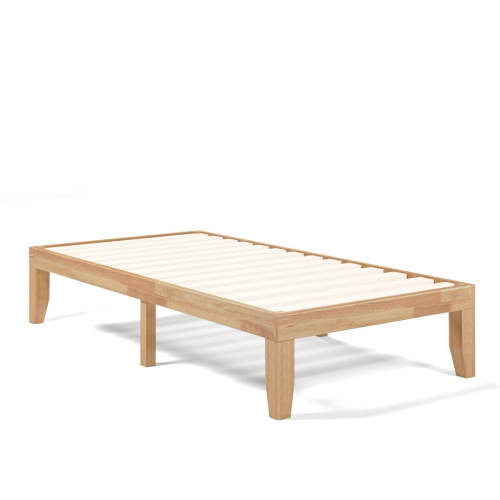
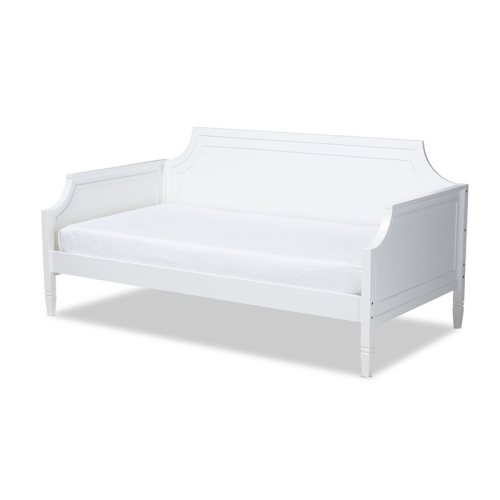

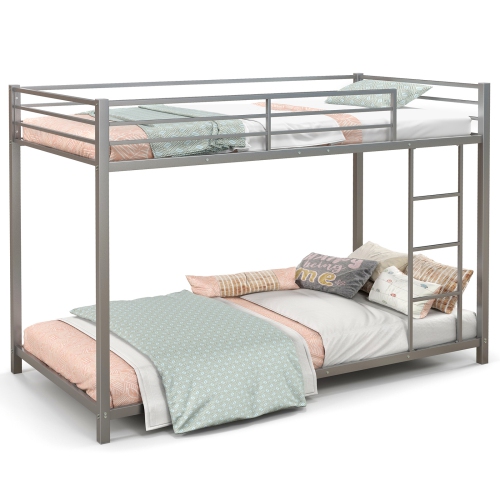
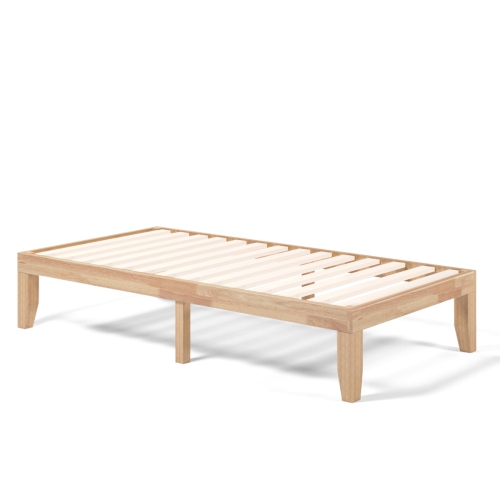
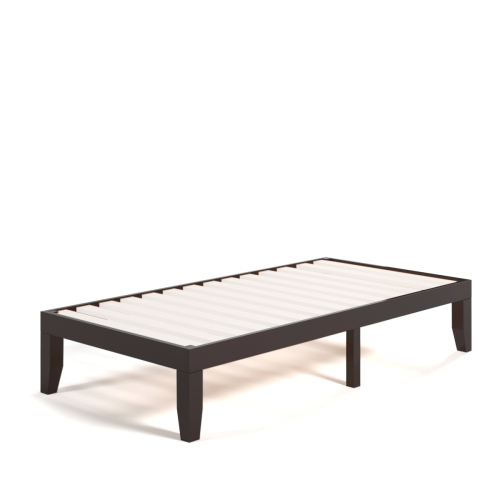
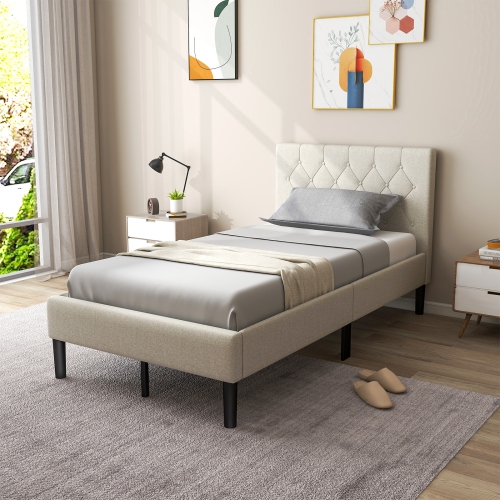
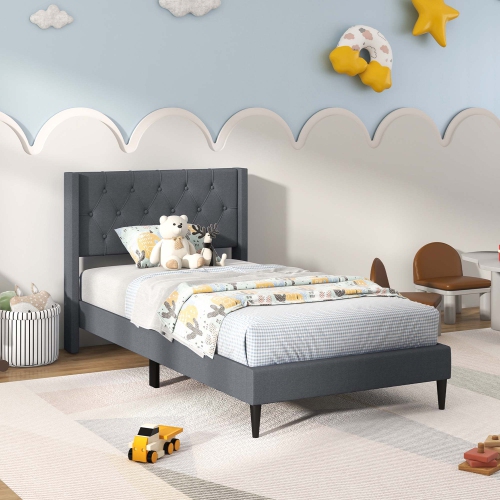
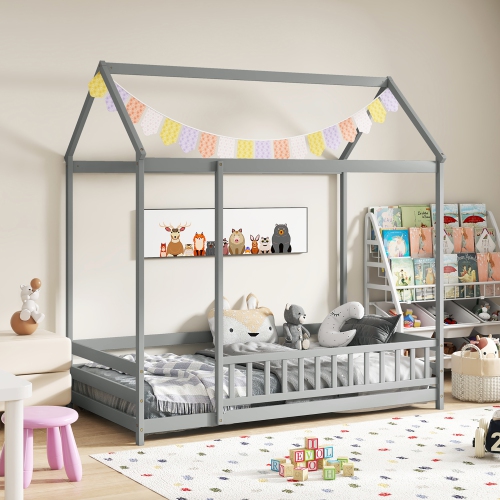
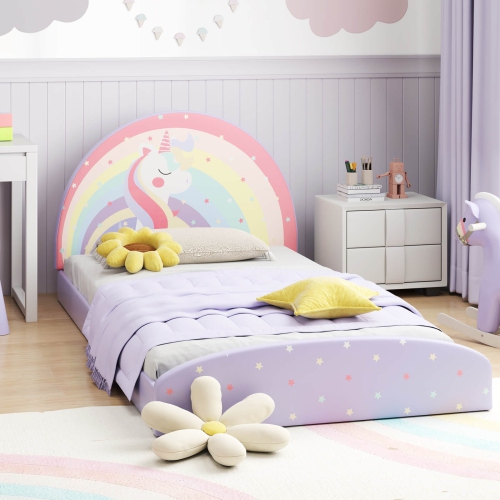
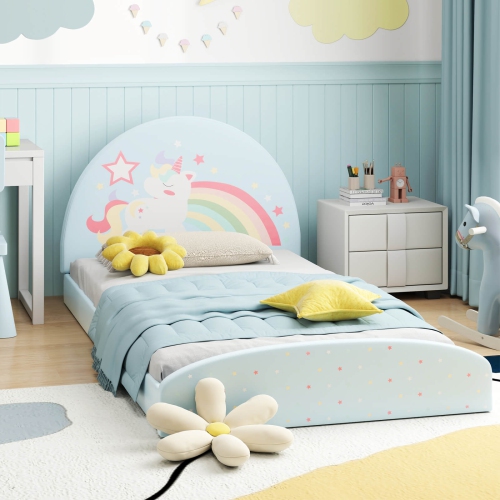

Sizing guidance for compact rooms, growing sleepers and guests
A twin bed is a practical choice when sleeping space needs to fit comfortably into a smaller room. A standard twin mattress, also known as a single mattress, measures approximately 38 inches wide by 75 inches long, or about 96.5 cm by 190.5 cm. Its compact footprint leaves more room for a desk, dresser, play area or reading chair, making it a popular size for children’s bedrooms, shared rooms, student spaces, compact guest rooms and apartments. A twin bed can also be a comfortable option for many children, teens and adults, provided the sleeper has enough room to stretch out. In a room with a careful layout, this size can fit in a space as small as approximately 7 by 10 feet, although the placement of doors, windows, closets and other furniture will affect how spacious the room feels. Leave enough clearance around the bed for making it, changing bedding and walking safely, especially if the bed is placed near a wall or in a corner. For a child moving from a crib or toddler bed, a twin size can provide a familiar sense of independence while leaving room for the bedroom to grow with them. It is also a useful size for a sleepover room, a first apartment or a guest space that serves more than one purpose. Twin beds can be given as part of a bedroom refresh for a child or teen, or used to create a welcoming sleeping area for visiting family and friends during the cooler months. When choosing between available twin bed size options, begin by measuring the room rather than relying only on the mattress dimensions. A bed frame, headboard, footboard or built-in storage may extend beyond the mattress on one or more sides, and some designs require additional space for drawers to open fully. Check the product measurements, doorway widths and stairway access before ordering, particularly when furnishing an upper-floor bedroom or a compact condominium.
Twin XL is another important size to consider. It is approximately 38 inches wide by 80 inches long, adding five inches of length while keeping the same narrow width as a standard twin. That extra length can make a noticeable difference for taller teens, students and adults who prefer more room for their legs. Twin XL is also commonly found in college residence rooms, where a longer single mattress provides comfort without taking up the floor space of a wider bed. Standard twin and Twin XL mattresses are not interchangeable, so confirm the required size before selecting a frame, platform, fitted sheet or mattress protector. A standard twin fitted sheet may not stay securely on a Twin XL mattress, while Twin XL bedding can be too long and loose on a standard twin. Mattress depth is another measurement worth checking. Twin mattresses can range from low-profile designs around 6 inches thick to models measuring 14 inches or more, and the thickness can change the overall height of the finished bed. A taller mattress may be easier for some adults to get in and out of, while a lower profile can suit children or rooms with low ceilings. For a bunk bed, follow the frame manufacturer’s guidance for mattress thickness and weight. Many top bunks call for a thinner mattress, often under 8 inches, so the guardrails remain high enough to provide the intended protection. The correct fit should allow the mattress to sit securely inside the frame without large gaps at the sides or ends. Consider the sleeper’s age, height, mobility and sleeping habits as well. A restless sleeper may benefit from a supportive mattress and a sturdy base, while a child’s room may benefit from rounded edges, secure rails or built-in organization. A platform or slatted frame may eliminate the need for a separate box spring, but ventilation and slat spacing should match the mattress requirements. For a coordinated room, explore Twin Bed Frames that are designed to support the selected mattress size and complement the available floor space.
Beyond measurements, think about how the bed will be used throughout the year. In a child’s room, a twin bed may need to accommodate story time, homework breaks, visiting friends and a growing child for several years, so a durable frame and easy-to-clean bedding can make everyday routines simpler. In a guest room, the compact width leaves space for luggage, a bedside table or a small seating area, helping visitors feel comfortable without making the room feel crowded. In a student residence or first apartment, Twin XL may be the better match if the space is already arranged around that size, while a standard twin can be more convenient when replacement bedding and compact furniture are priorities. For shared bedrooms, two twin beds can be arranged side by side with a nightstand between them, placed on opposite walls or separated with open floor space to give each sleeper a defined area. Measuring first is particularly important when using bunk beds, trundle beds or storage beds, since these designs may have moving parts, height limits or clearance requirements that are not obvious from the mattress size alone. Look for information about the supported mattress dimensions, maximum weight, assembly requirements and recommended accessories. Sheets should match both the length and depth of the mattress, and a mattress protector can help keep the sleeping surface fresh between guests or as children grow. Pillows, blankets and comforters should also suit the room’s temperature and the sleeper’s preferences; a layered setup is useful as indoor temperatures change from warmer days to cooler nights. With the right combination of dimensions, support and surrounding furniture, twin bed size products can make a small bedroom feel organised, comfortable and ready for everyday sleep, occasional guests and the changing needs of a growing household.
Twin XL is another important size to consider. It is approximately 38 inches wide by 80 inches long, adding five inches of length while keeping the same narrow width as a standard twin. That extra length can make a noticeable difference for taller teens, students and adults who prefer more room for their legs. Twin XL is also commonly found in college residence rooms, where a longer single mattress provides comfort without taking up the floor space of a wider bed. Standard twin and Twin XL mattresses are not interchangeable, so confirm the required size before selecting a frame, platform, fitted sheet or mattress protector. A standard twin fitted sheet may not stay securely on a Twin XL mattress, while Twin XL bedding can be too long and loose on a standard twin. Mattress depth is another measurement worth checking. Twin mattresses can range from low-profile designs around 6 inches thick to models measuring 14 inches or more, and the thickness can change the overall height of the finished bed. A taller mattress may be easier for some adults to get in and out of, while a lower profile can suit children or rooms with low ceilings. For a bunk bed, follow the frame manufacturer’s guidance for mattress thickness and weight. Many top bunks call for a thinner mattress, often under 8 inches, so the guardrails remain high enough to provide the intended protection. The correct fit should allow the mattress to sit securely inside the frame without large gaps at the sides or ends. Consider the sleeper’s age, height, mobility and sleeping habits as well. A restless sleeper may benefit from a supportive mattress and a sturdy base, while a child’s room may benefit from rounded edges, secure rails or built-in organization. A platform or slatted frame may eliminate the need for a separate box spring, but ventilation and slat spacing should match the mattress requirements. For a coordinated room, explore Twin Bed Frames that are designed to support the selected mattress size and complement the available floor space.
Beyond measurements, think about how the bed will be used throughout the year. In a child’s room, a twin bed may need to accommodate story time, homework breaks, visiting friends and a growing child for several years, so a durable frame and easy-to-clean bedding can make everyday routines simpler. In a guest room, the compact width leaves space for luggage, a bedside table or a small seating area, helping visitors feel comfortable without making the room feel crowded. In a student residence or first apartment, Twin XL may be the better match if the space is already arranged around that size, while a standard twin can be more convenient when replacement bedding and compact furniture are priorities. For shared bedrooms, two twin beds can be arranged side by side with a nightstand between them, placed on opposite walls or separated with open floor space to give each sleeper a defined area. Measuring first is particularly important when using bunk beds, trundle beds or storage beds, since these designs may have moving parts, height limits or clearance requirements that are not obvious from the mattress size alone. Look for information about the supported mattress dimensions, maximum weight, assembly requirements and recommended accessories. Sheets should match both the length and depth of the mattress, and a mattress protector can help keep the sleeping surface fresh between guests or as children grow. Pillows, blankets and comforters should also suit the room’s temperature and the sleeper’s preferences; a layered setup is useful as indoor temperatures change from warmer days to cooler nights. With the right combination of dimensions, support and surrounding furniture, twin bed size products can make a small bedroom feel organised, comfortable and ready for everyday sleep, occasional guests and the changing needs of a growing household.
Top selling and popular products
-
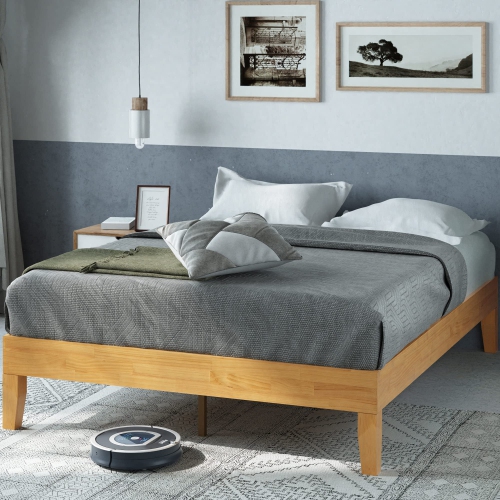 Your price for this item is $493.52
 -
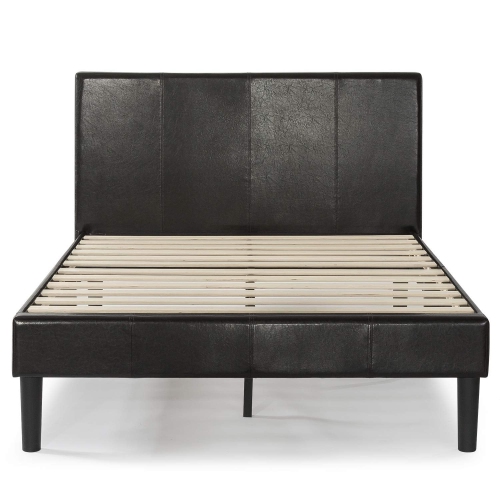 Your price for this item is $611.85
 -
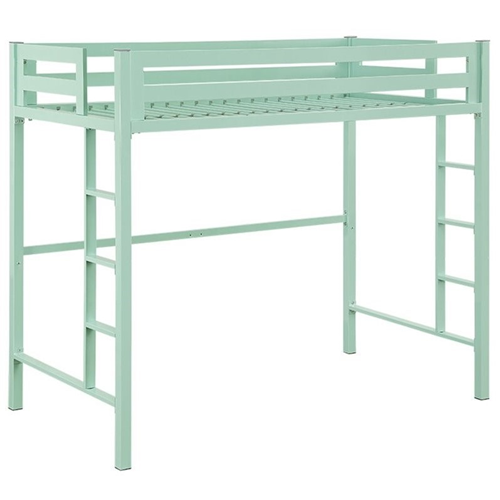 Your price for this item is $824.18
 -
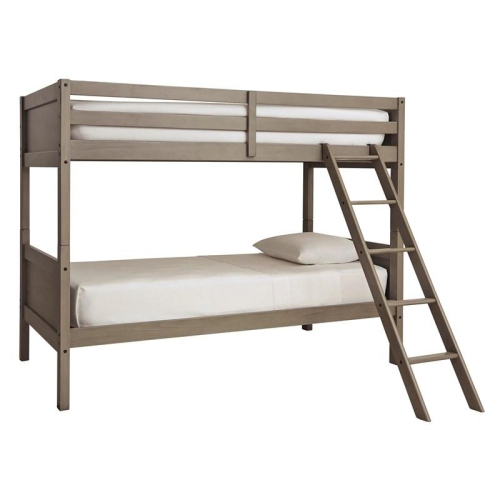 Your price for this item is $799.99
 -
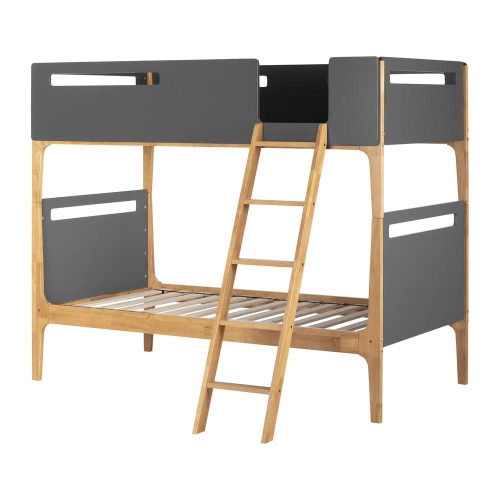 Your price for this item is $985.42
 -
 Your price for this item is $157.99
 -
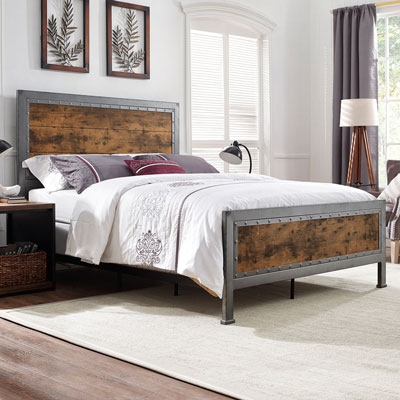 Your price for this item is $862.99
 -
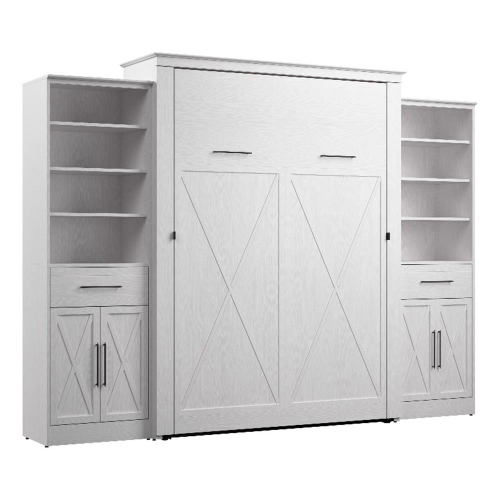 Your price for this item is $3519.99
Discover more categories related to Twin Bed Size

Top Collections:
Pokemon Centers, Kindle Devices, Best Budget Office Chairs, Apple iPhones 16, Best Laptops for Writers, iPhone 15 Apple, Canon G7X Cameras, Refurbished Apple Laptops, Alarm Clock, Motorola Razr Phones
Some products may be subject to Environmental Handling Fees
(EHF) depending on your province.
Learn more about EHFs.