Bento Lunch Boxes with Lids
Browse bento lunch boxes with lids to keep meals organized for school, work, or days out. Compare compartment layouts, sizes, and lid designs to find a lunch container that suits your portions and fits your bag. Check individual listings for care instructions and leak-resistance details before choosing.
FAQ
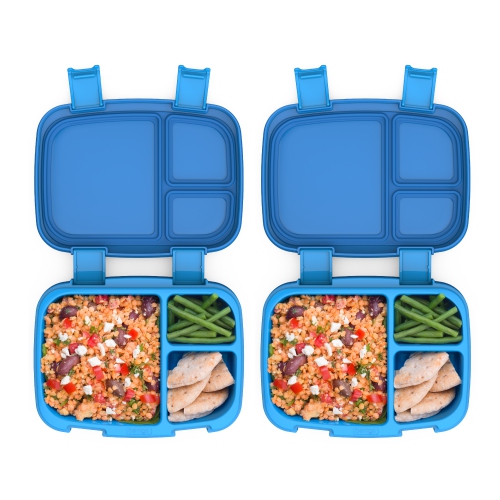
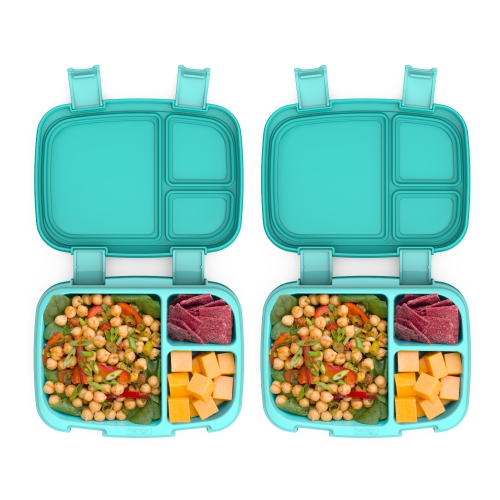
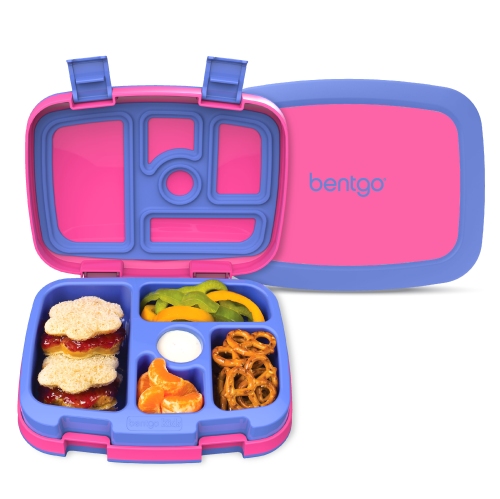
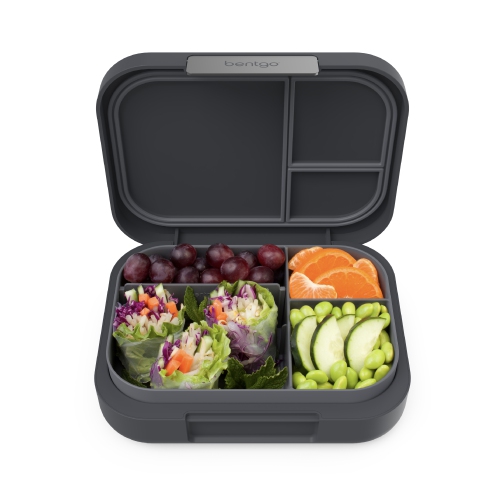
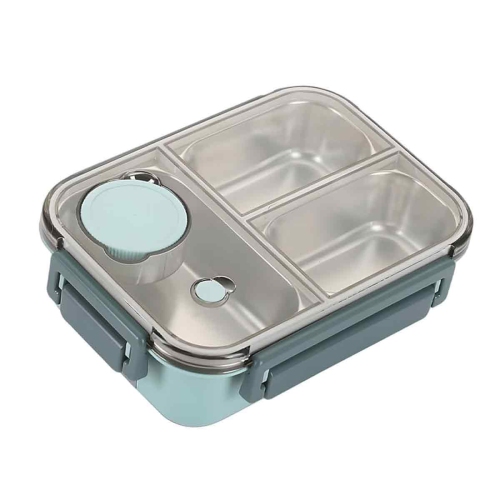
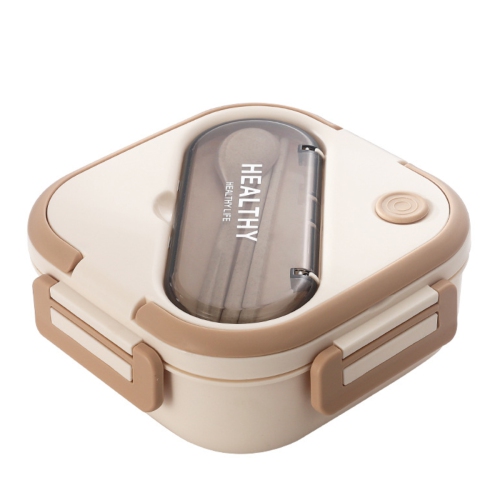
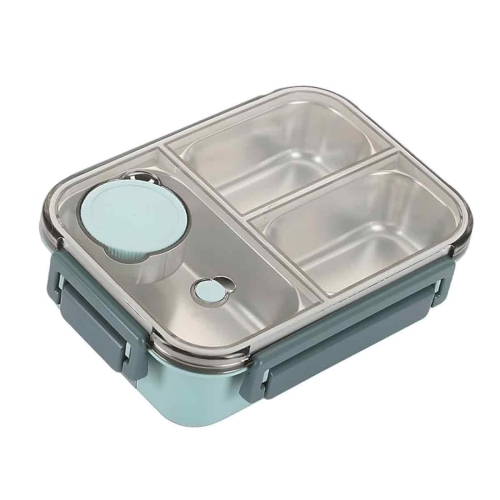
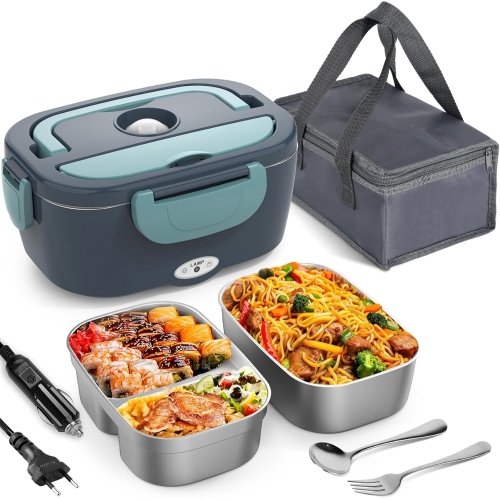
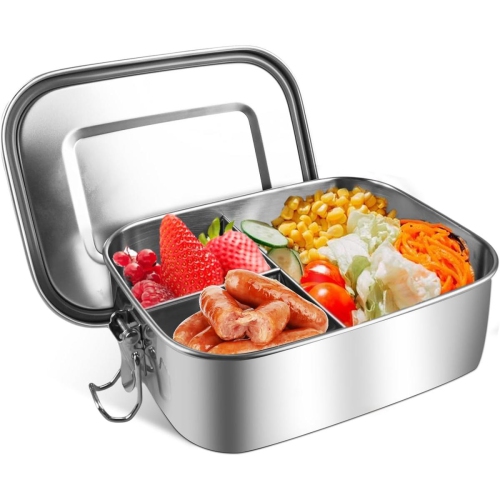
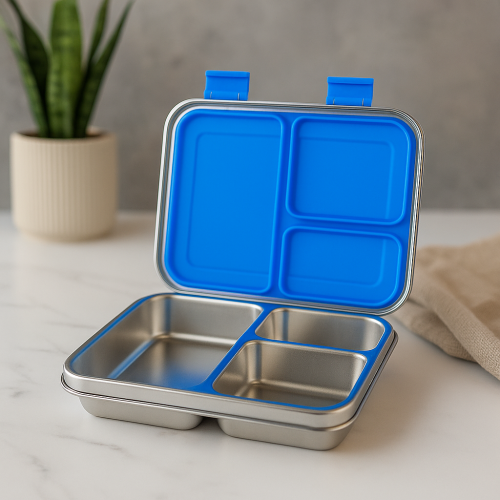
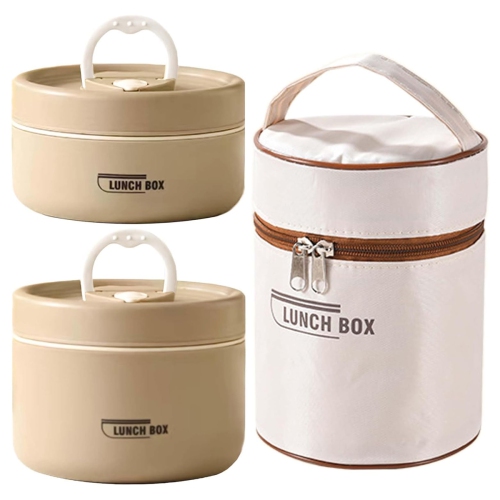
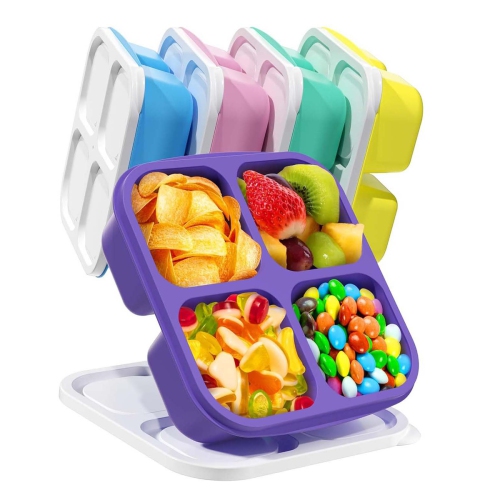
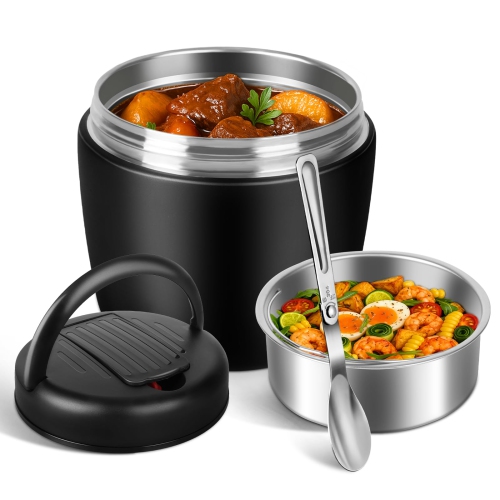
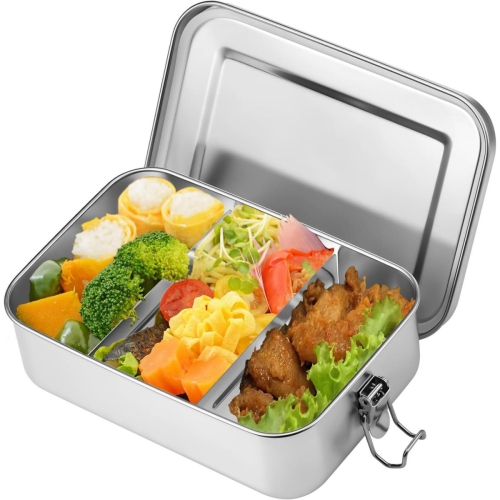
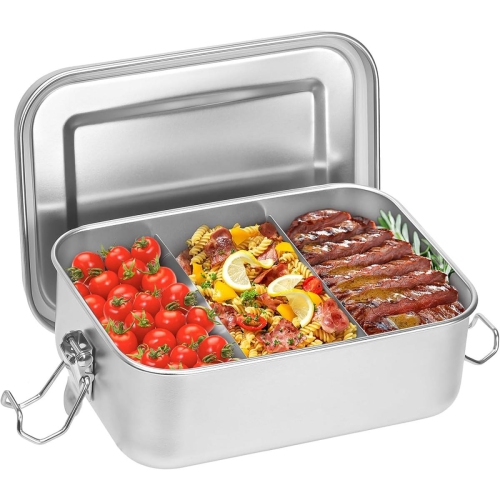
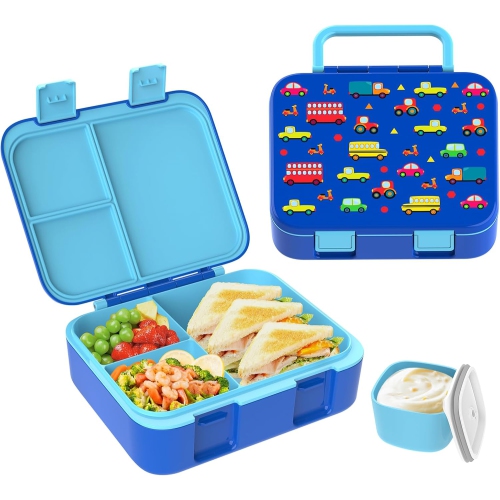
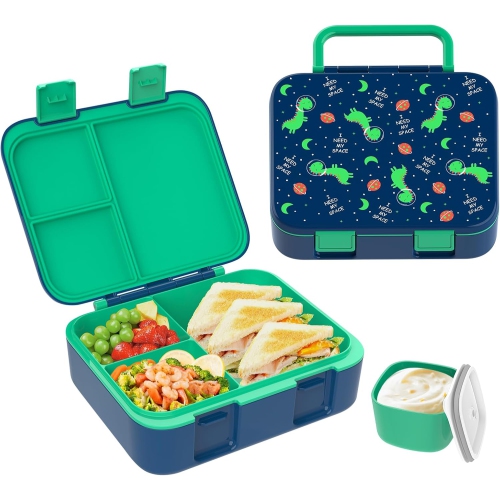
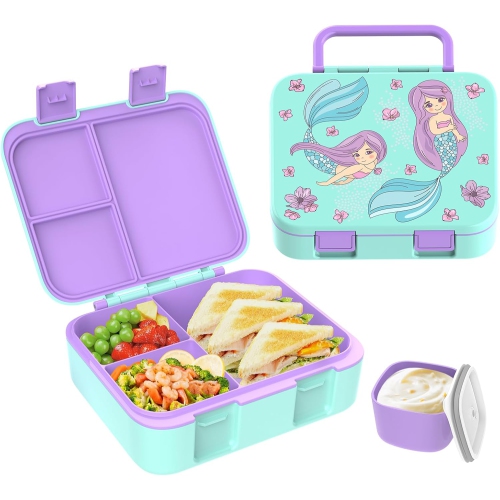
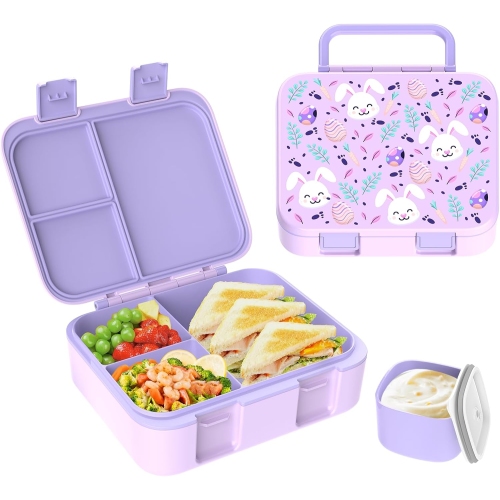
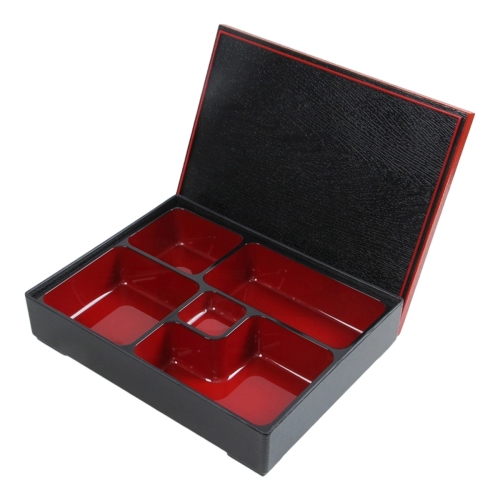
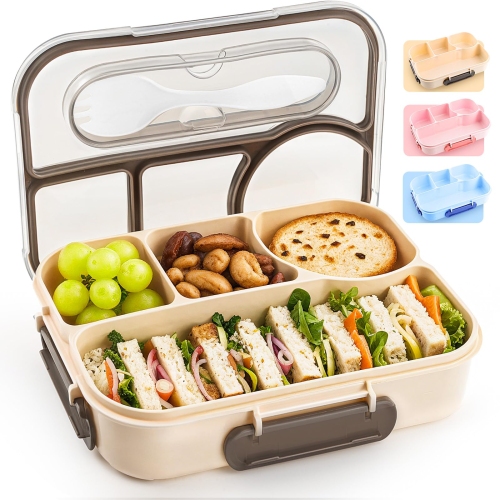
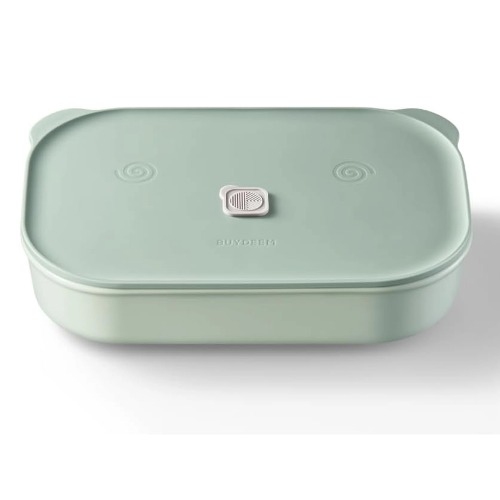
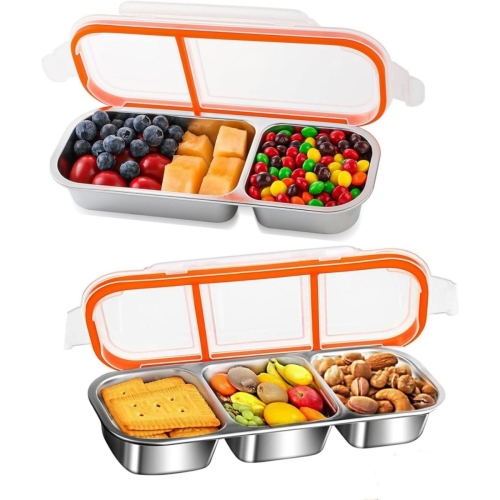
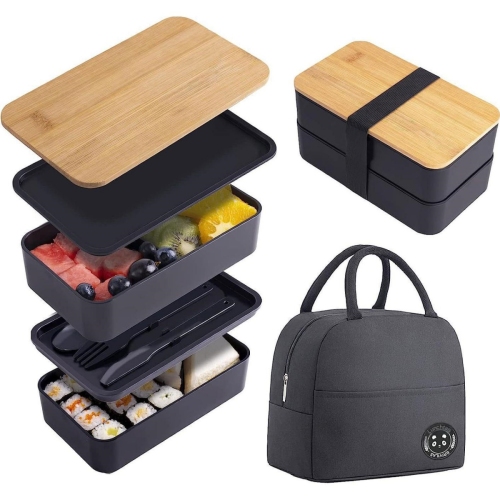
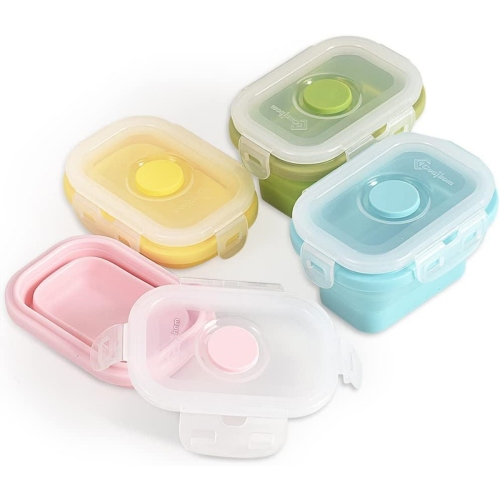
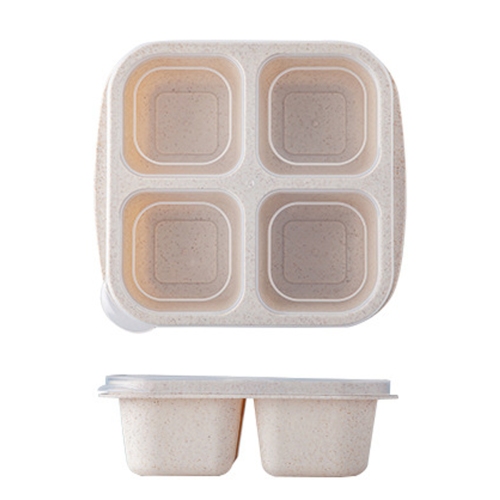
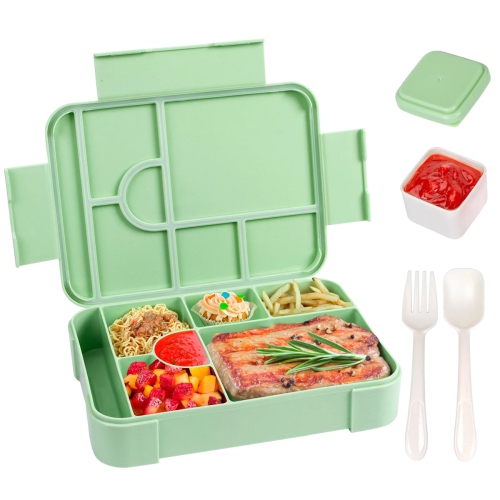
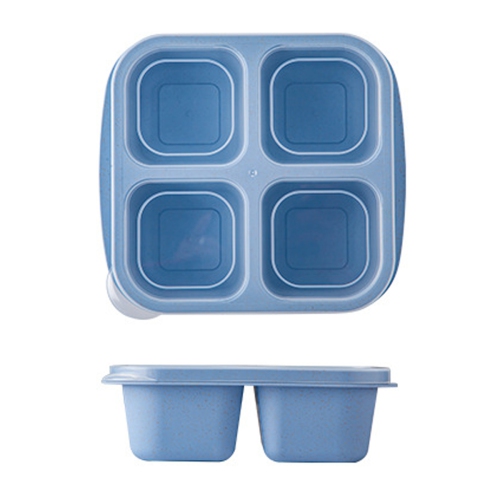
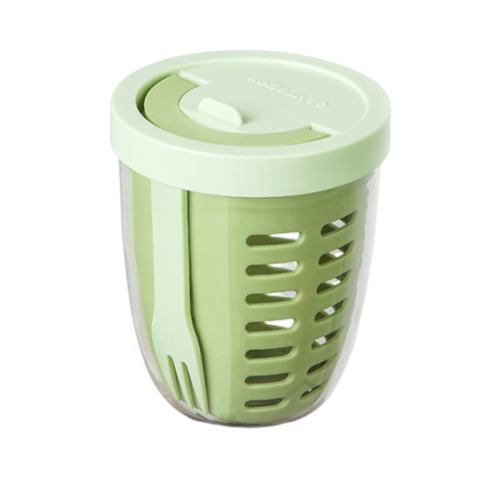
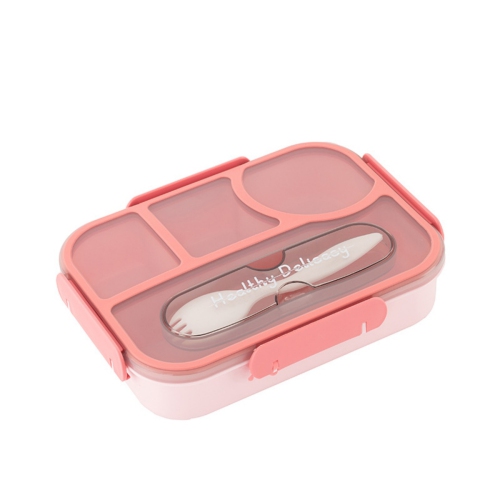
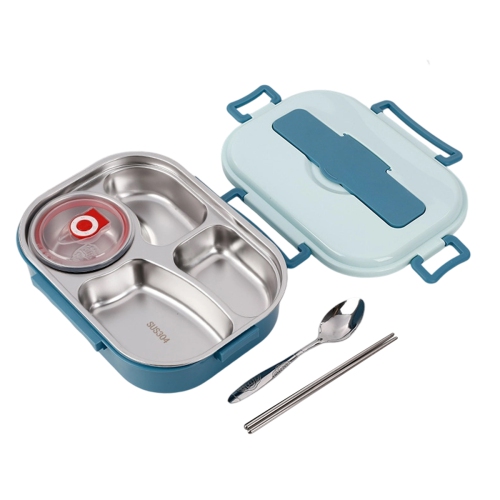
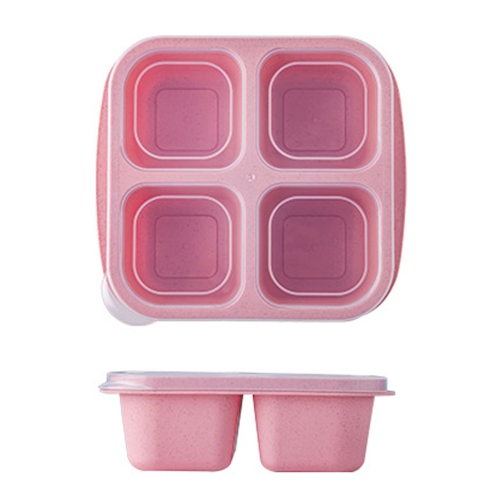
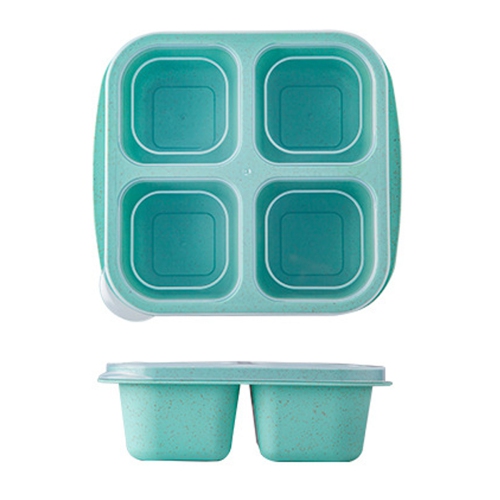
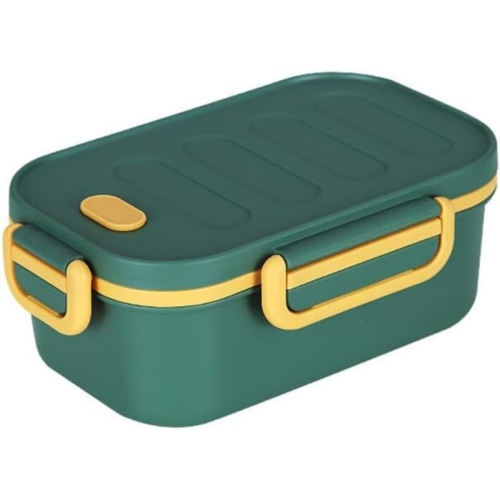
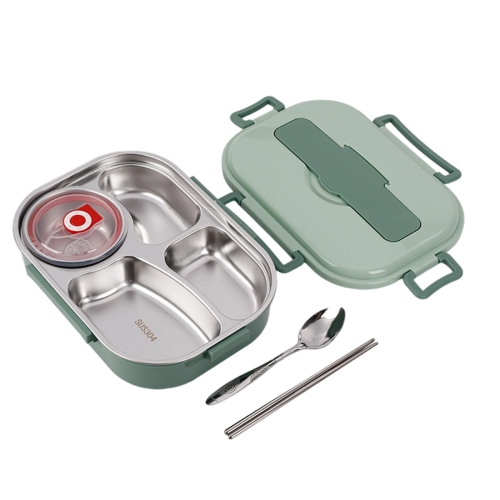
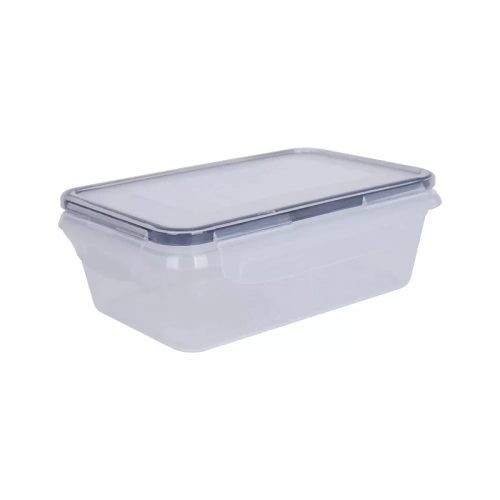
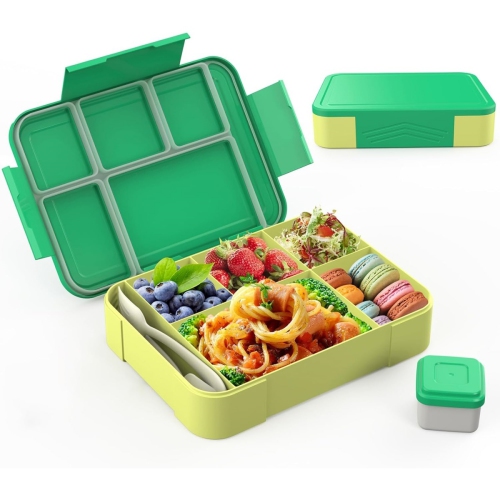
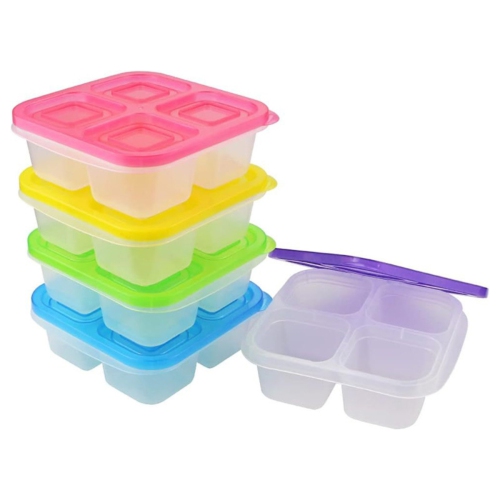
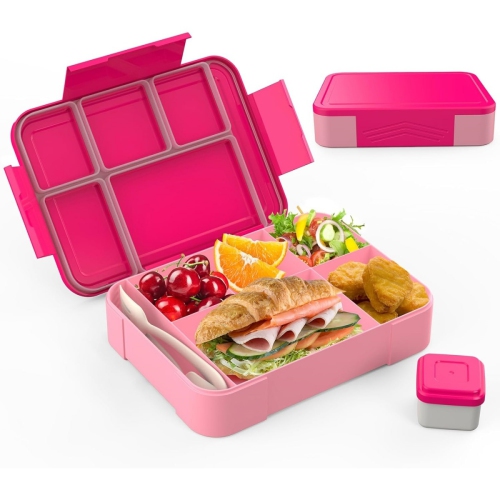
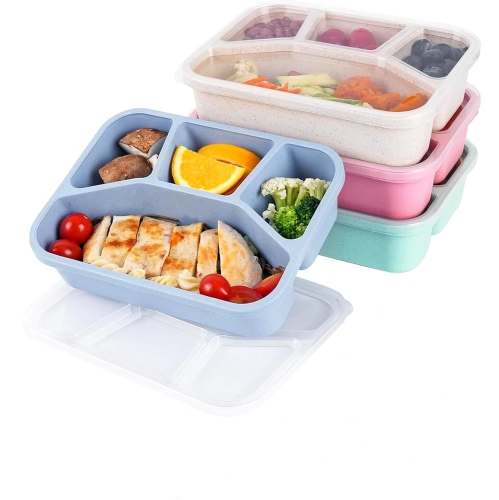
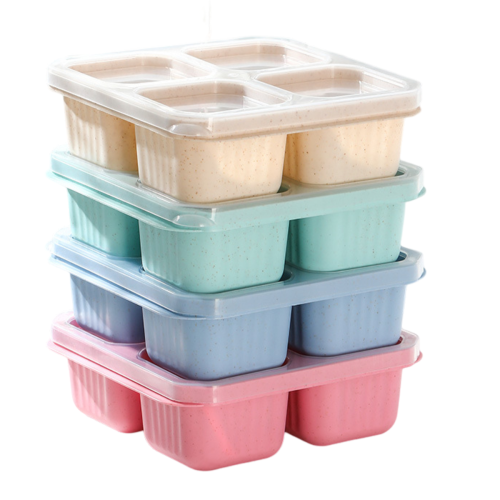
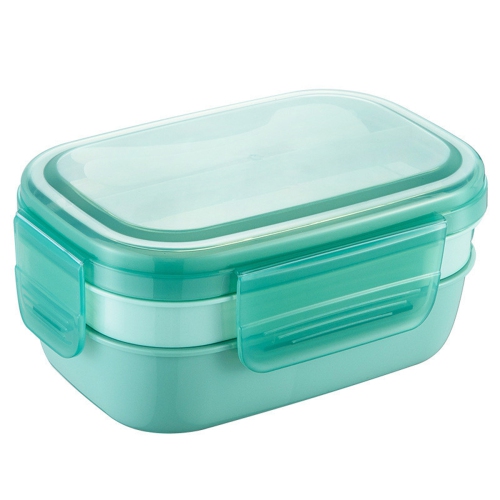
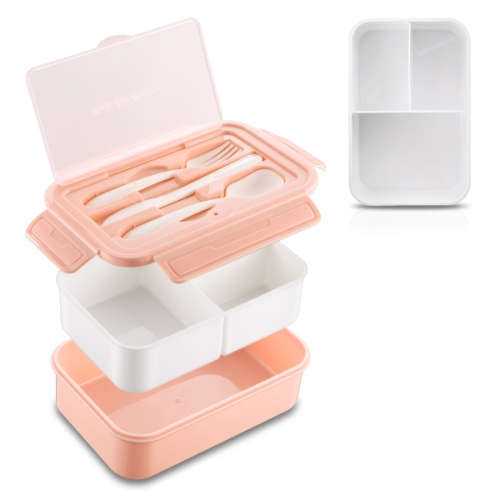
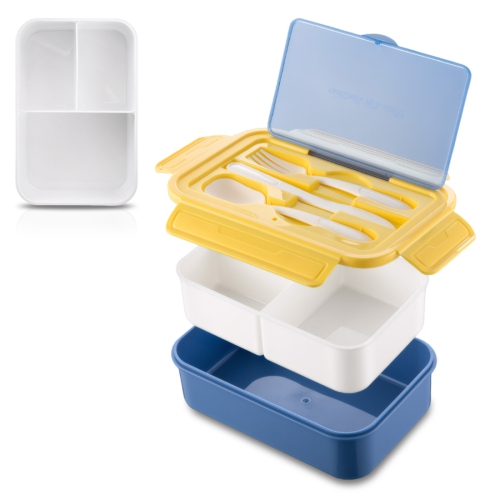
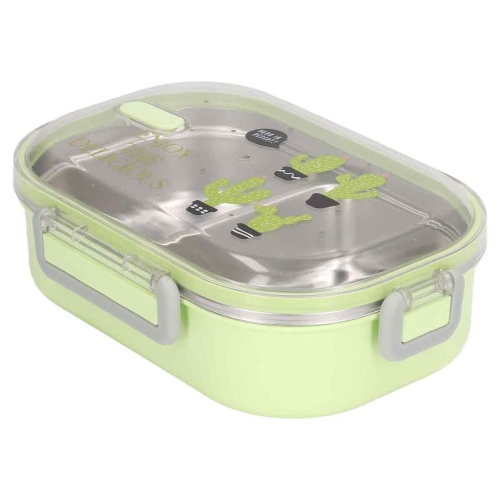
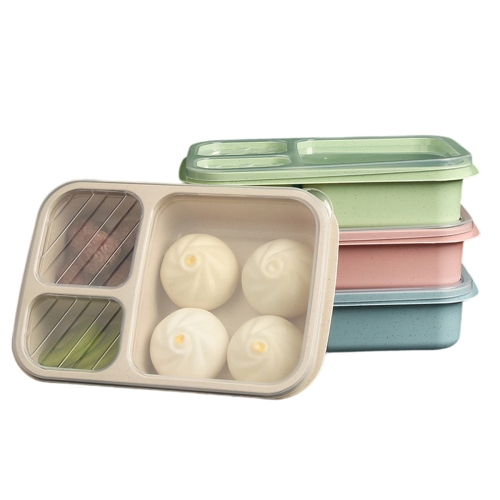
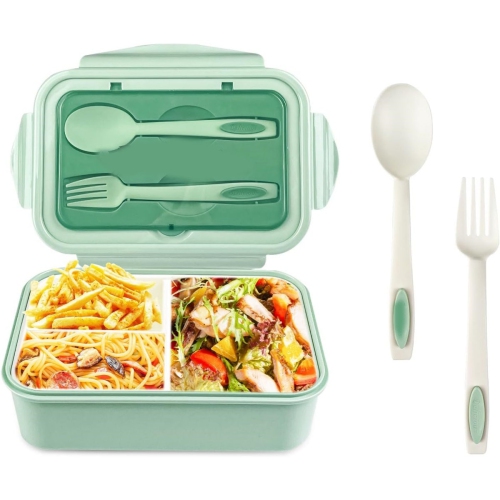
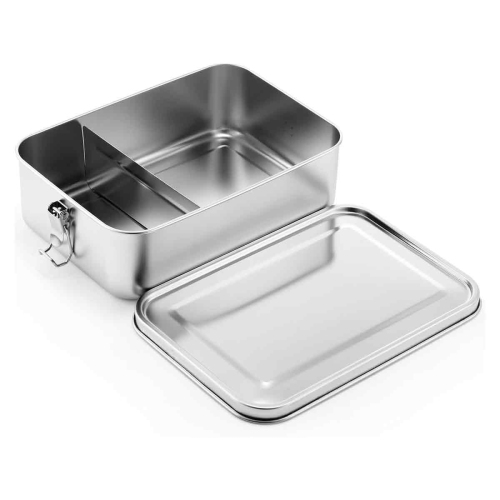
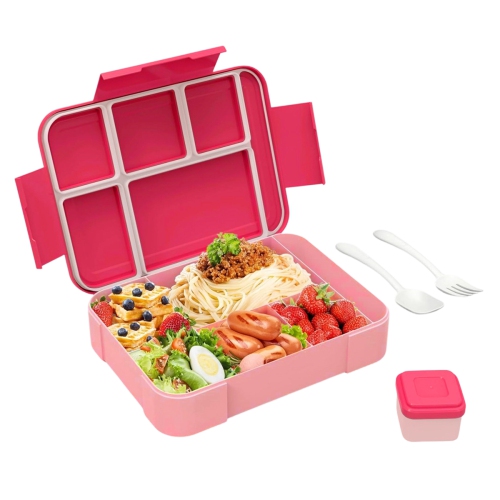
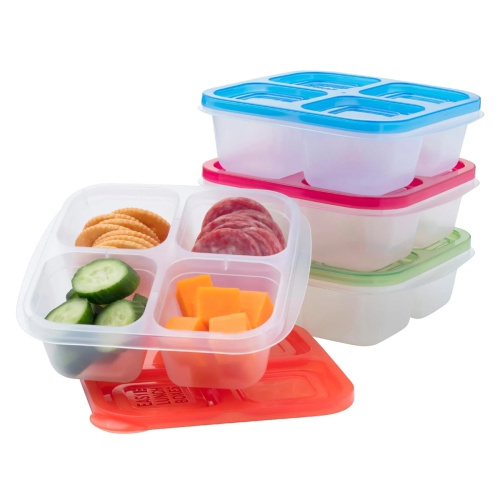
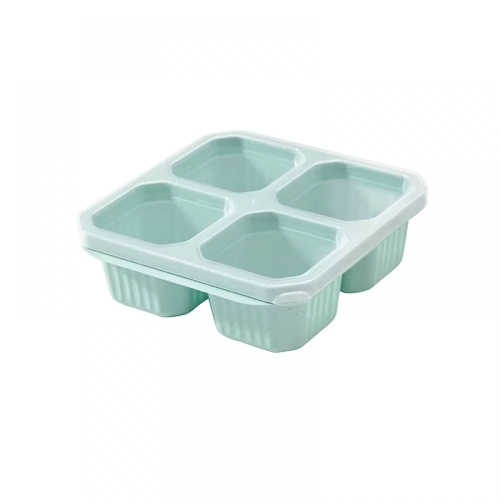
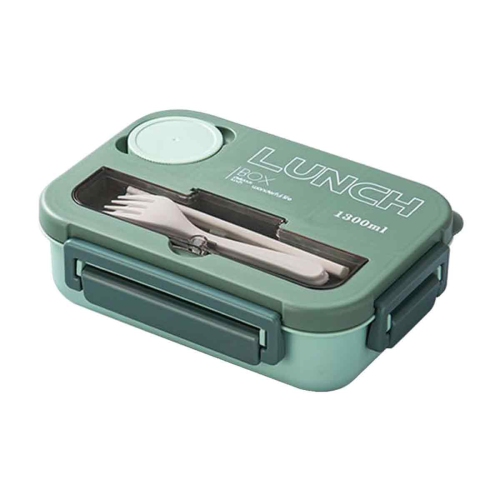
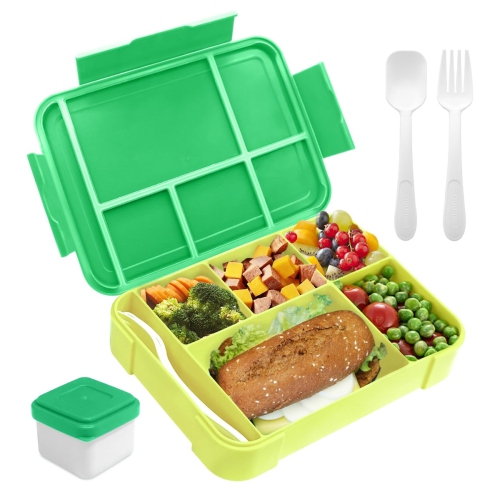
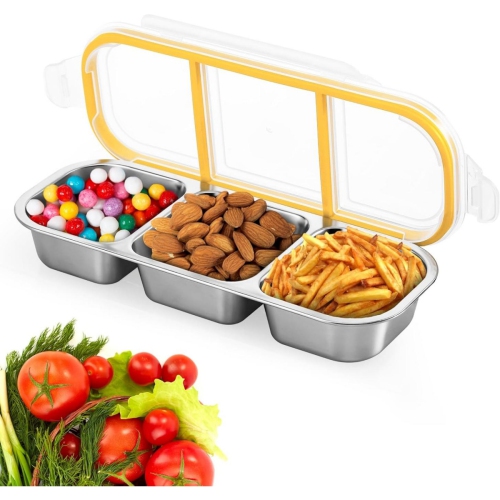
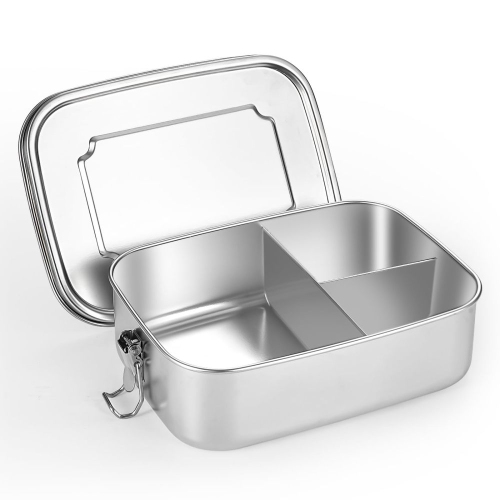
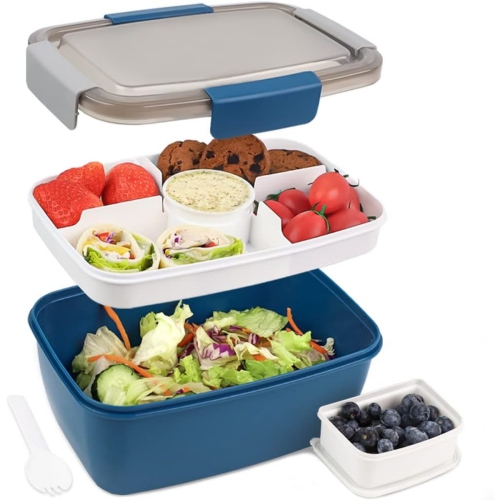
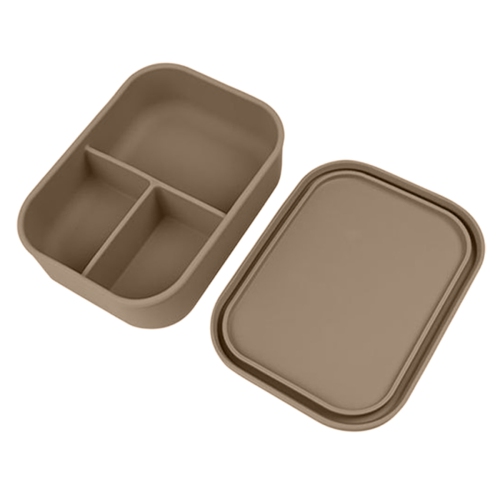
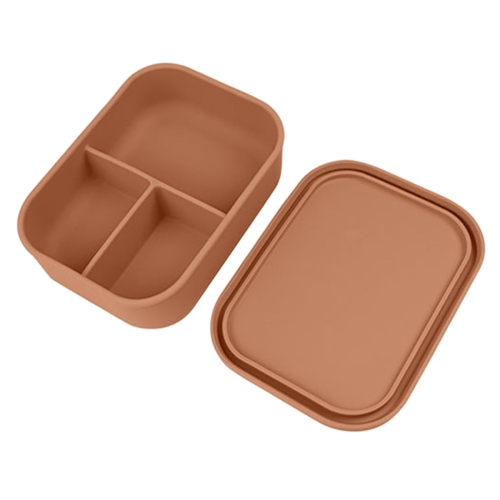
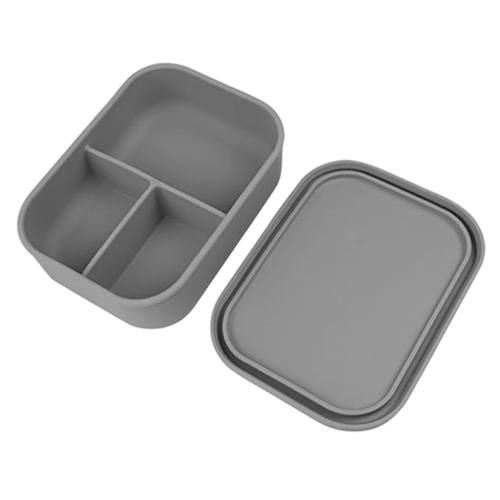
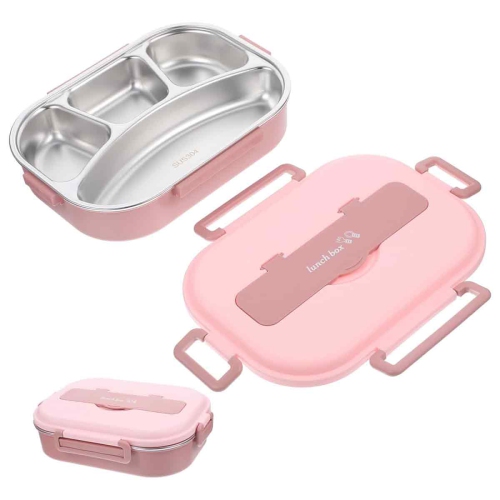
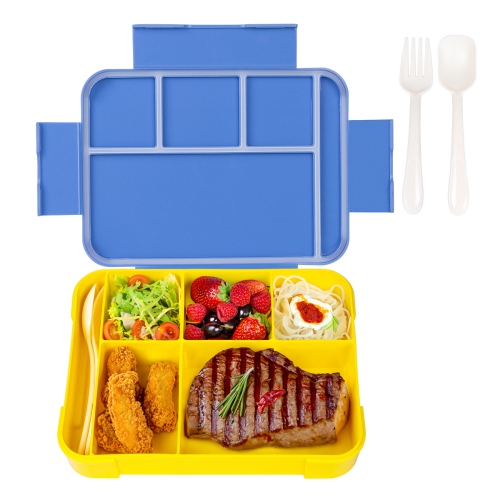
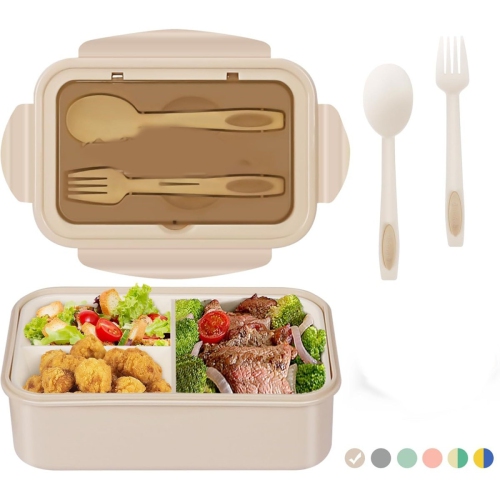
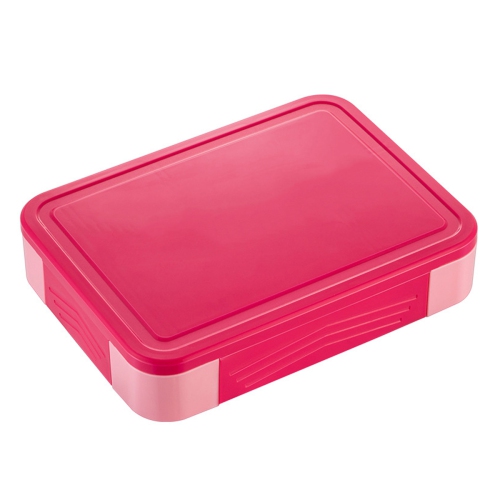
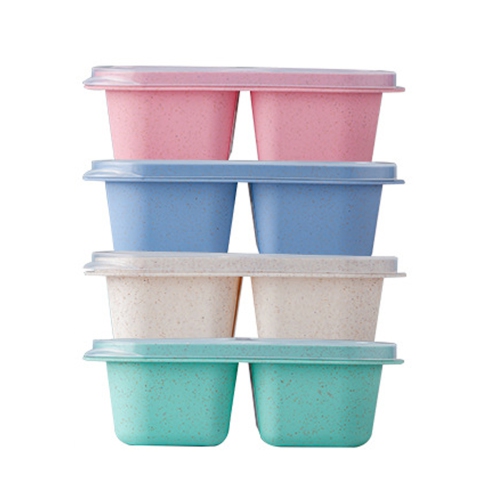
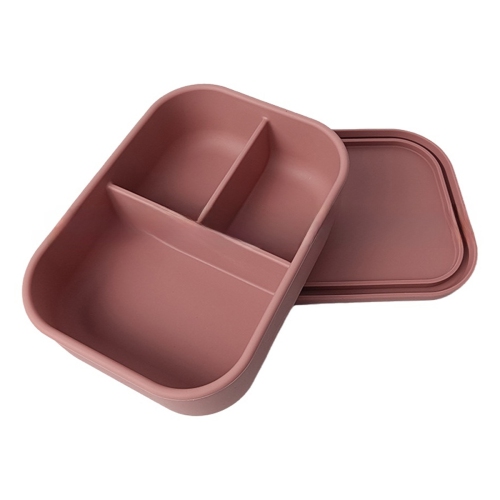
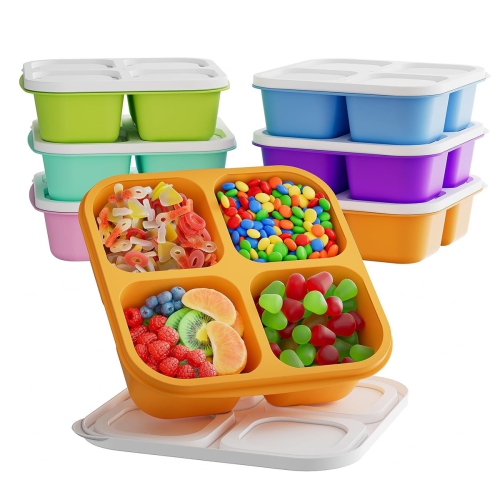
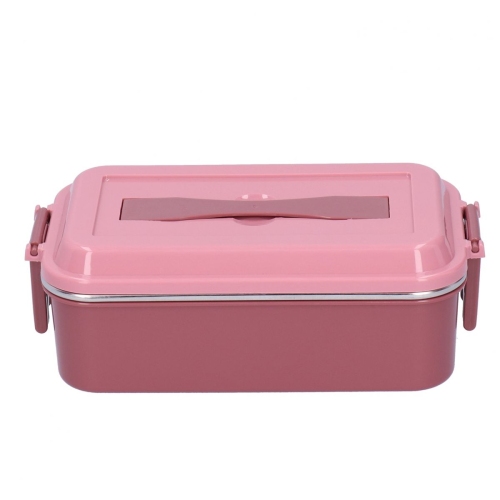
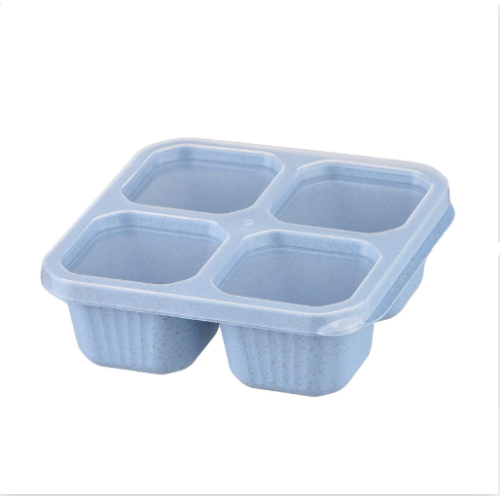
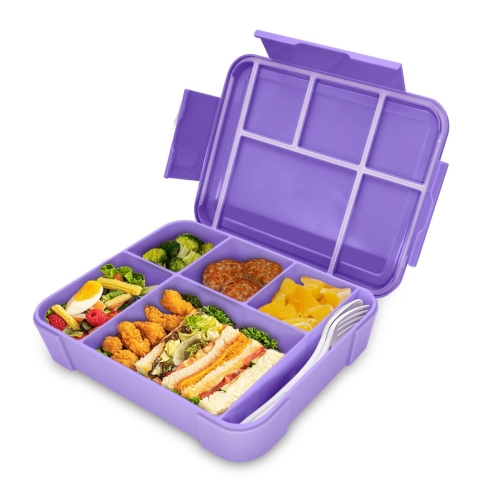
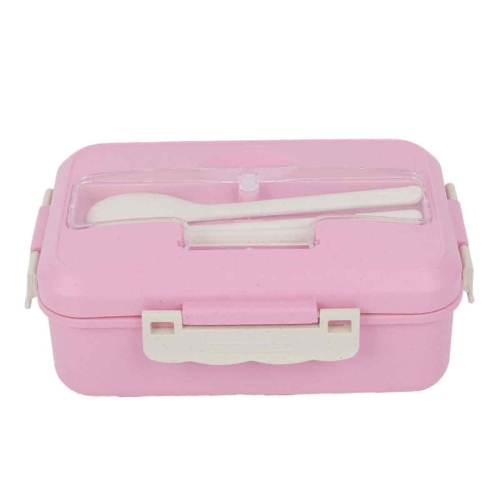
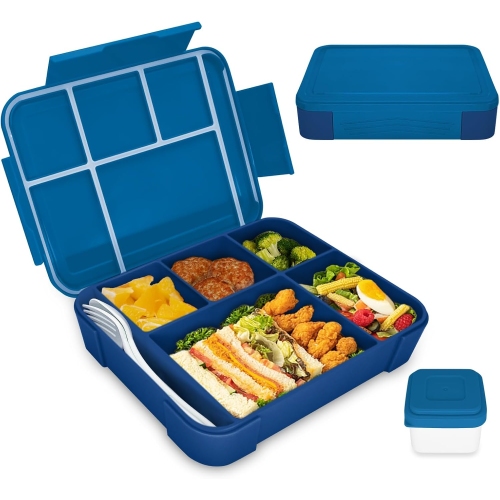
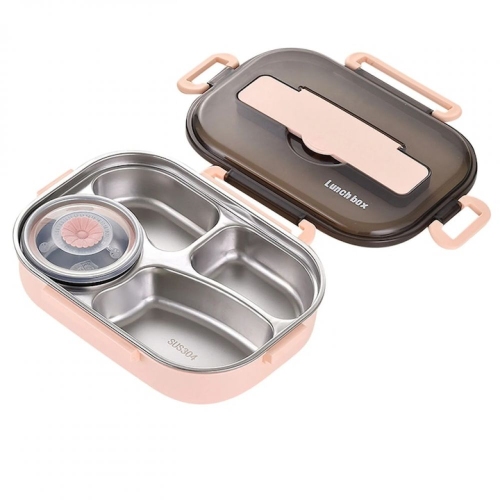
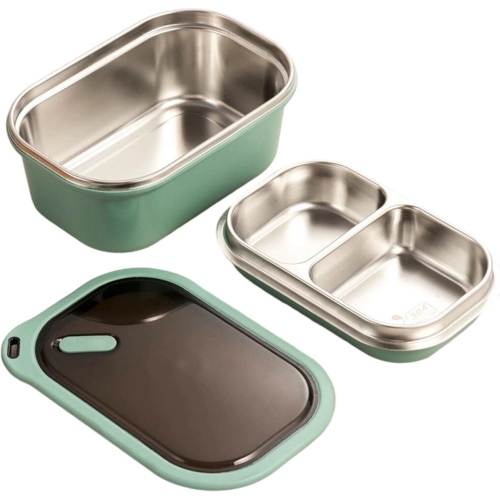
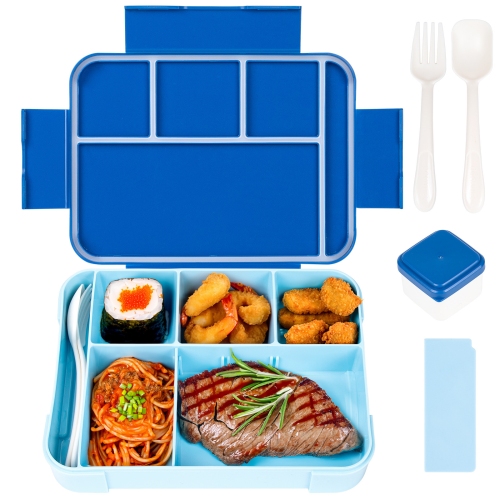
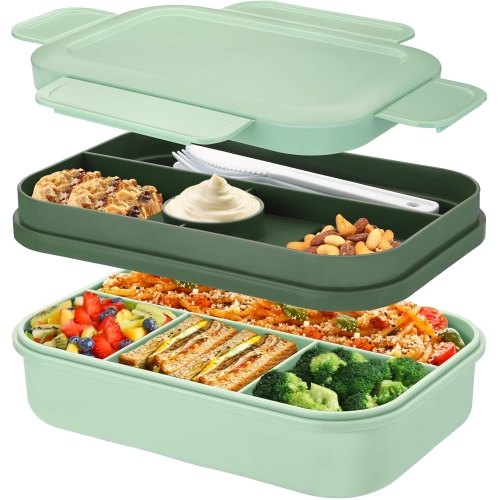
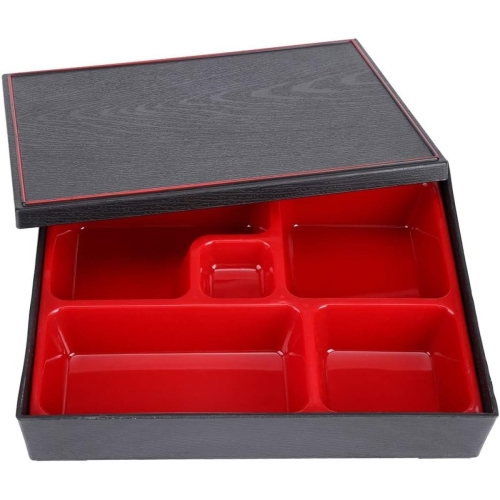
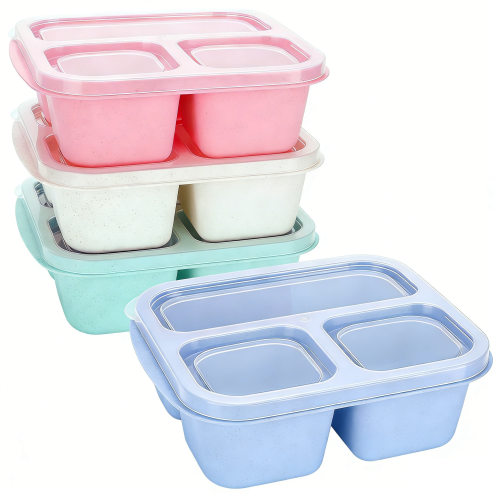
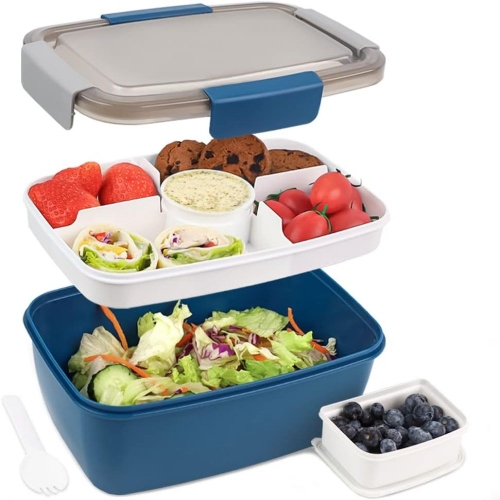
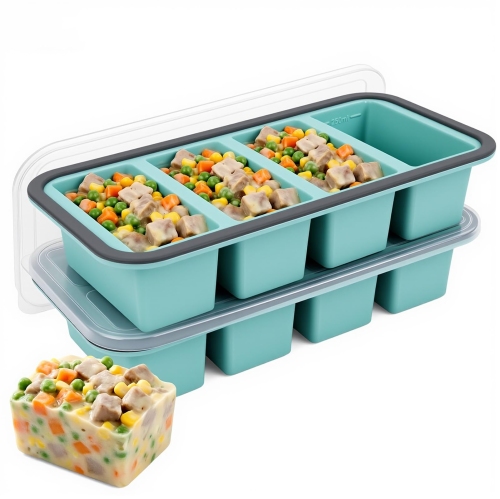
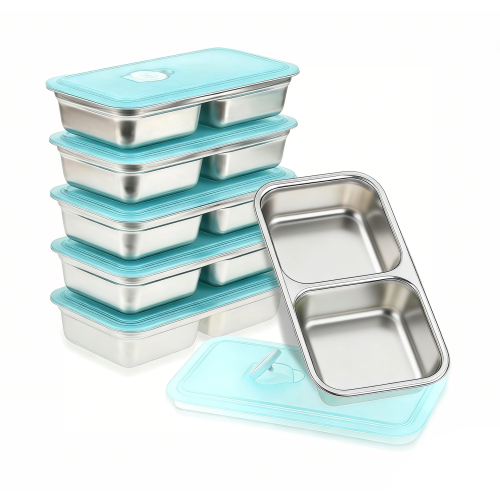
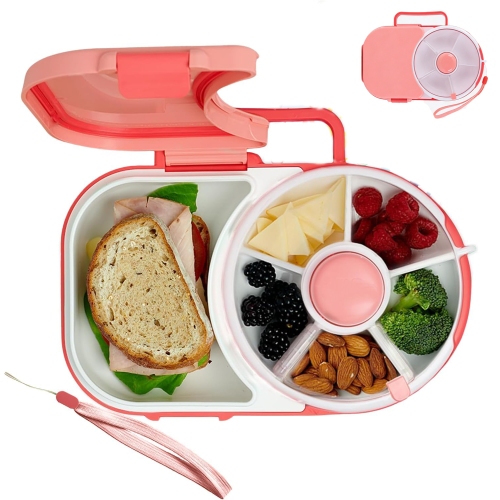
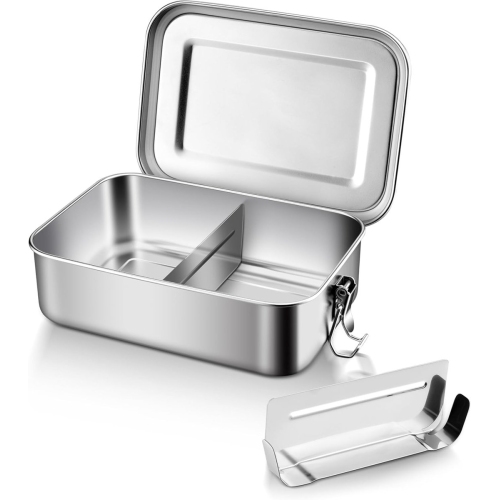
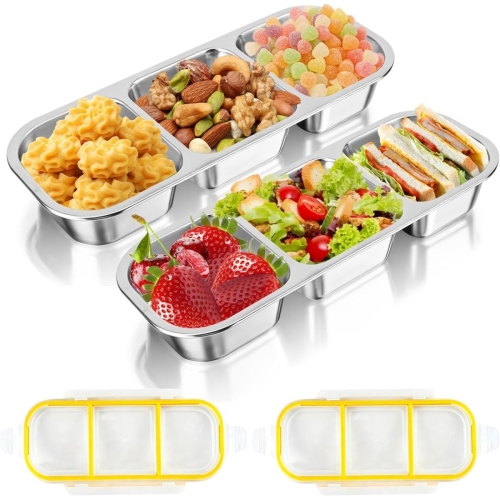
A bento lunch box is a compartmentalized food container designed to organize different parts of a meal. It typically includes a fitted lid and may feature built-in sections, removable dividers or separate trays.
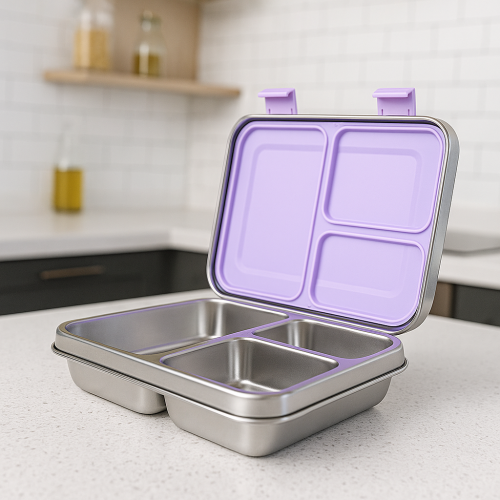
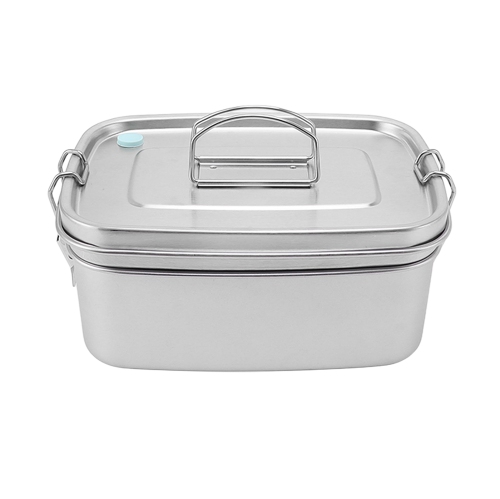
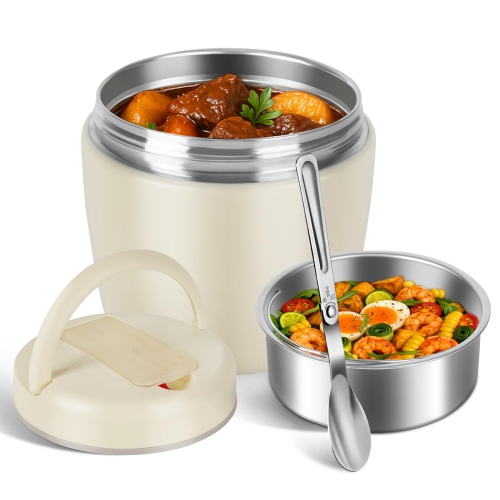
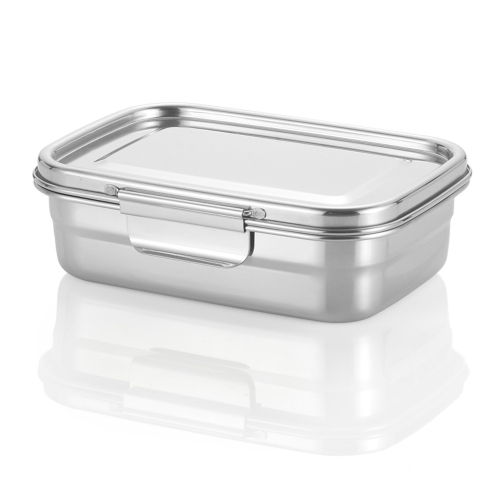
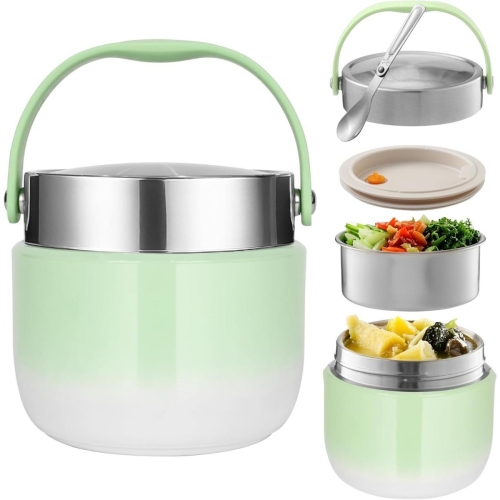
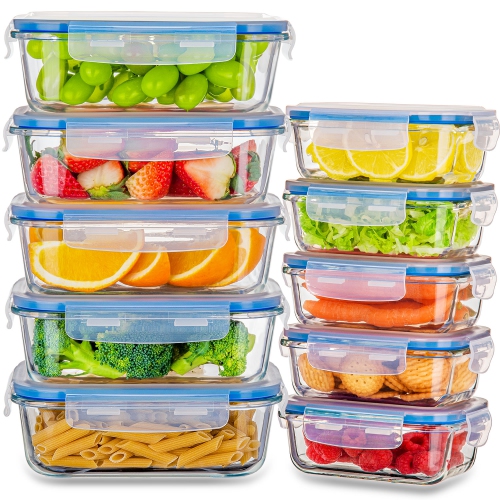
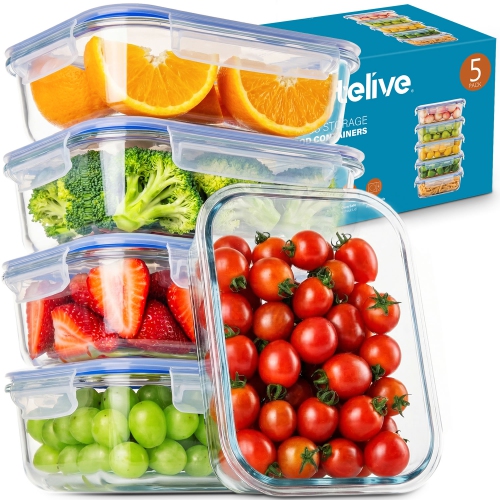
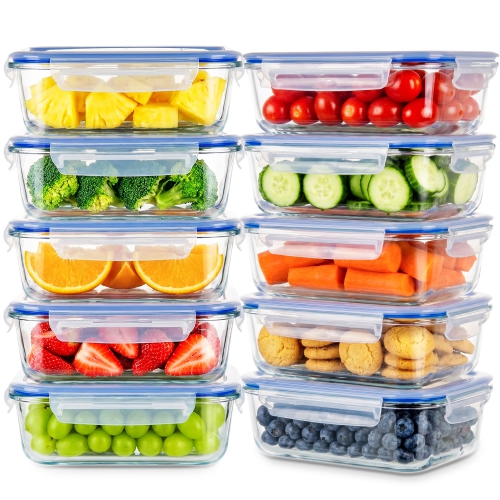
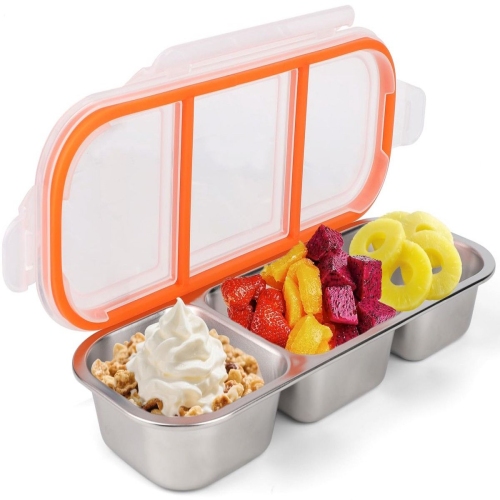
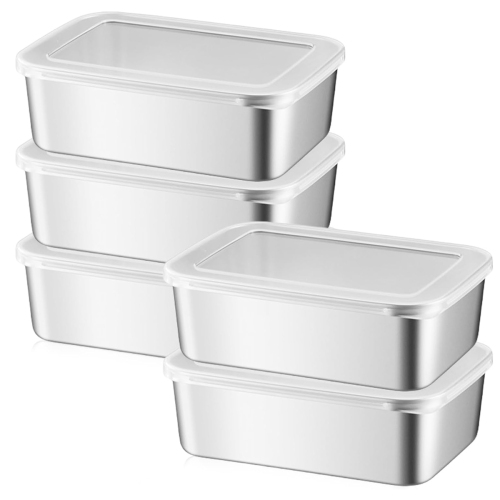
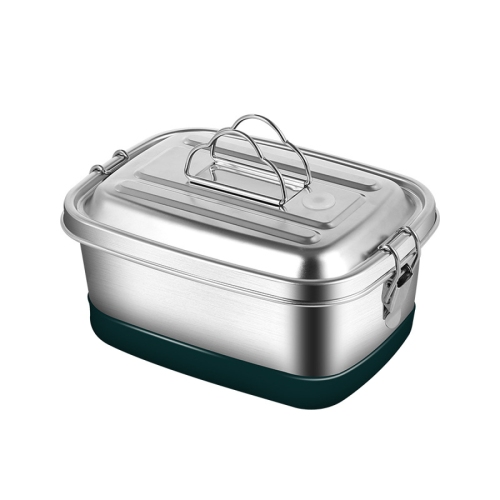
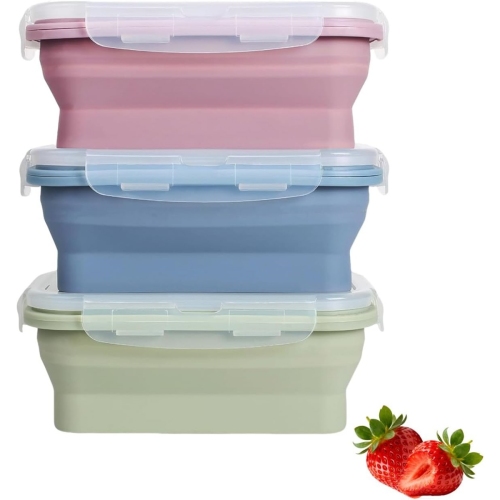
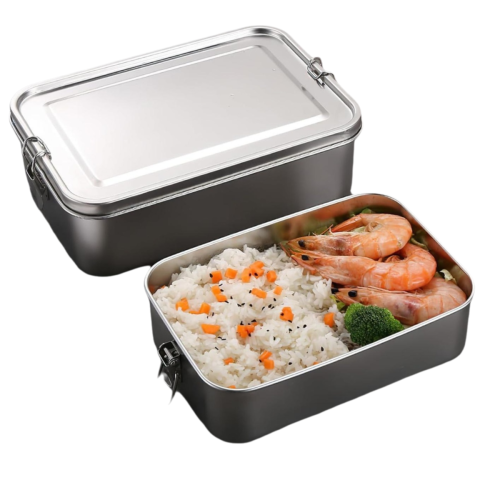
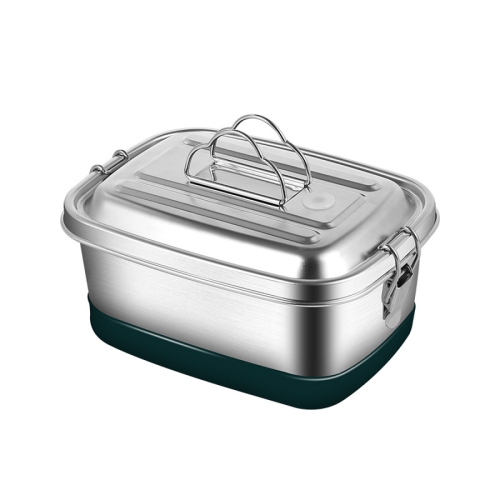
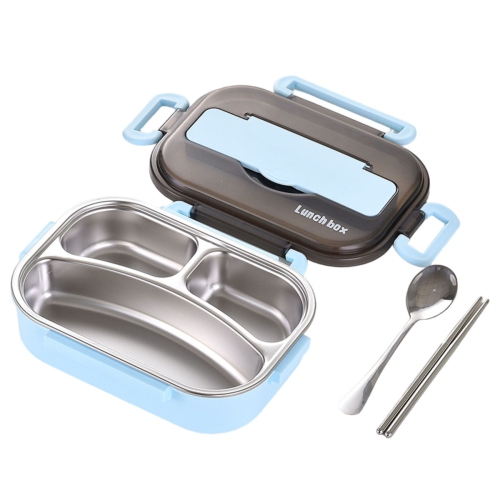
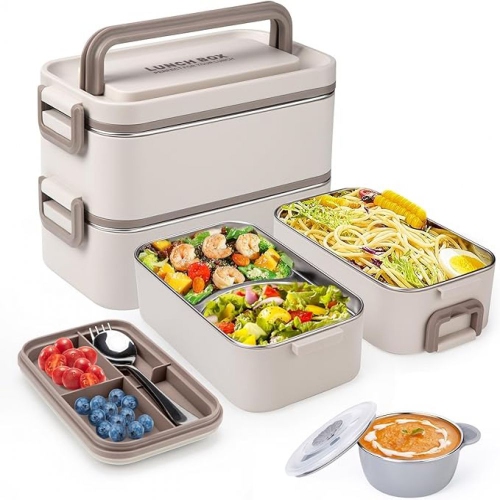
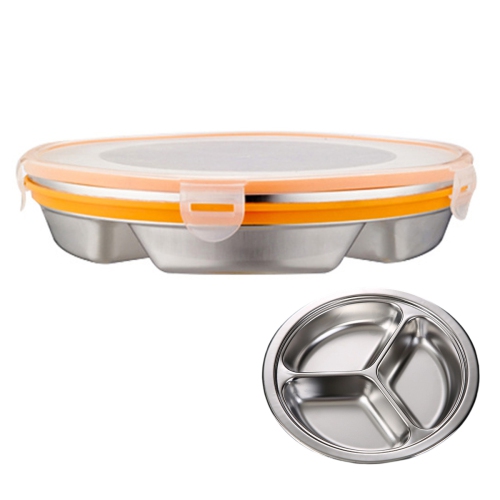
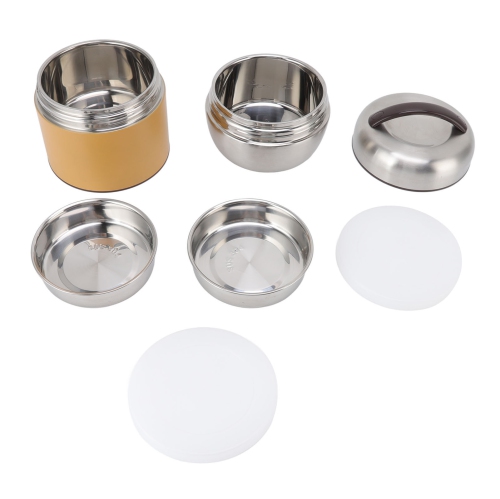
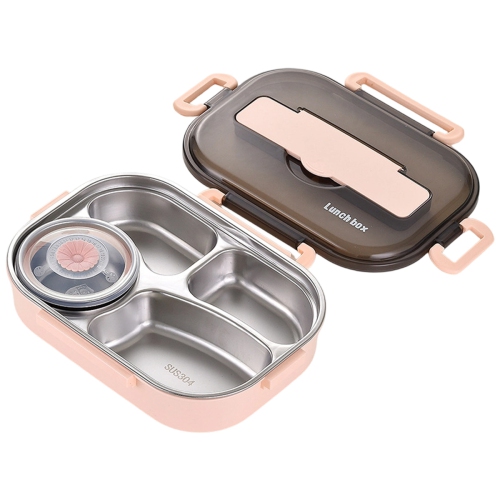
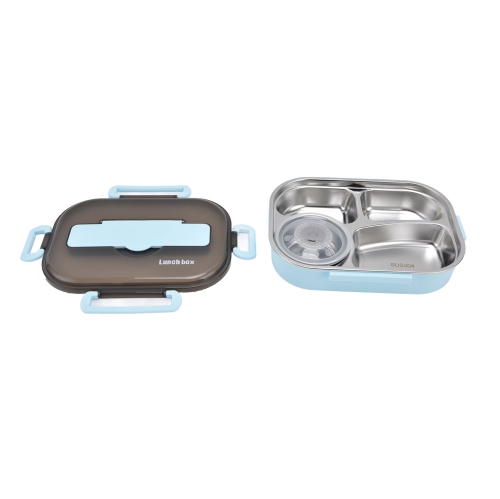
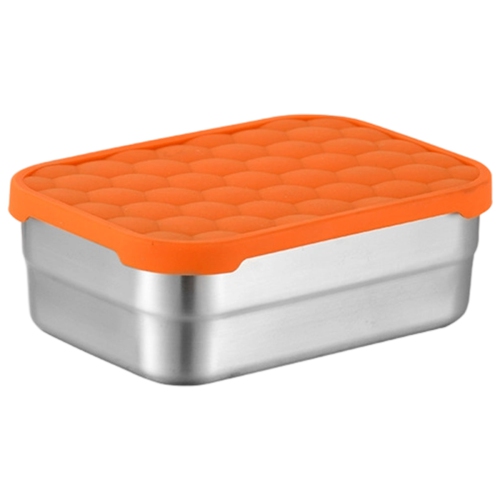
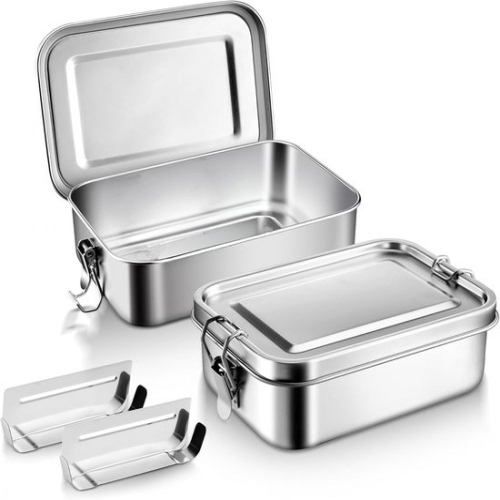
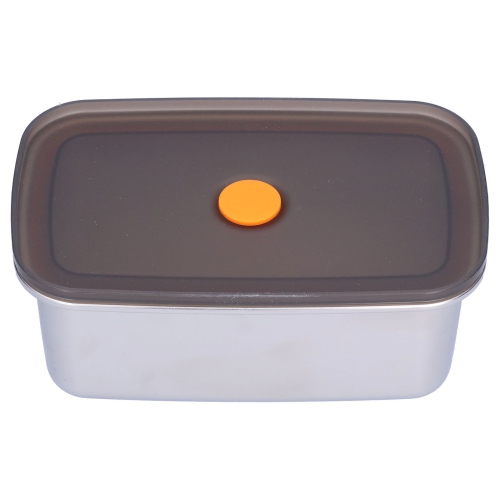
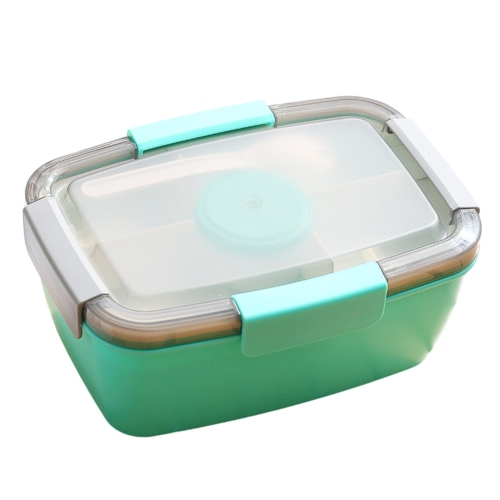
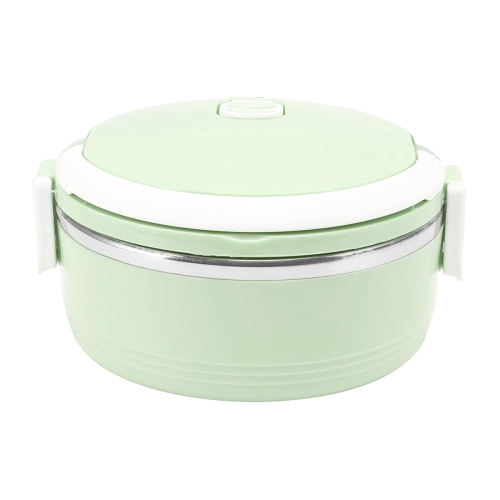
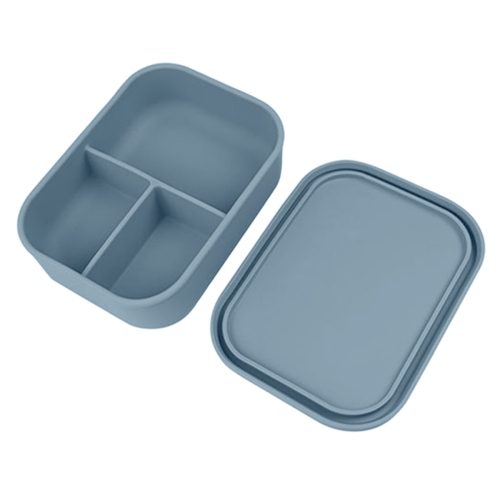
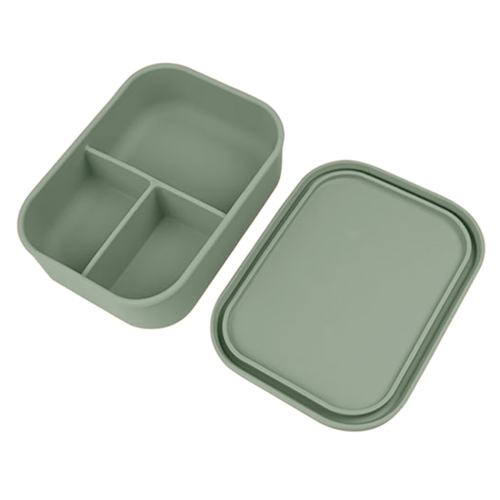
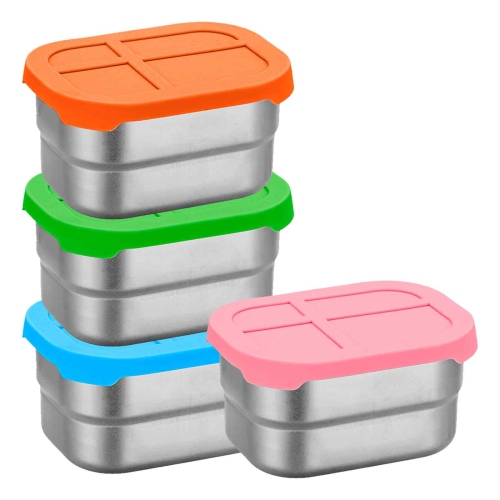
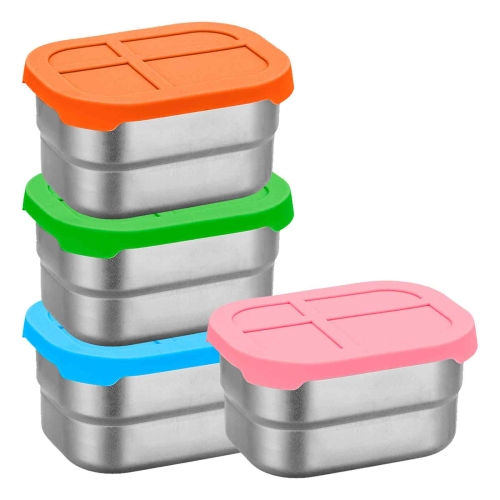
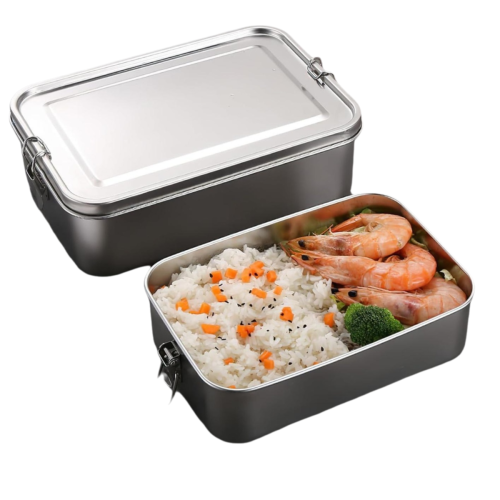
Common materials include plastic, stainless steel and glass. Lids may use a different material from the base, such as plastic or silicone, and some designs include silicone seals.
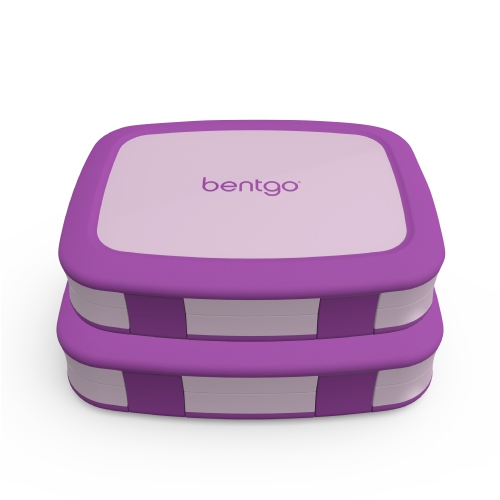
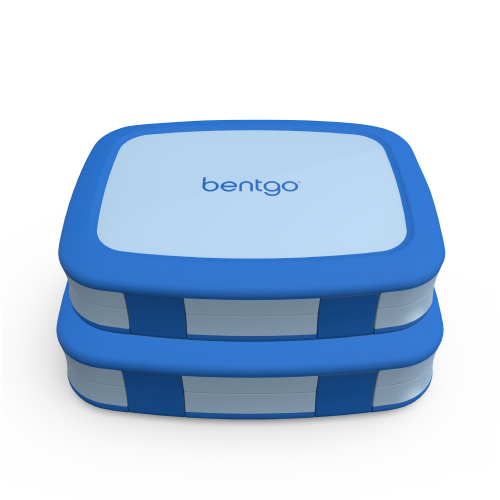
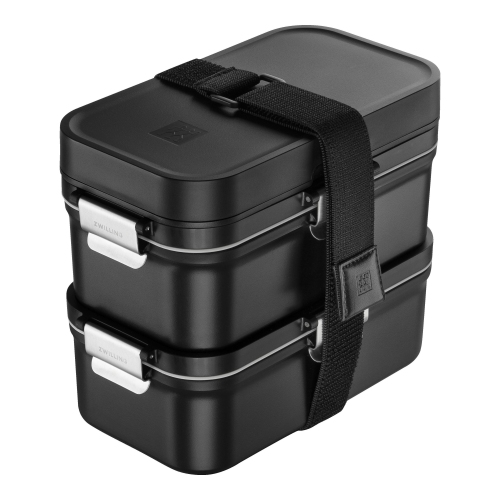
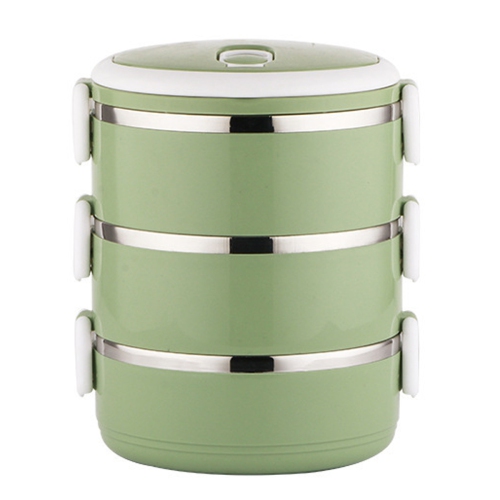
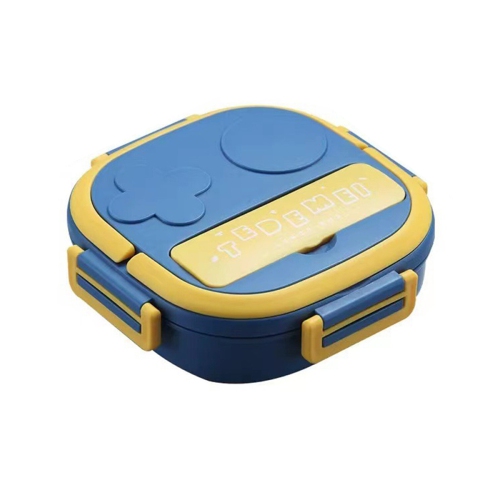
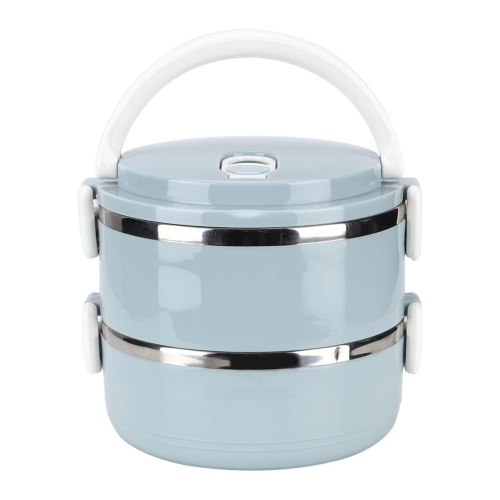
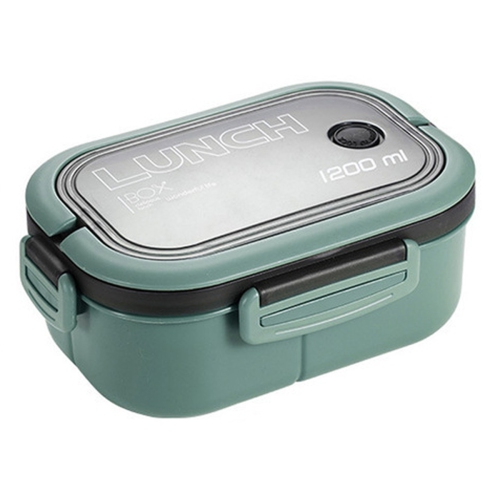
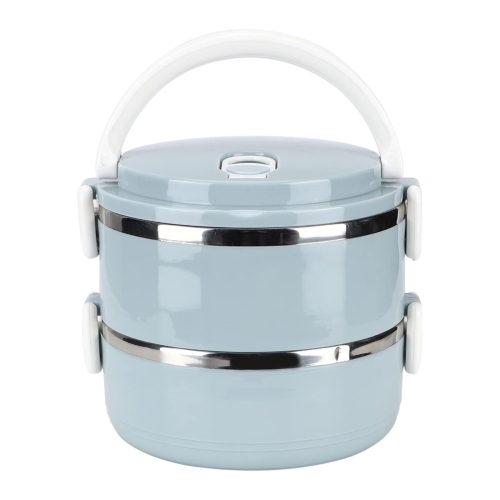
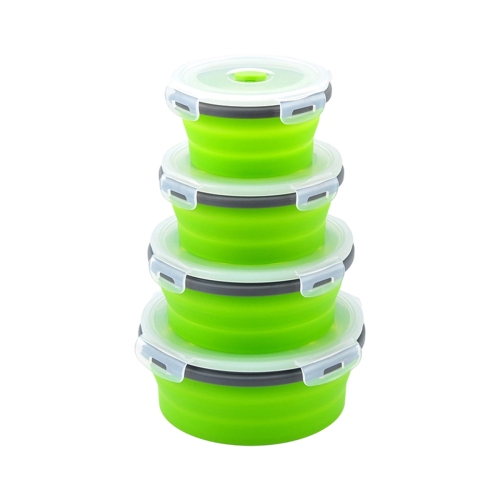
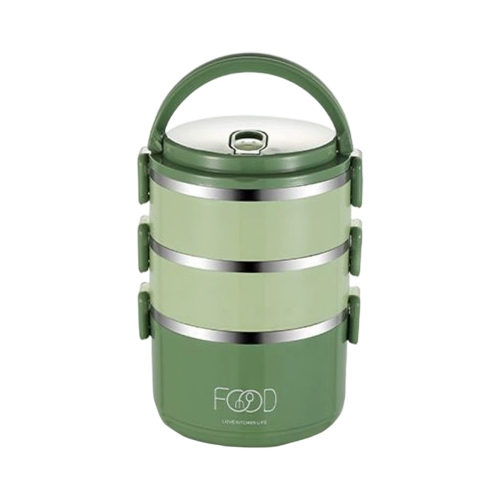
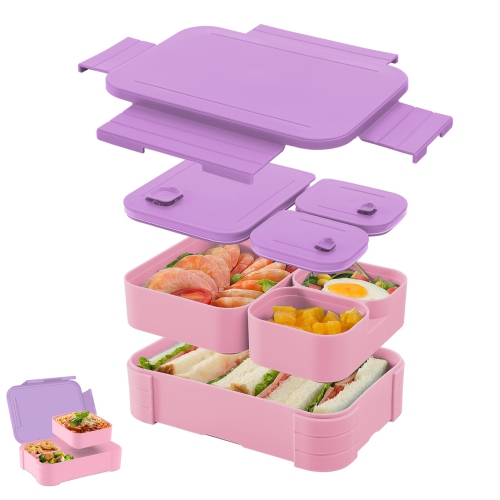
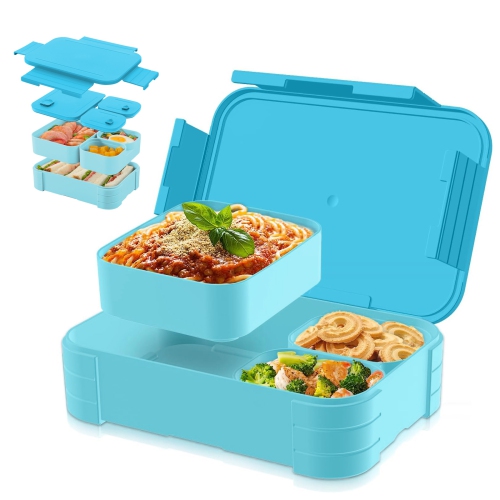
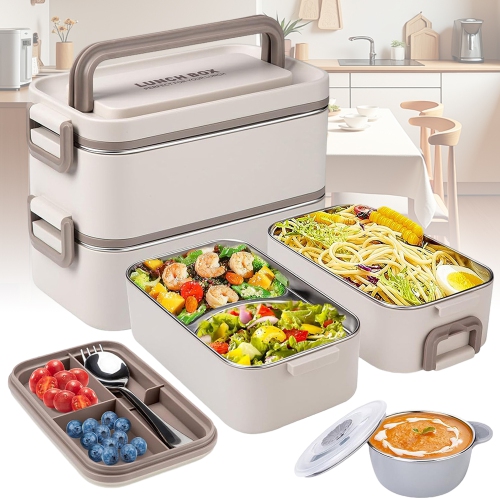
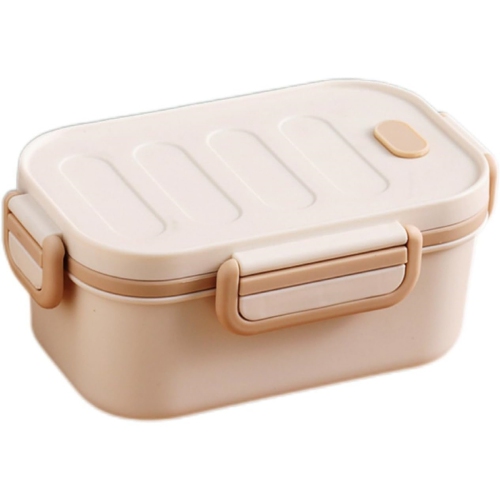
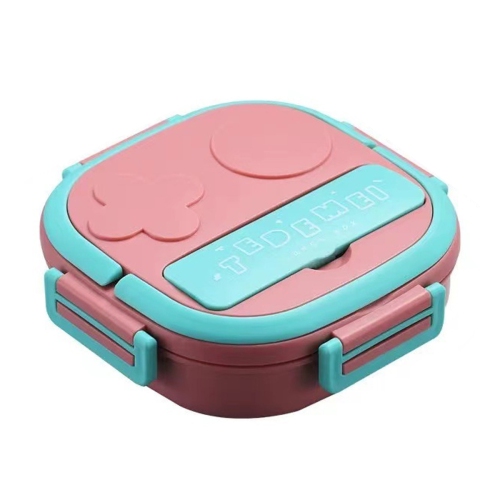
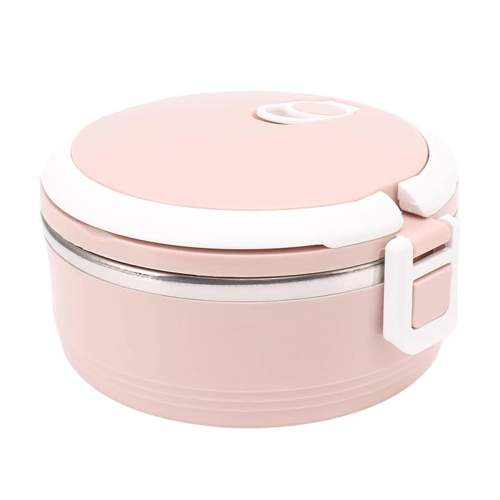
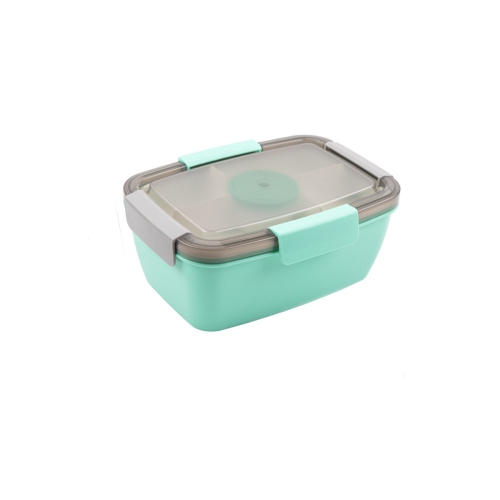
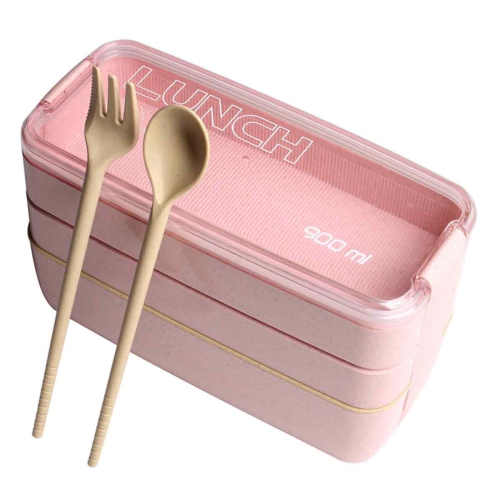
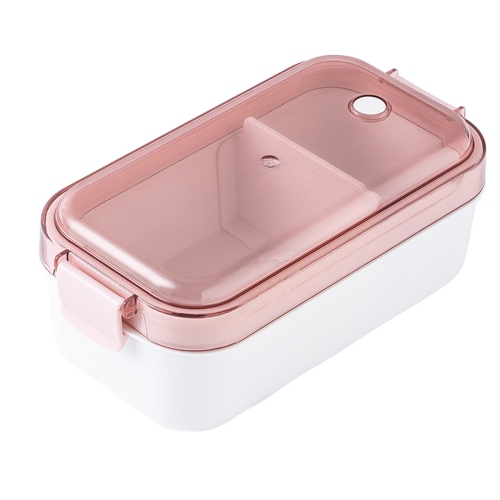
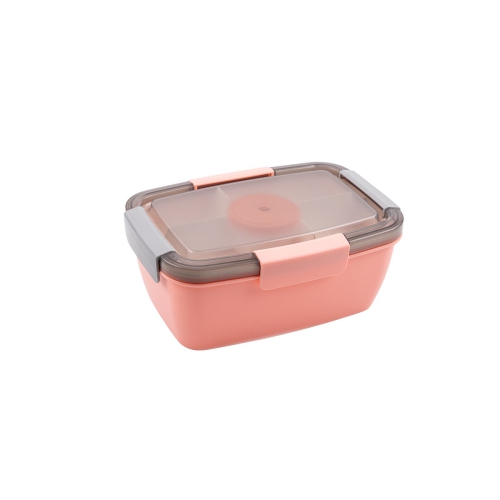
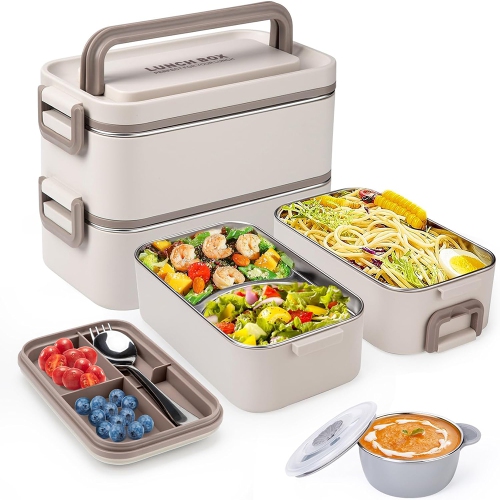
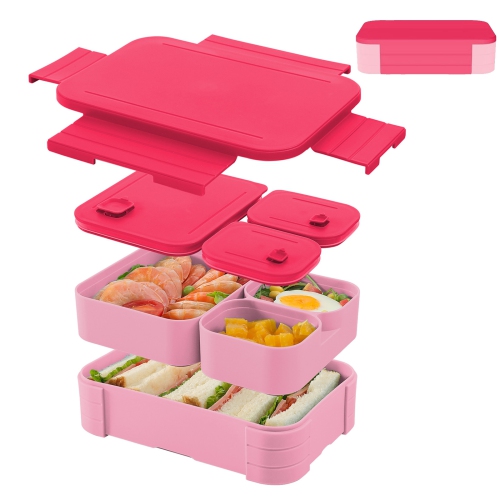
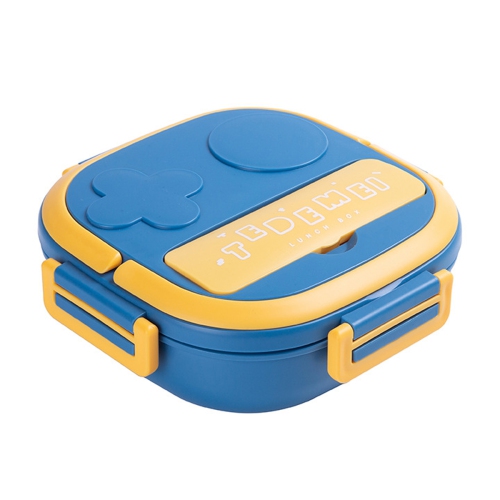
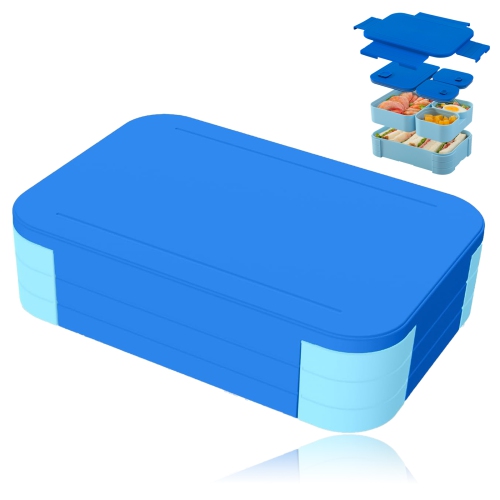
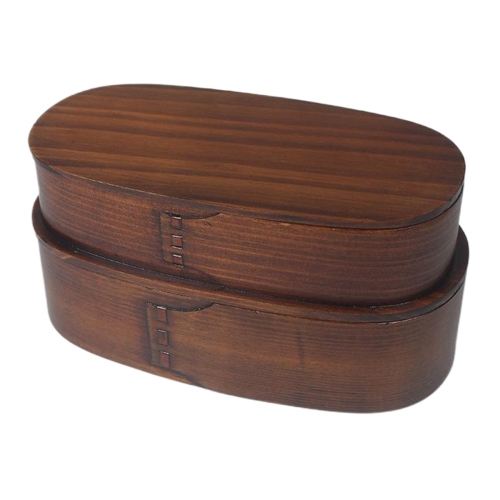
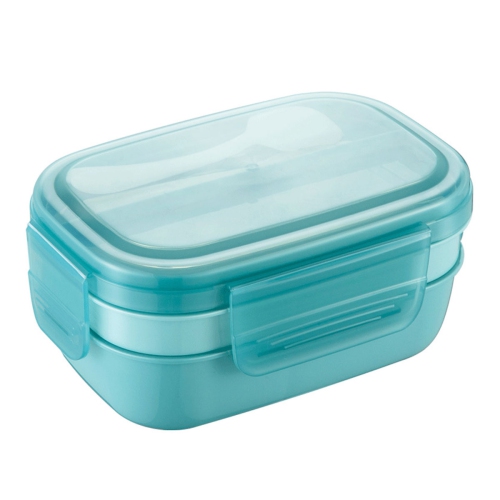
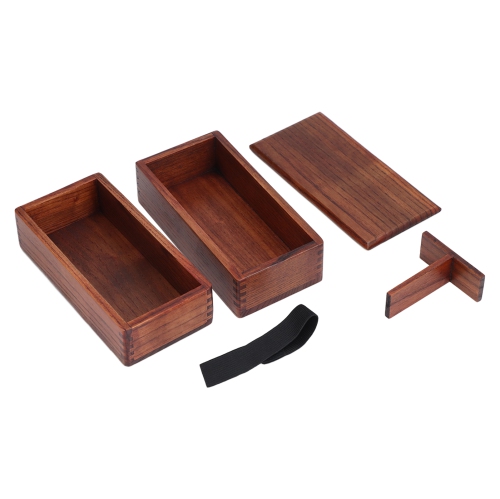
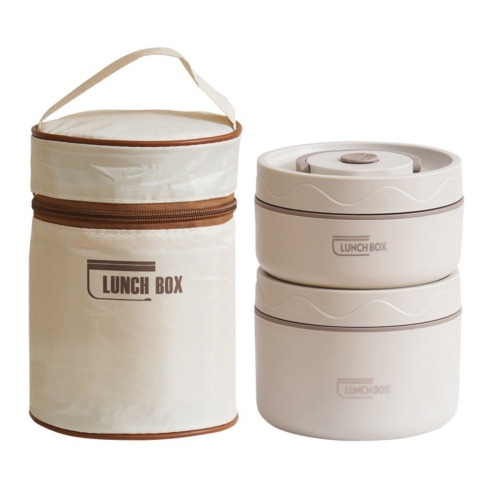
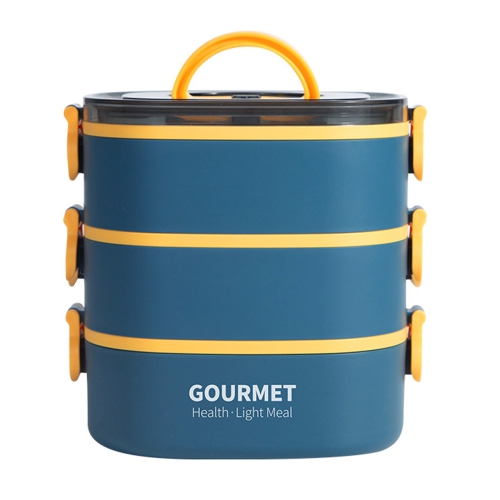
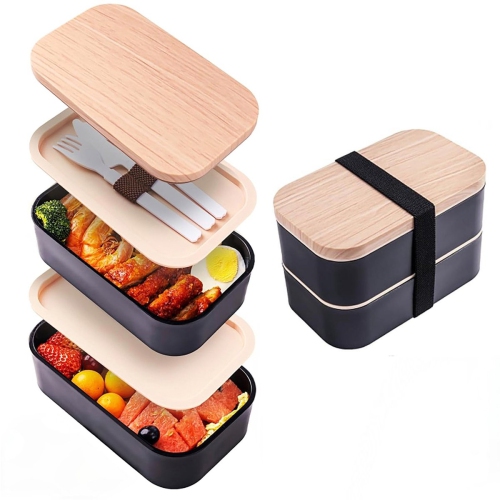
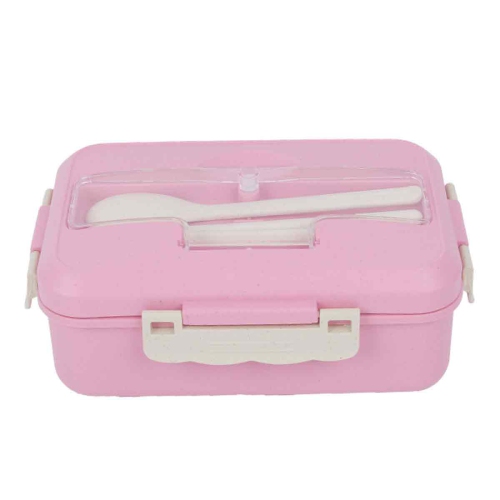
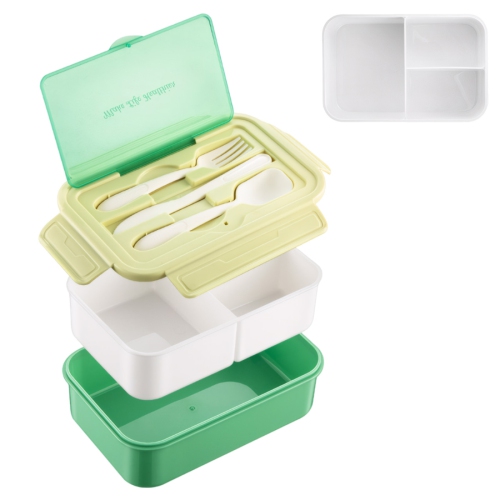
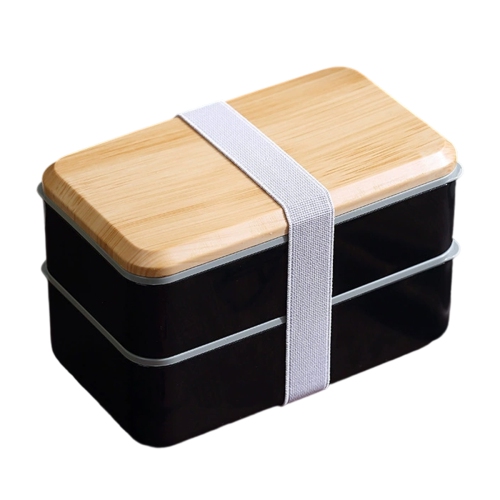
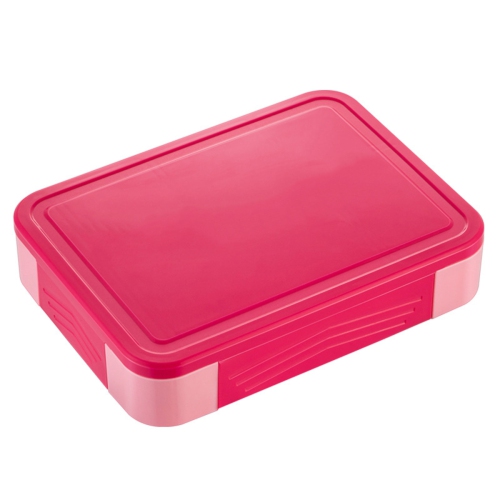
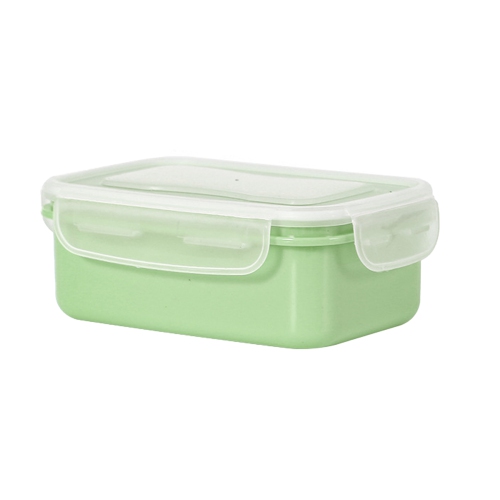
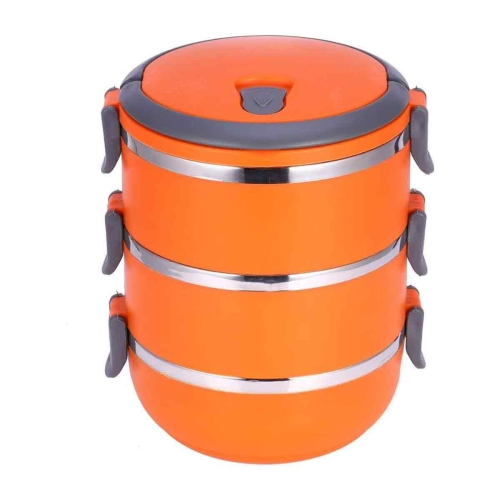
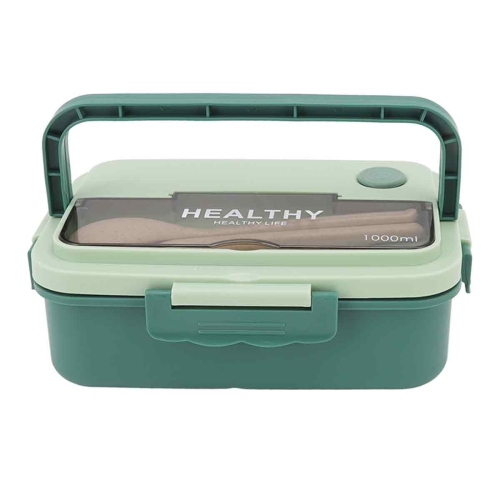
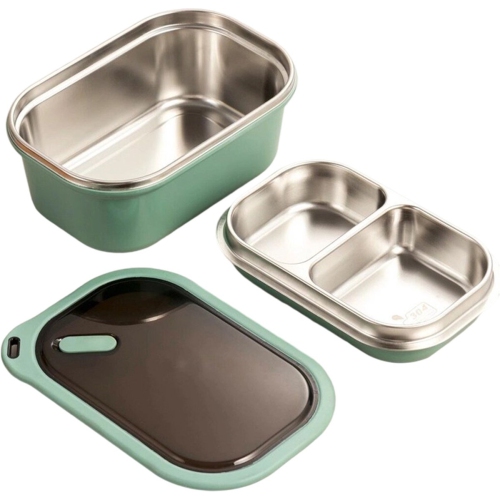
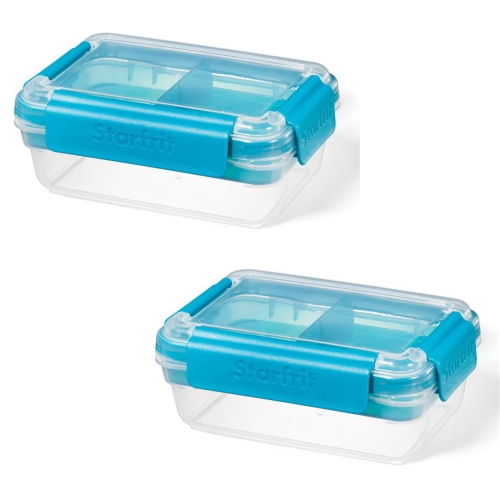
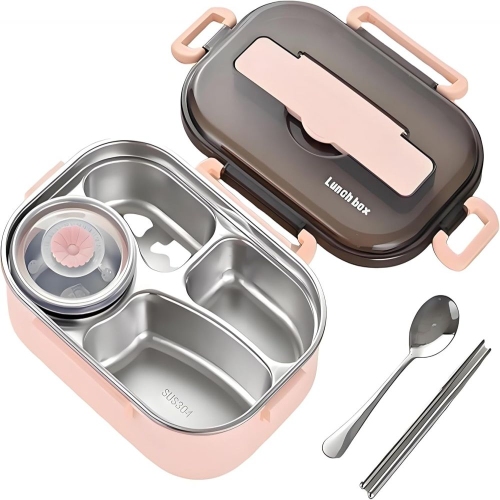
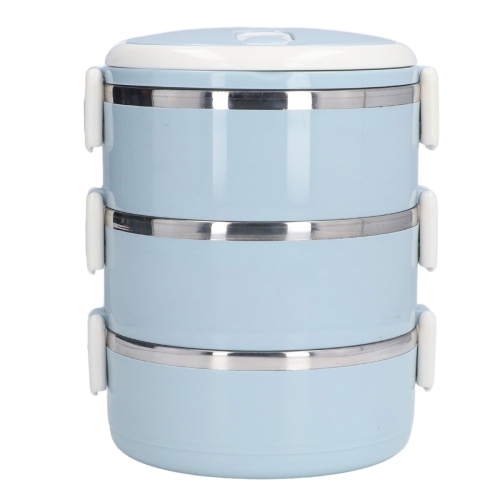
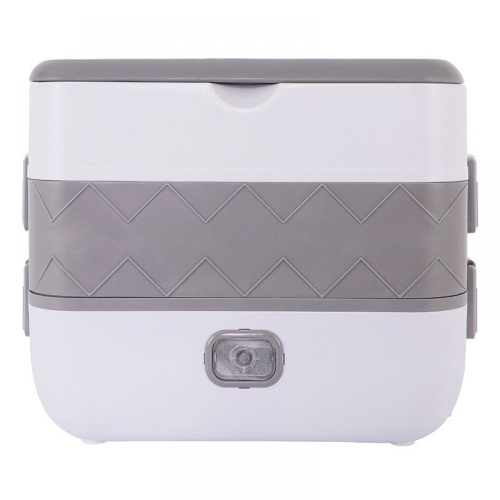
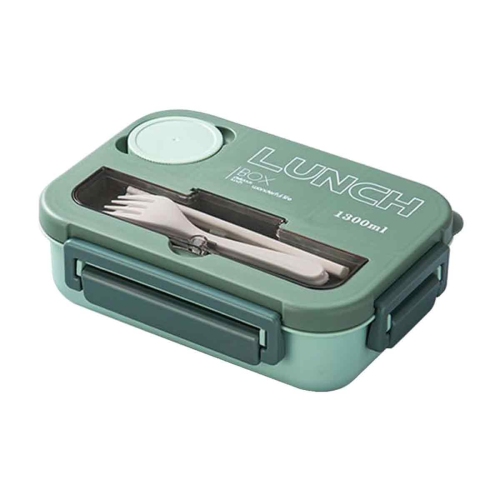
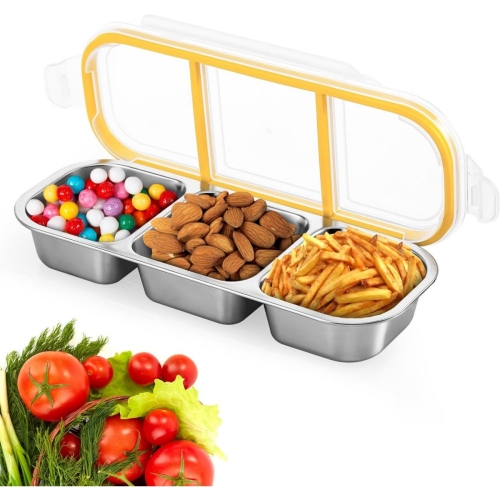
Bento lunch boxes may have snap-on lids, clip-lock lids, hinged lids or lids held in place with an elastic band. Stacked designs may include individual covers for each tier or a single outer lid.
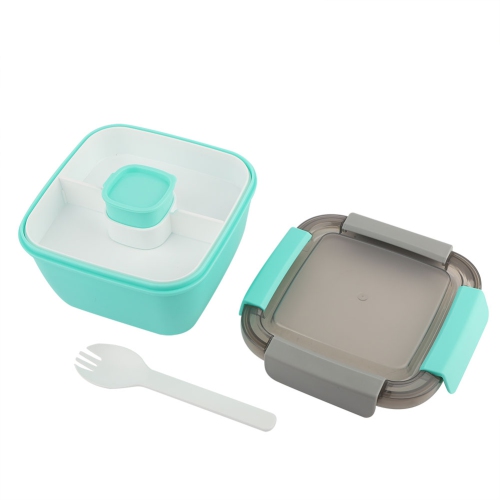
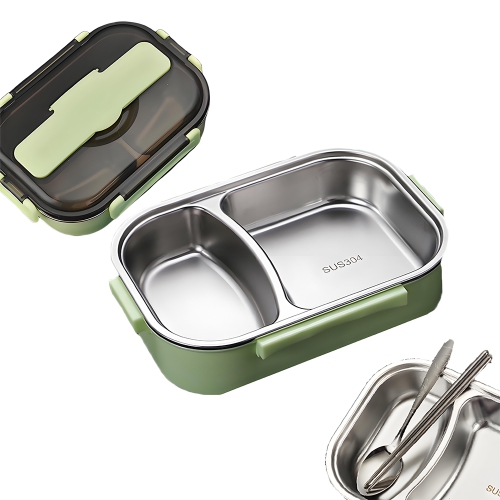
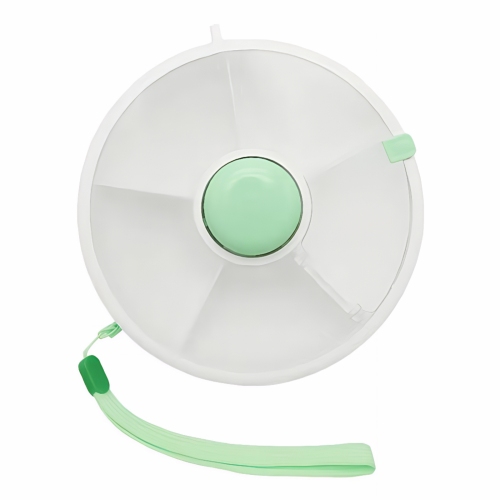
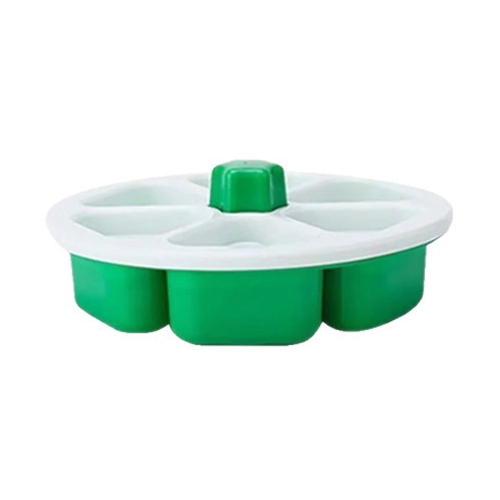
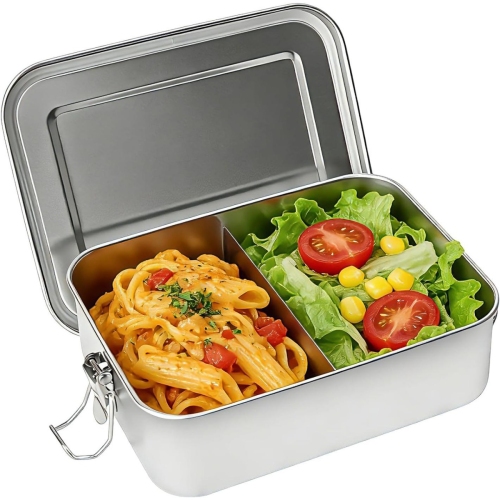
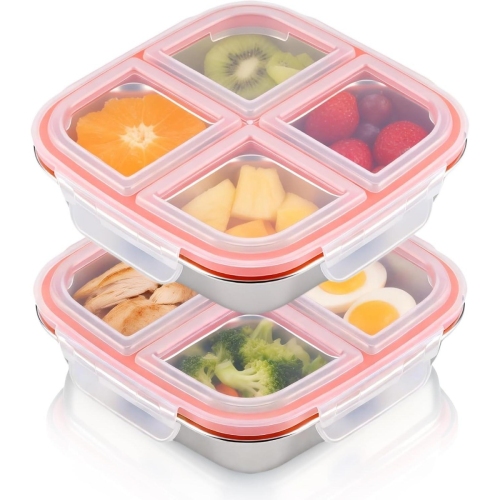
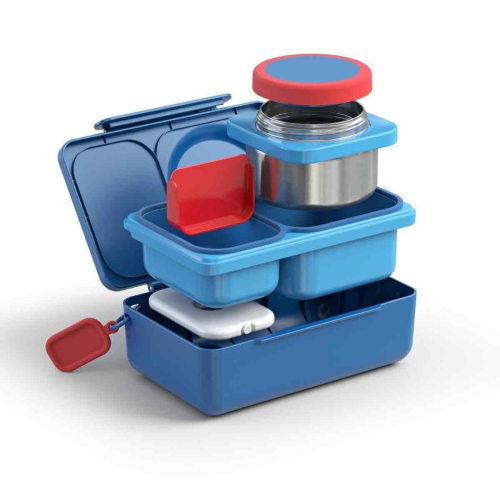
Some bento lunch boxes include removable trays, cups or dividers, while others have fixed compartments. Removable inserts let you rearrange sections for different meal combinations, such as rice, vegetables, fruit and snacks.
Follow the manufacturer's care directions, as washing requirements vary by material and component. Some bases and trays are dishwasher-safe, while lids or seals may require handwashing. Remove detachable parts as directed, wash around grooves and corners, and let all pieces dry before reassembling.
Top selling and popular products
Discover more categories related to Bento Lunch Boxes with Lids
Some products may be subject to Environmental Handling Fees (EHF) depending on your province. Learn more about EHFs.