Clamp Meters
Discover the versatile world of clamp meters, which are essential tools for anyone involved in electrical work or DIY projects. A clamp meter combines the functionality of a digital multimeter with a current sensor, allowing you to measure electrical currents without direct contact. Whether you're an experienced electrician or a hobbyist looking to tackle new challenges, clamp meters offer precision and safety when measuring current, voltage, and resistance. Explore our selection of clamp meters to find the perfect fit for your needs, ensuring you have reliable and efficient tools at your fingertips for every task.
Sort
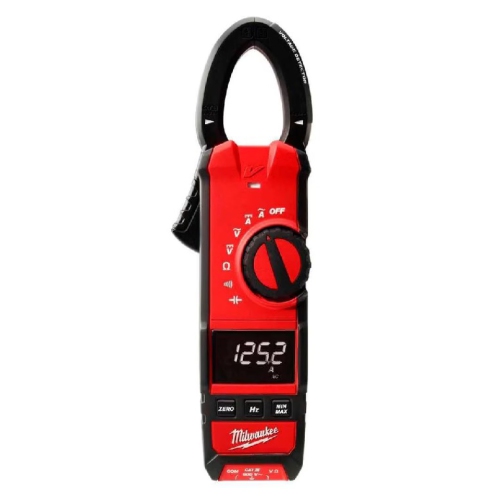
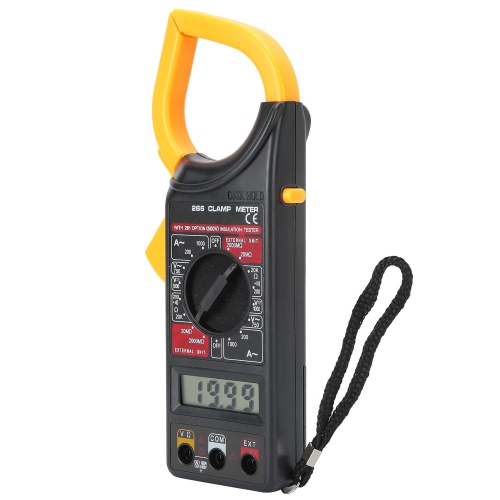
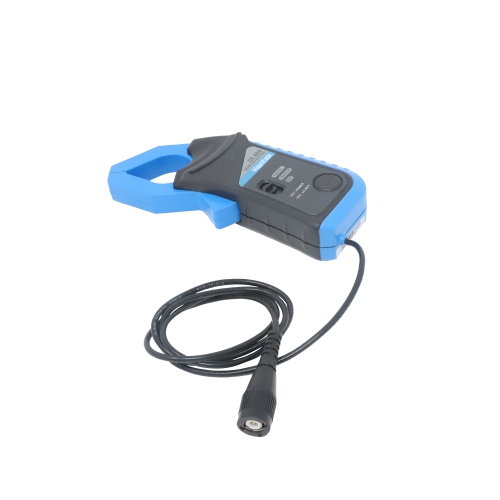
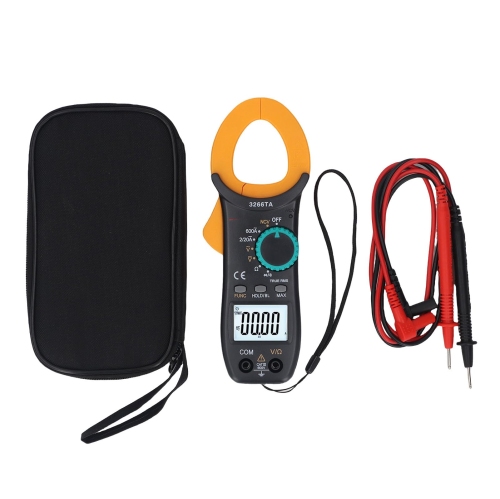
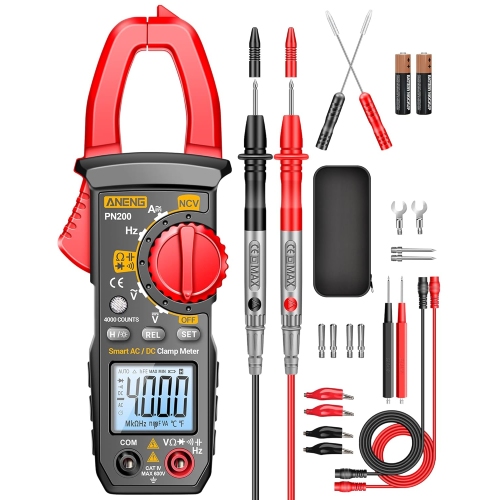
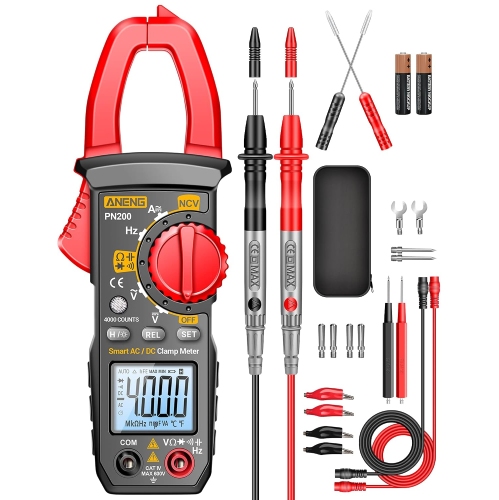
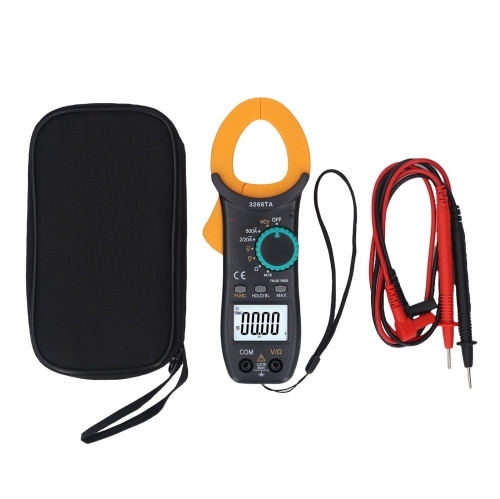
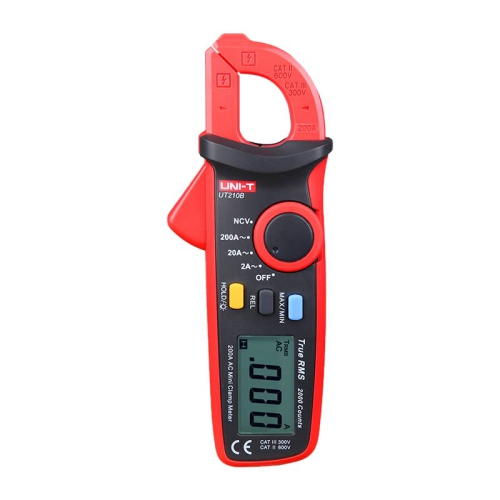
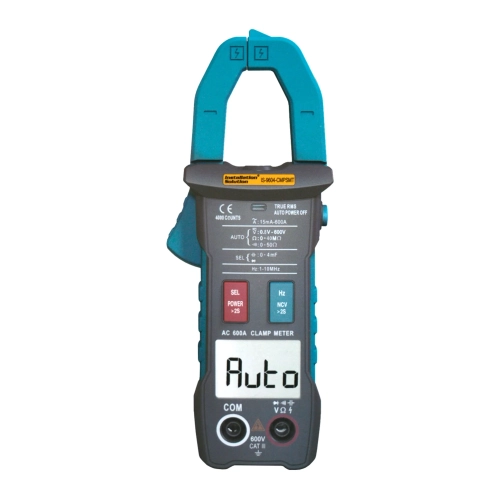
Current testing without disconnecting wires from live circuits
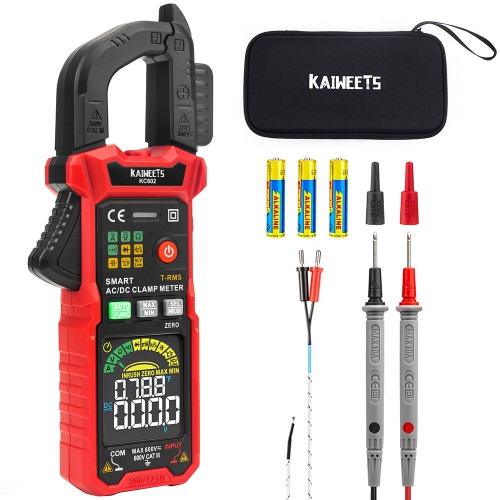
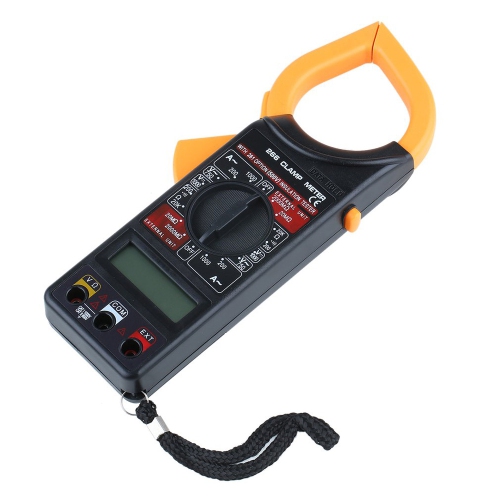
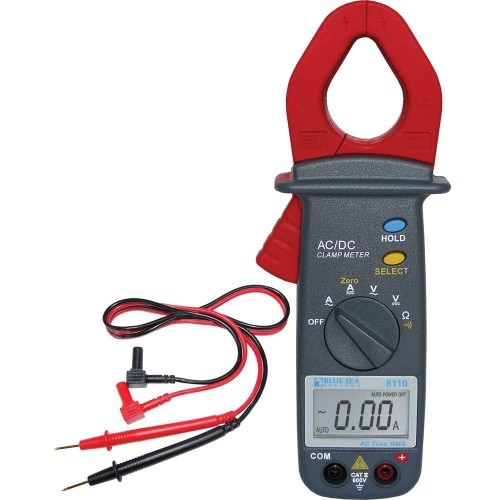
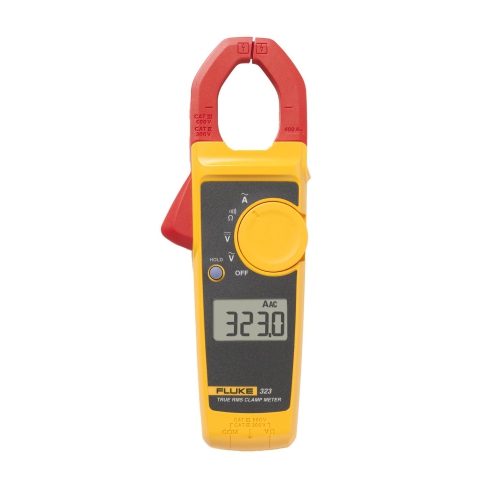
Clamp meters are practical electrical testing tools designed to measure current without requiring a wire to be disconnected from its circuit. Instead of placing the entire meter in series with a load, you open the hinged jaws, place them around a single conductor, and allow the meter to sense the magnetic field created by the flowing current. This makes clamp meters useful for checking equipment, circuits, and electrical loads where interrupting power would be inconvenient or unsafe. Many models also work as full-function digital multimeters, using test leads to measure voltage, resistance, continuity, capacitance, and other electrical characteristics. They can be helpful in a range of settings, from troubleshooting a tripped residential circuit to checking the draw of a motor, appliance, battery system, or heating unit. A homeowner might use one while investigating why a workshop tool is drawing more power than expected, while an electrician, HVAC technician, automotive technician, or maintenance professional may rely on one throughout the day. Their hinged design is particularly valuable in crowded electrical panels and hard-to-reach spaces, where connecting a conventional meter directly into a live circuit may be awkward. A clear display, tactile control dial, and a secure jaw hinge can make a noticeable difference when you are standing in a dim utility room, working inside a vehicle, or reaching around a bank of equipment. For tasks where air movement is the focus rather than electrical measurement, a separate accessory such as Clamp Fans may be more suitable; clamp meters are specifically intended for electrical testing and diagnosis.
When choosing among clamp meters, start by considering the type of current you expect to measure. AC clamp meters are suitable for many household, commercial, and building-service applications, while AC/DC models are more versatile for automotive work, battery-powered systems, solar installations, and other direct-current equipment. The meter’s maximum amperage rating should match the work you plan to do, with additional capacity providing useful headroom rather than encouraging measurements beyond the tool’s limits. Pay attention to whether the meter offers True-RMS measurement, especially when testing modern electronics, variable-speed drives, dimmers, switching power supplies, or other loads that do not produce a smooth, traditional waveform. True-RMS technology can provide a more accurate representation of these irregular signals than basic averaging methods. Auto-ranging can simplify everyday checks by selecting an appropriate measurement range for you, while manual ranging may appeal to experienced users who want more control and faster readings in familiar conditions. Other helpful features may include inrush-current measurement for motors and compressors, a hold function for capturing a reading in a difficult position, a backlit display for poorly lit panels, a work light for dark spaces, and a low-battery indicator. A slim jaw can help reach conductors in a packed panel, whereas a wider jaw may be needed for thicker cables. Check the jaw opening dimensions rather than relying on the meter’s overall size, and consider the length and flexibility of the included test leads if you expect to use the voltage, resistance, or continuity functions regularly.
Correct technique is essential for obtaining a useful reading. When measuring current with the jaws, clamp around one conductor only. Placing the jaws around both the hot and neutral wires of a standard two-wire AC cable causes their magnetic fields to oppose one another, which can result in a very low reading or an apparent zero. If the cable has multiple conductors bundled together, you may need to access an individual conductor or use an appropriate method designed for that installation. Confirm whether the circuit carries AC or DC before taking a measurement, since a meter set to the wrong current type may provide an inaccurate result. For voltage, resistance, and continuity checks, use the test leads and follow the meter’s instructions rather than attempting to use the jaws. Resistance and continuity functions should only be used on de-energized circuits, with power isolated and the circuit verified before contact. Safety ratings also deserve close attention: look for a suitable CAT rating for the electrical environment, an amperage rating that fits the intended application, insulated probes, clear input markings, and construction that feels secure in the hand. A clamp meter can reduce the need to handle bare conductors, but it does not remove the hazards associated with energized electrical systems. Wear appropriate protective equipment, keep hands behind probe guards, avoid damp conditions, and consult a qualified professional whenever the work involves unfamiliar wiring, high-energy equipment, service panels, or uncertainty about isolation procedures. For a first-time buyer, a straightforward auto-ranging AC/DC model with voltage, resistance, continuity, and True-RMS functions may cover a broad selection of household, automotive, and workshop tasks. For professional users, prioritizing measurement accuracy, inrush capability, display visibility, jaw capacity, rugged construction, and the correct safety category can make the tool more dependable over repeated use. A clamp meter can also be a thoughtful gift for a technically minded homeowner, apprentice, maker, or vehicle enthusiast who enjoys understanding how equipment works, provided the recipient has the training and protective equipment needed to use it responsibly.
When choosing among clamp meters, start by considering the type of current you expect to measure. AC clamp meters are suitable for many household, commercial, and building-service applications, while AC/DC models are more versatile for automotive work, battery-powered systems, solar installations, and other direct-current equipment. The meter’s maximum amperage rating should match the work you plan to do, with additional capacity providing useful headroom rather than encouraging measurements beyond the tool’s limits. Pay attention to whether the meter offers True-RMS measurement, especially when testing modern electronics, variable-speed drives, dimmers, switching power supplies, or other loads that do not produce a smooth, traditional waveform. True-RMS technology can provide a more accurate representation of these irregular signals than basic averaging methods. Auto-ranging can simplify everyday checks by selecting an appropriate measurement range for you, while manual ranging may appeal to experienced users who want more control and faster readings in familiar conditions. Other helpful features may include inrush-current measurement for motors and compressors, a hold function for capturing a reading in a difficult position, a backlit display for poorly lit panels, a work light for dark spaces, and a low-battery indicator. A slim jaw can help reach conductors in a packed panel, whereas a wider jaw may be needed for thicker cables. Check the jaw opening dimensions rather than relying on the meter’s overall size, and consider the length and flexibility of the included test leads if you expect to use the voltage, resistance, or continuity functions regularly.
Correct technique is essential for obtaining a useful reading. When measuring current with the jaws, clamp around one conductor only. Placing the jaws around both the hot and neutral wires of a standard two-wire AC cable causes their magnetic fields to oppose one another, which can result in a very low reading or an apparent zero. If the cable has multiple conductors bundled together, you may need to access an individual conductor or use an appropriate method designed for that installation. Confirm whether the circuit carries AC or DC before taking a measurement, since a meter set to the wrong current type may provide an inaccurate result. For voltage, resistance, and continuity checks, use the test leads and follow the meter’s instructions rather than attempting to use the jaws. Resistance and continuity functions should only be used on de-energized circuits, with power isolated and the circuit verified before contact. Safety ratings also deserve close attention: look for a suitable CAT rating for the electrical environment, an amperage rating that fits the intended application, insulated probes, clear input markings, and construction that feels secure in the hand. A clamp meter can reduce the need to handle bare conductors, but it does not remove the hazards associated with energized electrical systems. Wear appropriate protective equipment, keep hands behind probe guards, avoid damp conditions, and consult a qualified professional whenever the work involves unfamiliar wiring, high-energy equipment, service panels, or uncertainty about isolation procedures. For a first-time buyer, a straightforward auto-ranging AC/DC model with voltage, resistance, continuity, and True-RMS functions may cover a broad selection of household, automotive, and workshop tasks. For professional users, prioritizing measurement accuracy, inrush capability, display visibility, jaw capacity, rugged construction, and the correct safety category can make the tool more dependable over repeated use. A clamp meter can also be a thoughtful gift for a technically minded homeowner, apprentice, maker, or vehicle enthusiast who enjoys understanding how equipment works, provided the recipient has the training and protective equipment needed to use it responsibly.
Top selling and popular products
-
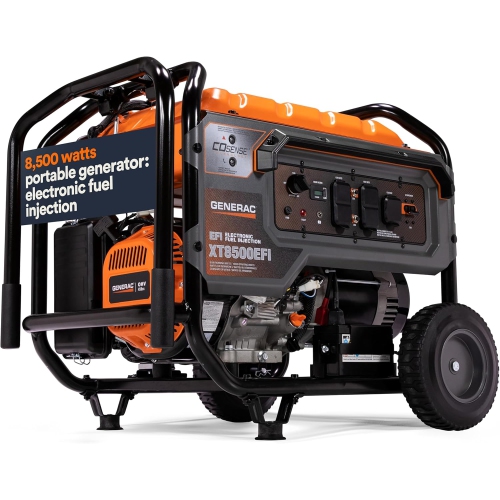 Your price for this item is $3000
 -
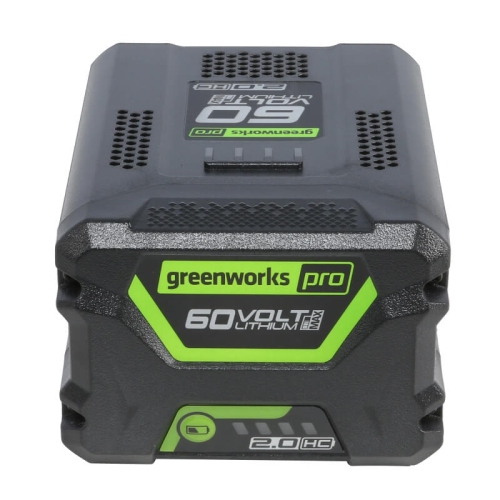 Your price for this item is $124.45
 -
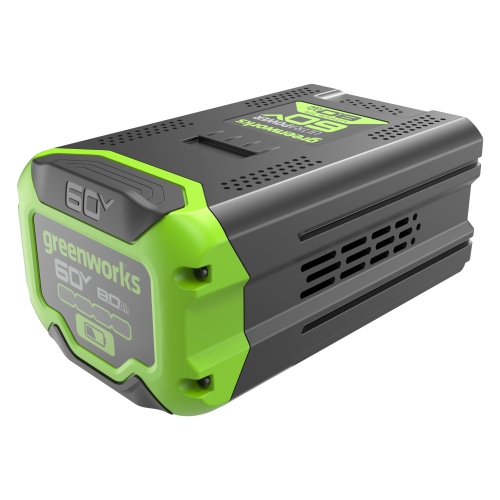 Your price for this item is $329.99
 -
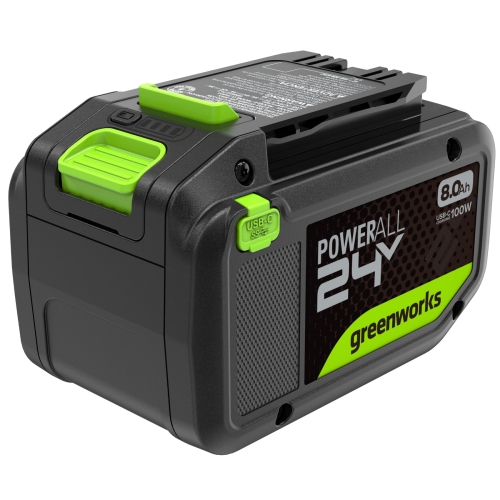 Your price for this item is $139.99
 -
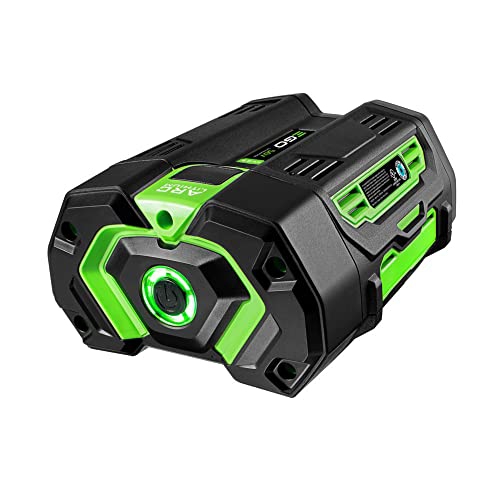 Your price for this item is $264
 -
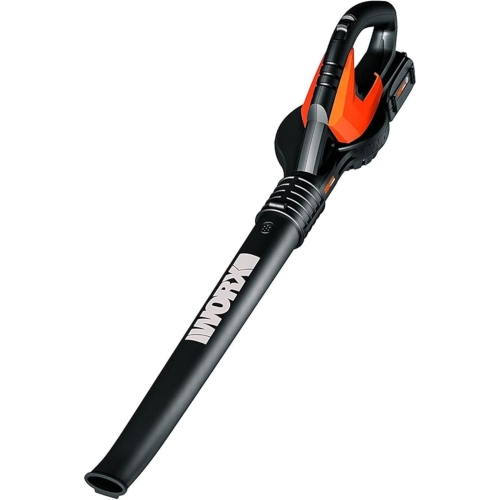 Your price for this item is $217.55
 -
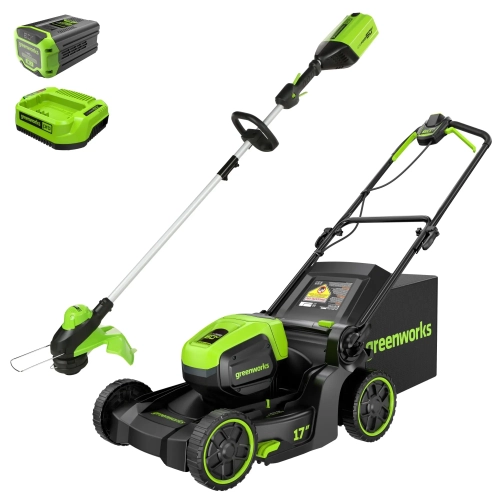 Your price for this item is $739.99
 -
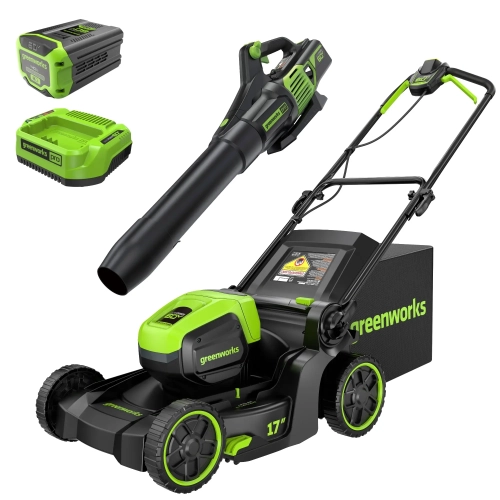 Your price for this item is $599.99
Discover more categories related to Clamp Meters
Top Collections:
Pokemon Centers, Kindle Devices, Best Budget Office Chairs, Apple iPhones 16, Best Laptops for Writers, iPhone 15 Apple, Canon G7X Cameras, Refurbished Apple Laptops, Alarm Clock, Motorola Razr Phones
Some products may be subject to Environmental Handling Fees
(EHF) depending on your province.
Learn more about EHFs.