360 Outdoor Cameras
360-degree outdoor cameras are a relatively new type of camera that allows users to capture immersive video footage from multiple angles. These cameras are designed to be used in a variety of outdoor activities, such as skiing, mountain biking, etc. The footage captured with these cameras can be used to create stunning virtual reality experiences. Here are some great options for you.
Sort



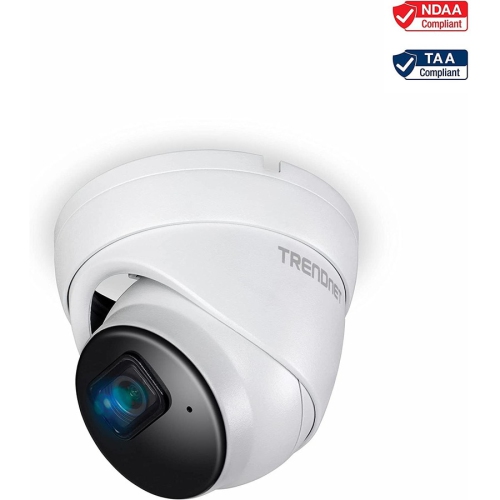
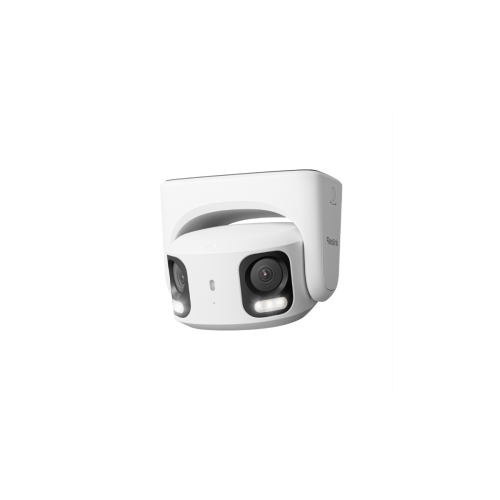
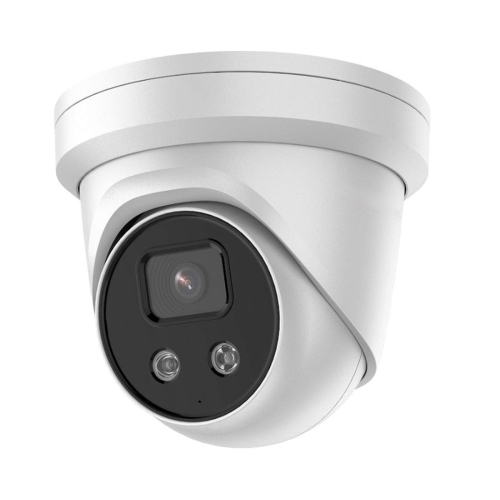
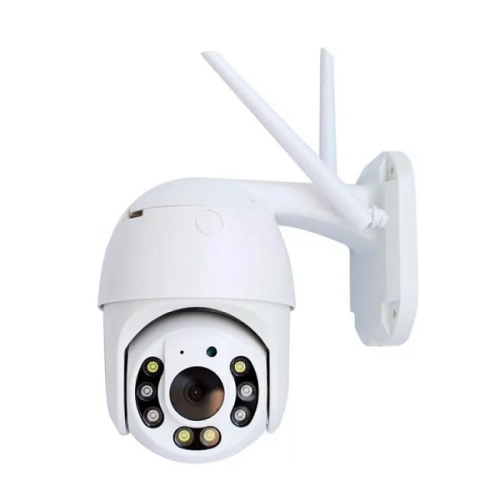
Broader property views with fewer outdoor camera blind spots
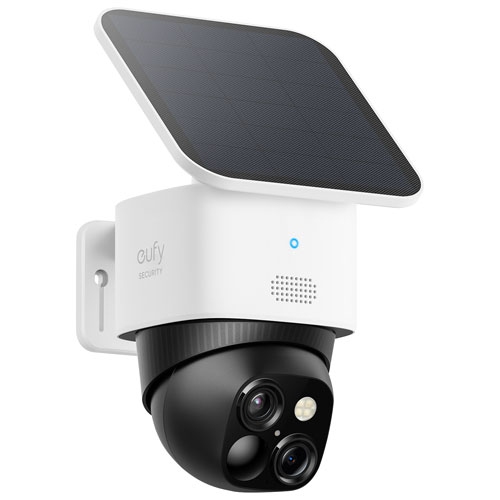
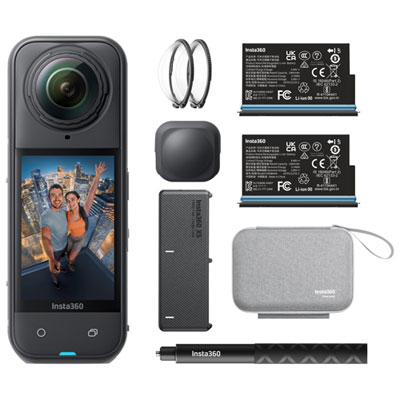
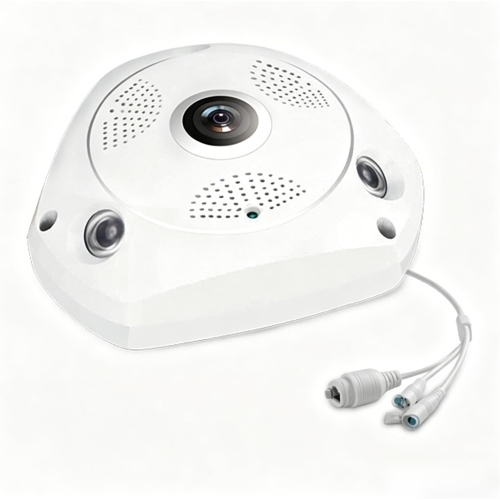
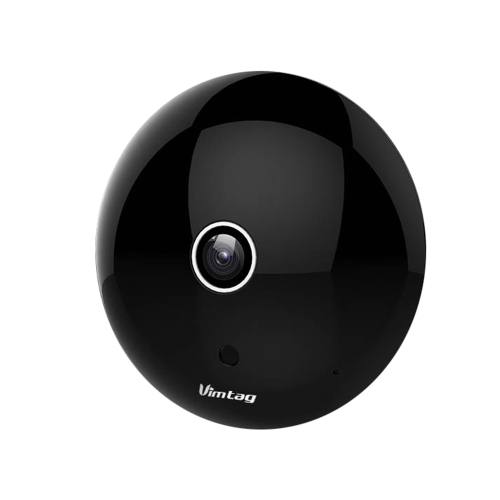
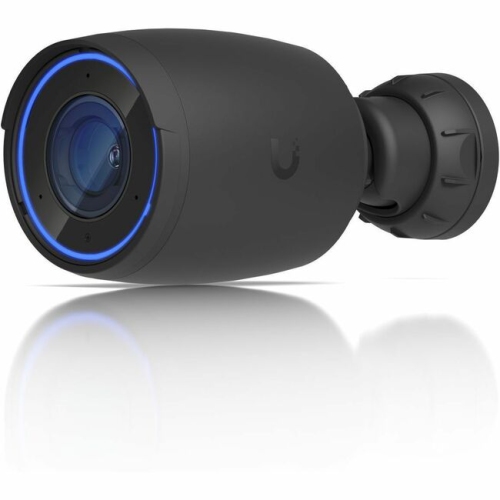
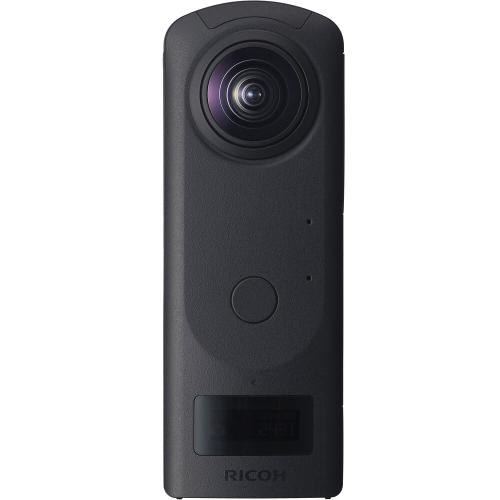
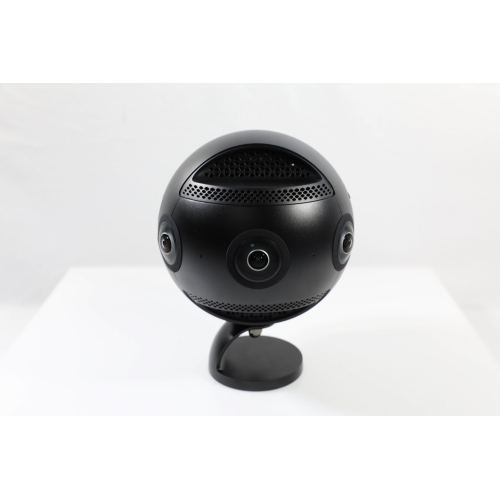
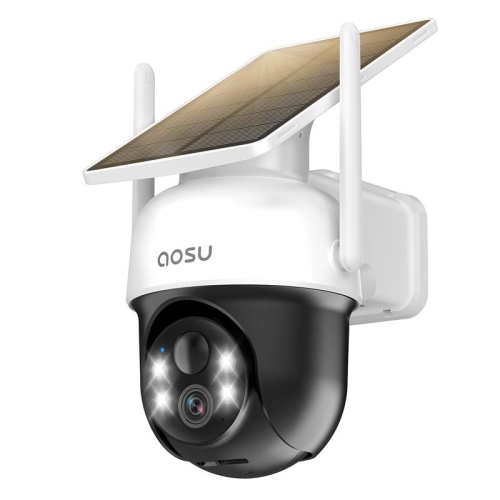
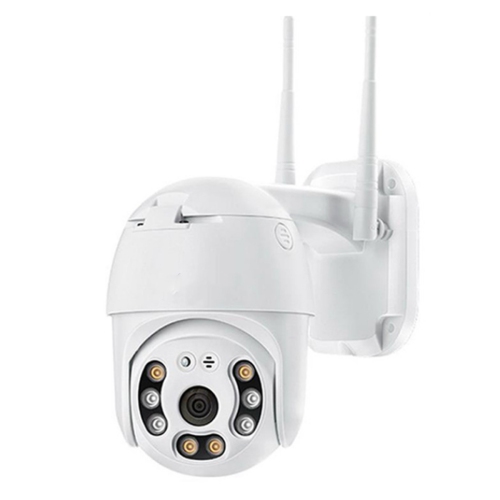
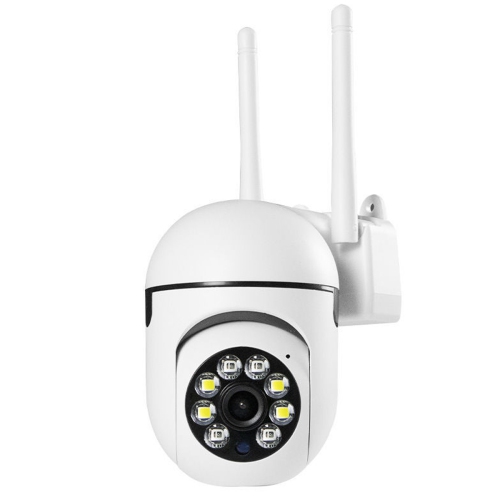
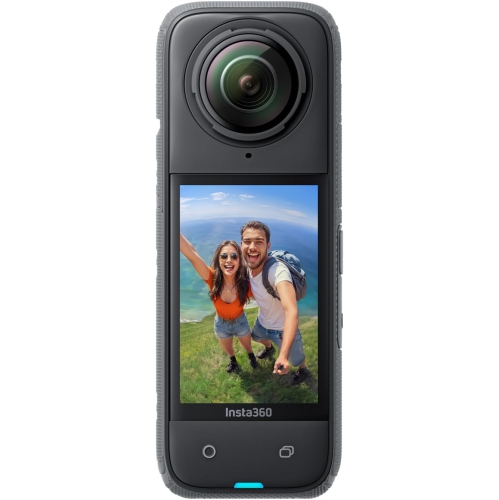
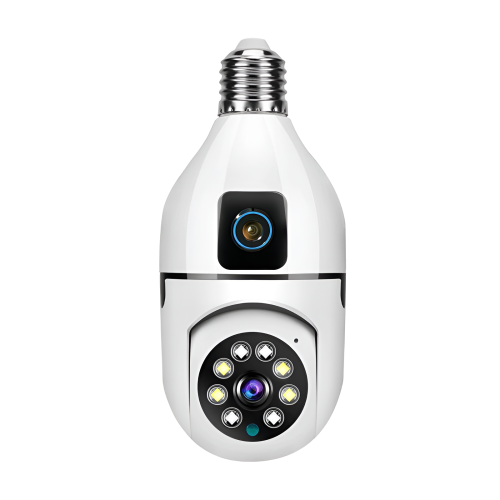
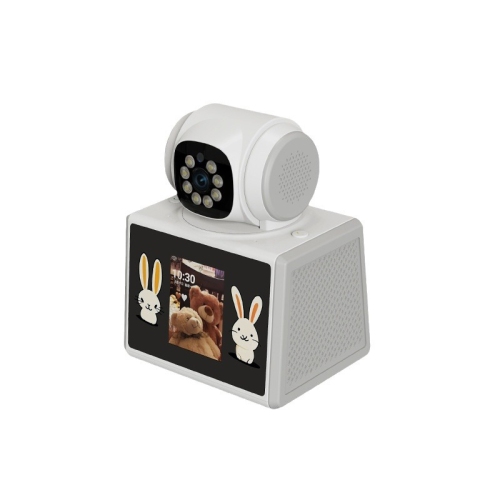
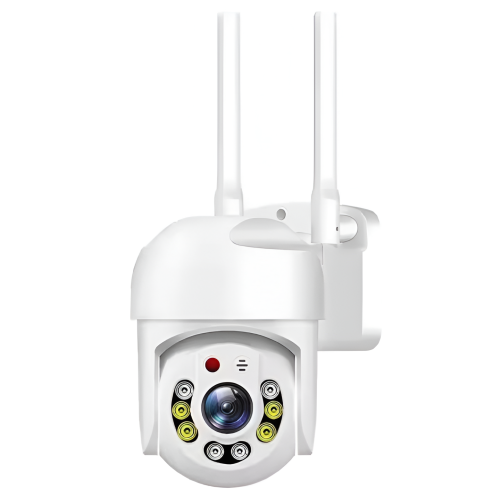
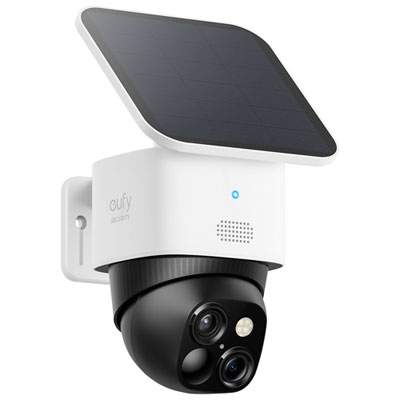
360 outdoor cameras are designed to give you a broader view of the areas around your home, cottage, garage, workshop, or other property. Unlike a fixed outdoor camera that points in one direction, a 360-degree model can use a panoramic lens, pan-and-tilt movement, or a combination of both to reduce blind spots. Many models let you move the camera horizontally and vertically from a mobile app, making it easier to check a driveway, side entrance, backyard, deck, or detached building without installing a separate camera for every angle. Some can automatically follow movement, helping keep a person, vehicle, or animal in view as it travels across the frame. This type of coverage can be especially useful for larger yards and properties with several approach paths, where a person might otherwise move out of sight within a few seconds. It can also provide reassurance when you are away from home, allowing you to view live footage, receive motion alerts, and check activity around the property from a compatible smartphone or tablet. For shoppers comparing different camera styles, the selection of [360 Degree Cameras] can help place outdoor pan-and-tilt models in context alongside other options for wide-area monitoring.
Image quality is one of the first details to consider when choosing an outdoor 360 camera. A higher resolution can make faces, clothing, packages, licence plates, and other details easier to distinguish, particularly when the camera is mounted high above a doorway or at the far end of a driveway. Night vision is equally important because outdoor activity does not stop when the sun goes down. Infrared night vision can produce clear black-and-white footage, while colour night vision may use a low-light sensor or an integrated light to show more detail after dark. Built-in spotlights or floodlights can also deter unwanted activity and illuminate a walkway when motion is detected, although it is worth checking whether the light brightness and activation settings suit your neighbours and surroundings. Smart detection features can help separate people, vehicles, and animals from passing branches or other harmless movement, reducing unnecessary notifications during windy weather or when headlights sweep across the property. Two-way audio is another practical feature for speaking with a delivery driver, greeting a visitor, or telling someone at the gate that you will be there shortly. Storage should be reviewed just as carefully: some cameras use a subscription-based cloud service, while others support a memory card or local recording system. Look for details about recording length, playback controls, notification clips, and whether important footage can be downloaded to another device.
Outdoor placement and installation have a major effect on performance. A camera intended for exterior use should have a suitable weather-resistance rating, such as IP65 or IP66, to help protect against dust, rain, and water spray. The rating does not remove the need for thoughtful placement; mounting the camera under an eave or sheltered overhang can provide additional protection while keeping the lens cleaner. Consider the height and viewing angle before drilling, since a position that is too low may be vulnerable to tampering, while one that is too high can make faces and other details harder to identify. A clear line of sight is helpful for accurate motion tracking, but reflective surfaces, dense foliage, glass, and strong backlighting may affect image quality or alerts. Wired cameras generally provide steady power and can be a good choice for a permanent location near an outdoor outlet, while wireless models can offer more flexible placement. Battery-powered options are convenient where running cable is difficult, though recording frequency, cold weather, motion activity, and live viewing can affect how often the battery needs attention. Some outdoor cameras can connect to a home Wi-Fi network, so check the signal strength at the intended mounting point before installation; a camera may work perfectly indoors yet struggle at the far end of a yard. For outbuildings or locations without a convenient wired connection, models with alternative power options may be worth considering. During the cooler months, keep in mind that snow, frost, and shorter daylight hours can change how often lights activate and how much energy a battery uses. These cameras can be useful for homeowners, renters with permission to install exterior equipment, cottage owners, small business operators, and anyone who wants a wider view of outdoor spaces. They can also make a practical housewarming or property-related gift, particularly for someone settling into a new home, preparing a cottage for winter, or looking for an easier way to keep an eye on pets, deliveries, and entrances. Before choosing, compare the coverage method, resolution, night vision, detection controls, weather rating, power source, storage, app compatibility, and installation requirements so the camera fits both the property and the way you expect to use it.
Image quality is one of the first details to consider when choosing an outdoor 360 camera. A higher resolution can make faces, clothing, packages, licence plates, and other details easier to distinguish, particularly when the camera is mounted high above a doorway or at the far end of a driveway. Night vision is equally important because outdoor activity does not stop when the sun goes down. Infrared night vision can produce clear black-and-white footage, while colour night vision may use a low-light sensor or an integrated light to show more detail after dark. Built-in spotlights or floodlights can also deter unwanted activity and illuminate a walkway when motion is detected, although it is worth checking whether the light brightness and activation settings suit your neighbours and surroundings. Smart detection features can help separate people, vehicles, and animals from passing branches or other harmless movement, reducing unnecessary notifications during windy weather or when headlights sweep across the property. Two-way audio is another practical feature for speaking with a delivery driver, greeting a visitor, or telling someone at the gate that you will be there shortly. Storage should be reviewed just as carefully: some cameras use a subscription-based cloud service, while others support a memory card or local recording system. Look for details about recording length, playback controls, notification clips, and whether important footage can be downloaded to another device.
Outdoor placement and installation have a major effect on performance. A camera intended for exterior use should have a suitable weather-resistance rating, such as IP65 or IP66, to help protect against dust, rain, and water spray. The rating does not remove the need for thoughtful placement; mounting the camera under an eave or sheltered overhang can provide additional protection while keeping the lens cleaner. Consider the height and viewing angle before drilling, since a position that is too low may be vulnerable to tampering, while one that is too high can make faces and other details harder to identify. A clear line of sight is helpful for accurate motion tracking, but reflective surfaces, dense foliage, glass, and strong backlighting may affect image quality or alerts. Wired cameras generally provide steady power and can be a good choice for a permanent location near an outdoor outlet, while wireless models can offer more flexible placement. Battery-powered options are convenient where running cable is difficult, though recording frequency, cold weather, motion activity, and live viewing can affect how often the battery needs attention. Some outdoor cameras can connect to a home Wi-Fi network, so check the signal strength at the intended mounting point before installation; a camera may work perfectly indoors yet struggle at the far end of a yard. For outbuildings or locations without a convenient wired connection, models with alternative power options may be worth considering. During the cooler months, keep in mind that snow, frost, and shorter daylight hours can change how often lights activate and how much energy a battery uses. These cameras can be useful for homeowners, renters with permission to install exterior equipment, cottage owners, small business operators, and anyone who wants a wider view of outdoor spaces. They can also make a practical housewarming or property-related gift, particularly for someone settling into a new home, preparing a cottage for winter, or looking for an easier way to keep an eye on pets, deliveries, and entrances. Before choosing, compare the coverage method, resolution, night vision, detection controls, weather rating, power source, storage, app compatibility, and installation requirements so the camera fits both the property and the way you expect to use it.
Top selling and popular products
-
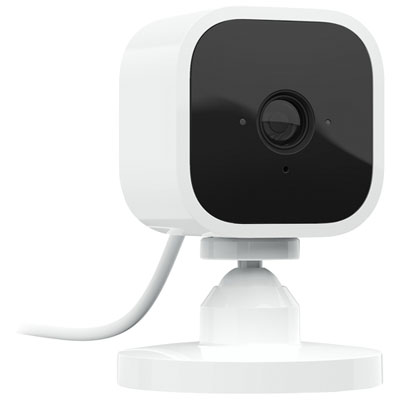 Your price for this item is $29.97
 -
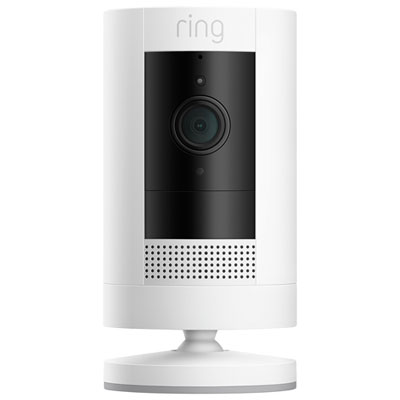 Your price for this item is $109.99
 -
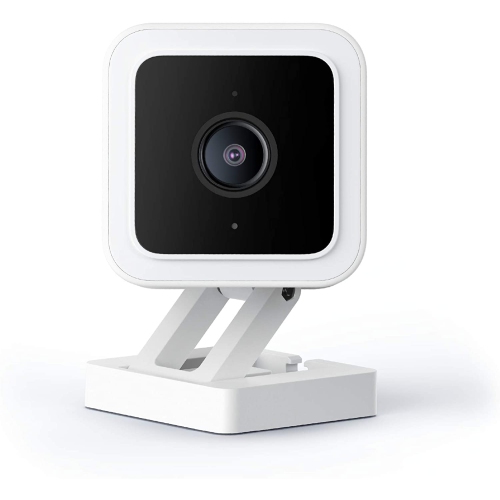 Your price for this item is $88.99
 -
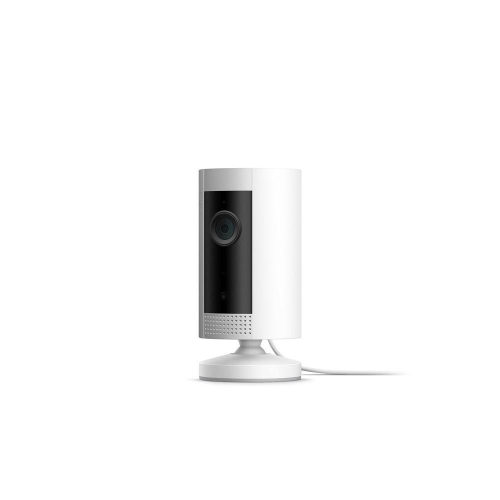 Your price for this item is $79.25
 -
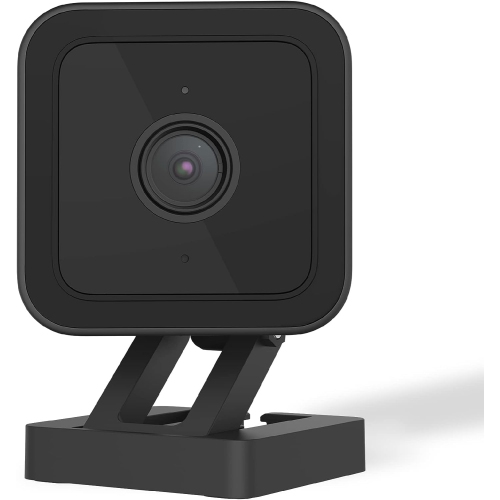 Your price for this item is $88.99
 -
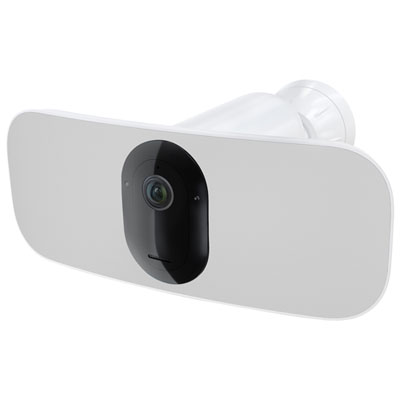 Your price for this item is $199.95
 -
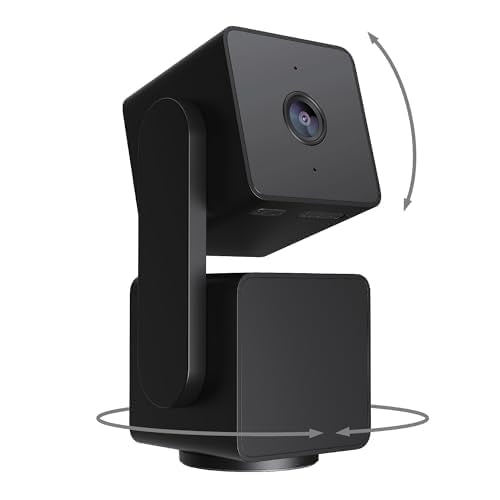 Your price for this item is $98.99
 -
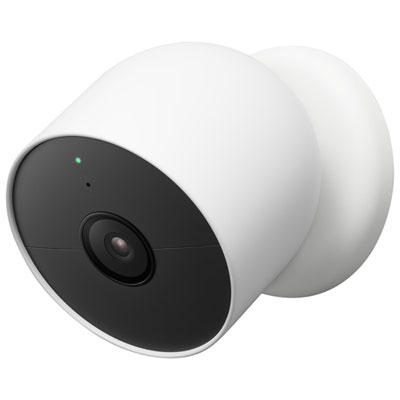 Your price for this item is $239.99
Discover more categories related to 360 Outdoor Cameras
Top Collections:
Best Laptops for Video Editing, Pokemon Centers, Best Budget Office Chairs, Budget 4K TVs, Kindle Devices, Best Laptops for Writers, Apple iPhones 16, iPhone 15 Apple, Alarm Clock, Best Cell Phones Under $500
Some products may be subject to Environmental Handling Fees
(EHF) depending on your province.
Learn more about EHFs.