Replacement LCD Screens
Looking to replace a damaged or malfunctioning LCD screen on your device? Look no further than our selection of replacement LCD screens. Whether it's for your smartphone, tablet, laptop, or other electronic device, we have a wide range of high-quality LCD screens to choose from. Say goodbye to blurry displays and cracked screens; browse our collection now to find the perfect replacement LCD screen for your needs.
Sort

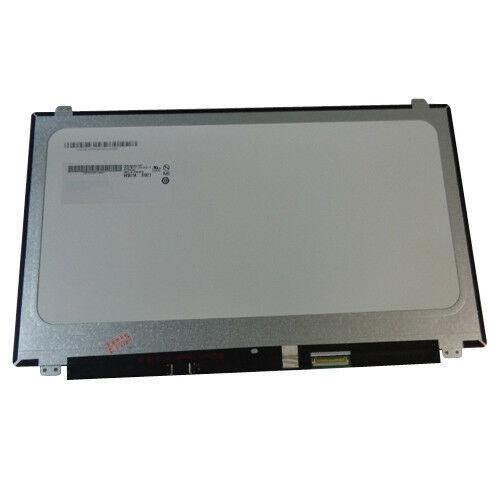
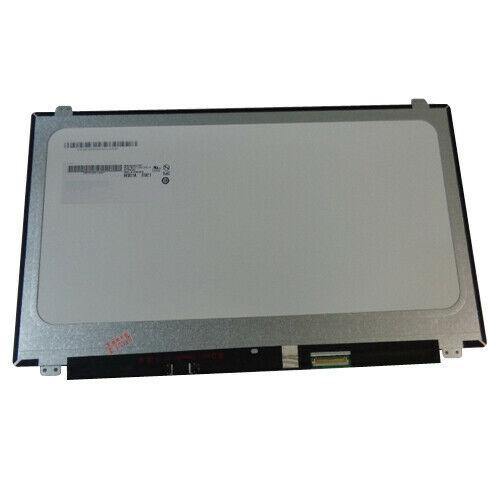
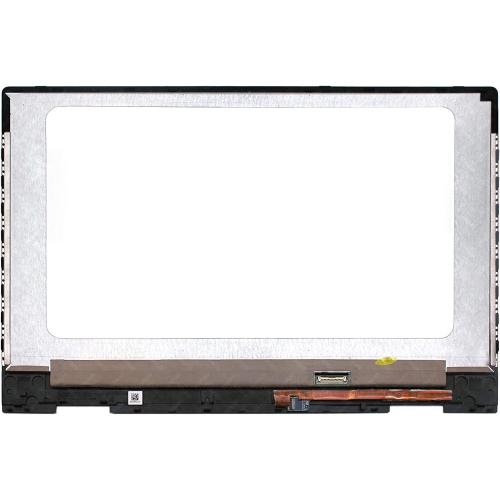
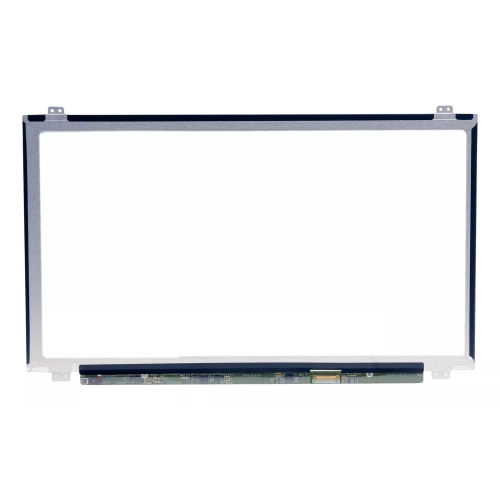
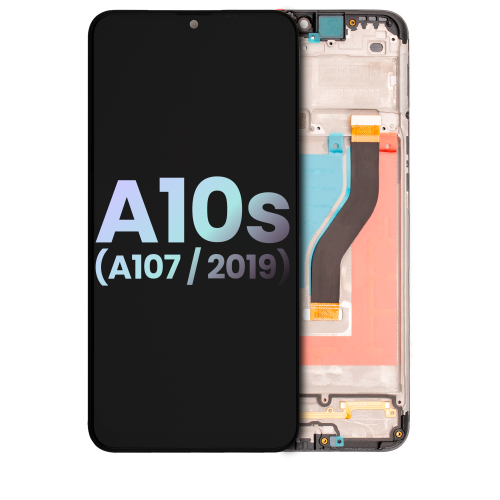
Replacement LCD Screens
When it comes to keeping your favourite devices in top working condition, finding the right replacement LCD screen can make all the difference. Whether you’re restoring a cracked TV in the family room, reviving a well-loved computer monitor, or upgrading a device for a student heading back to school, having access to quality replacement LCD displays is essential. Many people discover the need for a new screen after an accidental drop, unexpected impact, or simply as a result of years of everyday use. Summertime, with its flurry of activity—kids home from school, backyard movie nights, or gaming marathons with friends—can put extra demand on your electronics, making this a popular season for screen repairs and upgrades. For those who rely on their monitors for work, study, or creative pursuits, a damaged or malfunctioning display can be more than an inconvenience; it can disrupt routines and put important projects on hold. That’s why understanding your options for monitor screen replacement or TV screen replacement price is so important, allowing you to make informed decisions that suit your needs and budget.
Choosing the right replacement LCD display involves considering several key factors. Screen size, resolution, and compatibility with your device are all crucial, as is the choice between standard LCD and LED display replacement options. Each type offers its own advantages in terms of brightness, colour clarity, and energy usage, so it’s worth thinking about how you use your device most. For families, a clear, vibrant replacement screen can bring movie nights and video calls back to life, while gamers and professionals may prioritize refresh rates and response times to keep their experience smooth and immersive. If you’re gifting a replacement screen, it’s a thoughtful gesture for students setting up their first dorm room, parents wanting to extend the life of a family TV, or anyone who values reliable, high-quality visuals. Many people are surprised to learn that monitor screen replacement cost can be a practical alternative to buying a whole new device, especially for high-end models or beloved screens with sentimental value. And if you’re looking to fix a laptop, you can find a dedicated selection of Laptop Screen Replacements to help you get back to work or play with minimal downtime.
No matter your reason for seeking a replacement LCD screen, taking the time to match the right screen to your device ensures you enjoy crisp, clear visuals and dependable performance. For tech enthusiasts, DIY repair fans, or anyone hoping to extend the life of their electronics, a quality replacement can restore your setup to like-new condition—whether you’re editing photos, catching up on the latest shows, or connecting with friends online. With a range of options available, from basic monitor screen replacement to more advanced upgrades, you can tailor your choice to your viewing habits and space. Remember to check compatibility details, and consider professional installation if you’re unsure about the process. Summer is a great time to refresh your entertainment or workspace, and with the right replacement screen, you can keep your favourite devices running smoothly for seasons to come.
Choosing the right replacement LCD display involves considering several key factors. Screen size, resolution, and compatibility with your device are all crucial, as is the choice between standard LCD and LED display replacement options. Each type offers its own advantages in terms of brightness, colour clarity, and energy usage, so it’s worth thinking about how you use your device most. For families, a clear, vibrant replacement screen can bring movie nights and video calls back to life, while gamers and professionals may prioritize refresh rates and response times to keep their experience smooth and immersive. If you’re gifting a replacement screen, it’s a thoughtful gesture for students setting up their first dorm room, parents wanting to extend the life of a family TV, or anyone who values reliable, high-quality visuals. Many people are surprised to learn that monitor screen replacement cost can be a practical alternative to buying a whole new device, especially for high-end models or beloved screens with sentimental value. And if you’re looking to fix a laptop, you can find a dedicated selection of Laptop Screen Replacements to help you get back to work or play with minimal downtime.
No matter your reason for seeking a replacement LCD screen, taking the time to match the right screen to your device ensures you enjoy crisp, clear visuals and dependable performance. For tech enthusiasts, DIY repair fans, or anyone hoping to extend the life of their electronics, a quality replacement can restore your setup to like-new condition—whether you’re editing photos, catching up on the latest shows, or connecting with friends online. With a range of options available, from basic monitor screen replacement to more advanced upgrades, you can tailor your choice to your viewing habits and space. Remember to check compatibility details, and consider professional installation if you’re unsure about the process. Summer is a great time to refresh your entertainment or workspace, and with the right replacement screen, you can keep your favourite devices running smoothly for seasons to come.
Top Picks For Replacement LCD Screens
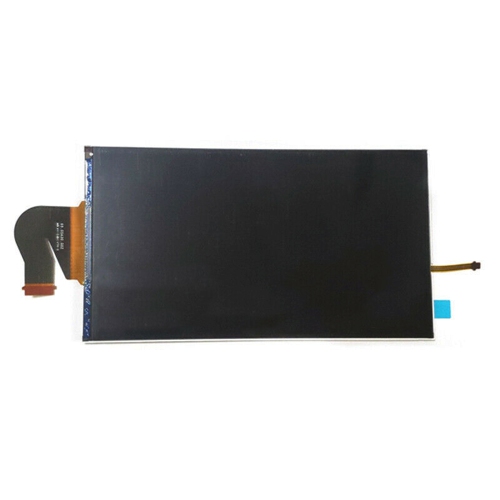
- ESOURCE PARTS Replacement Lcd Display Screen Compatible With Nintendo Switch Lite
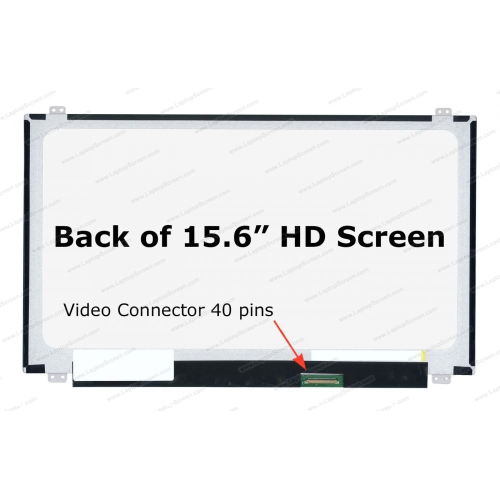
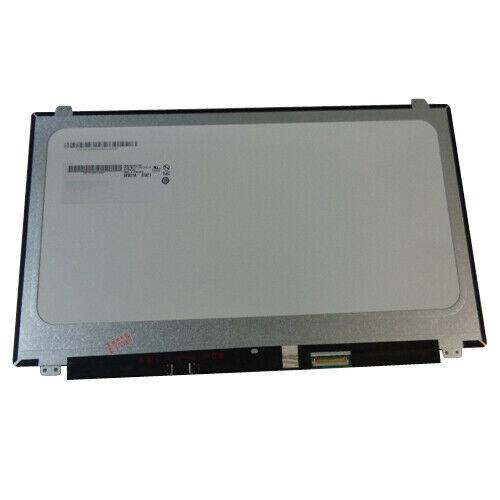
- LAPTOPKING Replacement Lcd Screen for B156Han08.0 B156Han08.2 B156Han08.3 B156Han13.0 Lp156Wfg-Spb2 Lp156Wfg(Sp)(F2) Lp156Wfg(Sp)(F3) 15.6 Inches
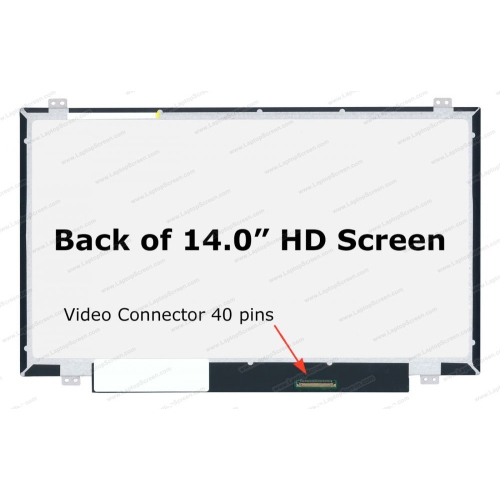
- ALL ZONE ELECTRONICS Brand New Grade A+ Screen Replacement for B140Xtn03.6 HD (1366X768), Glossy, Lcd Display
Top selling and popular products
-
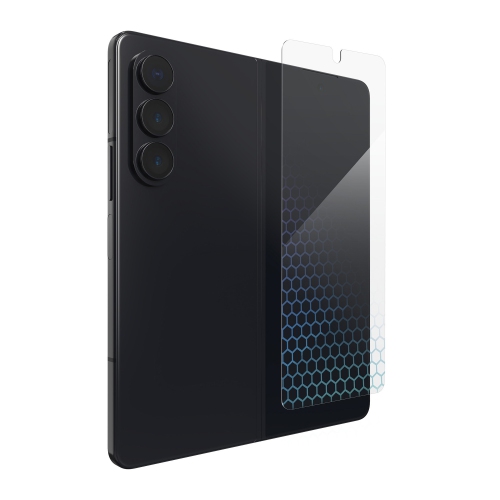 Your price for this item is $59.99
 -
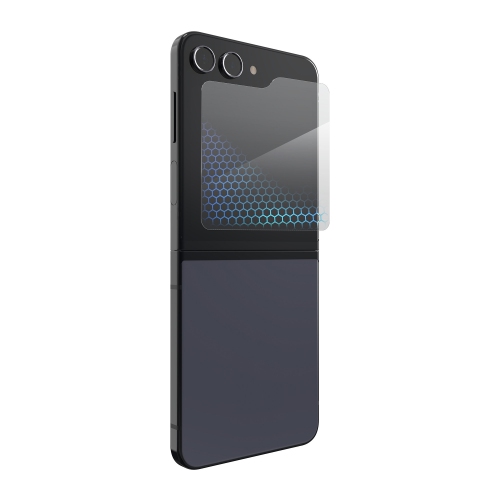 Your price for this item is $59.99
 -
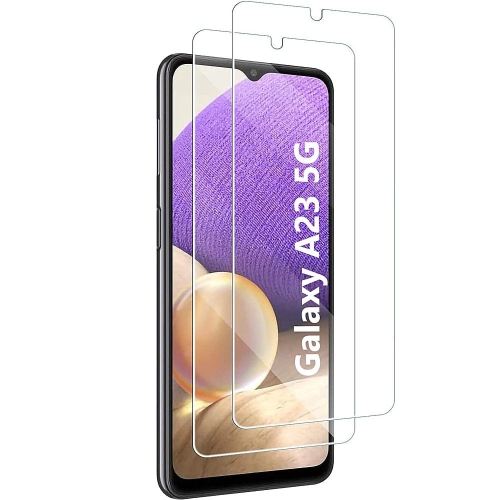 Your price for this item is $52
 -
 Your price for this item is $49.99
 -
 Your price for this item is $39.33
 -
 Your price for this item is $52.49
 -
 Your price for this item is $14.79
 -
 Your price for this item is $16.79
Discover more categories related to Replacement LCD Screens
Top Collections:
Best Cell Phones Under $500, Canon G7X Cameras, Kindle Devices, Apple iPhones 16, iPhone 15 Apple, Flip Phones, Budget Smartphones, iPhone 14 256GB, Alarm Clock, Streaming Equipment for Gamers
Some products may be subject to Environmental Handling Fees
(EHF) depending on your province.
Learn more about EHFs.