Samsung Screen Replacement
Samsung Screen Replacement solutions offer a convenient way to restore your device’s display and functionality. Whether you’re dealing with cracks, scratches, or other screen issues, finding the right replacement is essential for getting your device back in top shape. Explore a range of options designed to fit various models and needs, so you can enjoy a seamless viewing experience once again. Discover reliable Samsung Screen Replacement parts and services to keep your device looking and performing its best.
Sort
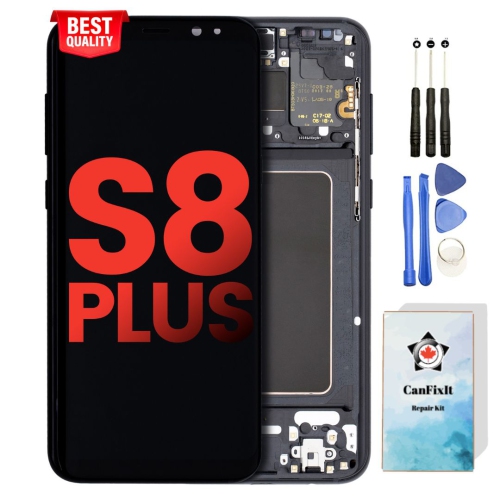


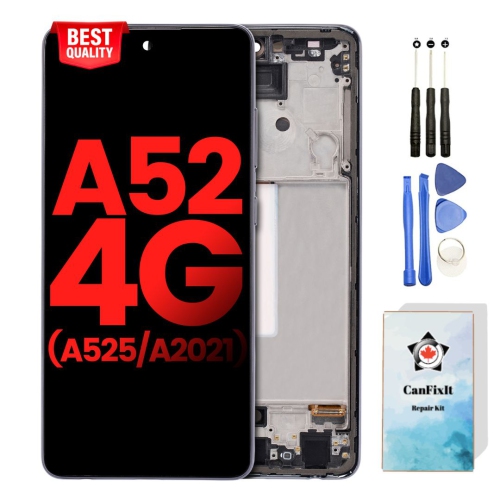

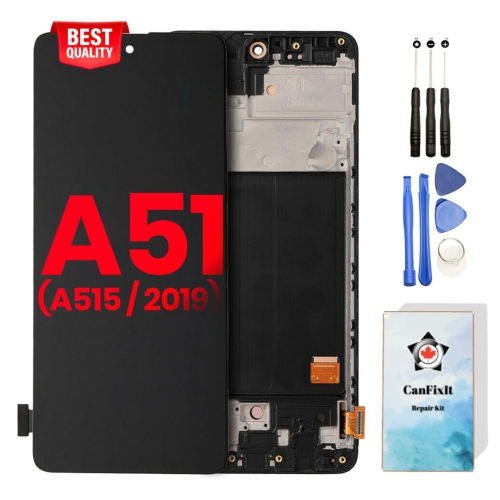
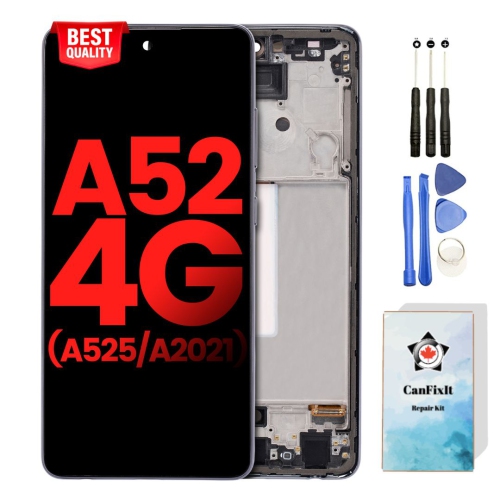

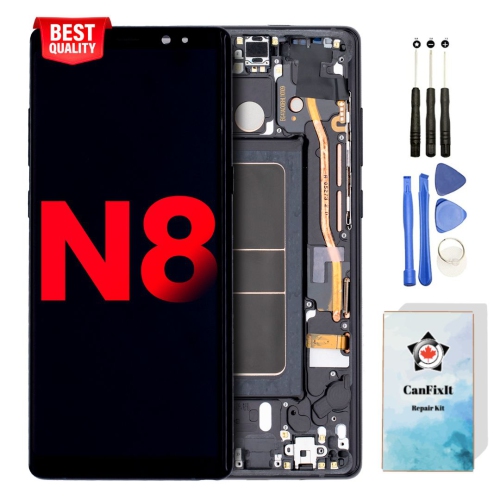
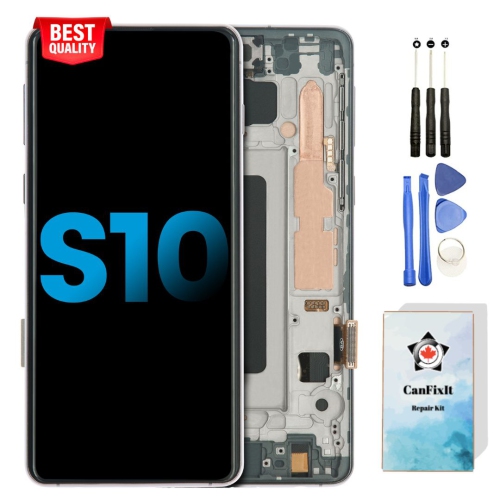
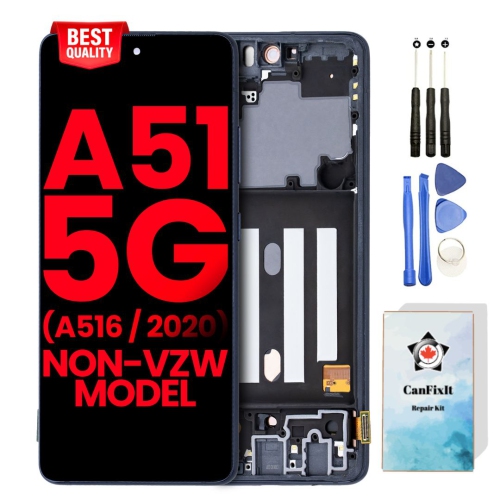
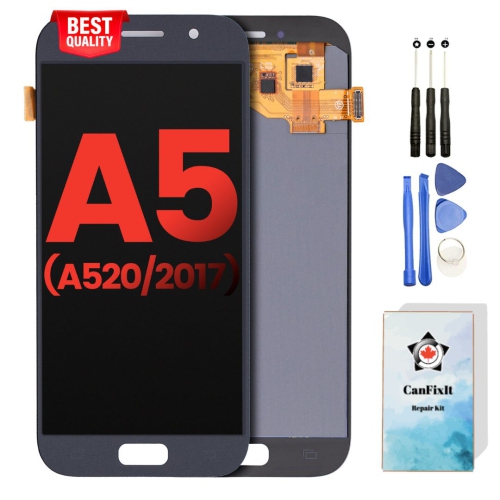
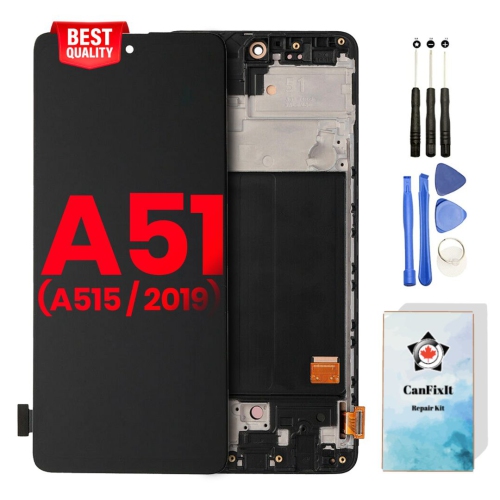
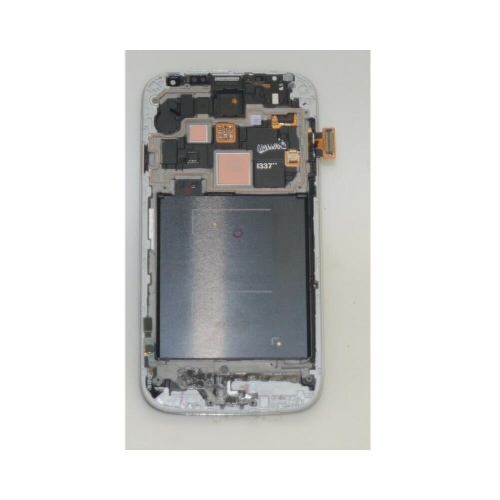
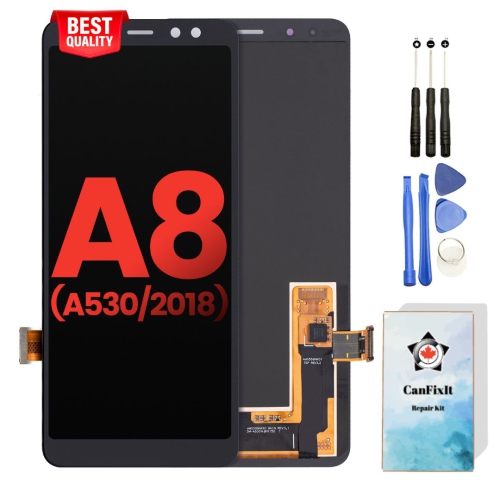



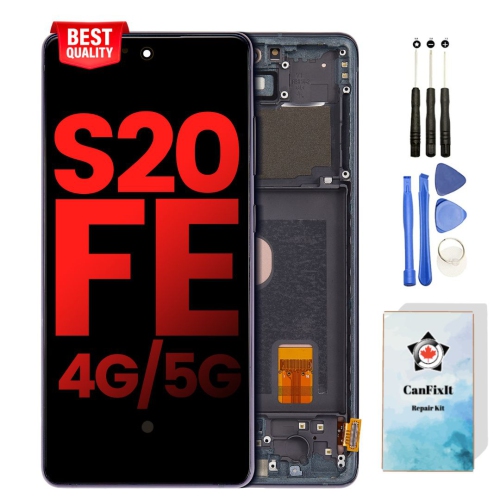
Why screen compatibility goes beyond matching dimensions
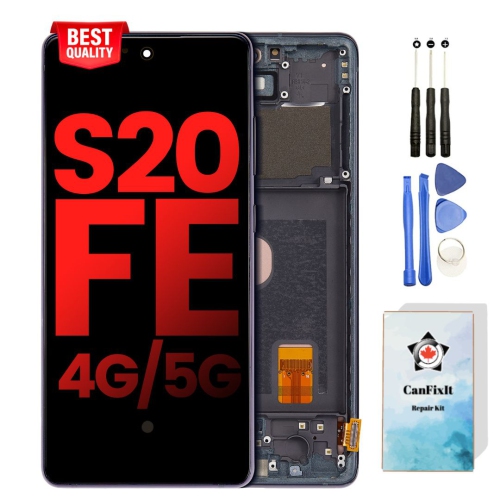
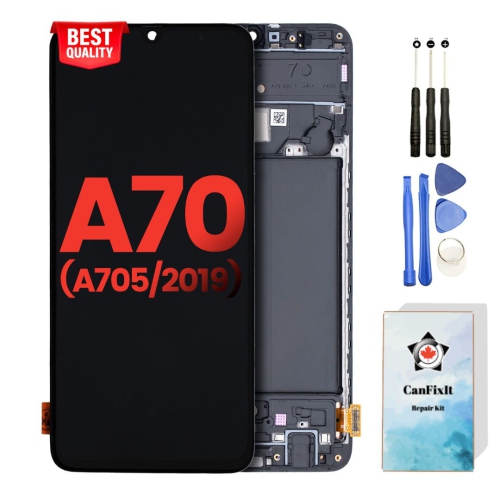
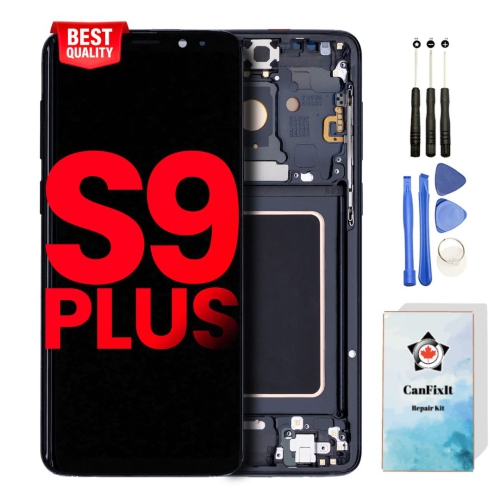
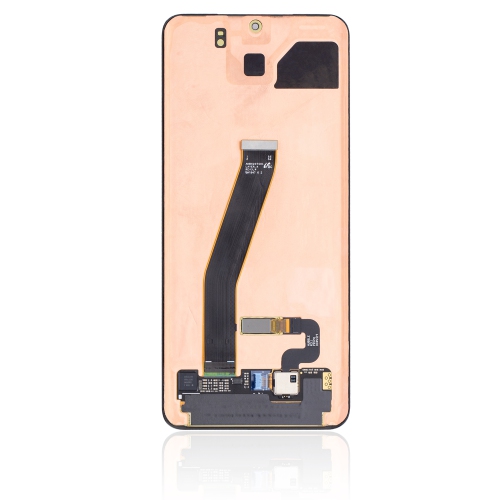
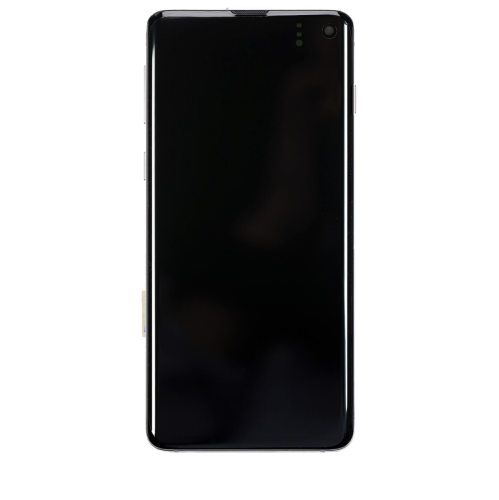
Phone screen replacement addresses damage to the surface people rely on for calls, messages, maps, photos, and everyday tasks. Replacement screens are model-specific components, and the right match depends on more than the size or general appearance of the phone. The exact model number, display shape, connector layout, and assembly design all matter. Two phones with similar names or nearly identical dimensions can require different parts, so compatibility information is more useful than a visual comparison alone. Damage also affects the type of replacement needed. A fine crack across otherwise responsive glass is different from a dark patch spreading beneath the surface, coloured lines through a photo, or a display that lights up but no longer responds to touch. These symptoms can involve different layers of the screen, and a visible crack does not reveal the full extent of the damage. The outer glass protects the display beneath it, while the touch-sensing layer registers taps and gestures; depending on the design, these layers may be bonded together within a single assembly. Glass-only work involves separating bonded layers and is not interchangeable with replacing a complete display module. A technician’s assessment can help establish whether the damage is limited to the screen or also involves the frame, connectors, or other internal components. This distinction matters when a phone still rings but shows no picture, since a black screen does not, by itself, confirm which component has failed. For a model-focused starting point, Samsung S20 Screen Replacement provides a narrower category to explore, while the full model designation remains essential for confirming fit. Whether the phone belongs to a student checking transit directions or a parent coordinating pickups, a suitable replacement needs to support the familiar interactions that make the device useful.
The construction of a replacement screen influences both installation and the experience after the repair. Some assemblies include the display and touch layers without a surrounding frame, while others incorporate a frame that supports the panel and helps establish its position within the phone. Neither format should be treated as universally interchangeable: the correct choice depends on the device and the condition of the existing housing. A bent frame, damaged mounting surface, or missing small component can affect how securely the finished screen sits. Display technology matters as well. OLED and LCD panels produce images differently, and a replacement that differs from the original specification may change brightness, contrast, colour appearance, power use, or certain display functions. Matching screen dimensions alone does not establish equivalent performance. Details such as supported refresh rate, touch response, edge curvature, and compatibility with an under-display fingerprint reader deserve attention when they apply to the phone. A screen that looks convincing in a still image may feel different when scrolling through messages, typing quickly, or watching a dark scene in a film. Parts descriptions should make clear what is included rather than leaving the contents of an assembly open to interpretation. A display module does not necessarily include adhesive, installation tools, a frame, or components transferred from the original phone. Likewise, descriptions such as genuine, refurbished, and compatible identify different aspects of a part’s origin or condition; none replaces a clear statement of model compatibility and included components. For someone who reads documents on a phone throughout the day, consistent text clarity may be particularly important. For someone who uses touch controls for games or takes handwritten notes on a compatible device, reliable input across the whole surface can be just as noticeable as image quality. These practical differences make screen specifications relevant to ordinary use, not simply technical details on a parts listing.
A replacement screen is a precision component rather than a simple protective accessory, and fitting it involves more than covering broken glass. Modern phones can use tightly bonded assemblies, delicate ribbon cables, and adhesives that require controlled handling. Professional installation can be particularly relevant when the display is lifting, the housing is distorted, or the damage makes the phone difficult to handle safely. A lifting screen can also indicate a swollen battery, which requires assessment rather than pressure to push the panel back into place. Repair arrangements may involve an in-person assessment or a send-away process, depending on the provider; completion time depends on the model, the damage, and the work required, rather than a single timeframe that applies to every phone. Warranty or accidental-damage coverage is also worth understanding before repair arrangements are finalized, since the applicable terms determine what is covered and which repair channels qualify. Personal information deserves consideration too. A recent backup helps protect photos, contacts, and other important files, while the repair provider’s privacy and device-access requirements clarify how the phone will be handled. After installation, dependable performance includes more than a clean-looking surface. Even touch response near the edges, clear images without unexpected lines or flickering, and proper operation of relevant sensors all contribute to a successful result. Opening a phone can affect its protective seals, so original water-resistance claims should not be assumed to carry over automatically after a repair. Everyday care remains useful once the screen is replaced: a properly fitted case can help protect vulnerable edges, and a compatible screen protector can provide a separate barrier against surface scratches. Keeping grit out of pockets and bags reduces abrasion, while gentle cleaning with a soft, lint-free cloth helps preserve visibility. The aim is a phone that feels dependable again, whether it is displaying a boarding pass, handling a video call, or keeping essential messages within easy reach.
Top selling and popular products
-
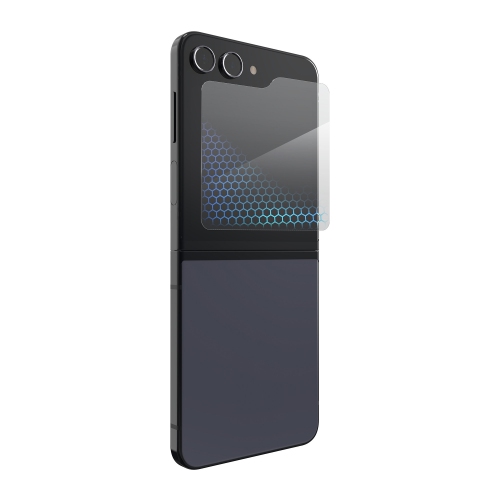 Your price for this item is $59.99
-
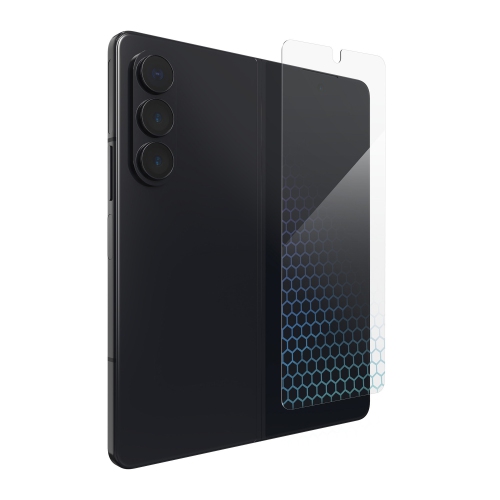 Your price for this item is $59.99
-
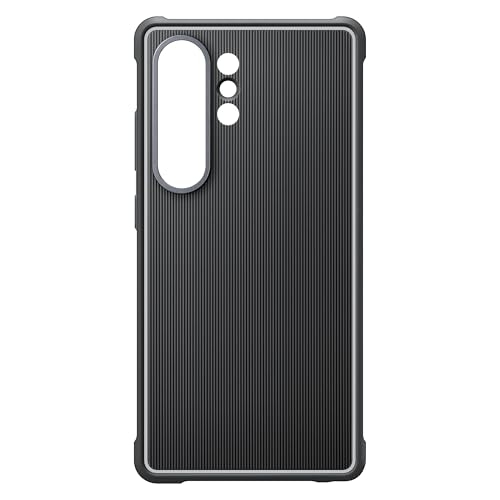 Your price for this item is $89.99
-
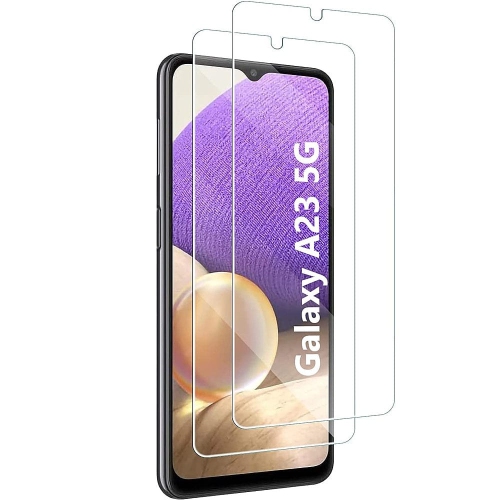 Your price for this item is $52
-
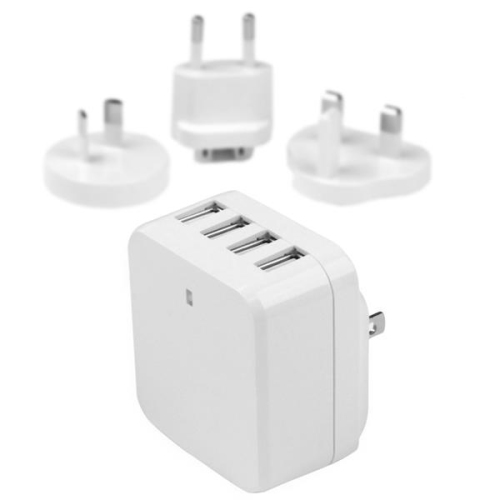 Your price for this item is $49.99
-
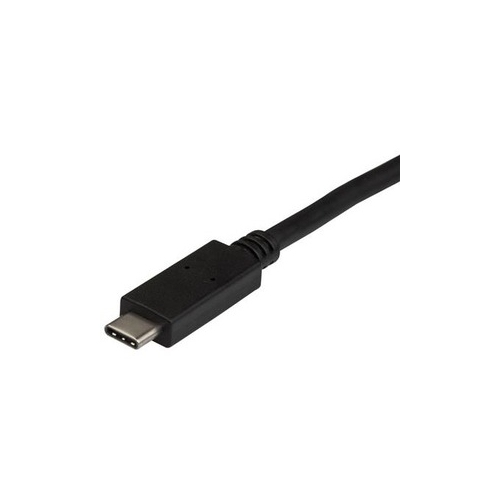 Your price for this item is $34.37
-
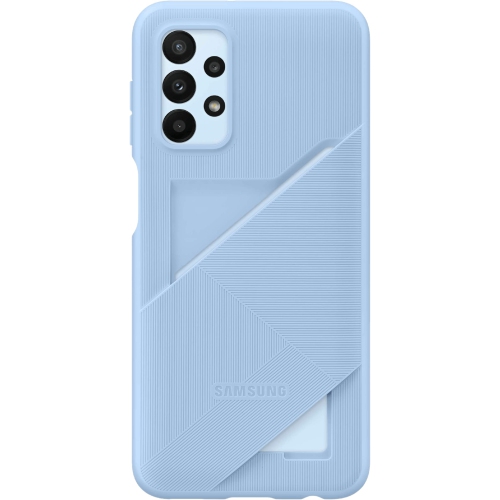 Your price for this item is $52.49
-
 Your price for this item is $16.79
Discover more categories related to Samsung Screen Replacement
Top Collections:
Pokemon Centers, Best Budget Office Chairs, Kindle Devices, Best Cameras for Sports Photography, Best Laptops for Writers, Pokémon 30th Celebration Cards, Laptops for Business Work, Samsung Galaxy Phones, Canon G7X Cameras, Best Cell Phones Under $300
Some products may be subject to Environmental Handling Fees
(EHF) depending on your province.
Learn more about EHFs.