Best PLA Filaments

Bring your 3D printing ideas to life with the best PLA filaments, ranked by user review ratings. Known for its ease of use, PLA is a popular choice for printing everything from detailed models to everyday accessories. Explore top-rated options and compare colours, filament diameters, and recommended printing temperatures to find the right fit for your printer and next project.

Read More

What to look for in the best PLA filaments

1. Printer Compatibility

Check your 3D printer’s supported filament diameter, typically 1.75 mm or 2.85 mm, before choosing a spool. Confirm that the recommended nozzle and bed temperatures are within your printer’s operating range.

2. Diameter Consistency

Look for a clearly stated diameter tolerance, as consistent filament thickness helps maintain even extrusion. Neatly wound spools can also reduce tangles and interruptions during longer prints.

3. Colour and Finish

Choose from standard, matte, silk, or specialty finishes to achieve the look you want. Filaments with abrasive additives, such as glow-in-the-dark particles, may require a wear-resistant nozzle.

4. Project Requirements

Standard PLA is well suited to decorative models, prototypes, and low-stress parts, but it can soften with heat. Toughened PLA blends may offer better impact resistance, so compare the manufacturer’s specifications when printing functional pieces.
Citrus catapult arrow
  1. 1

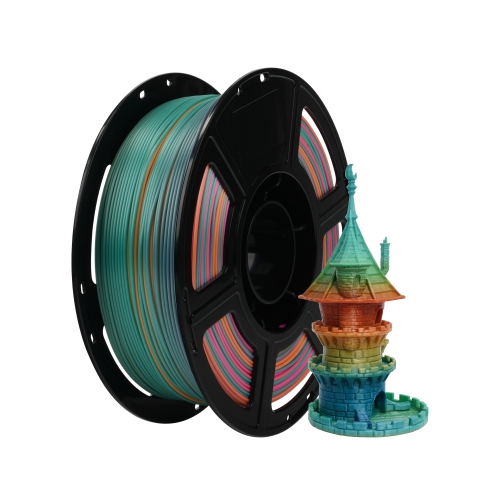
    FLASHFORGE Pla Silk Rainbow 3D Printer Filament-1.75Mm-1Kg (2.2 Lbs) Spool-Rainbow Candy

    About this product

    A glossy PLA filament offering vibrant, laser-like colours for high-quality 3D printing projects.

    (3)
    $47.99
    SAVE $14
    Your price for this item is $47.99
  2. 2

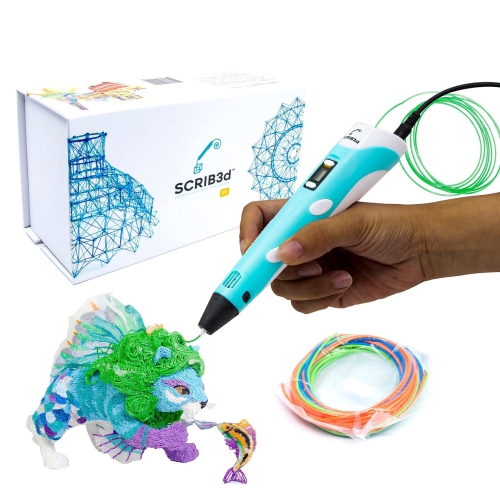
    TG 3D Printing Pen With Pen Holder, Finger Sleeve And Pla Filament, Low Temp Safe, Easy to Use, Emerald (Pla/abs/pcl Ready) In Blue

    About this product

    A versatile 3D pen with display, stepless speed control, three PLA colours, stencil book, and charger.

    (1)
    $69.99
    SAVE $19
    Your price for this item is $69.99
  3. 3

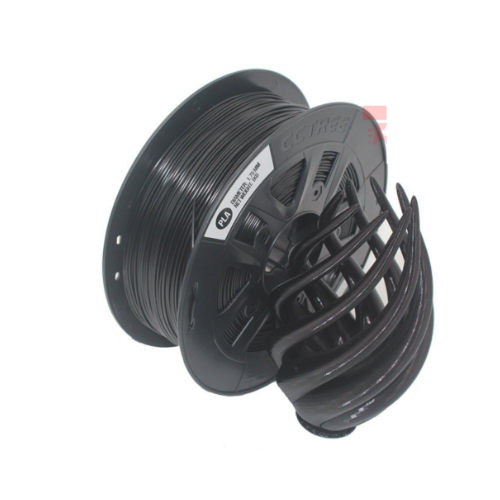
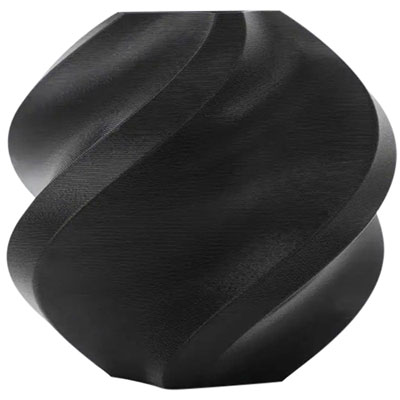
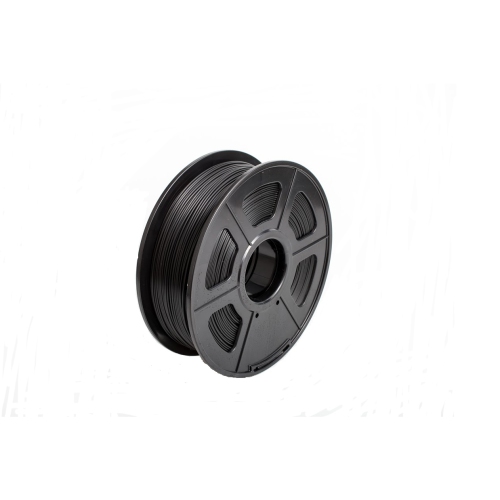
    1 75mm PLA 3D Printer Filament - New Update Formula - Superior Than PLA

    About this product

    A black 1.75mm PLA+ filament offering enhanced strength and precision with 100% virgin raw material.

    $60.00 Your price for this item is $60
  4. 4

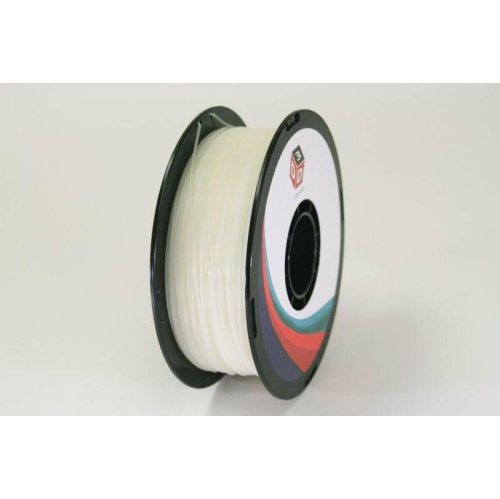
    D3D Premium Pla Filament 1.75Mm, 1Kg Spool - Natural

    About this product

    A natural-colored PLA filament made from biodegradable, renewable materials for easy and eco-friendly 3D printing.

    $44.99
    SAVE $5
    Your price for this item is $44.99
  5. 5

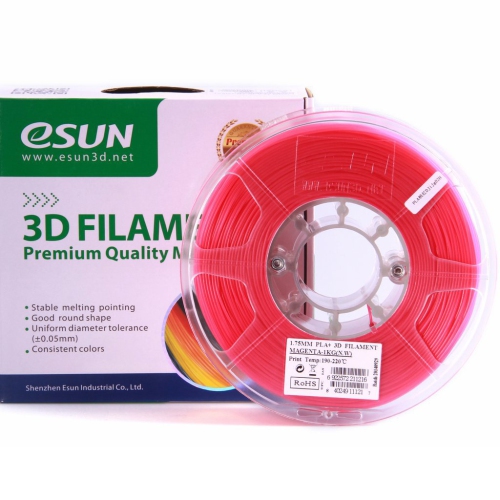
    ESUN Pla+ Filament 1.75MM 1Kg Spool - In Magenta

    About this product

    A tough, biodegradable magenta filament offering high rigidity and reduced brittleness for 3D printing projects.

    $44.99
    SAVE $5
    Your price for this item is $44.99
  6. 6

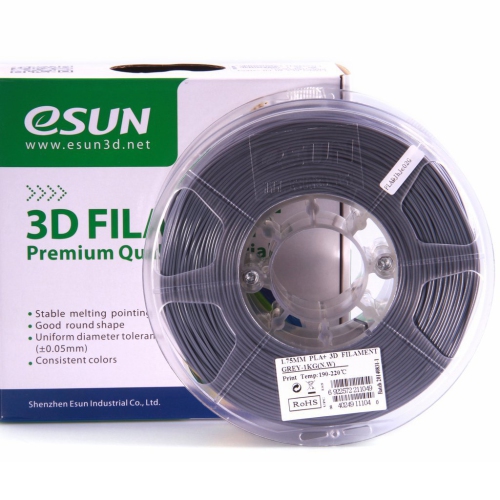
    ESUN Pla+ Filament 1.75MM 1Kg Spool - In Grey

    About this product

    A tough, biodegradable 3D printing filament in grey, offering high rigidity and reduced brittleness.

    $44.99
    SAVE $5
    Your price for this item is $44.99
  7. 7

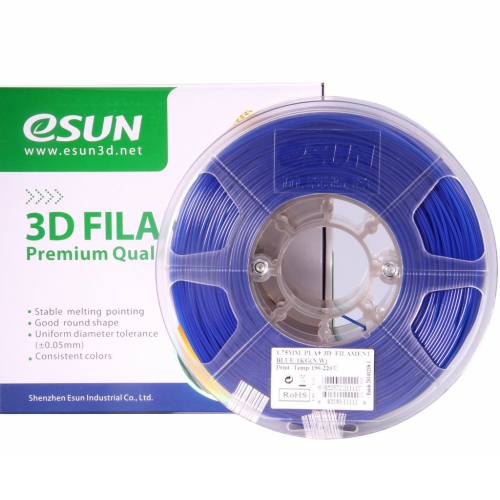
    ESUN Pla+ Filament 1.75MM 1Kg Spool - In Blue

    About this product

    A tough, biodegradable blue PLA+ filament offering high rigidity and reduced brittleness for 3D printing.

    $44.99
    SAVE $5
    Your price for this item is $44.99
  8. 8

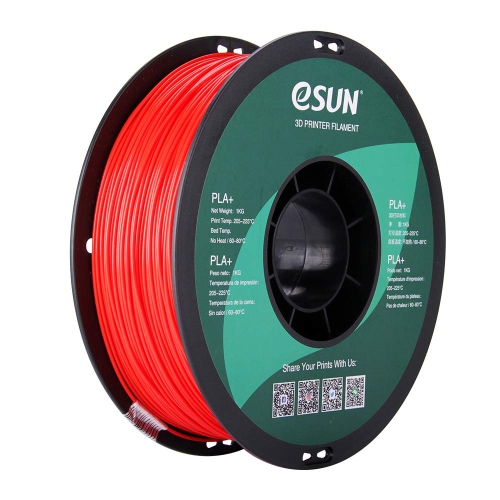
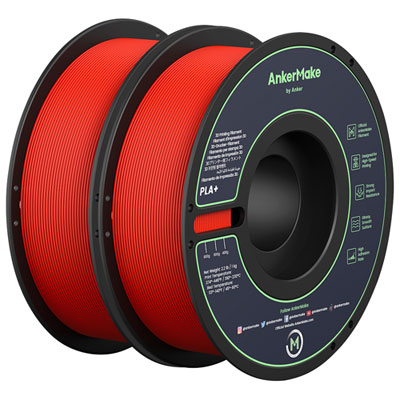
    ESUN Pla+ Filament 1.75MM 1Kg Spool - In Red

    About this product

    A tough, biodegradable red PLA+ filament offering high rigidity and reduced brittleness for 3D printing.

    $44.99
    SAVE $5
    Your price for this item is $44.99
  9. 9

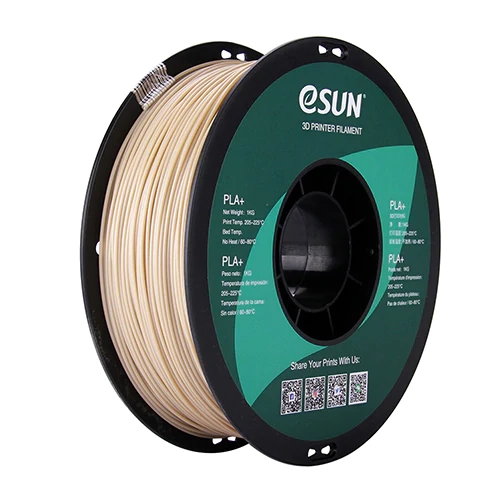
    ESUN Pla+ Filament 1.75MM 1Kg Spool - Bone In White

    About this product

    A tough, biodegradable 3D printing filament in bone white, designed for high rigidity and reduced brittleness.

    $44.99
    SAVE $5
    Your price for this item is $44.99
  10. 10

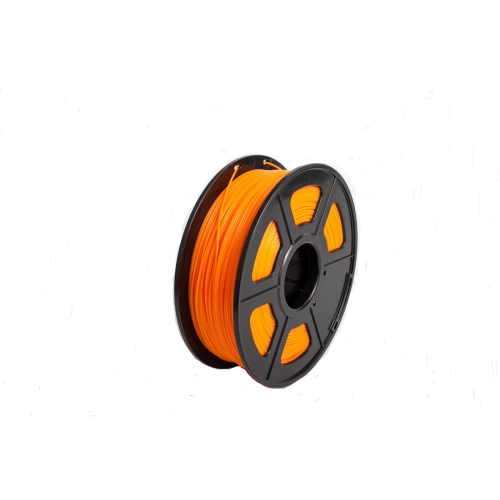
    TONER4U Color Pla 3D Printer Filament, Pla, 1.75MM Filament, Dimensional Accuracy +/- 0.02 Mm, 2.2 Lbs (1.0Kg) In Orange

    About this product

    An orange PLA 3D printer filament with 1.75mm diameter and precise +/- 0.02mm dimensional accuracy.

    $29.99 Your price for this item is $29.99

Why PLA consistency matters more than spool claims

The best PLA filaments combine consistent diameter, dependable layer bonding, and a finish that suits the object being printed. PLA, short for polylactic acid, is a thermoplastic used in filament-based 3D printers, particularly for detailed models, prototypes, display pieces, and everyday organizers. Its relatively low shrinkage makes it a practical choice for prints with broad bases, sharp corners, or fine surface details, although good bed adhesion still matters. For someone making a first set of cable clips or a miniature architectural model, standard PLA offers a useful balance of straightforward printing and crisp results. More experienced makers also use it for checking the shape and fit of a design before moving to a material intended for heavier loads or greater heat exposure. Consistency is often more valuable than an impressive claim on a spool: evenly sized filament helps the printer feed material predictably, while variations can contribute to uneven walls and inconsistent extrusion. Most desktop filament printers use 1.75 mm filament, but some require 2.85 mm, so the diameter needs to match the printer’s specifications. The spool also needs to fit its holder and feed freely without rubbing against the frame. A neatly wound spool can support smooth feeding, but keeping the loose end secured during storage is equally important because a strand tucked beneath another loop can catch during a print. Standard PLA is well suited to visual models and lightly loaded household accessories, rather than parts that must repeatedly bend or withstand strong impacts. A small drawer divider, a nameplate, and a scale model each place different demands on the material, even when they come from the same printer. For gifting, a compatible spool in a versatile colour can suit a student, hobbyist, model builder, or design enthusiast who already owns a filament printer. Knowing the recipient’s filament diameter and preferred projects makes the choice more useful than choosing by colour alone.

PLA finishes change both the appearance of a print and how clearly its geometry shows. Standard solid-colour PLA often gives text, edges, and small details a clean, readable appearance, making it useful for labelled storage bins, educational models, and prototype housings. Matte PLA scatters light across the surface, which can make layer lines less noticeable on sculptural shapes and broad panels. Silk PLA produces a glossy sheen that catches the light along curves and contours, lending display models and ornamental pieces a more polished appearance without painting. That shine does not necessarily mean greater strength; some silk formulations are less suitable for clips, thin tabs, or parts exposed to repeated stress. PLA+ and other modified PLA formulations may offer improved toughness or printability, but these labels do not describe a single standardized material. Their properties depend on the formulation, so published technical specifications are more informative than the name alone. Filament described as high-speed PLA is formulated for greater material flow, though achievable speed still depends on the printer’s hot end, nozzle, cooling, and the shape being printed. A tall, narrow model may need a slower pace than a simple box to retain clean edges and small features. Specialty blends introduce further differences. Wood-filled PLA can give display pieces a textured appearance, while glow-in-the-dark and some other filled formulations can increase nozzle wear. An appropriate wear-resistant nozzle and the filament maker’s nozzle-size guidance matter for abrasive materials. Multicolour and gradient filaments create changing colour effects, but the result depends on how much material the object uses and how the colour transitions are arranged along the strand. A tiny figurine may capture only a short section of a gradient, while a large vase-shaped display piece may show several transitions. Translucent PLA can soften the appearance of thin walls, though visible layers and internal structure mean it should not be mistaken for optically clear plastic. Across these styles, the best match comes from balancing appearance with the part’s intended use, rather than assuming that every PLA blend behaves like standard filament.

Printer compatibility extends beyond filament diameter to spool dimensions, feeding systems, and the settings needed for a particular formulation. Automated material systems may have requirements for spool width, rim condition, weight, or core dimensions, and some spool designs need an approved adapter. PLA generally prints at lower nozzle temperatures than materials such as ABS, but there is no single setting that suits every blend. The maker’s stated nozzle and bed ranges provide a starting point, while cooling, print speed, and layer height influence the finished surface and the bond between layers. Switching from a plain PLA to a silk or filled blend can therefore call for a different print profile, even if the diameter stays the same. Moisture control also affects reliability. PLA can absorb moisture over time, which may show up as popping at the nozzle, excess stringing, or a rougher surface. Sealed storage with desiccant helps protect opened spools; filament that needs drying should be treated according to its manufacturer’s instructions using suitable equipment, since excessive heat can deform the strand or spool. Finished PLA pieces benefit from gentle cleaning with a soft cloth and mild soap when appropriate, rather than a dishwasher or prolonged soaking. PLA is not a dependable choice for high-heat applications, and it can soften or distort in a hot vehicle or near a heat source. Layer direction, wall thickness, and the design itself also influence durability: a hook pulled across its layer bonds can fail differently from one printed in another orientation. Food-contact use requires more consideration than the base material alone, because additives, printer components, and small surface crevices can affect suitability and cleaning. Similarly, a detailed model should not automatically be treated as a child-safe toy or a load-bearing replacement part. For projects that need different levels of flexibility, heat resistance, or impact performance, Best 3D Filaments offers a broader view of filament types. Within PLA, reliable feeding, suitable mechanical properties, and the desired surface finish remain the most useful qualities for turning a digital design into a satisfying physical object.
Read More

FAQ

Some products may be subject to Environmental Handling Fees (EHF) depending on your province. Learn more about EHFs.