Black Friday Deals Coming Soon
Our Black Friday Sale returns in November 2026. In the meantime, shop our current top deals below.

Black Friday Deals On Power Banks
Unlock unbeatable savings with Black Friday deals on power banks and keep your devices charged wherever you go. Whether you're preparing for travel, work, or everyday adventures, now is the perfect time to find the right portable charging solution at an incredible price. Browse a wide selection of power banks and enjoy limited-time offers designed to help you stay connected for less during the biggest shopping event of the year. Remember, our Low Price Guarantee means you can shop confidently knowing that you'll find the best price at Best Buy, all year round. We encourage you to check our website frequently for the most up-to-date information on our latest offers and savings opportunities.
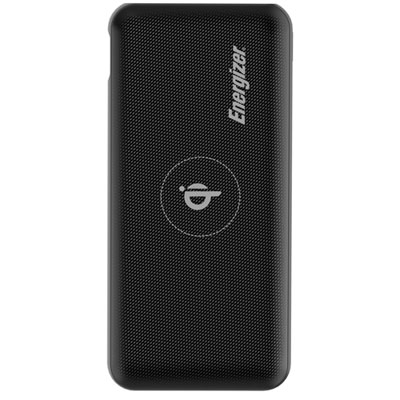
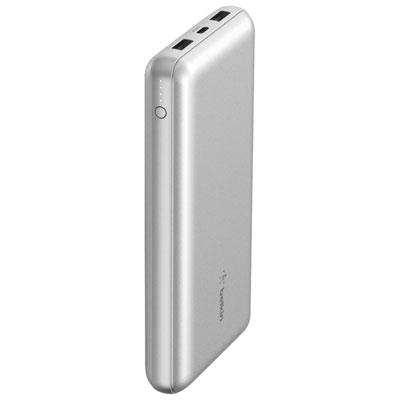

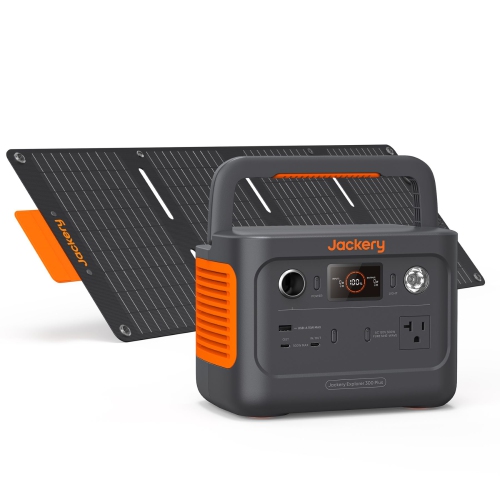
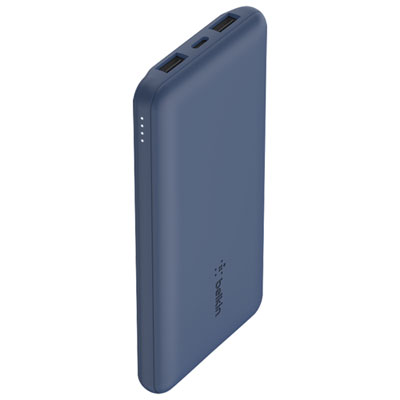
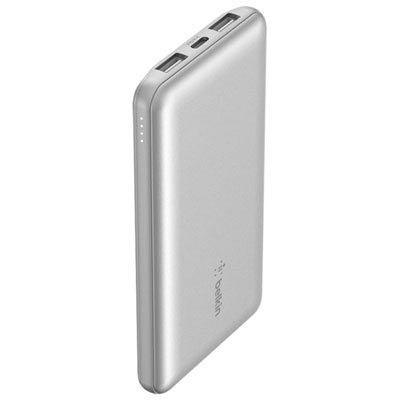
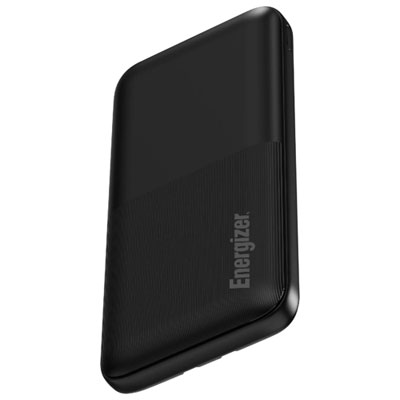
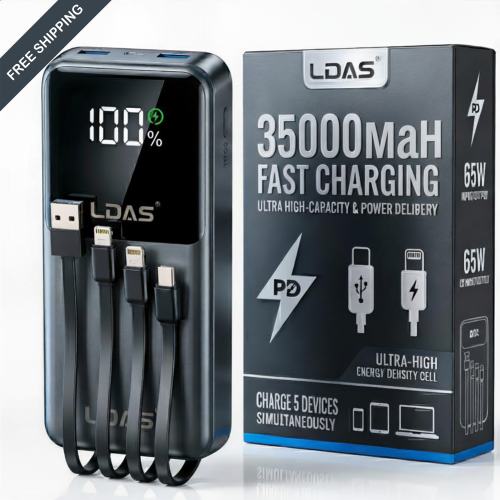
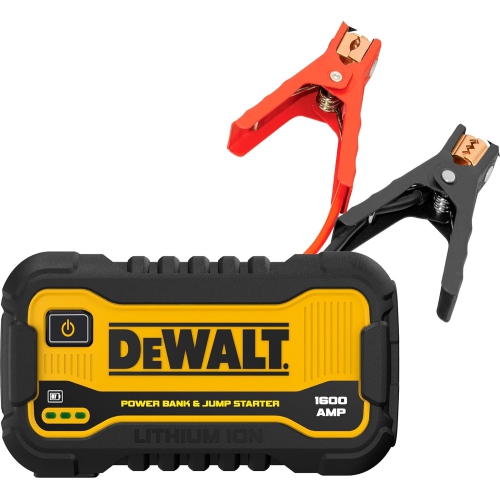

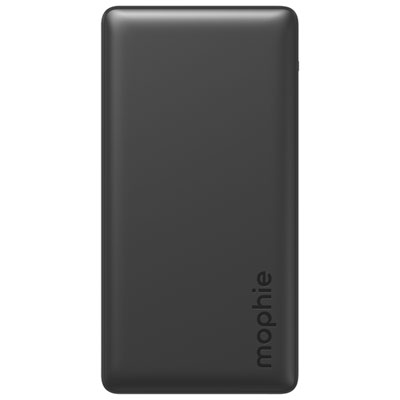
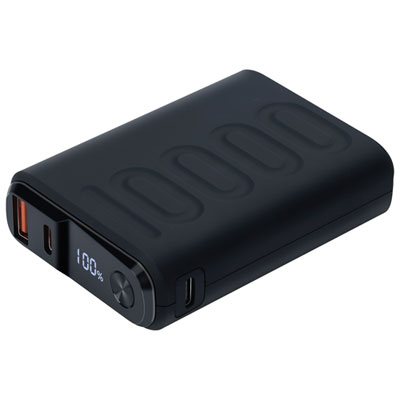
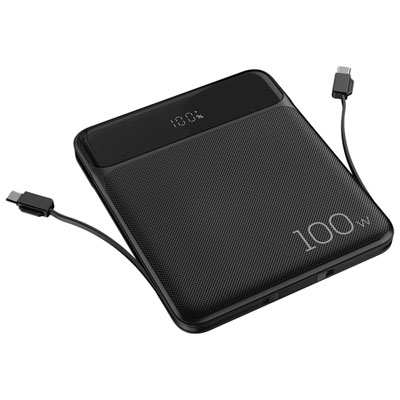
![CSMART [] 5000 Mah Magnetic Wireless Charger Magsafe Battery Pack Portable Power Bank for Iphone](https://multimedia.bbycastatic.ca/multimedia/products/500x500/193/19361/19361365.jpeg)
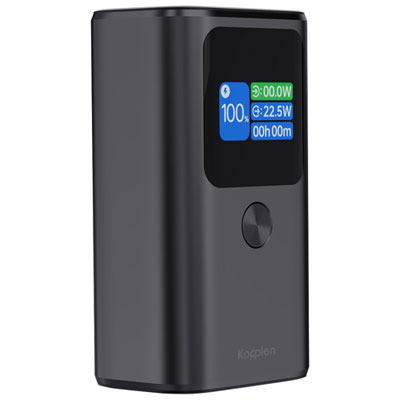
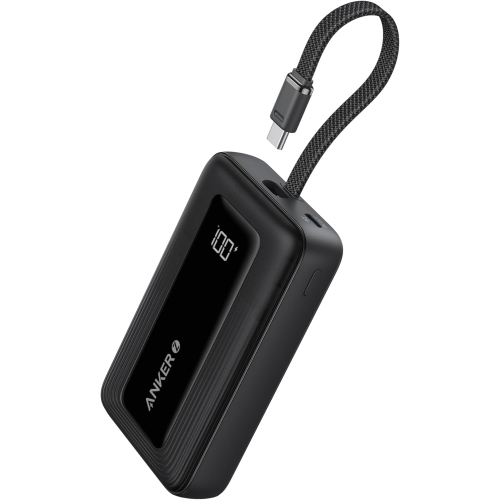
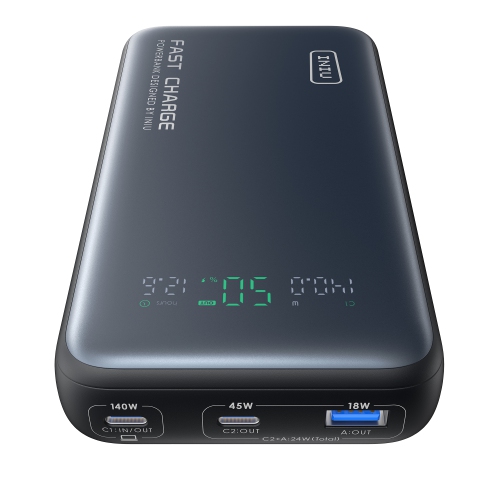
More charging capacity is not always worth the weight
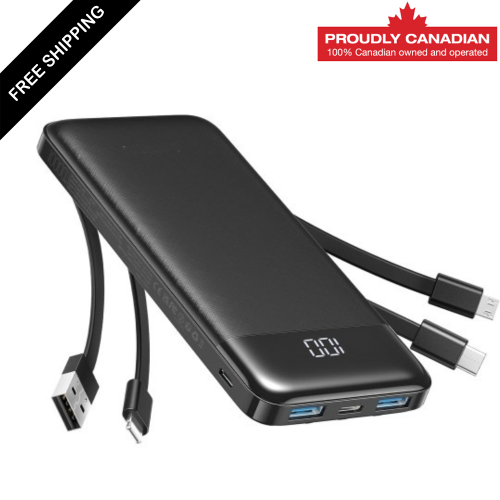
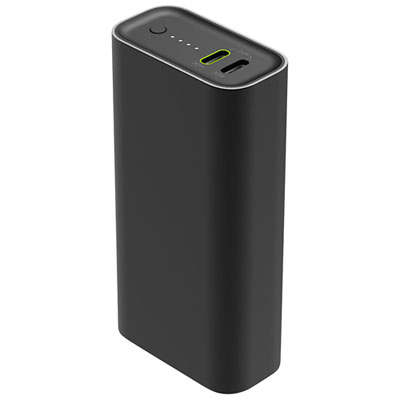
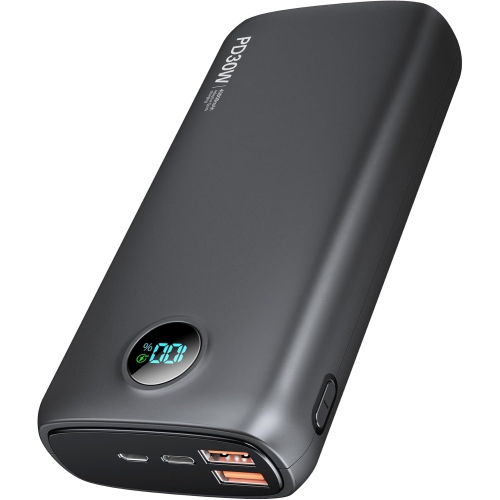
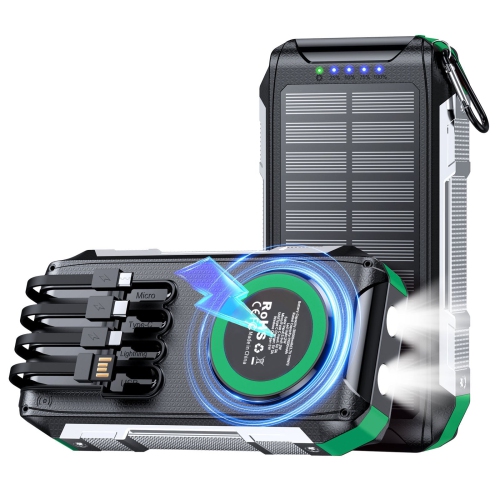
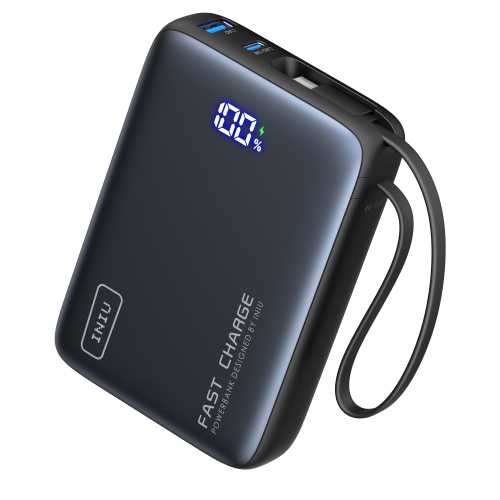
Charging performance depends on the connection between the power bank, the cable, and the device, not just the capacity printed on the casing. Output measured in watts indicates how much power a charger can supply through a particular port under supported conditions. The connected device must accept that output, and the cable must support the required charging standard and power level. USB-C describes a connector, so the presence of a USB-C port alone does not establish charging speed or laptop compatibility. USB Power Delivery support can help compatible devices charge faster, but the supported power profiles still need to match. Phones and earbuds generally have different requirements from tablets and laptops, and a laptop-compatible power bank needs sufficient USB-C output for the computer’s charging requirements. A charger that works well for a phone may charge a laptop slowly, only help maintain its battery level during use, or not charge it at all. Multiple ports are useful when a phone and earbud case both need attention, although the total output may be shared when several devices are connected. Separate per-port and combined-output specifications clarify that distinction. Wireless charging removes the need to plug a cable into a compatible phone, while magnetic attachment can help hold supported phones in the correct position. Neither feature is universal: phone compatibility, case thickness, and magnetic case design all influence fit and performance. Wired charging is generally more efficient, making it useful when getting the most from the stored battery capacity matters. Built-in cables reduce the number of loose accessories to pack, though their connector type, reach, and replaceability deserve consideration. A detachable cable offers more flexibility across different devices. Input power also affects convenience because it determines how quickly the power bank itself can recharge with a suitable wall adapter. Battery indicators range from simple lights to numerical displays, giving different levels of detail about remaining charge. For small accessories, a supported low-current mode can help keep charging active when their power draw is too low for normal automatic detection.
Materials and construction influence how a portable charger feels in the hand and how well it handles regular carrying. Plastic housings can help keep weight down, while metal housings may offer a more substantial feel; durability still depends on the overall design rather than the casing material alone. Rounded edges are comfortable against the palm, textured surfaces can improve grip, and a secure fit between parts helps the charger withstand ordinary handling. Exposed connectors on built-in cables need protection from bending or being caught under other belongings. A separate pouch or bag compartment keeps the power bank from rubbing against keys and prevents loose objects from pressing into its ports. Care is straightforward: follow the manufacturer’s instructions, keep connections clean and dry, and wipe the exterior with a soft cloth rather than applying cleaning liquid directly to the charger. A power bank should not be used if its casing swells, splits, or shows other signs of battery damage. Protection features for excessive current, overcharging, and short circuits are useful considerations, alongside clear safety documentation and warranty terms. For air travel, power banks belong in carry-on baggage rather than checked luggage, and airline rules may set capacity limits or require approval. A legible watt-hour rating makes checking those requirements easier. Portable chargers can also make thoughtful gifts for someone whose phone is central to work, study, photography, or staying in touch. A lightweight design suits a person who carries only a small bag, while someone travelling with a tablet and phone may appreciate greater capacity and more than one charging port. Matching the connections to the recipient’s devices makes the gift useful from the first outing. Related browsing for this shopping occasion includes Power Bank Cyber Monday Deals, with the same everyday considerations of compatibility, carrying comfort, and charging capability helping distinguish the right fit.
Top selling and popular products
-
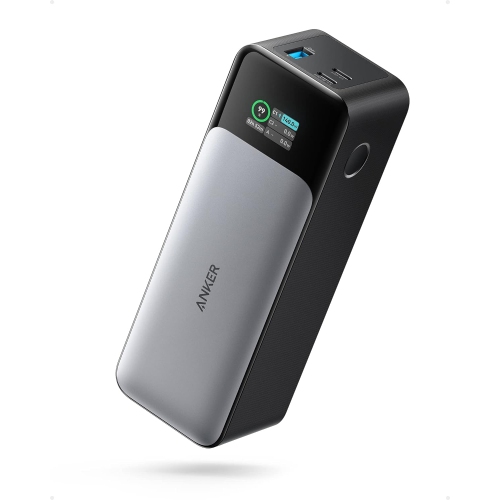 Your price for this item is $234
 -
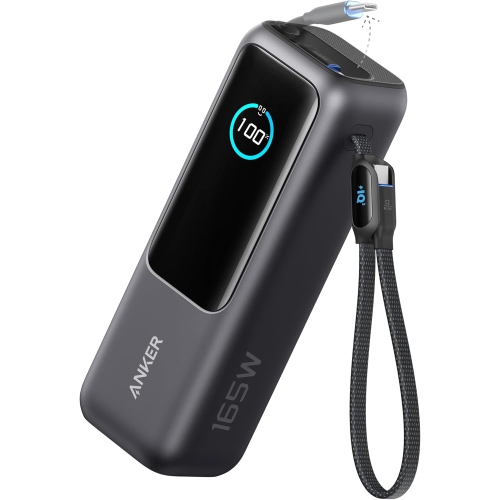 Your price for this item is $238.9
 -
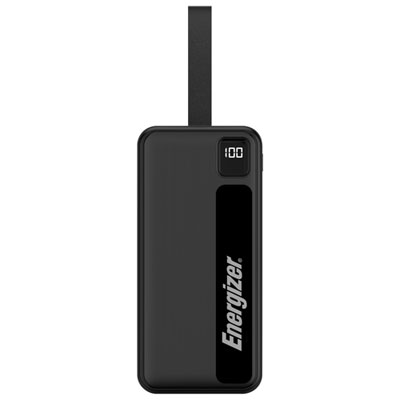 Your price for this item is $49.99
 -
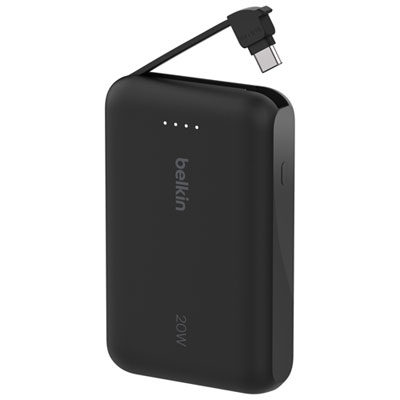 Your price for this item is $49.99
 -
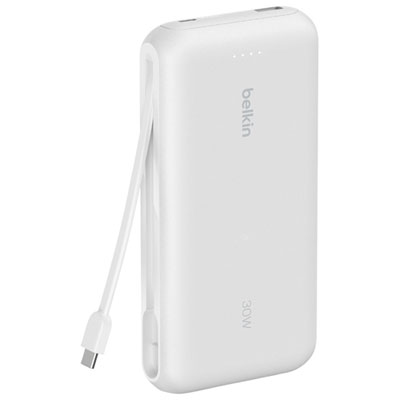 Your price for this item is $59.99
 -
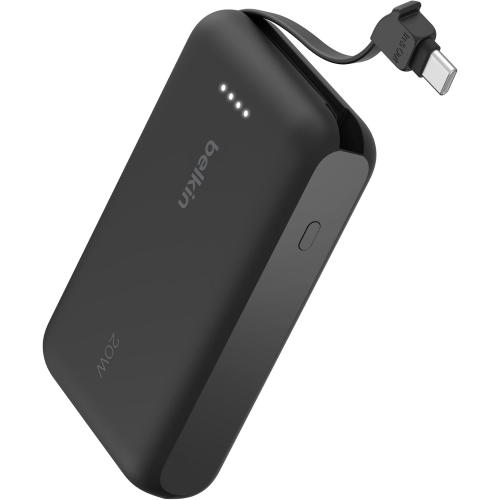 Your price for this item is $100
 -
 Your price for this item is $54.99
 -
 Your price for this item is $48.97