Retro Board Games
Step back in time and rediscover the charm of retro board games, where nostalgia meets endless entertainment. Perfect for family gatherings or a cozy night in with friends, these classic games offer a delightful escape from the digital world. Whether you're reliving fond childhood memories or introducing a new generation to timeless fun, retro board games provide an engaging experience that brings everyone together. Dive into a world of strategy, luck, and laughter as you explore the enduring appeal of these beloved pastimes.
Sort
![RETRO-BIT Go Retro Portable Preloaded Games Handheld System V2 [] In Red Great product for the price and there are many games that will keep you busy for hours](https://multimedia.bbycastatic.ca/multimedia/products/500x500/174/17406/17406451.jpeg)
Familiar boards can play differently than you remember
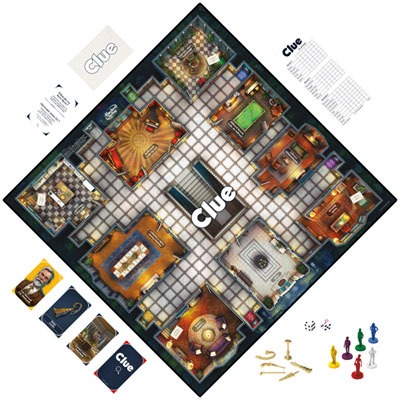
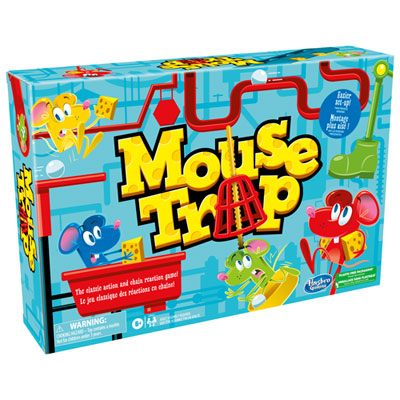
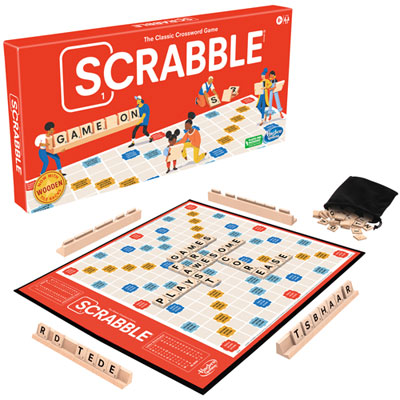
Retro board games bring familiar tabletop play together with designs that recall earlier decades, from illustrated folding boards and brightly coloured playing pieces to bold lettering and vintage-style boxes. The term can describe older editions, modern reproductions of earlier designs, or newer games made with an old-school look. Those distinctions matter: a newly produced retro edition can capture the appearance of a childhood favourite without being an original collectible, while an older copy may show wear or have different rules and components. The appeal goes beyond packaging. Many classic board game formats build an evening around a straightforward activity, such as moving along a track, collecting sets, trading resources, solving a mystery, or outmanoeuvring another player. Dice introduce uncertainty, cards can change someone’s fortunes, and a well-timed move gives everyone at the table something to talk about. Familiar formats can make it easier for different generations to play together, although the exact rules may differ from the version someone remembers. A grandparent might recognize the board layout immediately, while a younger player enjoys discovering why everyone gets excited when a particular space comes into view. Some designs favour quick turns and a little luck; others reward planning, deduction, vocabulary, or patient negotiation. Retro styling does not necessarily mean simple gameplay, and a nostalgic box does not automatically indicate a children’s game. The intended age range, reading demands, and type of interaction give a clearer picture of who will enjoy it. For people drawn to a particular decade, details such as the illustration style, colour palette, token shapes, and layout help establish the period feel. For others, the strongest connection is the ritual itself: unfolding a board, choosing a playing piece, sorting cards into neat piles, and settling into a shared activity that needs neither a screen nor an account.
The right retro board game fits both the people playing and the space where they gather. Player count is a useful starting point, but it helps to distinguish between a game that allows two players and one whose decisions remain engaging with only two. Trading, bluffing, and group guessing usually create a different rhythm around a fuller table, while direct competition can suit a pair. Playing time also includes more than the turns themselves. Sorting money or tokens, explaining unfamiliar rules, and putting everything away can extend a session, especially with a larger group. A compact board and a small set of components may suit a casual visit, whereas a sprawling layout with several card piles needs a table that can stay clear throughout play. Leave room for each person’s hand of cards, personal pieces, and any reference material rather than judging the footprint by the board alone. Readability and handling deserve equal attention. Large print, clearly separated spaces, and distinctive symbols can make play more comfortable, particularly when several players need to read the board from different sides. Games that identify pieces through shape as well as colour offer another useful distinction. Small counters, tightly packed tracks, or cards with dense instructions may be less comfortable for someone with limited dexterity or vision. For children, the manufacturer’s age guidance and small-parts warnings remain important even when the artwork looks playful. Themes involving deduction or trading may also require more reading, arithmetic, or patience than a simple roll-and-move format. Consider how the group responds to setbacks, too: player elimination can leave someone watching for a long stretch, while scoring systems that keep everyone involved may better suit a mixed-experience gathering. For adults interested in a different kind of tabletop continuity, Legacy Board Games for Adults centres on games in which decisions can carry forward between sessions; that ongoing structure is distinct from retro games played afresh each time.
Materials and construction influence how a retro board game feels in use and how well it stands up to repeated play. Many boards use printed paper over rigid card, with a hinge that allows the playing surface to fold into the box. A board that lies flat helps pieces stay in place, while cleanly finished edges and a sound fold make setup easier. Cards benefit from a smooth, consistent finish that allows comfortable shuffling without making the deck difficult to hold. Wooden, moulded plastic, and metal playing pieces each have a different weight and texture, but material alone does not determine quality; stable bases, recognizable shapes, and legible markings often matter more during a game. Box construction is worth considering when a game will travel between homes or come off the shelf regularly. A well-fitting lid and internal compartments help keep components together, while labelled bags or small containers can simplify storage when the original insert offers little separation. Care is generally straightforward: handle paper components with clean, dry hands, keep drinks away from the playing area, and avoid forcing a board closed when pieces are still inside. Follow any supplied cleaning directions for playing pieces, and do not soak printed boards or cards. Store boxes away from dampness and prolonged direct sunlight to help protect the artwork, and avoid stacking heavy objects on lids that can bow under pressure. Before packing up, checking the contents against the component list can prevent a missing die or token from interrupting the next session. These practical details also matter when choosing a gift. A retro board game can suit someone who enjoys illustration, collects nostalgic objects, hosts game nights, or wants to share a familiar pastime with family. Matching the gift to the recipient’s preferred pace and social style is more useful than relying on nostalgia alone. A lively negotiator may enjoy plenty of table talk, while a thoughtful competitor may prefer quiet tactical decisions. The most lasting appeal comes from a game that looks inviting on the shelf and feels just as rewarding once the board is open.
The right retro board game fits both the people playing and the space where they gather. Player count is a useful starting point, but it helps to distinguish between a game that allows two players and one whose decisions remain engaging with only two. Trading, bluffing, and group guessing usually create a different rhythm around a fuller table, while direct competition can suit a pair. Playing time also includes more than the turns themselves. Sorting money or tokens, explaining unfamiliar rules, and putting everything away can extend a session, especially with a larger group. A compact board and a small set of components may suit a casual visit, whereas a sprawling layout with several card piles needs a table that can stay clear throughout play. Leave room for each person’s hand of cards, personal pieces, and any reference material rather than judging the footprint by the board alone. Readability and handling deserve equal attention. Large print, clearly separated spaces, and distinctive symbols can make play more comfortable, particularly when several players need to read the board from different sides. Games that identify pieces through shape as well as colour offer another useful distinction. Small counters, tightly packed tracks, or cards with dense instructions may be less comfortable for someone with limited dexterity or vision. For children, the manufacturer’s age guidance and small-parts warnings remain important even when the artwork looks playful. Themes involving deduction or trading may also require more reading, arithmetic, or patience than a simple roll-and-move format. Consider how the group responds to setbacks, too: player elimination can leave someone watching for a long stretch, while scoring systems that keep everyone involved may better suit a mixed-experience gathering. For adults interested in a different kind of tabletop continuity, Legacy Board Games for Adults centres on games in which decisions can carry forward between sessions; that ongoing structure is distinct from retro games played afresh each time.
Materials and construction influence how a retro board game feels in use and how well it stands up to repeated play. Many boards use printed paper over rigid card, with a hinge that allows the playing surface to fold into the box. A board that lies flat helps pieces stay in place, while cleanly finished edges and a sound fold make setup easier. Cards benefit from a smooth, consistent finish that allows comfortable shuffling without making the deck difficult to hold. Wooden, moulded plastic, and metal playing pieces each have a different weight and texture, but material alone does not determine quality; stable bases, recognizable shapes, and legible markings often matter more during a game. Box construction is worth considering when a game will travel between homes or come off the shelf regularly. A well-fitting lid and internal compartments help keep components together, while labelled bags or small containers can simplify storage when the original insert offers little separation. Care is generally straightforward: handle paper components with clean, dry hands, keep drinks away from the playing area, and avoid forcing a board closed when pieces are still inside. Follow any supplied cleaning directions for playing pieces, and do not soak printed boards or cards. Store boxes away from dampness and prolonged direct sunlight to help protect the artwork, and avoid stacking heavy objects on lids that can bow under pressure. Before packing up, checking the contents against the component list can prevent a missing die or token from interrupting the next session. These practical details also matter when choosing a gift. A retro board game can suit someone who enjoys illustration, collects nostalgic objects, hosts game nights, or wants to share a familiar pastime with family. Matching the gift to the recipient’s preferred pace and social style is more useful than relying on nostalgia alone. A lively negotiator may enjoy plenty of table talk, while a thoughtful competitor may prefer quiet tactical decisions. The most lasting appeal comes from a game that looks inviting on the shelf and feels just as rewarding once the board is open.
Top selling and popular products
-
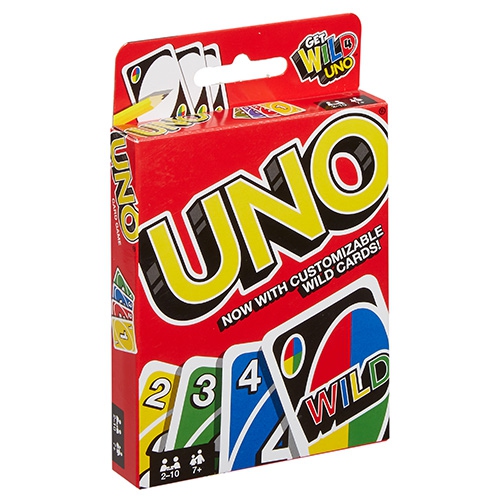 Your price for this item is $14.99
 -
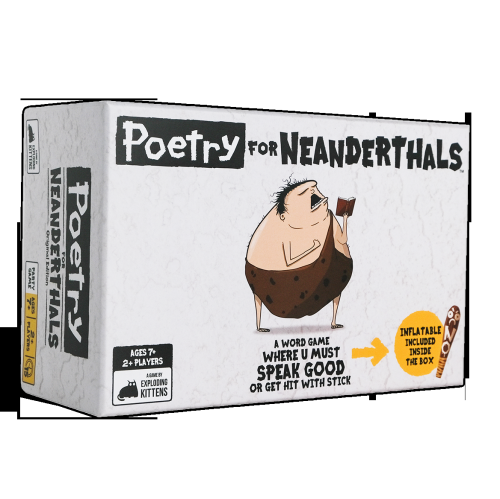 Your price for this item is $34.99
 -
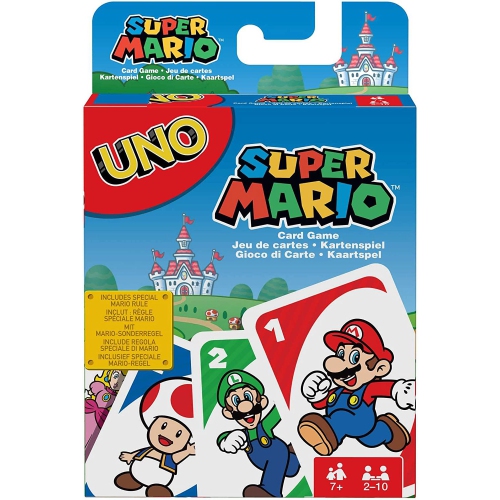 Your price for this item is $15
 -
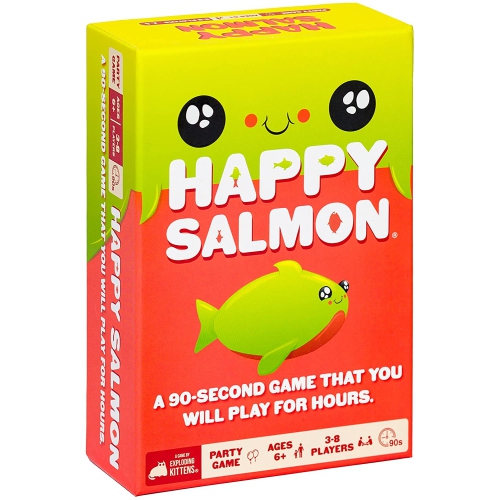 Your price for this item is $21.99
 -
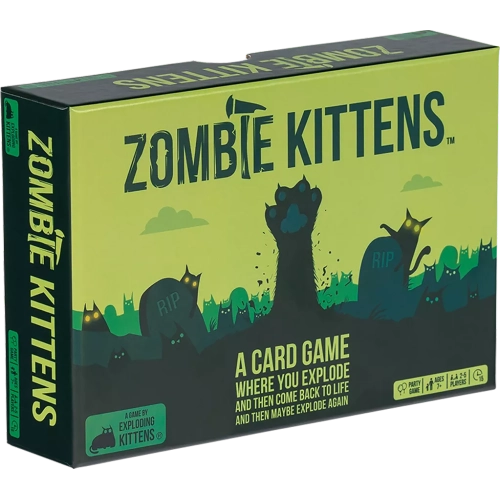 Your price for this item is $34.99
 -
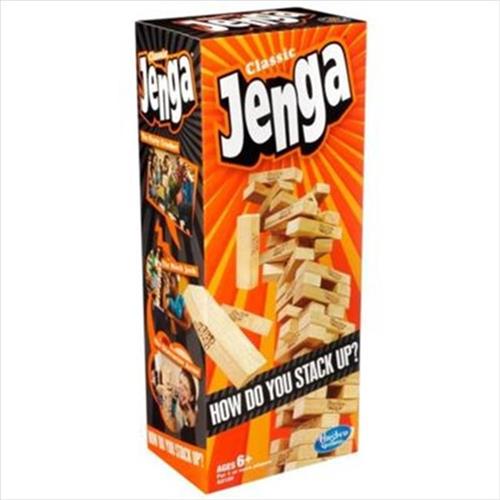 Your price for this item is $35.59
 -
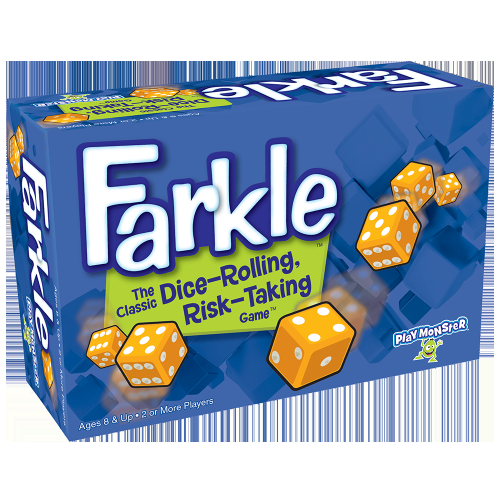 Your price for this item is $20.93
 -
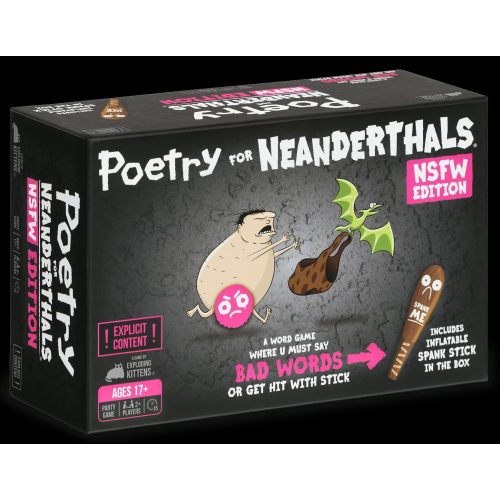 Your price for this item is $31.99
Discover more categories related to Retro Board Games
Top Collections:
Pokemon Centers, Kindle Devices, Best Budget Office Chairs, Apple iPhones 16, Best Laptops for Writers, iPhone 15 Apple, Canon G7X Cameras, Refurbished Apple Laptops, Alarm Clock, Motorola Razr Phones
Some products may be subject to Environmental Handling Fees
(EHF) depending on your province.
Learn more about EHFs.