Ladder Bookcases With Drawers
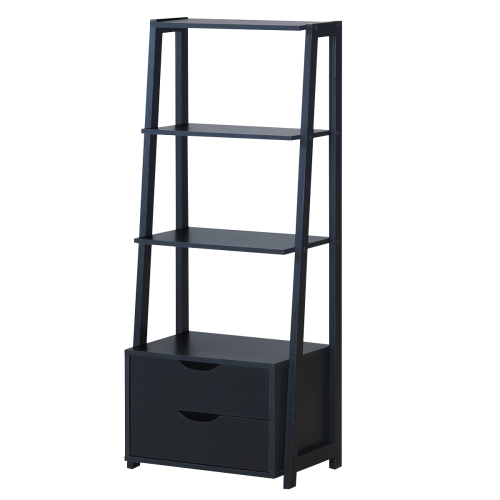
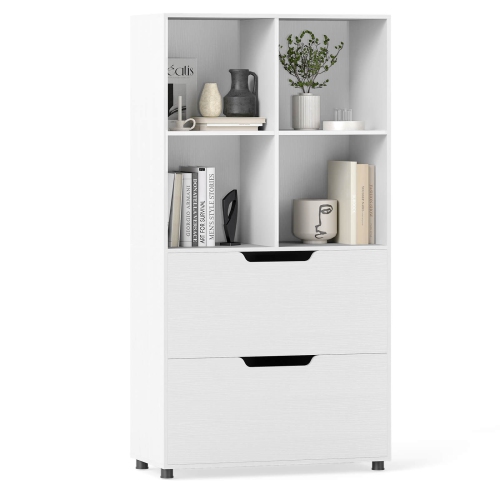
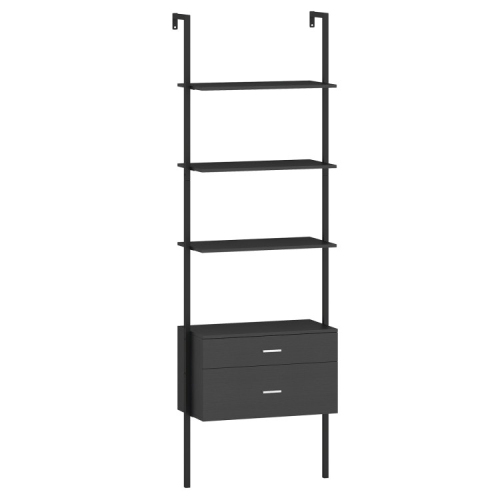
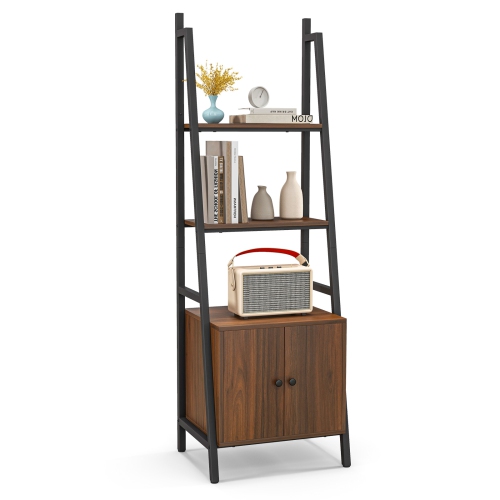
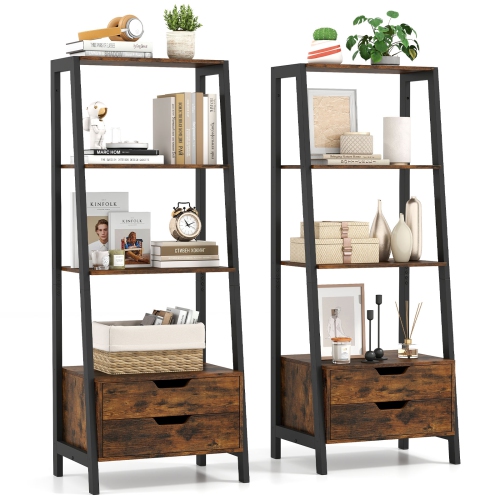
A ladder bookcase with drawer is a great option for anyone looking to add storage space to their home without taking up too much floor space. These ladder design also makes the bookcase easy to clean, as it can be wiped down with a damp cloth. These bookcase comes in a variety of styles and colors, making it possible to find one that fits with your existing decorating style. Here are some great options available today.
Sort
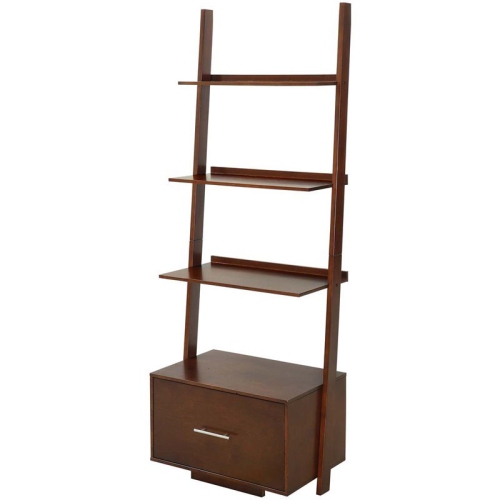
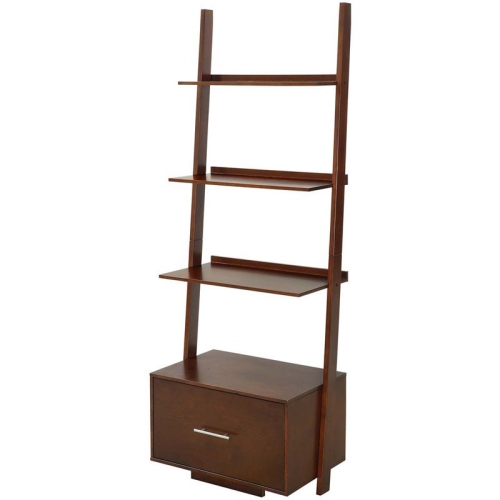
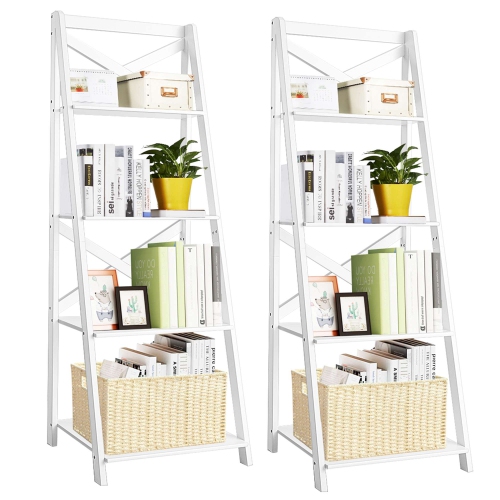
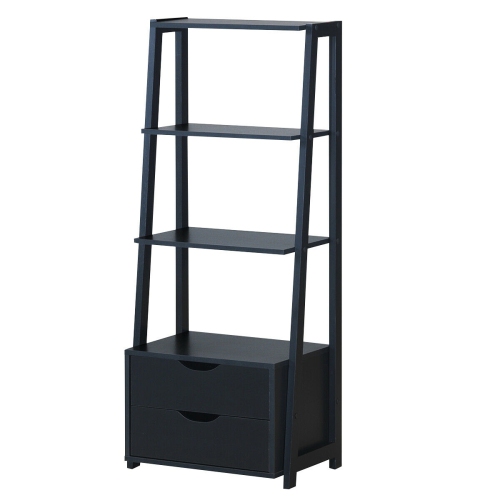
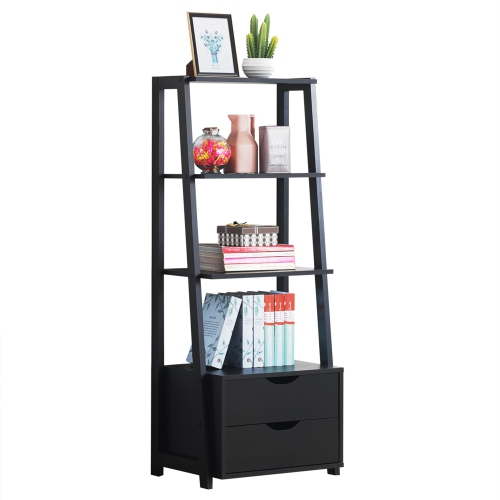
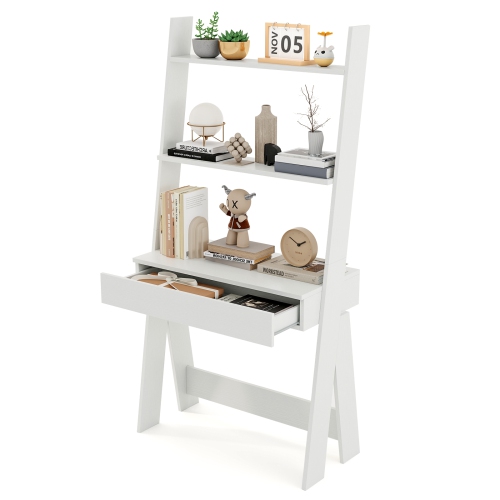
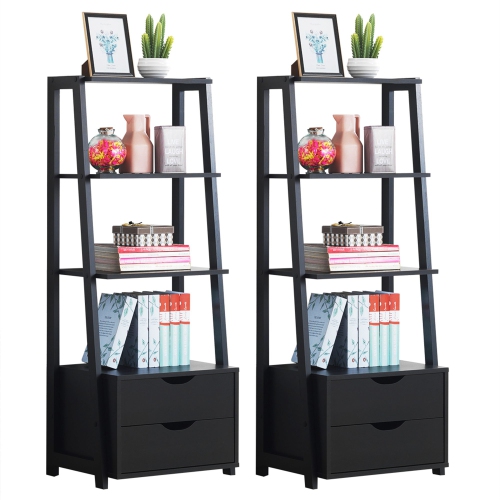
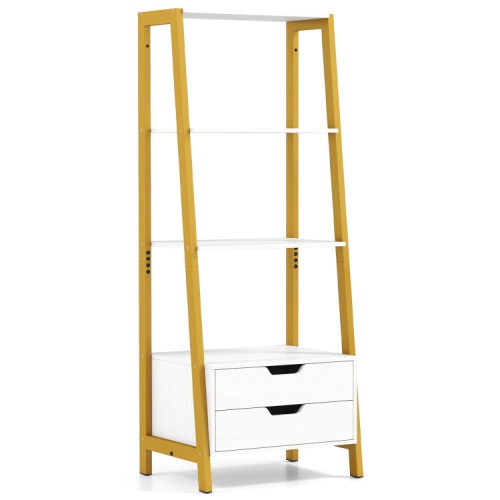
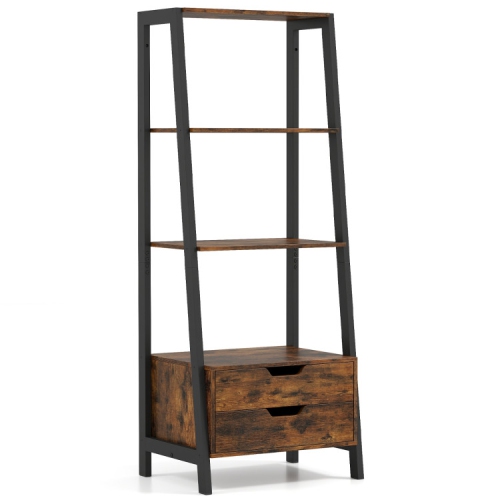
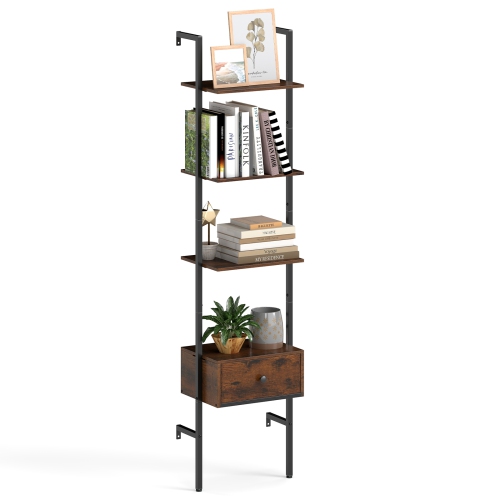
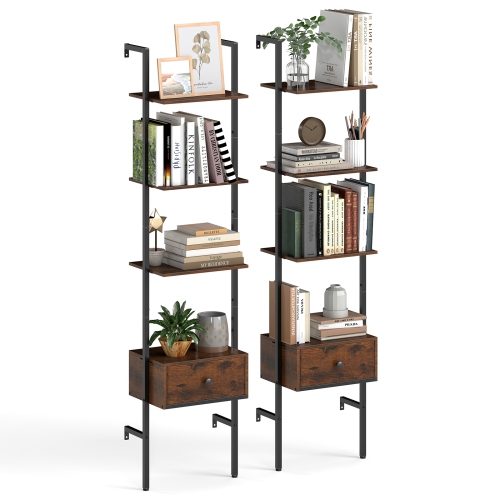
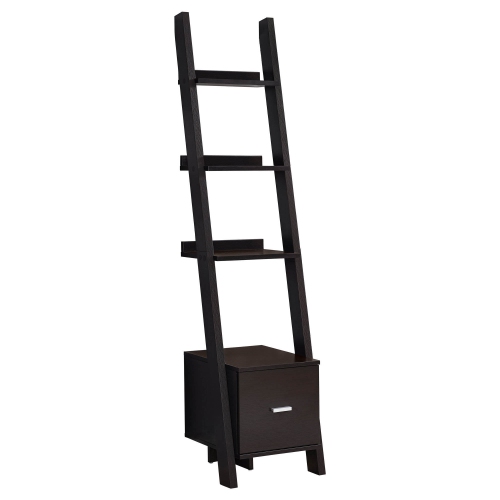
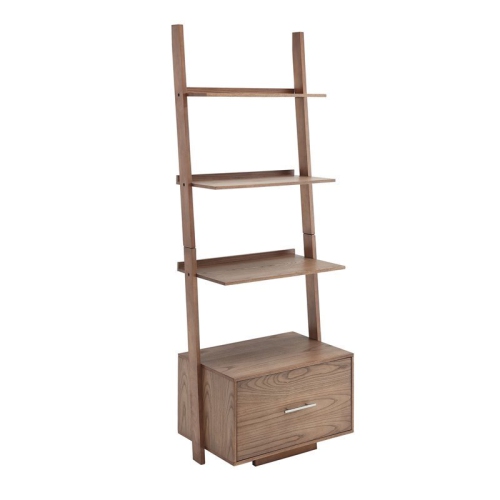
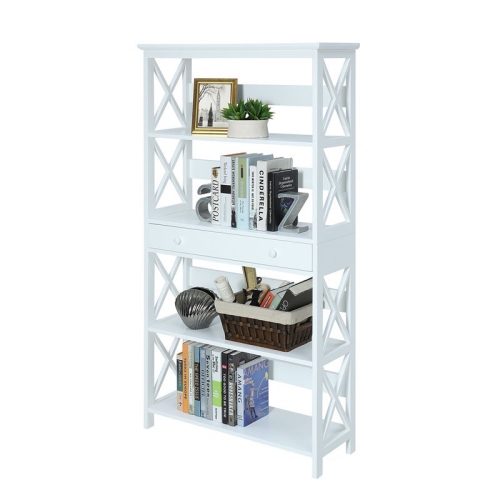
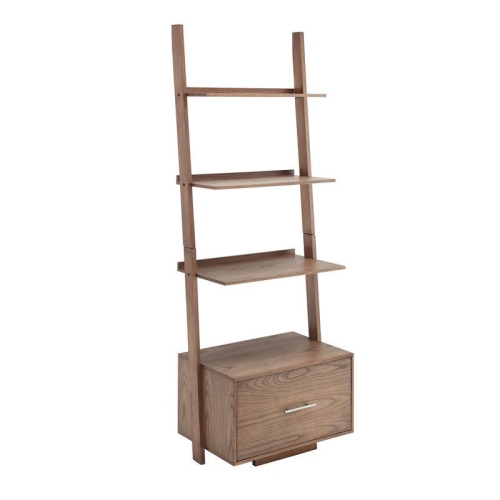
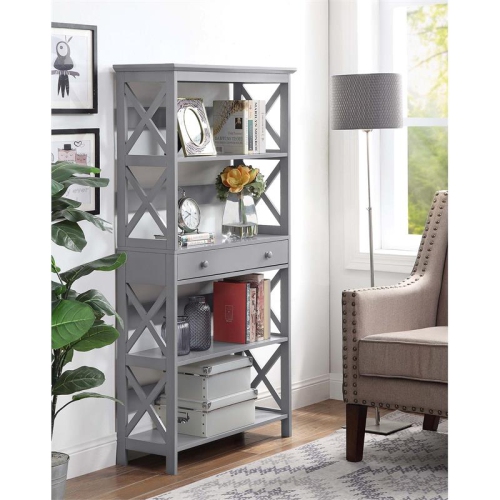

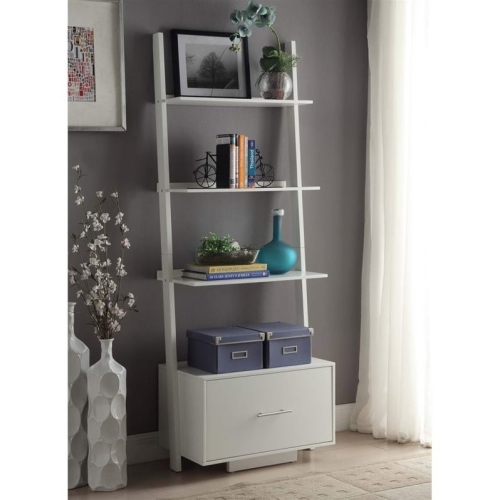

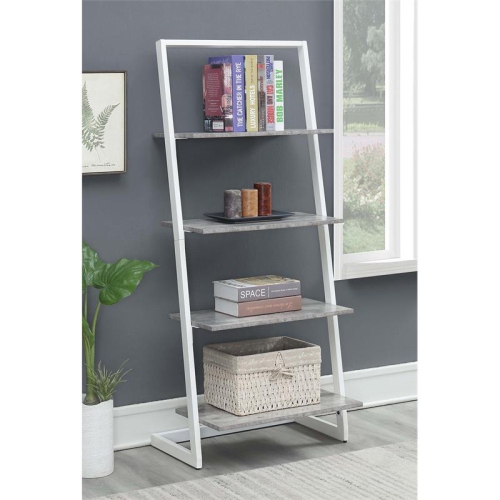
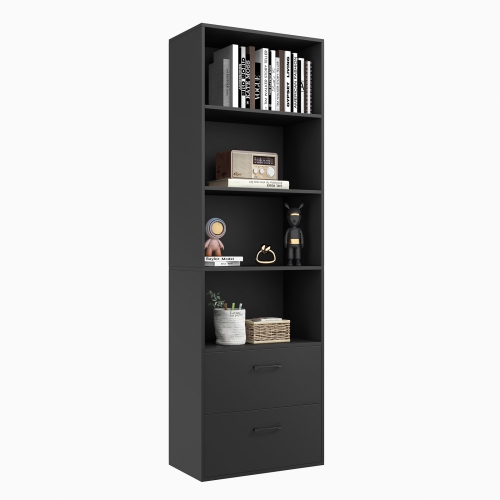
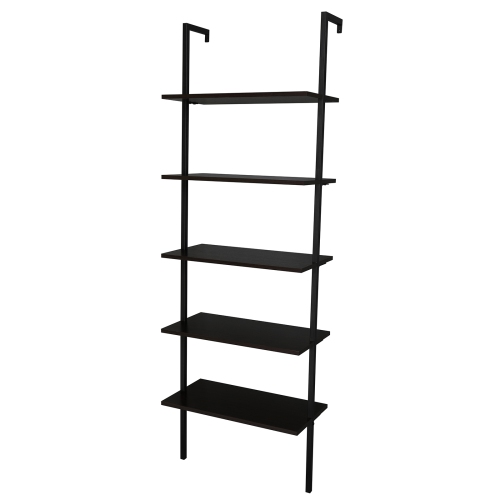
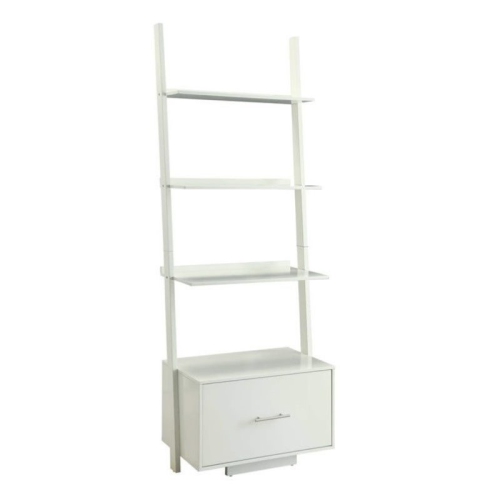
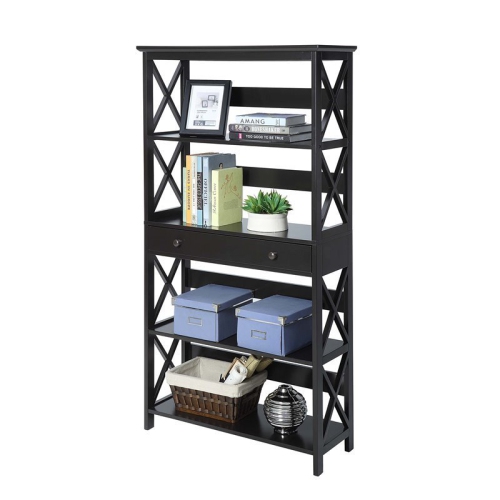
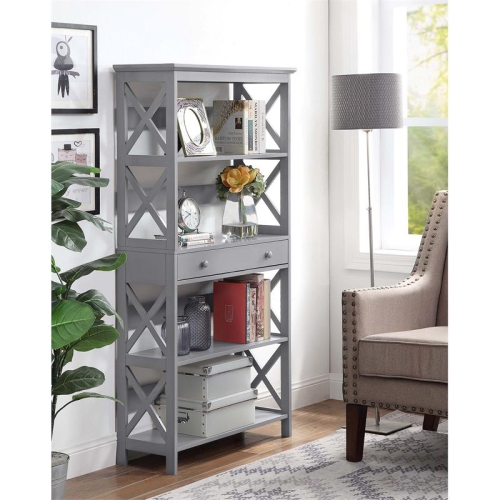
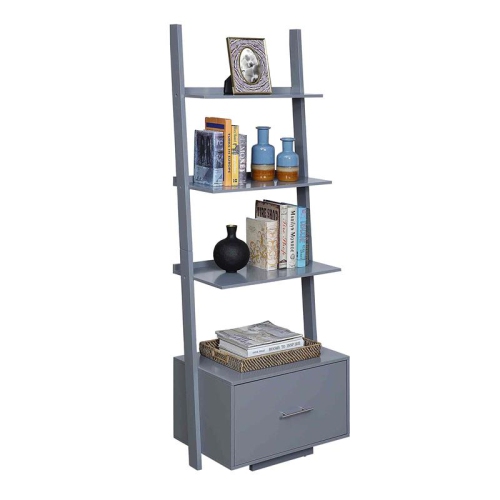
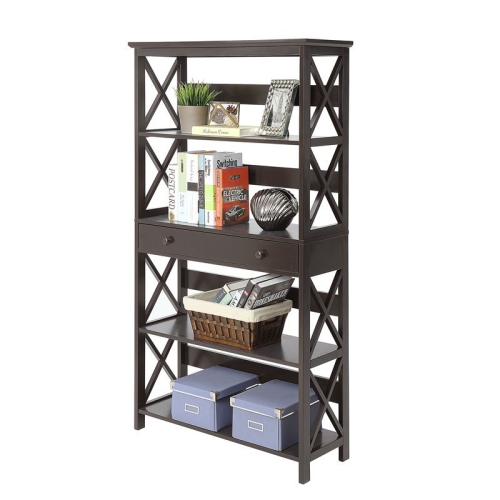
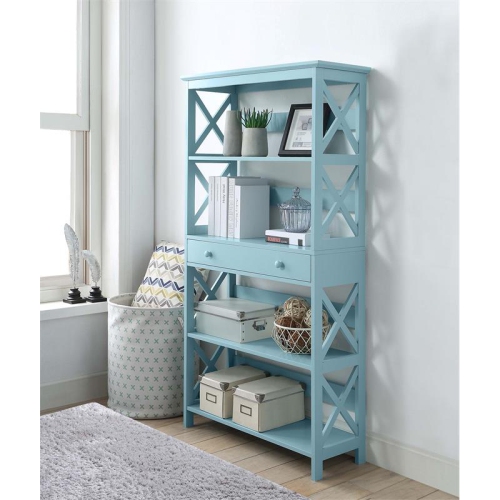
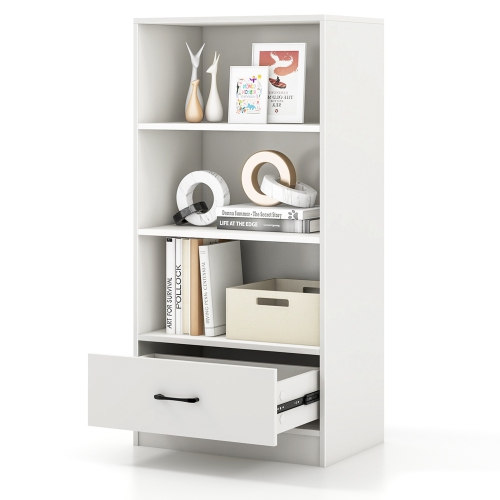
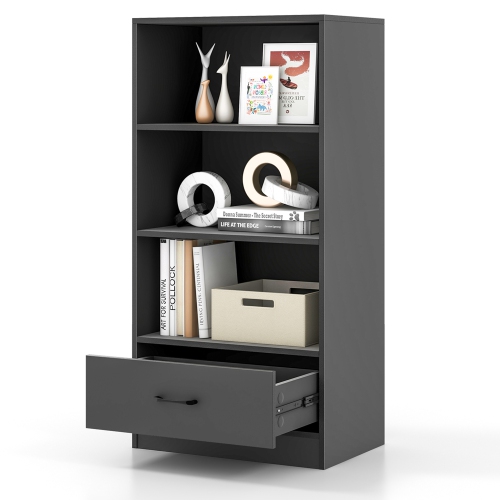
Airy display shelves meet drawers for everyday essentials
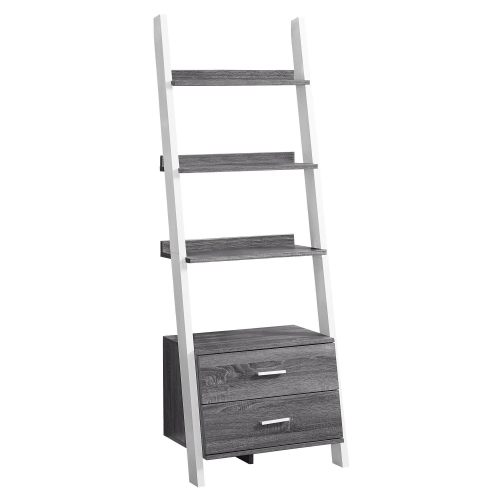
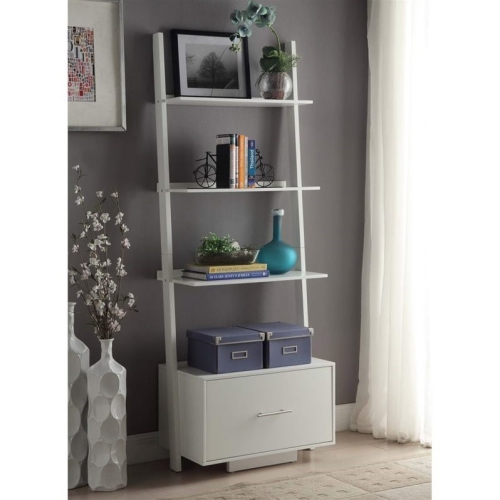
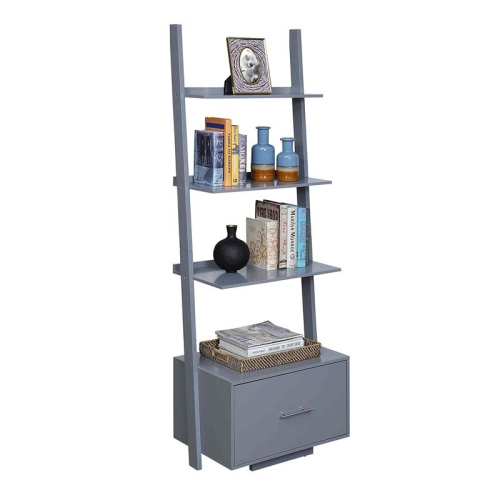
Ladder bookcases with drawers pair the light, open look of stepped shelving with a practical place to tuck away everyday clutter. Their distinctive profile often features shelves that grow deeper towards the base, creating room for larger books and baskets below while leaving upper tiers open for smaller objects. The effect feels less imposing than a full-height cabinet, especially beside a sofa, near a desk, or along a narrow stretch of living room wall. Drawers add a useful layer of storage: reading glasses, charging cables, stationery, and spare notebooks can stay within reach without taking over the display shelves. In a home office, that combination makes space for reference books and work supplies while keeping personal touches visible. In a bedroom, it can hold bedtime reading, framed photographs, and folded accessories without asking one piece of furniture to fill the role of a whole dresser. The balance between open and closed storage matters as much as the silhouette. A design with one shallow drawer suits small essentials, while a taller drawer section may be more useful for papers or bulkier accessories, depending on its internal dimensions. Some ladder-style bookcases lean against a wall; others have a freestanding frame that simply borrows the angled shape. That difference affects placement, so the overall structure deserves a closer look alongside the finish. A pale wood tone can sit comfortably with soft upholstery and neutral walls, while a dark frame creates a stronger outline against a light background. Metal and wood combinations bring contrast without requiring the rest of the room to match exactly. For readers, students, and anyone sharing a compact home, the appeal is straightforward: favourite things stay on show, useful things have a place to go, and the room retains an airy feel. A thoughtfully chosen bookcase can also make a practical housewarming gift when the recipient’s space, storage needs, and preferred style are already known.
Getting the proportions right starts with the space the bookcase will occupy, not just the width of an empty wall. The deepest point is often at the bottom, so allow for that footprint beside a walkway or armchair. Check the full height and the depth of individual shelves, especially if the collection includes tall hardcovers, oversized art books, or storage baskets. A shelf that looks generous from the front may have less usable depth near the top of a tapered frame. Drawers need clear space to open, too; a coffee table, bed frame, or desk chair should not block access to the contents. Baseboards can affect how an angled unit sits against the wall, and nearby outlets may need to remain accessible. In a reading corner, leaving enough room for a lamp and a comfortable seat makes the storage feel like part of the room rather than an obstacle. In a shared office, positioning drawers where they can open without interrupting another person’s workspace is equally helpful. For comparisons with more upright silhouettes, Bookshelves With Drawers brings the focus to the same mix of display space and concealed storage in a broader furniture category. Within the ladder style, consider how the shelf spacing works with what will actually live there. Adjustable shelves, where included, offer flexibility, while fixed shelves create a consistent arrangement that may suit a settled collection. Open sides keep the profile light but can make bookends useful for upright books. A back panel or raised rear edge, when present, can help keep smaller objects in place. Pay attention to stated weight limits for each shelf and drawer rather than treating every tier as equally strong. Heavier books generally belong lower down, within those limits, with lighter display pieces above. Follow the manufacturer’s assembly and wall-anchoring directions, including any requirements for suitable hardware. A leaning appearance does not remove the need for secure installation, and ladder-style shelving is furniture, not a surface for climbing.
Materials and construction influence both the character of a ladder bookcase and how it holds up to daily use. Solid wood can bring visible grain and natural variation, though it still benefits from protection against spills, excessive heat, and changes in indoor humidity. Wood veneer provides a real-wood surface over another core material, while laminate finishes can offer a consistent appearance that is often straightforward to wipe clean according to the care directions. Engineered wood is used in many furniture designs, but its performance depends on the construction, finish, hardware, and intended load rather than the material name alone. Metal frames can create slim, defined lines; secure joints and an even stance are important regardless of whether the frame is wood, metal, or a combination. Drawers deserve particular attention because they are the moving parts most likely to be used every day. Smooth-running slides, comfortable pulls, and a drawer box suited to its contents make a noticeable difference when reaching for a notebook or putting away loose cables. Internal measurements are more useful than the drawer front’s appearance when deciding whether folders, craft supplies, or other essentials will fit. Once the bookcase is in place, a little breathing room between objects helps preserve the open quality that makes this style appealing. A row of novels on a lower shelf, a small stack of reading material above, and a photograph on an upper tier can feel more relaxed than filling every inch. Keep liquids away from books and vulnerable finishes, and protect shelf surfaces beneath plant pots with a suitable waterproof tray. For routine care, use the cleaning method specified for the finish, remove dust with a soft cloth, and dry accidental spills promptly. Avoid dragging the unit when rearranging a room; empty it and follow the moving instructions to protect the frame and joints. With sensible loading, secure placement, and regular care, a ladder bookcase with drawers can remain useful as a room shifts from a study space to a reading nook or a more flexible shared living area.
Getting the proportions right starts with the space the bookcase will occupy, not just the width of an empty wall. The deepest point is often at the bottom, so allow for that footprint beside a walkway or armchair. Check the full height and the depth of individual shelves, especially if the collection includes tall hardcovers, oversized art books, or storage baskets. A shelf that looks generous from the front may have less usable depth near the top of a tapered frame. Drawers need clear space to open, too; a coffee table, bed frame, or desk chair should not block access to the contents. Baseboards can affect how an angled unit sits against the wall, and nearby outlets may need to remain accessible. In a reading corner, leaving enough room for a lamp and a comfortable seat makes the storage feel like part of the room rather than an obstacle. In a shared office, positioning drawers where they can open without interrupting another person’s workspace is equally helpful. For comparisons with more upright silhouettes, Bookshelves With Drawers brings the focus to the same mix of display space and concealed storage in a broader furniture category. Within the ladder style, consider how the shelf spacing works with what will actually live there. Adjustable shelves, where included, offer flexibility, while fixed shelves create a consistent arrangement that may suit a settled collection. Open sides keep the profile light but can make bookends useful for upright books. A back panel or raised rear edge, when present, can help keep smaller objects in place. Pay attention to stated weight limits for each shelf and drawer rather than treating every tier as equally strong. Heavier books generally belong lower down, within those limits, with lighter display pieces above. Follow the manufacturer’s assembly and wall-anchoring directions, including any requirements for suitable hardware. A leaning appearance does not remove the need for secure installation, and ladder-style shelving is furniture, not a surface for climbing.
Materials and construction influence both the character of a ladder bookcase and how it holds up to daily use. Solid wood can bring visible grain and natural variation, though it still benefits from protection against spills, excessive heat, and changes in indoor humidity. Wood veneer provides a real-wood surface over another core material, while laminate finishes can offer a consistent appearance that is often straightforward to wipe clean according to the care directions. Engineered wood is used in many furniture designs, but its performance depends on the construction, finish, hardware, and intended load rather than the material name alone. Metal frames can create slim, defined lines; secure joints and an even stance are important regardless of whether the frame is wood, metal, or a combination. Drawers deserve particular attention because they are the moving parts most likely to be used every day. Smooth-running slides, comfortable pulls, and a drawer box suited to its contents make a noticeable difference when reaching for a notebook or putting away loose cables. Internal measurements are more useful than the drawer front’s appearance when deciding whether folders, craft supplies, or other essentials will fit. Once the bookcase is in place, a little breathing room between objects helps preserve the open quality that makes this style appealing. A row of novels on a lower shelf, a small stack of reading material above, and a photograph on an upper tier can feel more relaxed than filling every inch. Keep liquids away from books and vulnerable finishes, and protect shelf surfaces beneath plant pots with a suitable waterproof tray. For routine care, use the cleaning method specified for the finish, remove dust with a soft cloth, and dry accidental spills promptly. Avoid dragging the unit when rearranging a room; empty it and follow the moving instructions to protect the frame and joints. With sensible loading, secure placement, and regular care, a ladder bookcase with drawers can remain useful as a room shifts from a study space to a reading nook or a more flexible shared living area.
Top selling and popular products
-
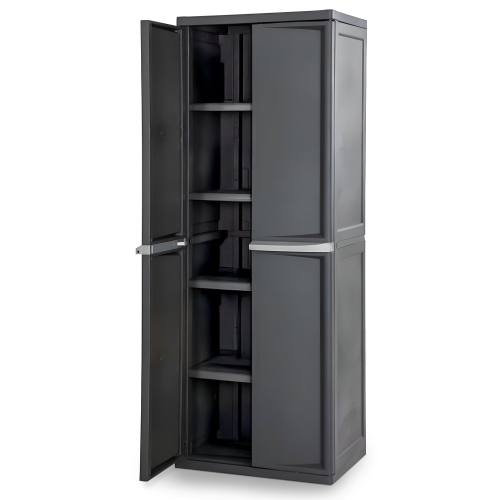 Your price for this item is $772.99
 -
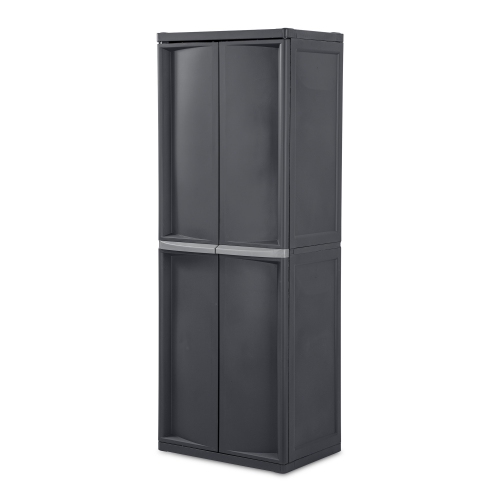 Your price for this item is $1522.99
 -
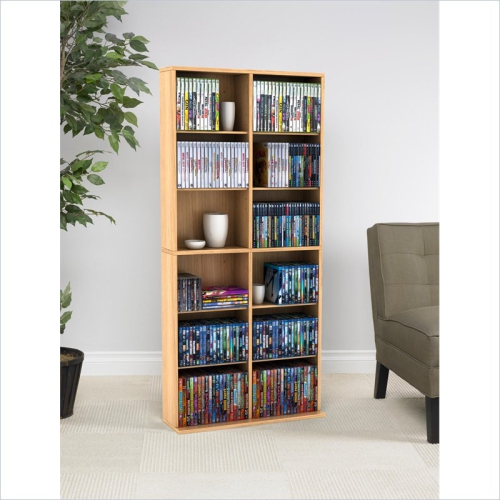 Your price for this item is $234.68
 -
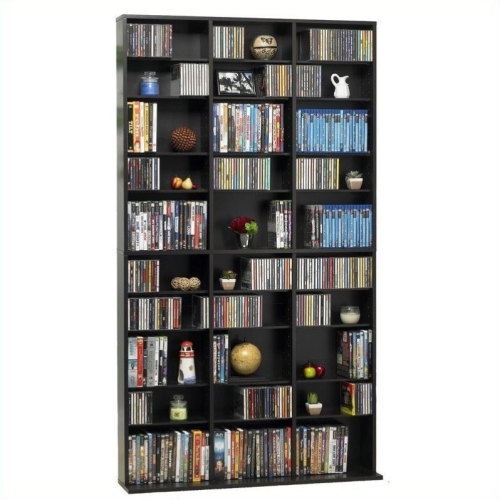 Your price for this item is $365.38
 -
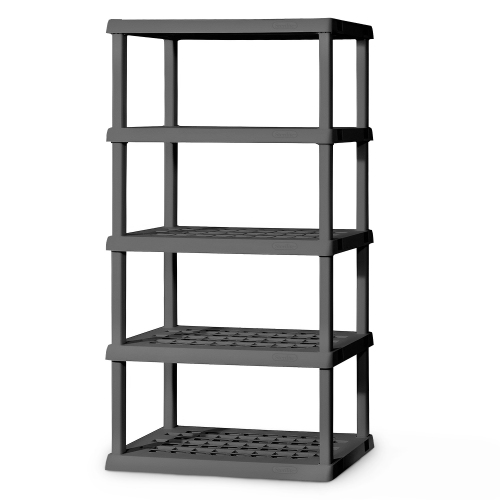 Your price for this item is $468.99
 -
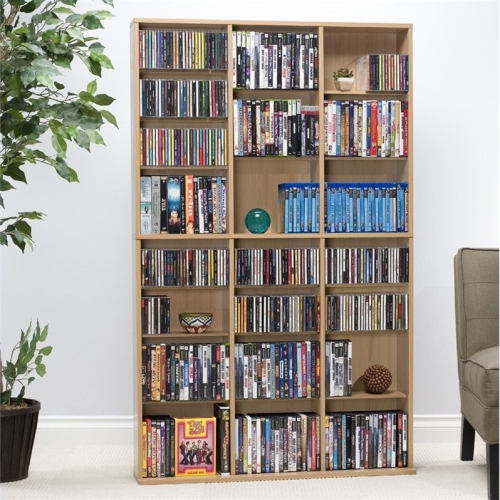 Your price for this item is $295.84
 -
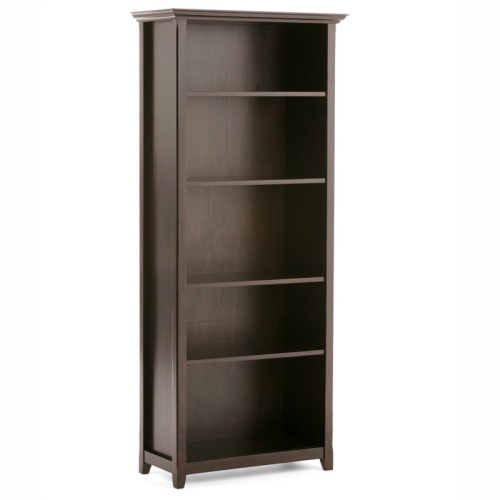 Your price for this item is $999.77
 -
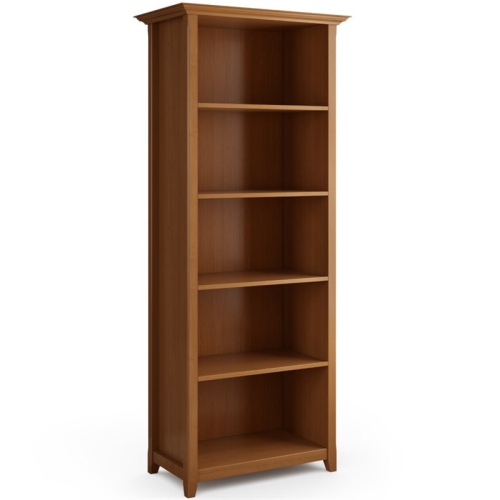 Your price for this item is $998.43
Discover more categories related to Ladder Bookcases With Drawers
Top Collections:
Pokemon Centers, Kindle Devices, Best Budget Office Chairs, Apple iPhones 16, Best Laptops for Writers, iPhone 15 Apple, Canon G7X Cameras, Refurbished Apple Laptops, Alarm Clock, Motorola Razr Phones
Some products may be subject to Environmental Handling Fees
(EHF) depending on your province.
Learn more about EHFs.