Boxing Day Deals Coming Soon
Our Boxing Day Sale returns in December 2026. In the meantime, shop our current top deals below.

Boxing Day Sale On Baby Bottles
Boxing Day is the perfect time to stock up on essential baby bottles with incredible savings that are sure to please any parent. As the holiday season wraps up, there's no better opportunity to ensure you're prepared for all your baby's feeding needs. Whether you're a new parent or looking to refresh your current collection, our Boxing Day sale offers a wide selection of baby bottles designed with both comfort and convenience in mind. Enjoy peace of mind knowing you're getting quality products at unbeatable prices, making it easier than ever to keep your little one happy and satisfied. Dive into our sale and discover the perfect fit for you and your baby! Remember, our Low Price Guarantee means you can shop confidently knowing that you'll find the best price at Best Buy, all year round. We encourage you to check our website frequently for the most up-to-date information on our latest offers and savings opportunities.
Why bottle design matters from feeding to washing
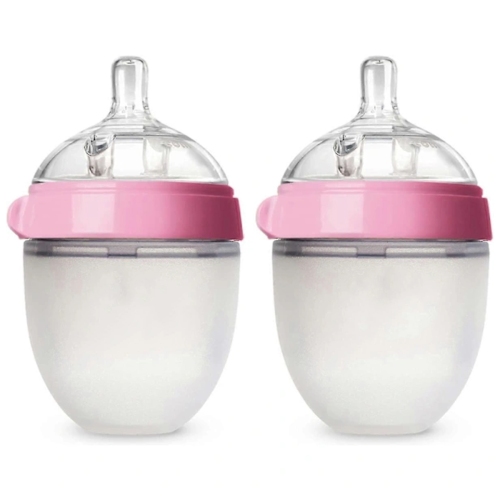
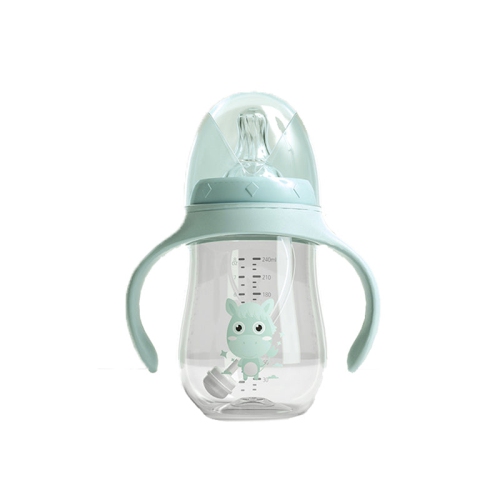
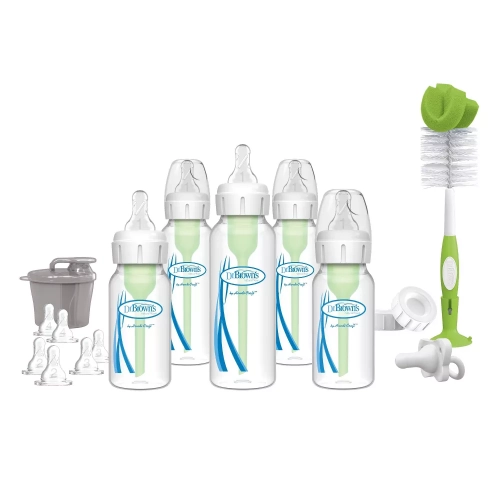
The teat and venting system influence how a baby interacts with a bottle, and these details can be just as important as the bottle body. Silicone teats come in different shapes and flow levels, with age ranges that serve as general starting points rather than a guarantee of the right fit. Flow labels are not standardized across manufacturers, so a slow-flow teat in one range may behave differently from another. A comfortable feed allows the baby to suck, swallow, and pause without appearing overwhelmed by the milk flow. Gulping, coughing, or milk leaking from the mouth can signal that the flow is too fast, while persistent frustration may warrant checking the teat, its assembly, and the feeding routine. Moving to a faster flow is not automatically necessary simply because a baby reaches a particular age. For families combining breast and bottle feeding, acceptance can vary, and a teat described as breast-shaped does not guarantee an easy transition. Bottles described as anti-colic typically use vents or valves intended to manage airflow and reduce the amount of air swallowed during feeding; they do not guarantee relief from crying or digestive discomfort. Some designs place the vent in the teat, while others include separate internal components that need individual cleaning and correct reassembly. That distinction matters during a busy evening when several used bottles are waiting beside the sink. A simpler construction may appeal to caregivers who value fewer loose parts, while a more involved venting system may suit families comfortable with the additional assembly. Secure collars and well-fitting caps are useful for carrying bottles, but leak resistance depends on correct assembly and the condition of the components. Feeding position matters too: holding the baby close, keeping them supported, and responding to pauses and fullness cues remain important regardless of bottle design. Bottles should never be propped or left with a baby to feed unattended. Persistent feeding difficulties are best discussed with a qualified healthcare professional rather than addressed through repeated bottle changes alone.
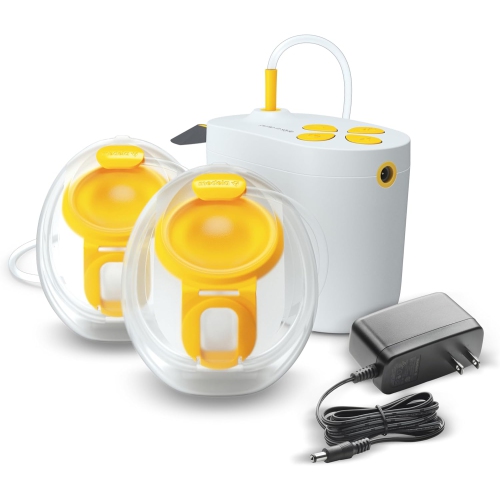
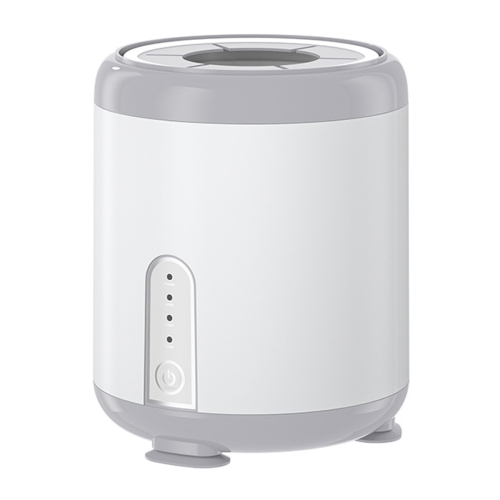
Daily care and long-term practicality help distinguish bottles that merely look convenient from those that work well through repeated use. Milk residue can collect beneath collars, around valves, and inside teats, so designs with accessible surfaces and clearly explained cleaning steps can make a meaningful difference. Bottles need to be fully disassembled for cleaning as directed, with each part washed thoroughly and allowed to air-dry on a clean surface. Dishwasher compatibility may apply only to certain components or rack positions, and suitability for steam sterilizers, boiling, or other sanitizing methods should be checked separately. Cleaning and sanitizing are different steps; the appropriate routine depends on the manufacturer’s directions and applicable public health advice for the baby’s age and health. Repeated use also makes inspection important. Cracked glass, damaged bottle bodies, worn markings, and torn or sticky teats can affect safe, reliable use, while replacement intervals vary by component and manufacturer. Teats and collars that appear similar are not necessarily interchangeable, and using only confirmed compatible parts helps preserve the intended fit and function. Compatibility is equally relevant when bottles connect to a breast pump or sit inside a warmer: dimensions, neck shape, and any required adapters can determine whether the setup works together. For daycare, a clearly labelled bottle and a secure transport cap can make handovers simpler; for outings, bottle height and packed weight may matter more than they do at home. A caregiver preparing several feeds may value a consistent bottle system that is easy to assemble, while occasional use may call for a smaller, straightforward setup. Bottles can also be thoughtful gifts for expectant or new parents when their preferred feeding system is known, particularly because babies may accept some teat shapes more readily than others. Families considering gifts for older siblings alongside feeding essentials can also explore Boxing Day Sale on Toys. For baby bottles themselves, lasting usefulness comes from comfortable feeding, dependable components, and care requirements that fit naturally into everyday family life.
Top selling and popular products
-
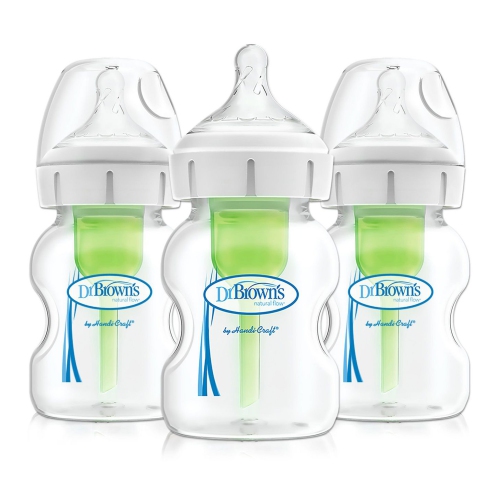 Your price for this item is $34.99
 -
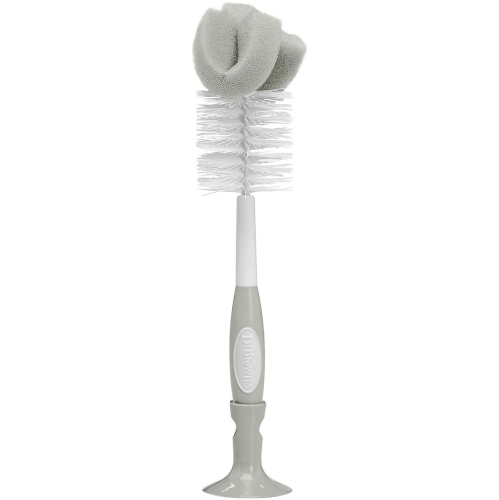 Your price for this item is $9.99
 -
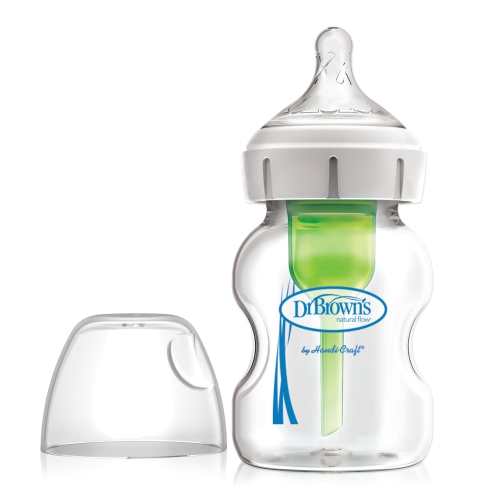 Your price for this item is $15.49
 -
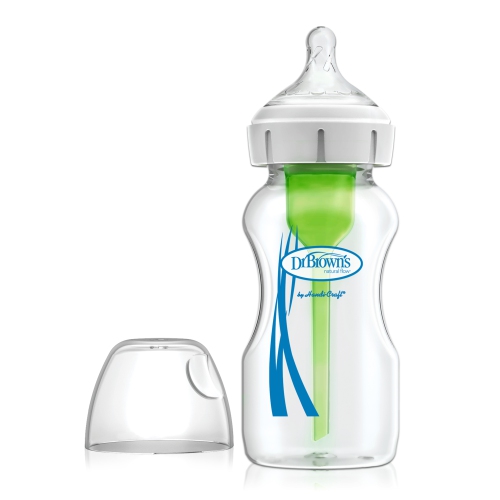 Your price for this item is $15.49
 -
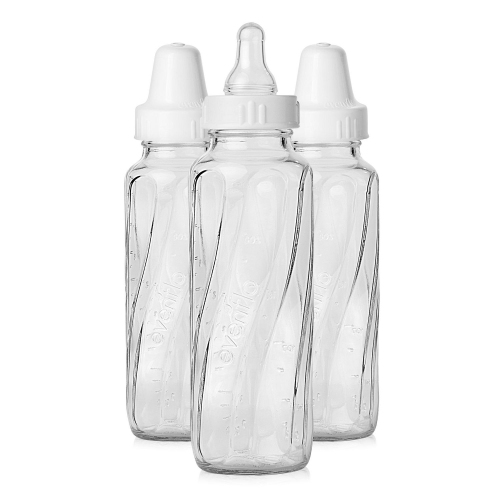 Your price for this item is $27.99
 -
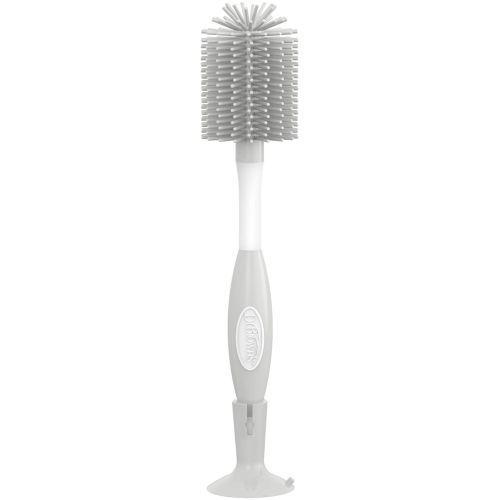 Your price for this item is $12.99
 -
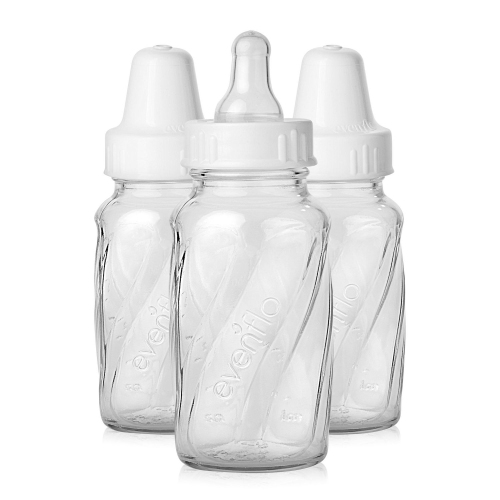 Your price for this item is $12.99
 -
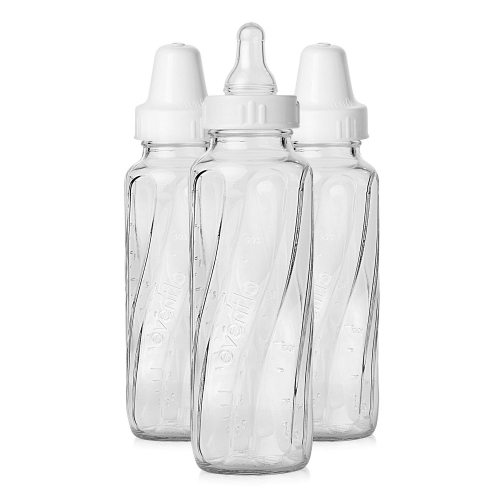 Your price for this item is $14.99