Boxing Day Deals Coming Soon
Our Boxing Day Sale returns in December 2026. In the meantime, shop our current top deals below.

Boxing Day Sale On Standing Desks
Take your workspace to the next level with the Boxing Day sale on standing desks. Discover incredible deals on a wide selection of options designed to help you create a comfortable and productive environment. Whether you're upgrading your home office or outfitting a new space, now is the perfect time to find standing desks at unbeatable prices during our Boxing Day event. Don’t miss out on these limited-time offers to enhance your setup and enjoy more flexibility while you work. Remember, our Low Price Guarantee means you can shop confidently knowing that you'll find the best price at Best Buy, all year round. We encourage you to check our website frequently for the most up-to-date information on our latest offers and savings opportunities.
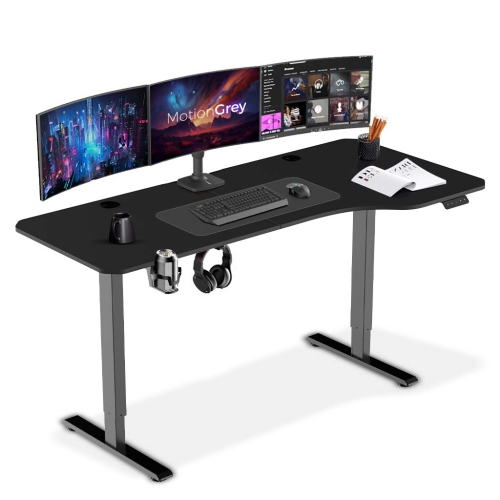
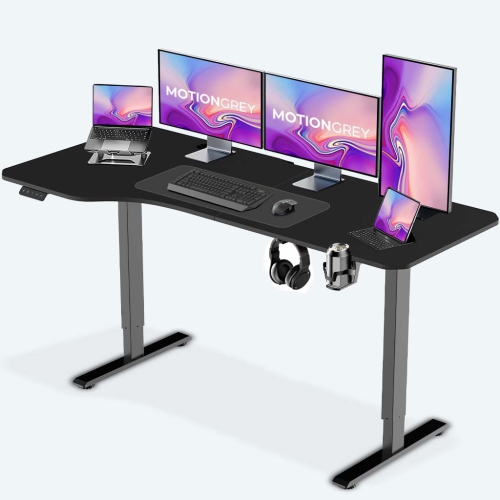
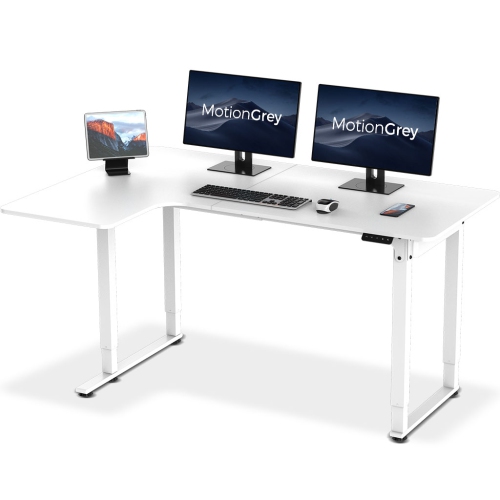
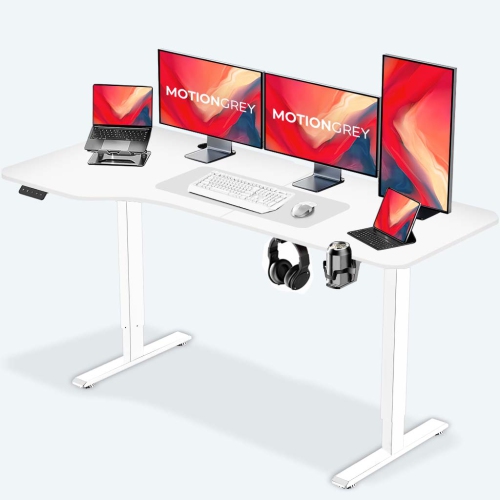

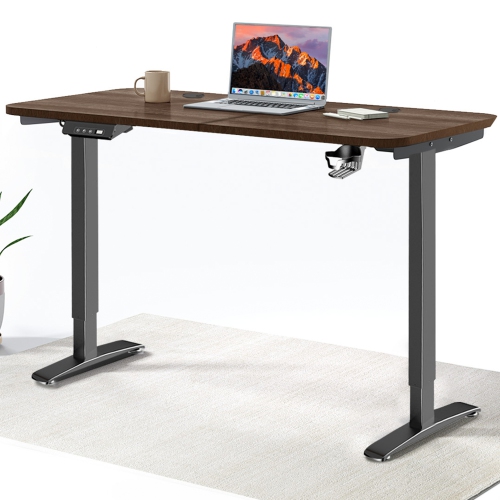

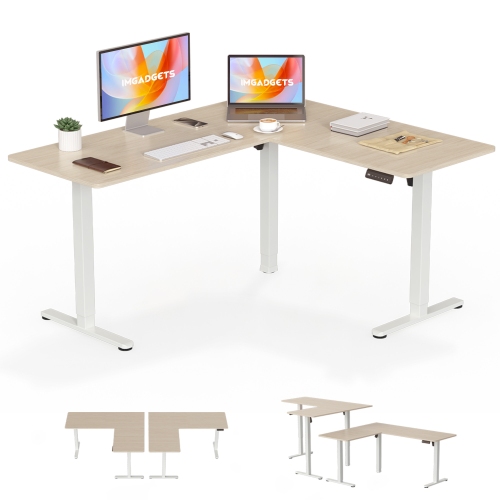
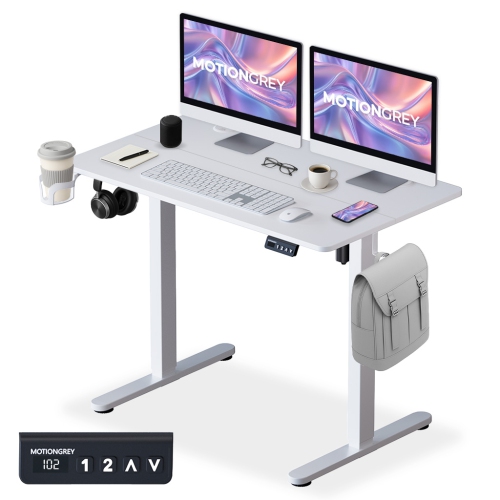
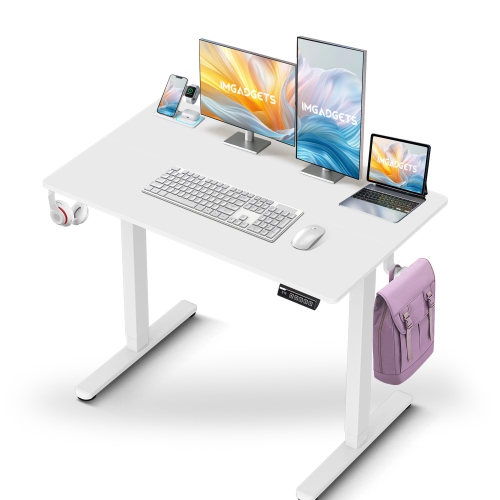
The right desk fit goes beyond standing height
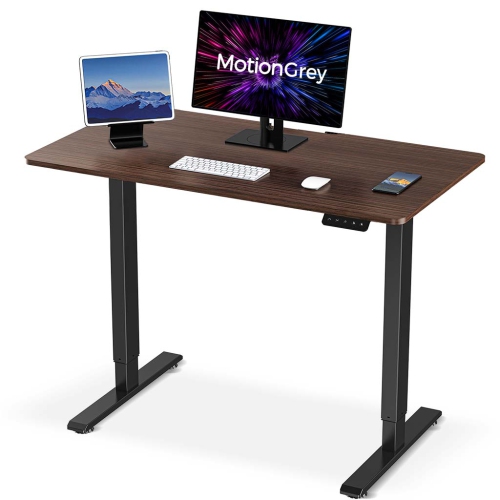
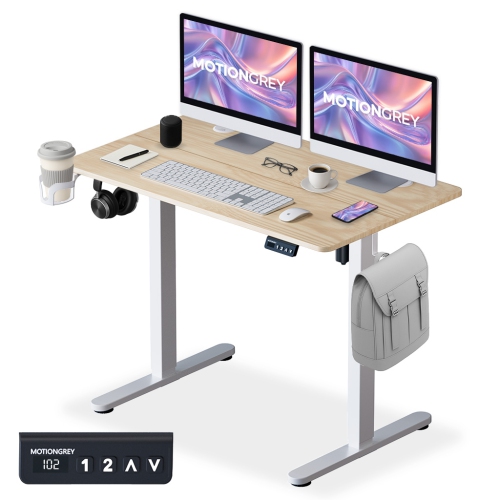
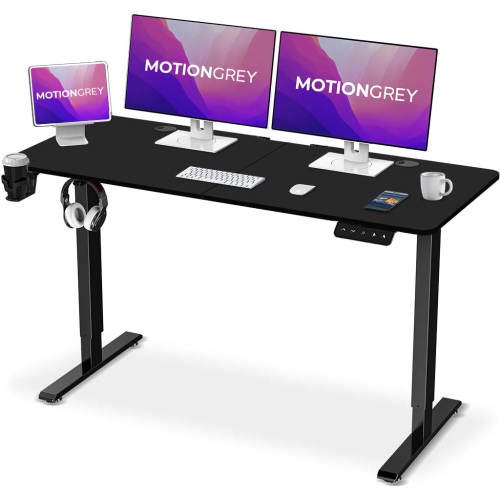
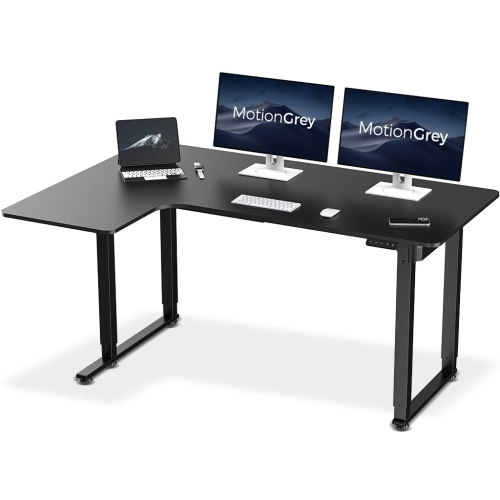
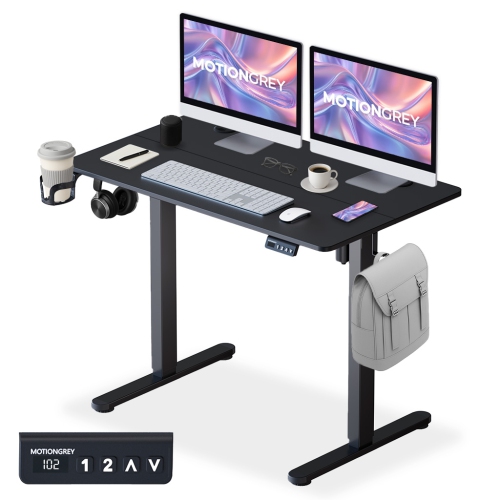
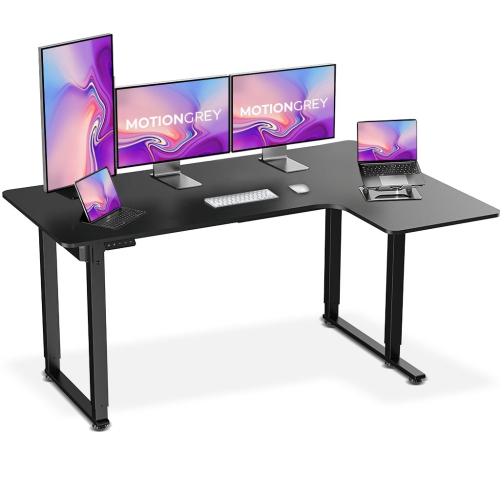
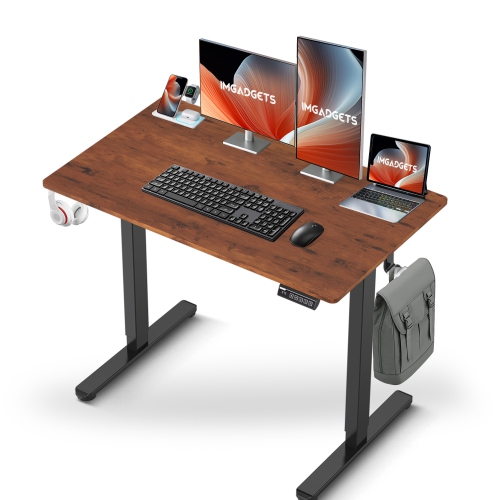
Desktop dimensions determine how comfortably that routine fits into the room. Width provides space for monitors, notebooks, and other essentials, while depth helps keep a display far enough from the face and leaves room for forearms in front of the keyboard. A compact surface can work well for a laptop-based station, but a setup with two monitors, a separate keyboard, and open reference material needs more room. Measuring the whole footprint is useful: feet can extend beyond the desktop, and nearby drawers, doors, or walkways still need clearance. The desk also needs an unobstructed path through its full height range. A shelf that clears a seated monitor may become an obstacle when the desktop rises, and a chair arm can catch beneath the surface when it lowers. Materials affect both the appearance and day-to-day handling of a standing desk. Solid wood offers natural grain and can develop marks with use; care depends on its finish. Engineered wood with a laminate or similar finished surface offers a consistent appearance and generally suits routine wiping, provided moisture is not left around seams or exposed edges. Metal frames provide structural support, but stability also depends on leg design, connections, levelling feet, and correct assembly. A desk that feels steady when lowered may behave differently at standing height, especially with a large monitor on an extended arm. For that reason, frame construction and the intended equipment load deserve attention alongside the desktop finish. The stated lifting capacity should be checked against everything the mechanism must support, following the manufacturer’s definition of that limit. Monitor arms introduce another consideration: their clamps need a compatible desktop thickness, sufficient edge clearance, and a surface suitable for the mounting method. A split desktop may have a seam that affects where a writing pad or keyboard sits, while a one-piece surface provides an uninterrupted working area. Rounded corners, neatly finished edges, and an easy-to-reach controller can also make a noticeable difference in a small room where people pass close to the desk.
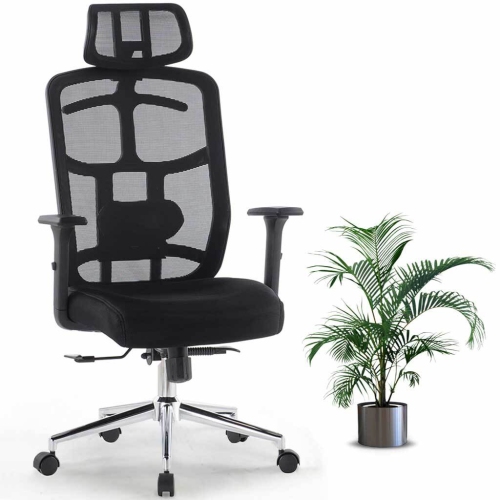
The details beneath a standing desk often determine how tidy and convenient it feels after the first few days. Power cords, display cables, and charging leads need enough slack for the full lift range without dragging on the floor or pulling against their connections. A cable tray or suitable clips can keep loose lengths away from moving parts, but cables should never be secured so tightly that raising the desk puts strain on a laptop dock or wall outlet. A desktop computer placed on the floor may need a different cable arrangement from one carried on a compatible support attached to the desk. Powered models also need access to an appropriate outlet, and motor sound may matter in a shared office or near a space used for calls. Features such as height memory, control locks, and obstacle detection can add convenience, though their operation varies by design. Obstacle detection should not replace keeping the area clear of children, pets, furniture, and loose objects during adjustment. Seating remains an essential part of a sit-stand setup, and ergonomic chairs can complement an adjustable surface by supporting the seated portion of the day. Chair height, armrest clearance, and foot support should work with the desk rather than force an awkward compromise. Students may use the same surface for typing and handwritten assignments, remote workers may need space for calls and paperwork, and hobbyists may value a change in height for light projects, provided the desk is suited to the task. As a gift, a standing desk is most useful when the recipient’s room measurements, equipment, and preferred way of working are known in advance. Assembly access matters too, since a large desktop may be awkward to carry through narrow halls or position alone. Once assembled, routine care is straightforward: follow the finish-specific cleaning instructions, wipe up spills promptly, avoid excess moisture near controls, and check accessible fasteners as directed by the manufacturer. Matching the desk to the room, the equipment, and the person using it helps create a workspace that remains useful well beyond the initial setup.
Top selling and popular products
-
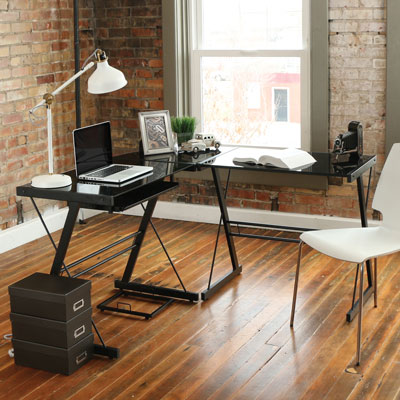 Your price for this item is $304.99
-
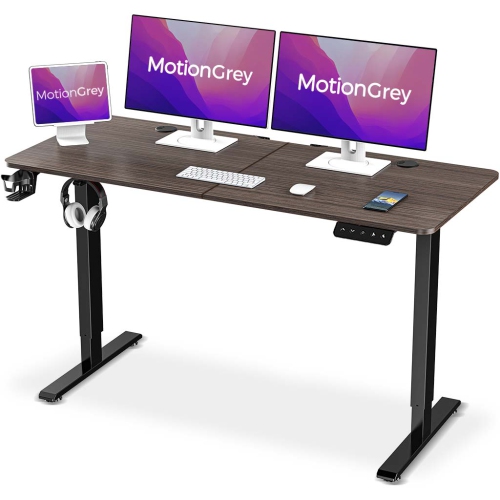 Your price for this item is $142.94
-
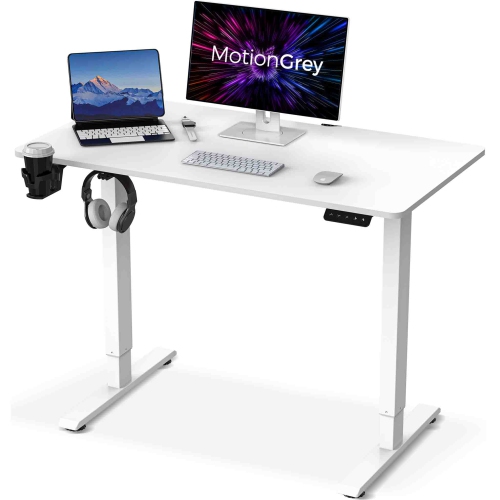 Your price for this item is $133.91
-
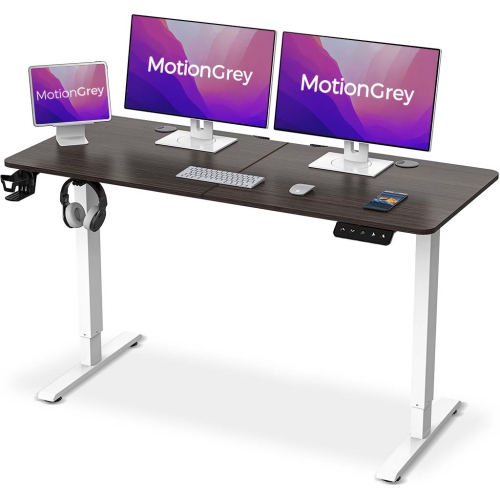 Your price for this item is $158.99
-
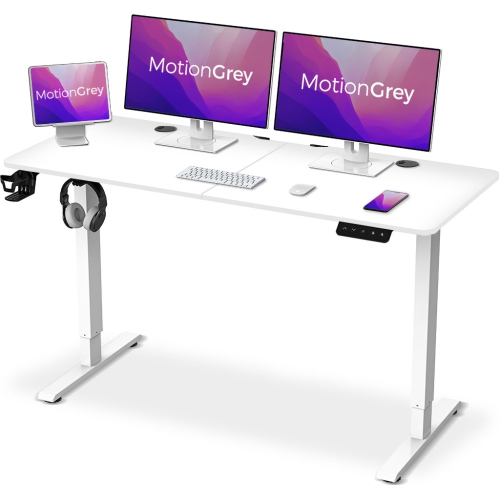 Your price for this item is $142.94
-
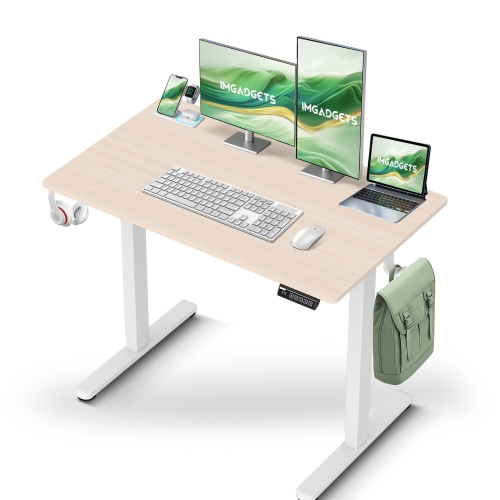 Your price for this item is $119.99
-
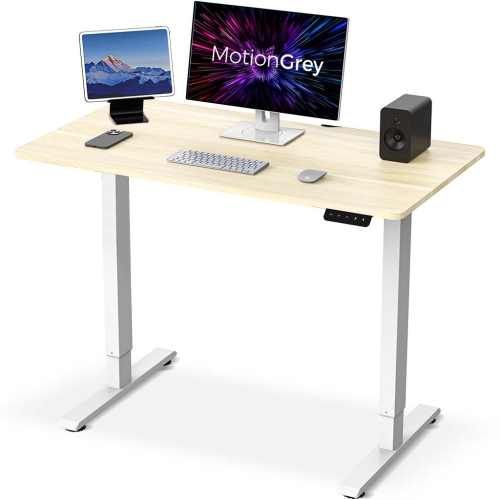 Your price for this item is $133.91
-
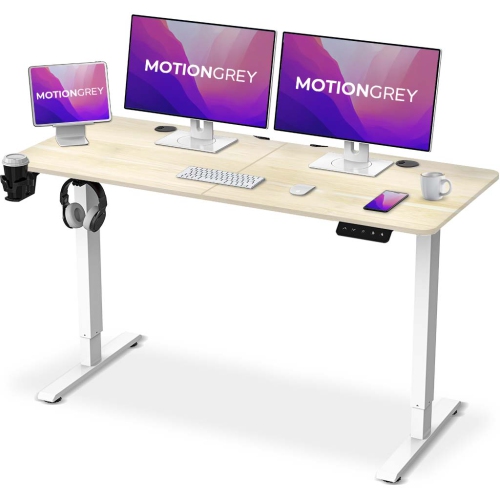 Your price for this item is $142.94