Budget Ergonomic Chairs
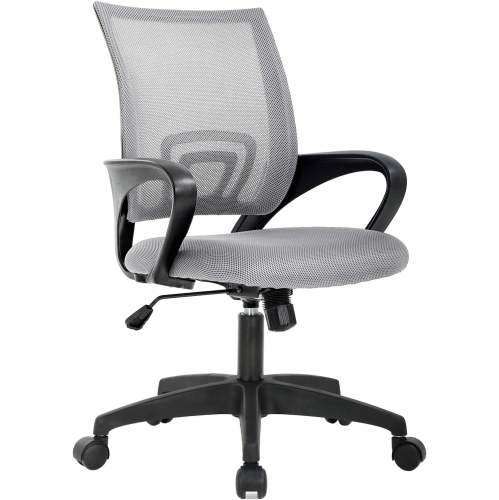
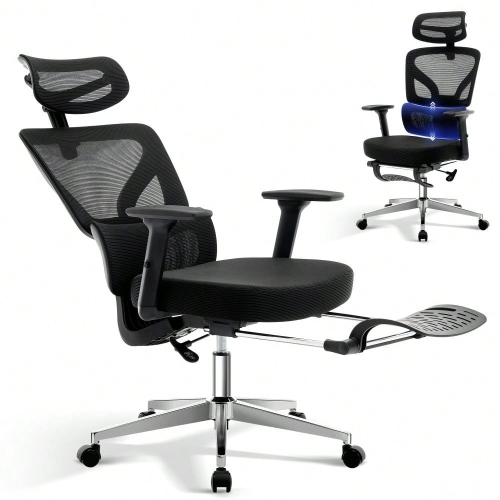
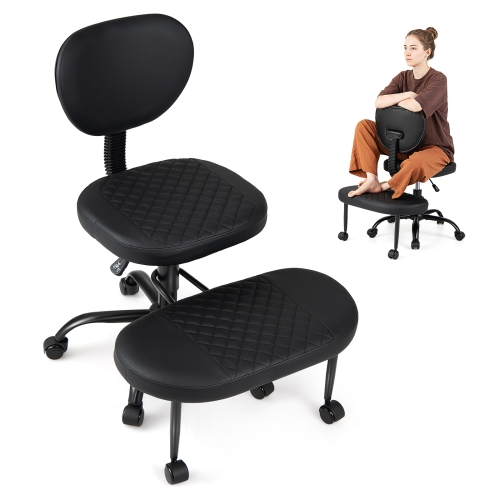
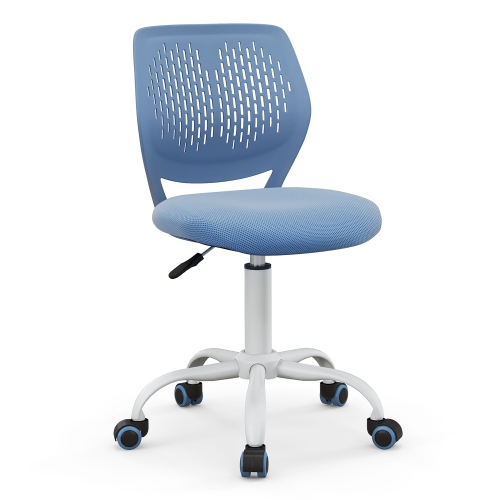
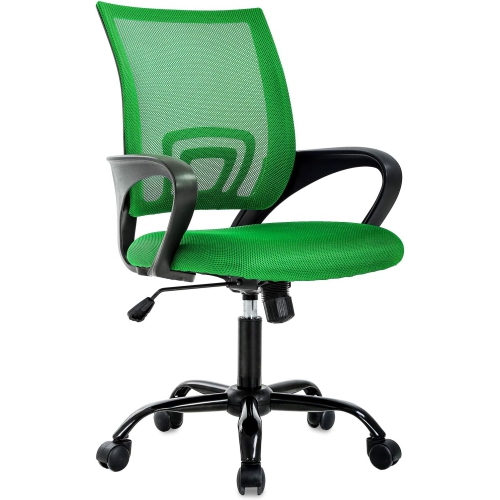
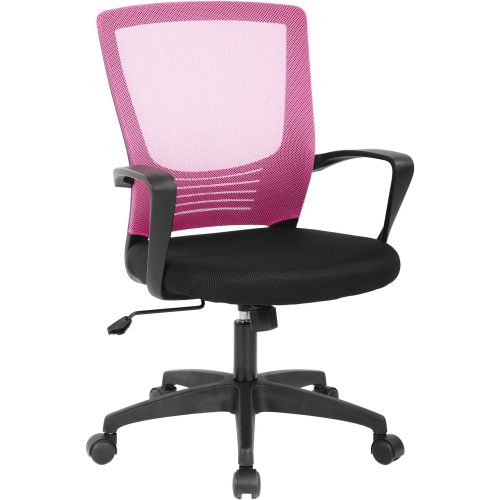
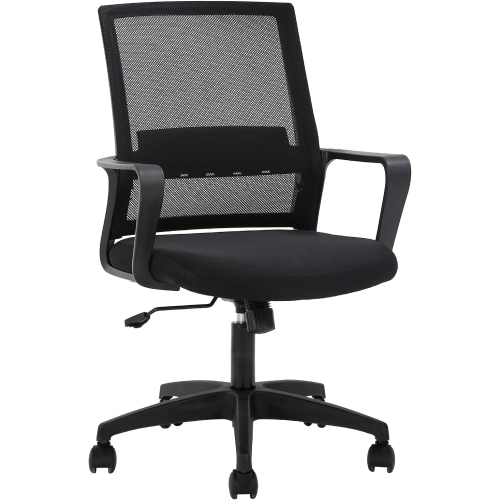
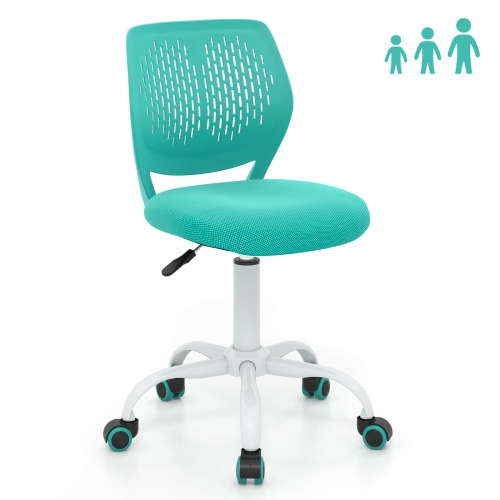
Budget ergonomic chairs offer a starting point for shoppers seeking a more comfortable desk setup at a lower price. Compare office chairs by seat dimensions, adjustability, and back support to find an option that suits your workspace, sitting habits, and budget.


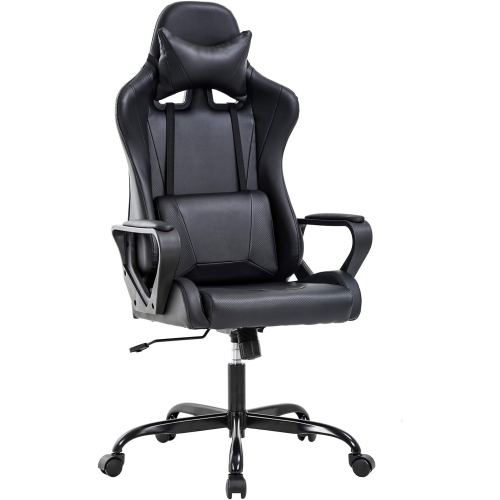

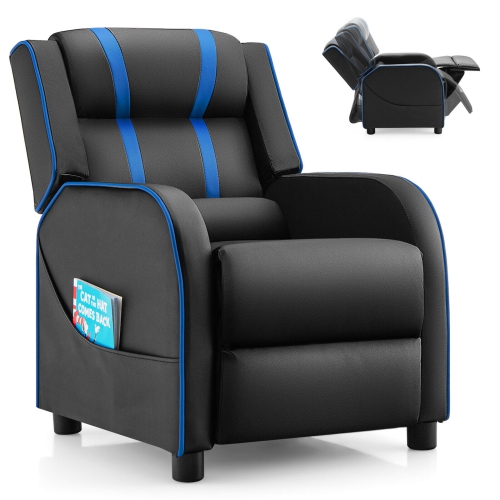
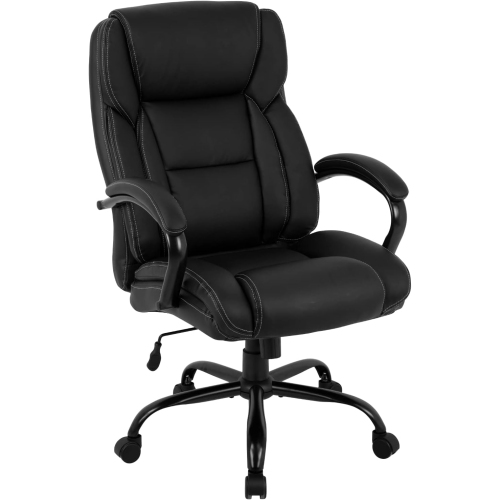

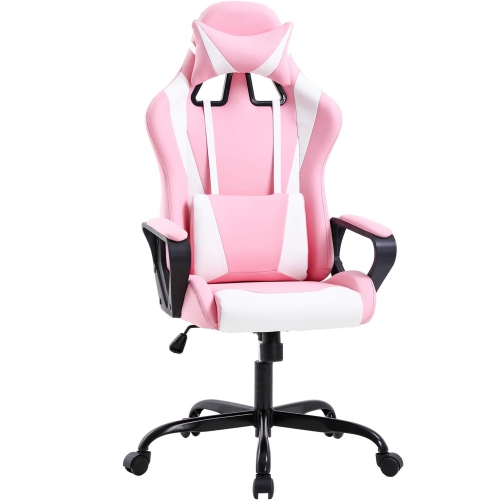








FAQ
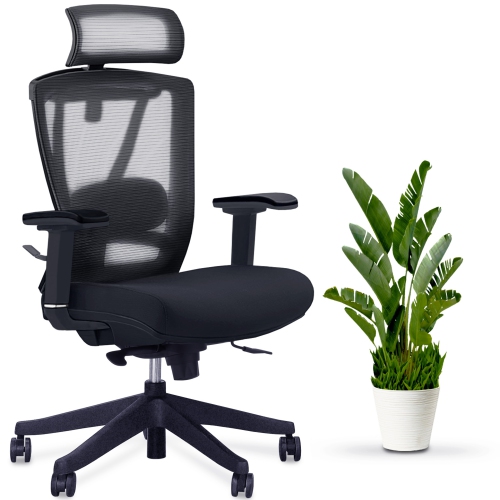
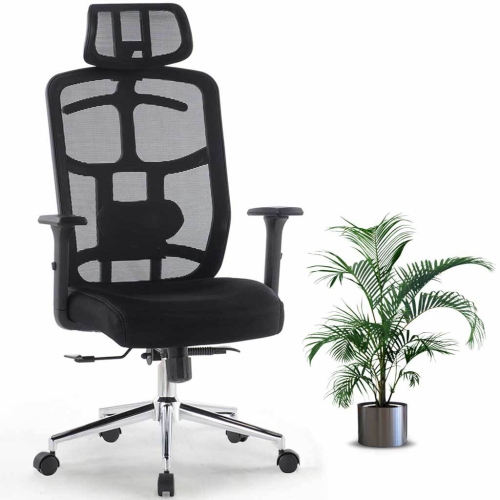
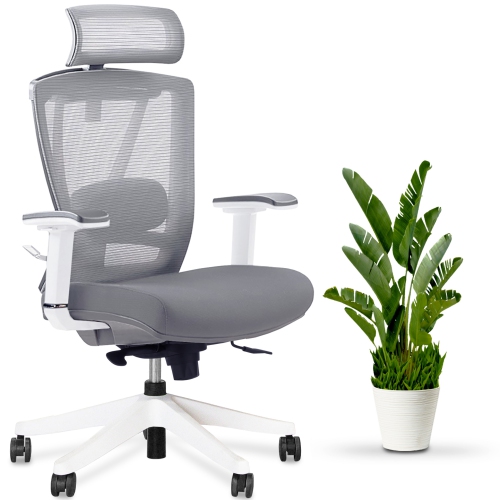
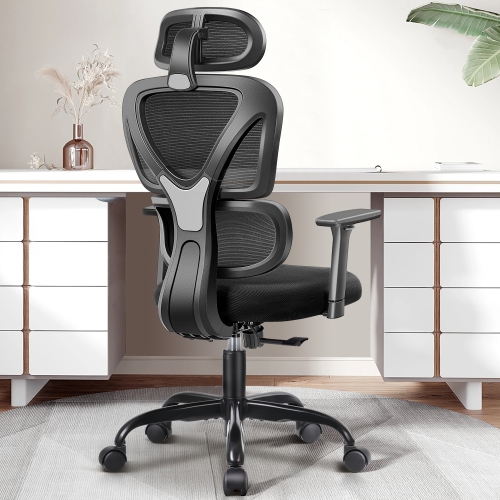
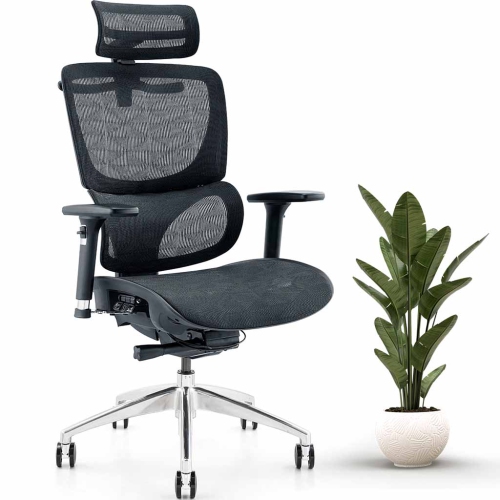
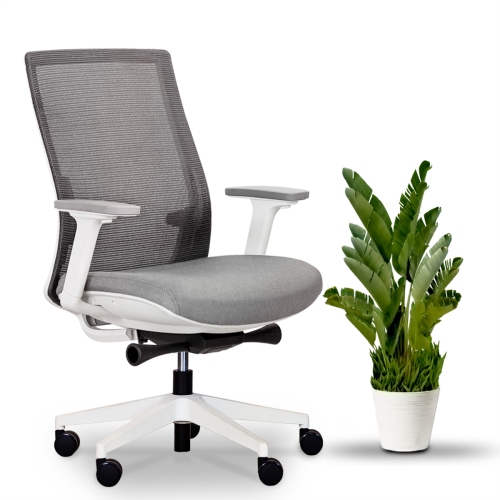
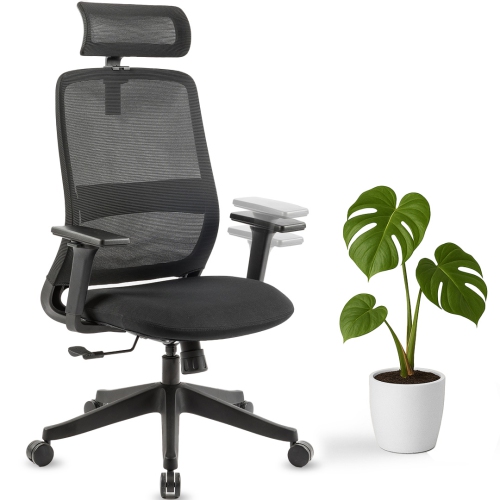
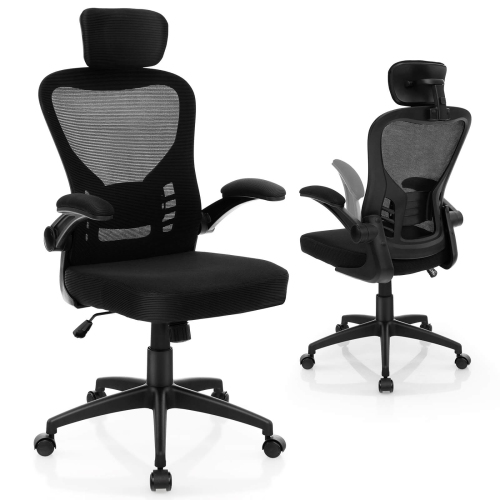
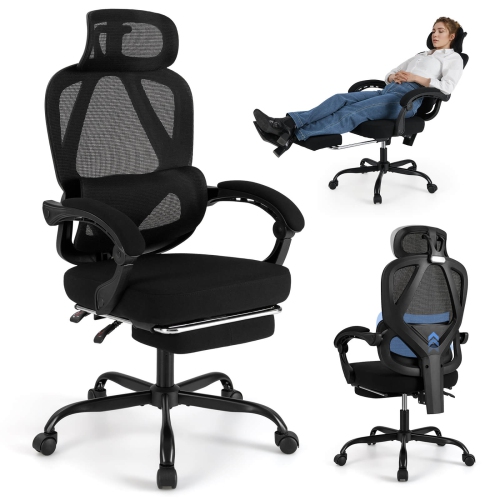
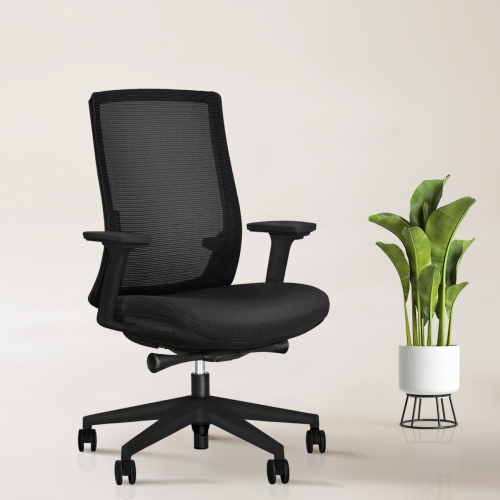
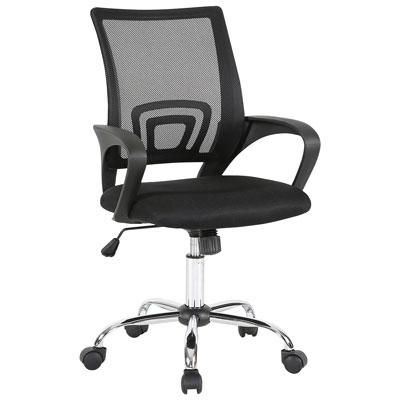
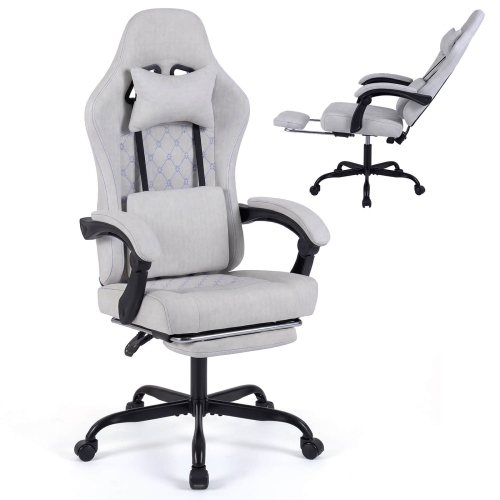
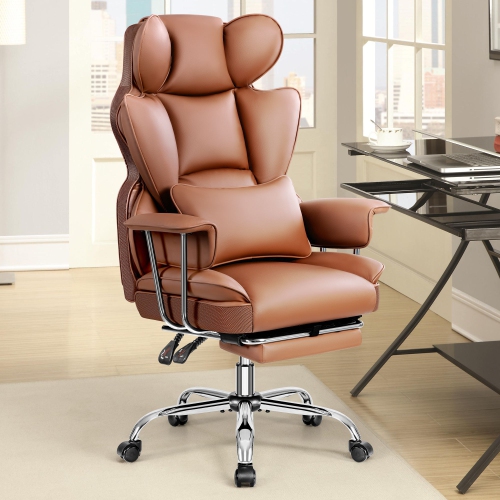
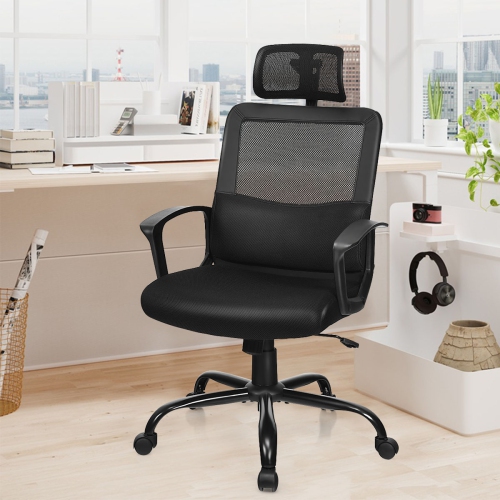
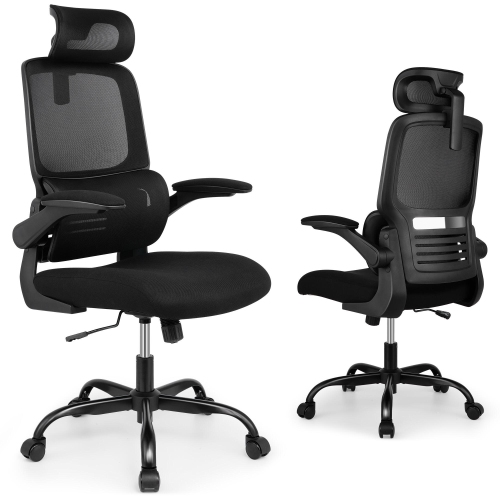
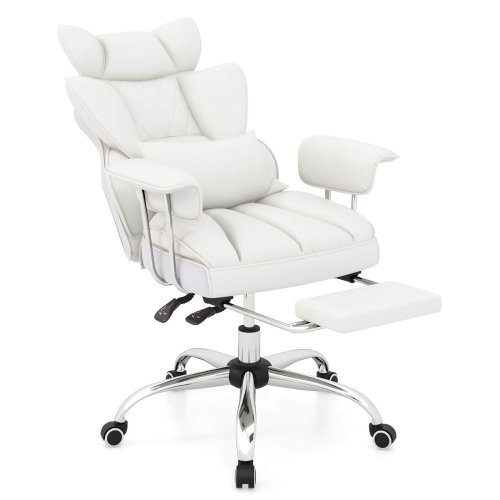
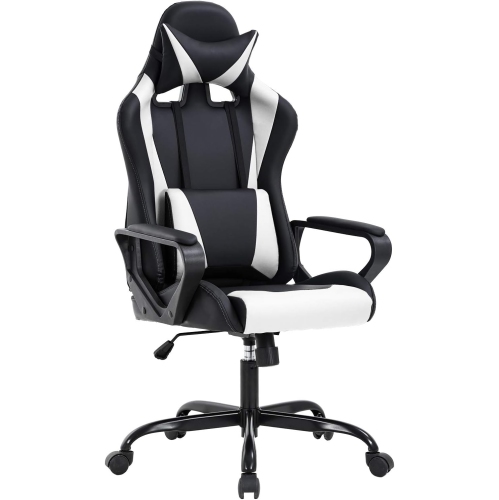
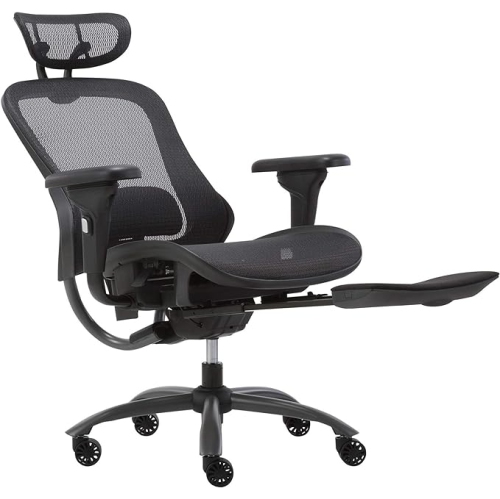
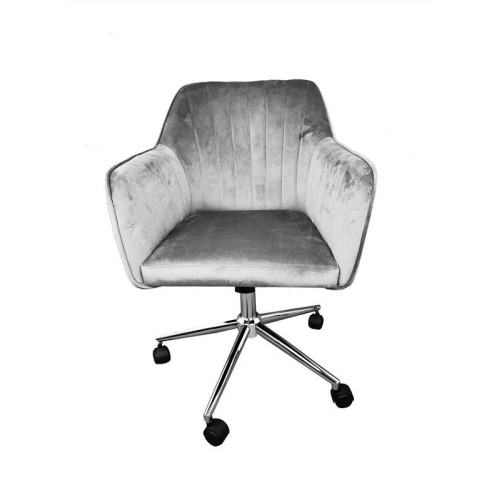
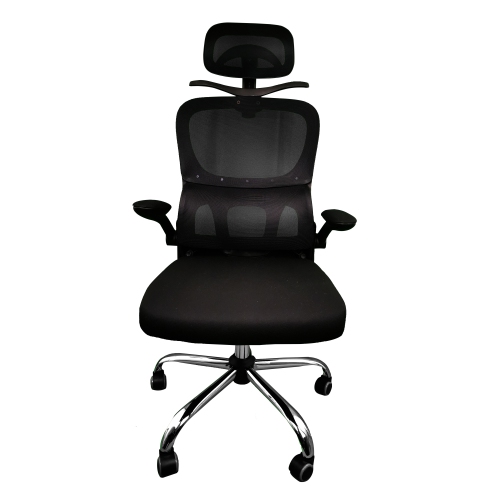
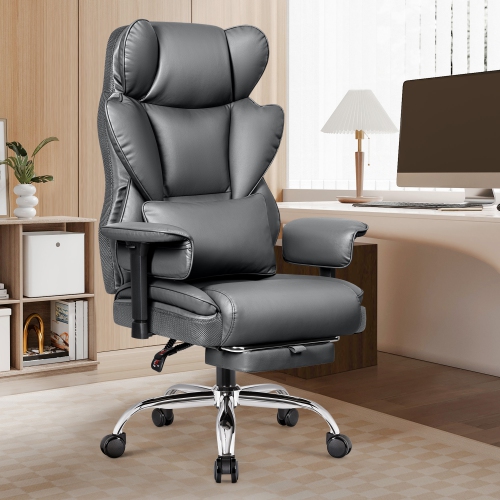
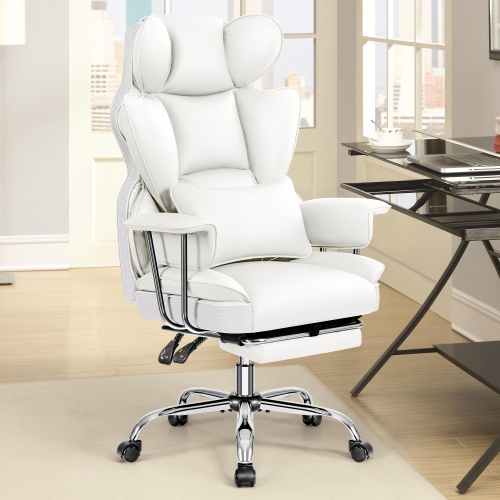
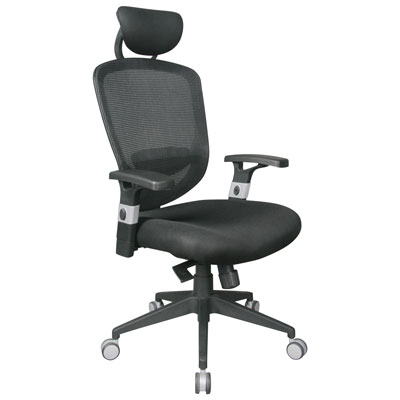
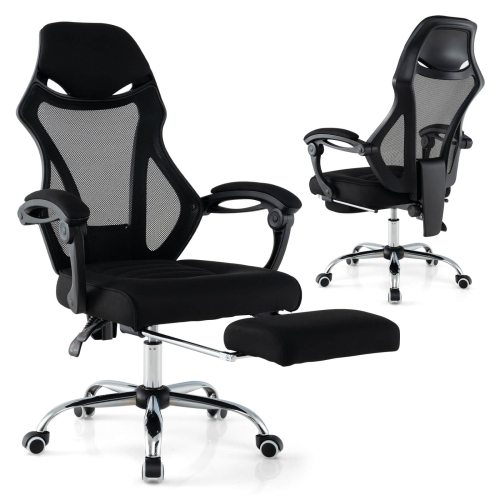
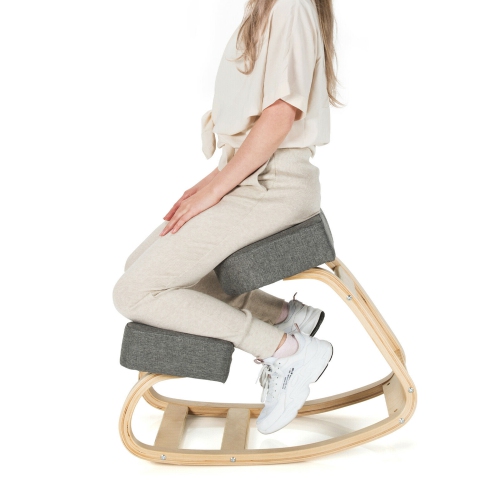
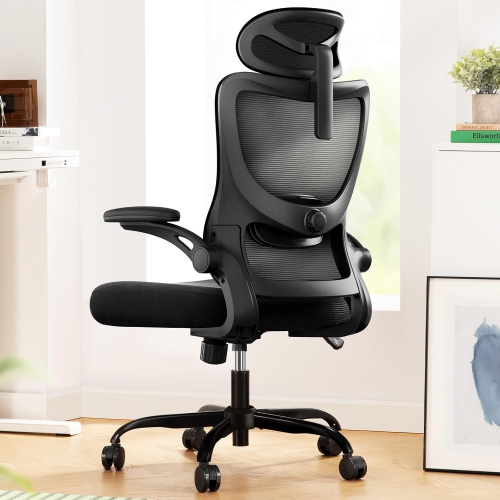
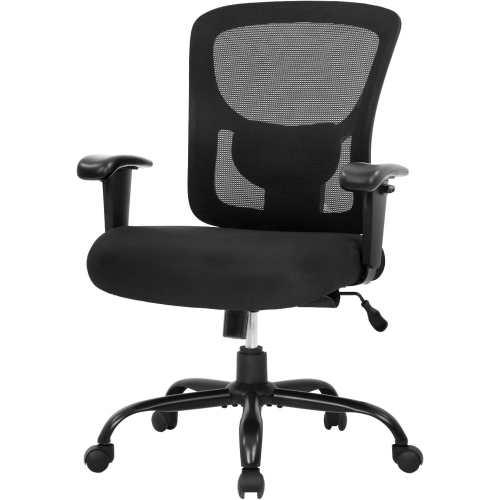
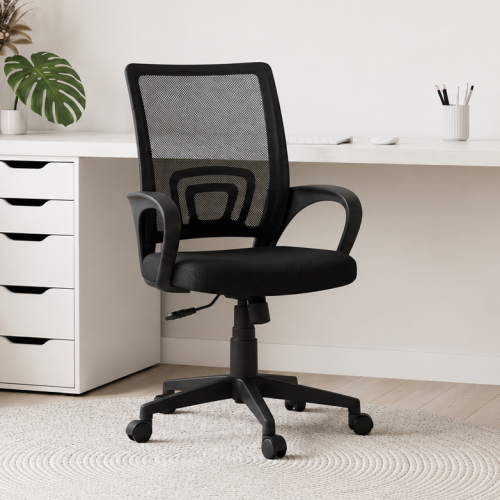
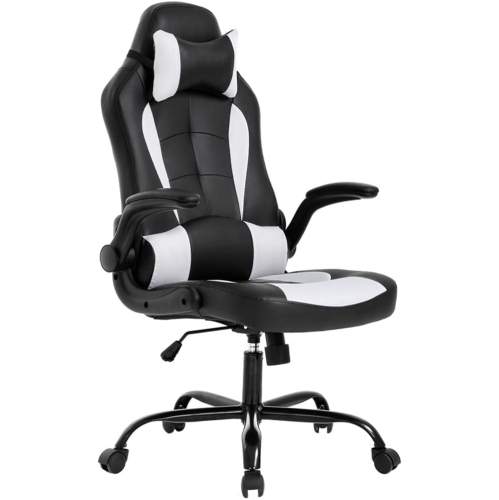
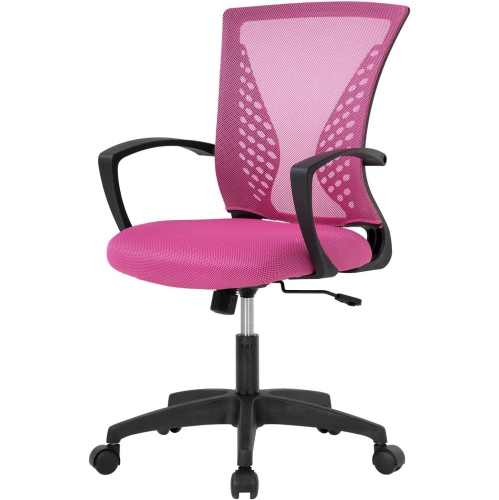
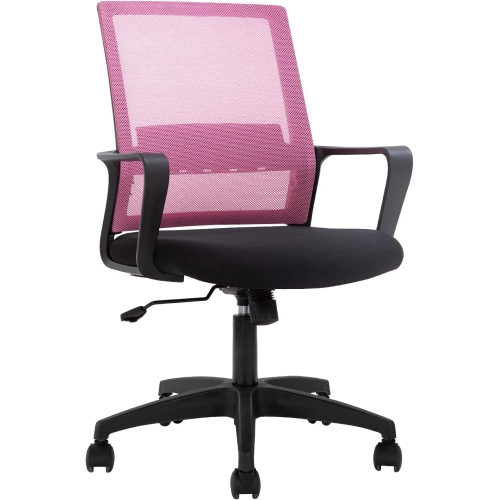
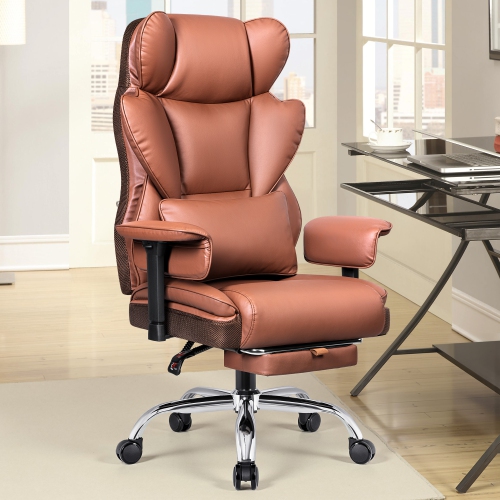
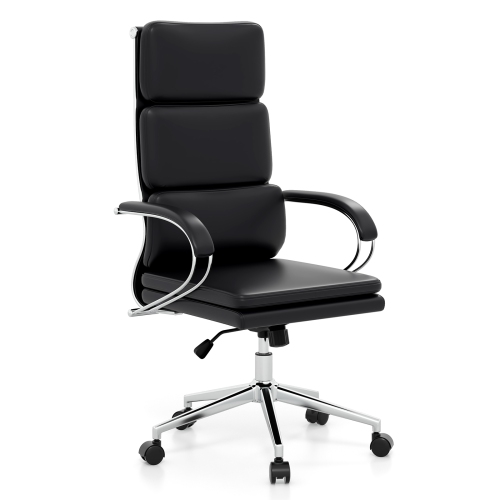
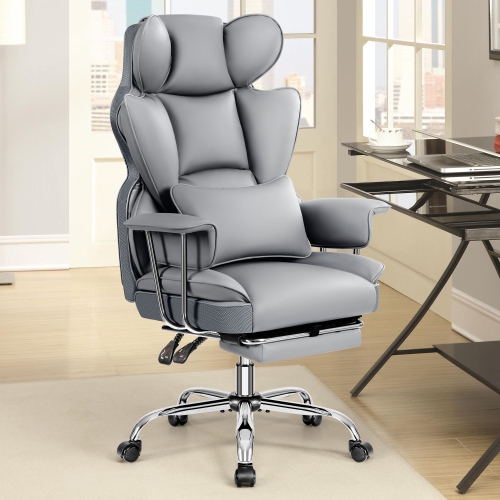
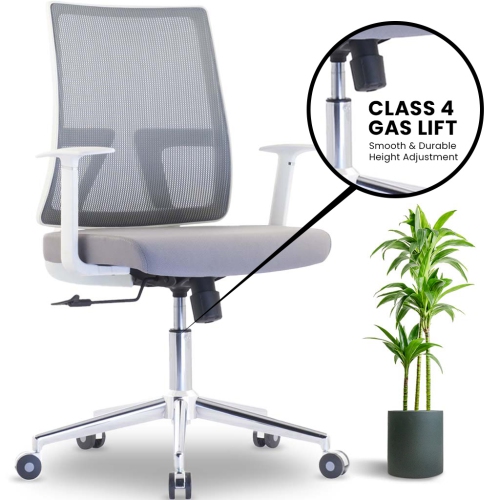
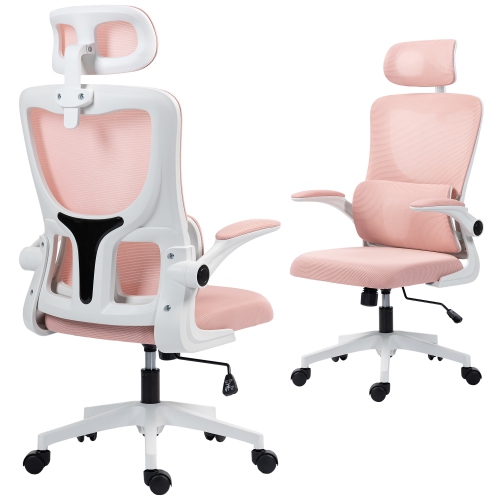
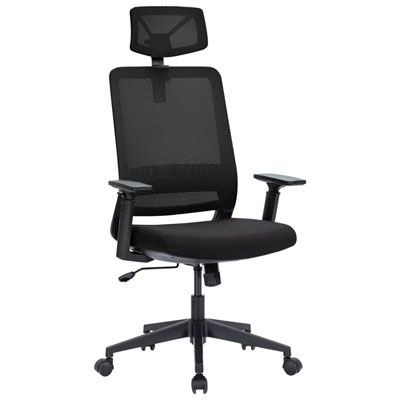
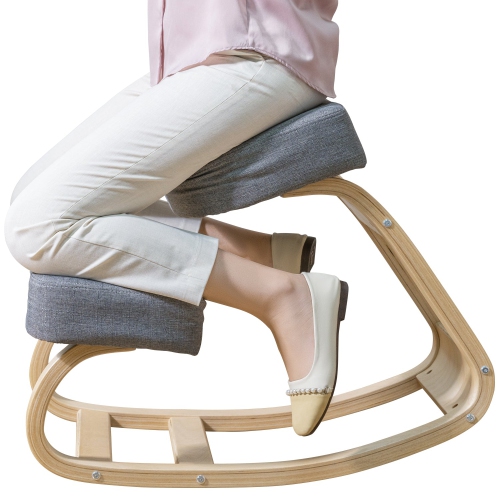
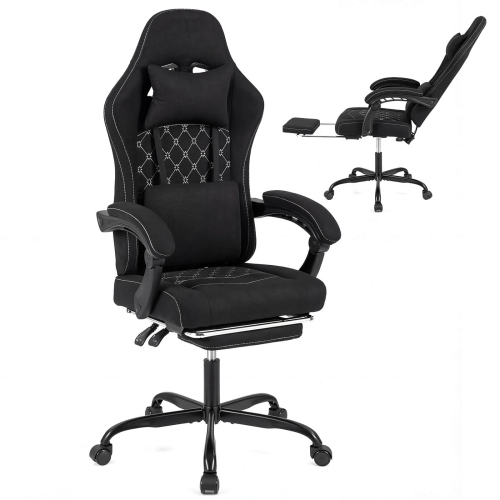
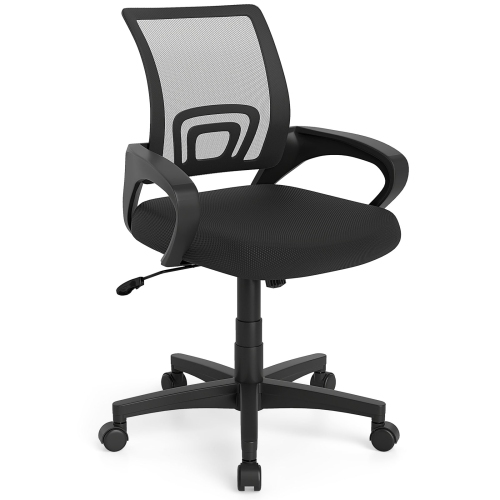
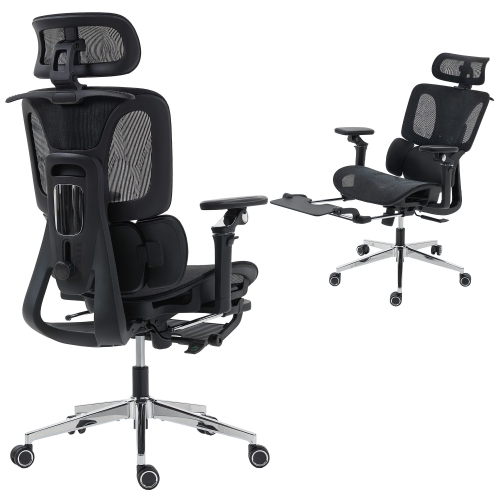
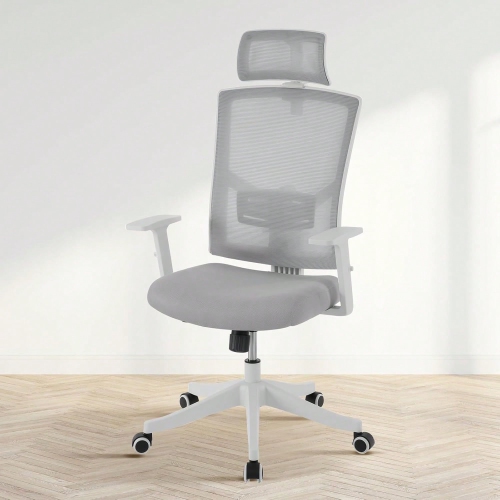
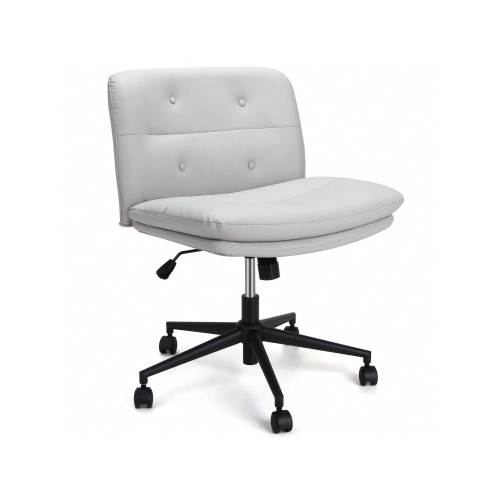
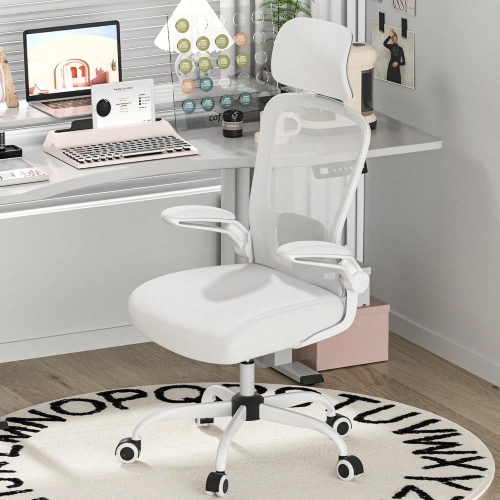
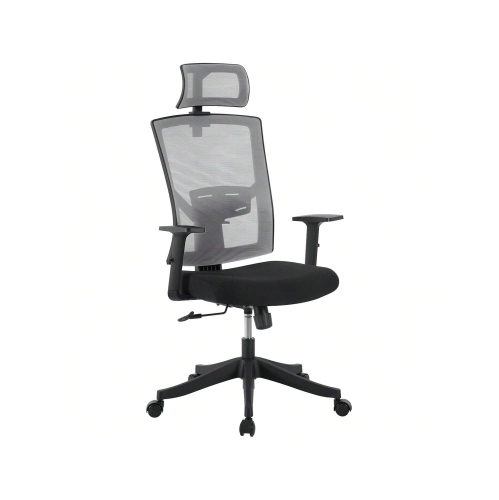
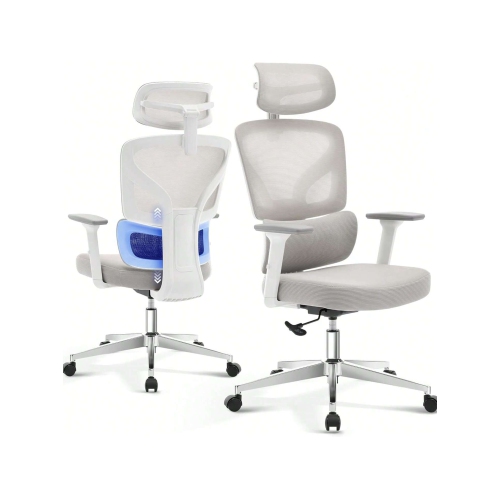
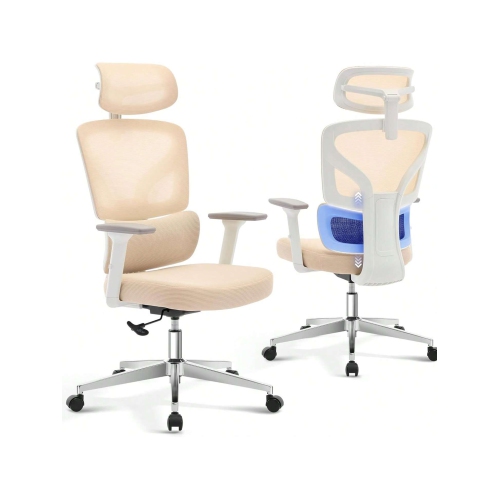
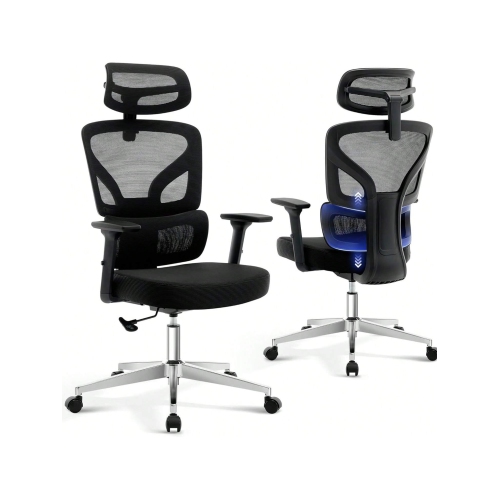
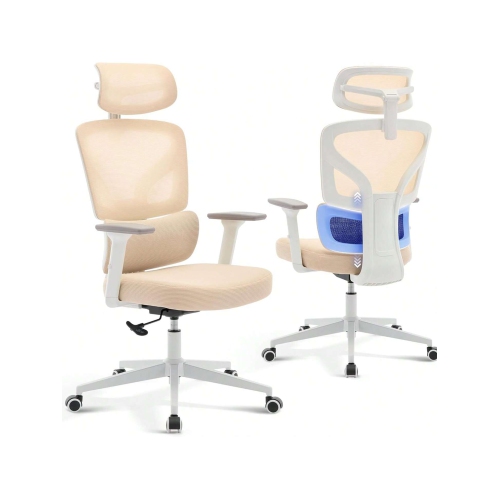
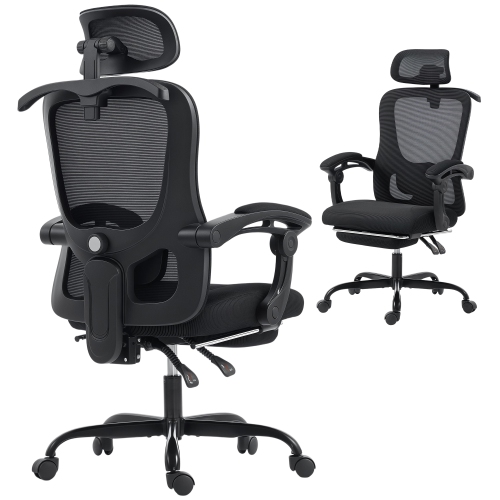
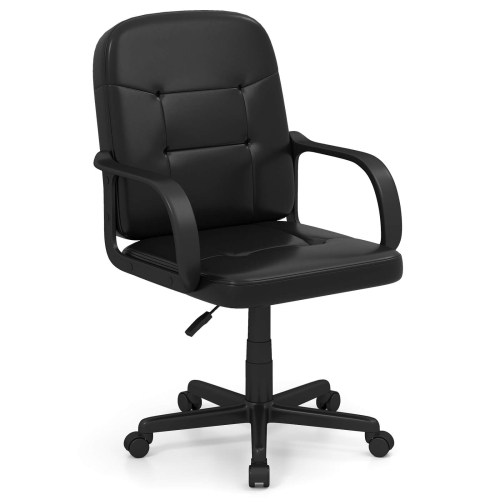
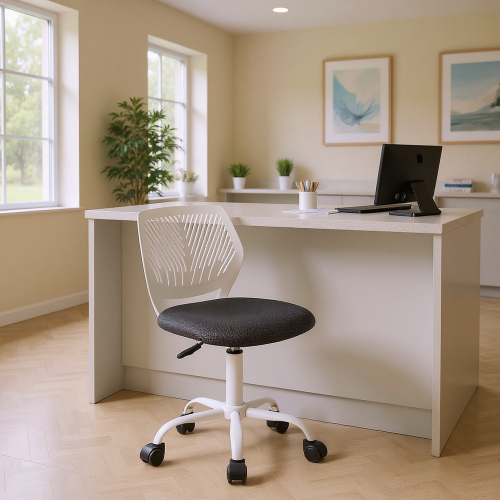
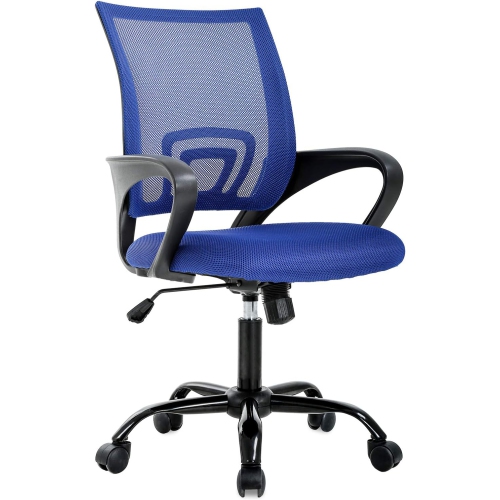
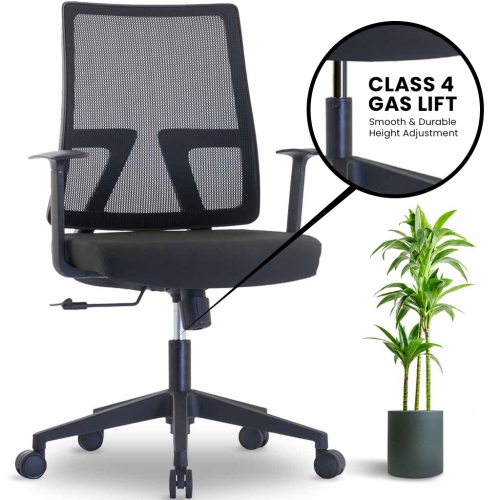
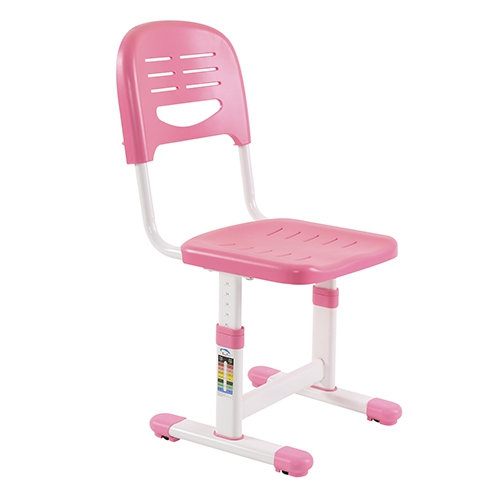
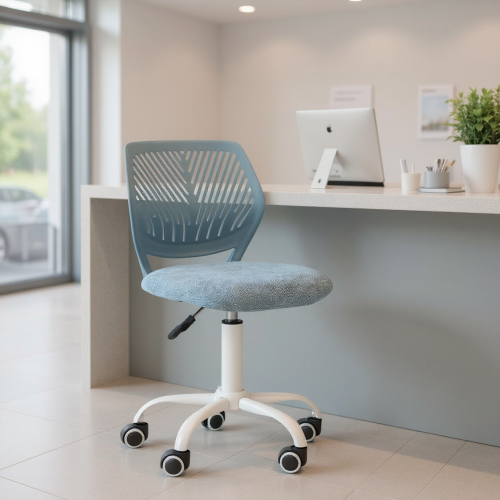
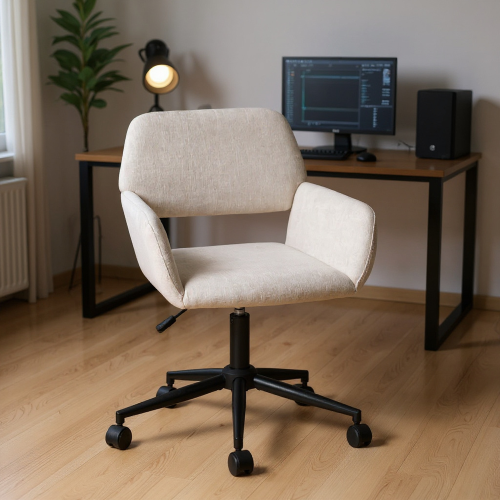
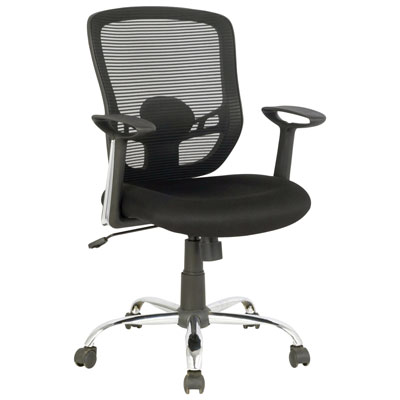
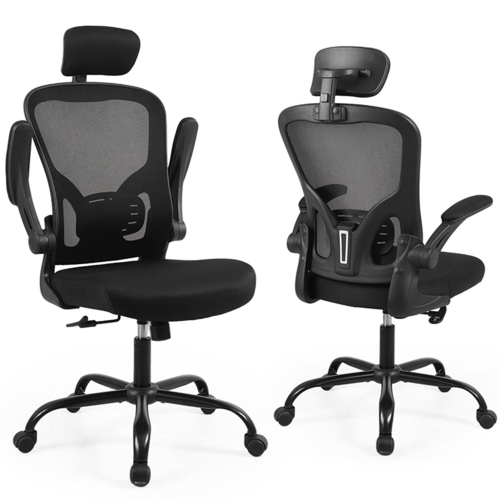
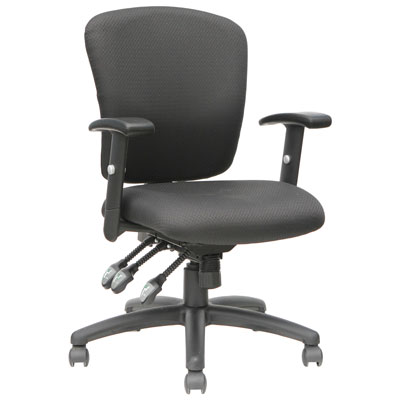
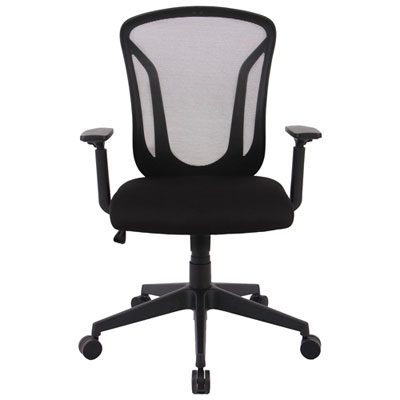
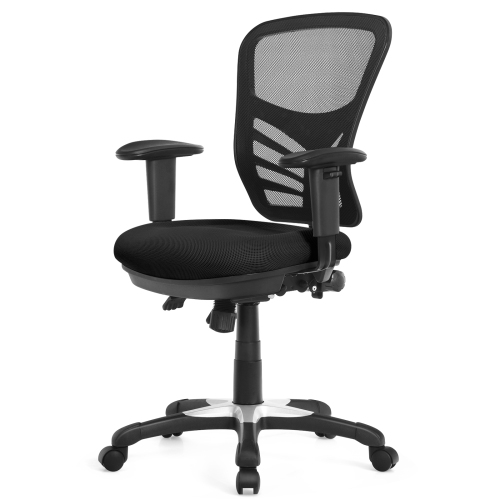
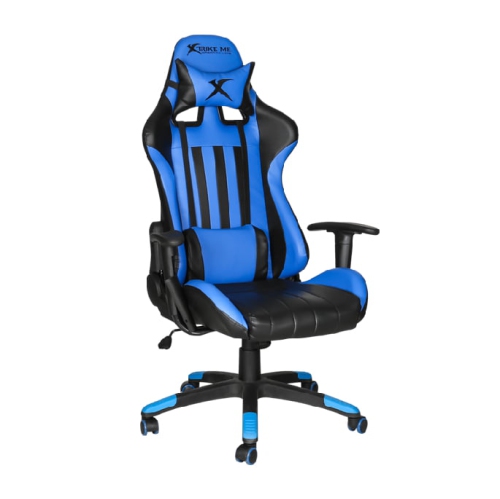
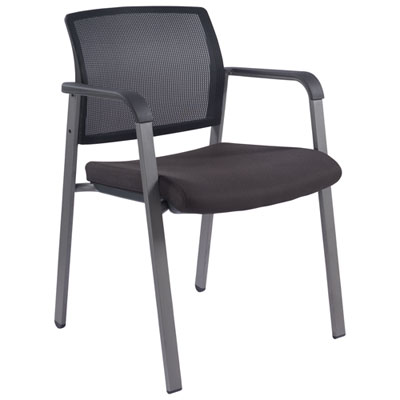
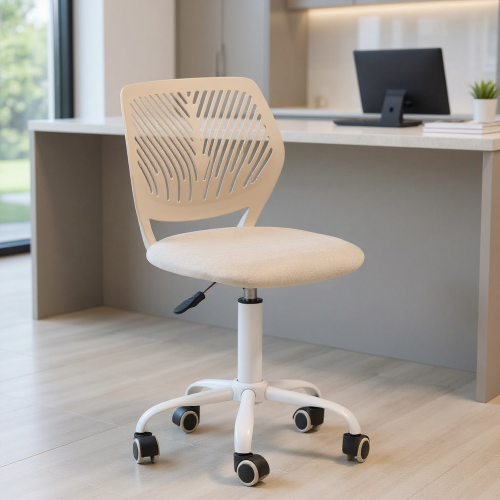
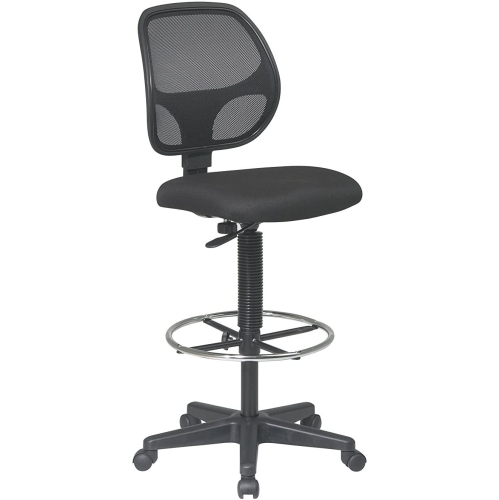
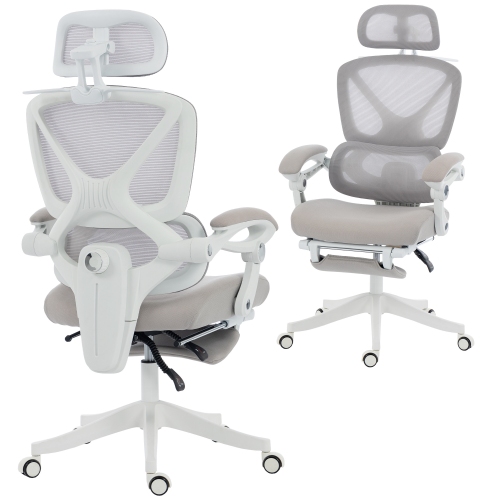
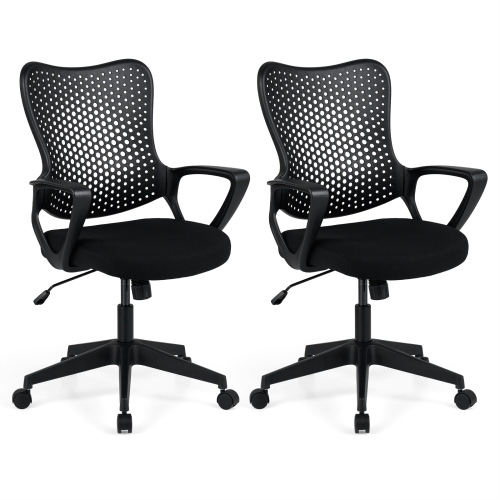
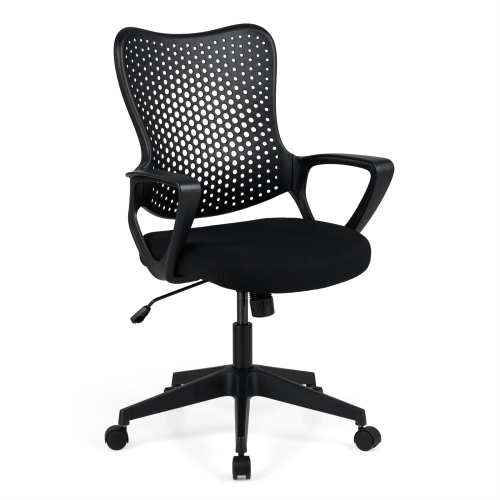
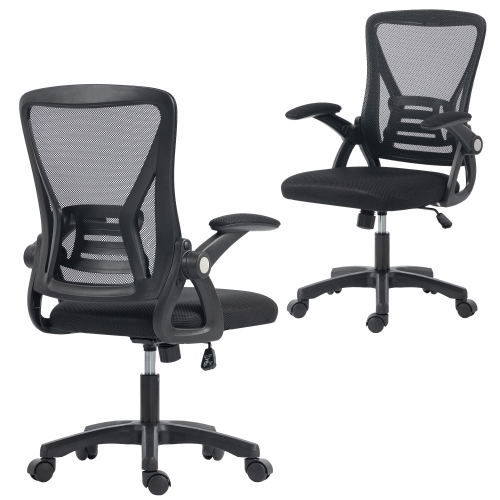
Compare the listed adjustment controls, backrest design, armrest options and base style. Features such as tilt tension, recline locks and adjustable lumbar support vary by model, so check which controls are included rather than relying on the ergonomic label alone.
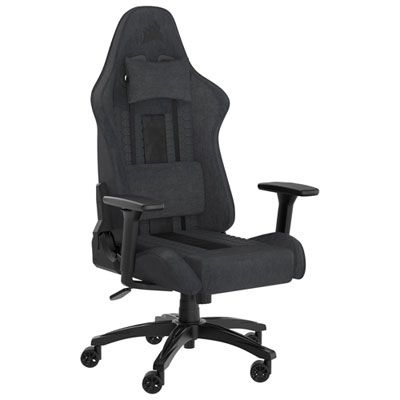
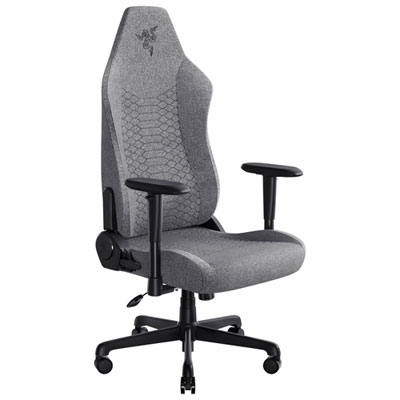
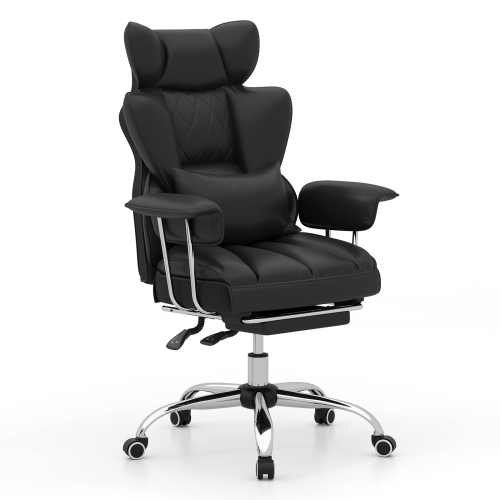
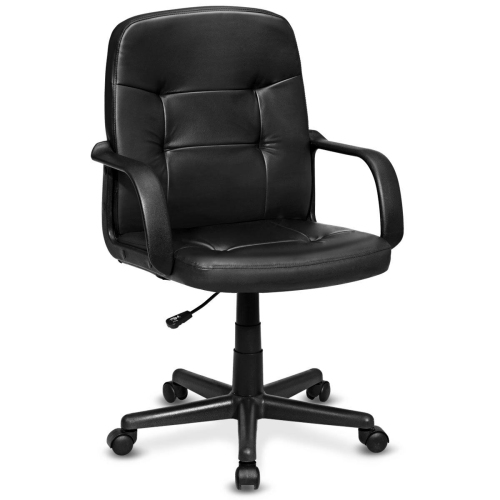
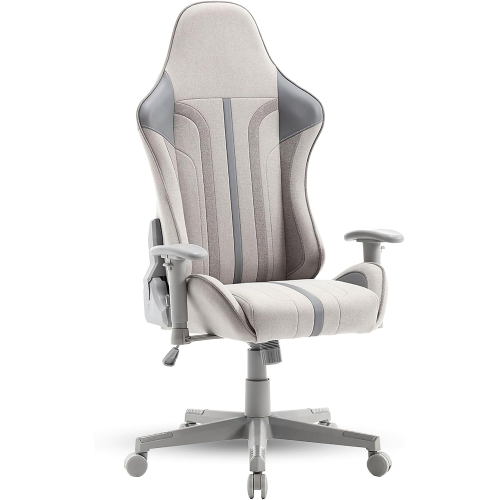
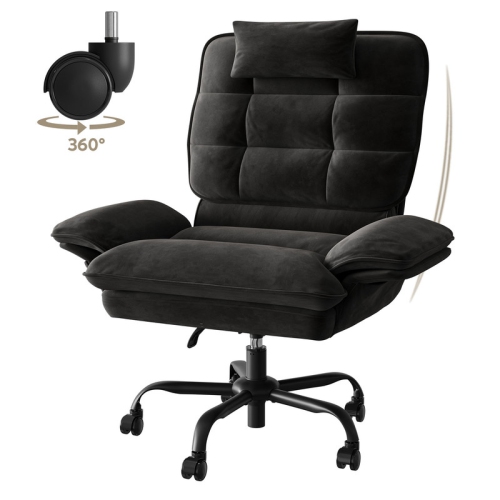
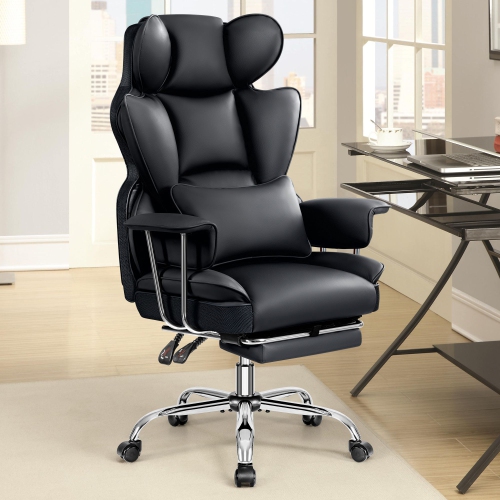
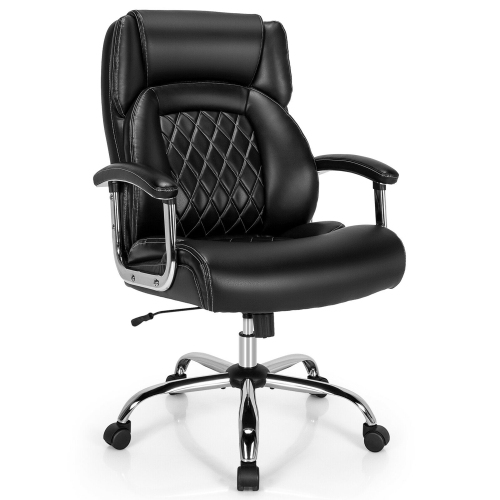
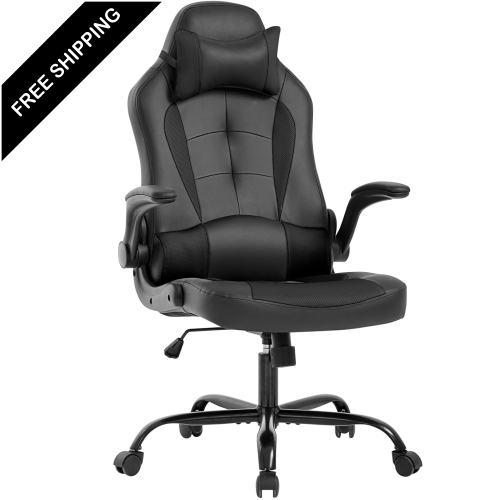
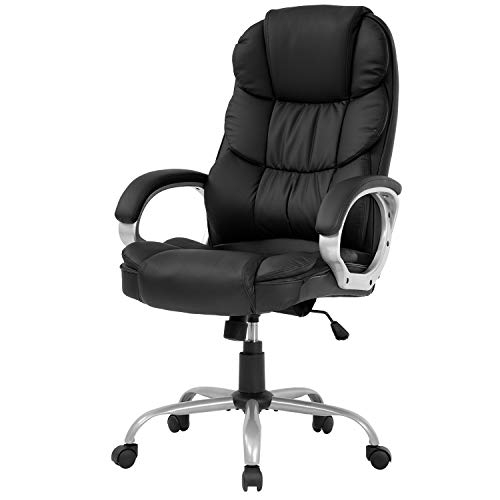
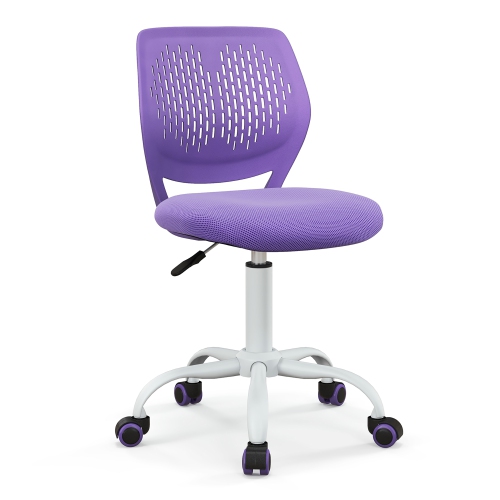
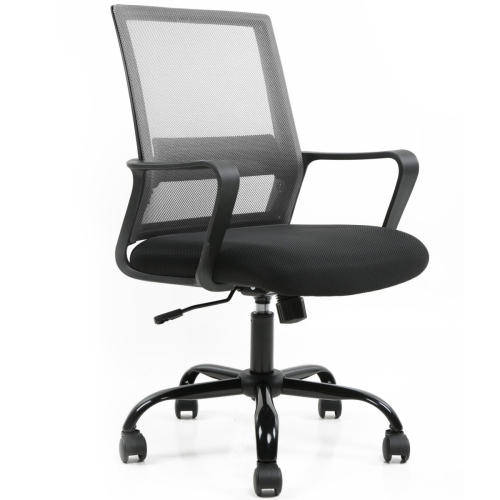
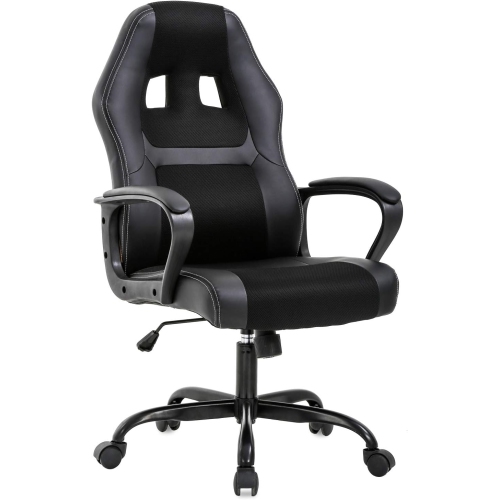
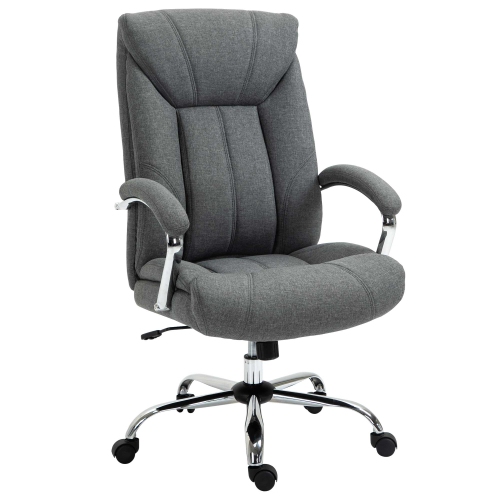
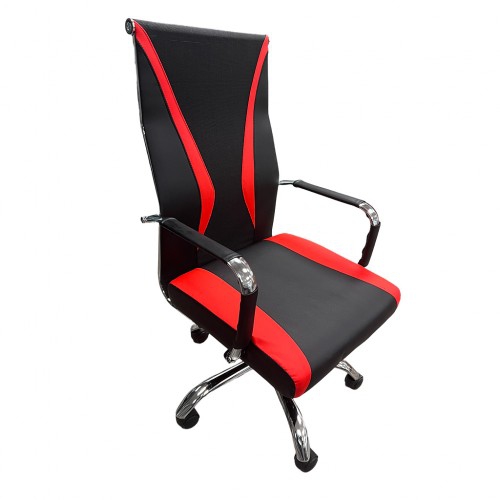
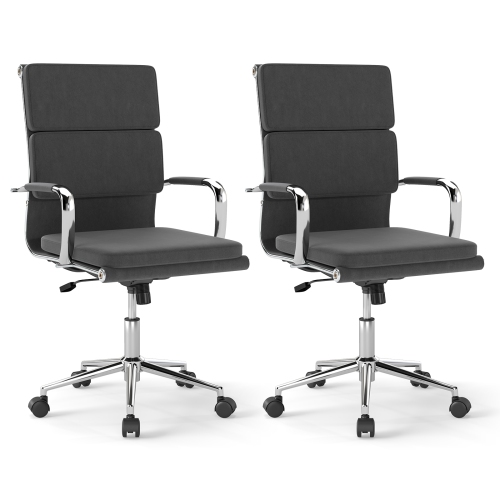
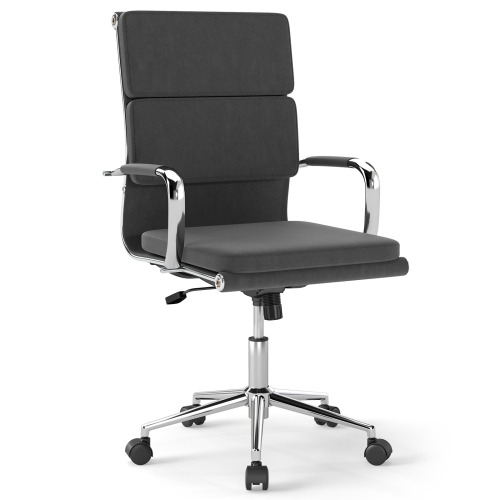
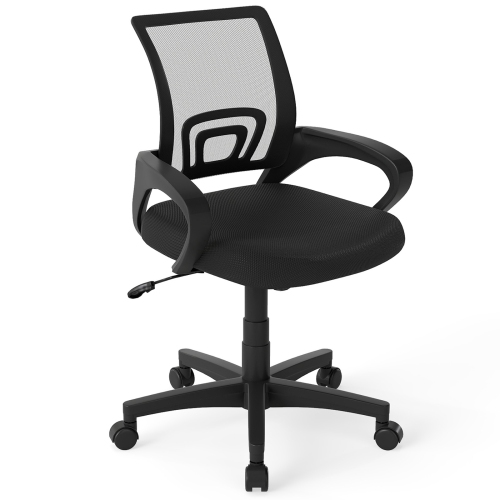
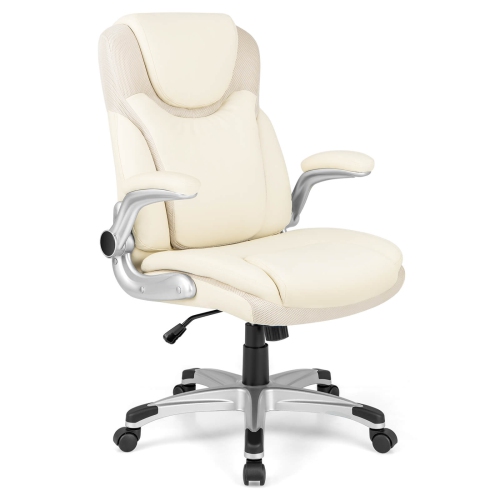
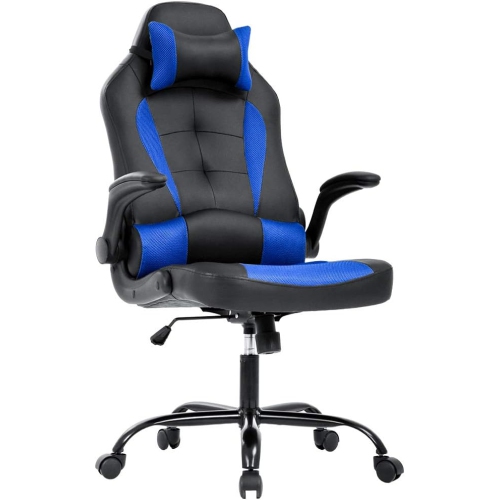
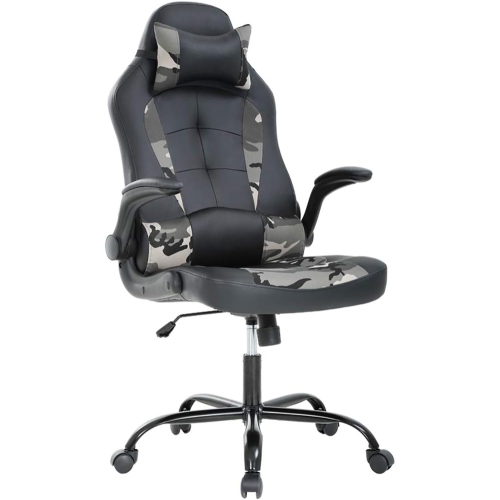
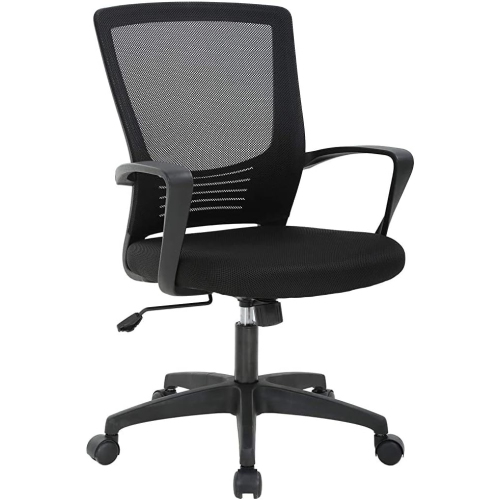
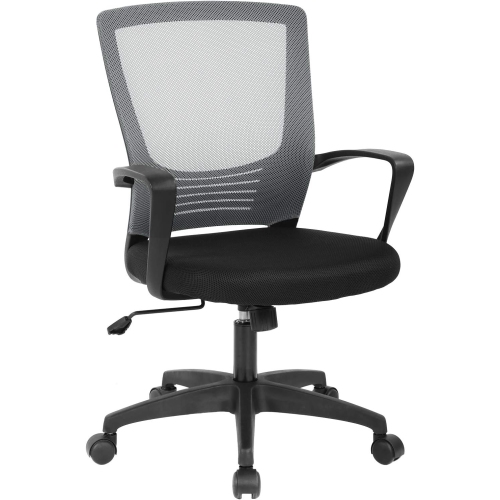
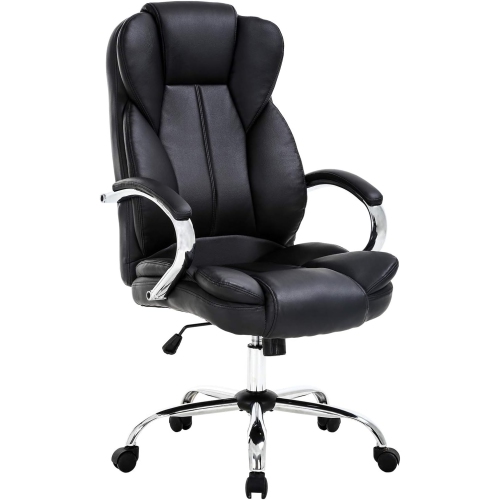
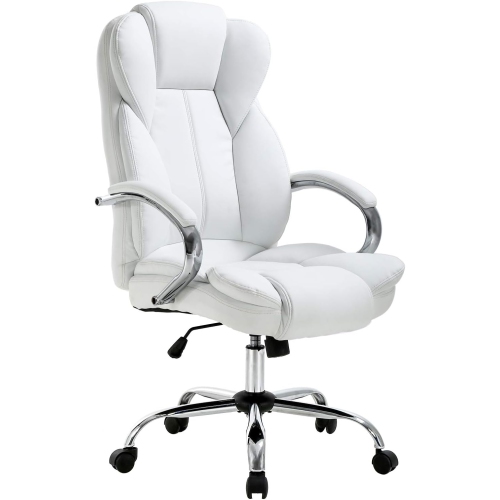
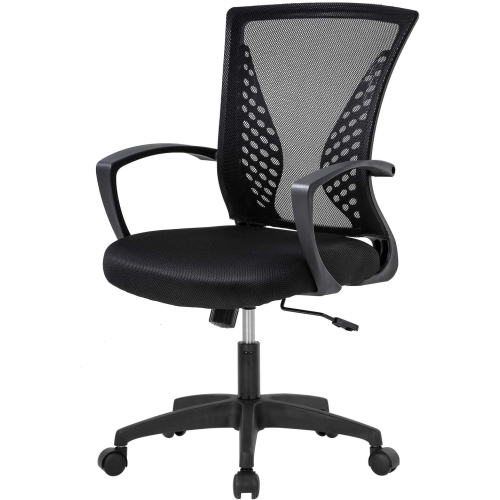
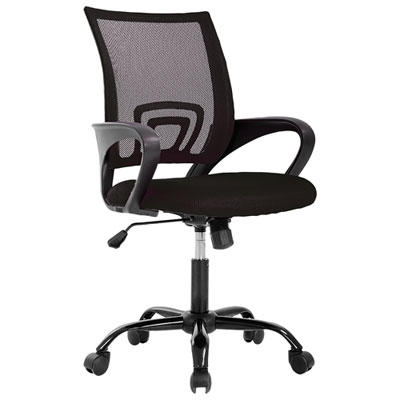
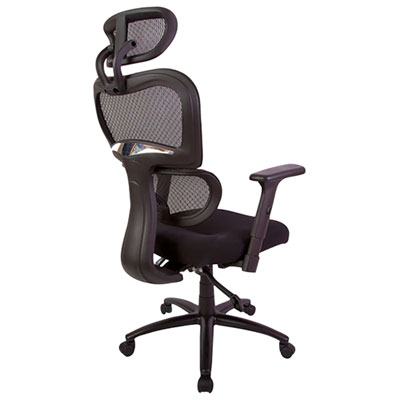
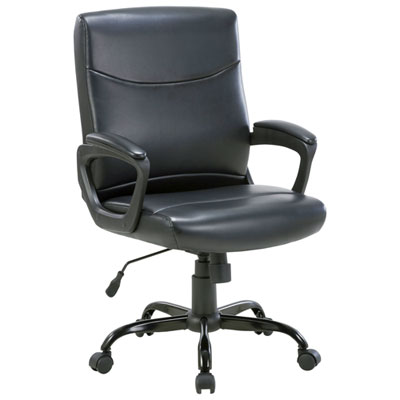
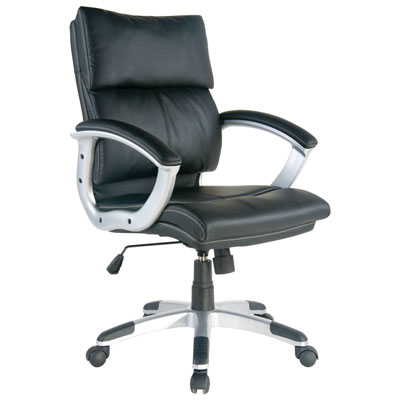
Task-style chairs typically have a streamlined design with accessible adjustment controls. Executive-style chairs often have a more upholstered appearance and a higher backrest. Either style may include ergonomic adjustments, so compare the features rather than choosing by style name alone.
Tilt tension controls the resistance you feel when leaning back. A recline lock holds the backrest or tilting mechanism at a supported angle. Some chairs lock only in an upright position, while others offer several locking positions.
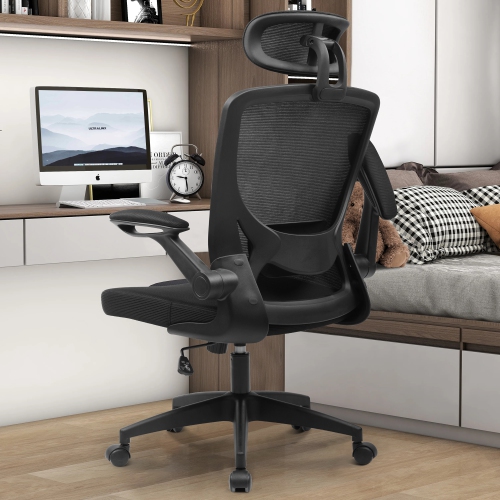
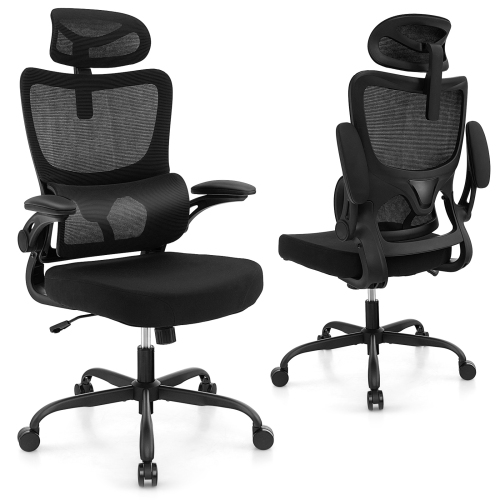
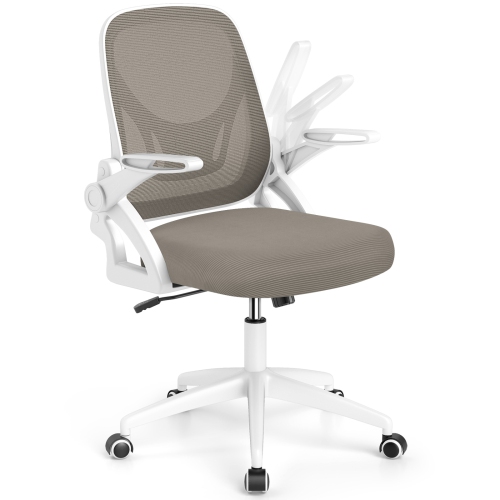
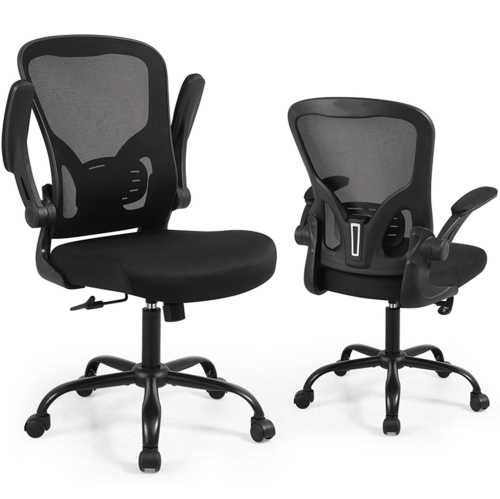
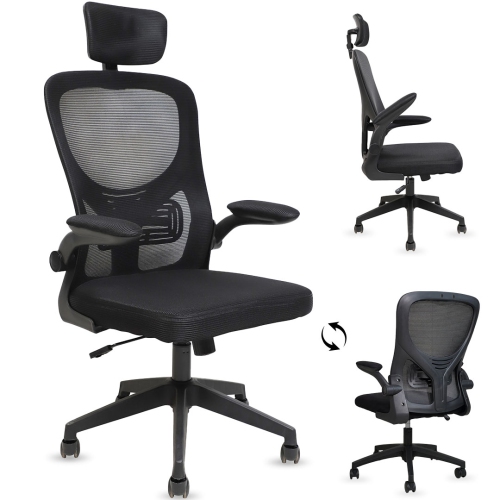
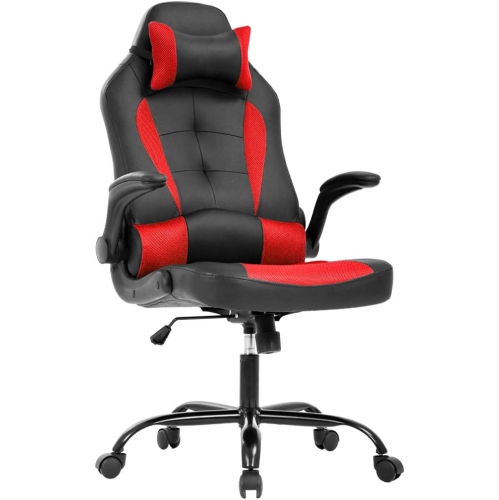
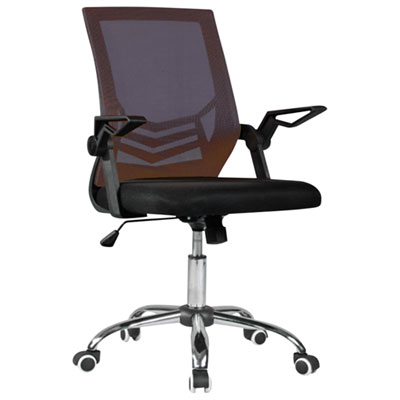
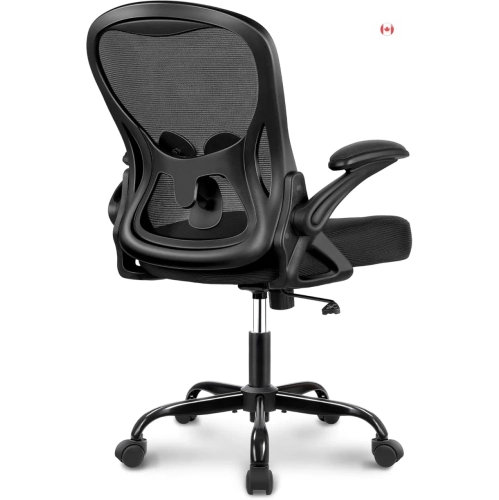
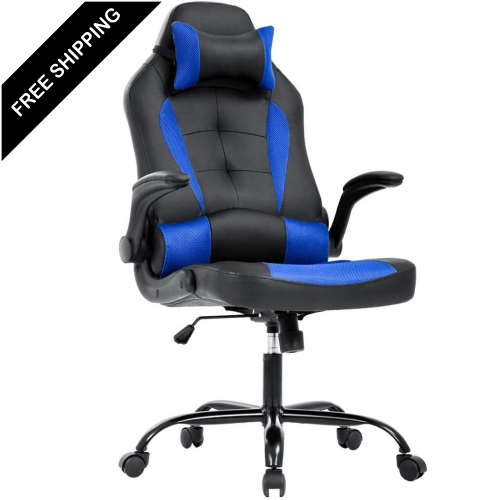
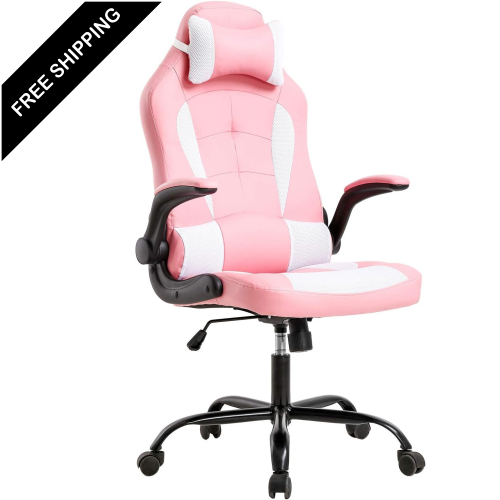
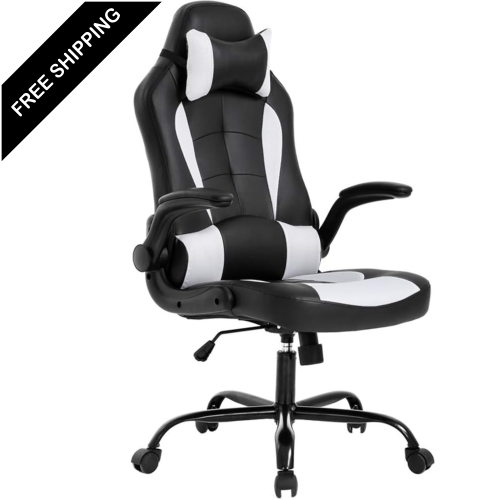
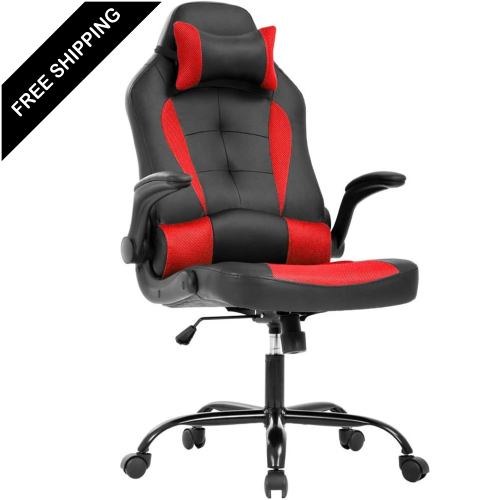
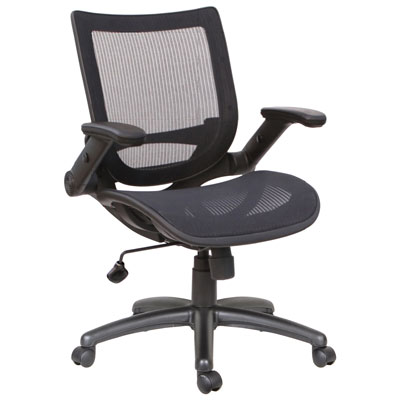
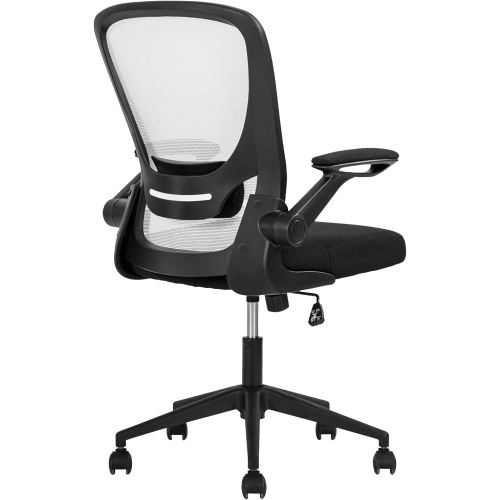
Depending on the design, armrests may move vertically, slide forwards and backwards, shift sideways or pivot. Flip-up armrests rotate out of the way but do not necessarily offer other adjustments. Product descriptions should identify which movements are available.
Follow the manufacturer's care instructions for the chair's upholstery, frame and moving parts. Remove dust and debris regularly, including around the castors, and use only cleaning products suitable for the listed finish. Check the manual before lubricating mechanisms or tightening hardware.
Top selling and popular products
Discover more categories related to Budget Ergonomic Chairs
Some products may be subject to Environmental Handling Fees (EHF) depending on your province. Learn more about EHFs.