Buy Office Chairs

Shop office chairs for your home workspace or office, and compare options by size, comfort, and support. Consider how the seat height fits your desk, how much room you have to move, and how long you typically sit to find a chair that suits your workday.
Read More

Sort

Chair comfort depends on more than soft cushioning

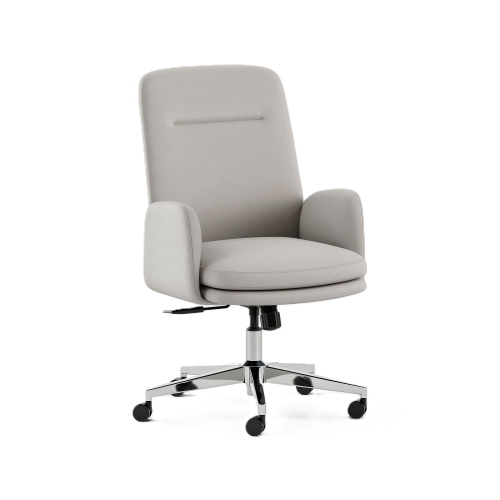
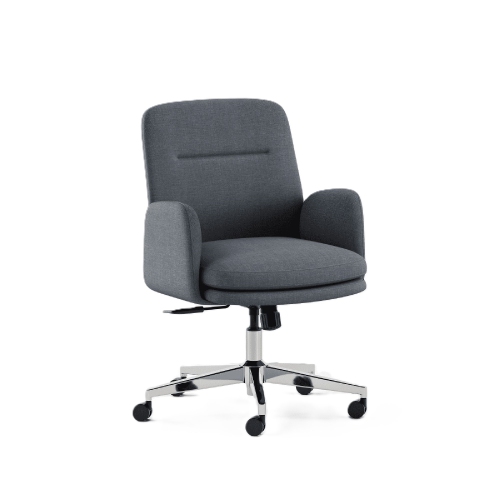
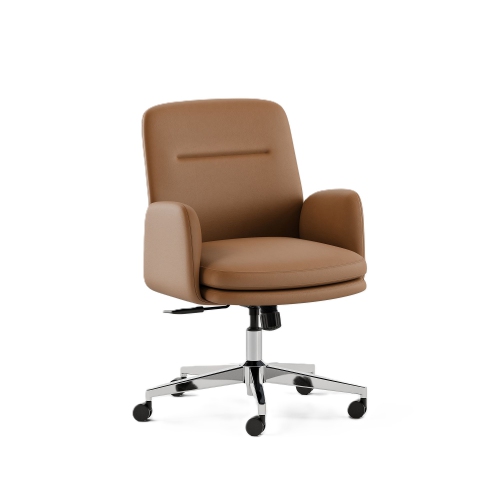
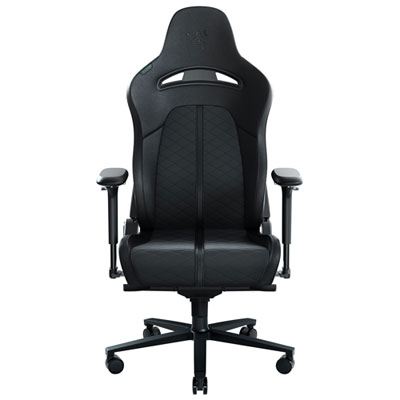
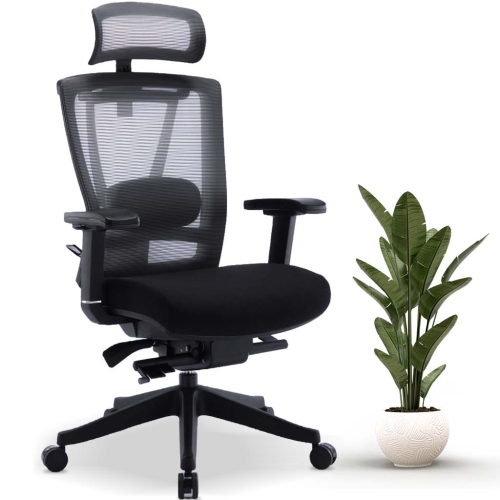
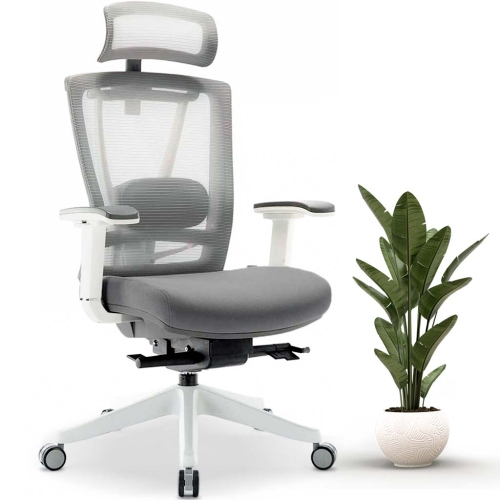
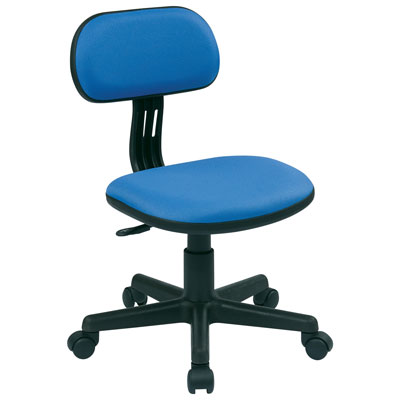
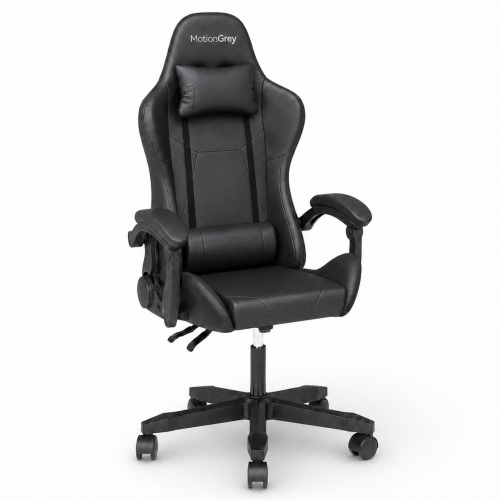
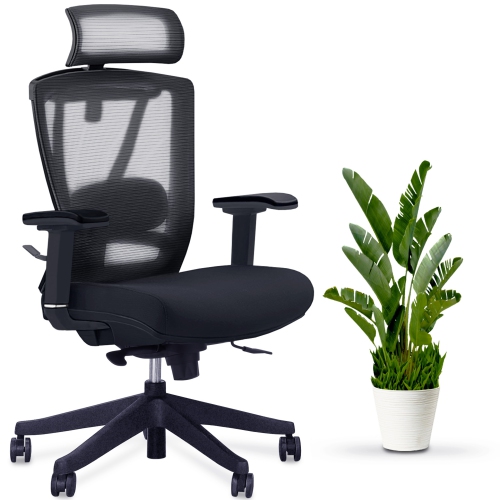
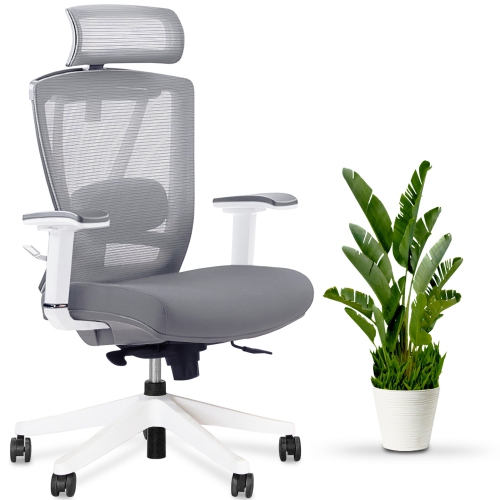
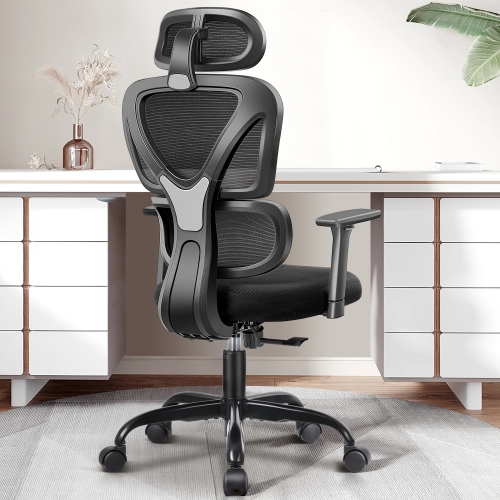
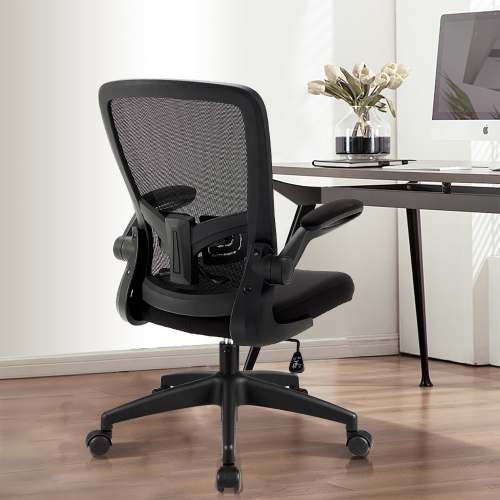
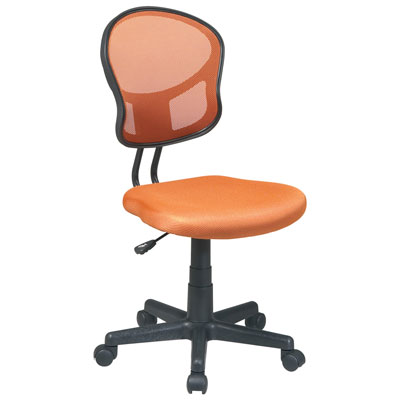
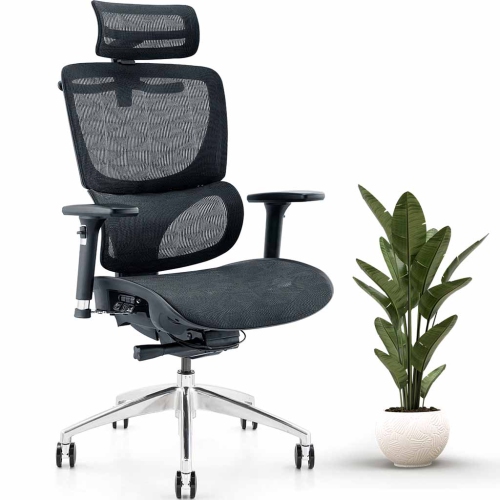
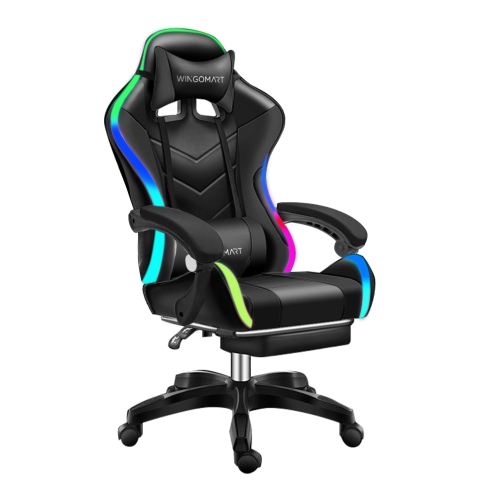
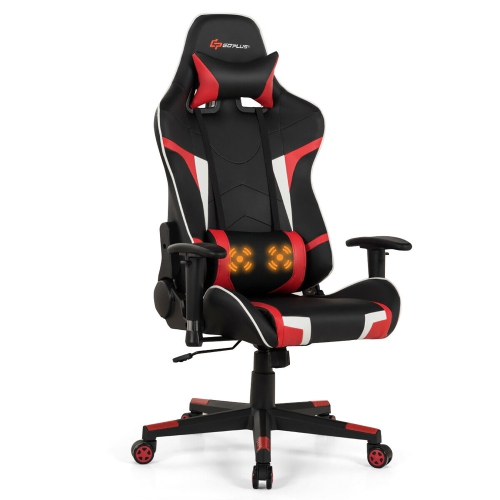
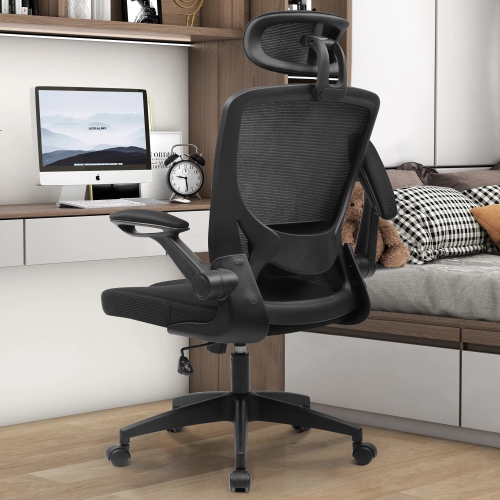
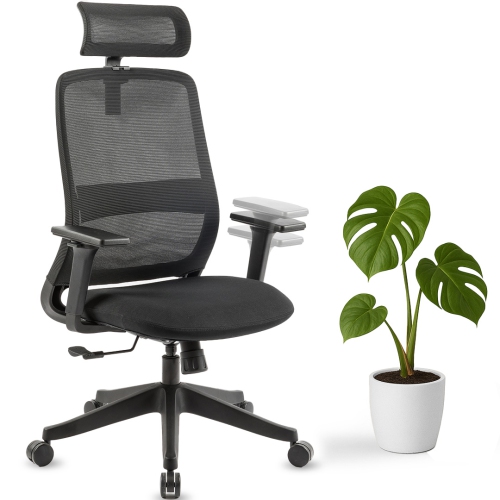
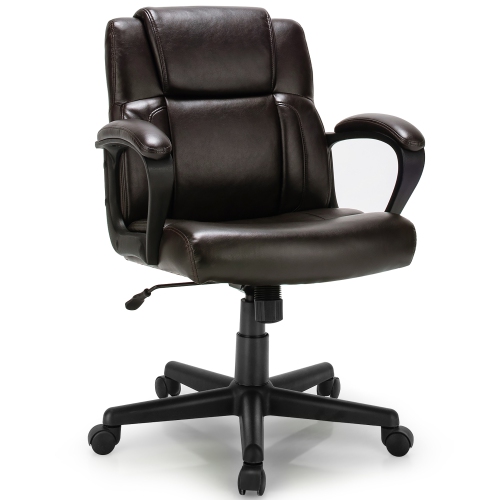
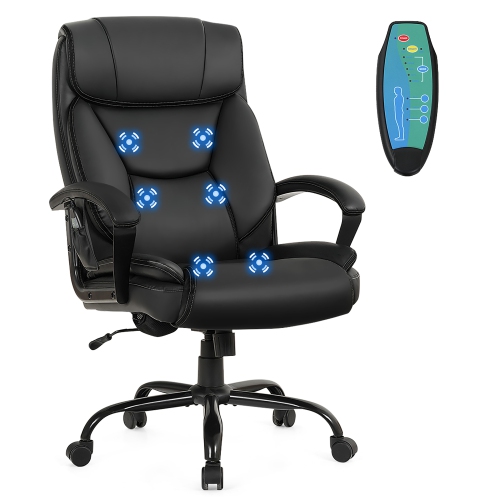
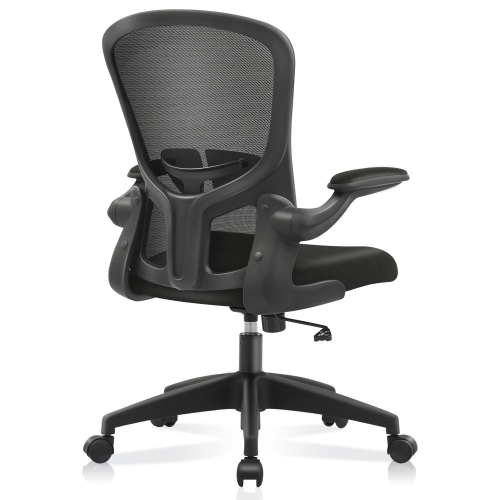
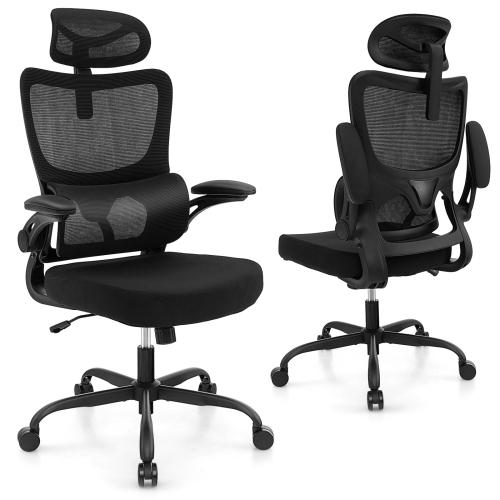
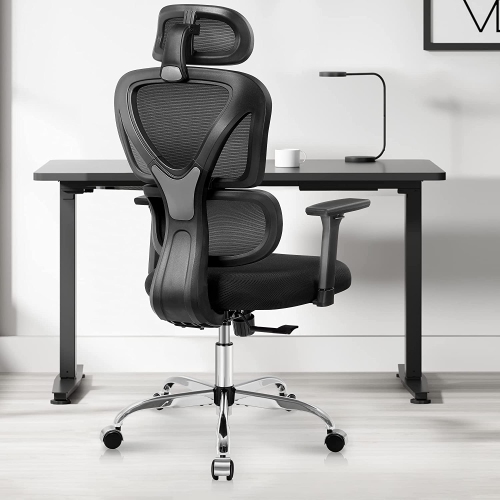
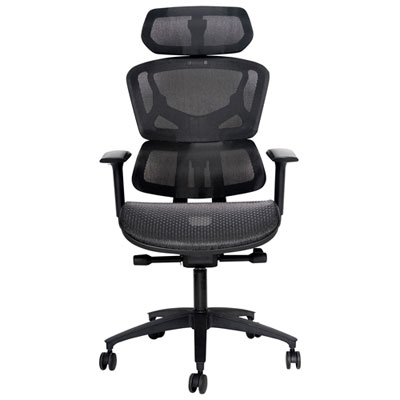
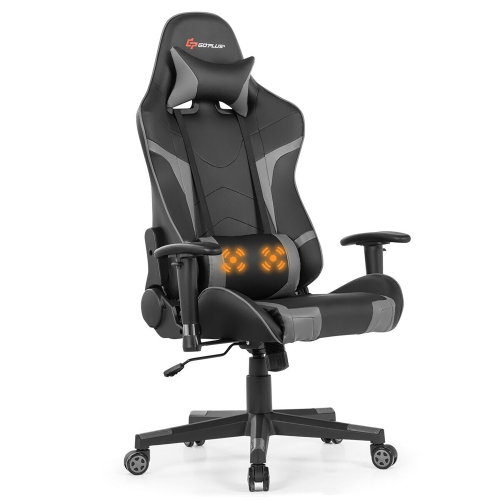
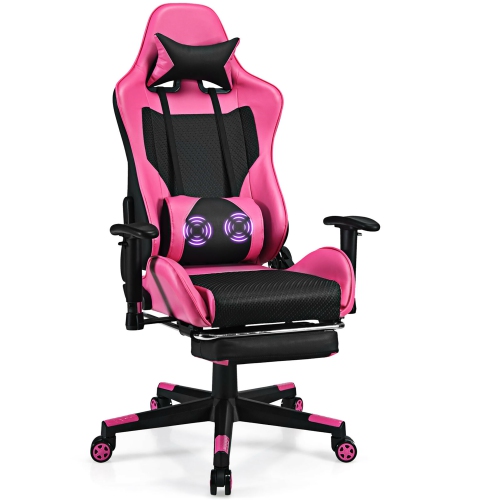
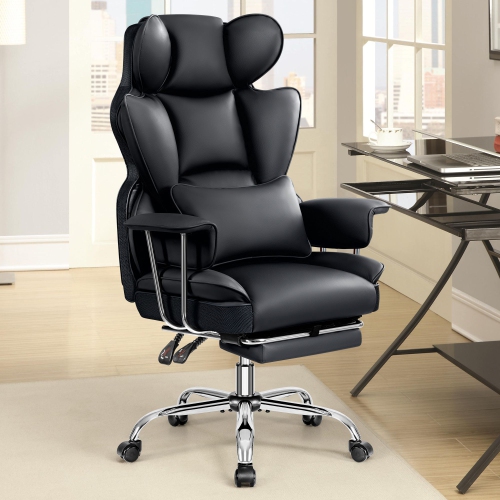
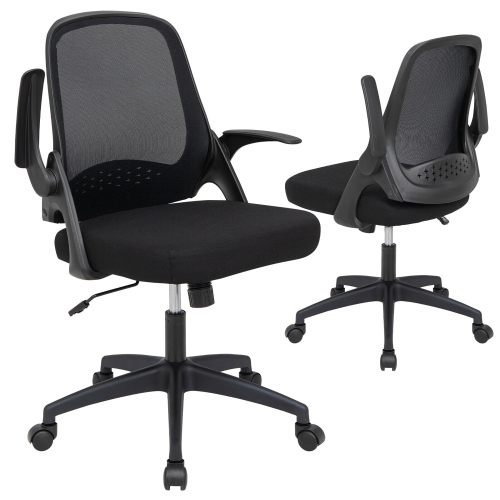
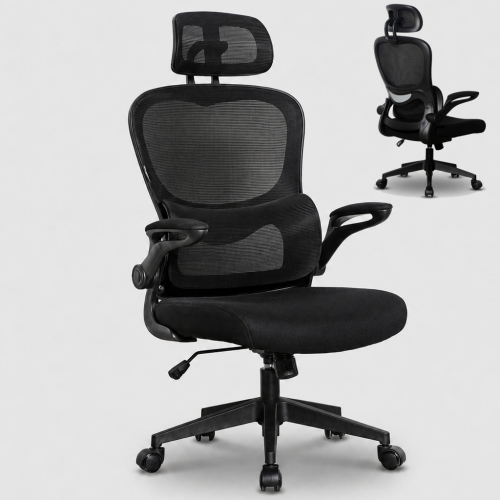
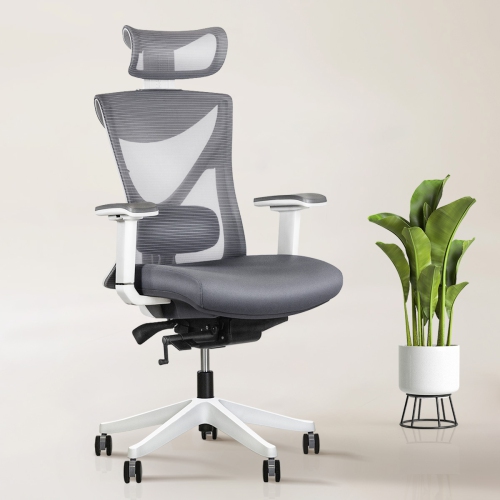
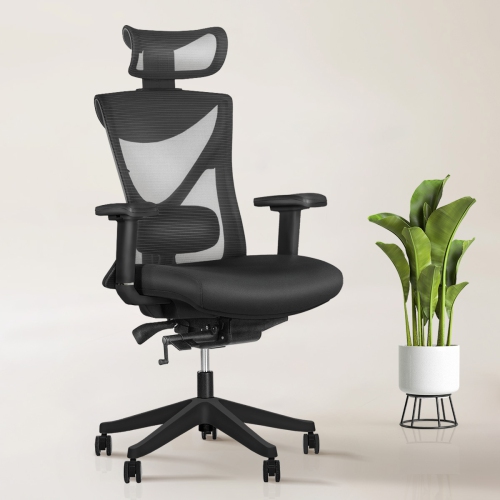
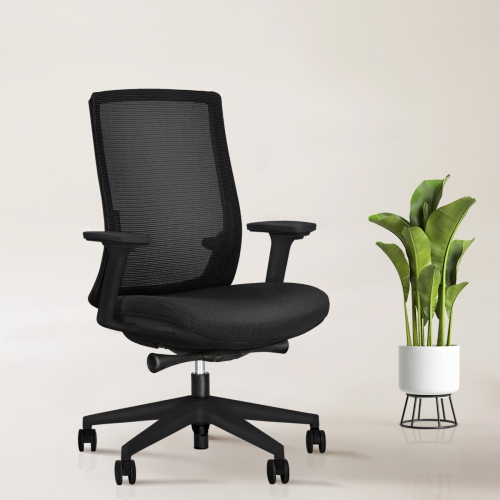
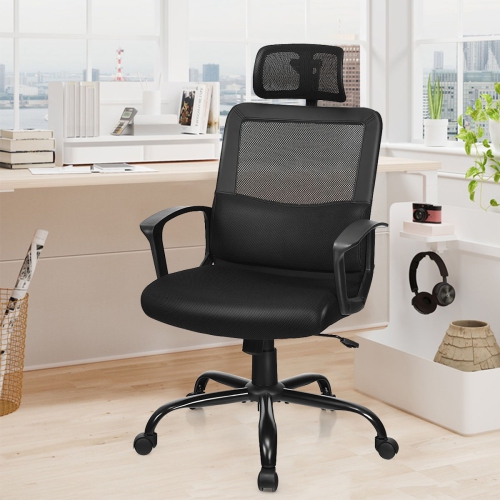
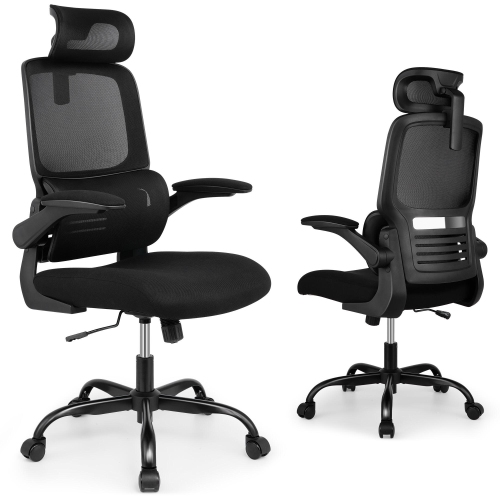
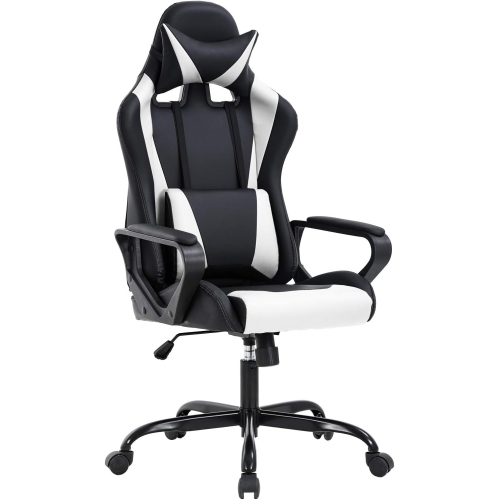
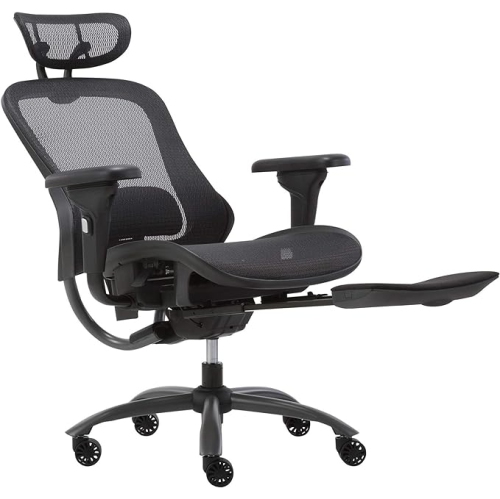
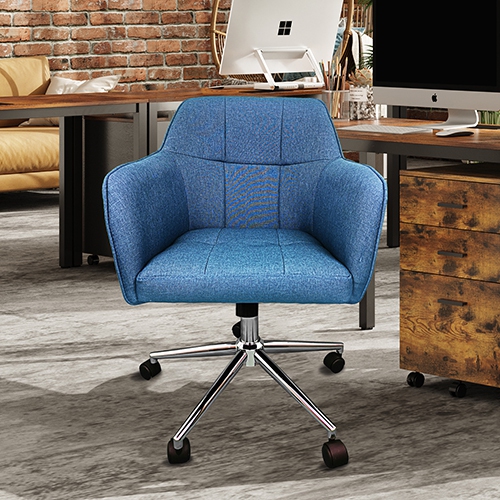
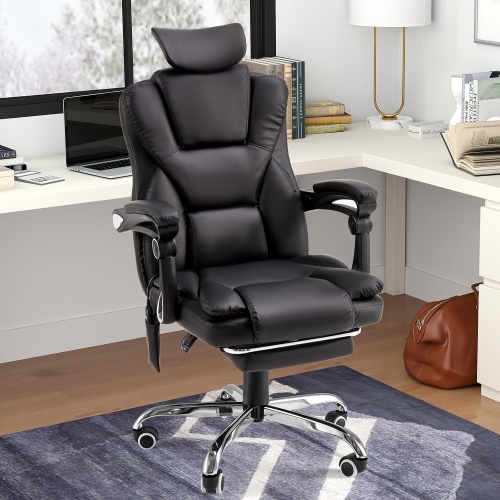
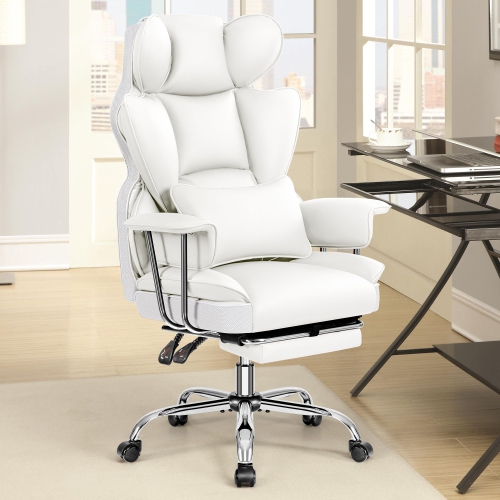
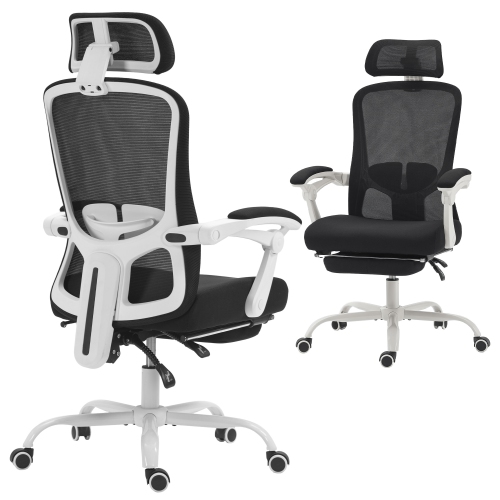
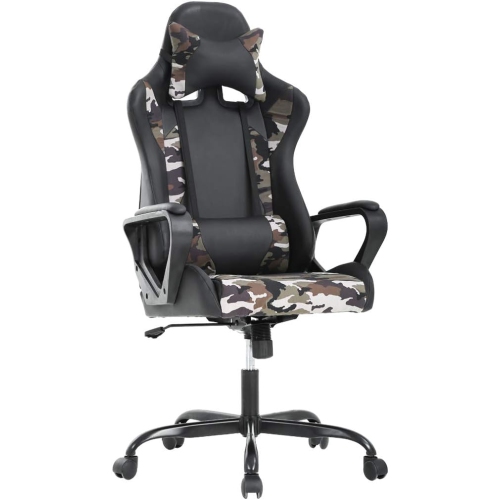
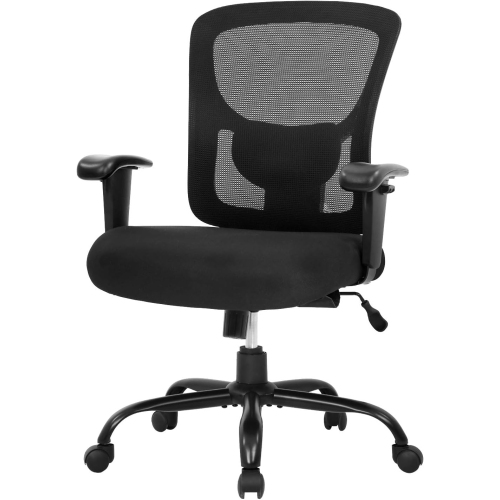
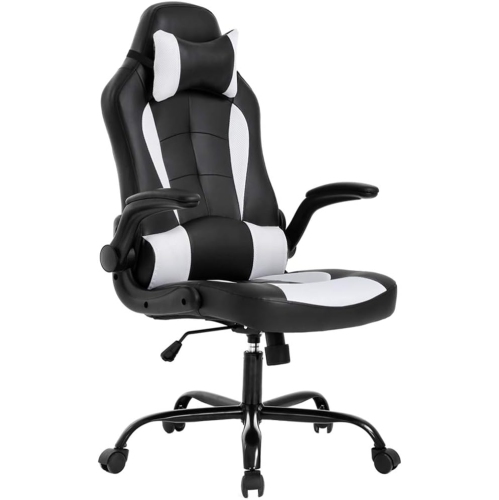
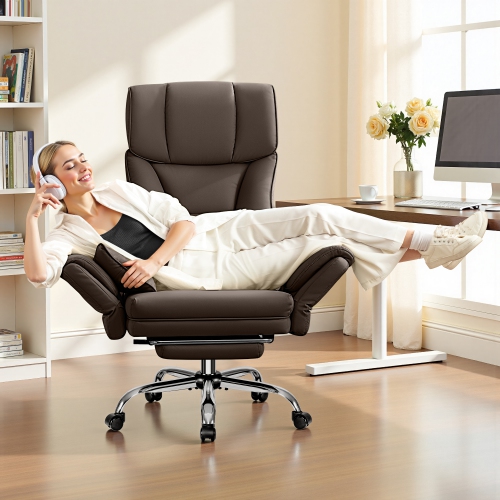
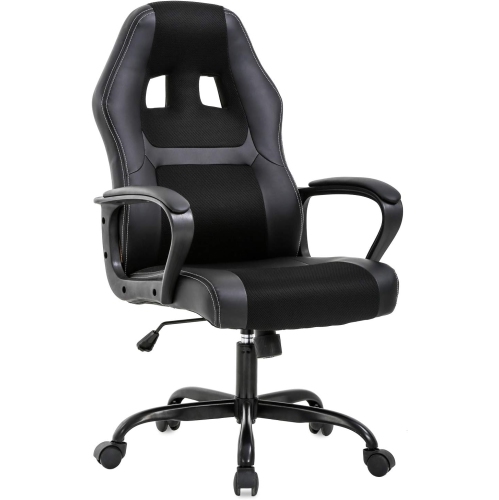
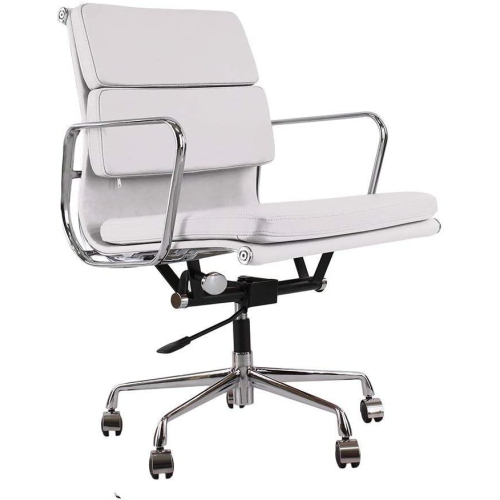
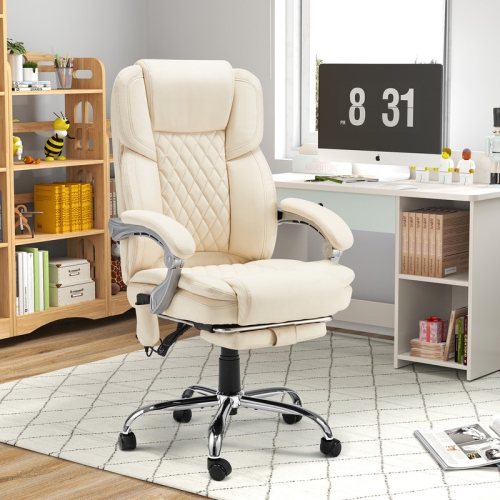
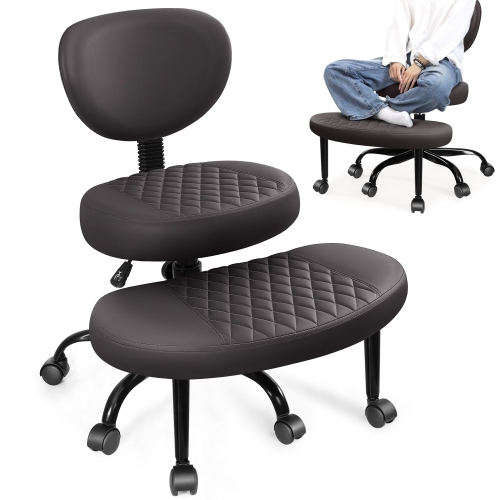
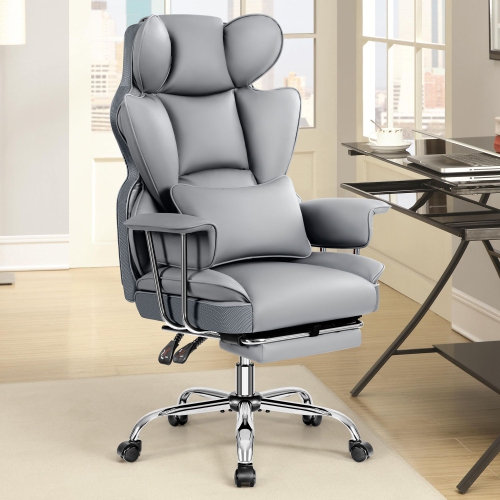
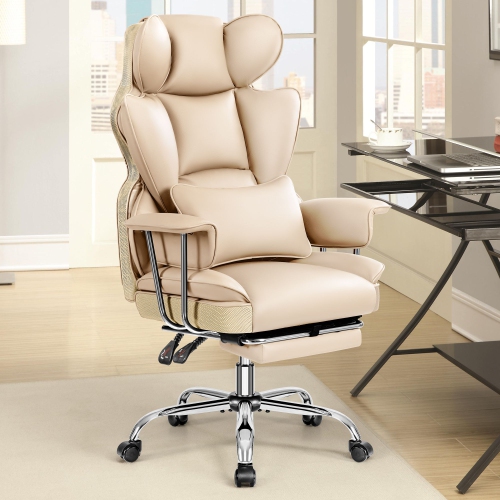
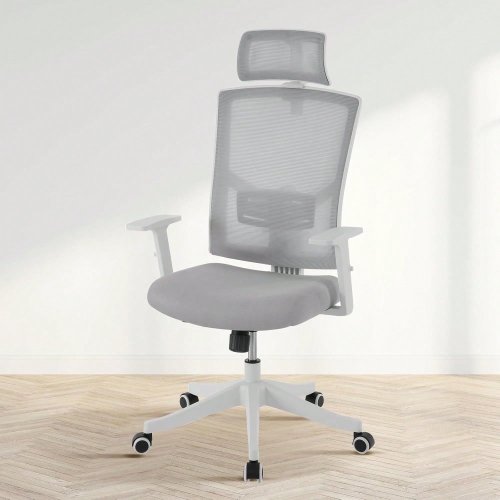
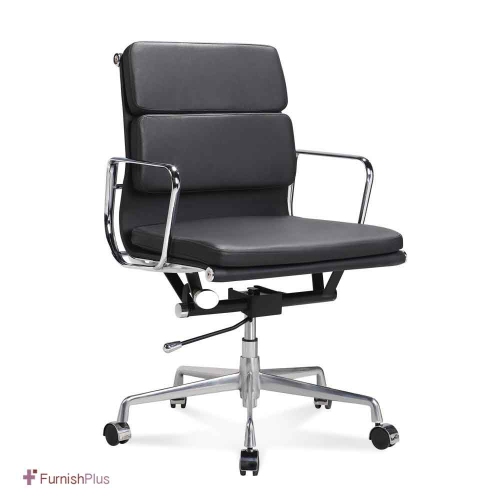
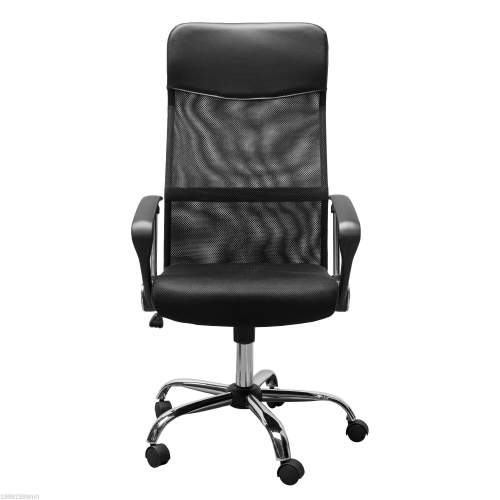
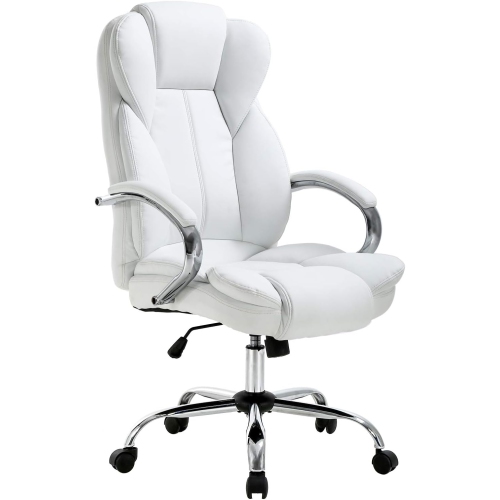
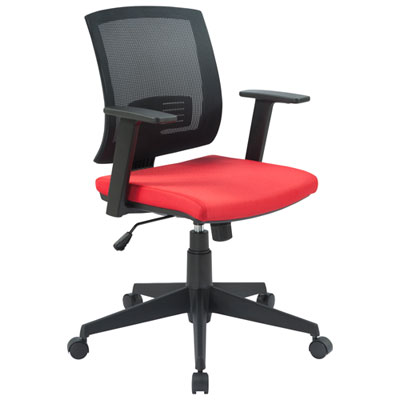
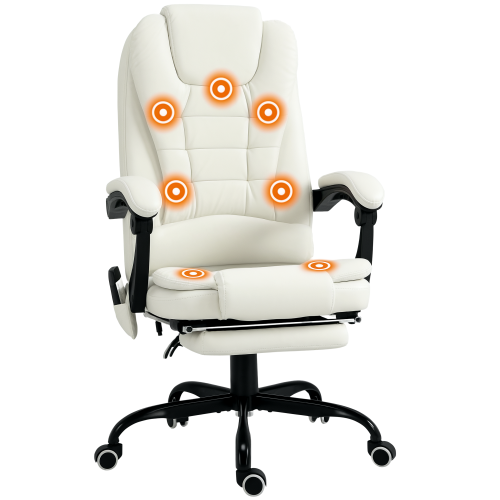
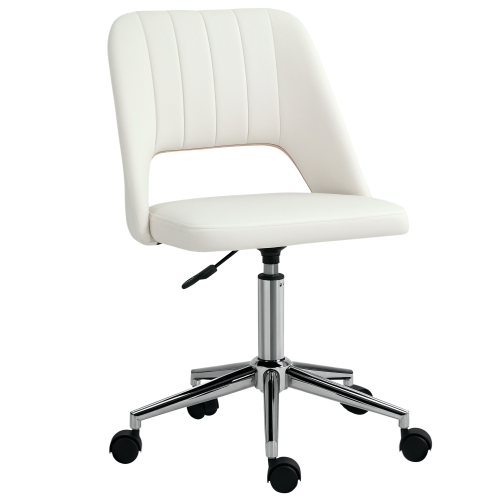
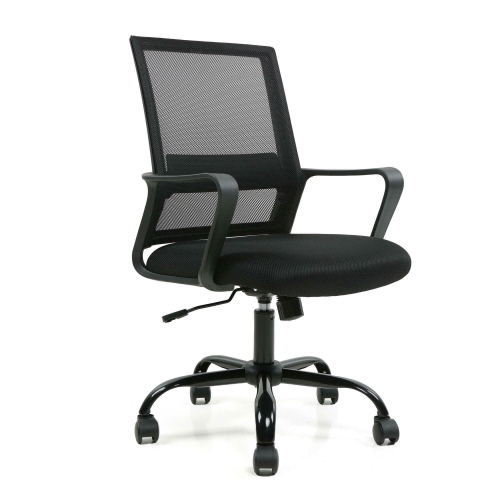
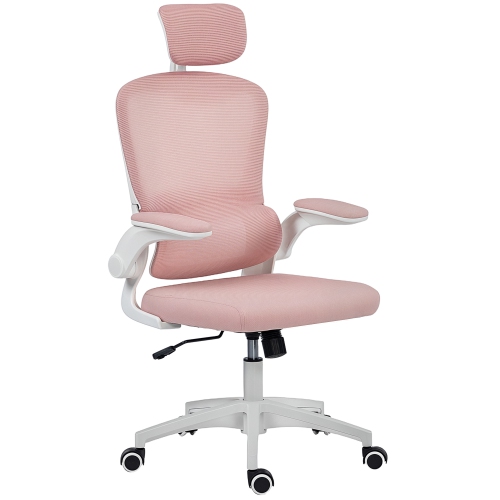
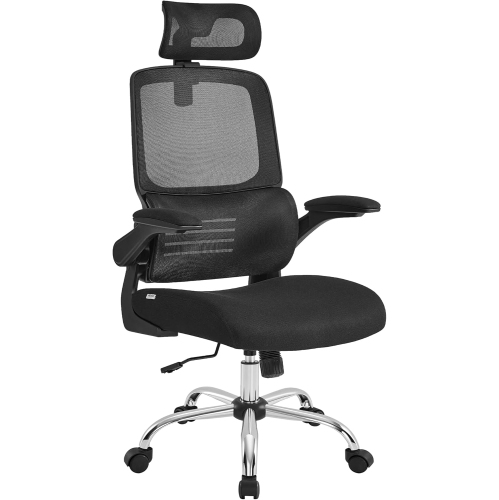
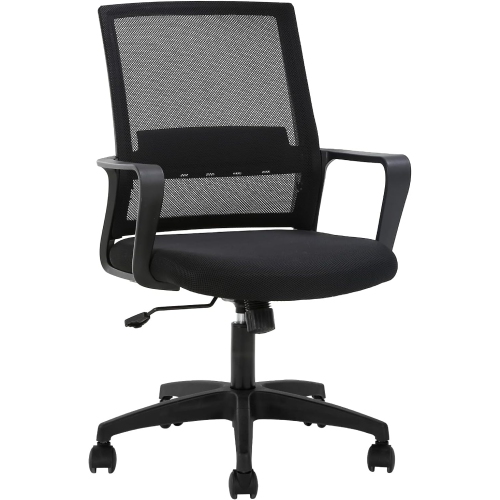
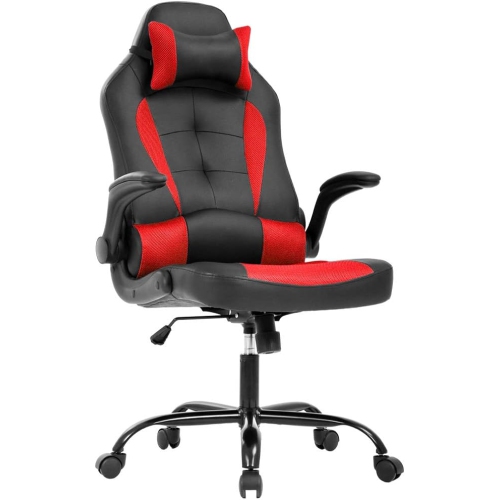
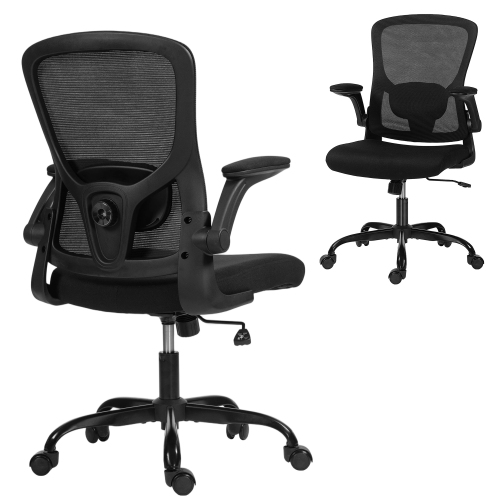
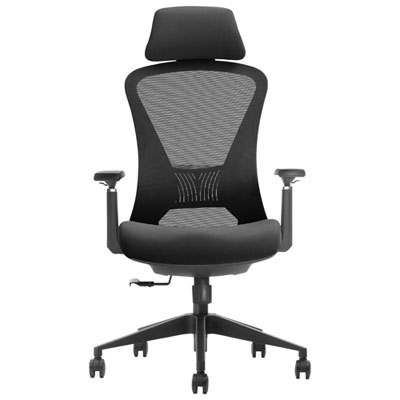
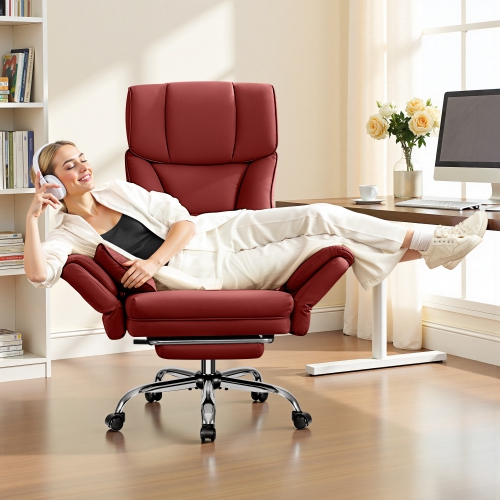
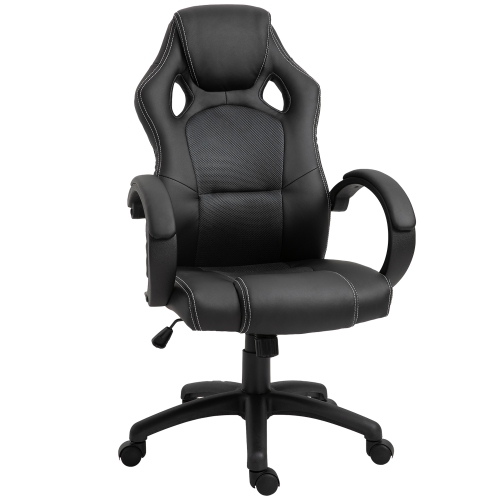
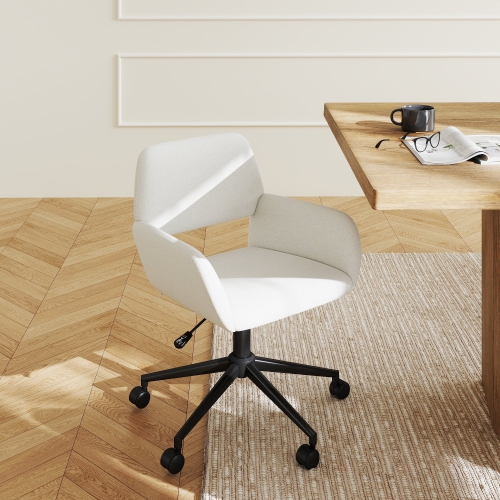
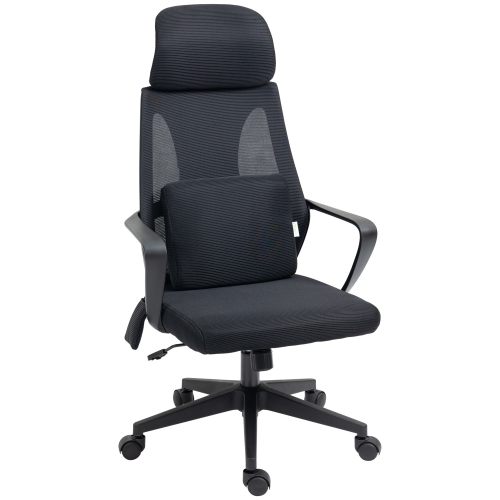
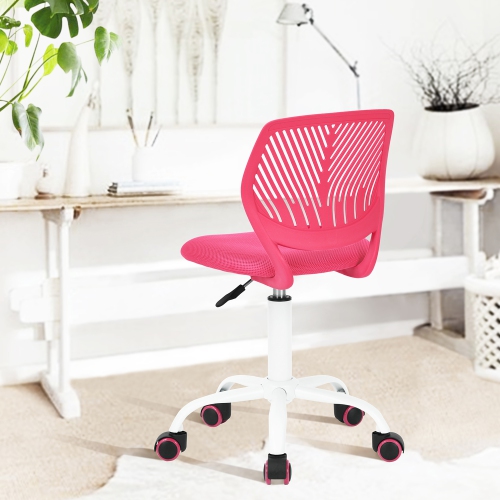
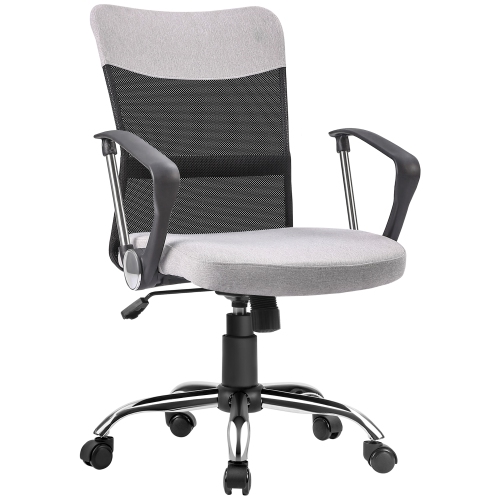
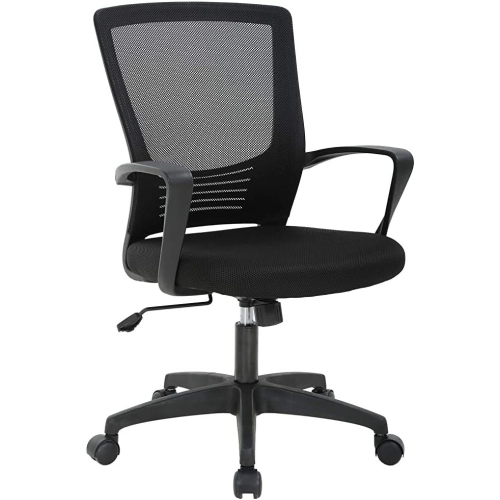
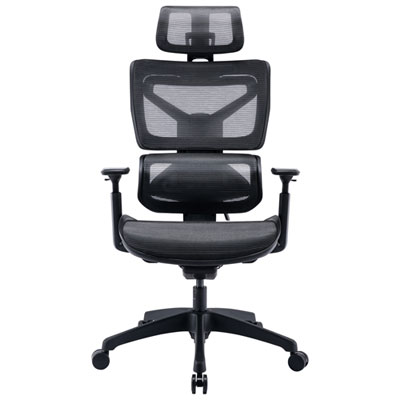
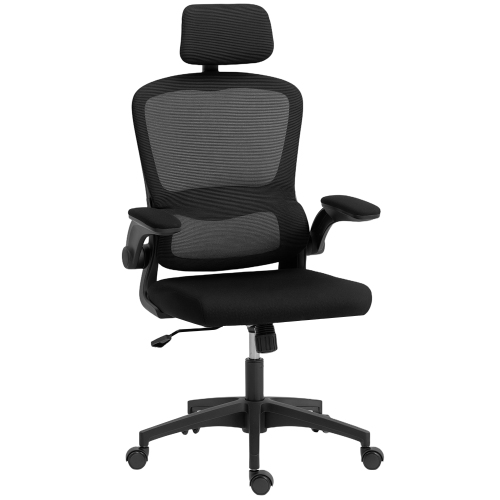
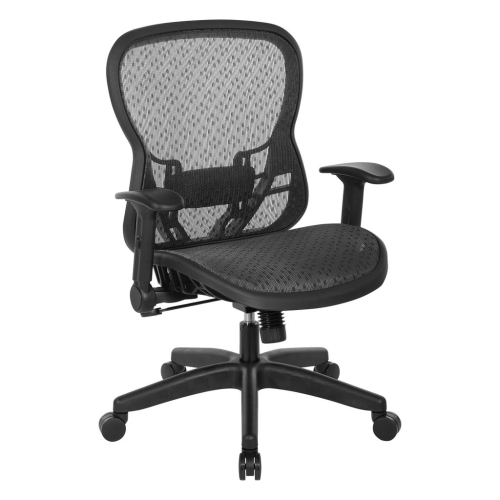
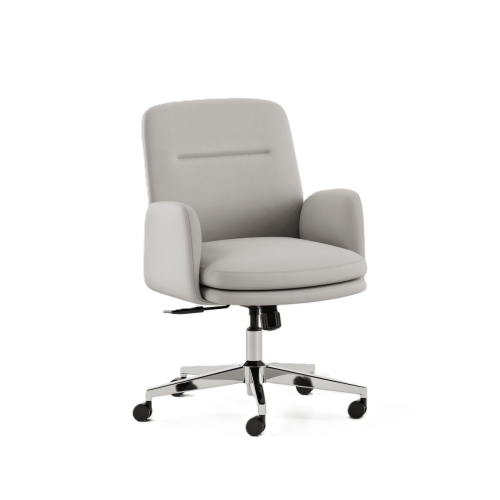
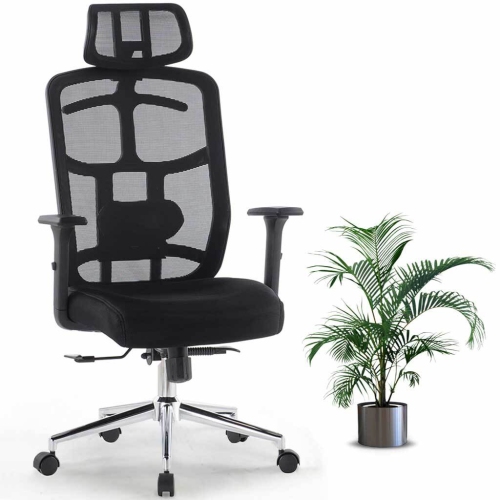
Office chairs play a practical role in how a workspace feels from the first email to the last meeting of the day. A chair used for occasional paperwork has different demands from one occupied through hours of calls, writing, or detailed computer work. Compact task chairs can suit a small desk tucked into a living area, while chairs with more extensive adjustments allow a workstation to be tailored to longer stretches of seated work. The most useful features are those that match the person sitting in the chair and the desk around it. Seat height should allow feet to rest comfortably on the floor or a footrest without pressing the thighs against the underside of the desk. Seat depth matters just as much: there should be room behind the knees while the back remains comfortably supported. A deeper seat may suit a taller person, but it can leave someone with shorter legs sitting forward and missing the benefit of the backrest. Adjustable lumbar support can help position the chair’s lower-back contour where it feels most natural, while an adjustable backrest can accommodate different torso lengths. Armrests are helpful when they support relaxed shoulders without forcing elbows outward or preventing the chair from moving close to the desk. Height-adjustable or movable armrests can be especially useful when switching between typing and handwritten notes. Recline and tilt settings offer another way to vary position, with tension controls on some chairs allowing the resistance to suit the user. A headrest may feel comfortable during a reclined pause, though its position needs to match the user’s height rather than push the head forward. No single adjustment makes a chair right for everyone, and a well-fitting chair still leaves room for movement throughout the day. For shared workstations, controls that are easy to reach and understand make it simpler for different users to restore their preferred setup without a lengthy round of readjustments.
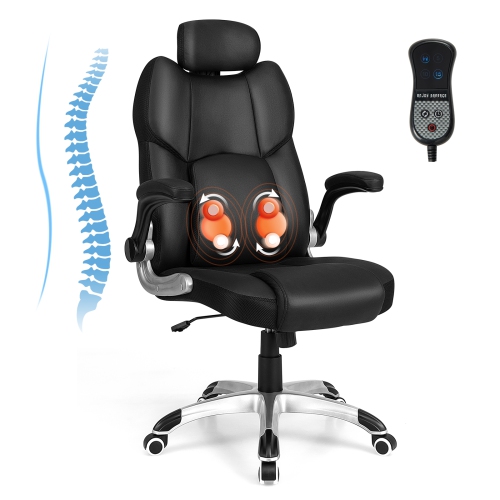
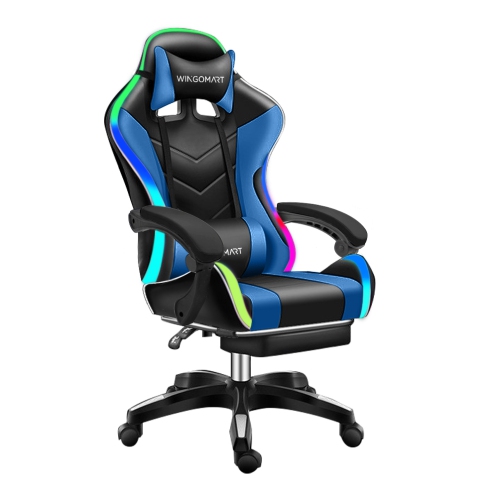
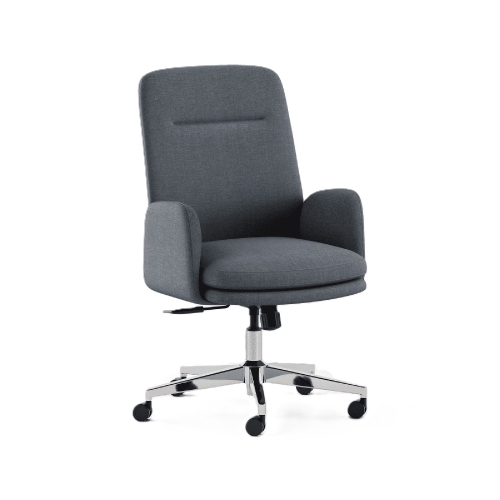
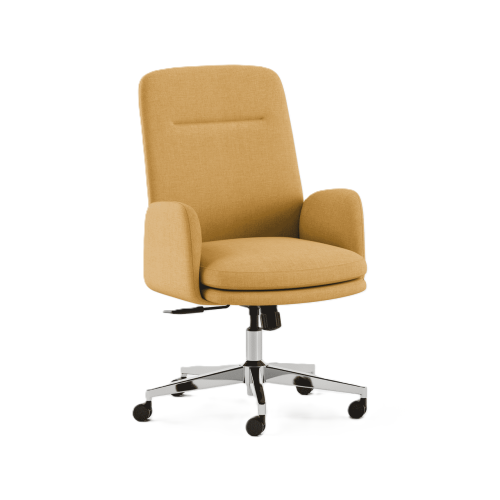
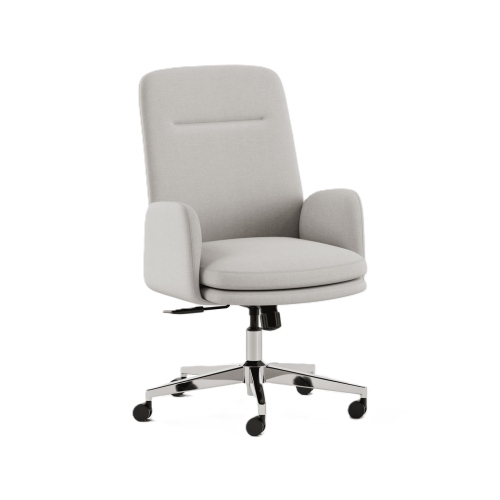
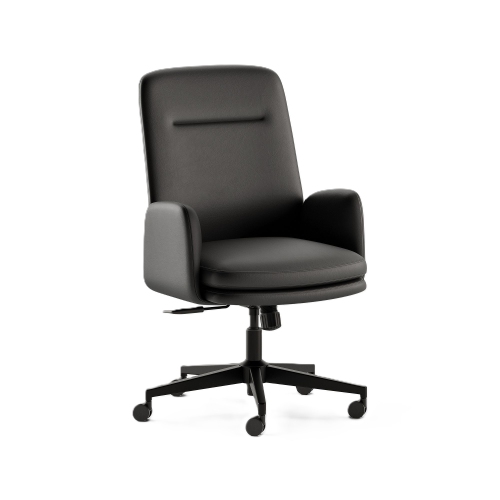
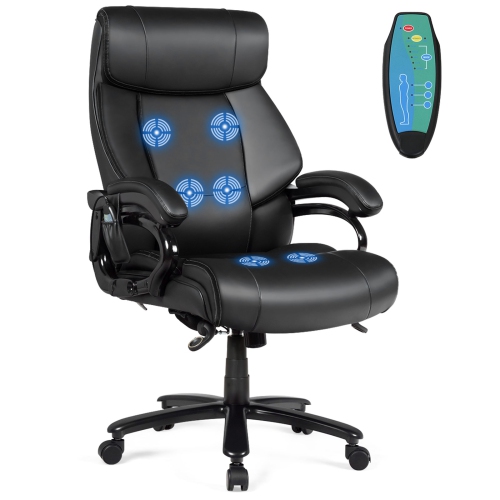
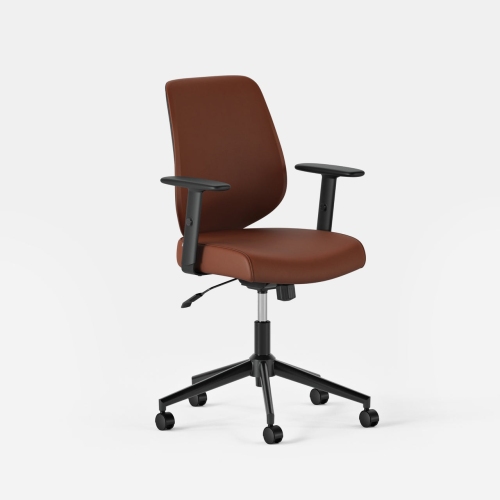
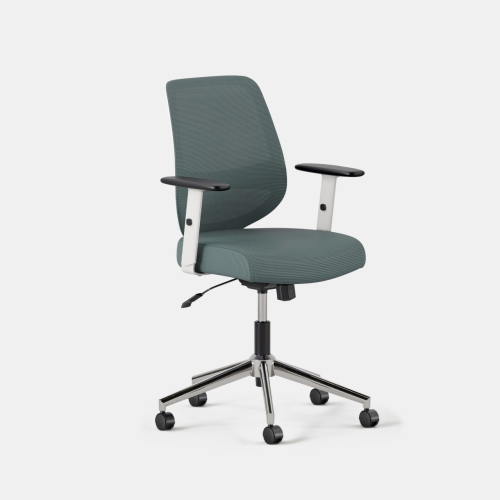
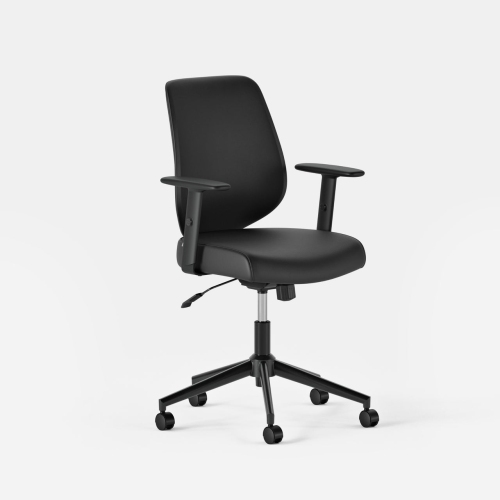
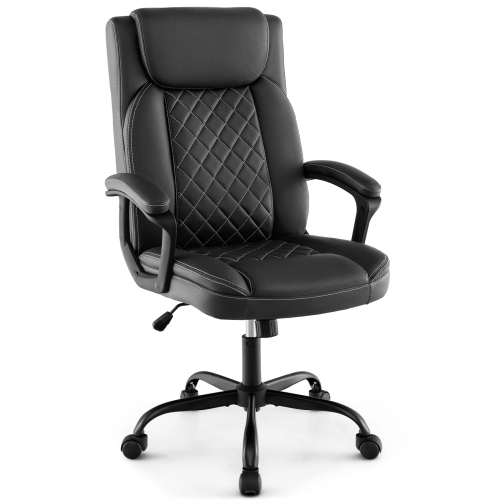
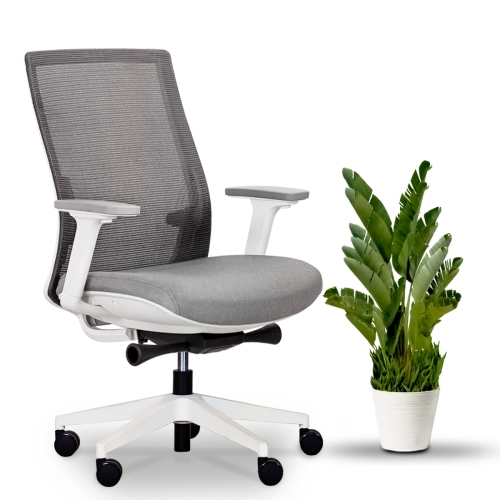
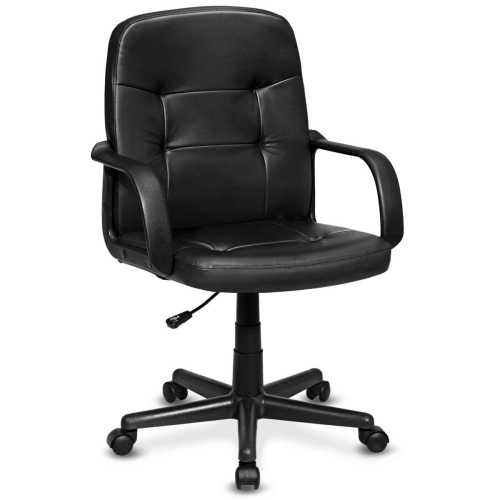
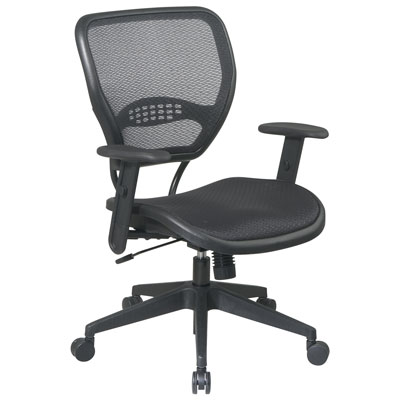
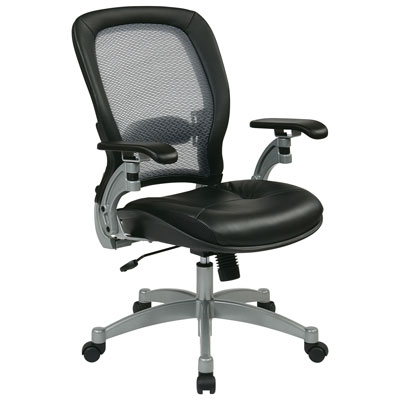
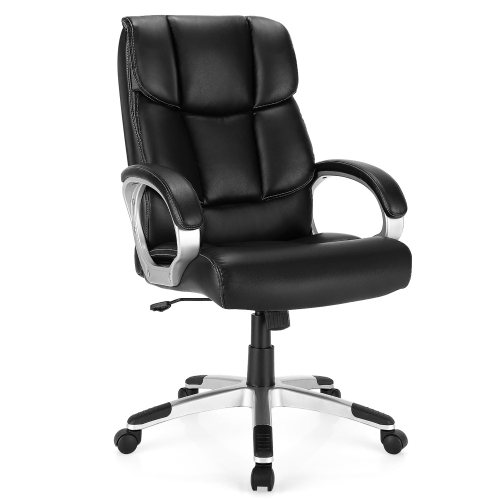
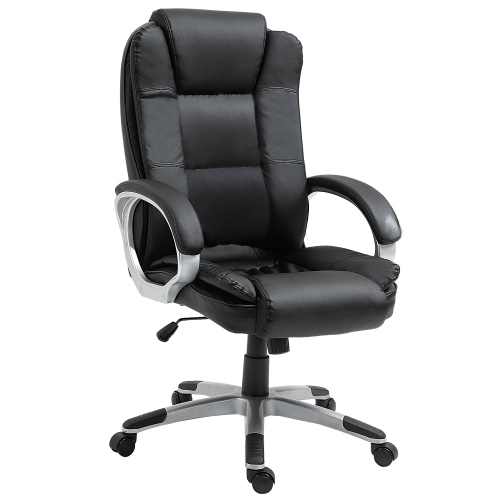
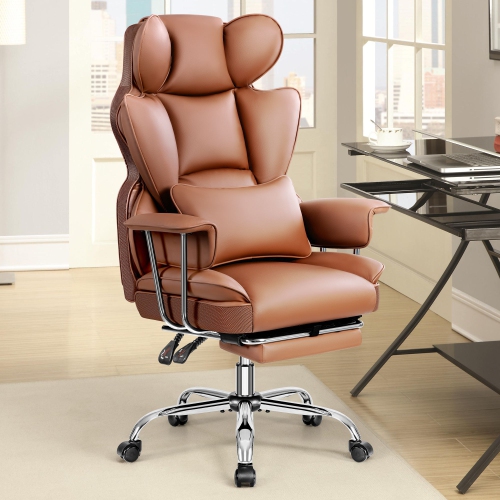
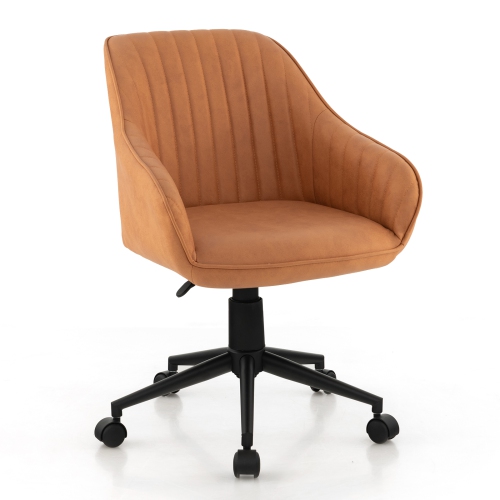
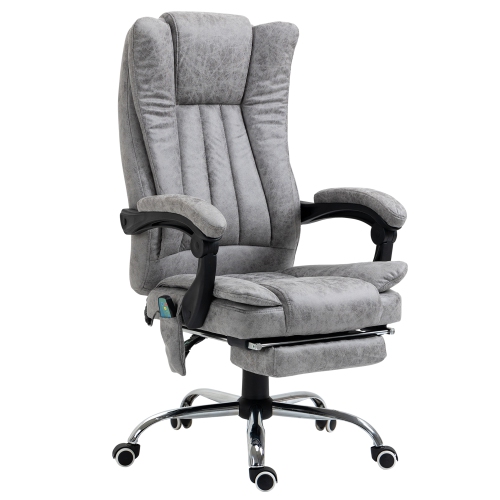
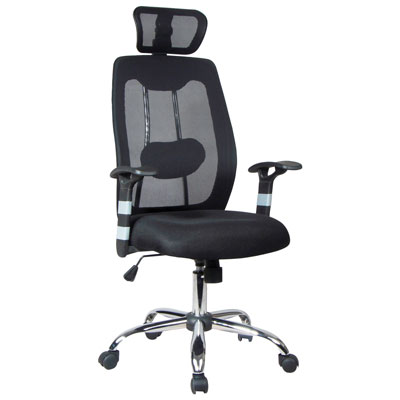
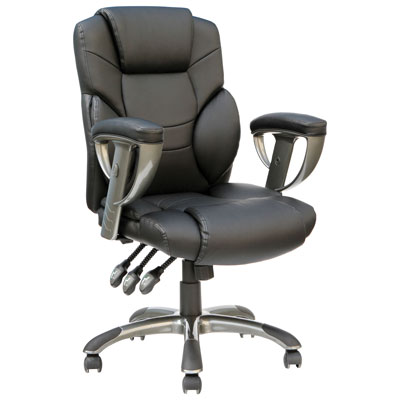
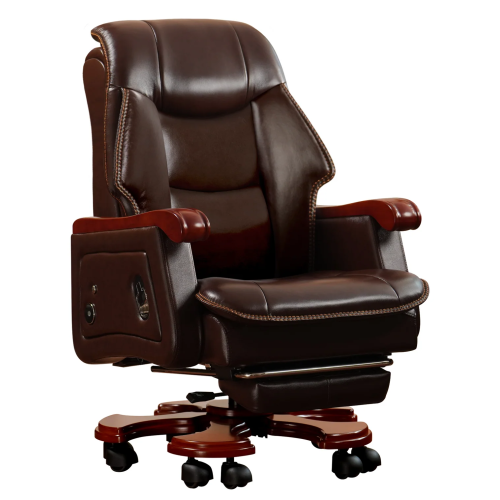
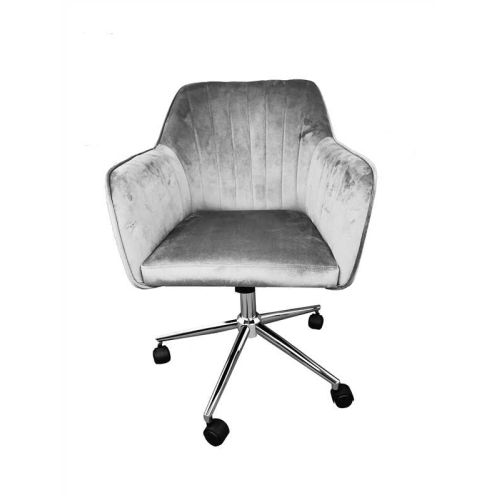
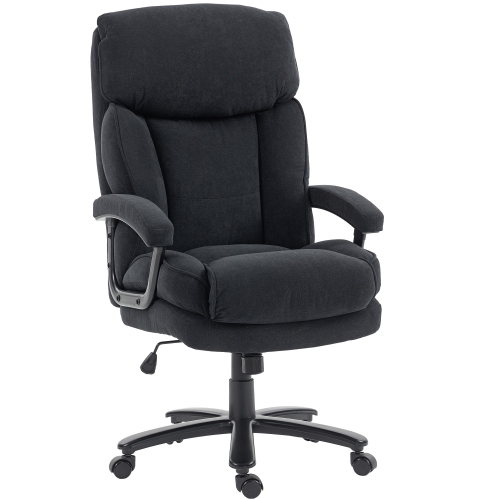
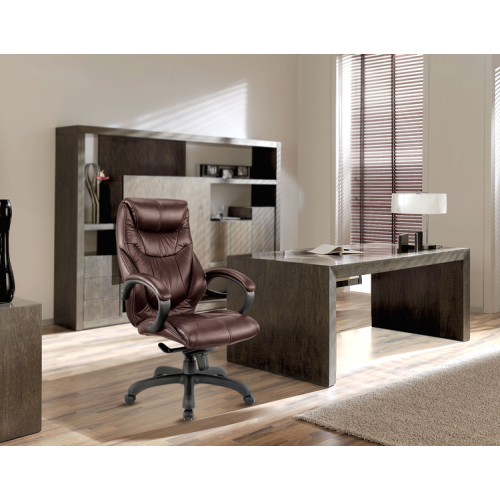
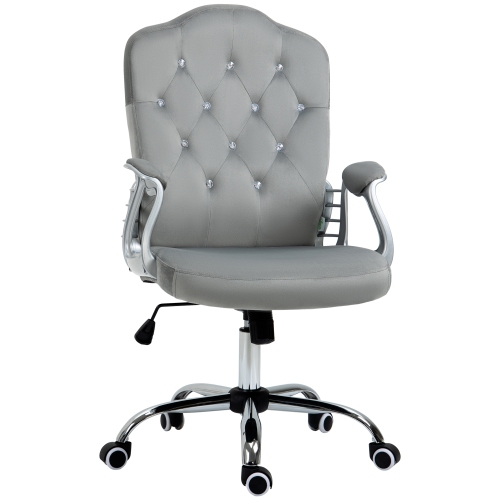
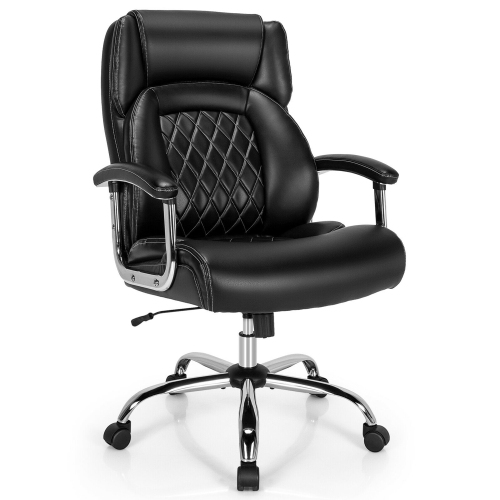
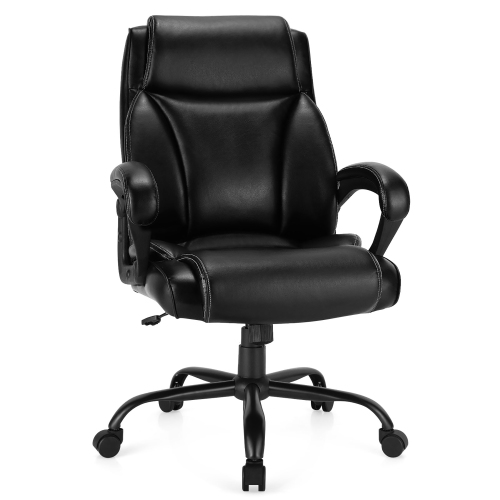
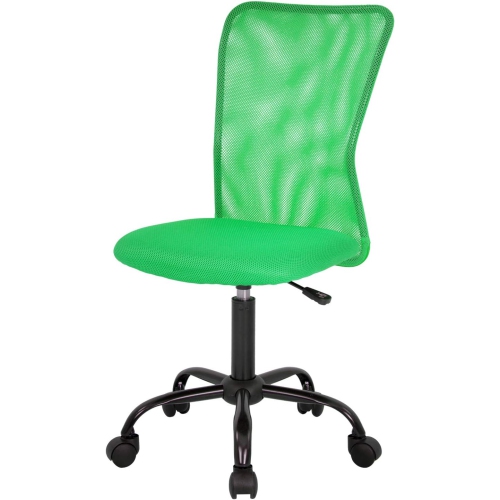
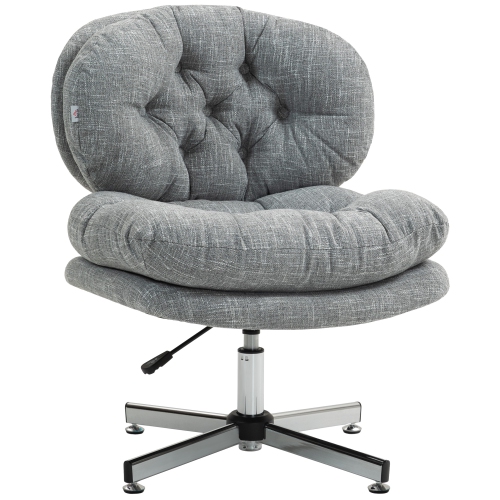
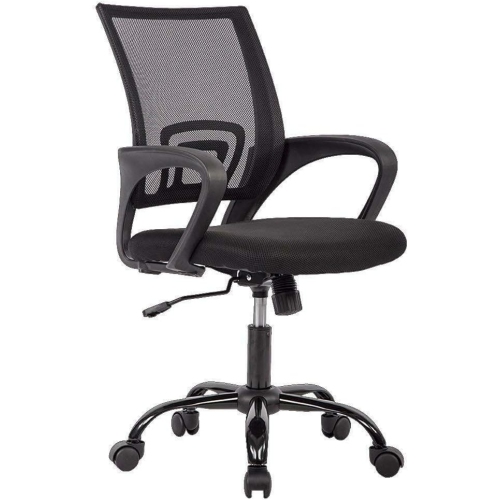
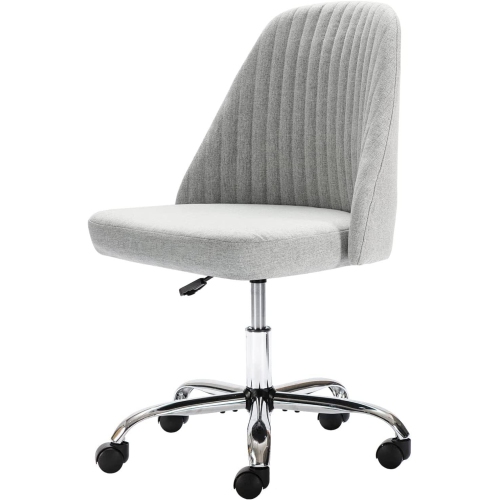
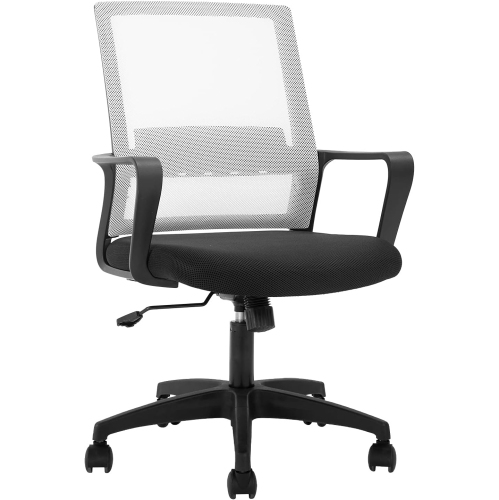
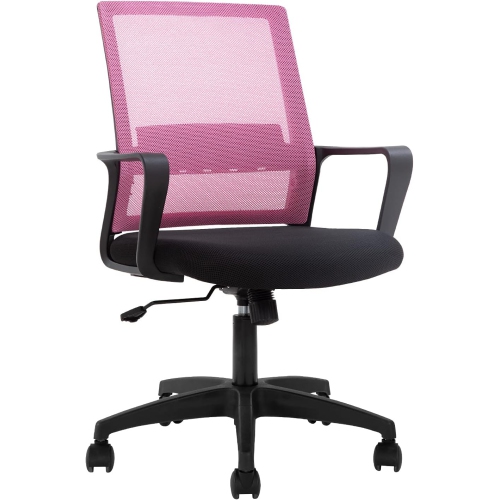
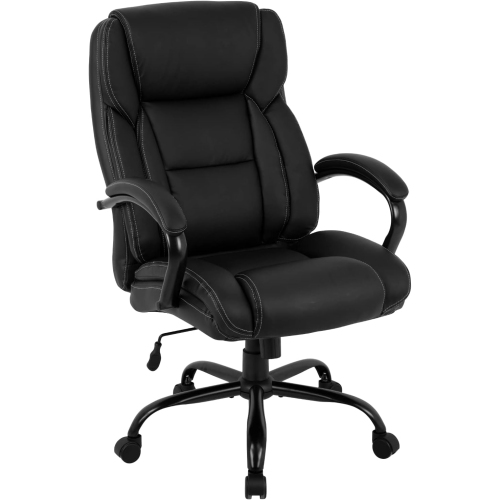
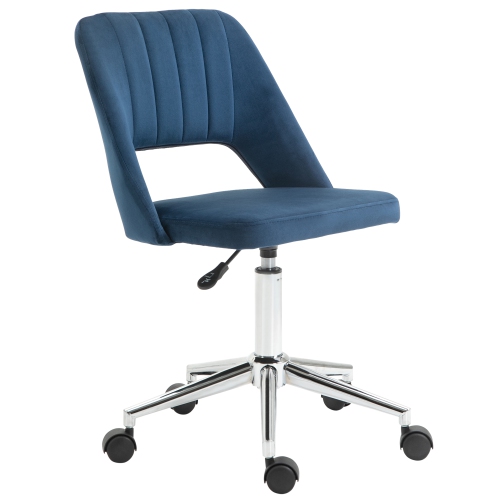
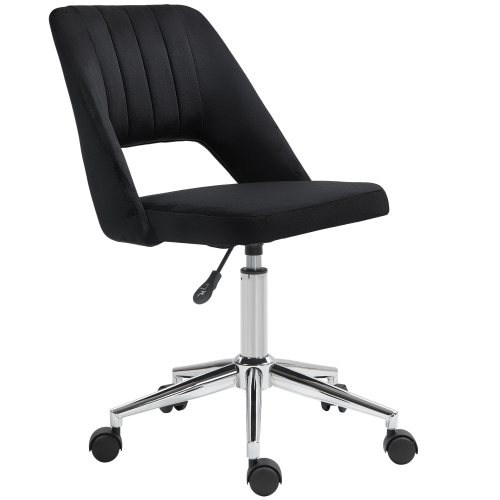
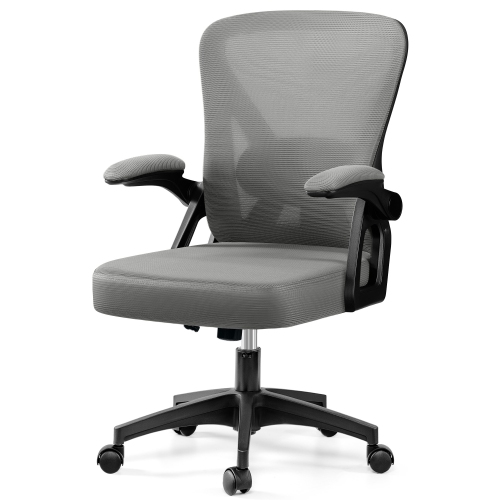
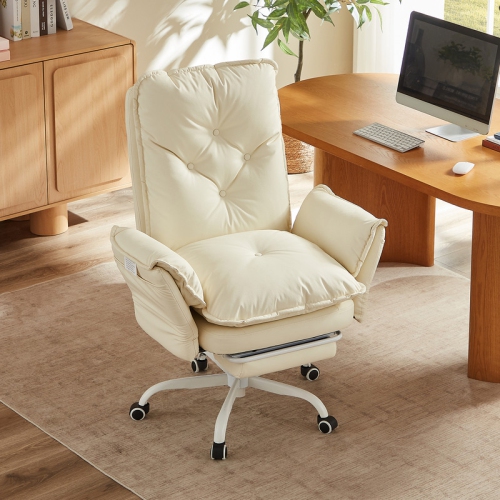
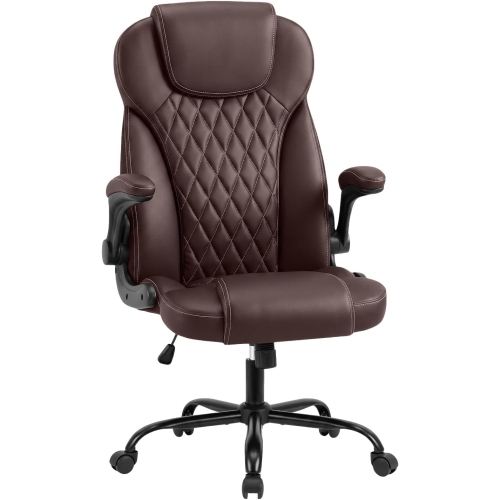
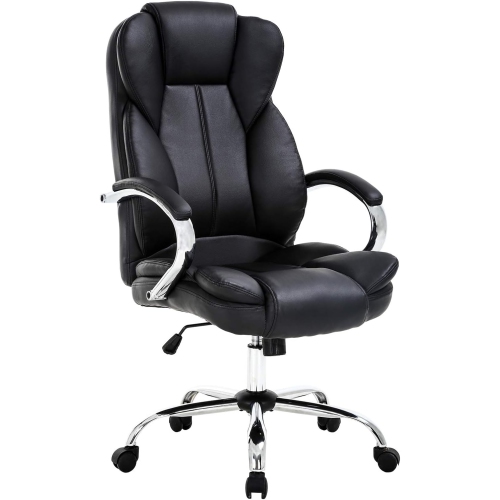
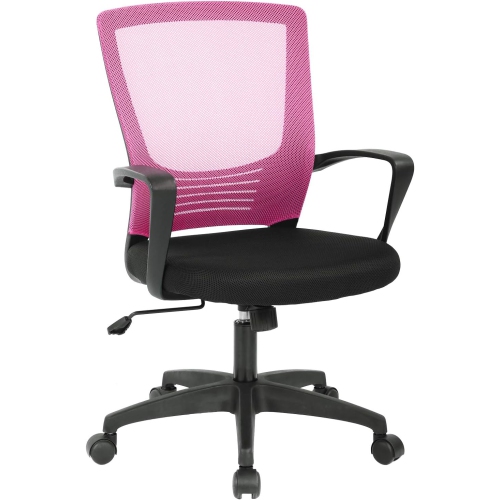
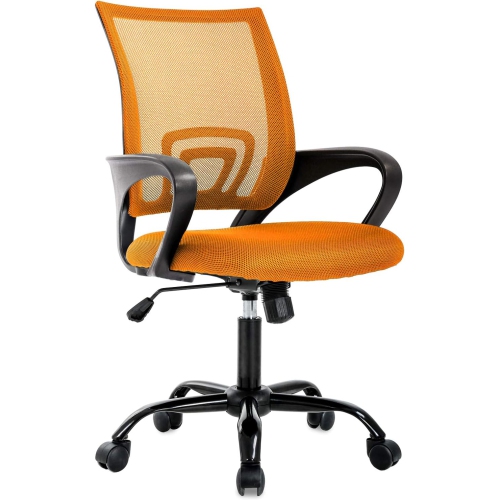
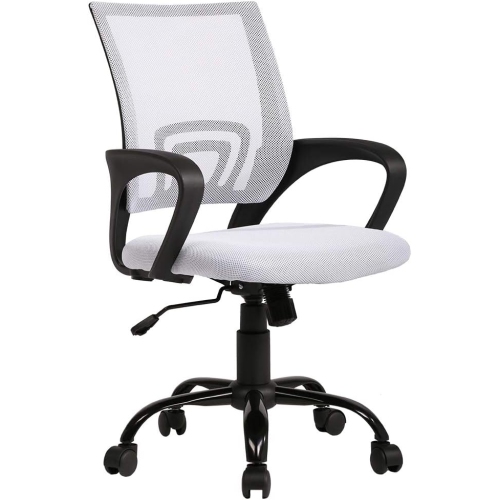
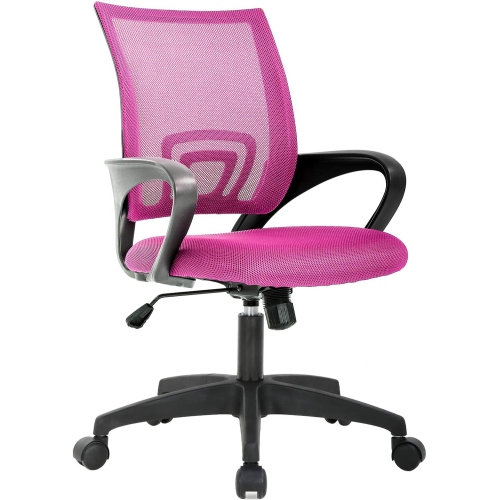
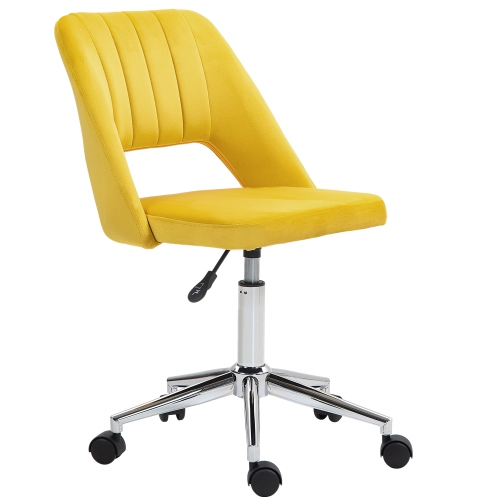
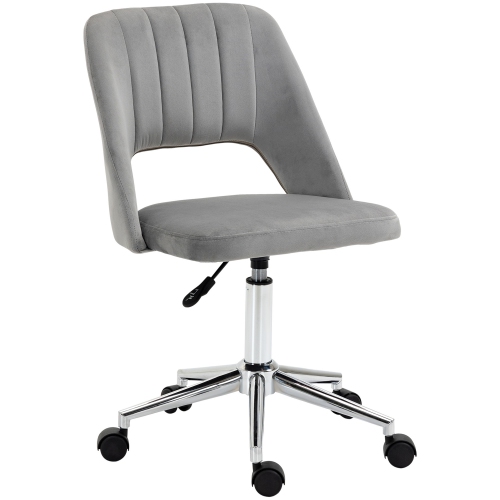
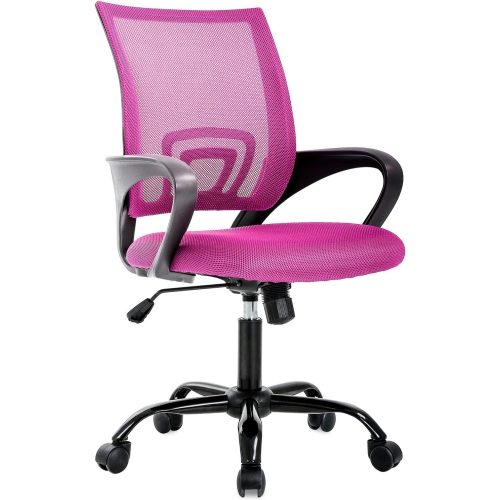
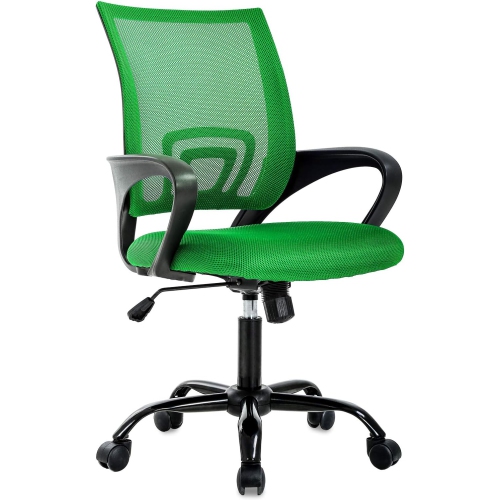
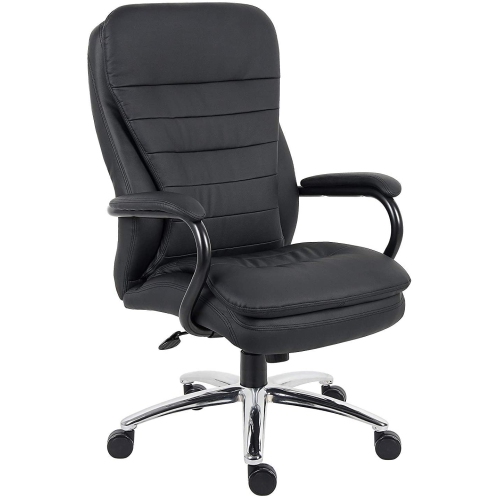
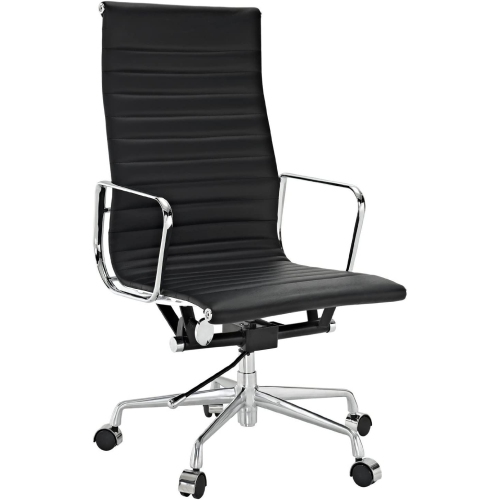
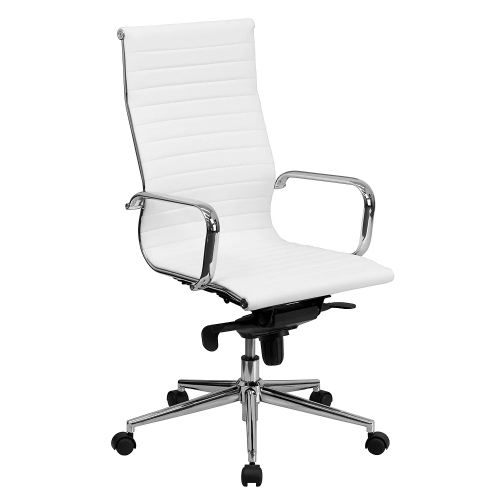
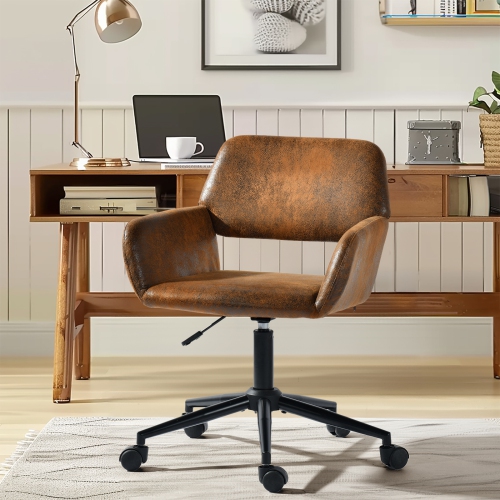
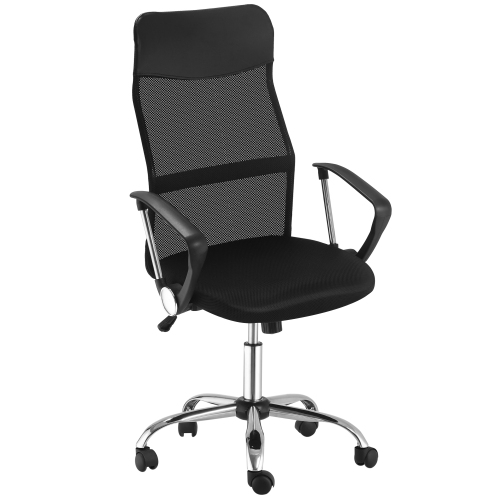
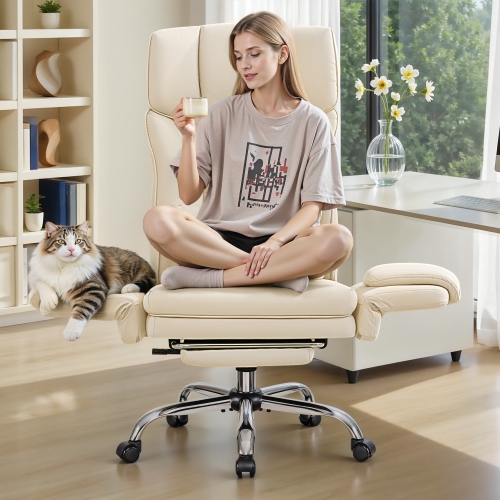
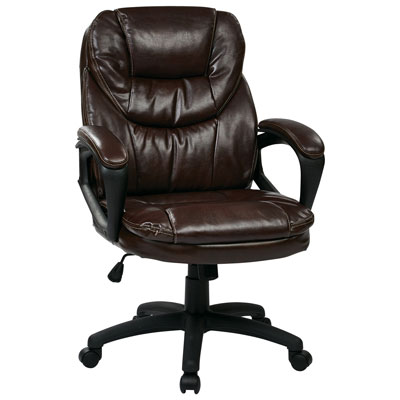
Materials influence the feel, appearance, and everyday care of office chairs as much as their overall shape. Mesh backrests have an open structure that allows airflow and can give a chair a visually lighter presence, particularly in a small room. The feel of mesh varies with its tension and the frame supporting it; a flexible surface and a firmly stretched one can offer noticeably different sitting experiences. Upholstered seats provide a softer contact surface, with woven fabrics bringing texture and a broad choice of colours to a workspace. Darker shades and patterned weaves may make minor marks less noticeable, while lighter upholstery can brighten a desk area but show spills more readily. Genuine leather offers a distinctive surface that develops character with use, while synthetic leather provides a similar visual style with its own care requirements. Neither should be treated as maintenance-free, and cleaning products need to suit the specific upholstery. Seat cushioning also deserves attention beyond how plush it feels at first touch. Cushion thickness, shape, and firmness work together to distribute contact across the seat, and a softly padded chair is not necessarily the most comfortable choice over several hours. Contoured or firmer cushions may feel more supportive to some users, while others prefer a gentler surface. Durability depends on the whole chair, including the upholstery, stitching, arm pads, frame, base, and adjustment mechanisms. A stated weight capacity is an important specification, but it does not replace checking seat width and usable sitting space. Regular care can be straightforward: removing dust from seams, vacuuming fabric with an appropriate attachment, and blotting spills promptly can help preserve the finish. Mesh needs gentle cleaning that avoids catching or stretching the weave, and upholstered surfaces should not be saturated. Following the manufacturer’s care directions is especially important for leather finishes and coated fabrics, where an unsuitable cleaner can cause damage. Keeping chair wheels free of trapped hair and debris also helps them move smoothly.
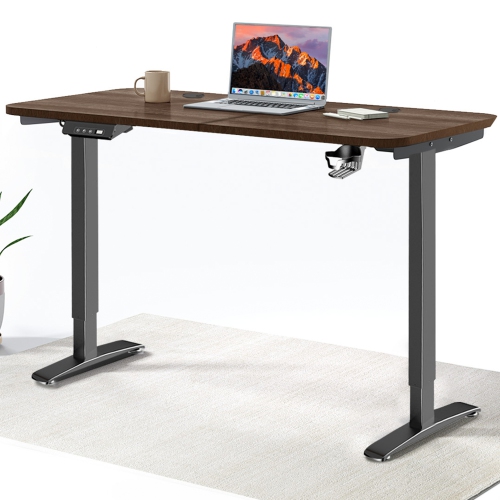
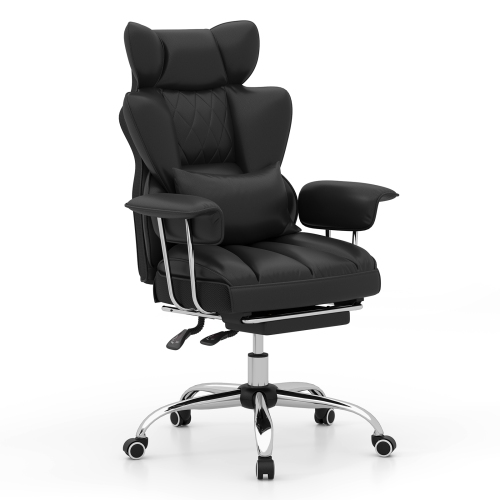
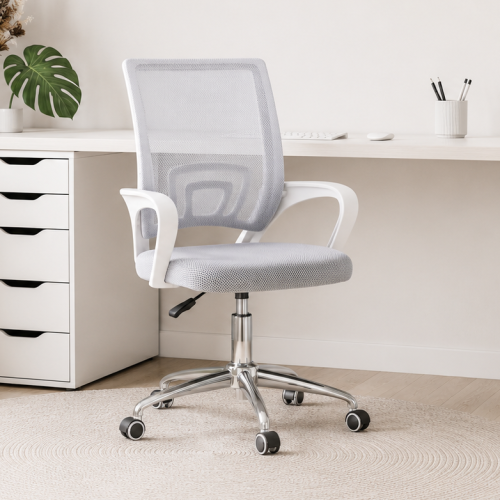
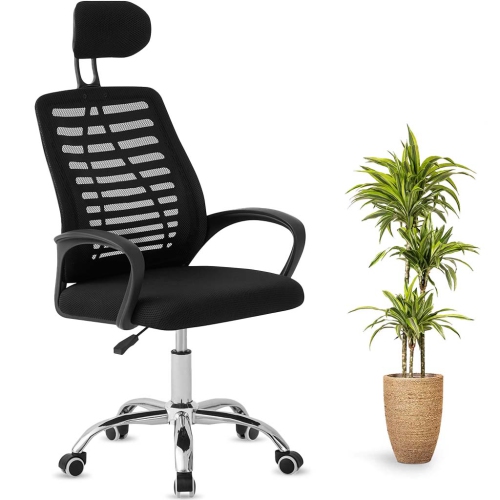
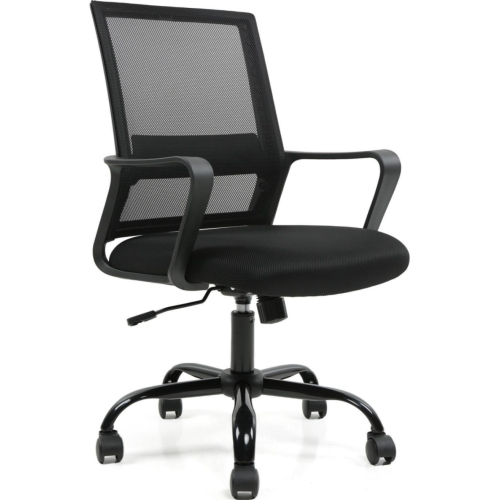
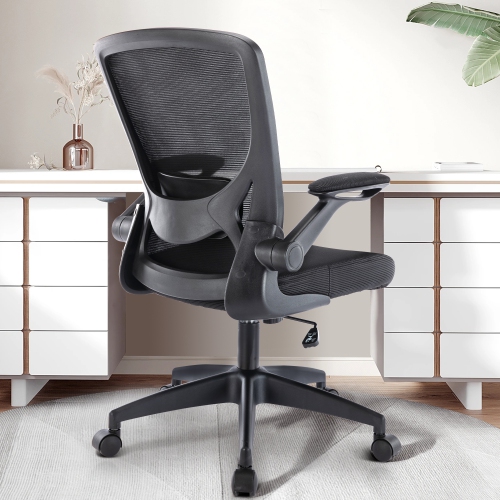
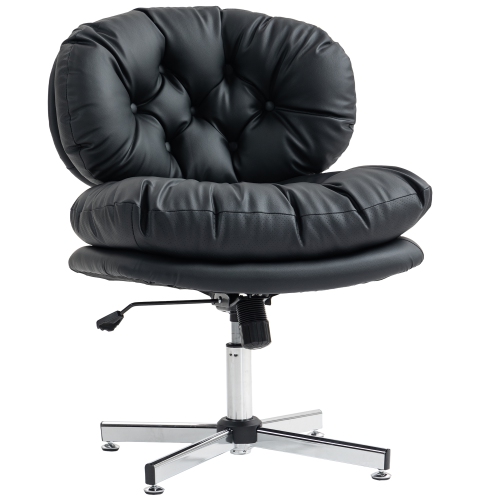
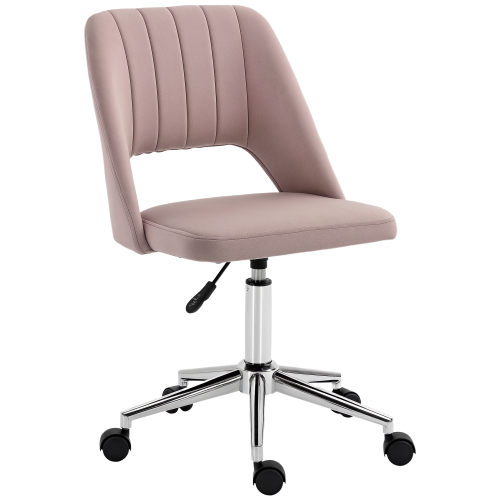
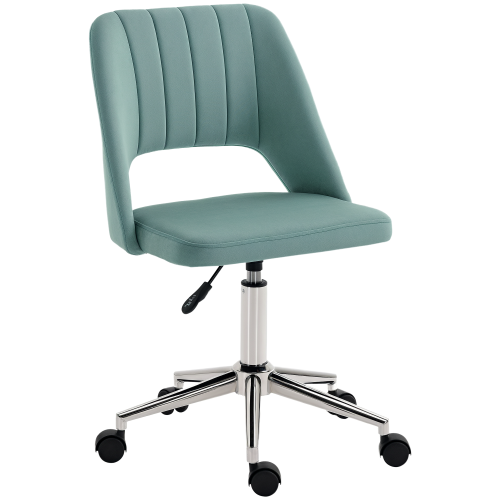
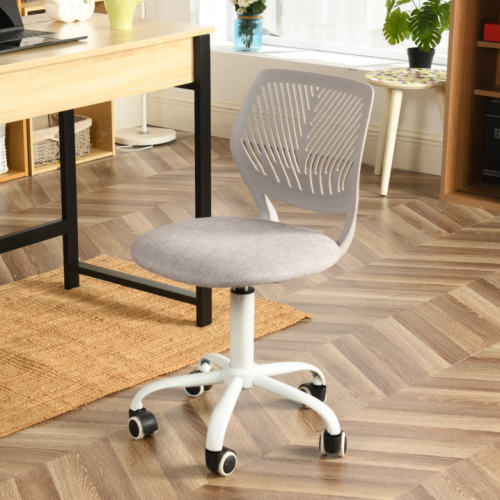
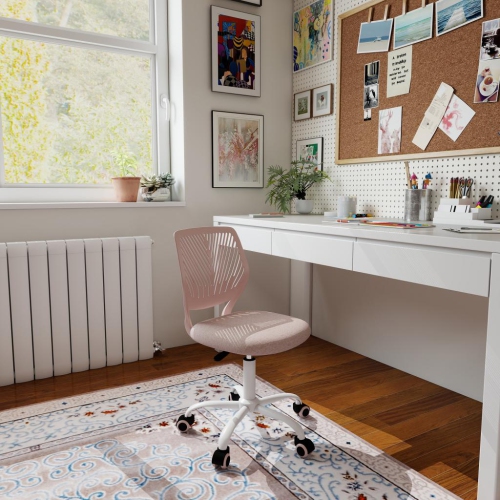
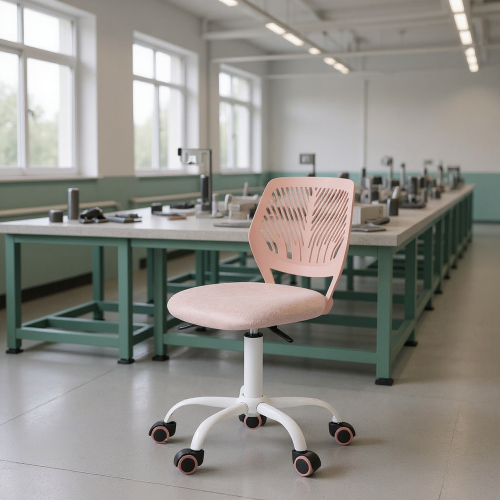
The right office chair needs to work within the room, not simply fit beneath a desk on paper. Overall width includes armrests and the base, so a chair with a modest-looking seat may still need generous clearance beside drawers, shelving, or a nearby wall. In a narrow workspace, the ability to pull back, turn, and stand up comfortably can matter more than a tall back or thick padding. Armless designs can move closer to some desks and allow more freedom at the sides, while adjustable arms offer flexibility when the chair is used for several activities. A swivel base makes it easier to turn towards a filing cabinet or another part of the work surface without repeatedly shifting the entire chair. Casters should be appropriate for the flooring, since wheels intended for one surface may roll poorly or mark another; a suitable chair mat can provide protection where recommended. Stationary bases may be more appropriate where rolling movement is not wanted. For dedicated workspaces, Professional Office Chairs can be considered alongside desk dimensions, daily sitting time, and the adjustment needs of each user. A student working between lectures, a remote employee taking video calls, and someone managing household paperwork may all value different combinations of support, mobility, and compactness. Appearance matters too, especially when a workspace shares a bedroom or living room. Upholstery colour, frame finish, and the height of the backrest can help a chair blend into existing furniture or give a separate office a more coordinated look. Assembly requirements and accessible adjustment levers are practical details worth considering before a chair becomes part of a daily routine. Over time, checking fasteners as directed and addressing loose components can help maintain stable use. An office chair that suits both the person and the space becomes an unobtrusive part of the working day, supporting a comfortable setup without crowding the room or making routine movements awkward.
Read More

FAQ

Some products may be subject to Environmental Handling Fees (EHF) depending on your province. Learn more about EHFs.