Easy Beach Tent
Embrace the sun, sand, and sea with ease by exploring our selection of easy beach tents. Perfect for families, solo travelers, or anyone looking to enjoy a day at the beach without the hassle, these tents offer a convenient solution for shade and relaxation. Designed with simplicity in mind, they ensure you spend less time setting up and more time soaking in the coastal vibes. Whether you're planning a weekend getaway or a spontaneous beach day, an easy beach tent can enhance your outdoor experience by providing comfort and protection from the elements. Dive into this range and find the perfect companion for your next seaside adventure.
Sort


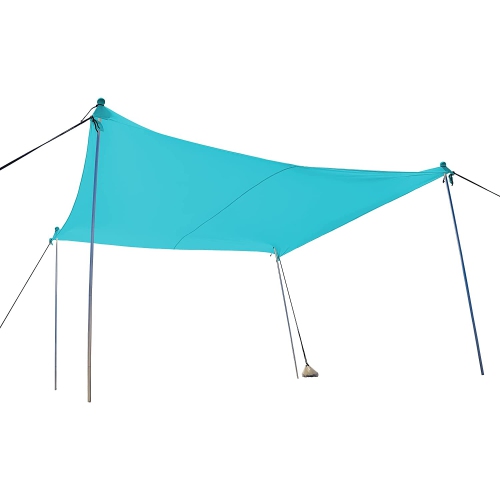
There’s more to beach shade than a quick setup
An easy beach tent is a lightweight, portable shelter designed to make shade and a sheltered sitting area simpler to set up beside the water. Pop-up, instant-frame, and straightforward pole-supported designs reduce the amount of assembly involved, leaving more time for settling onto a blanket or unpacking a picnic. The main differences are how the frame opens, how much space the shelter provides, and how it packs away. A spring-frame pop-up beach tent opens when released from its carry bag and usually folds into a flat disc for transport. An instant beach tent typically uses connected poles and a hub or locking mechanism, while a simple canopy may use separate poles and tensioned fabric to create an open, airy shaded area. Some designs open in seconds, although positioning the shelter and securing its anchors still take time. For a solo reader, a compact shelter can provide room for a low chair and a tote; for a family, a wider floor and an extended front panel can create a place for towels, snacks, and sandy feet. Listed person capacities are a starting point rather than a guarantee of comfortable space, since room for seated adults is different from room for reclining chairs, a cooler, or children stretching out. Floor dimensions, entrance width, and peak height give a clearer sense of fit. Sloped walls can also reduce usable space near the edges, even when the footprint looks generous. A low-profile tent may feel snug and sheltered, while a taller opening makes moving between a chair and the shoreline less awkward. Packed size matters just as much on the walk from the car: a broad circular bag can be light but cumbersome alongside beach chairs, whereas a narrow carry bag may fit more neatly into a wagon or travel bag. Ease of use includes the journey home, so a manageable folding method and a carry bag with enough room for the packed shelter are valuable details.
Materials and construction influence how comfortable an easy beach tent feels once it is set up. Polyester and nylon are common shelter fabrics because they can be lightweight and compact, but fabric thickness, weave, coatings, and stitching all affect performance. A stated ultraviolet protection factor, or UPF, describes how much ultraviolet radiation passes through the tested fabric. UPF 50 fabric allows about one-fiftieth of that radiation through under test conditions; it does not mean that everyone beneath an open-sided shelter has complete sun protection. Sunlight can enter through the doorway, and sand and water can reflect UV rays into shaded areas. Sunscreen, protective clothing, and attention to changing shade remain important alongside a tent. Coverage also shifts as the sun moves, making the depth of the roof and the position of side panels useful considerations for longer stays. Mesh windows and openings on opposite sides can encourage cross-ventilation, helping an occupied shelter feel less stuffy than one with closed walls. Roll-up covers offer flexibility when a breeze picks up or privacy is needed, though closing panels reduces airflow. A beach shelter should never be treated as a cool enclosure for an unattended child or pet. An attached floor provides a defined place to sit and can reduce direct contact with damp sand, while an extended groundsheet adds room near the entrance without increasing the enclosed area. Water-resistant fabric may cope with light splashes or a brief shower, but that is not the same as a waterproof camping tent with sealed seams and a rain-ready structure. Beach tents are generally intended for daytime shade and light shelter, not overnight camping, heavy rain, or winter exposure. Frames may use flexible fibreglass, steel, or aluminium components, each with different handling and packing characteristics. Reinforced pole sleeves, tidy seams, protected pole ends, and smoothly operating zips are useful signs of thoughtful construction, especially for a shelter that will be opened, folded, and carried repeatedly.
Stability is an essential part of an easy setup, particularly on an exposed shoreline where the breeze can change quickly. Integrated sand pockets, fillable anchor bags, guy lines, and suitable stakes can help hold a shelter in place when used as directed, but no lightweight beach tent should be assumed to withstand strong winds. Sand anchors work differently from short pegs intended for firm soil, so the anchoring system needs to suit the surface as well as the tent. Filling the intended pockets properly and securing every required attachment point matters more than simply placing a heavy bag inside. An empty shelter can catch wind readily, and it should be taken down when conditions exceed the manufacturer’s limits or when gusts make it unstable. For lakeside picnics, waterside sports breaks, and mild-weather outings, a quick-opening shelter can be useful for parents managing towels and toys, couples carrying a small picnic, or anyone who wants a shaded spot between walks along the shore. It can also make a practical gift for someone who regularly spends time at the beach, provided its carrying weight, folded shape, and opening mechanism suit their routine. Someone with limited hand strength may find stiff hubs or twist-fold frames difficult, even if assembly is described as instant. Clear operating instructions and a practice run at home can make packing up much less frustrating when the fabric is sandy and the car park is a walk away. Care is usually uncomplicated but important: shake out loose sand, remove salt residue as the care instructions allow, and let the fabric and frame dry completely before storage. Trapped grit can wear moving joints and zips, while packing away damp fabric can lead to odours and mould. Harsh cleaners, machine washing, and forced folding can damage coatings or frame components unless the manufacturer specifically permits them. Between outings, a dry storage space and a quick check of seams, anchors, and pole connections help keep the shelter ready for its next use. The most convenient beach tent combines a manageable setup with comfortable shade, suitable anchoring, and a packed shape that fits naturally into the rest of the day’s gear.
Top selling and popular products
-
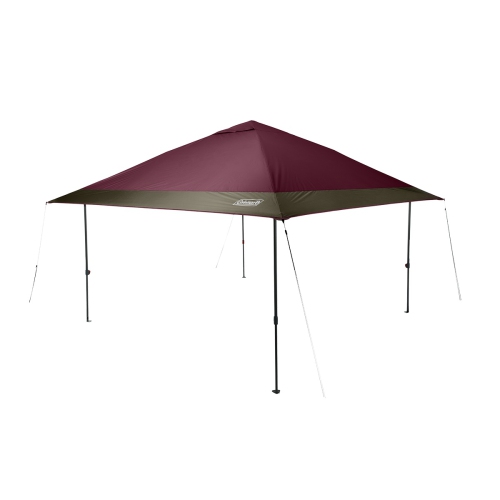 Your price for this item is $299.99
-
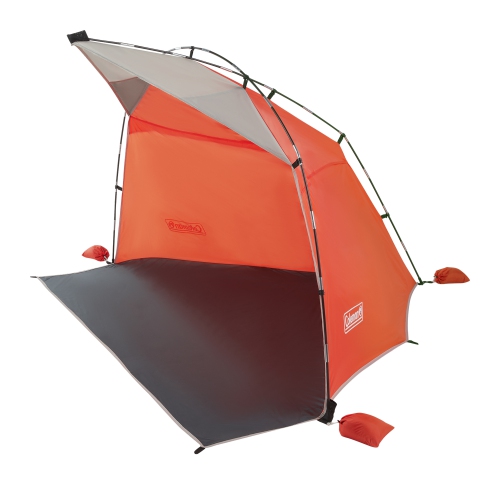 Your price for this item is $101.99
-
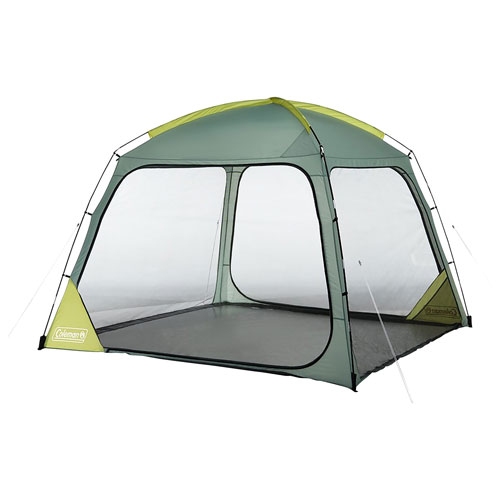 Your price for this item is $181.99
-
 Your price for this item is $139.99
-
 Your price for this item is $139.99
-
 Your price for this item is $49.99
-
 Your price for this item is $108.99
-
 Your price for this item is $139.99
Discover more categories related to Easy Beach Tent


Top Collections:
Pokemon Centers, Kindle Devices, Best Budget Office Chairs, Canon G7X Cameras, Apple iPhones 16, Samsung Galaxy Phones, Refurbished Apple Laptops, Laptops for Students, iPhone 15 Apple, Budget Smartphones
Some products may be subject to Environmental Handling Fees
(EHF) depending on your province.
Learn more about EHFs.