Blind Spot Detection Systems
Enhance your driving experience and stay safe on the road with these blind spot detection systems. Designed to provide an extra set of eyes, these innovative devices help eliminate blind spots and alert you to potential hazards while changing lanes or maneuvering through traffic. With advanced technology and reliable performance, this range of blind spot detection systems offers peace of mind and confidence behind the wheel.
Sort
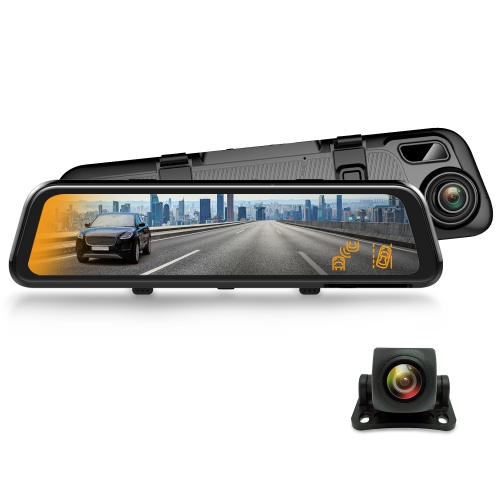
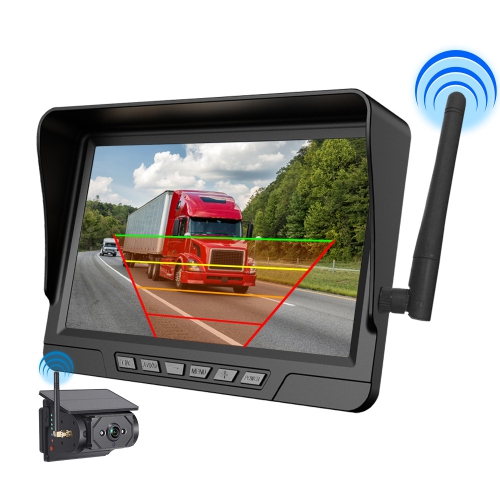

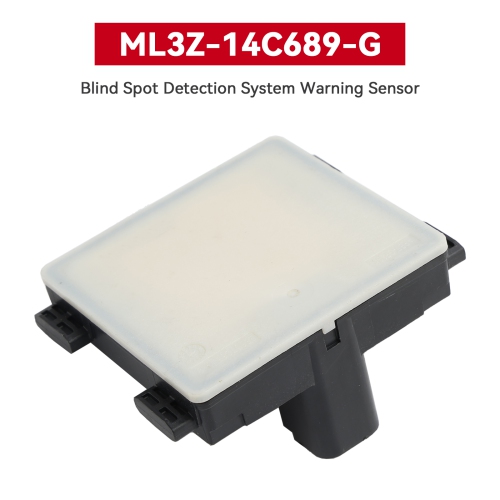
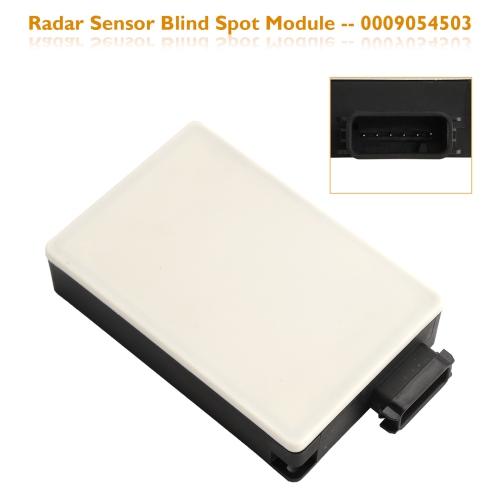
How sensors and cameras alert you to nearby traffic
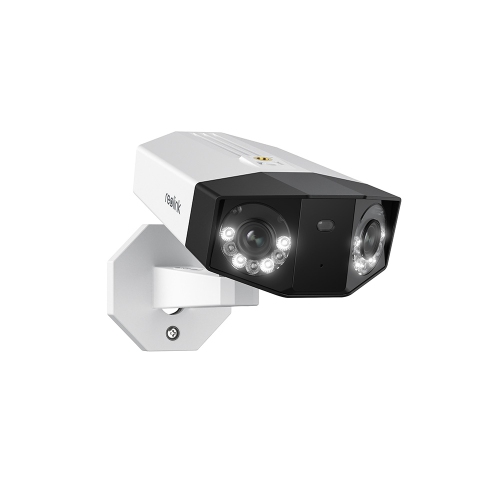
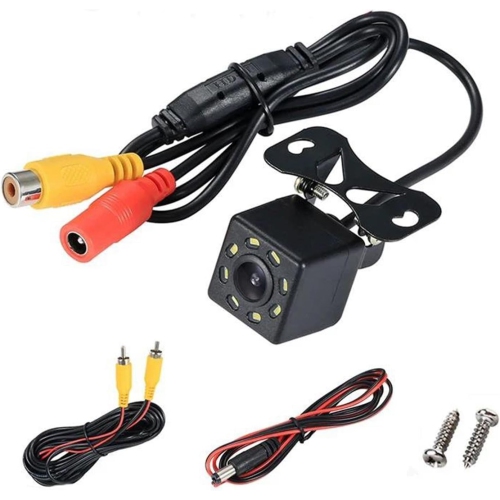
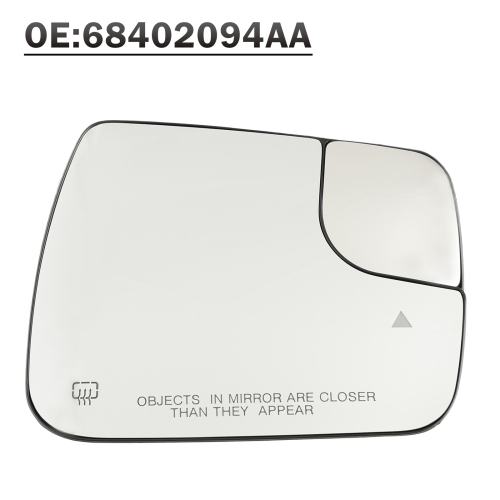
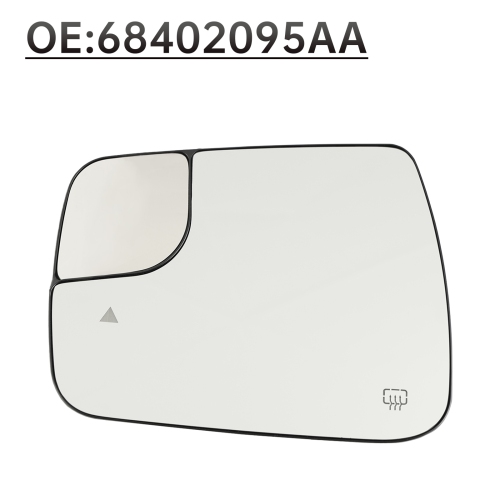
Blind spot detection systems are designed to help drivers notice vehicles, motorcycles, bicycles, and other road users travelling in areas that may be difficult to see in the side mirrors or rear window. Depending on the system, sensors, radar, ultrasonic technology, or cameras monitor the space beside and behind a vehicle and provide a warning when another road user enters a designated detection zone. A common setup uses radar sensors positioned near the rear bumper, where they scan adjacent lanes and track nearby traffic as it approaches or travels alongside the vehicle. Other systems use side-facing or rear-facing cameras to provide a live view on a dashboard screen, replacement rear-view mirror display, or another compatible monitor. Visual alerts may appear as illuminated icons near the driver’s side mirrors, while some systems add flashing indicators, audible tones, spoken warnings, steering wheel vibration, or another tactile signal. Many radar-based systems are configured to activate once the vehicle reaches a preset speed, helping reduce unnecessary alerts during very slow manoeuvres, although operating speeds and detection areas vary by model. Some also offer rear cross-traffic alert, which can watch for approaching vehicles when backing out of a parking space or driveway. These features can be especially useful on busy roads, in heavy traffic, during lane changes, and when a vehicle’s design creates wide areas that are hard to check with a quick glance. Blind spot detection is an assistance feature rather than a replacement for attentive driving: drivers should continue checking their mirrors, looking over their shoulder, using turn signals, maintaining a safe following distance, and following all applicable traffic laws. Weather, road conditions, trailer loads, bumper damage, dirt, snow, ice, and nearby objects can affect sensor or camera performance, so the vehicle’s instructions should be reviewed carefully before use.
When choosing a blind spot detection system, begin with the vehicle itself. Universal aftermarket kits may be suitable for drivers who want to add assistance to an older car, truck, sport utility vehicle, or van, while vehicle-specific systems may offer a more integrated fit and installation approach. Check the year, make, model, body style, bumper construction, mirror design, and available space for sensors before purchasing. It is also important to confirm whether the kit is intended for a factory upgrade, professional installation, or do-it-yourself installation. Some systems require wiring into the vehicle’s electrical system, connecting to the turn signals, mounting indicators beside the mirrors, or positioning a display within the driver’s natural line of sight. Camera-based options may need careful cable routing and a suitable screen, while radar systems depend on accurate sensor placement and calibration. Look for clear information about detection range, activation speed, warning style, sensor location, camera viewing angle, display placement, and compatibility with the vehicle’s existing electronics. Drivers who tow a trailer should pay close attention to whether the system can accommodate the extra length and width, as a trailer may block sensors or change the areas that need monitoring. Anyone who regularly drives in urban traffic may appreciate bright mirror indicators that can be understood at a glance, while long-distance commuters may prefer a combination of visual and audible alerts. Drivers who are sensitive to sounds inside the cabin may favour a system with adjustable volume or visual-only notifications. A camera display can be helpful when reversing or changing lanes, but it should be positioned so that it does not obstruct the windshield or distract from the road. For additional assistance during parking and reversing, shoppers may also want to explore Parking Sensor Systems, keeping in mind that parking-focused sensors and blind spot systems are intended for different driving situations.
Blind spot detection systems can be useful for new drivers building confidence on multi-lane roads, experienced drivers who spend long hours commuting, families sharing one vehicle, and anyone operating a larger vehicle with limited rear visibility. They can also be a thoughtful gift for a parent, student, new driver, or frequent road-tripper when the system is confirmed to fit the recipient’s vehicle and their comfort level with installation. During the warmer seasons, when motorcycles and bicycles may be more common on the road, an additional alert can help draw attention to traffic that might otherwise be hidden beside a vehicle. During the cooler months, drivers may also value assistance when visibility is reduced by earlier darkness, rain, fog, or changing road conditions, although sensors and camera lenses must remain clear and properly maintained. Before installation, inspect the proposed mounting areas and make sure the vehicle’s bumper, mirrors, lights, and wiring are in suitable condition. After installation, test the warnings in a safe, controlled location and confirm that indicators correspond to the correct side of the vehicle. A professional installer may be the best choice for systems requiring bumper removal, electrical connections, drilling, calibration, or integration with factory controls. It is worth keeping the product instructions in the vehicle and checking how alerts behave when passing, being passed, merging, reversing, or signalling for a lane change. A well-matched blind spot detection system should fit naturally into the driver’s routine, offering timely information without encouraging overreliance. With the right compatibility checks, thoughtful installation, and regular attention to the sensors or cameras, these systems can add useful awareness to everyday driving in city streets, on highways, in parking lots, and along quieter roads.
When choosing a blind spot detection system, begin with the vehicle itself. Universal aftermarket kits may be suitable for drivers who want to add assistance to an older car, truck, sport utility vehicle, or van, while vehicle-specific systems may offer a more integrated fit and installation approach. Check the year, make, model, body style, bumper construction, mirror design, and available space for sensors before purchasing. It is also important to confirm whether the kit is intended for a factory upgrade, professional installation, or do-it-yourself installation. Some systems require wiring into the vehicle’s electrical system, connecting to the turn signals, mounting indicators beside the mirrors, or positioning a display within the driver’s natural line of sight. Camera-based options may need careful cable routing and a suitable screen, while radar systems depend on accurate sensor placement and calibration. Look for clear information about detection range, activation speed, warning style, sensor location, camera viewing angle, display placement, and compatibility with the vehicle’s existing electronics. Drivers who tow a trailer should pay close attention to whether the system can accommodate the extra length and width, as a trailer may block sensors or change the areas that need monitoring. Anyone who regularly drives in urban traffic may appreciate bright mirror indicators that can be understood at a glance, while long-distance commuters may prefer a combination of visual and audible alerts. Drivers who are sensitive to sounds inside the cabin may favour a system with adjustable volume or visual-only notifications. A camera display can be helpful when reversing or changing lanes, but it should be positioned so that it does not obstruct the windshield or distract from the road. For additional assistance during parking and reversing, shoppers may also want to explore Parking Sensor Systems, keeping in mind that parking-focused sensors and blind spot systems are intended for different driving situations.
Blind spot detection systems can be useful for new drivers building confidence on multi-lane roads, experienced drivers who spend long hours commuting, families sharing one vehicle, and anyone operating a larger vehicle with limited rear visibility. They can also be a thoughtful gift for a parent, student, new driver, or frequent road-tripper when the system is confirmed to fit the recipient’s vehicle and their comfort level with installation. During the warmer seasons, when motorcycles and bicycles may be more common on the road, an additional alert can help draw attention to traffic that might otherwise be hidden beside a vehicle. During the cooler months, drivers may also value assistance when visibility is reduced by earlier darkness, rain, fog, or changing road conditions, although sensors and camera lenses must remain clear and properly maintained. Before installation, inspect the proposed mounting areas and make sure the vehicle’s bumper, mirrors, lights, and wiring are in suitable condition. After installation, test the warnings in a safe, controlled location and confirm that indicators correspond to the correct side of the vehicle. A professional installer may be the best choice for systems requiring bumper removal, electrical connections, drilling, calibration, or integration with factory controls. It is worth keeping the product instructions in the vehicle and checking how alerts behave when passing, being passed, merging, reversing, or signalling for a lane change. A well-matched blind spot detection system should fit naturally into the driver’s routine, offering timely information without encouraging overreliance. With the right compatibility checks, thoughtful installation, and regular attention to the sensors or cameras, these systems can add useful awareness to everyday driving in city streets, on highways, in parking lots, and along quieter roads.
Top selling and popular products
-
 Your price for this item is $26.99
 -
 Your price for this item is $104.99
 -
 Your price for this item is $854.05
 -
 Your price for this item is $130.99
 -
 Your price for this item is $1506.99
 -
 Your price for this item is $232.99
 -
 Your price for this item is $46.71
 -
 Your price for this item is $160.99
Discover more categories related to Blind Spot Detection Systems

Top Collections:
Pokemon Centers, Kindle Devices, Best Budget Office Chairs, Apple iPhones 16, Canon G7X Cameras, iPhone 15 Apple, Alarm Clock, Refurbished Apple Laptops, Flip Phones, Best Laptops for Writers
Some products may be subject to Environmental Handling Fees
(EHF) depending on your province.
Learn more about EHFs.