Car Headlights
Upgrade your vehicle's lighting with our selection of high-quality car headlights. Illuminate the road ahead with ease and enhance your driving experience with our range of headlights designed to provide optimal visibility in various conditions. Whether you're looking for improved brightness, longer lifespan, or energy efficiency, we have a variety of options to suit your needs. Say goodbye to dim and outdated headlights and explore our collection to find the perfect upgrade for your car.
Sort
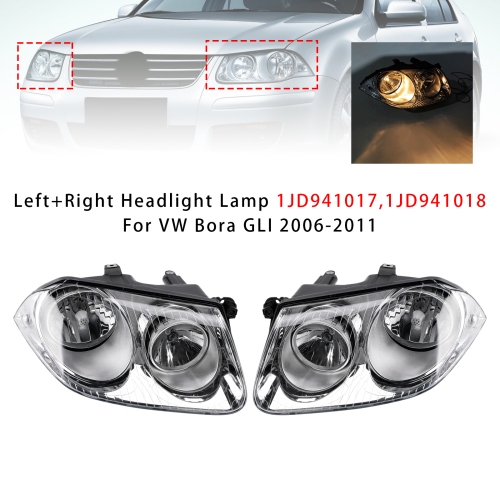
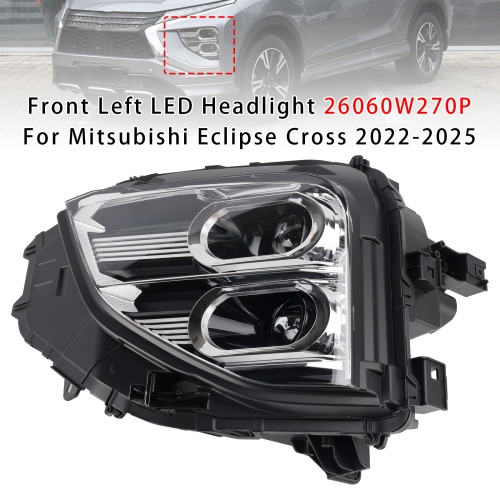
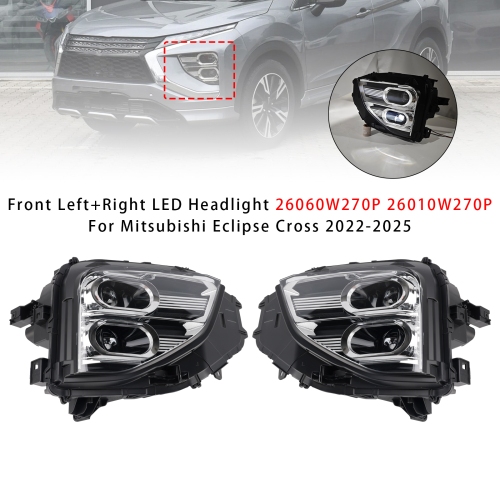
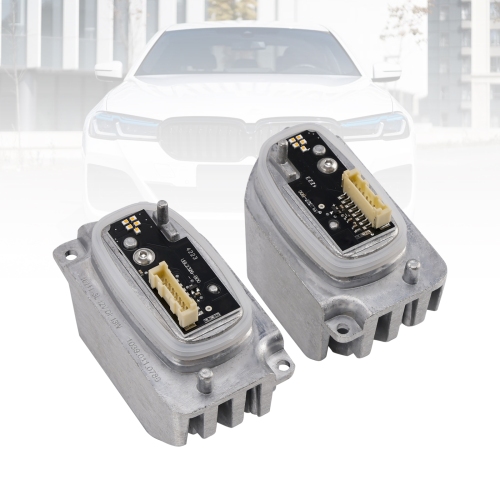
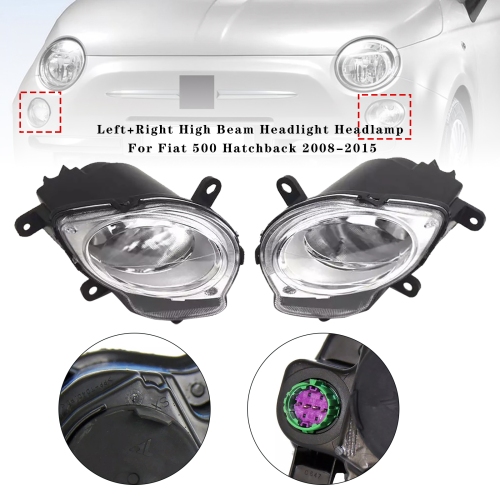
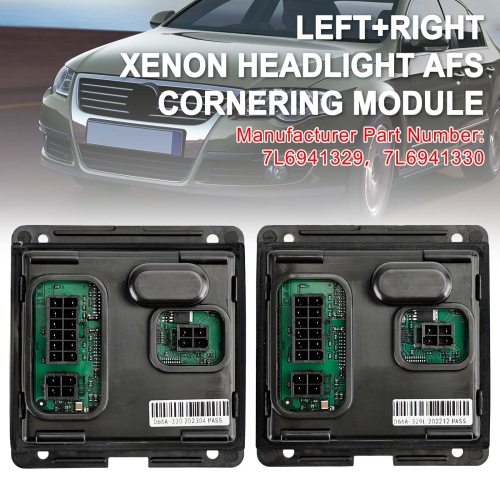
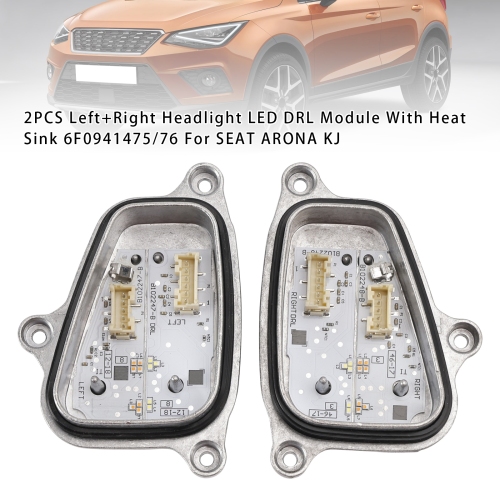
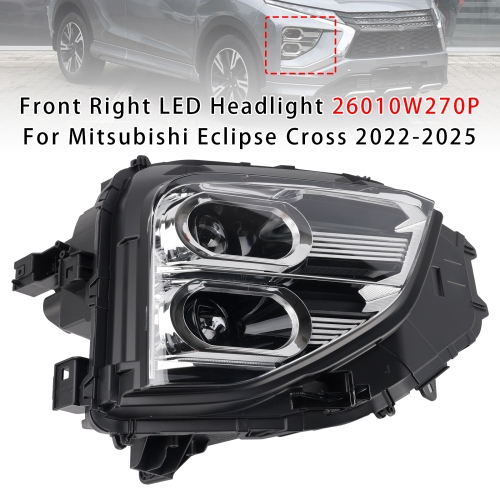
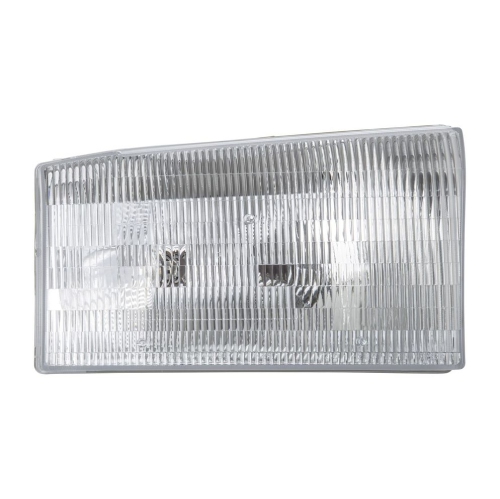
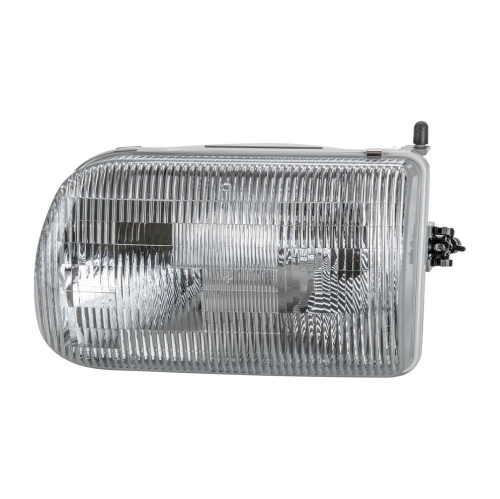
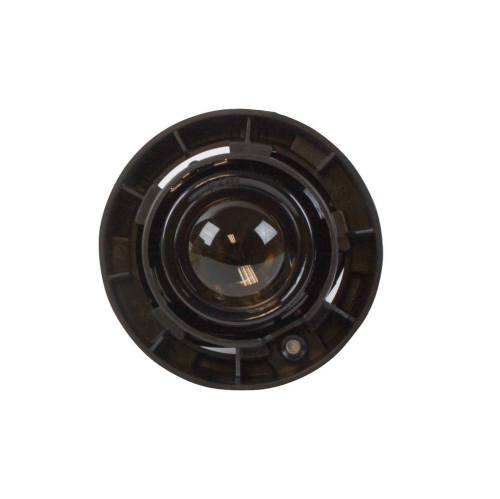
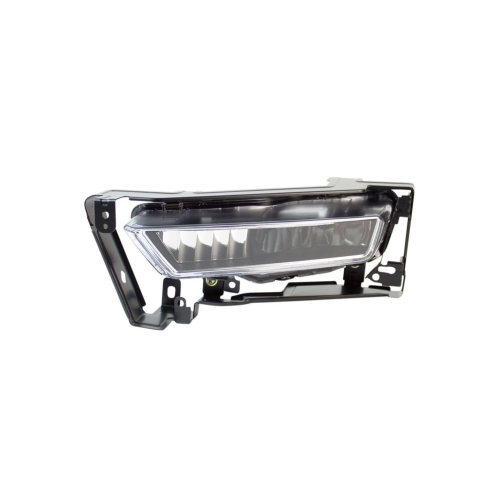
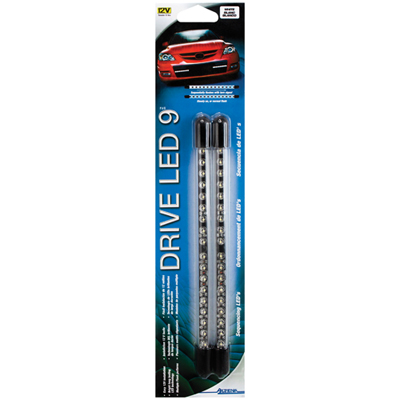
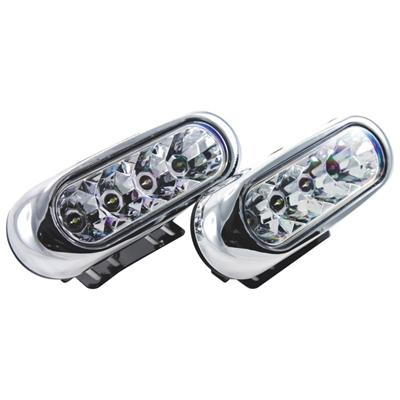
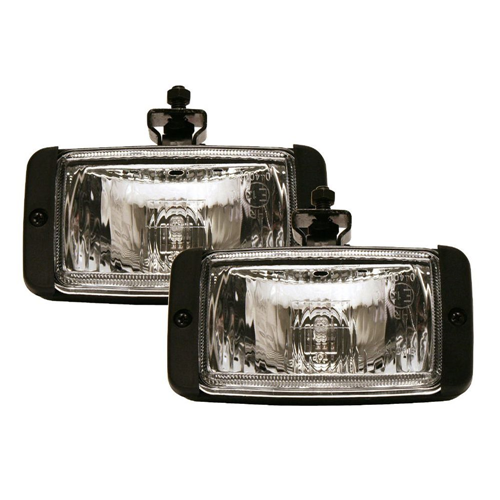
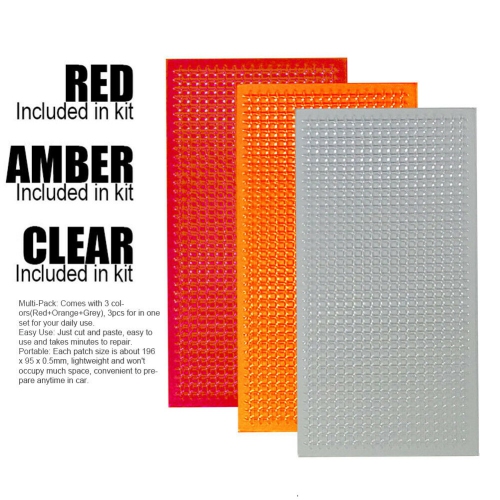
Understand headlight types, fitment, and safe installation requirements
Car headlights are front-mounted vehicle lights designed to illuminate the road, lane markings, signs, and nearby hazards during darkness or low-visibility conditions. They help drivers see more clearly during evening commutes, rural trips, underground parking, and periods of rain, fog, snow, or blowing debris. A properly matched headlight can also help other road users recognize your vehicle from a safe distance. When selecting car headlights, begin with your vehicle’s make, model, year, trim, and existing lighting system. Bulb size, connector style, housing design, wattage, and electrical requirements can vary between vehicles that look nearly identical, so checking the owner’s manual or the vehicle manufacturer’s fitment information is an important first step. A retailer’s broader Car Lighting selection can include replacement bulbs, complete headlight assemblies, and related vehicle lighting options for different applications. It is also worth checking whether the product is intended for a low-beam, high-beam, daytime running light, fog light, or signal position, since these functions may use different bulbs or housings. Drivers who spend time on unlit roads, travel through areas with frequent rain or snow, or simply want to restore dim or burned-out lighting may all benefit from choosing a suitable replacement. Headlights can also be a practical gift for a new driver, a family member who commutes after dark, or someone preparing an older vehicle for seasonal driving, provided the correct vehicle fitment is confirmed before purchase.
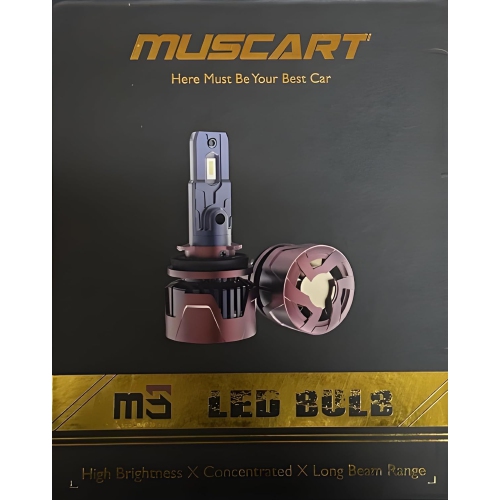
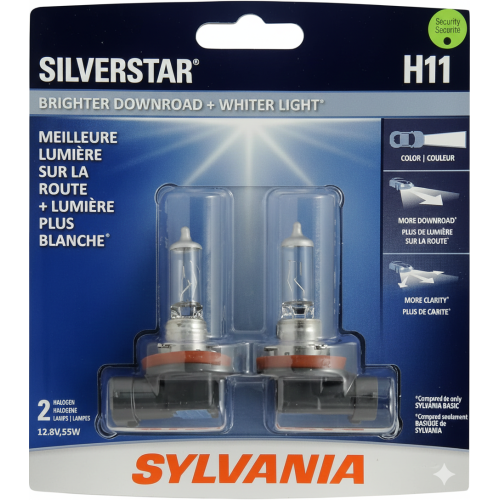
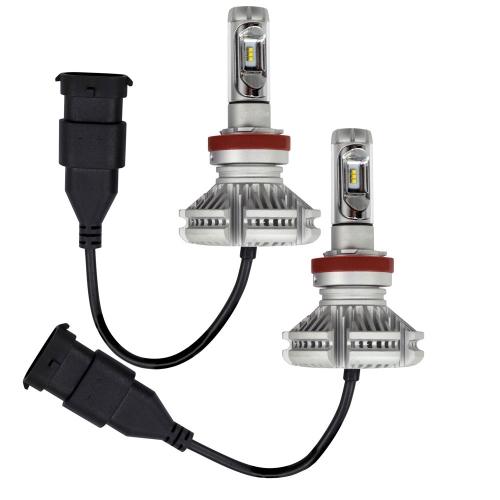
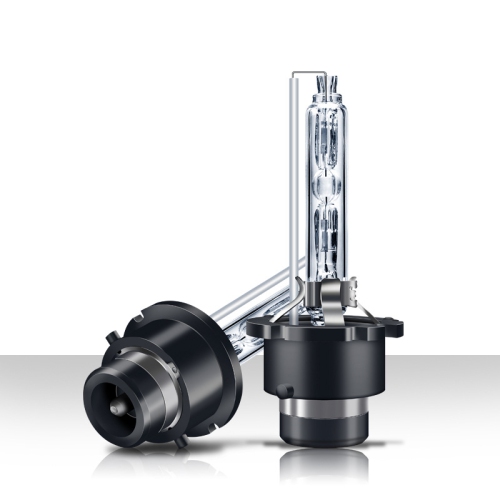
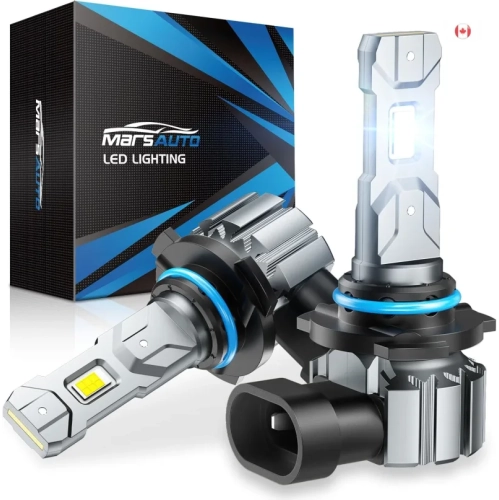
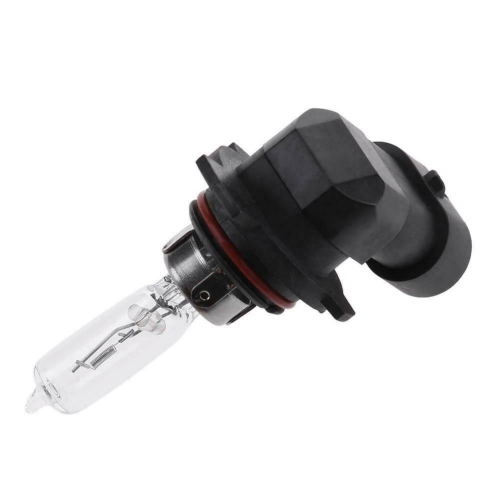
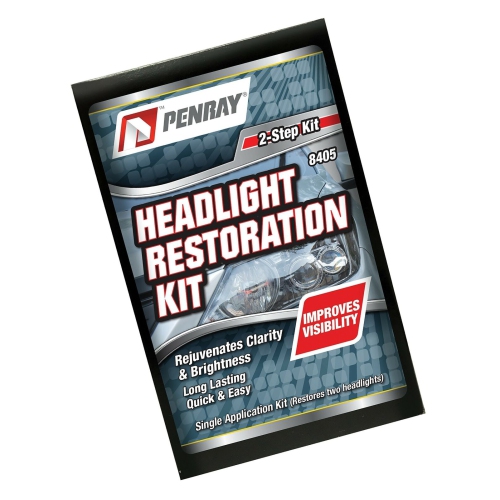
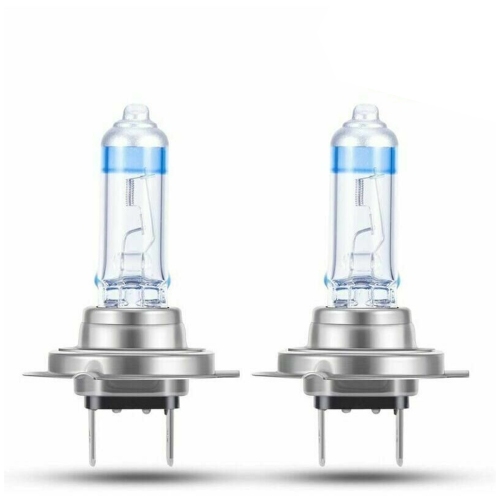
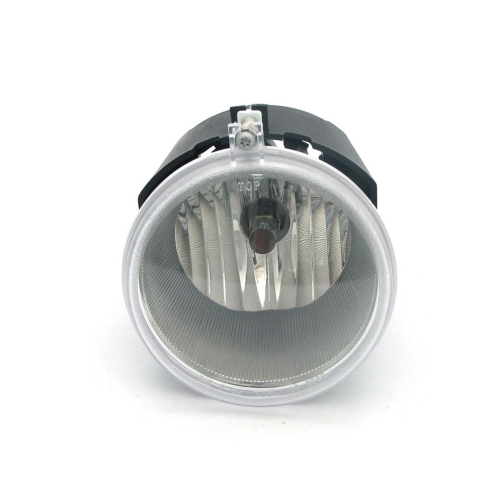
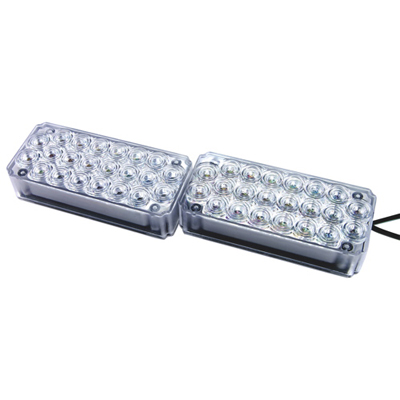
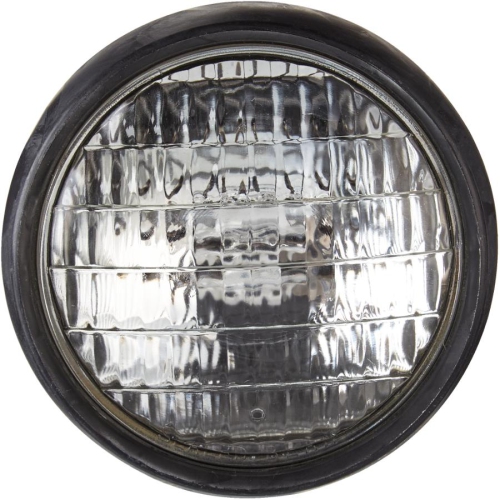
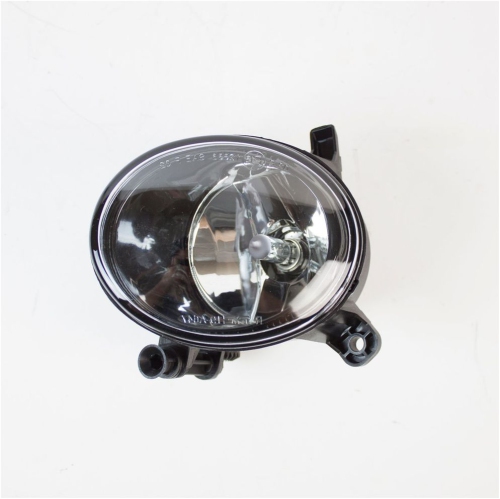
The main headlight technologies each offer a different design and lighting experience. Halogen headlights are traditional incandescent bulbs that use a tungsten filament to produce a warm, yellowish light. They are commonly found in older and newer vehicles and can be a straightforward choice when replacing an original halogen bulb with the same type. HID, or xenon, headlights create light through an electrical arc in xenon gas rather than a heated filament. They are associated with bright illumination and may require compatible ballasts, wiring, or vehicle-specific components, so an HID replacement is not automatically interchangeable with a halogen bulb. LED headlights use semiconductor technology to create bright white light and are available as replacement bulbs or as part of a complete lighting assembly. Their compact construction allows manufacturers to use different shapes, heat-management systems, and electronic controls, making compatibility especially important. Projector headlights use a shaped lens and internal optics to concentrate the beam pattern. When correctly matched and aimed, this design can provide a defined spread of light while helping limit unnecessary glare for oncoming drivers. Sealed-beam headlights combine the bulb, reflector, and lens into one integrated unit. They are commonly associated with older, classic, utility, and specialty vehicles, and the entire sealed-beam unit is replaced when the light source reaches the end of its service life. Complete headlight assemblies are another option, combining the housing, lens, reflector or projector components, and sometimes integrated signal or daytime running light elements. An assembly may be appropriate when a lens is cracked, clouded, damaged, or no longer sealing out moisture, or when a vehicle owner is restoring its original appearance. Because light colour, beam shape, brightness, and aiming all affect road safety, replacement headlights should be installed according to the vehicle and product instructions rather than selected by appearance alone.
Before ordering or installing car headlights, compare the listed fitment with the vehicle’s exact year, make, model, trim, and lighting package. Some vehicles use separate bulbs for high and low beams, while others use a single bulb or a full assembly for multiple functions. Confirm the connector, bulb number, housing dimensions, mounting points, and whether an adapter, ballast, resistor, or control module is needed. A headlight that physically fits may still produce an incorrect beam pattern or trigger a dashboard warning if it is not designed for the vehicle’s electrical system. Consider the intended driving conditions as well: a driver on dark country roads may value a clear, well-focused beam, while someone who mainly drives in a city may prioritize dependable replacement of a failed bulb or damaged housing. Look for durable lenses and secure seals when the vehicle is regularly exposed to road spray, freezing temperatures, or rapid changes between indoor and outdoor conditions. After installation, inspect both headlights together, since one new light beside a heavily aged light can create an uneven appearance and different illumination. Clean fingerprints from bulbs where directed, keep lenses clear of dirt and ice, and have the beam alignment checked on level ground or by a qualified installer. Correct aiming is essential because headlights pointed too low can reduce forward visibility, while lights aimed too high or fitted with an unsuitable bulb can create glare. Always follow local regulations regarding approved headlight colours, brightness, installation, and road use. With the right fitment and careful installation, replacement car headlights can support clearer nighttime driving and help restore confidence when the road ahead becomes difficult to see.
The main headlight technologies each offer a different design and lighting experience. Halogen headlights are traditional incandescent bulbs that use a tungsten filament to produce a warm, yellowish light. They are commonly found in older and newer vehicles and can be a straightforward choice when replacing an original halogen bulb with the same type. HID, or xenon, headlights create light through an electrical arc in xenon gas rather than a heated filament. They are associated with bright illumination and may require compatible ballasts, wiring, or vehicle-specific components, so an HID replacement is not automatically interchangeable with a halogen bulb. LED headlights use semiconductor technology to create bright white light and are available as replacement bulbs or as part of a complete lighting assembly. Their compact construction allows manufacturers to use different shapes, heat-management systems, and electronic controls, making compatibility especially important. Projector headlights use a shaped lens and internal optics to concentrate the beam pattern. When correctly matched and aimed, this design can provide a defined spread of light while helping limit unnecessary glare for oncoming drivers. Sealed-beam headlights combine the bulb, reflector, and lens into one integrated unit. They are commonly associated with older, classic, utility, and specialty vehicles, and the entire sealed-beam unit is replaced when the light source reaches the end of its service life. Complete headlight assemblies are another option, combining the housing, lens, reflector or projector components, and sometimes integrated signal or daytime running light elements. An assembly may be appropriate when a lens is cracked, clouded, damaged, or no longer sealing out moisture, or when a vehicle owner is restoring its original appearance. Because light colour, beam shape, brightness, and aiming all affect road safety, replacement headlights should be installed according to the vehicle and product instructions rather than selected by appearance alone.
Before ordering or installing car headlights, compare the listed fitment with the vehicle’s exact year, make, model, trim, and lighting package. Some vehicles use separate bulbs for high and low beams, while others use a single bulb or a full assembly for multiple functions. Confirm the connector, bulb number, housing dimensions, mounting points, and whether an adapter, ballast, resistor, or control module is needed. A headlight that physically fits may still produce an incorrect beam pattern or trigger a dashboard warning if it is not designed for the vehicle’s electrical system. Consider the intended driving conditions as well: a driver on dark country roads may value a clear, well-focused beam, while someone who mainly drives in a city may prioritize dependable replacement of a failed bulb or damaged housing. Look for durable lenses and secure seals when the vehicle is regularly exposed to road spray, freezing temperatures, or rapid changes between indoor and outdoor conditions. After installation, inspect both headlights together, since one new light beside a heavily aged light can create an uneven appearance and different illumination. Clean fingerprints from bulbs where directed, keep lenses clear of dirt and ice, and have the beam alignment checked on level ground or by a qualified installer. Correct aiming is essential because headlights pointed too low can reduce forward visibility, while lights aimed too high or fitted with an unsuitable bulb can create glare. Always follow local regulations regarding approved headlight colours, brightness, installation, and road use. With the right fitment and careful installation, replacement car headlights can support clearer nighttime driving and help restore confidence when the road ahead becomes difficult to see.
Top selling and popular products
-
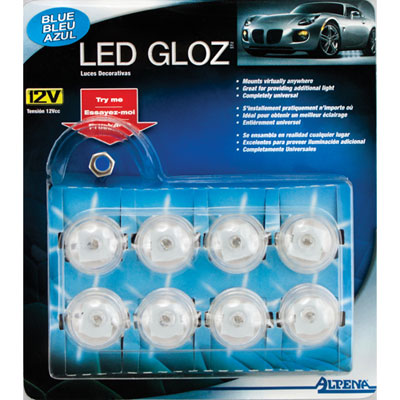 Your price for this item is $16.99
 -
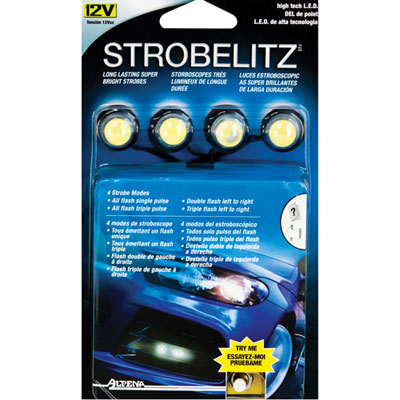 Your price for this item is $31.99
 -
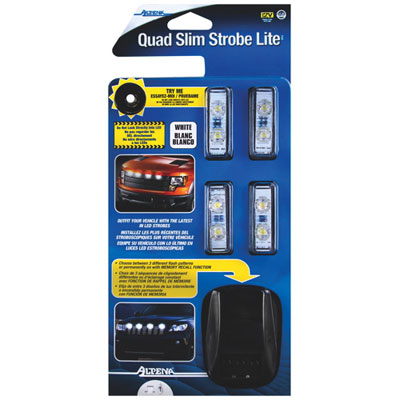 Your price for this item is $48.99
 -
 Your price for this item is $36.99
 -
 Your price for this item is $36.96
 -
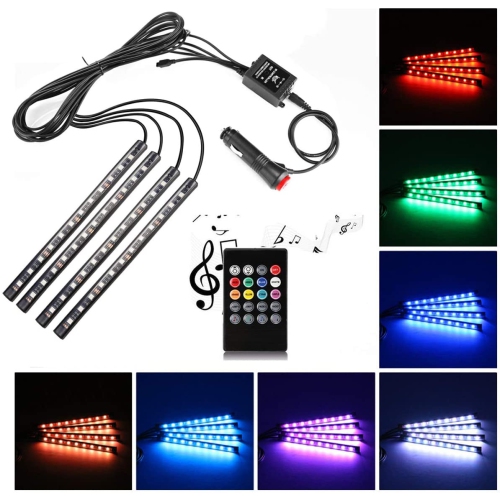 Your price for this item is $29.99
 -
 Your price for this item is $52.96
 -
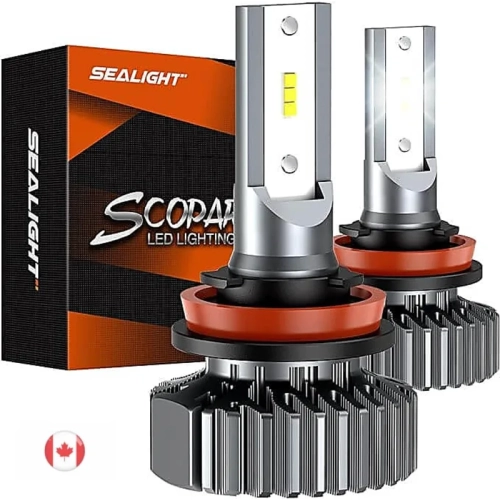 Your price for this item is $59.99
Discover more categories related to Car Headlights
Top Collections:
Pokemon Centers, Kindle Devices, Best Budget Office Chairs, Apple iPhones 16, Best Laptops for Writers, iPhone 15 Apple, Canon G7X Cameras, Refurbished Apple Laptops, Alarm Clock, Motorola Razr Phones
Some products may be subject to Environmental Handling Fees
(EHF) depending on your province.
Learn more about EHFs.