Car Speaker Upgrades
Upgrade your driving experience with our selection of premium car speaker upgrades. Whether you're a music enthusiast looking to elevate your sound system or simply seeking clearer audio for hands-free calls, we have the perfect car speakers to meet your needs. Say goodbye to muffled sound and distorted music while on the road, and say hello to crisp, immersive audio that will transform every drive into a concert-like experience. Browse through our range of car speaker upgrades and take your in-car entertainment to the next level.
Sort


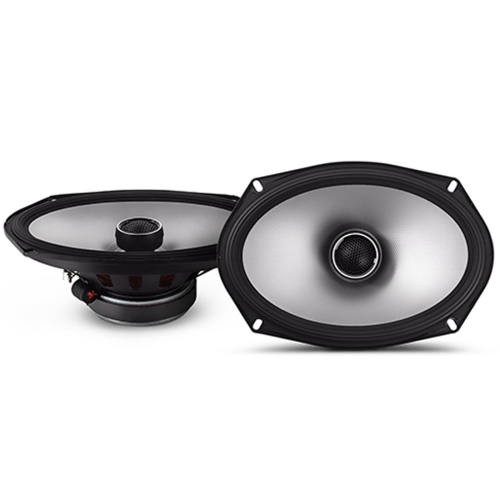
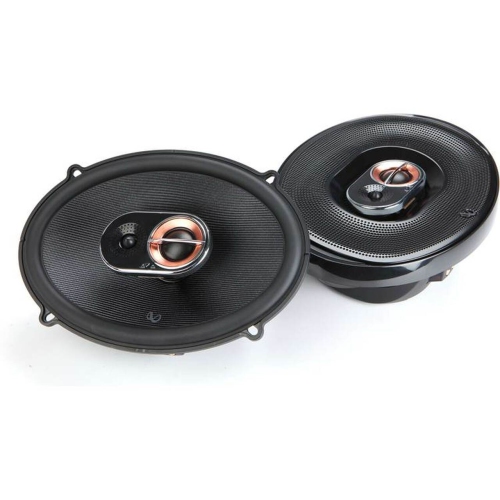
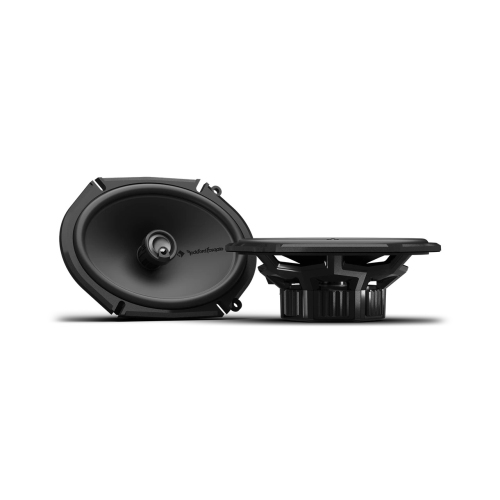
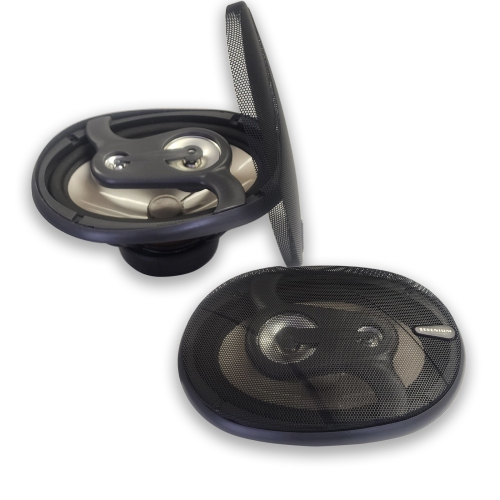


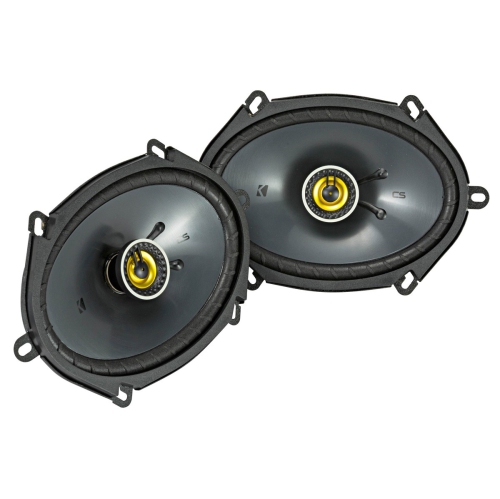
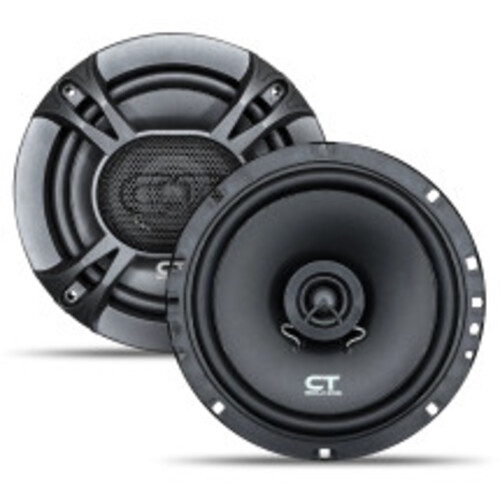
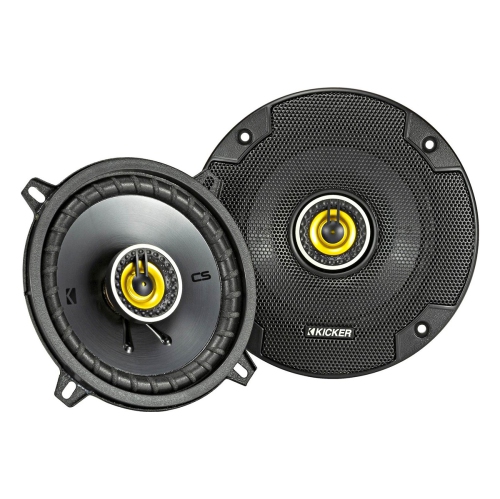
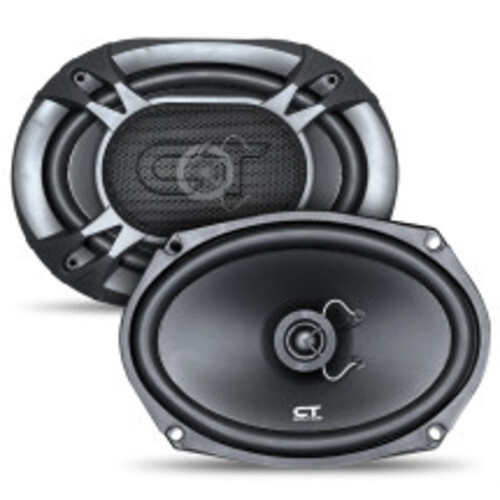
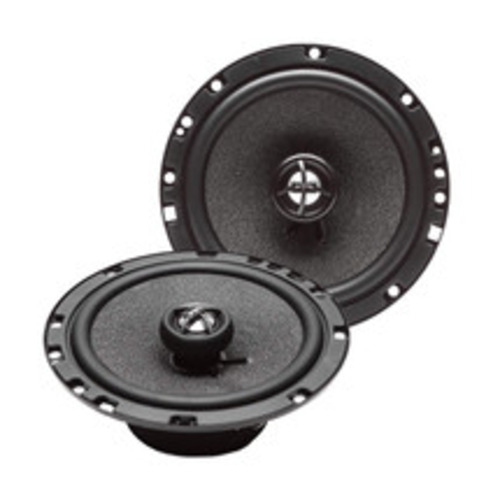

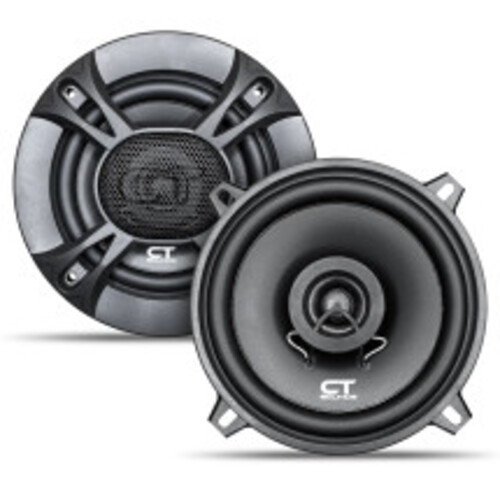

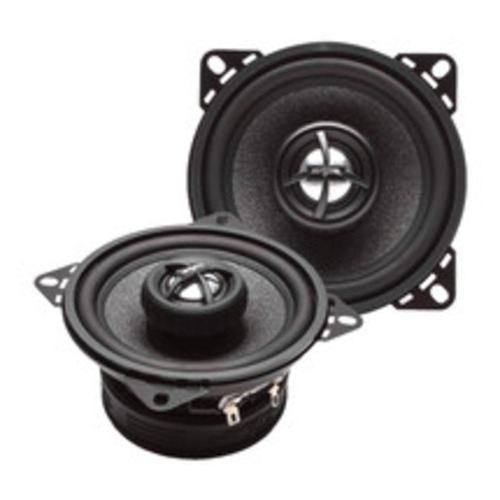


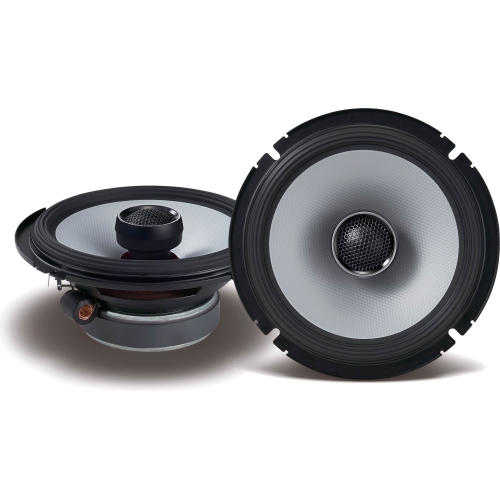
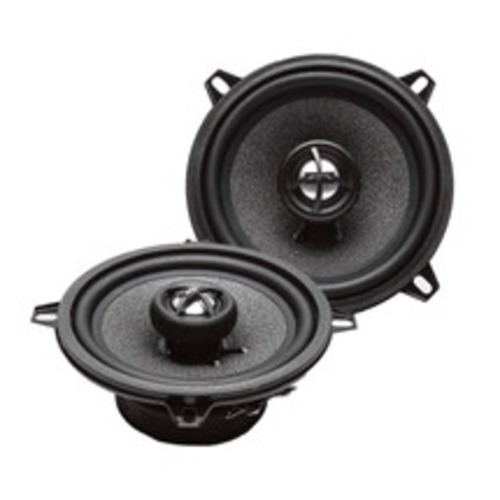


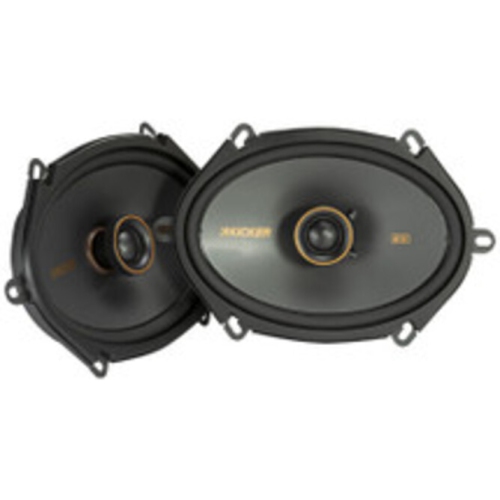
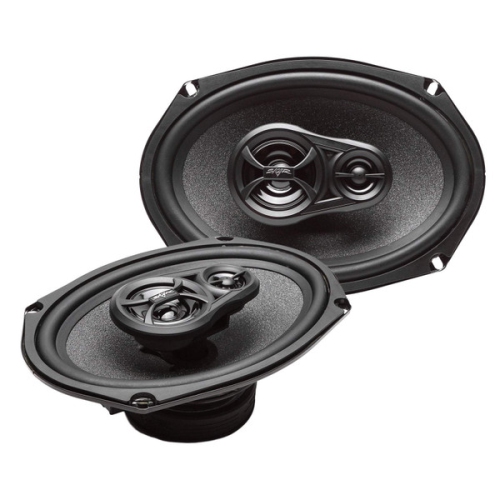
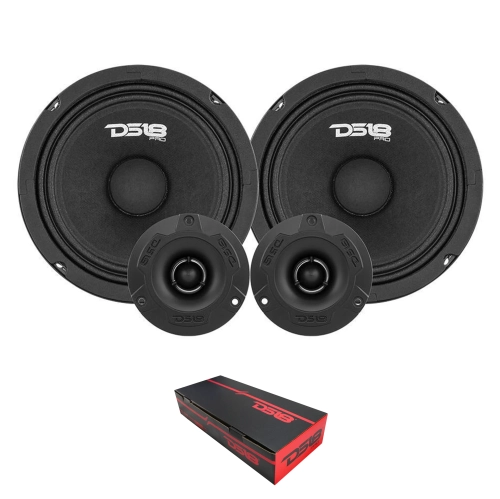
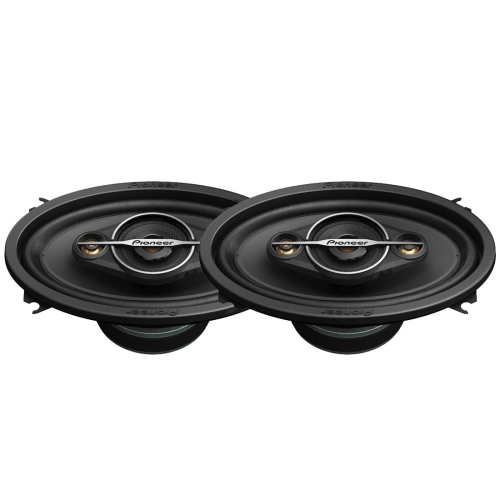


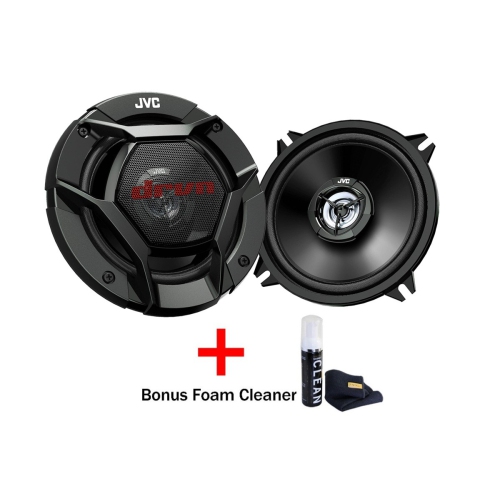

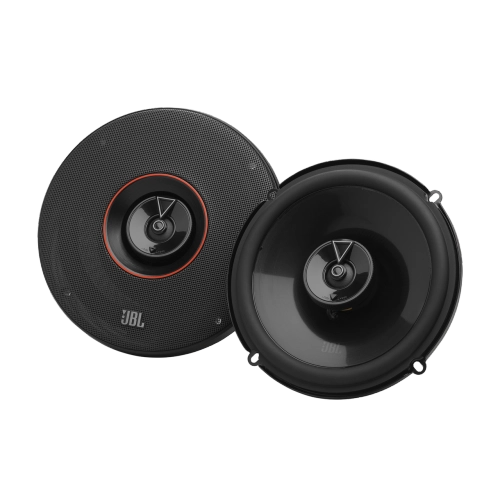
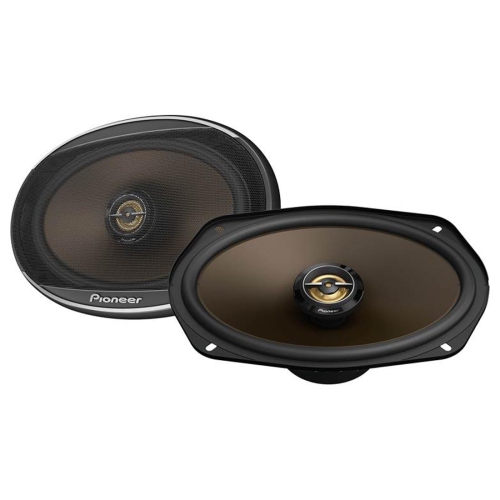

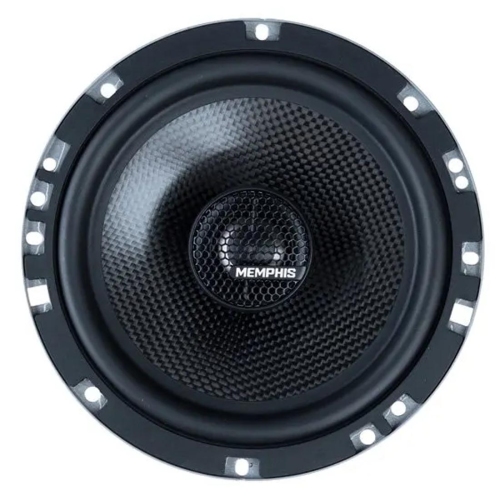
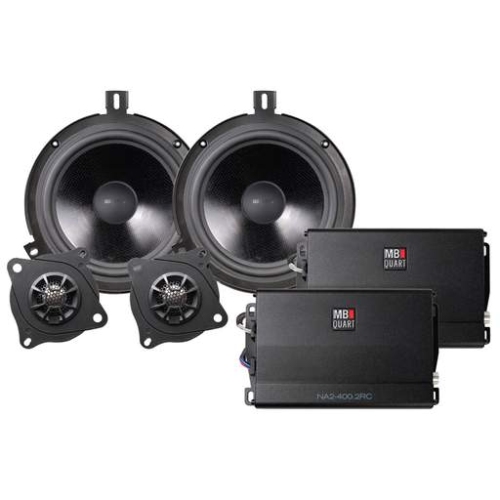


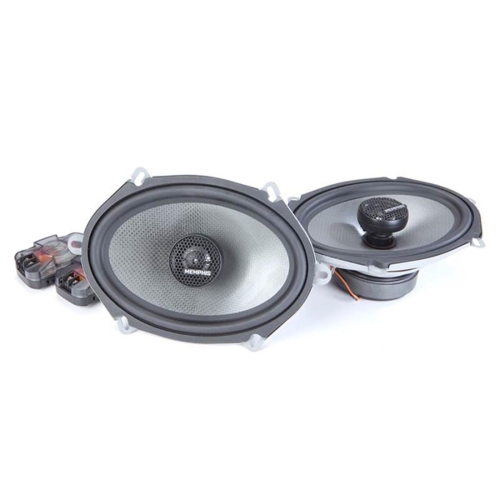

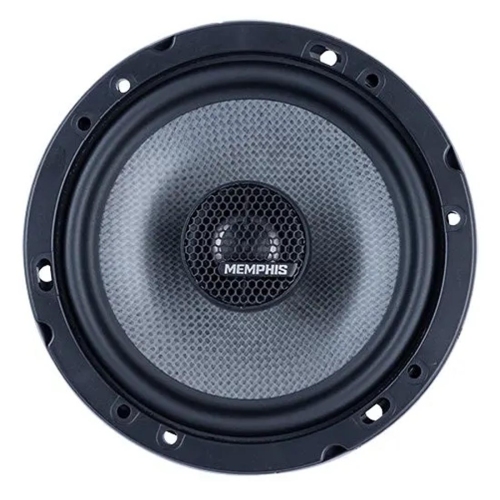

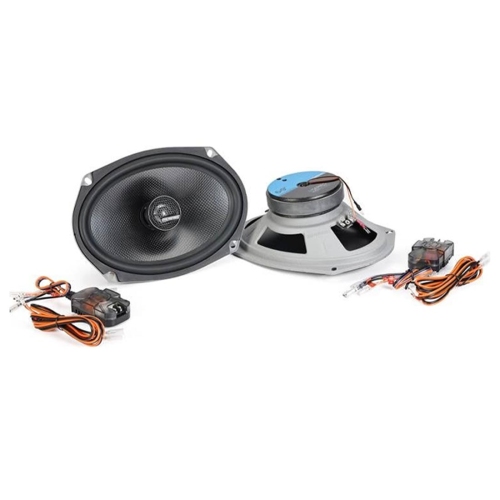




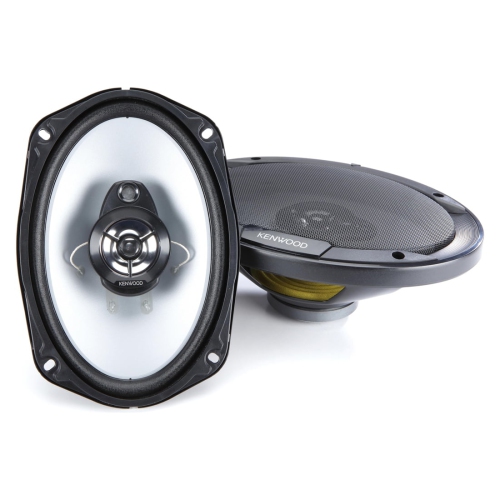


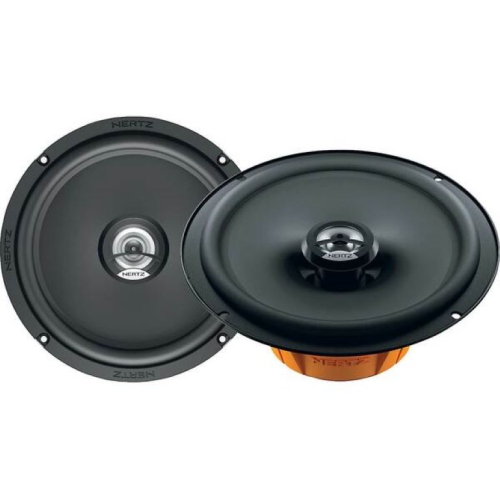
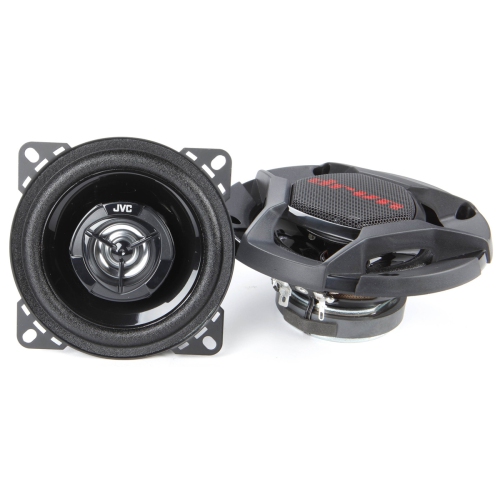
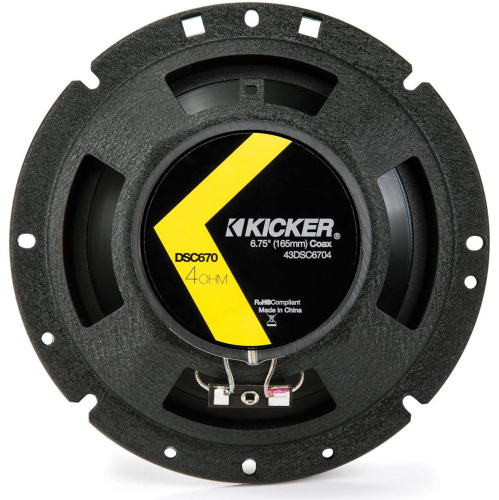


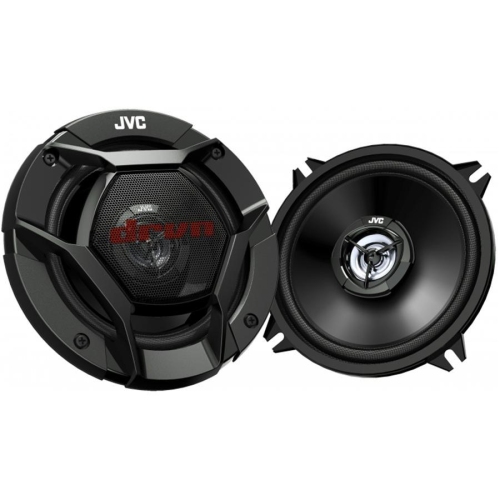
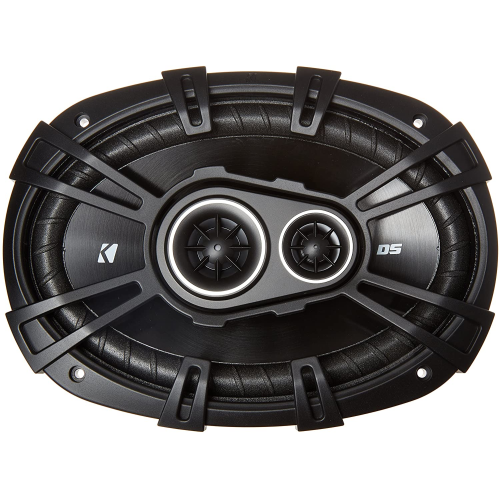


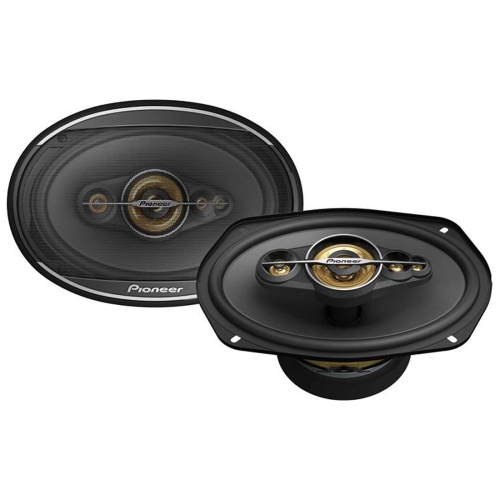

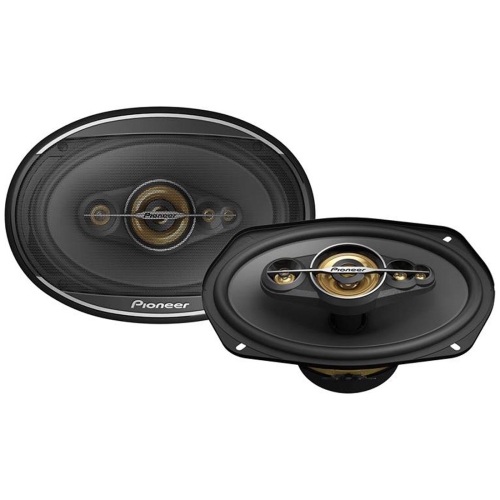

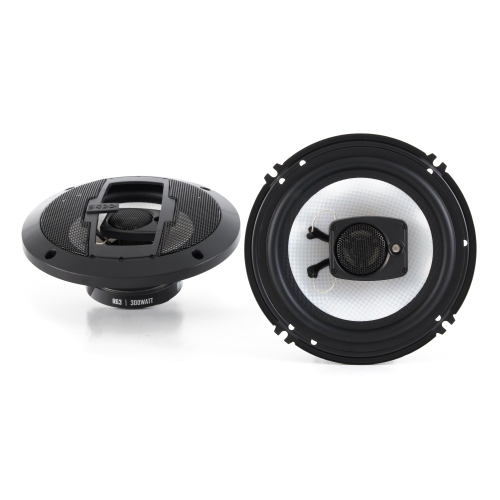


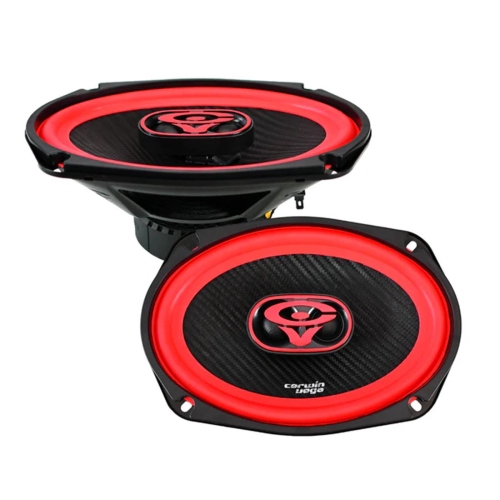
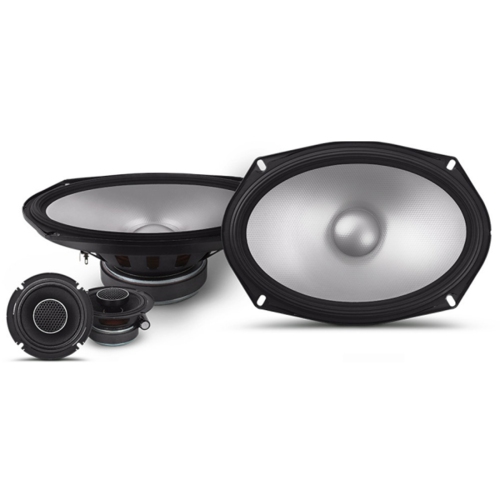
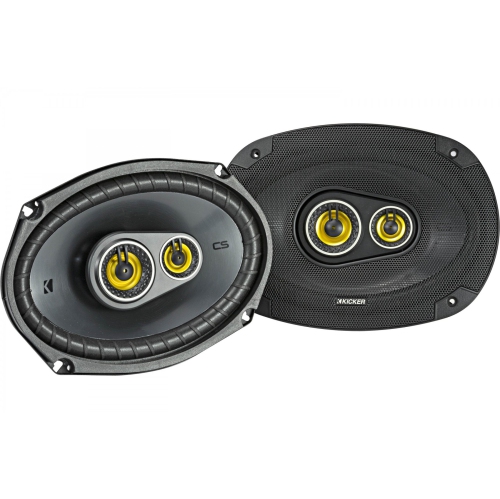
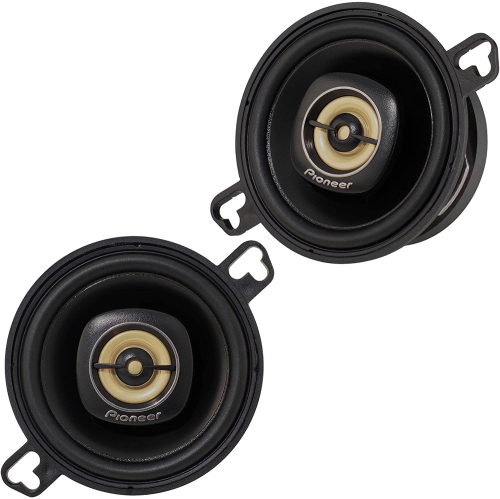

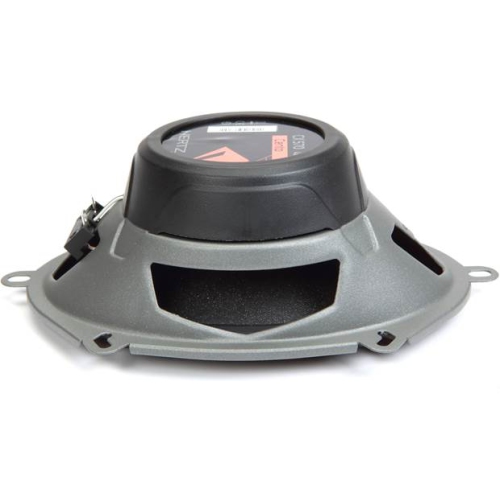

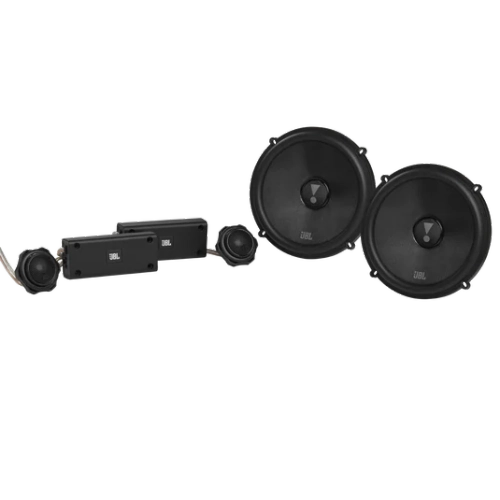
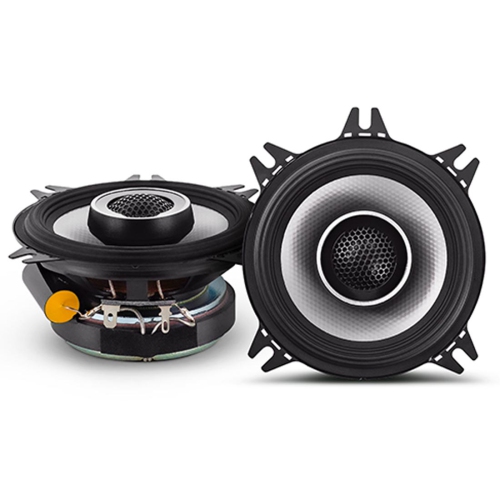


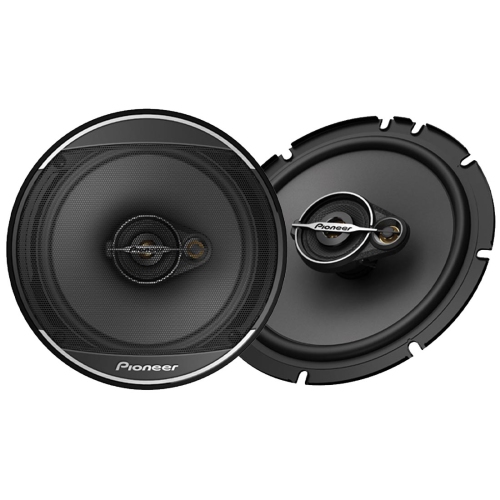
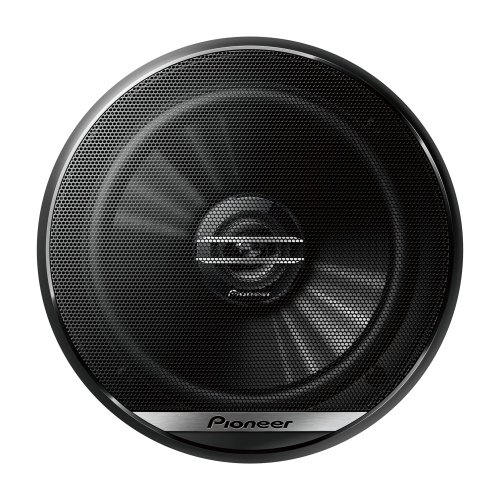

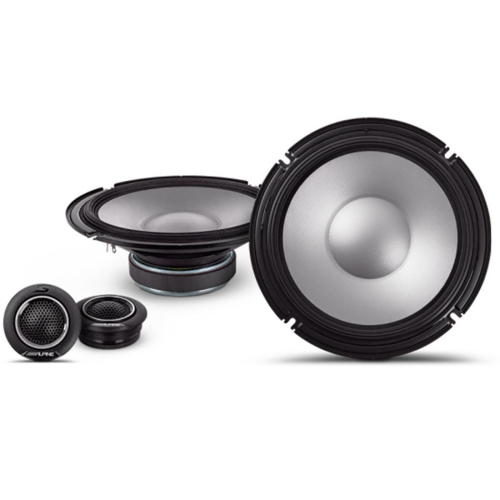
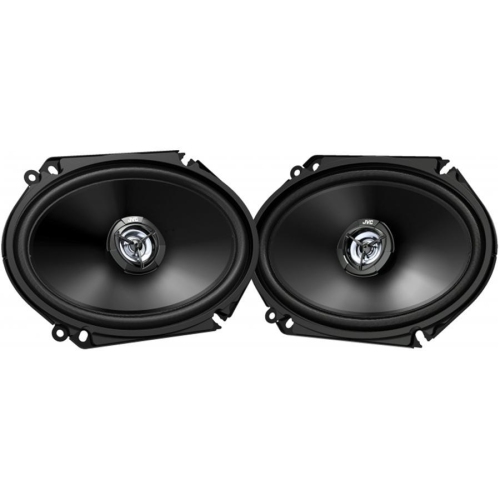
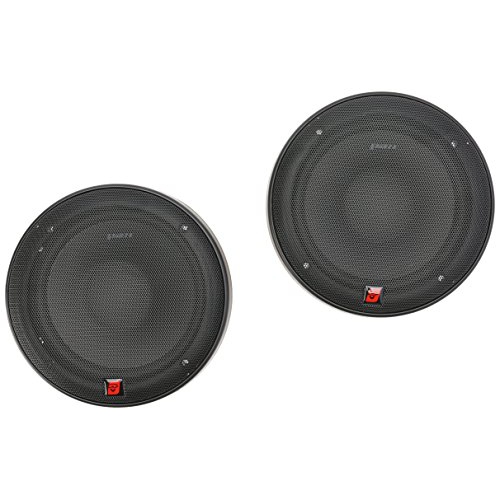
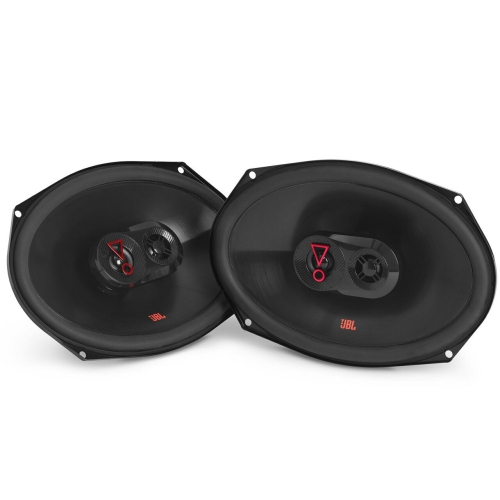
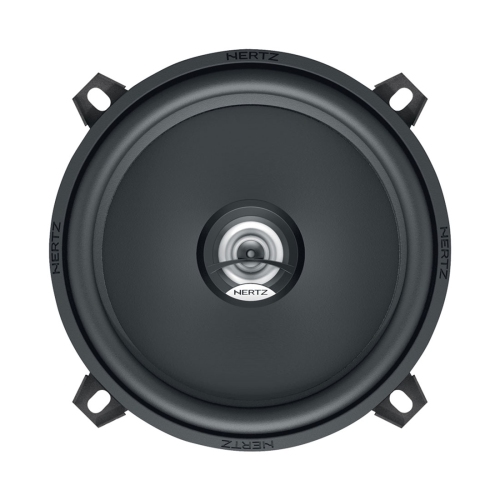
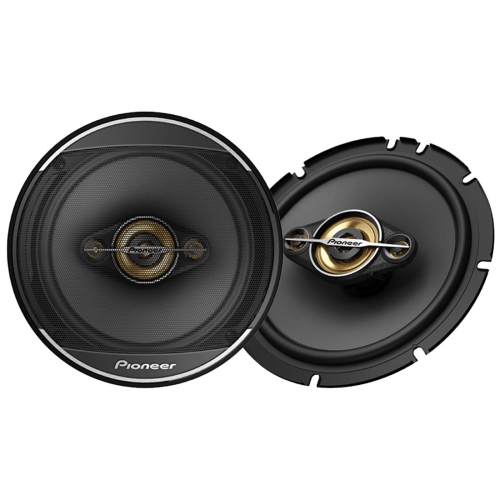

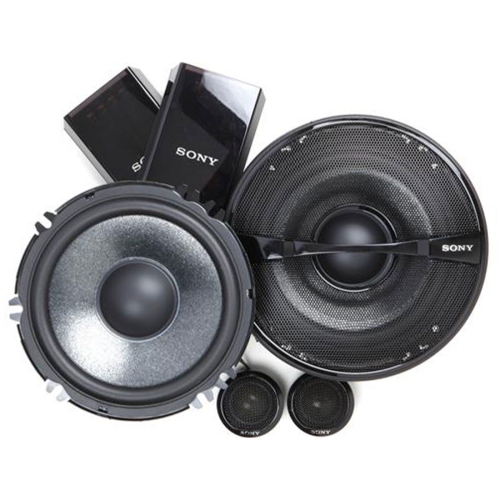

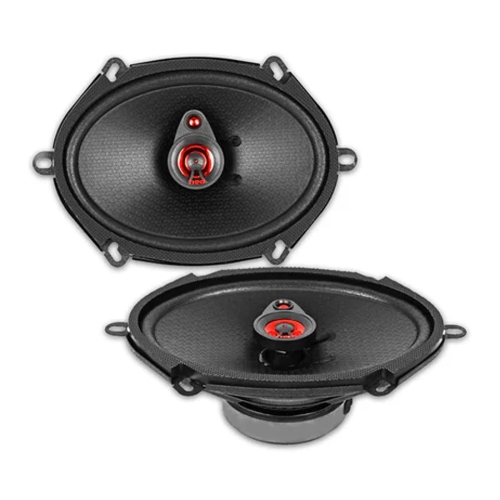
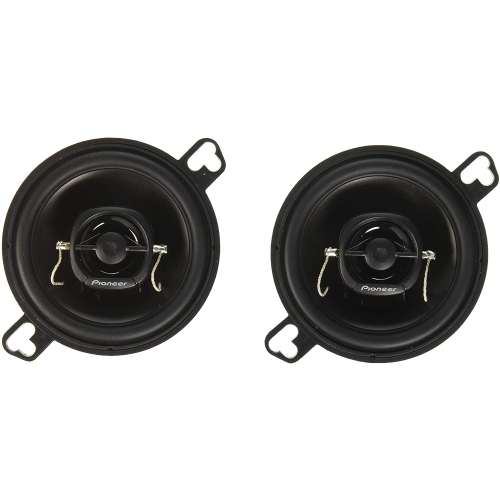

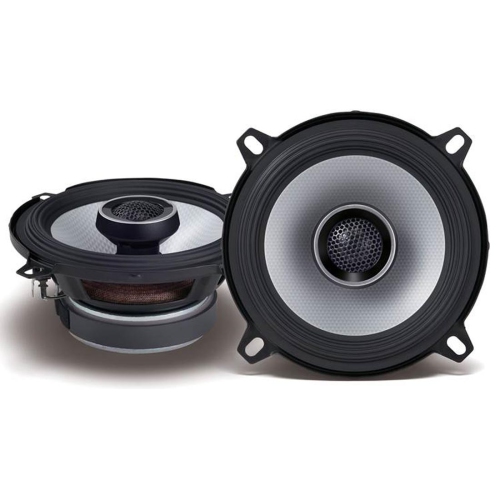
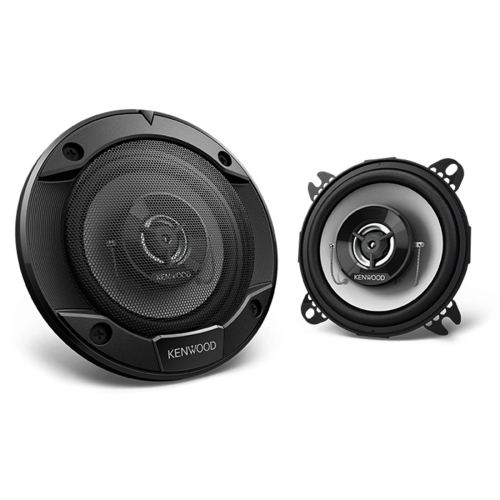
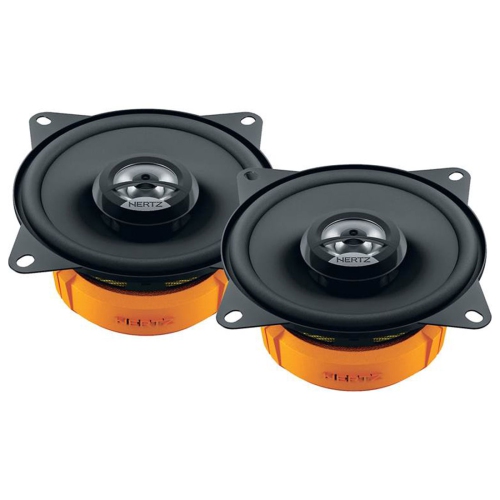
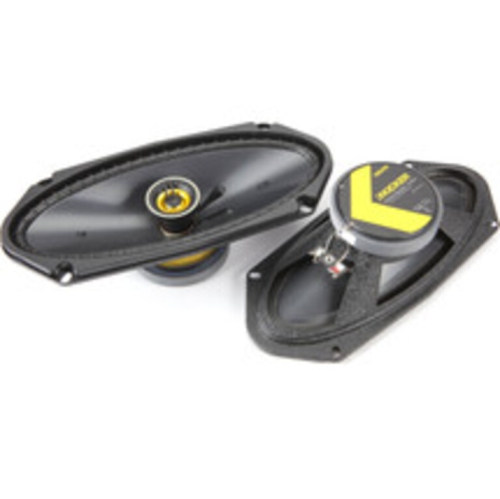

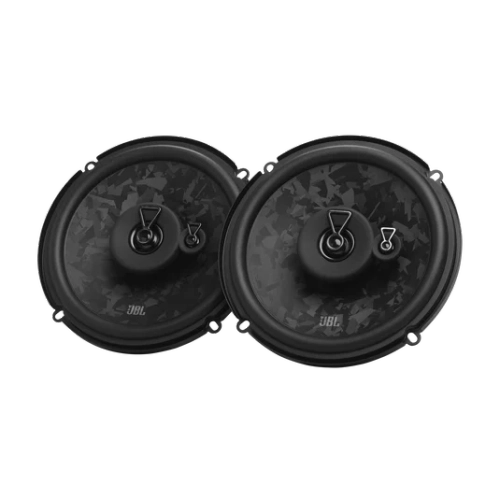


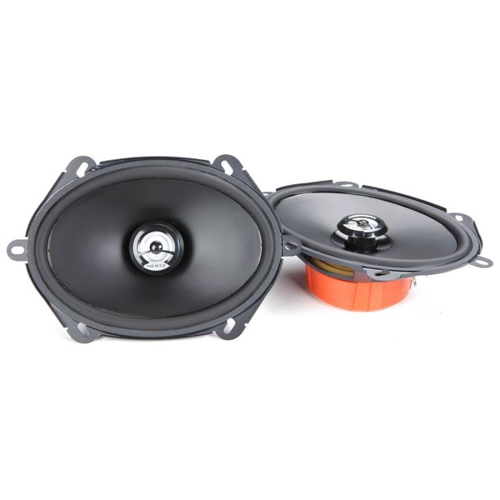
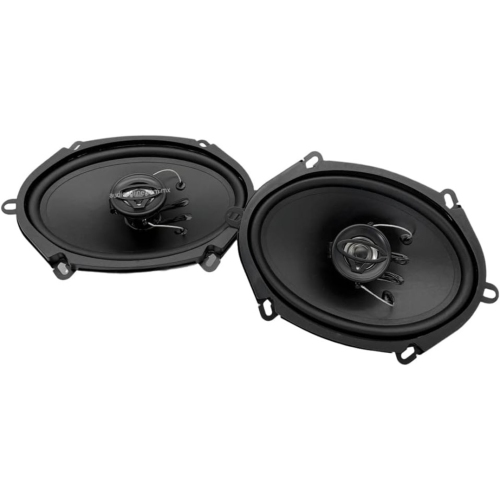
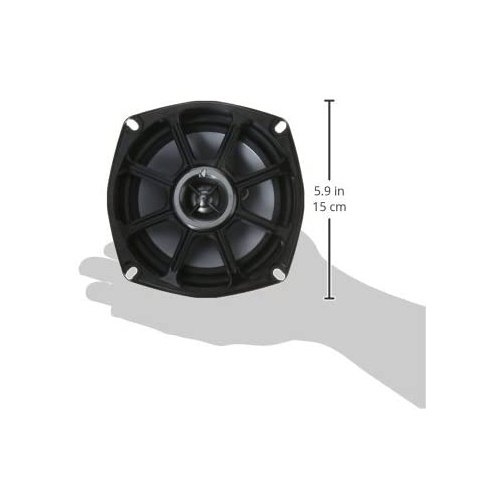
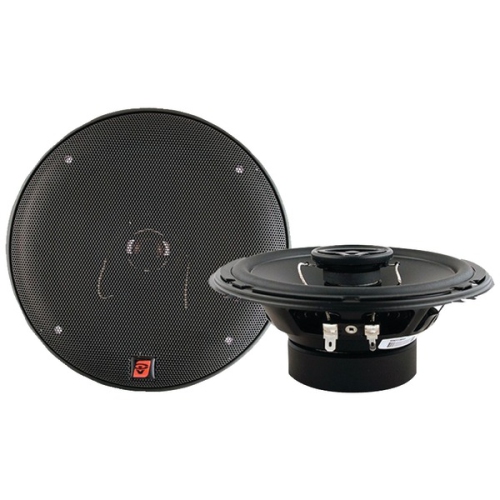


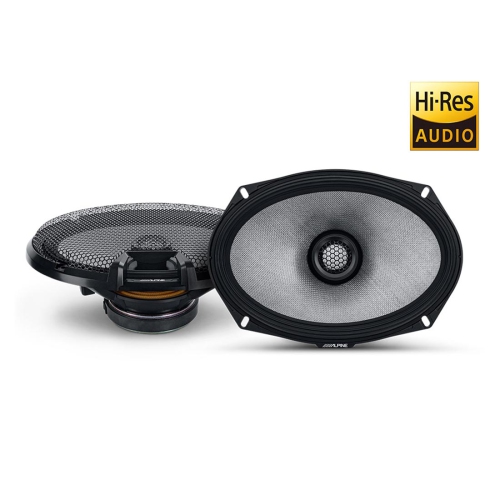

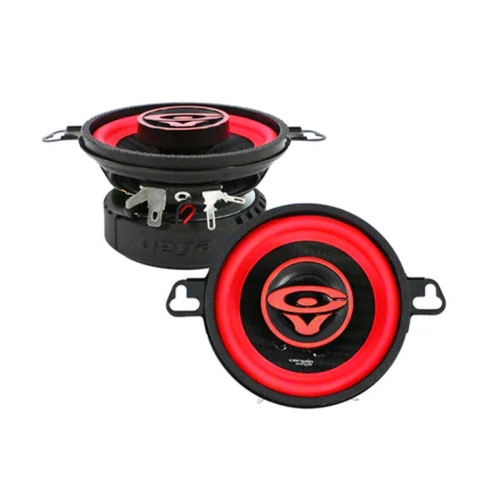

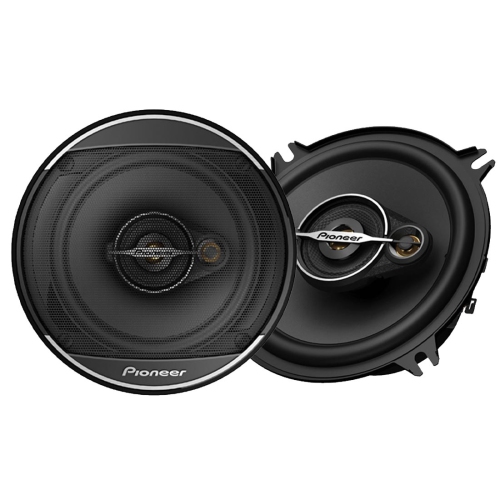
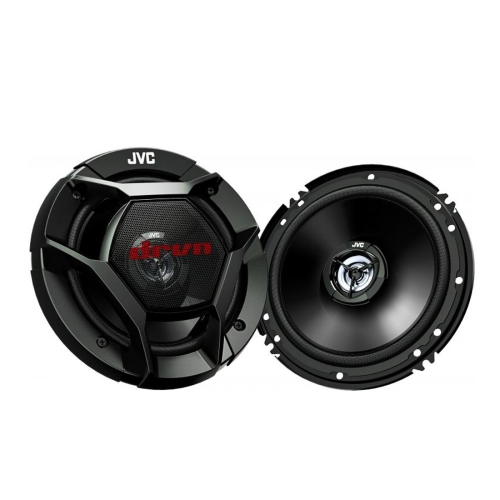
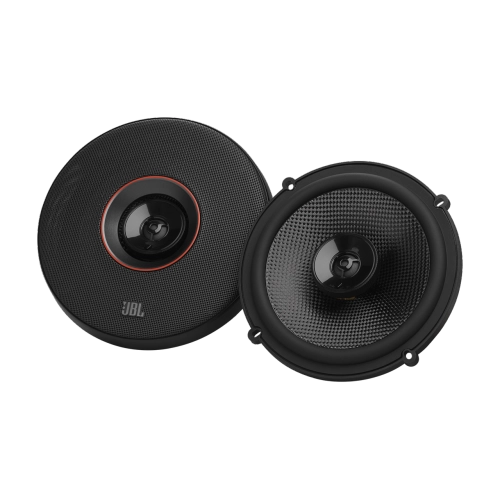


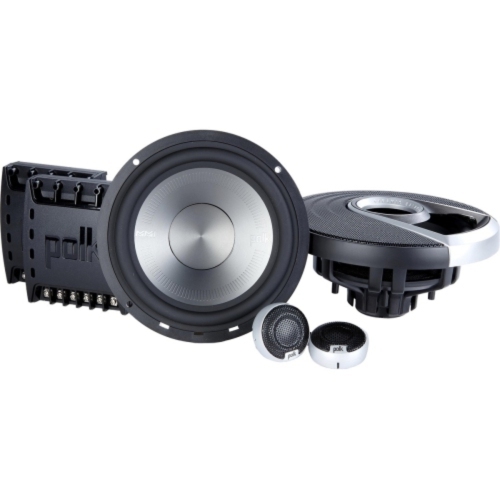


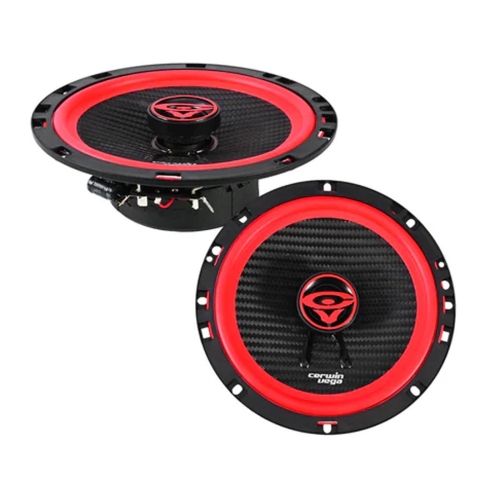
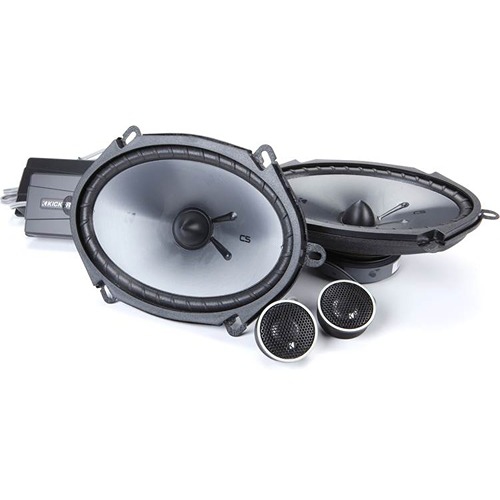
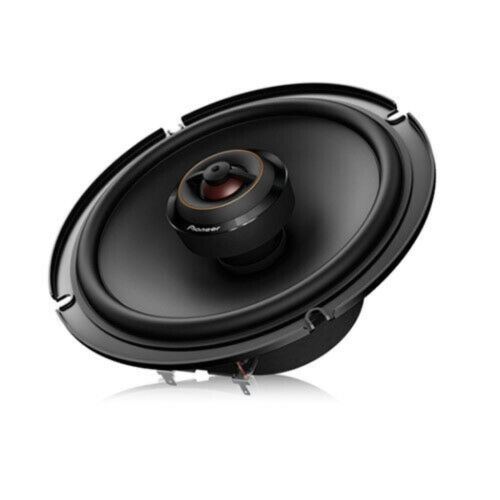
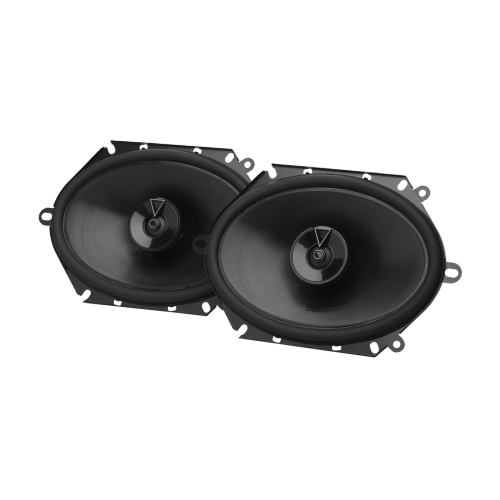


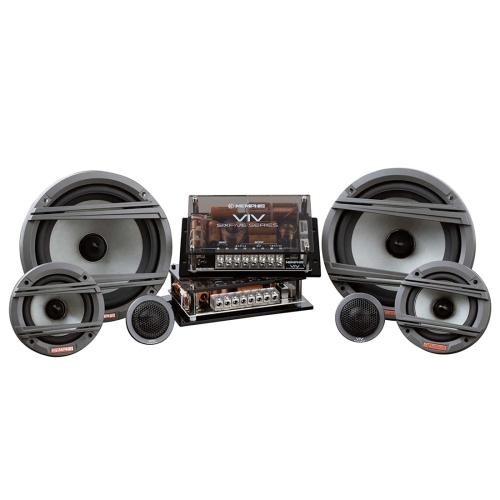
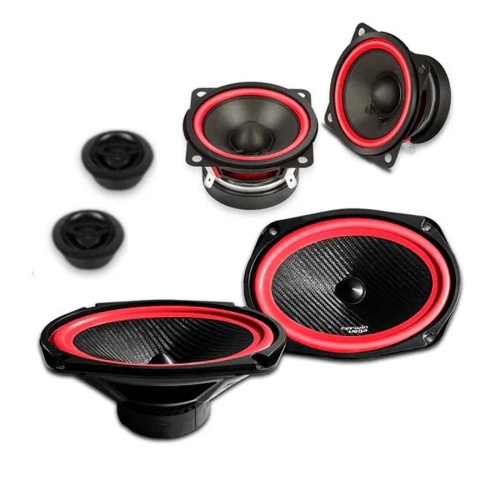

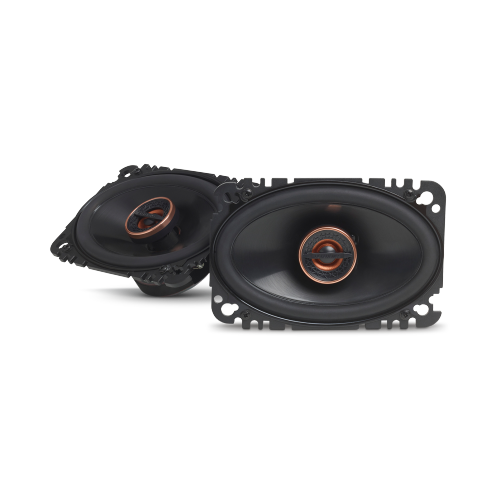


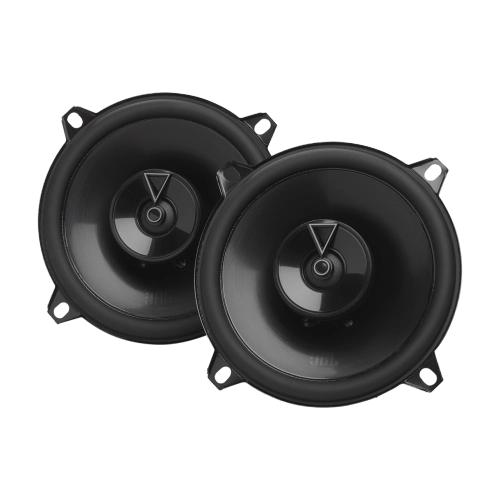
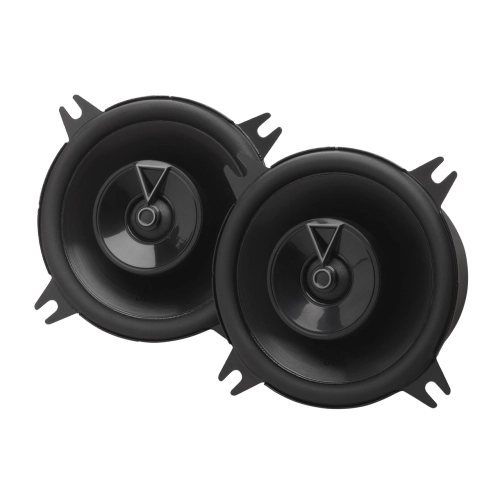
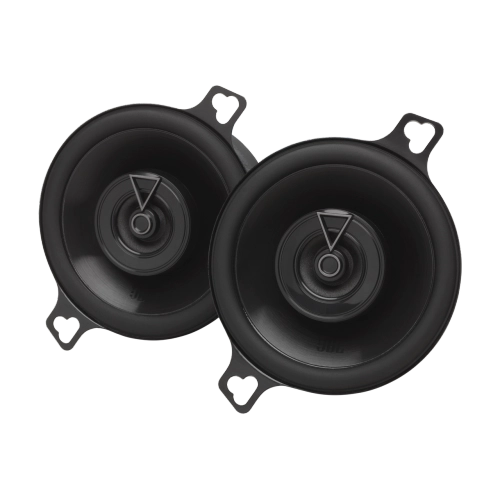
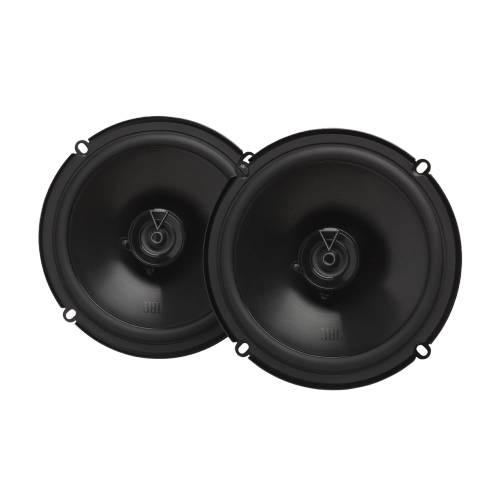
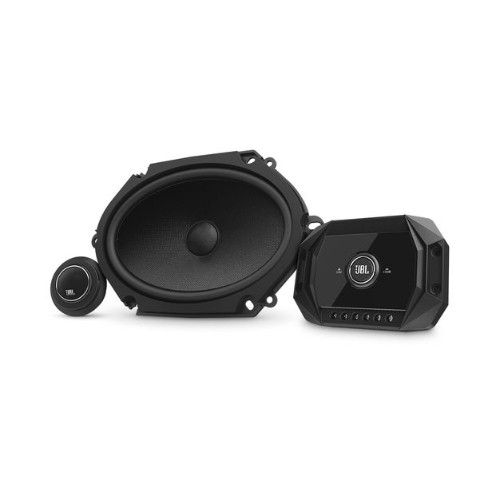

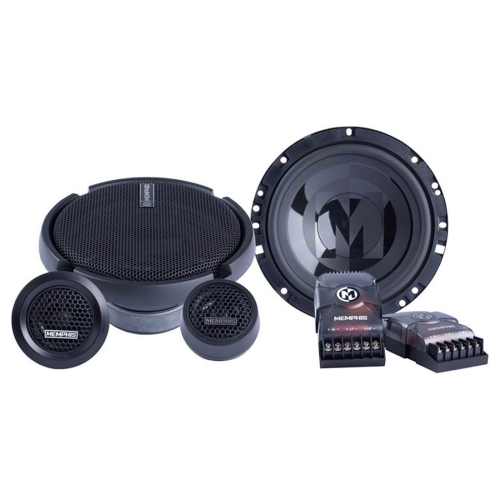
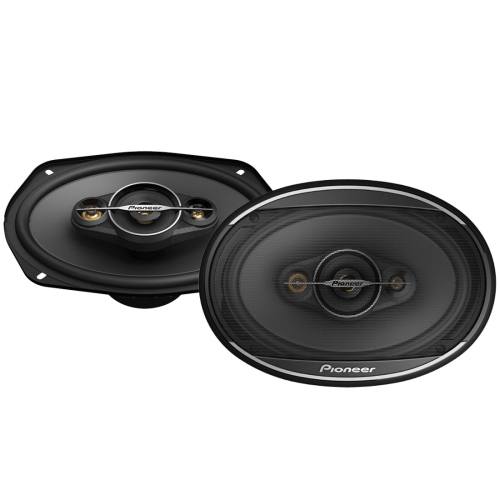


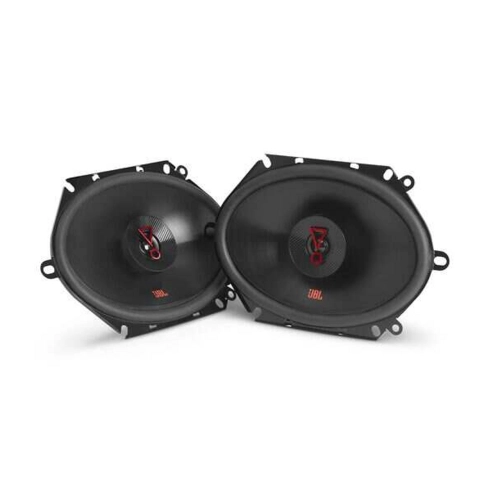
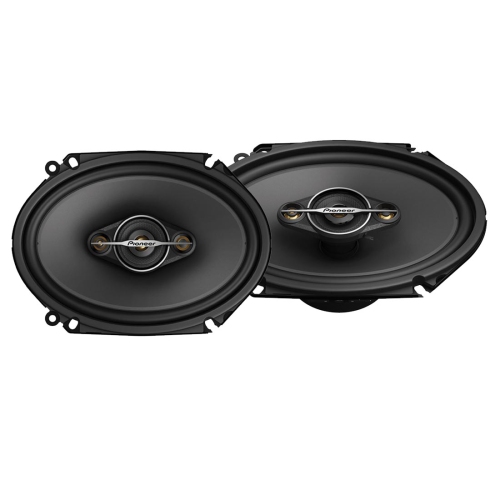

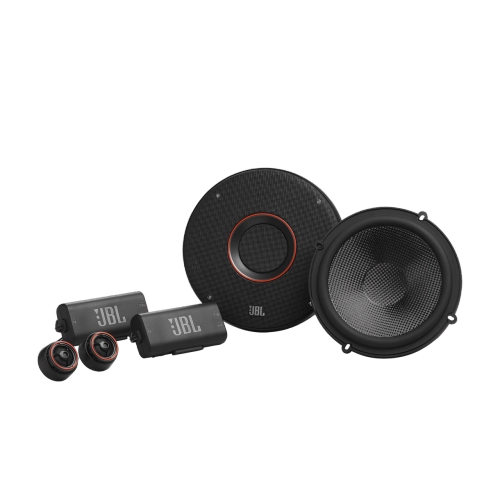


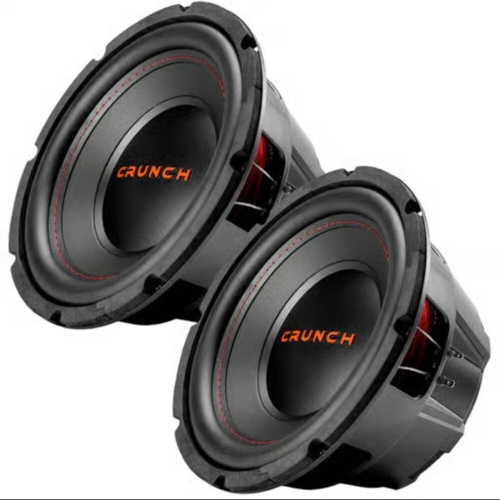


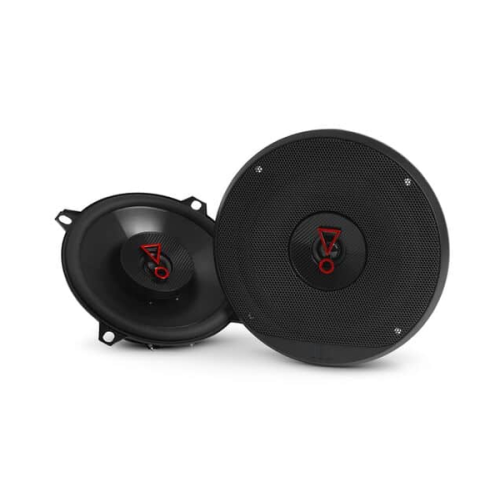
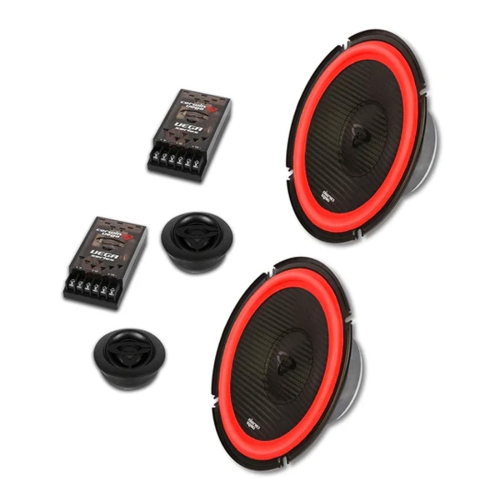


Clearer sound starts with speakers that fit your car
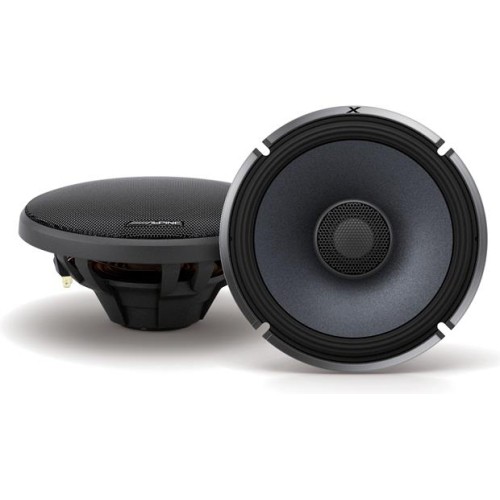
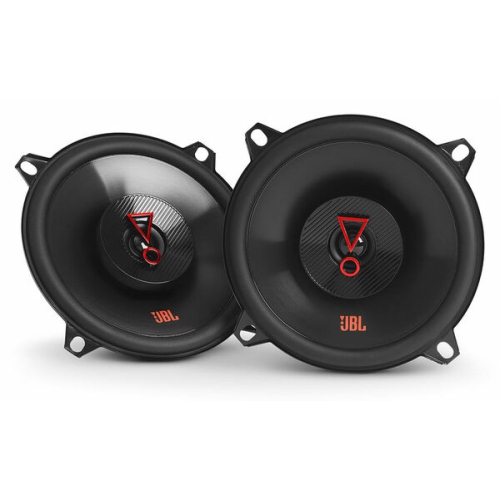
Car speaker upgrades can bring clearer vocals, more distinct instruments, and better-defined bass to everyday driving, whether the soundtrack is a favourite album, a podcast, or an audiobook shared on a long journey. Replacement speakers may also resolve the buzzing, rattling, or muffled sound associated with worn cones and surrounds, although distortion can originate elsewhere in the audio system. The improvement depends on how well the speakers match the vehicle, the radio or amplifier, and the listening preferences of the people inside. Coaxial car speakers combine a woofer and one or more high-frequency drivers in a single assembly, making them a practical option for replacing speakers in existing door or rear-deck locations. Their integrated design often keeps installation simpler, but compatibility with a factory radio still depends on electrical specifications and the original system layout. Component car speakers use separate woofers and tweeters, typically with crossovers that direct the appropriate frequencies to each driver. This arrangement allows more flexibility in tweeter placement and can create a more convincing soundstage, with voices seeming to come from ahead of the listener rather than down near the footwell. That benefit relies on thoughtful positioning and tuning, not simply on having more separate parts. For someone who mainly listens to conversation, a clear midrange can make speech easier to follow without turning every sentence into a volume adjustment. Music listeners may place greater value on the texture of acoustic strings, the snap of a snare drum, or the separation between a bass line and a lead vocal. Door speakers generally handle midrange and mid-bass duties; a dedicated subwoofer is better suited to the deepest bass notes. A balanced car audio upgrade therefore starts with realistic expectations about what each speaker type contributes, rather than treating higher volume or a greater number of drivers as proof of better sound.
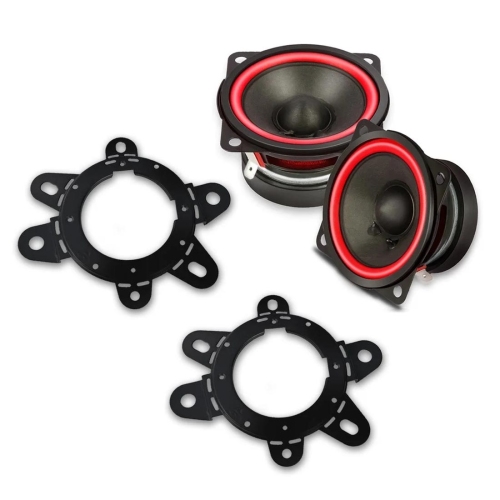
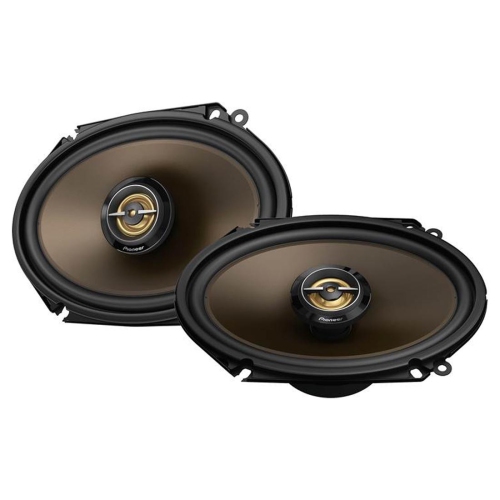
Fit is as important as sound quality when choosing replacement car speakers. Vehicle make, model, year, trim level, and factory audio package can all affect compatibility, so a nominal speaker size alone does not confirm that a replacement will work. Common formats include 6.5-inch round speakers and 6-by-9-inch oval speakers, but mounting depth, screw-hole positions, cutout dimensions, and clearance behind the door panel also matter. A speaker basket or magnet that extends too far into a door can interfere with window movement, while a protruding tweeter may prevent the original grille from fitting properly. Adapter brackets can help secure a compatible speaker in an opening with a different mounting pattern, and vehicle-specific wiring harnesses can simplify connections without cutting the original wiring. Neither accessory removes the need to verify the full fit. Electrical matching deserves equal attention: speaker impedance must suit the radio or amplifier, especially in vehicles with factory systems that use unusual loads, separate amplification, or frequency-limited signals. Continuous power handling, commonly expressed as an RMS rating, is more useful for system matching than a headline peak-power figure. Higher power handling does not automatically mean a speaker will play louder or sound better with a low-powered factory radio. Sensitivity indicates how much output a speaker produces for a given input under stated test conditions, so comparisons are most meaningful when those conditions match. For a modest upgrade that retains the original radio, suitable impedance and useful sensitivity may matter more than a very high power rating. An amplified system offers different possibilities, but clean output, correctly set gain, and appropriate crossover settings remain essential. Secure mounting, a proper seal around the speaker, and attention to loose trim can also improve results. Where factory signal processing or complex door assemblies are involved, professional installation can help preserve vehicle functions and avoid a replacement that fits physically but performs poorly.
Materials and construction influence how car speakers sound and how well they withstand daily use, although no single cone or tweeter material guarantees a particular listening experience. Polypropylene woofer cones are widely used for their moisture resistance and balanced combination of stiffness and internal damping. Treated paper cones can be light and responsive, while glass-fibre and other composite cones offer different ways to control weight, rigidity, and unwanted resonance. Paper is not inherently a sign of poor quality; the complete driver design matters more than the material name alone. Silk-dome tweeters are often associated with a smooth high-frequency presentation, while metal-dome designs can offer crisp detail, but crossover design, placement, and tuning strongly affect whether either sounds relaxed or overly sharp inside a particular cabin. Surrounds, adhesives, terminals, and baskets also deserve attention. Durable rubber surrounds and sturdy mounting structures can support reliable performance over years of vibration and repeated use. Protective grilles help shield exposed drivers from shoes, bags, and other everyday contact, provided they leave enough clearance for cone movement. For care, a gentle wipe of accessible grilles with a dry, soft cloth is usually more appropriate than spraying cleaner towards a speaker; delicate cones and tweeter domes should not be pressed or scrubbed. Persistent crackling, sudden changes in volume, or obvious distortion are reasons to check the system rather than simply raise the volume. Speaker upgrades can suit commuters who want clearer dialogue, families who share music on road trips, and enthusiasts refining an existing audio setup. They can also make a thoughtful gift for someone who spends plenty of time behind the wheel, although vehicle details and listening preferences are worth confirming first. Alongside complementary Car Interior Upgrades, well-matched speakers can make the cabin feel more personal and enjoyable without requiring every part of the original system to be replaced. The most satisfying result is clear, balanced sound at a comfortable level that still allows the driver to hear traffic, alerts, and other important sounds outside the music.
Top selling and popular products
-
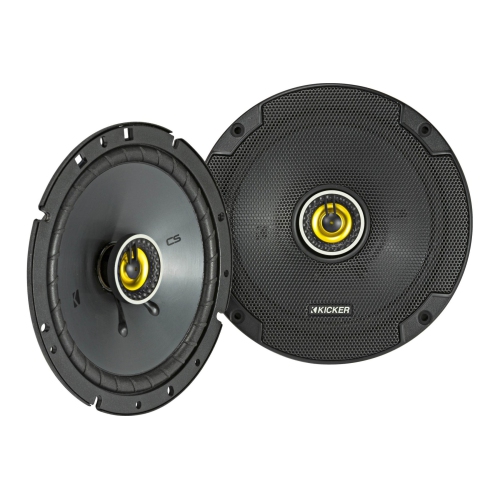 Your price for this item is $129.99
-
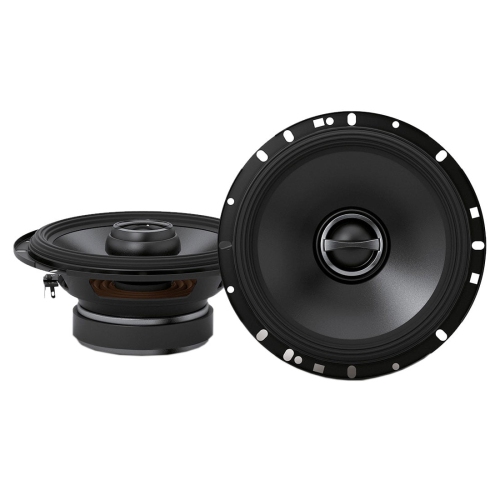 Your price for this item is $168.88
-
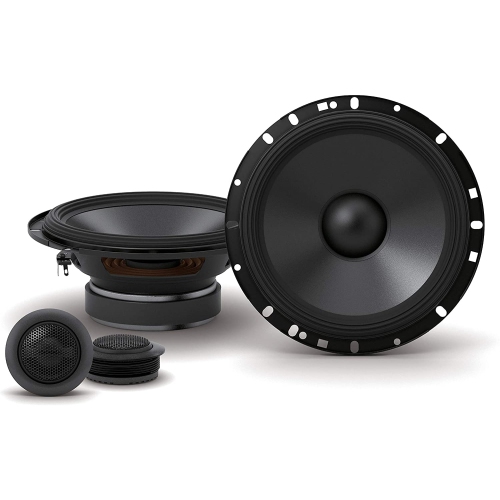 Your price for this item is $188.88
-
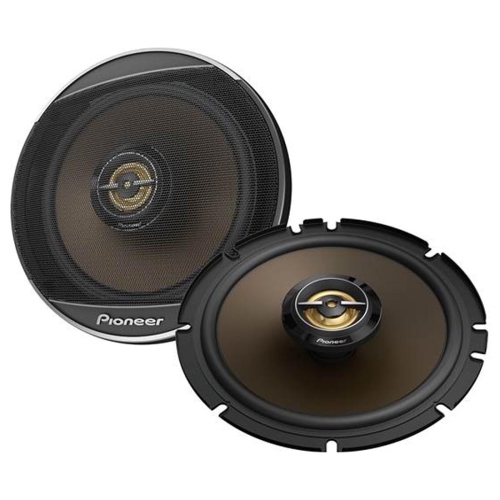 Your price for this item is $138.99
-
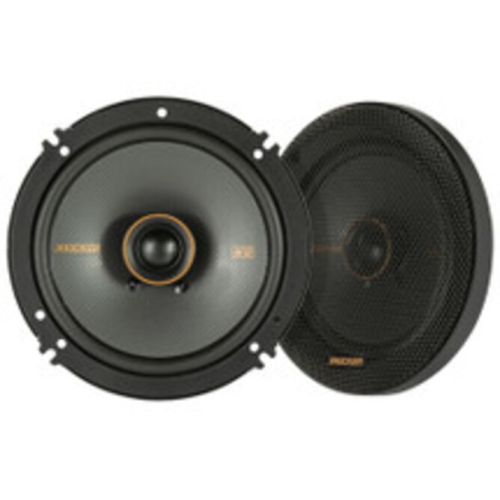 Your price for this item is $189.95
-
 Your price for this item is $228
-
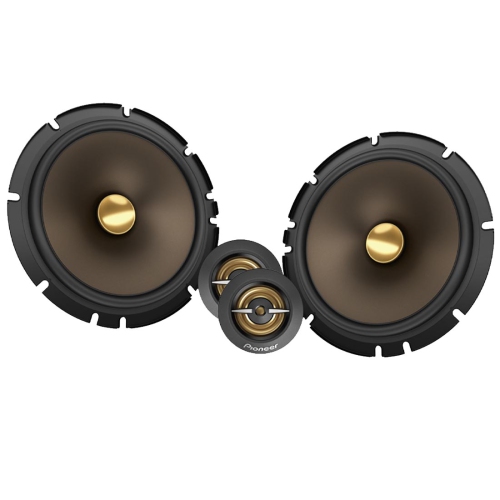 Your price for this item is $228.99
-
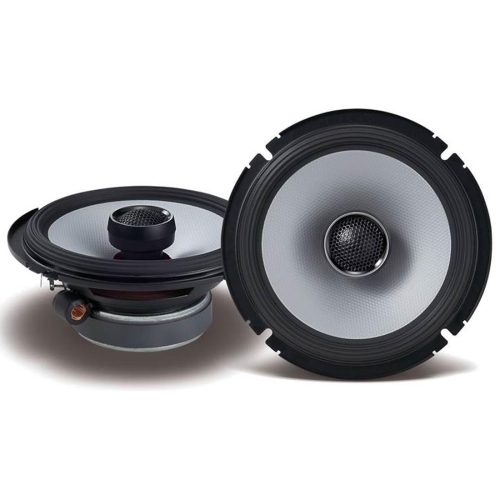 Your price for this item is $198
Discover more categories related to Car Speaker Upgrades
Top Collections:
Pokemon Centers, Kindle Devices, Best Budget Office Chairs, Canon G7X Cameras, Apple iPhones 16, Samsung Galaxy Phones, Refurbished Apple Laptops, Laptops for Students, iPhone 15 Apple, Budget Smartphones
Some products may be subject to Environmental Handling Fees
(EHF) depending on your province.
Learn more about EHFs.