Coaxial Speakers
Upgrade your car audio system with high-quality coaxial speakers that deliver clear and powerful sound. Designed to enhance your listening experience while driving, coaxial speakers are a popular choice for those seeking a well-rounded audio solution. With easy installation and a sleek design that blends seamlessly into your vehicle's interior, these speakers are the perfect addition for music enthusiasts looking to enjoy their favorite tunes on the go.
Sort






What to consider for a cleaner in-car sound upgrade
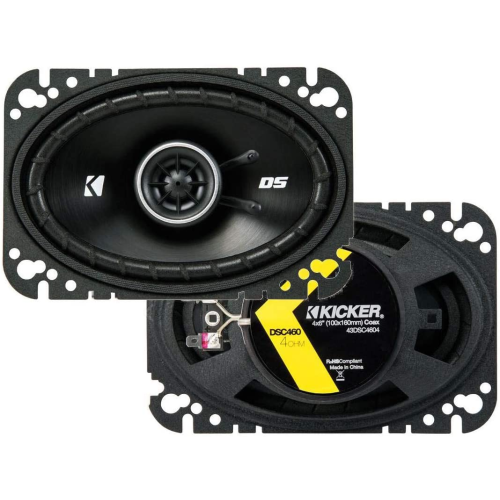
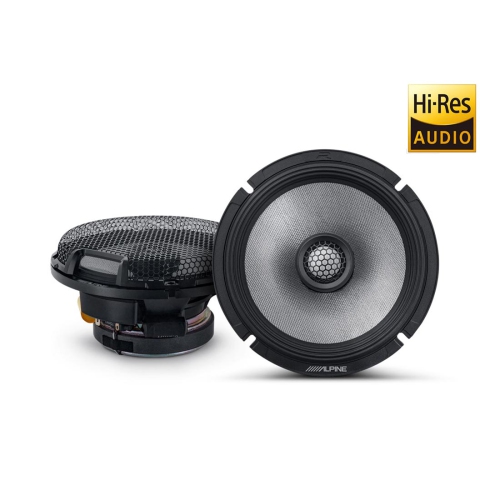
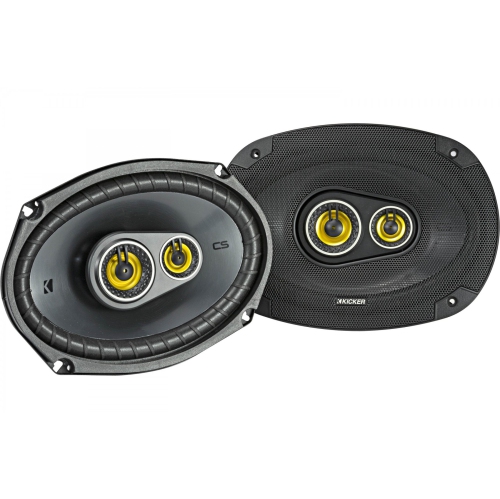
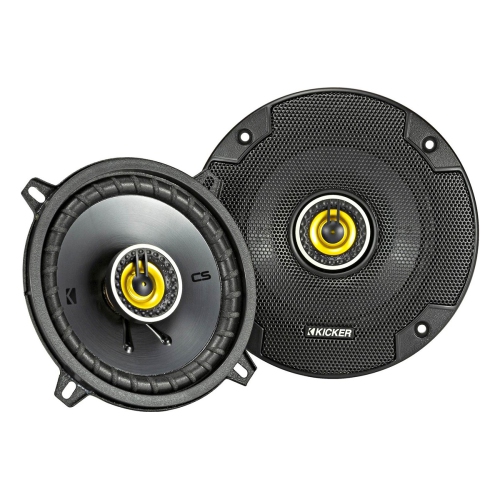
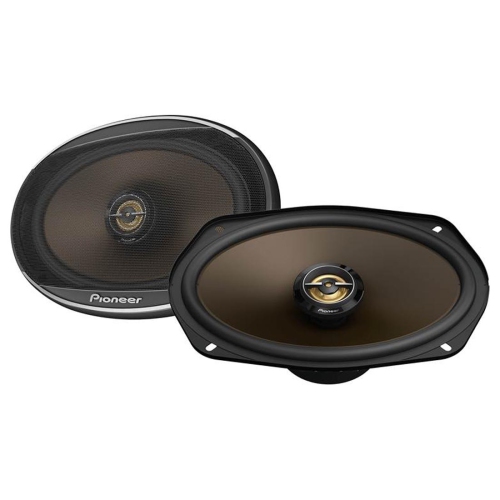
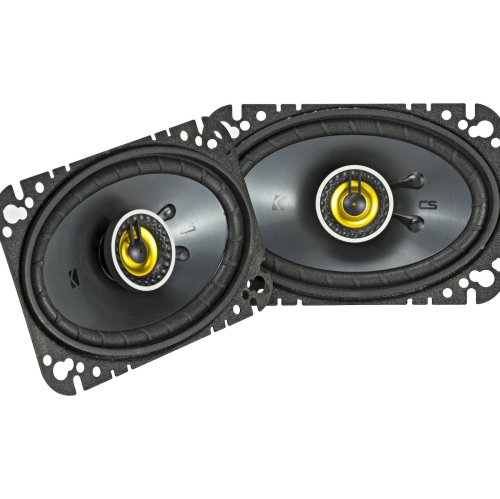
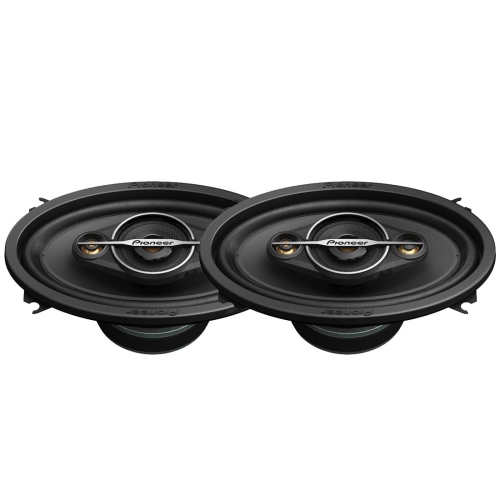
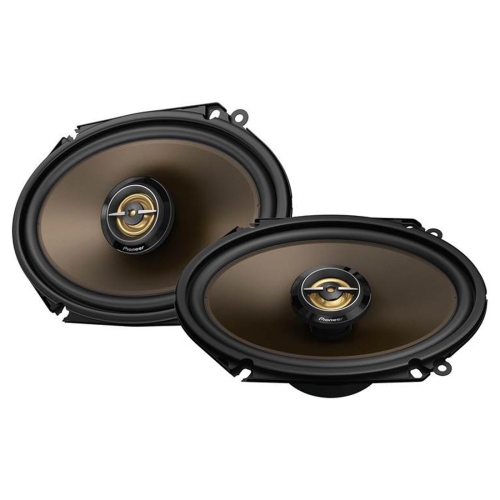
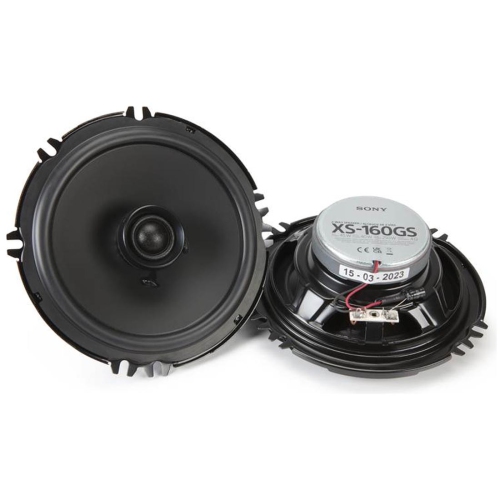
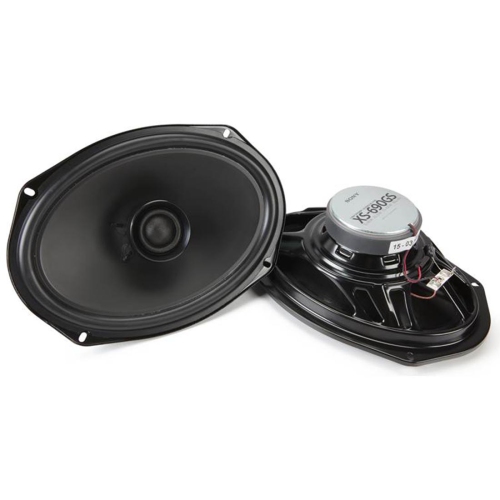
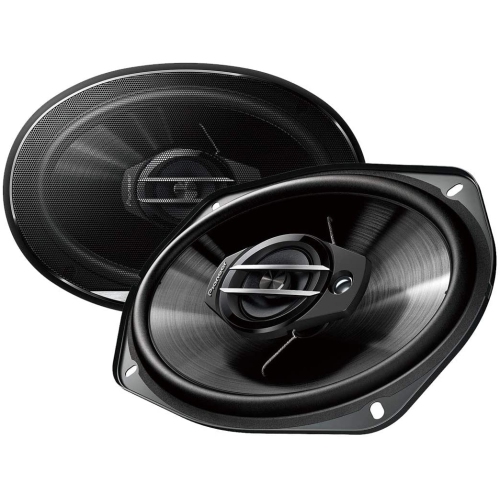
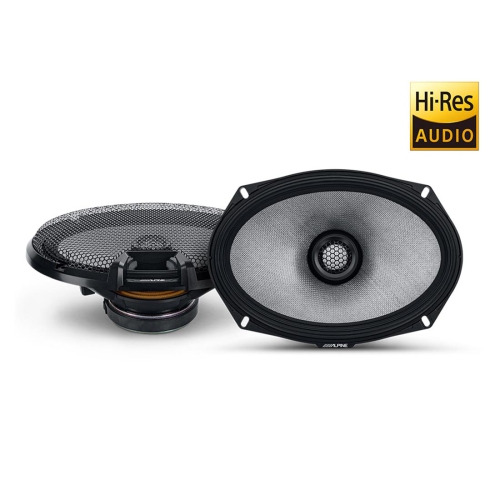
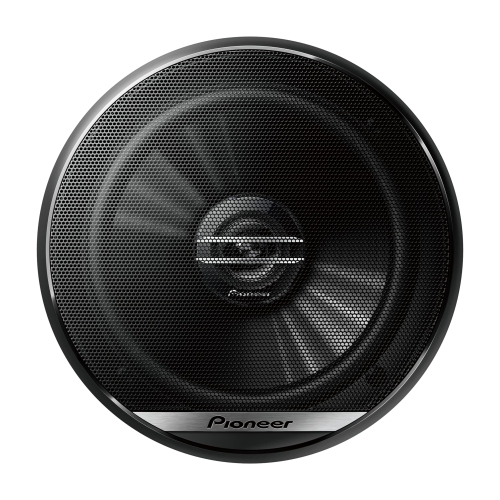
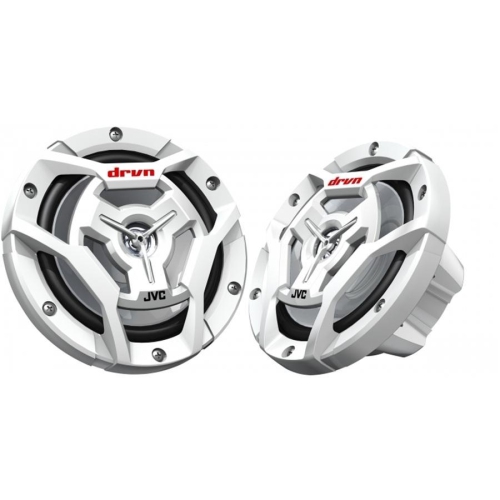
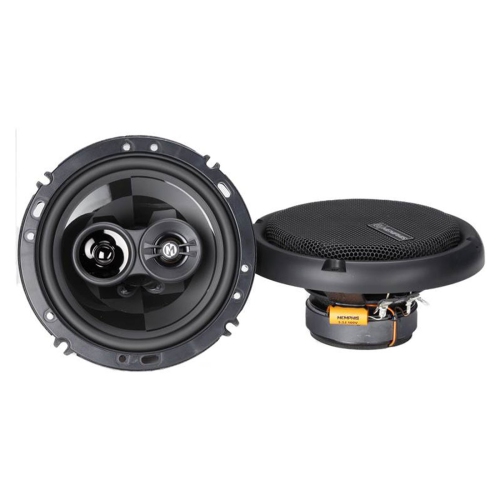
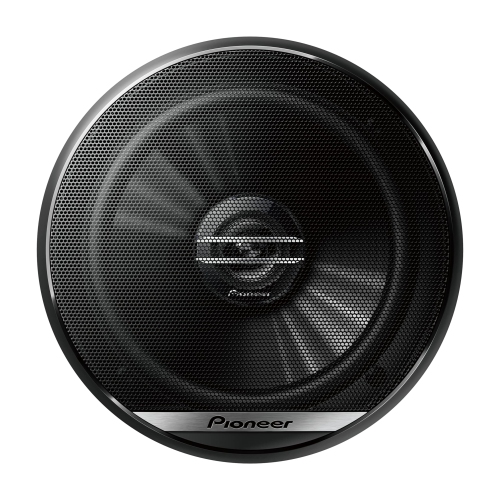
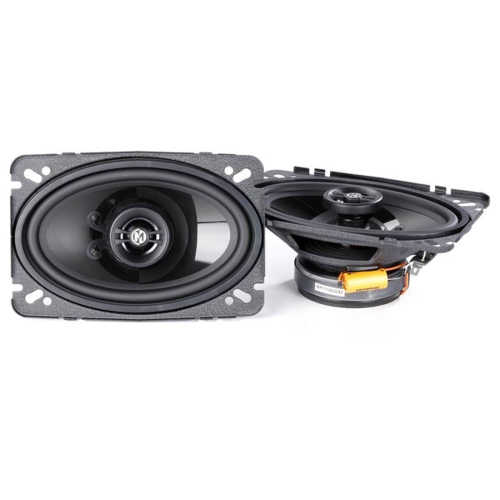
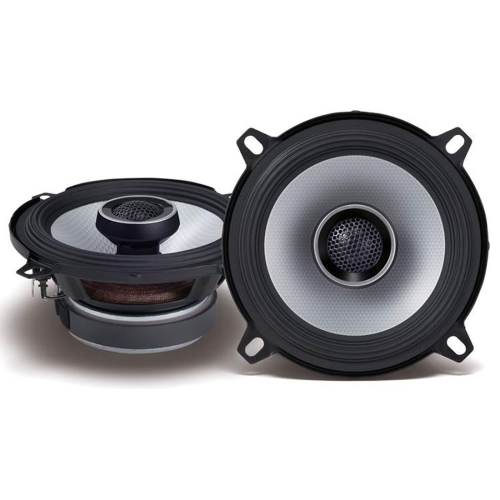
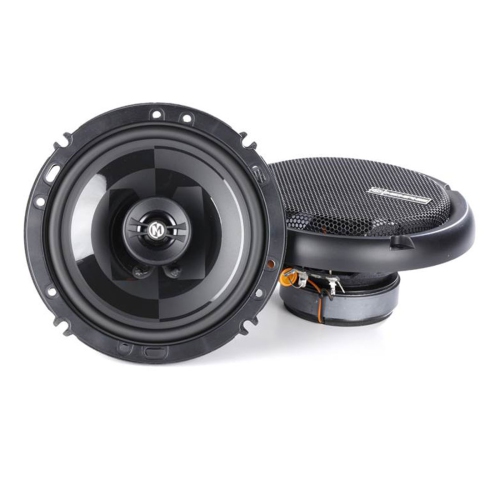
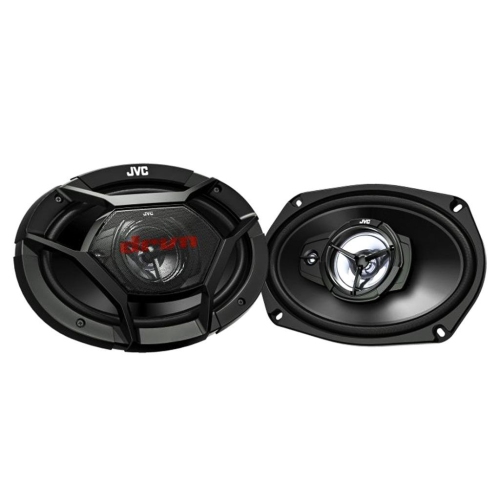
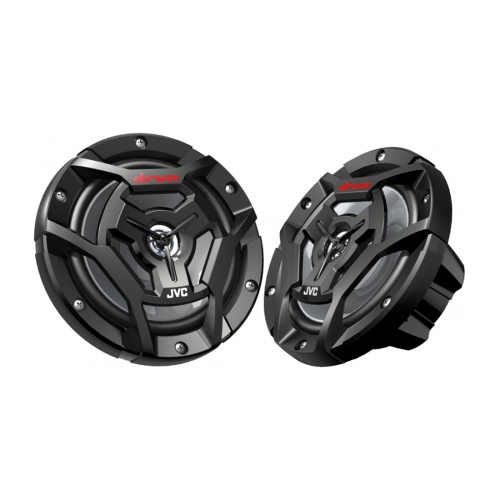
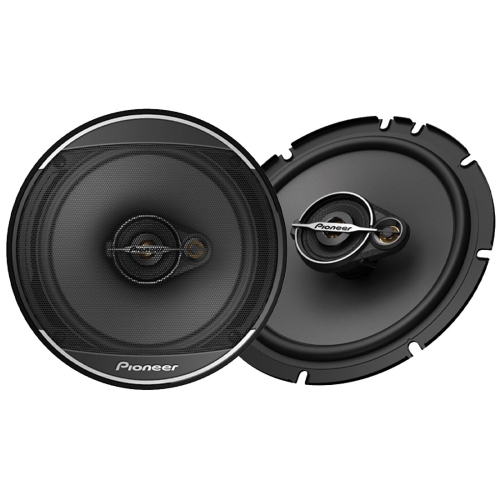
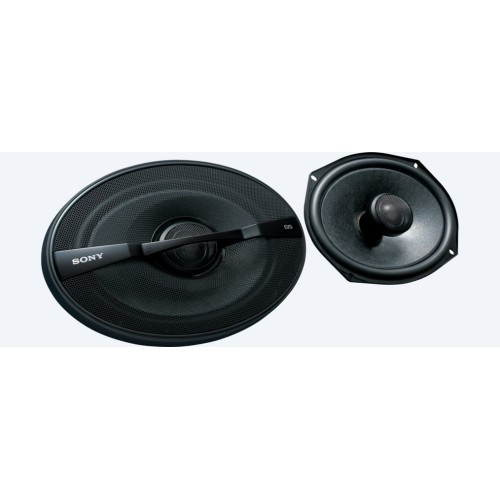
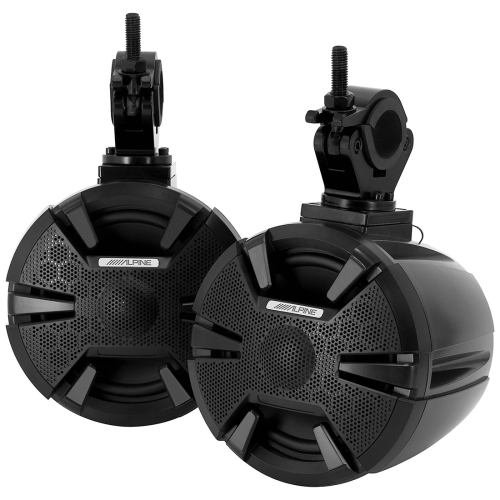
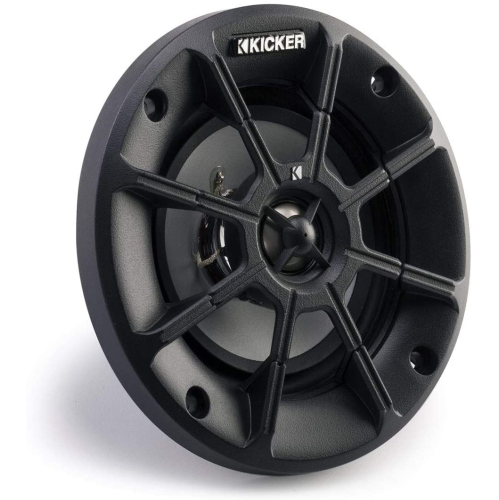
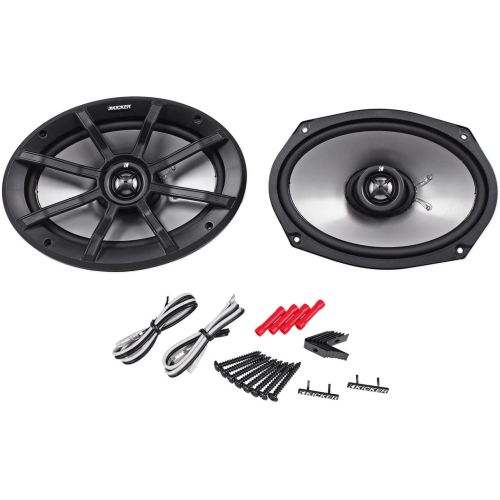
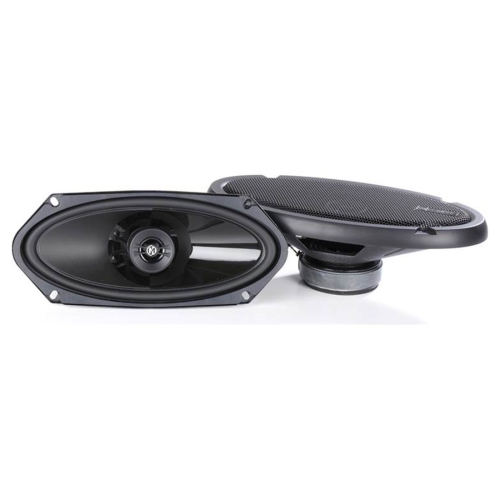
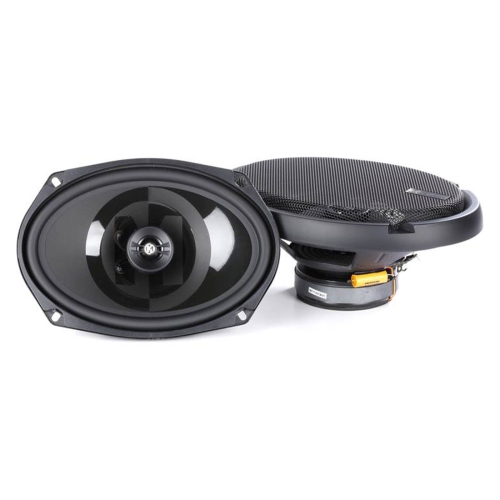
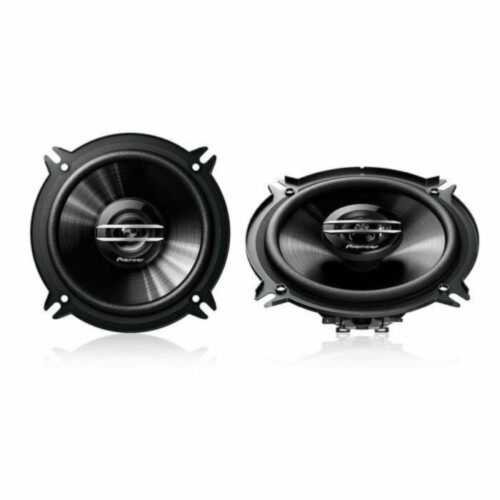
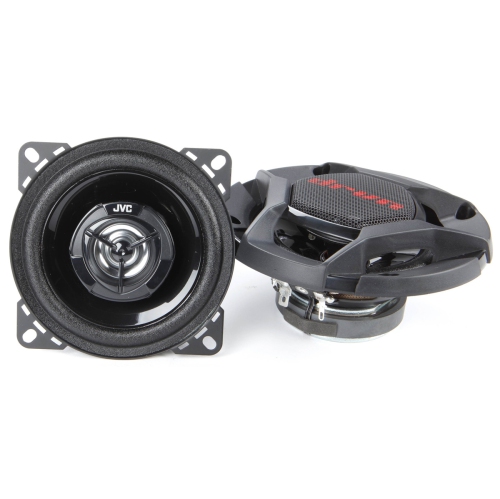
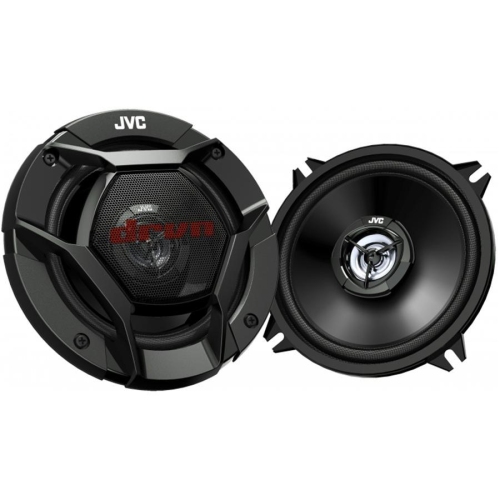
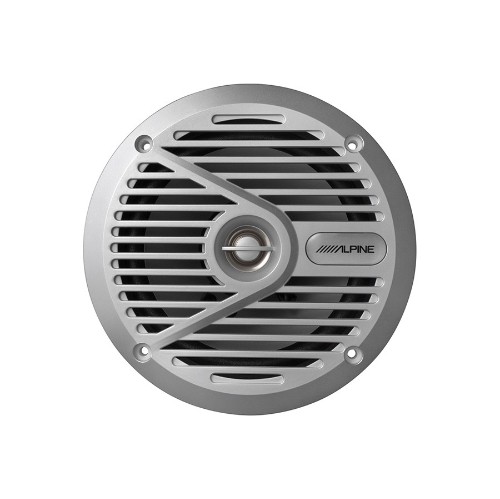
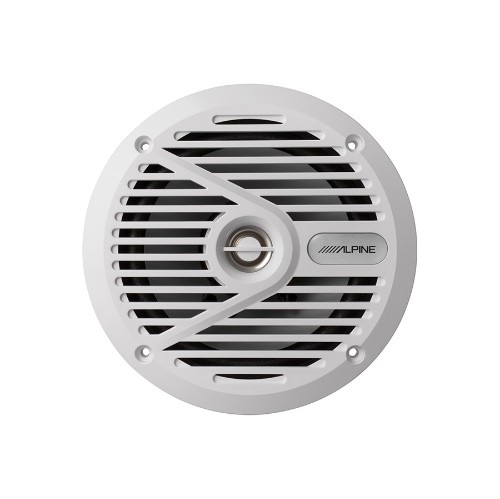
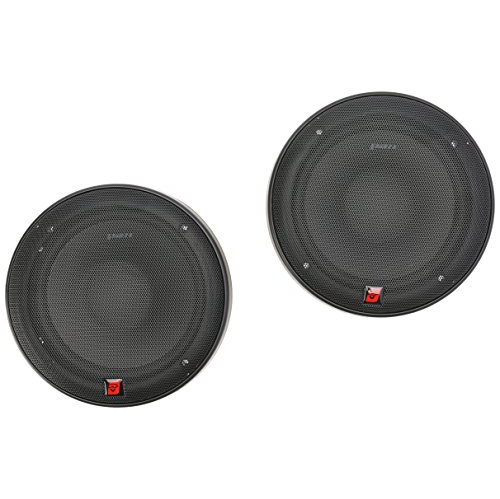
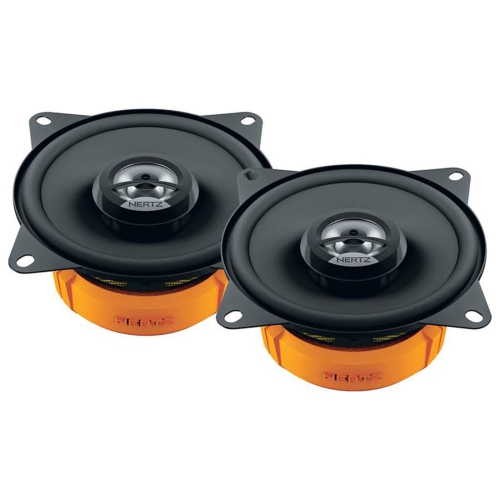
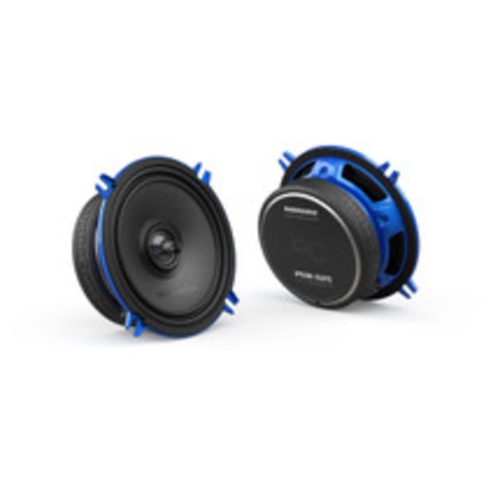
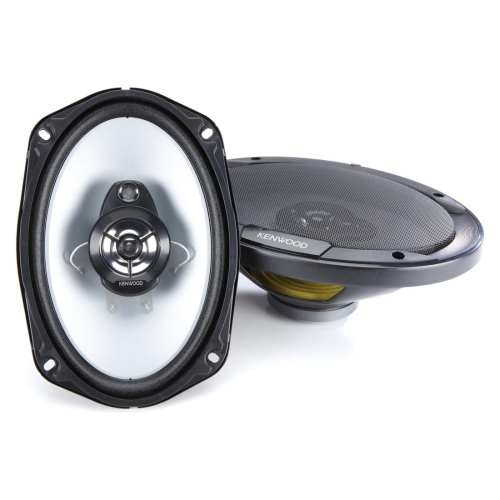
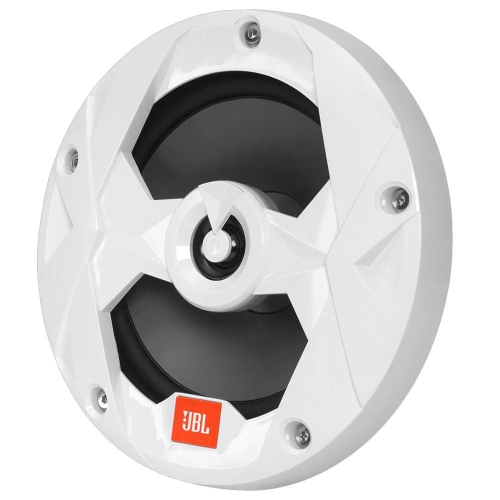
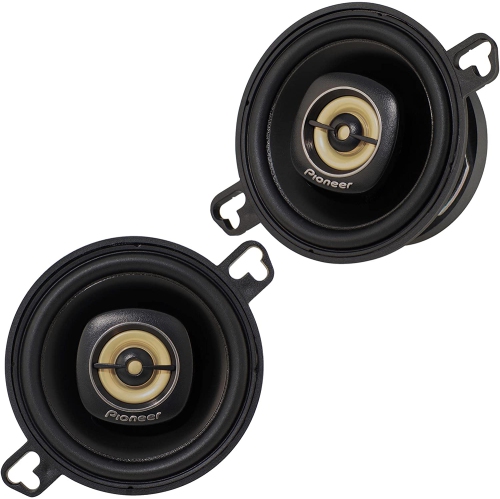
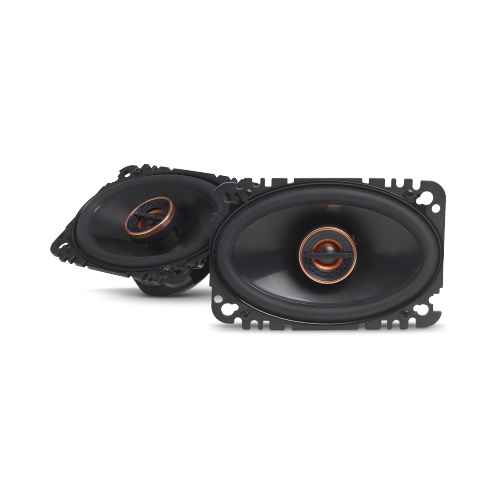
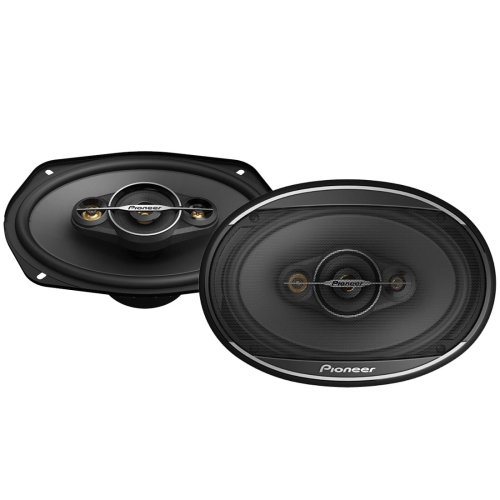
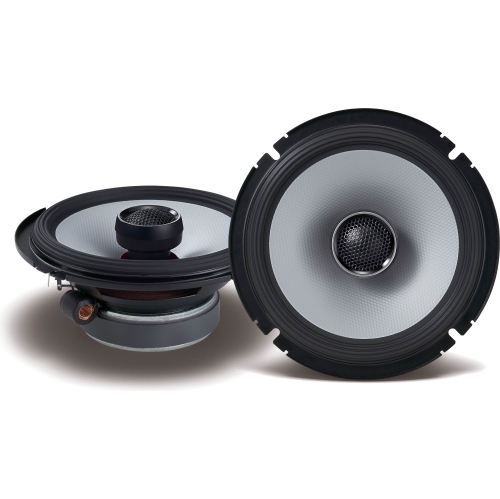
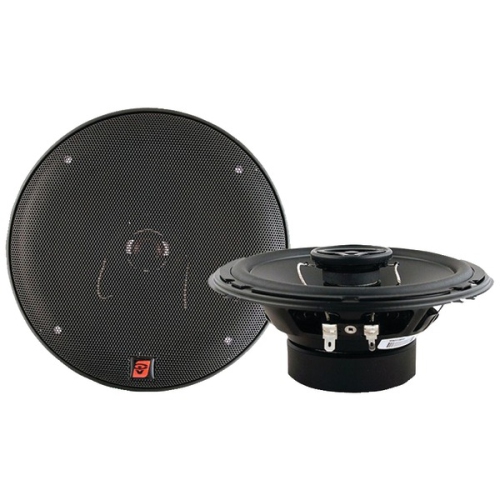
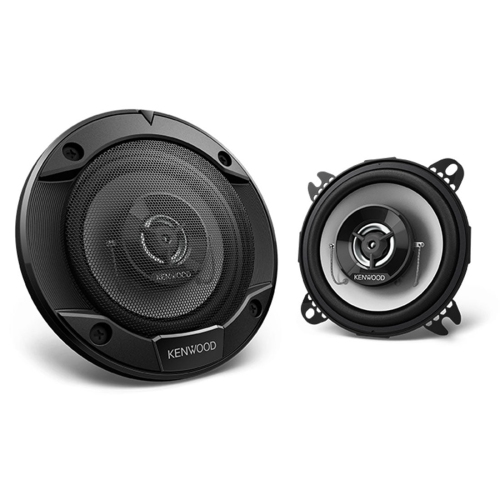
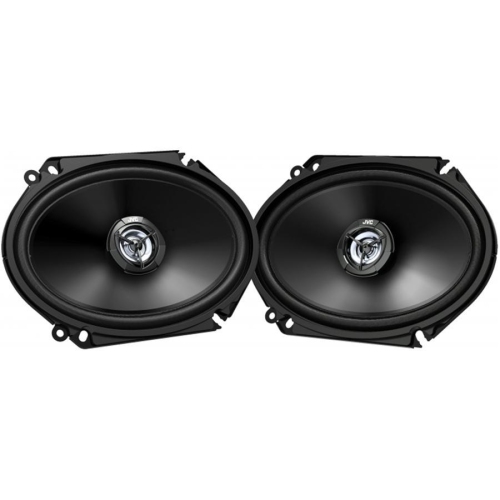
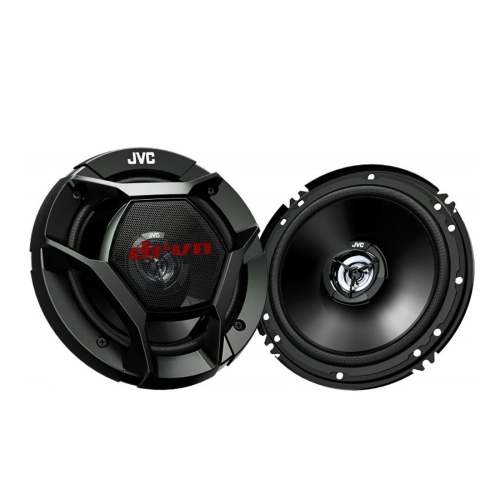
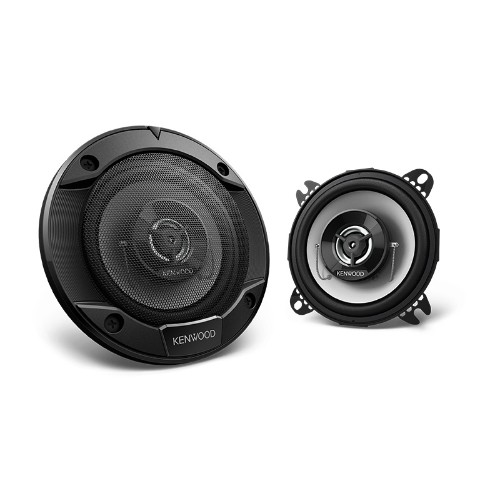
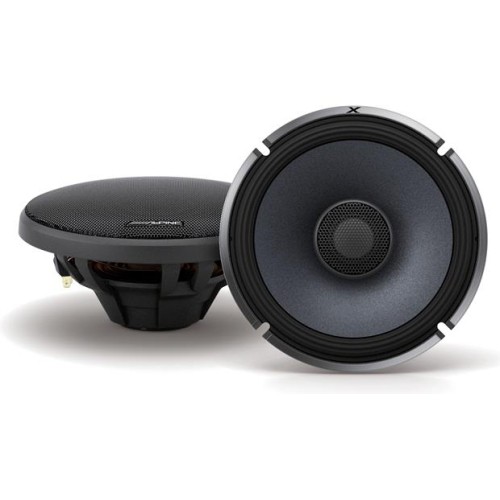
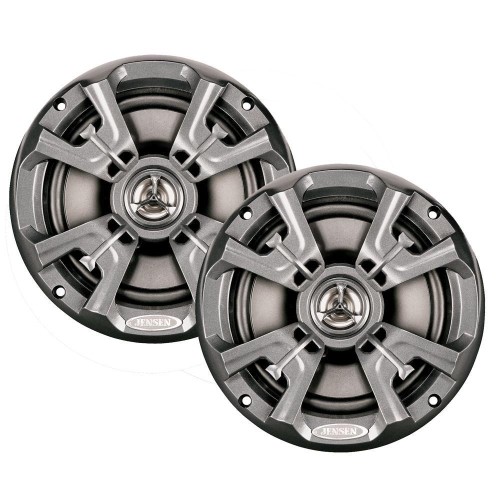
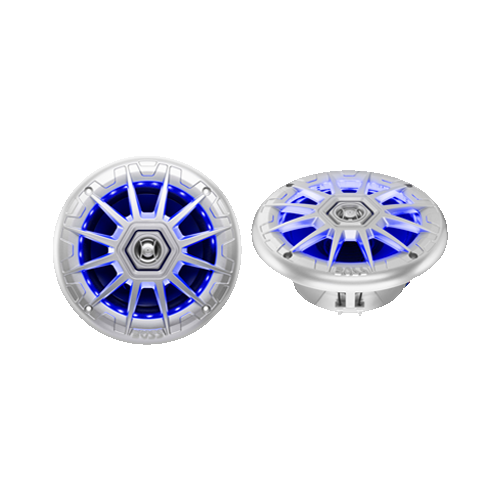
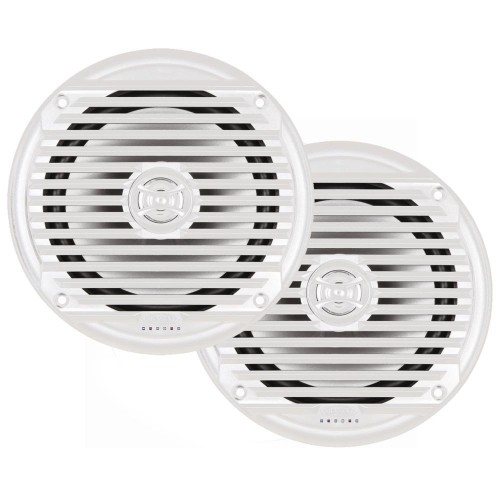
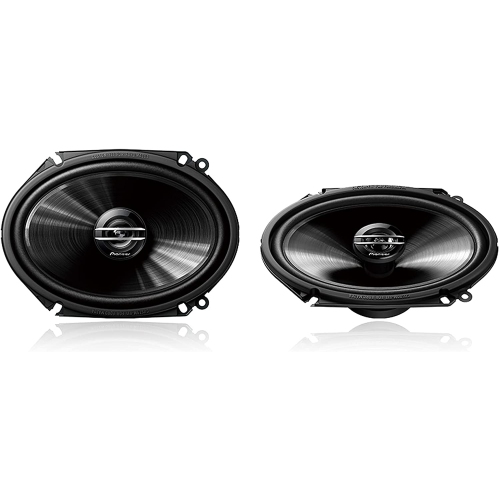
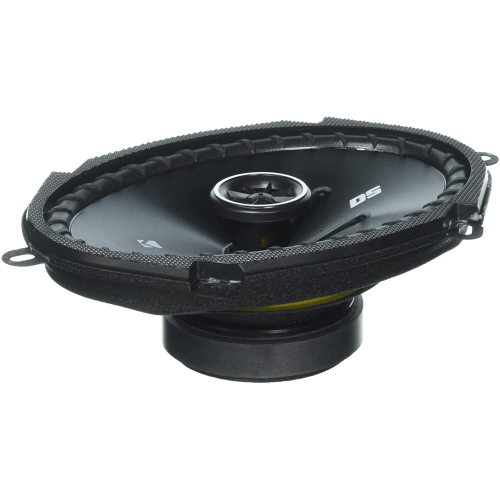
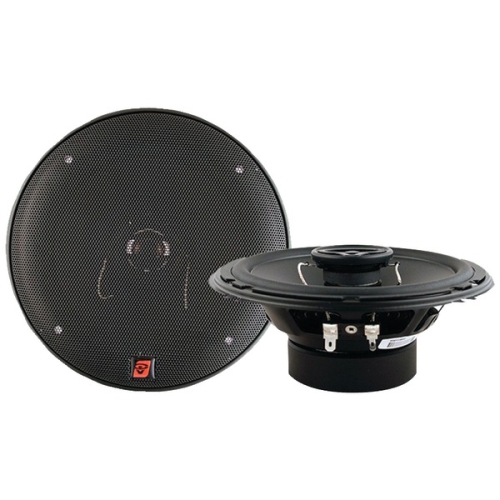
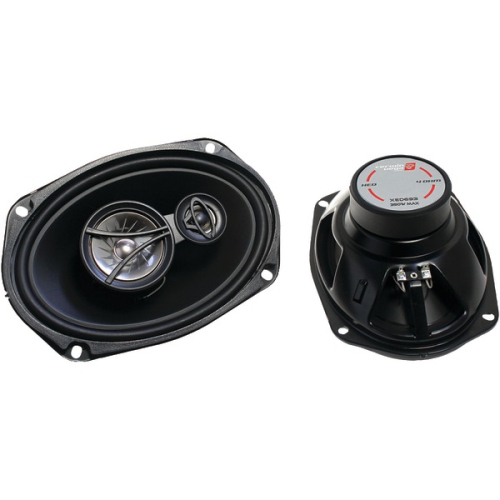
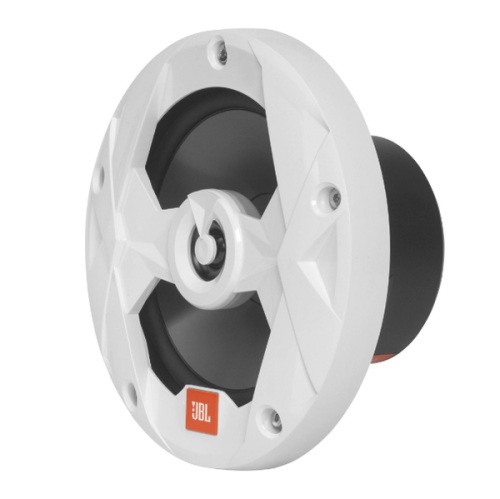
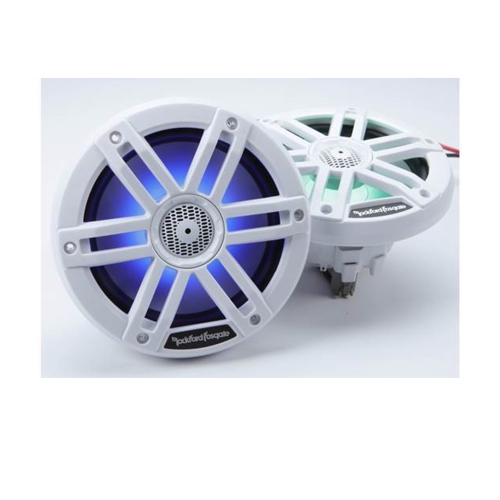
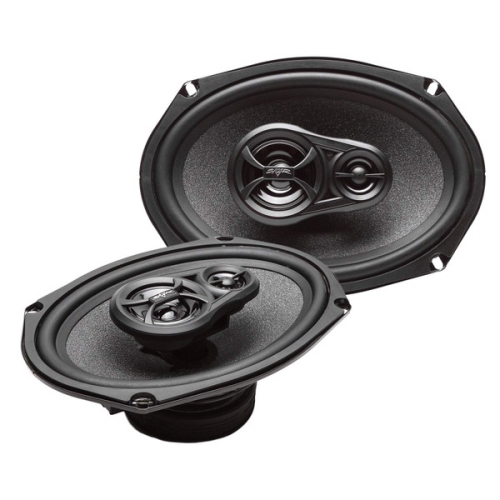
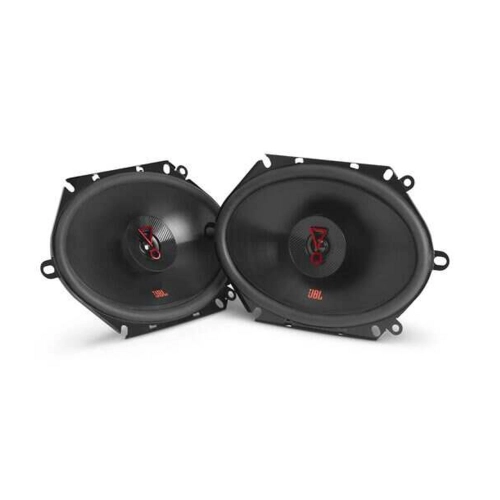
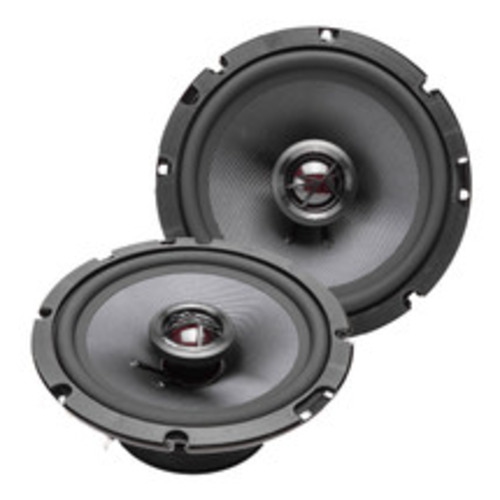
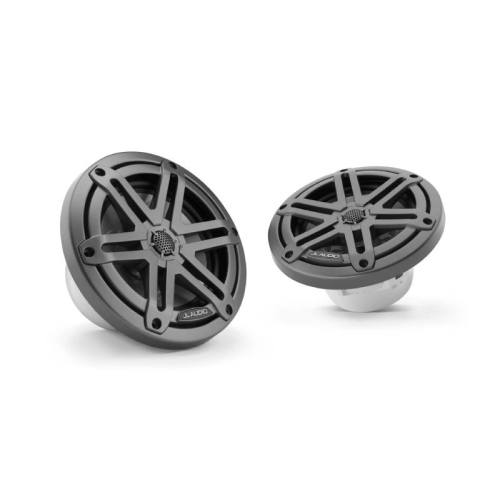
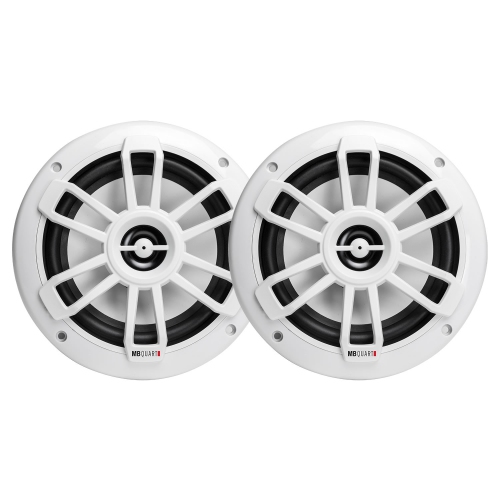
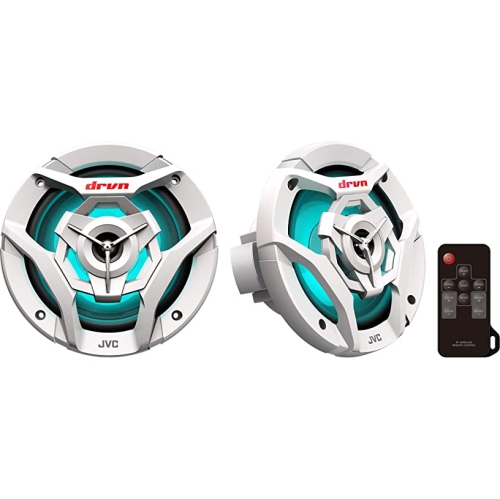
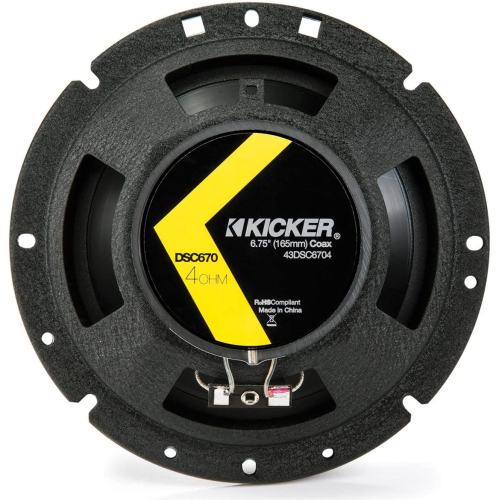
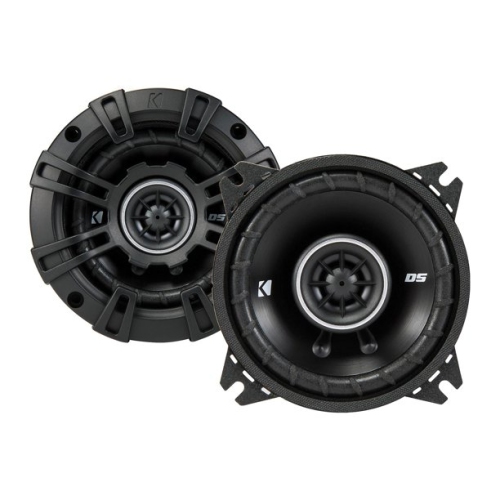
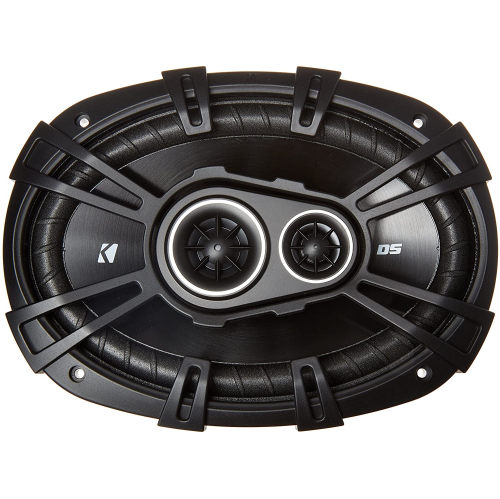
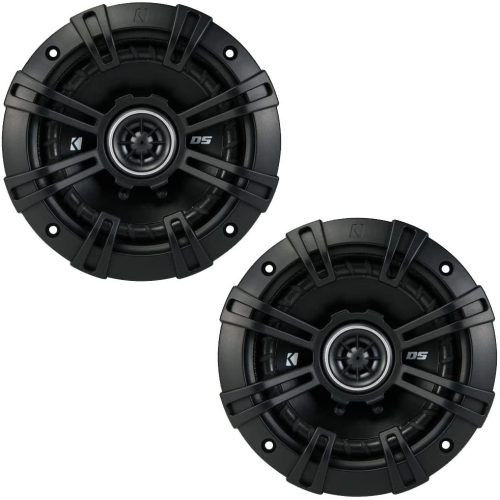
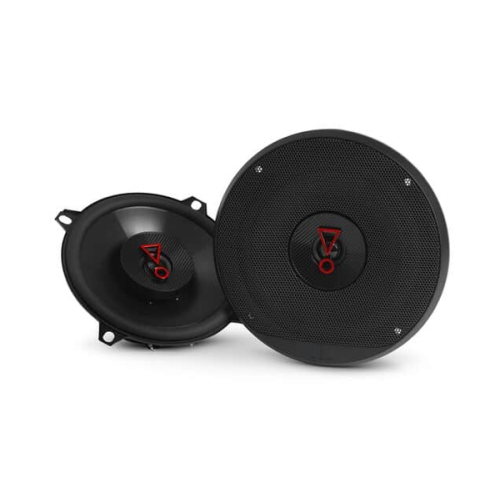
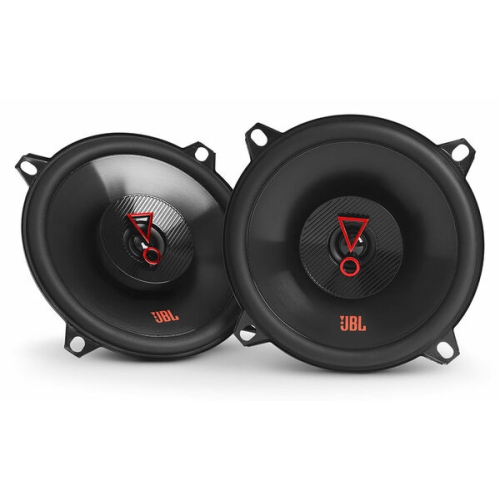
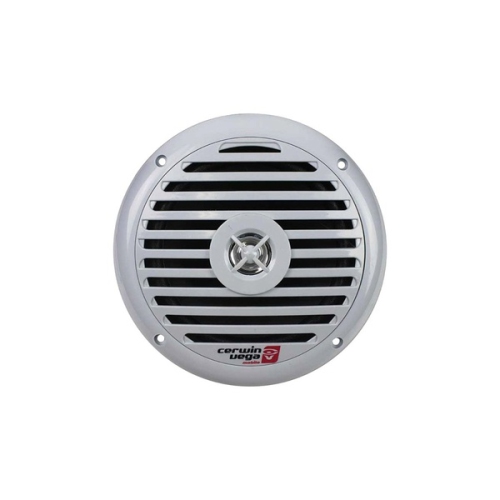
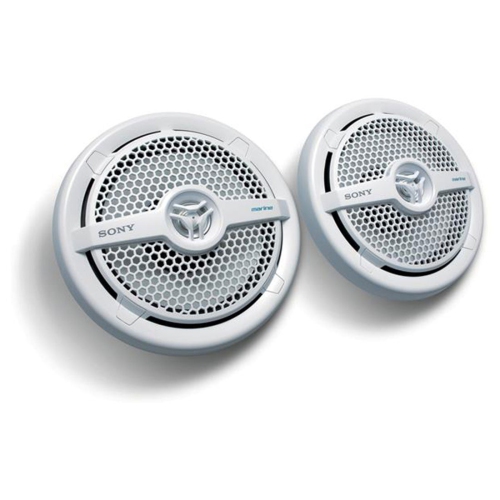
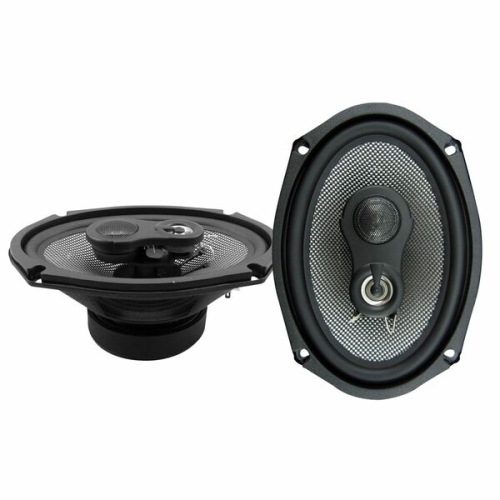
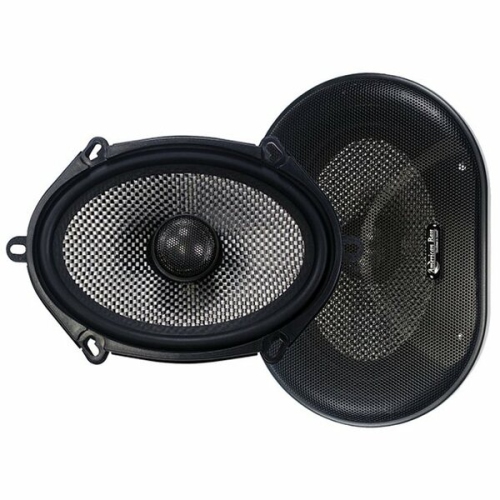
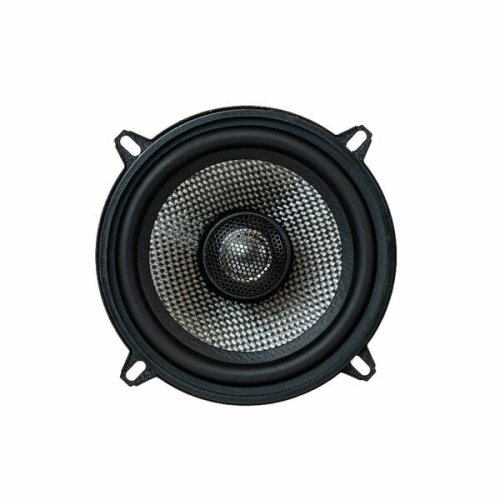
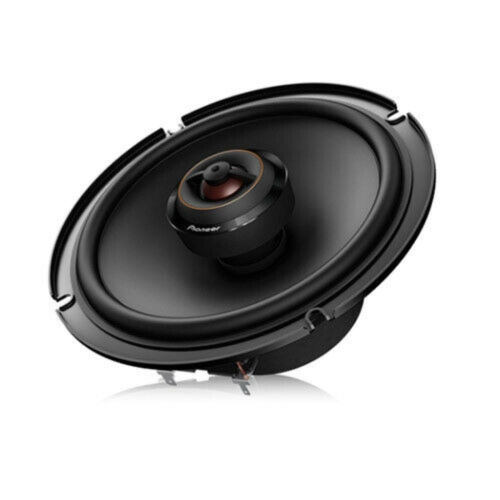
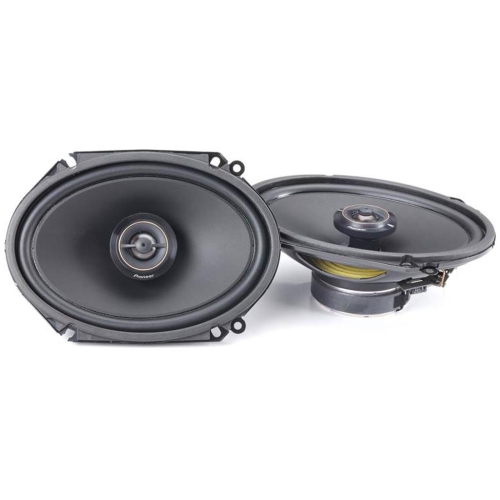
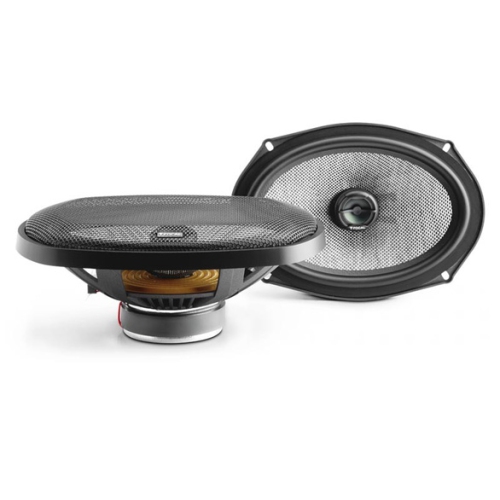
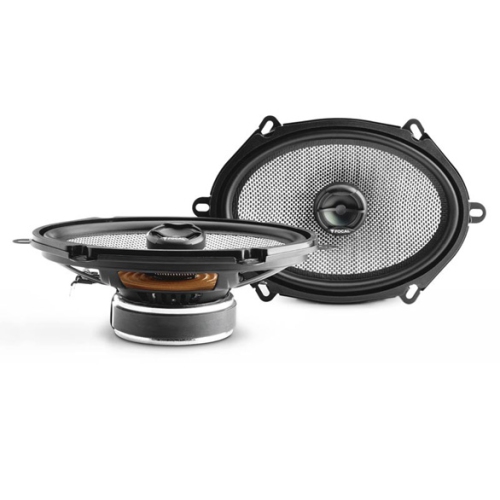
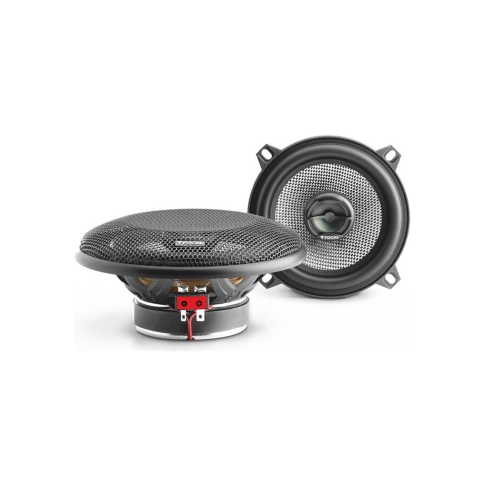
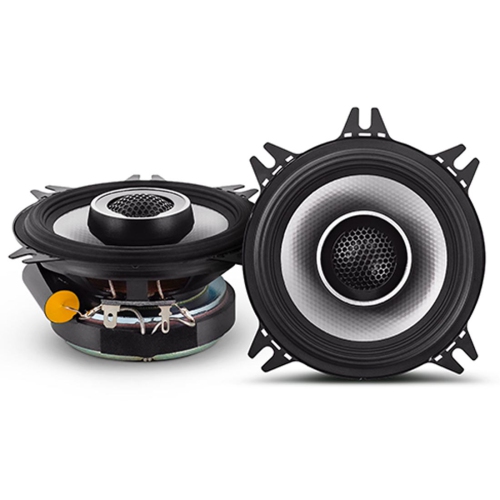
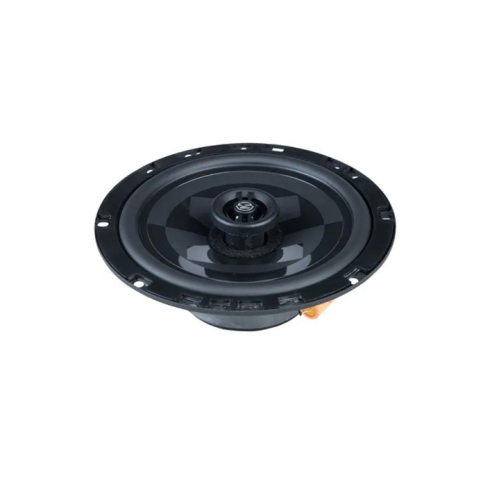
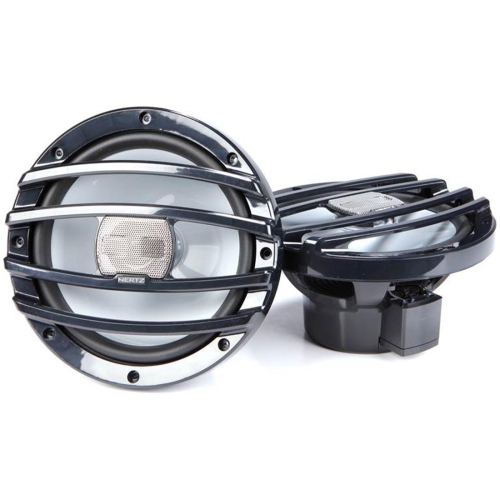
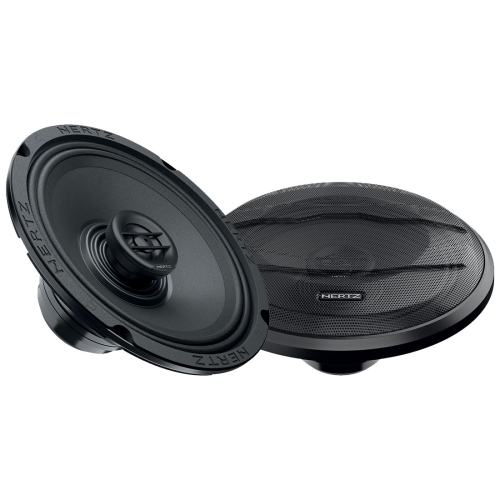
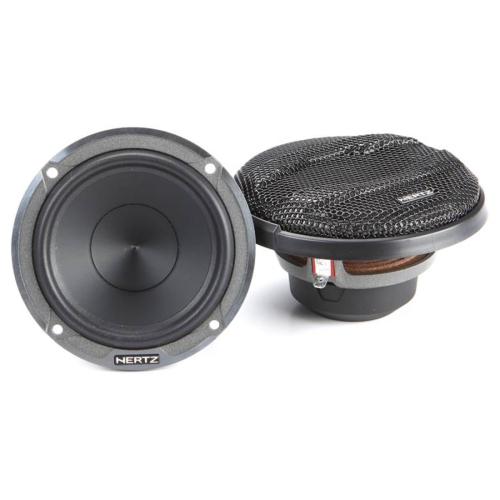
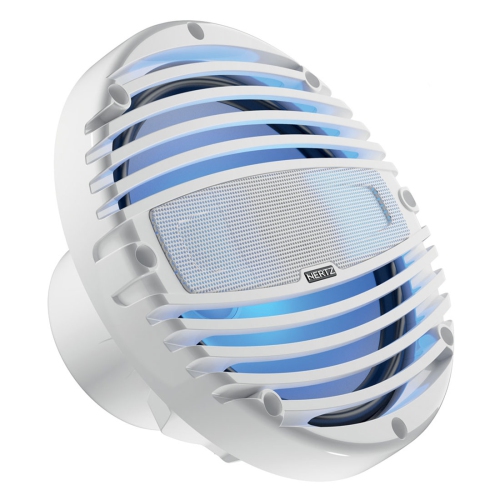
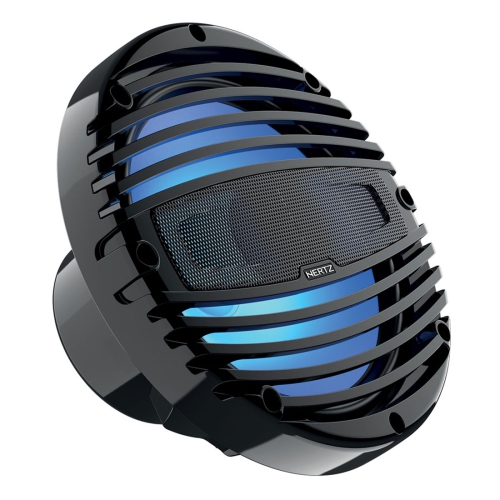
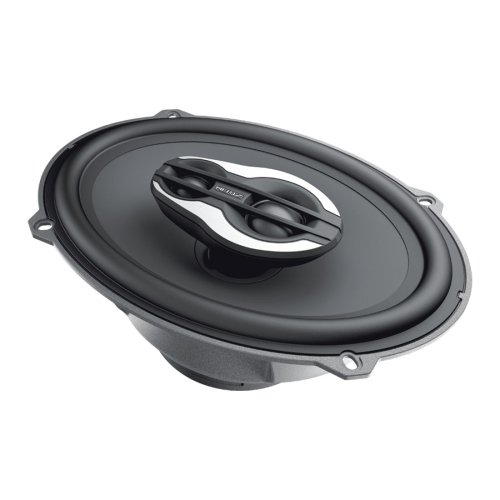
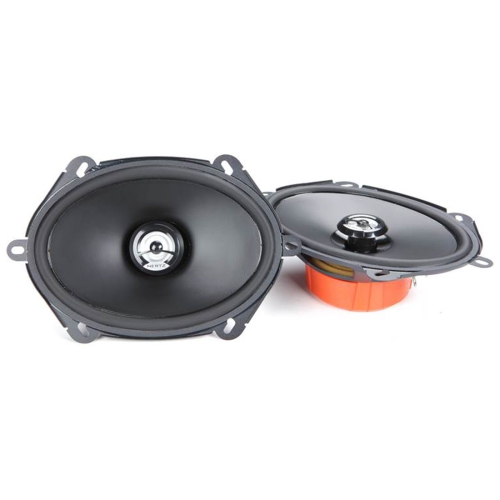
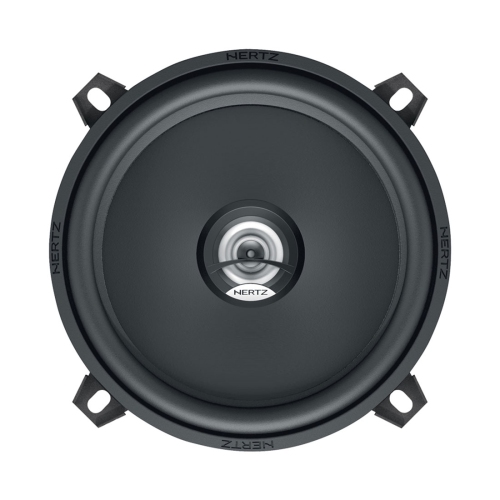
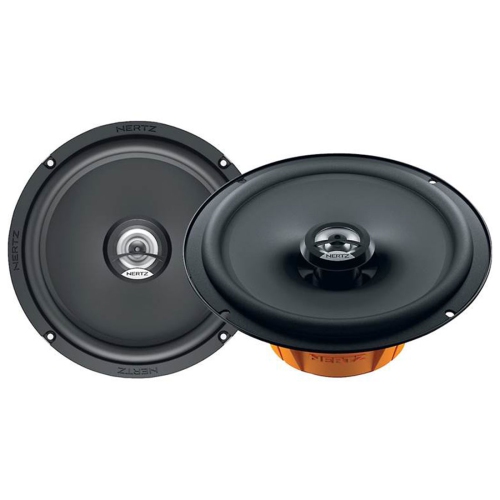
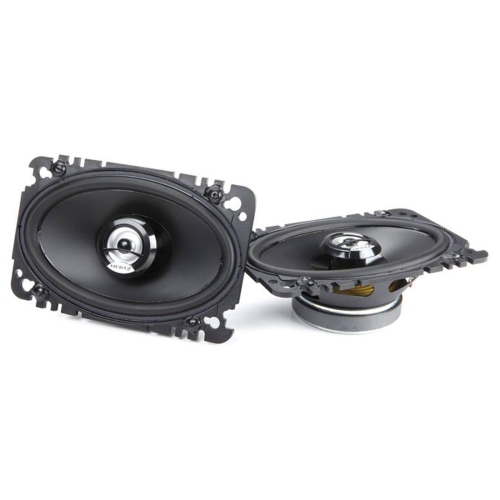
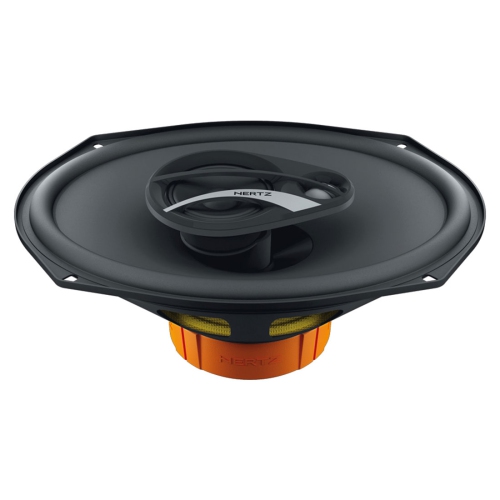
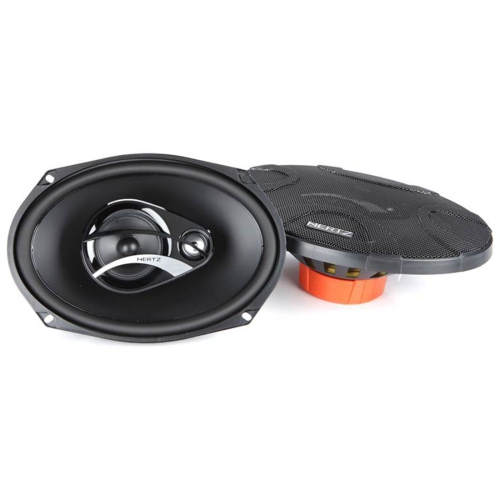
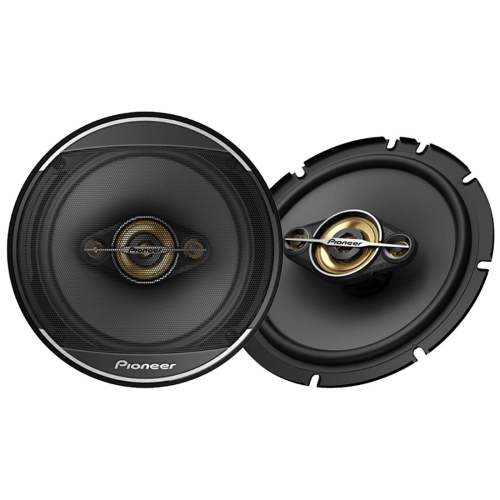
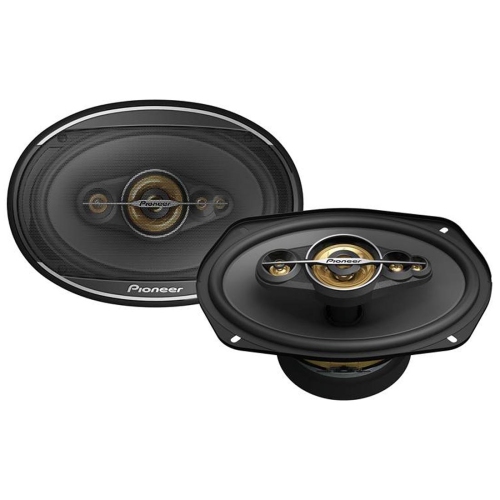
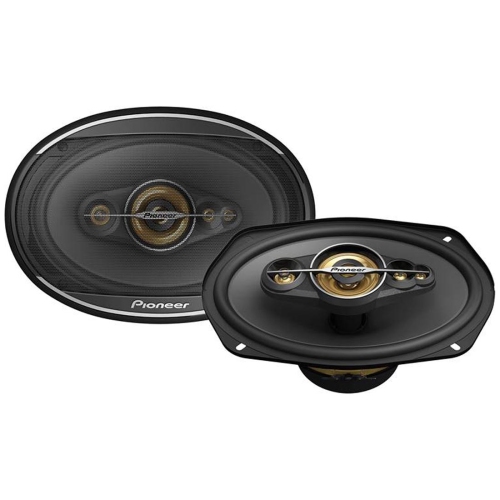
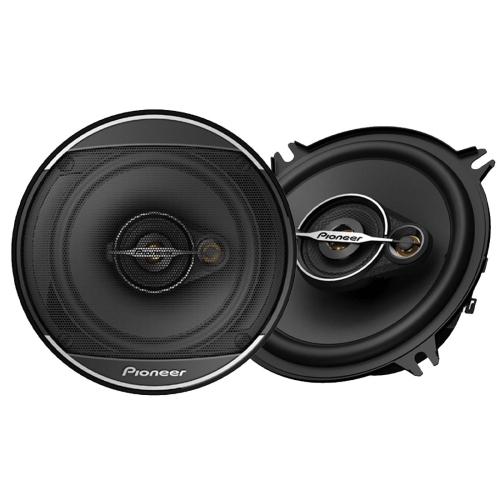
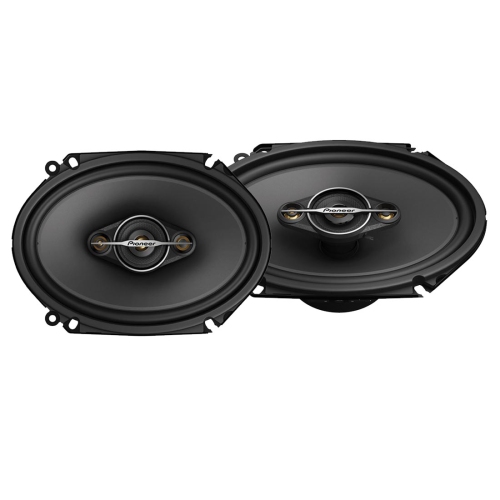
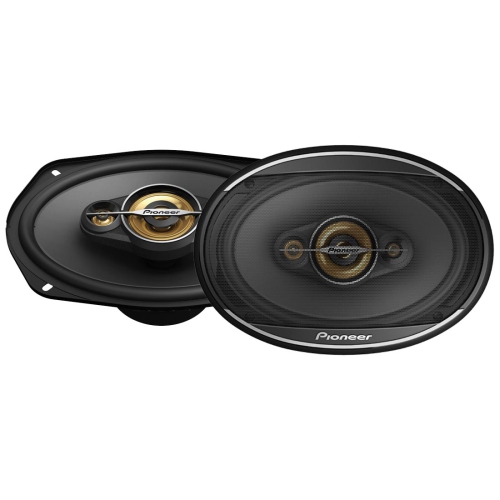
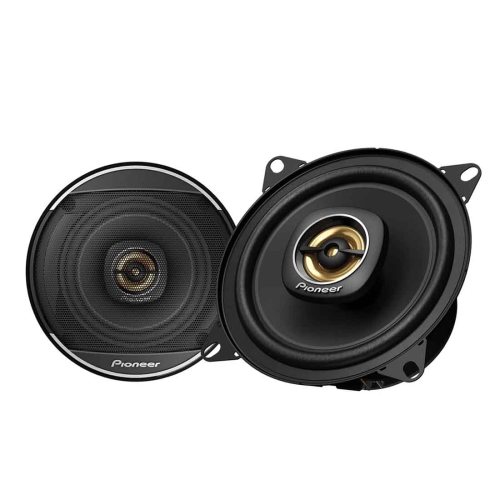
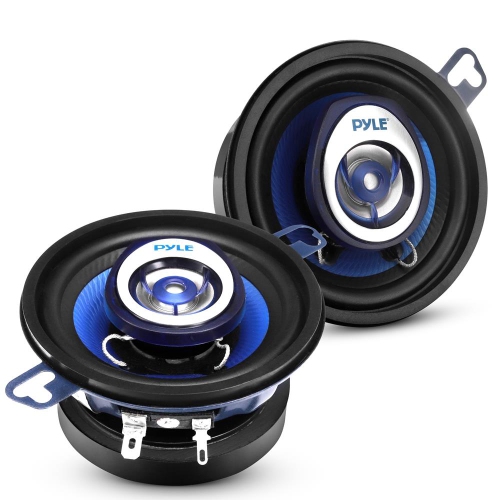
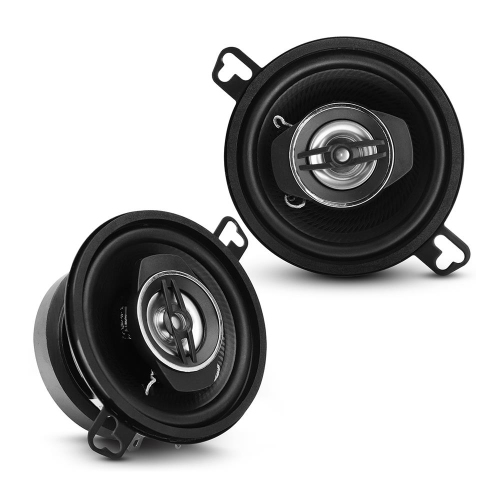
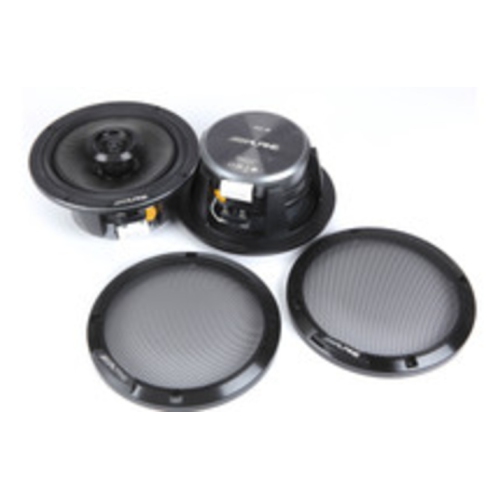
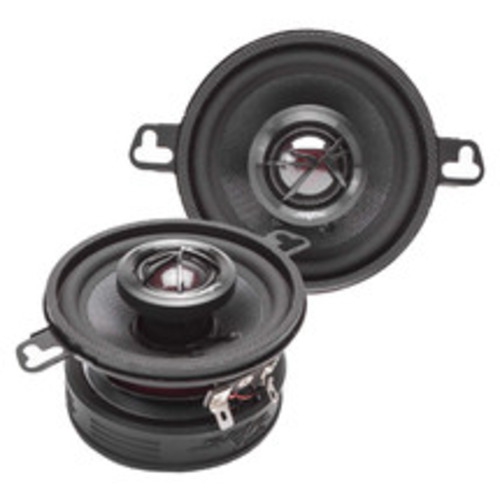
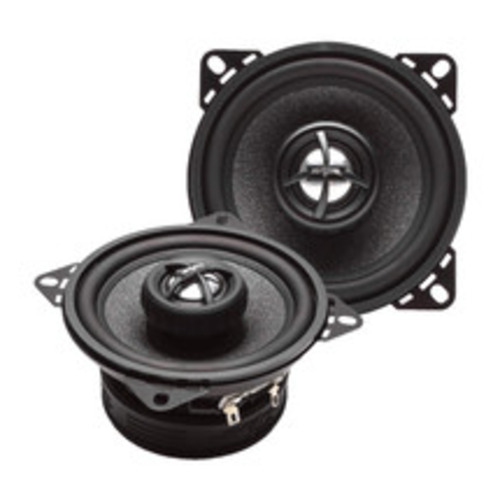
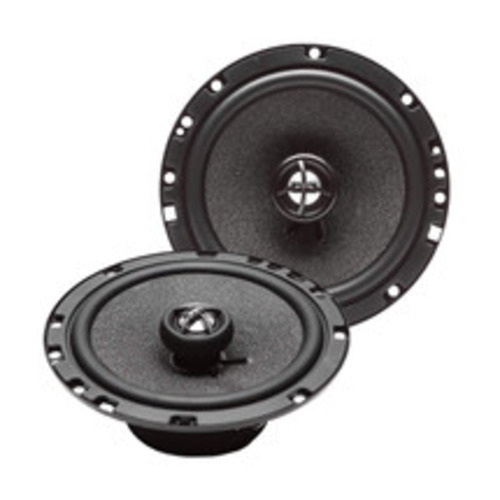
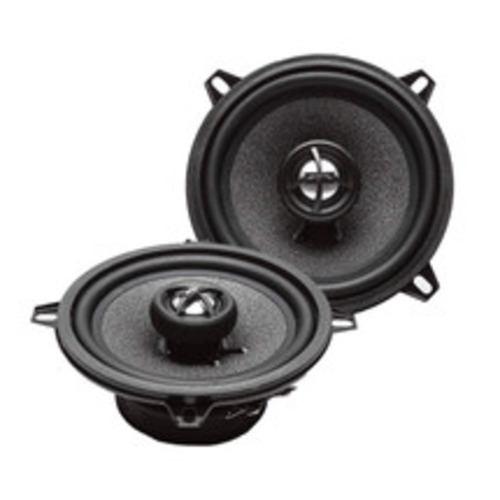
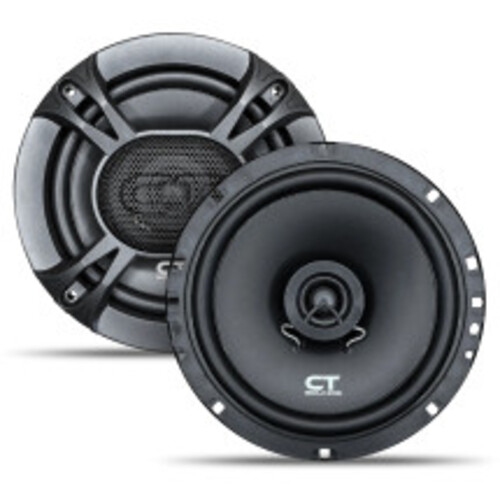
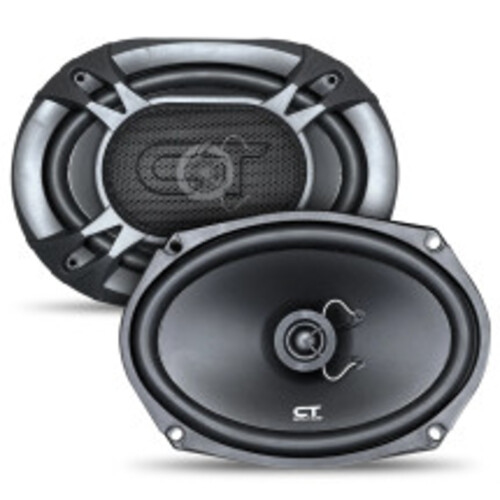
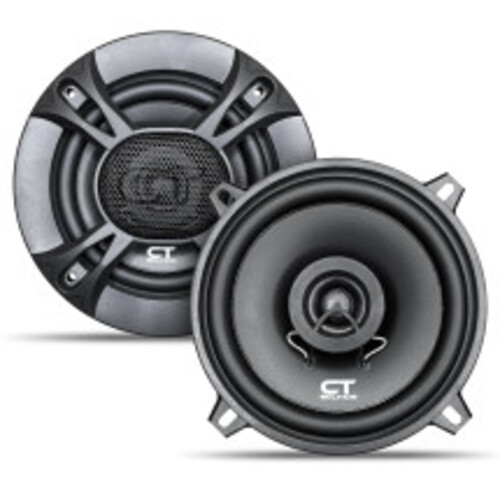
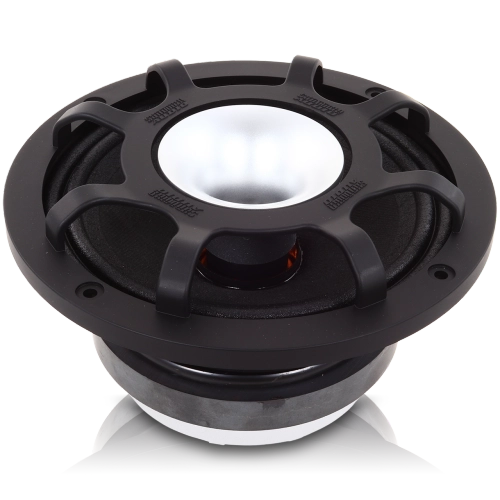
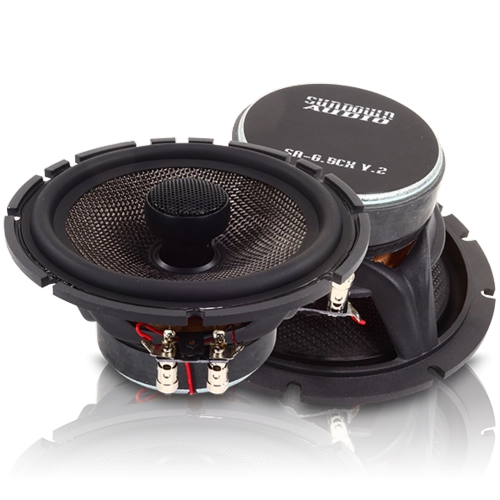
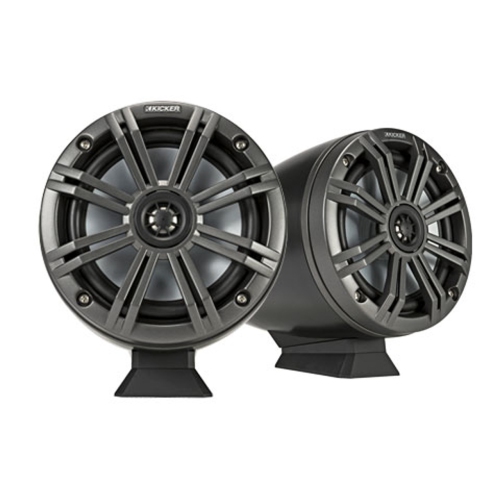
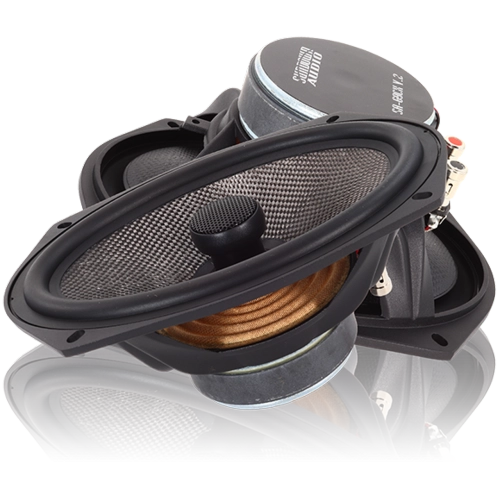
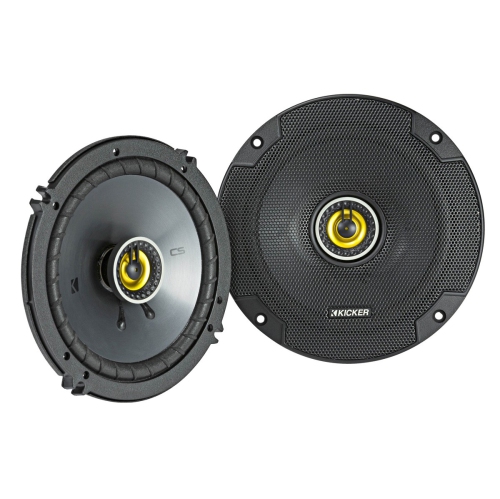
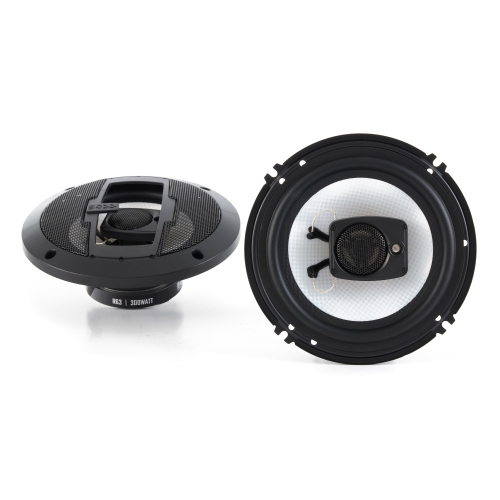
Coaxial speakers are an appealing way to improve the sound of a vehicle or compatible audio system without taking up much space or requiring a complicated installation. Unlike component speakers, which place the woofer, tweeter, and crossover in separate locations, coaxial speakers combine two or more drivers in one housing. The larger woofer generally handles bass and mid-range frequencies, while a smaller tweeter mounted at the centre reproduces higher notes. This all-in-one design makes coaxial speakers a practical replacement for many factory-installed speakers, especially when the original units have become worn, distorted, or lacking in detail. A 2-way coaxial speaker is the most common configuration, with one woofer and one tweeter working together. Some 3-way and 4-way designs add a dedicated mid-range driver or an additional high-frequency driver to create a broader, more detailed sound. Since the drivers share the same central axis, sound radiates from a similar point, which can help maintain timing and create a cohesive listening experience. The result may be clearer vocals, more defined instruments, and smoother transitions between bass, mid-range, and treble. Coaxial speakers are often a good choice for drivers who want better sound from a stock head unit, families looking to refresh the audio system in an older vehicle, or anyone who prefers a straightforward upgrade over a fully custom installation. They can also be a thoughtful gift for a music lover who spends a lot of time commuting, travelling by car, or listening to podcasts and audiobooks on the road. A compatible speaker can make familiar playlists feel more lively, with cymbals that sound less muted, vocals that stand out more clearly, and bass that has greater presence without overwhelming the cabin.
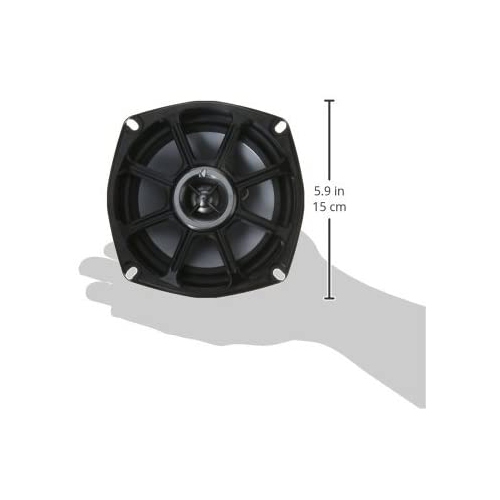
Fit is one of the most important considerations when choosing coaxial speakers. Speaker diameter, mounting depth, screw-hole spacing, and grille clearance all need to match the intended location. Common sizes include compact speakers for doors or dashboards and larger models for rear panels, but the correct size depends on the vehicle or audio enclosure. A speaker that appears close in diameter may still require an adapter bracket, wiring harness, or spacer to install securely. Checking the vehicle’s original speaker dimensions and available depth before purchasing can prevent interference with window mechanisms, door panels, or protective grilles. Power specifications also deserve attention. RMS power handling indicates the amount of continuous power a speaker is designed to receive, while peak power describes a short burst under ideal conditions. For a factory stereo, speakers with moderate power requirements and good sensitivity can often deliver a noticeable improvement without adding an external amplifier. Sensitivity measures how efficiently a speaker converts available power into volume, so a higher-sensitivity model may perform well with a lower-powered head unit. If an amplifier is part of the system, match its RMS output to the speakers’ RMS handling rather than focusing only on the largest peak number. Impedance, commonly measured in ohms, should also be compatible with the head unit or amplifier. Many car audio systems use a standard impedance, but confirming the specifications helps maintain reliable performance. Materials affect the character and durability of the sound. Polypropylene or similarly rigid woofer cones can provide balanced everyday performance, while treated paper and other lightweight materials may offer a natural response. Rubber or foam surrounds allow the cone to move while helping it return smoothly to position. Tweeter materials vary as well, with soft materials often producing a relaxed presentation and rigid materials offering a more pronounced sense of detail. The best option depends on listening preferences, the acoustics of the vehicle, and the type of music played most often. A compact car with reflective interior surfaces may sound bright with an overly aggressive tweeter, while a larger cabin or heavily insulated vehicle may benefit from extra high-frequency definition.
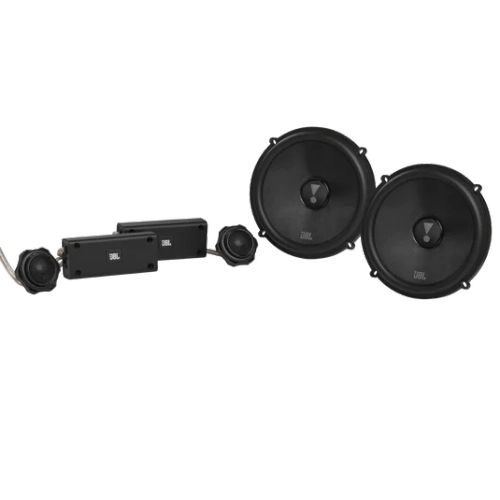
Installation is usually more approachable with coaxial speakers than with a component system because the woofer and tweeter are already integrated into one assembly. Even so, installation may involve removing door trim, transferring mounting hardware, connecting speaker wires, and ensuring that the new speaker is sealed firmly against the mounting surface. A secure fit helps reduce rattling and prevents sound energy from escaping around the frame. It is important to observe wiring polarity so the speakers move in phase; reversing one speaker can weaken bass and make the stereo image feel unusually thin. Factory grilles and door panels should be reinstalled carefully, since loose trim can introduce buzzing that becomes especially noticeable when the volume rises. Coaxial speakers are not limited to music. Clear mid-range performance can make spoken-word programmes, navigation prompts, and hands-free calls easier to understand, while controlled bass adds impact to film soundtracks and live recordings. During long drives in the warmer seasons or the cooler months, a well-matched set can make the cabin feel more inviting without requiring a full system rebuild. For shoppers comparing coaxial speakers with component speakers, the main trade-off is simplicity versus the potential for more precise staging. Component speakers place the tweeter separately, allowing it to be positioned higher in the door or dashboard for a more elevated soundstage, but they typically require more planning, wiring, and installation space. Coaxial models remain a sensible choice when a clean, efficient upgrade is the priority. Keep in mind that speaker wire and signal connections are different from the cables used for certain television and antenna setups; shoppers looking for those connections can browse Coaxial Cables. By confirming fit, power handling, impedance, sensitivity, driver configuration, and installation requirements, shoppers can choose coaxial speakers that suit the vehicle, audio equipment, and everyday listening habits.
Fit is one of the most important considerations when choosing coaxial speakers. Speaker diameter, mounting depth, screw-hole spacing, and grille clearance all need to match the intended location. Common sizes include compact speakers for doors or dashboards and larger models for rear panels, but the correct size depends on the vehicle or audio enclosure. A speaker that appears close in diameter may still require an adapter bracket, wiring harness, or spacer to install securely. Checking the vehicle’s original speaker dimensions and available depth before purchasing can prevent interference with window mechanisms, door panels, or protective grilles. Power specifications also deserve attention. RMS power handling indicates the amount of continuous power a speaker is designed to receive, while peak power describes a short burst under ideal conditions. For a factory stereo, speakers with moderate power requirements and good sensitivity can often deliver a noticeable improvement without adding an external amplifier. Sensitivity measures how efficiently a speaker converts available power into volume, so a higher-sensitivity model may perform well with a lower-powered head unit. If an amplifier is part of the system, match its RMS output to the speakers’ RMS handling rather than focusing only on the largest peak number. Impedance, commonly measured in ohms, should also be compatible with the head unit or amplifier. Many car audio systems use a standard impedance, but confirming the specifications helps maintain reliable performance. Materials affect the character and durability of the sound. Polypropylene or similarly rigid woofer cones can provide balanced everyday performance, while treated paper and other lightweight materials may offer a natural response. Rubber or foam surrounds allow the cone to move while helping it return smoothly to position. Tweeter materials vary as well, with soft materials often producing a relaxed presentation and rigid materials offering a more pronounced sense of detail. The best option depends on listening preferences, the acoustics of the vehicle, and the type of music played most often. A compact car with reflective interior surfaces may sound bright with an overly aggressive tweeter, while a larger cabin or heavily insulated vehicle may benefit from extra high-frequency definition.
Installation is usually more approachable with coaxial speakers than with a component system because the woofer and tweeter are already integrated into one assembly. Even so, installation may involve removing door trim, transferring mounting hardware, connecting speaker wires, and ensuring that the new speaker is sealed firmly against the mounting surface. A secure fit helps reduce rattling and prevents sound energy from escaping around the frame. It is important to observe wiring polarity so the speakers move in phase; reversing one speaker can weaken bass and make the stereo image feel unusually thin. Factory grilles and door panels should be reinstalled carefully, since loose trim can introduce buzzing that becomes especially noticeable when the volume rises. Coaxial speakers are not limited to music. Clear mid-range performance can make spoken-word programmes, navigation prompts, and hands-free calls easier to understand, while controlled bass adds impact to film soundtracks and live recordings. During long drives in the warmer seasons or the cooler months, a well-matched set can make the cabin feel more inviting without requiring a full system rebuild. For shoppers comparing coaxial speakers with component speakers, the main trade-off is simplicity versus the potential for more precise staging. Component speakers place the tweeter separately, allowing it to be positioned higher in the door or dashboard for a more elevated soundstage, but they typically require more planning, wiring, and installation space. Coaxial models remain a sensible choice when a clean, efficient upgrade is the priority. Keep in mind that speaker wire and signal connections are different from the cables used for certain television and antenna setups; shoppers looking for those connections can browse Coaxial Cables. By confirming fit, power handling, impedance, sensitivity, driver configuration, and installation requirements, shoppers can choose coaxial speakers that suit the vehicle, audio equipment, and everyday listening habits.
Top selling and popular products
-
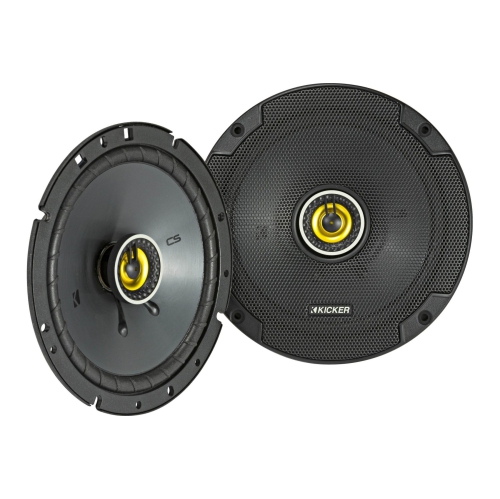 Your price for this item is $139.95
 -
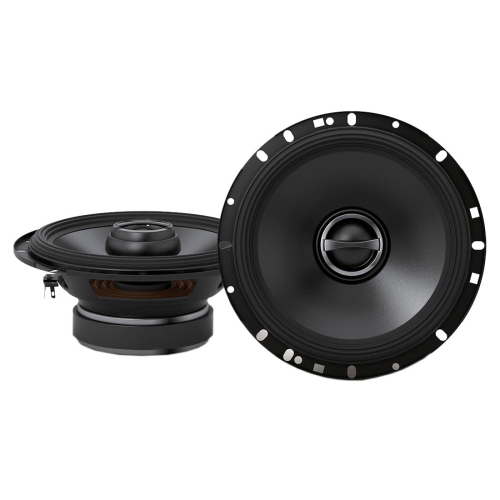 Your price for this item is $178
 -
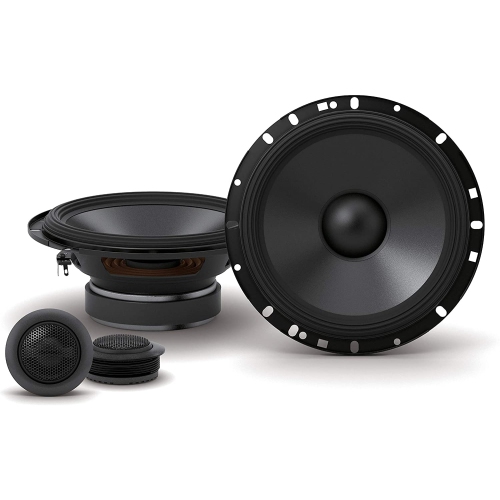 Your price for this item is $189
 -
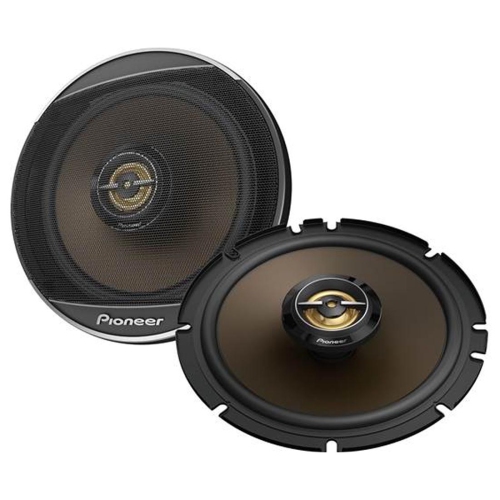 Your price for this item is $138.99
 -
 Your price for this item is $189.95
 -
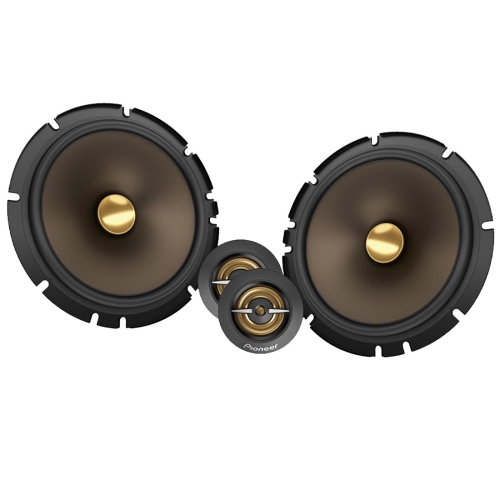 Your price for this item is $228.99
 -
 Your price for this item is $228
 -
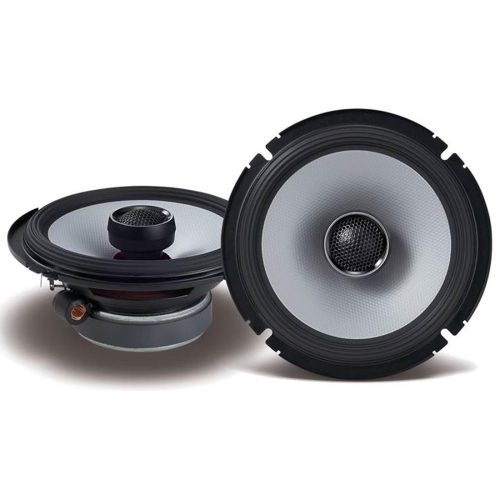 Your price for this item is $198
Discover more categories related to Coaxial Speakers
Top Collections:
Pokemon Centers, Kindle Devices, Best Budget Office Chairs, Apple iPhones 16, Best Laptops for Writers, iPhone 15 Apple, Canon G7X Cameras, Refurbished Apple Laptops, Alarm Clock, Motorola Razr Phones
Some products may be subject to Environmental Handling Fees
(EHF) depending on your province.
Learn more about EHFs.