Floor Jacks
Floor jacks are essential tools for anyone looking to lift vehicles or heavy equipment with ease and confidence. Perfect for automotive enthusiasts, DIYers, and professionals alike, floor jacks provide reliable support during maintenance and repair tasks. Find a variety of options designed to help you tackle projects in your garage or workshop efficiently. Explore floor jacks that suit a range of needs and ensure you have the right equipment for every job.
Sort
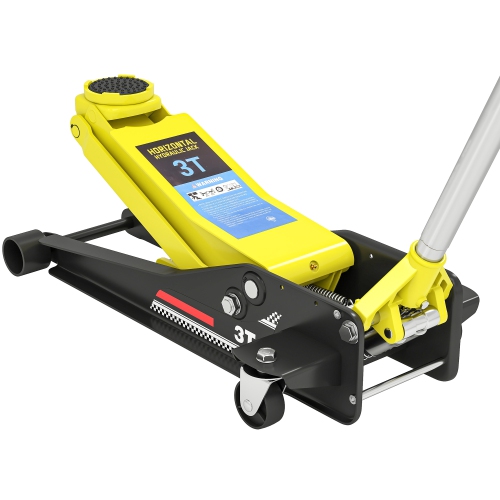

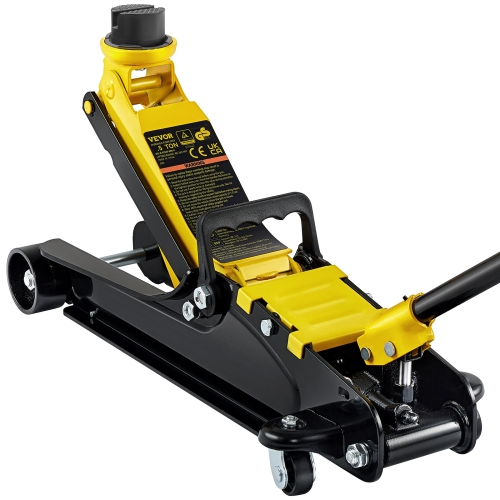
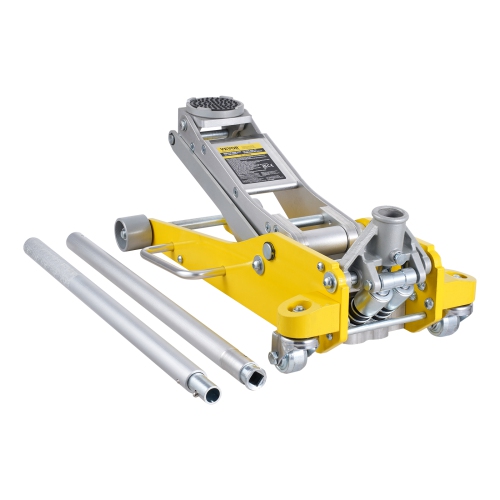
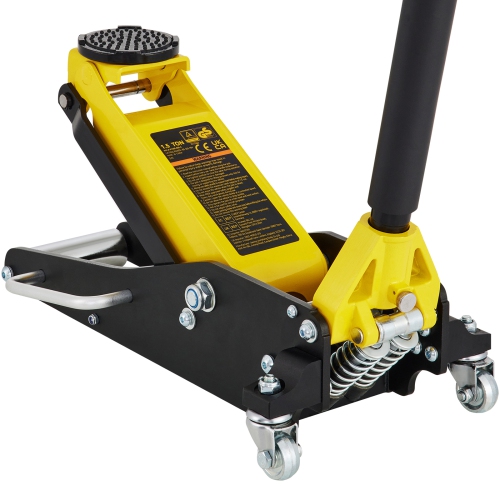


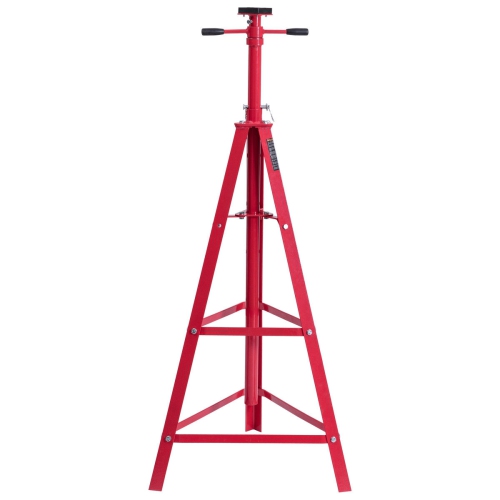
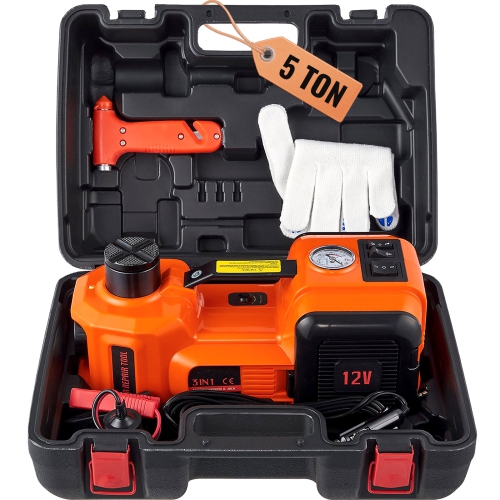
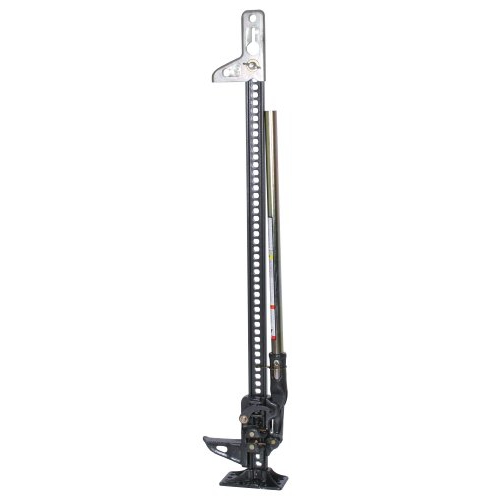
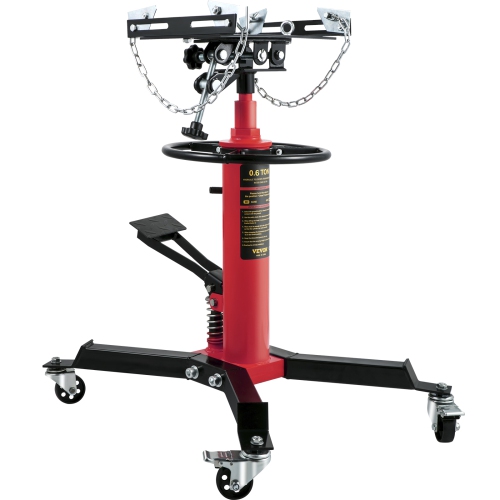
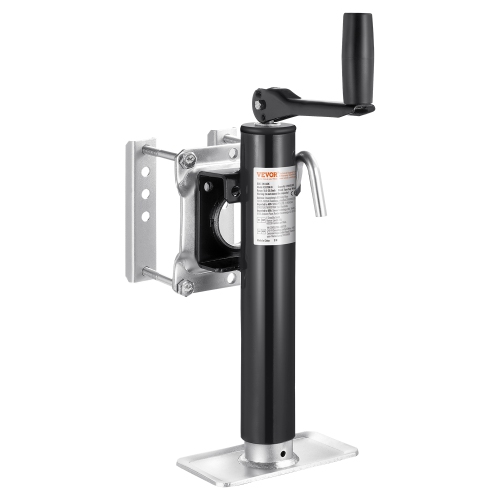
The right lift starts with your vehicle’s clearance
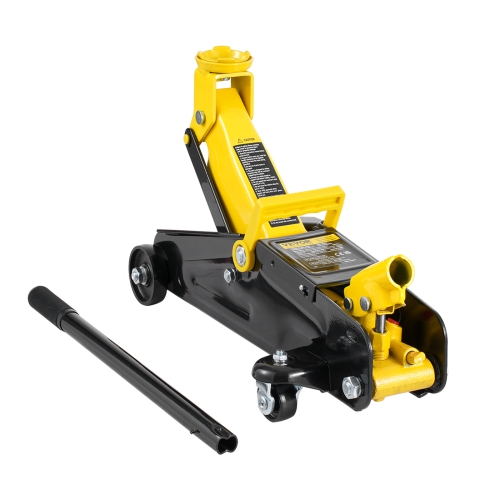
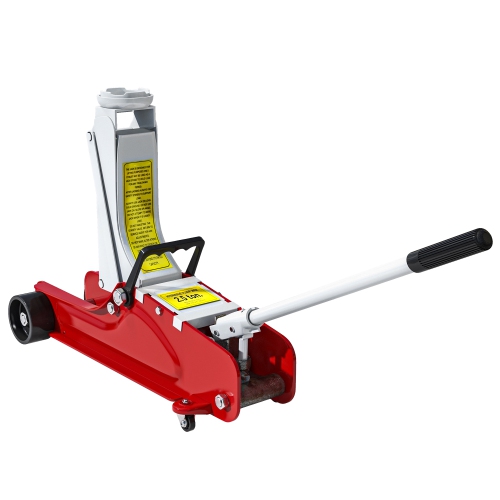
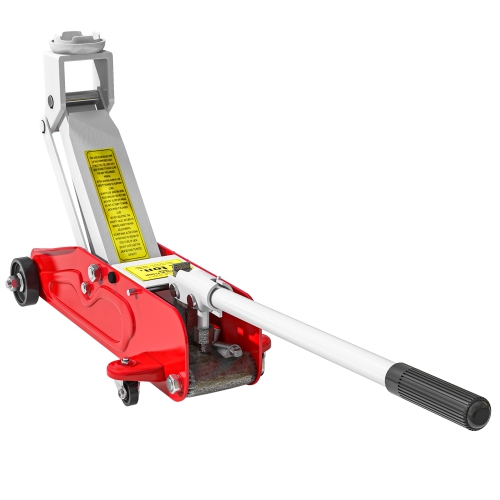
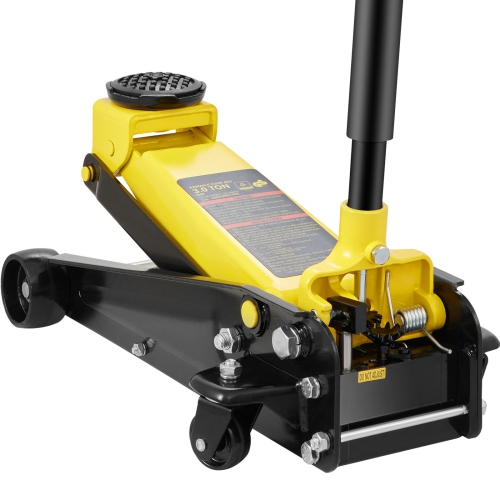
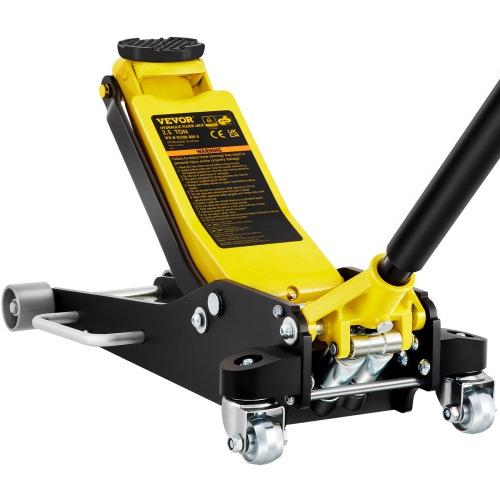
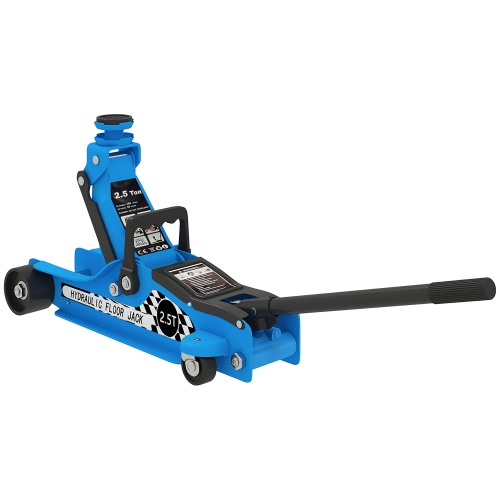
Floor jacks are wheeled hydraulic lifting tools used to raise vehicles for tyre changes, maintenance, and repairs. A long handle operates a pump that lifts the saddle beneath an approved vehicle lifting point, while a release mechanism allows controlled lowering. Their low, horizontal shape makes them practical for reaching beneath many cars, crossovers, SUVs, and light trucks, with designs suited to different ground clearances and lifting heights. For a household garage, a floor jack can be useful when switching between seasonal wheel sets or preparing a vehicle for work that requires access around a wheel. In a busy workshop, manoeuvrability, reach, and repeated lifting performance become especially important. A floor jack is a lifting device, not a substitute for jack stands: a vehicle must never be entered underneath while supported only by a hydraulic jack. Correctly rated stands, positioned at approved support points, are essential whenever work calls for supporting a raised vehicle. Fit involves more than choosing a jack that appears large enough. The saddle needs to slide beneath the designated lifting point at its lowest setting and rise high enough for the intended task without exceeding the jack’s rated travel. A low-profile floor jack can help with a car that has limited clearance beneath its bodywork, while a higher maximum lift may matter more for a taller vehicle. Long-reach designs can access lifting points farther beneath the chassis, provided the jack’s shape and handle movement remain clear of surrounding components. Even a routine wheel change can reveal these differences: a jack may fit beneath a compact car easily yet lack the lifting range needed to raise a wheel on a vehicle with greater suspension travel. The vehicle owner’s manual and the jack manufacturer’s specifications provide the relevant lifting points, capacity requirements, and operating limits. Matching those details helps distinguish a suitable garage tool from one that is awkward or inappropriate for the vehicle.
Construction affects how a floor jack feels to move, how much space it occupies, and how well it suits frequent use. Steel frames typically bring substantial weight and a sturdy feel, making them practical for a dedicated garage where the jack stays close to the work area. Aluminium construction can reduce carrying weight, which matters when moving equipment between storage and a driveway or transporting it for permitted maintenance tasks. Some designs combine materials to balance weight with structural strength. Material alone does not establish lifting capability; the manufacturer’s load rating is the deciding specification. Capacity labels also need careful reading because tonnes and US tons are not interchangeable units. Rather than estimating the lifted load by dividing a vehicle’s weight by the number of wheels, check the vehicle and jack documentation for the appropriate rating and approved lifting arrangement. Saddle size and shape matter too. A compatible pad or manufacturer-approved adapter may help match a designated lifting point, but an improvised block or an unsuitable attachment can compromise stability. Vehicles with pinch-weld lifting points, underbody panels, or battery packs require particular attention to approved contact areas. Around the frame, smooth-running wheels and swivelling castors help position the jack and allow it to move as the lifting arm changes angle. That movement is part of normal operation, so a hard, level surface with sufficient clear space is important. Gravel, soil, sloped driveways, and soft or damaged paving are unsuitable foundations. Handle length influences leverage and the room needed to pump; a long handle may feel comfortable in an open garage but prove cumbersome beside a wall or storage cabinet. Dual-piston or quick-lift mechanisms can reduce the pumping needed to bring the saddle into position, although operation varies by design and load. Controlled lowering, accessible controls, and clear markings are equally valuable when placing a vehicle onto suitable stands. For someone working in a single-car garage, these everyday handling details can matter as much as the headline lifting capacity.
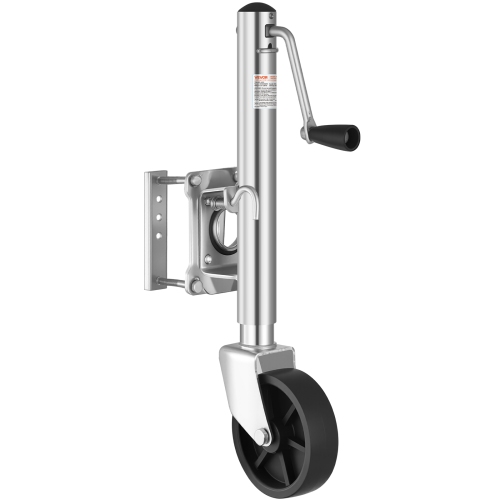
Care and storage contribute to a floor jack’s service life, particularly when garage floors collect moisture, road salt, and grit during the cooler months. Wiping down the frame, keeping the saddle clean, and clearing debris from wheels and pivots help preserve smooth movement and make damage easier to spot. Before use, inspect for fluid leaks, loose hardware, bent components, cracked welds, or a saddle that does not rise and hold as described by the manufacturer. A jack that drifts downward, operates erratically, or shows structural damage should be taken out of use until assessed and serviced appropriately. Hydraulic fluid requirements, lubrication points, bleeding procedures, and storage position differ between designs, so care should follow the supplied manual rather than a generic routine. Only the specified fluid belongs in the hydraulic system, and repairs should not alter the rated capacity or bypass safety features. A dry storage spot away from standing water helps protect metal surfaces, while keeping the handle and accessories together avoids searching for missing parts when a wheel change is due. Safe use also depends on the surrounding setup: secure the vehicle as directed in its manual, use appropriate wheel chocks, keep other people clear, and avoid placing any part of the body beneath an unsupported vehicle. With a suitable jack, approved support equipment, and enough working space, routine maintenance can feel more orderly and less physically awkward. Floor jacks can make thoughtful gifts for capable home mechanics or automotive enthusiasts, especially when the recipient’s vehicle, storage space, and existing support equipment are known. Their purpose should remain distinct from other garage and trailer supports. For a parked recreational vehicle that needs reduced movement during occupancy, Heavy Duty RV Stabilizer Jacks serve a different role; stabilizing equipment is not automatically suitable for lifting a vehicle or supporting repair work. Understanding that distinction keeps the focus on equipment designed and rated for the actual task, whether that means raising a passenger vehicle at an approved lifting point or steadying a parked trailer.
Construction affects how a floor jack feels to move, how much space it occupies, and how well it suits frequent use. Steel frames typically bring substantial weight and a sturdy feel, making them practical for a dedicated garage where the jack stays close to the work area. Aluminium construction can reduce carrying weight, which matters when moving equipment between storage and a driveway or transporting it for permitted maintenance tasks. Some designs combine materials to balance weight with structural strength. Material alone does not establish lifting capability; the manufacturer’s load rating is the deciding specification. Capacity labels also need careful reading because tonnes and US tons are not interchangeable units. Rather than estimating the lifted load by dividing a vehicle’s weight by the number of wheels, check the vehicle and jack documentation for the appropriate rating and approved lifting arrangement. Saddle size and shape matter too. A compatible pad or manufacturer-approved adapter may help match a designated lifting point, but an improvised block or an unsuitable attachment can compromise stability. Vehicles with pinch-weld lifting points, underbody panels, or battery packs require particular attention to approved contact areas. Around the frame, smooth-running wheels and swivelling castors help position the jack and allow it to move as the lifting arm changes angle. That movement is part of normal operation, so a hard, level surface with sufficient clear space is important. Gravel, soil, sloped driveways, and soft or damaged paving are unsuitable foundations. Handle length influences leverage and the room needed to pump; a long handle may feel comfortable in an open garage but prove cumbersome beside a wall or storage cabinet. Dual-piston or quick-lift mechanisms can reduce the pumping needed to bring the saddle into position, although operation varies by design and load. Controlled lowering, accessible controls, and clear markings are equally valuable when placing a vehicle onto suitable stands. For someone working in a single-car garage, these everyday handling details can matter as much as the headline lifting capacity.
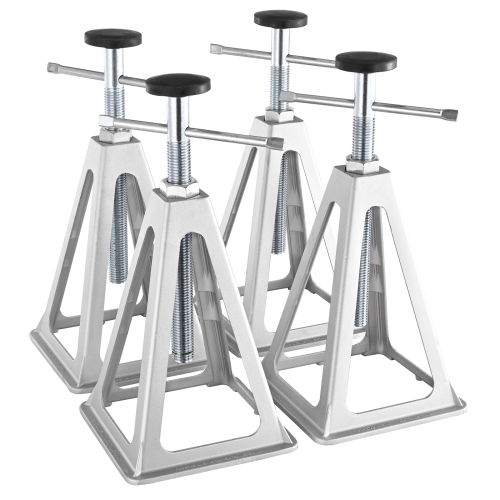
Care and storage contribute to a floor jack’s service life, particularly when garage floors collect moisture, road salt, and grit during the cooler months. Wiping down the frame, keeping the saddle clean, and clearing debris from wheels and pivots help preserve smooth movement and make damage easier to spot. Before use, inspect for fluid leaks, loose hardware, bent components, cracked welds, or a saddle that does not rise and hold as described by the manufacturer. A jack that drifts downward, operates erratically, or shows structural damage should be taken out of use until assessed and serviced appropriately. Hydraulic fluid requirements, lubrication points, bleeding procedures, and storage position differ between designs, so care should follow the supplied manual rather than a generic routine. Only the specified fluid belongs in the hydraulic system, and repairs should not alter the rated capacity or bypass safety features. A dry storage spot away from standing water helps protect metal surfaces, while keeping the handle and accessories together avoids searching for missing parts when a wheel change is due. Safe use also depends on the surrounding setup: secure the vehicle as directed in its manual, use appropriate wheel chocks, keep other people clear, and avoid placing any part of the body beneath an unsupported vehicle. With a suitable jack, approved support equipment, and enough working space, routine maintenance can feel more orderly and less physically awkward. Floor jacks can make thoughtful gifts for capable home mechanics or automotive enthusiasts, especially when the recipient’s vehicle, storage space, and existing support equipment are known. Their purpose should remain distinct from other garage and trailer supports. For a parked recreational vehicle that needs reduced movement during occupancy, Heavy Duty RV Stabilizer Jacks serve a different role; stabilizing equipment is not automatically suitable for lifting a vehicle or supporting repair work. Understanding that distinction keeps the focus on equipment designed and rated for the actual task, whether that means raising a passenger vehicle at an approved lifting point or steadying a parked trailer.
Top selling and popular products
-
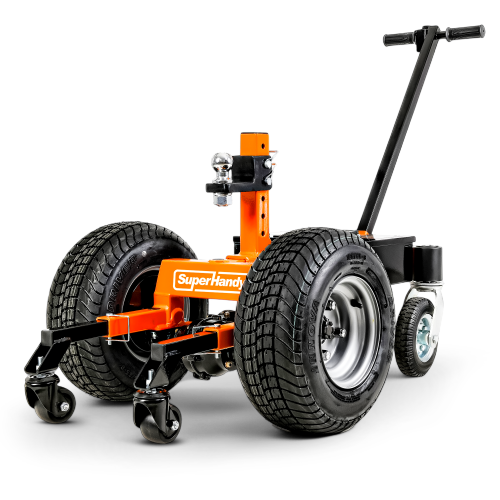 Your price for this item is $2299.99
 -
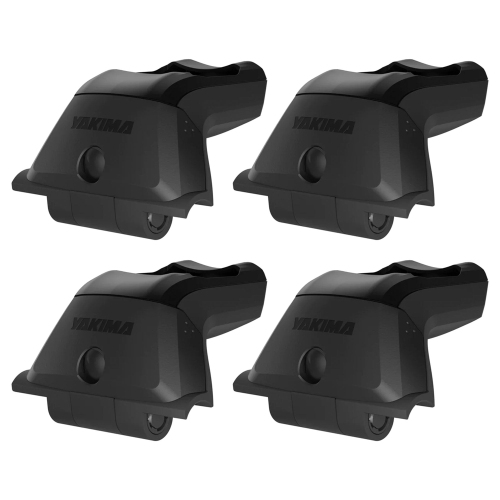 Your price for this item is $329.99
 -
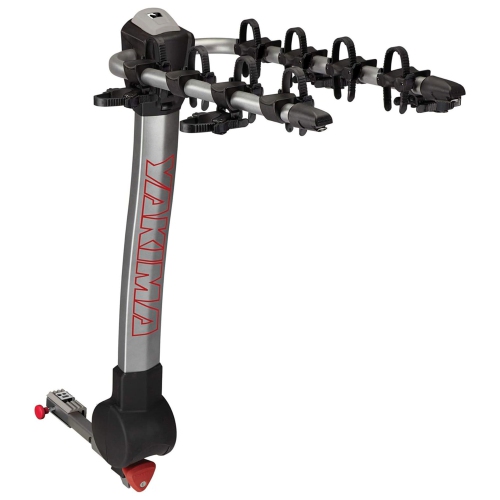 Your price for this item is $906.99
 -
 Your price for this item is $1325.99
 -
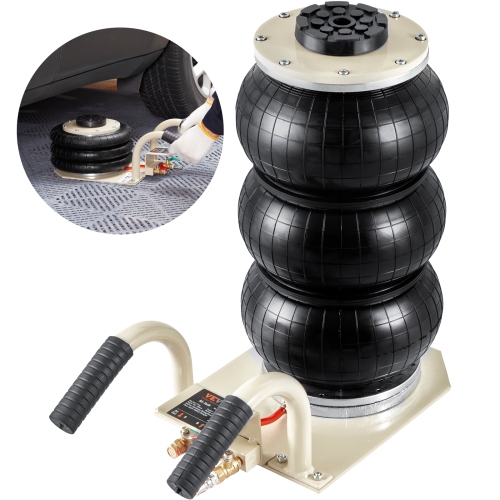 Your price for this item is $112.9
 -
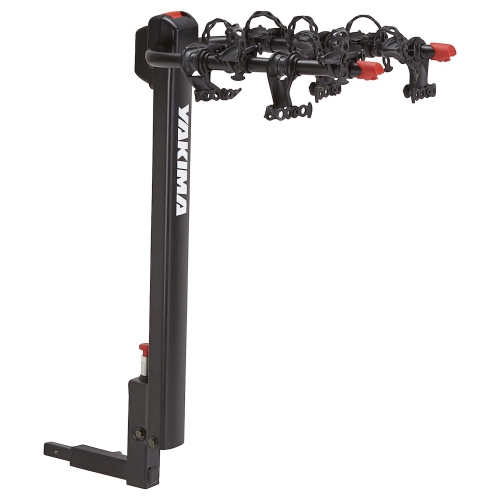 Your price for this item is $463.99
 -
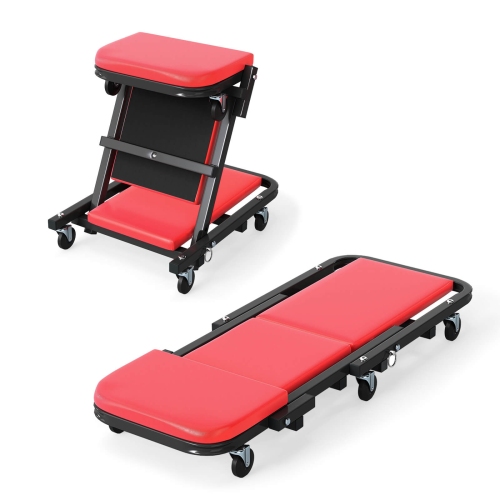 Your price for this item is $104.99
 -
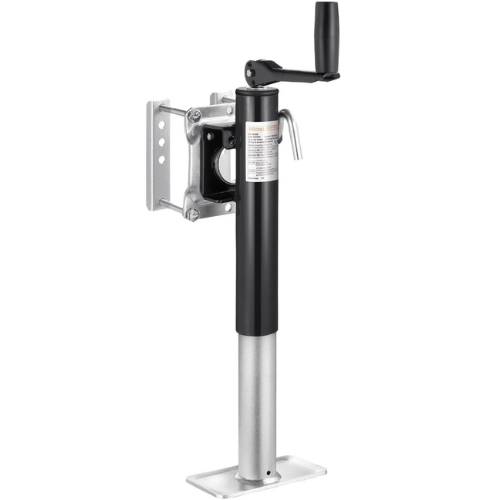 Your price for this item is $77.99
Discover more categories related to Floor Jacks
Top Collections:
Pokemon Centers, Kindle Devices, Best Budget Office Chairs, Apple iPhones 16, Best Laptops for Writers, iPhone 15 Apple, Canon G7X Cameras, Refurbished Apple Laptops, Alarm Clock, Motorola Razr Phones
Some products may be subject to Environmental Handling Fees
(EHF) depending on your province.
Learn more about EHFs.