LED Tail Lights
Upgrade your vehicle's style and safety with our selection of LED tail lights. Illuminate the road ahead with bright, energy-efficient LEDs that provide enhanced visibility for drivers behind you. Whether you're looking to add a modern touch to your car or simply improve its functionality, our LED tail lights are designed to meet your needs. Explore our range of options to find the perfect fit for your vehicle and make a statement on the road.
Sort
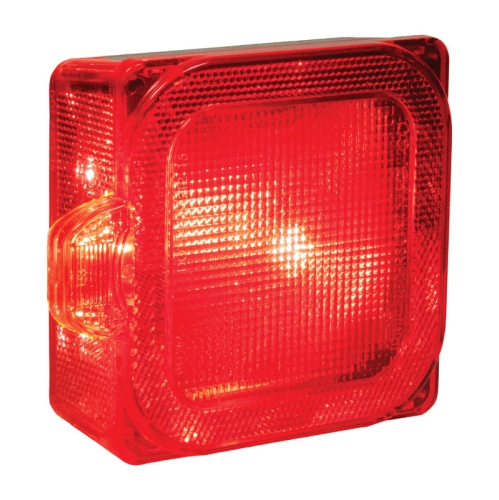
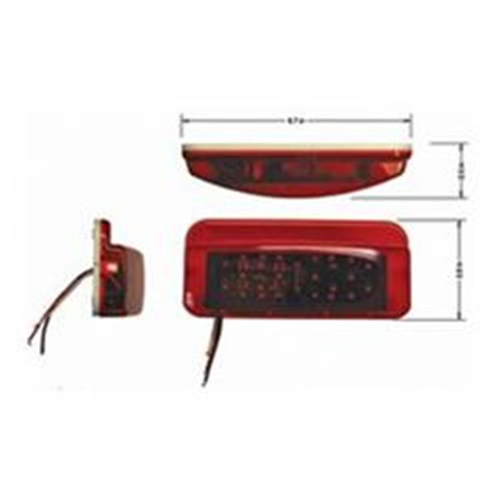
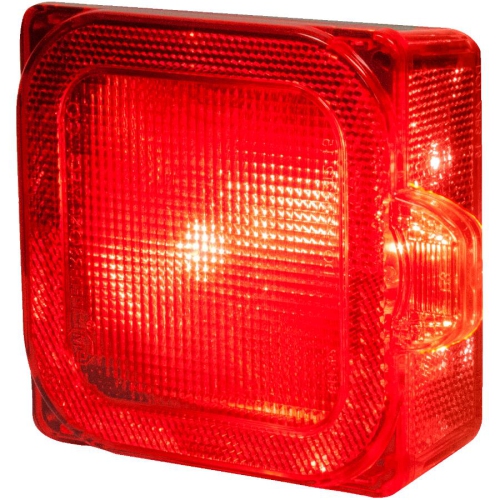

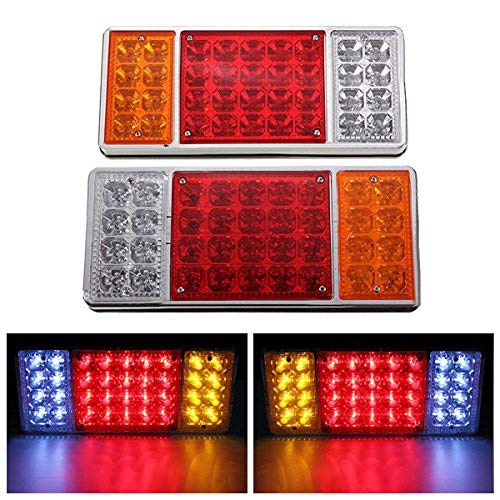
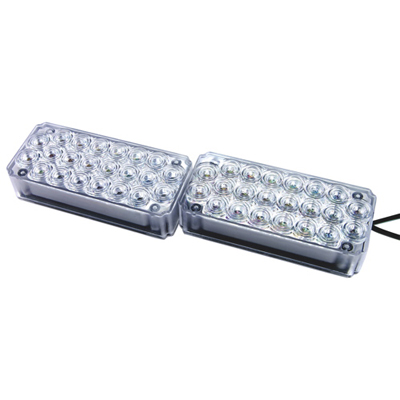
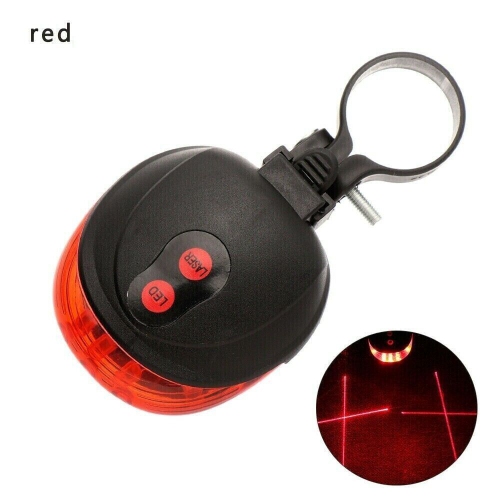
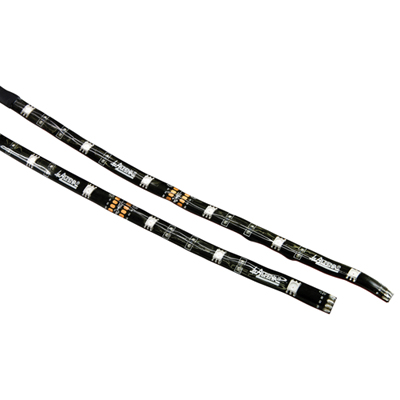
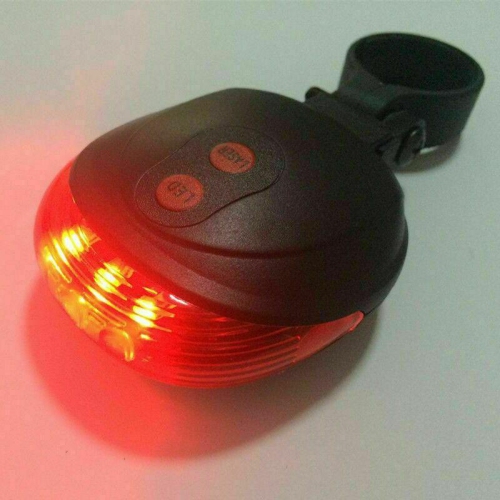
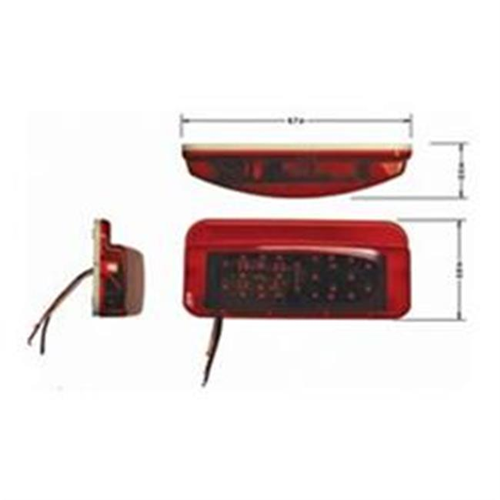
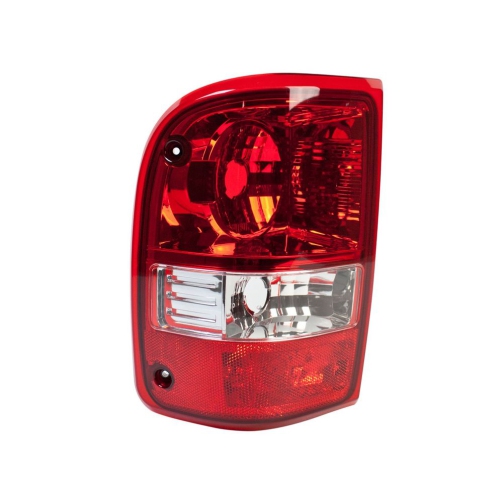
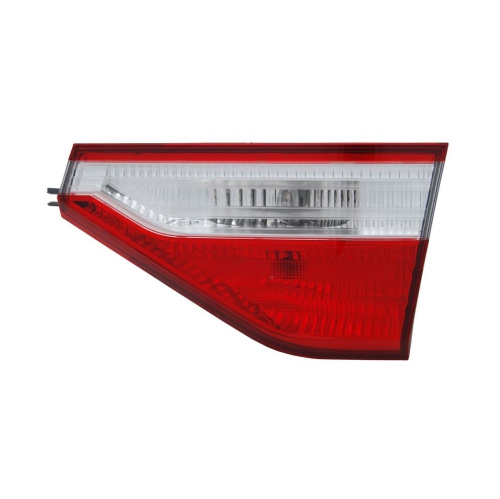
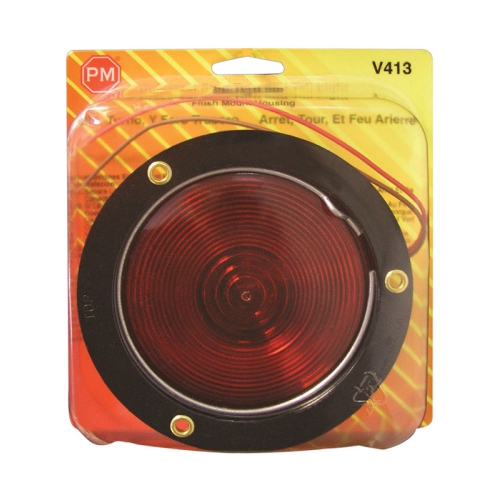
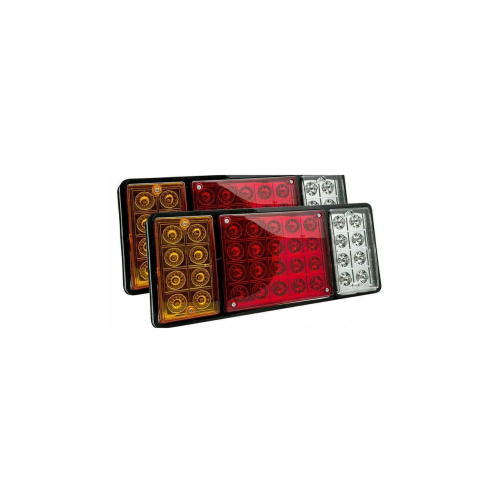
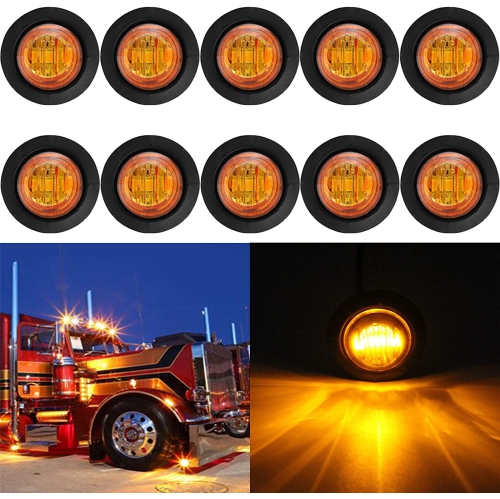
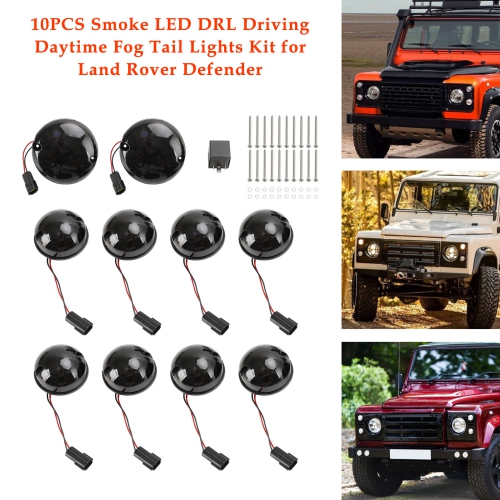
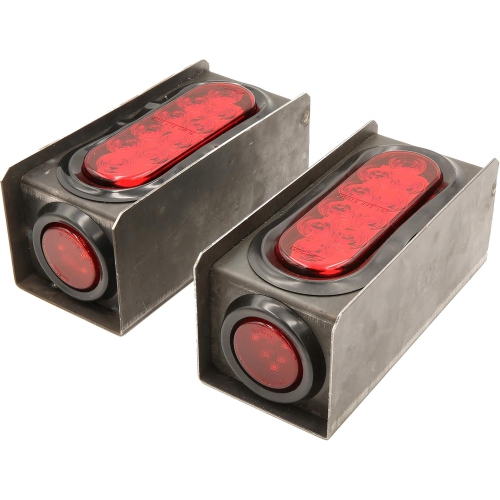

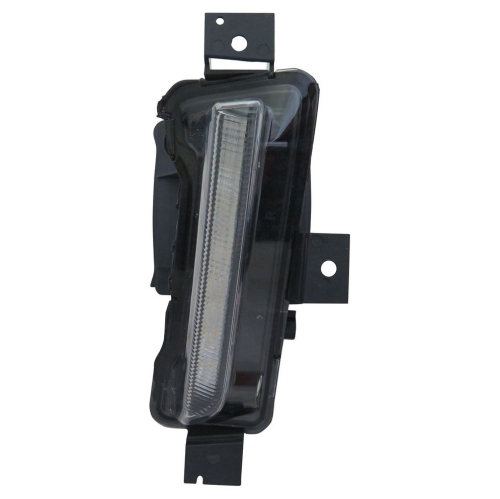

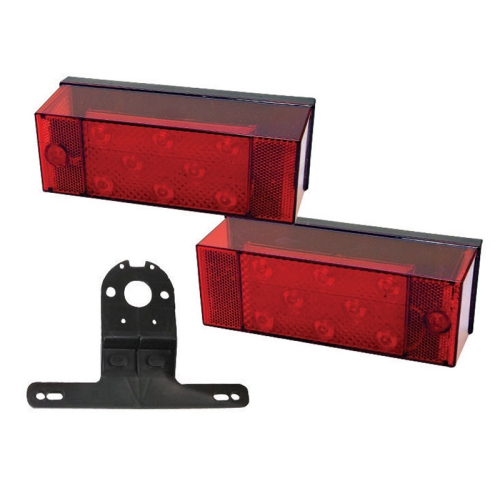
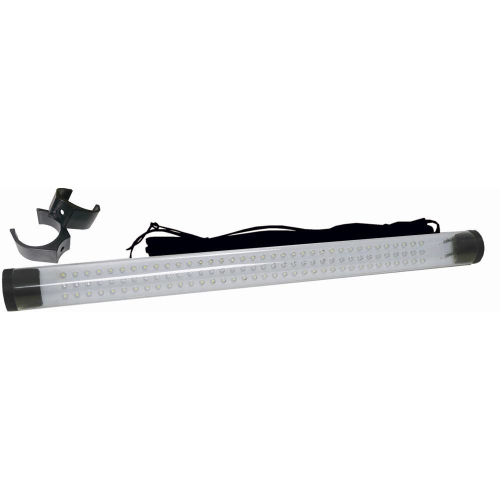
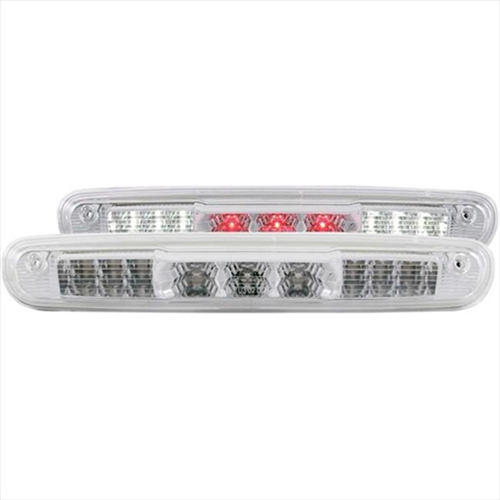
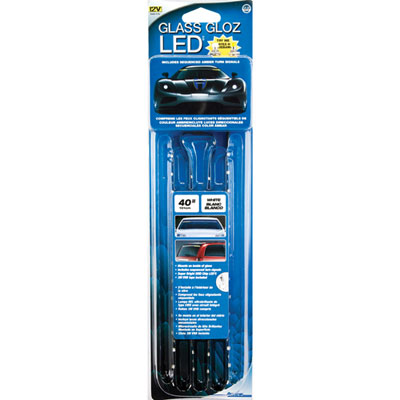
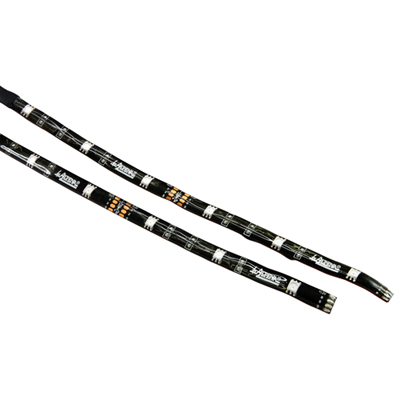
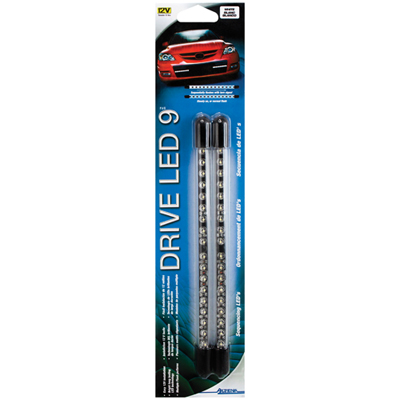
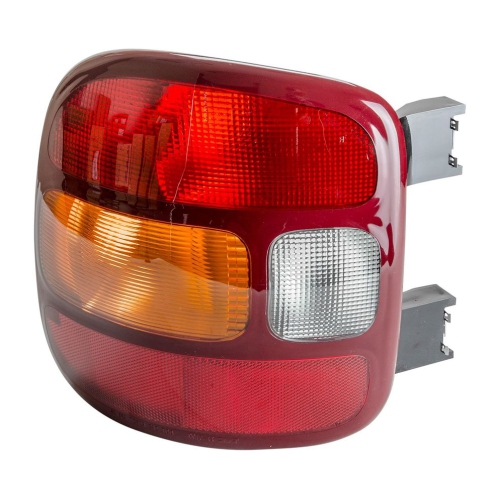
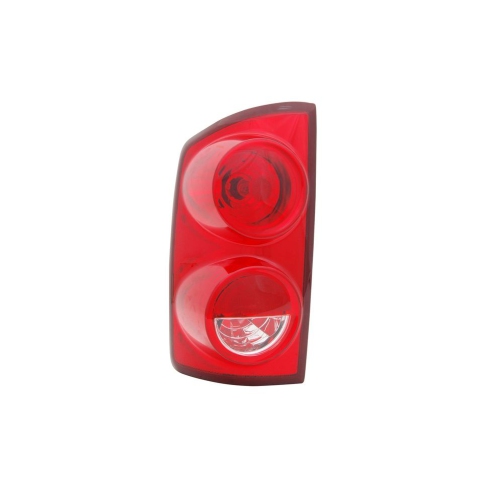
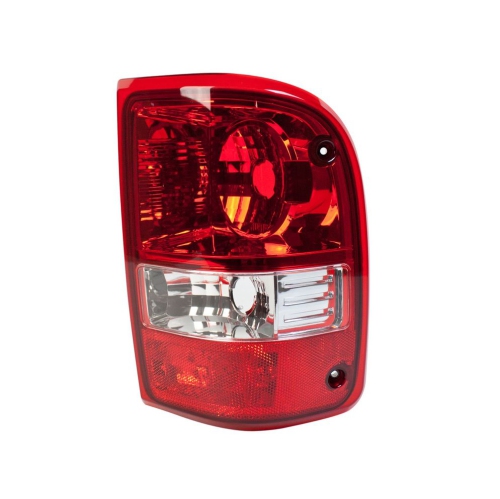
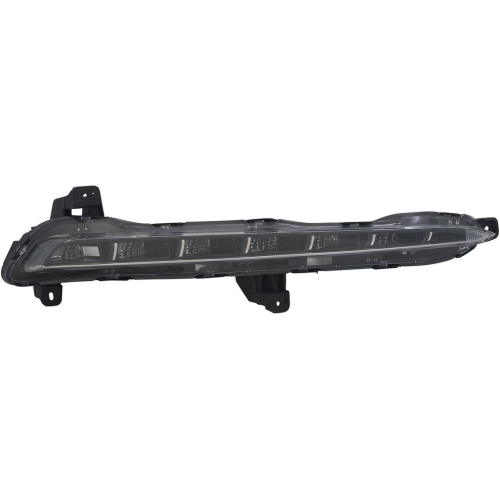
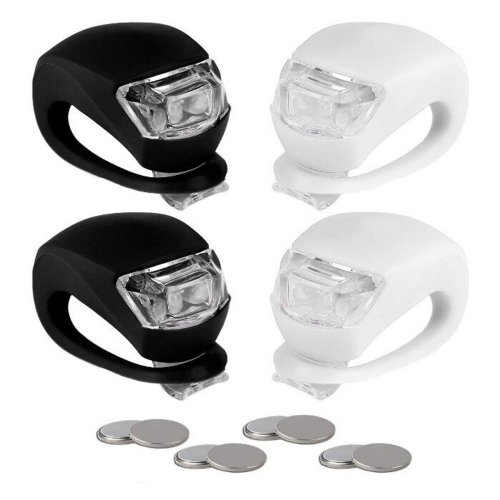
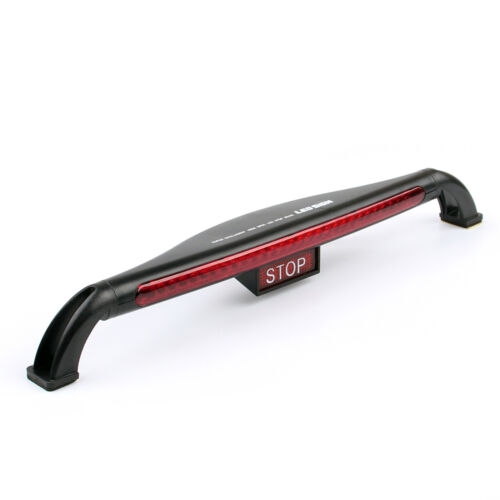
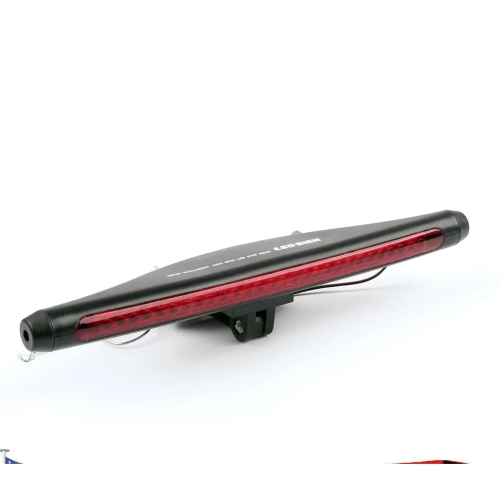
From bulb swaps to complete assemblies, what matters
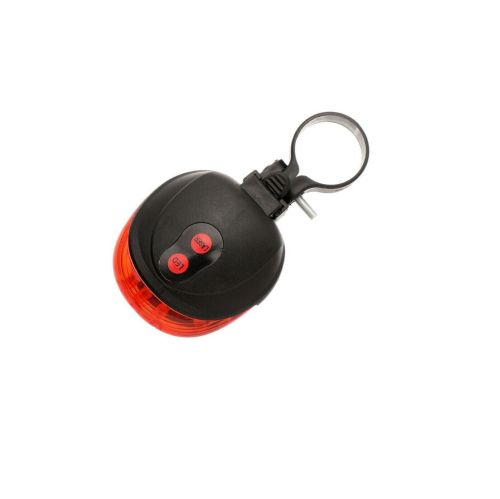
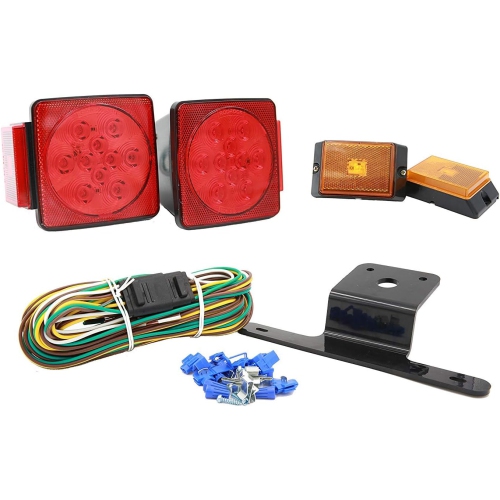
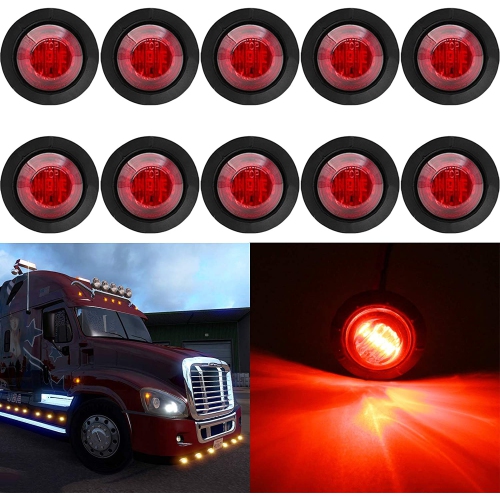
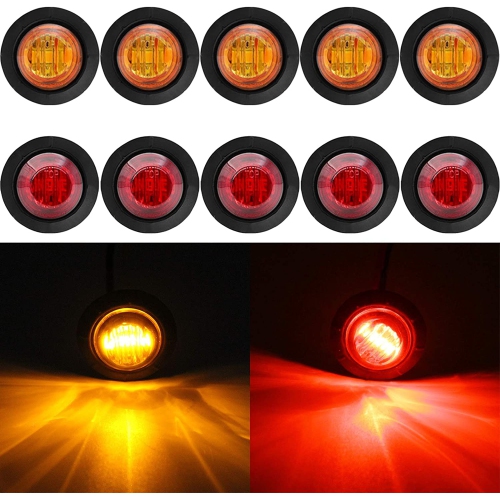
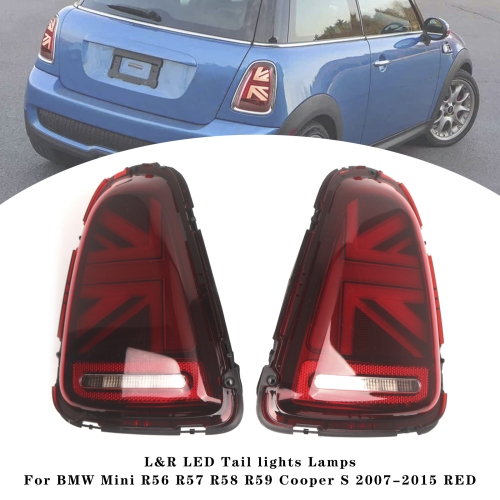
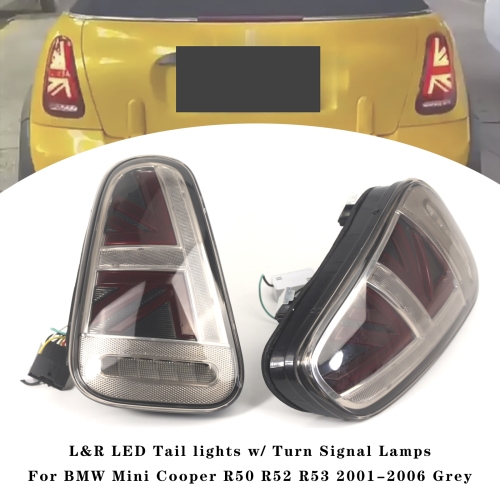
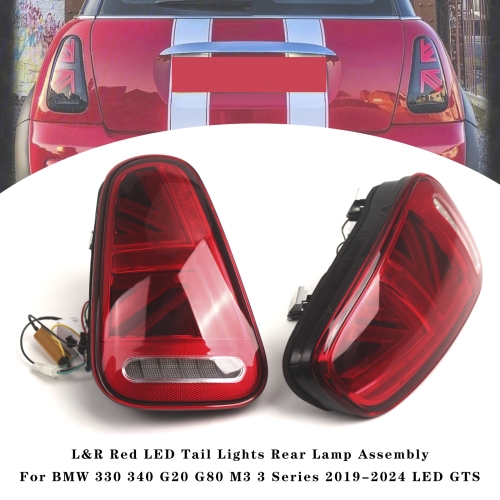
LED tail lights are a practical way to refresh the rear lighting on a car, truck, SUV, van, trailer, or other road-going vehicle while creating a crisp, modern appearance. Compared with traditional incandescent bulbs, LEDs reach full brightness very quickly, which can help make braking, turning, and hazard signals more noticeable to drivers behind you. That fraction-of-a-second difference matters in busy traffic, during sudden stops, and when visibility is reduced by rain, spray, fog, or blowing snow. LED technology can also provide consistent illumination, a long operating life, and efficient electrical performance when the parts are properly matched to the vehicle. Some lights use a clear lens with red, amber, or white LED elements, while others combine several functions in a single housing. Depending on the design, features may include bright running lights, brake lights, reverse lights, turn signals, side markers, smoked or tinted styling, and sequential indicators that illuminate in a sweeping pattern. The right choice depends on more than appearance: vehicle compatibility, socket type, wiring, mounting points, lens colour, light output, and road-use requirements all deserve attention. For drivers who spend time on rural roads, busy highways, construction routes, or poorly lit streets, dependable rear lighting can make the vehicle easier to identify from a distance. It can also be a thoughtful gift for someone who takes pride in maintaining a personal vehicle, enjoys automotive upgrades, owns a work truck, or regularly tows a trailer. A well-chosen lighting upgrade adds a visible finishing touch without changing the way the vehicle is driven, making it suitable for a birthday, a new-vehicle milestone, or a seasonal maintenance project.
There are two common ways to upgrade to LED tail lights: replacing the bulbs inside the original housings or installing complete LED assemblies. LED bulb replacements are often a straightforward option when the factory housings are in good condition and the goal is to improve the light source without changing the exterior styling. Before ordering, match the bulb number or socket type carefully, and confirm whether the bulb is intended for a brake light, turn signal, reverse light, or combined function. A bulb that fits physically may still be unsuitable for the vehicle’s electrical system or reflector design. Some vehicles monitor bulb current and may produce hyper-flashing, warning messages, or other signal issues after an incandescent bulb is replaced with an LED. In those cases, a compatible load resistor, decoder, or vehicle-specific adapter may be needed, and installation should follow the manufacturer’s instructions. Resistors can become hot, so they must be mounted securely on an appropriate heat-resistant surface away from wiring and trim. Complete LED tail light assemblies replace the factory housing and may offer integrated optics, updated styling, plug-and-play connectors, sequential turn signals, or a more uniform appearance. They are a better fit when an original lens is cracked, cloudy, faded, or damaged, or when a driver wants a more substantial visual upgrade. Confirm the year, make, model, body style, trim, cab configuration, and whether the vehicle has factory features such as blind-spot sensors or a built-in wiring harness. Even vehicles from the same model year can use different housings or connectors, so checking the fitment details and comparing the original light before installation can prevent delays. A secure seal around the housing is especially important during the cooler months, when rain, road spray, ice, and melting snow can find their way into an improperly fitted lamp.
Installation difficulty varies by vehicle and by the type of LED tail light selected. Some direct-fit bulbs can be installed by accessing the rear of the lamp, while a full assembly may require removing interior panels, fasteners, clips, or the original housing. Work on a dry, level surface with the vehicle turned off, and avoid forcing connectors or trimming wiring unless the instructions specifically call for it. After installation, test the running lights, brake lights, turn signals, hazard lights, reverse lights, and licence plate illumination, then check both sides from several angles. Ask another person to operate the controls while you stand behind the vehicle, or use a reflective surface to confirm that every function operates as intended. Look for moisture inside the lens, uneven brightness, loose mounting, warning indicators on the dashboard, or a turn signal that flashes unusually quickly. For road use in Canada, review the applicable requirements for your province or territory and look for appropriate compliance information, such as DOT or SAE markings where relevant to the product and vehicle. Decorative lighting may not be permitted in every colour or location, particularly when it could be confused with emergency signals or obscure required lamps. Keeping the lens clean is also important: road salt, mud, dust, and winter grime can dull the output even when the LEDs themselves are working properly. Drivers who already use extra forward-facing illumination may also want to explore LED Driving Lights for a broader vehicle-lighting setup, while keeping each light positioned and aimed according to its intended purpose. With careful fitment checks, correct wiring, and regular inspection, LED tail lights can provide a clear, dependable rear-lighting solution for everyday commuting, towing, work vehicles, and weekend drives.
There are two common ways to upgrade to LED tail lights: replacing the bulbs inside the original housings or installing complete LED assemblies. LED bulb replacements are often a straightforward option when the factory housings are in good condition and the goal is to improve the light source without changing the exterior styling. Before ordering, match the bulb number or socket type carefully, and confirm whether the bulb is intended for a brake light, turn signal, reverse light, or combined function. A bulb that fits physically may still be unsuitable for the vehicle’s electrical system or reflector design. Some vehicles monitor bulb current and may produce hyper-flashing, warning messages, or other signal issues after an incandescent bulb is replaced with an LED. In those cases, a compatible load resistor, decoder, or vehicle-specific adapter may be needed, and installation should follow the manufacturer’s instructions. Resistors can become hot, so they must be mounted securely on an appropriate heat-resistant surface away from wiring and trim. Complete LED tail light assemblies replace the factory housing and may offer integrated optics, updated styling, plug-and-play connectors, sequential turn signals, or a more uniform appearance. They are a better fit when an original lens is cracked, cloudy, faded, or damaged, or when a driver wants a more substantial visual upgrade. Confirm the year, make, model, body style, trim, cab configuration, and whether the vehicle has factory features such as blind-spot sensors or a built-in wiring harness. Even vehicles from the same model year can use different housings or connectors, so checking the fitment details and comparing the original light before installation can prevent delays. A secure seal around the housing is especially important during the cooler months, when rain, road spray, ice, and melting snow can find their way into an improperly fitted lamp.
Installation difficulty varies by vehicle and by the type of LED tail light selected. Some direct-fit bulbs can be installed by accessing the rear of the lamp, while a full assembly may require removing interior panels, fasteners, clips, or the original housing. Work on a dry, level surface with the vehicle turned off, and avoid forcing connectors or trimming wiring unless the instructions specifically call for it. After installation, test the running lights, brake lights, turn signals, hazard lights, reverse lights, and licence plate illumination, then check both sides from several angles. Ask another person to operate the controls while you stand behind the vehicle, or use a reflective surface to confirm that every function operates as intended. Look for moisture inside the lens, uneven brightness, loose mounting, warning indicators on the dashboard, or a turn signal that flashes unusually quickly. For road use in Canada, review the applicable requirements for your province or territory and look for appropriate compliance information, such as DOT or SAE markings where relevant to the product and vehicle. Decorative lighting may not be permitted in every colour or location, particularly when it could be confused with emergency signals or obscure required lamps. Keeping the lens clean is also important: road salt, mud, dust, and winter grime can dull the output even when the LEDs themselves are working properly. Drivers who already use extra forward-facing illumination may also want to explore LED Driving Lights for a broader vehicle-lighting setup, while keeping each light positioned and aimed according to its intended purpose. With careful fitment checks, correct wiring, and regular inspection, LED tail lights can provide a clear, dependable rear-lighting solution for everyday commuting, towing, work vehicles, and weekend drives.
Top selling and popular products
-
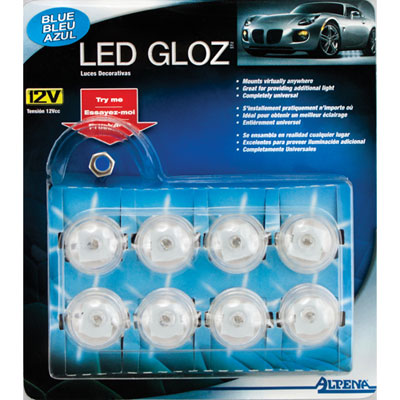 Your price for this item is $16.99
 -
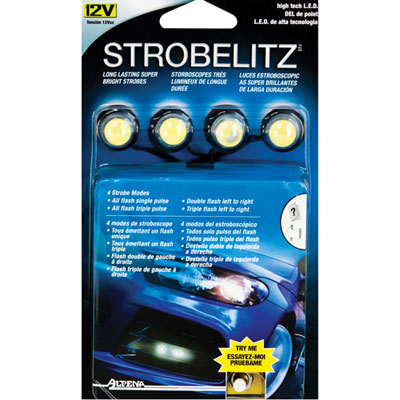 Your price for this item is $31.99
 -
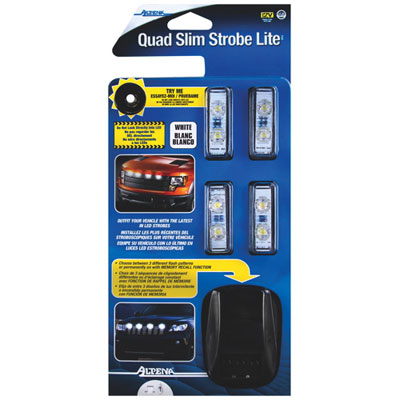 Your price for this item is $48.99
 -
 Your price for this item is $36.99
 -
 Your price for this item is $36.96
 -
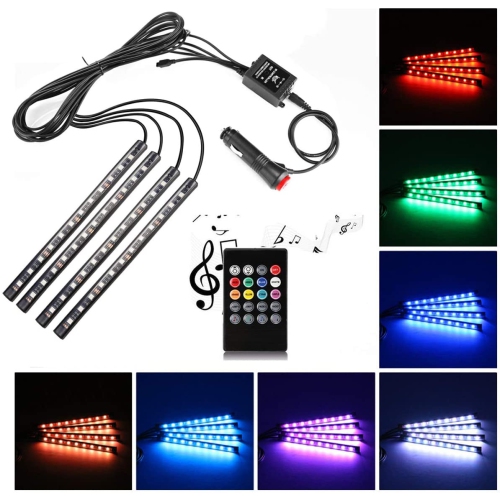 Your price for this item is $29.99
 -
 Your price for this item is $52.96
 -
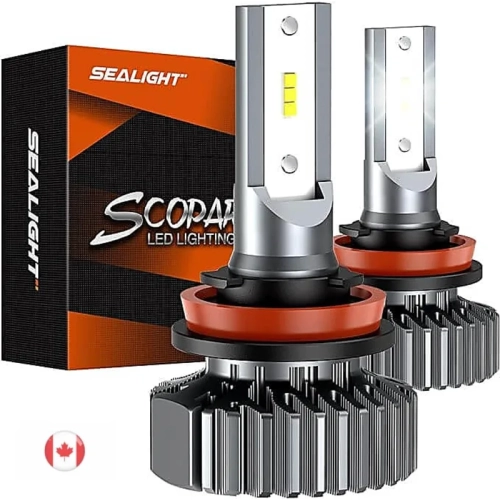 Your price for this item is $59.99
Discover more categories related to LED Tail Lights
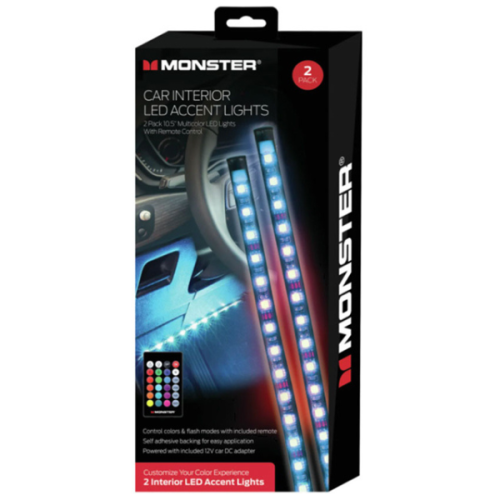
Top Collections:
Pokemon Centers, Kindle Devices, Best Budget Office Chairs, Apple iPhones 16, Best Laptops for Writers, iPhone 15 Apple, Canon G7X Cameras, Refurbished Apple Laptops, Alarm Clock, Motorola Razr Phones
Some products may be subject to Environmental Handling Fees
(EHF) depending on your province.
Learn more about EHFs.