Rear Disc Brakes
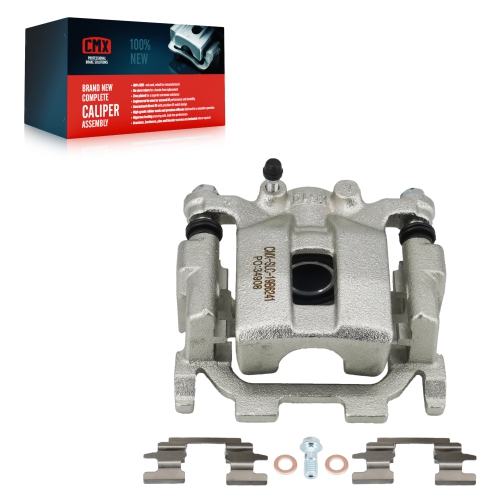
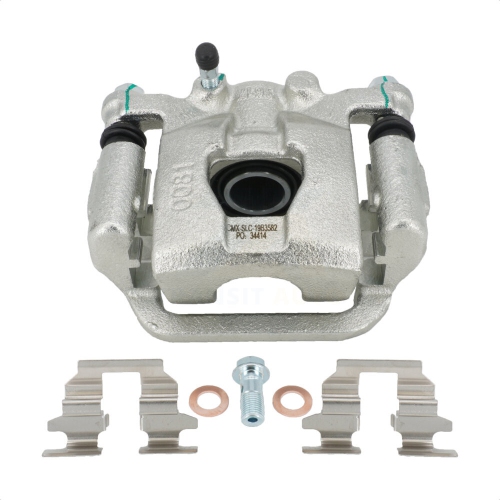
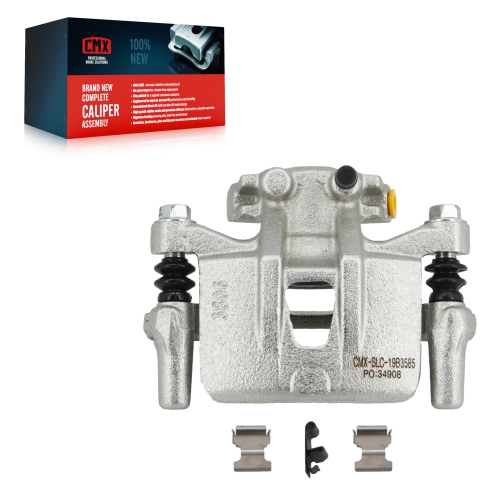
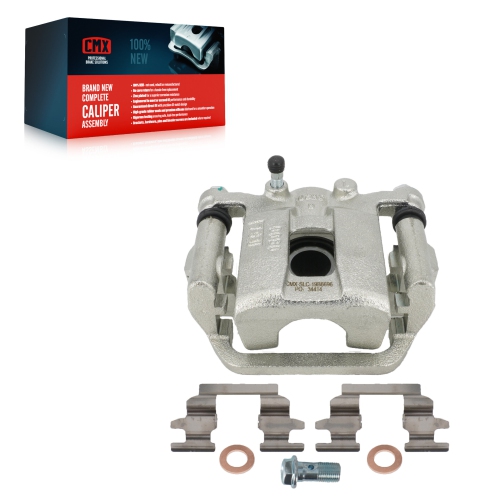
Upgrade your vehicle's braking performance with this selection of rear disc brakes. Designed to provide superior stopping power and improved heat dissipation, rear disc brakes are a vital component for any car enthusiast looking to enhance their driving experience. Say goodbye to brake fade and hello to responsive, reliable braking power with this range of rear disc brakes.
Sort
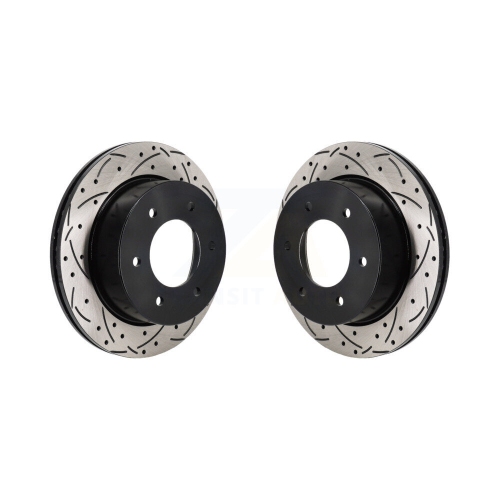
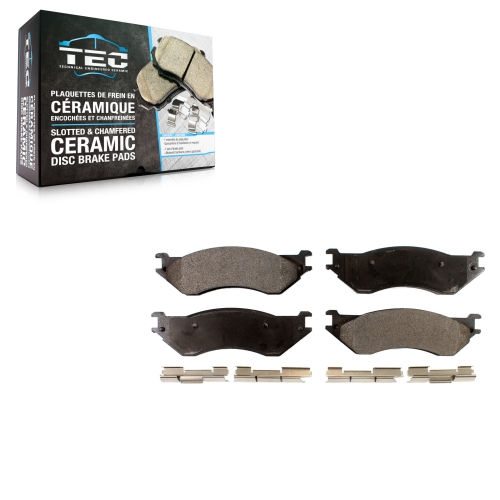
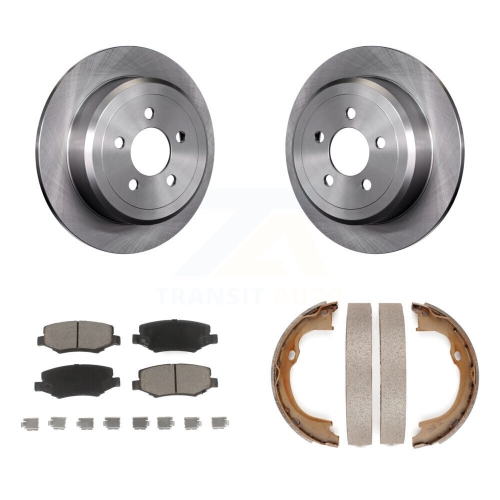
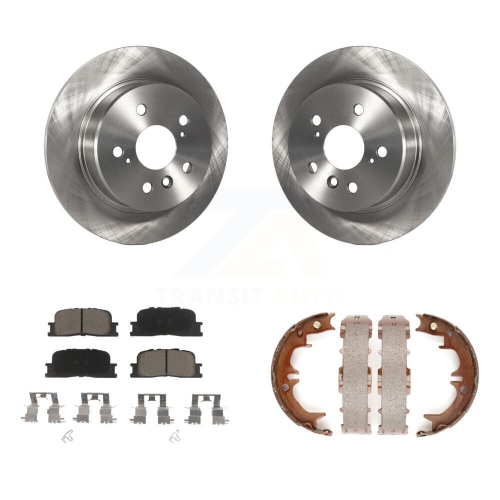
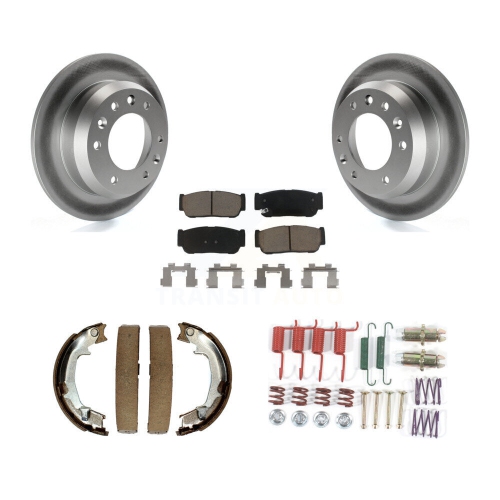
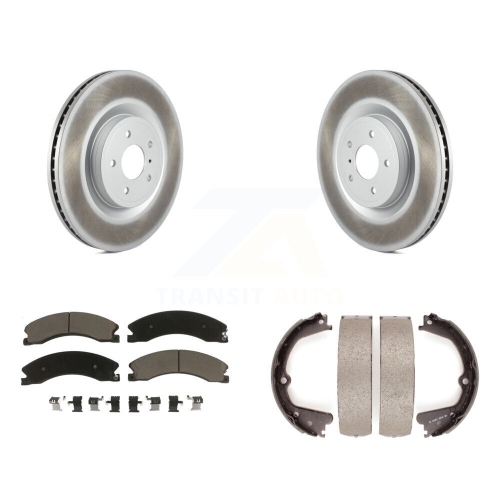
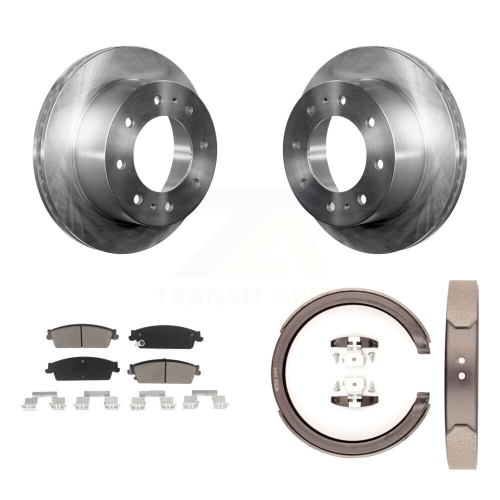
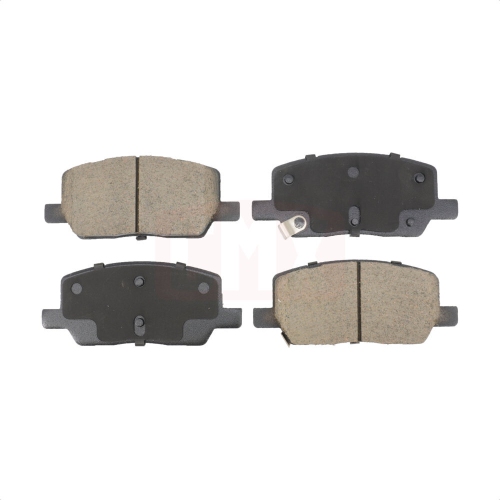
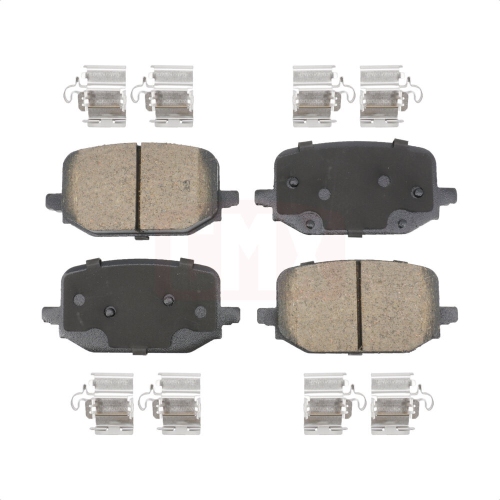
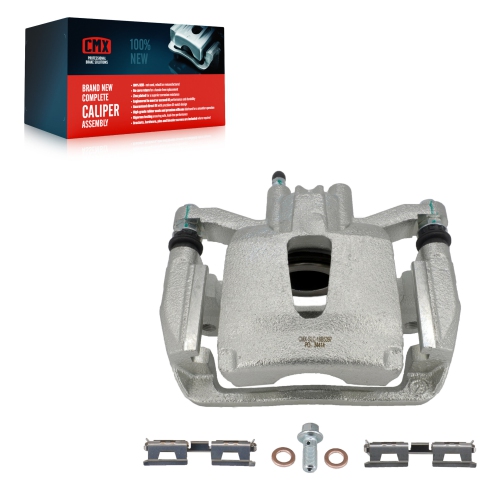
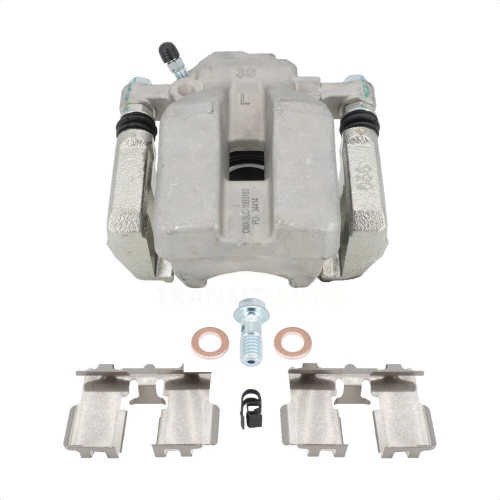
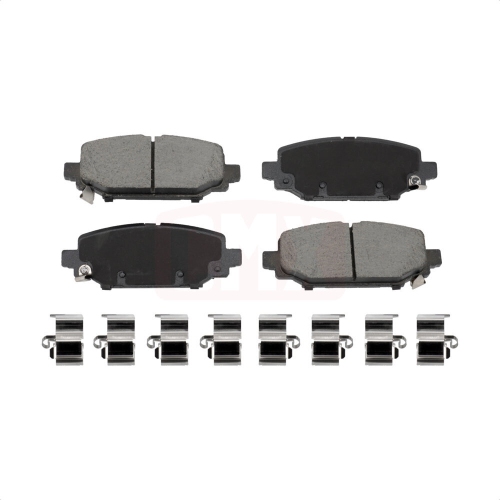
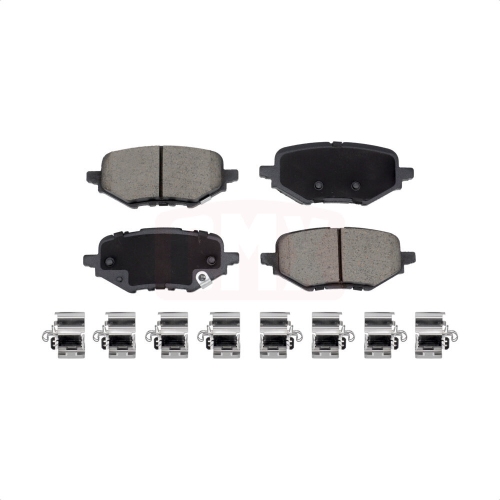
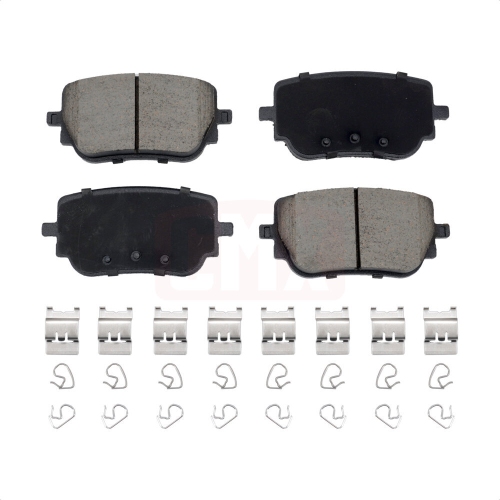
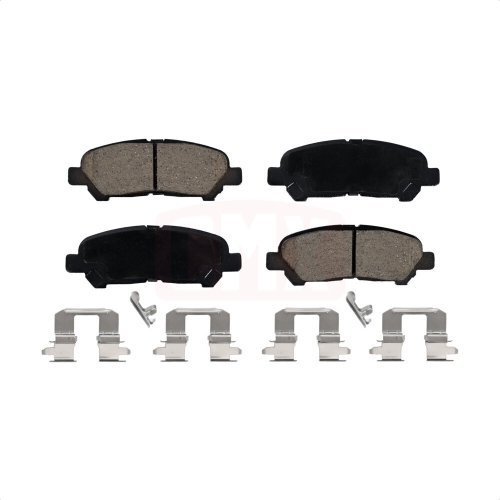
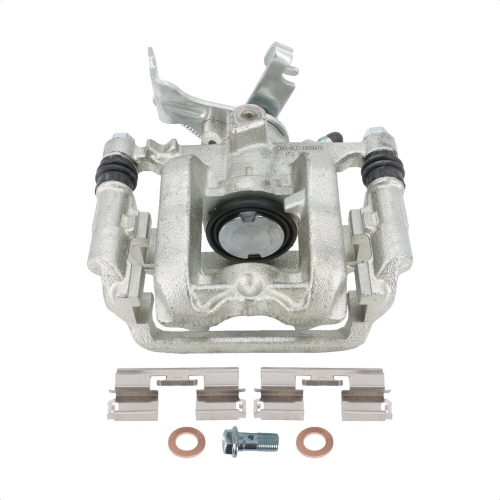
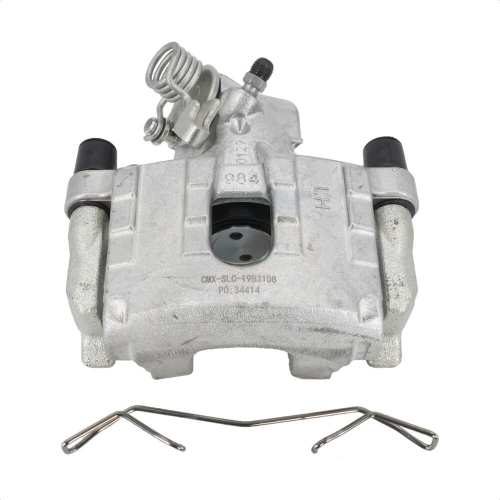
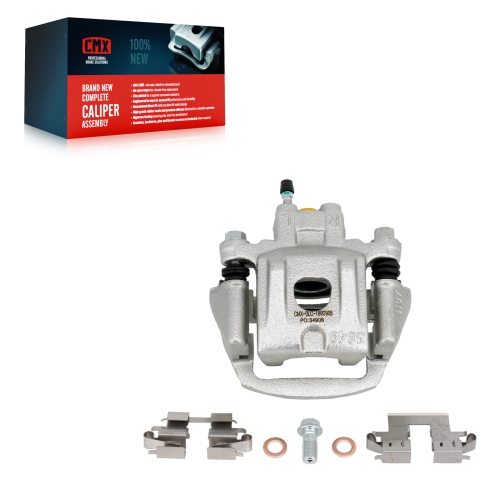
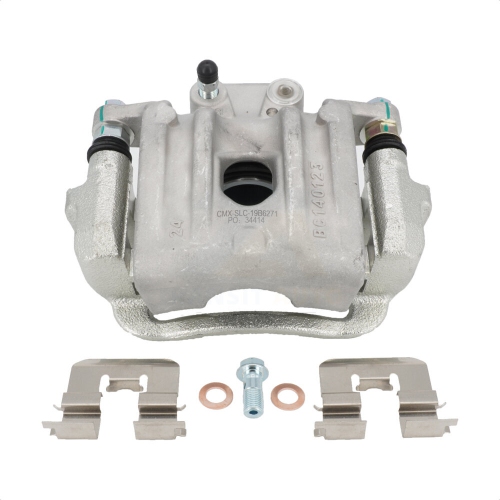
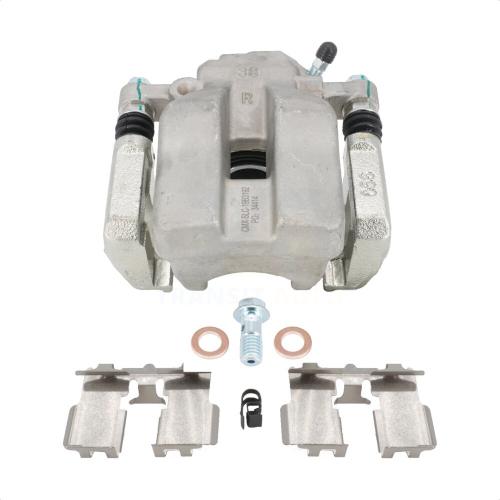
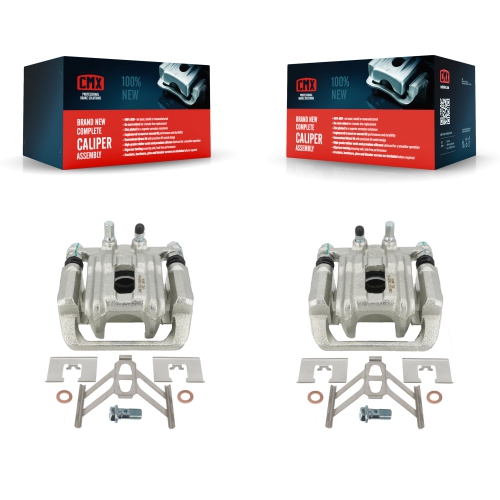
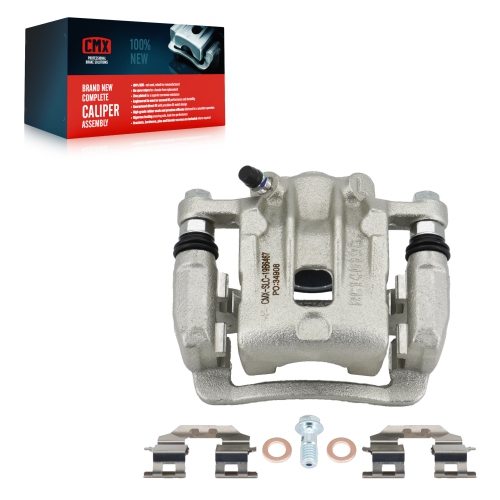
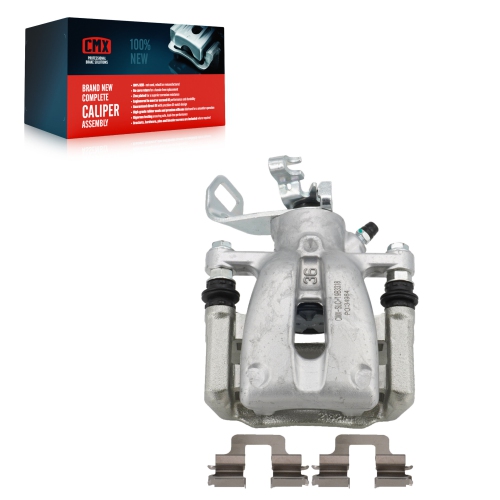
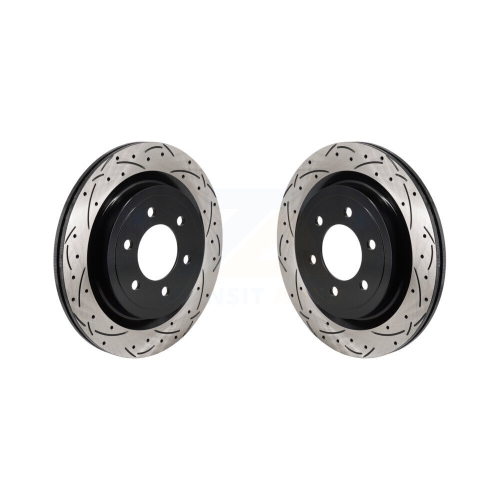
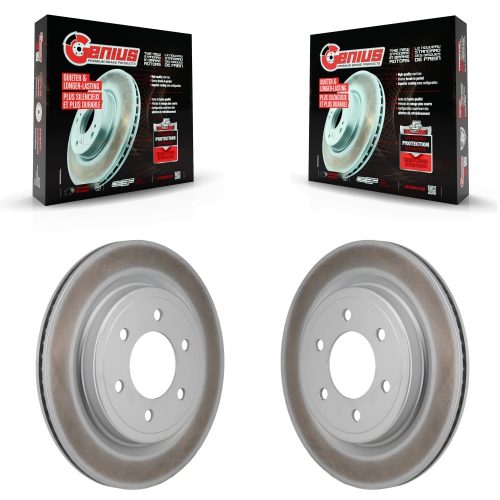
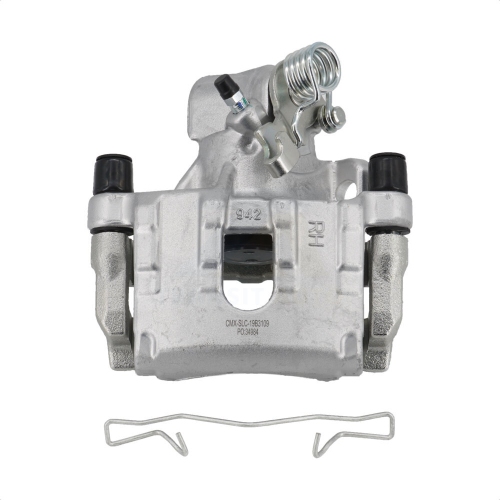
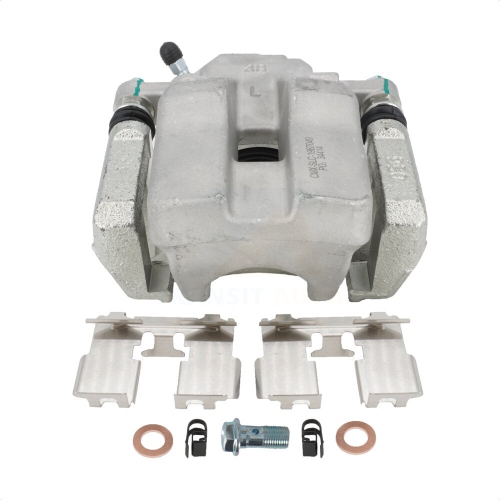
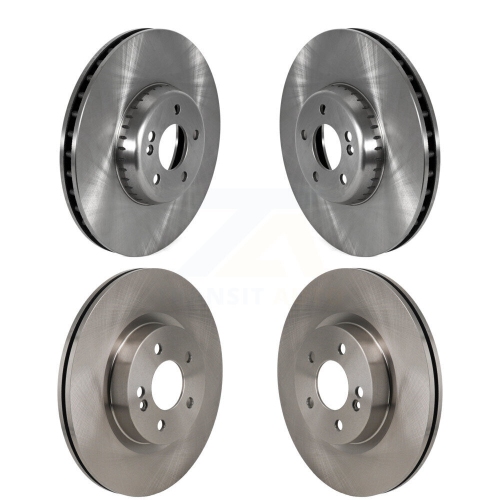
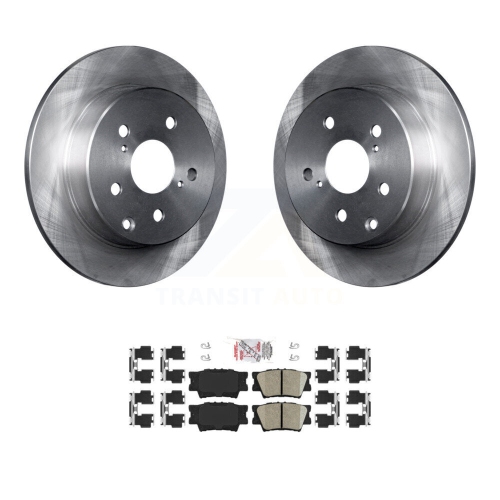
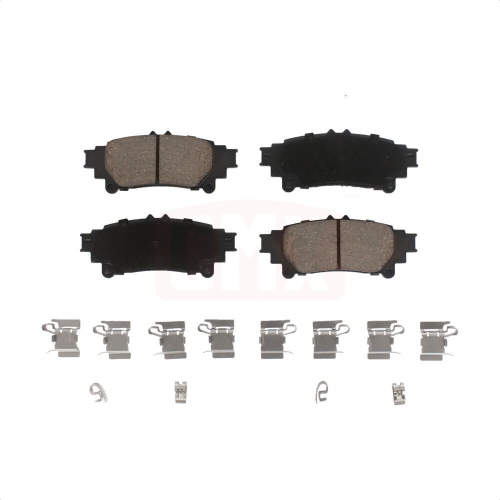
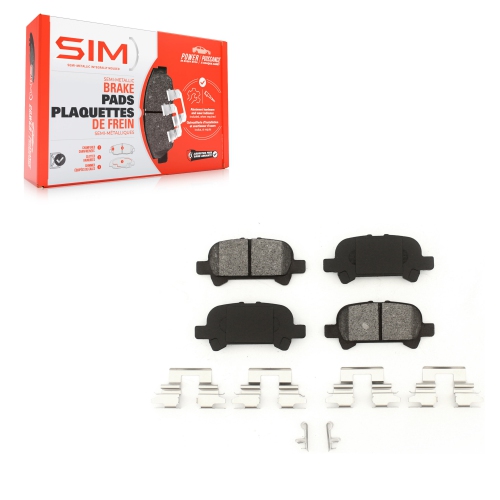
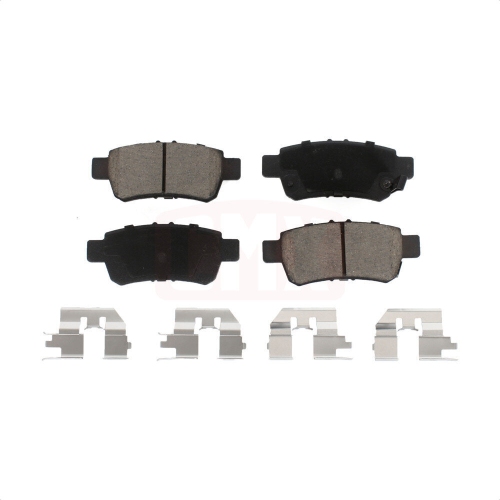
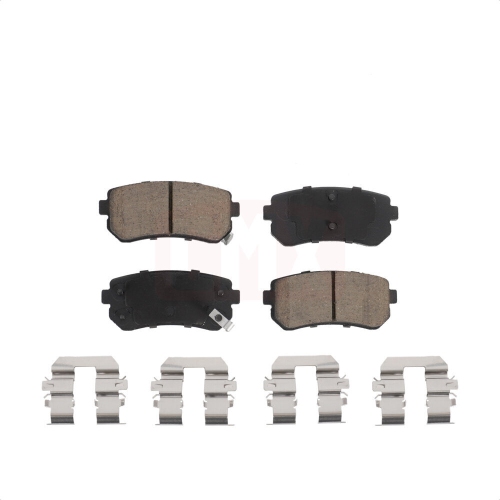
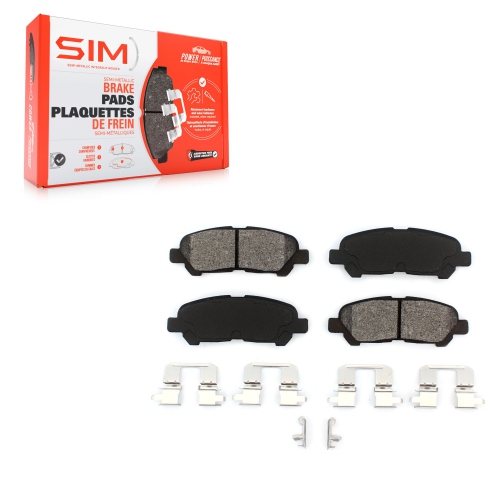
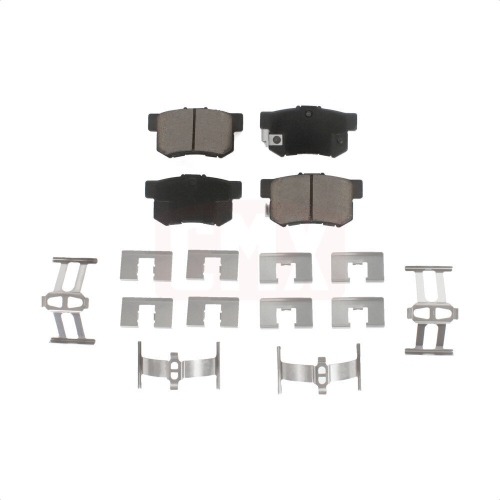
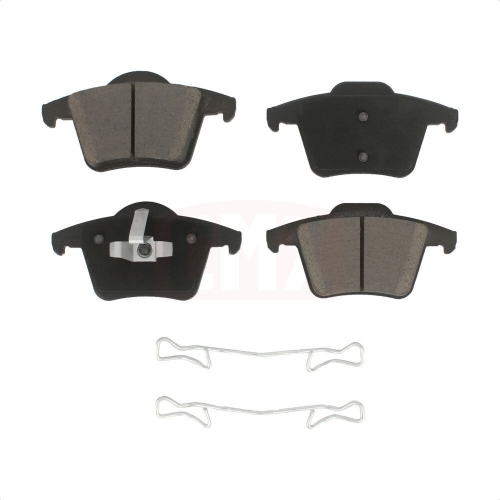
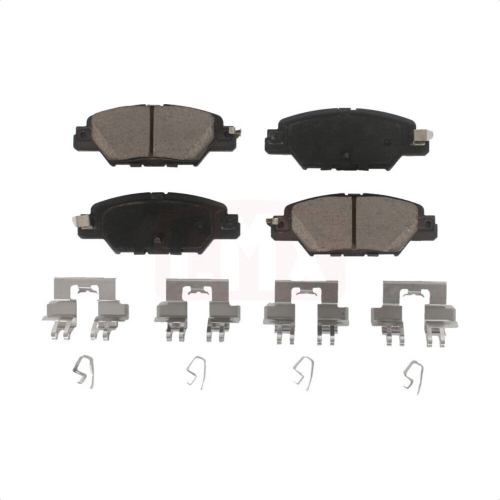
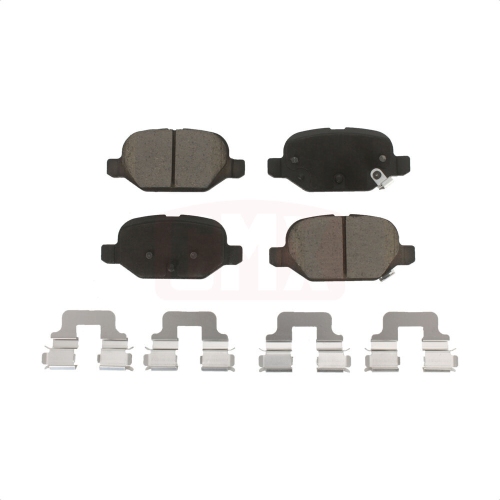
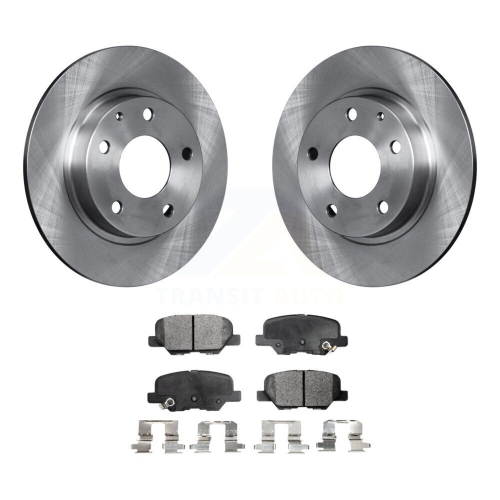
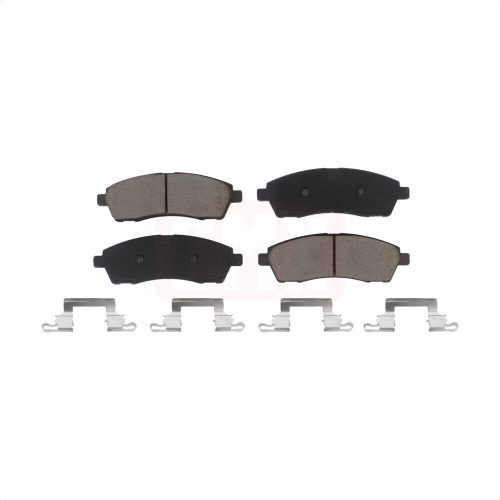
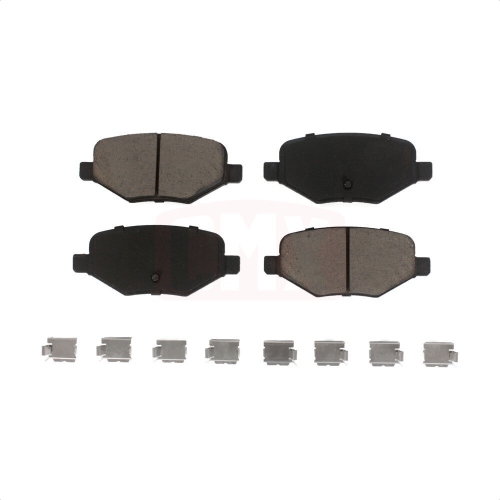

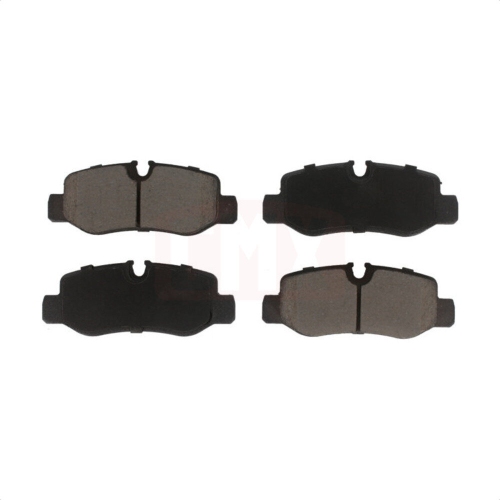
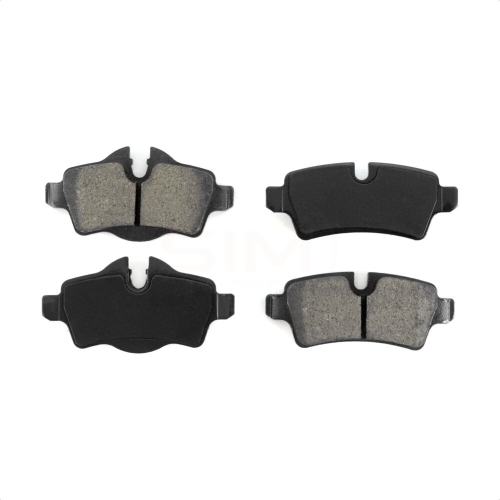
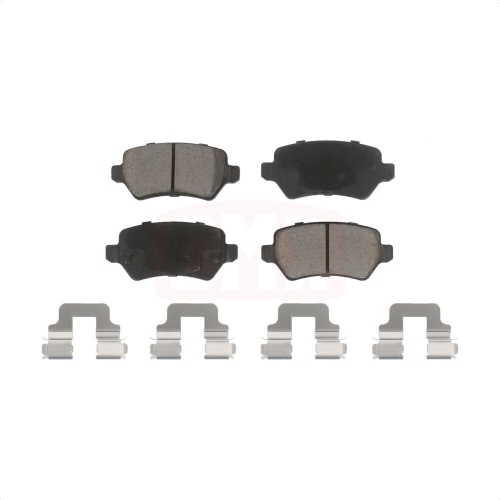
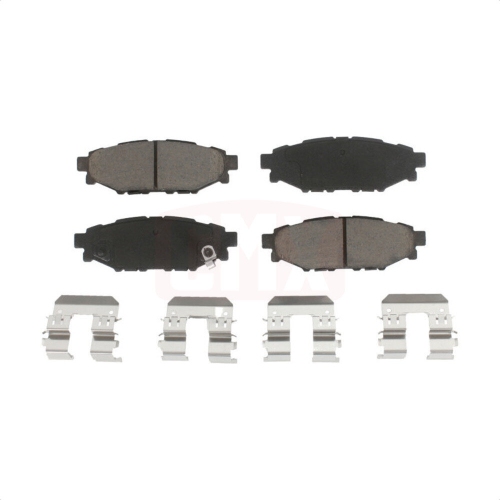
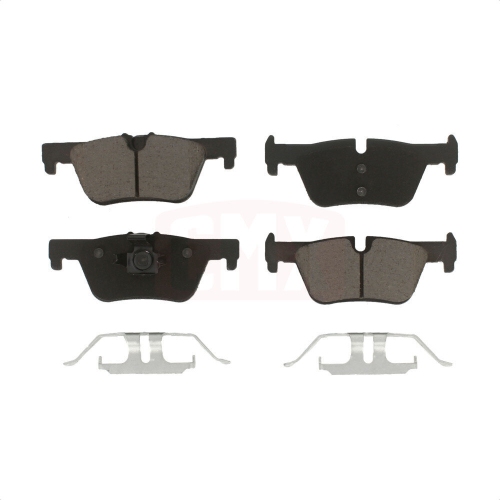
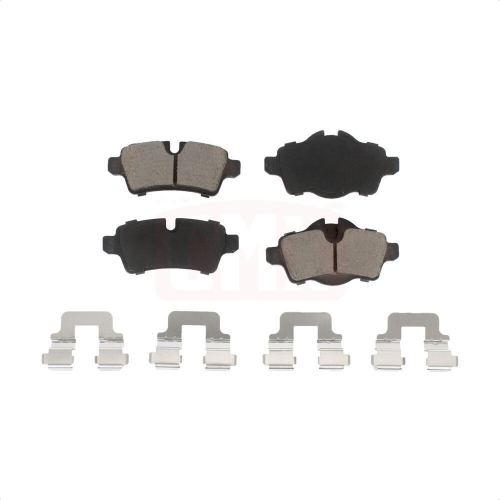
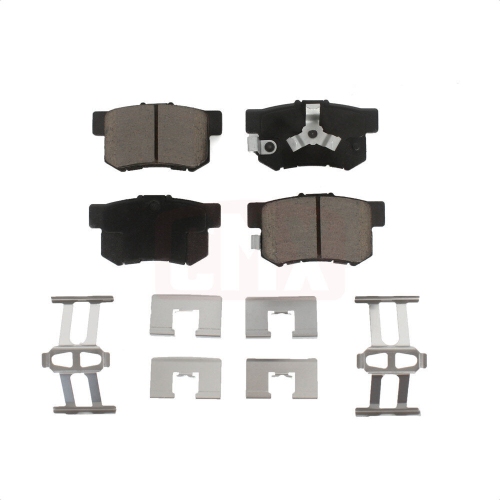
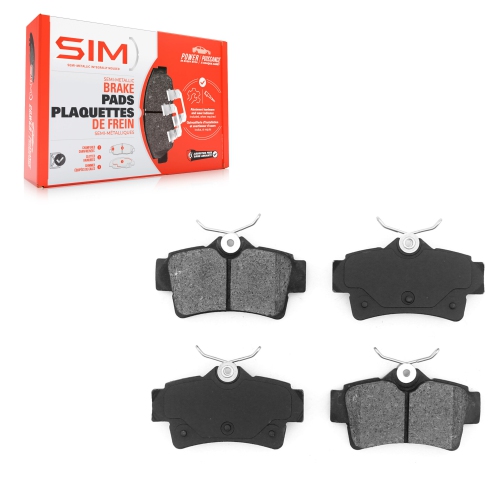
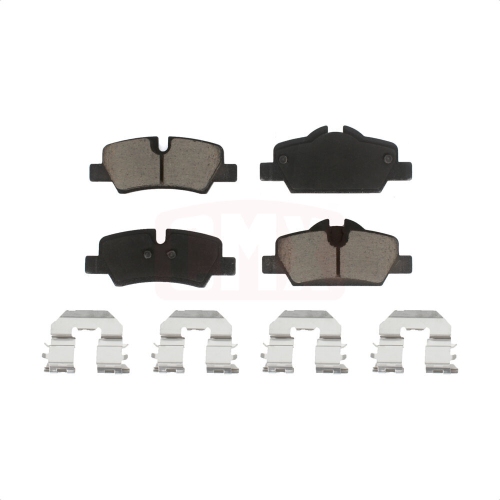
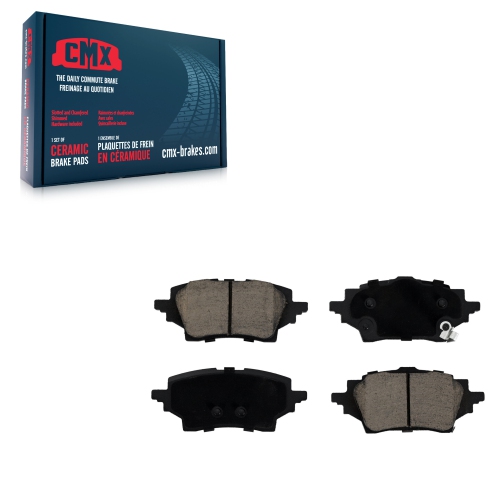
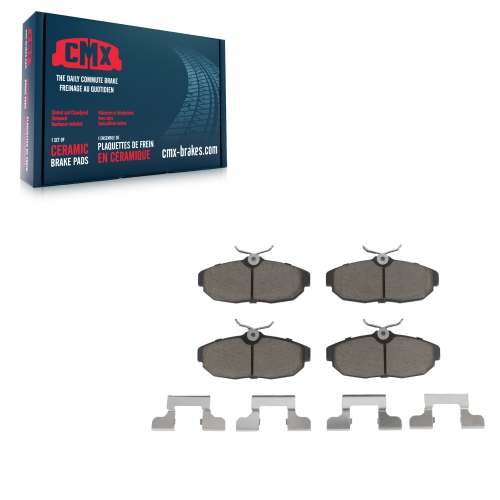
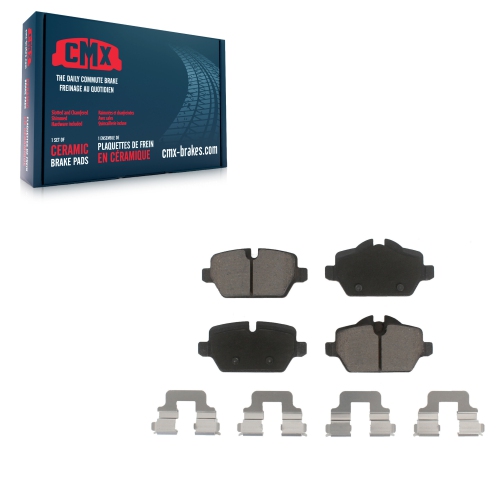
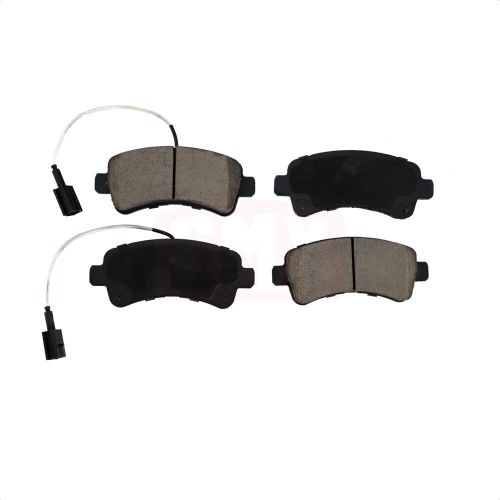
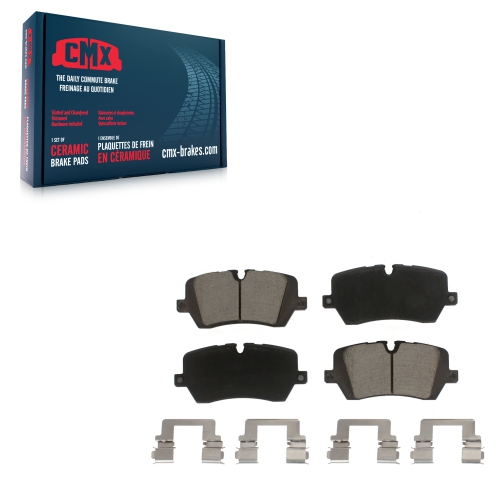
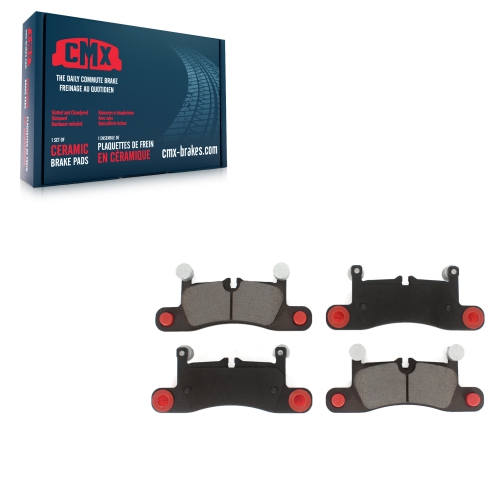
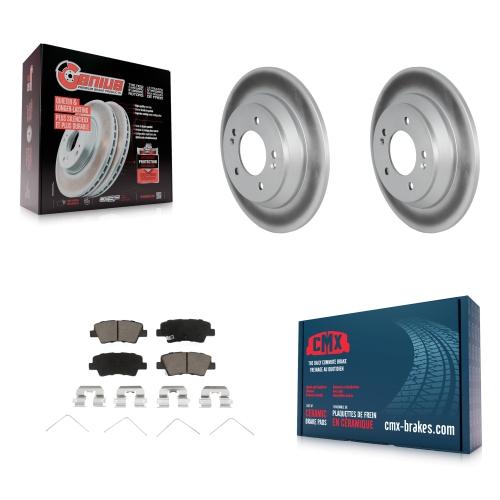
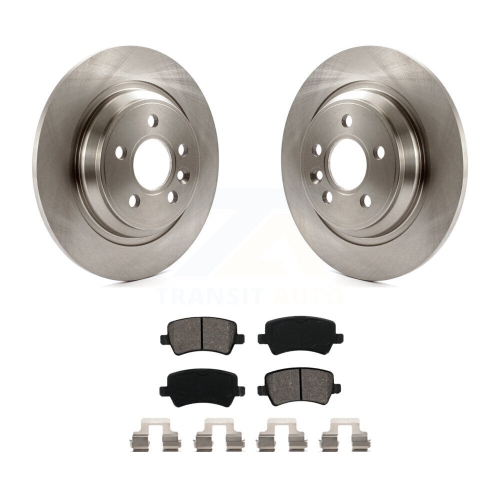
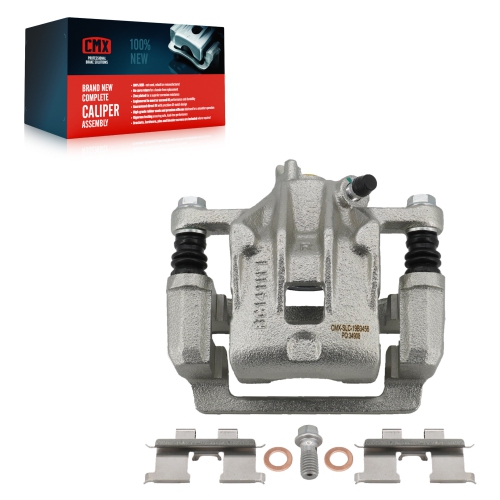
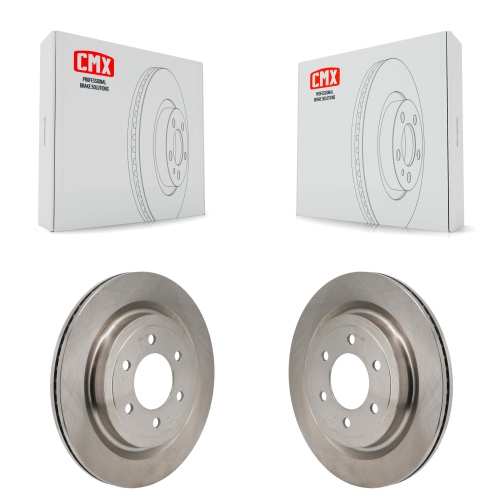
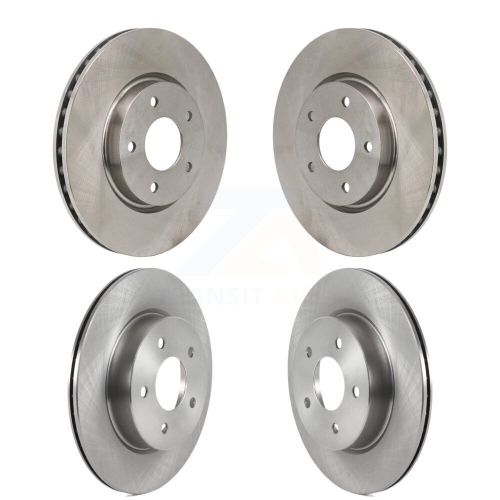
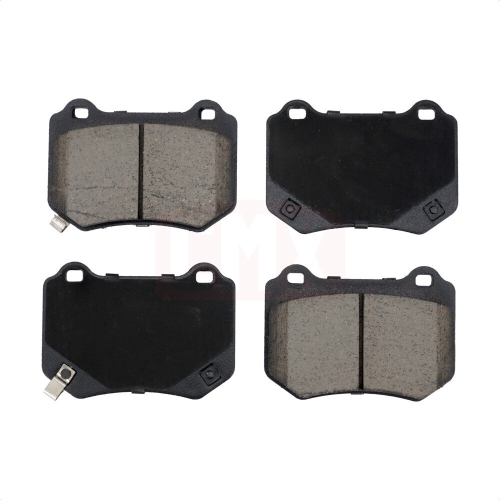
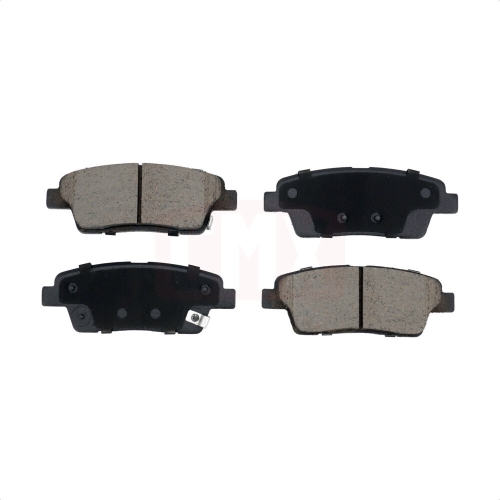
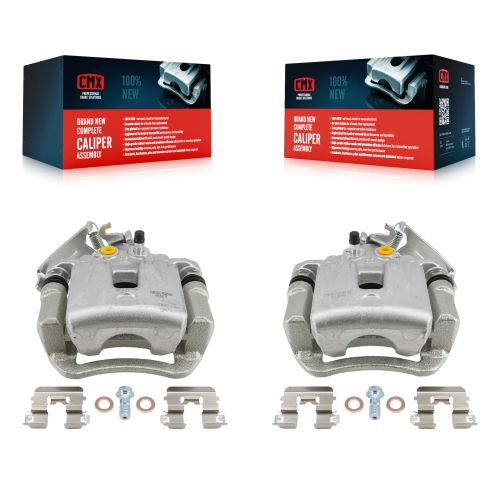
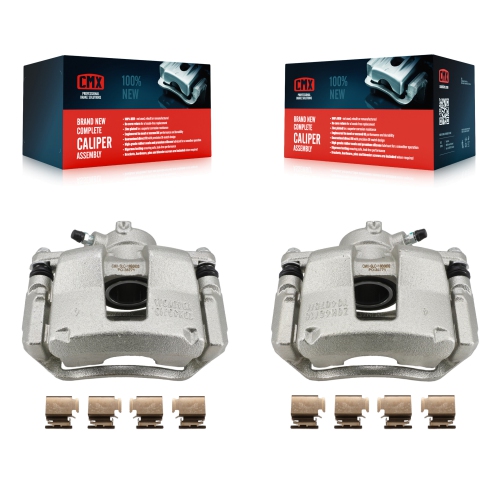
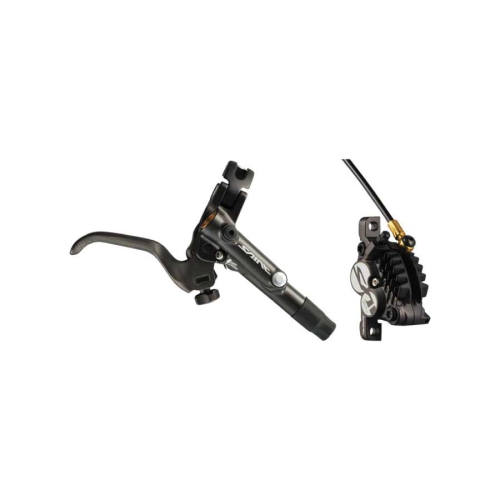
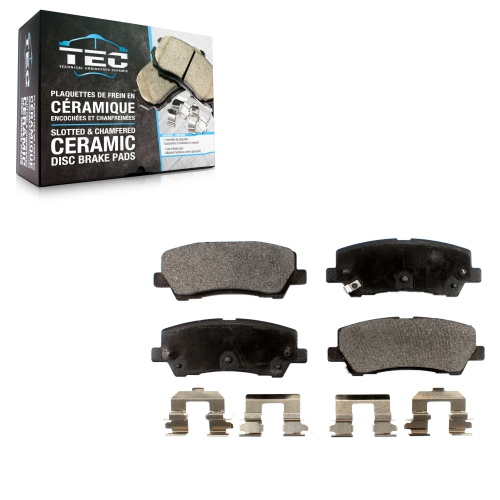
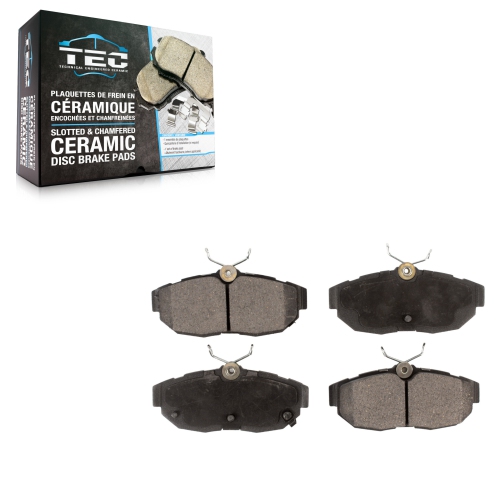
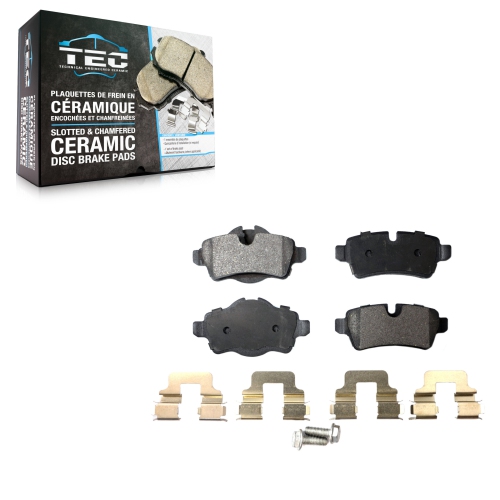
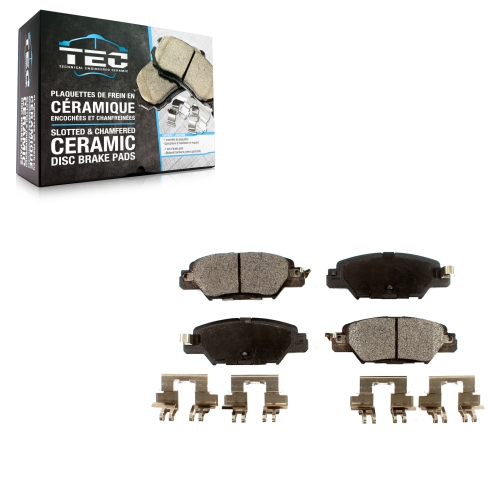
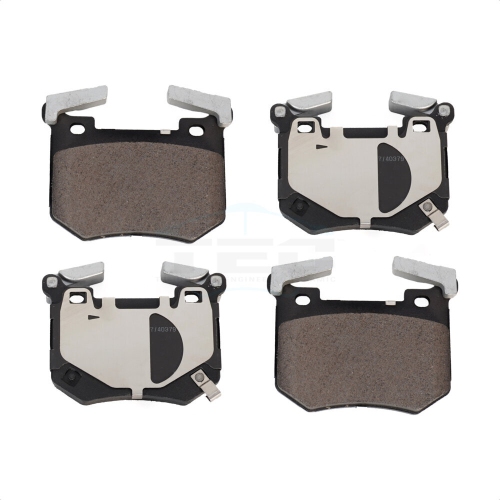
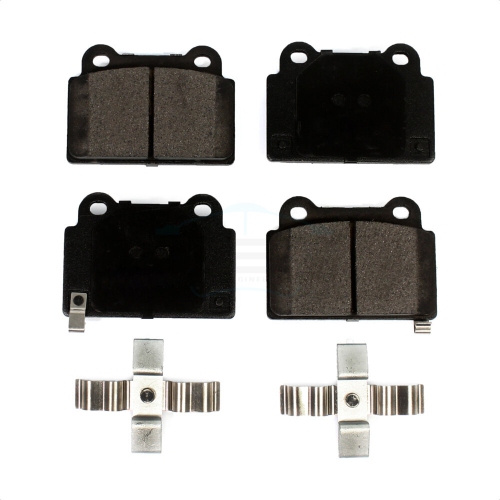
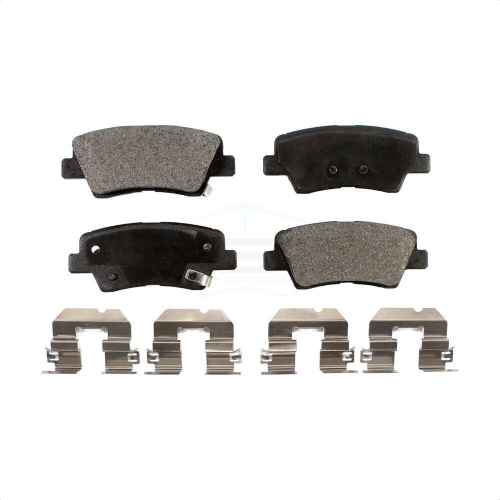
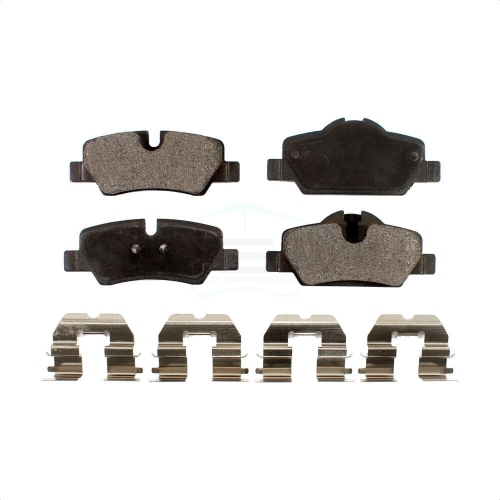
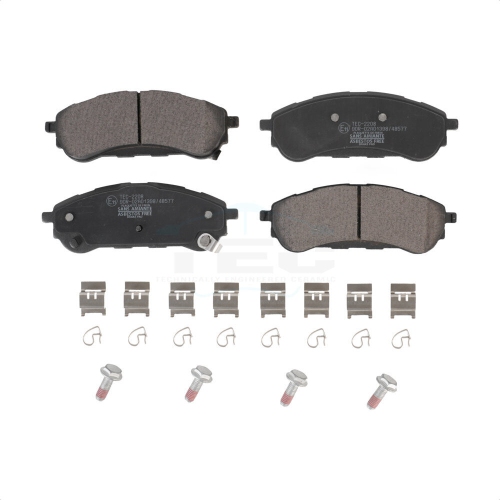
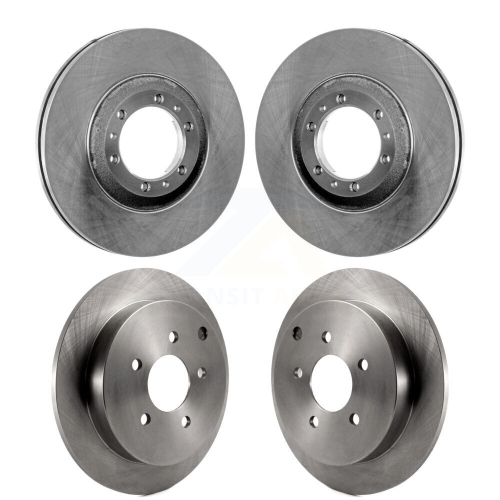
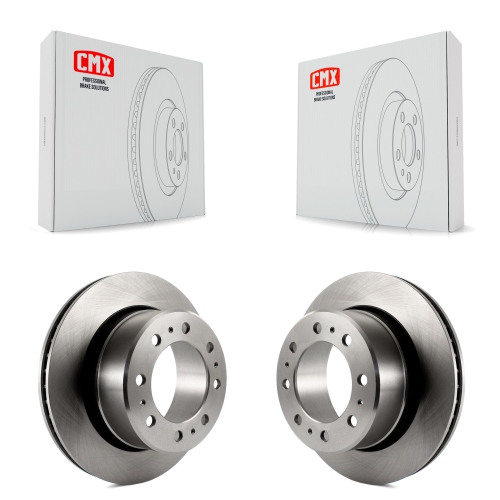
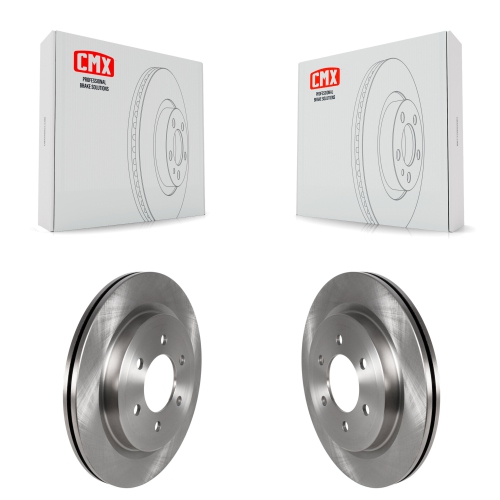
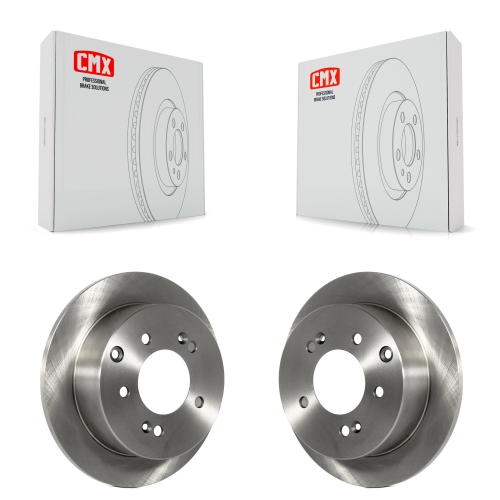
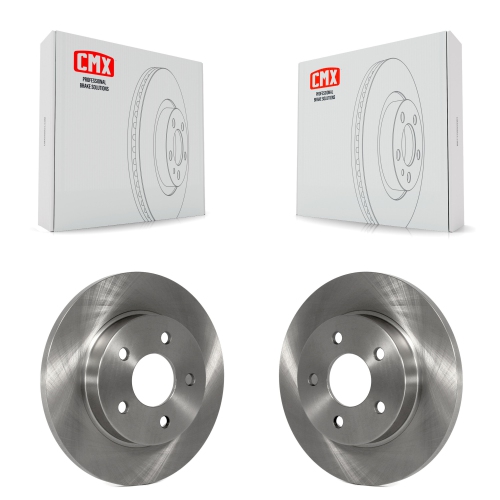
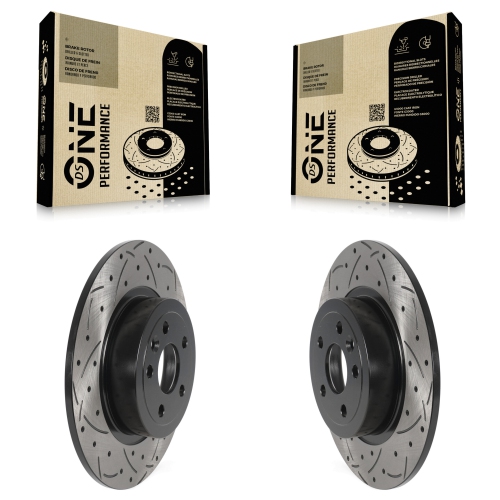
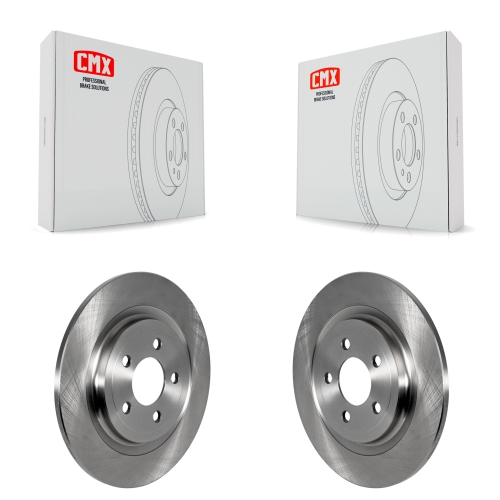
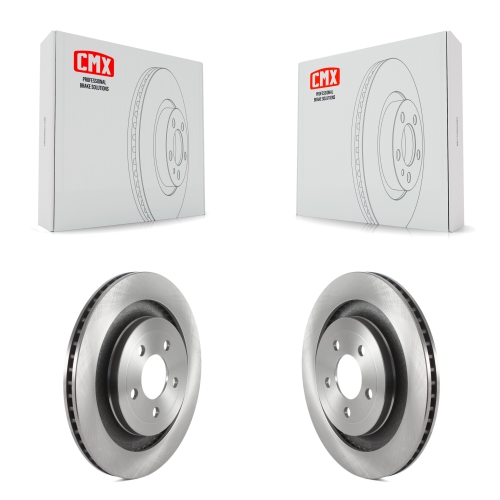
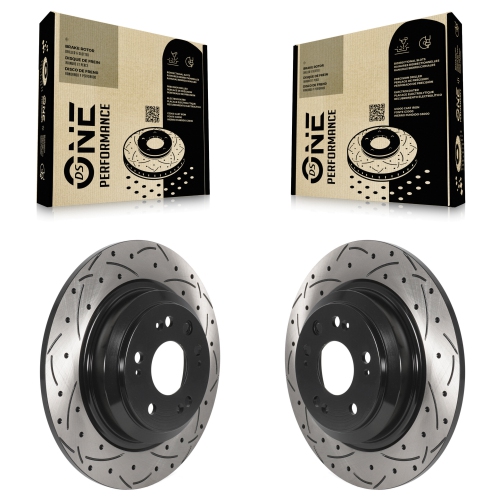
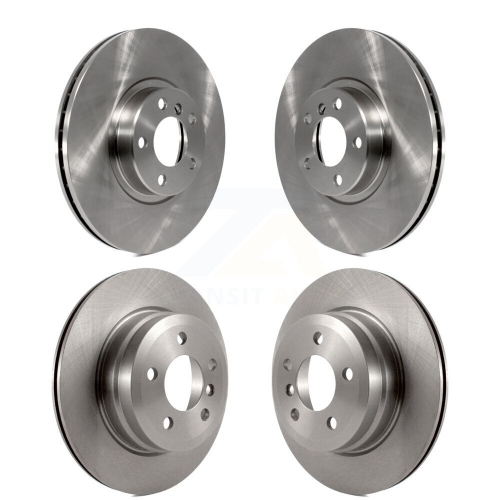
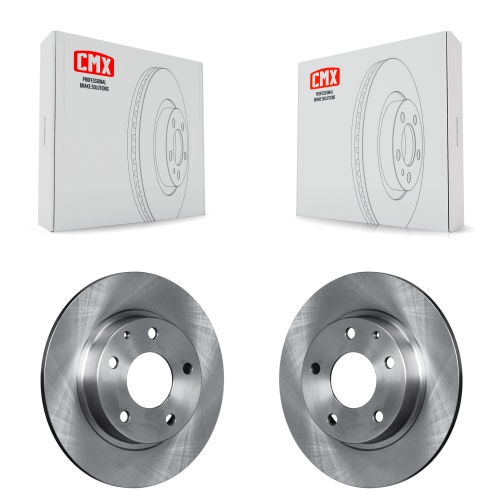
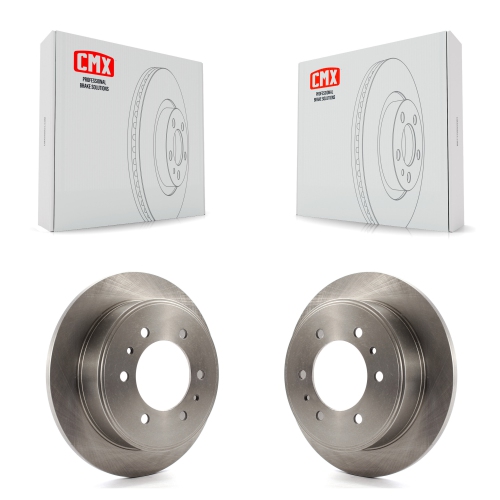
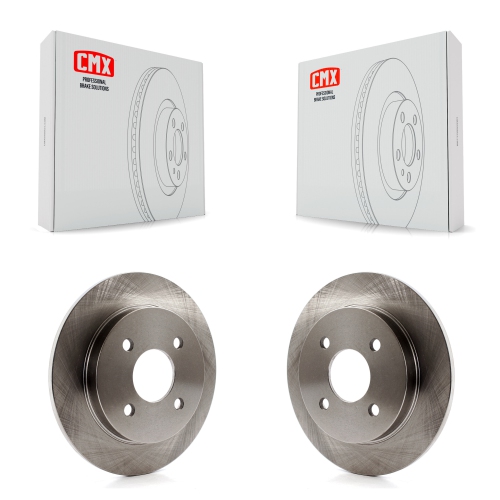
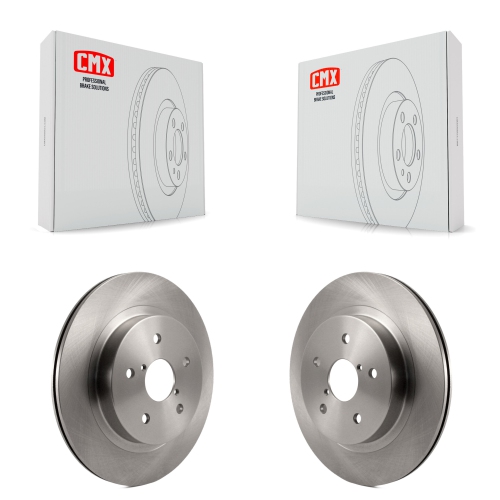
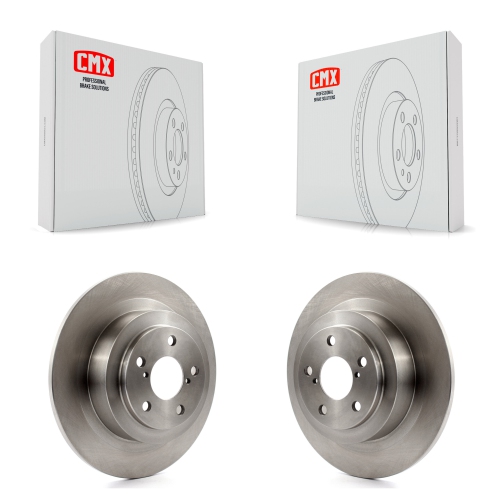
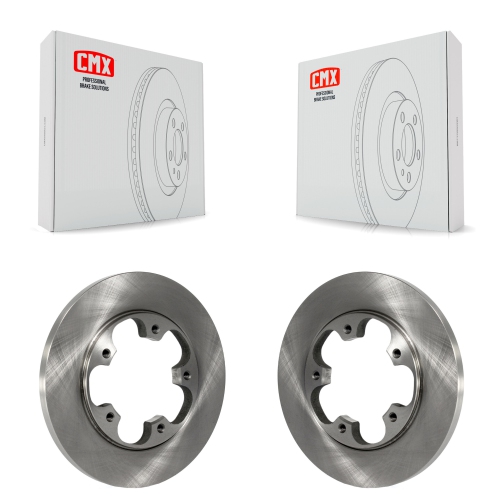
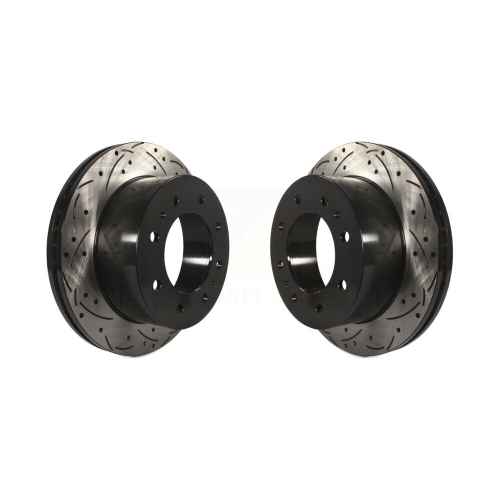
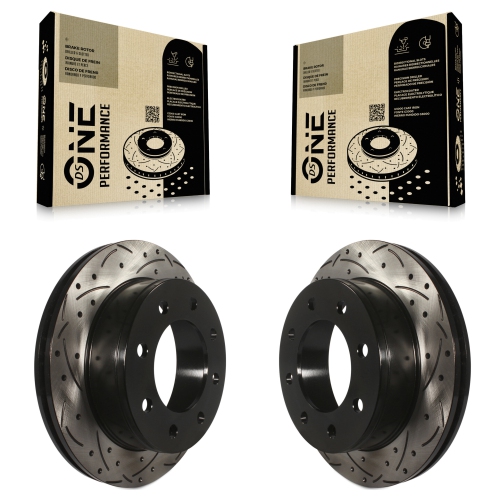
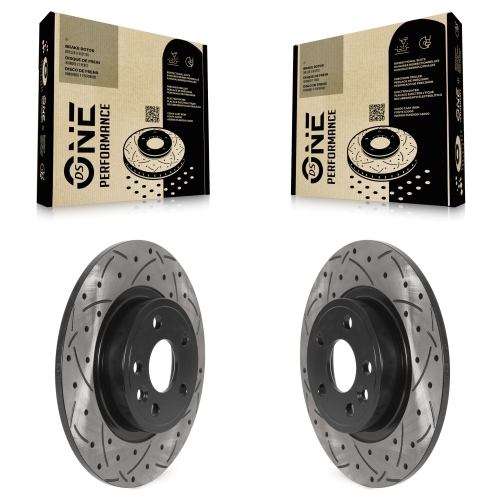
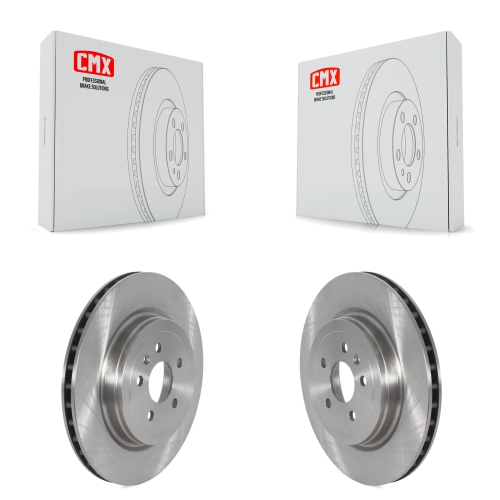
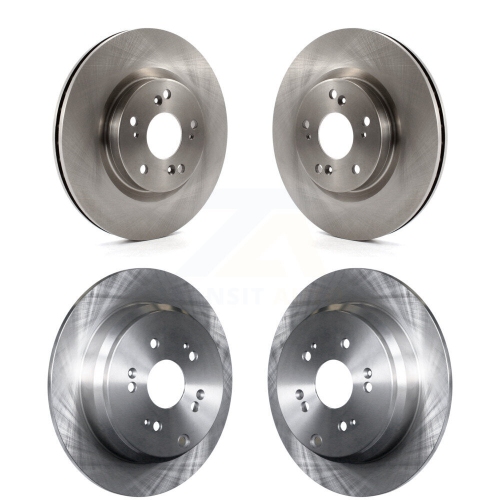
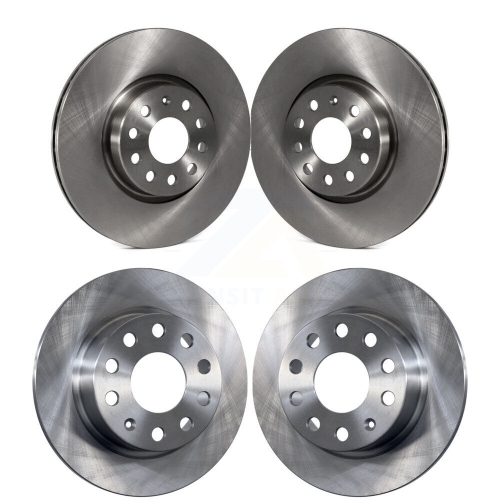
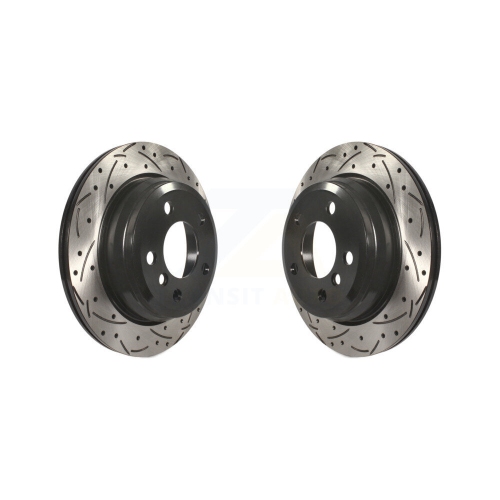
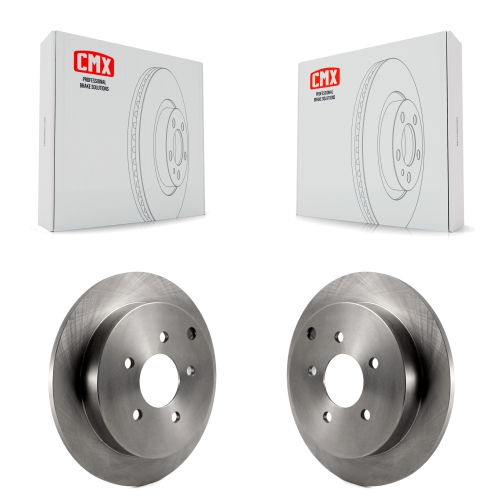
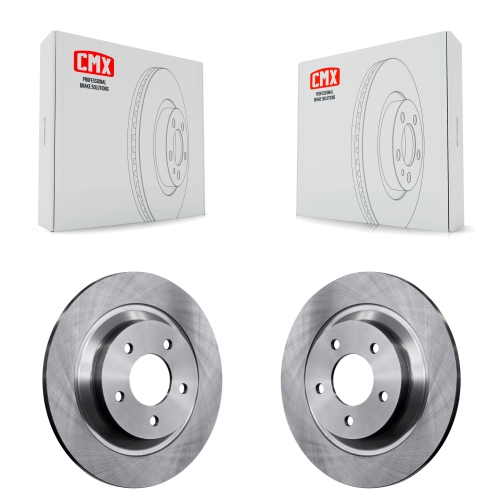
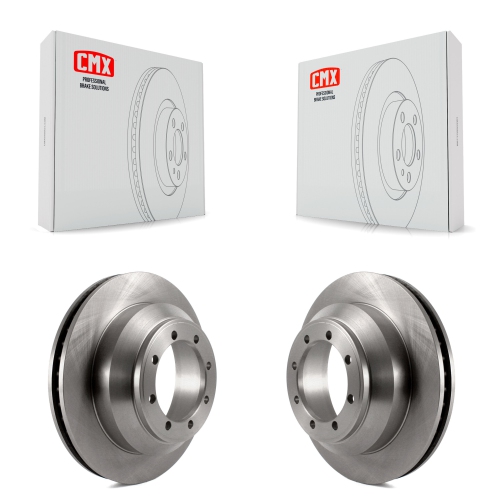
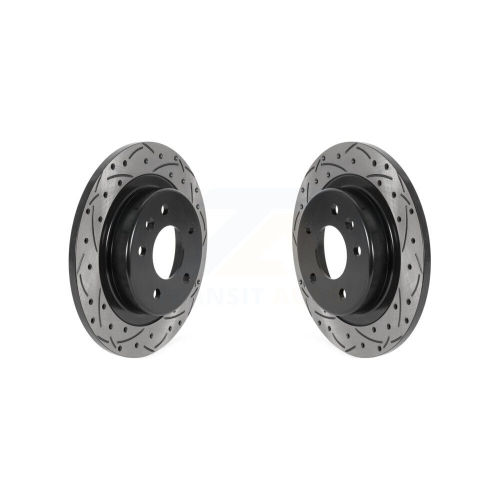
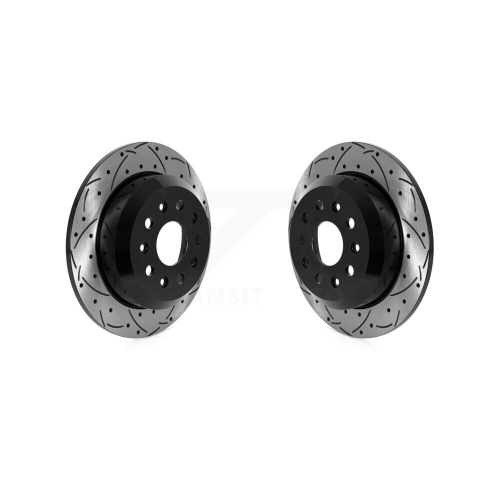
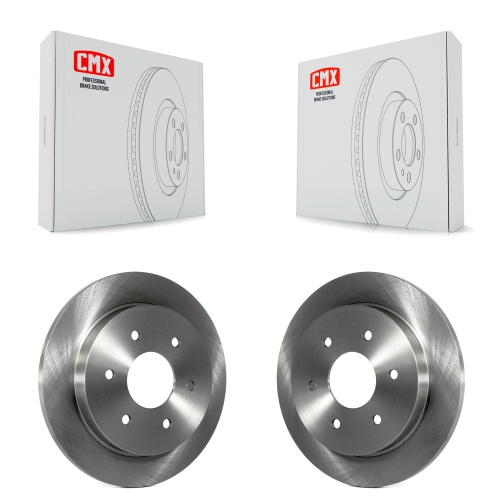
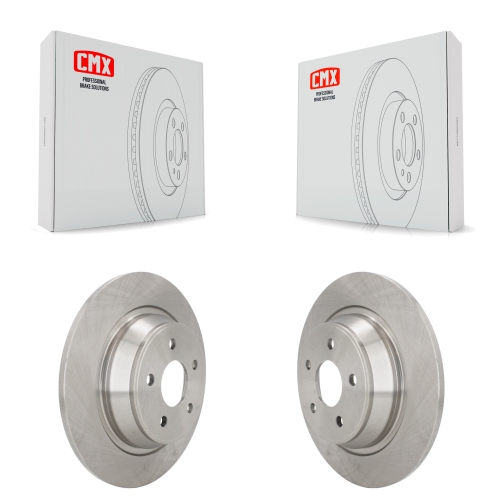
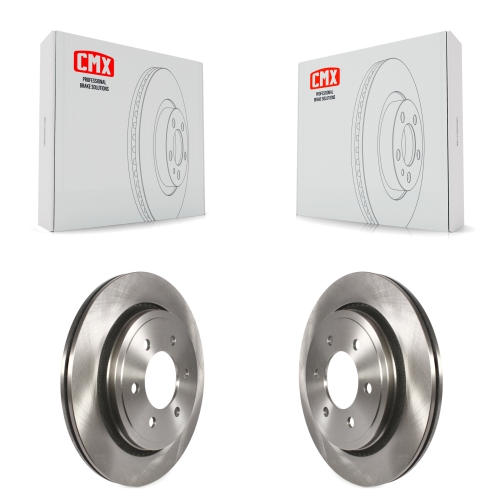
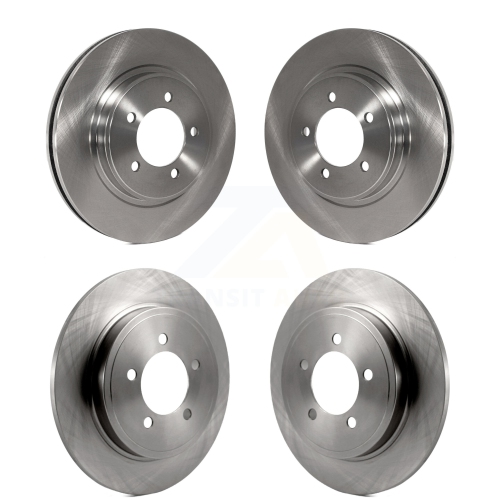
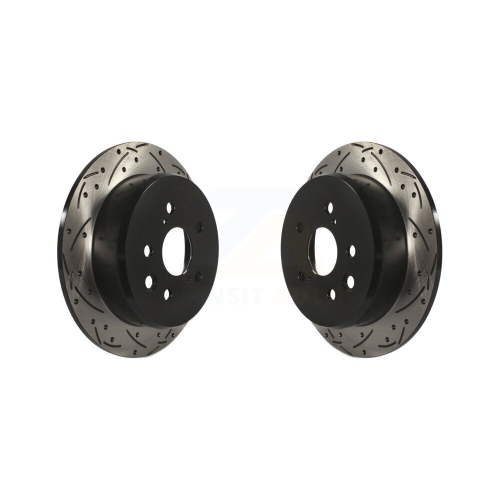
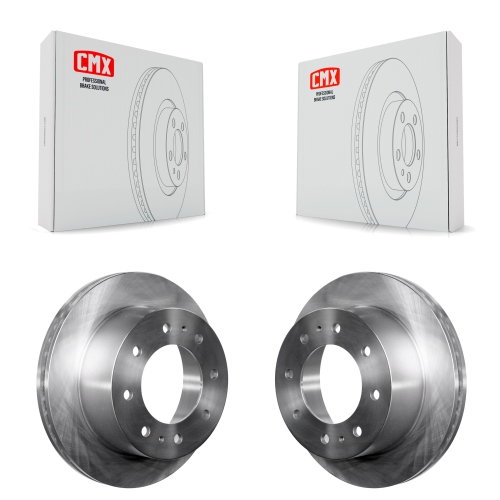
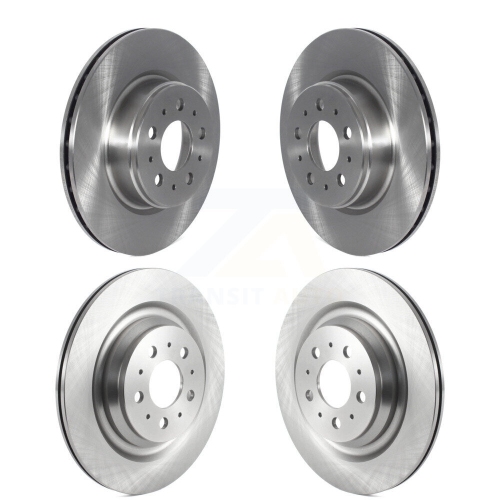
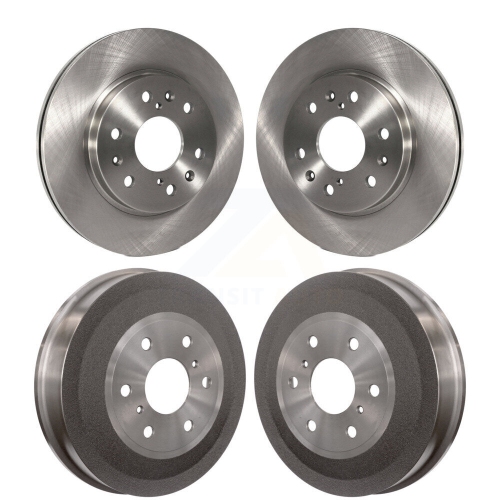
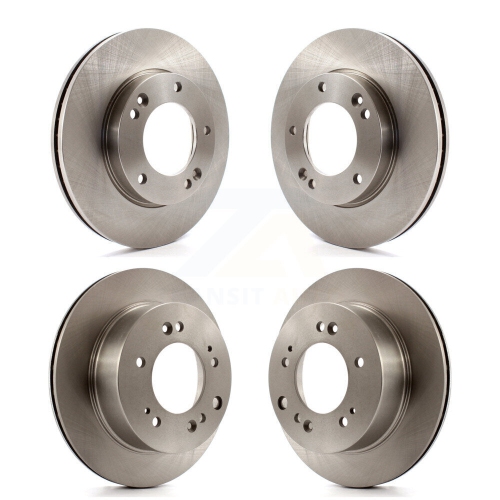
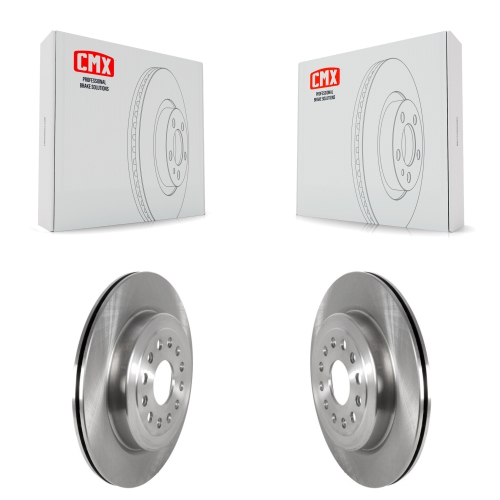
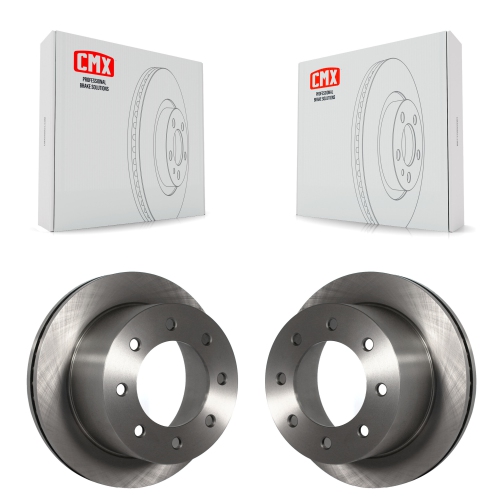
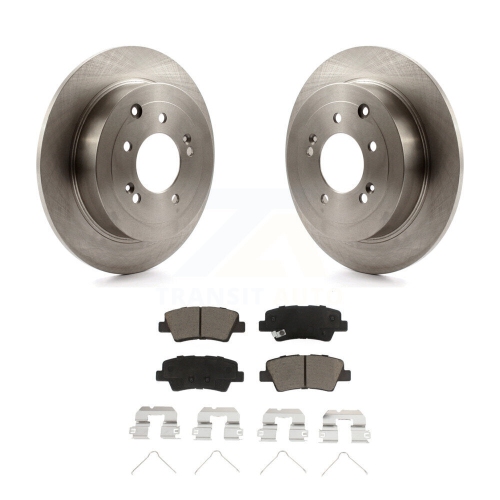
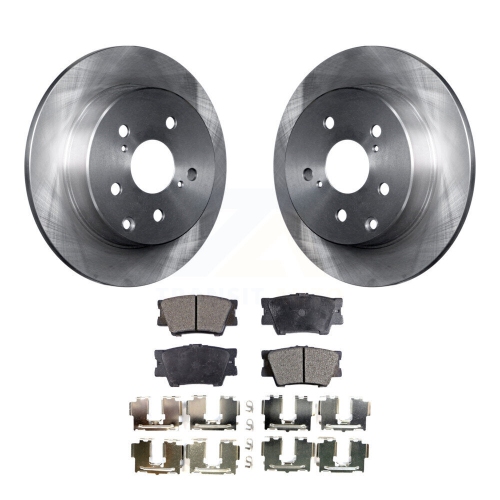
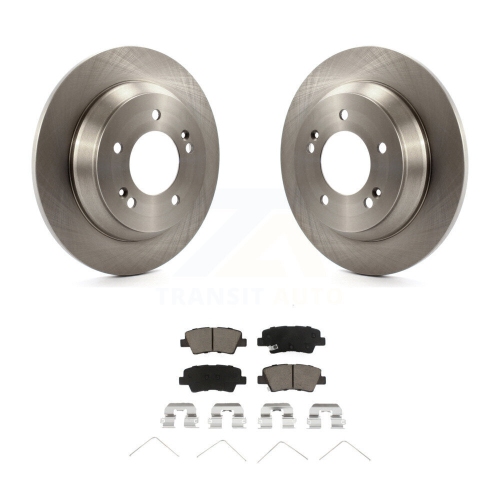
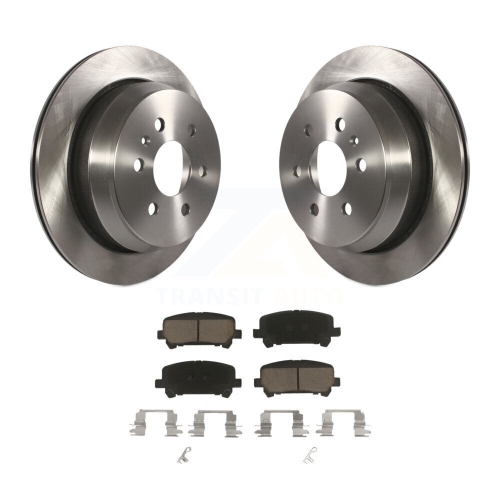
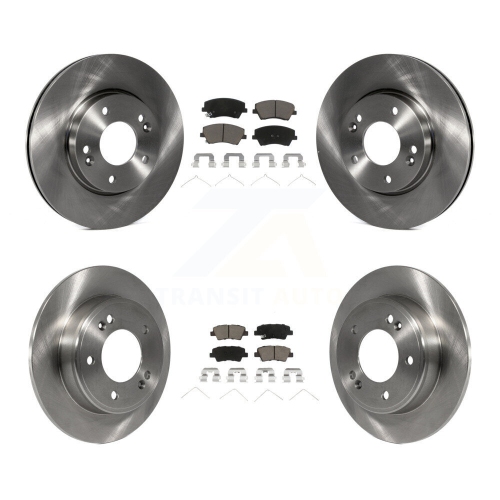
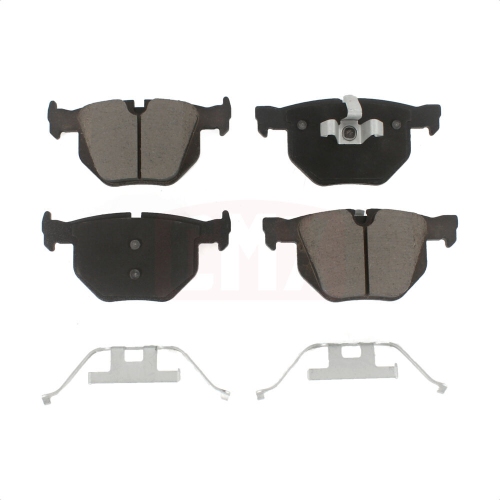
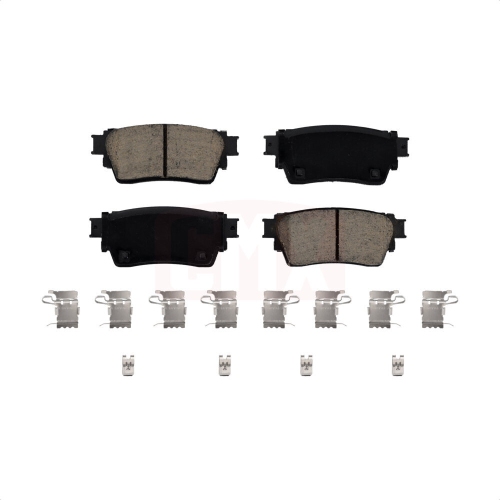
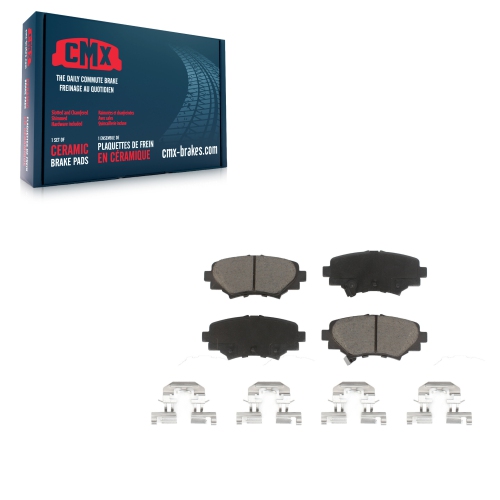
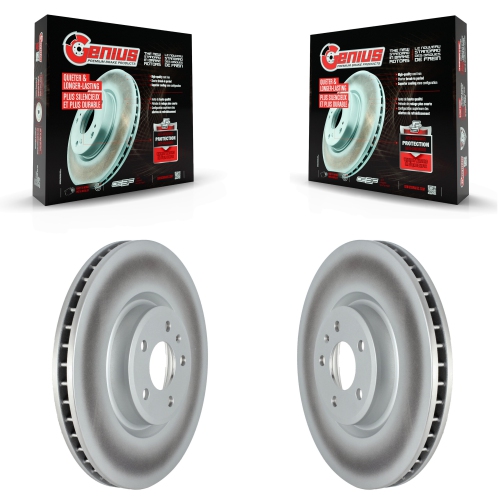
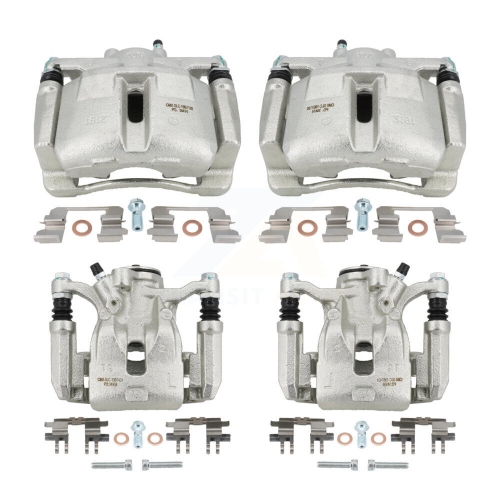
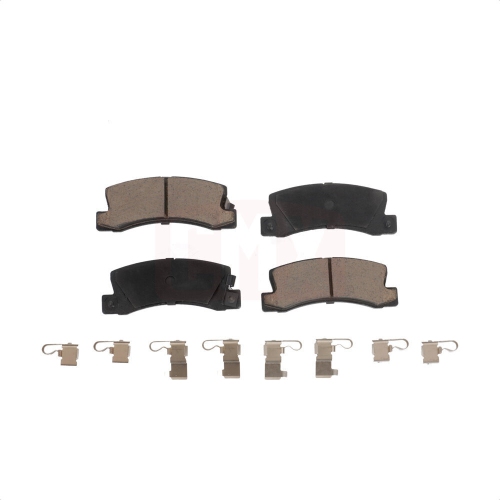
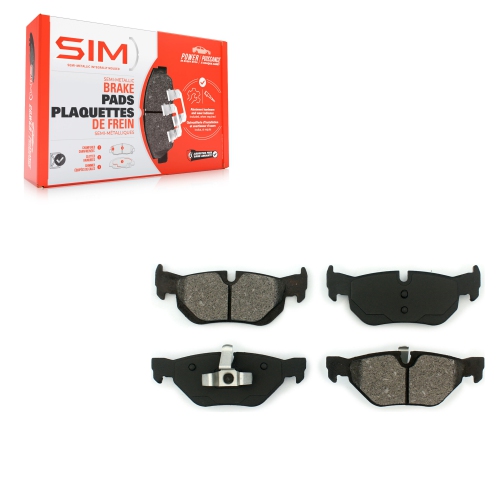
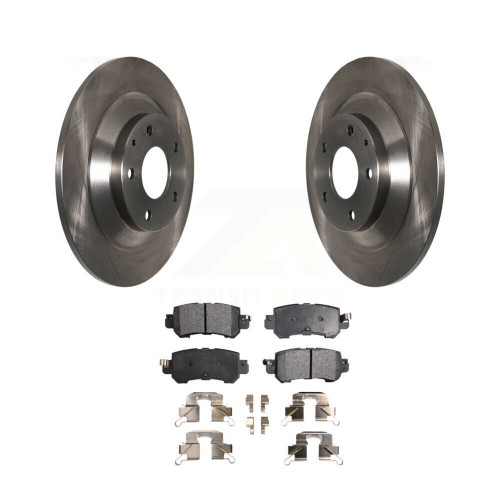
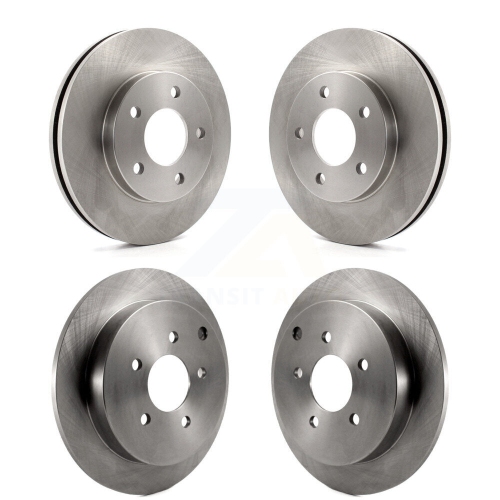
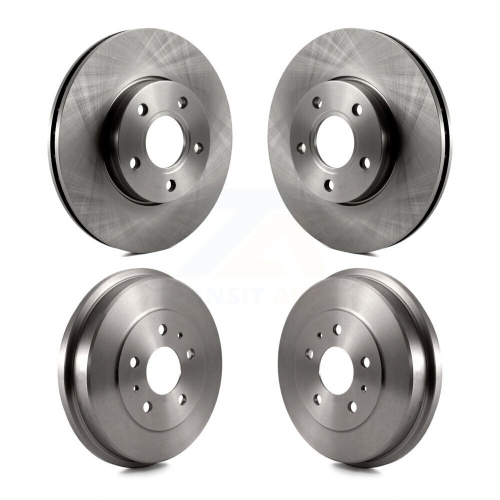
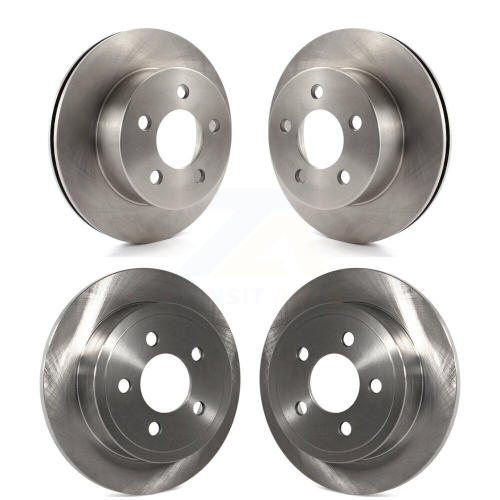
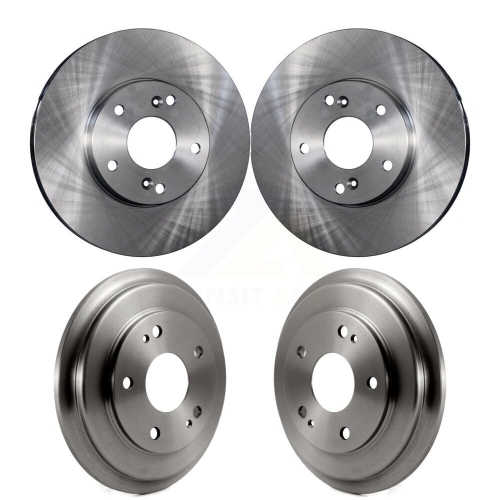
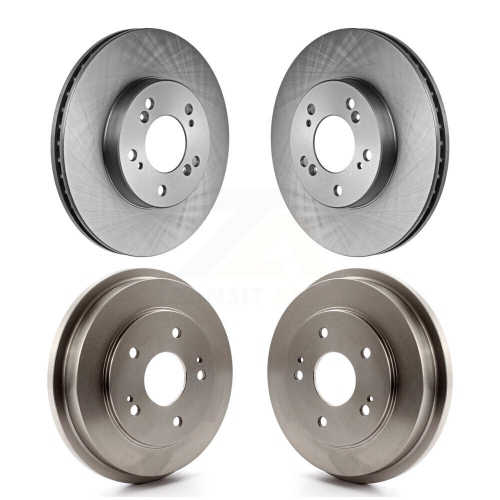
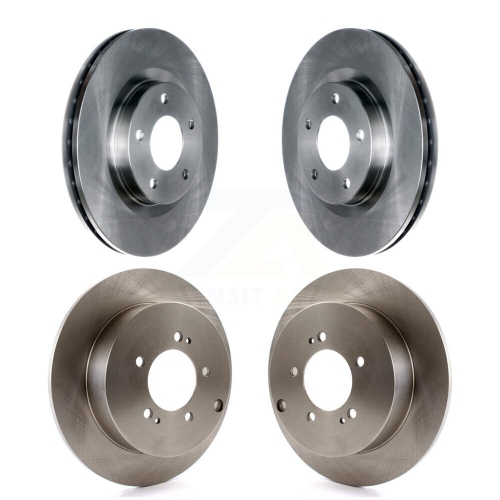
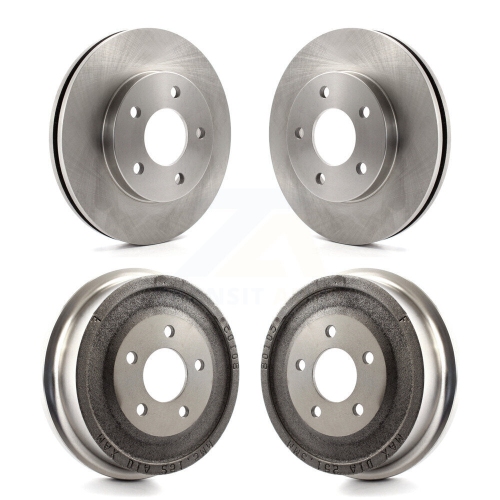
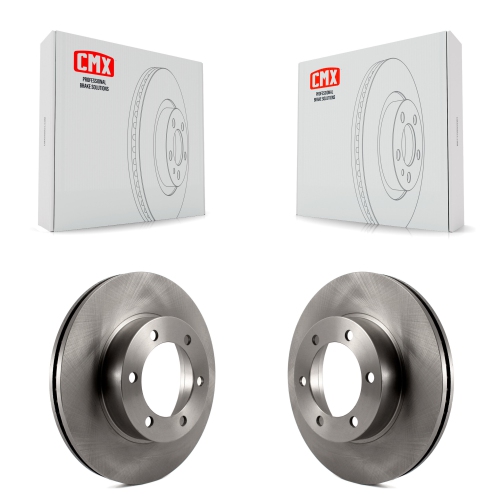
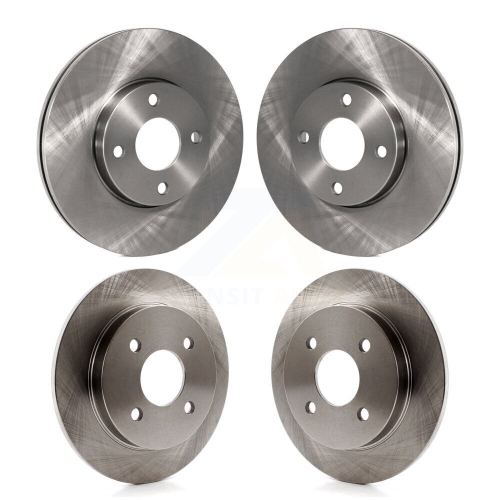
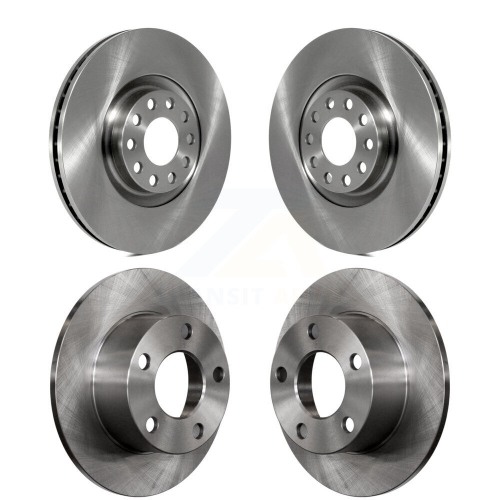
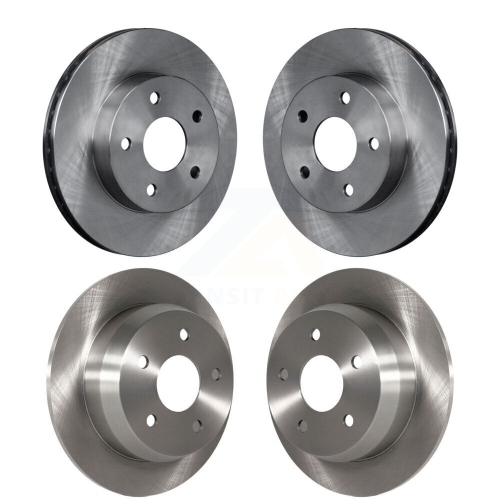
What to know about fitment, wear, and safe installation
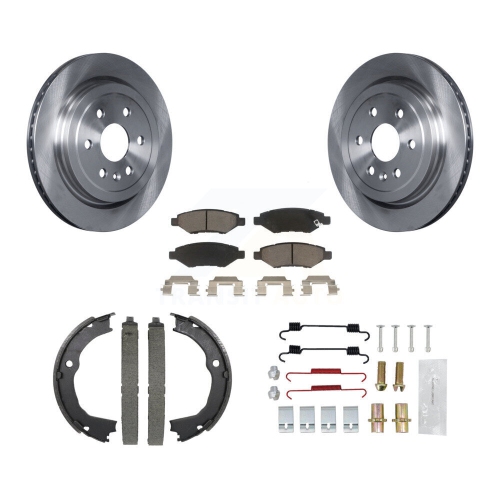
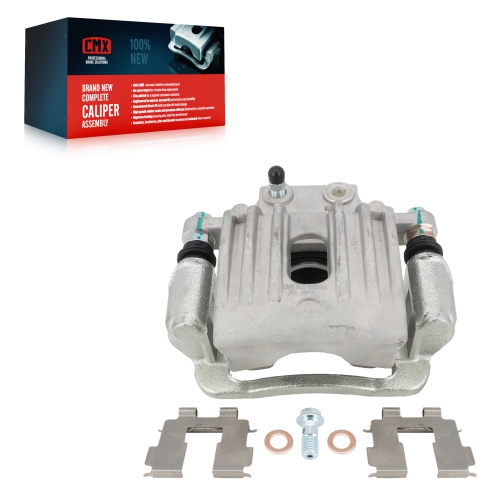
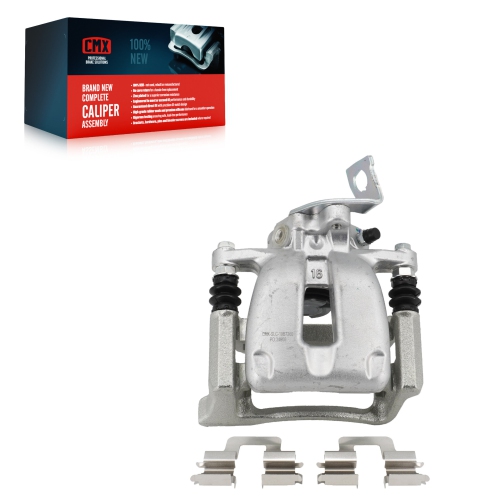
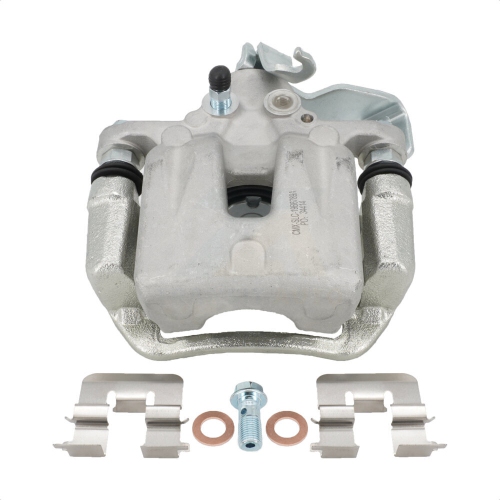
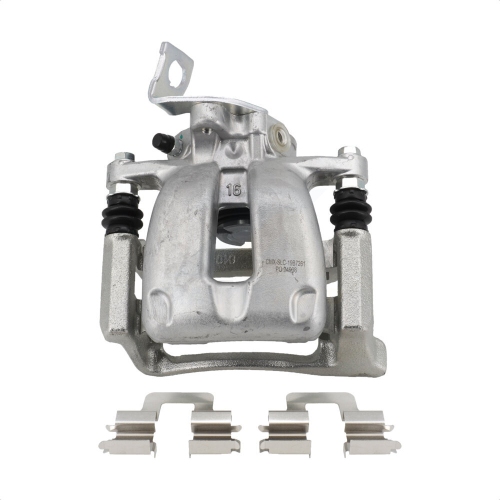
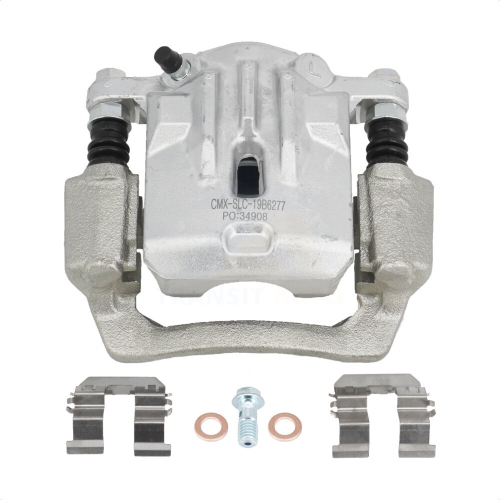
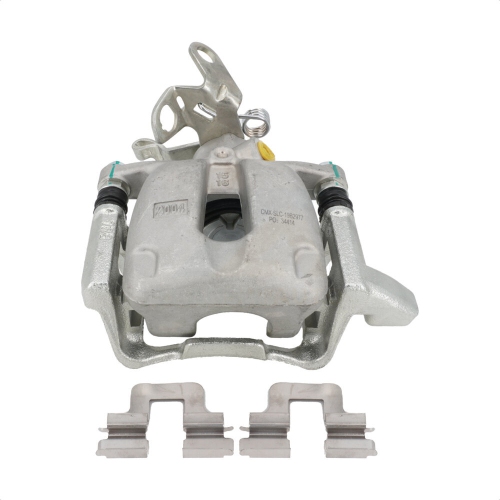
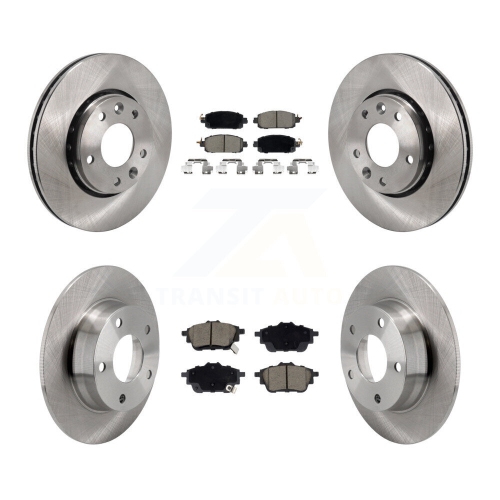
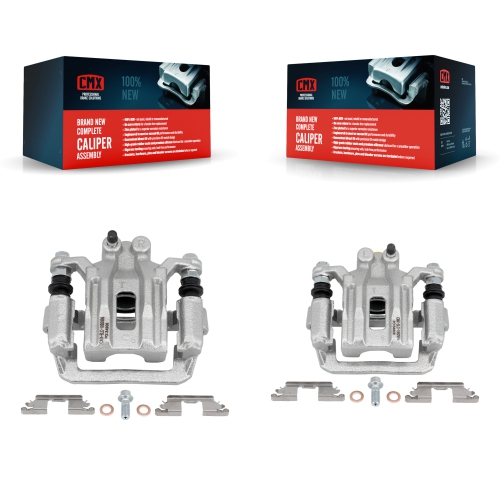
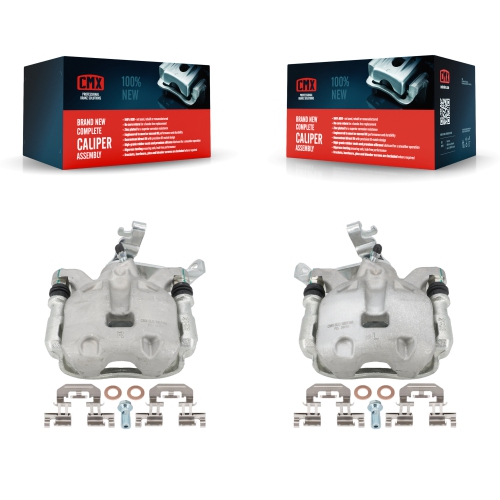
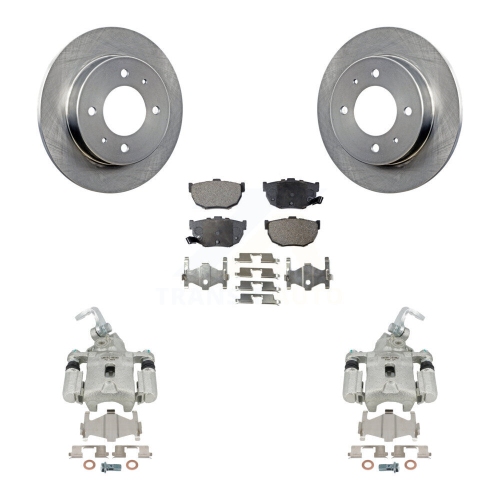
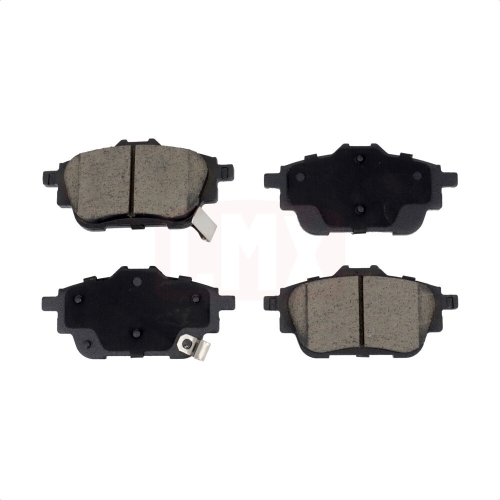
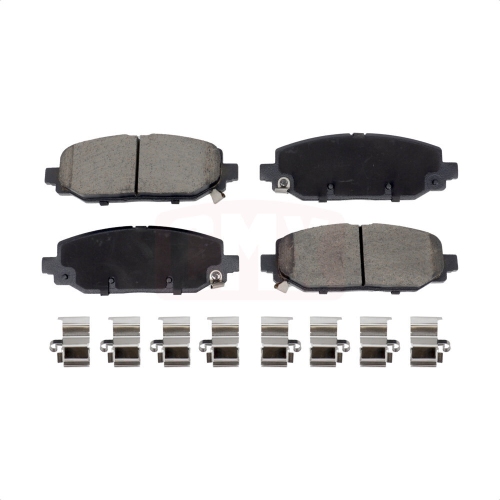
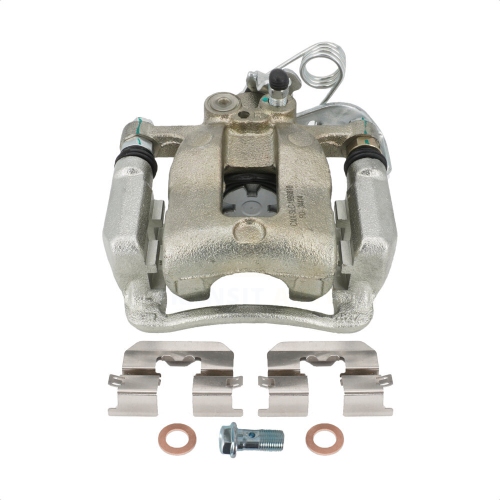
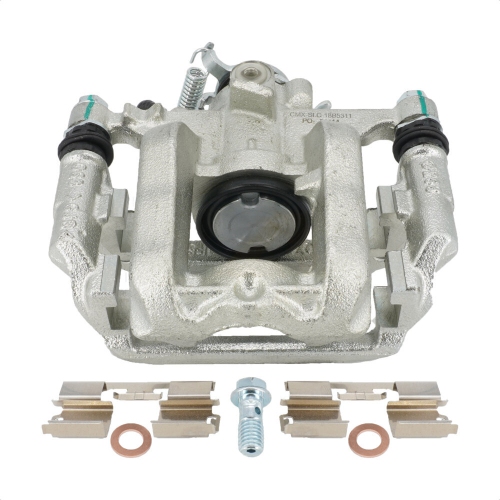
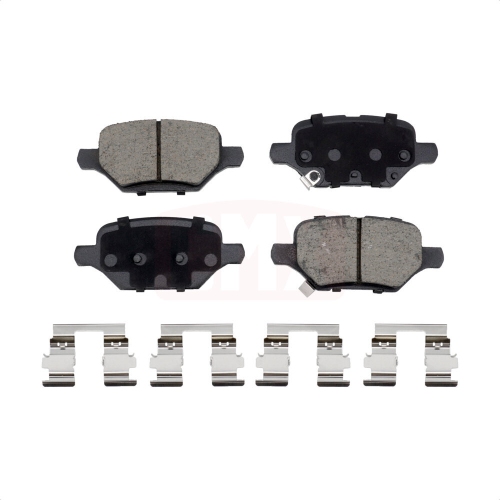
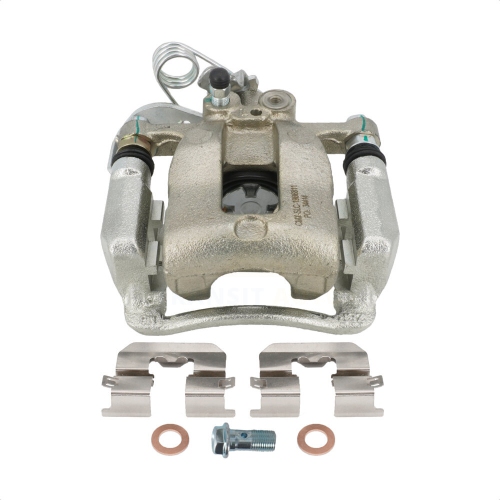
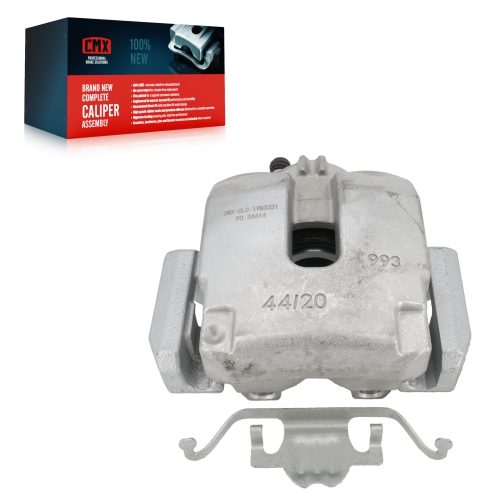
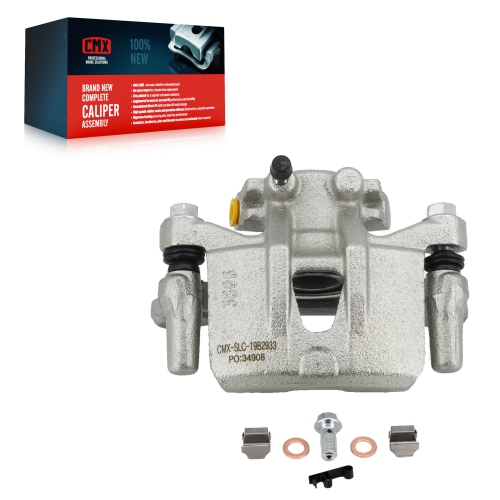
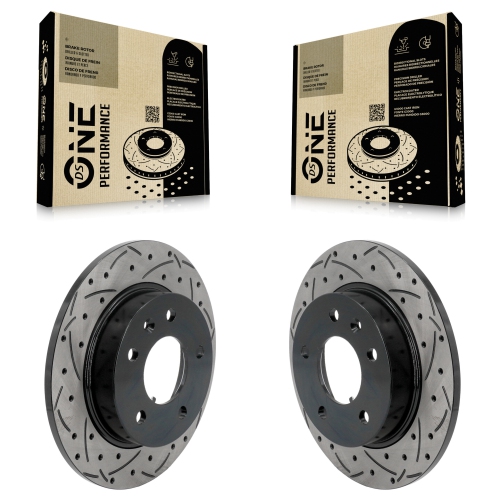
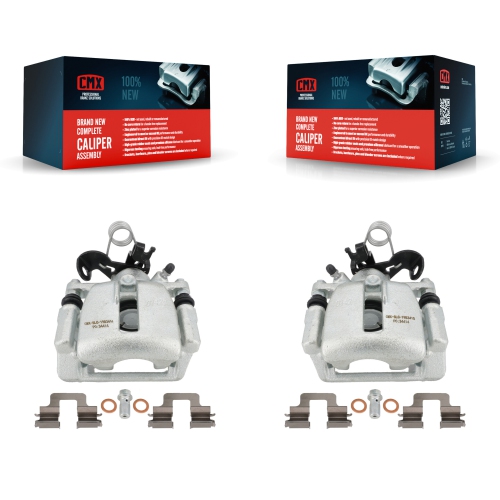
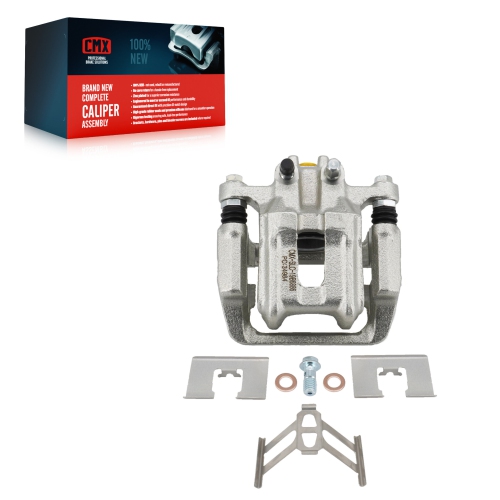
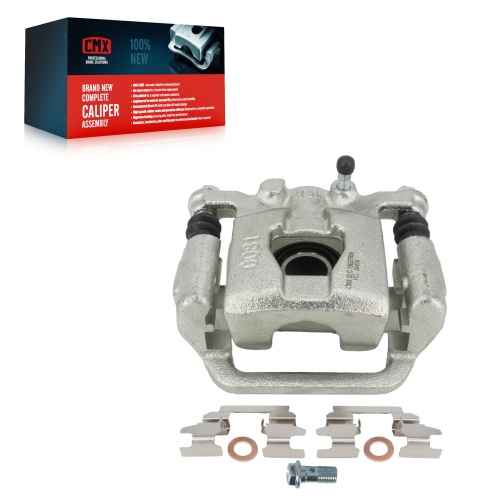
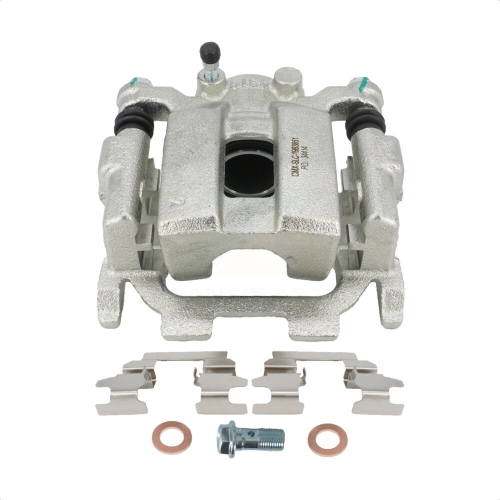
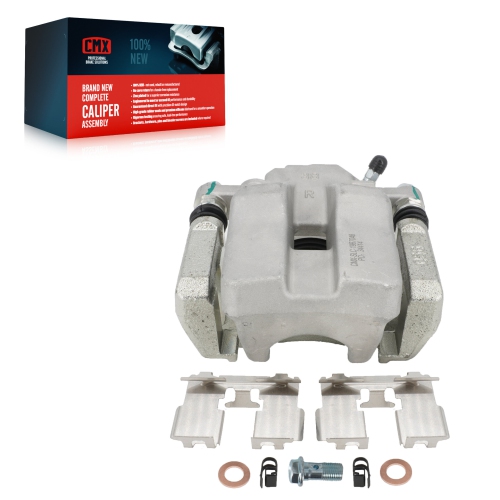
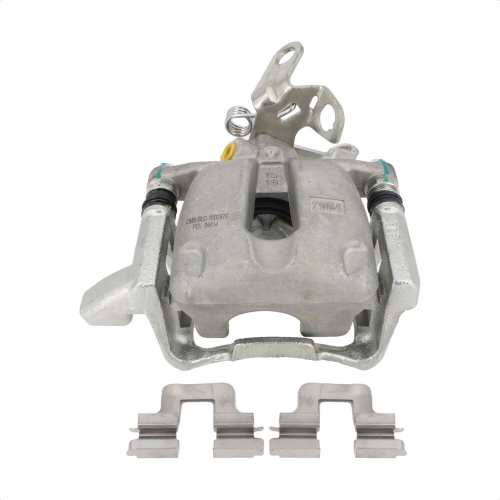
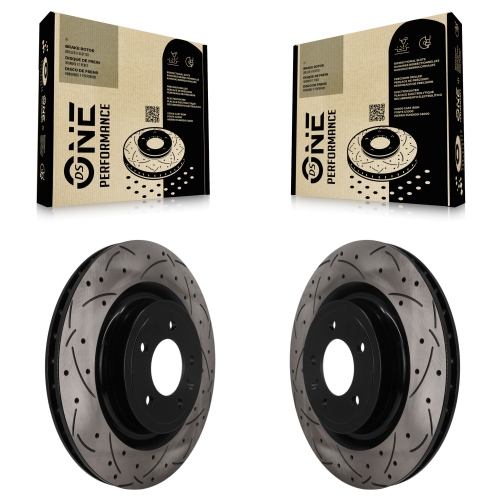
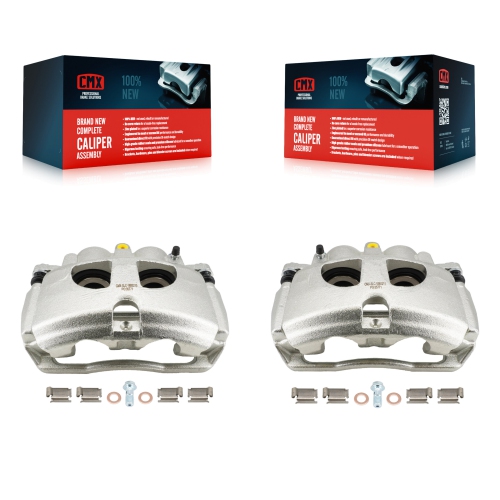
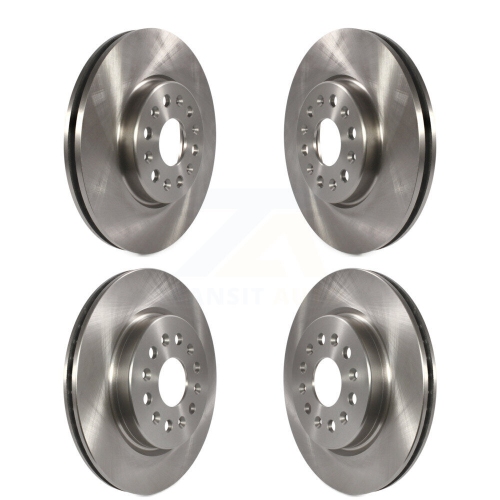
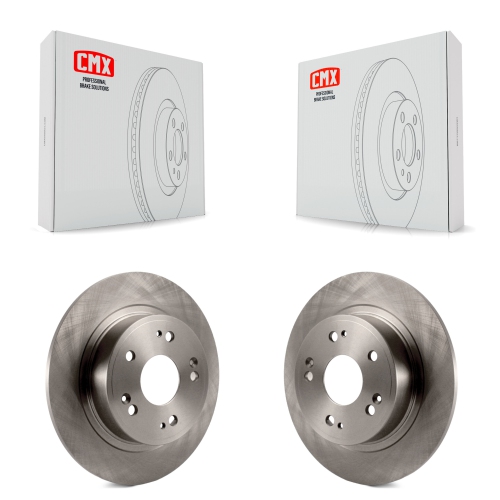
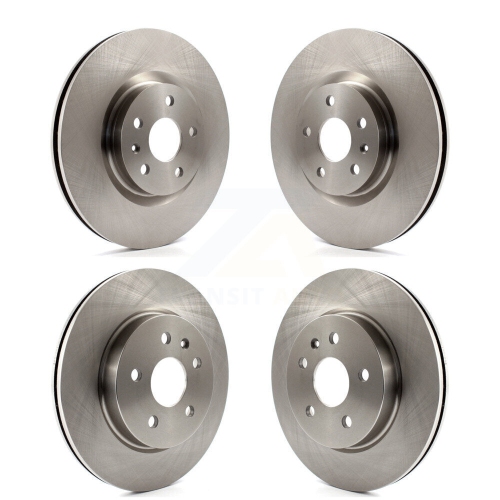
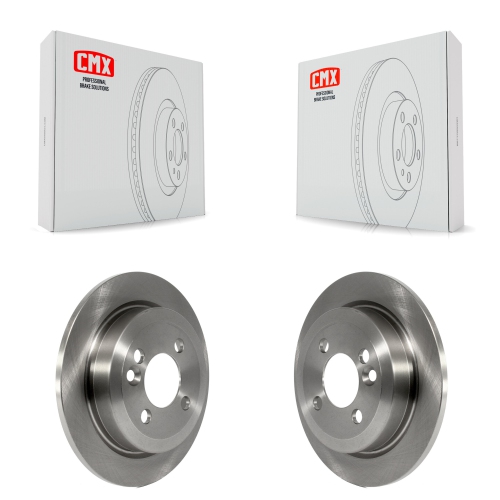
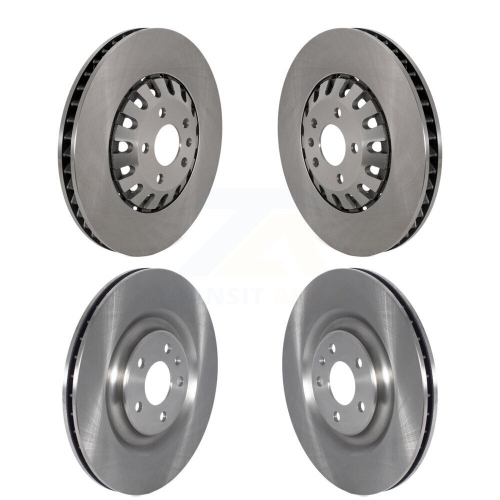
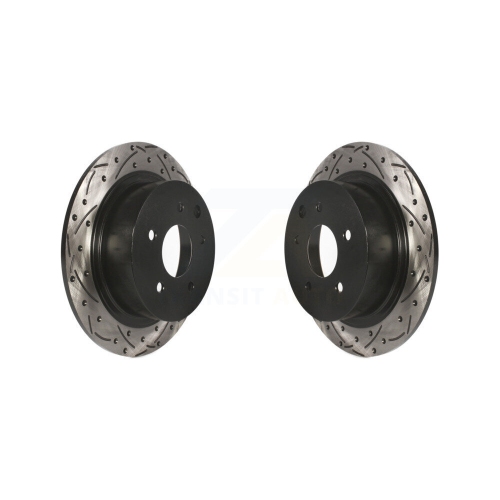
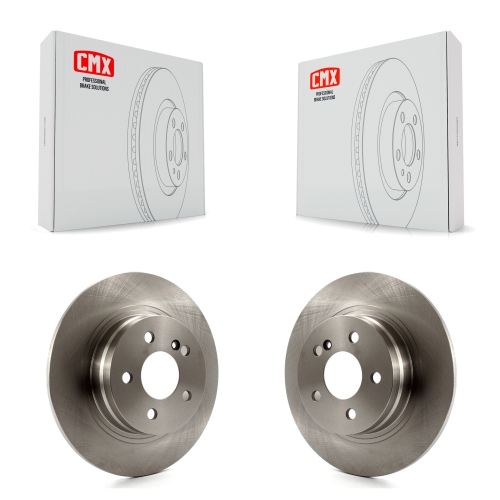
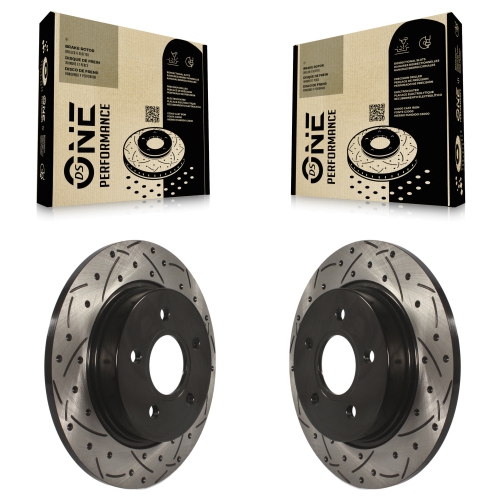
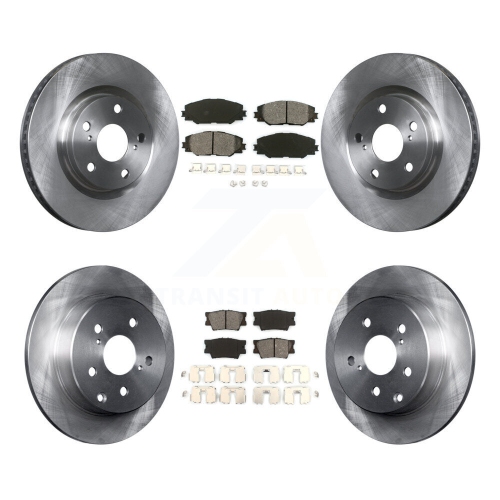
Rear disc brakes are a key part of a vehicle’s braking system, helping deliver controlled stopping power at the rear wheels in everyday traffic, on winding roads, and during heavier braking situations. A typical rear disc brake assembly uses a round metal rotor attached to the wheel hub, a caliper positioned over the rotor, and brake pads that press against both sides of the spinning disc when the brake pedal is applied. Hydraulic brake fluid transfers pressure from the pedal to a piston inside the caliper, creating friction between the pads and rotor and converting the vehicle’s motion into heat. Because the rotor is exposed to airflow, disc brakes can dissipate heat effectively and remain consistent through repeated stops. This design can also make inspection and pad replacement more straightforward than servicing traditional drum brakes, although the exact layout varies by vehicle. Some rear disc systems incorporate the parking brake through a mechanical lever on the caliper, while others use a small drum mechanism inside the rear rotor or an electronic parking brake actuator. Understanding these differences is important when selecting replacement components, since a part that appears similar may not be compatible with the parking brake arrangement, rotor dimensions, caliper design, or electronic controls on a particular vehicle. Drivers who notice squealing, grinding, a pulsing brake pedal, vibration through the seat or steering wheel, reduced braking performance, or a vehicle that pulls to one side should arrange a proper inspection rather than relying on appearance alone. Uneven pad wear, deep grooves, blue or dark heat marks on a rotor, corrosion around the braking surface, seized caliper hardware, or a sticking parking brake cable can all affect performance. Brake work is a safety-critical repair, so components should be selected using the vehicle’s year, make, model, trim, engine, drivetrain, and brake package, with fitment information confirmed before ordering. Drivers comparing replacement options can also review Rear Brake Rotors when a worn or damaged rotor may be part of the repair.
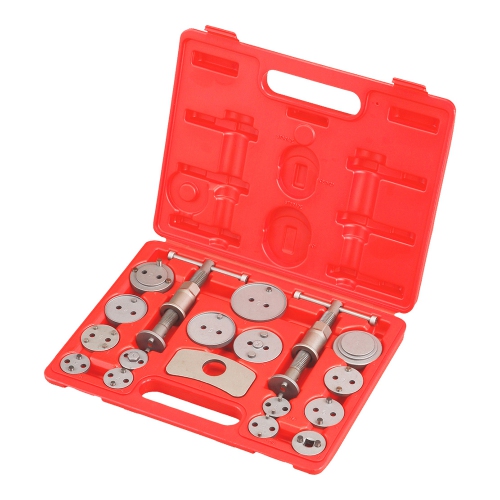
When choosing rear disc brake components, fit, material, dimensions, and the condition of the surrounding hardware all deserve attention. The rotor must match the correct diameter, thickness, height, bolt pattern, and hub configuration, while the pads must suit the caliper and provide the right contact shape. A vehicle used for commuting may have different braking demands from one that regularly carries passengers, tows a trailer, travels through hilly areas, or spends time on gravel and unpaved roads. Driving habits matter as well: frequent short trips, stop-and-go traffic, steep descents, and repeated hard braking can create more heat and accelerate wear. Some replacement parts are designed to meet the original equipment specifications, while other configurations may focus on features such as improved heat management, reduced noise, or resistance to surface rust. No matter the style, the braking surface should be clean and free from oil, grease, paint, and protective shipping residue before use. New pads and rotors also require a bedding-in procedure. This generally involves a series of gradual stops from moderate speeds, allowing time between stops for the brakes to cool, followed by a period of gentle driving. The purpose is to establish an even transfer layer of pad material on the rotor. Skipping this step or holding the brake pedal firmly after a very hot stop can contribute to uneven deposits, noise, vibration, or reduced feel. Installation may require more than a basic socket set. Depending on the design, the rear caliper piston may need to be rotated and compressed at the same time with a suitable wind-back tool, particularly when the piston is connected to the mechanical parking brake. Forcing the piston straight inward can damage the caliper. The parking brake cable or actuator must also be detached and resecured carefully, and any electronic parking brake system may need to be placed in service mode according to the vehicle manufacturer’s instructions. Caliper guide pins, boots, clips, shims, and mounting hardware should be checked for corrosion, binding, or damage, since new pads cannot work evenly if the caliper cannot move as intended.
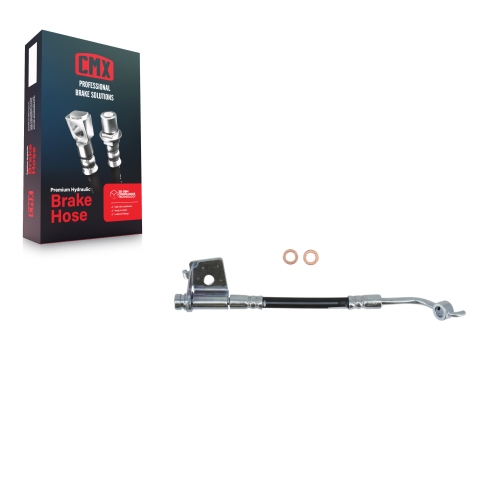
Rear disc brakes are most often purchased by vehicle owners preparing for routine maintenance, addressing a brake inspection finding, or completing a repair after unusual noise or vibration appears. They may also be useful for a home mechanic who enjoys maintaining a personal vehicle, though experience, safe lifting equipment, and a clear understanding of the vehicle’s braking system are essential. A vehicle service professional can help confirm whether the issue involves only pads, or whether the rotors, caliper, brake hose, wheel bearing, parking brake mechanism, or other components also require attention. Replacing pads on only one side is not appropriate; brake pads are normally replaced as an axle set so braking remains balanced from left to right. Rotors are also commonly replaced or serviced in pairs on the same axle when their condition or thickness differs. After installation, the wheel fasteners should be tightened to the vehicle manufacturer’s specified torque, the brake pedal should be pressed until it feels firm, and the brake fluid level and warning lights should be checked. The vehicle should be tested at low speed in a safe area before returning to normal traffic. A soft pedal, persistent grinding, strong pulling, burning odour, repeated vibration, or a parking brake that will not release requires immediate attention. During warmer driving conditions, long road trips can place extra emphasis on heat control and consistent pedal feel; during cooler months, moisture, road salt, and surface corrosion can affect exposed brake hardware, especially on vehicles parked outdoors. Regular visual checks through the wheel openings, attention to changes in sound or pedal feel, and timely service can help keep the rear braking system operating predictably across changing road conditions. For anyone buying parts for a family vehicle or helping another driver with maintenance, accurate fitment and professional installation are more valuable than choosing based on appearance alone.
When choosing rear disc brake components, fit, material, dimensions, and the condition of the surrounding hardware all deserve attention. The rotor must match the correct diameter, thickness, height, bolt pattern, and hub configuration, while the pads must suit the caliper and provide the right contact shape. A vehicle used for commuting may have different braking demands from one that regularly carries passengers, tows a trailer, travels through hilly areas, or spends time on gravel and unpaved roads. Driving habits matter as well: frequent short trips, stop-and-go traffic, steep descents, and repeated hard braking can create more heat and accelerate wear. Some replacement parts are designed to meet the original equipment specifications, while other configurations may focus on features such as improved heat management, reduced noise, or resistance to surface rust. No matter the style, the braking surface should be clean and free from oil, grease, paint, and protective shipping residue before use. New pads and rotors also require a bedding-in procedure. This generally involves a series of gradual stops from moderate speeds, allowing time between stops for the brakes to cool, followed by a period of gentle driving. The purpose is to establish an even transfer layer of pad material on the rotor. Skipping this step or holding the brake pedal firmly after a very hot stop can contribute to uneven deposits, noise, vibration, or reduced feel. Installation may require more than a basic socket set. Depending on the design, the rear caliper piston may need to be rotated and compressed at the same time with a suitable wind-back tool, particularly when the piston is connected to the mechanical parking brake. Forcing the piston straight inward can damage the caliper. The parking brake cable or actuator must also be detached and resecured carefully, and any electronic parking brake system may need to be placed in service mode according to the vehicle manufacturer’s instructions. Caliper guide pins, boots, clips, shims, and mounting hardware should be checked for corrosion, binding, or damage, since new pads cannot work evenly if the caliper cannot move as intended.
Rear disc brakes are most often purchased by vehicle owners preparing for routine maintenance, addressing a brake inspection finding, or completing a repair after unusual noise or vibration appears. They may also be useful for a home mechanic who enjoys maintaining a personal vehicle, though experience, safe lifting equipment, and a clear understanding of the vehicle’s braking system are essential. A vehicle service professional can help confirm whether the issue involves only pads, or whether the rotors, caliper, brake hose, wheel bearing, parking brake mechanism, or other components also require attention. Replacing pads on only one side is not appropriate; brake pads are normally replaced as an axle set so braking remains balanced from left to right. Rotors are also commonly replaced or serviced in pairs on the same axle when their condition or thickness differs. After installation, the wheel fasteners should be tightened to the vehicle manufacturer’s specified torque, the brake pedal should be pressed until it feels firm, and the brake fluid level and warning lights should be checked. The vehicle should be tested at low speed in a safe area before returning to normal traffic. A soft pedal, persistent grinding, strong pulling, burning odour, repeated vibration, or a parking brake that will not release requires immediate attention. During warmer driving conditions, long road trips can place extra emphasis on heat control and consistent pedal feel; during cooler months, moisture, road salt, and surface corrosion can affect exposed brake hardware, especially on vehicles parked outdoors. Regular visual checks through the wheel openings, attention to changes in sound or pedal feel, and timely service can help keep the rear braking system operating predictably across changing road conditions. For anyone buying parts for a family vehicle or helping another driver with maintenance, accurate fitment and professional installation are more valuable than choosing based on appearance alone.
Top selling and popular products
-
 Your price for this item is $360
 -
 Your price for this item is $167.55
 -
 Your price for this item is $93.9
 -
 Your price for this item is $55.47
 -
 Your price for this item is $243.99
 -
 Your price for this item is $94.79
 -
 Your price for this item is $131.34
 -
 Your price for this item is $109.38
Discover more categories related to Rear Disc Brakes
Top Collections:
Pokemon Centers, Kindle Devices, Best Budget Office Chairs, Apple iPhones 16, Best Laptops for Writers, iPhone 15 Apple, Canon G7X Cameras, Refurbished Apple Laptops, Alarm Clock, Motorola Razr Phones
Some products may be subject to Environmental Handling Fees
(EHF) depending on your province.
Learn more about EHFs.