Replacement Brake Rotors
When it comes to maintaining the performance and safety of your vehicle, having reliable brake rotors is essential. Whether you're looking to upgrade your current rotors or simply replace worn-out ones, finding the right set for your car is crucial. Explore our selection of replacement brake rotors designed to provide optimal stopping power and durability for a smooth driving experience.
Sort
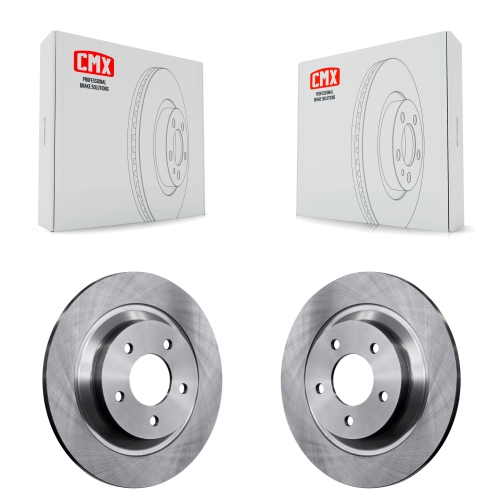
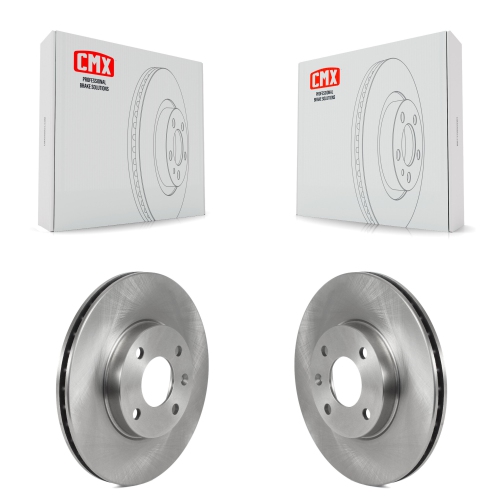
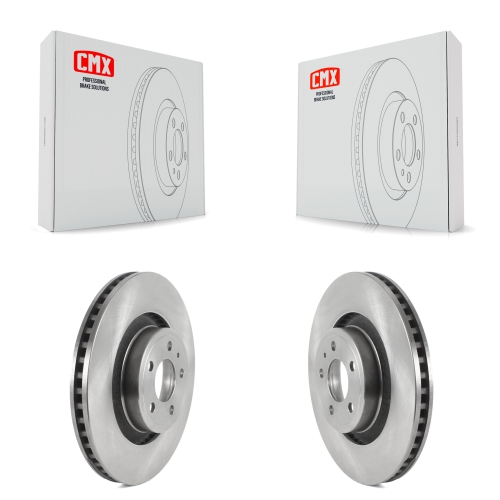
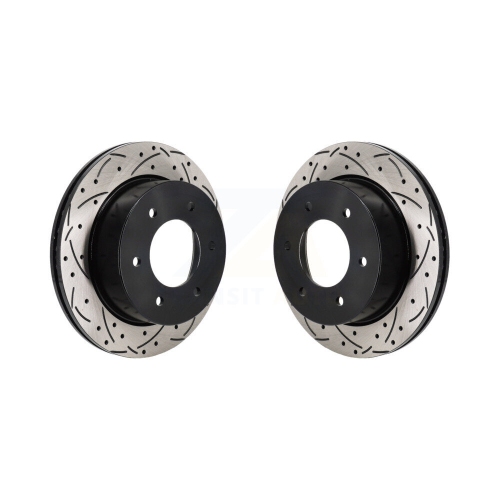
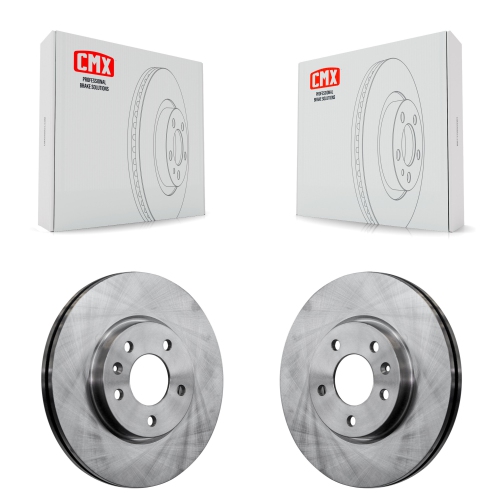
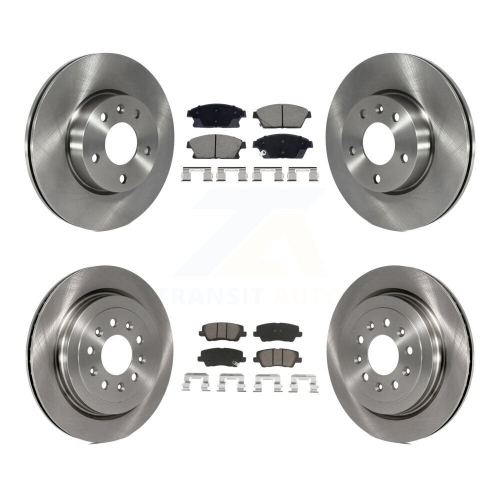
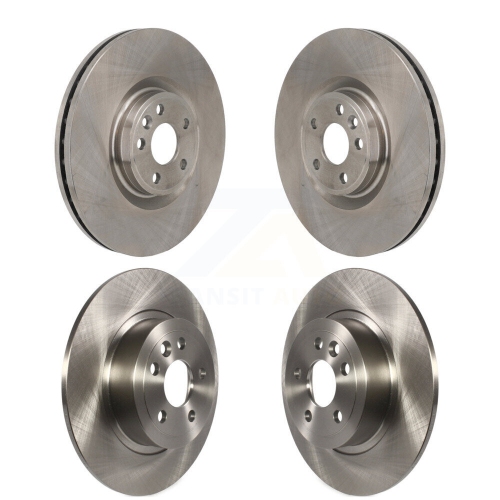
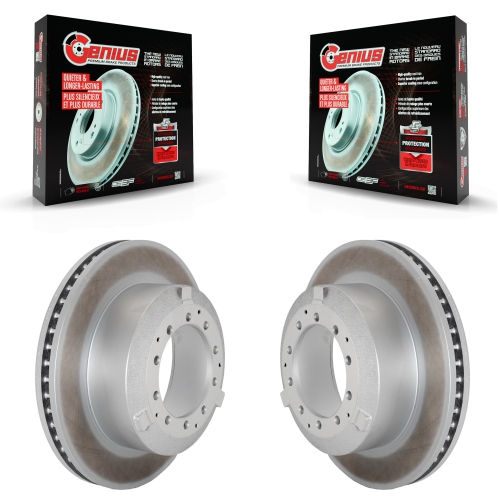
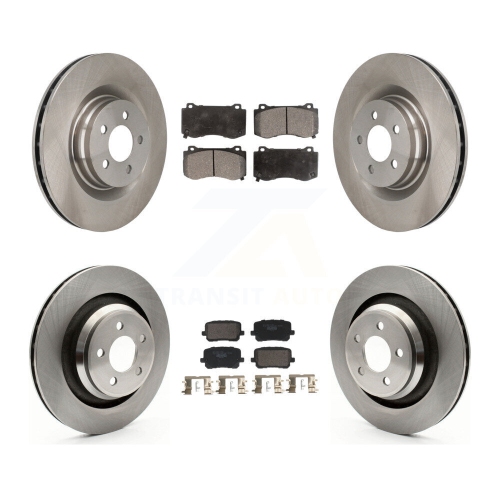
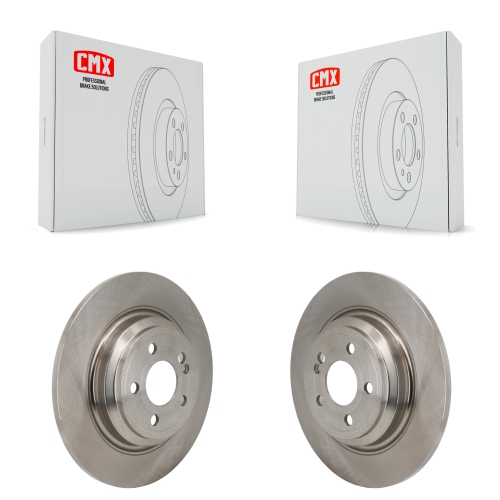
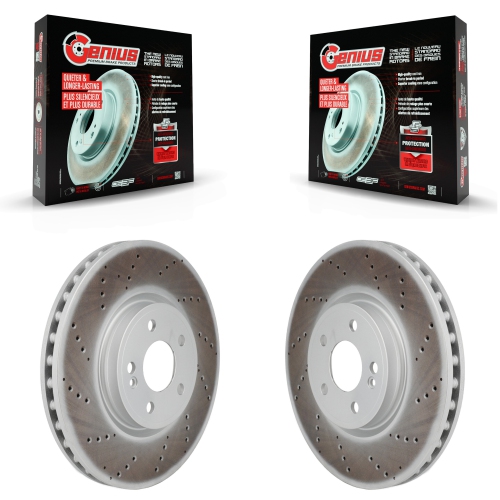
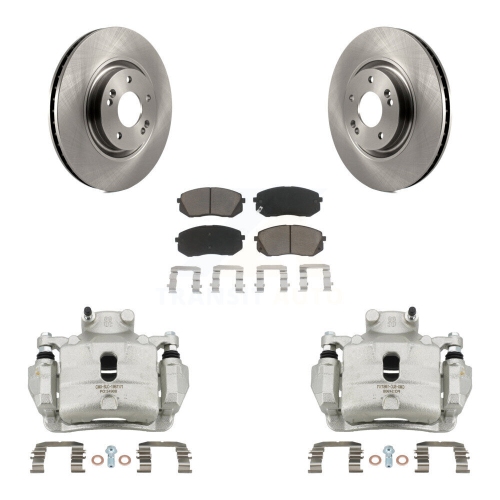
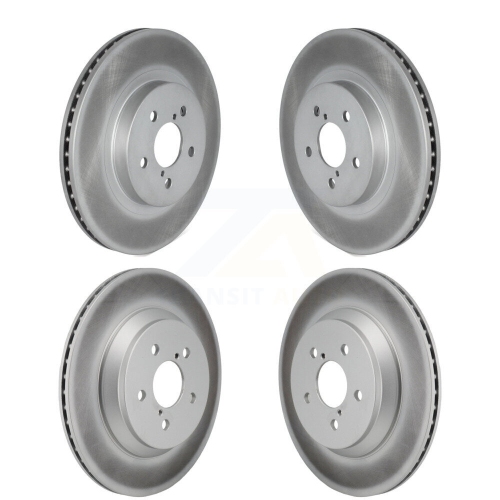
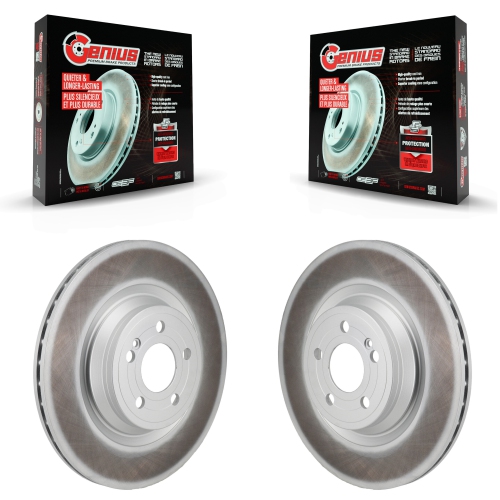
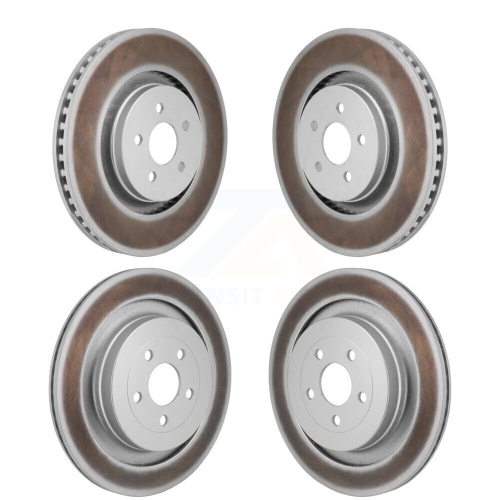
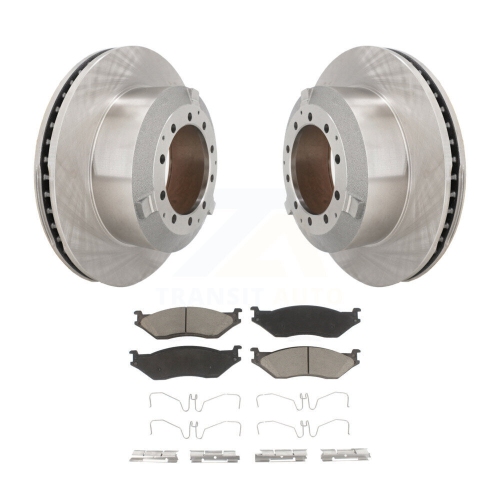
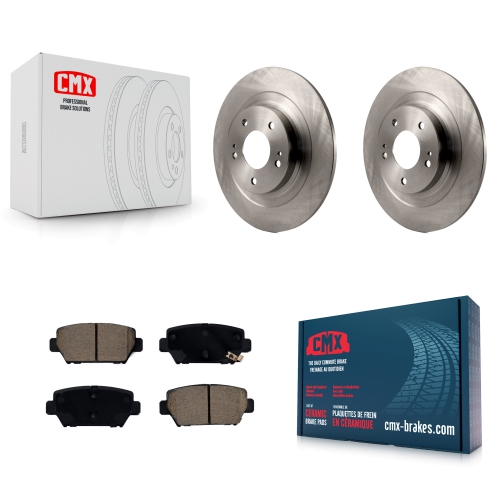
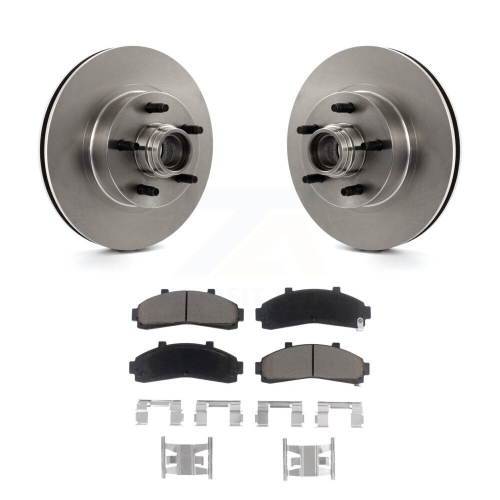
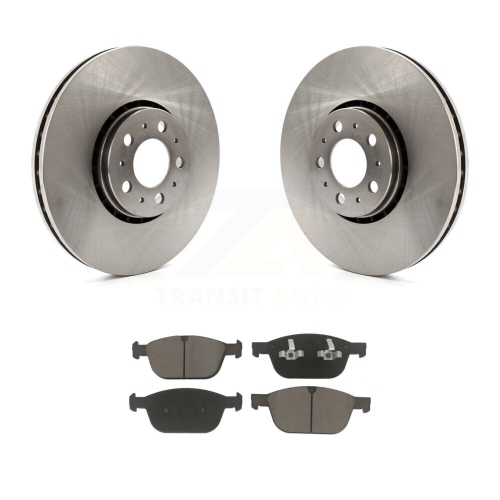
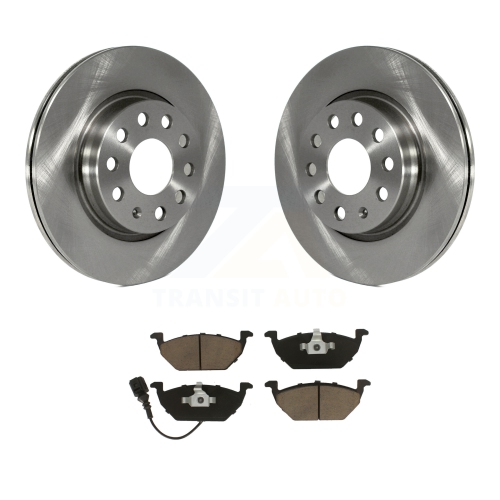
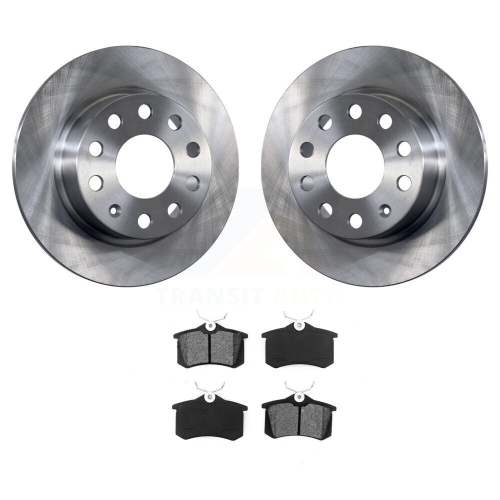
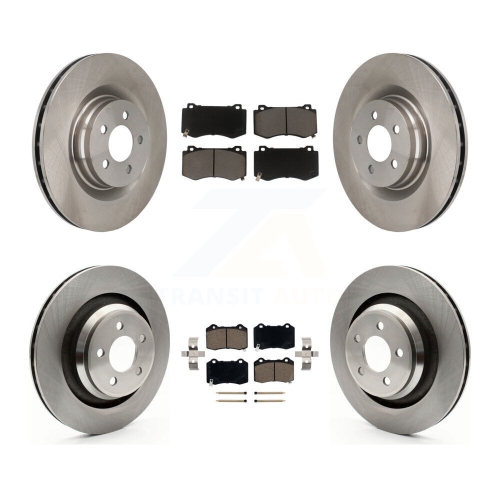
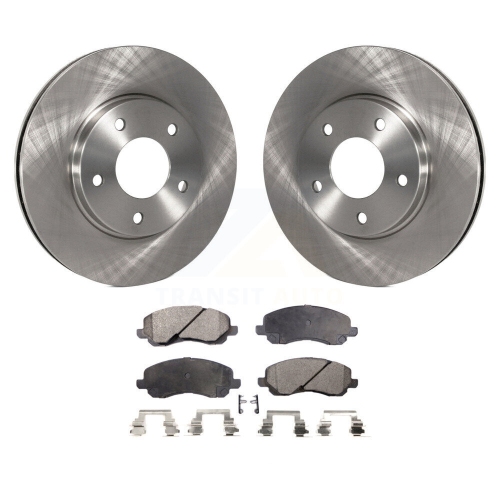
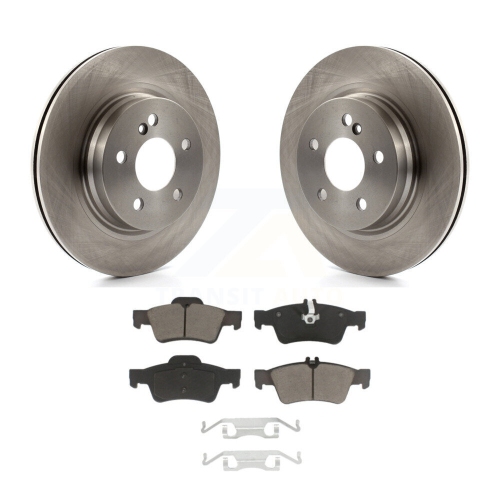
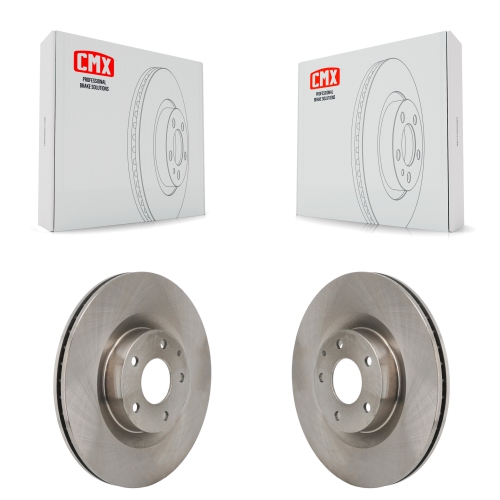
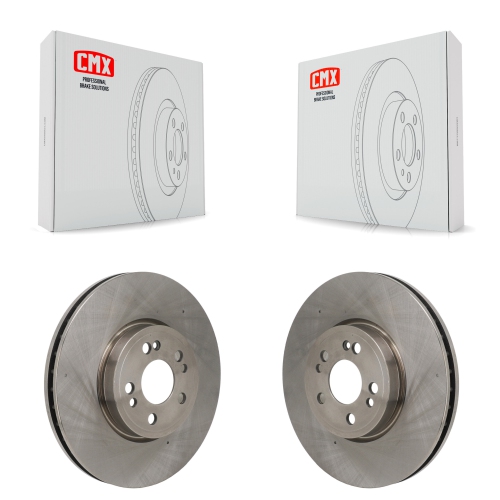
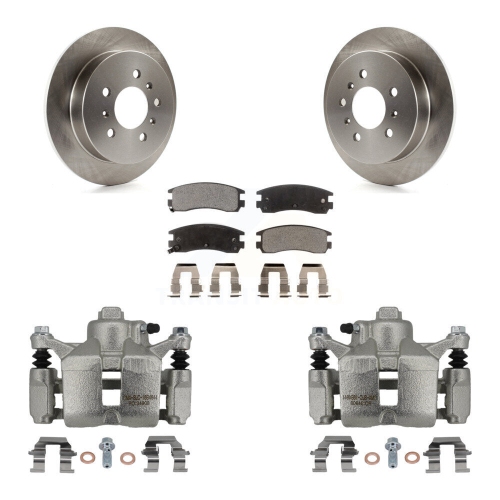
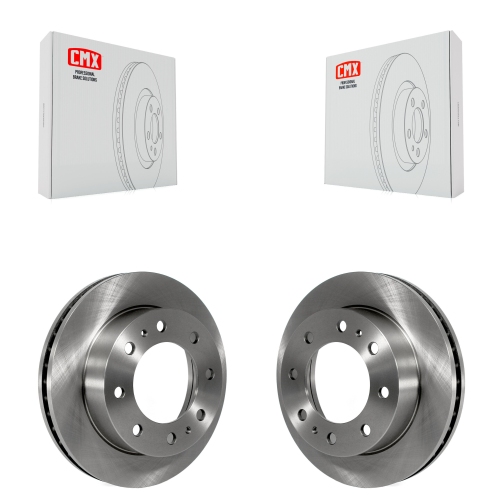
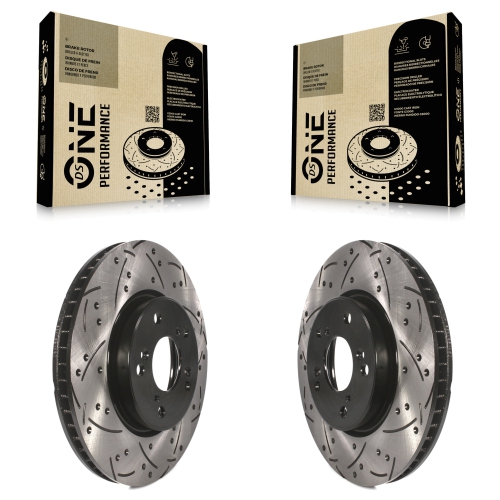
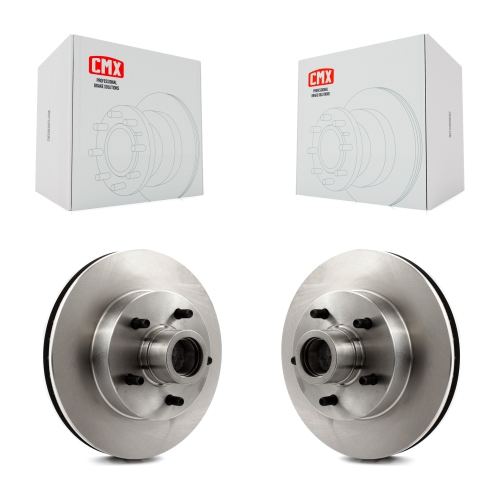
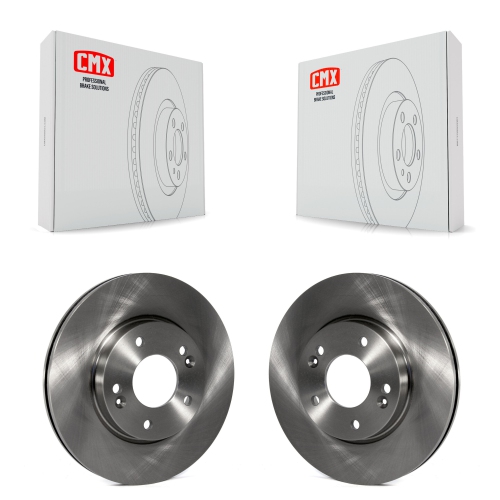
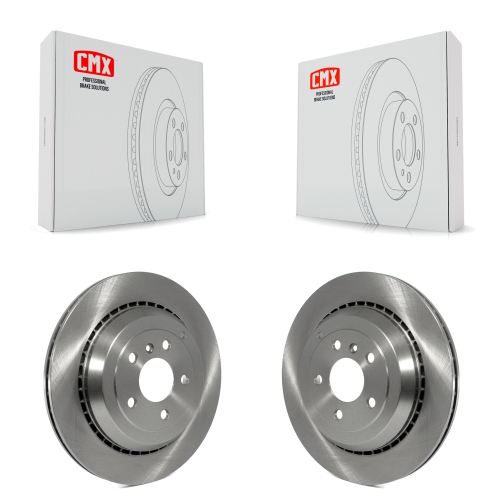
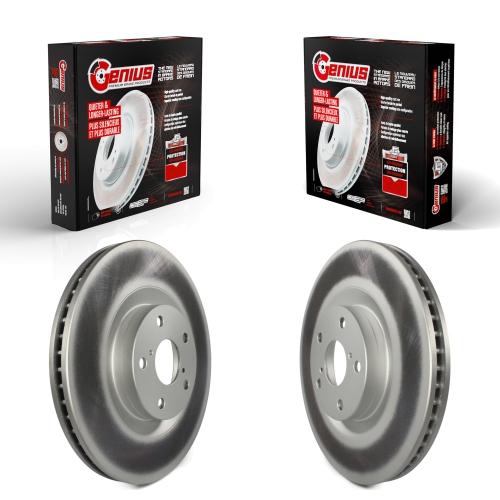
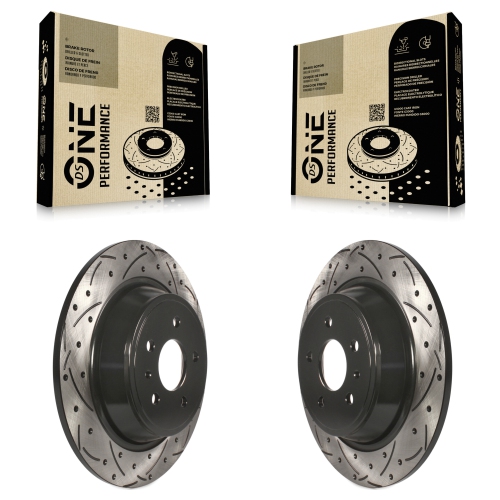
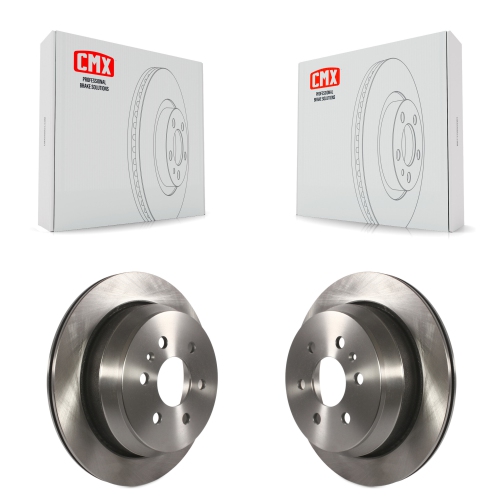
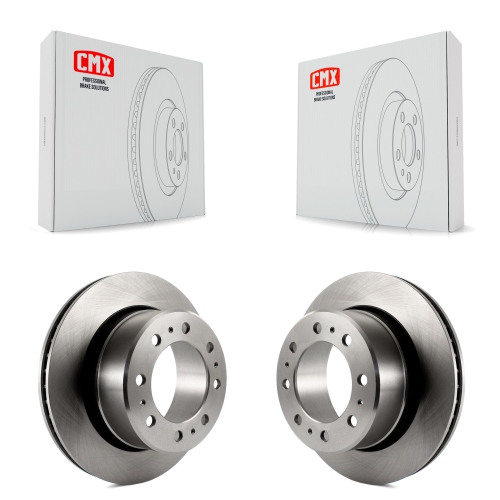
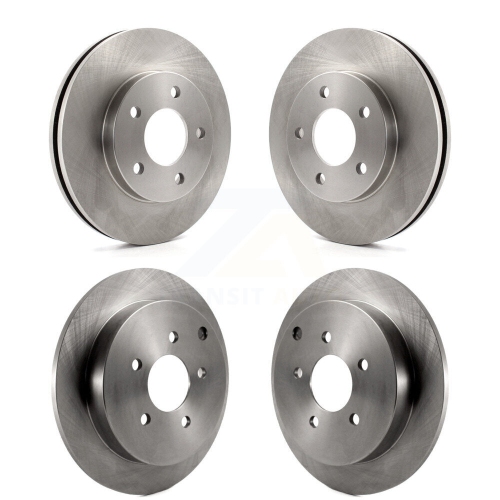
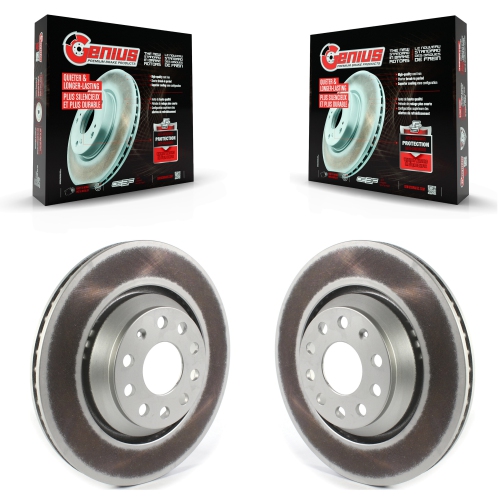
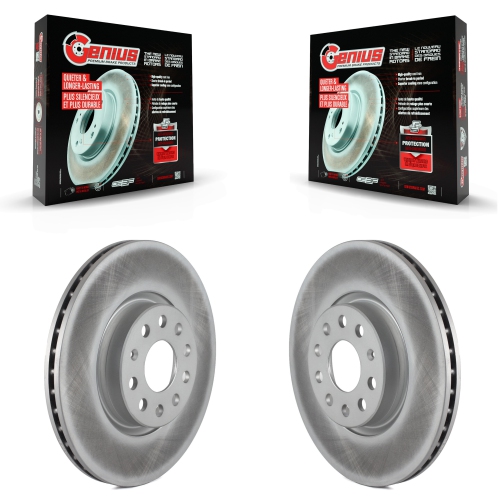
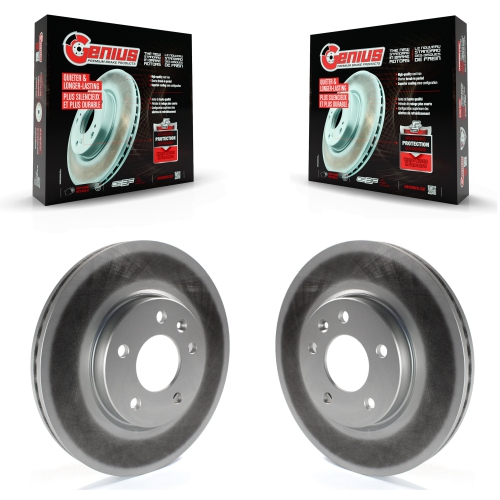
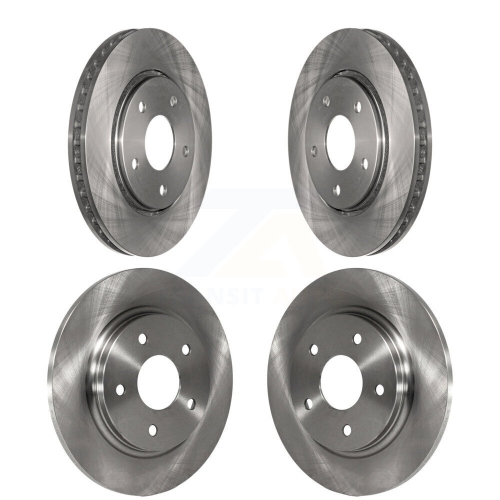
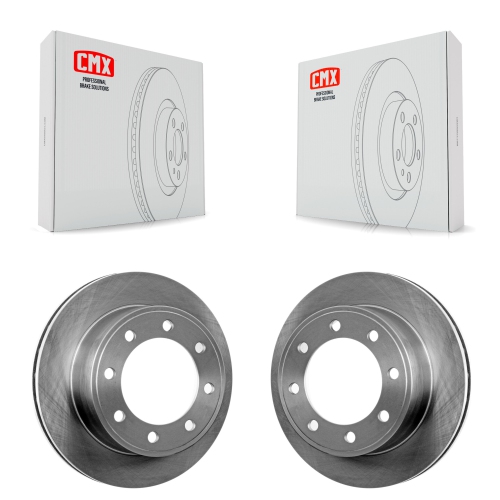
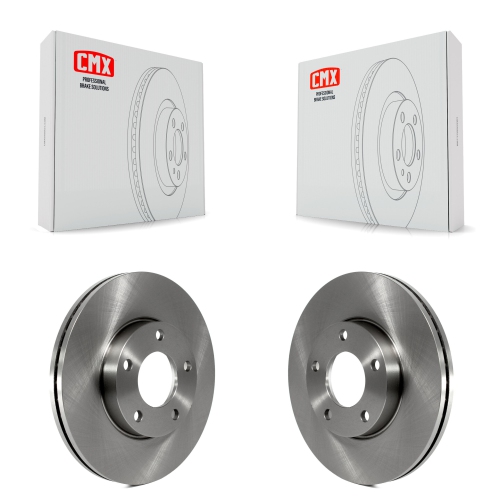
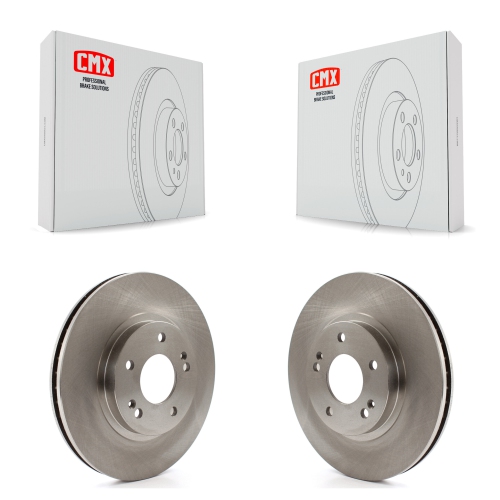
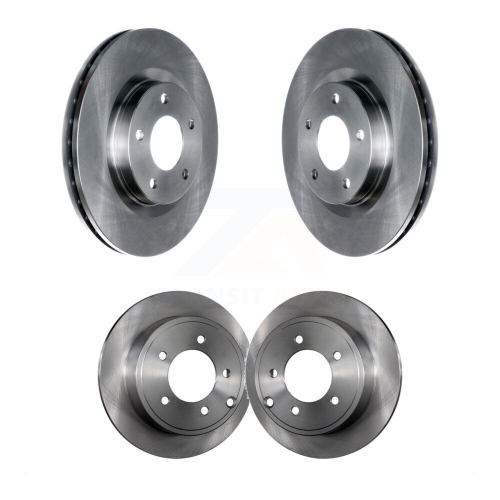
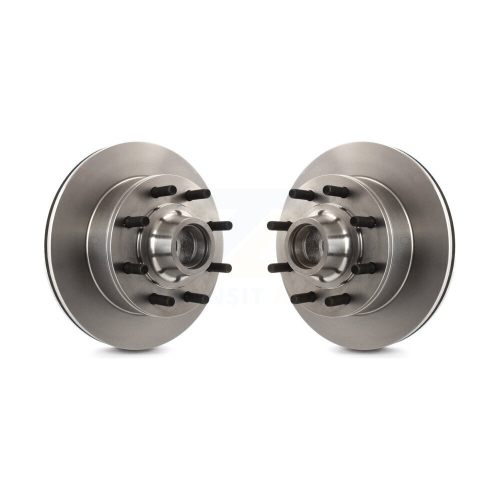
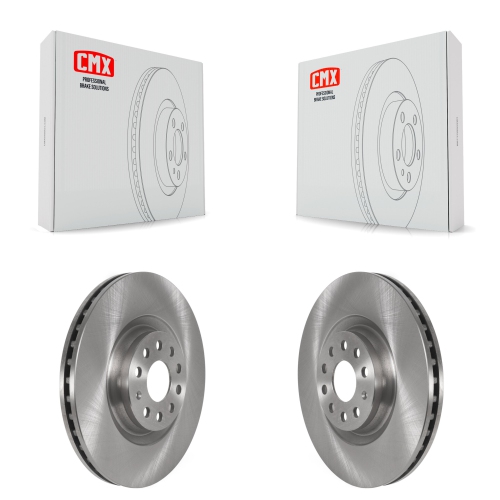
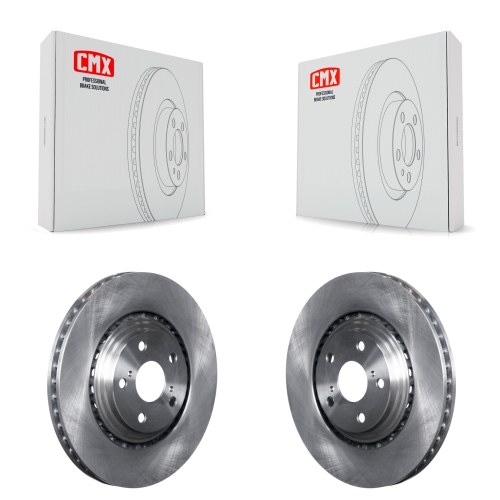
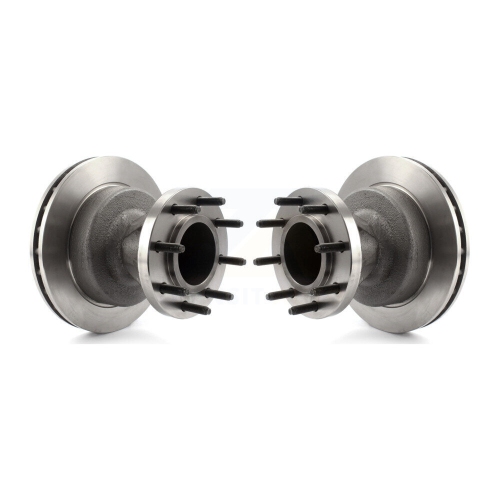
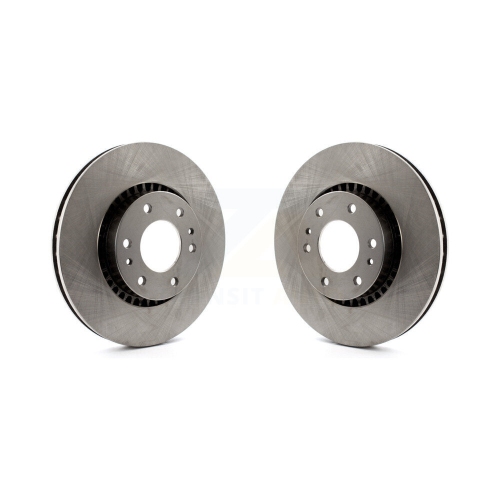
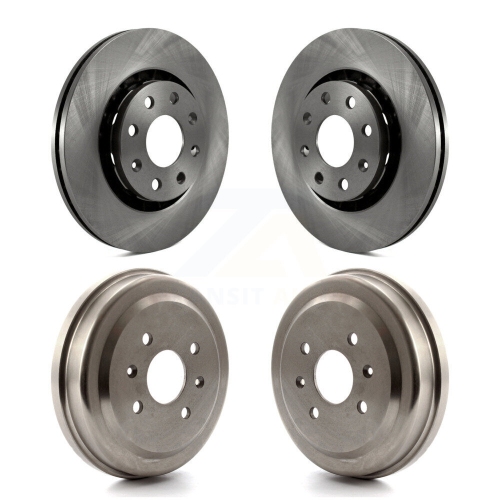
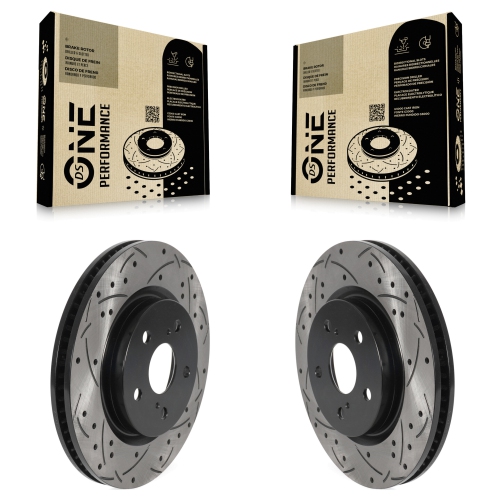
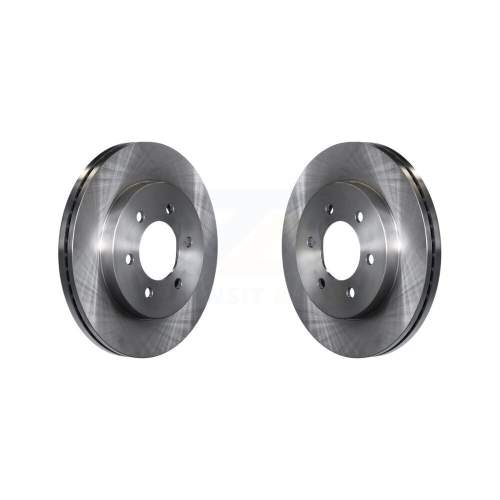
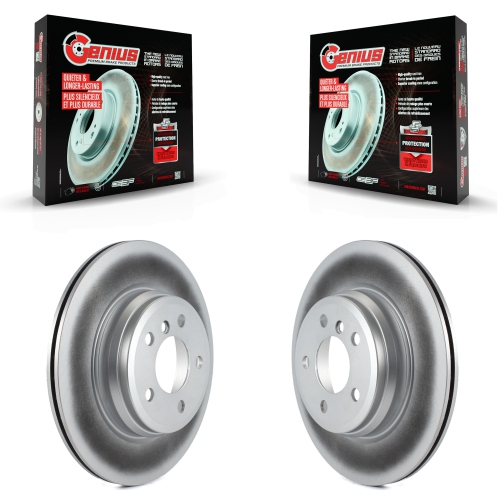
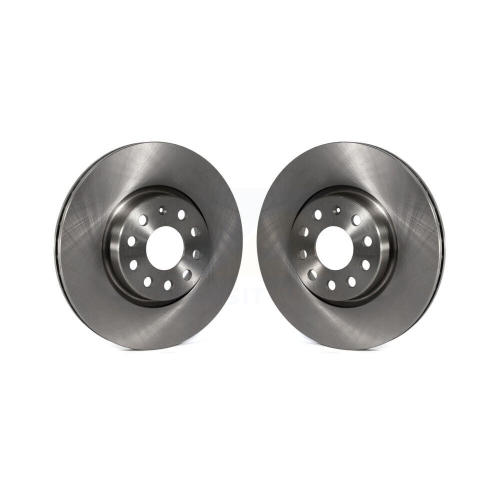
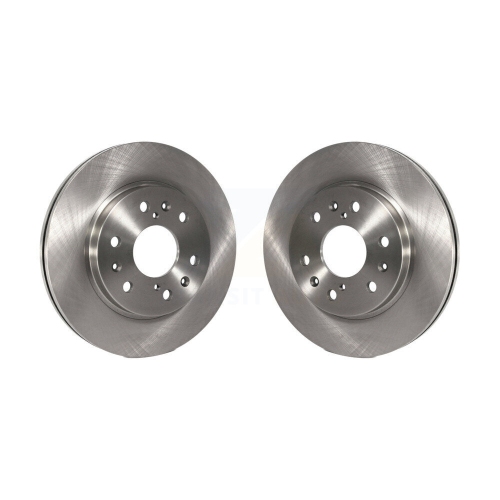
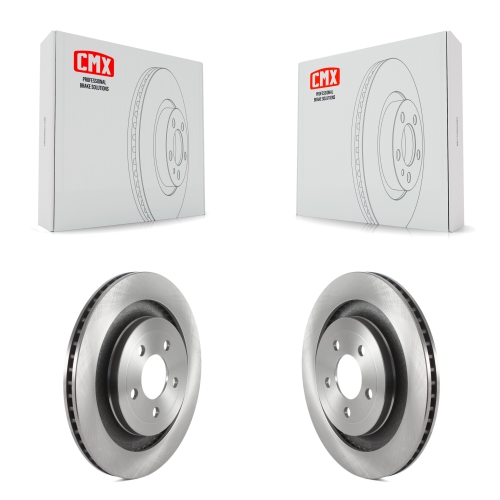
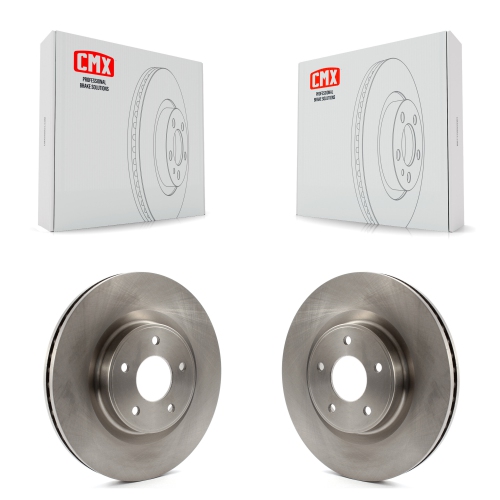
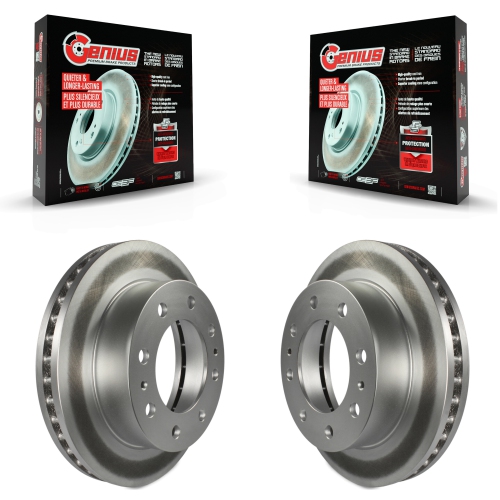
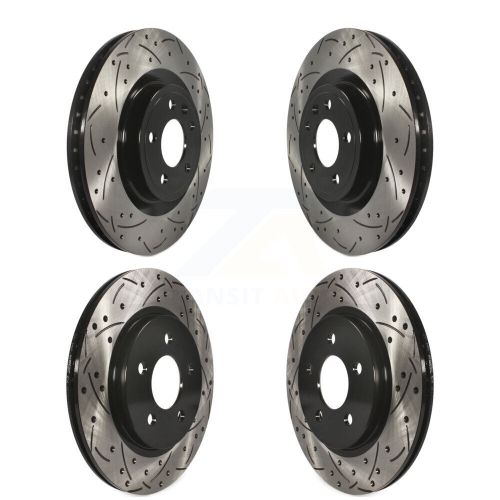
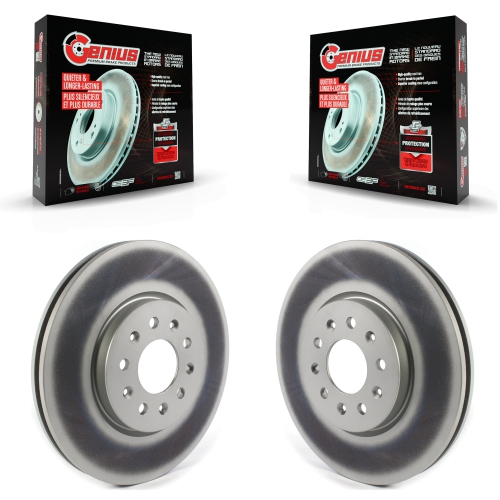
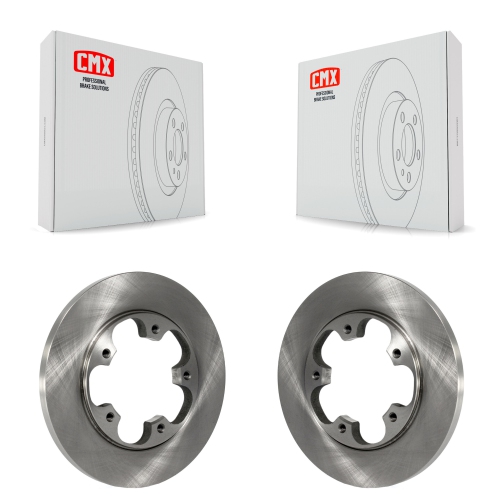
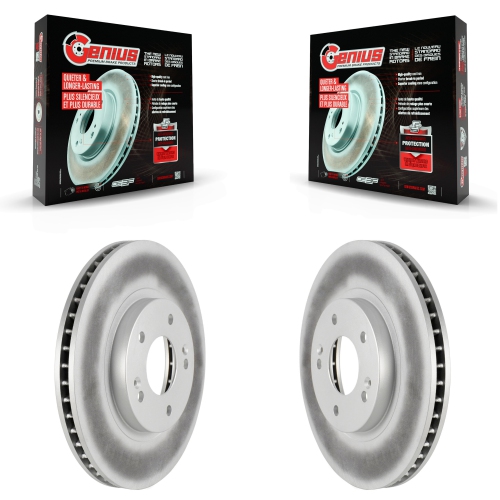
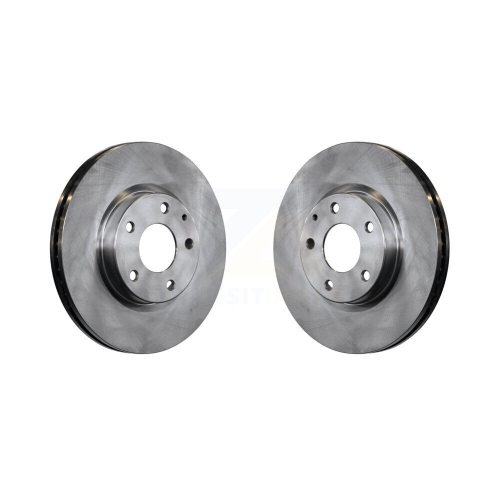
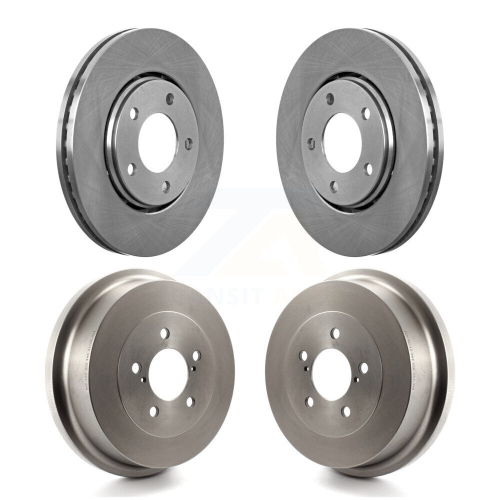
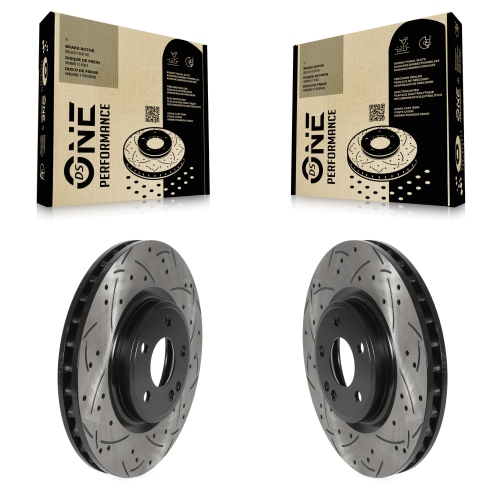
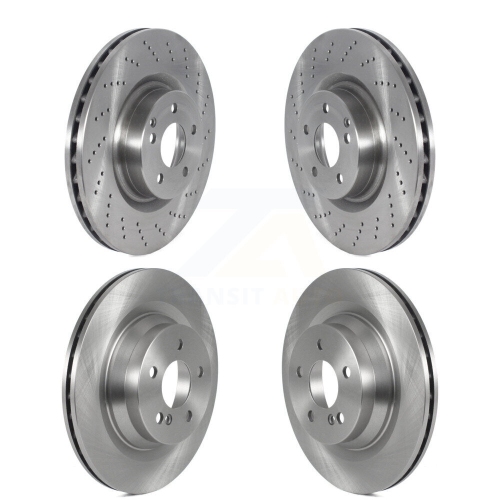
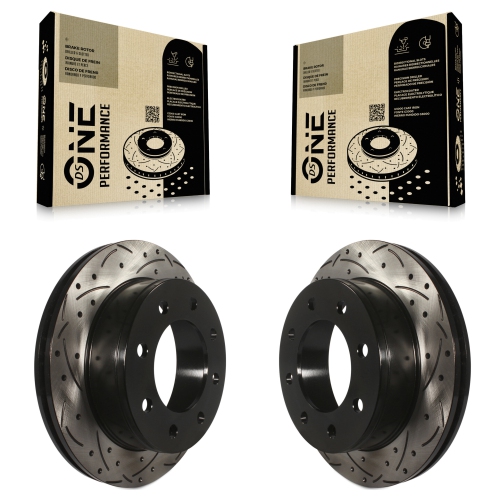
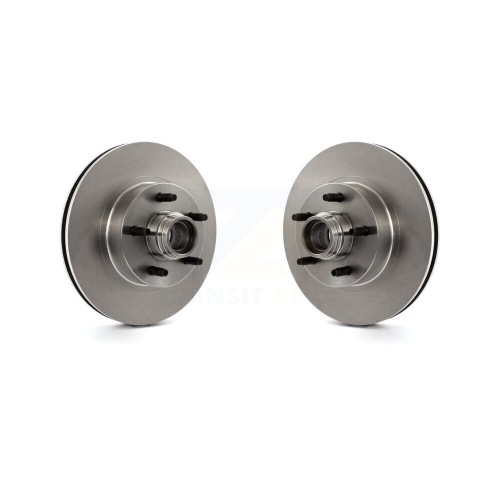
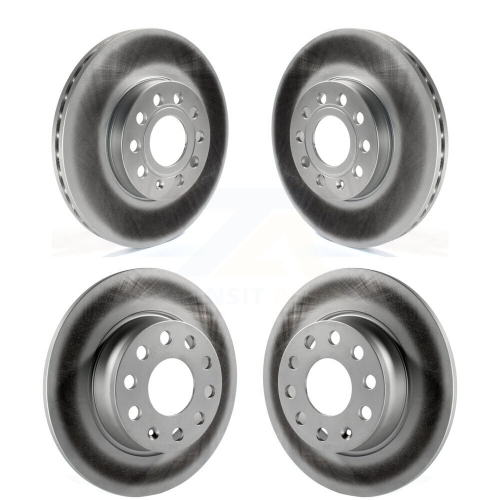
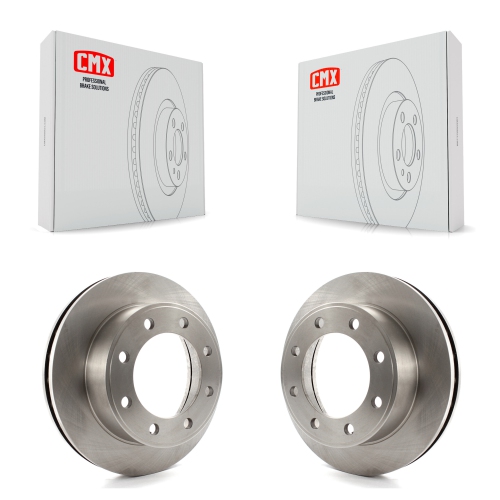
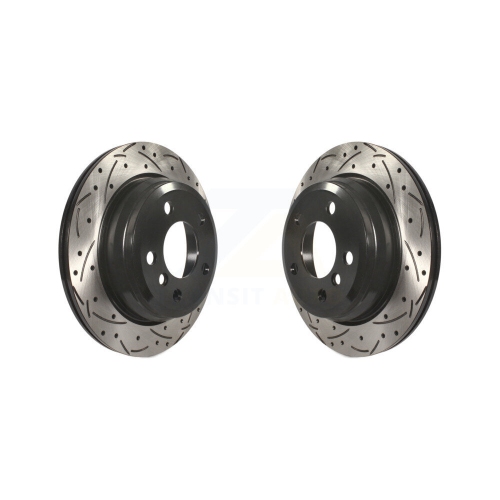
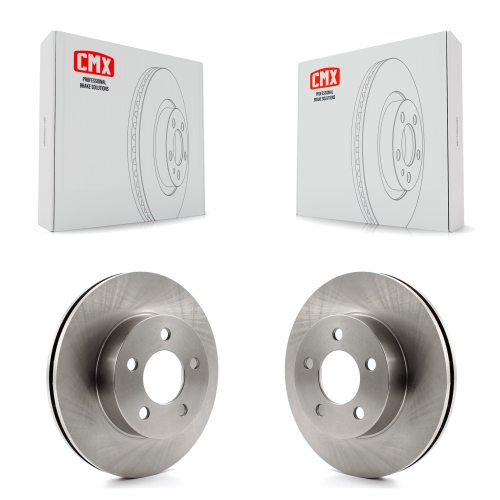
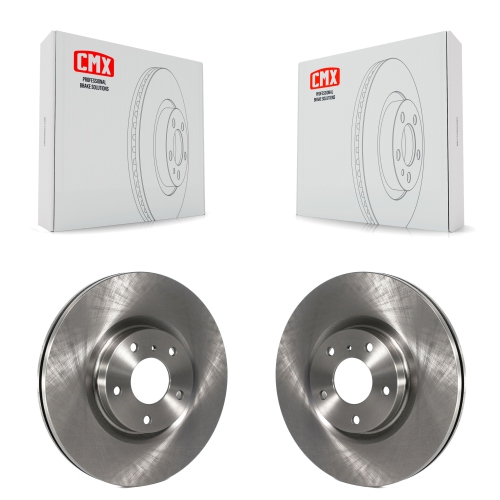
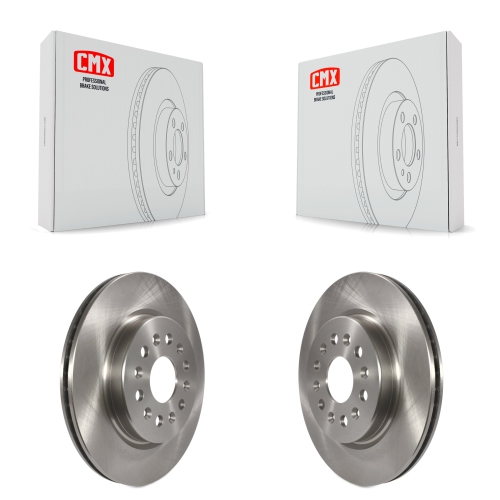
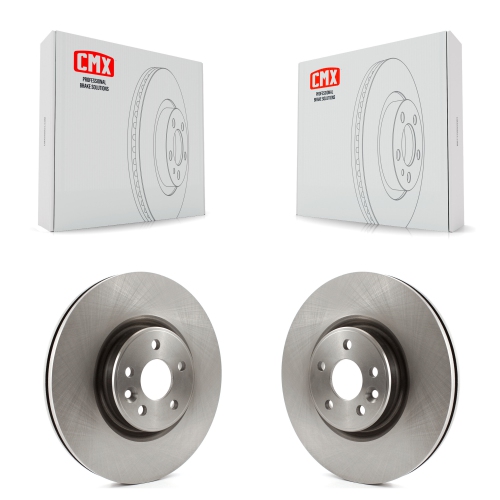
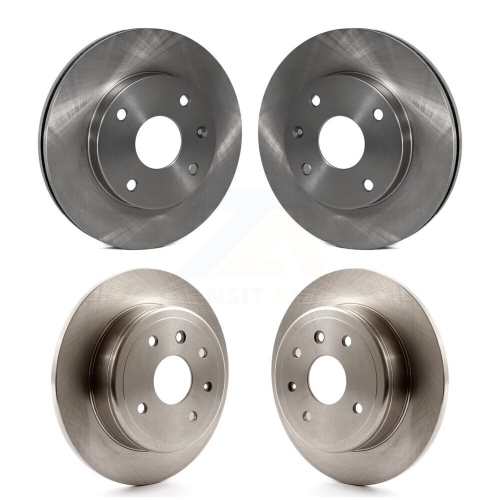
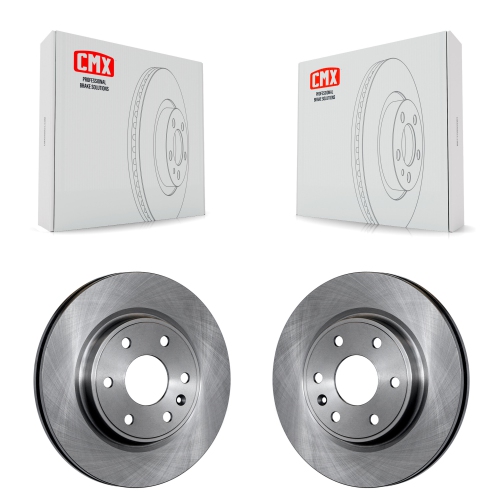
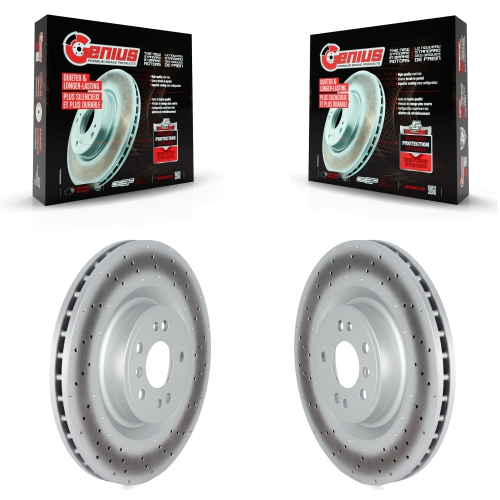
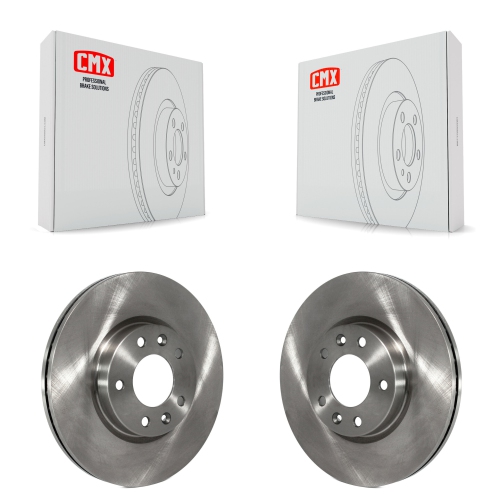
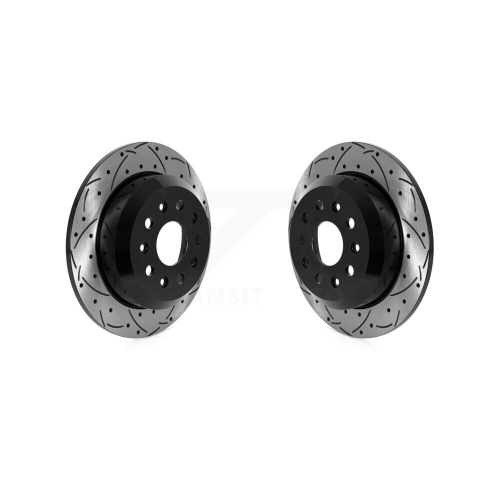
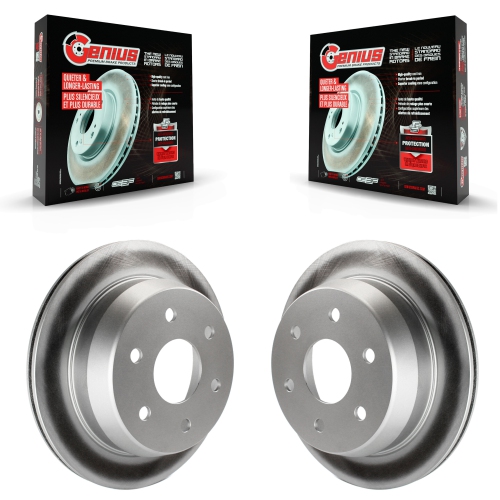
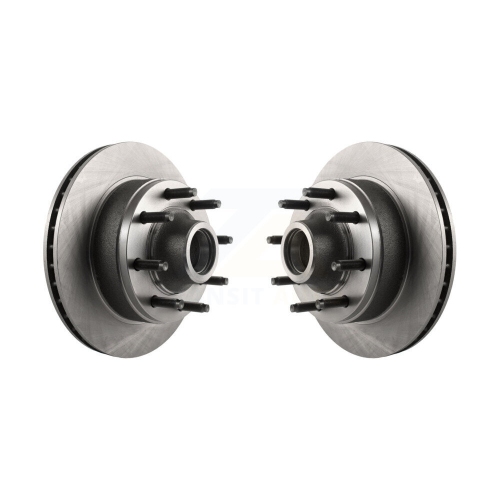
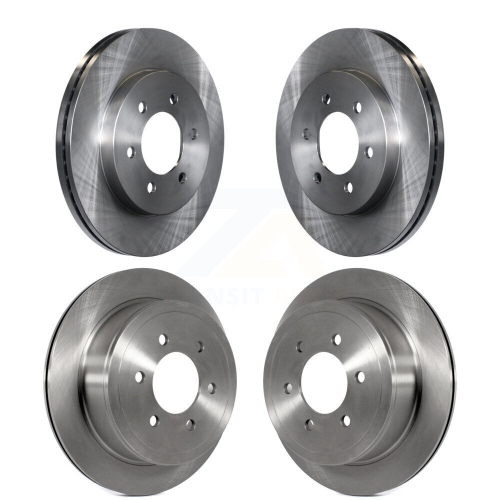
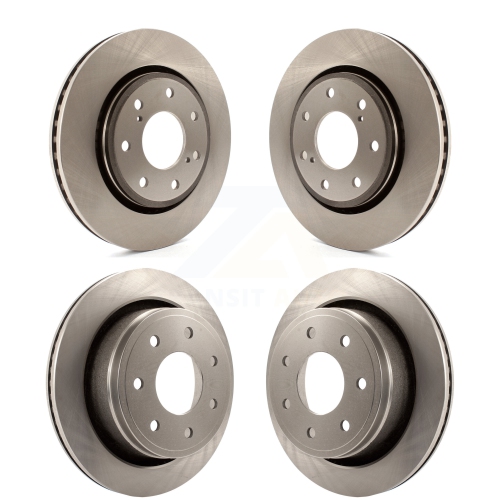
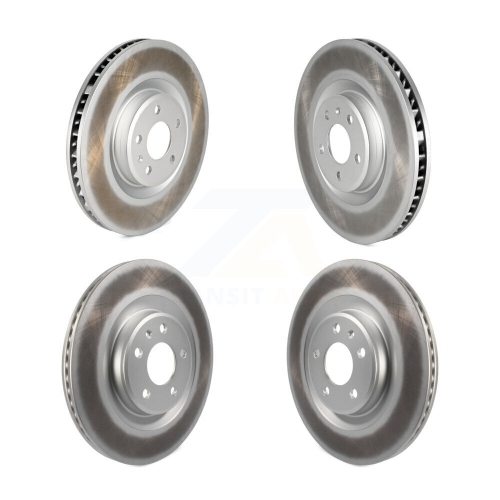
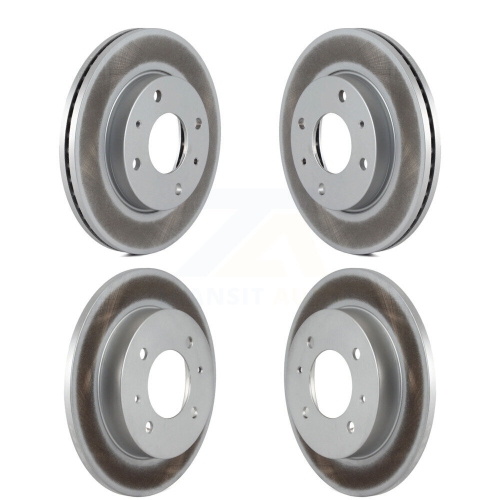
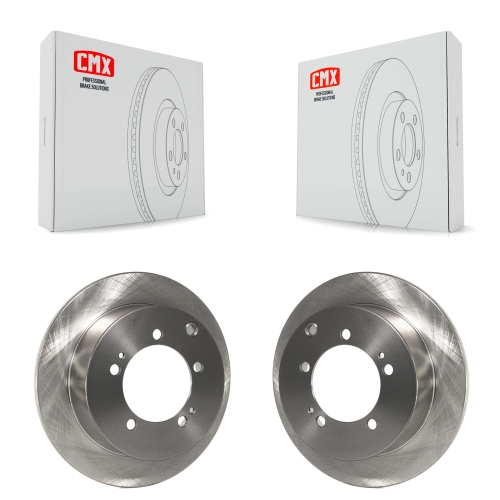

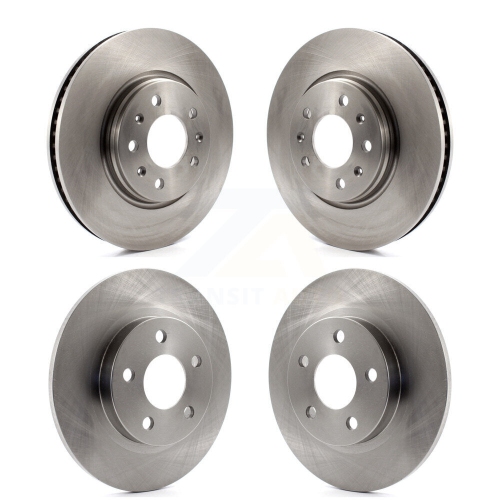
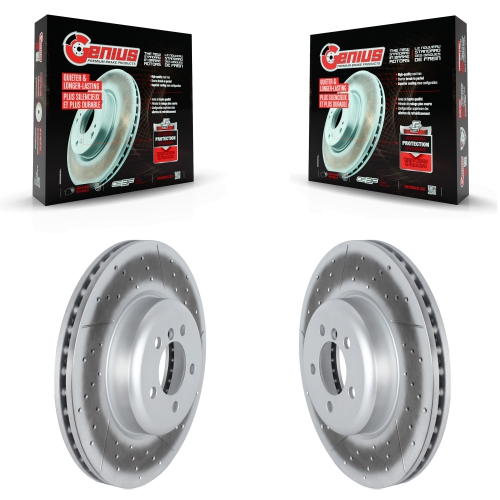
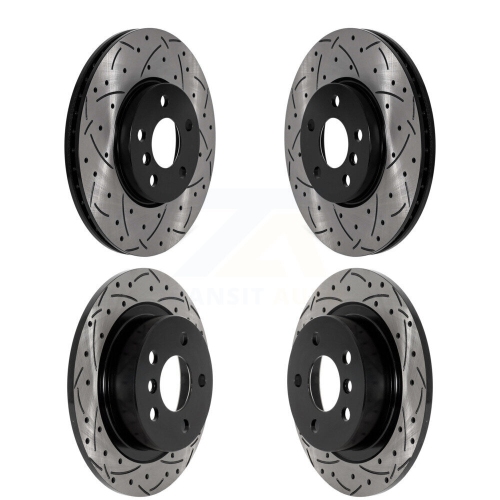
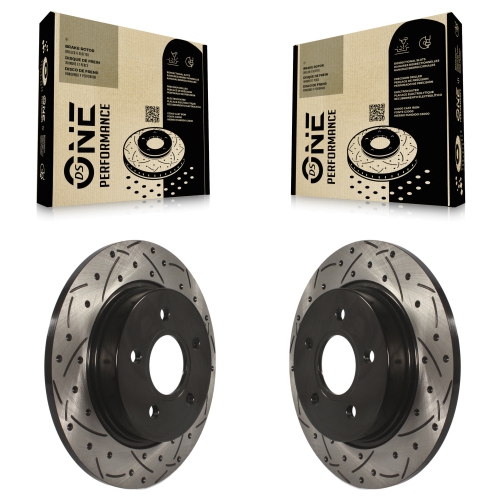
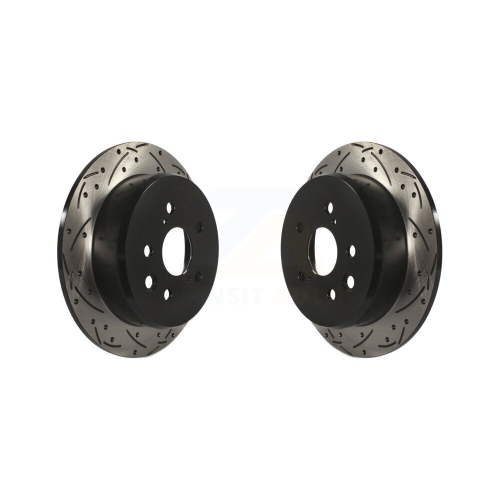
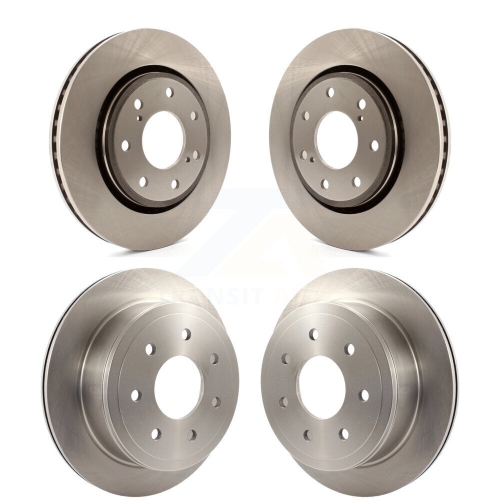
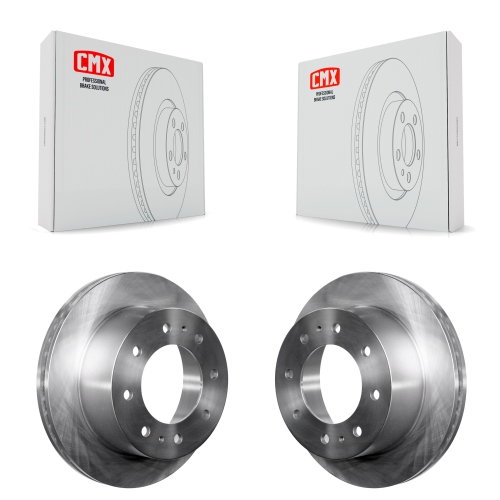
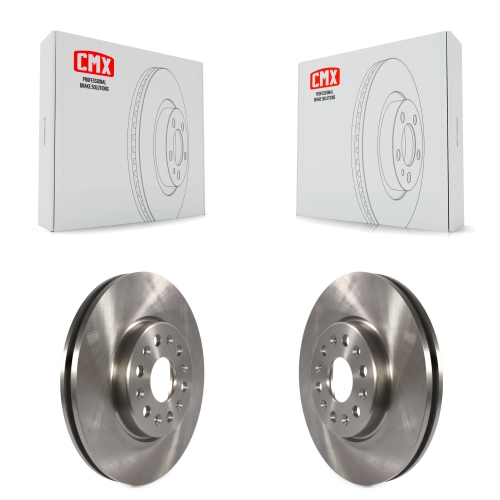
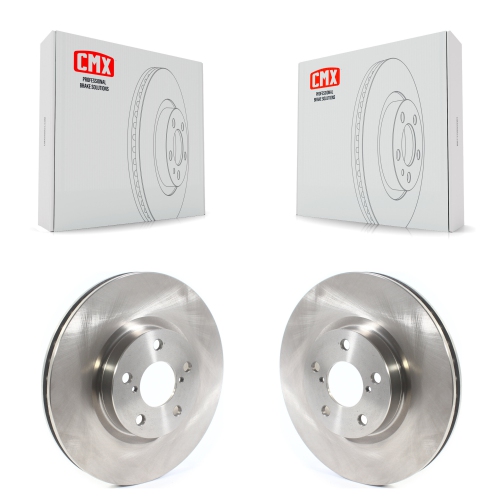
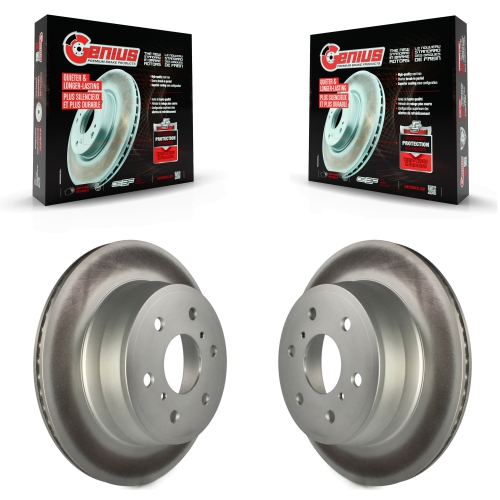
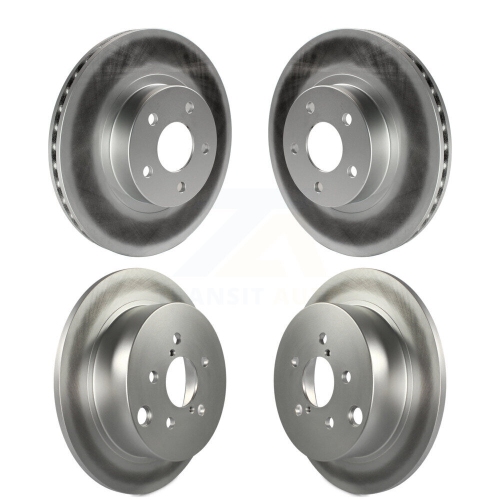
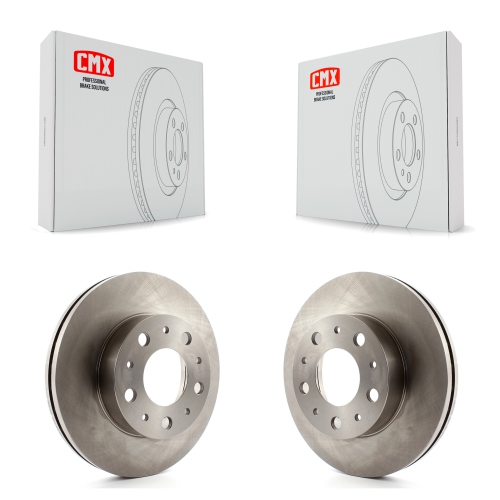
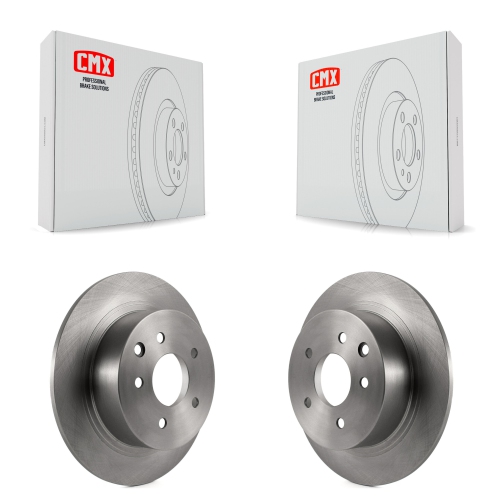
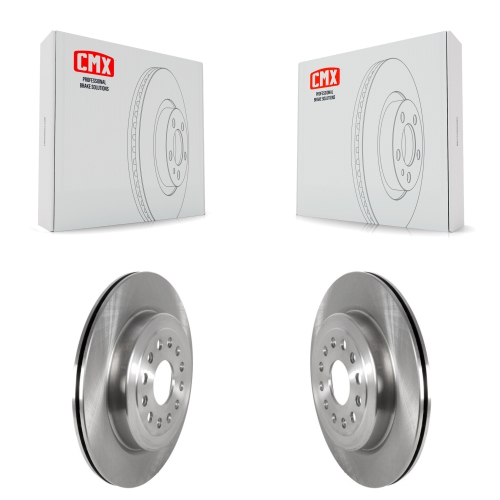
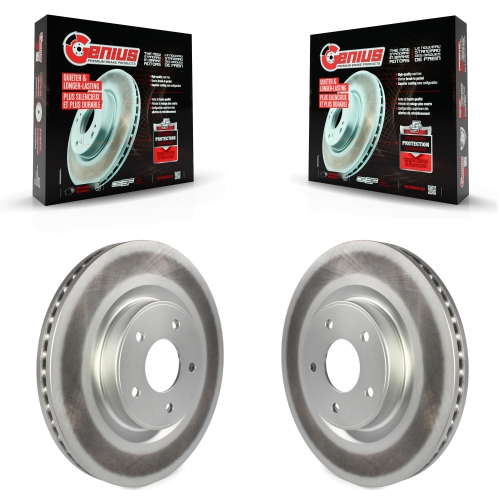
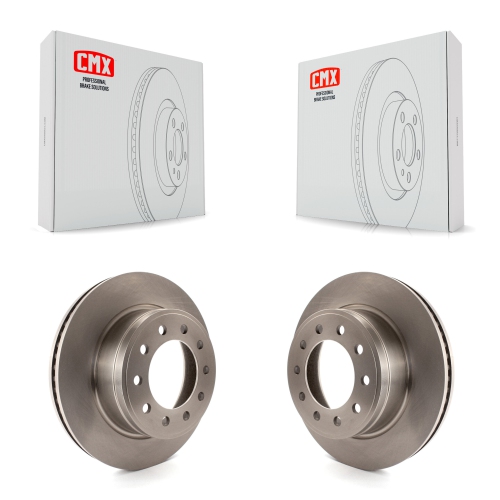
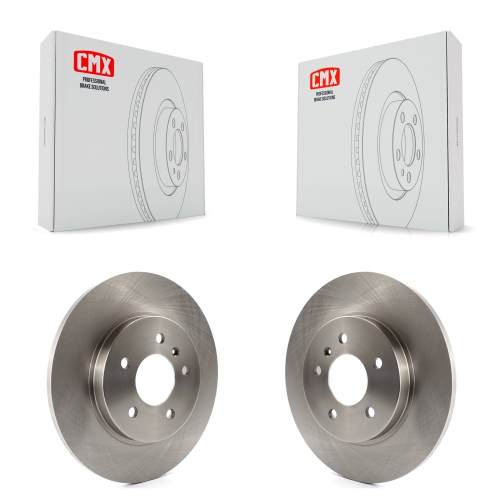
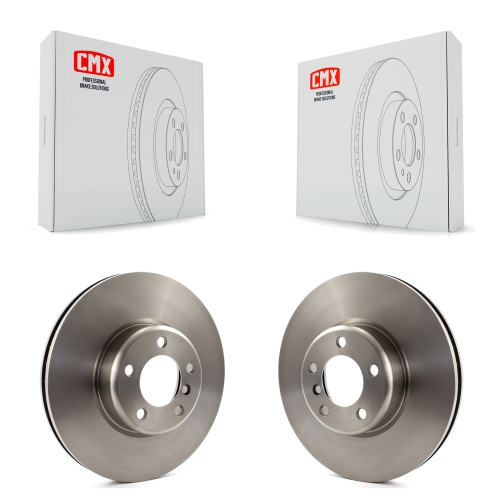
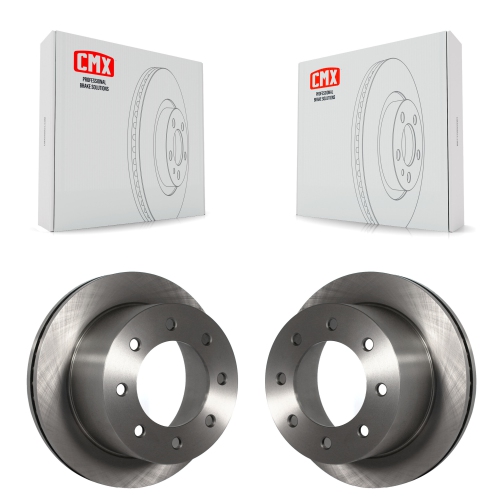
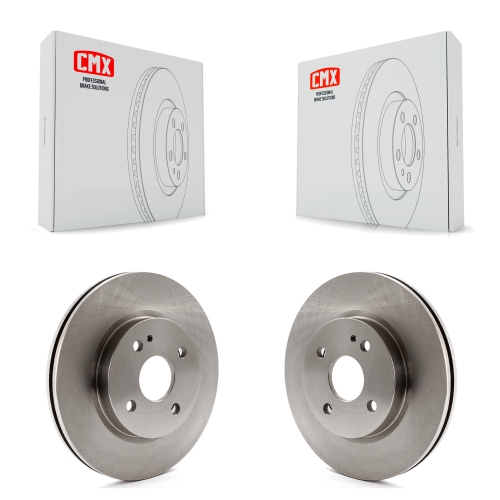
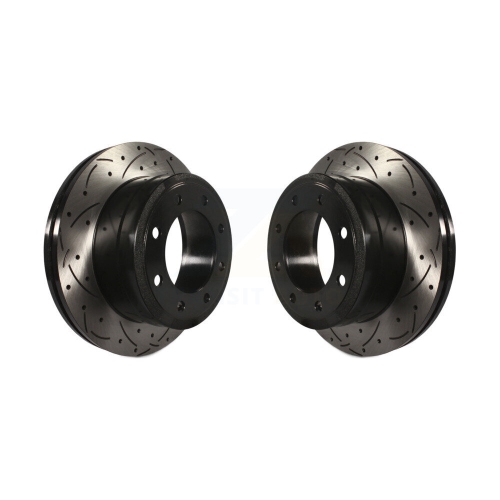
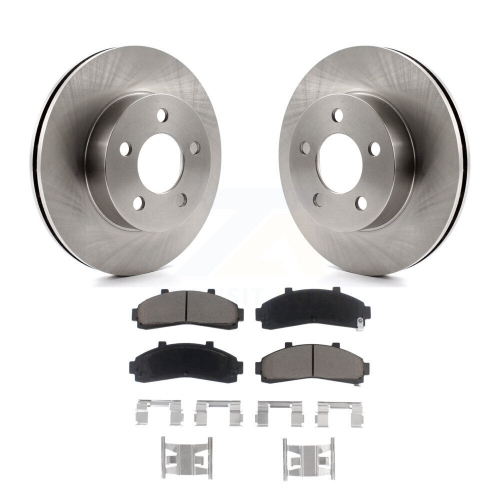
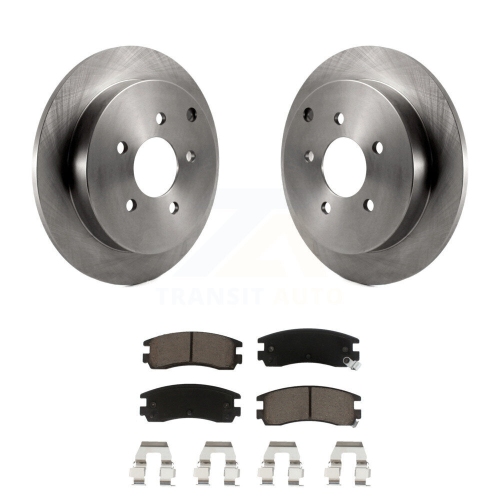
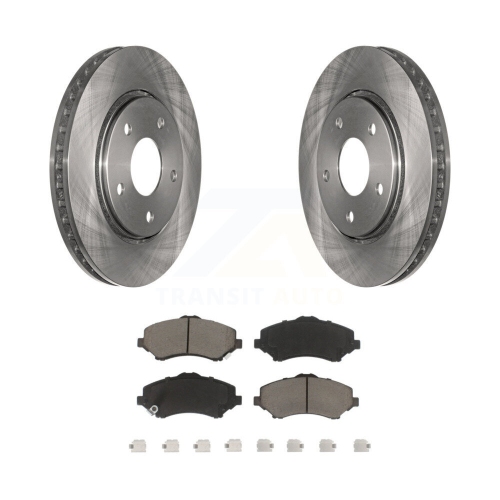
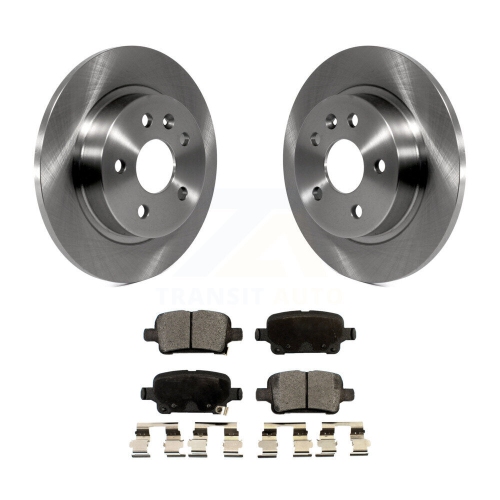
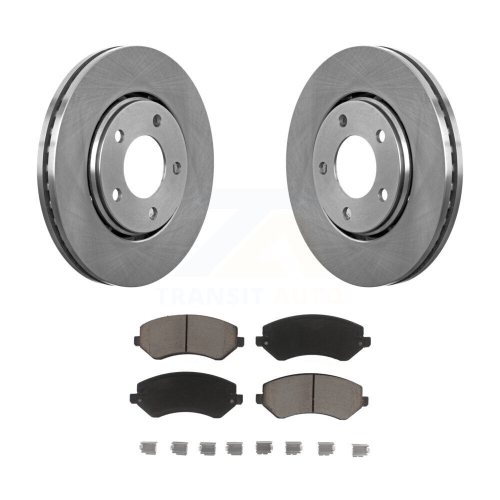
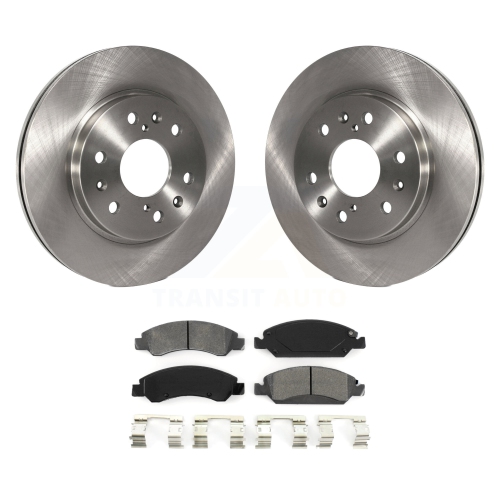
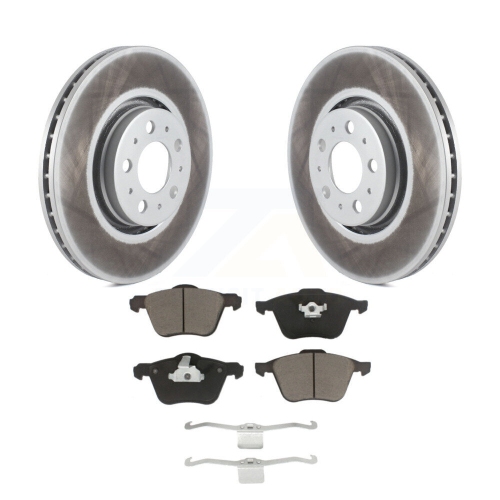
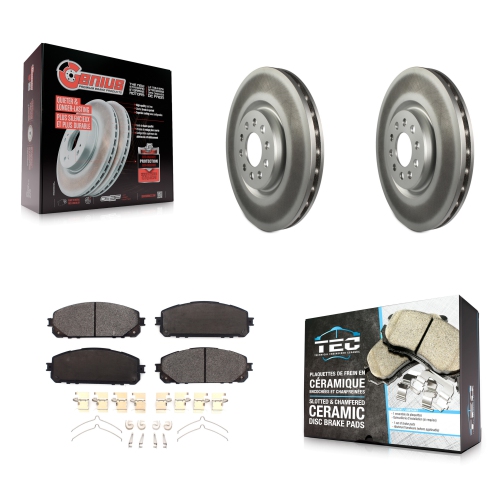
What to know about fit, wear, and installation
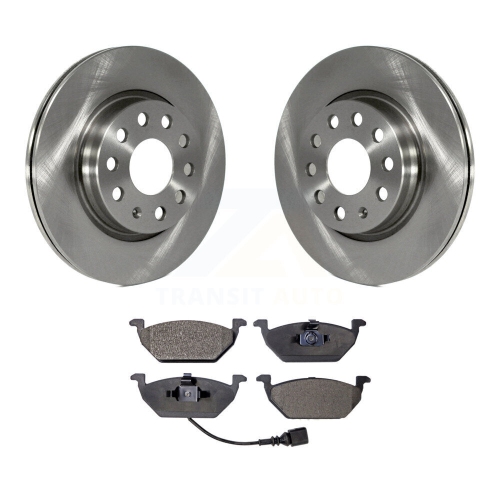
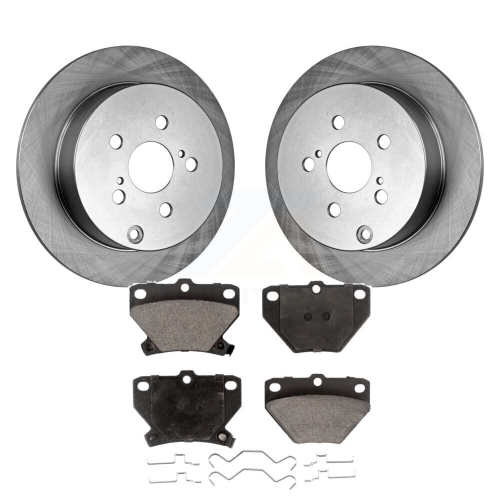
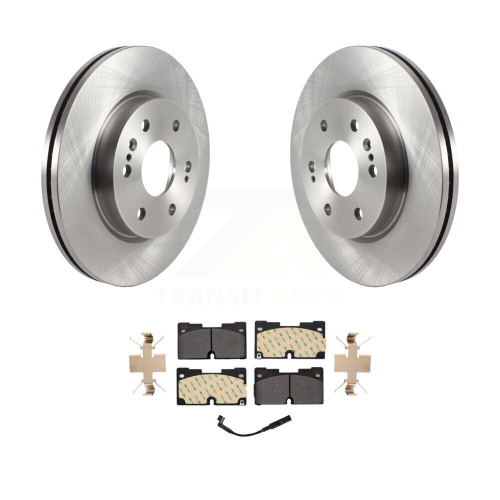
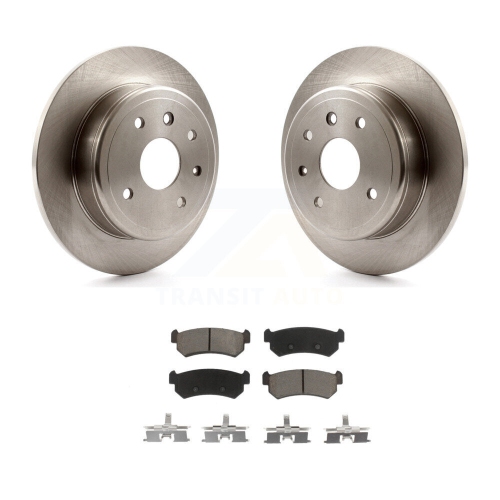
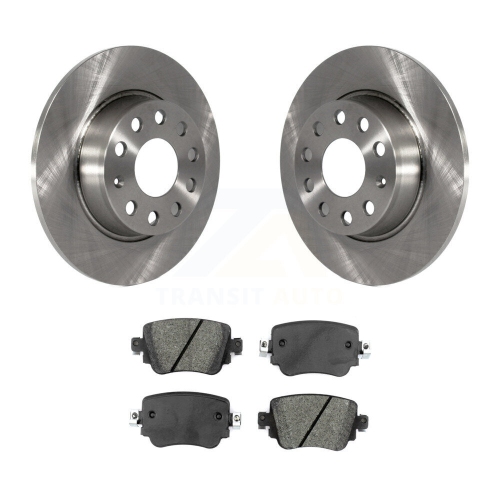
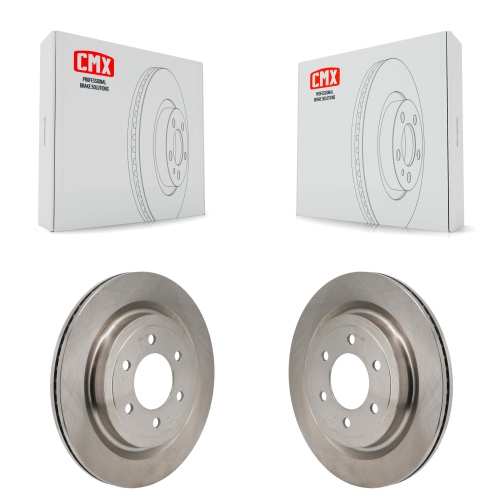
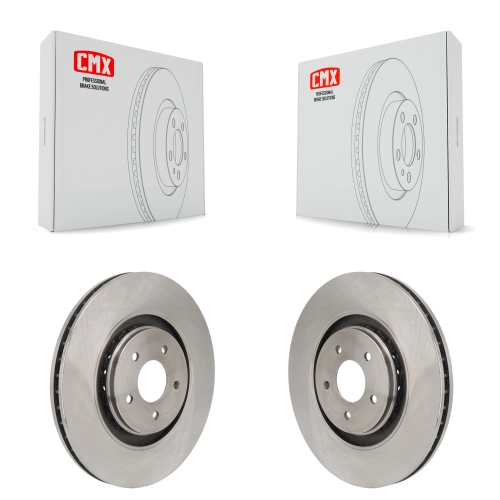
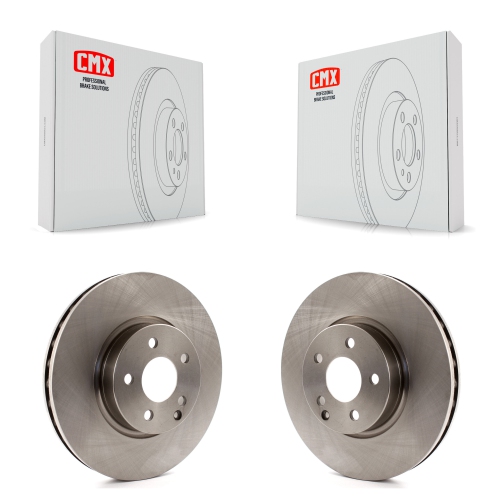
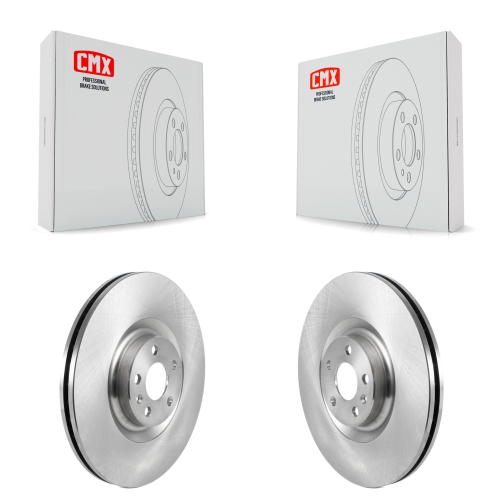
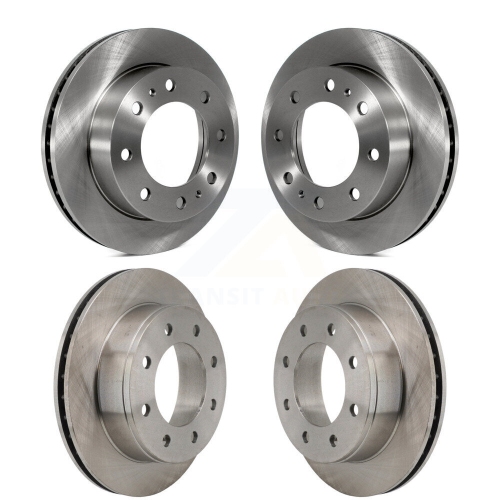
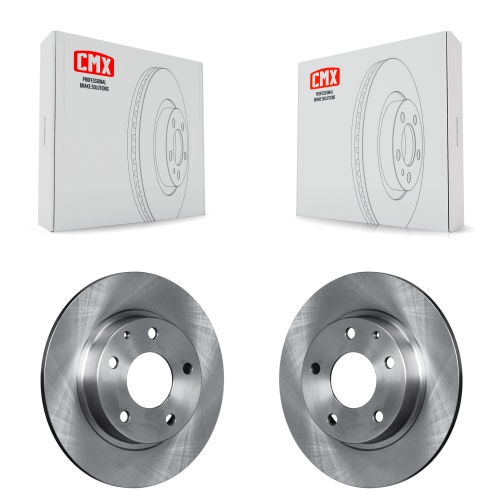
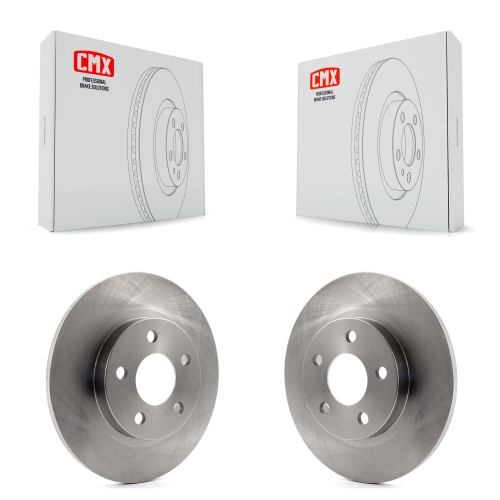
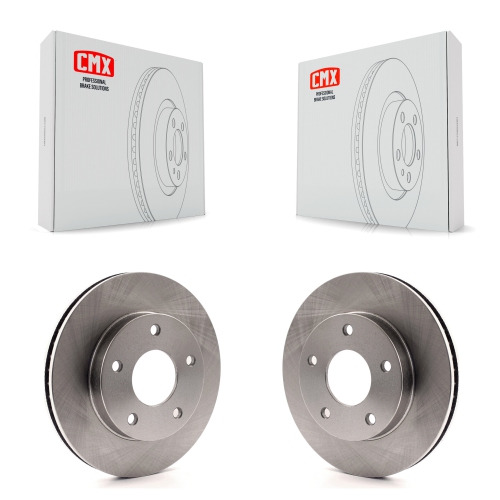
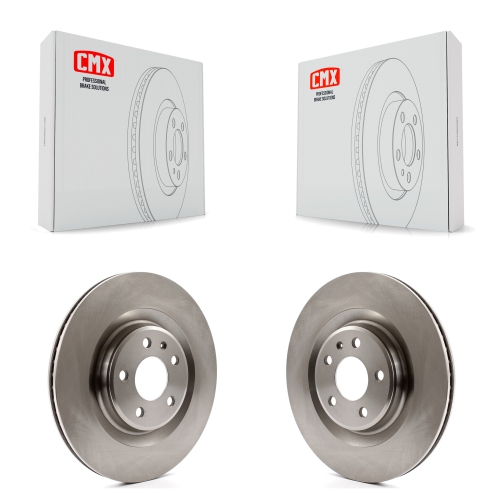
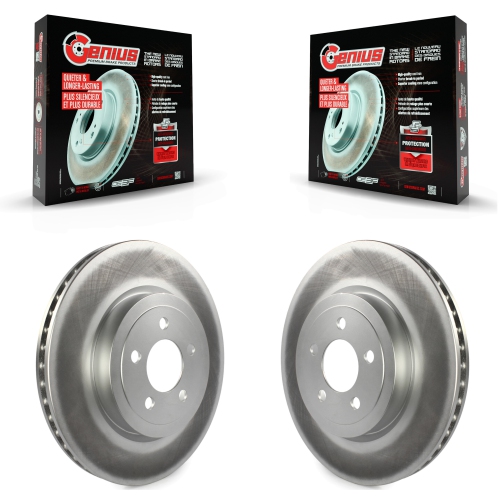
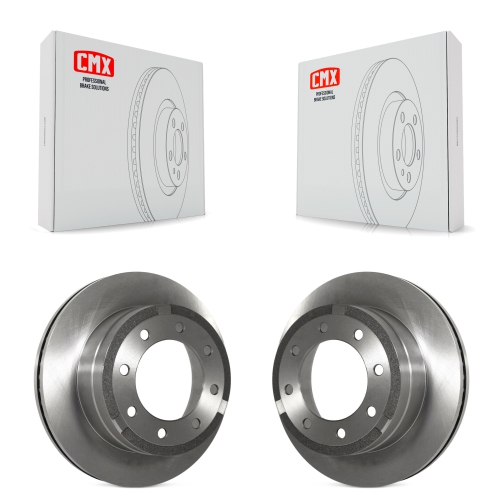
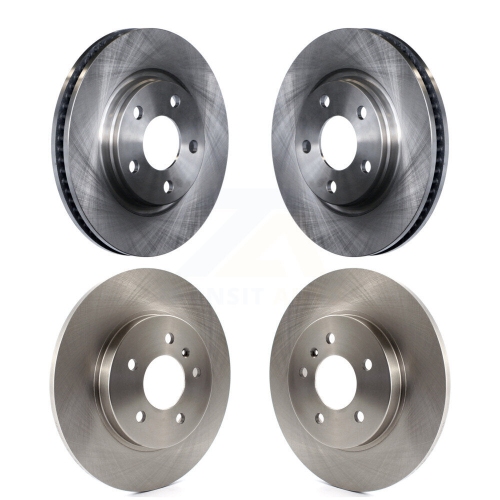
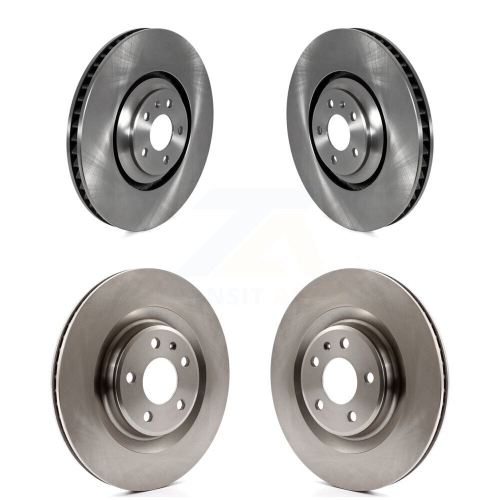
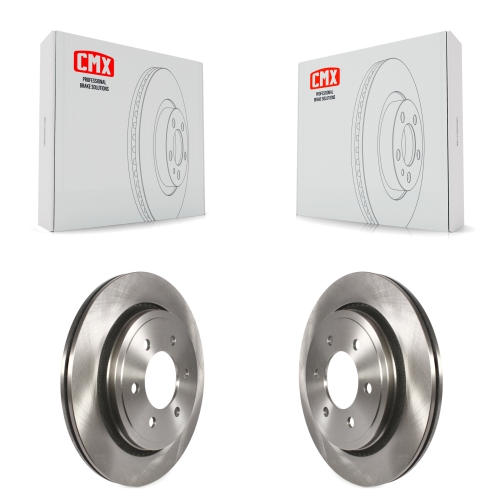
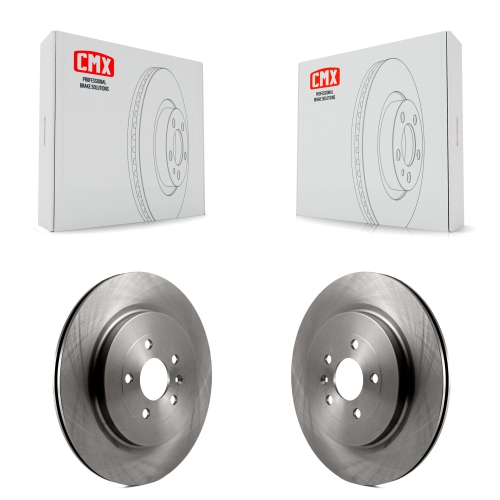
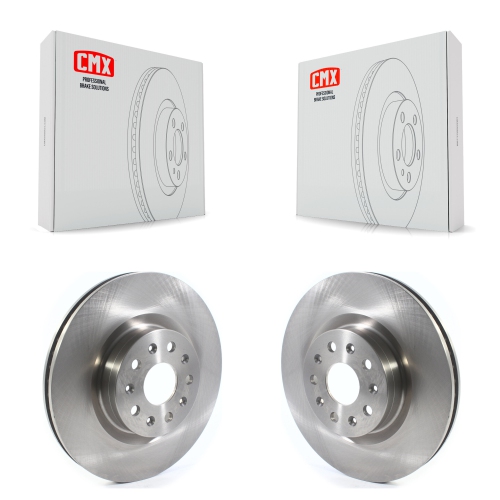
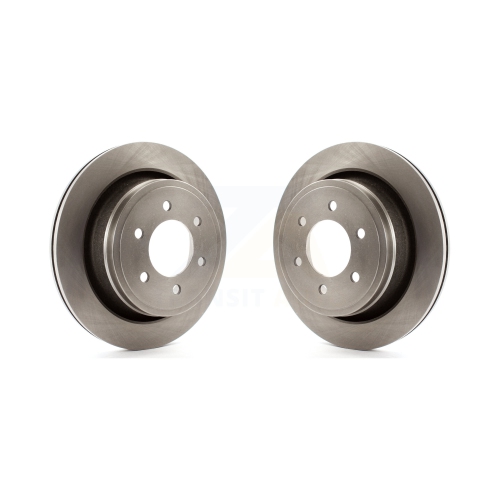
Replacement brake rotors are circular metal discs that work with brake pads and calipers to slow and stop a vehicle. They are mounted to the wheel hub, and when the brake pedal is pressed, the caliper squeezes the pads against the rotor’s braking surface. This friction converts the vehicle’s motion into heat, allowing the driver to control speed safely in everyday traffic, on hills, and during sudden stops. Over time, rotors can become thin, scored, warped, cracked, or heavily corroded. Common signs of wear include steering-wheel vibration while braking, a pulsing brake pedal, grinding or scraping sounds, uneven pad wear, or a visible ridge around the outer edge of the disc. Brake concerns should never be ignored, particularly as roads become wet, icy, or covered in road salt during the cooler months. Replacement brake rotors are typically purchased by vehicle owners, home mechanics, and professional service shops when existing rotors no longer meet the vehicle manufacturer’s specifications or when they are being replaced at the same time as brake pads. They are a practical purchase rather than a traditional gift, but they can be a useful choice for someone who maintains their own car, keeps a second vehicle on the road, or is preparing an older vehicle for dependable seasonal driving. Prices vary according to vehicle application, construction, and quantity, with basic aftermarket options sometimes starting around $40 to $70 per rotor, while larger, premium, or specialty-fit parts may cost more. The lowest price is not always the best measure of value; correct fit, consistent braking performance, heat management, and dependable construction are more important when choosing a safety-critical component.
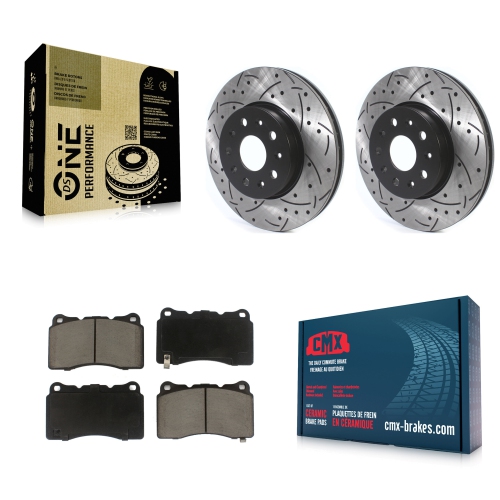
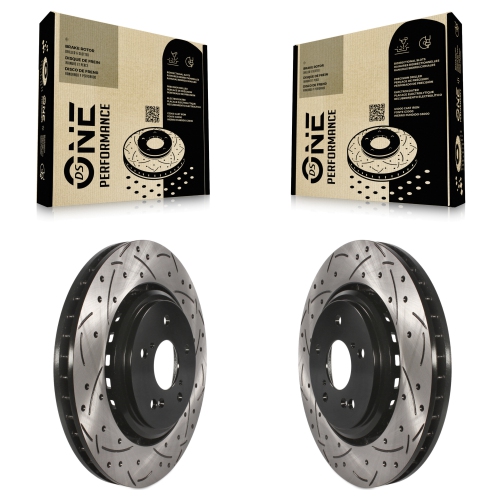
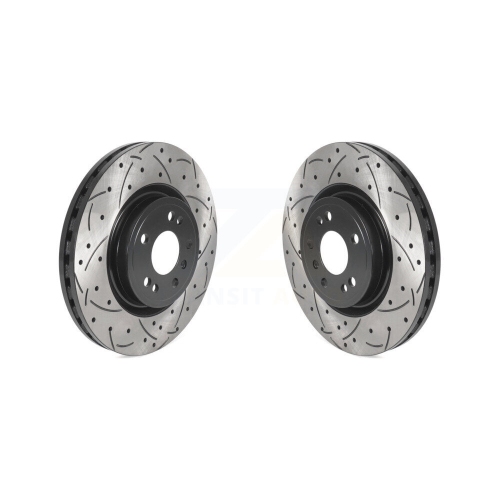
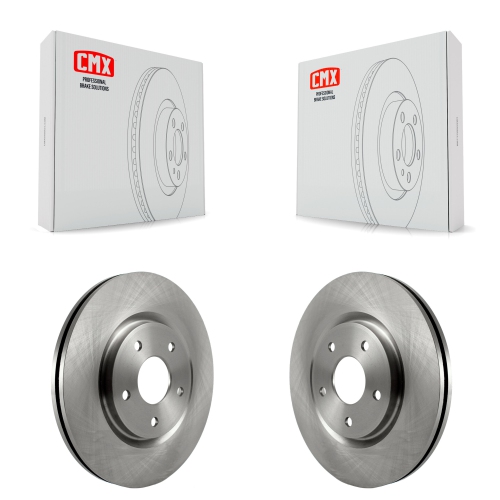
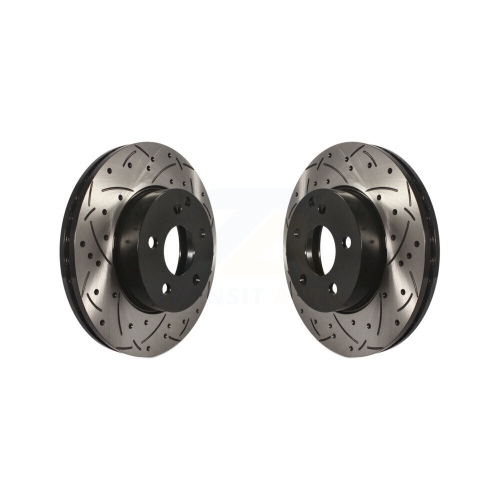
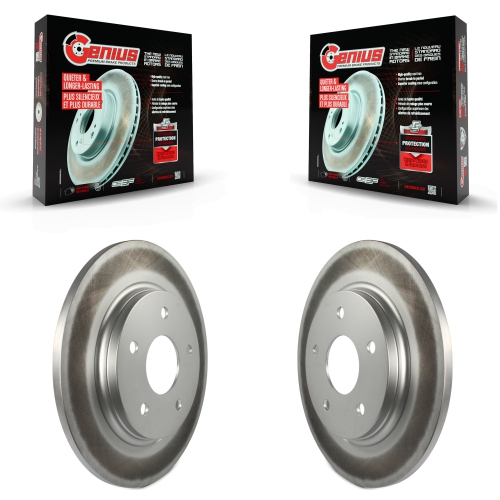
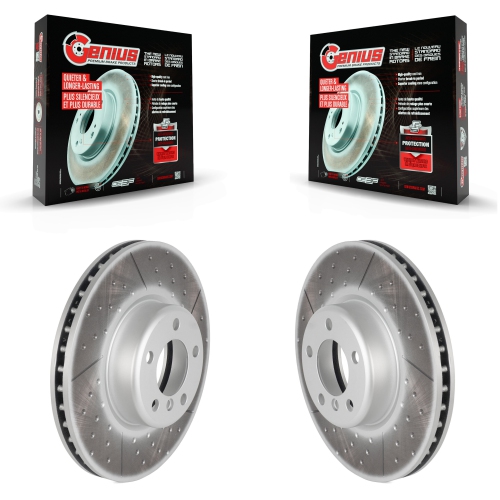
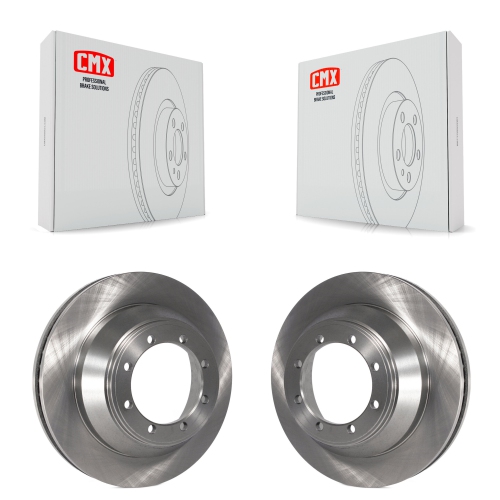
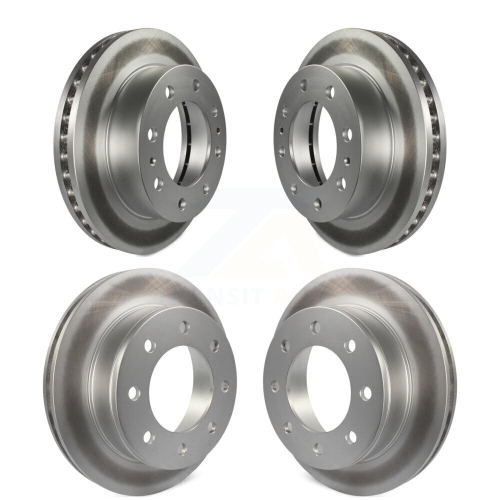
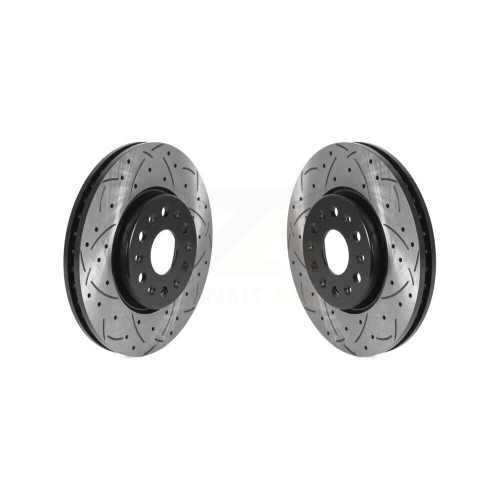
Vehicle compatibility is the first consideration when shopping for replacement brake rotors. Use the vehicle’s year, make, model, engine, trim, and drivetrain to narrow the selection, then confirm whether the part is designed for the front or rear axle. Even vehicles with the same model name can use different rotor dimensions or mounting specifications, so checking only the vehicle’s general description may lead to an incorrect match. Pay attention to the rotor’s outer diameter, thickness, overall height, centre-bore size, bolt pattern, number of mounting holes, and minimum discard thickness. It is also important to verify whether the vehicle uses vented or solid rotors, as well as whether the braking system includes an electronic parking brake or an anti-lock braking system sensor arrangement that affects surrounding components. Some rotors are sold individually, while others are sold as a pair, so confirm the package quantity before ordering. Rotors are commonly replaced in axle pairs to maintain balanced braking, even if only one side appears to be damaged. Many drivers also replace brake pads at the same time because new pads can seat more evenly against a fresh rotor, and worn or contaminated pads may compromise the performance of the new part. If the vehicle requires rear components, browse Rear Brake Rotors to view parts intended for that location. Coated or treated surfaces may help protect non-contact areas from corrosion, while plain cast surfaces can be appropriate for many standard driving applications. Drilled, slotted, or performance-oriented designs should only be selected when they match the vehicle and driving requirements; appearance alone should not determine the choice.
Installing replacement brake rotors is a task for an experienced do-it-yourself mechanic or a qualified automotive professional, since brake work directly affects vehicle control. A typical service begins with loosening the wheel nuts before lifting the vehicle, then raising it on a suitable jack and supporting it securely with jack stands placed at approved lifting points. The wheel is removed to expose the brake assembly. The caliper is unbolted and supported with a wire or bungee cord so its weight does not hang from or strain the flexible brake hose. After removing the caliper bracket where necessary, the old rotor can be taken off the hub; rust may make it stick firmly, requiring an appropriate penetrating product or controlled tapping with a suitable tool. The hub face should be cleaned carefully so rust or debris does not leave the replacement rotor sitting unevenly. Before installation, compare the new part with the old one to confirm the dimensions, hole pattern, and overall design. Any protective film or residue should be removed according to the manufacturer’s instructions, and the rotor’s clean braking surfaces should not be touched with greasy hands. Reassembly should follow the vehicle’s service procedures, including correct fastener locations and torque specifications. The wheel nuts must also be tightened in the recommended pattern and to the recommended torque. After the work is complete, the brake pedal should be pressed several times until it feels firm before the vehicle is moved. A careful bedding-in process, using the rotor or pad manufacturer’s instructions, helps the new friction surfaces mate properly; hard braking, towing, and high-speed driving should be avoided until the components have been checked and conditioned. Anyone who is uncertain about lifting a vehicle, identifying brake components, or completing the required torque and inspection steps should arrange installation through a qualified technician. A professional can also check calipers, brake hoses, wheel bearings, parking-brake mechanisms, and related hardware, helping ensure that replacement brake rotors function as part of a complete and properly balanced braking system.
Vehicle compatibility is the first consideration when shopping for replacement brake rotors. Use the vehicle’s year, make, model, engine, trim, and drivetrain to narrow the selection, then confirm whether the part is designed for the front or rear axle. Even vehicles with the same model name can use different rotor dimensions or mounting specifications, so checking only the vehicle’s general description may lead to an incorrect match. Pay attention to the rotor’s outer diameter, thickness, overall height, centre-bore size, bolt pattern, number of mounting holes, and minimum discard thickness. It is also important to verify whether the vehicle uses vented or solid rotors, as well as whether the braking system includes an electronic parking brake or an anti-lock braking system sensor arrangement that affects surrounding components. Some rotors are sold individually, while others are sold as a pair, so confirm the package quantity before ordering. Rotors are commonly replaced in axle pairs to maintain balanced braking, even if only one side appears to be damaged. Many drivers also replace brake pads at the same time because new pads can seat more evenly against a fresh rotor, and worn or contaminated pads may compromise the performance of the new part. If the vehicle requires rear components, browse Rear Brake Rotors to view parts intended for that location. Coated or treated surfaces may help protect non-contact areas from corrosion, while plain cast surfaces can be appropriate for many standard driving applications. Drilled, slotted, or performance-oriented designs should only be selected when they match the vehicle and driving requirements; appearance alone should not determine the choice.
Installing replacement brake rotors is a task for an experienced do-it-yourself mechanic or a qualified automotive professional, since brake work directly affects vehicle control. A typical service begins with loosening the wheel nuts before lifting the vehicle, then raising it on a suitable jack and supporting it securely with jack stands placed at approved lifting points. The wheel is removed to expose the brake assembly. The caliper is unbolted and supported with a wire or bungee cord so its weight does not hang from or strain the flexible brake hose. After removing the caliper bracket where necessary, the old rotor can be taken off the hub; rust may make it stick firmly, requiring an appropriate penetrating product or controlled tapping with a suitable tool. The hub face should be cleaned carefully so rust or debris does not leave the replacement rotor sitting unevenly. Before installation, compare the new part with the old one to confirm the dimensions, hole pattern, and overall design. Any protective film or residue should be removed according to the manufacturer’s instructions, and the rotor’s clean braking surfaces should not be touched with greasy hands. Reassembly should follow the vehicle’s service procedures, including correct fastener locations and torque specifications. The wheel nuts must also be tightened in the recommended pattern and to the recommended torque. After the work is complete, the brake pedal should be pressed several times until it feels firm before the vehicle is moved. A careful bedding-in process, using the rotor or pad manufacturer’s instructions, helps the new friction surfaces mate properly; hard braking, towing, and high-speed driving should be avoided until the components have been checked and conditioned. Anyone who is uncertain about lifting a vehicle, identifying brake components, or completing the required torque and inspection steps should arrange installation through a qualified technician. A professional can also check calipers, brake hoses, wheel bearings, parking-brake mechanisms, and related hardware, helping ensure that replacement brake rotors function as part of a complete and properly balanced braking system.
Top selling and popular products
-
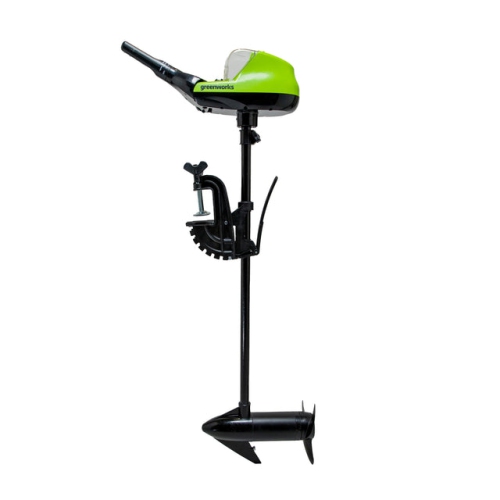 Your price for this item is $360
 -
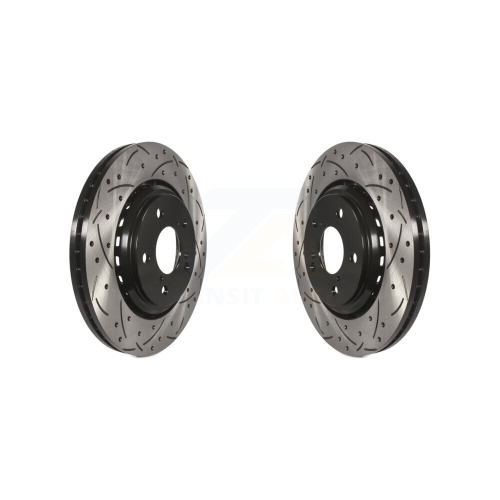 Your price for this item is $167.55
 -
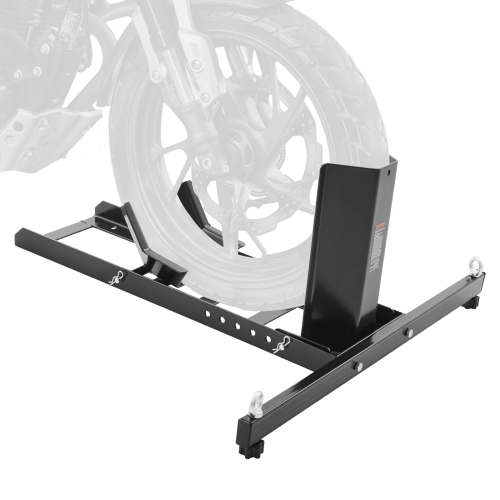 Your price for this item is $93.9
 -
 Your price for this item is $55.47
 -
 Your price for this item is $243.99
 -
 Your price for this item is $94.79
 -
 Your price for this item is $131.34
 -
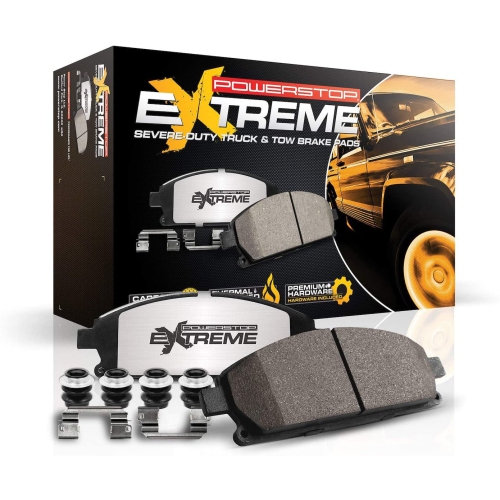 Your price for this item is $109.38
Discover more categories related to Replacement Brake Rotors
Top Collections:
Pokemon Centers, Kindle Devices, Best Budget Office Chairs, Apple iPhones 16, Best Laptops for Writers, iPhone 15 Apple, Canon G7X Cameras, Refurbished Apple Laptops, Alarm Clock, Motorola Razr Phones
Some products may be subject to Environmental Handling Fees
(EHF) depending on your province.
Learn more about EHFs.