Wheel Lock
Securing your vehicle is a top priority, and a reliable wheel lock can provide the peace of mind you need. Whether you're parking in a busy urban area or storing your car for an extended period, these devices offer an added layer of security against theft. Designed to fit a variety of vehicles, wheel locks are easy to install and engineered for durability, making them an essential addition to your car's safety toolkit. Explore options that combine robust construction with ease of use to ensure your vehicle remains safe and sound wherever you go.
Sort
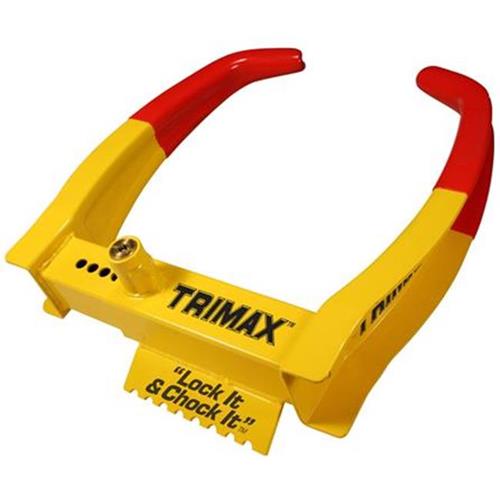
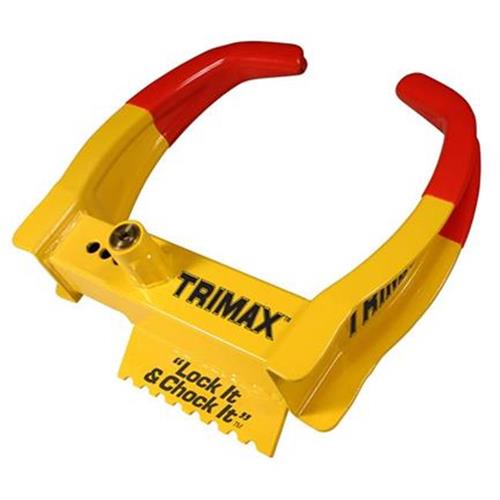

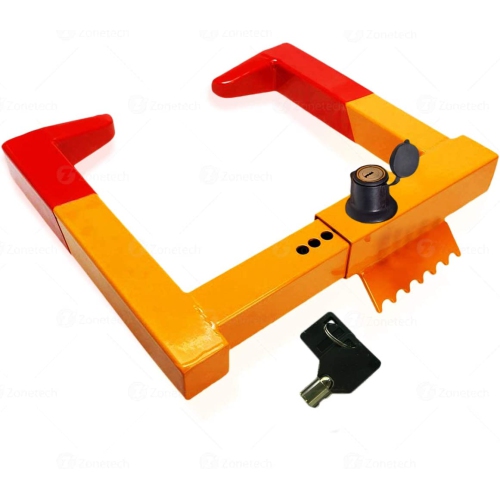
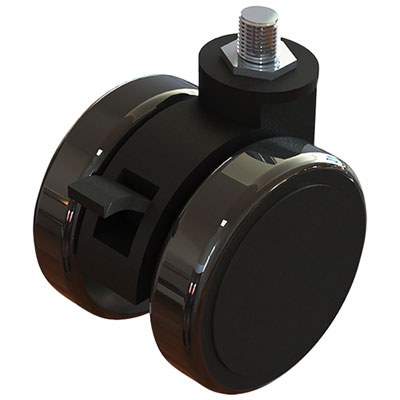
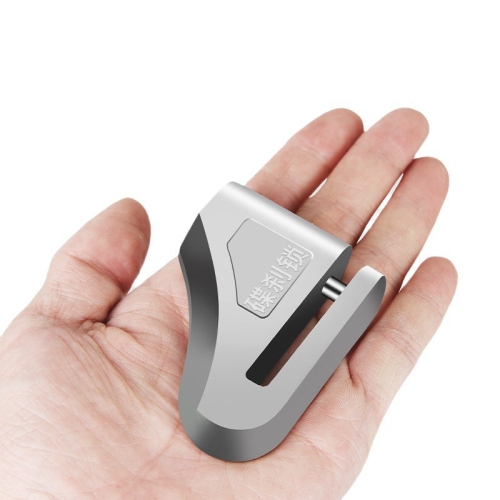
Understand wheel lock types, uses, fit, and historical origins
Wheel locks are designed to help keep wheeled items stationary, secure, or easier to manage when they are not in motion. Depending on the product, a wheel lock may be used with luggage, carts, mobility equipment, furniture, bicycles, or other wheeled gear that needs added stability during storage, transport, or everyday use. When browsing wheel locks, start by identifying the type of wheel, the locking method, and the space available for installation. Some designs engage with a simple lever or button, while others use a key, combination, clamp, or built-in braking mechanism. Compatibility is especially important: measure the wheel diameter, axle area, frame clearance, and mounting points before choosing a replacement or add-on lock. A lock that fits securely should engage without forcing, remain clear of moving parts, and release smoothly when the item needs to roll again. For luggage and travel gear, look for compact designs that do not interfere with packing or handling, and consider whether the lock is intended to secure the wheels themselves or simply keep a suitcase from shifting while it is parked. A dedicated Travel Lock may also be useful when the main concern is protecting luggage compartments, zippers, or personal belongings rather than preventing the wheels from moving. Wheel locks can be practical for frequent travellers, commuters, students, caregivers, workshop users, and anyone who regularly parks wheeled equipment in busy shared spaces. They can also make a thoughtful gift for someone preparing for a trip, replacing worn travel gear, organizing a home office, or improving the stability of equipment used around the house. The right choice depends on whether the priority is theft deterrence, parking stability, child safety, easier storage, or a more controlled handling experience.
The phrase “wheel lock” can also refer to the wheellock, an early mechanical firearm ignition system developed in Europe around the early 1500s. This historical mechanism should not be confused with modern wheel locks for luggage, equipment, or other wheeled products. A wheellock was considered the first broadly practical self-igniting firearm system because it produced its own spark instead of relying on a continuously burning match. Its operation involved several carefully coordinated parts: a spanner wound an internal spring connected to a rotating steel wheel; gunpowder was placed in a small priming pan; a sliding pan cover helped protect the powder; and a clamp, often called a dog head, held a piece of iron pyrite against the wheel. When the trigger was pulled, the spring-powered wheel spun rapidly against the pyrite, creating sparks that ignited the priming powder and then the main charge. This design offered advantages over the earlier matchlock, particularly when carrying a live match was inconvenient or when damp weather could cause problems. Wheellocks were used for military arms, hunting pieces, pistols, and finely made firearms associated with wealthy owners and skilled craftsmen. They were complex and expensive to produce because the spring, wheel, lockwork, and ignition components required careful fitting, much like the precision work of a clockmaker. Regular maintenance was also important, as worn pyrite, fouled parts, a weakened spring, or a damaged wheel could affect reliability. Over time, the simpler and less costly flintlock became the more common mechanism. For shoppers looking at modern wheel lock products, this historical meaning is mainly useful as background: today’s wheel locks generally focus on immobilizing wheeled items or helping prevent unwanted movement, not on the ignition systems used in early firearms.
When selecting a wheel lock for everyday use, pay attention to construction, ease of operation, portability, and the conditions in which it will be used. A design intended for indoor furniture may not be suitable for outdoor equipment, while a small luggage accessory may not withstand the weight or force placed on a larger cart or mobility device. Check the product specifications for supported wheel sizes, load limits, installation requirements, and the type of locking hardware included. If the lock will be used in a shared area, a key or combination mechanism can help discourage casual interference; if several people need access, a quick-release lever may be more convenient. For travel, a low-profile option is easier to pack and less likely to catch on clothing or other bags. For storage, a visible brake or engaged indicator can make it easier to confirm that the wheels are secured before stepping away. In cooler months and during wet or icy conditions, inspect exposed parts periodically and keep the mechanism clear of grit, salt, and debris, especially when the item is moved between outdoor surfaces and heated indoor spaces. A good wheel lock should complement the equipment it is protecting without making normal use awkward. Whether the goal is to steady a suitcase beside a seat, keep a cart from rolling on a sloped floor, secure equipment during storage, or understand the historical meaning of the term, comparing fit, function, and intended use will help narrow the selection to a practical option.
The phrase “wheel lock” can also refer to the wheellock, an early mechanical firearm ignition system developed in Europe around the early 1500s. This historical mechanism should not be confused with modern wheel locks for luggage, equipment, or other wheeled products. A wheellock was considered the first broadly practical self-igniting firearm system because it produced its own spark instead of relying on a continuously burning match. Its operation involved several carefully coordinated parts: a spanner wound an internal spring connected to a rotating steel wheel; gunpowder was placed in a small priming pan; a sliding pan cover helped protect the powder; and a clamp, often called a dog head, held a piece of iron pyrite against the wheel. When the trigger was pulled, the spring-powered wheel spun rapidly against the pyrite, creating sparks that ignited the priming powder and then the main charge. This design offered advantages over the earlier matchlock, particularly when carrying a live match was inconvenient or when damp weather could cause problems. Wheellocks were used for military arms, hunting pieces, pistols, and finely made firearms associated with wealthy owners and skilled craftsmen. They were complex and expensive to produce because the spring, wheel, lockwork, and ignition components required careful fitting, much like the precision work of a clockmaker. Regular maintenance was also important, as worn pyrite, fouled parts, a weakened spring, or a damaged wheel could affect reliability. Over time, the simpler and less costly flintlock became the more common mechanism. For shoppers looking at modern wheel lock products, this historical meaning is mainly useful as background: today’s wheel locks generally focus on immobilizing wheeled items or helping prevent unwanted movement, not on the ignition systems used in early firearms.
When selecting a wheel lock for everyday use, pay attention to construction, ease of operation, portability, and the conditions in which it will be used. A design intended for indoor furniture may not be suitable for outdoor equipment, while a small luggage accessory may not withstand the weight or force placed on a larger cart or mobility device. Check the product specifications for supported wheel sizes, load limits, installation requirements, and the type of locking hardware included. If the lock will be used in a shared area, a key or combination mechanism can help discourage casual interference; if several people need access, a quick-release lever may be more convenient. For travel, a low-profile option is easier to pack and less likely to catch on clothing or other bags. For storage, a visible brake or engaged indicator can make it easier to confirm that the wheels are secured before stepping away. In cooler months and during wet or icy conditions, inspect exposed parts periodically and keep the mechanism clear of grit, salt, and debris, especially when the item is moved between outdoor surfaces and heated indoor spaces. A good wheel lock should complement the equipment it is protecting without making normal use awkward. Whether the goal is to steady a suitcase beside a seat, keep a cart from rolling on a sloped floor, secure equipment during storage, or understand the historical meaning of the term, comparing fit, function, and intended use will help narrow the selection to a practical option.
Top selling and popular products
-
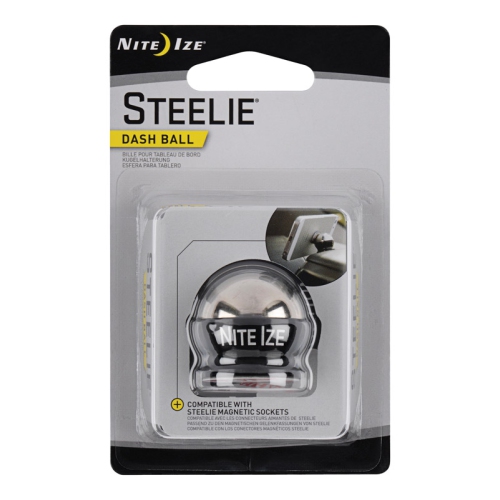 Your price for this item is $26.99
 -
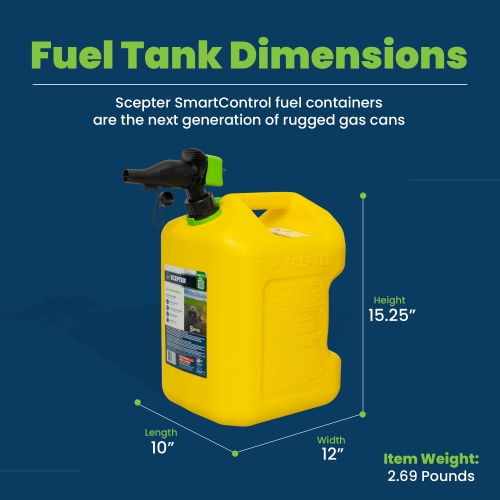 Your price for this item is $89.99
 -
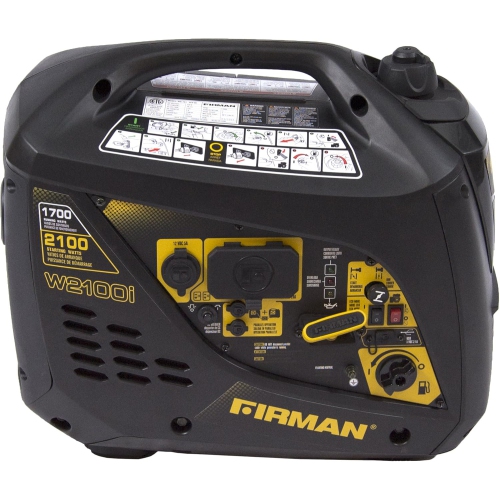 Your price for this item is $854.05
 -
 Your price for this item is $558.99
 -
 Your price for this item is $98.18
 -
 Your price for this item is $200.99
 -
 Your price for this item is $46.71
 -
 Your price for this item is $180.99
Discover more categories related to Wheel Lock
Top Collections:
Pokemon Centers, Kindle Devices, Best Cell Phones Under $500, Alarm Clock, Canon G7X Cameras, iPhone 15 Apple, Apple iPhones 16, Laptops for Students, iPhone 14 256GB, Budget Smartphones
Some products may be subject to Environmental Handling Fees
(EHF) depending on your province.
Learn more about EHFs.