Scooter Lock
Securing your scooter has never been more important, and finding the right lock is essential for peace of mind. Whether you're commuting through busy city streets or enjoying a leisurely ride in the park, a reliable scooter lock ensures your ride stays exactly where you left it. Explore a variety of options designed to offer robust protection and ease of use, all while fitting seamlessly into your lifestyle. From compact designs perfect for on-the-go security to heavy-duty locks that provide maximum protection, discover the ideal solution to keep your scooter safe and sound.
Sort
What matters when securing a scooter away from home
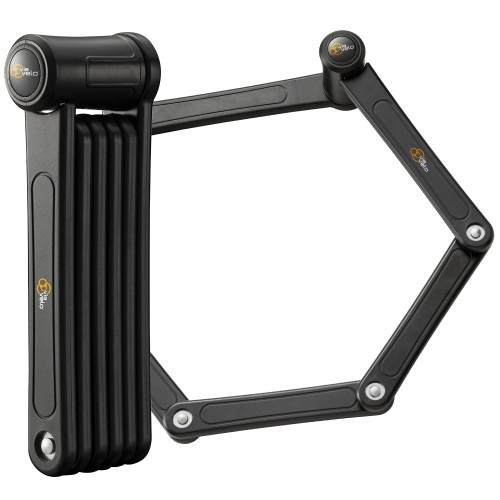
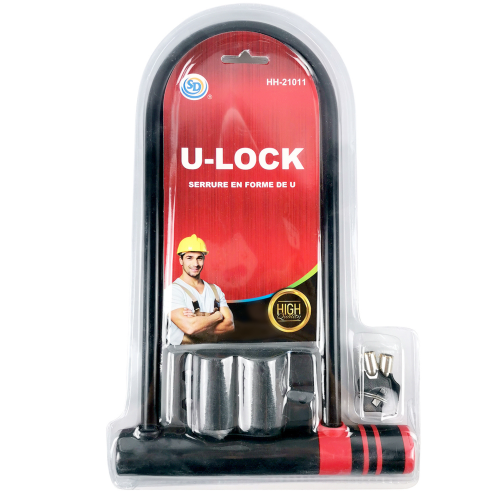
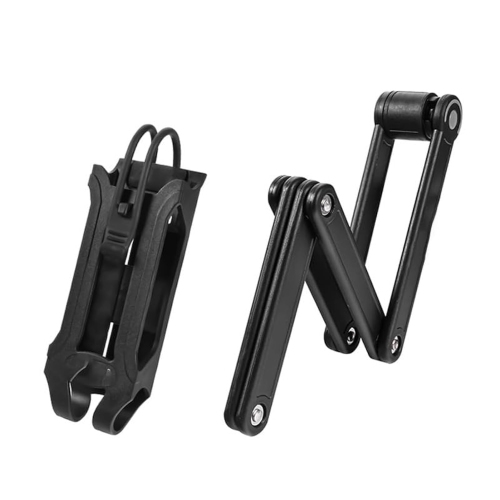
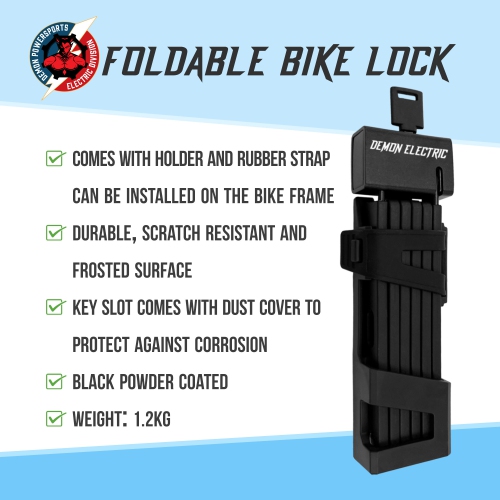
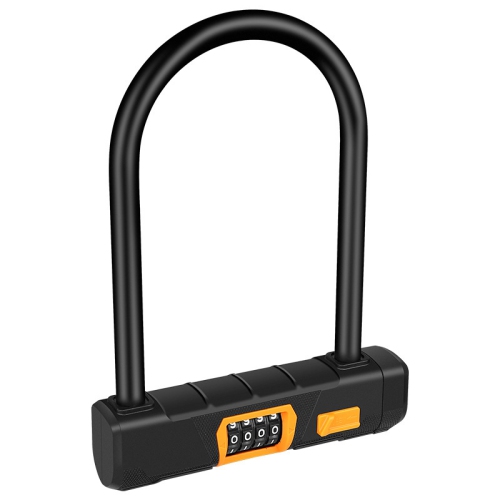
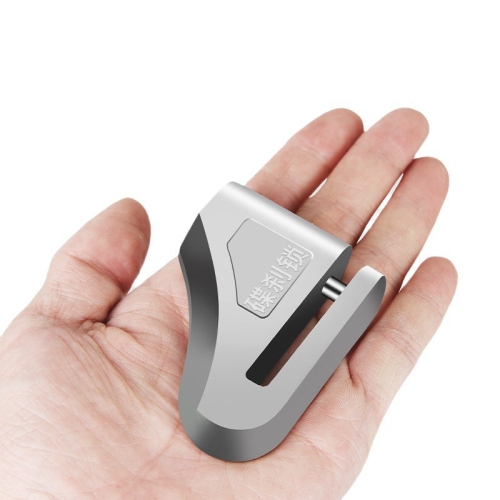
A scooter lock is a practical way to add security when an electric or kick scooter needs to be left outside a home, workplace, school, shop, transit station, or public building. The right choice depends on the scooter’s frame design, folding mechanism, brake layout, and the type of anchor available at the places you visit. U-locks are a popular option because their hardened steel shackle can provide a rigid barrier around a scooter frame or stem, while folding locks can offer a balance of strength, flexibility, and compact storage. Heavy-duty chains can be useful when you need extra length to reach a wide bike rack or substantial steel post, although they may add more weight to a daily carry. Disc locks are designed for scooters with compatible disc brakes and can be particularly convenient for short stops, but they should be used according to the scooter manufacturer’s guidance and do not replace a lock that connects the scooter to a fixed object. Keyed locks suit riders who prefer a straightforward locking routine, while resettable combination locks remove the need to carry or keep track of a key. A small pouch, frame mount, or storage compartment can make a noticeable difference on a commute; a lock that is secure but too awkward to carry often gets left at home. For travel bags and other luggage, a separate Travel Lock may be a more suitable match than a scooter-specific security lock.
When securing a scooter, pass the lock through a strong, difficult-to-remove part of the scooter, such as the main frame or a sturdy section of the stem near the folding mechanism, rather than only through the handlebars, a removable wheel, or a detachable accessory. Position the scooter beside a heavy, bolted-down bike rack or solid steel post that cannot be lifted out of the ground or slipped through the lock. The anchor matters as much as the lock itself: a highly secure lock attached to a loose signpost, lightweight railing, or temporary barrier may offer little protection. Keep the lock raised from the pavement when possible, with minimal slack, so it is harder to brace against the ground or manipulate with tools. At the same time, avoid forcing the lock against delicate cables, brake lines, displays, or folding joints. Check that the shackle, chain, or locking pin closes fully and that the locking mechanism is engaged before walking away. A quick tug on the scooter and a visual check of the connection can become as automatic as checking that a door has latched. Remove portable accessories such as lights, phone holders, external battery packs, or displays if they can be detached easily, and avoid leaving helmets or bags hanging from the scooter. During cooler months, moisture, road spray, grit, and temperature changes can affect moving parts and keyways. Wipe away dirt after wet rides, allow the lock to dry, and follow the care instructions for lubrication or protective covers. If a lock begins to feel stiff, do not force the key or combination mechanism; inspect it and use only maintenance products recommended for that lock type.
Before choosing a scooter lock, compare the lock’s dimensions with the scooter and the anchors you use most often. A compact U-lock may fit neatly around a narrow stem and bike rack, but its short reach could be limiting on a broad post or crowded rack. A longer chain or folding design can make positioning easier, though extra length and weight may be noticeable when carried up stairs or during a long walk. Measure the usable space around the frame, including any cables, fenders, suspension components, and folding hardware, and check the lock’s shackle diameter or chain thickness against the available clearance. Consider where the lock will be stored while riding: a frame-mounted holder, basket, backpack, or under-deck compartment should accommodate it without interfering with steering or balance. Riders who make frequent short stops may appreciate a simple, fast-closing design, while commuters who leave a scooter unattended for longer periods may favour a thicker shackle, reinforced chain, or double-locking mechanism. Families can use scooter locks to help secure shared scooters during errands, and they can be a thoughtful practical gift for a student, commuter, new rider, or anyone who combines scooter travel with public transit. A lock can also be useful for visitors who borrow a scooter and need an easy-to-understand security routine. Whether the scooter is parked beside a café during a quick stop or secured outside a building as the light fades earlier in the day, the best fit is one that the rider can carry comfortably, attach correctly, and use consistently. Examine the construction, locking style, dimensions, mounting options, and compatibility details to find a scooter lock suited to the scooter, the rider, and the places where it will be parked.
When securing a scooter, pass the lock through a strong, difficult-to-remove part of the scooter, such as the main frame or a sturdy section of the stem near the folding mechanism, rather than only through the handlebars, a removable wheel, or a detachable accessory. Position the scooter beside a heavy, bolted-down bike rack or solid steel post that cannot be lifted out of the ground or slipped through the lock. The anchor matters as much as the lock itself: a highly secure lock attached to a loose signpost, lightweight railing, or temporary barrier may offer little protection. Keep the lock raised from the pavement when possible, with minimal slack, so it is harder to brace against the ground or manipulate with tools. At the same time, avoid forcing the lock against delicate cables, brake lines, displays, or folding joints. Check that the shackle, chain, or locking pin closes fully and that the locking mechanism is engaged before walking away. A quick tug on the scooter and a visual check of the connection can become as automatic as checking that a door has latched. Remove portable accessories such as lights, phone holders, external battery packs, or displays if they can be detached easily, and avoid leaving helmets or bags hanging from the scooter. During cooler months, moisture, road spray, grit, and temperature changes can affect moving parts and keyways. Wipe away dirt after wet rides, allow the lock to dry, and follow the care instructions for lubrication or protective covers. If a lock begins to feel stiff, do not force the key or combination mechanism; inspect it and use only maintenance products recommended for that lock type.
Before choosing a scooter lock, compare the lock’s dimensions with the scooter and the anchors you use most often. A compact U-lock may fit neatly around a narrow stem and bike rack, but its short reach could be limiting on a broad post or crowded rack. A longer chain or folding design can make positioning easier, though extra length and weight may be noticeable when carried up stairs or during a long walk. Measure the usable space around the frame, including any cables, fenders, suspension components, and folding hardware, and check the lock’s shackle diameter or chain thickness against the available clearance. Consider where the lock will be stored while riding: a frame-mounted holder, basket, backpack, or under-deck compartment should accommodate it without interfering with steering or balance. Riders who make frequent short stops may appreciate a simple, fast-closing design, while commuters who leave a scooter unattended for longer periods may favour a thicker shackle, reinforced chain, or double-locking mechanism. Families can use scooter locks to help secure shared scooters during errands, and they can be a thoughtful practical gift for a student, commuter, new rider, or anyone who combines scooter travel with public transit. A lock can also be useful for visitors who borrow a scooter and need an easy-to-understand security routine. Whether the scooter is parked beside a café during a quick stop or secured outside a building as the light fades earlier in the day, the best fit is one that the rider can carry comfortably, attach correctly, and use consistently. Examine the construction, locking style, dimensions, mounting options, and compatibility details to find a scooter lock suited to the scooter, the rider, and the places where it will be parked.
Top selling and popular products
-
 Your price for this item is $155.44
 -
 Your price for this item is $285
 -
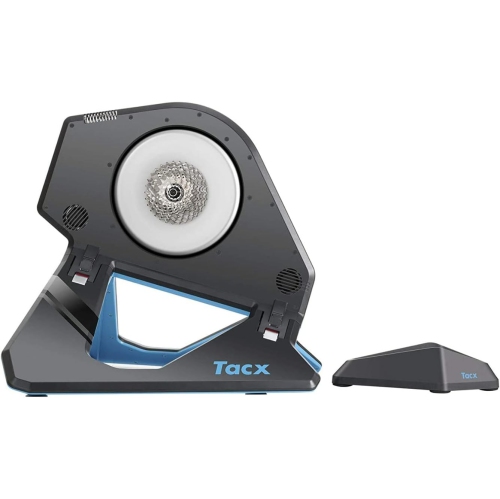 Your price for this item is $1539.99
 -
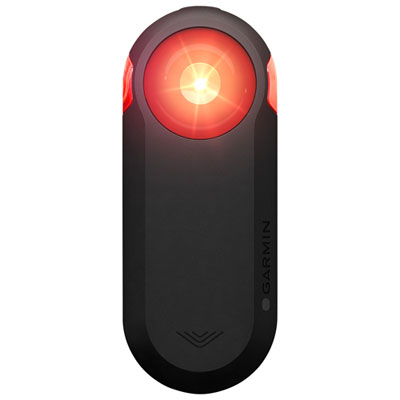 Your price for this item is $289.99
 -
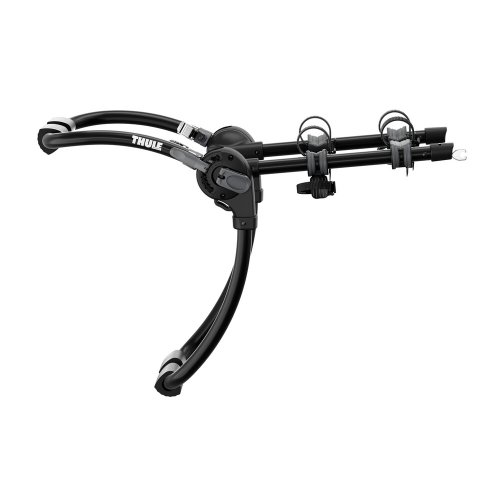 Your price for this item is $499
 -
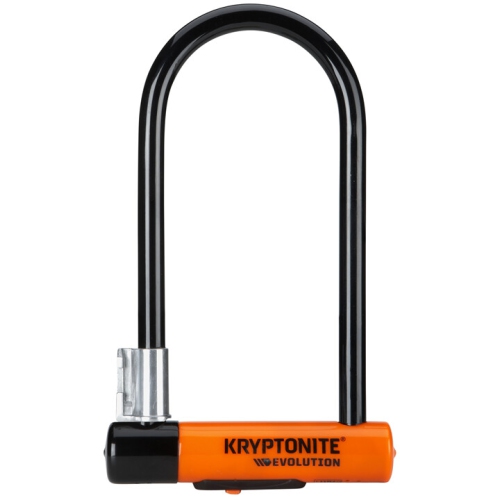 Your price for this item is $209.99
 -
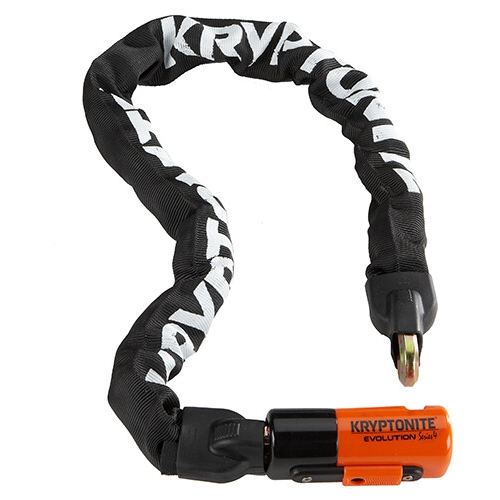 Your price for this item is $199.99
 -
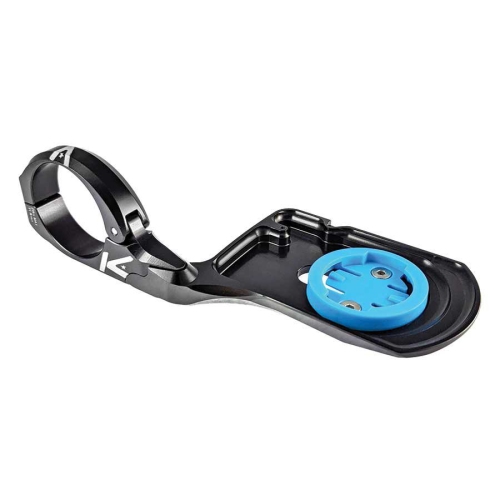 Your price for this item is $134.99
Discover more categories related to Scooter Lock

Top Collections:
Pokemon Centers, Kindle Devices, Best Cell Phones Under $500, Alarm Clock, Canon G7X Cameras, iPhone 15 Apple, Apple iPhones 16, Laptops for Students, iPhone 14 256GB, Budget Smartphones
Some products may be subject to Environmental Handling Fees
(EHF) depending on your province.
Learn more about EHFs.