Boat Power Inverters
Navigating the open waters with ease and comfort requires reliable power solutions, and that's where boat power inverters come into play. These essential devices convert your boat's DC battery power into AC power, allowing you to operate a variety of appliances and electronic devices while on board. Whether you're planning a day trip or an extended voyage, having a dependable power inverter ensures that your journey is both enjoyable and efficient. Explore our selection of boat power inverters to find the perfect match for your maritime adventures, ensuring you stay powered up no matter where the sea takes you.
Sort
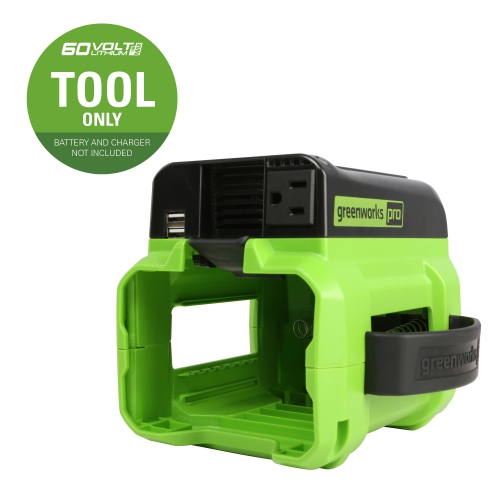
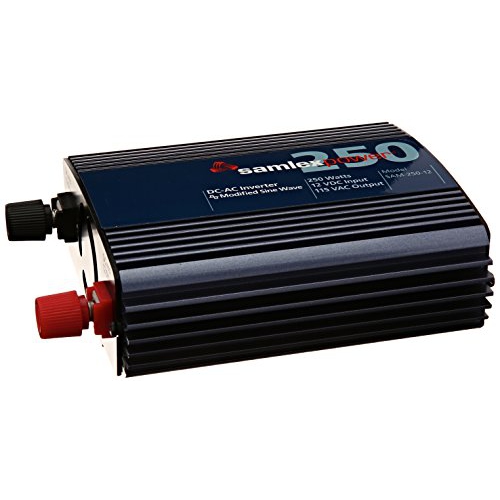
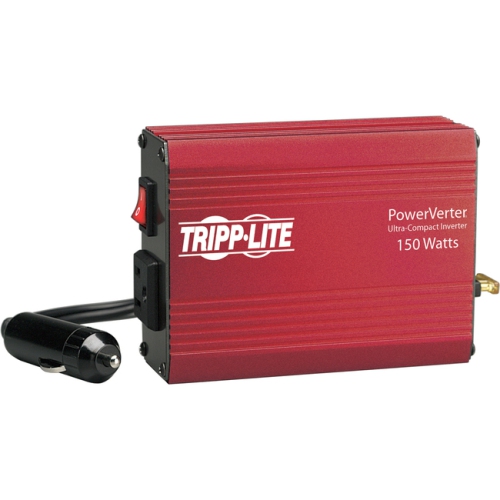
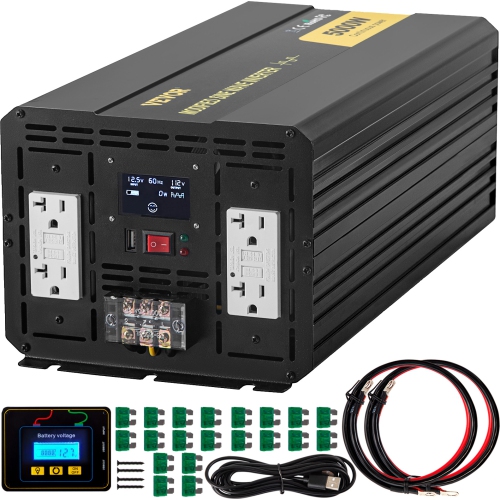
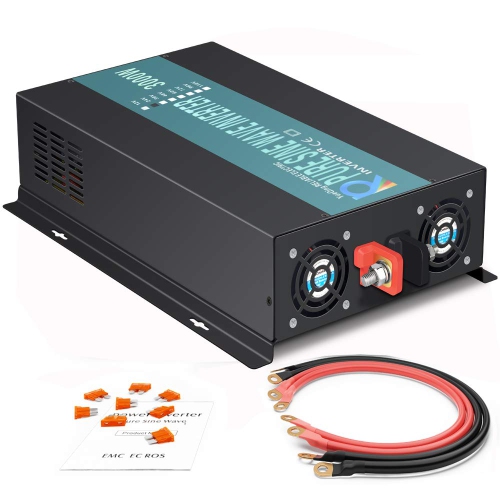
Understand power capacity, waveform, installation, and battery requirements
A boat power inverter converts 12-volt DC power from a boat’s battery into 120-volt AC power for operating household-style electronics away from a marina outlet. This can make time on the water more comfortable and convenient, whether you are spending a quiet afternoon at anchor, heading out for a weekend of fishing, or keeping a cabin boat supplied with familiar essentials during the cooler months. Depending on its capacity and design, an inverter can power items such as laptops, phone chargers, televisions, camera batteries, small kitchen appliances, lighting, and other equipment that normally plugs into a wall outlet. Unlike a fuel-powered generator, an inverter operates quietly, which is useful when you are enjoying calm water, talking with passengers, or sleeping aboard. Boat power inverters are available in portable, plug-in formats for lighter loads, as well as permanent-mount models that connect directly to a battery bank for higher-demand equipment. A portable unit can be a practical choice for occasional use, such as charging a laptop in the cockpit or keeping a phone and navigation accessories powered during a day trip. For larger boats, frequent overnight use, or multiple devices operating at the same time, a hardwired inverter may offer more capacity and a neater installation. Shoppers comparing compact options for boats, cars, trucks, and other vehicles can also explore Small Power Inverters for lower-wattage charging and AC power needs.
The inverter’s output waveform is an important consideration when choosing equipment for a boat. Pure sine wave inverters produce smooth, consistent AC power that closely resembles the electricity supplied by a household outlet. They are generally the best choice for sensitive electronics, including computers, televisions, audio equipment, medical devices, and chargers with advanced circuitry. Pure sine wave power can also help variable-speed motors and small appliances operate more quietly and reliably. Modified sine wave inverters are often more affordable and may be suitable for basic loads such as simple chargers, incandescent lights, or uncomplicated heating elements, but their stepped waveform can create audible buzzing, extra heat, reduced performance, or compatibility problems with certain electronics and motorized devices. The inverter’s rated wattage should match the equipment you intend to use, with additional capacity for start-up surges. Motors, compressors, pumps, refrigerators, coffee makers, and similar appliances can briefly draw considerably more power when they switch on than their running wattage suggests. Add the operating wattage of all devices that may run together, then allow comfortable headroom rather than choosing a unit that operates at its limit. A small inverter may be sufficient for a phone, camera, tablet, or laptop, while a larger model may be needed for a television and entertainment equipment, a compact kitchen appliance, or several chargers used at once. Inverter/chargers provide another option for boat owners who want one system to supply AC power and recharge the battery bank when connected to shore power. These heavier-duty units can be well suited to boats with substantial electrical needs, although installation and battery compatibility deserve careful attention.
Marine conditions make construction and installation just as important as wattage. A boat is exposed to humidity, spray, vibration, temperature changes, and, in some locations, salty air, so a marine-grade inverter with corrosion-resistant materials, protected connections, and suitable ventilation can offer a better fit than a general-purpose household unit. Position the inverter in a dry, well-ventilated area away from direct splashes, fuel vapours, excessive heat, and enclosed spaces where heat cannot dissipate. Permanent installations should use properly sized cables, fuses or circuit protection, secure mounting, and connections appropriate for the battery bank and vessel. Many boat owners have seen how quickly a loose connection can become a frustrating problem: a device works perfectly at the dock, then cuts out when the boat rocks over a wake or when several passengers plug in their chargers. Following the installation instructions and consulting a qualified marine technician or electrician can help prevent voltage drop, overheating, nuisance shutdowns, and damage to connected equipment. Battery capacity is another central part of the decision. High-wattage appliances can drain a battery bank quickly, particularly when used for extended periods at anchor, so the bank must be large enough to support the planned load safely. Keep in mind that an inverter does not create energy; it changes the form of power available from the battery, and the DC current drawn from the battery can be substantial even when the AC appliance seems modest. Check the inverter’s continuous and peak ratings, input-voltage requirements, low-voltage protection, cooling system, outlets, remote controls, and safety features before buying. Boat power inverters can be useful gifts for boat owners, anglers, campers, and cabin users who appreciate practical upgrades that make a day outdoors feel more comfortable, from warming a cup of coffee before an early departure to keeping navigation tools, cameras, and communication devices ready as the weather warms or the seasons change.
The inverter’s output waveform is an important consideration when choosing equipment for a boat. Pure sine wave inverters produce smooth, consistent AC power that closely resembles the electricity supplied by a household outlet. They are generally the best choice for sensitive electronics, including computers, televisions, audio equipment, medical devices, and chargers with advanced circuitry. Pure sine wave power can also help variable-speed motors and small appliances operate more quietly and reliably. Modified sine wave inverters are often more affordable and may be suitable for basic loads such as simple chargers, incandescent lights, or uncomplicated heating elements, but their stepped waveform can create audible buzzing, extra heat, reduced performance, or compatibility problems with certain electronics and motorized devices. The inverter’s rated wattage should match the equipment you intend to use, with additional capacity for start-up surges. Motors, compressors, pumps, refrigerators, coffee makers, and similar appliances can briefly draw considerably more power when they switch on than their running wattage suggests. Add the operating wattage of all devices that may run together, then allow comfortable headroom rather than choosing a unit that operates at its limit. A small inverter may be sufficient for a phone, camera, tablet, or laptop, while a larger model may be needed for a television and entertainment equipment, a compact kitchen appliance, or several chargers used at once. Inverter/chargers provide another option for boat owners who want one system to supply AC power and recharge the battery bank when connected to shore power. These heavier-duty units can be well suited to boats with substantial electrical needs, although installation and battery compatibility deserve careful attention.
Marine conditions make construction and installation just as important as wattage. A boat is exposed to humidity, spray, vibration, temperature changes, and, in some locations, salty air, so a marine-grade inverter with corrosion-resistant materials, protected connections, and suitable ventilation can offer a better fit than a general-purpose household unit. Position the inverter in a dry, well-ventilated area away from direct splashes, fuel vapours, excessive heat, and enclosed spaces where heat cannot dissipate. Permanent installations should use properly sized cables, fuses or circuit protection, secure mounting, and connections appropriate for the battery bank and vessel. Many boat owners have seen how quickly a loose connection can become a frustrating problem: a device works perfectly at the dock, then cuts out when the boat rocks over a wake or when several passengers plug in their chargers. Following the installation instructions and consulting a qualified marine technician or electrician can help prevent voltage drop, overheating, nuisance shutdowns, and damage to connected equipment. Battery capacity is another central part of the decision. High-wattage appliances can drain a battery bank quickly, particularly when used for extended periods at anchor, so the bank must be large enough to support the planned load safely. Keep in mind that an inverter does not create energy; it changes the form of power available from the battery, and the DC current drawn from the battery can be substantial even when the AC appliance seems modest. Check the inverter’s continuous and peak ratings, input-voltage requirements, low-voltage protection, cooling system, outlets, remote controls, and safety features before buying. Boat power inverters can be useful gifts for boat owners, anglers, campers, and cabin users who appreciate practical upgrades that make a day outdoors feel more comfortable, from warming a cup of coffee before an early departure to keeping navigation tools, cameras, and communication devices ready as the weather warms or the seasons change.
Top selling and popular products
-
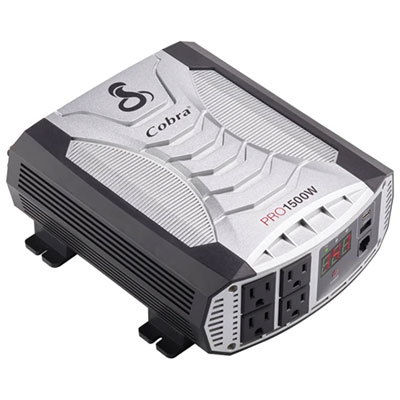 Your price for this item is $299.99
 -
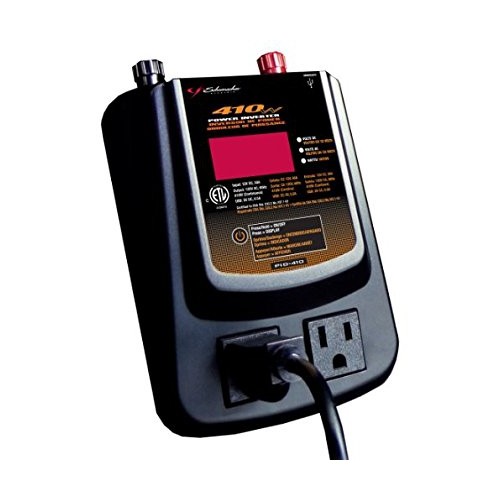 Your price for this item is $138.56
 -
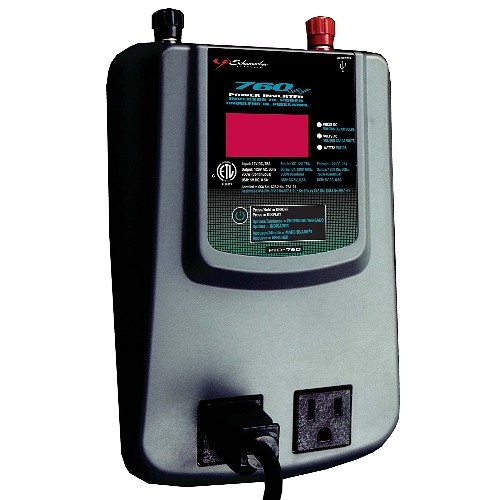 Your price for this item is $45
 -
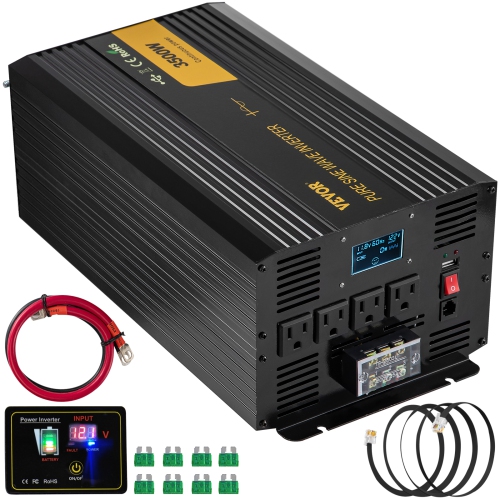 Your price for this item is $281.99
 -
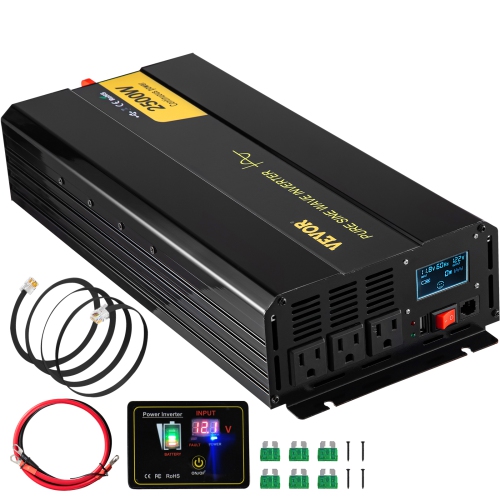 Your price for this item is $185.99
 -
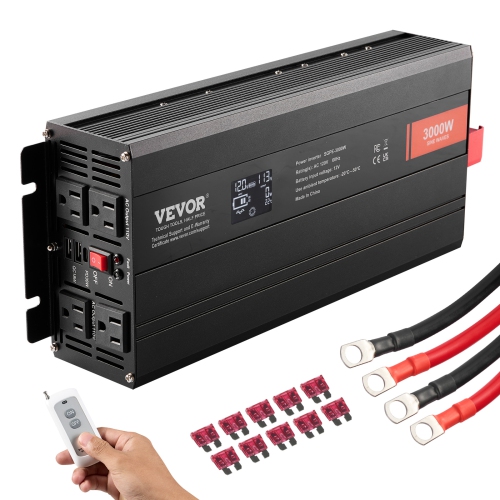 Your price for this item is $291.99
 -
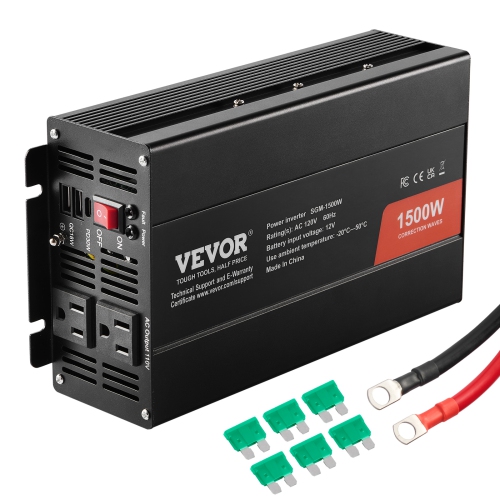 Your price for this item is $137.99
 -
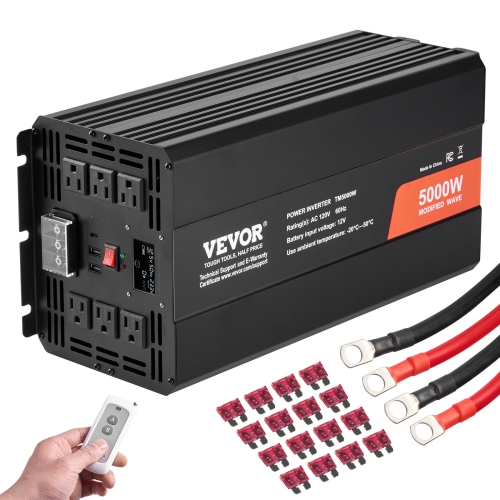 Your price for this item is $354.34
Discover more categories related to Boat Power Inverters
Top Collections:
Pokemon Centers, Kindle Devices, Best Budget Office Chairs, Apple iPhones 16, Best Laptops for Writers, iPhone 15 Apple, Canon G7X Cameras, Refurbished Apple Laptops, Alarm Clock, Motorola Razr Phones
Some products may be subject to Environmental Handling Fees
(EHF) depending on your province.
Learn more about EHFs.