Car Audio Competition Speakers
Car Audio Competition Speakers deliver the power and precision needed to take your sound system to the next level. Designed for enthusiasts who demand exceptional audio performance, these speakers are built to handle high volumes and deliver clear, dynamic sound. Whether you’re upgrading your vehicle for competitions or simply want to enjoy a premium listening experience on the road, Car Audio Competition Speakers provide the perfect solution for achieving impressive sound quality in your car. Explore a wide selection to find the ideal match for your setup and elevate every drive with outstanding audio.
Sort


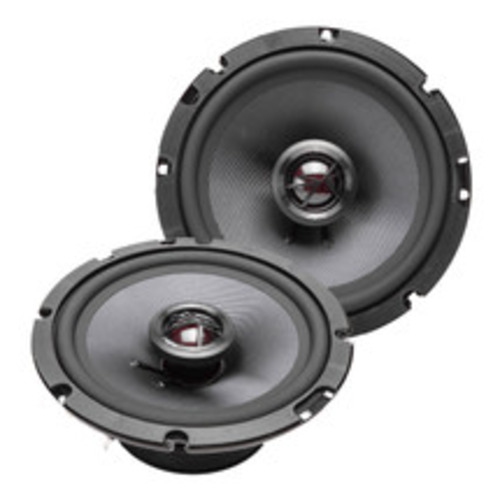

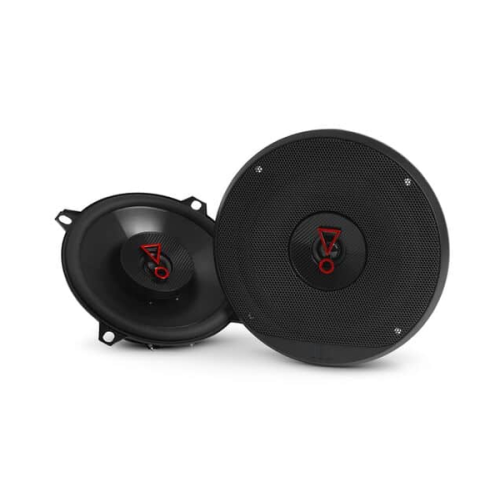


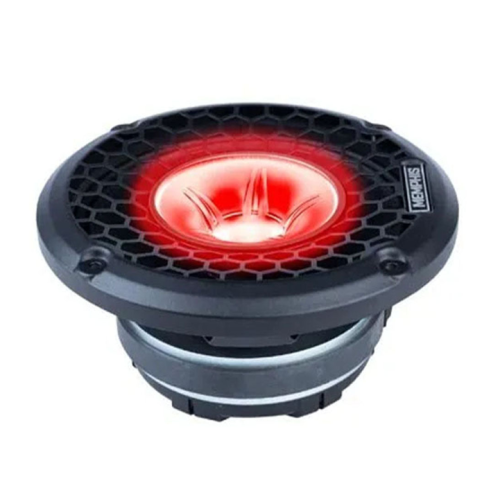

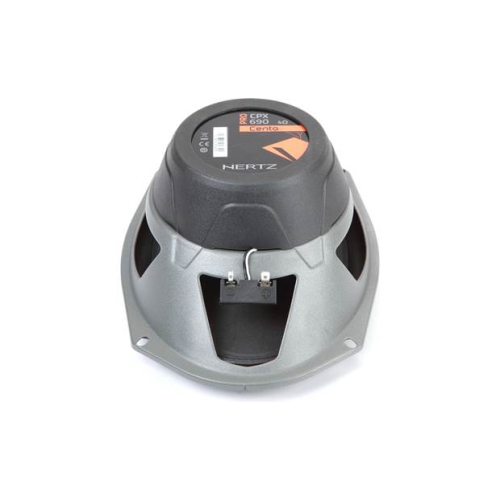

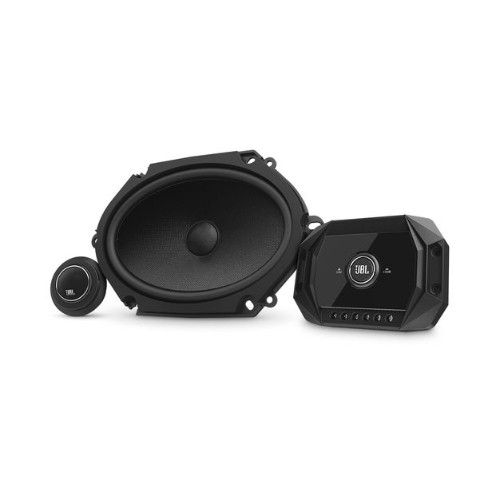
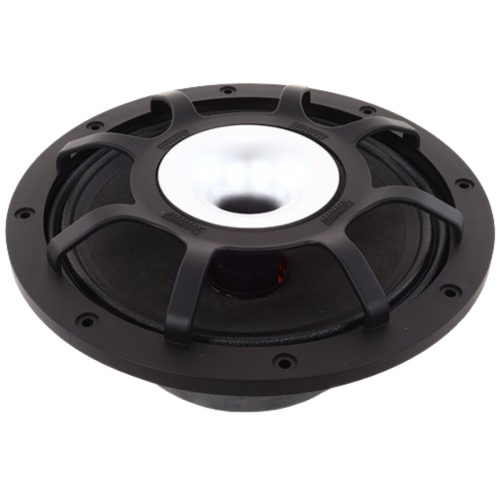


Loudness and clarity take more than raw power
Car audio competition speakers are built for demanding aftermarket sound systems, with designs that prioritize high output, precise reproduction, or a balance of both. Competition use covers two distinct goals: sound pressure level, often called SPL, and sound quality, commonly shortened to SQ. SPL-focused systems aim for measured loudness within an event’s rules, while SQ-focused systems emphasize tonal accuracy, imaging, detail, and the sense that performers occupy believable positions across the dashboard. Not every competition speaker serves the same purpose. High-output midrange drivers reproduce much of the energy in vocals, guitars, and other instruments, while dedicated midbass speakers add weight and impact below that range. Tweeters handle higher frequencies, including cymbal shimmer and the upper harmonics that give voices and instruments their character. Horn-loaded designs can offer high sensitivity and controlled sound dispersion, but their presentation depends on placement, crossover settings, and the rest of the system. Subwoofers handle deep bass and often play a central role in SPL builds, yet they do not replace the midrange and high-frequency drivers needed for full-range music playback. For a listener who wants a lead vocal to remain distinct above a strong bass line, that division of work matters as much as raw output. Useful specifications include sensitivity, frequency response, nominal impedance, and continuous power handling, usually expressed as an RMS rating. Sensitivity describes output at a stated input and distance; comparisons are meaningful only when the measurement conditions match. Peak power figures alone say little about how a speaker will perform through an extended listening session. A high power-handling rating does not automatically mean greater loudness, cleaner sound, or deeper bass. Those results depend on the driver’s design, the amplifier, its usable frequency range, and the installation. Competition-oriented speakers suit dedicated audio builds, demonstration vehicles, and enthusiast systems where the goals extend beyond replacing a worn factory speaker, although their strengths and installation demands vary considerably.
Materials and construction help explain how these speakers handle repeated movement and electrical load. Cones may use treated paper, composite fibres, or other materials selected to balance stiffness, weight, and internal damping. No single cone material guarantees superior sound; cone shape, motor design, suspension, and tuning all contribute. Surrounds and spiders support controlled travel and help keep the voice coil aligned, while rigid baskets provide a stable frame. Larger voice coils, heat-resistant adhesives, and motor ventilation can support demanding operation, though thermal capability is only one part of durability. A driver can still be damaged by excessive cone travel, inappropriate crossover settings, or an amplifier driven into heavy clipping. Continuous power handling needs to be considered alongside the intended frequency range rather than treated as permission to send every frequency to every speaker. Fit is equally important in a vehicle. A speaker that matches the opening’s nominal diameter may still have a basket, magnet, or terminal arrangement that interferes with the door structure or moving window glass. Mounting depth, cutout diameter, grille clearance, and the space behind the panel all affect compatibility. Raised mounting rings and separate tweeter locations can also change how an installation fits and looks. A component arrangement separates drivers so their positions can be tailored, whereas a coaxial arrangement combines them at one mounting point. Either approach needs suitable crossover filtering and secure mounting. Factory head units and amplifiers may include equalization, unusual wiring arrangements, or signals divided among several drivers, so a replacement speaker is not always a straightforward electrical match. Nominal impedance and the final load presented by multiple speakers must remain compatible with the amplifier. Sound treatment around a door mounting location can reduce panel vibration and help limit cancellation caused by sound passing between the front and rear of the cone. These details distinguish a well-integrated build from one that is loud but rattles, strains, or loses definition.
In everyday listening, the appeal of competition-capable car speakers is often the ease with which they reproduce demanding passages when the system is properly matched. A snare drum can have a crisp leading edge, a bass guitar can retain its pitch and texture, and vocals can stay intelligible without turning every treble detail into a sharp distraction. That result comes from balanced output across the system, not simply adding more tweeters or raising amplifier gain. Gain matches signal levels; it is not an extra power reserve. Crossovers keep drivers within appropriate operating ranges, while time alignment and equalization can help account for uneven distances between the listener and the speakers. The cabin itself has a strong influence, with glass, trim, seating, and driver placement affecting reflections and frequency balance. Enthusiasts building for judged events also have to account for the requirements of their chosen competition class, including any limits on equipment or installation layout. For a vehicle that doubles as daily transportation, useful considerations include retaining passenger space, keeping grilles and trim secure, and ensuring modifications do not obstruct airbags or other safety equipment. Anyone comparing a dedicated competition build with a more conventional upgrade can explore Aftermarket Car Audio Speakers for broader replacement and system-building options. Long-term care centres on protecting cones and surrounds from accidental contact, keeping mounting hardware secure, and following the manufacturer’s cleaning instructions. Liquid cleaners should not be sprayed into drivers, and ventilation openings should remain unobstructed. Buzzing, scraping, or an unexpected change in sound deserves attention rather than a higher volume setting to mask it. High-output playback also calls for hearing protection during demonstrations and sensible listening levels on the road, where surrounding traffic and warning signals must remain audible. With suitable fit, amplification, tuning, and care, car audio competition speakers can form the foundation of a purposeful system built around the listener’s music and performance goals.
Top selling and popular products
-
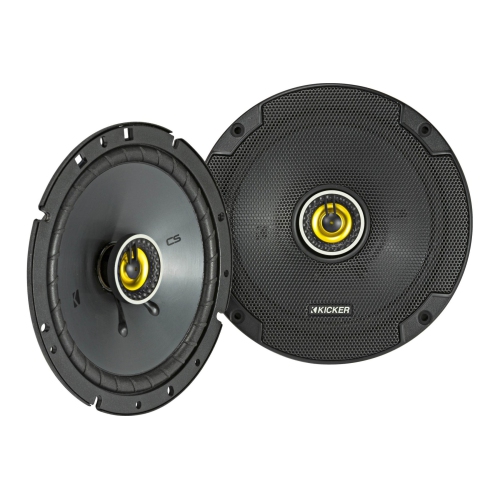 Your price for this item is $139.95
-
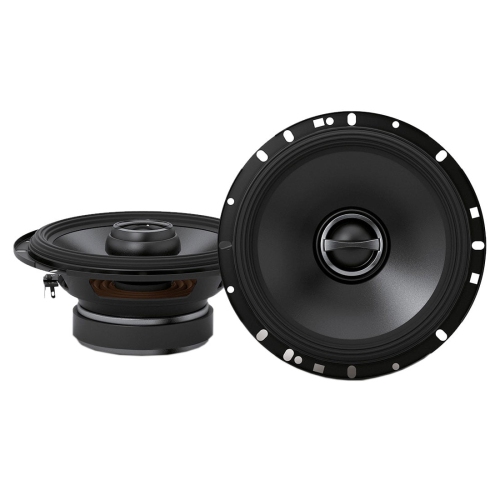 Your price for this item is $168.88
-
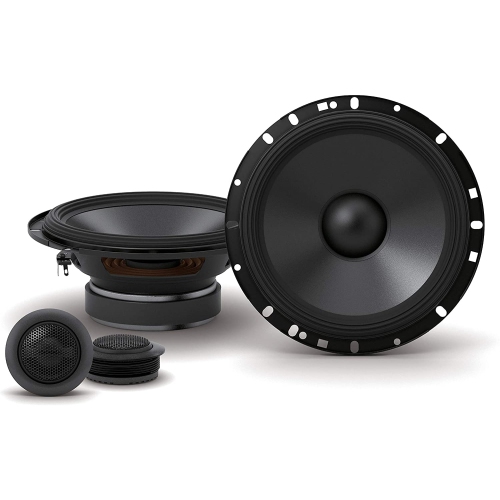 Your price for this item is $188.88
-
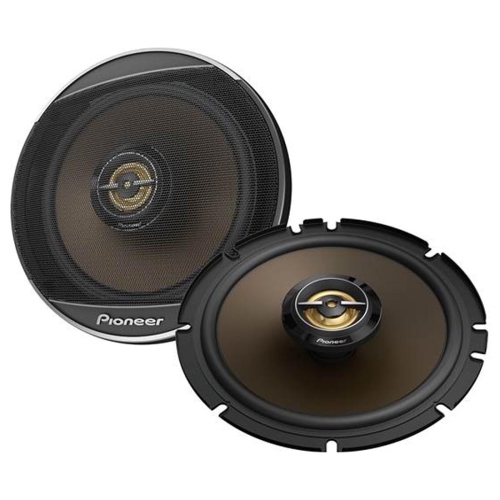 Your price for this item is $138.99
-
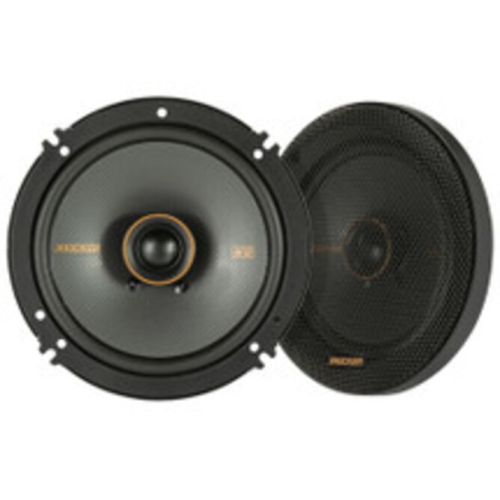 Your price for this item is $189.95
-
 Your price for this item is $228
-
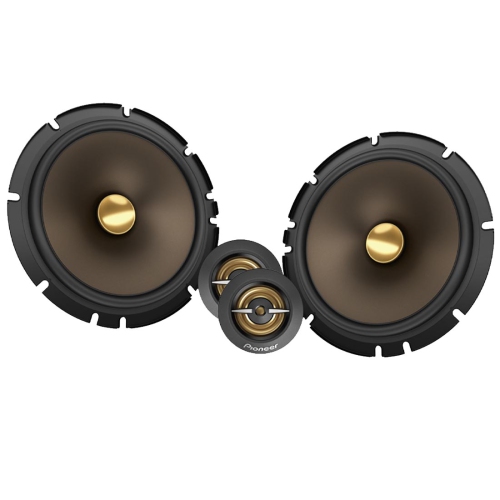 Your price for this item is $228.99
-
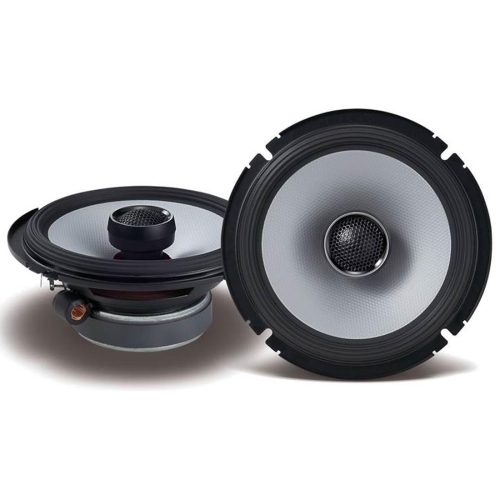 Your price for this item is $198
Discover more categories related to Car Audio Competition Speakers
Top Collections:
Pokemon Centers, Best Budget Office Chairs, Kindle Devices, Best Cameras for Sports Photography, Pokémon 30th Celebration Cards, Best Laptops for Writers, Apple iPhones 16, Laptops for Business Work, Canon G7X Cameras, iPhone 15 Apple
Some products may be subject to Environmental Handling Fees
(EHF) depending on your province.
Learn more about EHFs.