Custom Fit All Weather Mats
Custom Fit All Weather Mats are designed to help keep your vehicle’s interior looking fresh, no matter the season. Engineered for a precise fit, these mats offer reliable protection against daily messes and unexpected spills. Whether you’re heading out on a road trip or tackling your daily commute, Custom Fit All Weather Mats provide an easy way to maintain a clean and stylish cabin. Explore options that match your car’s make and model for a seamless addition to your vehicle’s interior.
Sort
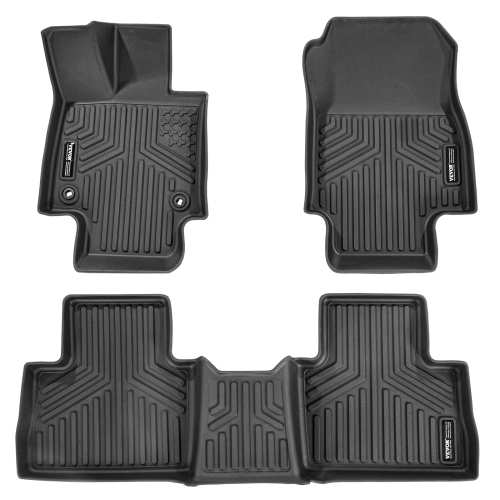
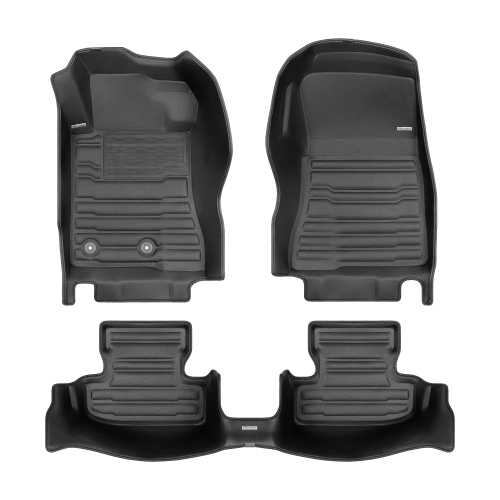
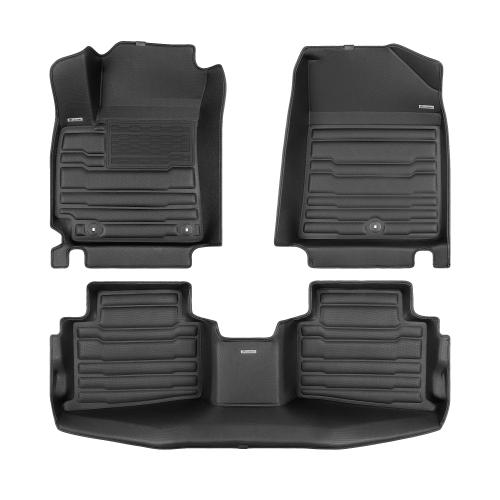
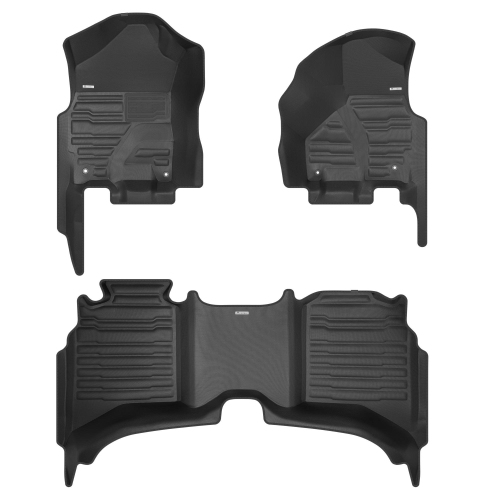
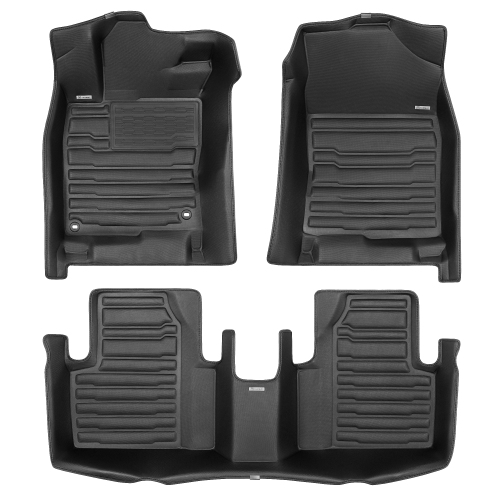
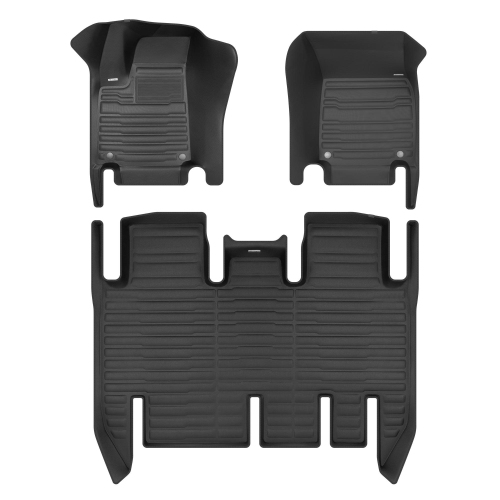
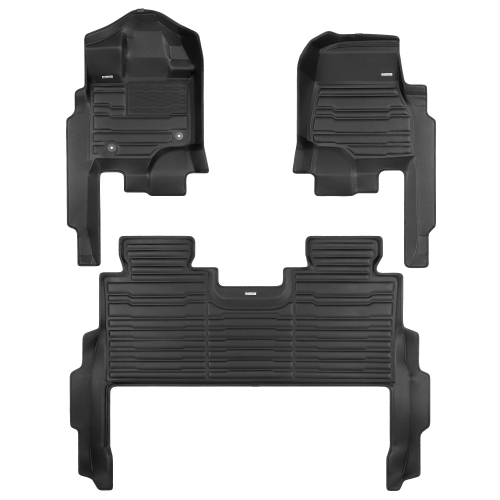
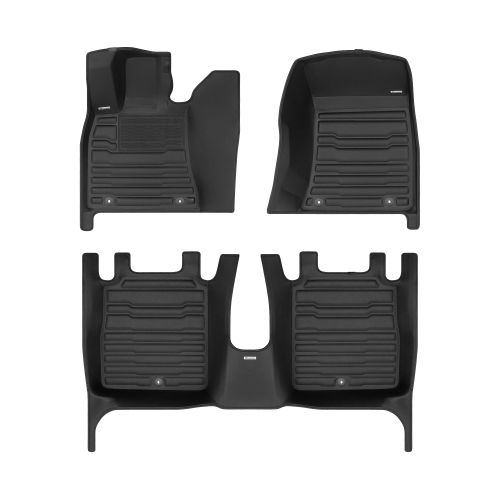
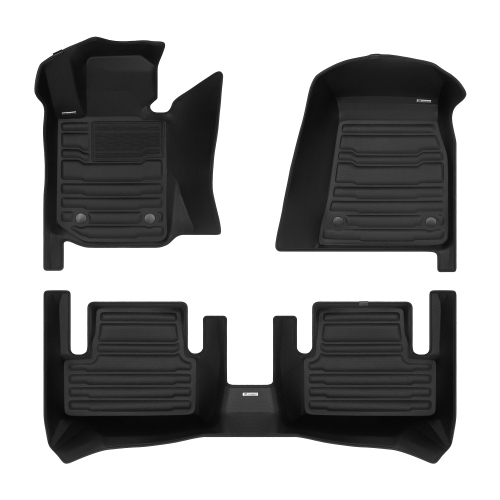
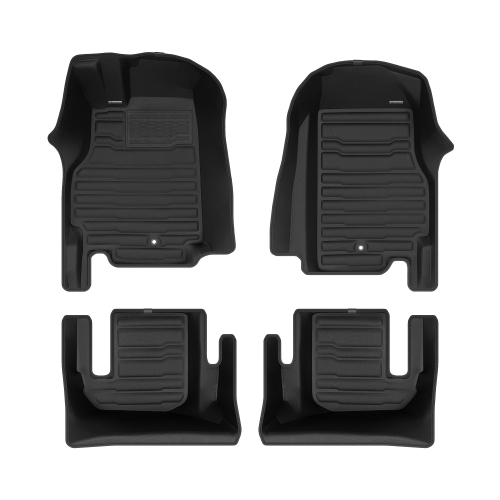
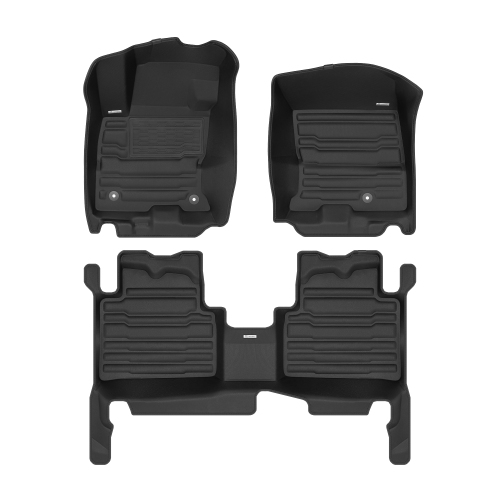
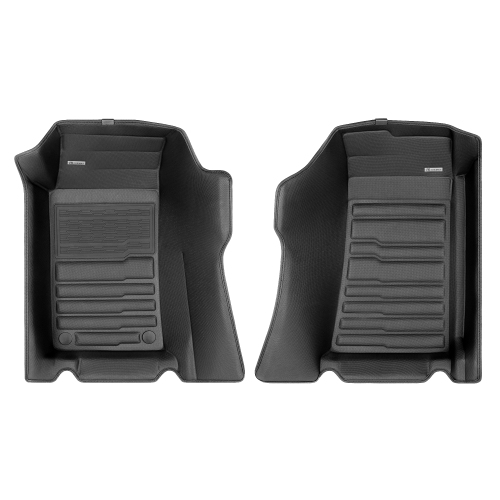
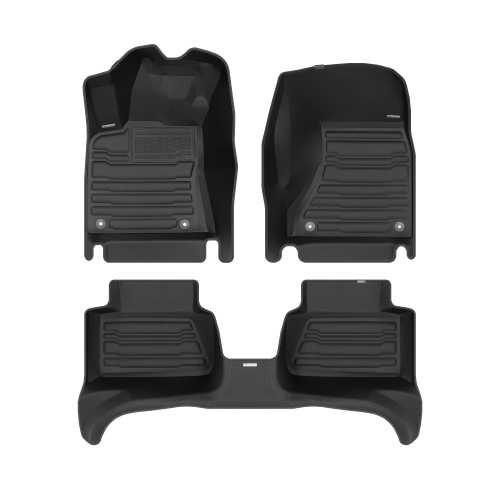
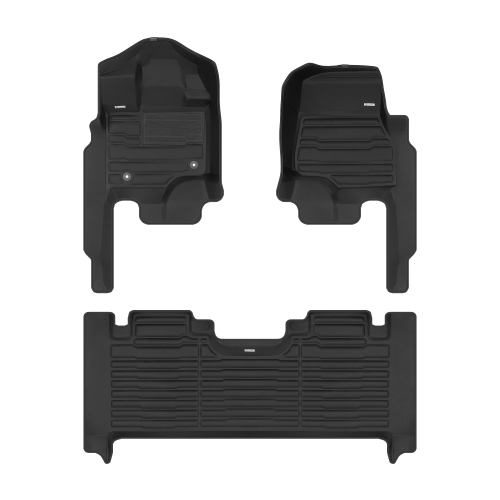
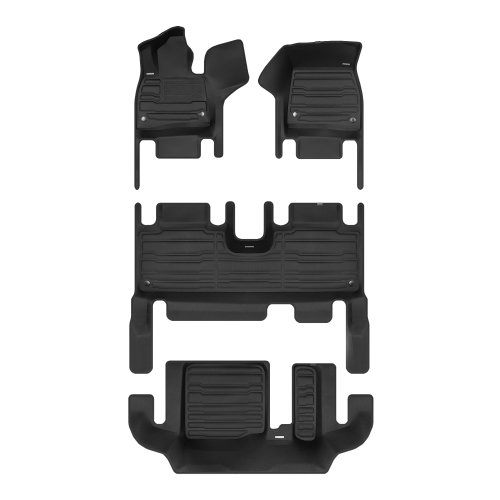
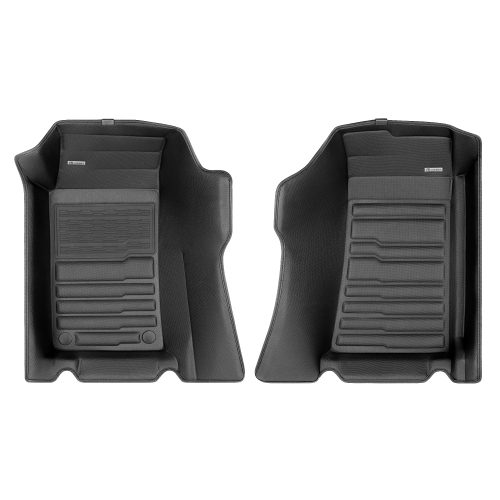
Why a precise fit matters when slush rides along
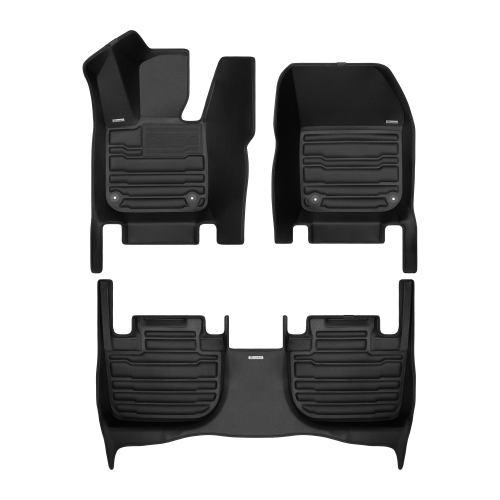
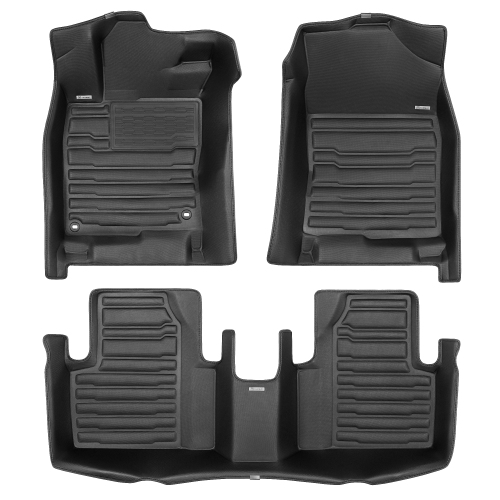
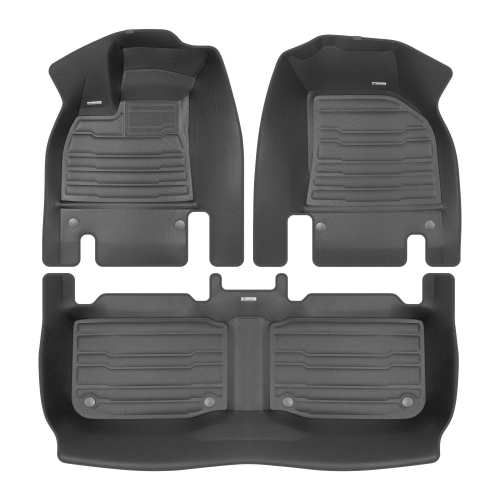
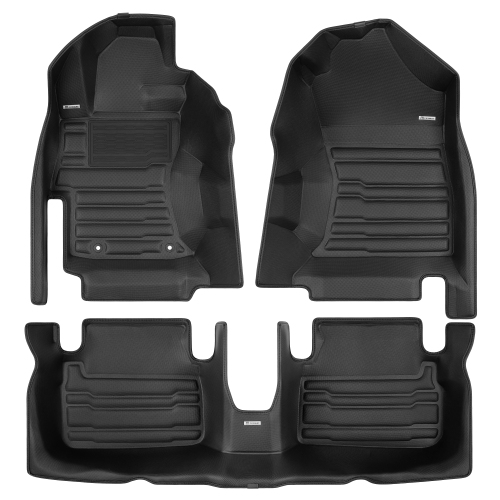
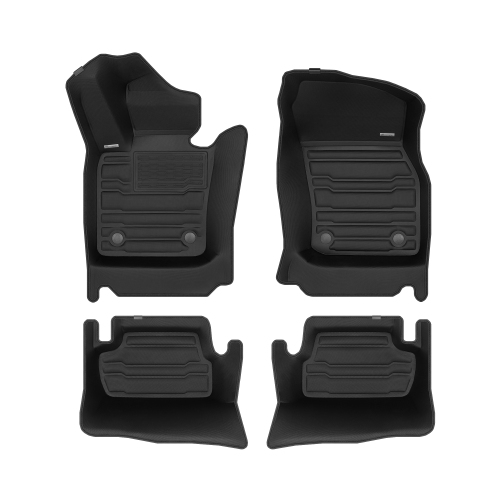
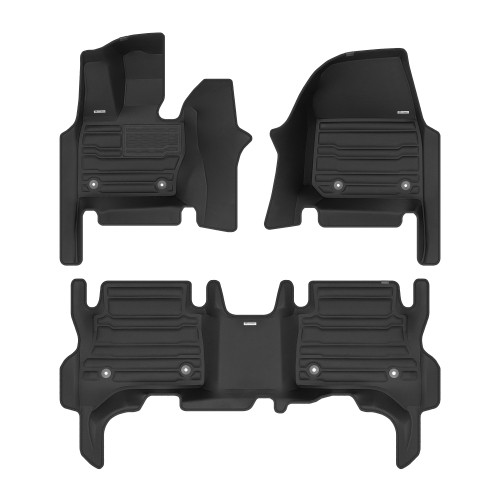
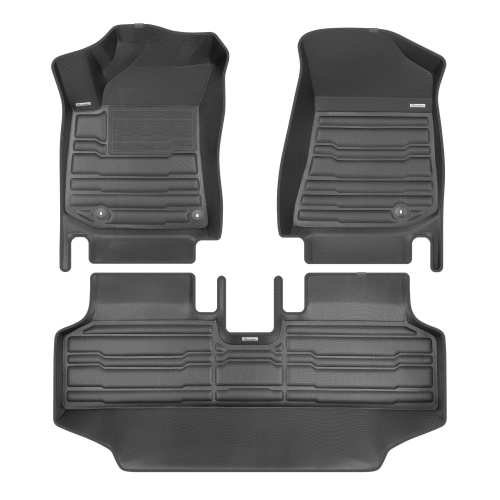
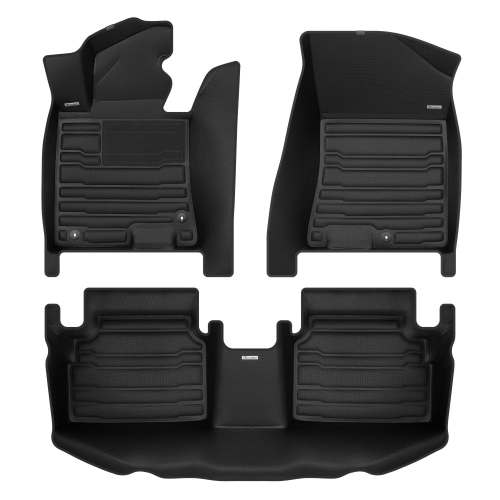
Custom-fit all-weather mats are vehicle floor coverings shaped to match the footwells of a particular vehicle, helping protect the carpet from water, road salt, mud, sand, and everyday debris. Unlike universal mats, which use a more general outline and may require trimming, custom-fit designs account for the contours, mounting points, and floor layout of compatible vehicles. That closer fit can provide coverage around the transmission tunnel, beneath the pedals, and along the edges where wet boots tend to leave their mark. For Canadian drivers, the appeal is practical: rain-soaked shoes, gritty slush, and melting snow can follow passengers into the cabin throughout the cooler months. Raised borders and moulded channels help contain that mess instead of allowing it to spread directly onto the carpet, although the amount of liquid a mat can hold depends on its design. The terms floor mat and floor liner sometimes overlap, but liners generally have a more sculpted shape and taller sidewalls, while mats may sit flatter within the footwell. Neither name alone establishes how much coverage a design provides. Vehicle compatibility is the more important detail, starting with the year, make, and model, then any listed requirements for trim, body style, seating arrangement, or powertrain. Two vehicles with the same model name can have different floor shapes, especially across redesigns or between hybrid and other versions. A precise match also matters in the rear, where bench seating, individual seats, and centre floor humps affect the shape needed. Drivers comparing broader styles of All Weather Floor Mats can distinguish vehicle-specific coverage from more adaptable designs by checking those fit details. For daily commuting, school drop-offs, or trips to a muddy trailhead, a well-matched set creates a practical barrier between the original carpet and whatever comes in on everyone’s footwear. It can also make routine tidying less involved by keeping much of the loose dirt on a removable surface.
Materials influence how custom-fit all-weather floor mats feel underfoot, how easily they lift out for cleaning, and how they handle repeated use. Rubber is a familiar choice for its substantial feel and flexibility, while thermoplastic elastomer, often called TPE, can be moulded into detailed shapes with defined channels and raised edges. Other thermoplastic blends and layered constructions offer different combinations of structure, surface texture, and cushioning. Material names alone do not establish quality, cold-weather flexibility, or resistance to cracking; those characteristics depend on the formulation and construction. A mat that stays pliable during low temperatures can be easier to handle when removing it from a cold vehicle, while a more structured liner may help maintain its tray-like shape. Surface design matters just as much. Deep grooves can collect grit below shoe contact points, and a textured heel area can provide traction where the driver’s foot rests and pivots. Taller edges may offer useful protection beside the door sill and centre console, provided they fit correctly and do not interfere with pedals, seat movement, or other vehicle controls. Factory-compatible retention points help hold a mat in its intended position; an anti-slip backing is an additional feature, not a substitute for using the specified attachments. The driver’s mat should sit flat and secure, with unobstructed pedal travel. All-weather mats should not be stacked over existing floor mats, since extra layers can shift or reduce clearance beneath the pedals. Coverage needs vary by how the vehicle is used. Front-row mats address the areas that often see the most foot traffic, while rear-row coverage is useful for families, carpool passengers, and pets travelling in the passenger area. A one-piece rear design may cover the centre section as well as both footwells, depending on the vehicle. Matching cargo protection serves a different purpose, helping shield the load floor beneath damp sports bags, gardening supplies, or a stroller with dirty wheels. Cargo liners need their own compatibility checks, particularly when folding seats or adjustable load floors change the space.
Daily use puts the details of custom-fit all-weather mats into perspective. A commuter may value a stable heel area and channels that keep melted snow away from trouser cuffs, while a family carrying children to activities may place more importance on rear coverage and easy removal of crumbs and grit. Drivers who regularly visit worksites, cottages, or walking trails may appreciate durable surfaces that tolerate frequent contact with muddy boots. These mats can also be a thoughtful, practical gift for someone who has recently changed vehicles, provided the exact vehicle details and required seating coverage are known. Appearance still plays a part: a close-fitting outline and a finish that suits the cabin can look less makeshift than a mat with gaps, curled corners, or excess material. Dark surfaces tend to blend with many interiors, though dried salt and pale dust may remain visible until cleaned. Routine care helps preserve both the appearance of the mats and the carpet beneath them. Loose grit can be shaken out or vacuumed away, and many rubber or thermoplastic designs can be washed with water and a mild cleaner suitable for the material. Care directions should determine which cleaning products, water temperatures, and washing methods are appropriate, especially for layered or fabric-faced constructions. Oily dressings and slippery surface treatments are unsuitable where feet need dependable traction. After washing, mats should dry fully before being refitted, and any dampness on the underlying carpet should be addressed rather than trapped beneath the covering. When a liner holds pooled water or slush, lifting it level and removing it carefully helps prevent spills onto the seats or carpet. Periodic checks around the retention points, heel area, and raised edges can reveal wear, cracks, or curling that may affect performance or fit. Custom shaping does not make a vehicle interior waterproof, and even high-sided liners need emptying when moisture accumulates. Their everyday value lies in controlled coverage, straightforward care, and a secure fit that suits the vehicle’s actual use, whether that means a short urban commute or a cabin full of passengers and wet boots.
Materials influence how custom-fit all-weather floor mats feel underfoot, how easily they lift out for cleaning, and how they handle repeated use. Rubber is a familiar choice for its substantial feel and flexibility, while thermoplastic elastomer, often called TPE, can be moulded into detailed shapes with defined channels and raised edges. Other thermoplastic blends and layered constructions offer different combinations of structure, surface texture, and cushioning. Material names alone do not establish quality, cold-weather flexibility, or resistance to cracking; those characteristics depend on the formulation and construction. A mat that stays pliable during low temperatures can be easier to handle when removing it from a cold vehicle, while a more structured liner may help maintain its tray-like shape. Surface design matters just as much. Deep grooves can collect grit below shoe contact points, and a textured heel area can provide traction where the driver’s foot rests and pivots. Taller edges may offer useful protection beside the door sill and centre console, provided they fit correctly and do not interfere with pedals, seat movement, or other vehicle controls. Factory-compatible retention points help hold a mat in its intended position; an anti-slip backing is an additional feature, not a substitute for using the specified attachments. The driver’s mat should sit flat and secure, with unobstructed pedal travel. All-weather mats should not be stacked over existing floor mats, since extra layers can shift or reduce clearance beneath the pedals. Coverage needs vary by how the vehicle is used. Front-row mats address the areas that often see the most foot traffic, while rear-row coverage is useful for families, carpool passengers, and pets travelling in the passenger area. A one-piece rear design may cover the centre section as well as both footwells, depending on the vehicle. Matching cargo protection serves a different purpose, helping shield the load floor beneath damp sports bags, gardening supplies, or a stroller with dirty wheels. Cargo liners need their own compatibility checks, particularly when folding seats or adjustable load floors change the space.
Daily use puts the details of custom-fit all-weather mats into perspective. A commuter may value a stable heel area and channels that keep melted snow away from trouser cuffs, while a family carrying children to activities may place more importance on rear coverage and easy removal of crumbs and grit. Drivers who regularly visit worksites, cottages, or walking trails may appreciate durable surfaces that tolerate frequent contact with muddy boots. These mats can also be a thoughtful, practical gift for someone who has recently changed vehicles, provided the exact vehicle details and required seating coverage are known. Appearance still plays a part: a close-fitting outline and a finish that suits the cabin can look less makeshift than a mat with gaps, curled corners, or excess material. Dark surfaces tend to blend with many interiors, though dried salt and pale dust may remain visible until cleaned. Routine care helps preserve both the appearance of the mats and the carpet beneath them. Loose grit can be shaken out or vacuumed away, and many rubber or thermoplastic designs can be washed with water and a mild cleaner suitable for the material. Care directions should determine which cleaning products, water temperatures, and washing methods are appropriate, especially for layered or fabric-faced constructions. Oily dressings and slippery surface treatments are unsuitable where feet need dependable traction. After washing, mats should dry fully before being refitted, and any dampness on the underlying carpet should be addressed rather than trapped beneath the covering. When a liner holds pooled water or slush, lifting it level and removing it carefully helps prevent spills onto the seats or carpet. Periodic checks around the retention points, heel area, and raised edges can reveal wear, cracks, or curling that may affect performance or fit. Custom shaping does not make a vehicle interior waterproof, and even high-sided liners need emptying when moisture accumulates. Their everyday value lies in controlled coverage, straightforward care, and a secure fit that suits the vehicle’s actual use, whether that means a short urban commute or a cabin full of passengers and wet boots.
Top selling and popular products
-
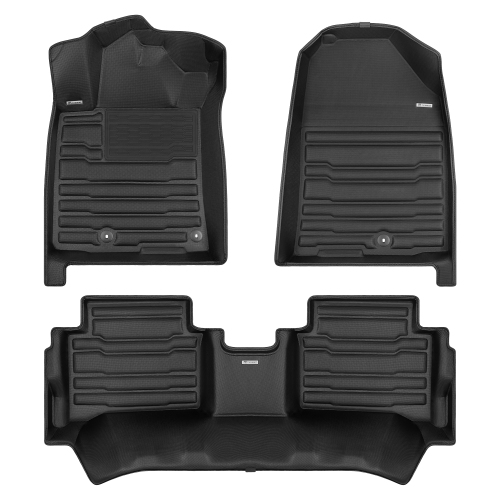 Your price for this item is $276.8
 -
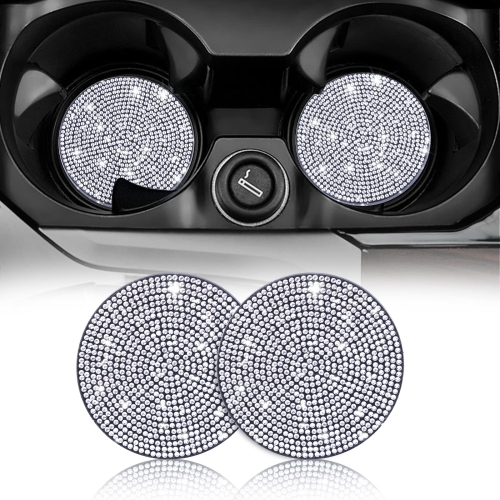 Your price for this item is $24.96
 -
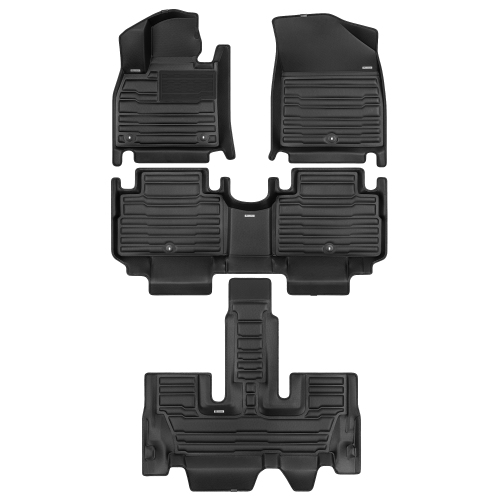 Your price for this item is $383.6
 -
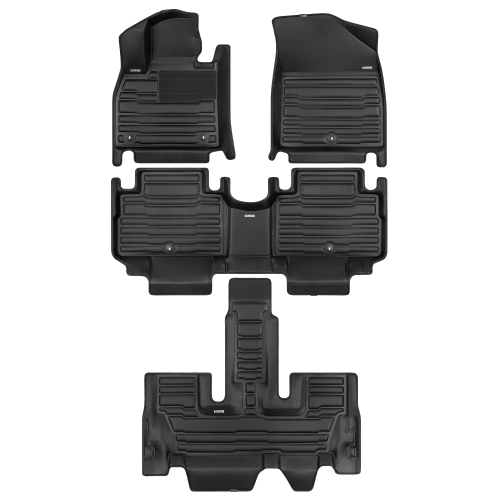 Your price for this item is $383.6
 -
 Your price for this item is $276.8
 -
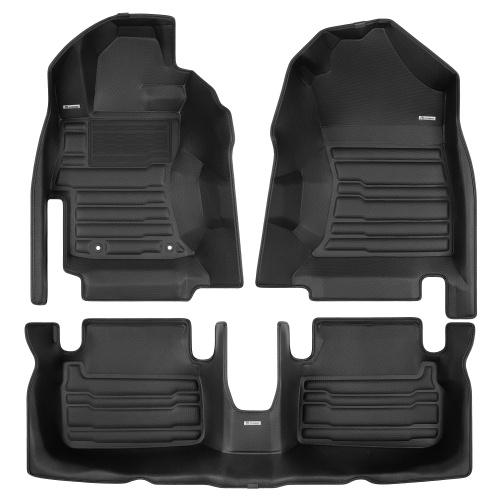 Your price for this item is $276.8
 -
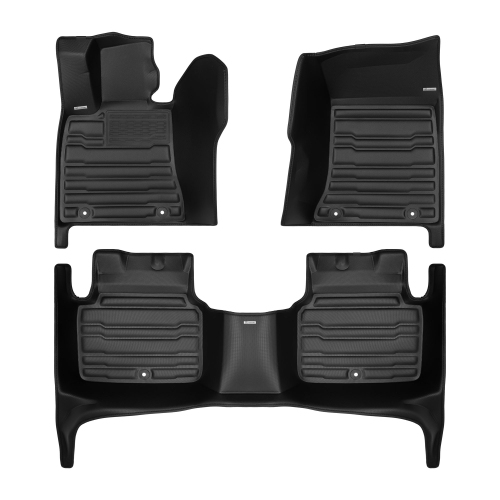 Your price for this item is $276.8
 -
 Your price for this item is $276.8
Discover more categories related to Custom Fit All Weather Mats

Top Collections:
Pokemon Centers, Kindle Devices, Best Budget Office Chairs, Apple iPhones 16, Canon G7X Cameras, iPhone 15 Apple, Alarm Clock, Refurbished Apple Laptops, Flip Phones, Best Laptops for Writers
Some products may be subject to Environmental Handling Fees
(EHF) depending on your province.
Learn more about EHFs.