High Power Car Subwoofers
High Power Car Subwoofers deliver the deep, impactful bass that transforms any drive into an immersive audio experience. Designed for those who crave powerful sound on the road, these subwoofers elevate your car’s sound system with impressive performance and bold bass. Whether you’re upgrading your setup or building a custom audio solution, explore a wide selection of High Power Car Subwoofers to find the perfect match for your vehicle and listening preferences.
Sort



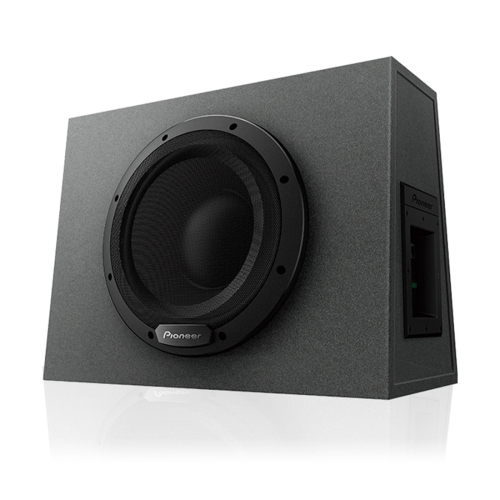
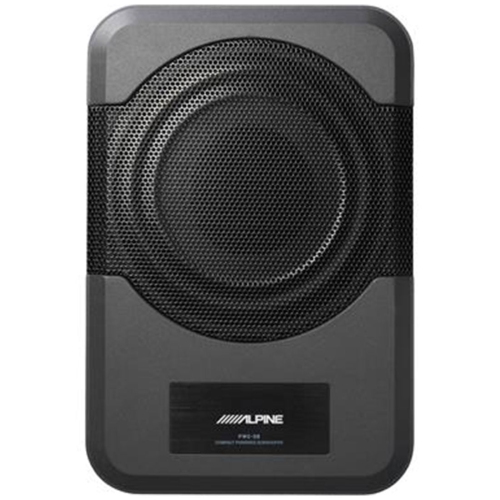

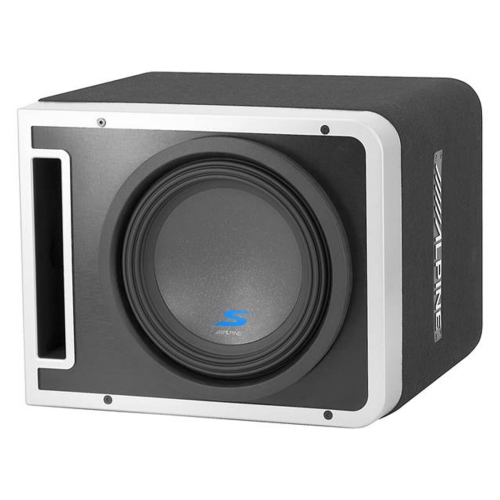


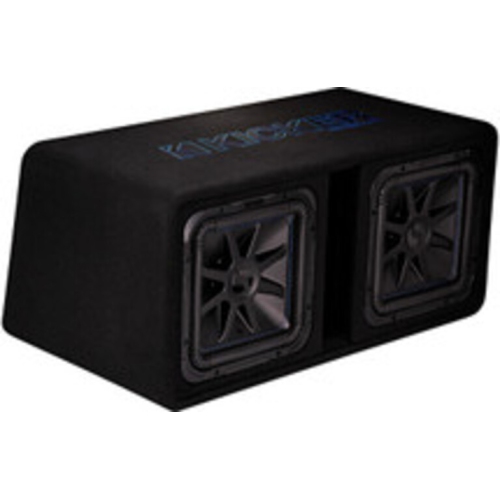

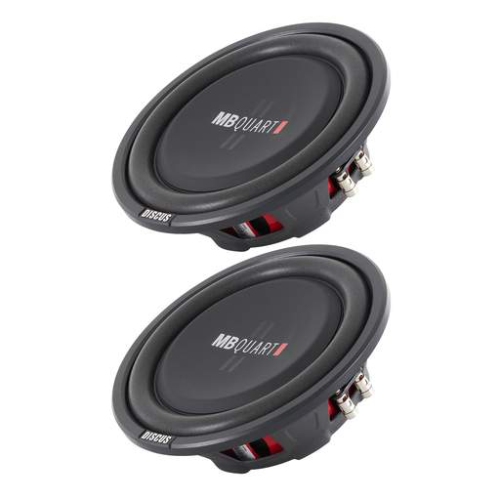
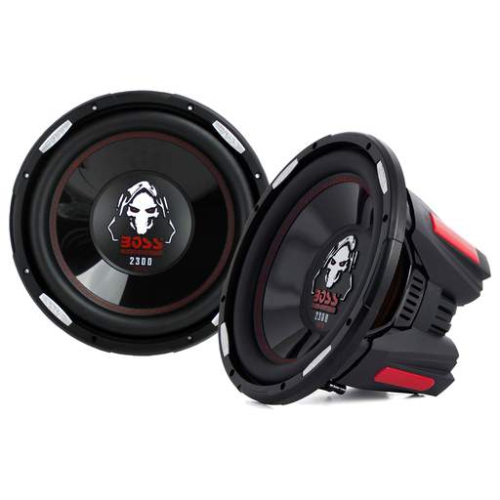

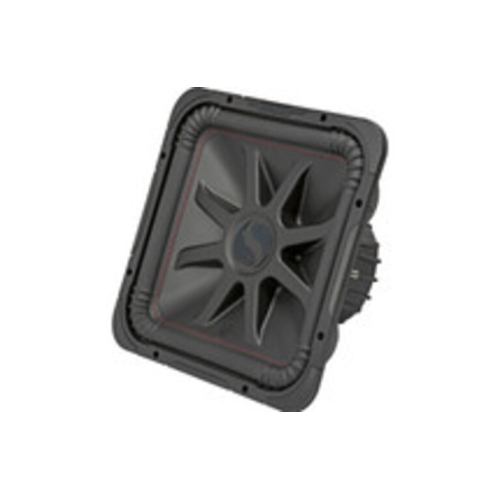


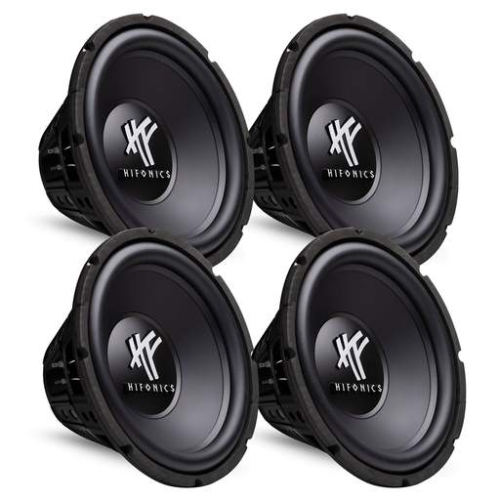
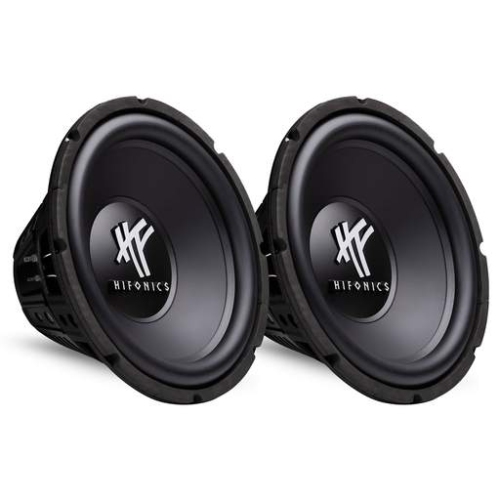
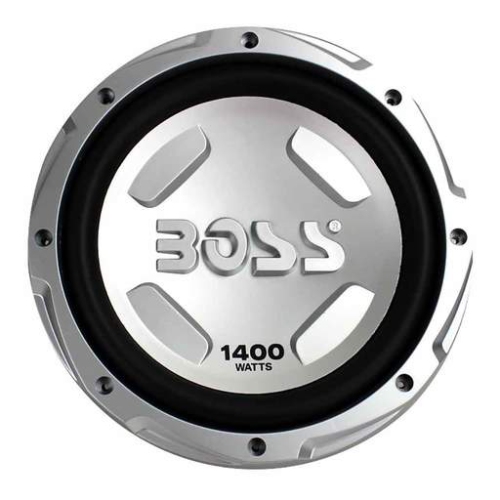
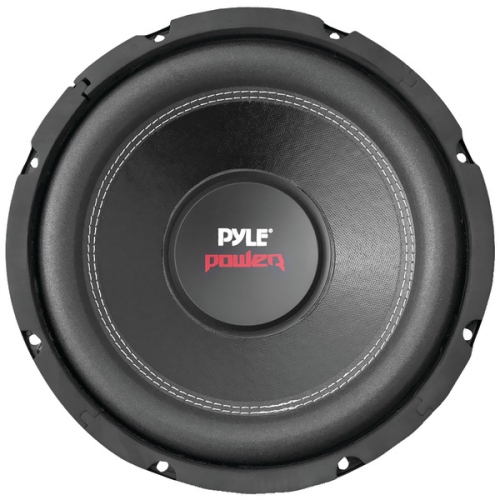
Powerful bass depends on more than wattage alone
High power car subwoofers are designed for drivers who want bass that does more than fill in the low notes—it adds physical impact to the entire listening experience. These heavy-duty subwoofers can handle substantial continuous output, with many high-power models rated at more than 1,000 watts RMS when paired with the right amplifier and electrical system. RMS, or root mean square, is the rating to focus on when comparing performance because it represents the power a subwoofer can handle continuously during normal use. Peak or maximum power ratings describe short bursts and should not be used as the main basis for matching components. A high-power subwoofer can bring weight and definition to hip-hop, electronic music, rock, country, film soundtracks, and other bass-heavy recordings, while also making kick drums, low synths, and cinematic effects easier to feel from the driver’s seat. These products are a popular choice for car audio enthusiasts building a more powerful system, commuters who want a more immersive drive, and anyone upgrading from factory audio that sounds thin or lacks depth. They can also be a thoughtful gift for someone who enjoys vehicle upgrades, audio projects, or weekend installation work, although the recipient’s amplifier, vehicle, enclosure, and wiring should be considered before choosing a model.
Power handling is only one part of selecting the right car subwoofer. Size, sensitivity, impedance, voice-coil configuration, and enclosure requirements all influence how a system performs. A dual voice coil subwoofer can provide additional wiring flexibility, but its final impedance must be compatible with the amplifier. The amplifier’s RMS output should be matched carefully to the subwoofer’s RMS rating, with attention to the load created by one or more subwoofers. An amplifier that is too weak may be pushed into clipping, while an amplifier that delivers substantially more power than the subwoofer can handle may cause damage if the gain is set incorrectly. Gain is not a volume control; it should be adjusted to match the source signal and system components without introducing distortion. The enclosure also matters. A sealed box can produce controlled, compact bass with a smooth response, while a ported box can deliver greater output around its tuned frequency when it is built to the correct specifications. High power subwoofers need sturdy enclosures with accurate internal volume, secure mounting, and enough structural strength to manage vibration. Measure the available space in the vehicle before buying, including the height, width, depth, speaker cutout, and room needed for wiring. Drivers who want pronounced movement and strong output may also wish to compare high-excursion designs, such as these High Excursion Car Subwoofers, which are built to move more air and can complement a powerful system.
A high-power car audio installation may require upgrades beyond the subwoofer and amplifier. These systems can draw significant current, particularly when the bass is played at high volume for extended periods. Thick oxygen-free copper power and ground cables, a suitable fuse close to the battery, solid grounding, and carefully routed signal cables help support reliable operation. Depending on the vehicle and total system demand, a stronger alternator, upgraded battery, or additional battery may be necessary to reduce voltage drops and protect performance. Dimming headlights, amplifier shutdowns, distorted bass, or noticeable changes in volume can indicate that the electrical system is struggling and should be inspected by a qualified installer. Professional installation can also help with polarity, phase, gain, crossover, and equalizer settings. A low-pass filter keeps higher frequencies out of the subwoofer, while the crossover point should blend smoothly with the vehicle’s other speakers rather than making the bass sound detached. Sound deadening and secure trim panels can reduce rattles that become more noticeable as output increases. During the cooler months, changes in temperature can affect battery performance and the flexibility of some materials, so it is wise to allow equipment to reach a normal operating temperature and to check connections if the vehicle is parked outdoors. Whether the goal is deep bass for everyday driving or a competition-inspired system with serious output, choosing compatible components and setting them up properly helps a high-power car subwoofer deliver strong, clean, dependable performance.
Power handling is only one part of selecting the right car subwoofer. Size, sensitivity, impedance, voice-coil configuration, and enclosure requirements all influence how a system performs. A dual voice coil subwoofer can provide additional wiring flexibility, but its final impedance must be compatible with the amplifier. The amplifier’s RMS output should be matched carefully to the subwoofer’s RMS rating, with attention to the load created by one or more subwoofers. An amplifier that is too weak may be pushed into clipping, while an amplifier that delivers substantially more power than the subwoofer can handle may cause damage if the gain is set incorrectly. Gain is not a volume control; it should be adjusted to match the source signal and system components without introducing distortion. The enclosure also matters. A sealed box can produce controlled, compact bass with a smooth response, while a ported box can deliver greater output around its tuned frequency when it is built to the correct specifications. High power subwoofers need sturdy enclosures with accurate internal volume, secure mounting, and enough structural strength to manage vibration. Measure the available space in the vehicle before buying, including the height, width, depth, speaker cutout, and room needed for wiring. Drivers who want pronounced movement and strong output may also wish to compare high-excursion designs, such as these High Excursion Car Subwoofers, which are built to move more air and can complement a powerful system.
A high-power car audio installation may require upgrades beyond the subwoofer and amplifier. These systems can draw significant current, particularly when the bass is played at high volume for extended periods. Thick oxygen-free copper power and ground cables, a suitable fuse close to the battery, solid grounding, and carefully routed signal cables help support reliable operation. Depending on the vehicle and total system demand, a stronger alternator, upgraded battery, or additional battery may be necessary to reduce voltage drops and protect performance. Dimming headlights, amplifier shutdowns, distorted bass, or noticeable changes in volume can indicate that the electrical system is struggling and should be inspected by a qualified installer. Professional installation can also help with polarity, phase, gain, crossover, and equalizer settings. A low-pass filter keeps higher frequencies out of the subwoofer, while the crossover point should blend smoothly with the vehicle’s other speakers rather than making the bass sound detached. Sound deadening and secure trim panels can reduce rattles that become more noticeable as output increases. During the cooler months, changes in temperature can affect battery performance and the flexibility of some materials, so it is wise to allow equipment to reach a normal operating temperature and to check connections if the vehicle is parked outdoors. Whether the goal is deep bass for everyday driving or a competition-inspired system with serious output, choosing compatible components and setting them up properly helps a high-power car subwoofer deliver strong, clean, dependable performance.
Top selling and popular products
-
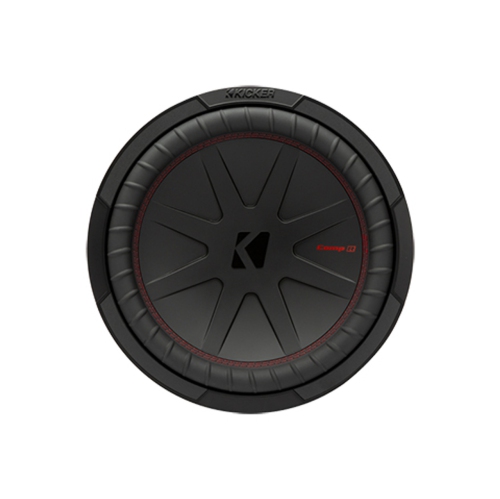 Your price for this item is $299.95
 -
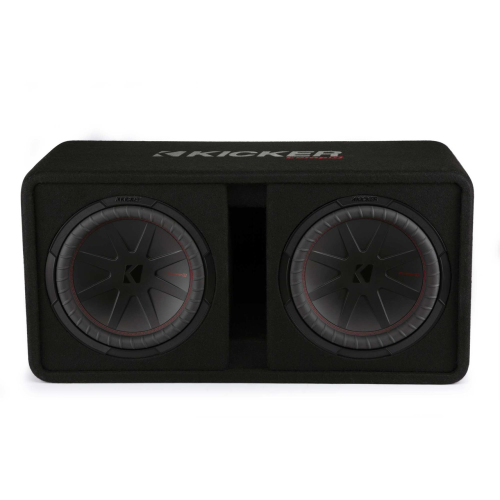 Your price for this item is $869.95
 -
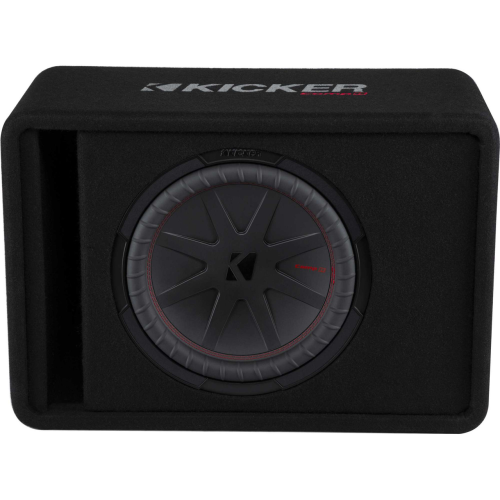 Your price for this item is $469.95
 -
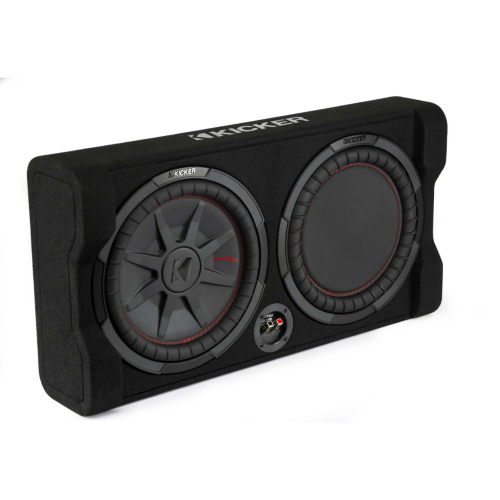 Your price for this item is $549.95
 -
 Your price for this item is $529.95
 -
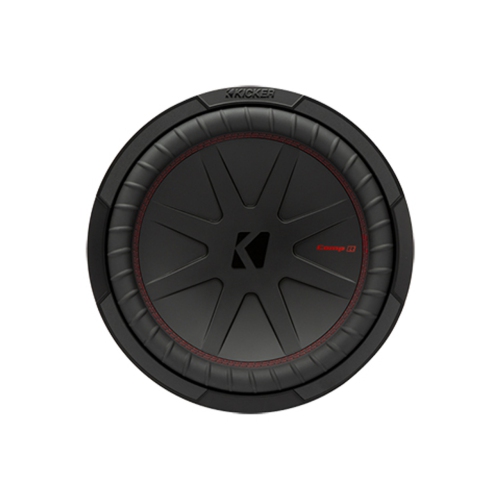 Your price for this item is $299.95
 -
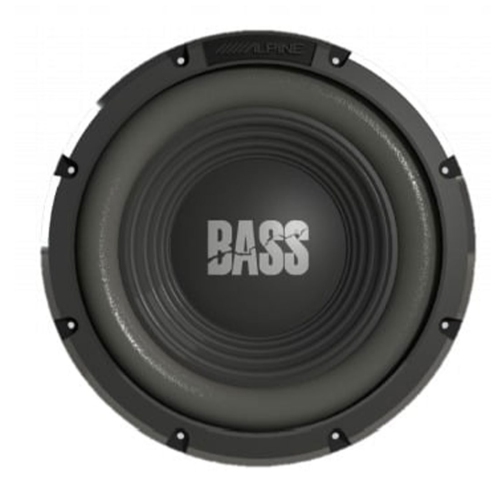 Your price for this item is $158
 -
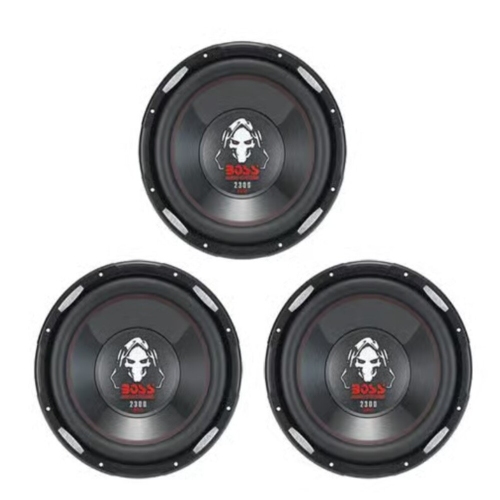 Your price for this item is $460.99
Discover more categories related to High Power Car Subwoofers


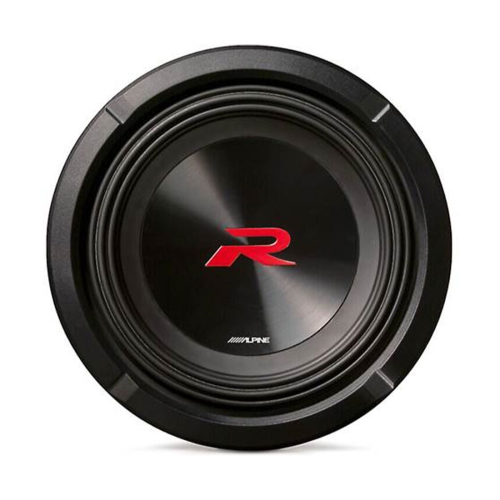
Top Collections:
Pokemon Centers, Kindle Devices, Best Budget Office Chairs, Apple iPhones 16, Best Laptops for Writers, iPhone 15 Apple, Canon G7X Cameras, Refurbished Apple Laptops, Alarm Clock, Motorola Razr Phones
Some products may be subject to Environmental Handling Fees
(EHF) depending on your province.
Learn more about EHFs.