Semi Metallic Brake Pads for Cold Weather
Semi Metallic Brake Pads for Cold Weather are designed to help provide reliable braking performance when temperatures drop. Whether you’re preparing your vehicle for winter or looking to maintain confidence on icy roads, these brake pads can be a great option for drivers who face challenging weather conditions. Explore a range of Semi Metallic Brake Pads for Cold Weather to find the right fit for your car and enjoy smoother, more responsive stops even in colder climates.
Sort
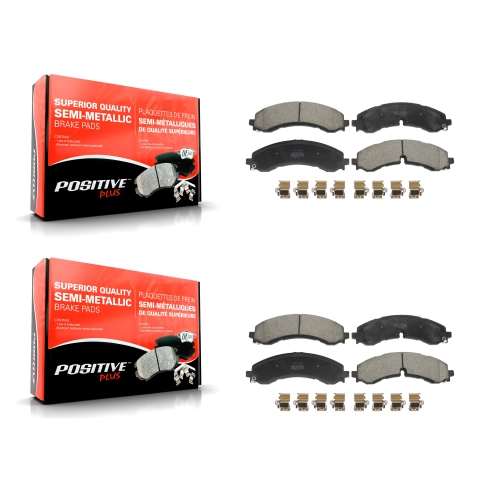
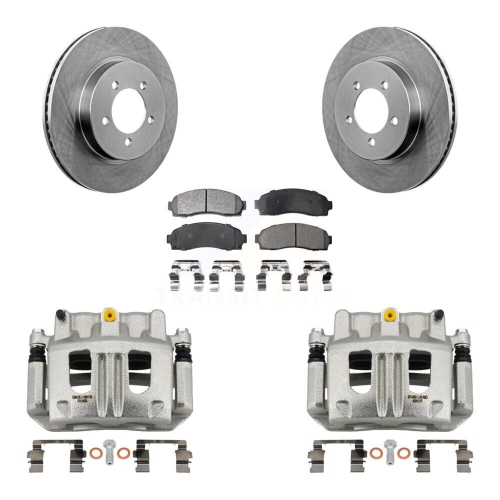
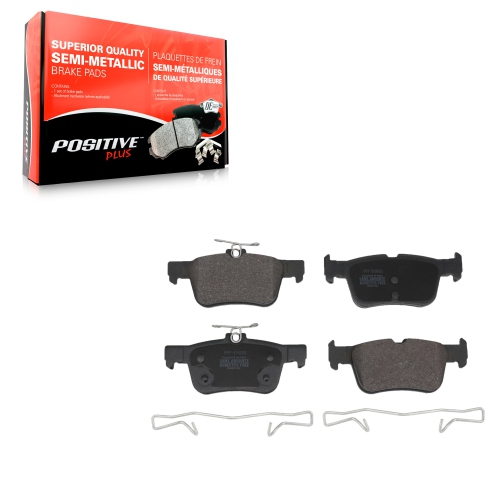
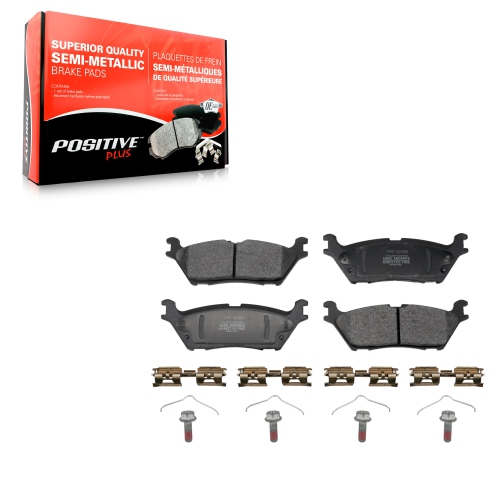
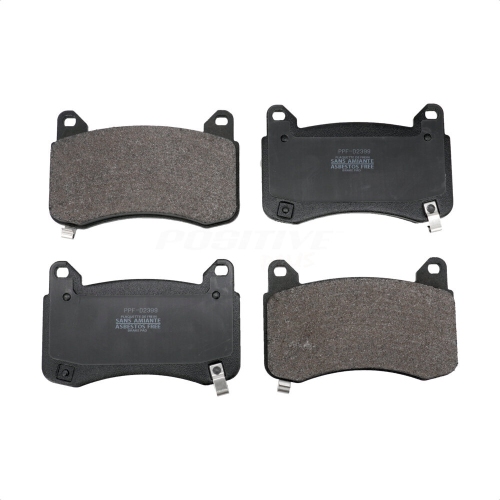
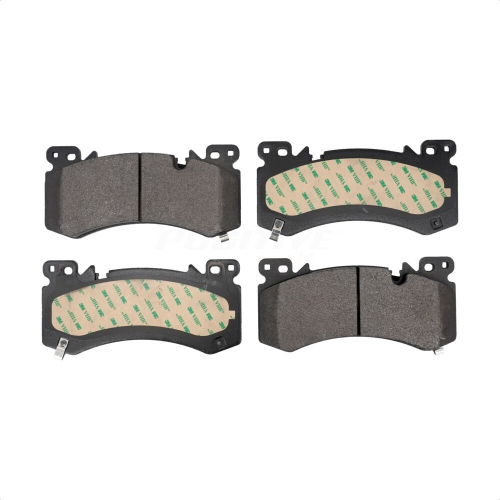
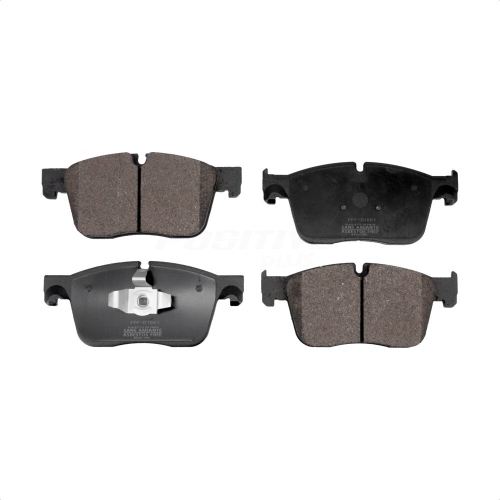
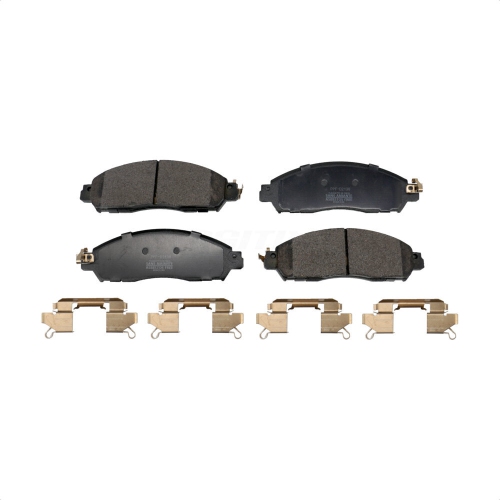
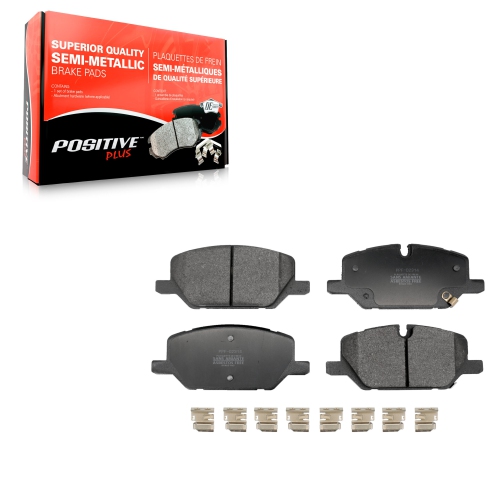
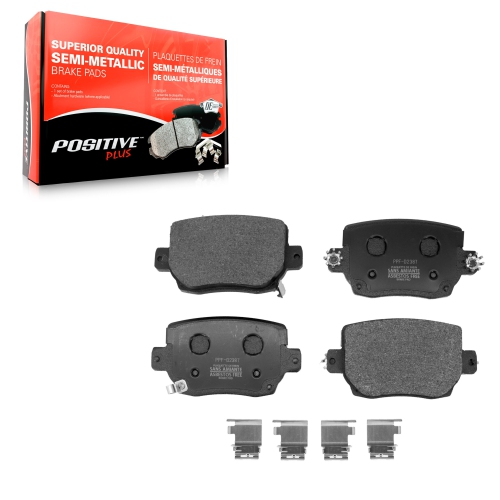
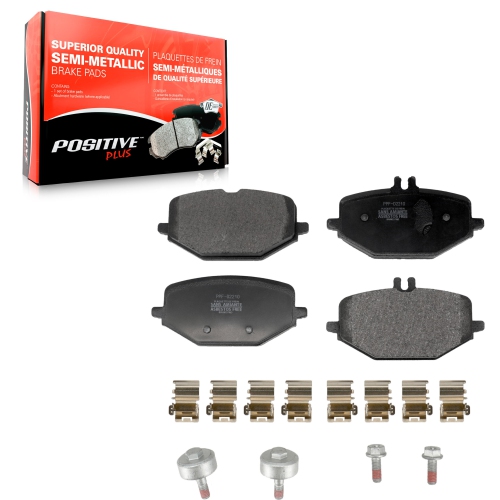
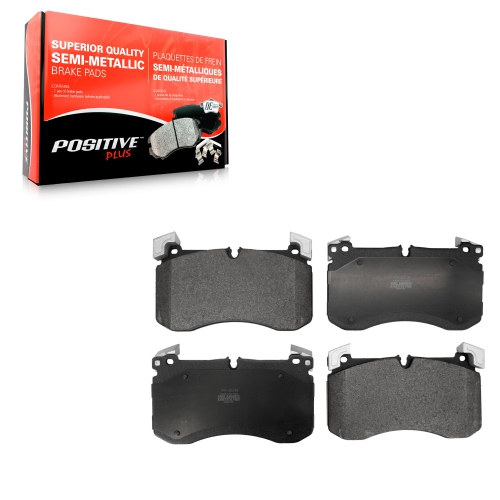
Winter braking depends on more than metal content
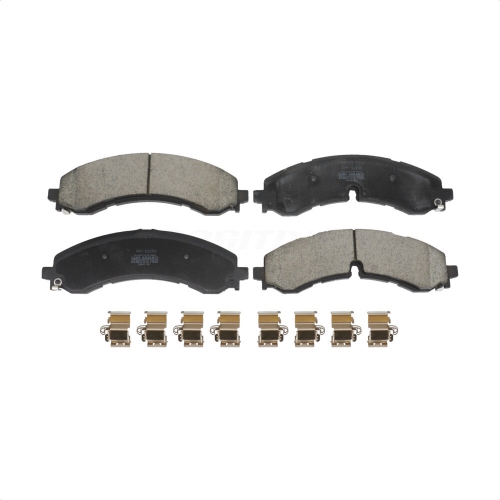
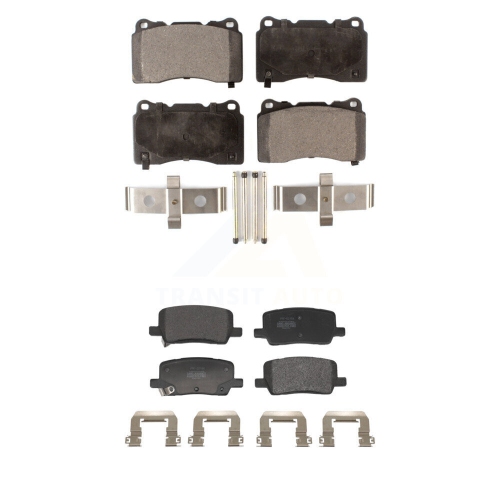
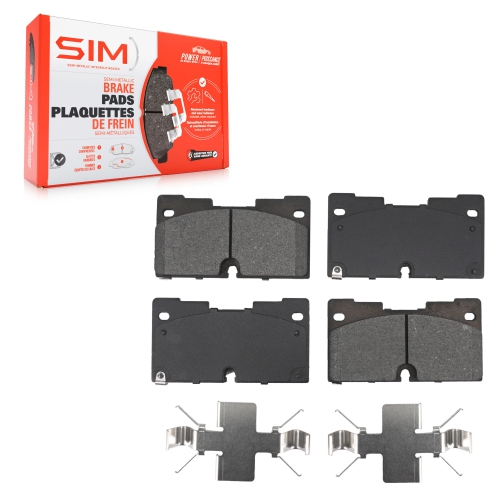
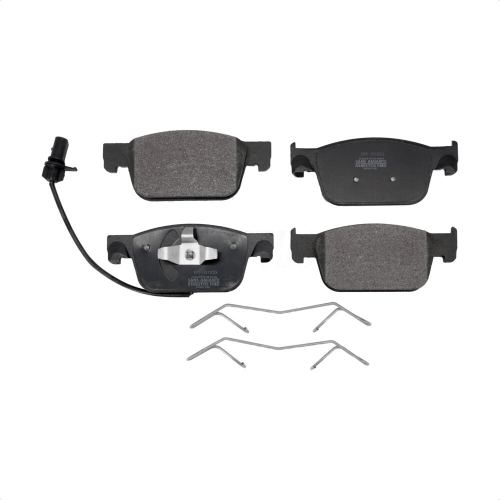
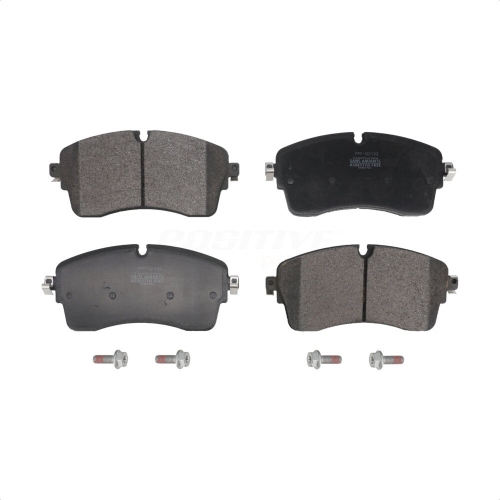
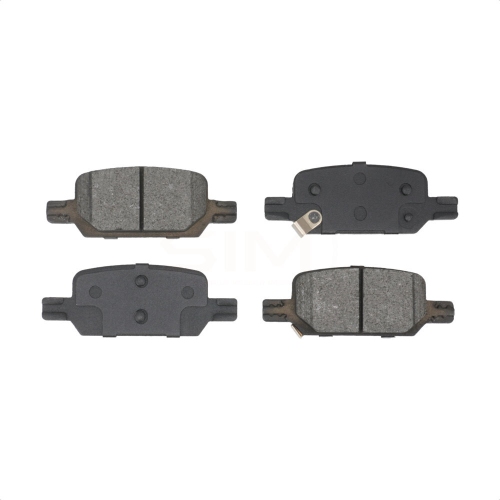
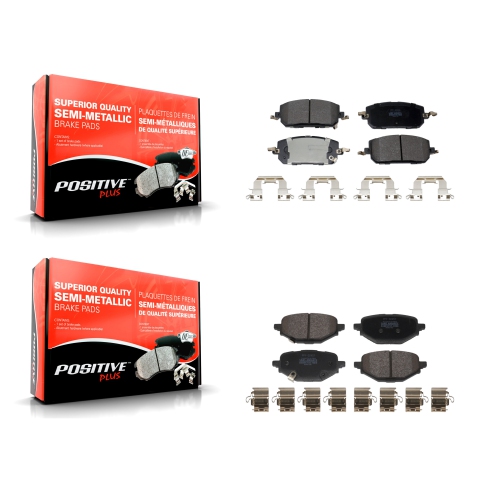
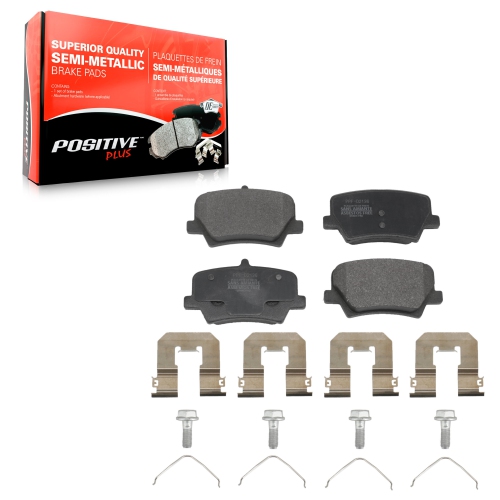
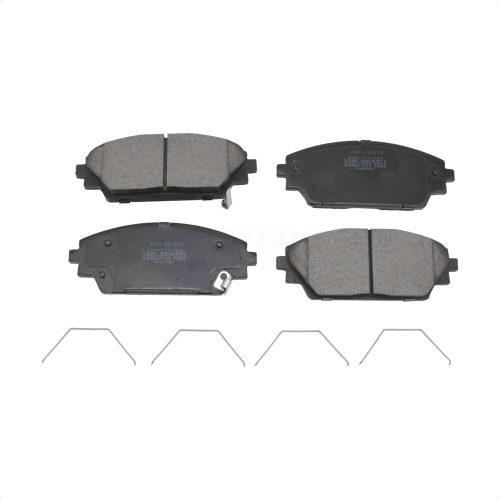
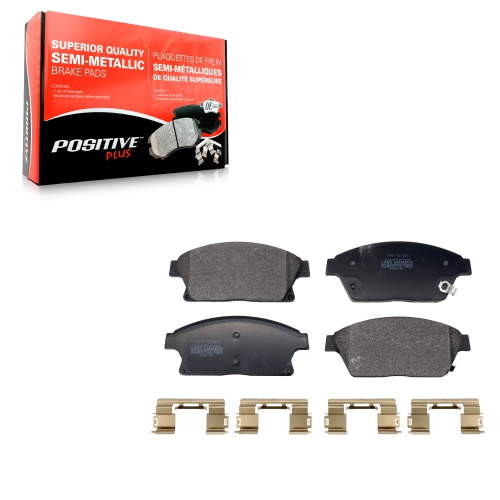
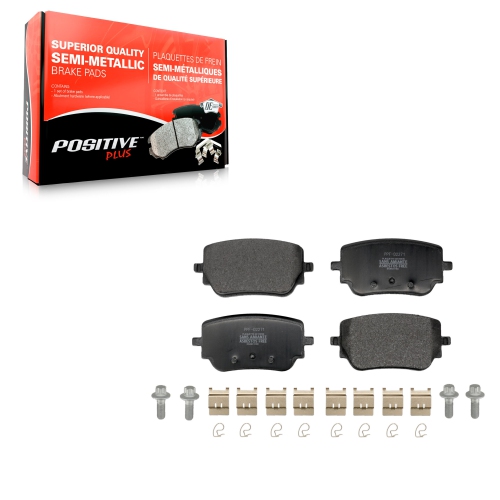
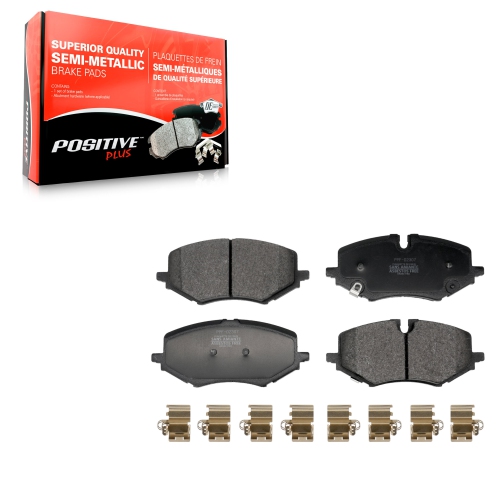
Semi-metallic brake pads for cold weather are replacement disc brake components for drivers who need dependable braking through freezing temperatures, slush, and repeated winter road exposure. Their friction material combines metal fibres or particles, commonly including steel or iron, with binding resins, fillers, and other friction modifiers. This mixture can provide strong initial bite, meaning the friction produced when the brakes are first applied, while also transferring heat away from the contact surface during repeated stops. However, semi-metallic describes a broad material category, not a guarantee of better performance in every cold-weather situation. The exact compound, its intended operating temperature range, and its compatibility with the vehicle matter more than the material label alone. A road-use formulation with documented low-temperature performance is a more relevant choice for everyday winter driving than a competition compound designed to work at much higher temperatures. For a car parked outside overnight, the important characteristic is predictable response on the first ordinary brake application, not simply a high maximum temperature rating. Semi-metallic pads can suit daily commuting, rural driving, and some heavier-duty uses when approved for the vehicle and its workload. They do not increase tyre grip on snow or ice, and no pad compound removes the need for appropriate tyres, reduced speeds, and greater following distances on slippery roads. Compared with some ceramic formulations, semi-metallic pads may produce more visible wheel dust or more noticeable noise, particularly when cold, although these differences vary considerably between compounds. Ceramic and organic pads also vary in their cold response, so broad claims that either type always needs warming up are not a reliable basis for selection. Within the wider selection of Semi Metallic Brake Pads, cold-weather suitability is best understood through application information and manufacturer specifications rather than assumptions about metal content. A suitable formulation balances dependable friction from low temperatures with the heat handling needed once traffic, hills, or vehicle weight put the brakes to work.
Vehicle fit is just as important as friction material because brake pads must match the caliper, rotor, and brake package installed on the vehicle. Year, make, and model are a starting point, but trim level, engine option, production date, and optional brake packages can change the required pad shape or dimensions. Two vehicles with the same model name may use different front brakes, and front and rear pads are generally not interchangeable. Pad thickness, backing plate shape, retaining features, and wear-sensor connections all affect compatibility. Where an electronic wear sensor is fitted, the replacement arrangement needs to match the vehicle’s requirements; some applications use a separate sensor rather than one supplied with the pads. Set contents also matter, since an axle set is different from a single pad or a complete vehicle set, and fitting hardware is not necessarily included. Beyond fit, construction details help distinguish pads intended for quiet daily driving from those focused more heavily on demanding service. Shims can help damp vibration, while chamfers and slots may influence noise and contact behaviour as part of the overall design. None of these features alone proves that a pad will be quiet or perform better below freezing. A protective backing plate coating can help resist corrosion on covered surfaces, but it does not make the brake assembly immune to road salt. For a compact car making short trips across town, predictable pedal response and acceptable noise may be priorities. For a pickup carrying tools or an SUV used on long downhill routes, load suitability and resistance to performance loss as the brakes heat up deserve particular attention. Towing suitability depends on the vehicle, trailer braking requirements, and the pad manufacturer’s stated application, rather than on a semi-metallic description by itself. The best match stays within the vehicle manufacturer’s requirements and reflects how the vehicle is actually driven. That includes the difference between occasional highway travel and daily routes filled with intersections, steep streets, or frequent stops under load.
Cold-weather durability involves more than how slowly the friction material wears down. Moisture, road grit, and de-icing salts can affect rotors, caliper hardware, backing plates, and the surfaces where pads move within their brackets. A pad with plenty of material remaining can still perform poorly if corrosion or sticking hardware prevents it from moving correctly. Repeated short journeys may also leave brake components exposed to moisture for long periods, while a vehicle parked after travelling through slush can develop light surface rust on its rotors. Brief noise after damp storage can occur, but persistent grinding, pulling to one side, unusual pedal travel, or reduced braking performance calls for inspection rather than an assumption that cold temperatures are responsible. Semi-metallic formulations may create darker, more noticeable dust on wheels, and some can contribute to greater rotor wear than less abrasive alternatives. Actual service life depends on the compound, rotor condition, driving habits, vehicle weight, and route, so a fixed mileage promise is rarely useful without application-specific evidence. A driver descending a long grade or stopping repeatedly in dense traffic will place different demands on the brakes than someone covering mostly level highway kilometres. Routine care centres on keeping the braking system in sound condition, including checks of pad thickness, rotor condition, caliper movement, and brake fluid at the vehicle’s specified intervals. Suitable wheel cleaning can remove accumulated dust and road residue, but dressings, oils, and general-purpose lubricants must stay off pad and rotor friction surfaces. New pads also need the manufacturer’s specified bedding-in process to establish proper contact and friction behaviour; that process should not be improvised on icy roads or confused with a daily warm-up requirement. Pads are normally replaced as a matched set on an axle, with the associated rotors and hardware assessed at the same time. Professional installation is appropriate when the tools, experience, or vehicle-specific procedures are unfamiliar, particularly with electronic parking brake systems. For winter commuters and drivers maintaining a vehicle for regular family travel, correctly matched semi-metallic pads offer a practical option when their cold-temperature characteristics, wear trade-offs, and intended use fit the complete braking system.
Vehicle fit is just as important as friction material because brake pads must match the caliper, rotor, and brake package installed on the vehicle. Year, make, and model are a starting point, but trim level, engine option, production date, and optional brake packages can change the required pad shape or dimensions. Two vehicles with the same model name may use different front brakes, and front and rear pads are generally not interchangeable. Pad thickness, backing plate shape, retaining features, and wear-sensor connections all affect compatibility. Where an electronic wear sensor is fitted, the replacement arrangement needs to match the vehicle’s requirements; some applications use a separate sensor rather than one supplied with the pads. Set contents also matter, since an axle set is different from a single pad or a complete vehicle set, and fitting hardware is not necessarily included. Beyond fit, construction details help distinguish pads intended for quiet daily driving from those focused more heavily on demanding service. Shims can help damp vibration, while chamfers and slots may influence noise and contact behaviour as part of the overall design. None of these features alone proves that a pad will be quiet or perform better below freezing. A protective backing plate coating can help resist corrosion on covered surfaces, but it does not make the brake assembly immune to road salt. For a compact car making short trips across town, predictable pedal response and acceptable noise may be priorities. For a pickup carrying tools or an SUV used on long downhill routes, load suitability and resistance to performance loss as the brakes heat up deserve particular attention. Towing suitability depends on the vehicle, trailer braking requirements, and the pad manufacturer’s stated application, rather than on a semi-metallic description by itself. The best match stays within the vehicle manufacturer’s requirements and reflects how the vehicle is actually driven. That includes the difference between occasional highway travel and daily routes filled with intersections, steep streets, or frequent stops under load.
Cold-weather durability involves more than how slowly the friction material wears down. Moisture, road grit, and de-icing salts can affect rotors, caliper hardware, backing plates, and the surfaces where pads move within their brackets. A pad with plenty of material remaining can still perform poorly if corrosion or sticking hardware prevents it from moving correctly. Repeated short journeys may also leave brake components exposed to moisture for long periods, while a vehicle parked after travelling through slush can develop light surface rust on its rotors. Brief noise after damp storage can occur, but persistent grinding, pulling to one side, unusual pedal travel, or reduced braking performance calls for inspection rather than an assumption that cold temperatures are responsible. Semi-metallic formulations may create darker, more noticeable dust on wheels, and some can contribute to greater rotor wear than less abrasive alternatives. Actual service life depends on the compound, rotor condition, driving habits, vehicle weight, and route, so a fixed mileage promise is rarely useful without application-specific evidence. A driver descending a long grade or stopping repeatedly in dense traffic will place different demands on the brakes than someone covering mostly level highway kilometres. Routine care centres on keeping the braking system in sound condition, including checks of pad thickness, rotor condition, caliper movement, and brake fluid at the vehicle’s specified intervals. Suitable wheel cleaning can remove accumulated dust and road residue, but dressings, oils, and general-purpose lubricants must stay off pad and rotor friction surfaces. New pads also need the manufacturer’s specified bedding-in process to establish proper contact and friction behaviour; that process should not be improvised on icy roads or confused with a daily warm-up requirement. Pads are normally replaced as a matched set on an axle, with the associated rotors and hardware assessed at the same time. Professional installation is appropriate when the tools, experience, or vehicle-specific procedures are unfamiliar, particularly with electronic parking brake systems. For winter commuters and drivers maintaining a vehicle for regular family travel, correctly matched semi-metallic pads offer a practical option when their cold-temperature characteristics, wear trade-offs, and intended use fit the complete braking system.
Top selling and popular products
-
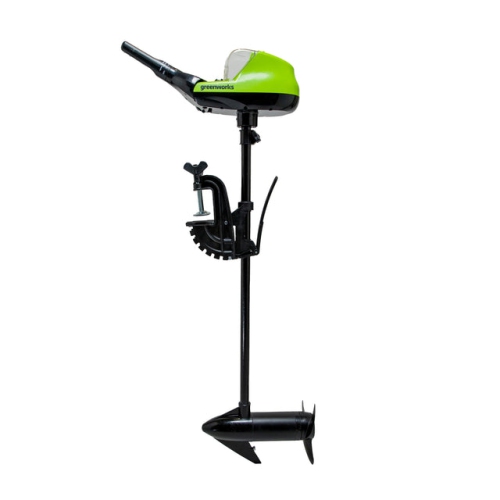 Your price for this item is $360
 -
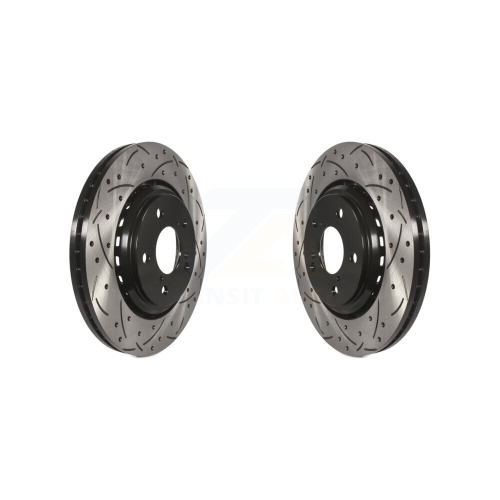 Your price for this item is $167.55
 -
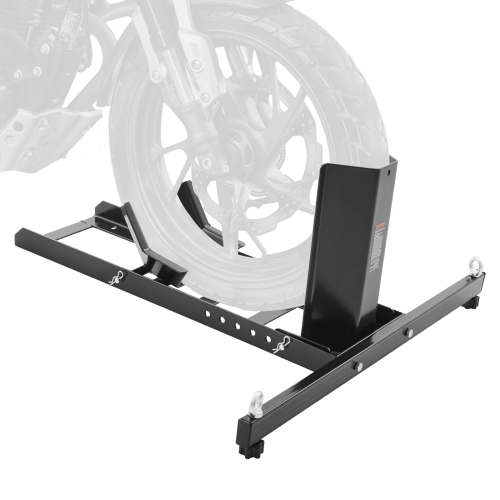 Your price for this item is $93.9
 -
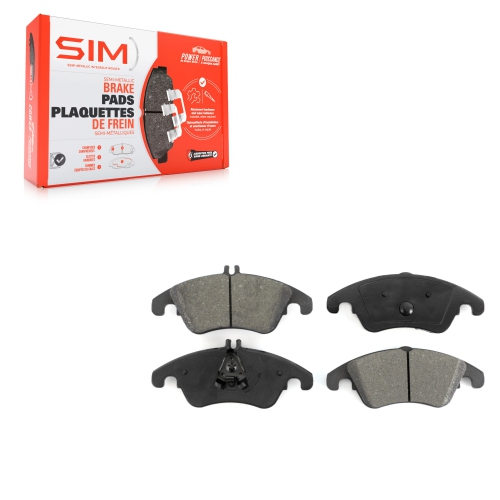 Your price for this item is $55.47
 -
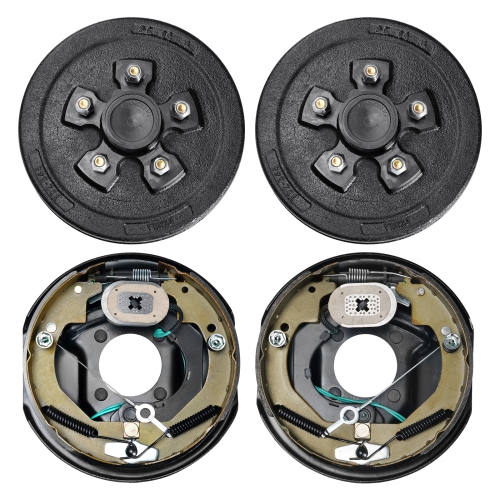 Your price for this item is $243.99
 -
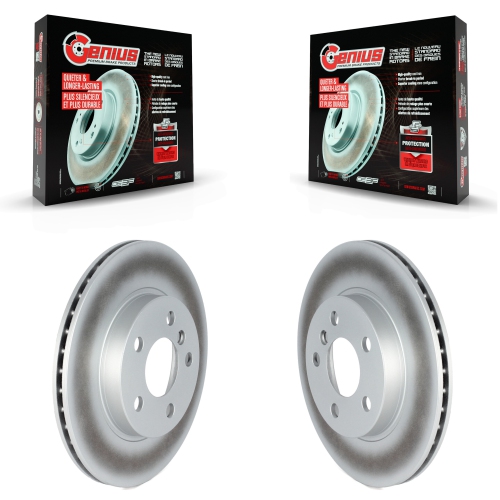 Your price for this item is $94.79
 -
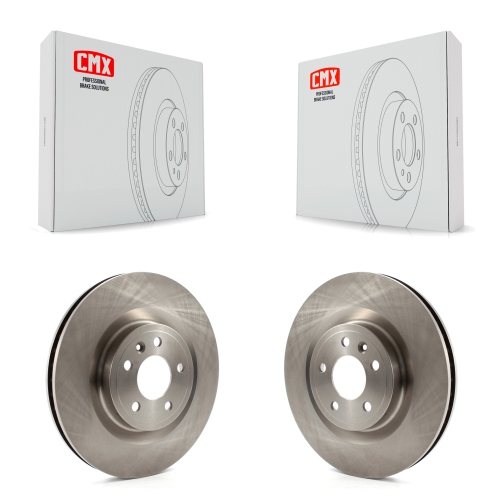 Your price for this item is $131.34
 -
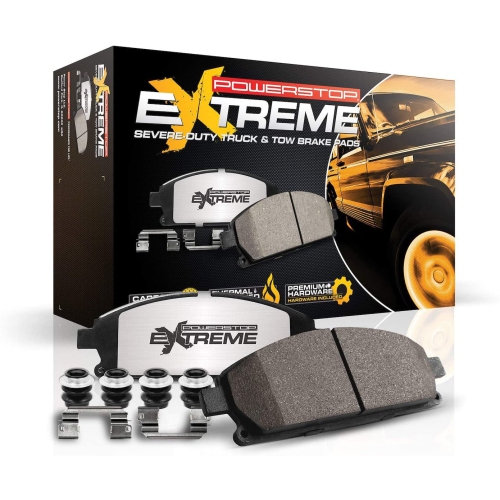 Your price for this item is $109.38
Discover more categories related to Semi Metallic Brake Pads for Cold Weather
Top Collections:
Pokemon Centers, Kindle Devices, Best Budget Office Chairs, Apple iPhones 16, Best Laptops for Writers, iPhone 15 Apple, Canon G7X Cameras, Refurbished Apple Laptops, Alarm Clock, Motorola Razr Phones
Some products may be subject to Environmental Handling Fees
(EHF) depending on your province.
Learn more about EHFs.