Big Portable Chargers
Looking for a reliable and powerful portable charger that can keep up with your on-the-go lifestyle? Look no further than our selection of Big Portable Chargers. These compact yet mighty devices are designed to provide you with the ultimate convenience and peace of mind, ensuring that your devices stay powered up wherever you are. Whether you're traveling, commuting, or simply need an extra boost of battery power, our Big Portable Chargers have got you covered. With their impressive capacity and fast charging capabilities, you'll never have to worry about running out of battery again. Explore our range of Big Portable Chargers today and stay connected wherever life takes you.
Sort
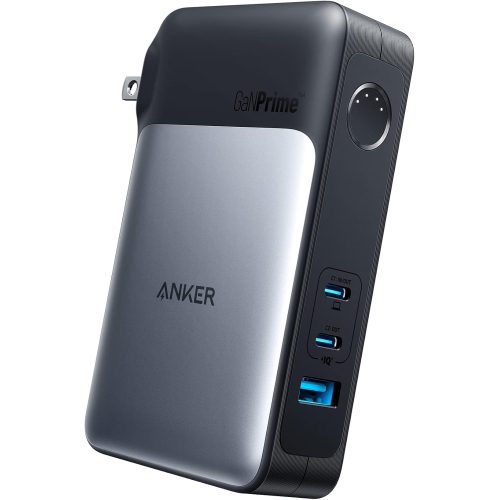
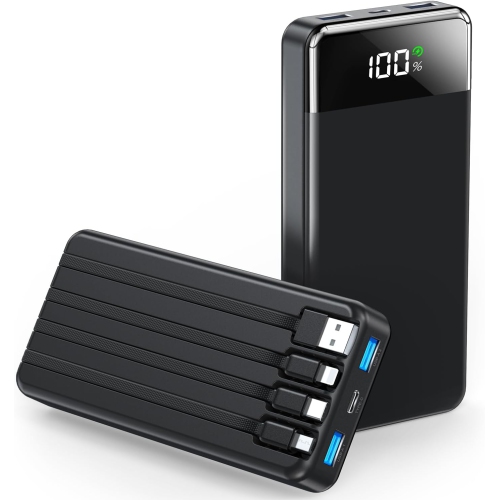
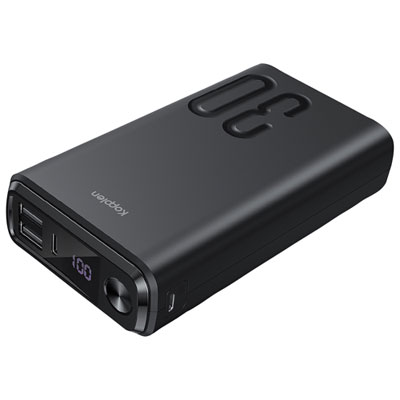
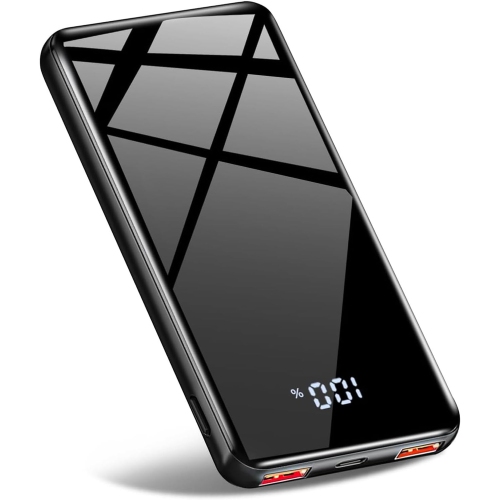
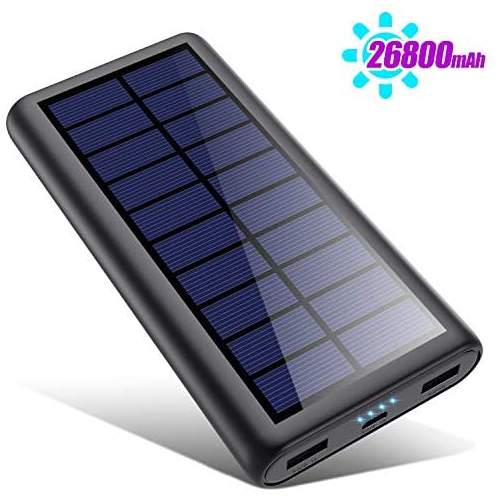

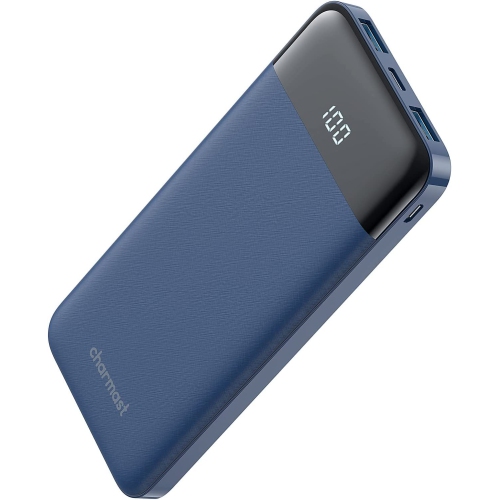
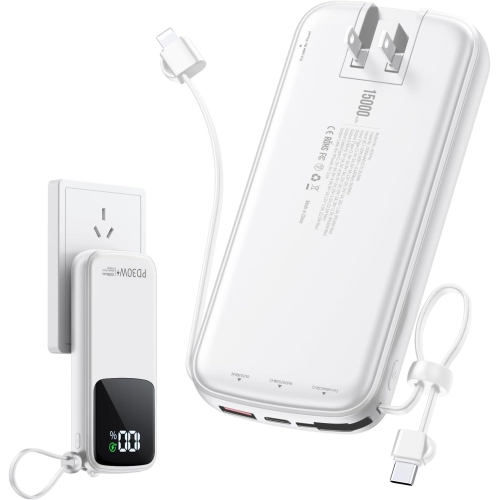
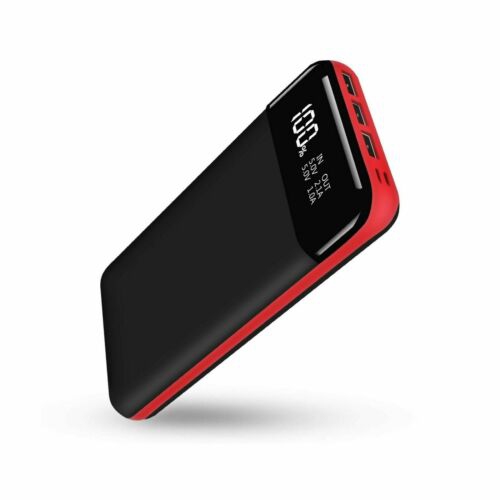
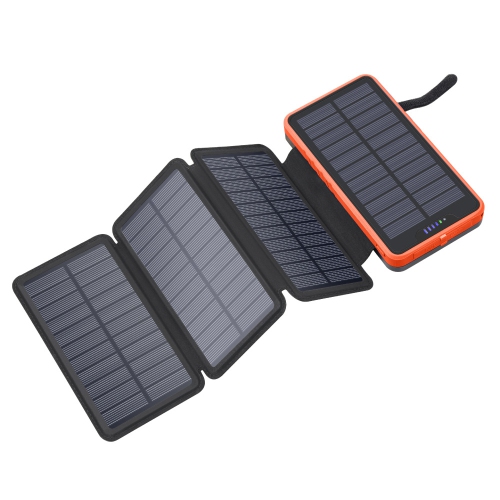
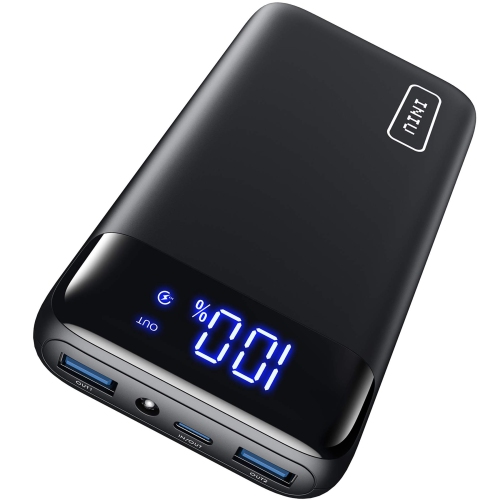
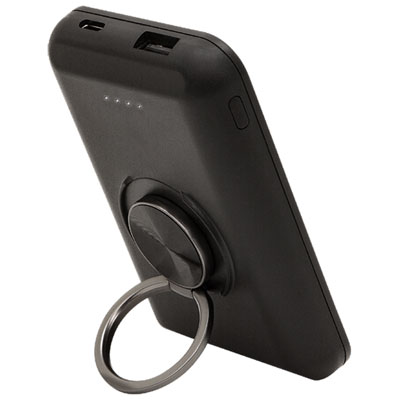
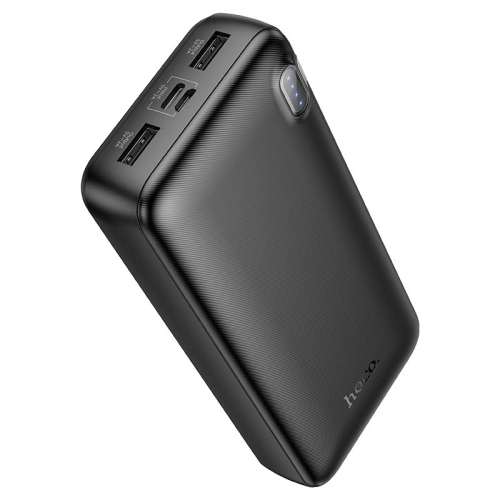

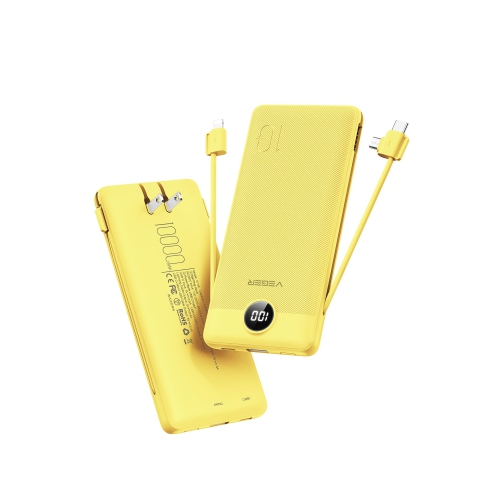

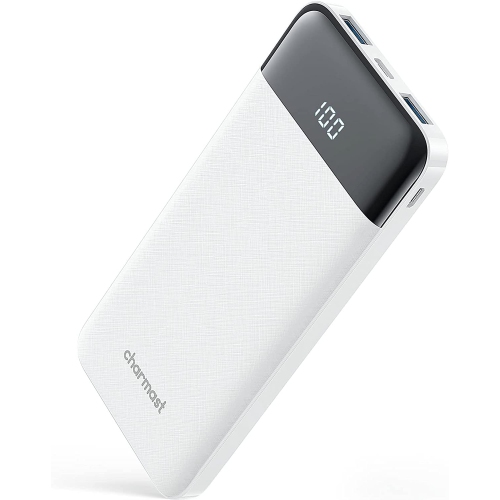
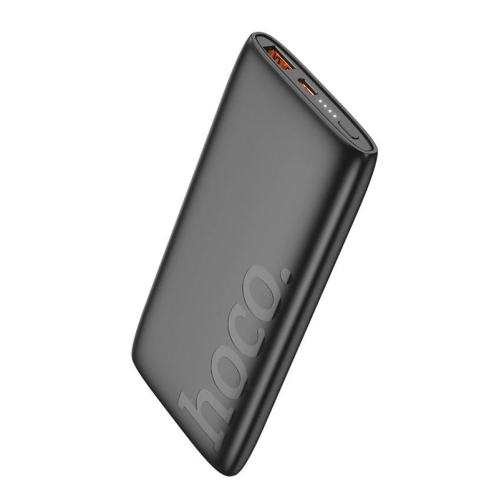
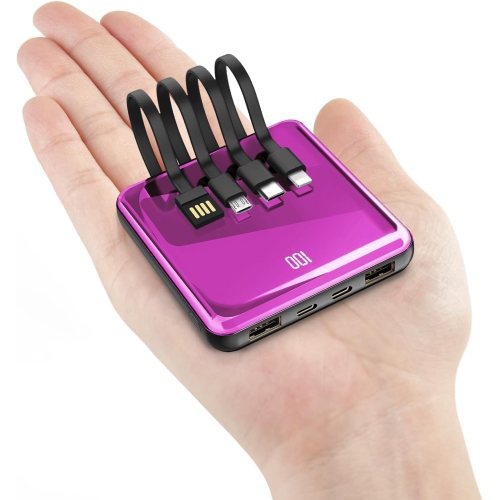
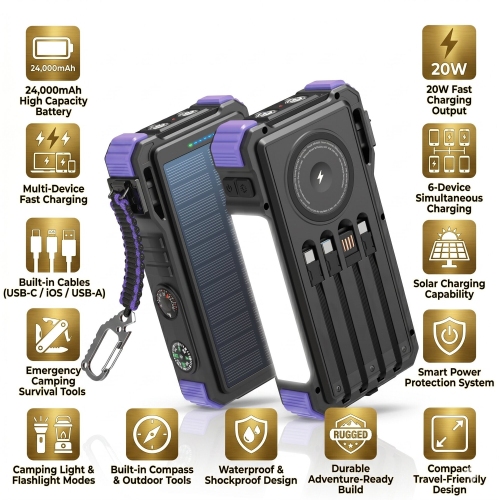
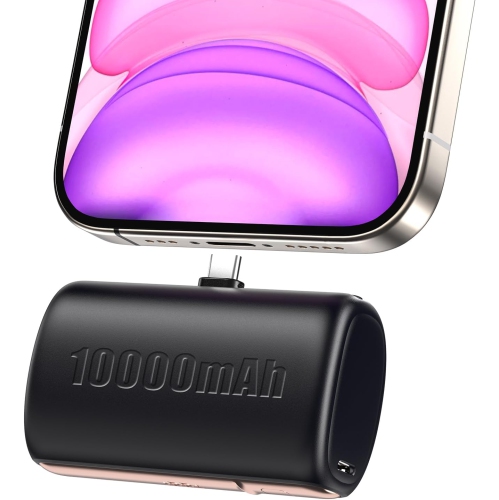
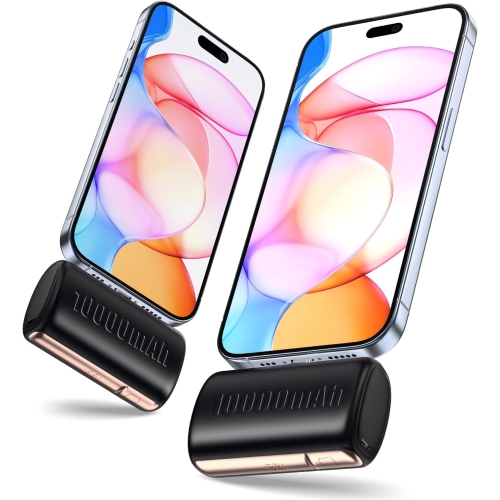
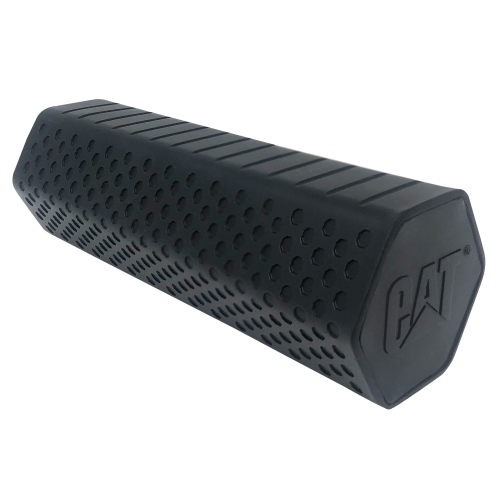
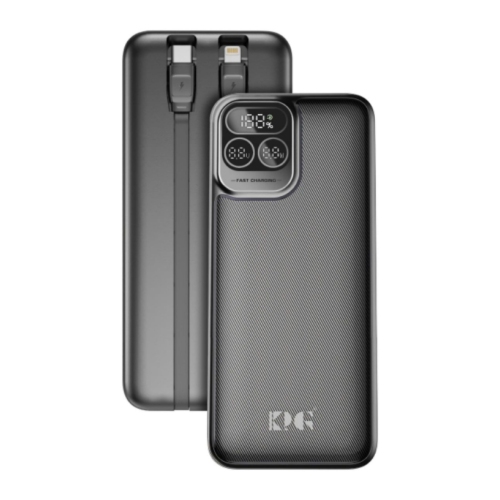
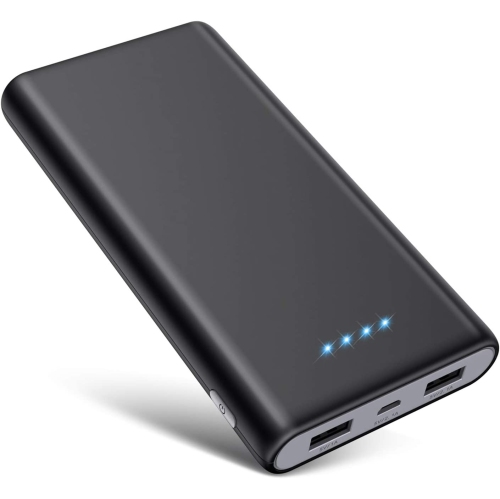

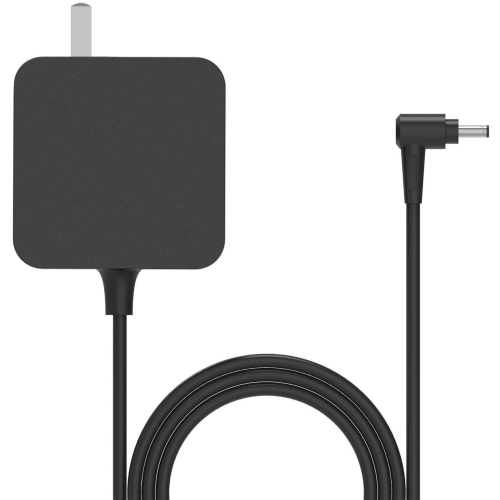
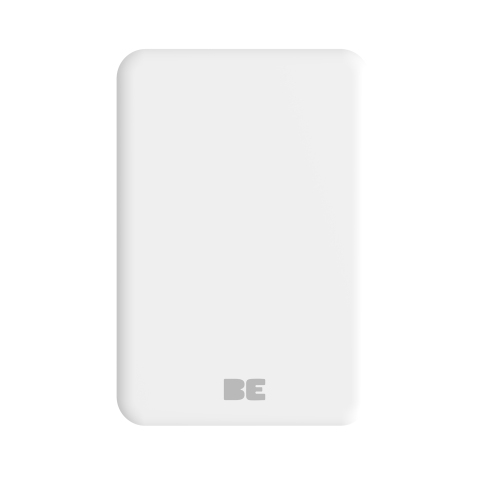
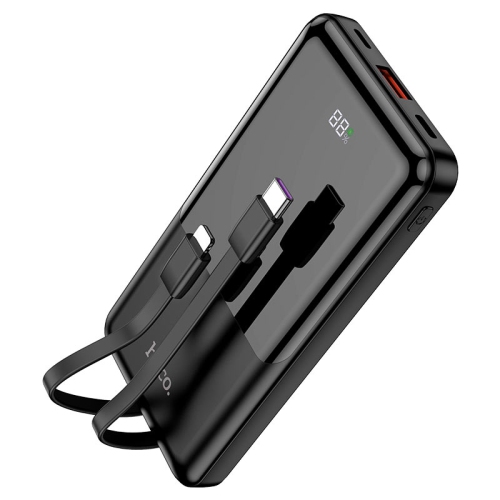
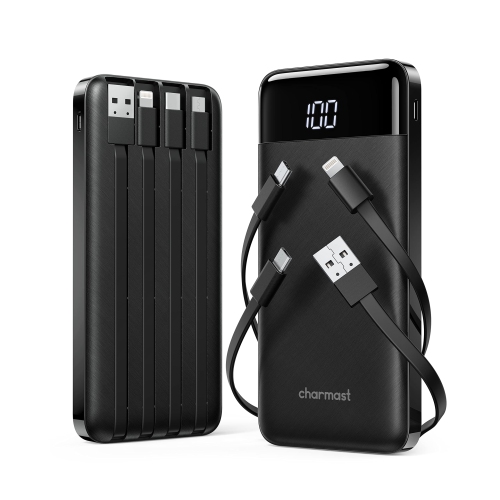
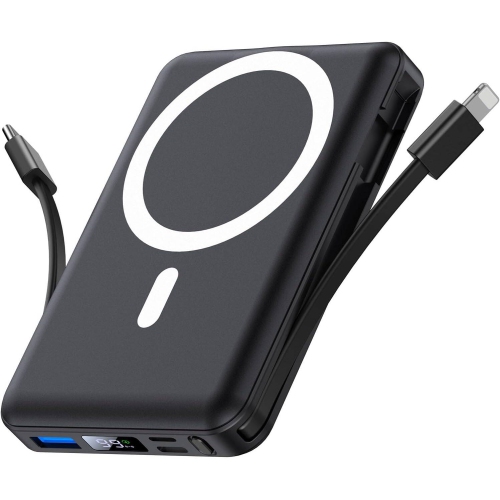
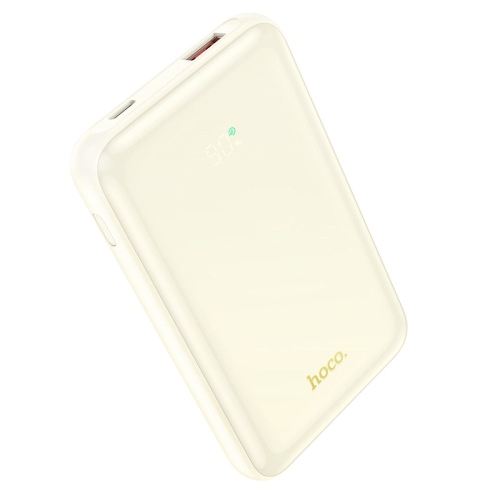
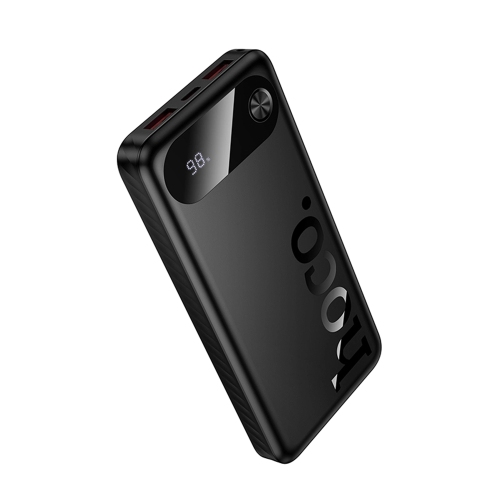
Extra power for travel, workdays and unexpected outages
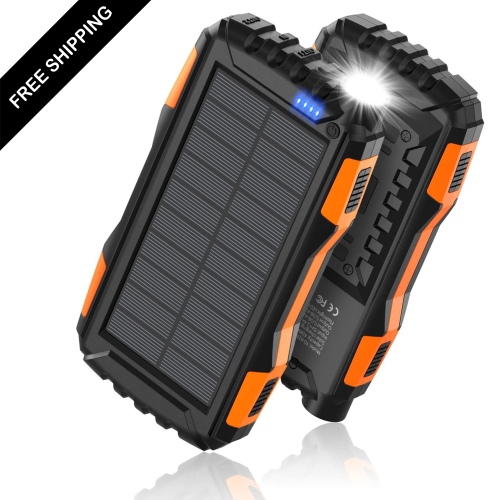
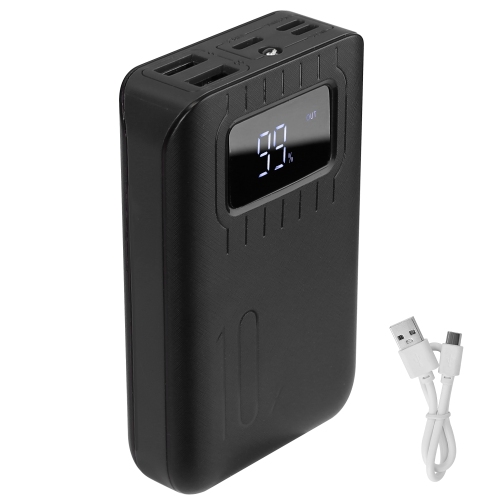
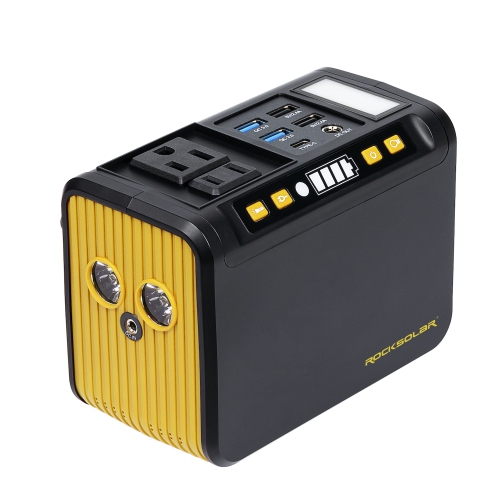
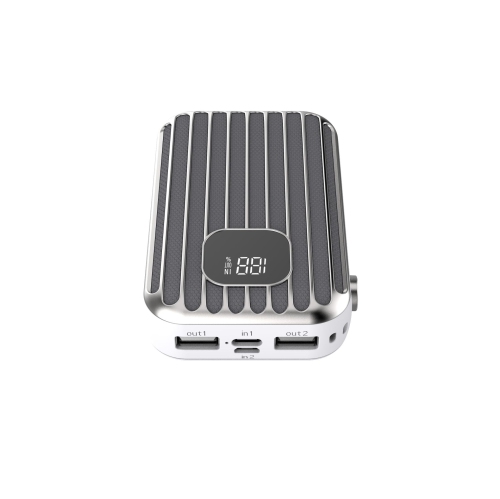
Big portable chargers are designed for situations where a small phone battery pack is not enough. Also called high-capacity power banks, these chargers can store substantially more energy for extended trips, busy workdays, outdoor activities, travel and unexpected power interruptions. Some are compact enough to carry in a backpack or work bag, while larger portable power stations are better suited to a vehicle, campsite, tailgate or home emergency kit. The right choice depends on the devices you plan to charge, how long you need power away from an outlet and how much weight you are comfortable carrying. Capacity is commonly shown in milliampere-hours (mAh), but watt-hours (Wh) can offer a more useful comparison because they reflect the amount of energy stored. A charger rated around 20,000 mAh may be practical for repeated phone charges and occasional tablet charging, while higher-capacity models can support several devices over a longer period. Keep in mind that the usable energy will be lower than the advertised capacity because of power conversion and charging losses. A digital percentage display can make it easier to judge how much power remains, especially when you are away from reliable outlets, and a built-in flashlight may be useful in a car, tent, hallway or during a brief outage. Larger units may also include a wider range of connections, such as USB-A, USB-C and household-style AC outlets, giving you more flexibility when charging personal electronics or powering small equipment. For shoppers comparing options, physical size, weight, charging speed, recharging time and the number of ports are just as important as the capacity printed on the box.
Output wattage is especially important when a big portable charger will be used with a laptop, handheld gaming system, tablet or other power-hungry device. A phone-only charger may provide enough output at around 12W to 22.5W, but laptops commonly require at least 65W through a single USB-C port, with some larger computers needing 100W, 140W or more for the fastest charging. USB-C Power Delivery, often called USB-C PD, allows a compatible charger and device to communicate and select an appropriate charging level. Check the requirements for your specific laptop or tablet rather than relying only on the total wattage listed for the charger. A model that advertises 100W combined output may provide less power through an individual port when several devices are connected at once. Port placement and cable compatibility also matter when the charger is resting on a desk, tucked into a vehicle console or shared among a group. For weekend travel, look for a balance between capacity and portability, since a heavy brick can become inconvenient after a full day of walking. For camping, road trips or extended time outdoors, a larger portable power station with AC, DC and USB connections may be more practical than a backpack-sized power bank. These units can run or recharge several devices at the same time, including phones, cameras, laptops, lights and selected small appliances, although the available runtime depends on the device’s power draw. A portable charger can also be a thoughtful gift for a university student, commuter, frequent traveller, photographer, remote worker or anyone who spends long stretches away from a wall outlet. Students looking for a more compact option for lectures, libraries and campus travel can also browse Student Portable Chargers.
Travel plans should be considered before choosing the largest capacity available. Airlines generally restrict spare lithium-ion batteries to carry-on baggage, and batteries around 100 Wh or less—roughly equivalent to 27,000 mAh at a nominal 3.7V—are commonly accepted, subject to the airline’s rules and the way the battery is labelled. Larger batteries may require special approval or may not be permitted on passenger aircraft, so verify the current requirements with the airline before packing. Portable power stations with AC outlets and very large capacities are generally intended for ground use rather than air travel. At home, a high-capacity charger can be kept charged for short power interruptions, helping maintain access to a phone, medical communication device, Wi-Fi equipment or other essential electronics, but it should not be treated as a replacement for a properly rated generator or uninterrupted power supply. During the warmer months, it can support phones, cameras and speakers on day trips, outdoor gatherings and longer drives; during the cooler months, it can provide helpful backup power when travel takes you farther from indoor outlets. For safe, dependable use, choose a charger with protection against overcharging, overheating, short circuits and excessive discharge, and use cables that are in good condition and rated for the required power. Store the unit in a dry place away from extreme heat, direct sunlight and anything that could damage the casing. Before buying, compare the charger’s capacity, single-port wattage, total output, input charging speed, connector types, dimensions and weight with your everyday devices. A well-matched big portable charger should offer enough reserve power for your routine without adding unnecessary bulk, whether it is carried in a backpack, kept in a vehicle or stored as part of a household backup kit.
Output wattage is especially important when a big portable charger will be used with a laptop, handheld gaming system, tablet or other power-hungry device. A phone-only charger may provide enough output at around 12W to 22.5W, but laptops commonly require at least 65W through a single USB-C port, with some larger computers needing 100W, 140W or more for the fastest charging. USB-C Power Delivery, often called USB-C PD, allows a compatible charger and device to communicate and select an appropriate charging level. Check the requirements for your specific laptop or tablet rather than relying only on the total wattage listed for the charger. A model that advertises 100W combined output may provide less power through an individual port when several devices are connected at once. Port placement and cable compatibility also matter when the charger is resting on a desk, tucked into a vehicle console or shared among a group. For weekend travel, look for a balance between capacity and portability, since a heavy brick can become inconvenient after a full day of walking. For camping, road trips or extended time outdoors, a larger portable power station with AC, DC and USB connections may be more practical than a backpack-sized power bank. These units can run or recharge several devices at the same time, including phones, cameras, laptops, lights and selected small appliances, although the available runtime depends on the device’s power draw. A portable charger can also be a thoughtful gift for a university student, commuter, frequent traveller, photographer, remote worker or anyone who spends long stretches away from a wall outlet. Students looking for a more compact option for lectures, libraries and campus travel can also browse Student Portable Chargers.
Travel plans should be considered before choosing the largest capacity available. Airlines generally restrict spare lithium-ion batteries to carry-on baggage, and batteries around 100 Wh or less—roughly equivalent to 27,000 mAh at a nominal 3.7V—are commonly accepted, subject to the airline’s rules and the way the battery is labelled. Larger batteries may require special approval or may not be permitted on passenger aircraft, so verify the current requirements with the airline before packing. Portable power stations with AC outlets and very large capacities are generally intended for ground use rather than air travel. At home, a high-capacity charger can be kept charged for short power interruptions, helping maintain access to a phone, medical communication device, Wi-Fi equipment or other essential electronics, but it should not be treated as a replacement for a properly rated generator or uninterrupted power supply. During the warmer months, it can support phones, cameras and speakers on day trips, outdoor gatherings and longer drives; during the cooler months, it can provide helpful backup power when travel takes you farther from indoor outlets. For safe, dependable use, choose a charger with protection against overcharging, overheating, short circuits and excessive discharge, and use cables that are in good condition and rated for the required power. Store the unit in a dry place away from extreme heat, direct sunlight and anything that could damage the casing. Before buying, compare the charger’s capacity, single-port wattage, total output, input charging speed, connector types, dimensions and weight with your everyday devices. A well-matched big portable charger should offer enough reserve power for your routine without adding unnecessary bulk, whether it is carried in a backpack, kept in a vehicle or stored as part of a household backup kit.
Top selling and popular products
-
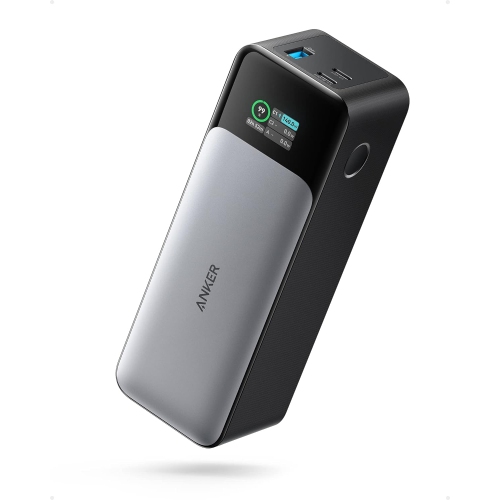 Your price for this item is $234
 -
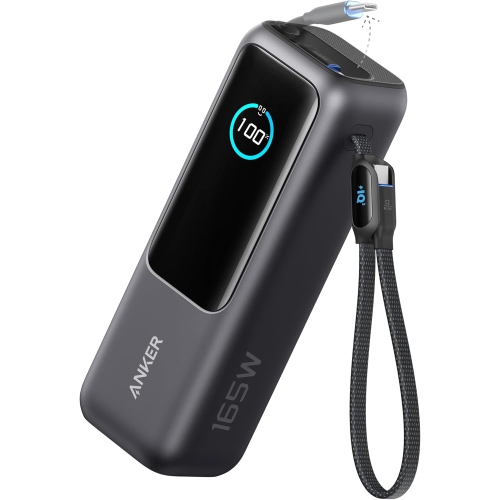 Your price for this item is $238.9
 -
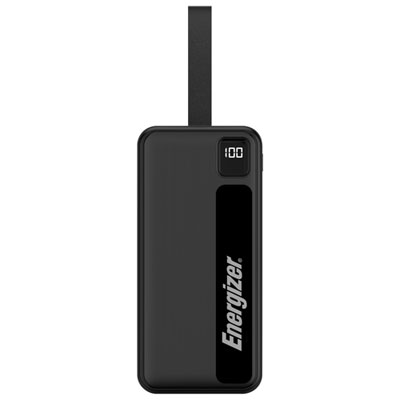 Your price for this item is $49.99
 -
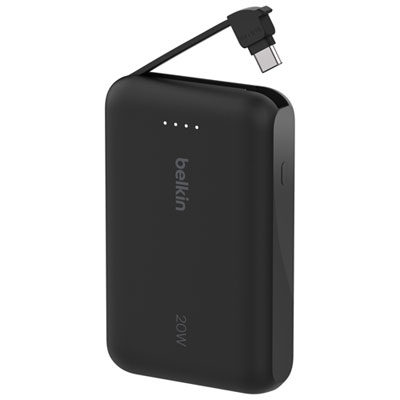 Your price for this item is $49.99
 -
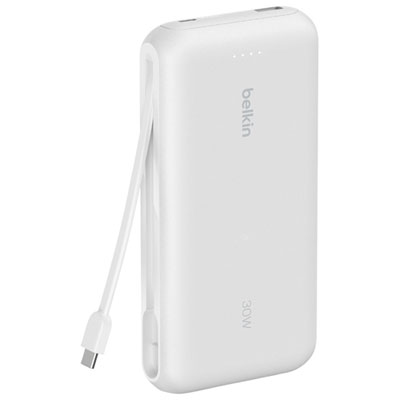 Your price for this item is $59.99
 -
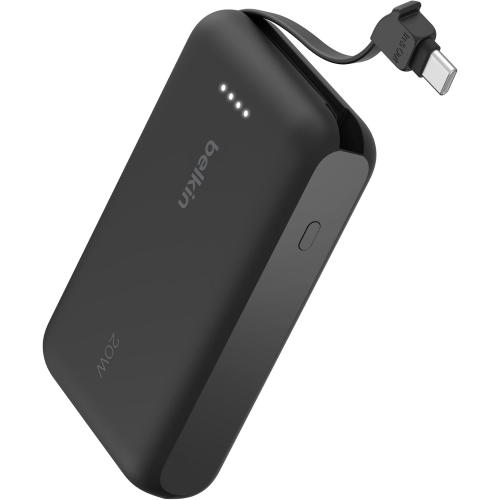 Your price for this item is $100
 -
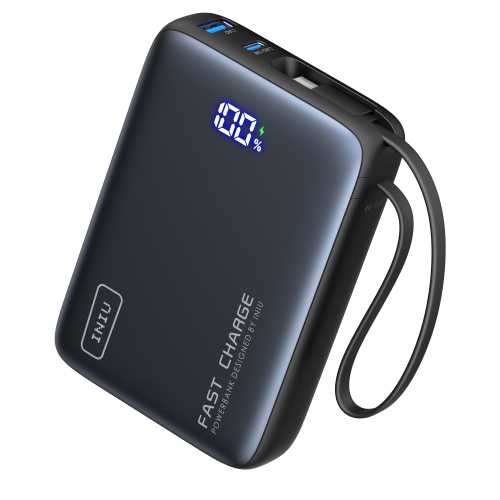 Your price for this item is $54.99
 -
 Your price for this item is $48.97
Discover more categories related to Big Portable Chargers
Top Collections:
Pokemon Centers, Kindle Devices, Best Budget Office Chairs, Apple iPhones 16, Best Laptops for Writers, iPhone 15 Apple, Canon G7X Cameras, Refurbished Apple Laptops, Alarm Clock, Motorola Razr Phones
Some products may be subject to Environmental Handling Fees
(EHF) depending on your province.
Learn more about EHFs.