Cell Phone Cables
Looking for reliable and high-quality cell phone cables to keep your devices charged and connected? Our selection of cell phone cables offers a range of options to suit your needs, whether you're looking for lightning-fast charging speeds, durable materials, or extra-long lengths. Say goodbye to frayed or unreliable cables and ensure that your devices stay powered up whenever you need them. Browse through our collection of cell phone cables to find the perfect match for your smartphone or tablet.
Sort


















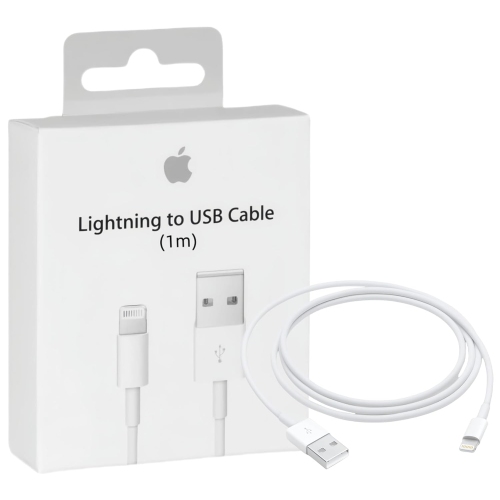
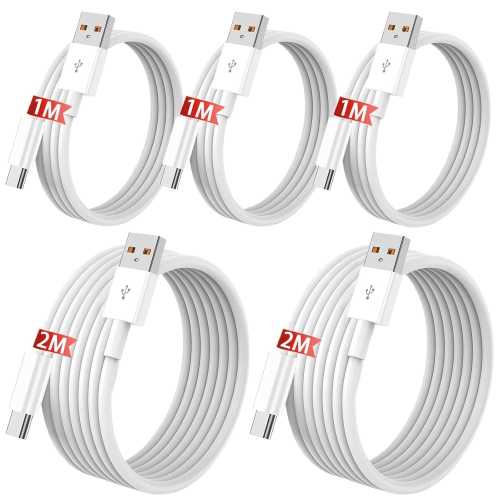
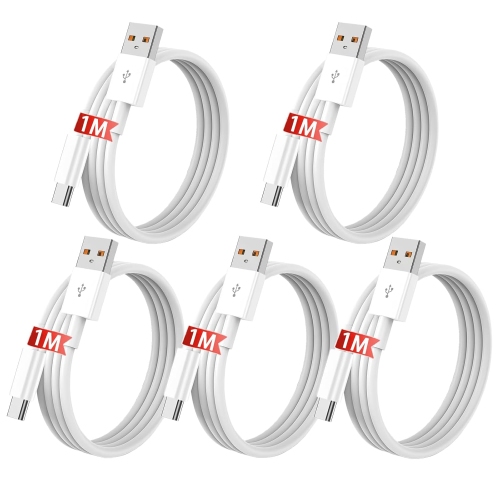
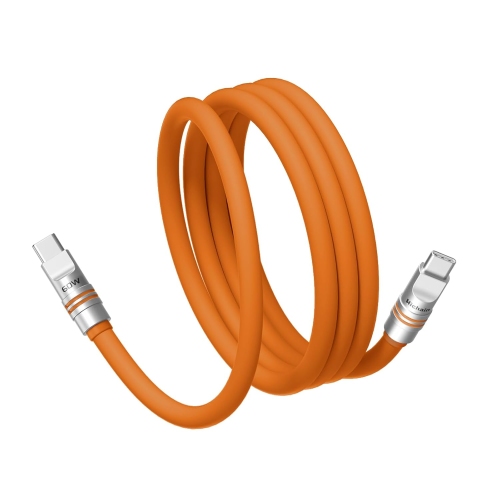


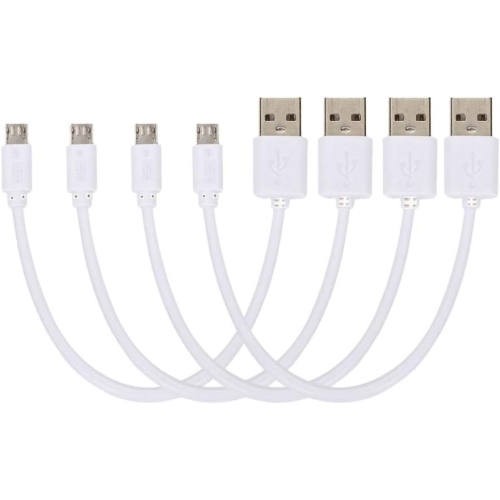
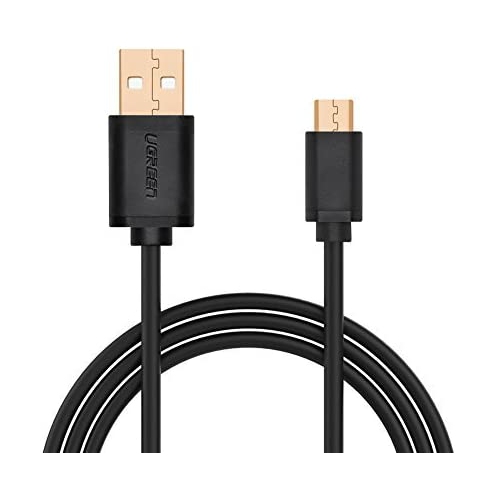
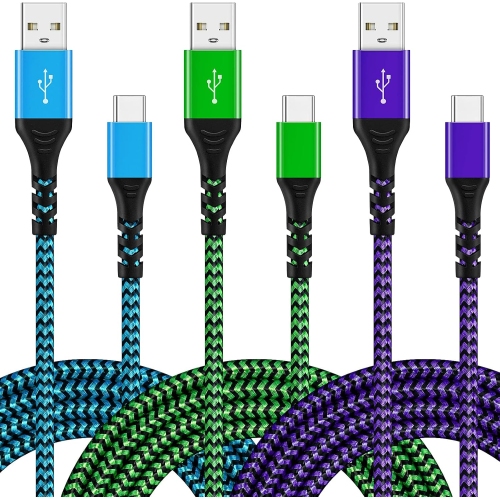
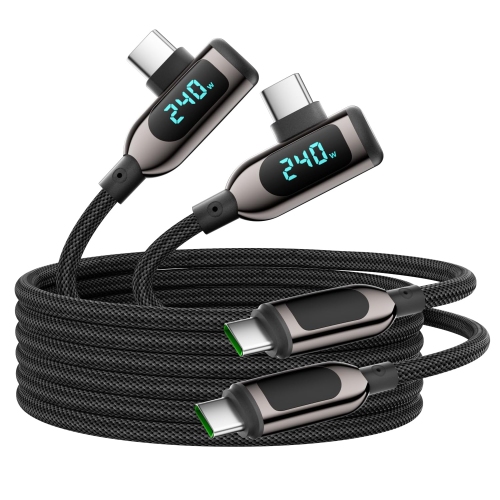












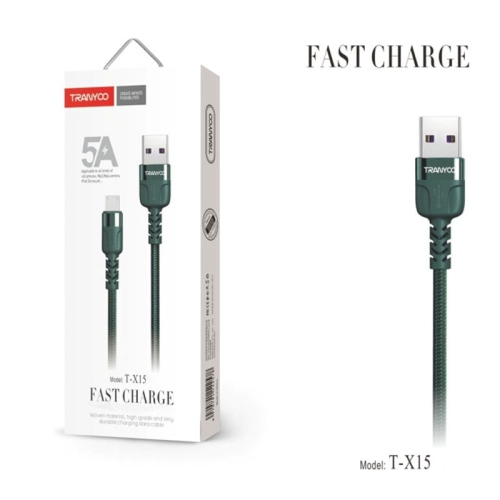
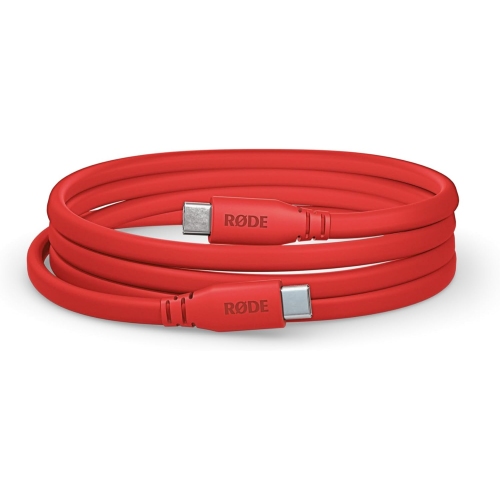
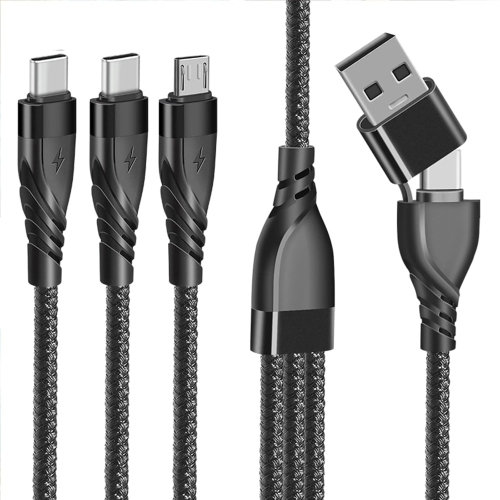


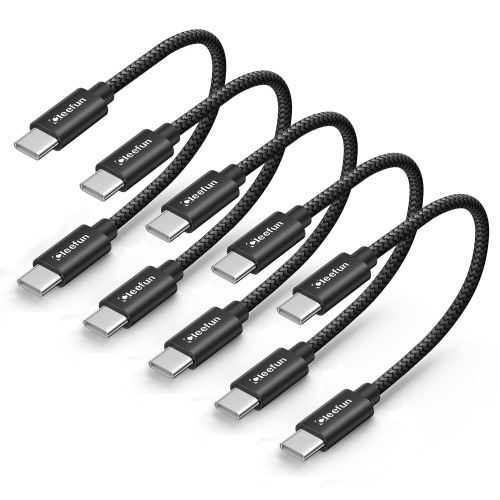
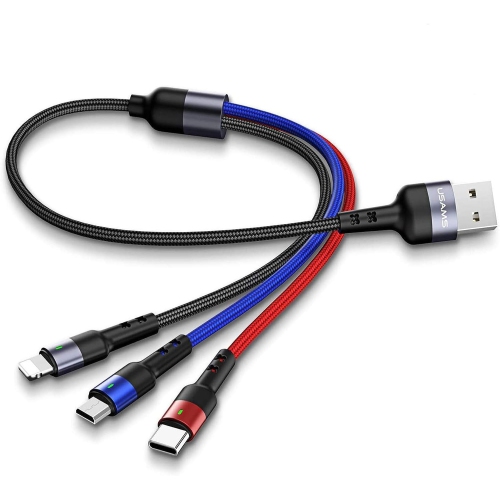
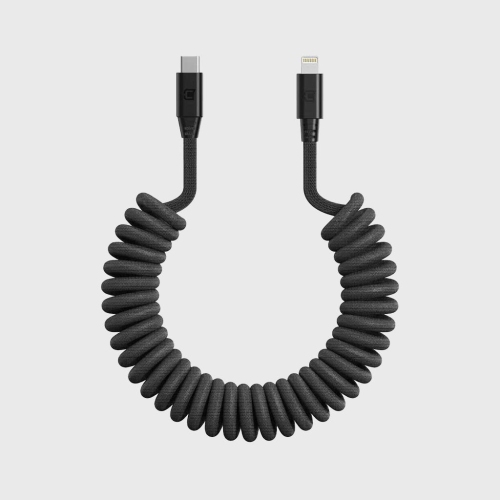

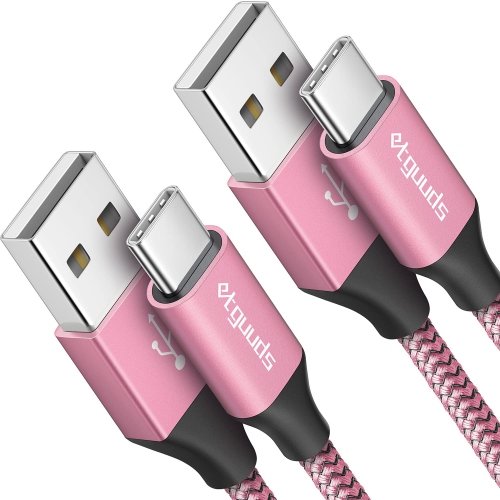

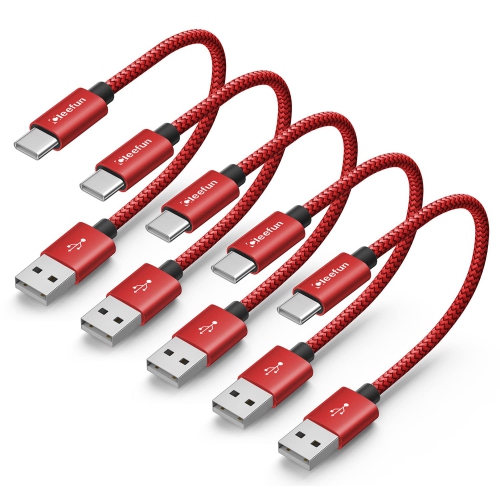



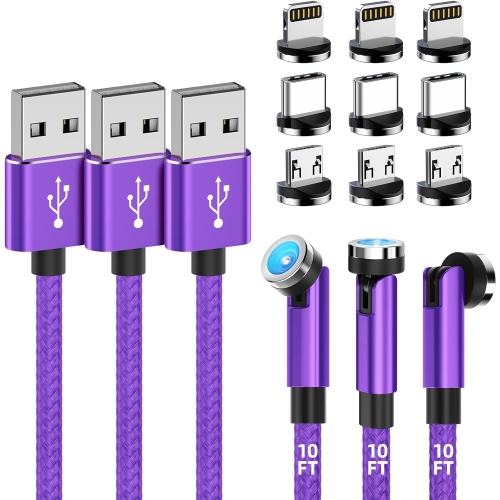
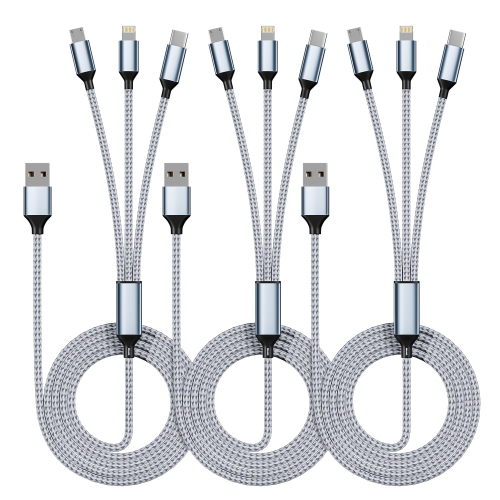
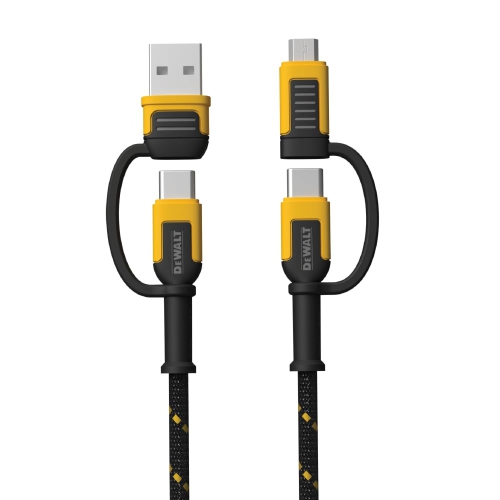

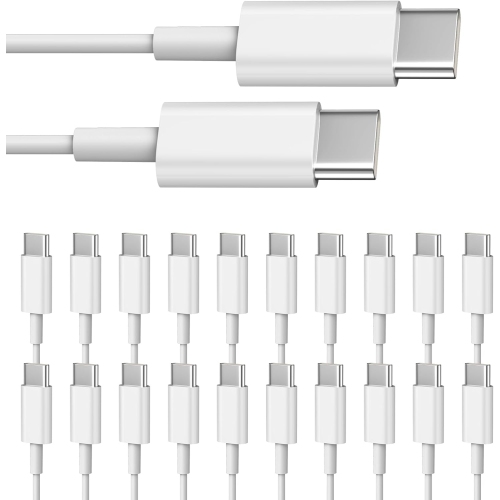

















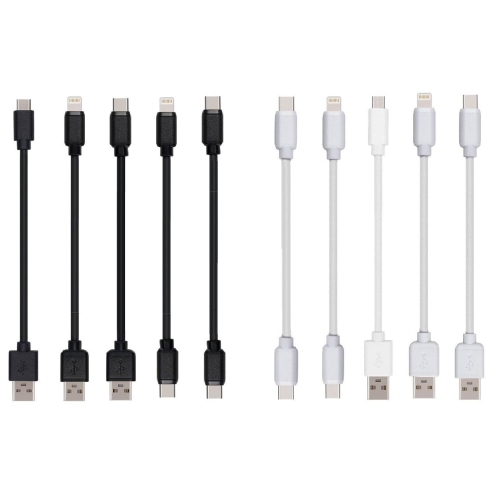
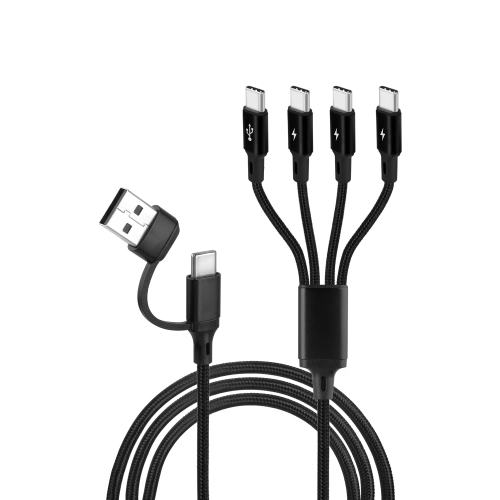
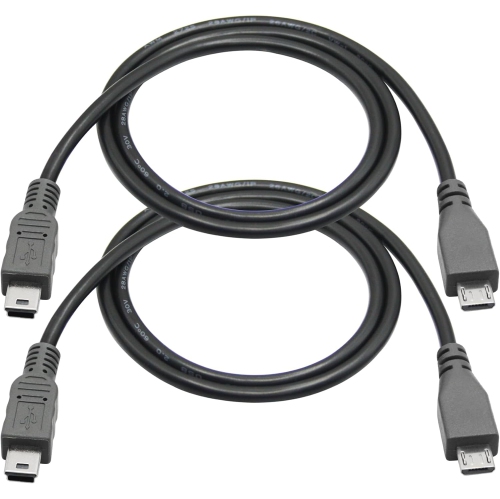
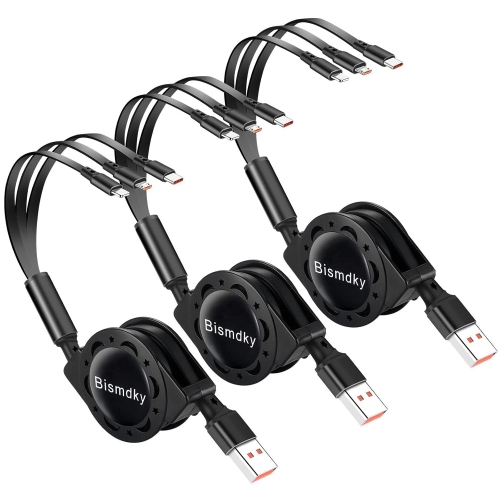


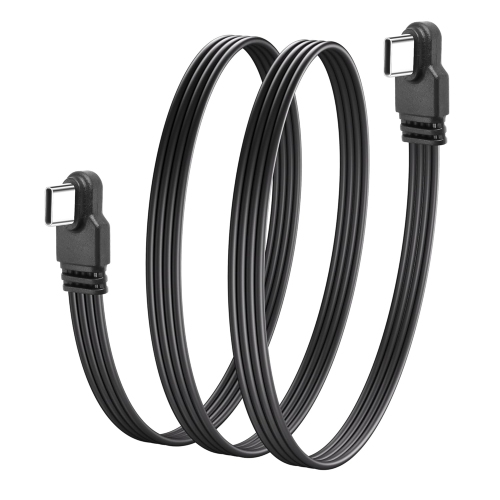


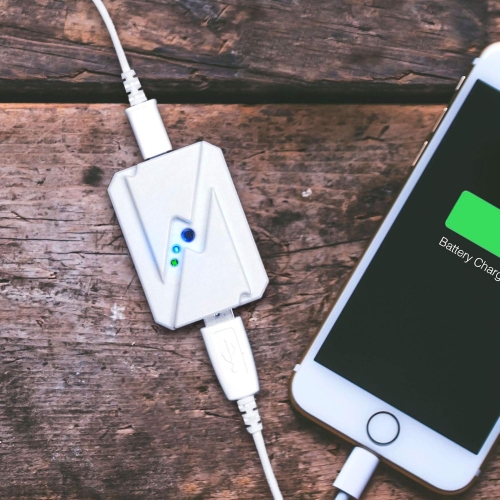
There’s more to cable compatibility than a matching plug
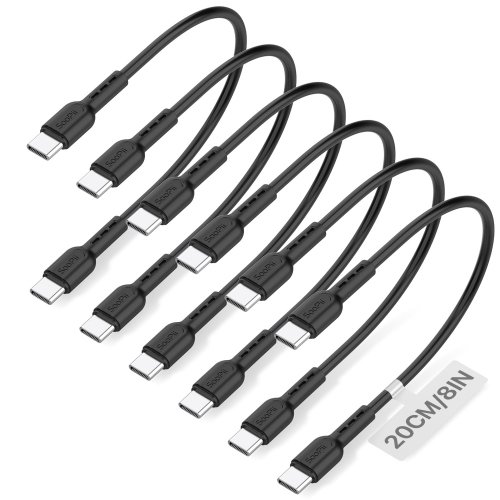
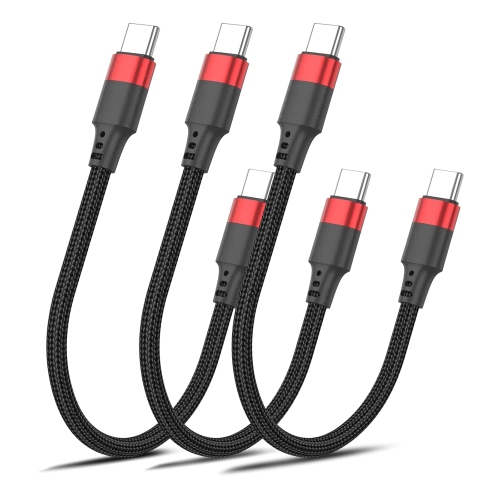
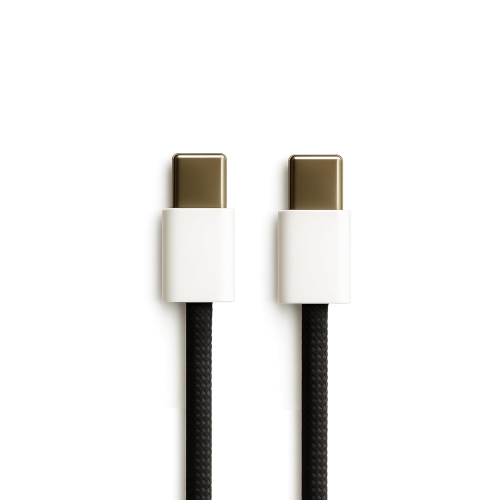
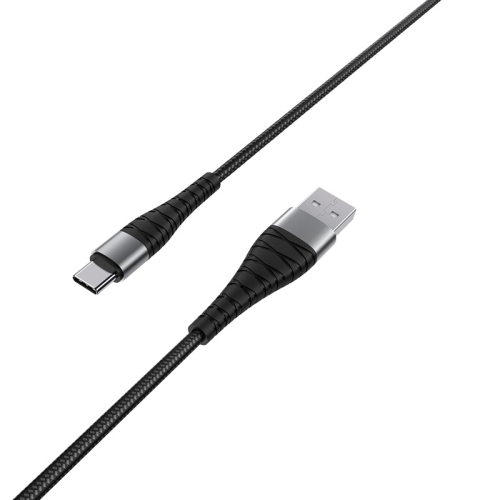
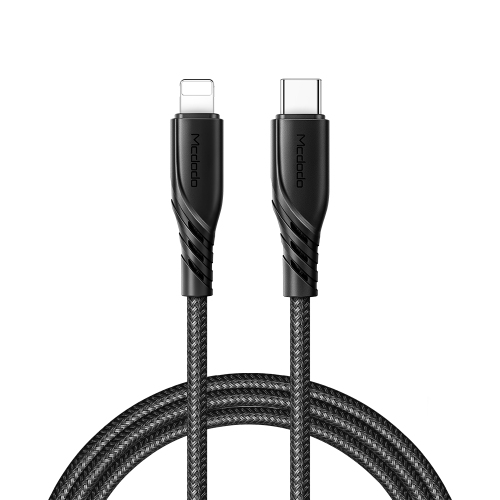
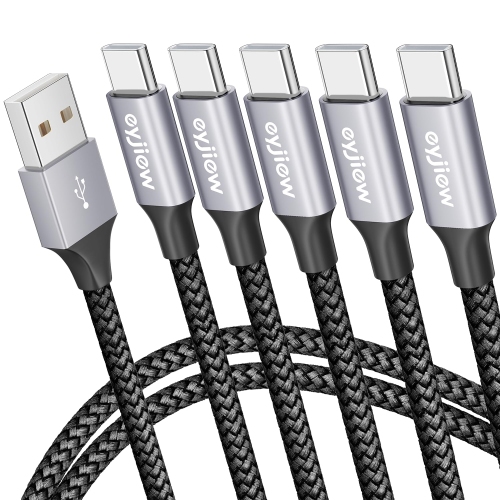
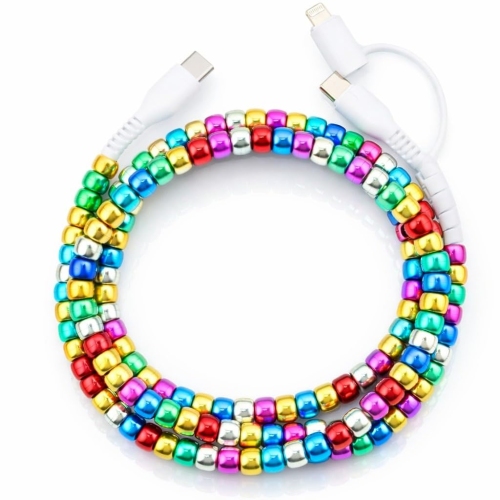
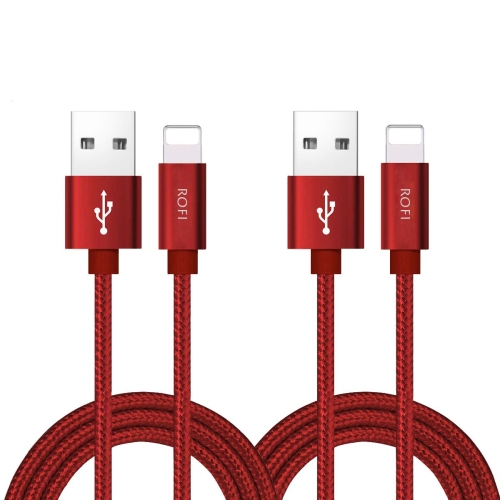
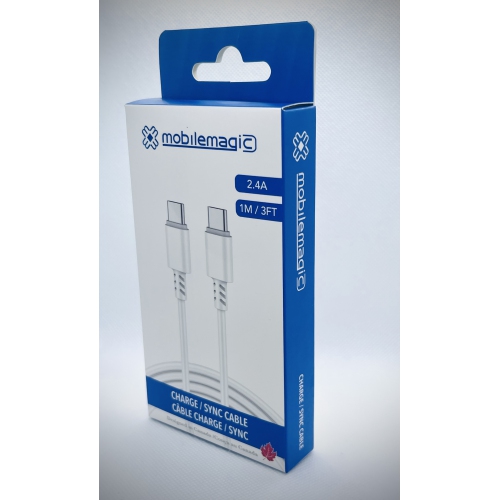
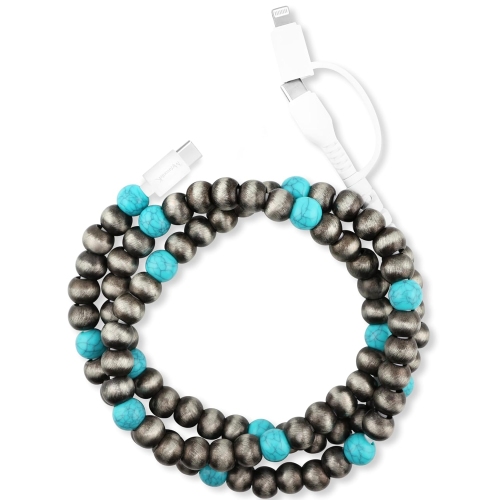
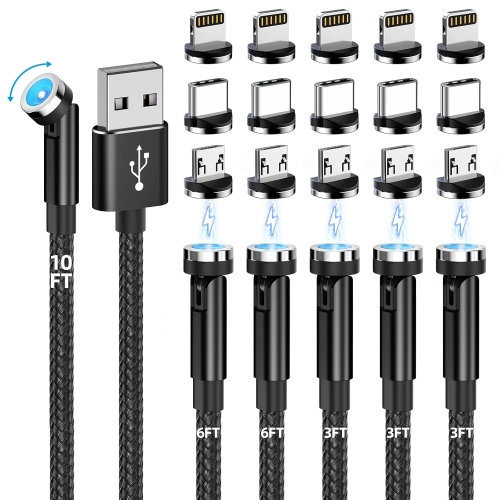
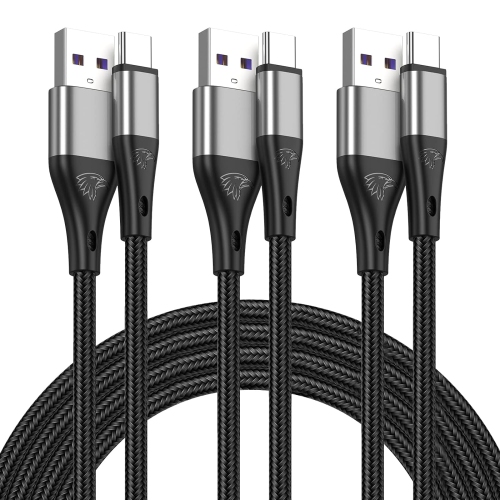
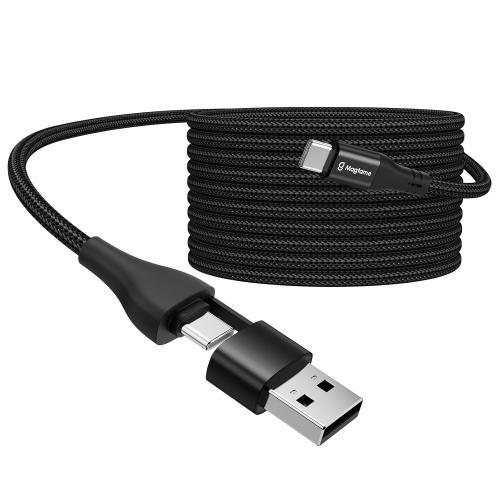
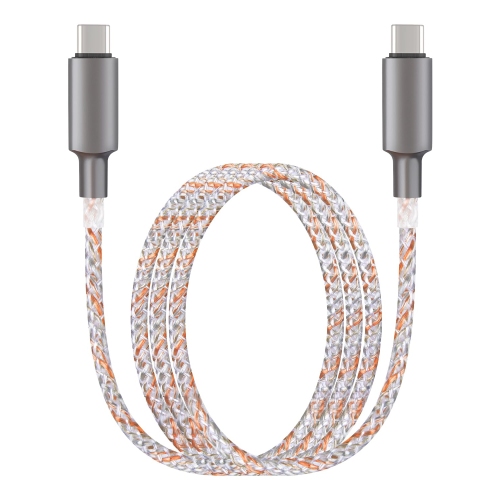
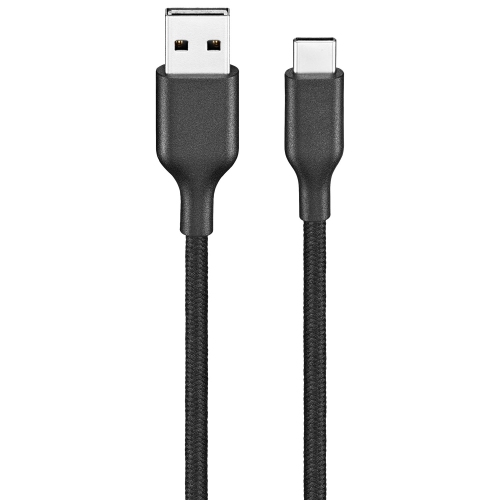
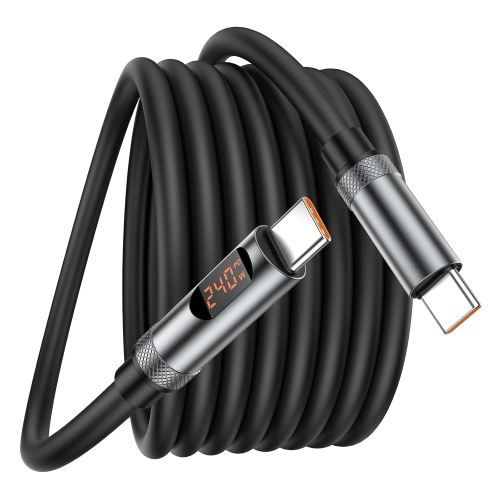
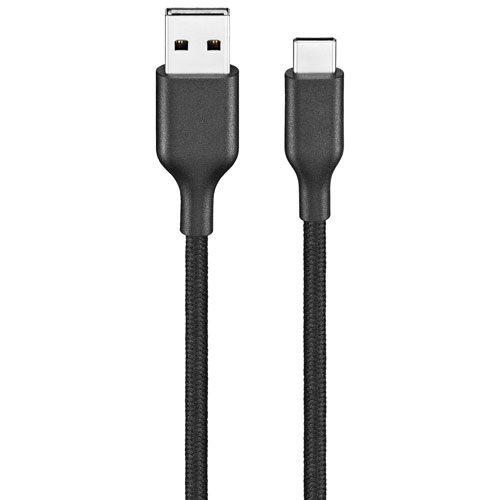
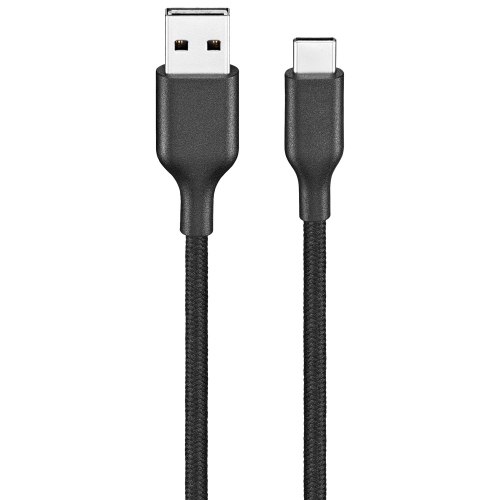
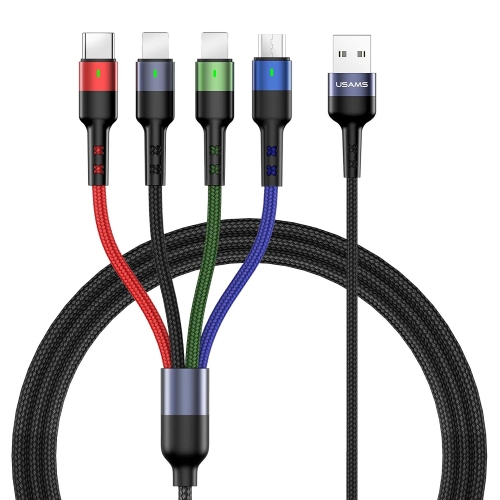
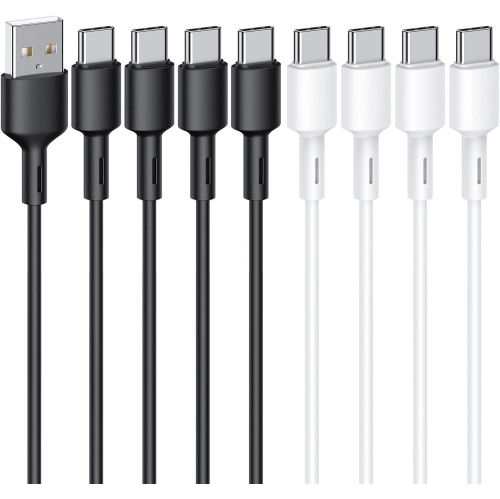
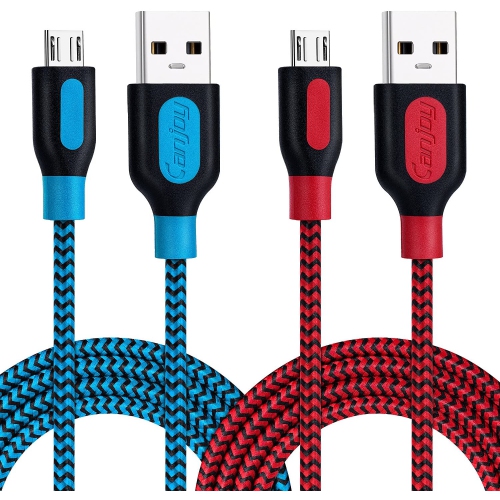
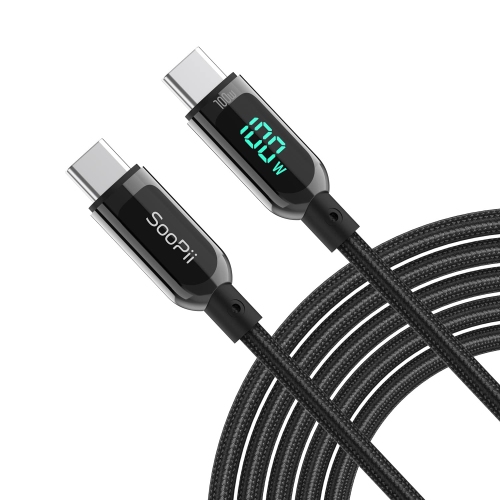
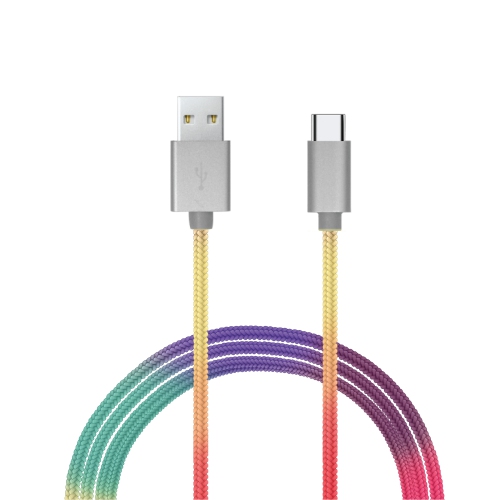
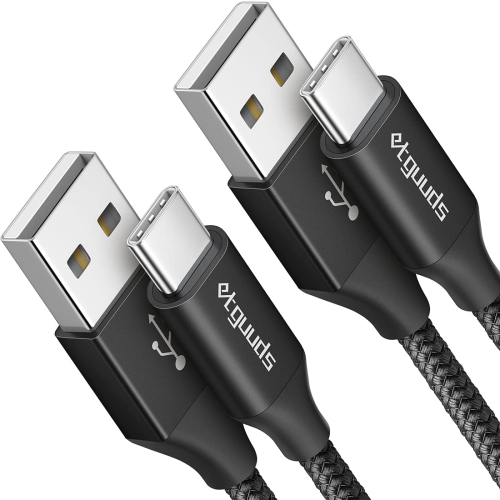
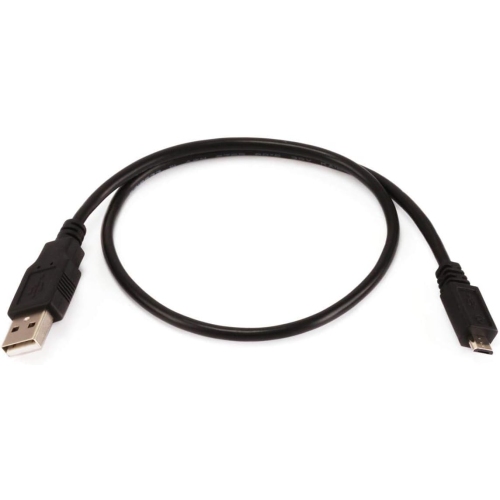
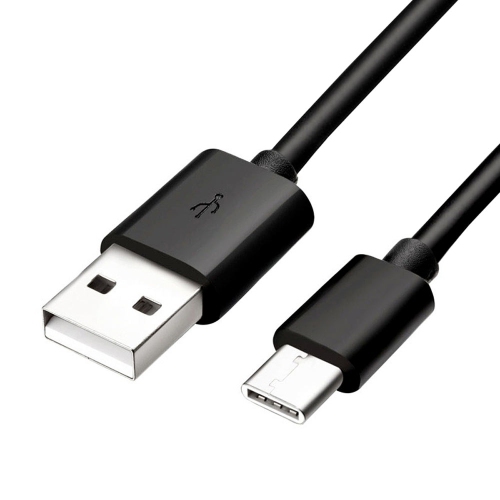
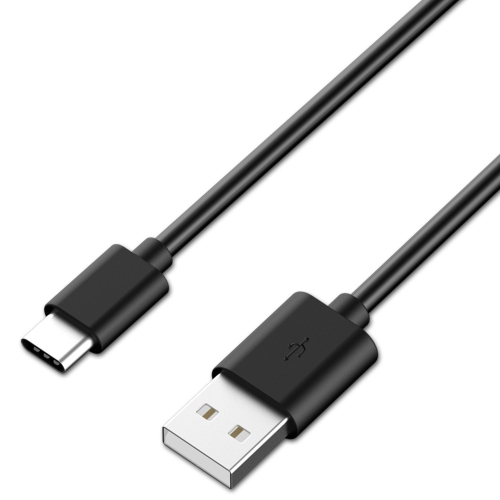
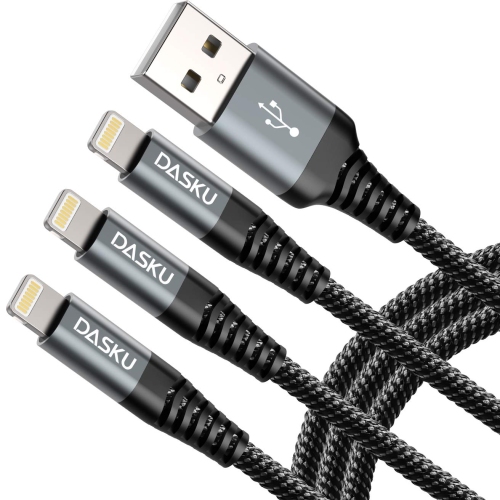
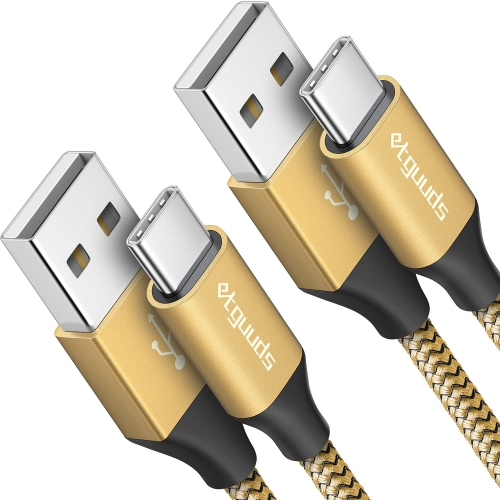
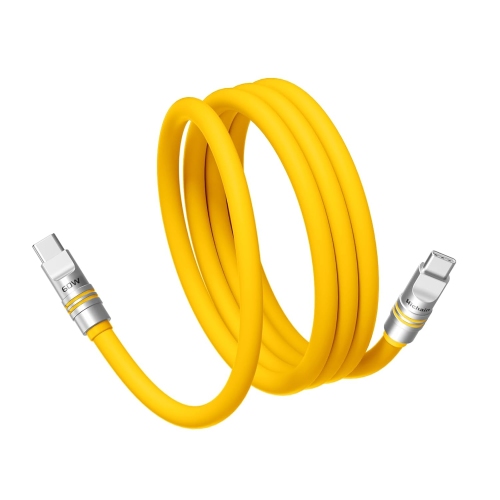
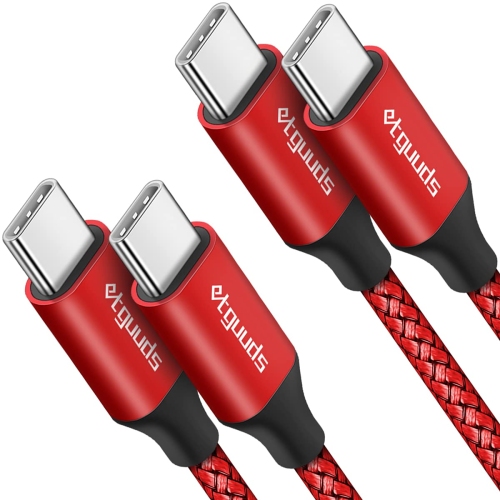
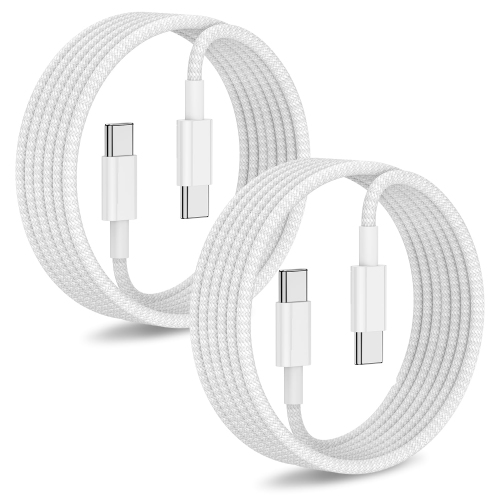
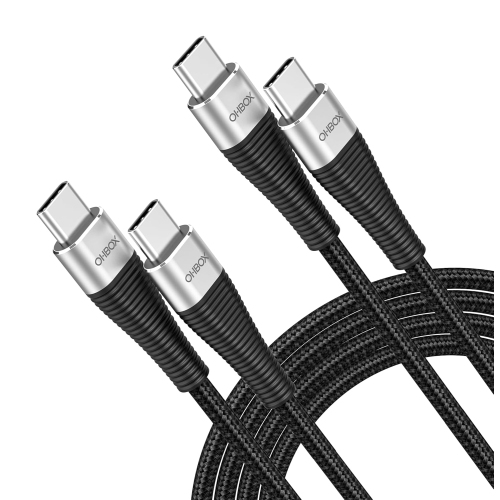
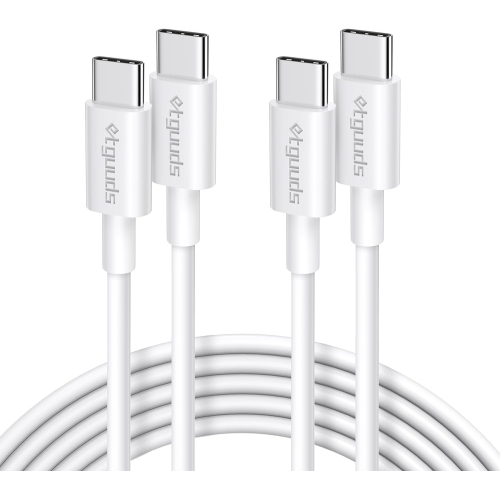
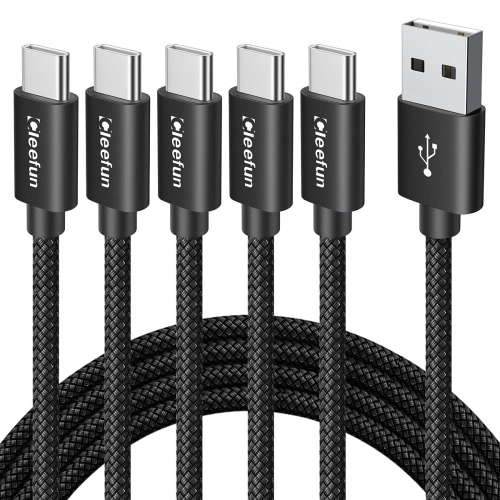
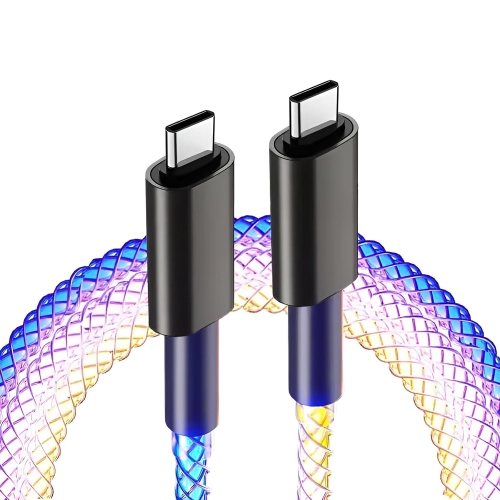
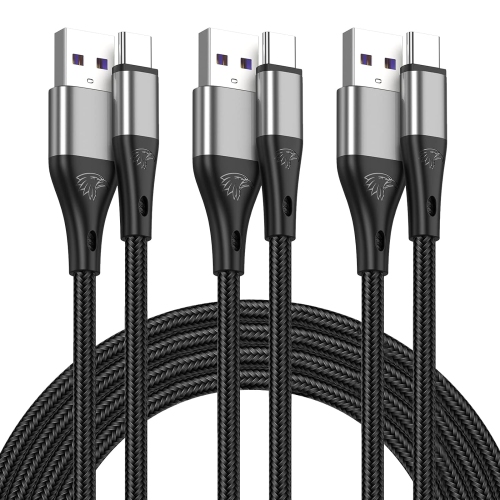
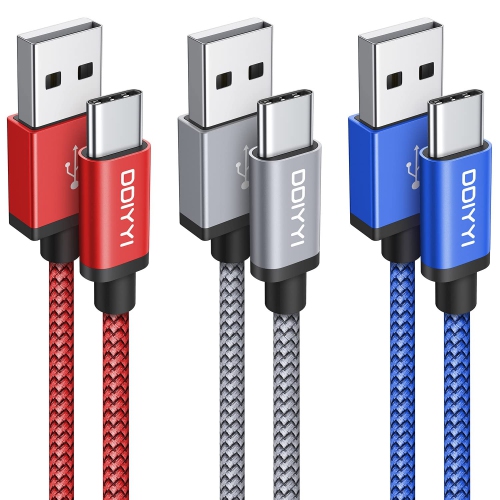
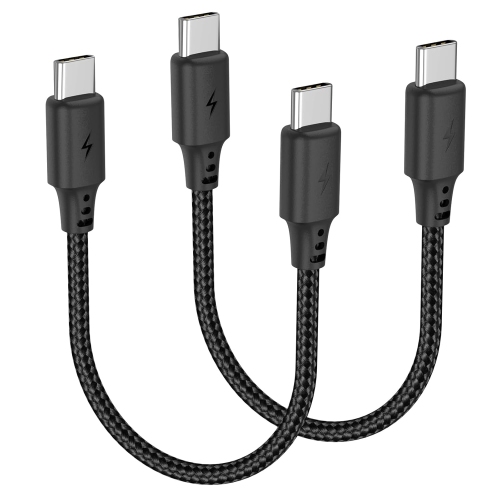
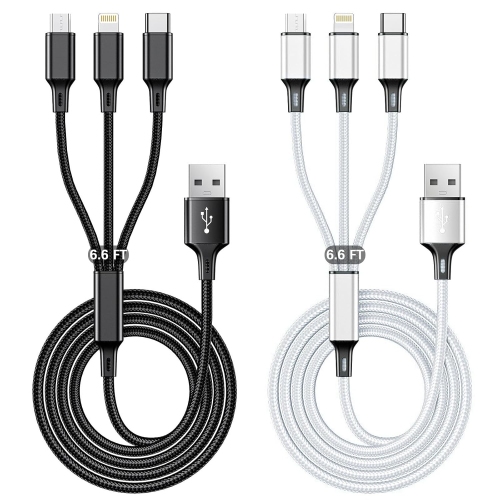
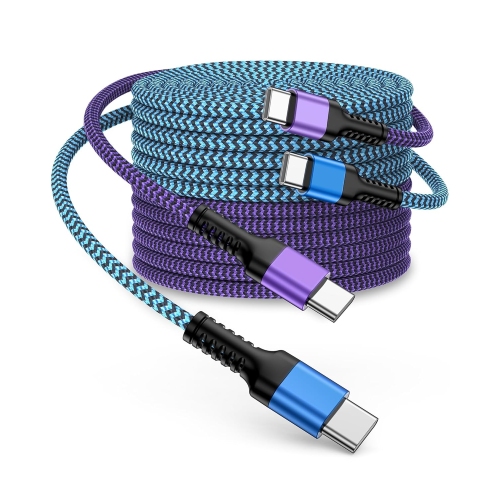
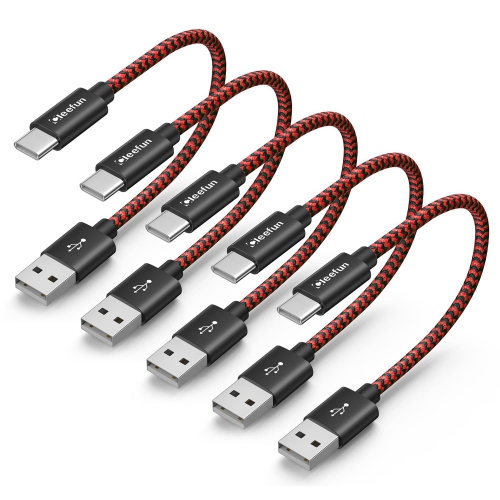
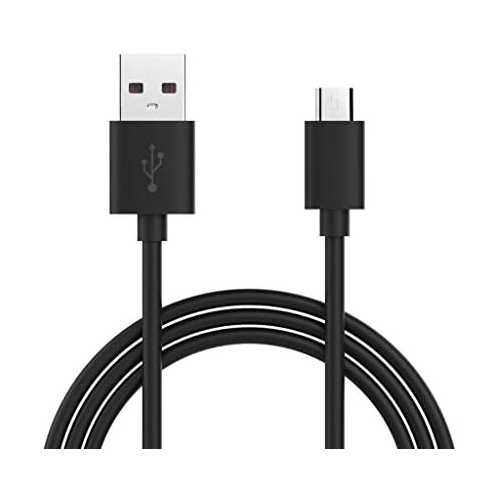
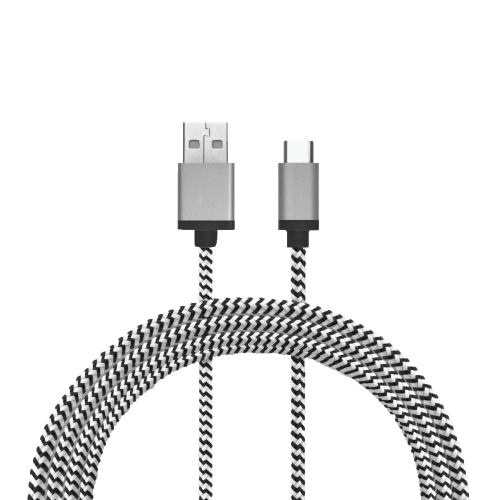
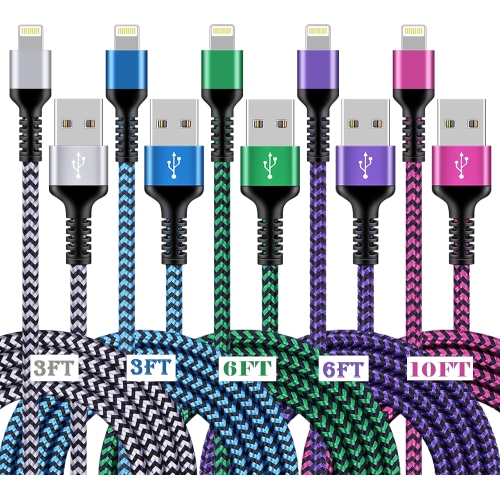
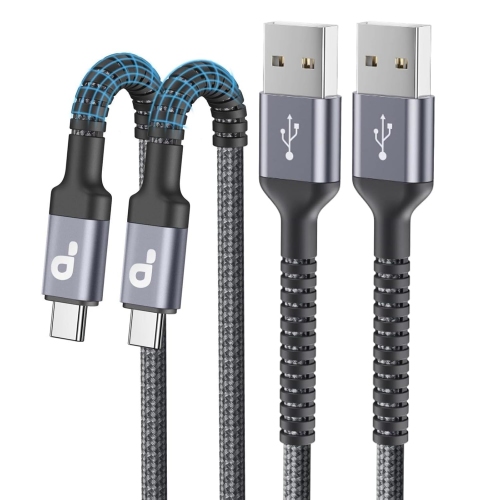
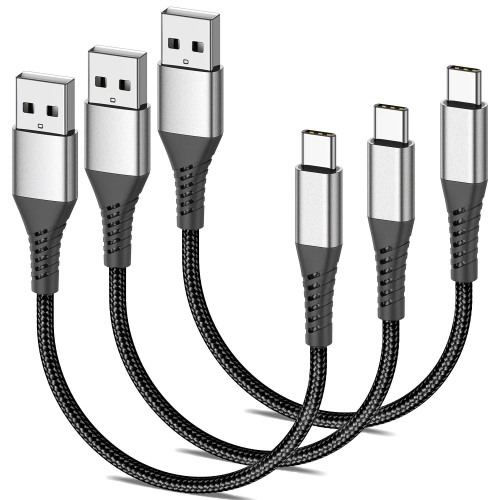
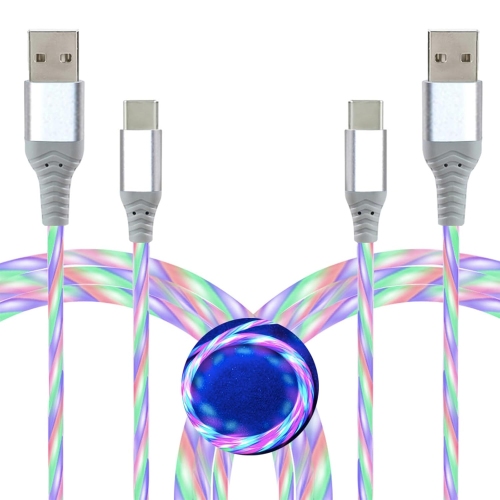
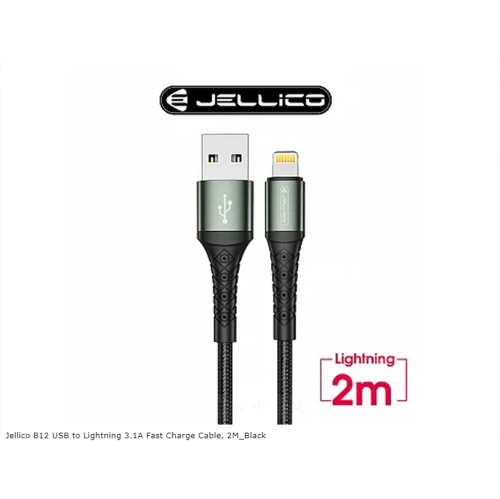
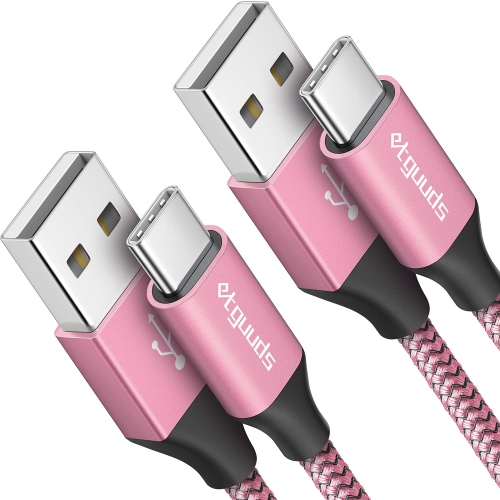
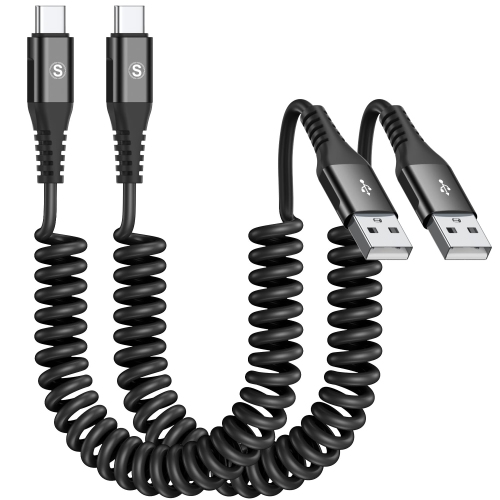
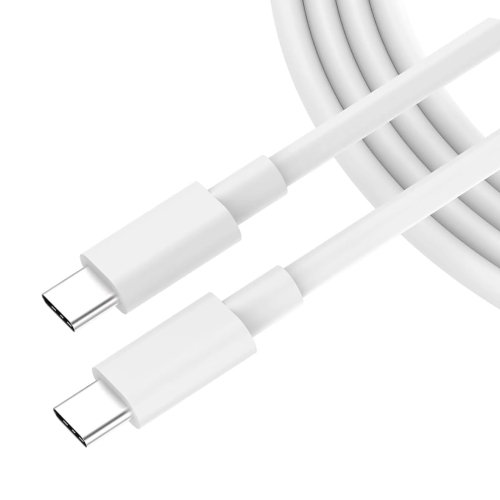
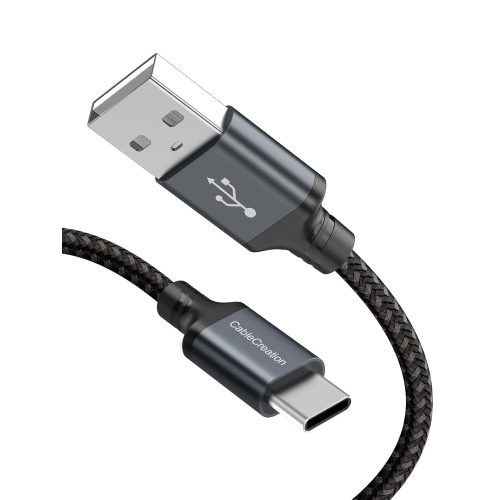
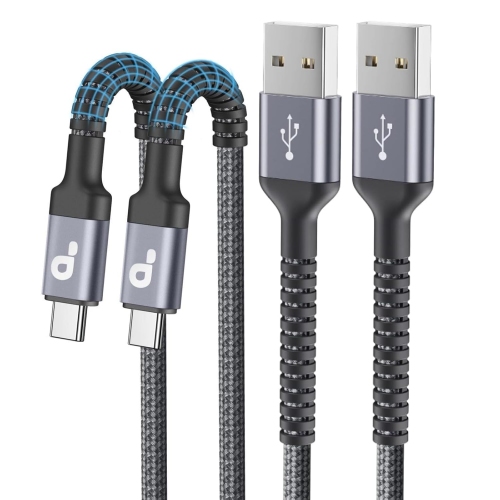
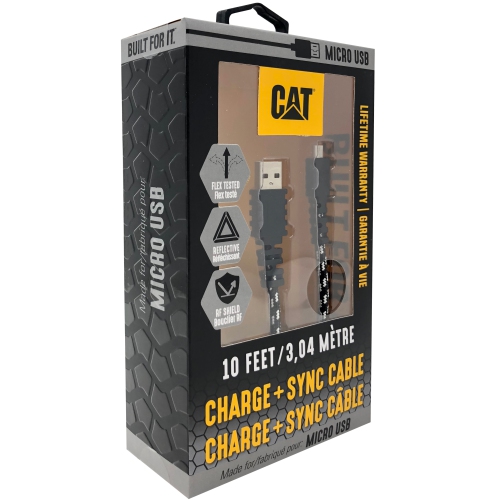
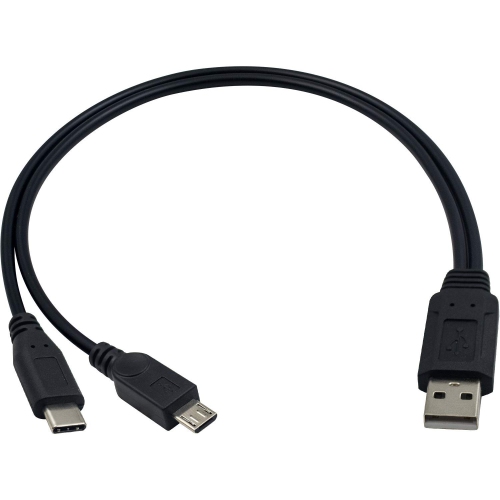
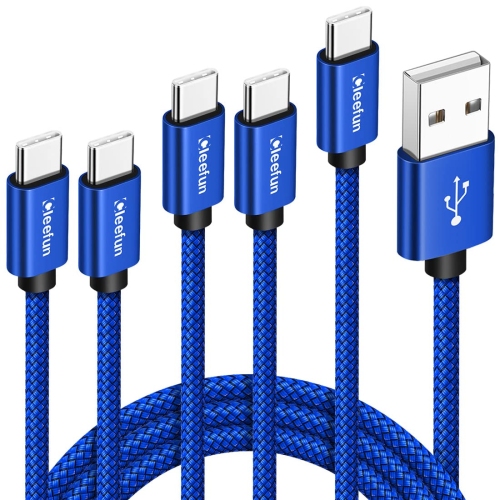
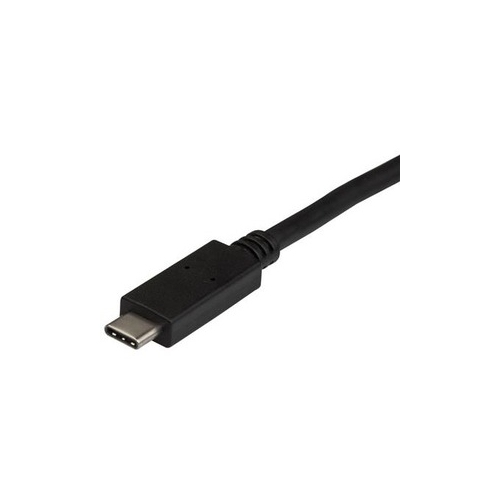
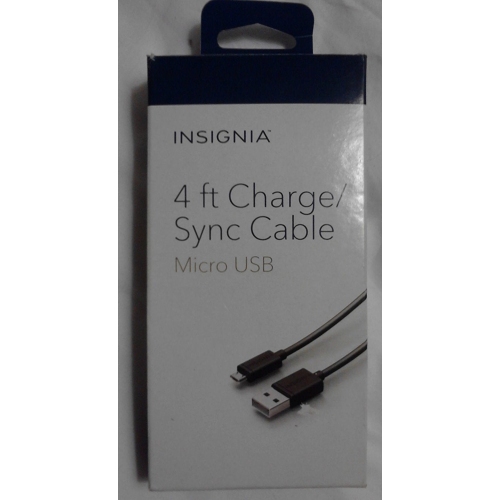
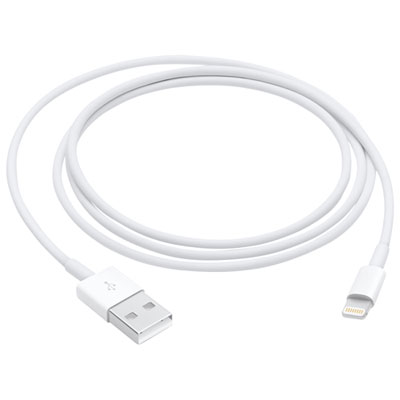
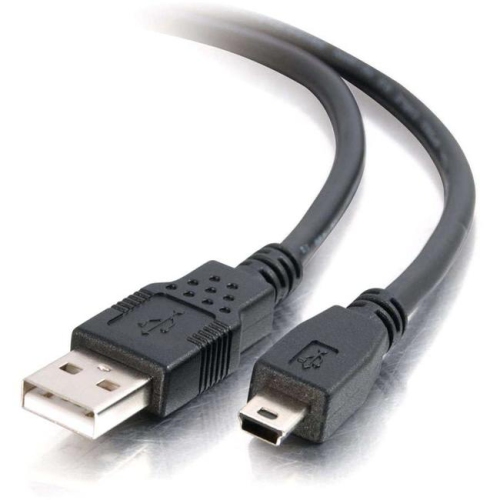
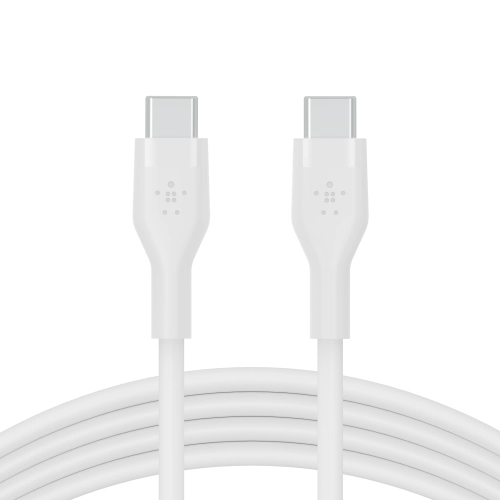
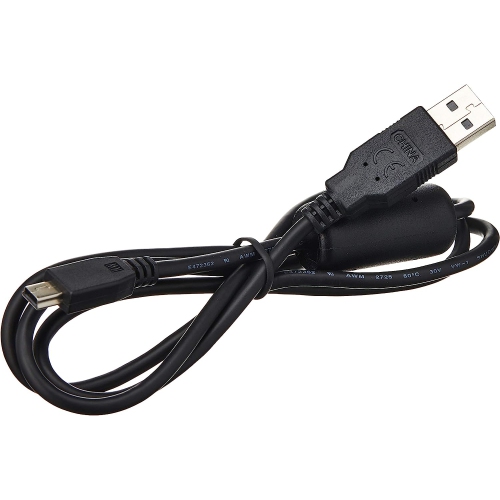
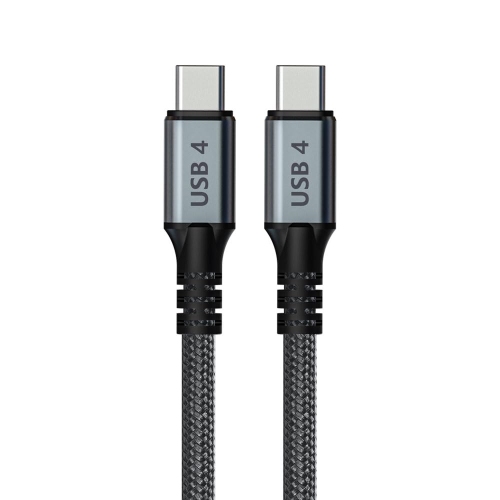
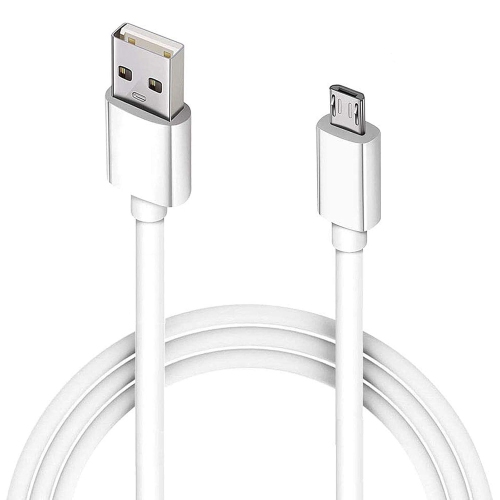
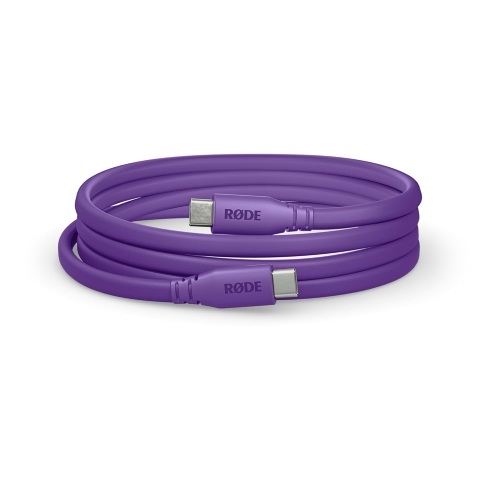
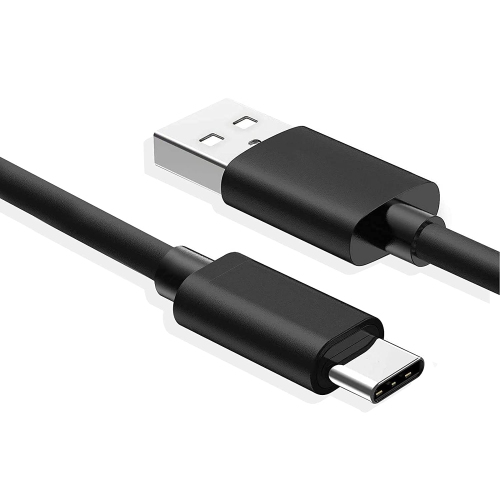
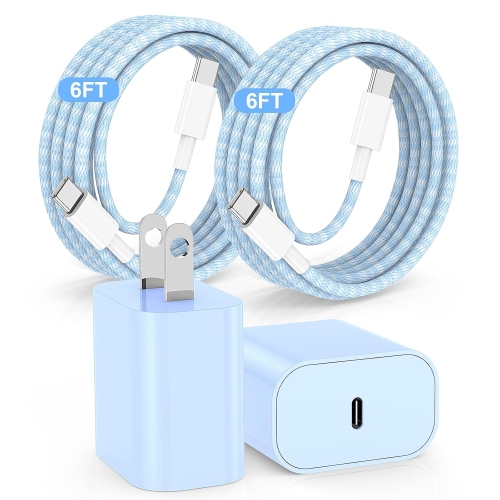
Cell phone cables connect a phone to a power source, computer, or compatible accessory, making them useful for everything from overnight charging to transferring photos and using a wired connection in the car. The connector at each end determines where a cable can be used. USB-C is common on newer phones and has a reversible shape that plugs in either way up. Lightning is found on some earlier-generation phones and is also reversible, while Micro-USB appears on certain older phones and accessories and must be inserted in the correct orientation. At the other end, a cable may have a rectangular USB-A connector or a smaller USB-C connector to match the port on a wall charger, laptop, vehicle, or power bank. Matching both ends matters: a cable that fits the phone will not necessarily fit an existing charging adapter. A phone case can affect the fit as well, particularly if its charging-port opening is narrow or deeply recessed. Slim connector housings can be helpful with these cases, allowing the plug to seat fully without removing the cover. Charging and data transfer are separate capabilities, so cables with the same connector shape do not always do the same job. Some are intended only for charging, while others also support file transfers, wired in-car connections, or additional functions on compatible devices. For someone who regularly moves videos from a phone to a computer, the stated data transfer speed can be just as important as charging support. For a phone that spends most of its time beside a bed or on a desk, comfortable reach and a secure connection may matter more. Cell phone cables sit within the broader range of Charger Cables, but the most useful match is one suited to the phone’s port, the power source, and the tasks it needs to handle. Connector type, cable length, power rating, and data capability together give a clearer picture of suitability than appearance alone.
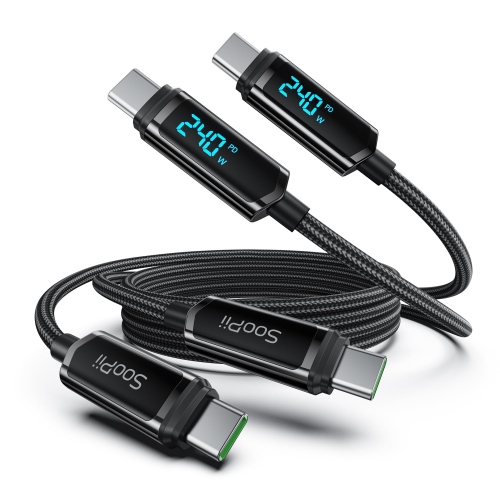
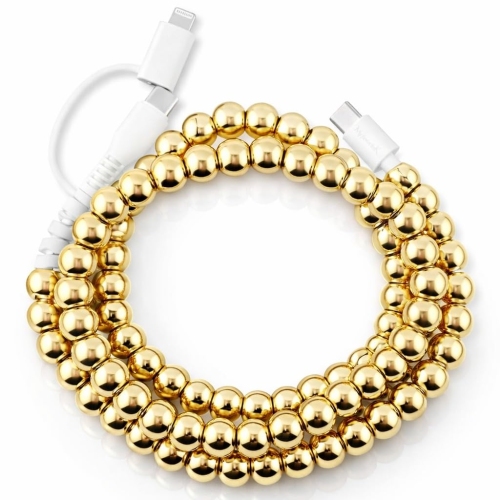
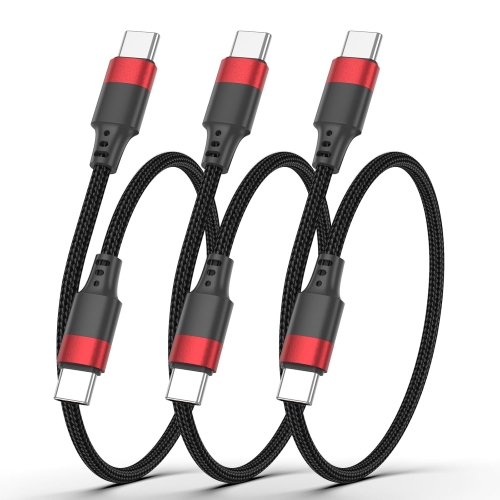
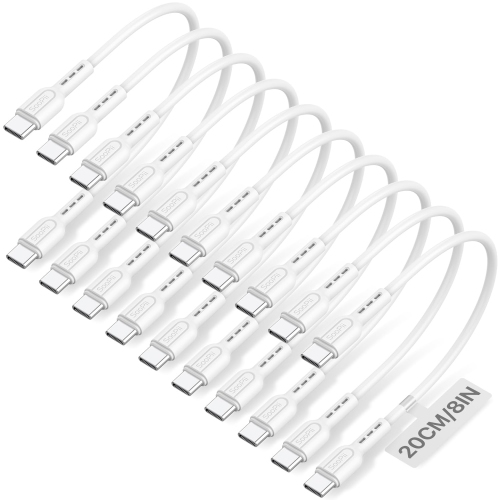
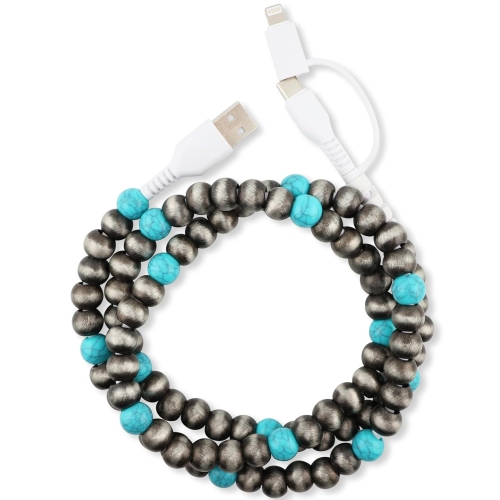
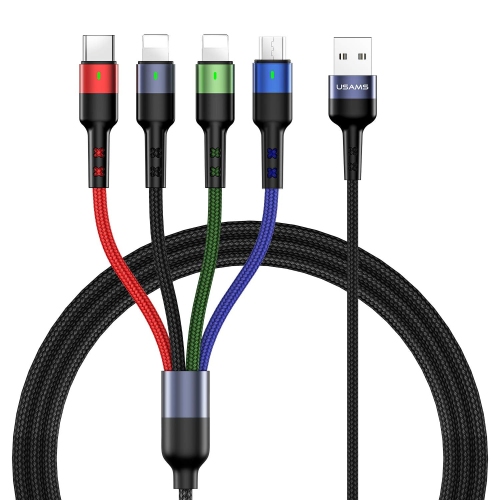
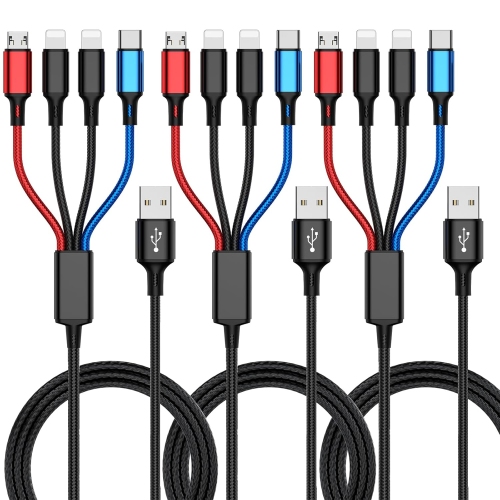
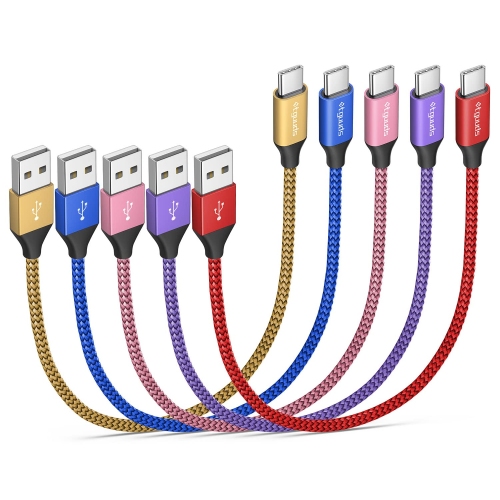
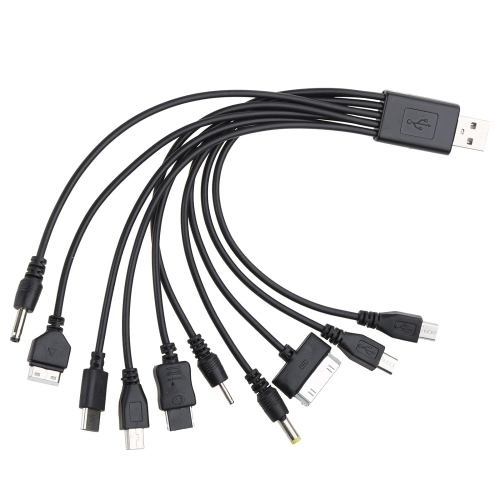
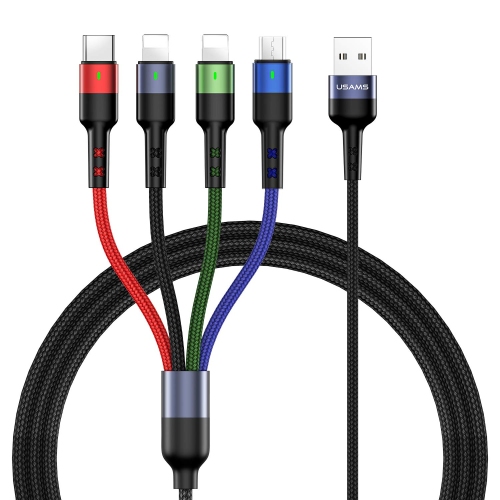
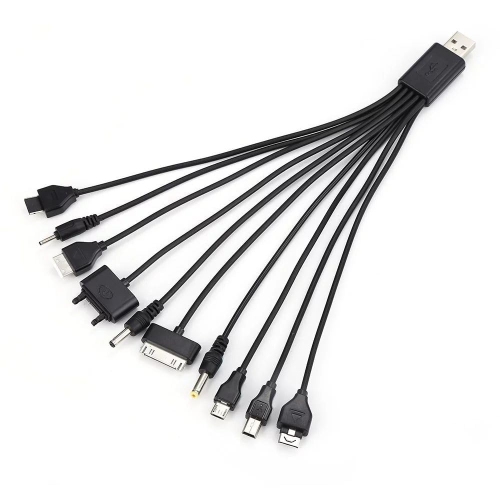
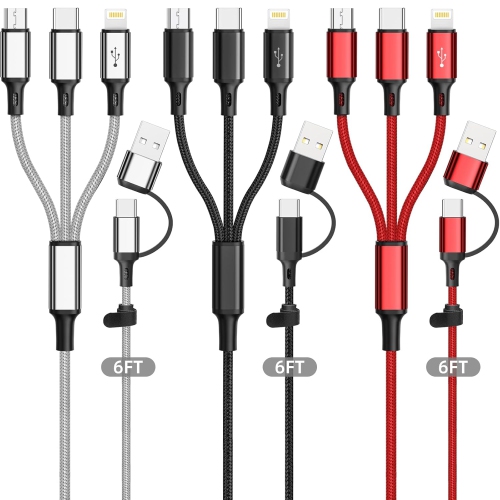
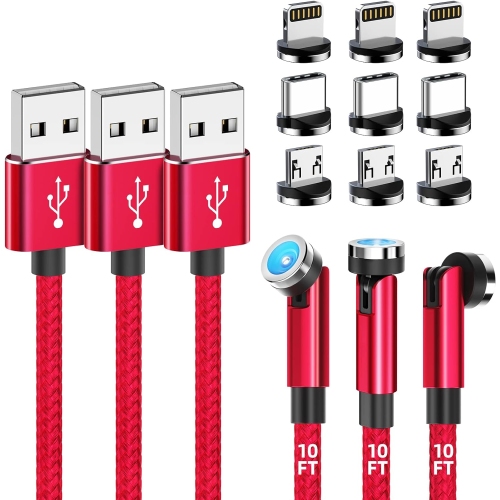
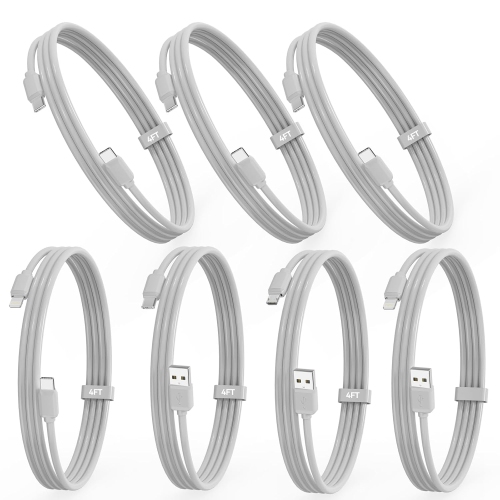
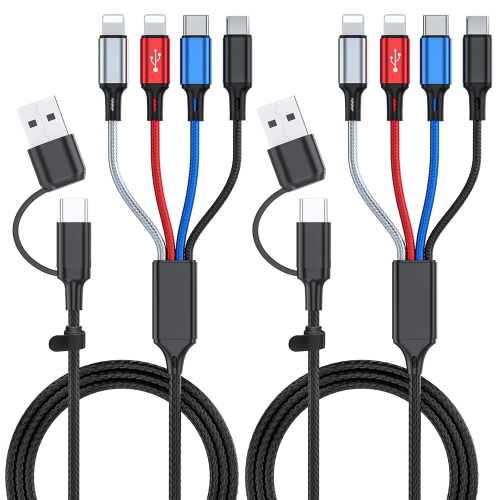
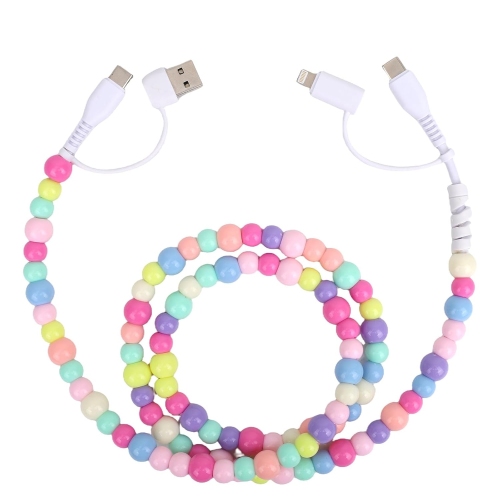
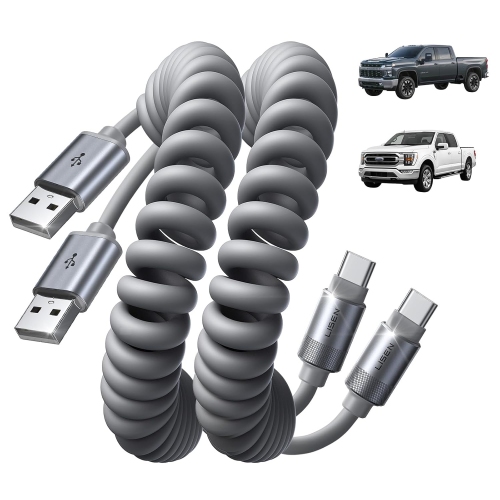
Charging performance depends on the whole connection: the phone, cable, and power adapter must support compatible charging specifications. A cable with a higher power rating does not make every phone charge faster; the phone draws power within its supported limits, and the adapter must supply the appropriate output. USB Power Delivery is a charging standard used by many compatible USB-C devices, though some phones also rely on other charging protocols to reach their maximum supported speed. A cable’s wattage rating describes its supported power capacity, not a promise of the speed a particular phone will achieve. For higher-power USB-C charging, the cable may need an electronic marker that identifies its capabilities to the connected devices. Clear specifications are especially useful when one cable will move between a phone and other compatible electronics. Length has an equally practical role in daily use. A short cable, around 30 centimetres, keeps a phone and power bank together without leaving a large loop of cord in a bag. A cable around one metre often suits a desk or kitchen counter, while a two-metre cable can reach from a wall outlet to a bedside table without stretching tightly across the gap. Extra length is useful only when it can be routed safely, rather than trailing across a walkway or catching under a chair. In a vehicle, enough slack to reach a phone mount is helpful, but loose cable should stay clear of the gear selector, steering controls, and pedals. Right-angle connectors can reduce how far a plug projects from the phone during handheld use, although their orientation needs to work with the case and the position of the charging port. Multi-connector designs can be convenient for a household with different phone ports, but their specifications should confirm which connections support charging or data. Multiple connector tips do not automatically mean that several devices can charge at full speed at once. For wired in-car features, a data-capable cable and a compatible vehicle port are both necessary; a charging-only connection will not provide the same functions.
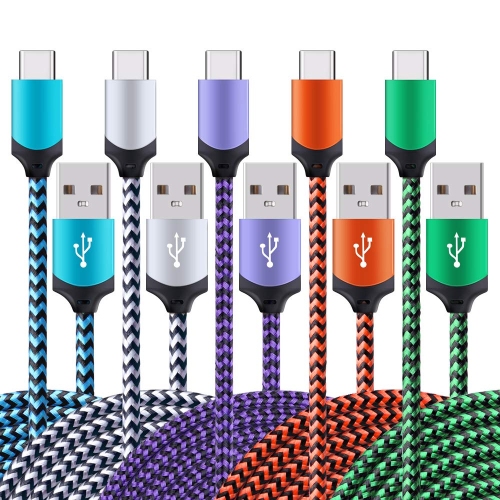
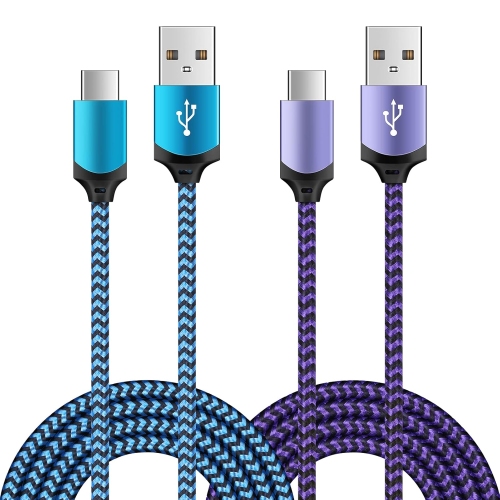
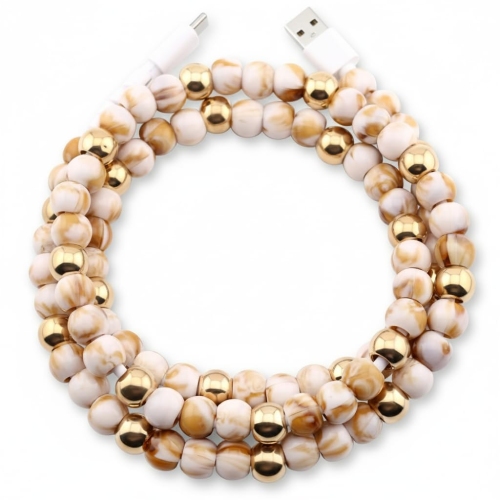
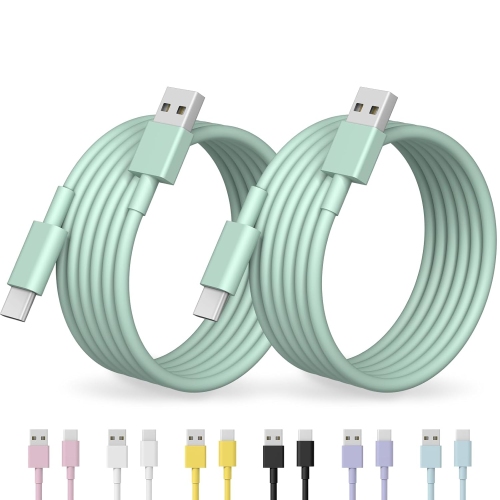
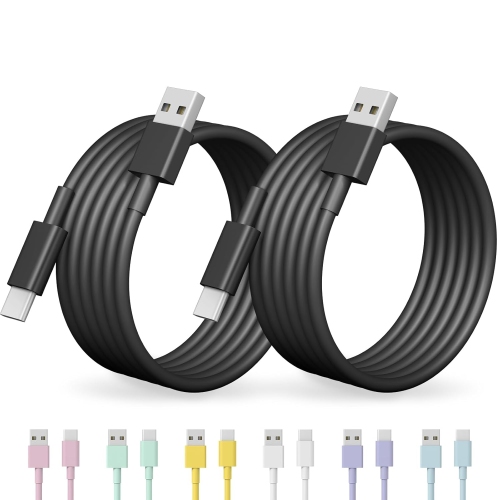
Materials and construction influence how a cell phone cable feels, packs, and handles repeated use. Smooth plastic jackets are easy to wipe clean and can slide neatly through a desk cable holder. Braided nylon or other woven coverings add texture and can offer resistance to surface abrasion, although a braided finish alone does not establish how long a cable will last. The internal conductors, connector assembly, and strain relief near each plug also matter. Those reinforced sections help manage the repeated bending that happens when a phone is picked up from a nightstand or slipped into a bag while connected to a power bank. A soft, flexible cable may be easier to coil into a small pouch, while a thicker design can feel more substantial but take up more space. Neither thickness nor a metal connector housing guarantees better charging or faster data transfer. For daily care, disconnecting by holding the plug rather than pulling the cord helps reduce stress where the cable meets the connector. Loose coils are gentler than tight folds, and a reusable cable tie can keep a spare tidy without sharply pinching the jacket. Cables should be kept away from liquids and inspected for split coverings, exposed wires, bent plugs, or loose connections; damaged cables should no longer be used. A phone should not hang by its charging lead, and repeated pressure from furniture can damage a cable even when the outer covering initially looks intact. Different colours can make similar cables easier to distinguish in a shared charging area, while separate cables for a desk, travel pouch, and bedside table can reduce the need to move one cord throughout the day. Students, commuters, frequent travellers, and anyone who uses a phone for work may appreciate a cable chosen around their routine. As a practical gift, a cell phone cable is most useful when its connector, length, and charging capabilities match the recipient’s device and existing adapter. That attention to fit and function turns a simple accessory into something that earns its place in everyday use.
Top selling and popular products
-
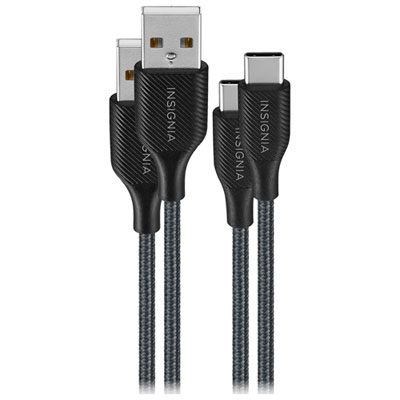 Your price for this item is $19.99
-
 Your price for this item is $52.75
-
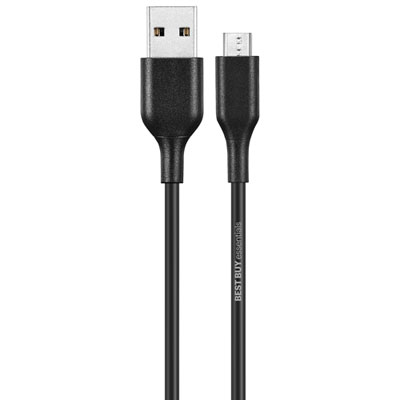 Your price for this item is $7.99
-
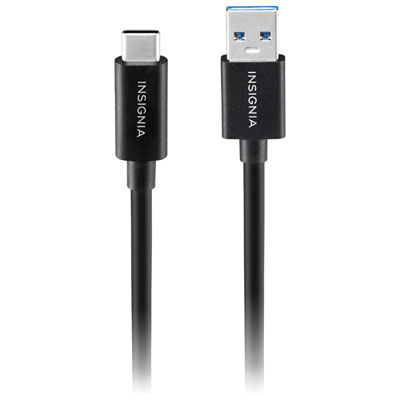 Your price for this item is $19.99
-
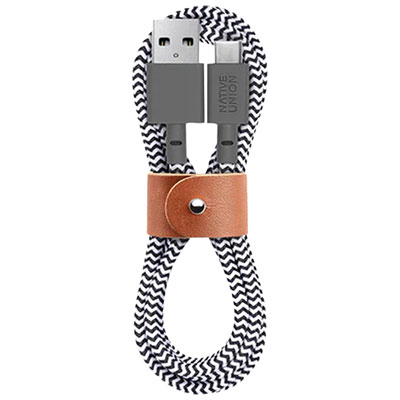 Your price for this item is $29.99
-
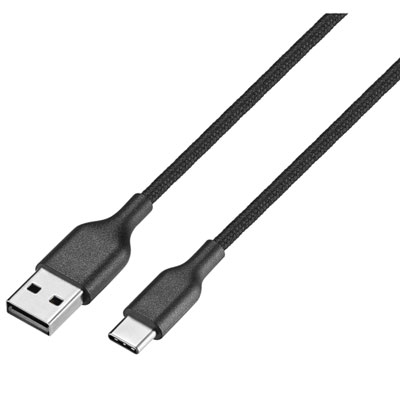 Your price for this item is $9.99
-
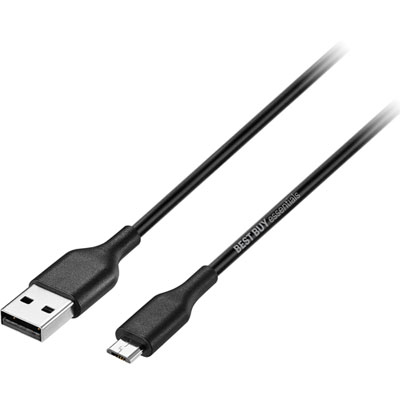 Your price for this item is $9.99
-
 Your price for this item is $14.99
Discover more categories related to Cell Phone Cables

Top Collections:
Pokemon Centers, Kindle Devices, Best Budget Office Chairs, Canon G7X Cameras, Apple iPhones 16, Samsung Galaxy Phones, Refurbished Apple Laptops, Laptops for Students, iPhone 15 Apple, Budget Smartphones
Some products may be subject to Environmental Handling Fees
(EHF) depending on your province.
Learn more about EHFs.