Cellphones for Adults
Discover a wide selection of cellphones for adults designed to fit every lifestyle and preference. Whether you’re looking for advanced technology, easy-to-use interfaces, or stylish designs, there’s an option tailored to your needs. Explore the latest models and find the perfect cellphone to keep you connected, productive, and entertained throughout your day. Shopping for cellphones for adults has never been easier with choices that offer convenience and reliability for everyday use.
Sort
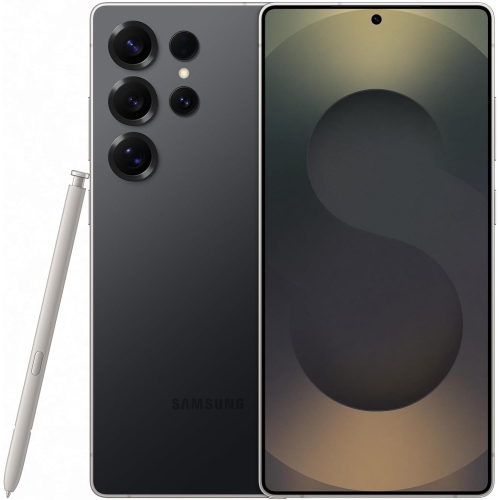

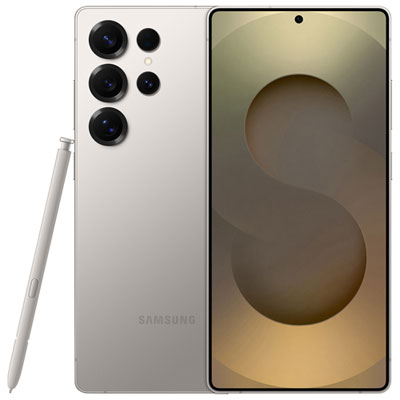
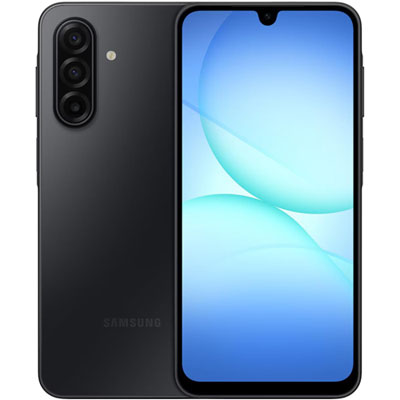
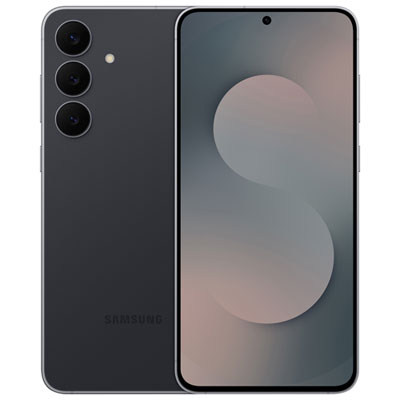

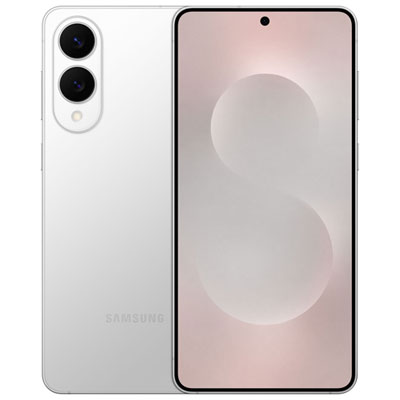

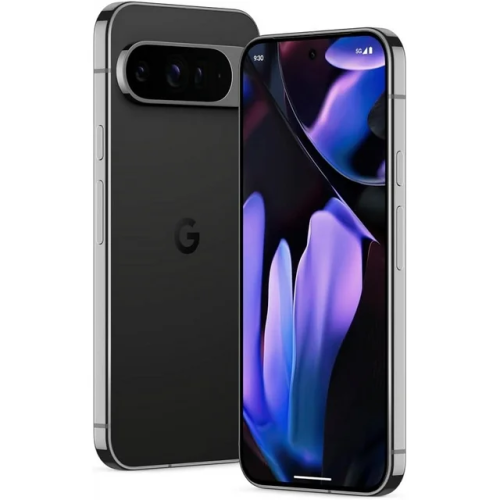

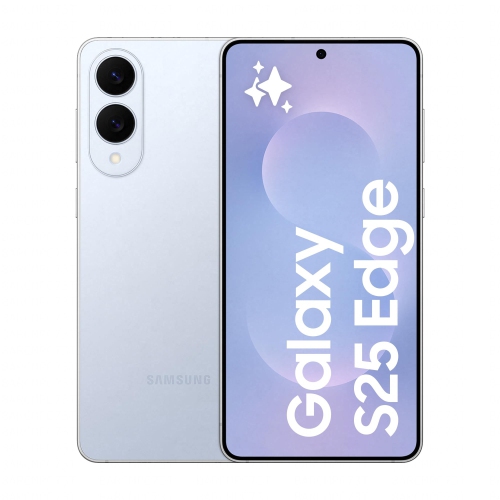


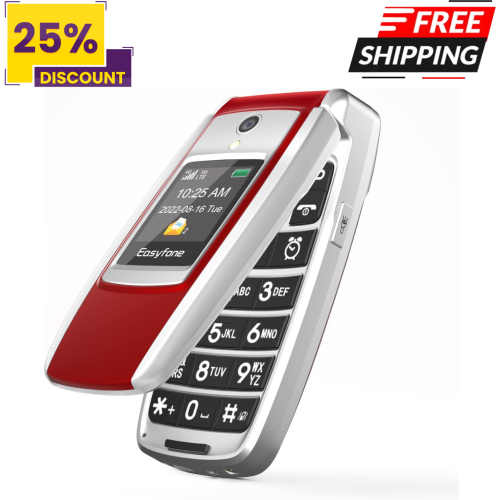
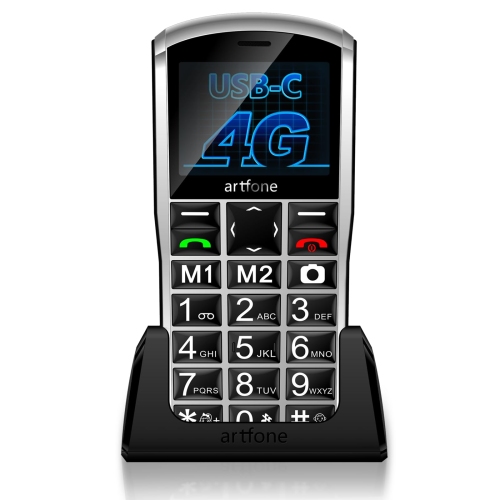


A phone that fits your routine, not your age
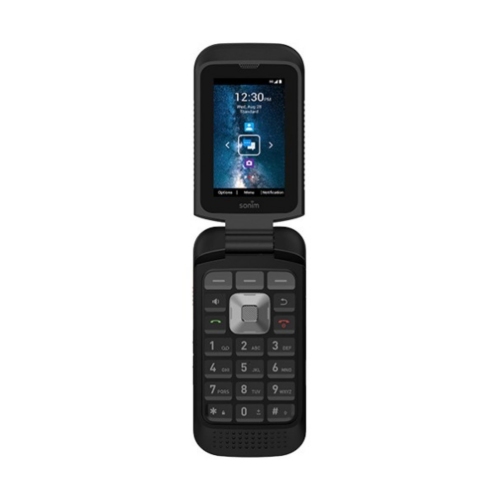
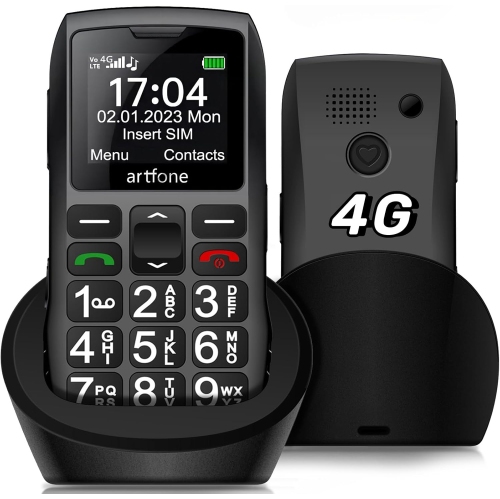
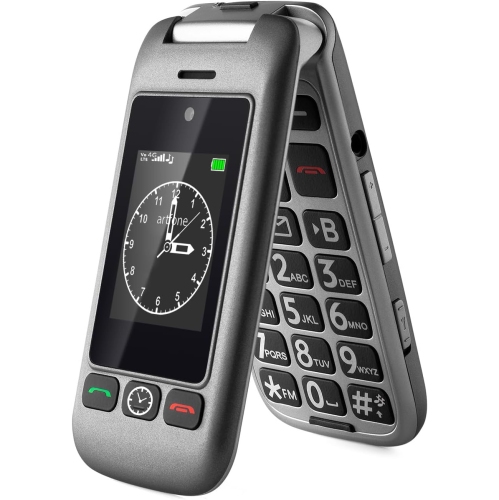
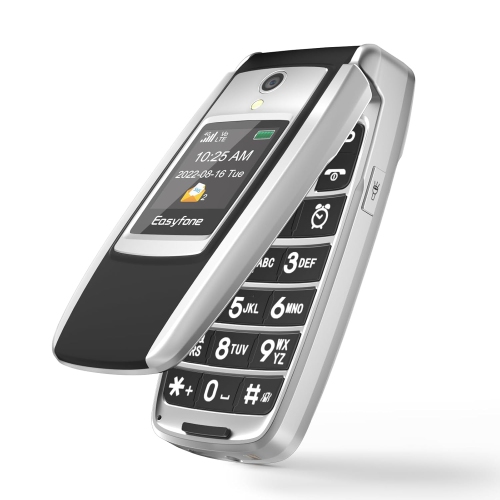
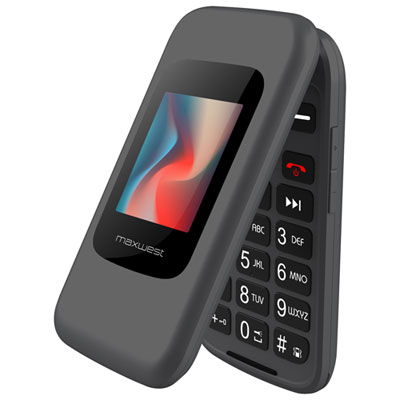
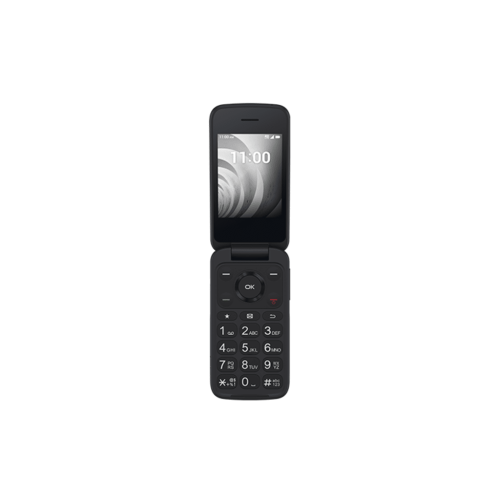
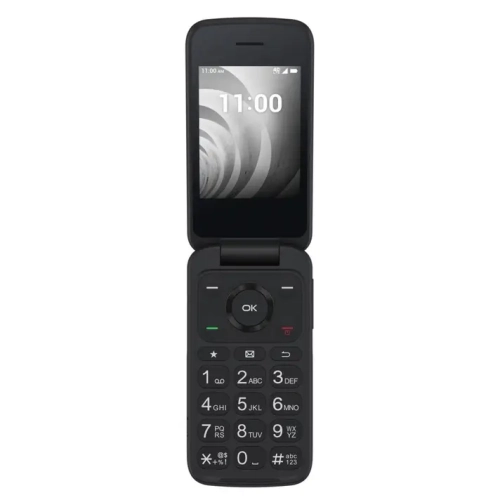
Cellphones for adults range from straightforward devices for calls and texts to full-featured smartphones for work, navigation, photography and entertainment. The right fit depends more on daily routines and personal preferences than on age alone. Someone who mainly wants to speak with family may appreciate clearly separated buttons, a readable contact list and a familiar flip-phone design. Someone managing appointments, banking, transit directions and group chats may prefer a touchscreen smartphone with room for apps and a comfortable on-screen keyboard. For older adults, useful accessibility features can include adjustable text size, strong screen contrast, voice control, screen readers and settings that simplify the home screen. These features are also helpful for adults with low vision, limited dexterity or difficulty hearing, although their usefulness depends on how well they suit the individual. Larger displays can make messages and maps easier to read, while smaller handsets may feel more manageable during a long call or fit more comfortably in a pocket. Screen size alone does not determine readability: brightness, text scaling and the spacing of buttons matter, too. A clear speakerphone can make conversations easier to follow without holding the phone against the ear. Hearing aid compatibility and support for wireless hearing devices vary by handset and hearing device, so compatibility is an important part of the match. Physical volume buttons, a responsive touchscreen and a secure grip can make everyday actions feel less fiddly. For a person who prefers a simpler layout, a home screen with a few clearly labelled shortcuts may be more useful than a display filled with small icons. Adults who enjoy using a wide range of features can still benefit from these adjustments. A phone can offer sophisticated capabilities while keeping frequent tasks, such as calling a partner, reading a message or opening directions, easy to reach. The most suitable balance leaves everyday communication feeling familiar rather than making each interaction an extra task.
The physical design of a cellphone affects how it feels through hundreds of small interactions, from answering a call with one hand to reading a recipe on the kitchen counter. Handsets may combine glass, metal and plastic components, with differences in weight, texture and resistance to everyday wear. A smooth glass back can feel sleek but may be slippery, while a textured case can provide a firmer hold. Rounded edges and well-placed controls help a phone sit comfortably in the hand; the position of the charging port and buttons also matters when using a stand or protective case. Cases with raised edges can help protect the screen and camera area from contact with flat surfaces, though no case prevents every kind of damage. Screen protectors provide an additional barrier against scratches, and their fit needs to match the handset’s display and sensor layout. Water-resistance ratings describe protection under specified test conditions, not a promise that a phone can safely handle every spill or immersion. Gentle cleaning with a soft, lint-free cloth, following the manufacturer’s care directions, helps remove fingerprints without exposing finishes or openings to unsuitable cleaners. Battery capacity is another consideration, but actual time between charges depends on screen brightness, signal strength, apps and how heavily the phone is used. An adult taking occasional calls has different demands from someone using video meetings and turn-by-turn directions throughout the day. Convenient charging can matter as much as capacity: wireless charging requires a compatible phone and charger, while wired charging performance depends on compatible equipment. Storage needs also vary. A modest collection of messages and photos uses less space than downloaded videos, large games or years of family pictures. Smooth performance comes from the combination of processing power, memory and software, rather than any single specification. A comfortable everyday phone brings these details together without adding unnecessary bulk or complexity to the tasks its owner performs most often.
Connectivity and software support help determine how well a cellphone fits into an adult’s existing routine. An unlocked handset can offer flexibility when choosing a service provider, but it still needs to support the provider’s network and calling requirements. Support for voice calling over LTE, often called VoLTE, is particularly relevant when assessing network compatibility; access to a data network alone does not establish that every calling feature will work. SIM and eSIM support also varies, and dual-SIM capability can be useful for adults keeping work and personal numbers on one device. Wi-Fi provides another way to connect to internet services, while Wi-Fi calling depends on both handset and carrier support. For everyday communication, camera quality involves more than a high megapixel count. Reliable autofocus, readable document photos and a useful front-facing camera can matter when capturing a receipt, sharing a family moment or joining a video call. Security features such as a strong screen lock, fingerprint recognition or facial recognition help restrict access, while ongoing software and security updates support continued use. The length of that support varies between devices. Moving to another phone also involves practical details such as transferring contacts, photos and messages, along with confirming that frequently used apps are supported. For a broader view of phones suited to familiar daily tasks, Cell Phones for Everyday Use brings that focus together. A cellphone can be a thoughtful gift for a parent, partner or another adult, particularly when the choice reflects how that person actually communicates. A familiar interface, comfortable size and compatible accessories may be more welcome than features the recipient will rarely use. For someone living independently, readily accessible contacts and supported emergency features can provide useful ways to seek help, although they do not replace dedicated emergency services or guarantee a connection. Whether the phone accompanies a commute, supports a small business or keeps relatives within easy reach, dependable communication and comfortable daily use remain central to its purpose.
Top selling and popular products
-
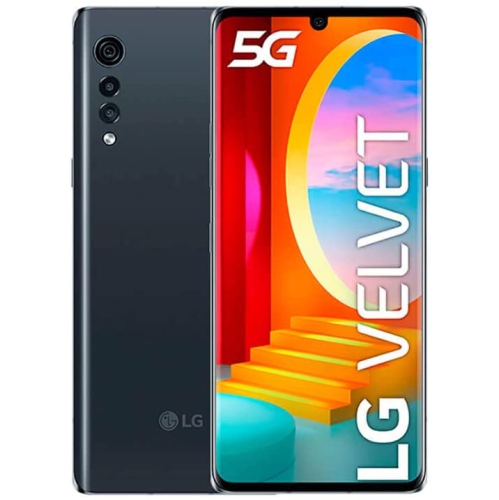 Your price for this item is $292.99
-
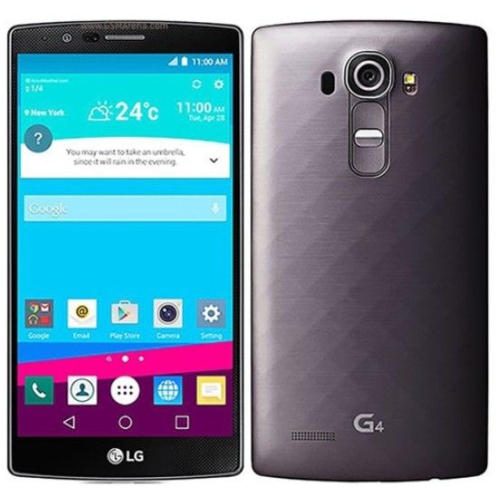 Your price for this item is $120
-
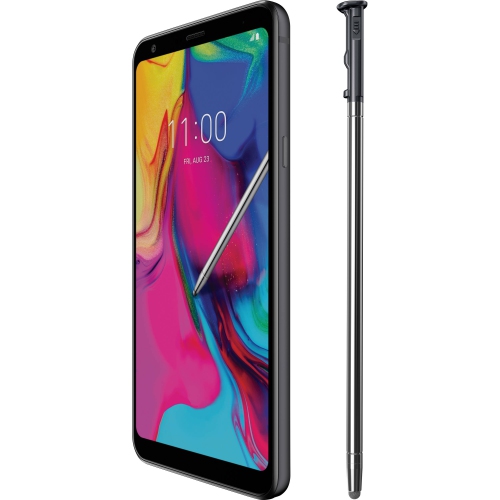 Your price for this item is $221.01
-
 Your price for this item is $89.99
-
 Your price for this item is $184.99
-
 Your price for this item is $219
-
 Your price for this item is $177.1
-
 Your price for this item is $200.01
Discover more categories related to Cellphones for Adults
Top Collections:
Pokemon Centers, Kindle Devices, Best Budget Office Chairs, Canon G7X Cameras, Apple iPhones 16, Samsung Galaxy Phones, Refurbished Apple Laptops, Laptops for Students, iPhone 15 Apple, Budget Smartphones
Some products may be subject to Environmental Handling Fees
(EHF) depending on your province.
Learn more about EHFs.