Charging Port Boards
Explore our selection of charging port boards designed to provide a quick and efficient charging solution for a variety of electronics. Whether you need a replacement charging port board for your smartphone, tablet, or other gadgets, we have you covered. Say goodbye to the frustration of slow charging or connectivity issues with our range of high-quality charging port boards. Browse through our collection and find the perfect solution to keep your devices juiced up and running smoothly.
Sort
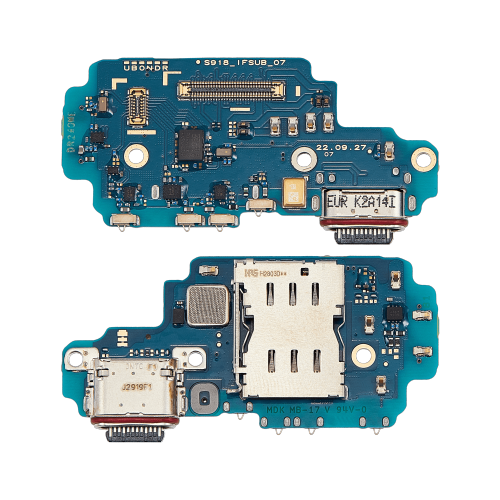
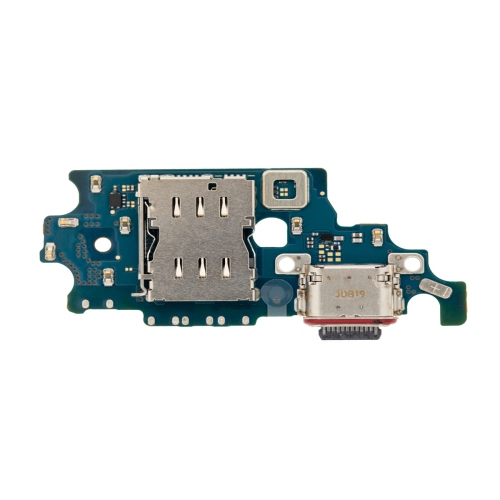
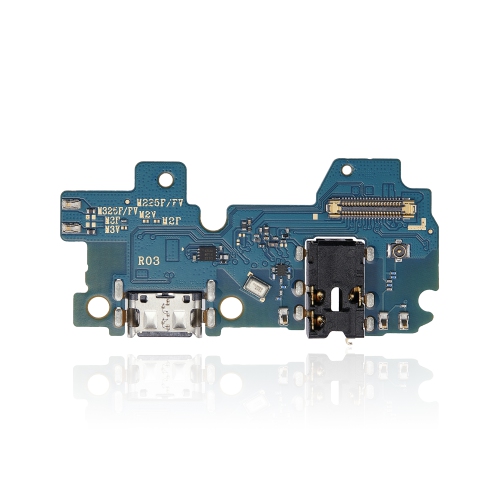
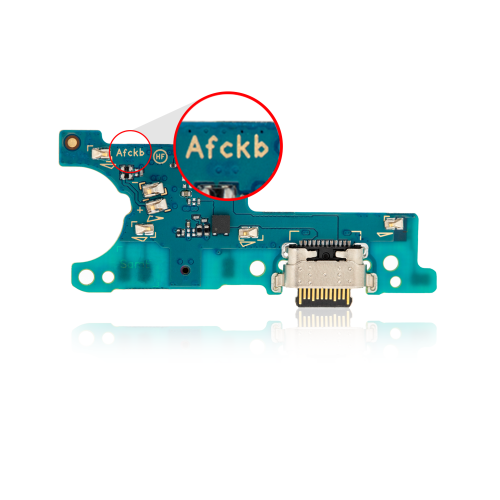
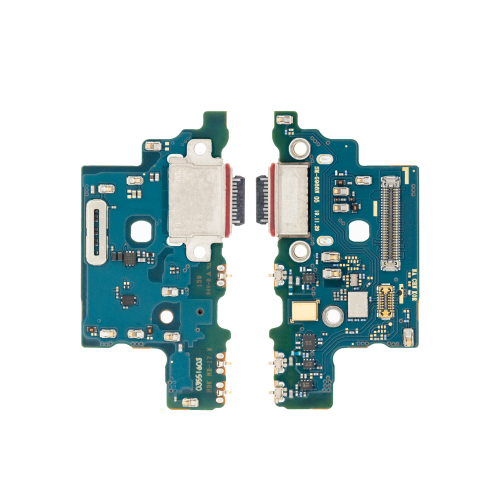
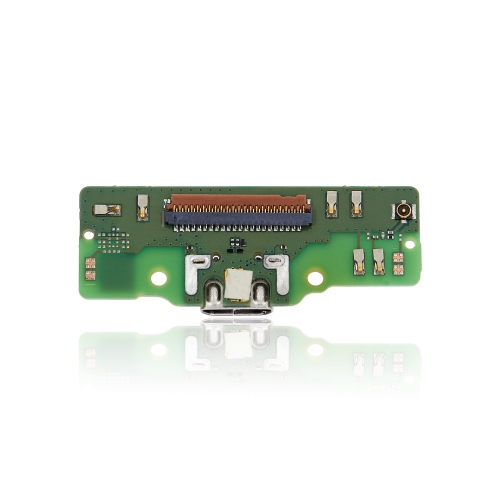
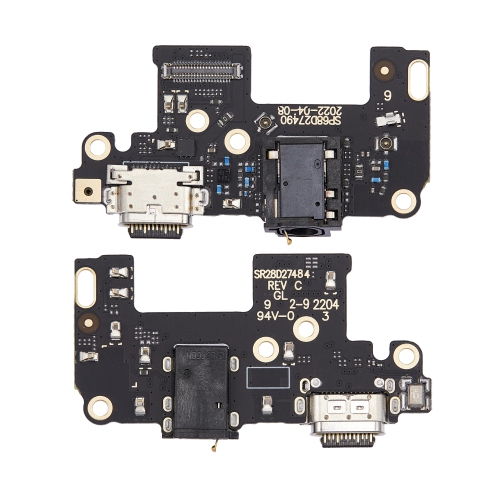
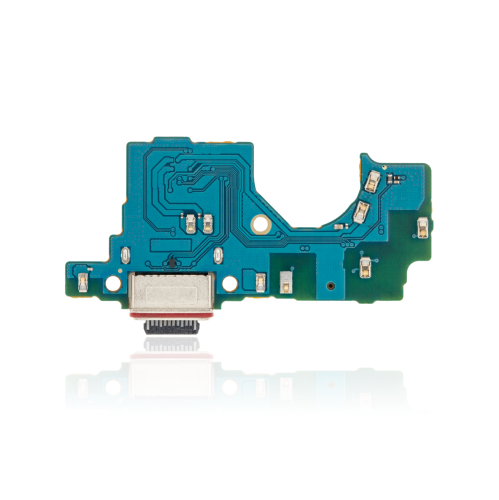
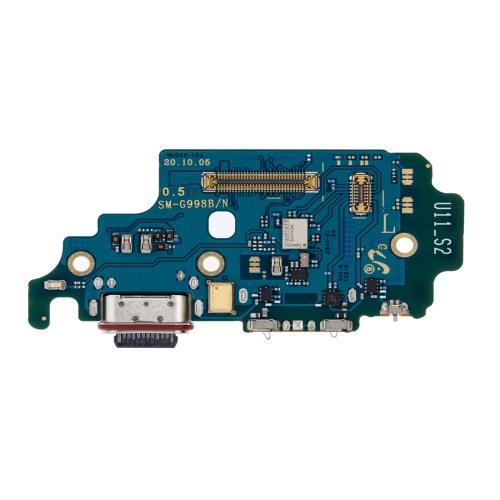
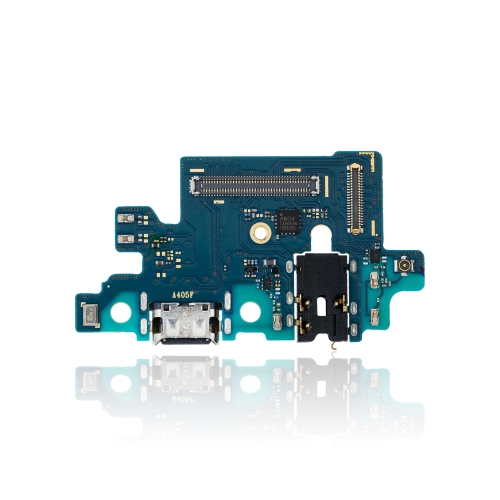
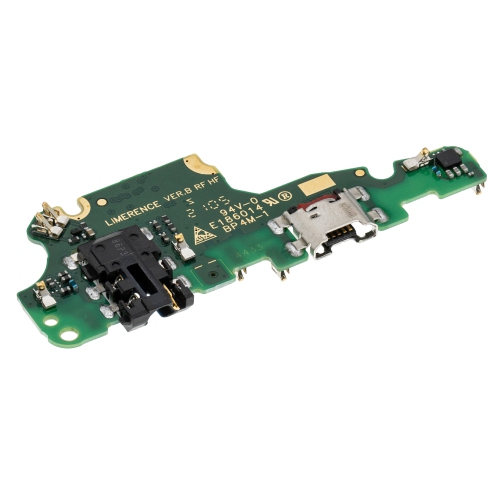

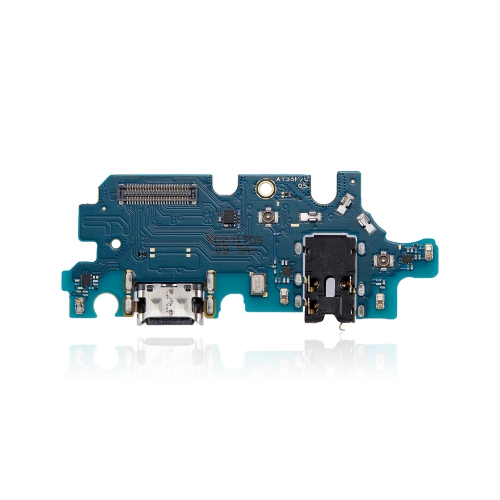
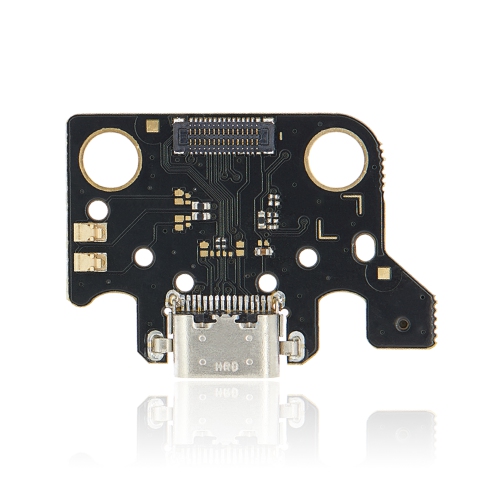
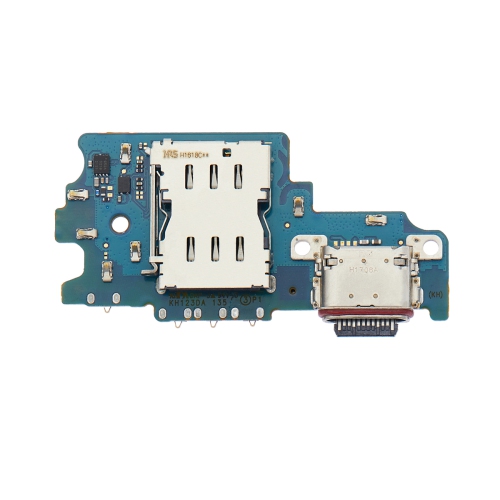
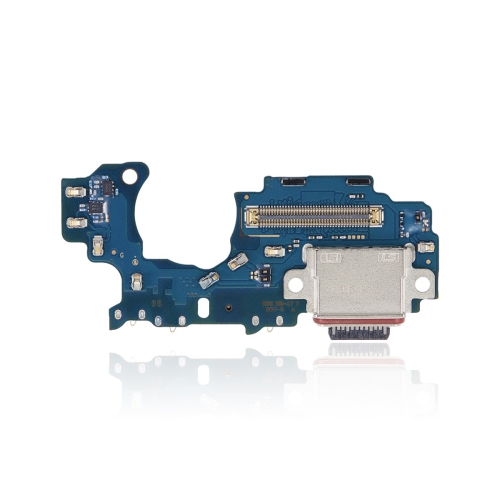
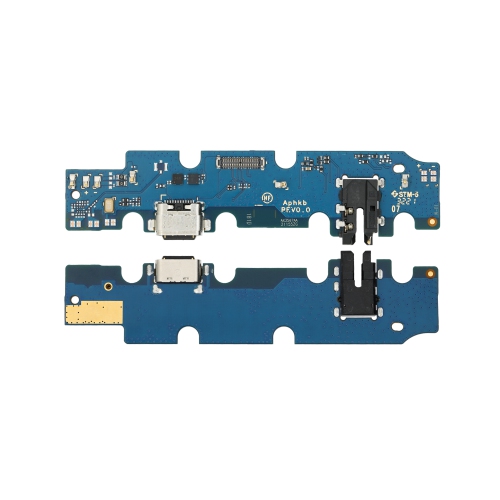
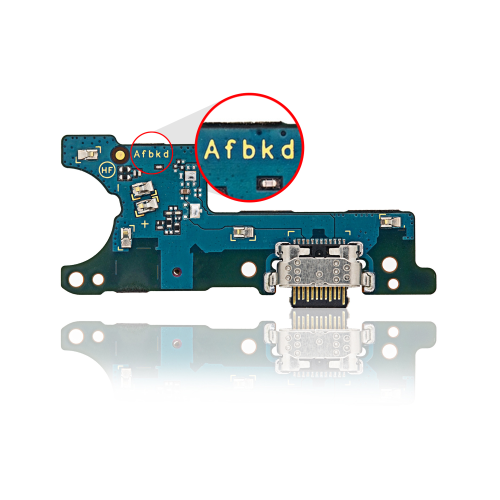
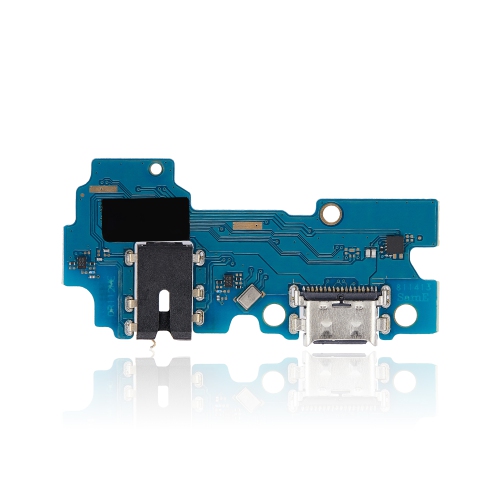
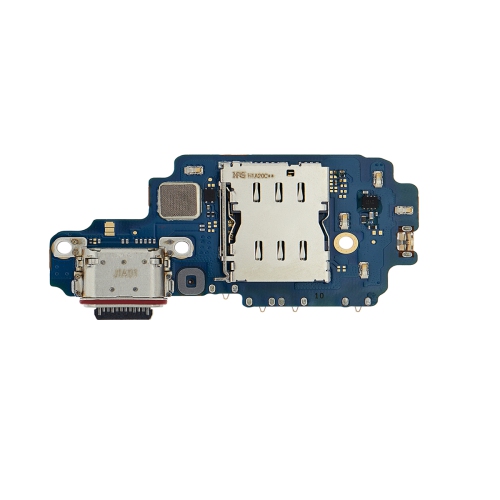
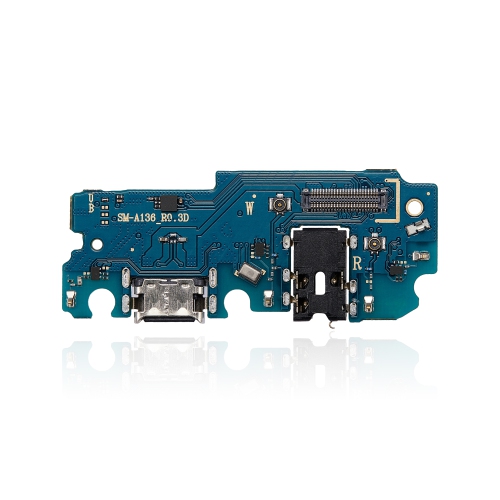
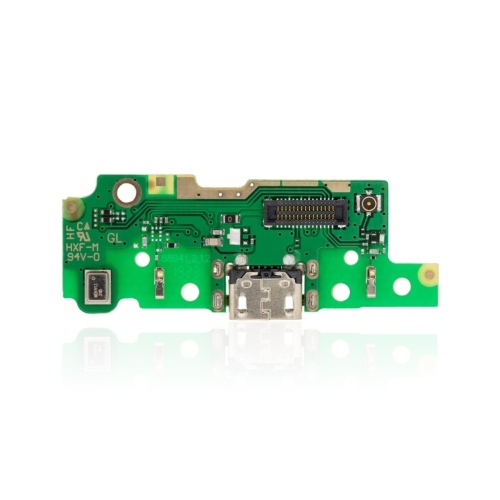
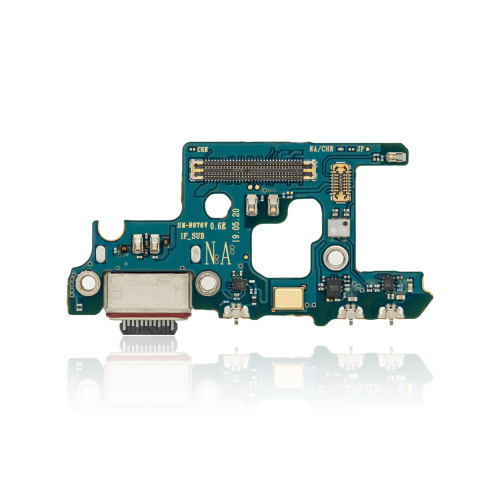
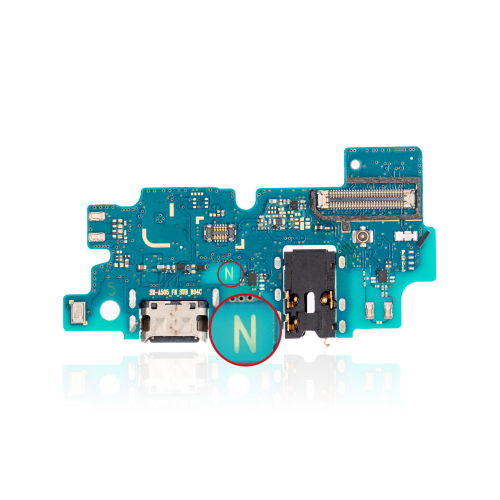
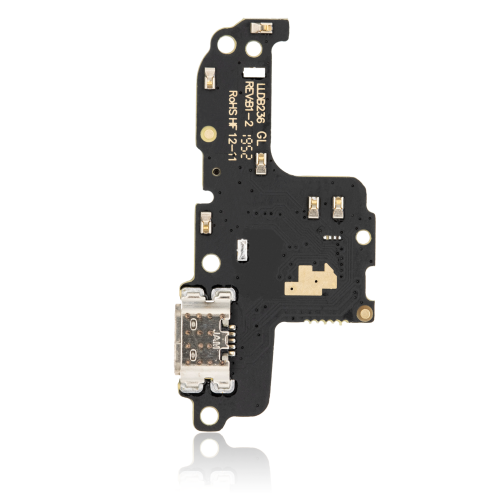
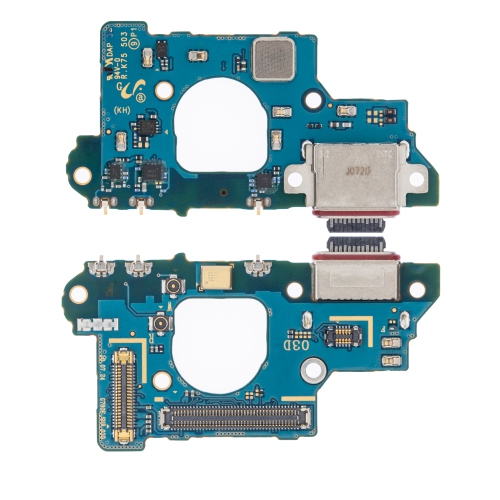
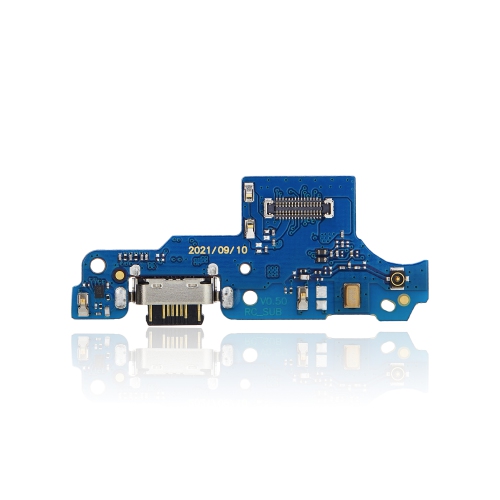
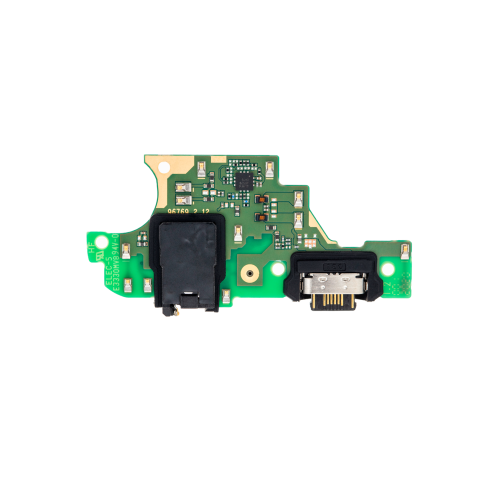
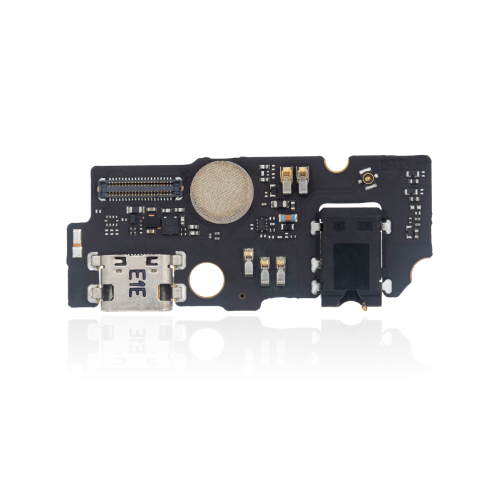
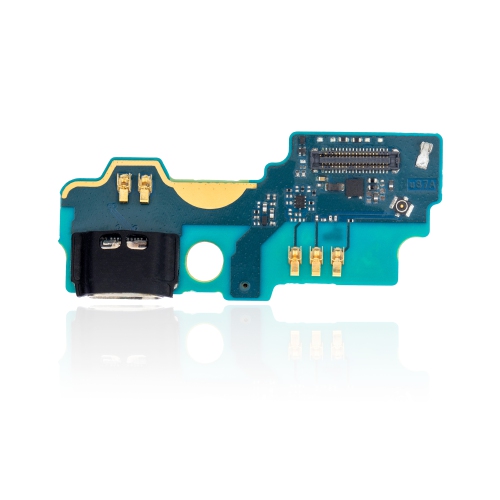
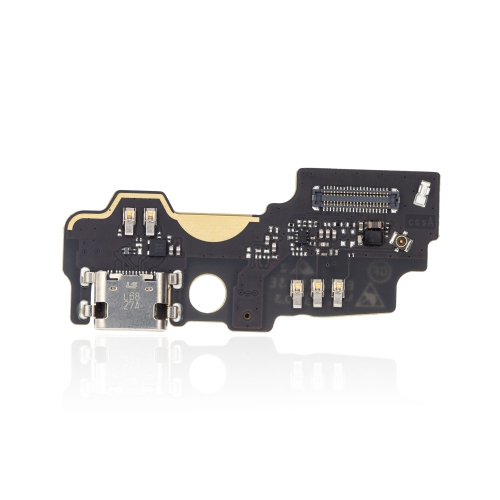
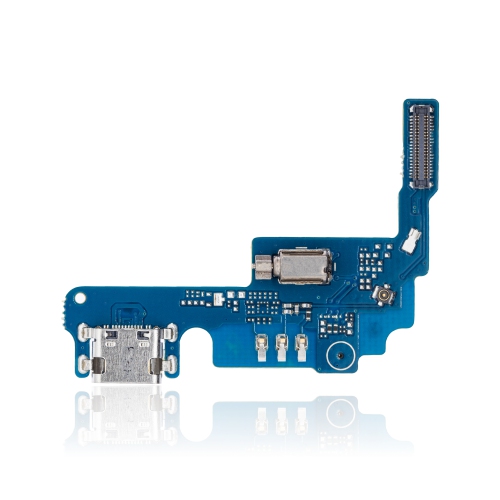
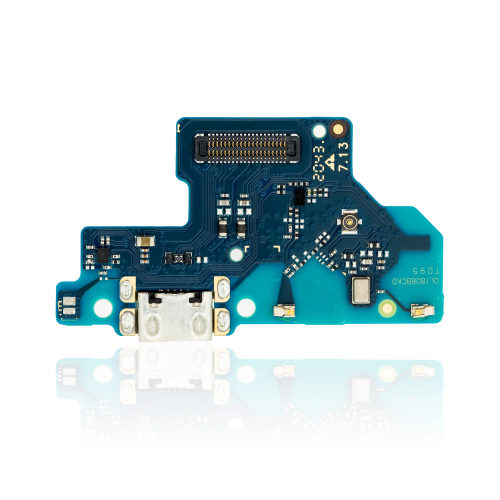
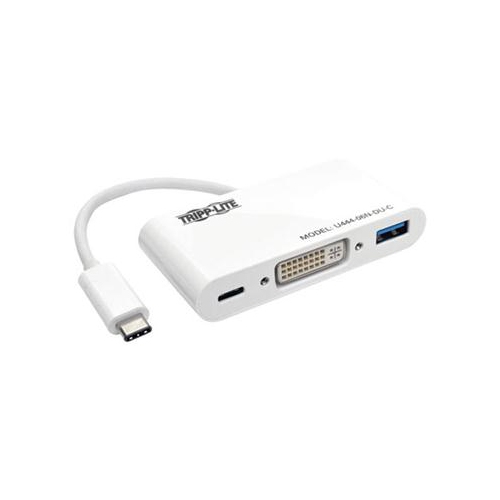
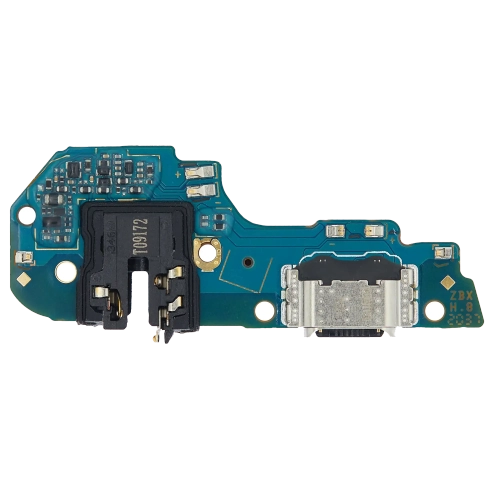
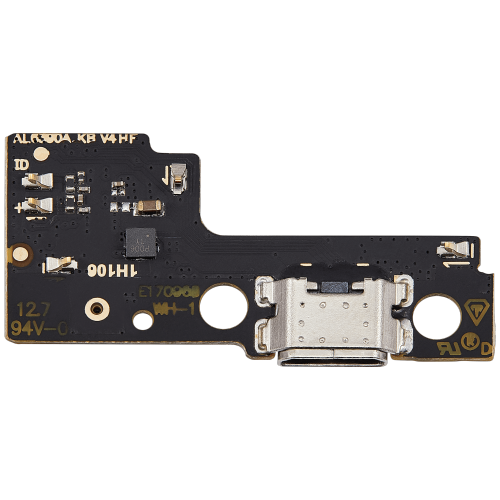
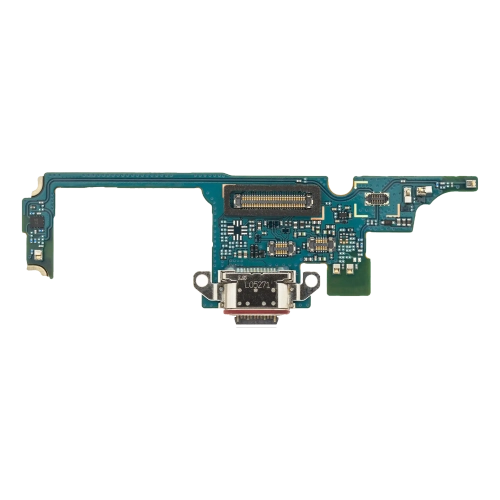
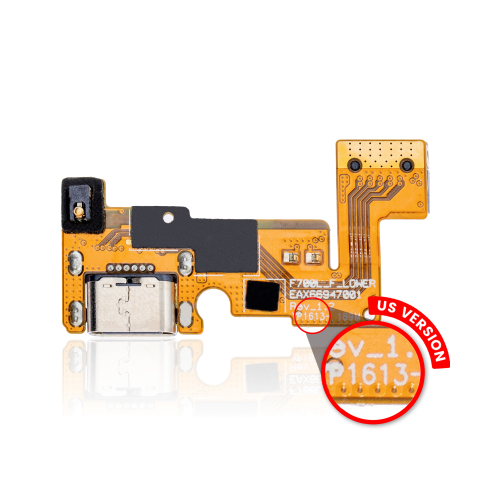
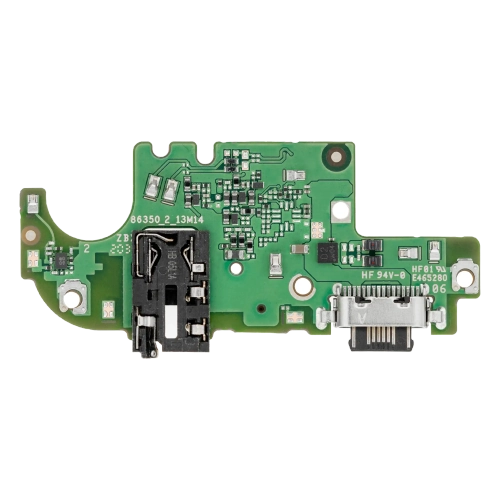
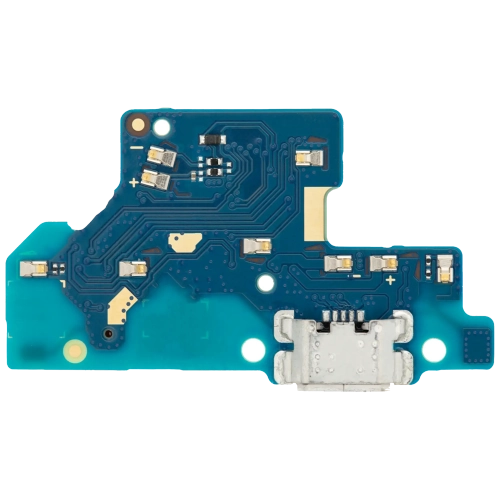
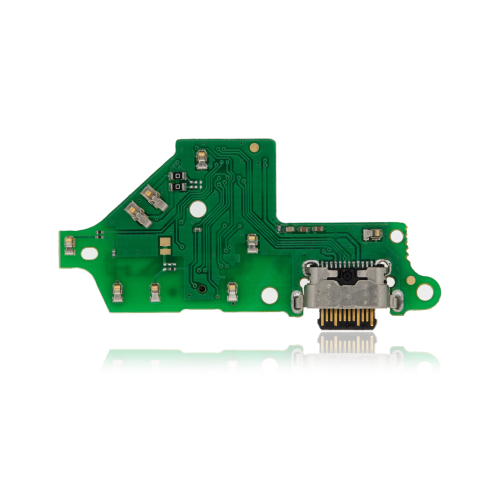
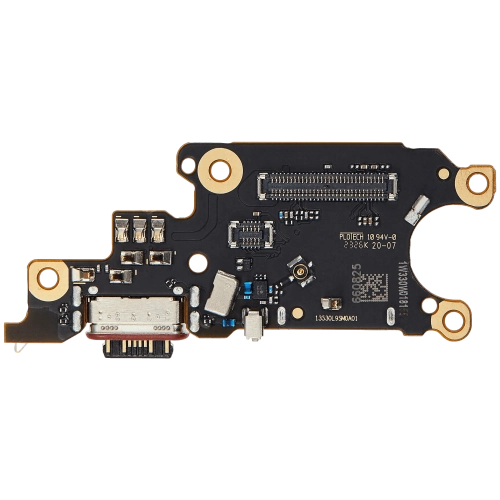
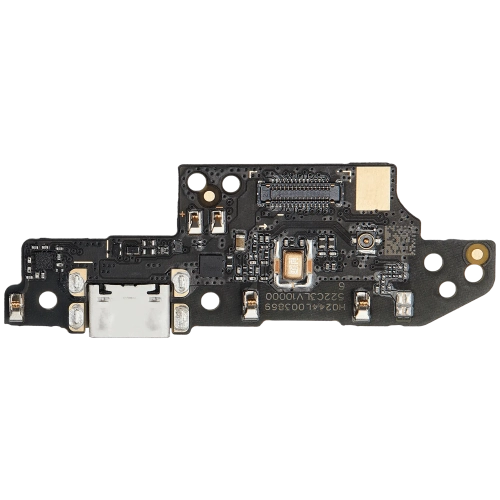
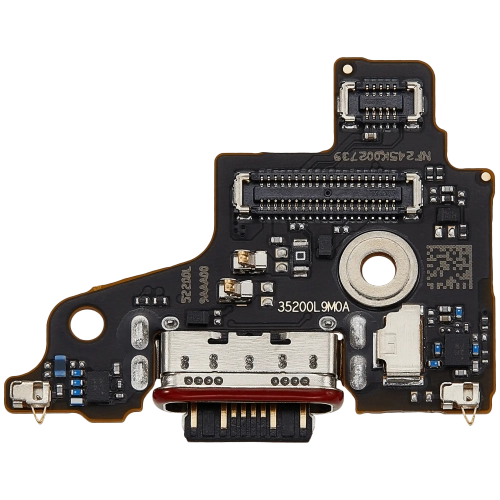
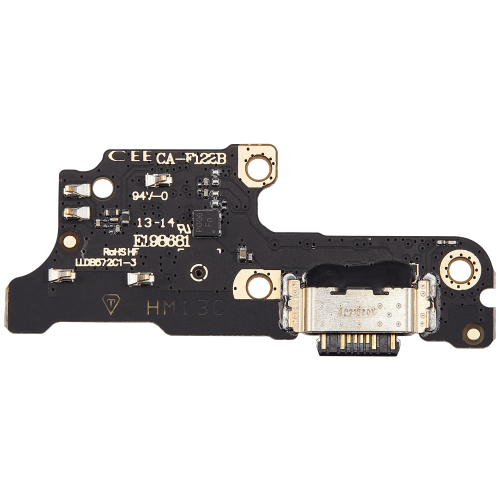


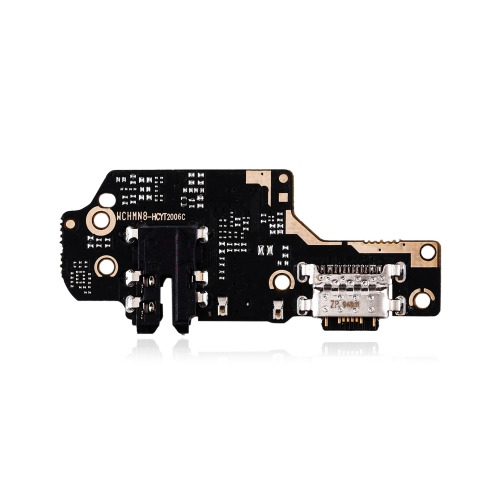
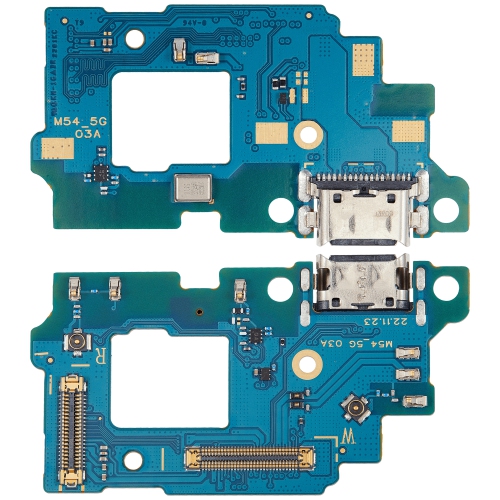
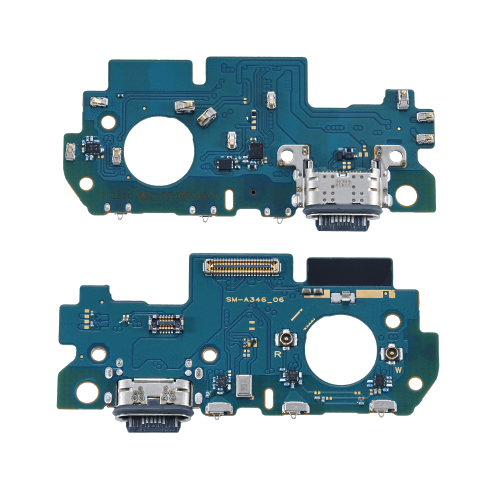
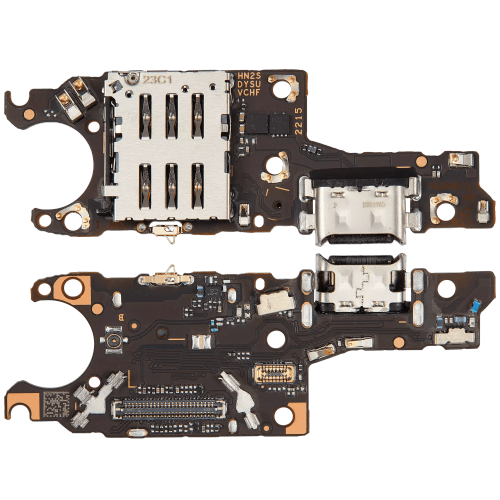
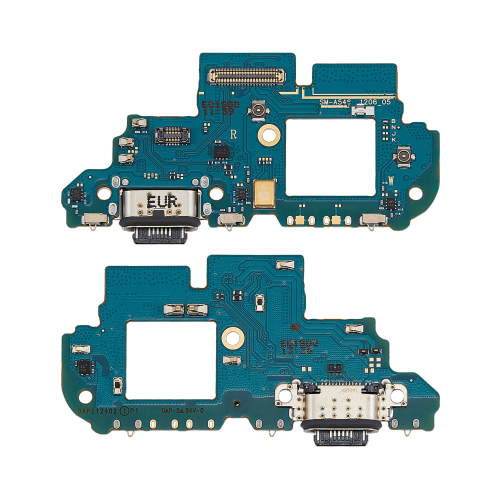
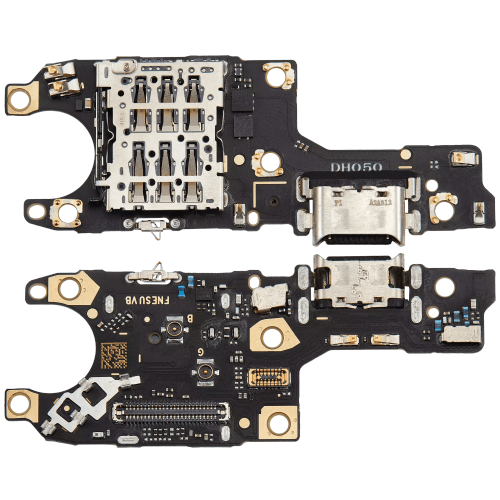
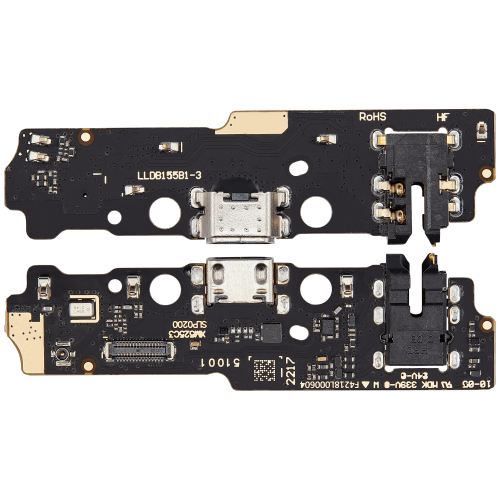
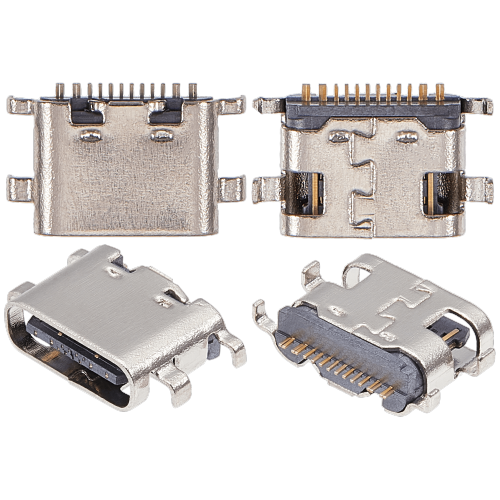
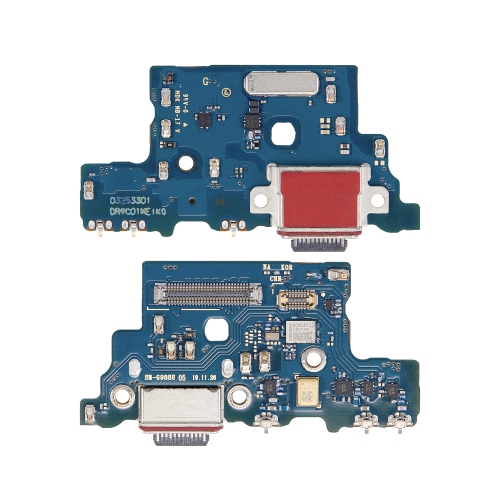
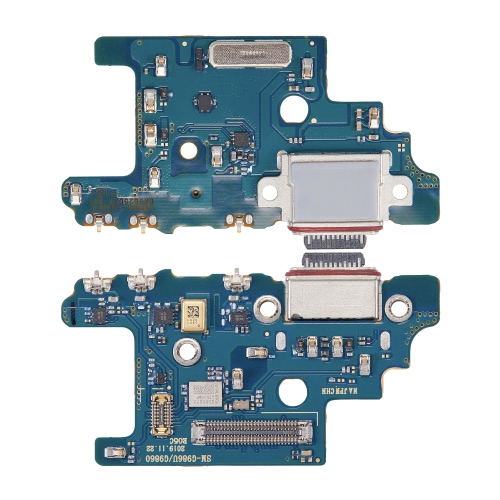
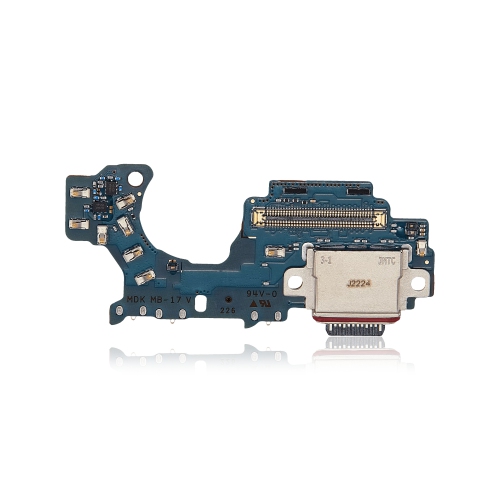
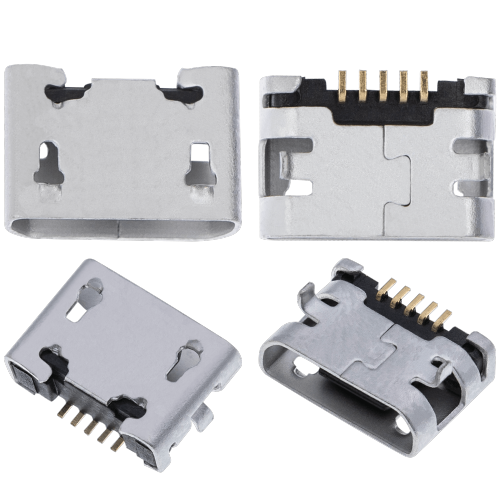
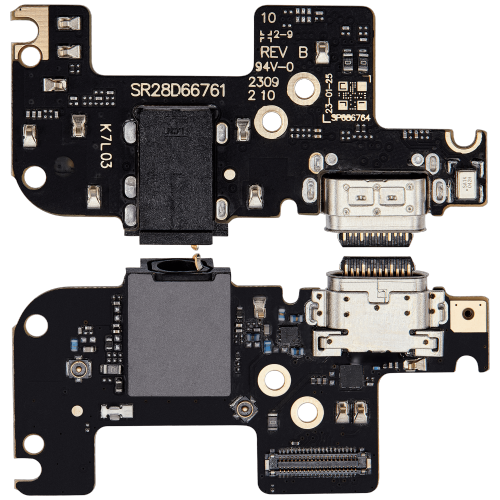
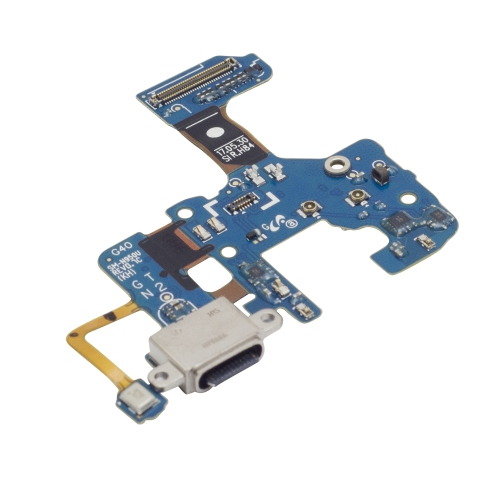
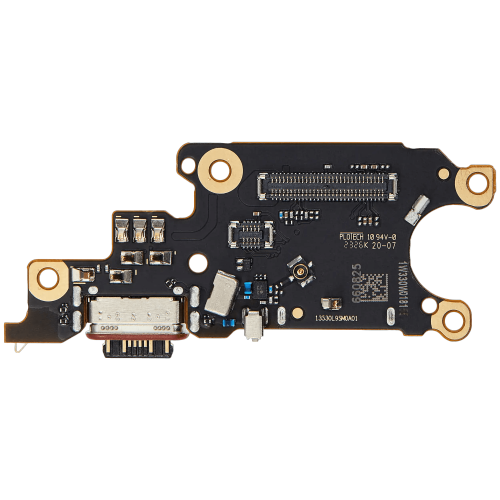
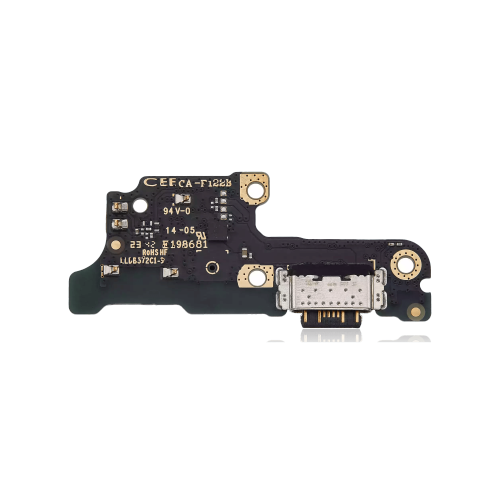
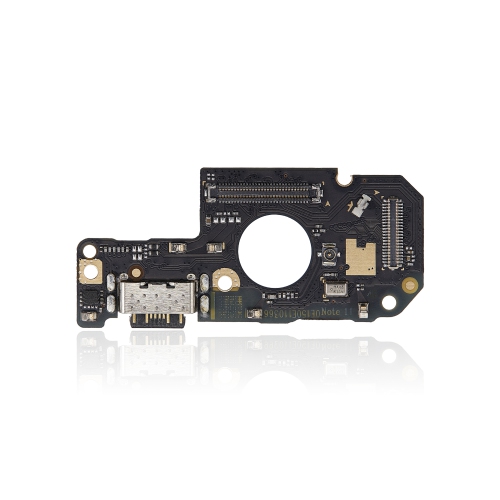
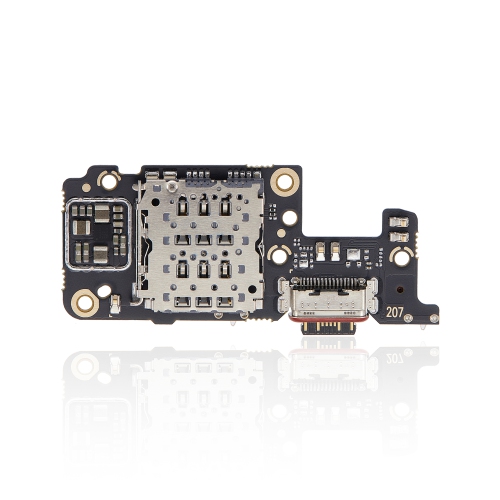
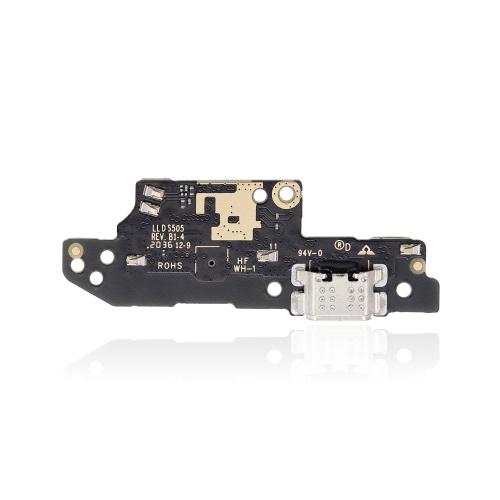
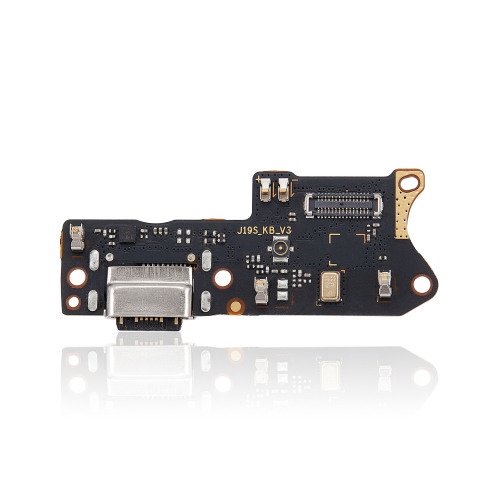
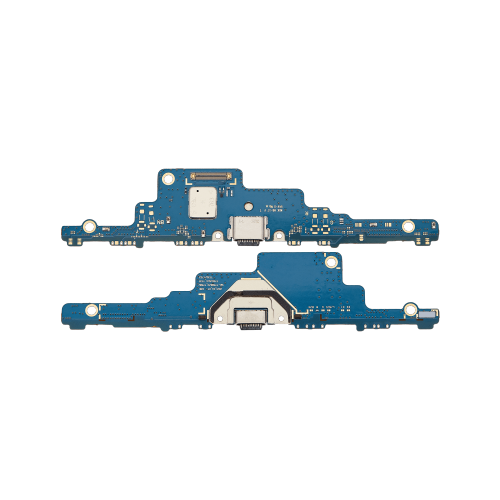
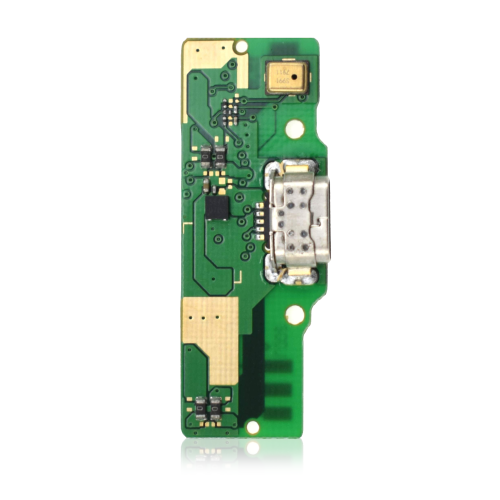

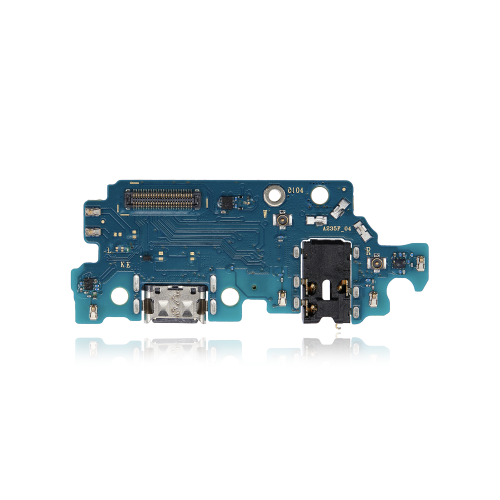
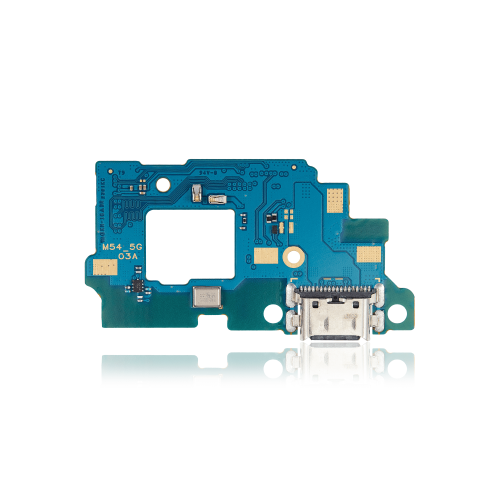
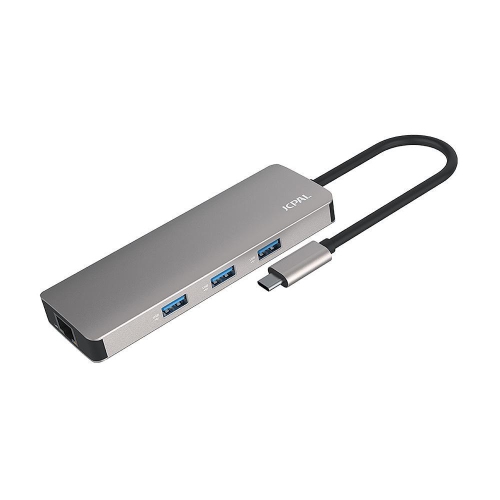
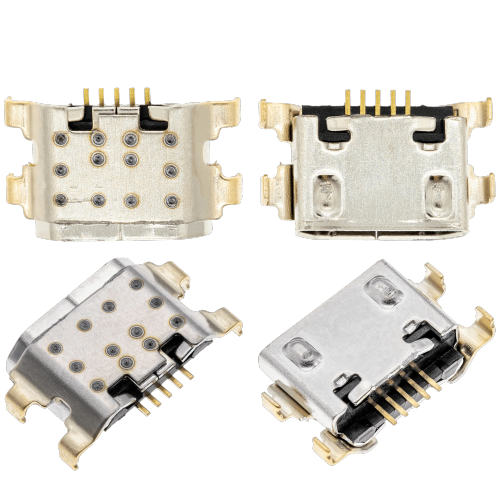
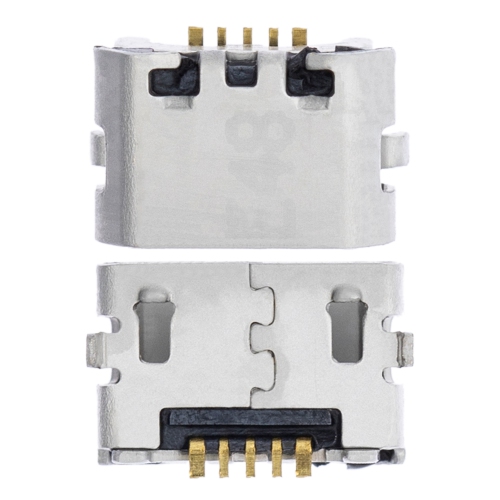
Repair considerations, compatibility checks, and symptoms to test
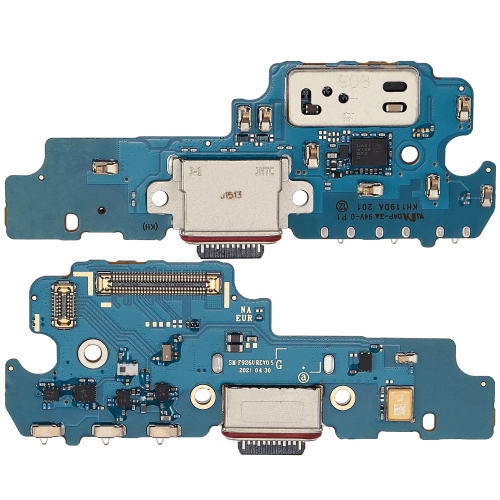
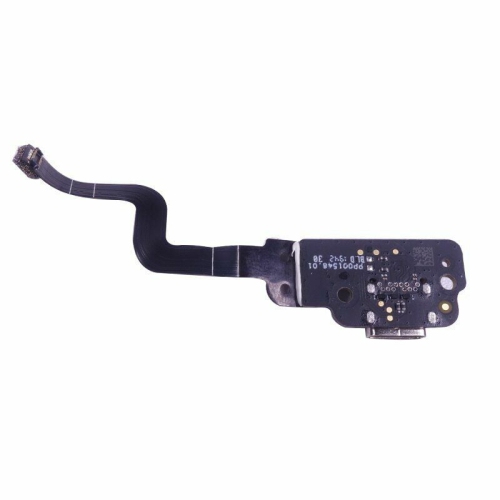
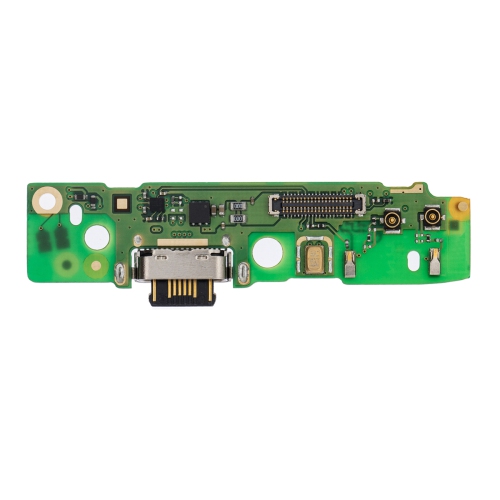
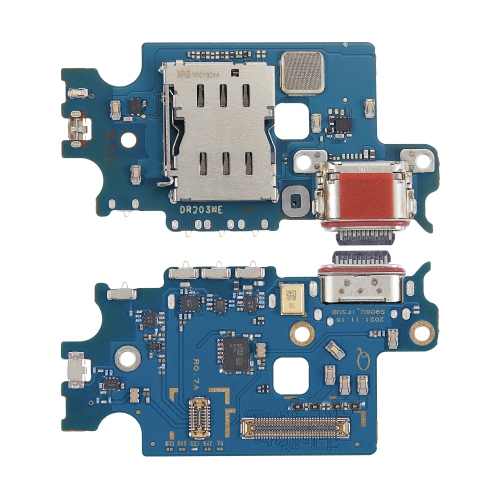
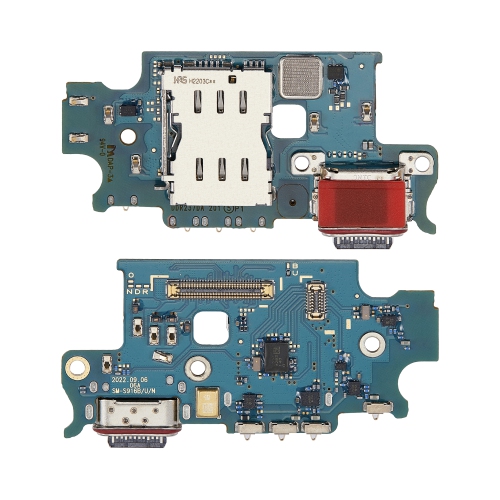
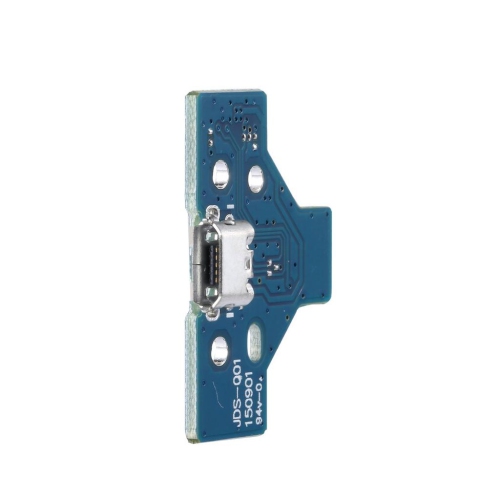
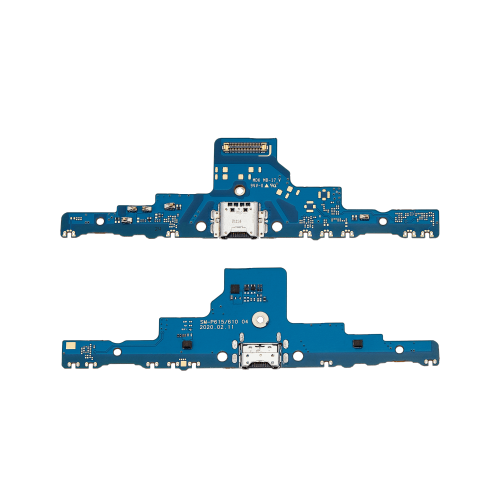
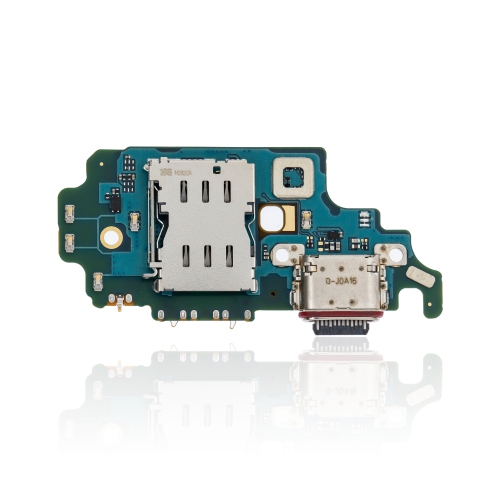
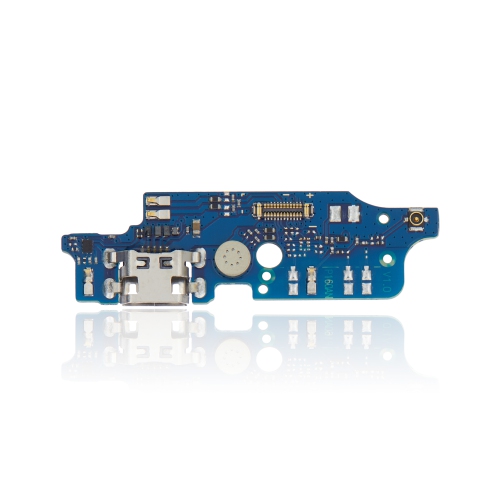
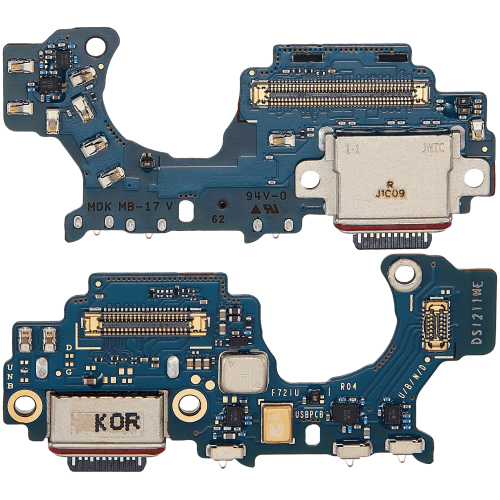
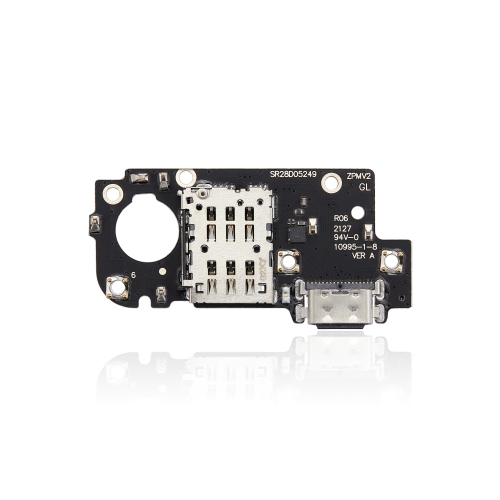
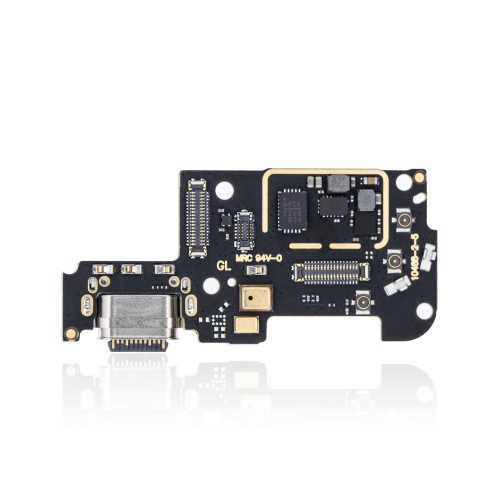
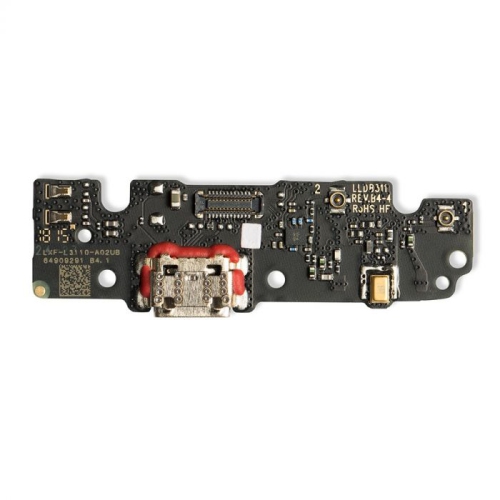
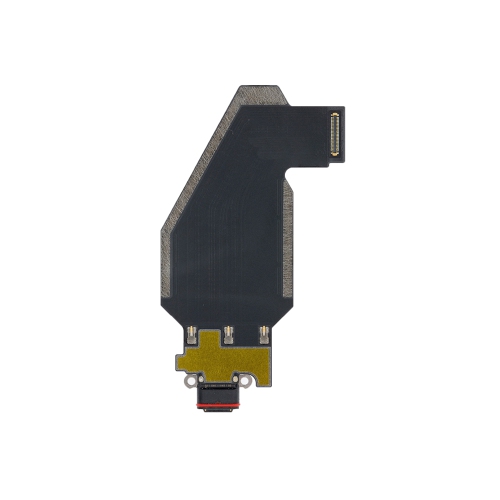
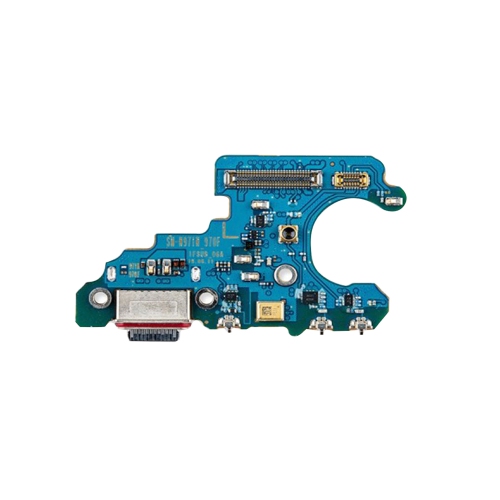
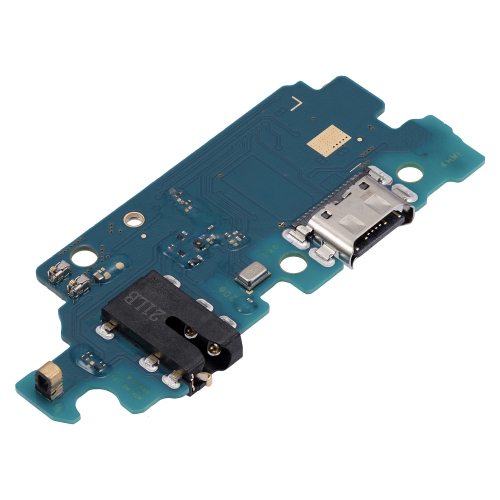
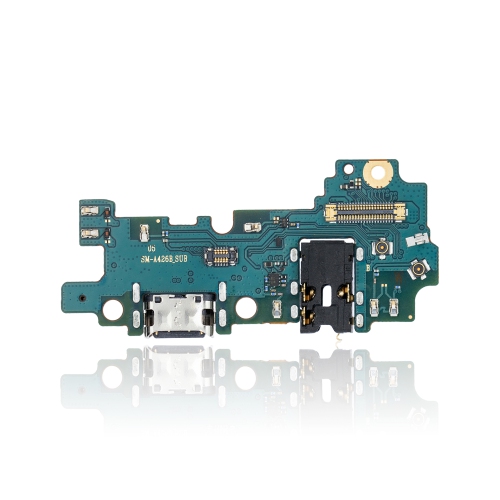
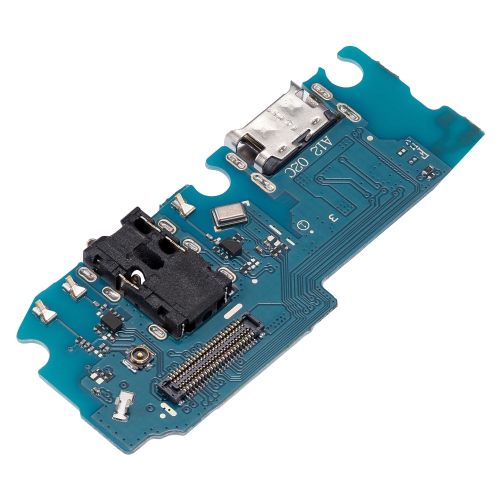
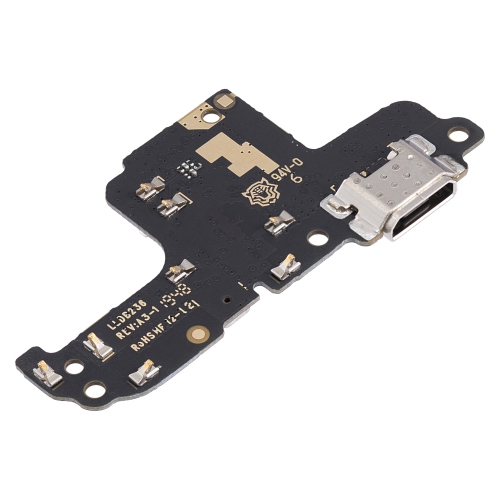
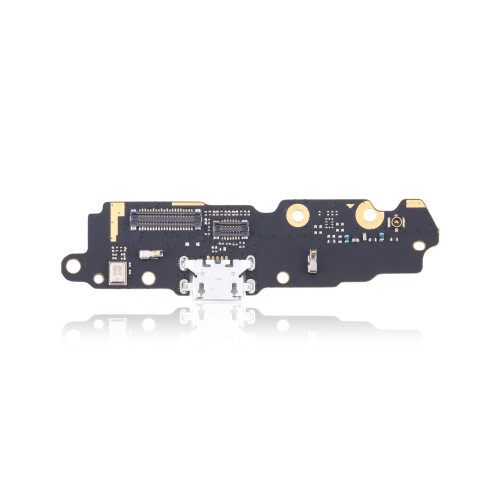
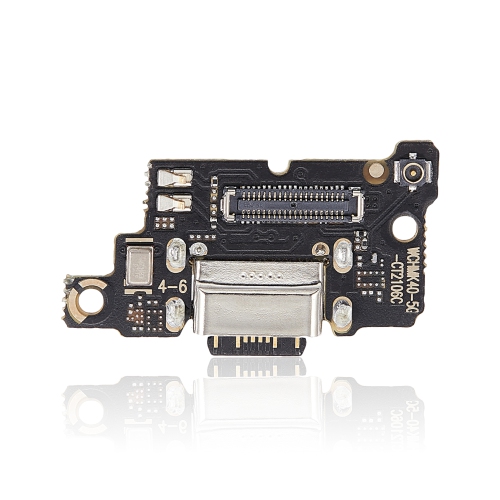
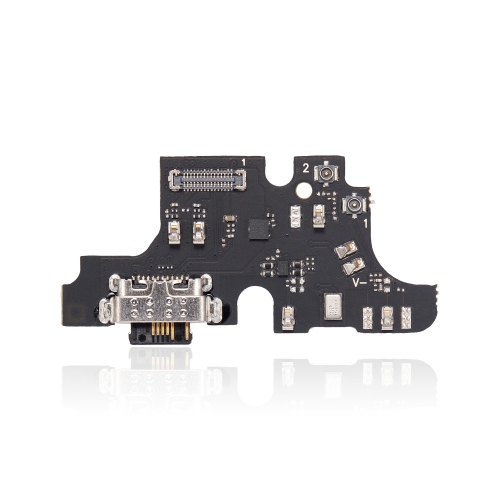
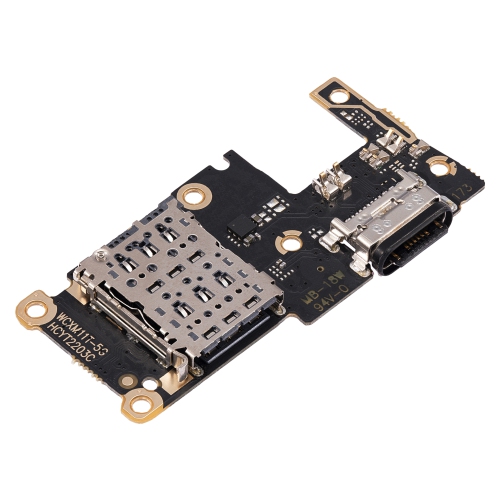
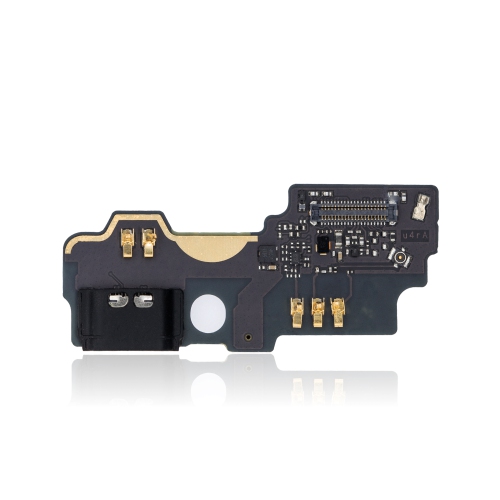
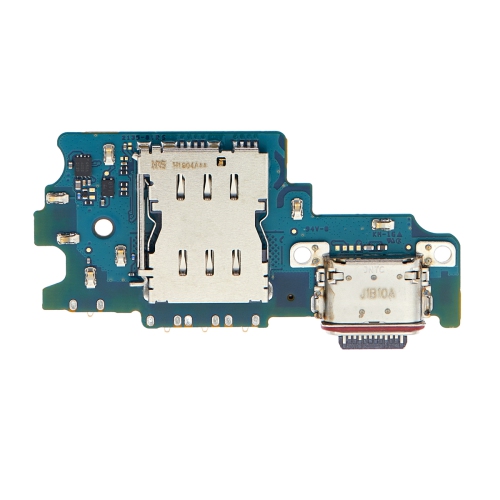
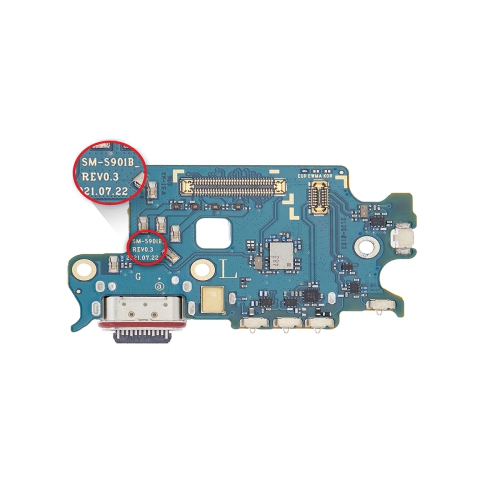
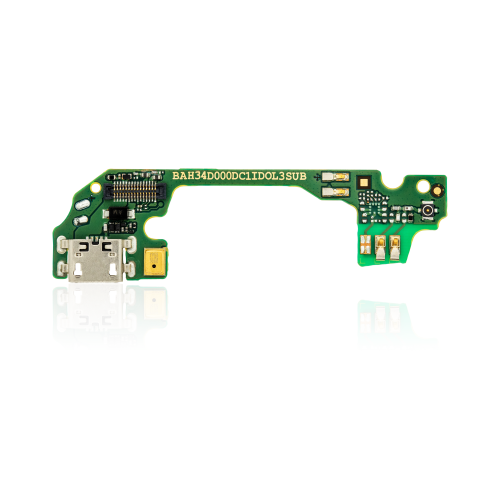
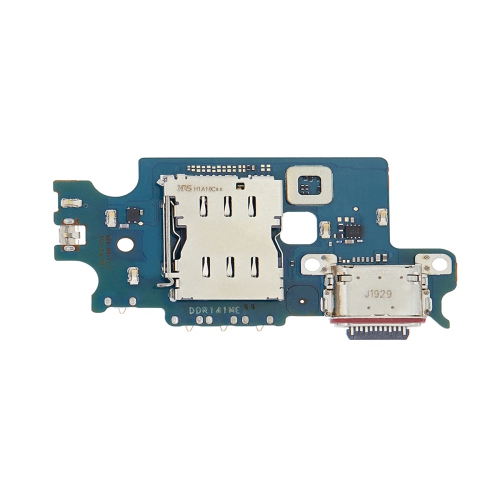
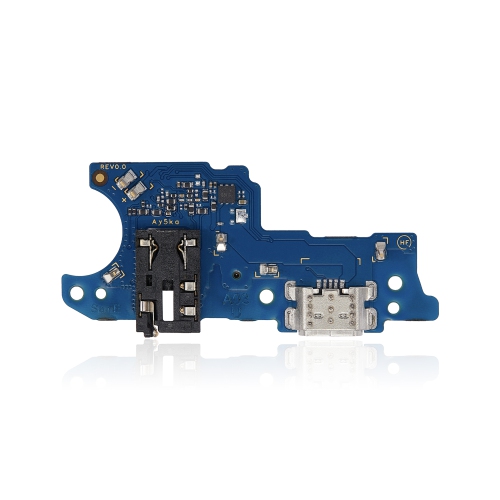
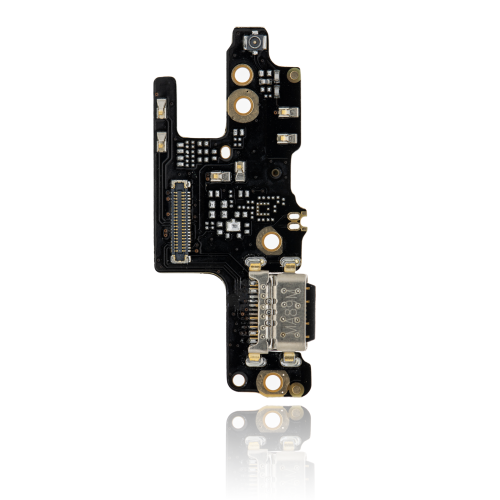
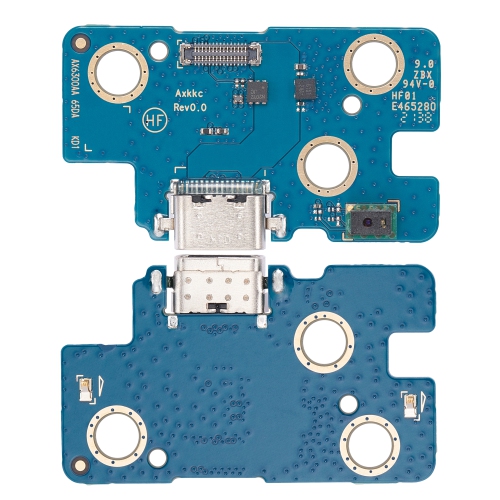
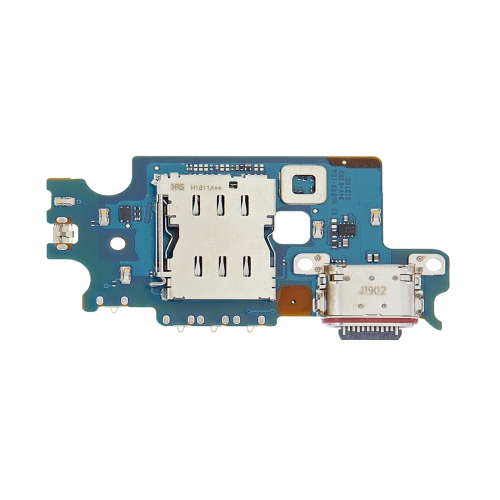
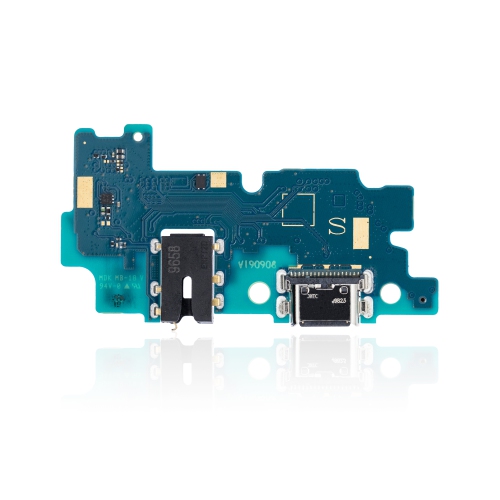
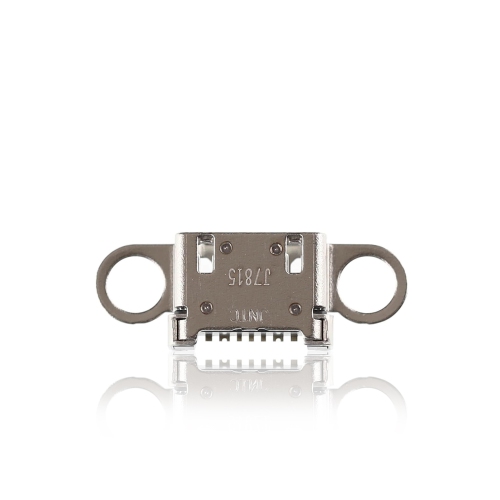
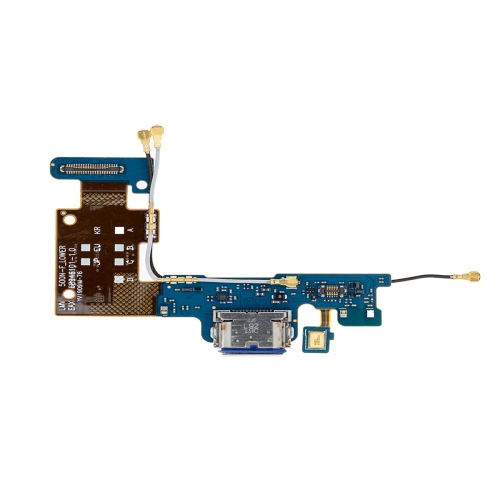
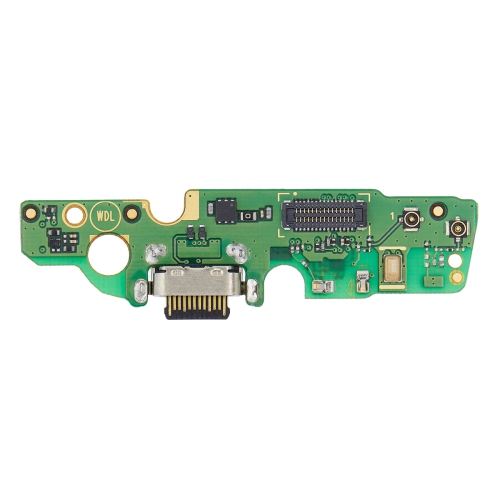
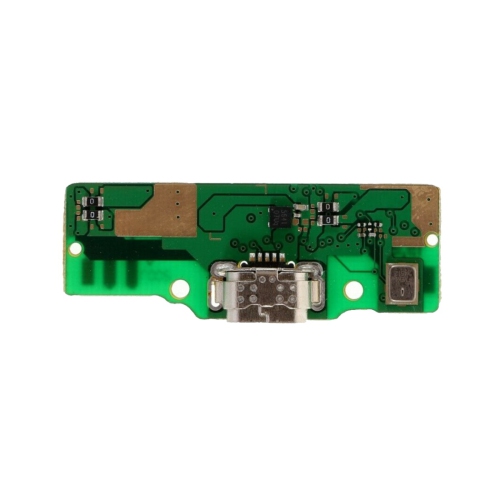
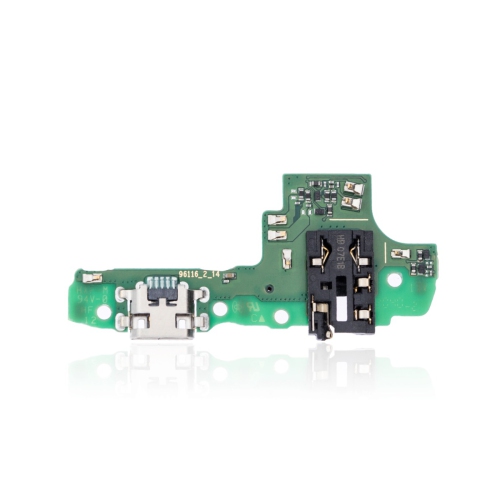
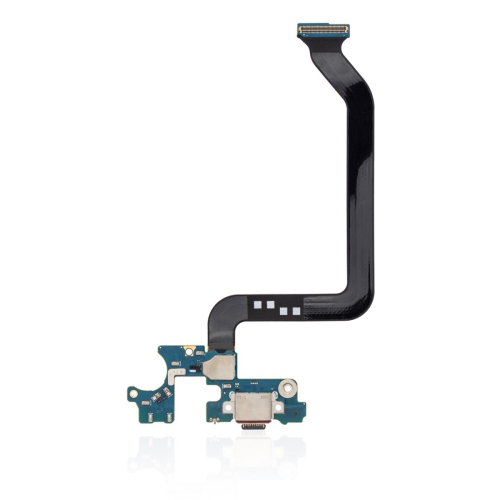
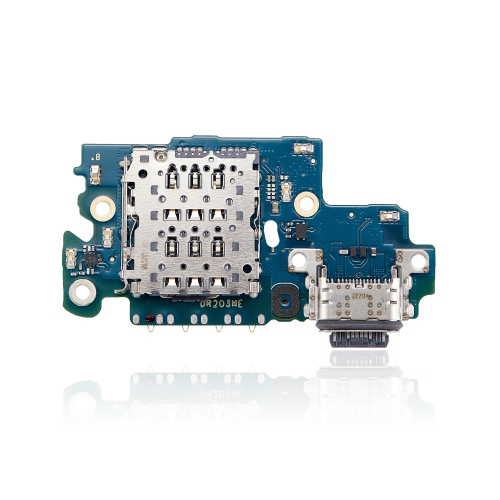
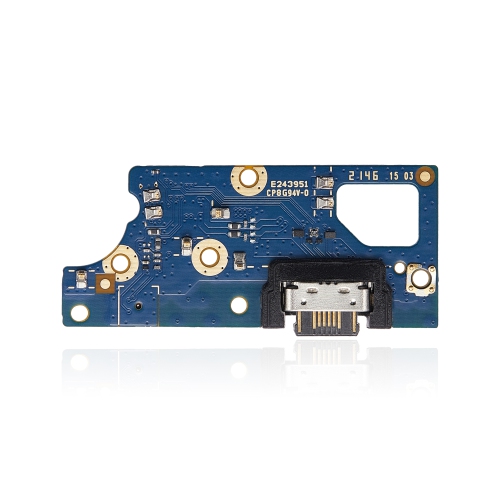
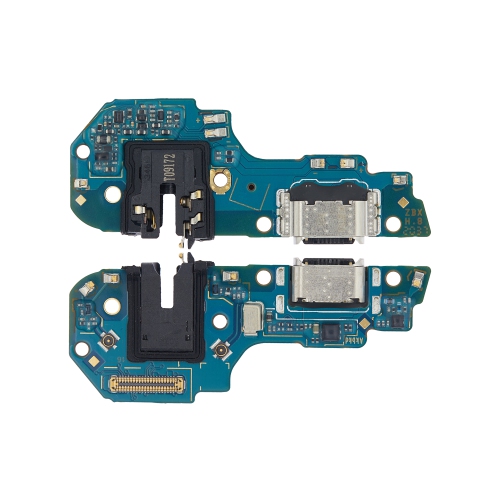
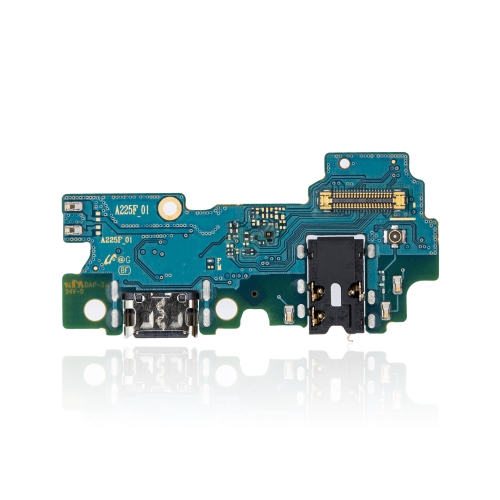
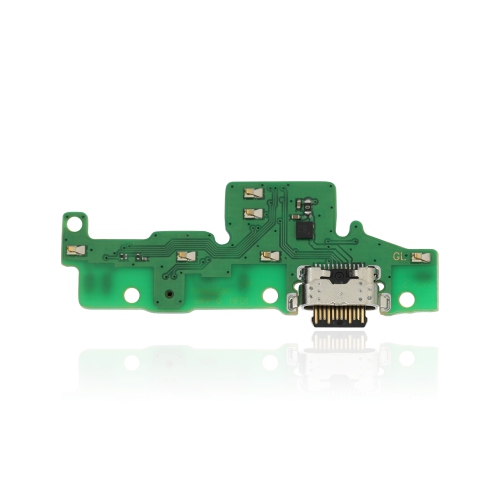
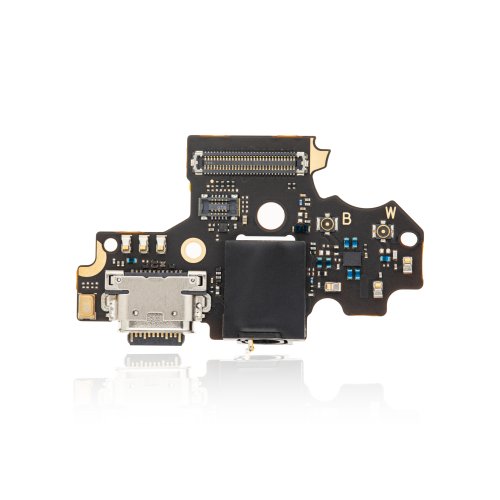
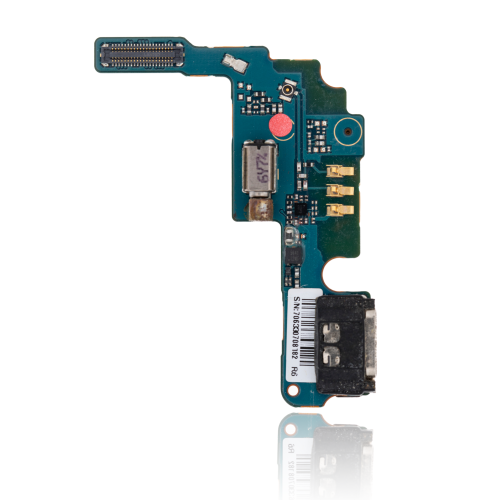
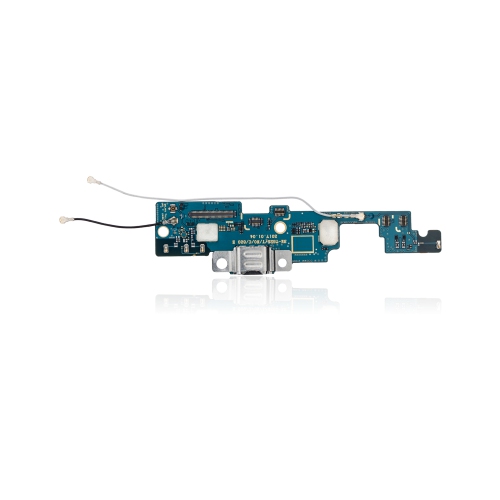
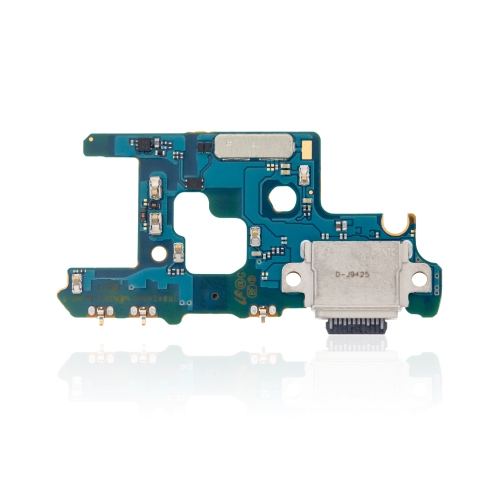
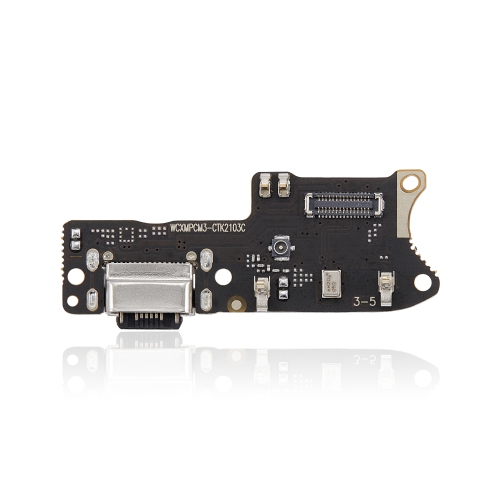
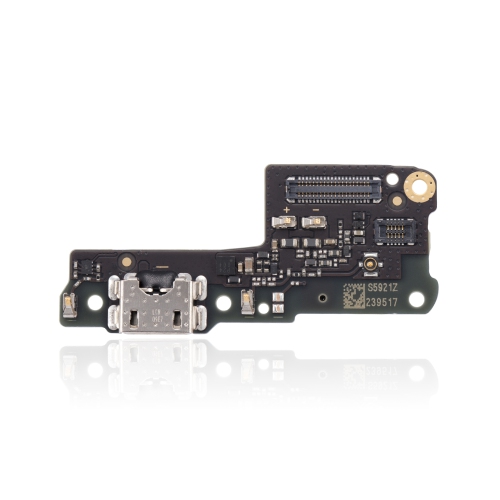
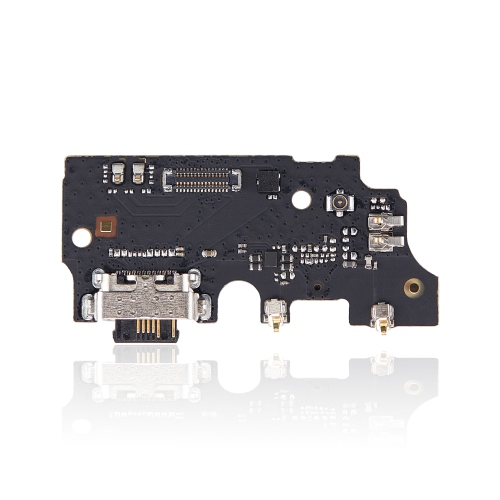
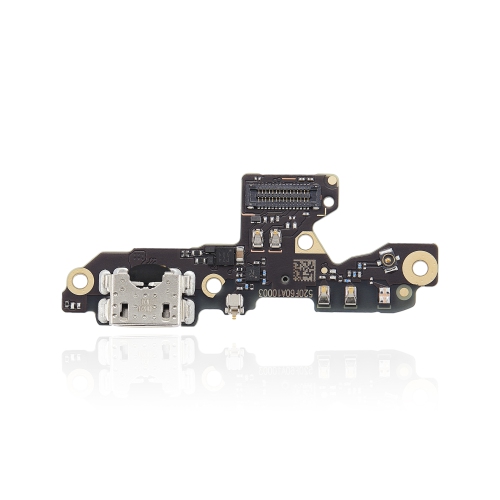
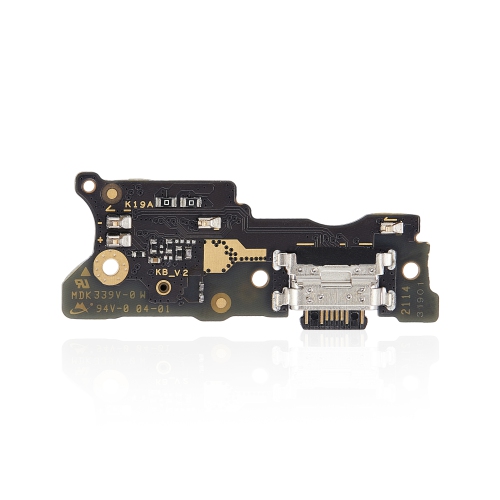
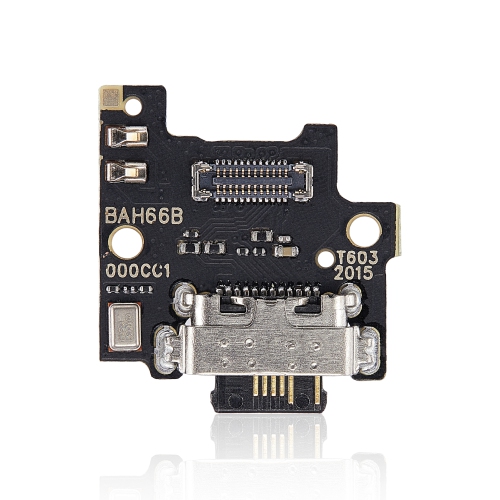
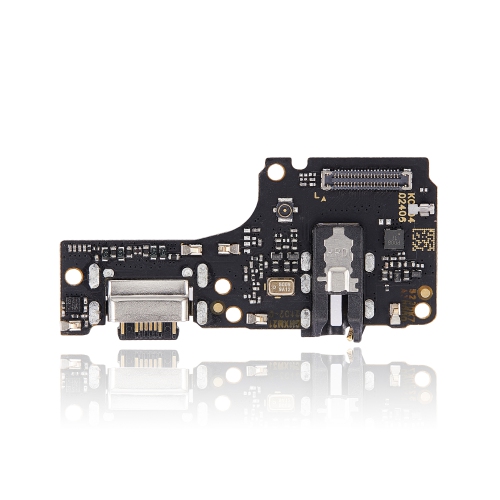
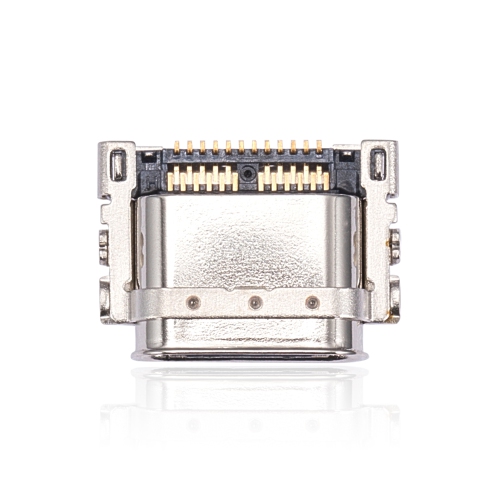
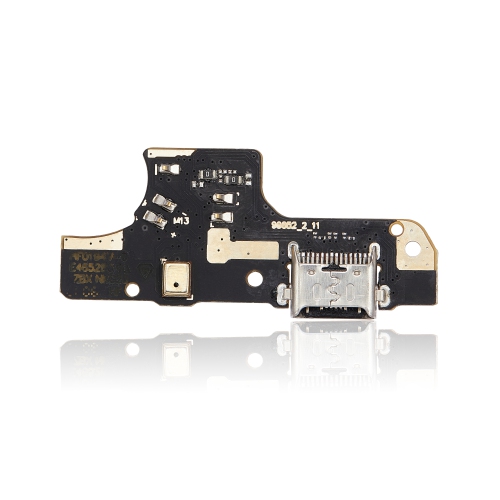
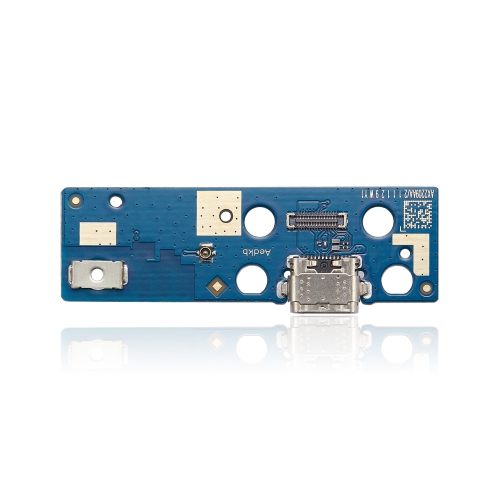
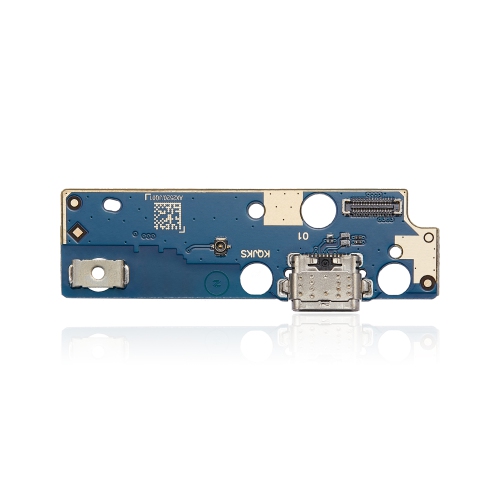
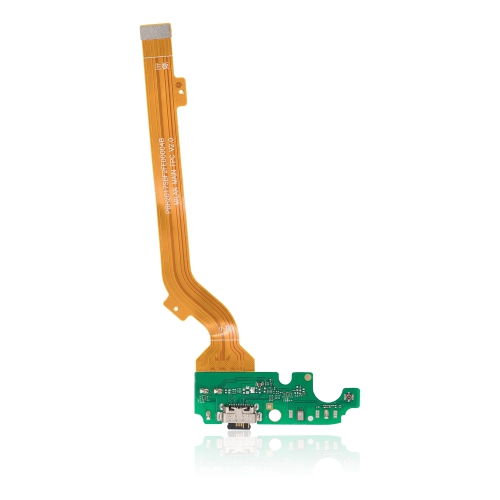
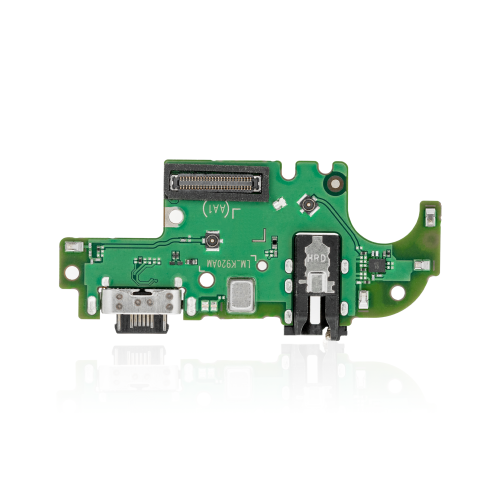
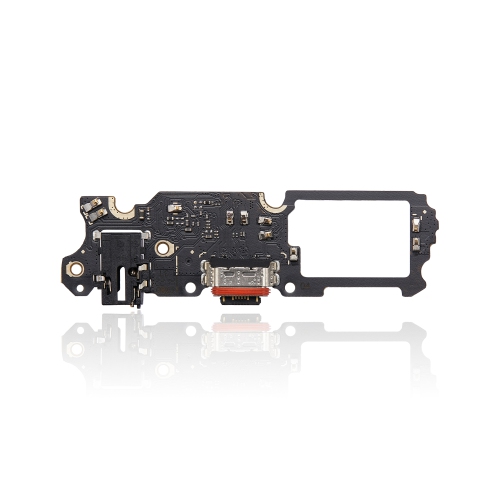
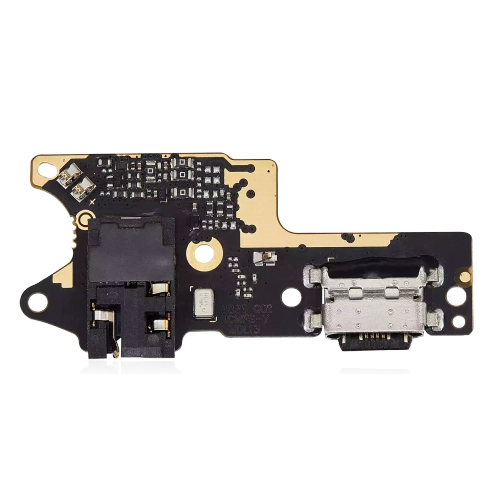
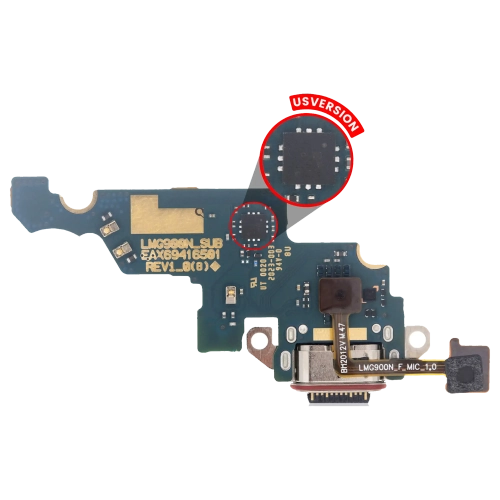
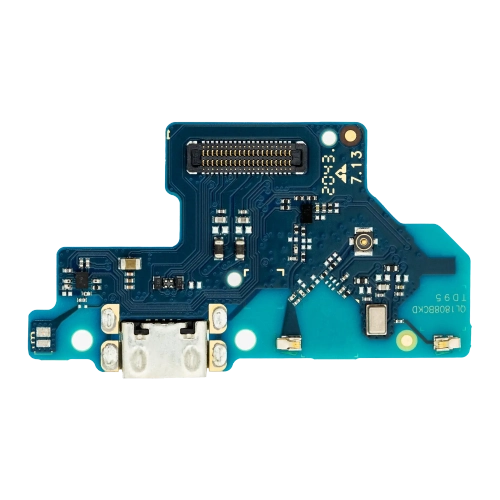
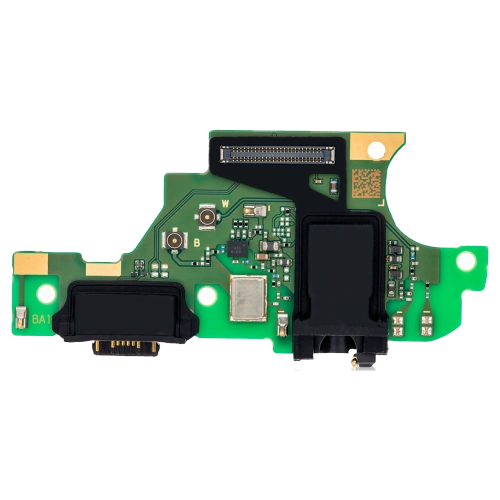
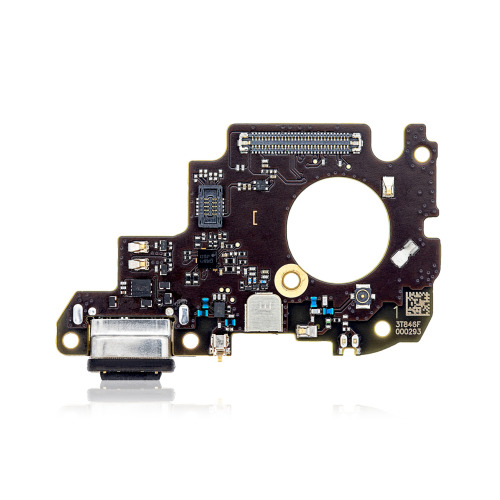
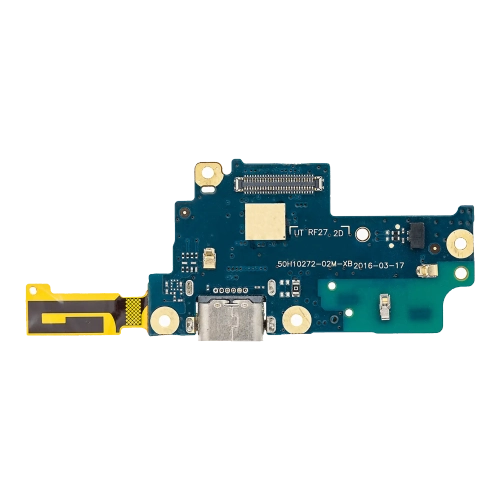
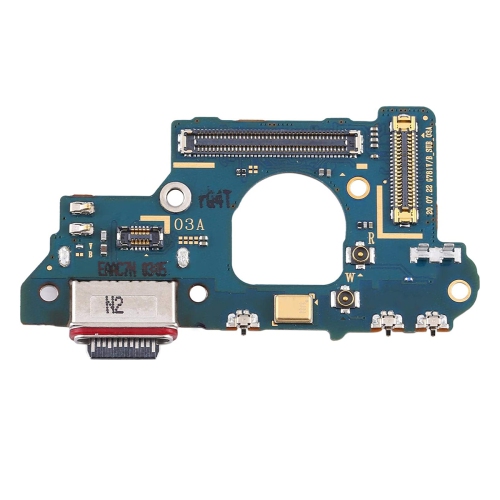
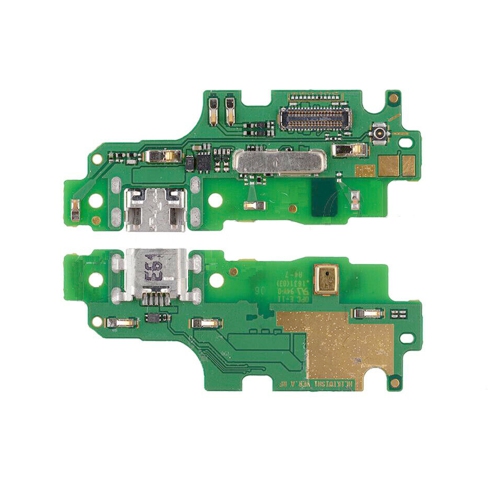
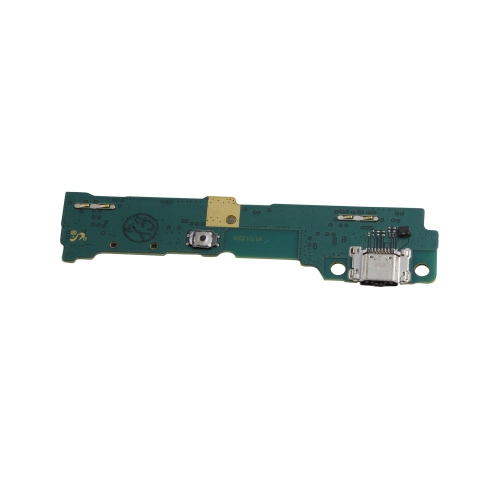
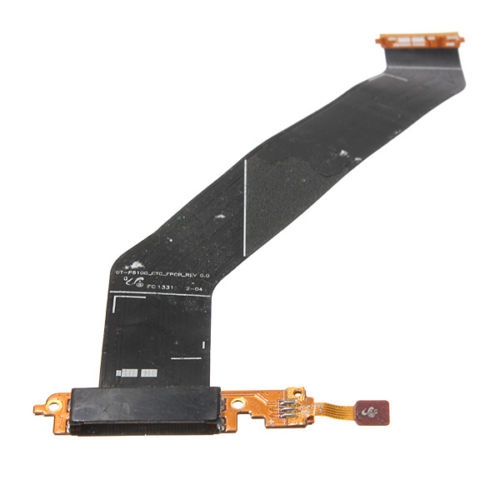
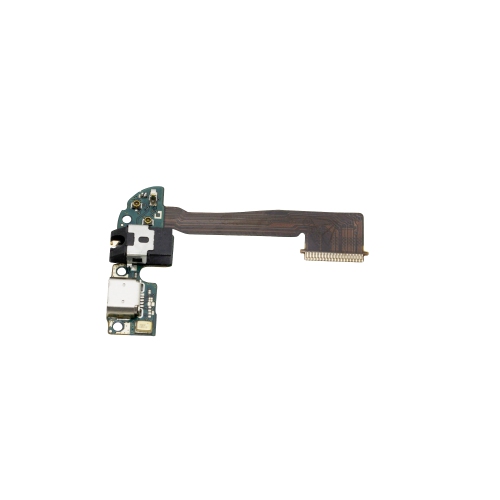
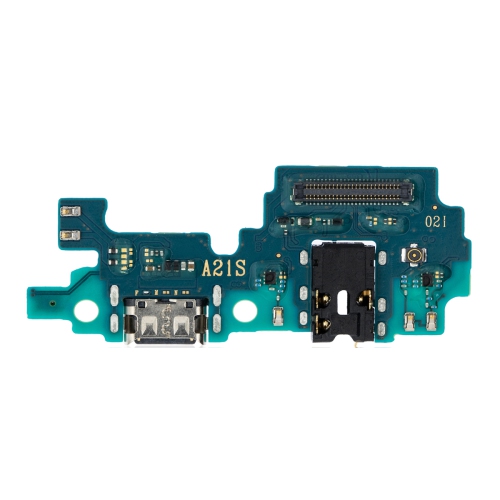
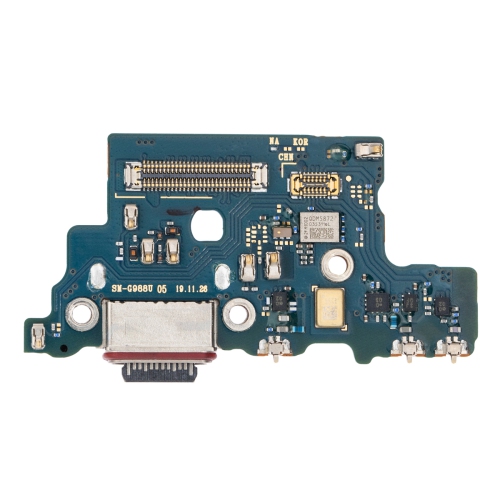
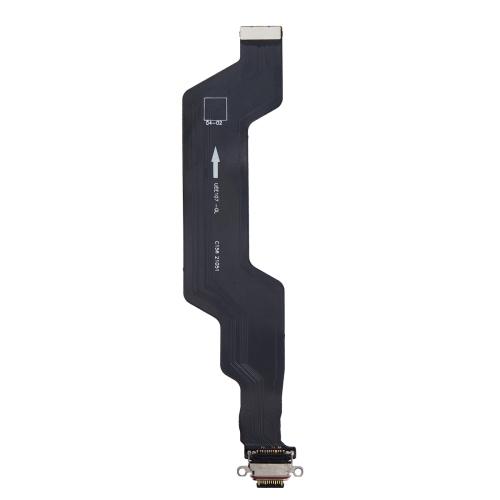
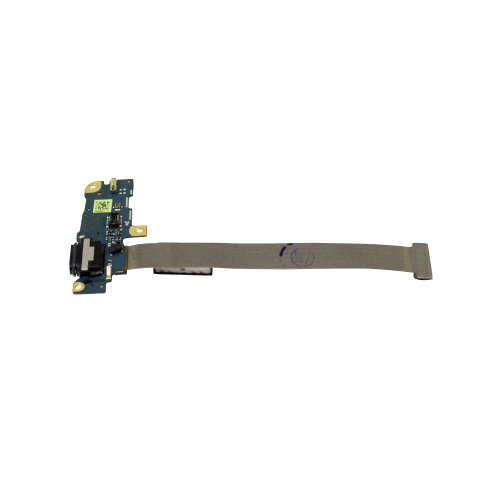
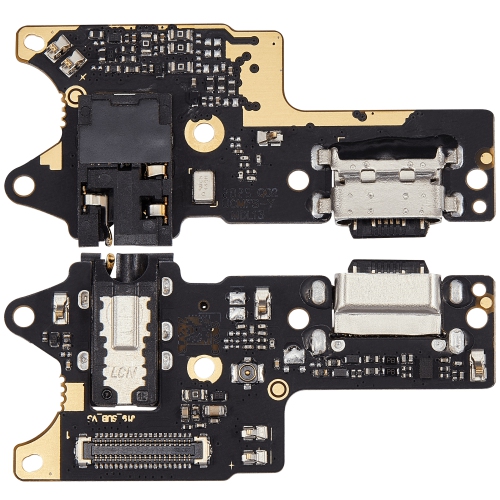
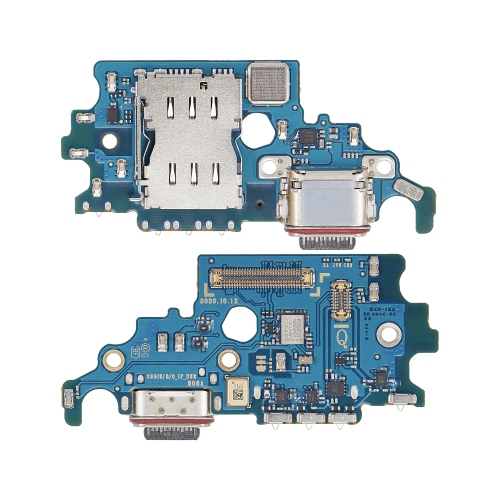
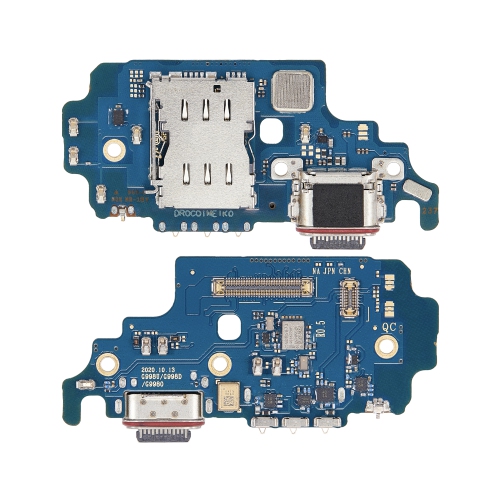
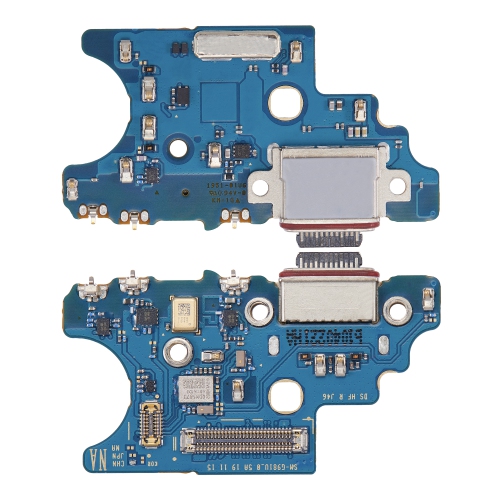
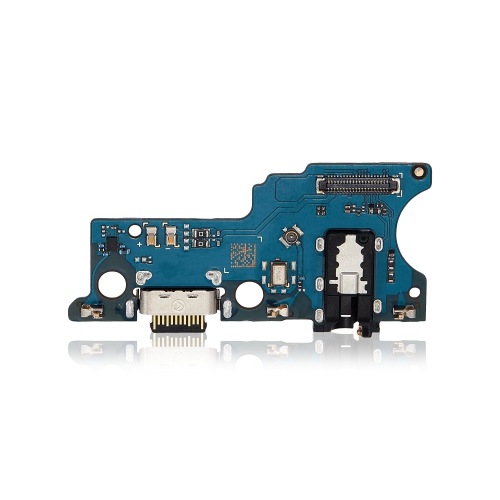
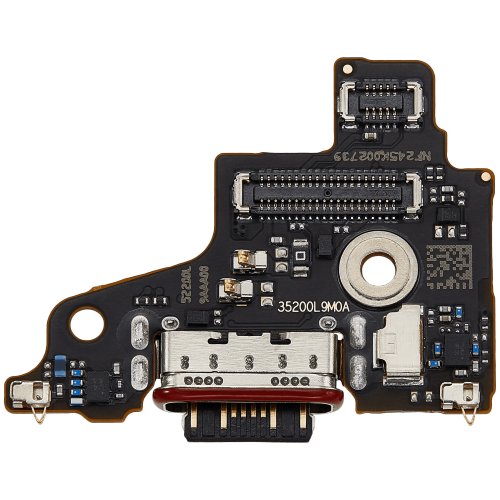
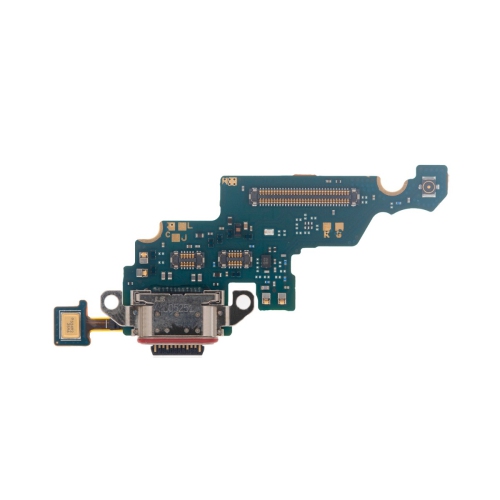
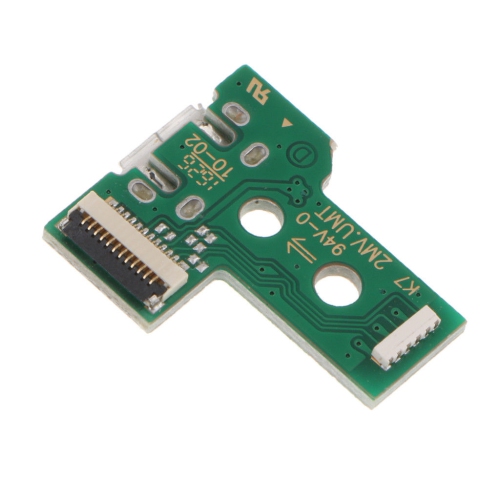
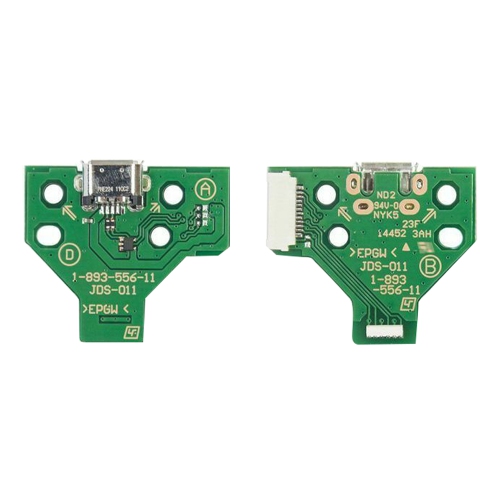
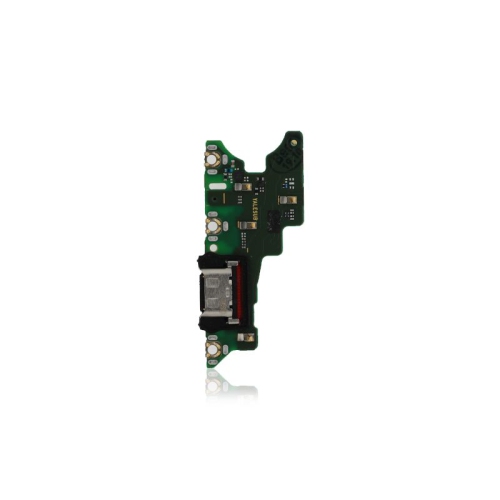
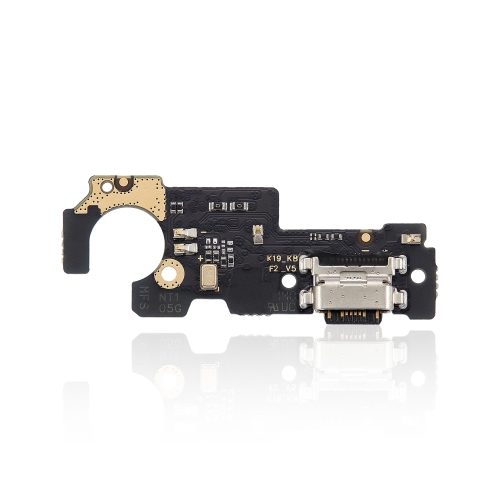
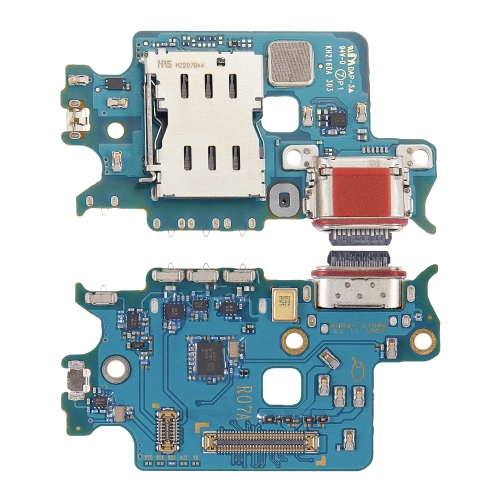
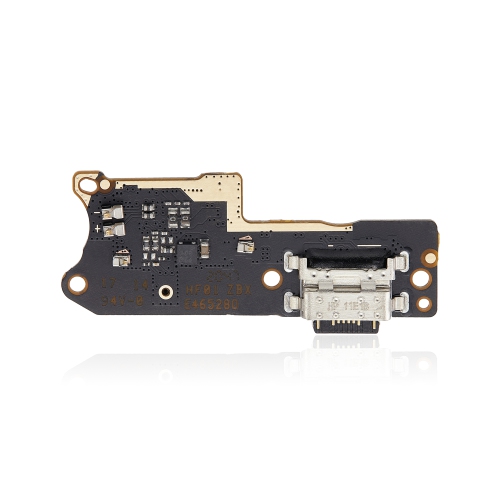
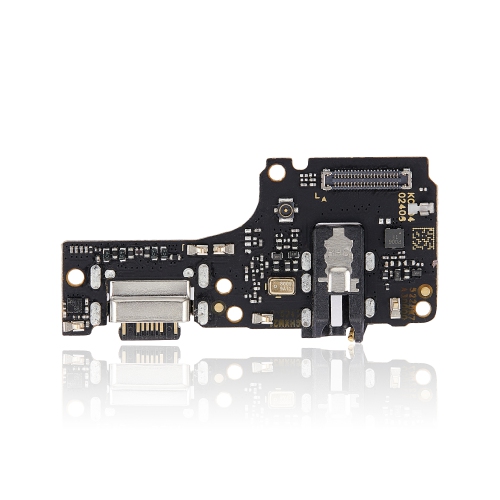
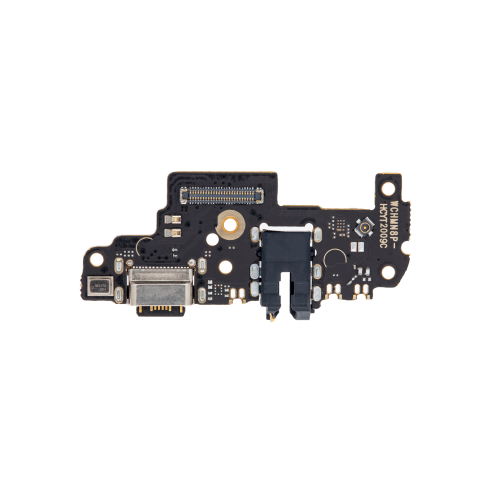
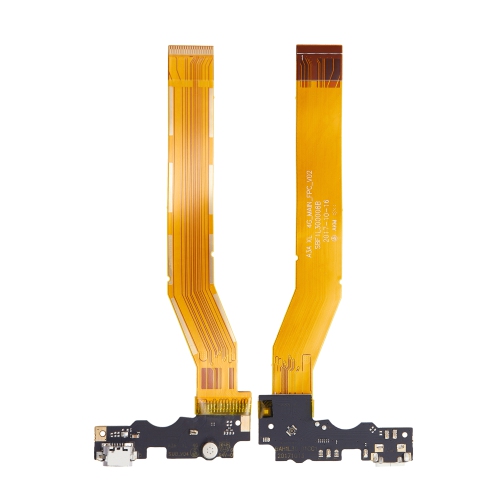
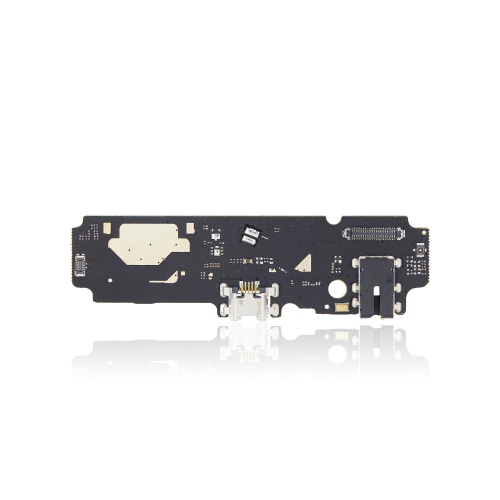
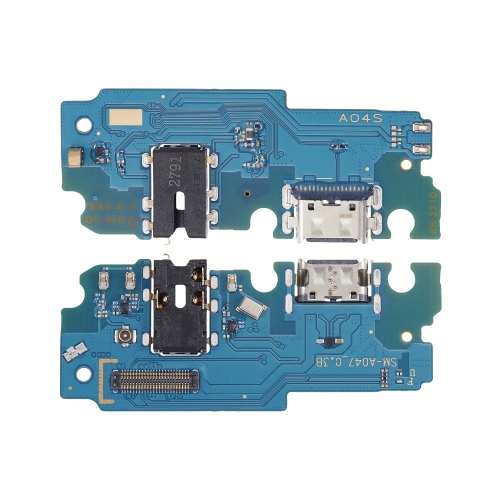
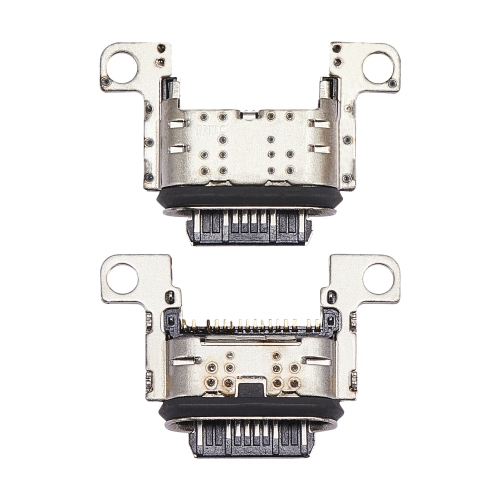
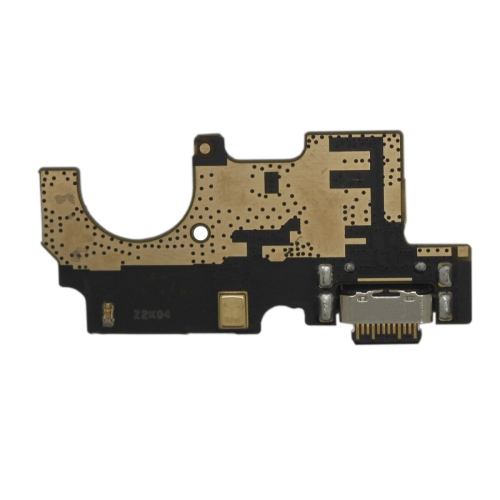
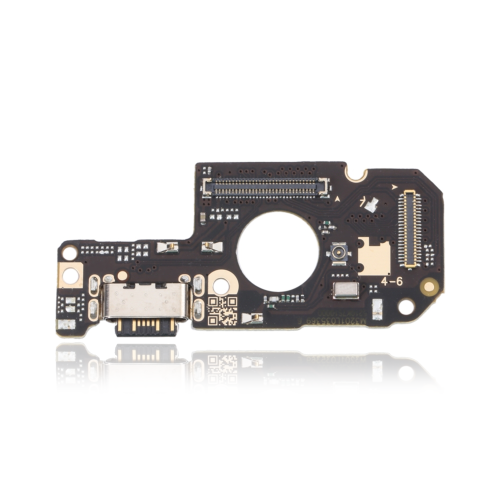
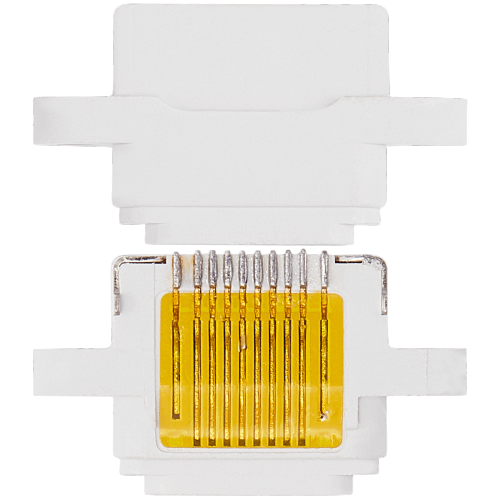
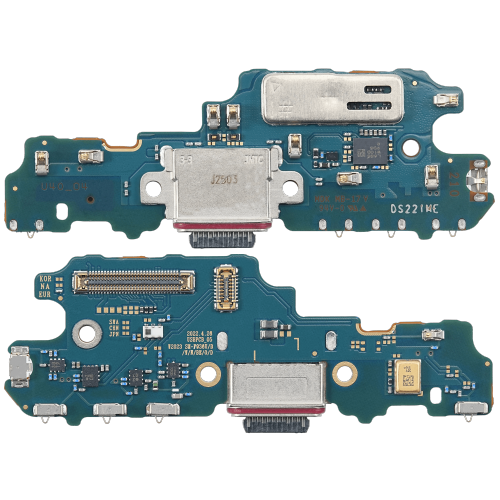
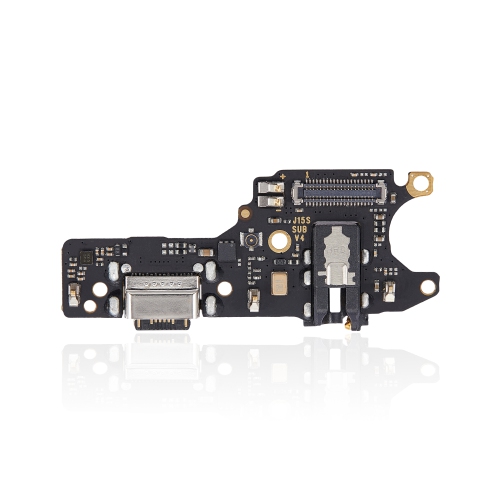
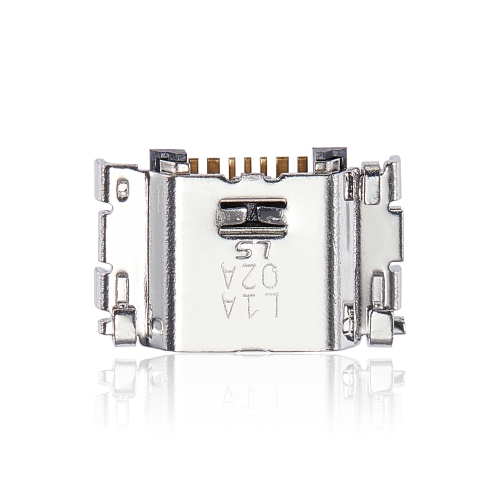
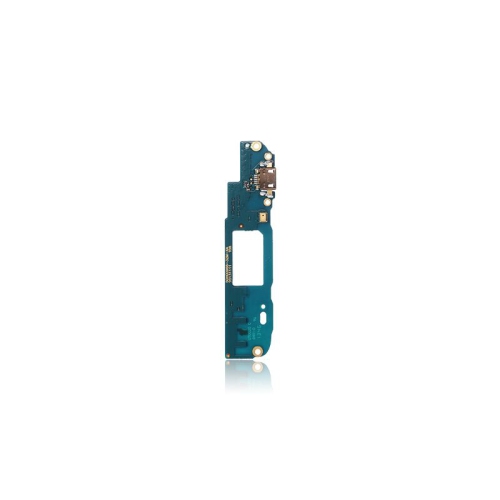
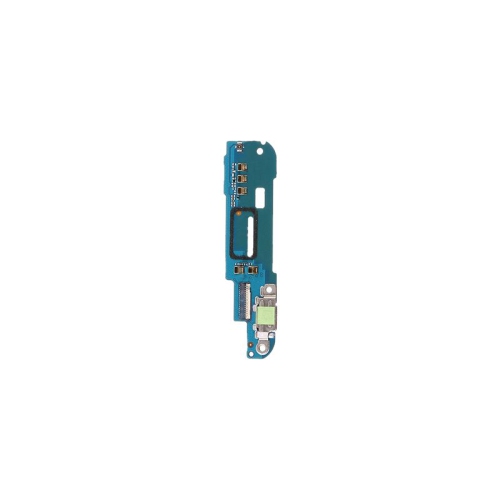
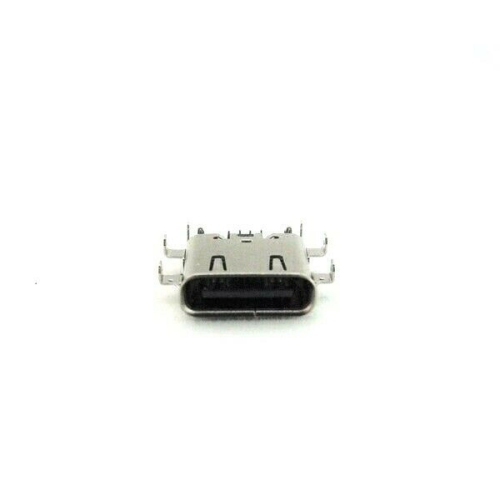
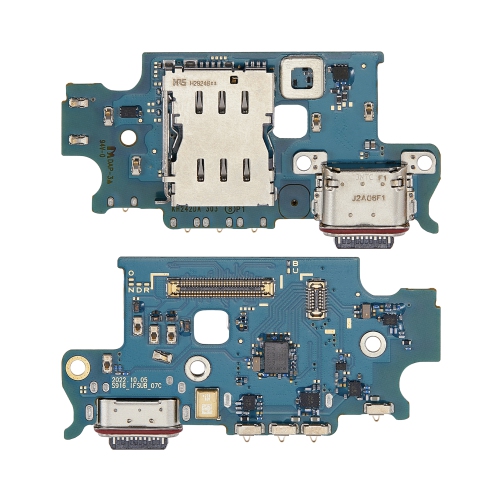
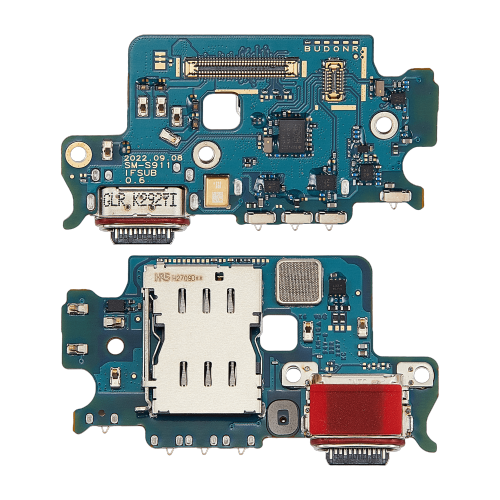
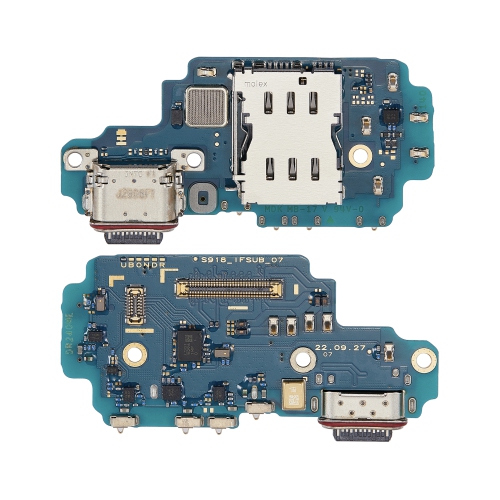
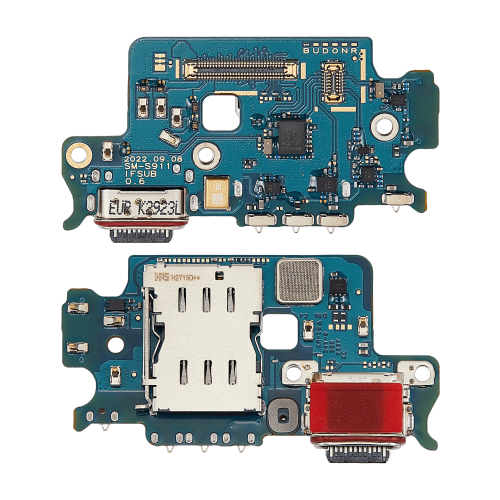
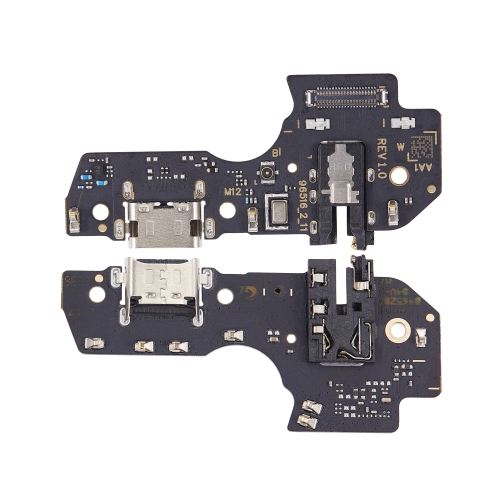
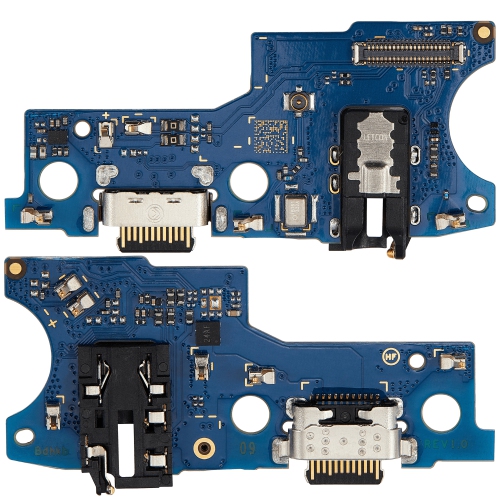
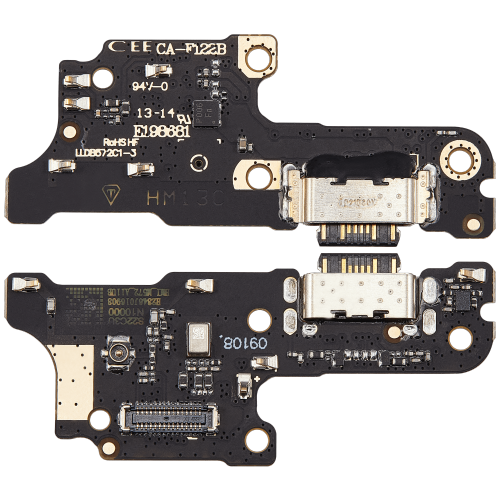
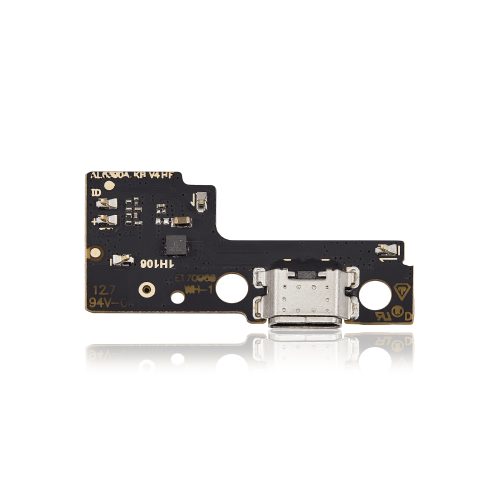
Charging port boards are compact replacement circuit boards designed for compatible mobile phones and other small electronics. Often called charging sub-boards or daughterboards, they typically sit along the bottom edge of a phone and connect the external charging port to the device’s battery and main logic board. Depending on the design, a single board may also carry the primary microphone, vibration motor contacts, antenna connections, speaker contacts, or other small components. This means a replacement can do more than restore charging: it may also help resolve problems with voice recordings, call audio, vibration feedback, wired data transfer, or intermittent connections. When browsing charging port boards, compatibility should be the first consideration. The correct part must match the exact device manufacturer, model number, regional version, storage configuration where applicable, and board revision. Two phones that look almost identical can use different connectors, cable layouts, microphone positions, or screw-hole patterns, while a board made for one generation may not fit a similar-looking successor. Checking the model number printed in the phone’s settings, on its original packaging, or on the device itself is more reliable than choosing by appearance alone. Product photos can help with a visual comparison, but they should not replace a model-specific compatibility check. It is also useful to compare the position of the charging connector, ribbon cable, mounting points, contact pads, and included components before ordering. Some boards arrive with the port and related parts already mounted, while others may require the transfer of a microphone, gasket, bracket, or protective mesh from the original assembly. Understanding what is included can make a meaningful difference when planning a repair.
A charging port board may be a practical choice for people who repair their own phones, maintain devices for family members, or keep older electronics working as dependable backups. It can also suit a repair hobbyist building a collection of parts and tools for careful troubleshooting. Replacing a complete sub-board is generally more approachable than removing and soldering an individual charging connector, although it still requires patience, a clean work surface, suitable precision tools, and confidence working with delicate electronics. A typical repair involves powering the phone down, removing the exterior panel, disconnecting the battery, releasing small ribbon cables, taking out the board’s retaining screws, and installing the replacement in the same orientation as the original. Adhesive, waterproof seals, clips, and flex cables can be fragile, especially in a phone that has been opened before, so steady handling is important. A board replacement may address a loose or damaged port, charging that cuts in and out, failure to connect to a computer, or a microphone that stopped working after liquid exposure or impact; however, it will not solve every charging problem. A worn cable, faulty wall adapter, damaged battery, blocked port, software issue, or problem on the main board can create similar symptoms. Before beginning, checking the phone with a known-working cable and adapter, inspecting the port for lint or debris, and confirming the battery’s condition can help identify the likely source. After installation, test charging, data transfer, microphone recording, vibration, speaker function, and any other features connected to the replacement board. Keep the original screws and small brackets organized during disassembly, and avoid forcing a connector that does not line up naturally. More involved repairs may be best handled by a qualified technician, particularly when the device contains glued components, delicate seals, or a battery that appears swollen. For related replacement parts and compatible accessories, browse Charging Port options while keeping the exact phone model at hand. During the cooler months, a reliable spare phone can be useful for travel, work, school, or staying connected away from home, and a properly matched charging port board can help restore that device without replacing the entire phone.
A charging port board may be a practical choice for people who repair their own phones, maintain devices for family members, or keep older electronics working as dependable backups. It can also suit a repair hobbyist building a collection of parts and tools for careful troubleshooting. Replacing a complete sub-board is generally more approachable than removing and soldering an individual charging connector, although it still requires patience, a clean work surface, suitable precision tools, and confidence working with delicate electronics. A typical repair involves powering the phone down, removing the exterior panel, disconnecting the battery, releasing small ribbon cables, taking out the board’s retaining screws, and installing the replacement in the same orientation as the original. Adhesive, waterproof seals, clips, and flex cables can be fragile, especially in a phone that has been opened before, so steady handling is important. A board replacement may address a loose or damaged port, charging that cuts in and out, failure to connect to a computer, or a microphone that stopped working after liquid exposure or impact; however, it will not solve every charging problem. A worn cable, faulty wall adapter, damaged battery, blocked port, software issue, or problem on the main board can create similar symptoms. Before beginning, checking the phone with a known-working cable and adapter, inspecting the port for lint or debris, and confirming the battery’s condition can help identify the likely source. After installation, test charging, data transfer, microphone recording, vibration, speaker function, and any other features connected to the replacement board. Keep the original screws and small brackets organized during disassembly, and avoid forcing a connector that does not line up naturally. More involved repairs may be best handled by a qualified technician, particularly when the device contains glued components, delicate seals, or a battery that appears swollen. For related replacement parts and compatible accessories, browse Charging Port options while keeping the exact phone model at hand. During the cooler months, a reliable spare phone can be useful for travel, work, school, or staying connected away from home, and a properly matched charging port board can help restore that device without replacing the entire phone.
Top selling and popular products
-
 Your price for this item is $59.99
 -
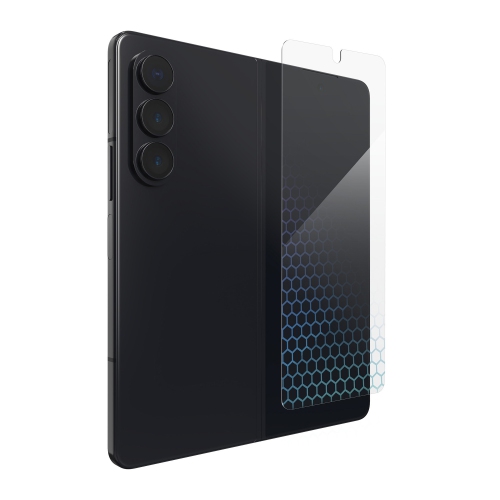 Your price for this item is $59.99
 -
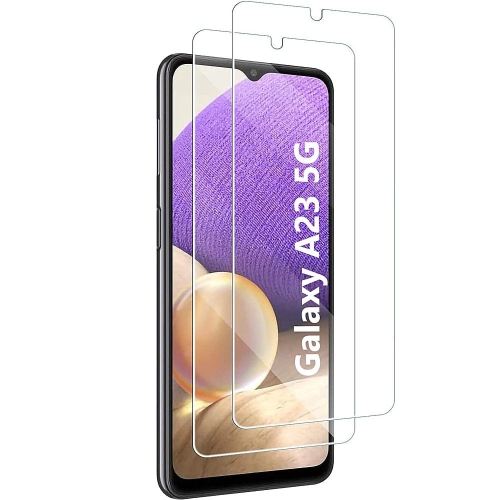 Your price for this item is $52
 -
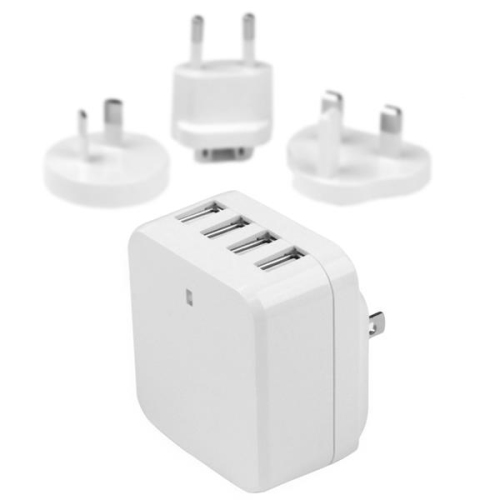 Your price for this item is $49.99
 -
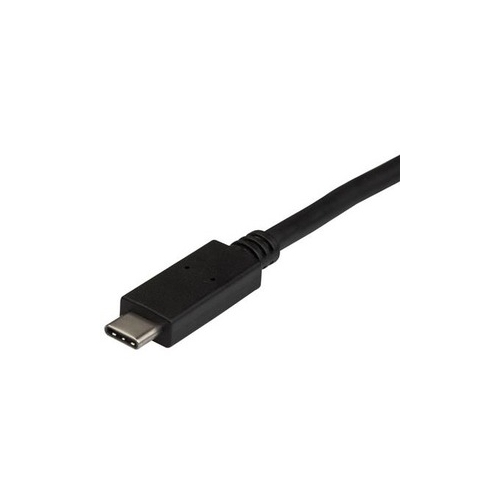 Your price for this item is $14.68
 -
 Your price for this item is $52.49
 -
 Your price for this item is $16.79
 -
 Your price for this item is $14.79
Discover more categories related to Charging Port Boards
Top Collections:
Pokemon Centers, Budget 4K TVs, Best Budget Office Chairs, Kindle Devices, Canon G7X Cameras, Apple iPhones 16, iPhone 15 Apple, Laptops for Business Work, Xiaomi Phones, Flip Phones
Some products may be subject to Environmental Handling Fees
(EHF) depending on your province.
Learn more about EHFs.