Electronics Parts
Discover the essential components that power your favorite devices with our extensive selection of electronics parts. Whether you're a tech enthusiast looking to upgrade your setup or a DIY hobbyist embarking on a new project, you'll find everything you need to bring your ideas to life. From circuit boards and connectors to cables and sensors, our range is designed to support both simple repairs and complex builds. Dive into the world of innovation and ensure your electronics operate at their best with high-quality parts that meet your needs. Explore now and unlock endless possibilities for creativity and functionality in your electronic endeavors.
Sort




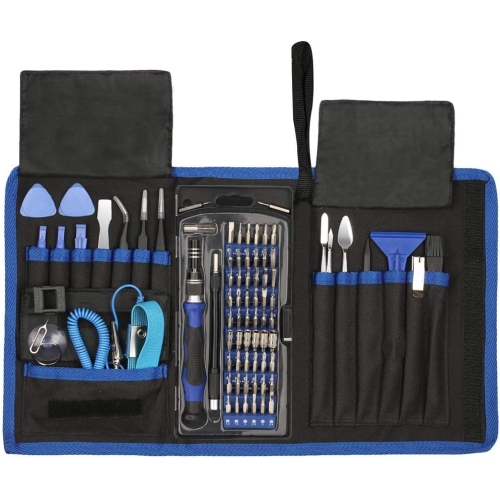
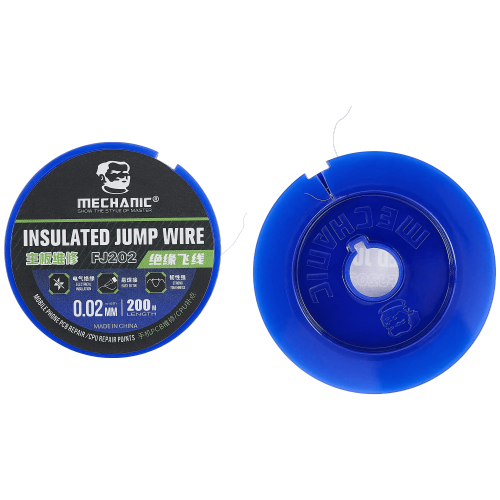
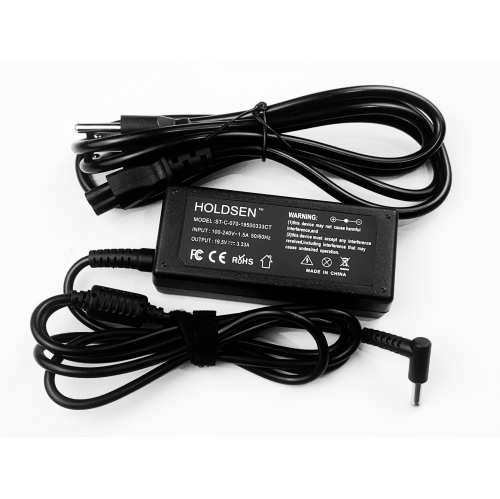
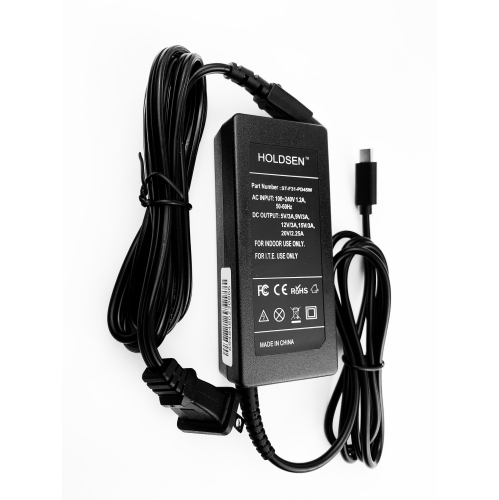

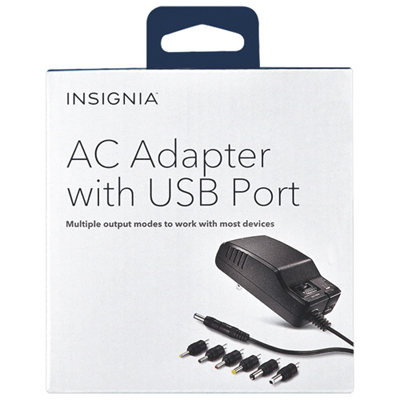
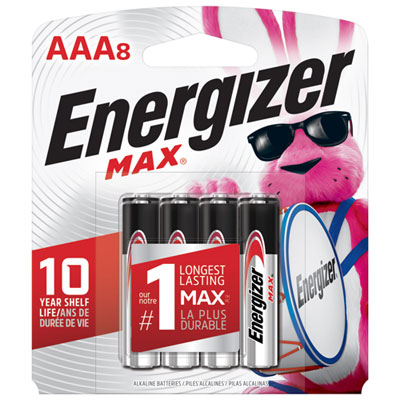
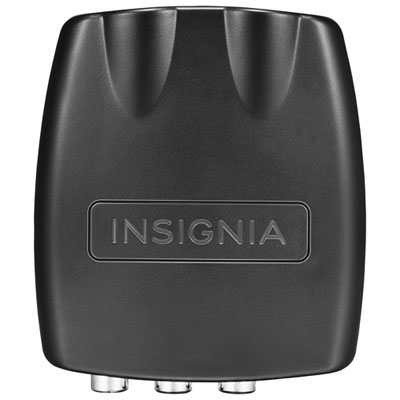
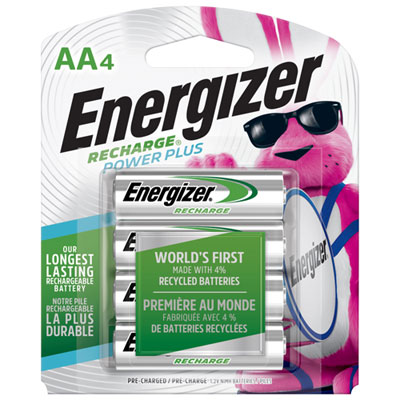
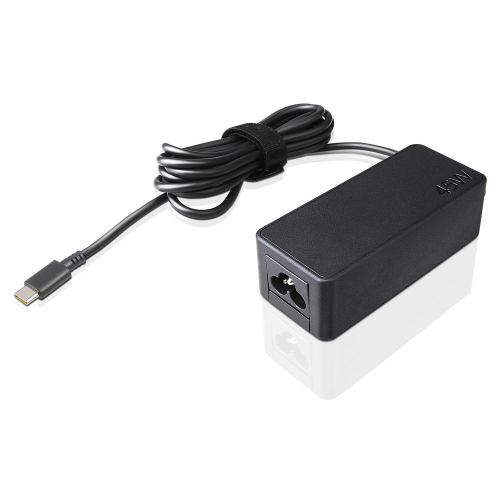
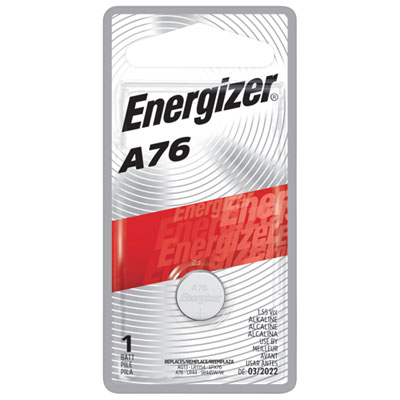

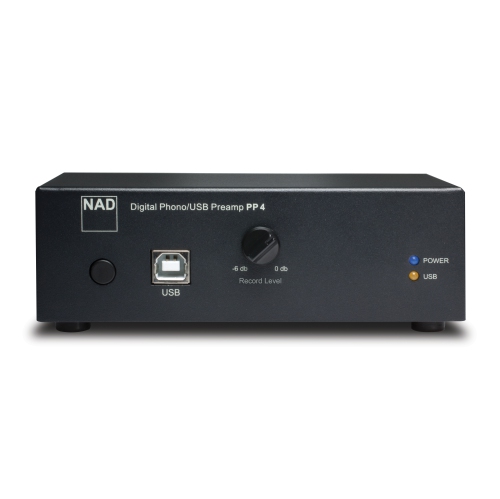
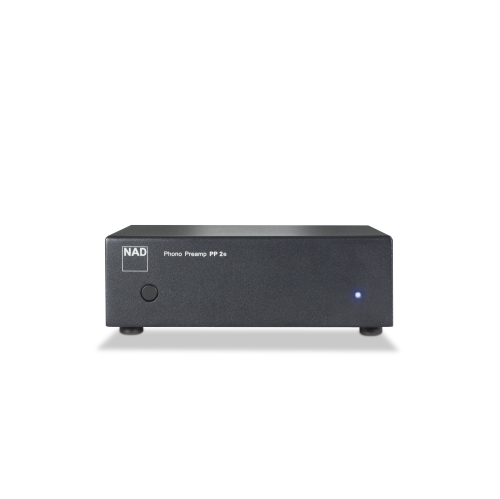



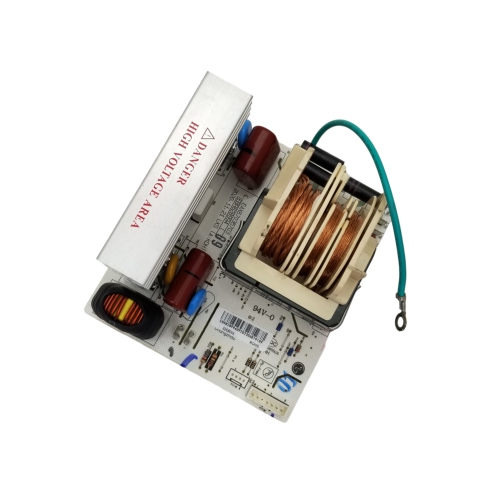
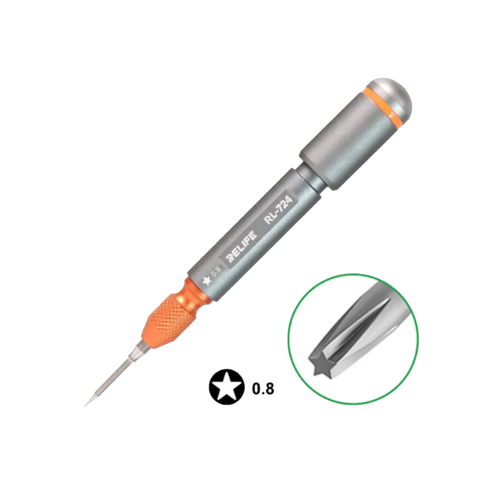
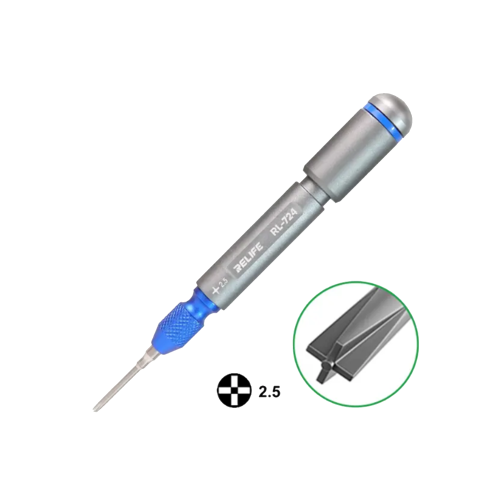







Why matching components takes more than physical fit
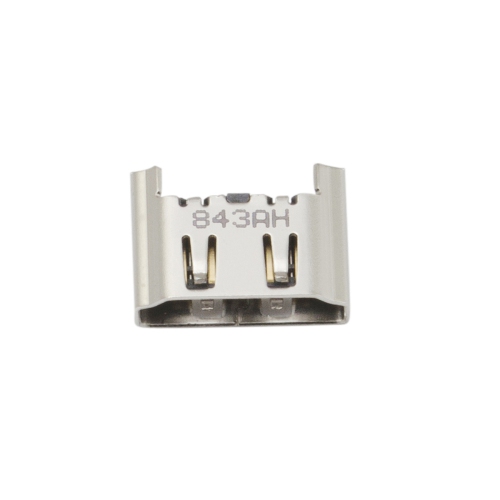
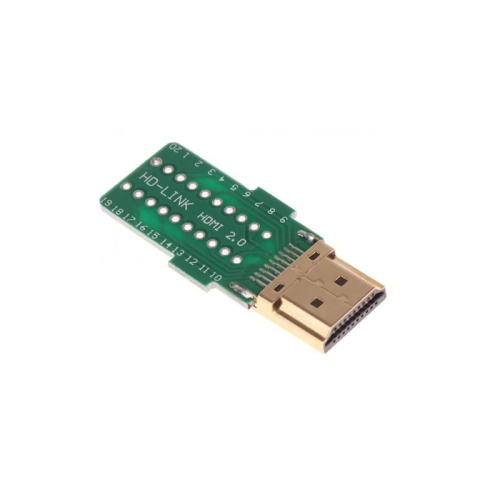
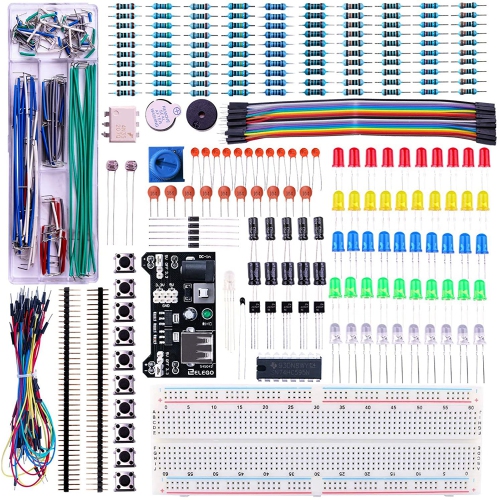
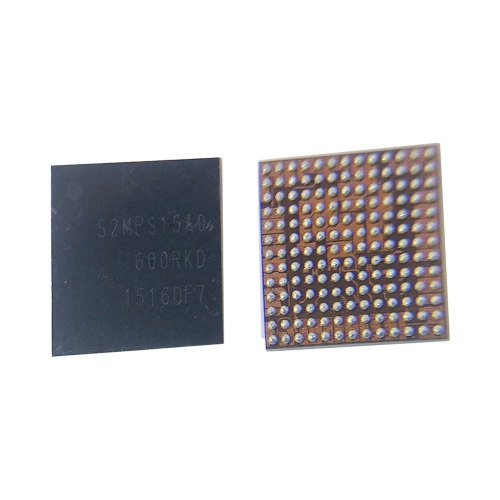
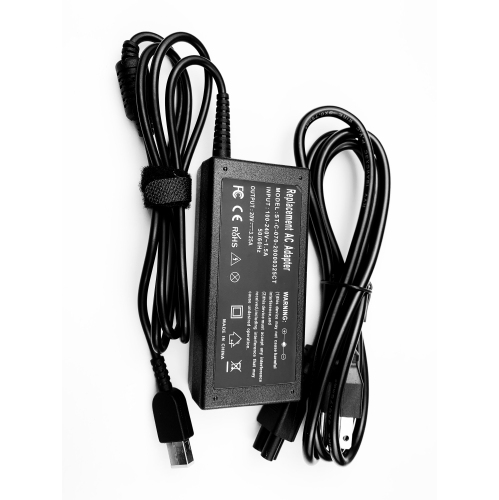
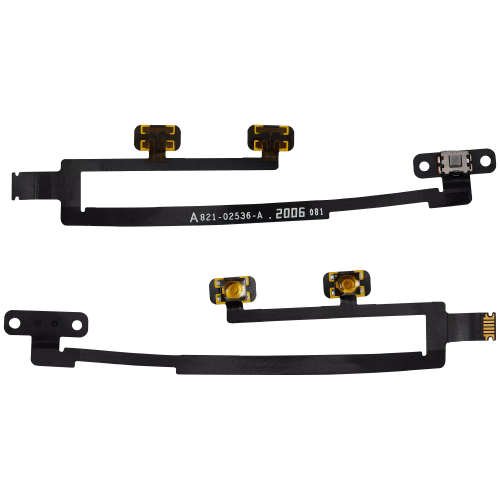
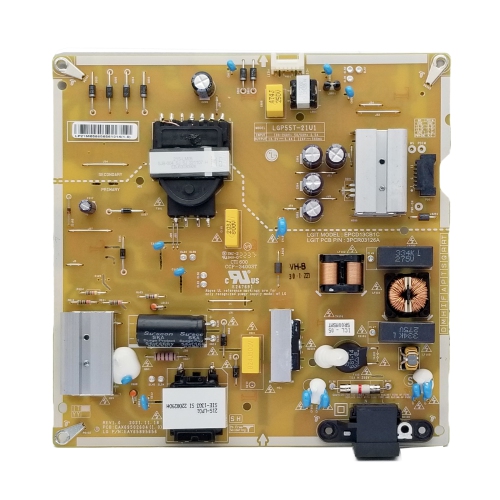
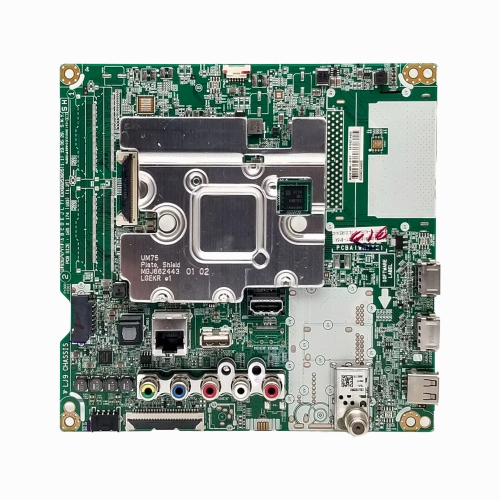
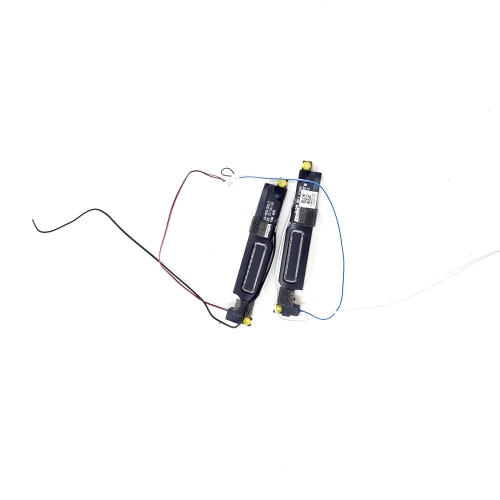
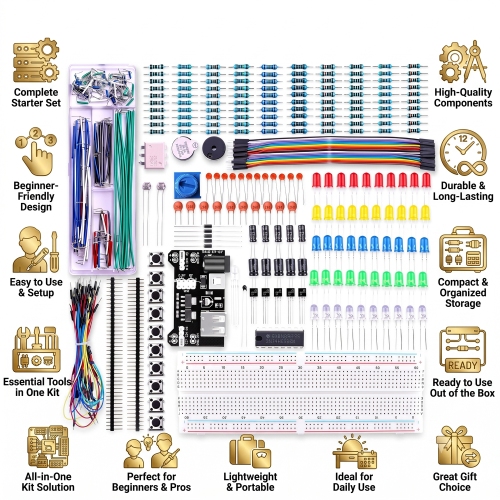
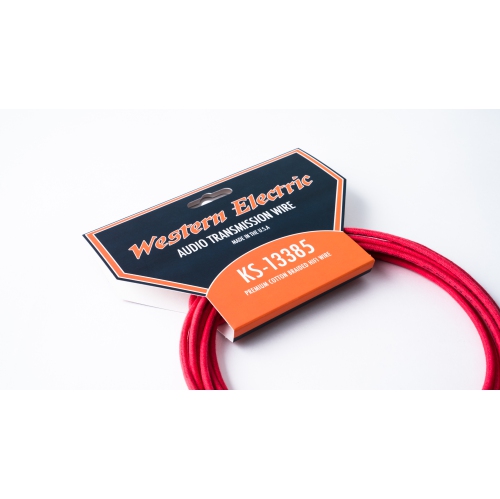
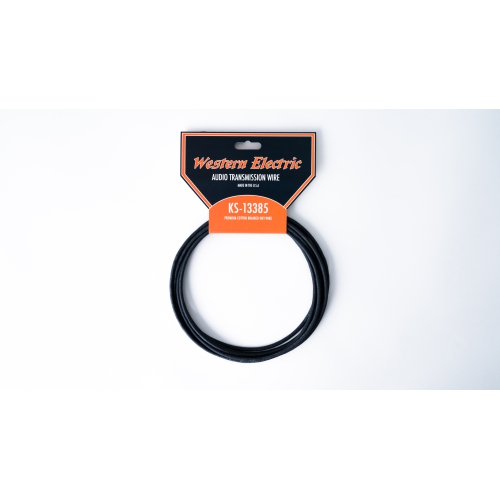
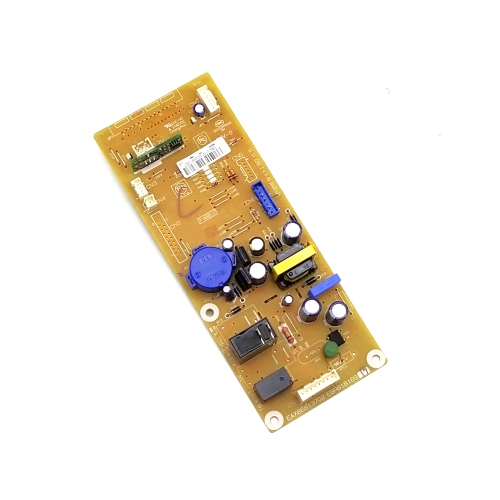
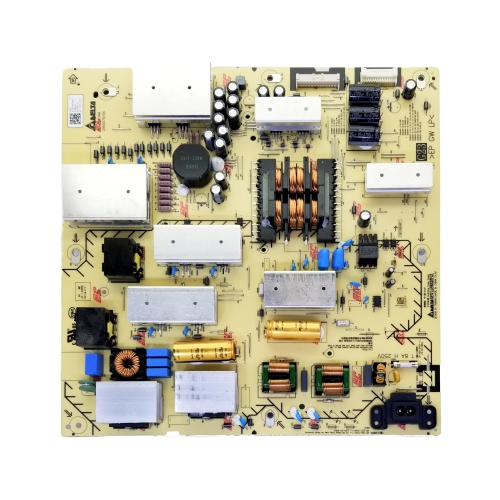
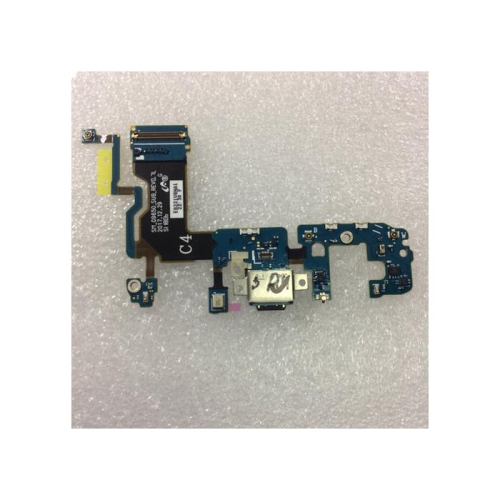
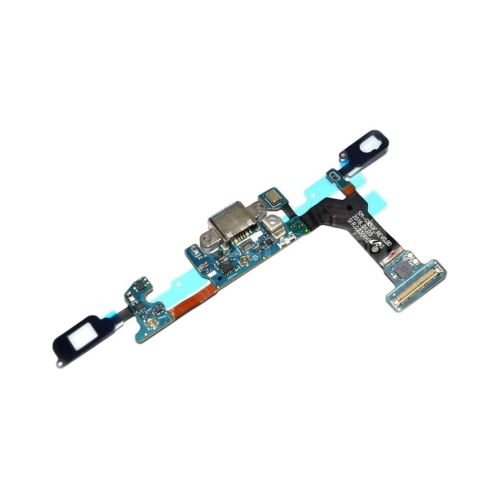
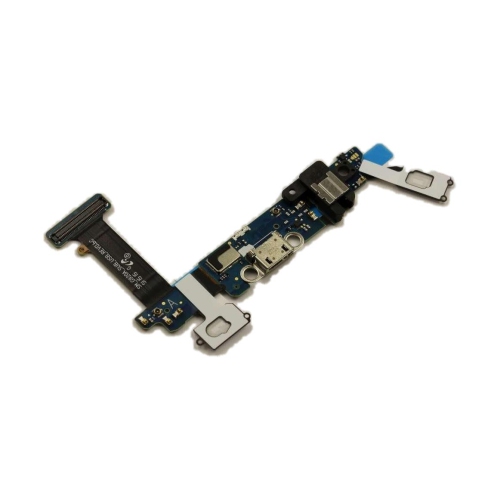
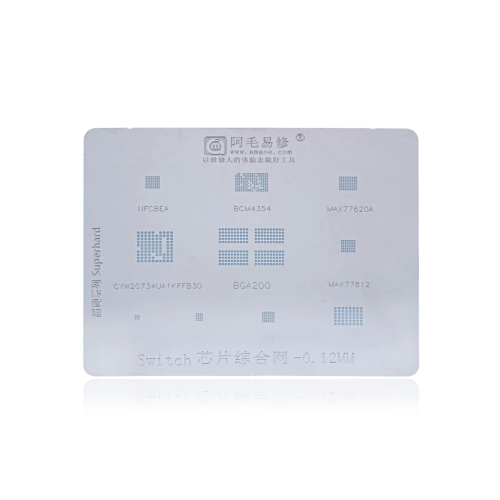
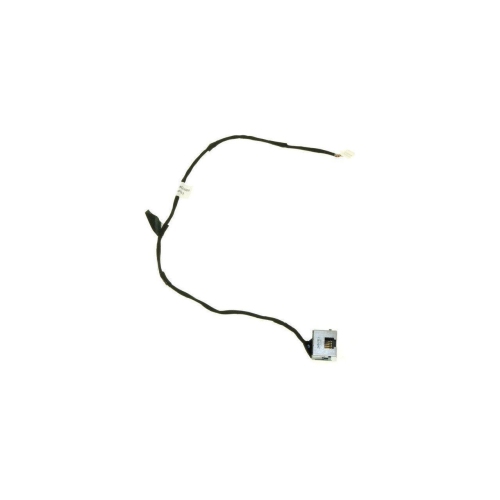
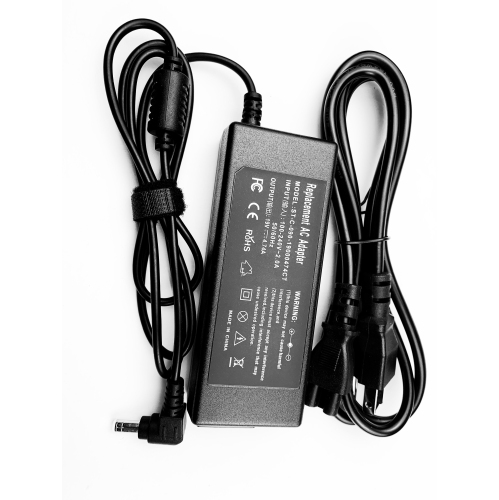
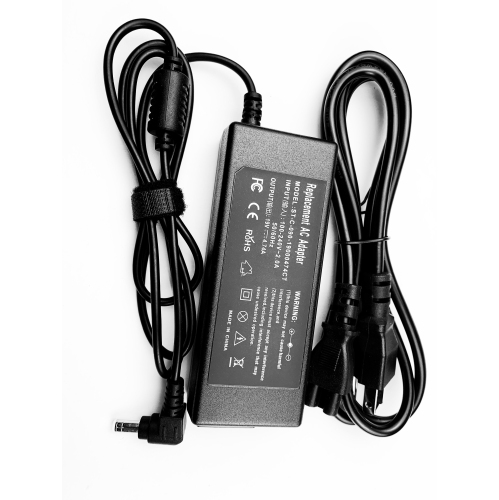
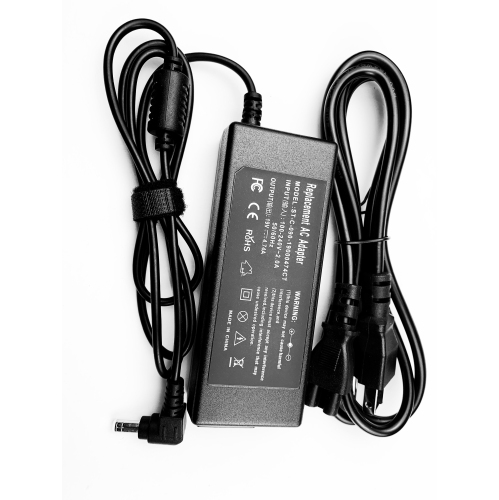
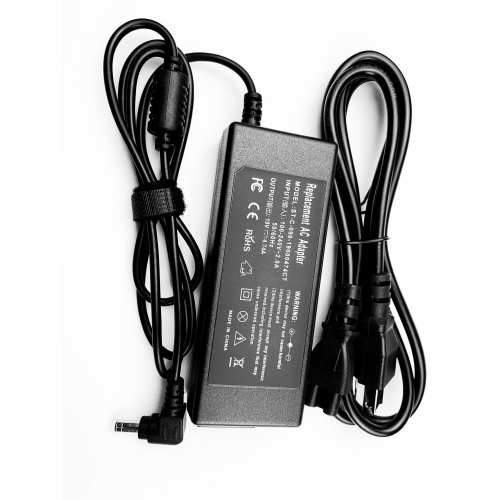
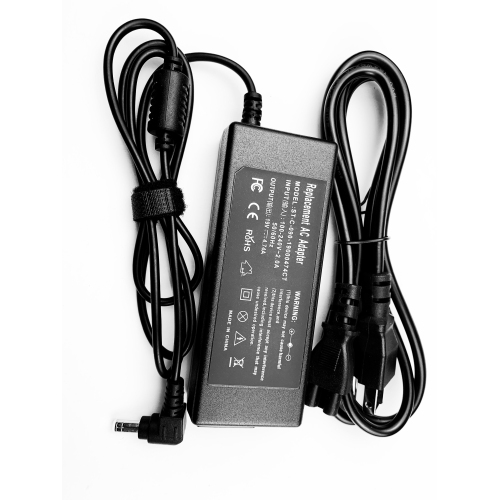
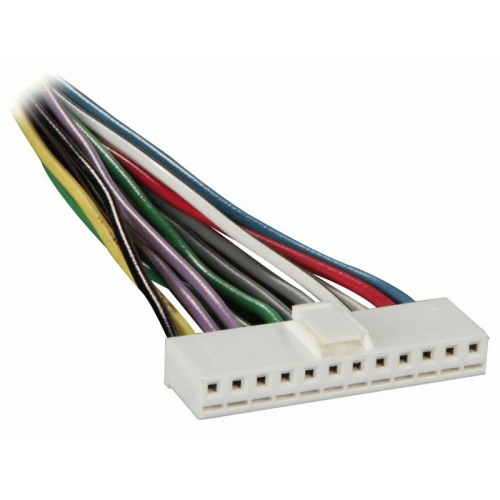
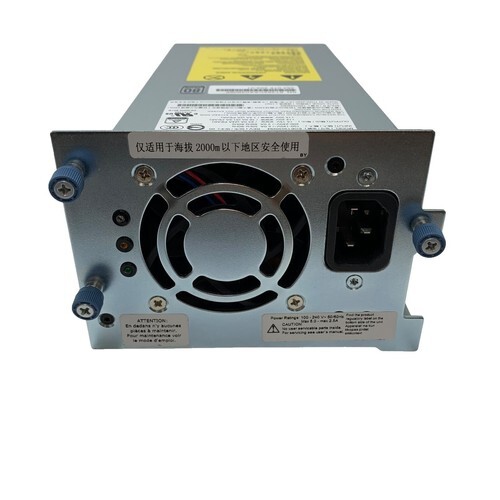
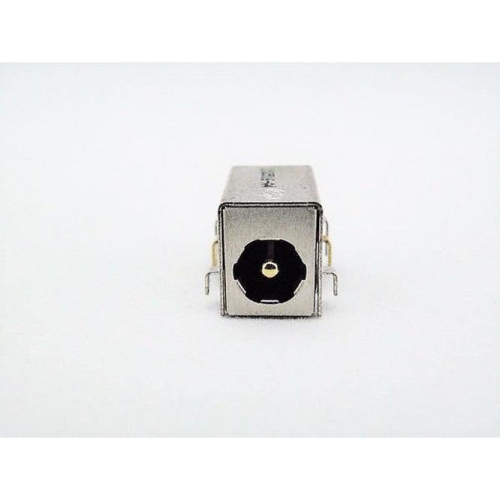
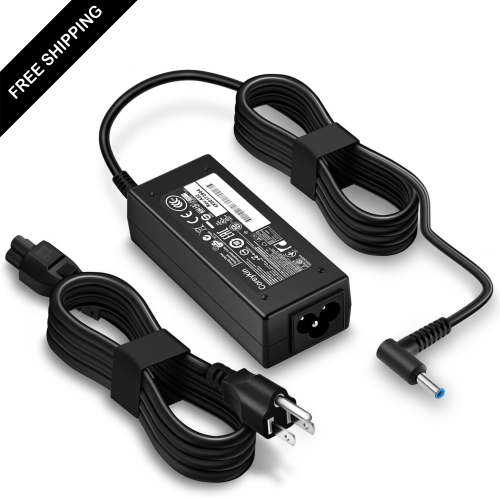
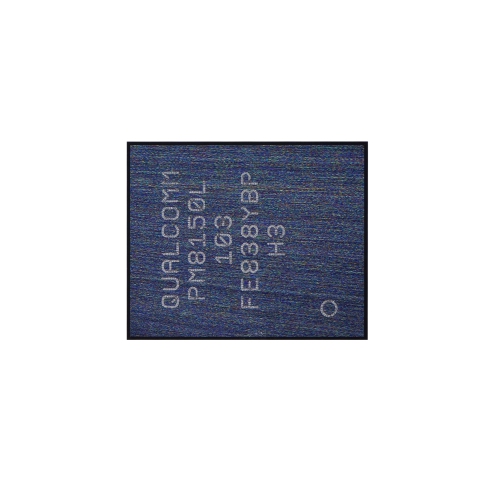
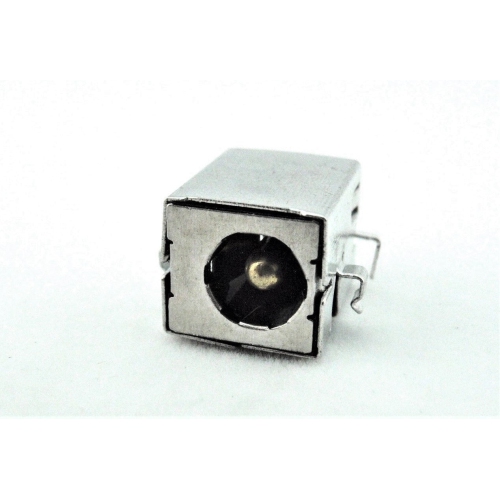
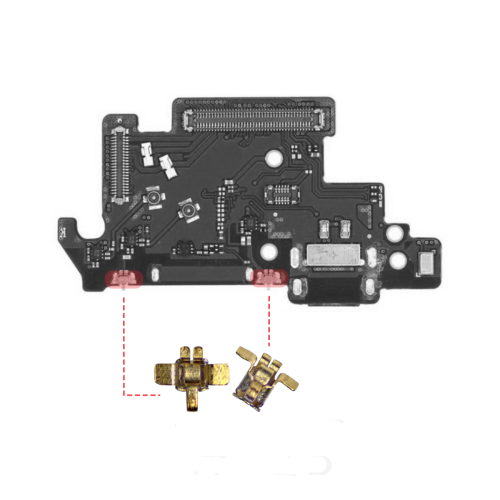
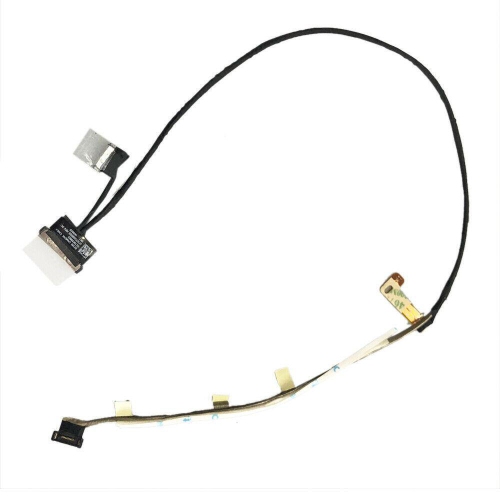
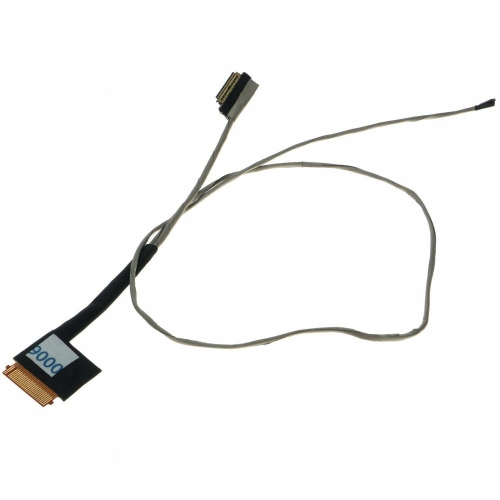
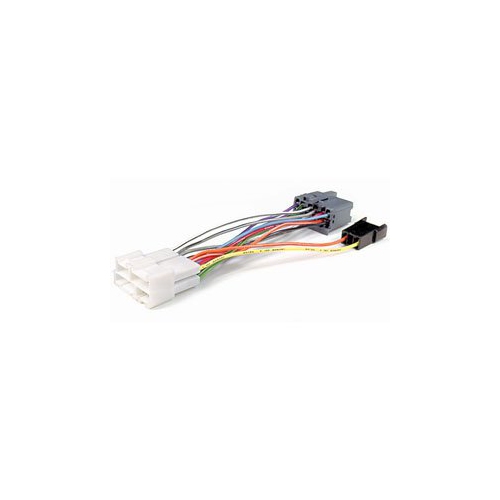
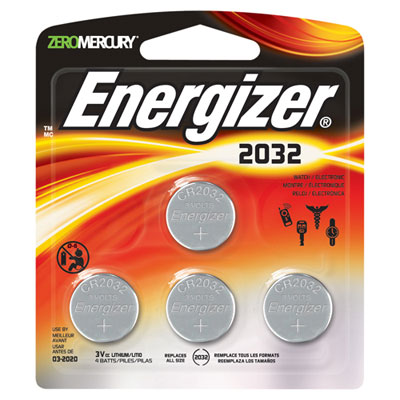
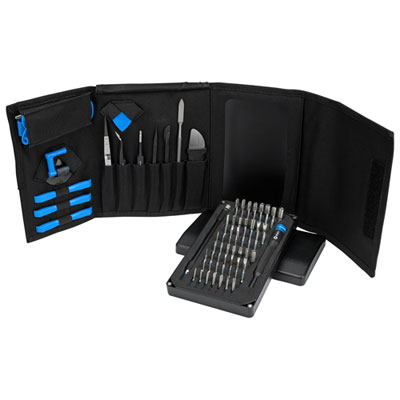
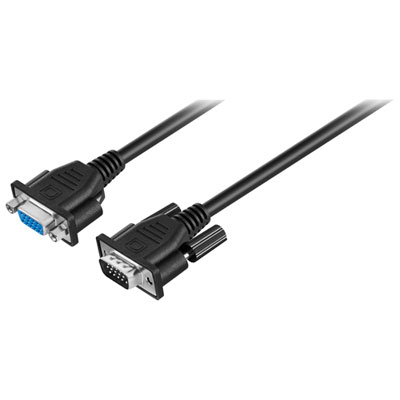
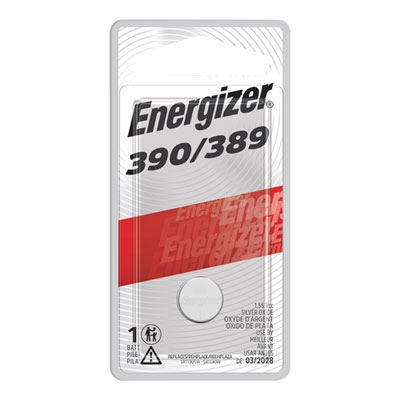
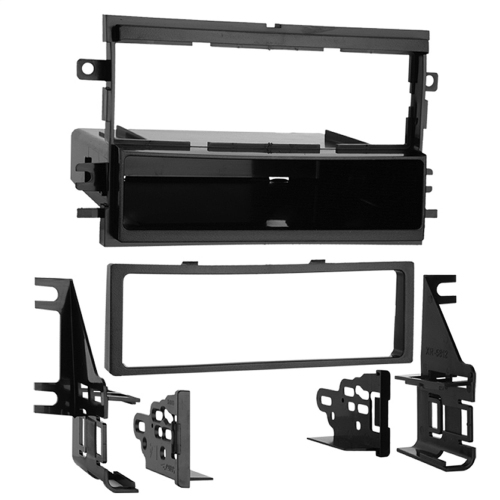
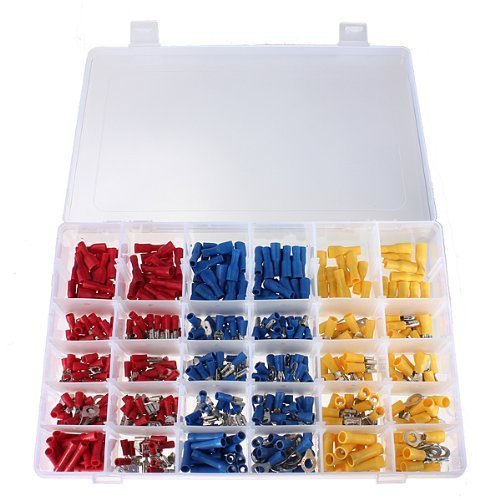
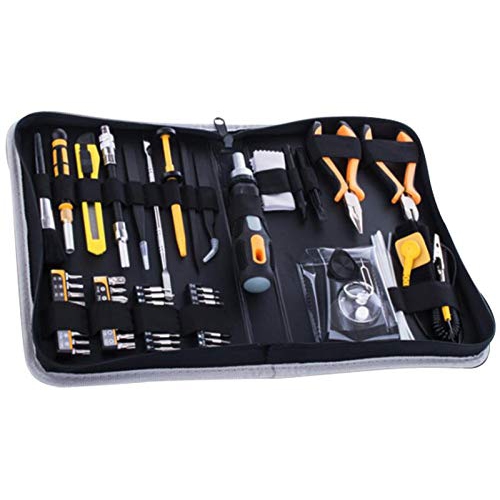
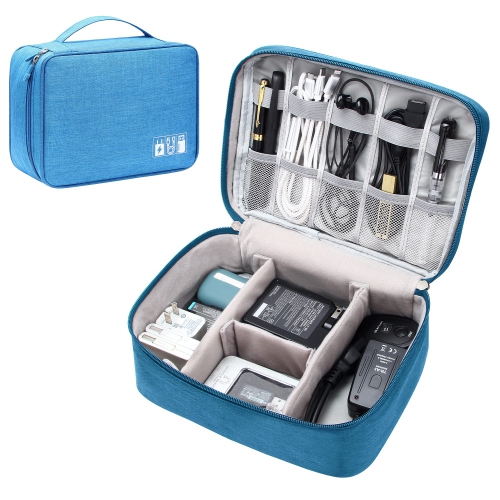
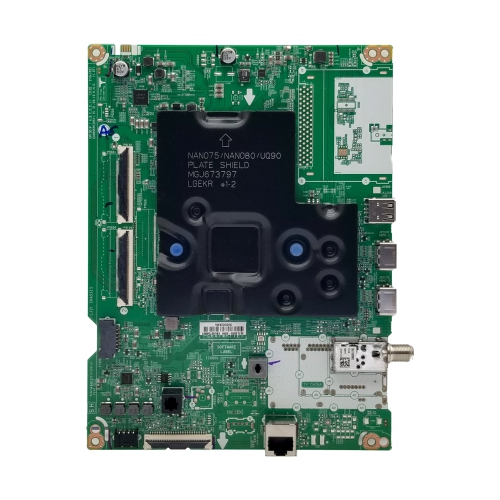
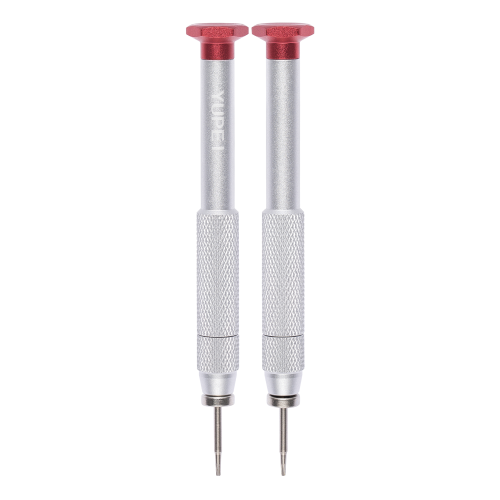
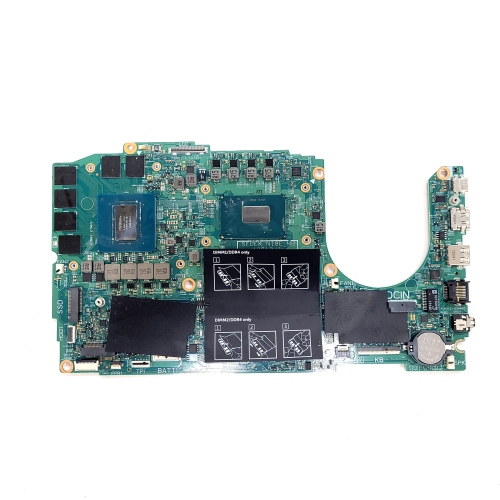
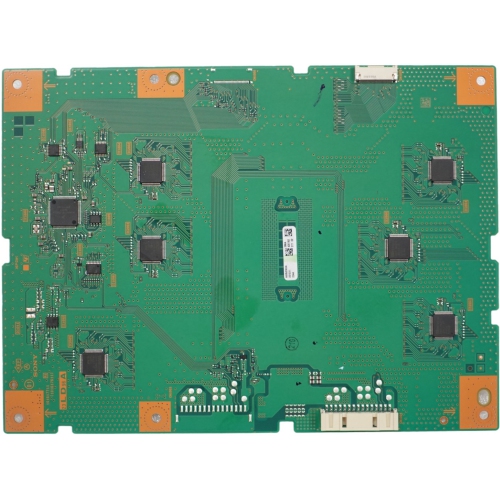
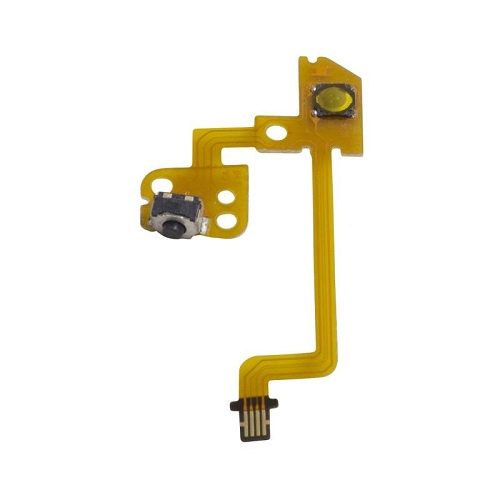
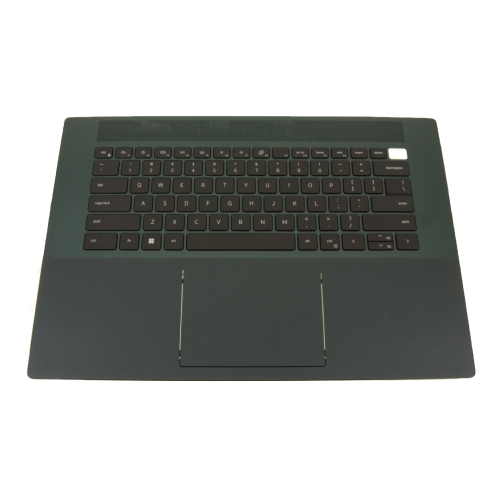
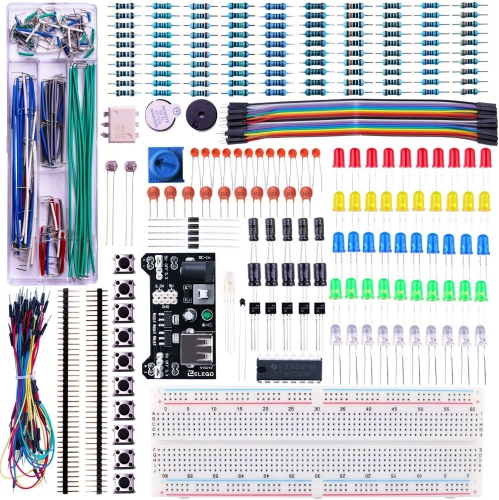
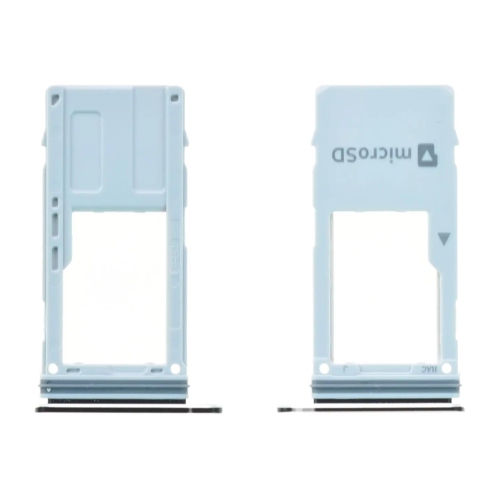
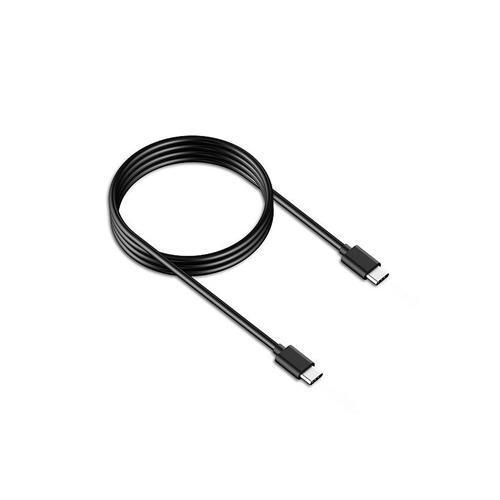
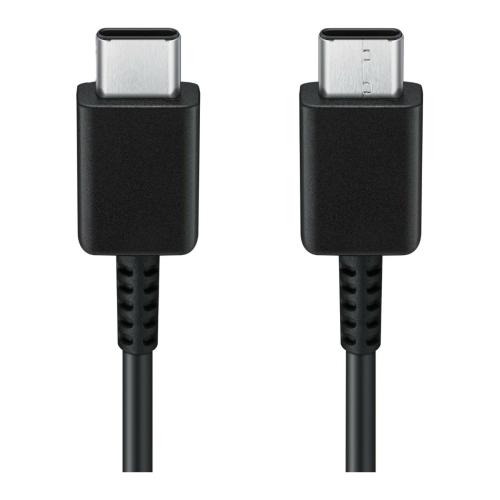
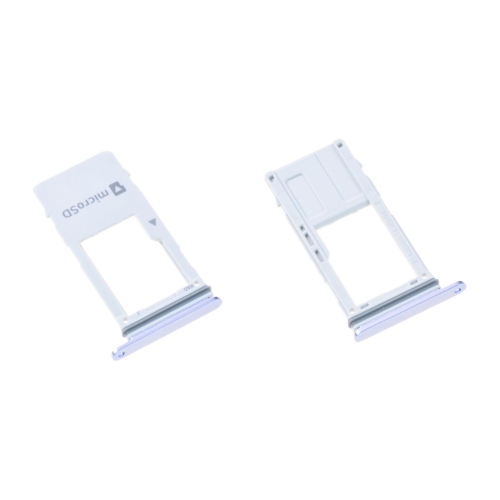
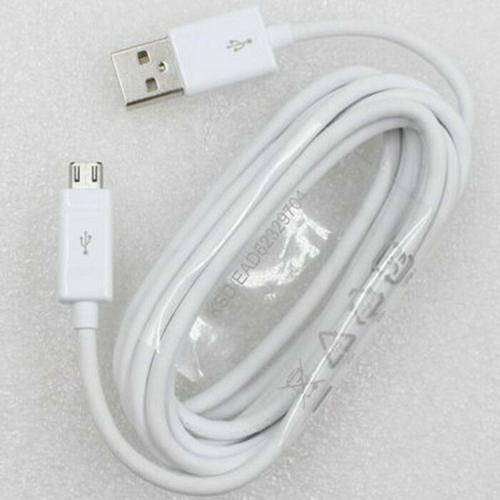
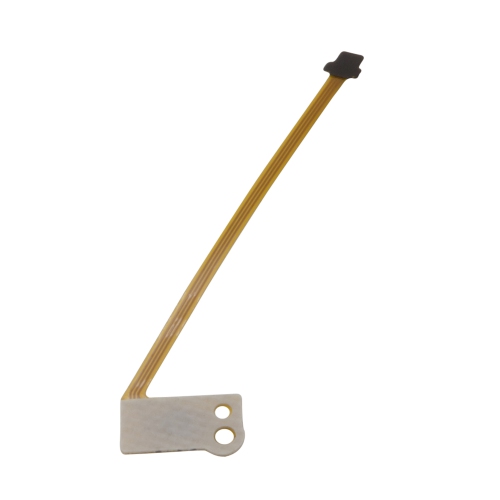
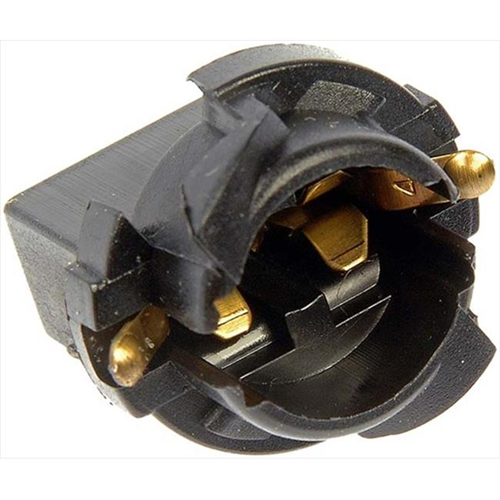
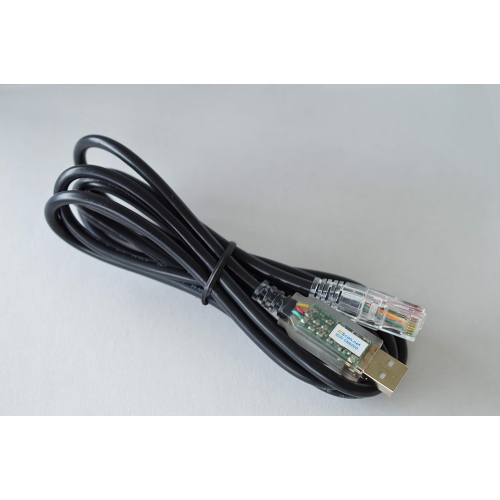
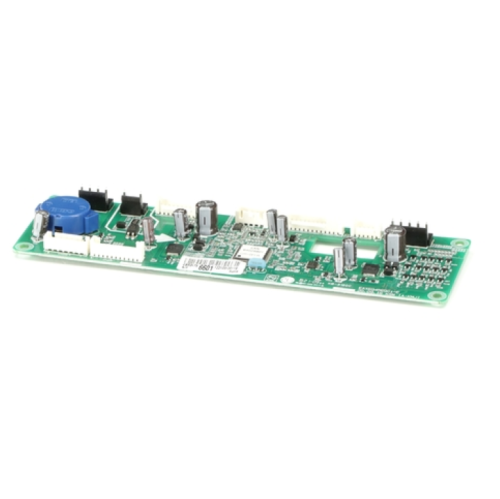
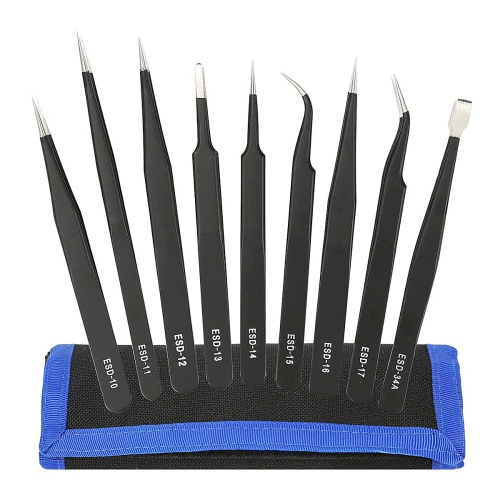
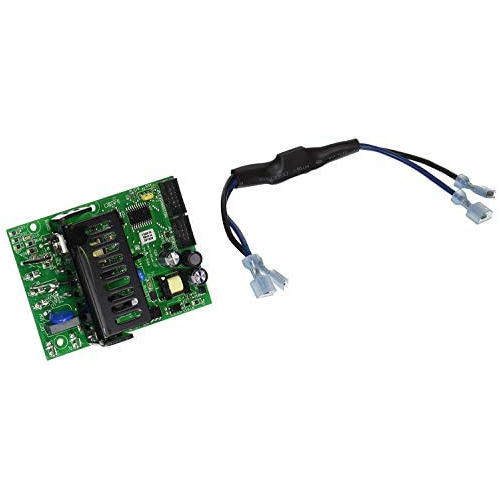
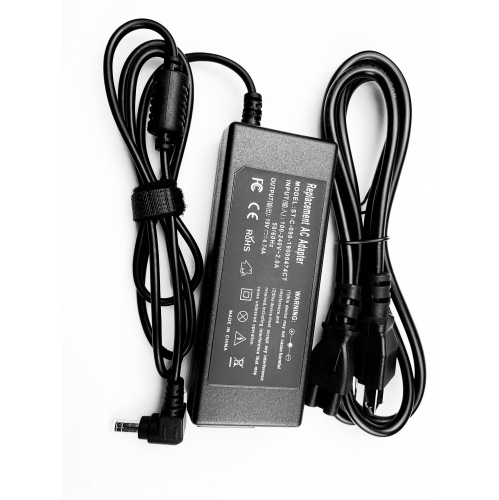
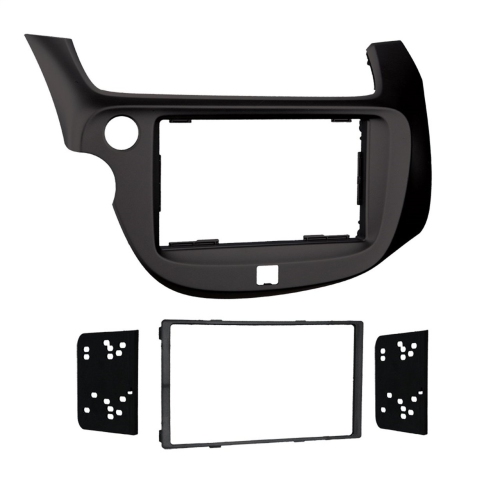
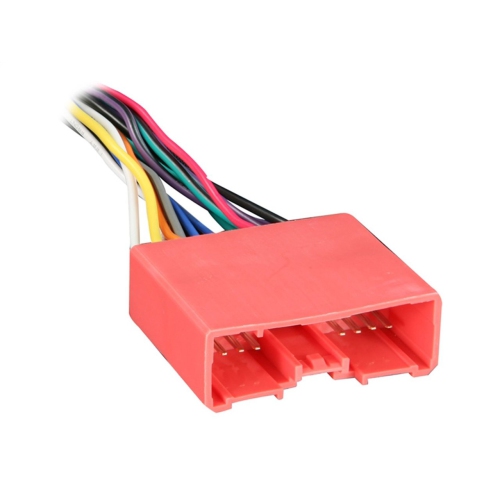
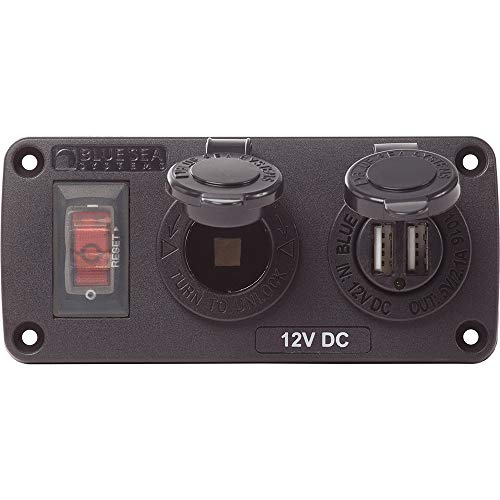
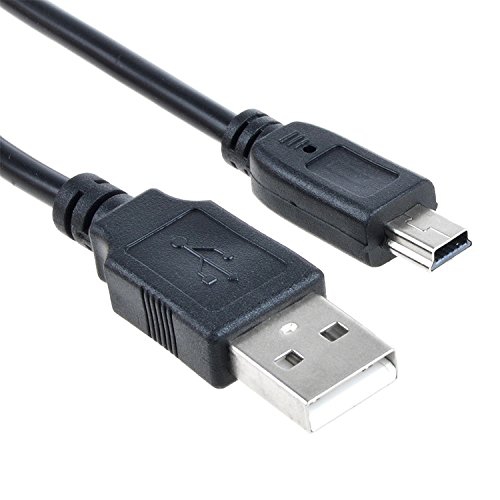
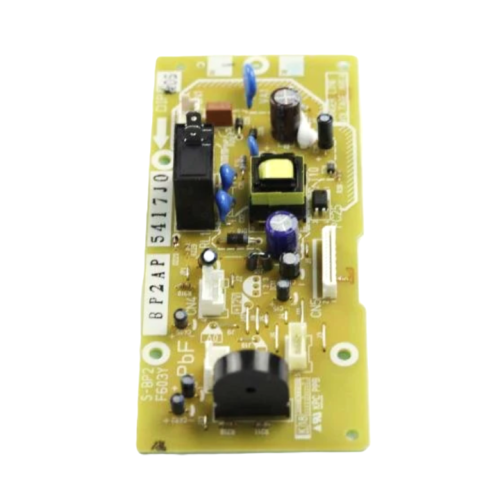
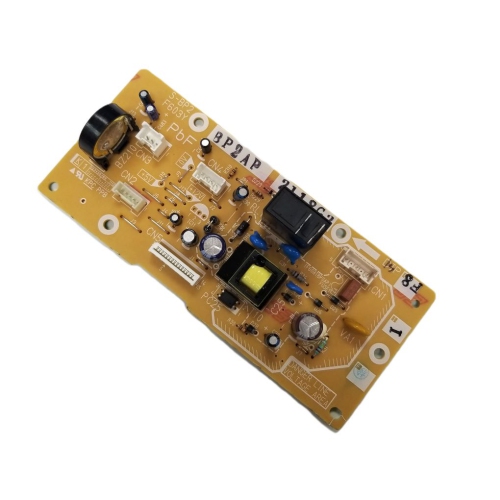
Electronics parts are the individual components, connections, and assemblies that help electronic equipment function. They serve a different purpose from finished devices: a complete device performs a task straight out of its packaging, while a component becomes part of a larger circuit or repair. This category can encompass passive components, semiconductors, connectors, switches, wiring, circuit boards, and mounting hardware, with each type serving a distinct electrical or mechanical role. Resistors limit current or establish voltage relationships, capacitors store electrical charge and help filter signals, and diodes direct current flow. Transistors can switch or amplify electrical signals, while integrated circuits combine multiple functions in a compact package. Connectors and cables carry power or data between sections of a system; switches provide a physical point of control. For a hobbyist working on a small lighting project, a student exploring circuit behaviour, or a technician replacing a worn connection, the right part depends on what the circuit needs rather than appearance alone. Two components may look nearly identical yet have different ratings, connections, or operating characteristics. Electronics parts also differ from general accessories, which usually connect to an existing device without becoming part of its internal circuitry. Shoppers looking for complete equipment rather than components can explore Electronics Devices, while component selection centres on the specifications of a build or repair. A useful distinction within parts is whether they are intended for experimentation, permanent assembly, or replacement work. Temporary connections make it easier to test an idea and adjust a layout, whereas a permanent installation needs secure joints, suitable insulation, and physical support. Replacement work adds another requirement: the new component must satisfy the original design’s electrical and mechanical needs. Understanding these differences helps narrow the category to parts that suit the actual task, whether that means learning how a circuit responds, assembling a low-voltage prototype, or restoring a damaged connection in suitable equipment.
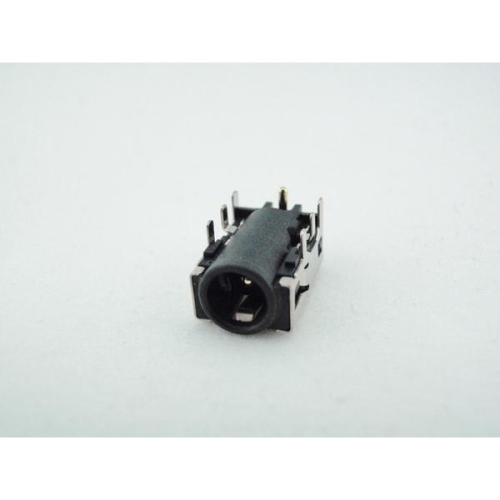
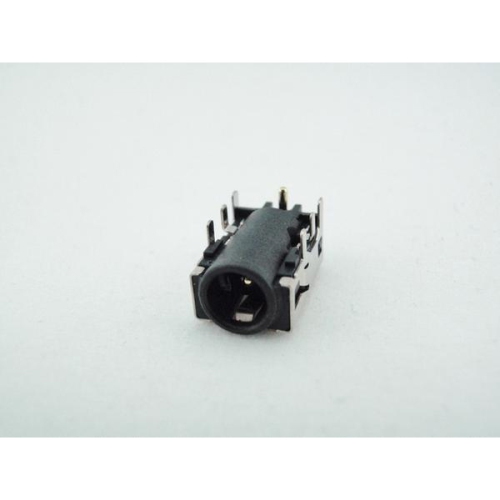
Compatibility is the central consideration when comparing electronic components. Electrical values, voltage and current ratings, polarity, tolerance, and connection layout all affect whether a part will function as intended. A resistor’s resistance value does not describe its power-handling capability, and a capacitor’s capacitance does not establish its allowable voltage or whether its connections have a required polarity. Similarly, matching the shape of a plug does not confirm that its wiring or power characteristics are correct. Manufacturer documentation, circuit diagrams, and markings on the original assembly provide a more dependable basis for comparison than a photograph. Physical fit matters just as much in a compact enclosure. Body dimensions, lead spacing, mounting-hole positions, cable length, and clearance around neighbouring components can determine whether an otherwise suitable part can be installed. Through-hole components have leads that pass through a circuit board, while surface-mount components attach to pads on its surface; these formats require different assembly methods and are not automatically interchangeable. A part that works on an open workbench may also need additional support once it sits inside a housing or connects to a cable that gets moved regularly. Materials influence that fit and durability. Conductive metals carry current, insulating plastics separate contacts, and ceramic or other insulating materials support particular electrical functions. Connector contact plating, wire insulation, and enclosure construction should suit the intended application rather than simply look substantial. For connections that will be unplugged repeatedly, retention features and the manufacturer’s mating-cycle rating can be important. For fixed wiring, appropriate conductor size, strain relief, and secure termination help prevent movement from stressing the electrical joint. Digital components bring further compatibility details, including logic levels, communication protocols, and software support. A module with the expected connector may still need a different supply voltage or signal level. Clear specifications make those distinctions easier to assess before assembly, especially when several parts must work together in one system.
Intended use also shapes how much durability, precision, and ease of handling a project requires. A classroom demonstration benefits from clearly labelled components and connections that can be checked without disturbing the entire circuit. A compact permanent build may place greater emphasis on small dimensions, secure mounting, and access for future servicing. Someone learning to solder may find larger connection points easier to work with than tightly spaced miniature pads, while experienced builders may need a particular package to match an existing board layout. Component assortments can support experimentation when their contents and ratings are clearly identified, but a selection of broadly similar parts is not a substitute for an exact replacement specification. As gifts, electronics parts tend to suit recipients who already enjoy circuit building, technical hobbies, or practical learning; matching their project interests and experience is more useful than choosing by quantity alone. Care and storage help keep small components ready for use. Labelled compartments keep values and package types separated, protect delicate leads from bending, and make it easier to distinguish components whose markings are difficult to read. Moisture, dust, and residue can affect exposed contacts and circuit boards, so handling and cleaning should follow the manufacturer’s directions. Static-sensitive components need appropriate protective packaging and handling practices, and exposed contacts are best kept free of fingerprints. Durable assembly depends on workmanship as well as the component itself: unsupported cables, loose terminals, or excessive force on a small socket can undermine a sound design. Inspection and suitable testing before power is applied can help identify reversed connections, accidental bridges, or unsecured wiring. Safety requirements vary considerably between low-voltage learning projects and equipment connected to household electricity. Disconnecting power does not necessarily remove stored electrical energy, and internal repairs involving mains voltage or high-energy circuits are best left to qualified professionals. For suitable DIY work, parts with documented specifications, appropriate ratings, and a clear role in the circuit provide a stronger foundation than guesswork. The result is a component selection grounded in fit, function, and the demands of the finished assembly.
Compatibility is the central consideration when comparing electronic components. Electrical values, voltage and current ratings, polarity, tolerance, and connection layout all affect whether a part will function as intended. A resistor’s resistance value does not describe its power-handling capability, and a capacitor’s capacitance does not establish its allowable voltage or whether its connections have a required polarity. Similarly, matching the shape of a plug does not confirm that its wiring or power characteristics are correct. Manufacturer documentation, circuit diagrams, and markings on the original assembly provide a more dependable basis for comparison than a photograph. Physical fit matters just as much in a compact enclosure. Body dimensions, lead spacing, mounting-hole positions, cable length, and clearance around neighbouring components can determine whether an otherwise suitable part can be installed. Through-hole components have leads that pass through a circuit board, while surface-mount components attach to pads on its surface; these formats require different assembly methods and are not automatically interchangeable. A part that works on an open workbench may also need additional support once it sits inside a housing or connects to a cable that gets moved regularly. Materials influence that fit and durability. Conductive metals carry current, insulating plastics separate contacts, and ceramic or other insulating materials support particular electrical functions. Connector contact plating, wire insulation, and enclosure construction should suit the intended application rather than simply look substantial. For connections that will be unplugged repeatedly, retention features and the manufacturer’s mating-cycle rating can be important. For fixed wiring, appropriate conductor size, strain relief, and secure termination help prevent movement from stressing the electrical joint. Digital components bring further compatibility details, including logic levels, communication protocols, and software support. A module with the expected connector may still need a different supply voltage or signal level. Clear specifications make those distinctions easier to assess before assembly, especially when several parts must work together in one system.
Intended use also shapes how much durability, precision, and ease of handling a project requires. A classroom demonstration benefits from clearly labelled components and connections that can be checked without disturbing the entire circuit. A compact permanent build may place greater emphasis on small dimensions, secure mounting, and access for future servicing. Someone learning to solder may find larger connection points easier to work with than tightly spaced miniature pads, while experienced builders may need a particular package to match an existing board layout. Component assortments can support experimentation when their contents and ratings are clearly identified, but a selection of broadly similar parts is not a substitute for an exact replacement specification. As gifts, electronics parts tend to suit recipients who already enjoy circuit building, technical hobbies, or practical learning; matching their project interests and experience is more useful than choosing by quantity alone. Care and storage help keep small components ready for use. Labelled compartments keep values and package types separated, protect delicate leads from bending, and make it easier to distinguish components whose markings are difficult to read. Moisture, dust, and residue can affect exposed contacts and circuit boards, so handling and cleaning should follow the manufacturer’s directions. Static-sensitive components need appropriate protective packaging and handling practices, and exposed contacts are best kept free of fingerprints. Durable assembly depends on workmanship as well as the component itself: unsupported cables, loose terminals, or excessive force on a small socket can undermine a sound design. Inspection and suitable testing before power is applied can help identify reversed connections, accidental bridges, or unsecured wiring. Safety requirements vary considerably between low-voltage learning projects and equipment connected to household electricity. Disconnecting power does not necessarily remove stored electrical energy, and internal repairs involving mains voltage or high-energy circuits are best left to qualified professionals. For suitable DIY work, parts with documented specifications, appropriate ratings, and a clear role in the circuit provide a stronger foundation than guesswork. The result is a component selection grounded in fit, function, and the demands of the finished assembly.
Top selling and popular products
-
 Your price for this item is $59.99
 -
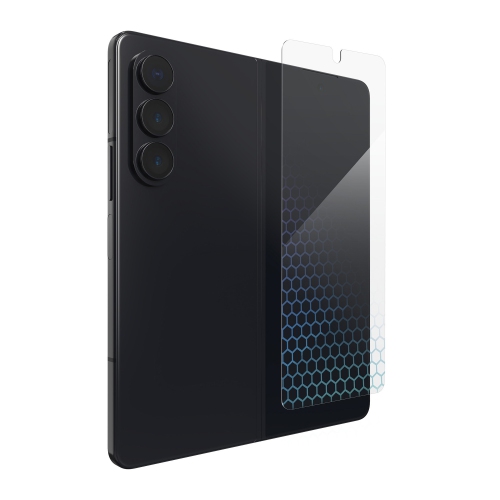 Your price for this item is $59.99
 -
 Your price for this item is $89.99
 -
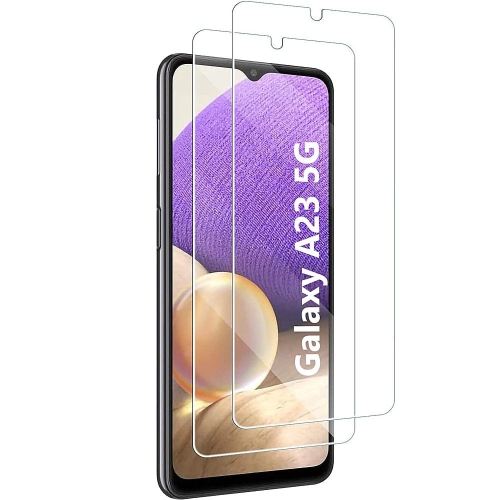 Your price for this item is $52
 -
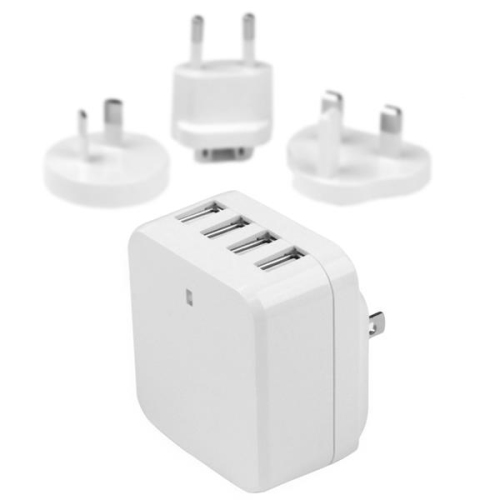 Your price for this item is $49.99
 -
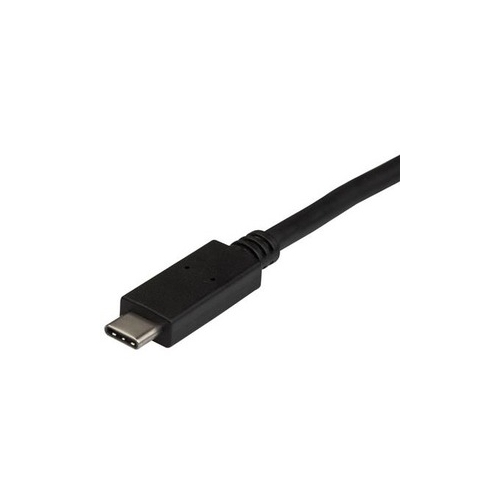 Your price for this item is $14.68
 -
 Your price for this item is $52.49
 -
 Your price for this item is $16.79
Discover more categories related to Electronics Parts

Top Collections:
Pokemon Centers, Kindle Devices, Best Budget Office Chairs, Apple iPhones 16, Best Laptops for Writers, iPhone 15 Apple, Canon G7X Cameras, Refurbished Apple Laptops, Alarm Clock, Motorola Razr Phones
Some products may be subject to Environmental Handling Fees
(EHF) depending on your province.
Learn more about EHFs.